Transforming Lives Through Innovation - Impact Report 2020-21 - Part of - YHAHSN
←
→
Page content transcription
If your browser does not render page correctly, please read the page content below

Transforming Lives
    Through Innovation
    Impact Report 2020-21

Part of
Introduction
Our health and care system has undergone a
dramatic and rapid transformation since the
COVID-19 pandemic took hold in early 2020. The
healthcare sector responded at pace, with some
services being transformed more in the last 12
months than in the last decade. At the Yorkshire &
Humber Academic Health Science Network (AHSN),
we quickly refocused our activity to support the
NHS response to COVID-19, at a national, regional
and local level.

This 2020-21 Impact Report provides an overview
of how, through our ability to be agile and flexible,
we were able to realign our work and resources
and adapt our offer so that we could contribute to,
support and in some instances, lead activity as part
of the pandemic response.
During the first wave of COVID-19, we        patients and supported their response to
designed and implemented a rapid insights    the pandemic. What we learned from this
programme to quickly identify and evaluate   work went on to form the basis for a series
the innovative pathway transformations       of recommendations which will help the
which were being implemented as a            health and care system identify changes
response to the pandemic. Working closely    and innovations that will continue to be of
with our colleagues and partners across      benefit in the future and should be retained.
the North East and Yorkshire we considered   We published our Rapid Insights reports in
the evidence that emerged from more than     which we highlighted how the pandemic has
470 contributors from every part of the      shown us that greater devolved leadership;
healthcare system.                           effective collaboration with all stakeholders
This rapid response work allowed us to       to develop solutions; a mindset shift for
provide real-time feedback to our health     patients and clinicians who have now
system partners on the innovations that      experienced a new way of delivering care;
were having a positive benefit upon          and an understanding of the local, societal

2   Transforming Lives Through Innovation

context, are all critical factors to creating   keep people out of hospital and reduce the
the cultural transformation we need to          burden on frontline staff, for example;
achieve sustained and effective change in       - O
                                                   ur work to support the rollout of COVID
how care is delivered and received in our         Oximetry @Home saw an estimated 1,500
region.                                           patients being able to self-monitor their
Beyond the Yorkshire and Humber region,           COVID symptoms with pulse oximeters
we played a leading role in the AHSN              and detect early signs of deterioration
Network’s national Health and Care Reset          with support from primary care.
campaign. Our objective was to bring            - T
                                                   hrough our work with NHSX, 14
together all of the insights and examples of      organisations in our region are being
best practice identified across the national      supported to pilot Tytocare, a handheld
Network and we will soon publish a report         medical device that enables patients
that identifies nine key themes and makes a       and their carers to self-test for a range
series of recommendations that we believe         of acute conditions as well as monitor
will be pivotal to realising the vision for a     chronic conditions.
more innovative and equitable health and
care system.                                    - Our collaboration with Humber, Coast
                                                   and Vale Health and Care Partnership to
Complimentary to this work was our                 introduce HN’s service to the region, will
collaboration with NHS Confederation and           help up to 1,000 patients manage their
The Health Foundation to support the               long-term health conditions through a
‘Best Practice and Innovation’ theme of the        clinical coaching tool that uses artificial
national NHS Reset campaign. We focused            intelligence to help reduce the need for
on how the health and care sector can              unnecessary hospital admissions.
work with staff, patients and the public to
understand, translate and adapt the best        - More than 1,100 women have safely
COVID-19-related innovations and initiatives       been discharged from hospital thanks to
into everyday practice. Our own regional           our spreading of the Placental Growth
findings around how the speed and scale            Factor test across seven hospital trusts
at which innovation was adopted was led            in the region which helps to eliminate
by frontline staff and empowered by a              the risk of poor prediction of pre-
changed leadership culture made a valuable         eclampsia in pregnant women and
contribution to both of these national             reduces unnecessary hospital admissions
campaigns.                                         for women who will not develop the
                                                   condition.
As well as conducting insightful research, we
are extremely proud to have been able to      - Over 1,200 people with diabetes
support the three Integrated Care Systems        have been given the opportunity to
in our region with their COVID-19 response,      complete urine tests at home thanks
leveraged an additional £5.3m of investment      to our partnership with Healthy.io who
into our region over the last year, and          have designed a special testing kit and
worked with more than 350 companies              smartphone app for patients to monitor
to help them bring their innovations into        their own kidney health.
Yorkshire and the Humber.                     While these innovations are already
Much of our work has focused on helping to improving the lives of people in our region,
we have also recognised that the impact of      both the pandemic and the Black Lives
COVID-19 goes beyond people’s health, as        Matter movement has further emphasised
increased unemployment and inequalities         the importance and urgency of our work
in health and wealth have been brought          in this area and we have been active in
into sharp focus. This has only increased       collaborating with our partner organisations
the importance of our YHealth for Growth        across the region to help them think about
campaign, which we launched back in 2019        and address the issues connected with this
with our partners at the NHS Confederation      agenda.
and Yorkshire Universities. Our aim is to       This Impact Report provides further detail
promote better understanding of the             on our successes in what has been an
intrinsic link between health and wealth        incredible and challenging year. All that we
as well as raising awareness of the health      have achieved would not have been possible
inequalities in our region.                     without the support of our partners and
In July, as part of this campaign, we           stakeholders and of course the resilience,
published our ‘Levelling Up Yorkshire and       dedication and diligence of our staff. Thank
Humber’ report in which we highlighted          you.
health inequalities in our region and across
the North of England compared to the
rest of the country. As a result, we have
made a series of recommendations aimed          Richard Stubbs,
at local and national leaders, for example,     Chief Executive Officer
recognising the role of joint working in
tackling health inequalities and the need
for health and wellbeing to be a key
consideration in all economic decision-
making.
These recommendations have contributed
to a positioning paper on the Levelling Up
agenda, published by the House of Lords’
Public Service Committee, after we were
invited to a Lords’ evidence session to
present our report’s findings. The paper has
been sent to the Prime Minister and calls for
‘better targeted’ plans that protect health,
education and skills in more deprived areas
of the country.
Ultimately, we want to create an equitable                   Professor William Pope,
and fair society, with all members of our                                      Chair
communities living a healthy and prosperous
life.
In 2019 we led the development of a set of
pledges that define our role in championing
and developing diversity within our health
innovation pipeline. These pledges have now
been rolled out across the AHSN Network.
Over the last 12 months the fallout from
© Welcome to Yorkshire

Impact Report 2020-21   5

Contents
     Securing new investment for
 2   our region

     How COVID has changed our health
     and care system
 4   Kathy Scott, Deputy Chief Executive

     Caring for COVID patients at home
     Melanie Johnson, Programme Manager,
 8   Patient Safety Collaborative

     Protecting our healthcare workers
     with a constant supply of PPE
12   Barbara Conneely, Programme Lead

     Digital innovation to protect the
     vulnerable
16   Kate Lodge, Programme Lead

          Virtual Wards
          Digital Care Homes

     Connecting the NHS with industry
     innovators
22   Dr Neville Young,
     Director of Enterprise and Innovation

     From an idea to a social business: an
     innovator’s story
26   Darren Crombie, Founder of Bridgit Care

     Turbo-charging digital health innovation
     Helen Hoyland, Programme Lead
28
     How Propel@YH has shaped my journey
     Craig Chaytor, Founder of I.M.M.E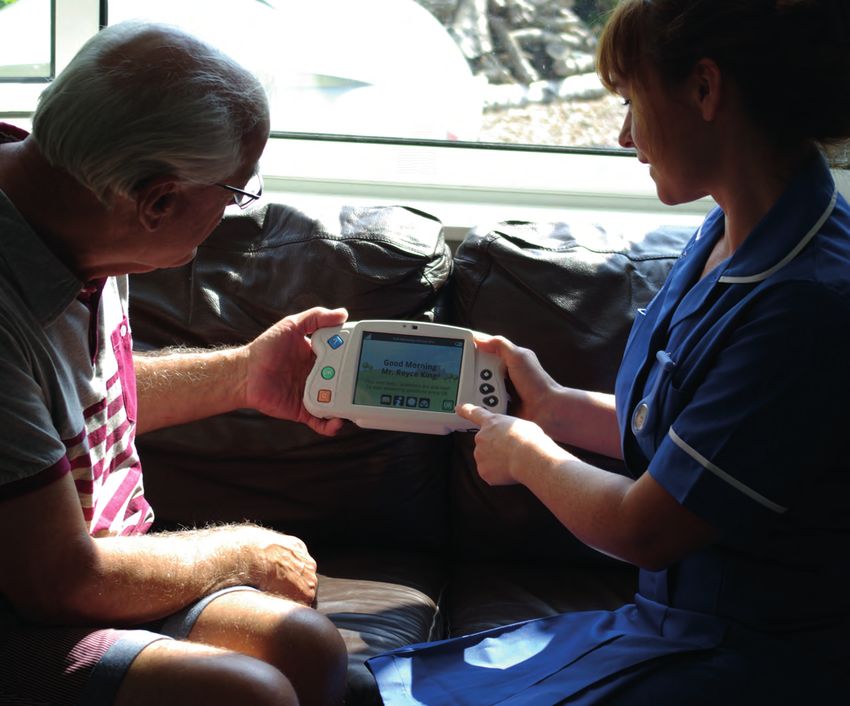
Smartphone self-care for people with
     diabetes
32   Katherine Ward, Chief Commercial Officer and UK/
     Europe Managing Director for Healthy.io

     Spreading proven innovations across
     the region
36   Stephanie Potts, Programme Lead

     Protecting patients with chronic
     kidney disease
40   Sophie Bates, Programme Manager

     Supporting the South Yorkshire and
     Bassetlaw Integrated Care System
44   through COVID-19
     Aejaz Zahid, Innovation Hub Director

     Ensuring patients and the public get to
     shape healthcare
48   Graham Prestwich,
     Public and Patient Involvement Lead

     Improving the assessment process
     for ADHD
52   Mark Dines-Allen, Programme Manager

     Driving economic renewal and
     social inclusion
54   Richard Stubbs, Chief Executive Officer

     The year ahead
58   Kathy Scott, Deputy Chief Executive
Securing new investment
                                                                                                                      for our region
                                                   Joined Up Care licences
                                                    and devices for digital
                                                     care homes across                                                         Over the last 12 months we
      Supporting the adoption of                         the region
      Healthy.io in West Yorkshire                    £109k from NHSX
                                                                                                                              have led and supported bids
       and Harrogate Health and                    (see page 20 for the full story)                                         for funding that have resulted
           Care Partnership                                                            Joined Up Care licences            in over £5.3m of new healthcare
           £145k from NHSX                                                             and devices for complex                 investment coming into our
                                                                                         care virtual wards in
        (see page 32 for the full story)
                                                                                          Humber Coast and
                                                                                                                          region. Here are just a selection
                                                                                         Vale Health and Care                 of the projects we have won
                                                    Joined Up Care licences
                                                        and devices for                      Partnership                              funding for this year.
                                                    paediatric virtual wards               £960k from NHSX
               Pathway Transformation                  across the region
                                                                                       (see page 17 for the full story)
               Fund to deploy Urolift at               £300k from NHSX
              Leeds Teaching Hospitals              (see page 19 for the full story)
                        Trust
              £33k from the Accelerated                                                    Invention 4 Innovation
                 Access Collaborative                                                        grant for adaptive
                                                                                            patterned electrical
                                                    Grant to develop Artificial           stimulation for Sheffield
                                                 Intelligence support for multiple         Teaching Hospital NHS
                      Invention 4 Innovation      long-term conditions (phase 1)              Foundation Trust
                   grant to develop a diabetes        for South Yorkshire and             £1.1m from the NIHR’s i4i
                       chatbot for Sheffield           Bassetlaw ICS and the                    programme
                        Children’s Hospital            University of Sheffield
                    £780k from the NIHR’s i4i             £150k from NIHR
                            programme

2   Transforming Lives Through Innovation
How COVID has changed our

                                                                                          © Welcome to Yorkshire
health and care system

Our Deputy Chief Executive Kathy Scott reflects on
what we have learned from the work we have done
to capture and evaluate the service transformations,
digital solutions and behavioural changes adopted by
health and care organisations across the North East
and Yorkshire in response to the challenges posed by
COVID-19.

                                            Some of the changes implemented as
                                            an immediate response to COVID-19 to
                                            protect patients and staff have permanently
                                            transformed the way health and care
                                            services are going to be delivered in the
                                            future. Whilst the pandemic has brought
                                            about enormous challenges, we have also
                                            seen positive service transformation and
                                            new ways of working that can be a benefit
                                            to the whole health and care system.
Kathy Scott,
                                            However, there is a risk that once the
Deputy Chief Executive                      operational impact of the pandemic has
                                            diminished, much of this progress will be
                                            forgotten about. That is why it has been

4   Transforming Lives Through Innovation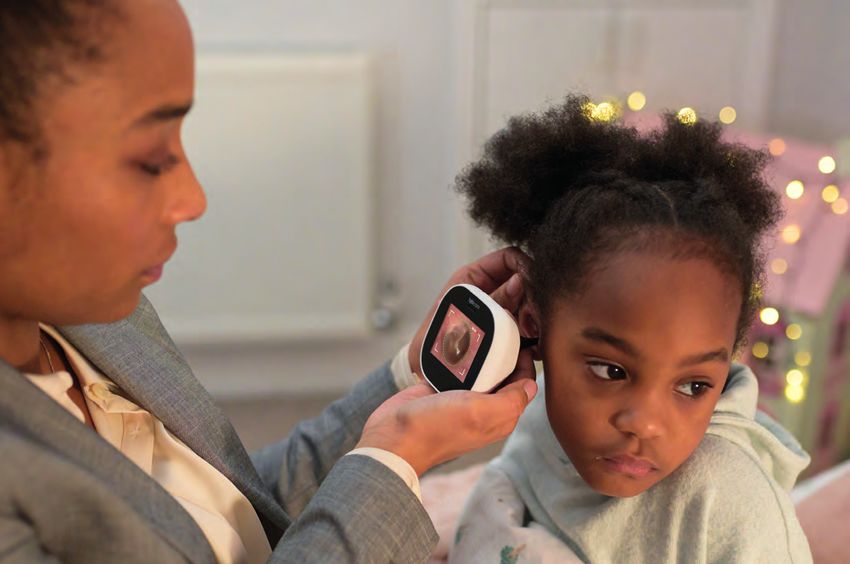
“  Yorkshire & Humber AHSN colleagues have added
              immense value to our rapid insights learning and
                   innovation work. From design and start-up,
        through to data capture, engagement and compilation
         of case studies, we have benefitted from the thought
                 diversity, creativity and rigour of approaches
                                      and experience provided.”
                                                        Jo Farn,
    Programme Director for Systems & Leadership Development,
    West Yorkshire and Harrogate Health and Care Partnership

essential for us to work with our partners
in local health and care systems to spend
time thinking about what the future should

                                                    54
look like using data and evidence from our
work throughout the pandemic as the key
driver for our conclusions. We focused on
                                                   hours of
identifying which pre-pandemic operating
practices we should revert to and which           interviews
we should retain once the immediate
pressures of the pandemic subside. We
have also identified the new innovations

                                                                  34
and changes to working practices adopted
during the pandemic that have the potential
to positively shape our health and care
services as we move forward.                                      cases
                                                                  studies
Working in close collaboration with our
colleagues at North East and North Cumbria
(NENC) AHSN as well as our partners from            47
                                                  facilitated
the four Integrated Care Systems (ICS)
across the North East and Yorkshire region,     discussions and
we have considered the evidence that has           workshops
emerged from more than 470 contributions
to capture the learning that will help inform
future plans.
Our work resulted in the publication of
research-led Rapid Insights reports to
capture the significant changes that were
possible through digital innovation, the
reconfiguring of services and enhanced
partnership collaboration.
                                                                 509
                                                                responses
We considered and evaluated the evidence
that emerged from contributions made by a
huge range of stakeholders including CEOs,

                                                         Impact Report 2020-21   5
directors, managers, doctors, nurses, clinical • Demand and Capacity Management
staff and non-clinical staff across a variety Increased demand and pressure on
of organisations including Trusts, local services from the rising backlog, waiting
government, ICSs, care homes and the third lists, long-term COVID cases, mean we
sector. need to proactively think about how this
Patients and the public also contributed will be managed.
to this research and we gathered • Digital and Technology
feedback from 76 public engagement
organisations and patient advocate groups. Embracing, evaluating and encouraging
We conducted 54 hours of dedicated the use of technology to be more efficient
interviews and 47 facilitated discussions and and try to become ‘pandemic proof’.
workshops to create 34 case studies. We Ensuring organisations are equipped to
also received 509 responses to our Digital deliver in this way, but also checking that
Primary Care survey. The methodology patients are able to access services.
developed for these Rapid Insights reports
will be valuable in the future to help us
Two critical enablers
better understand what it is needed to scale • Leadership
up and adopt innovations. It is a legacy During the pandemic, the values of
that will remain even after the end of the emotional intelligence, compassion and
pandemic. empathy in helping build resilience and
At the end of our work to gather and supporting staff became even clearer and
consider the excellent innovations and the need to keep these at the forefront of
changes to working practice we were able our work is critical.
to distil our understanding into half a dozen • Patient and Public Involvement
crucial points.
Patient and public involvement is vital and
Four key areas of focus needs to be at the heart of any decisions
to ensure services are person-centred
• Health Inequalities
and respond effectively to their care
Disparity in health outcomes is more needs.
obvious now. Where you live, your
There are still significant challenges ahead
ethnicity, your gender, all have an impact
with much work to be done to build the
on the level of care and treatment you
right infrastructures, find the right funding
receive.
models and provide the staff support and
• Workforce training needed to facilitate the spread and
Recruiting, retaining and developing adoption of innovations, not to mention
talent will be a priority in this ever- managing the ever-growing backlog.
changing landscape. Reskilling, upskilling, We stand ready to work with all our
redeployment, managing resources stakeholders to understand how we can
effectively as we go into more hybrid continue to support our health and care
ways of working, will play a vital role in system to face these new challenges and
ensuring staff are equipped to manage capitalise on the opportunities that were
future challenges. It will be also crucial to presented to us during the pandemic as
ensure work-life balance is maintained, well as those that will emerge in the months
remote working continues to be effective ahead.
and staff wellbeing remains an absolute
priority.
6 Transforming Lives Through Innovation© Chris Smith, iStock Impact Report 2020-21 7
© Andrew Angelov/Shutterstock.com
Caring for COVID patients
at home

As the second wave of COVID-19 swept the country,
NHS England and NHS Improvement launched their
COVID Oximetry @home and COVID Virtual Wards
projects. Melanie Johnson, Programme Manager
for our Patient Safety Collaborative, explains how
the Yorkshire & Humber AHSN played a key role in
supporting the adoption of these initiatives in our
region to better protect ‘at risk’ patients.

                                            One of the major challenges for the NHS
                                            during the pandemic was detecting early
                                            signs of deterioration in patients with
                                            confirmed or suspected COVID-19. Known
                                            as ‘silent hypoxia’, oxygen levels in the blood
                                            can drop to dangerously low levels without
                                            the patient noticing, and that was extremely
                                            concerning for healthcare staff. Patients
                                            were arriving at hospital in a far worse
Melanie Johnson,                            condition than they realised and in some
Programme Manager,                          unfortunate cases it was too late to initiate
Patient Safety Collaborative                effective treatment.

8   Transforming Lives Through Innovation
Monitoring oxygen levels at
home
Oximetry @home was commissioned by
NHS England and NHS Improvement to
provide ‘high risk’ COVID patients with
pulse oximeters to support the use of home
monitoring of blood oxygen levels. 15
Clinical
The normal oxygen level in the blood is
between 95% and 100% but patients were Commissioning
being admitted to hospitals with oxygen Groups
levels between 70% and 80%.
A pulse oximeter slips over your middle
finger and shines a light into the body. It
measures how much of the light is absorbed have adopted
in order to calculate oxygen levels in the the Oximetry
blood. If oxygen levels dropped to 93%
@home
or 94%, then people were encouraged to
follow advice they were given and call the project
dedicated phone lines for help. If they went
below 92%, people were advised to go to
A&E or call 999 for an ambulance.
As the region’s Patient Safety Collaborative
(PSC), which is hosted by the Yorkshire &
Humber AHSN, we have been supporting the
use of the oximeters in our local health and
care systems.
Through regular meetings with dedicated to have been
oximetry project teams, we have supported
all 15 Clinical Commissioning Groups (CCG) 1500
patients are
able to remain
in their own
in Yorkshire and the Humber to successfully
adopt and spread an Oximetry @home estimated homes to be
project. Oximeters were given to patients treated
as part of the on-boarding process either by
the GP practice or COVID 'hot hubs' that had
been established in some areas.
Data up to April 2021 estimates at least
1,500 patients across the Yorkshire and
Humber and North East and North Cumbria
regions were able to remain in their own
homes and be supported by a clinical team.
Virtual wards
The COVID Virtual Ward initiative is aimed
at patients recovering from COVID-19 in
hospital who are improving and can be
safely cared for in their own homes with
support from an expert clinical team. The
Impact Report 2020-21 9same can be applied to a patient who has
arrived at A&E and may not need admitting,
but care staff feel they need further support
and monitoring at home.
Before being sent home, these patients will
be assessed, provided with a pulse oximeter
and will have a clear plan in place with daily
monitoring and escalation arrangements in 11
acute trusts
case their condition deteriorates.
After 14 days of supported care, if the
patients are well enough, they will be
discharged from the scheme or if not, they
may stay on the scheme for further care.
They may also be referred on for help with successfully
long-COVID symptoms. implemented the
We supported 11 of our acute trusts to COVID virtual
successfully implement the COVID Virtual wards
Wards between January and March 2021, project
this will have allowed at least 134 people
across the Yorkshire and Humber and
North East and North Cumbria regions to
be discharged earlier from hospital and
to recover at home with specialist clinical
support.
Our support
134
We have also hosted a series of monthly
webinars which have educated and advised
on:
people
• The projects themselves and their
accompanying evidence base
• Learning from pilot sites and from other
models of remote monitoring
• Addressing inequalities and developing
accessible patient information
• Digital solutions to increase referrals onto were
COVID Oximetry @home pathways discharged
• The role of the Emergency Department earlier from
• A focus on patient and staff experience
hospital as a
result
The PSC has been a strong advocate of
these two schemes and we continue to
provide support to the Trusts and CCGs
through regular meetings with project
teams to discuss issues, share good
practice and learning and provide national
updates.
10 Transforming Lives Through Innovation“ Their presence has been warmly welcomed and
appreciated. The AHSN has provided a facilitatory role,
offering advice and guidance, escalating any issues
raised and sharing feedback and best practice tips from
across the region, aiding our delivery. As CCGs across
West Yorkshire coming together
to work collaboratively in the delivery of the COVID
Oximetry @home project we have felt fully
supported by our AHSN colleagues."
Julie Oldroyd,
Transformation Lead,
NHS Kirklees CCG on behalf of the West Yorkshire CCG
COVID Oximetry @home Group
© Microgen/Shutterstock.com
Impact Report 2020-21 11© Cryptographer/Shutterstock.com
Protecting our healthcare workers
with a constant supply of PPE
Barbara Conneely is one of our Programme Leads.
As we work towards a Net Zero NHS, Barbara tells us
about how she and her team have been working to
unveil innovations that not only keeps our healthcare
system stocked with personal protective equipment
(PPE) during a global pandemic, but does so in a way
that is cost-effective and reduces the sector’s carbon
footprint.
The COVID-19 pandemic led to a
significantly greater need for personal
protective equipment (PPE) to protect
health and social care staff caring for
patients. Since February 2020, just before
the first national lockdown, the Department
of Health and Social Care distributed over
9bn items of PPE, predominantly for use by
health and social care services in England.
Barbara Conneely, But this increase in demand happened on a
global scale resulting in subsequent supply
Programme Lead challenges to get PPE consistently to the
frontline.
12 Transforming Lives Through InnovationIn response there was an increase of system provides a real-time visual and audio
innovation activity in the PPE industry and guide to users, advising on the next steps of
we helped to support these innovators the protocol whilst also highlighting errors
to bring their products into the NHS. This as they are observed to support safety
included companies that were developing and continual learning with compliance
reusable equipment, and those researching reporting.
how to effectively use it and in turn to help
develop a greener and more consistent
supply of PPE for our healthcare providers.
Working closely with our colleagues at
North East North Cumbria (NENC) AHSN,
we triaged high volumes of new suppliers,
found alternative suppliers of PPE in areas
that were experiencing shortages and
conducted first stage due diligence, which
was fed back to healthcare providers. 200
new PPE
Many of the PPE suppliers were smaller
operations or new to the PPE market. suppliers
As such they did not meet national were
requirements to join the NHS Supply Chain, assessed
but often had high-quality products in against PPE
demand by NHS providers. standards
Together the AHSNs assessed 200 new
suppliers against PPE standards, with stock
and contact information for around 500
companies. The AHSNs went on to work
with partners at regional Local Enterprise
Partnerships, local resilience forums, the
North of England Commissioning Support
Unit, and other networks across the whole
of the North East and Yorkshire and Humber
regions on innovation and economic growth
500
companies
opportunities as well as supporting the
innovators with product development.
Wearing PPE correctly and
safely
were
We continue to support new innovators contacted
to help ensure NHS staff have access to a
safe supply of PPE. For example, we have to maintain
been working with Blue Mirror, a training stock and contact
tool that helps staff understand how to information
wear and dispose of PPE safely. Blue Mirror
provides a scalable PPE training buddy
using artificial intelligence on a tablet. The
Impact Report 2020-21 13Creating a greener NHS
The surge of PPE equipment has meant a
surge in the use of disposable PPE, and this
has had a huge environmental impact. As 41
trusts took
part of our commitment to work towards
a Net Zero NHS, we are expanding our part in the
collaborations to consider sustainability. reusable PPE pilot
The AHSN environmental sustainability
community of interest group, chaired by our
Deputy CEO, Kathy Scott, is set to develop
a new strategy that will include a clear
looking at reusable gowns involving 41
objective to support a Net Zero NHS in the
trusts. Initial findings from this pilot have
adoption and implementation of innovative
shown a cost saving in the region of £1.54
and reusable PPE.
per use based on 75 washes and including
Since the start of the second national laundry costs. The sustainability benefits are
lockdown in November 2020, we have been significant: 28% less energy, 41% less water
working with NHS England’s National PPE and 66% fewer emissions are needed or
programme and the PPE Innovation and generated in the production and laundering
Sustainability team who are leading on of a reusable gown compared to the
reusable PPE in the UK. We were involved equivalent number of disposable gowns.
in workshops earlier this year to allow us to
Adopting innovation at pace and scale, rapid
understand the innovation needs of the 60
evidence gathering and understanding the
clinicians, regulators and those representing
solutions available was key to delivering
areas of work around infection prevention
necessary changes as part of the pandemic
and control, procurement, sustainability, and
response. Our role within the network of
supply chain.
AHSNs enabled us to draw on our pre-
The workshops have proven just how existing relationships within the PPE
valuable it has been for us to be a part of a industry that allowed for collaboration and
wider network of organisations dedicated learning and the subsequent impact to take
to bringing new innovations into the sector, place on a much greater scale.
providing visibility of the many initiatives
dedicated to reusable PPE that are
underway such as a pilot programme
Reusable gown pilot findings
28% 66%
£1.54
less
energy 41%
less water
fewer
emissions
saving per use
14 Transforming Lives Through InnovationImpact Report 2020-21 15
© Paul Maguire/Shutterstock.com© TytoCare Digital innovation to protect the vulnerable In 2020, NHSX initiated a new Joined-Up Care Programme to build on the digital health gains achieved during the COVID-19 pandemic and accelerate the scale of using digital innovations to transform patient care. As part of this programme, we worked closely with the three Integrated Care Systems (ICSs) in our region to gather information about promising innovations that could meet their needs and enable them to make informed decisions about which approach and product to select. We helped to ensure that our partners saw all options available and then provided support to secure funding and implement their chosen solutions. 16 Transforming Lives Through Innovation
Virtual Wards

                                                                       © HN
Programme Lead Kate Lodge explains how we have
been supporting the implementation of home-based
care through our Virtual Wards project.

                         During the first wave of the COVID-19
                         pandemic Yorkshire & Humber AHSN were
                         asked to help identify technologies that
                         could help manage the care of patients in
                         their own homes to reduce the need for
                         hospitalisation and emergency admissions.
                         This work came together in the
                         implementation of the Virtual Wards project
                         which we have been delivering across all
                         three of our Integrated Care Systems (ICS).
                         We helped them to identify and assess a
                         range of healthtech companies who had
                         solutions that could meet their needs and
Kate Lodge,
                         they selected to adopt products which
Programme Lead           were funded through the Joined Up Care
                         Programme.

                                         Impact Report 2020-21 17
Structured health coaching
to reduce unplanned hospital
admissions
With our partners at Humber, Coast and
Vale Health and Care Partnership, we 1000
patients
used funding from the Joined Up Care
Programme to build upon the successful
introduction of HN’s Clinical Coaching CARE will be
service in York. This is a six-month, high supported
intensity clinical coaching and navigation to improve the
intervention programme that uses Artificial
Intelligence (AI) and personalised care to
self-management
identify patients with long-term conditions, of their conditions
who are at high risk of deteriorating and
needing unplanned acute and emergency
care.
HN’s predictive algorithm is supported
by well-tested and robust information
governance, complying fully with GDPR. Hospital
Patients are supported by a clinical coach admissions
– a telephone-based, nurse-led service
will be reduced
– that aims to support patients’ needs
and improve care coordination with other by up to
services. The role of a clinical coach is to
build relationships, understand context
and work alongside other healthcare
professionals and services to create a
40%
Personalised Care Plan.
Our project will benefit 1,000 patients
in the Humber Coast and Vale region by
helping these individuals to improve self-
management of their conditions, reducing
unnecessary hospital admissions by 30-40%
and visits to Emergency departments by
20%-30% within a year.
We made a successful bid for funds
to spread the HN model based within
secondary care from York into populations
in Scarborough and Ryedale and Harrogate
and District. We also worked with Vale of
York Clinical Commissioning Group (CCG)
to further develop the HN model, this time
Visits to
Emergency
30%
rooting it within primary care – York Primary Departments
Care Network. We are also continuing will be reduced
to support HN with a patient and public by up to
engagement programme.
18 Transforming Lives Through InnovationEnhancing virtual care
capabilities for children and
adults
We advocated for TytoCare’s device to be the care that can be provided for patients
included in the Joined Up Care Programme remotely, including patients who are at
after seeing its potential in a pilot project the end of life, have long-term conditions
in the paediatric department at Bradford or have recently been discharged from
Teaching Hospital. Tyto was piloted shortly hospital.
before COVID-19 first hit in March 2020,
This collaboration has enabled a co-
with its use adapted in response to the
ordinated and efficient implementation
pandemic.
for partner organisations alongside
TytoCare have developed a wireless, opportunities for shared learning. Leading
handheld examination device that allows and managing the implementation centrally
users to perform medical examinations via the AHSN has removed duplication of
anytime, anywhere, for the ear, throat, lungs, effort (e.g. for procurement), optimised
heart, temperature, skin and abdomen. preparations for benefits realisation and
These examinations can be on-line, live with ensured that implementation is robust.
a medical professional, or can be recorded As part of this implementation, we have
by the patient, parent or carer and uploaded successfully completed the first supplier
to a secure platform for review by the Digital Technology Approval Process (DTAC)
clinical teams. Tyto can be used to diagnose approval process for the region and are
a range of acute conditions such as colds, developing capabilities for DCB0160 local
flu, ear infections, bronchitis and sore Clinical Safety compliance across the
throats. It can also be used for monitoring region. We have created a 6-stage digital
and managing patients with chronic implementation approach with supporting
conditions such as chronic obstructive materials that will enable the adoption and
pulmonary disease (COPD), high blood spread of this and other innovations beyond
pressure, asthma, congestive heart failure, our current pilots. This is of benefit to our
eczema and diabetes. region, and increasingly to those outside
There are two versions of the device: Yorkshire and the Humber too – as we work
TytoHome™ is for use in a patient’s home with colleagues in the North East, North
and TytoPro™ is designed for use by West, Midlands and London to share what
professionals in a clinical or community we have learned from the implementation of
setting. Tyto.
We are actively supporting 14 healthcare
organisations across the region to
implement TytoCare pilots across a range
of use cases – from ventilated patients at
home to ED departments to Care Homes.
At the heart of this clinical redesign is the
aim to reduce the need for healthcare
admissions and in-person attendances –
where care can be delivered in a better way,
either closer to or within people’s homes.
Our implementation programme is piloting
at scale TytoCare’s capabilities in enhancing
Impact Report 2020-21 19Digital Care Homes
© Docobo
Kate Lodge tells us about the digital innovations that
were selected to support care homes.
Remote monitoring for care
homes
We have been working with South HealthCall allows care home staff to refer
Yorkshire and Bassetlaw ICS on their Digital patient details to an Advanced Nurse
Care Homes project. This will see the Practitioner (ANP) using a secure portal, in
implementation of the HealthCall solution this case an app pre-installed on the care
within selected early adopter care homes to home iPad. This allows staff to remotely
improve the process of communicating key review, triage and refer the resident
information on the health and wellbeing of appropriately and effectively.
the care home residents to aid better care
planning and treatment.
20 Transforming Lives Through InnovationOther key benefits include a reduction in any severe changes and intervene before
unnecessary admissions to hospital which an emergency admission is needed. Home
will ultimately allow the residents to be care staff use the DOCOBO-APP™ to help
cared for in their own environment. record patients’ data and make those easily
Using the Situation, Background, accessible to clinicians.
Assessment and Recommendation (SBAR) We have been working closely with Humber,
tool, staff are able to provide clinical Coast and Vale Health and Care Partnership,
observations such as blood pressure and North Lincolnshire and North East
oxygen saturation and provide details of Lincolnshire CCGs, to implement Docobo in
their concerns. These observations are four care homes and one supported living
used to calculate a National Early Warning environment.
Score (NEWS2) which clinicians can analyse Docobo is helping to reduce A&E
and determine the most appropriate next admissions through earlier primary care
steps for that patient. This not only helps intervention and is also helping to improve
plan care for the patient, but also helps staff communication between care homes and
prioritise their caseloads. primary care by sharing residents’ health
All the information is pulled through into the data and providing a more joined-up
electronic patient record making this visible approach to resident care.
to the wider health system as well should We are delighted to be supporting such
they need it. fantastic projects and would like to
Across Rotherham Clinical Commissioning acknowledge the amazing collaboration of
Group (CCG), we are working with nine all our healthcare partners.
care homes and the HealthCall team to
implement the remote monitoring app and
any support and training requirements.
Reducing emergency
admissions from care homes
Humber, Coast and Vale Health and Care
Partnership’s Digital Care Homes project
aims to reduce the admission of residents
into Emergency Departments. This involves
remote monitoring of patients’ weight and
fluid intake and supporting residents with
chronic obstructive pulmonary disease
(COPD).
Docobo was identified by the partnership
as the most suitable device to help
support care home staff to record patients’
observations and report these metrics to
clinicians. The metrics are reviewed by a
clinician using DOCOBO-WEB™ to track
Impact Report 2020-21 21Connecting the NHS with
© Welcome to Yorkshire
Industry Innovators
Our work with innovator companies is a central
element of our role as we seek to encourage health
innovation and stimulate growth in life sciences and
industry. In this article our Director of Enterprise and
Innovation, Dr Neville Young, reflects on the last 12
months of work we have done to leverage investment
into our region and give patients in Yorkshire and the
Humber the opportunity to be the first to benefit from
new technologies.
The role of healthcare innovation in
preparing our society to deal with the
complex challenges of the 21st century
has never been so critical. COVID-19 has
brought into sharp focus the impact and
potential of healthcare innovation in our
daily lives – at both a regional and national
level. As an AHSN we have needed to
provide a rapid response to meet the
Dr Neville Young, ‘new needs’ of the NHS and we have been
Director of Enterprise and working with our AHSN Network colleagues
to compile a horizon scan of proven, market
Innovation ready innovations which could support
22 Transforming Lives Through Innovationour healthcare system. We have triaged
innovations, performed due diligence
and supported national procurement and
adoption of innovation in partnership with
NHSX, NHS England and NHS Improvement.
Economic growth in the region
Over the past year we spent over 1,800
26 1800
hours supporting 356 companies ranging
from small and medium-sized enterprises
(SME), clinical entrepreneurs and innovators
hours of
to learn about their products and assess grant
how we can best guide them according to support
applications
their needs.
supported
In addition to hosting 29 innovation
surgeries through which we offer companies
bespoke support and advice around
evidence generation, regulatory, market
access and commercialisation guidance, 29
356
we have supported 26 grant applications
innovation
for the likes of the Small Business Research
Initiative (SBRI), Invention for Innovation surgeries
(I4I) Programme and Innovate UK. Adding held companies
to that our other business development supported
and investment activity, we have leveraged
an additional £5.3m of investment into the
region.
By working with the Local Enterprise
Partnerships (LEP) in our region, we now
have a strong understanding of one
another’s business support and inward
£5.3m
investment activity and we continue
to look at ways in which we can work
collaboratively. In South Yorkshire, we
have increased awareness of the AHSN’s
support to healthcare innovators through
the Sheffield City Region LEP’s Growth Hub
and explored opportunities for partnering
on international activity.
additional
investment
The Leeds City Region LEP as well as the
Local Authority, Hill Dickinson LLP and
for the
Barclays Eagle labs have contributed region
to the delivery of our Propel@YH digital
accelerator programme in Nexus at Leeds.
We are working with them to strengthen a
Impact Report 2020-21 23health tech corridor with Israeli companies companies working on products around
who are looking to invest in the Leeds musculoskeletal, cardiac and respiratory
City Region (LCR). We have also supported care and cancer to connect and take a step
the West Yorkshire Innovation Festival closer to implementation with our local
organised by the LCR LEP, showcasing the providers.
breadth of innovation support infrastructure
across the region. A process for referrals Global connections
has been established with Hull and East We are working towards becoming a
Yorkshire LEP where they are working with key international partner for healthcare
healthcare innovators who may benefit from innovations for import and export,
AHSN support. identifying innovations from outside
the UK that meet an unmet need in our
Engaging with innovators region. We have taken big strides in
Despite three national lockdowns, we have providing knowledge exchange for our
successfully delivered 16 online events NHS organisations to work with peers from
with a total of 500 attendees representing overseas in Switzerland, Sweden, Barcelona
all aspects of health and innovation. Our and Israel to build partnerships that help
Health Innovation Exchange service was drive innovation and improve patient
the umbrella for us to host the Cervical outcomes and ultimately, provide economic
Screening Best Practice Showcase in growth to our region through foreign direct
partnership with Yorkshire Cancer Research investment.
and Public Health England and we are The Department of International Trade’s
now supporting innovators with follow-up technology summits in India and Japan
projects and regional alliances. gave us the opportunity to present the
In January we hosted an Immersive work of the AHSN Network to world leaders,
Technology event that focussed on virtual, entrepreneurs and investors and the
augmented and mixed reality and how it Health System Strengthening Week hosted
is applicable to the NHS. With six guest by the Thailand Centre of Excellence for
speakers and 22 innovators sharing learning Life enabled us to demonstrate how Thai
on the early adoption of this technology in partners could draw on our AHSN Network
healthcare on both a local and international experience to develop their own ‘Health
level, we have cultivated strong strategic Innovation Clusters’.
relationships to explore how the AHSNs can Our work with Norway Health Tech
support this new agenda moving forward. introduced Norwegian SMEs and their
In addition to this, SME innovators are innovations to the UK healthcare system
also starting to request the support of the and vice versa and we have recently
Yorkshire & Humber AHSN, with applications submitted a first draft proposal for
covering areas such as, primary care, a partnership between Oslo Hospital
workforce, children’s mental health and and Leeds Teaching Hospitals to share
elderly and social connections. knowledge and innovation. Meanwhile, we
More than 150 people registered for have been establishing relationships with
our Robotic Process Automation (RPA) sector related organisations in Japan and
event in March where they heard how Taiwan to orchestrate workshops that can
RPA has started to achieve both financial help their native innovators break into the
and productivity efficiency savings UK market and our NHS.
within the NHS while our Innovation in
Rehabilitation event paved the way for 20
24 Transforming Lives Through InnovationOngoing projects
Revolution-ZERO: Thanks to our ongoing
•
partnership with Rutherford Research
Limited, the company’s carbon neutral
Revolution-ZERO surgical masks,
that have been specially designed to
significantly reduce waste, will be part
of a trial project with Leeds Teaching
Hospitals’ surgical teams from July 2021.
PinPoint: We have been supporting
•
PinPoint and their artificial intelligence
cancer detection test for the last year.
The test, which allows clinicians to ‘red
flag’ high-risk patients has been validated
in retrospective assessments of 147,000
patients. We have been working with the
three Cancer Alliances and a range of key
stakeholders across Yorkshire and the
Humber to socialise the test which has
led to an SBRI funding application being
submitted. We are now working with
PinPoint to support the implementation
of the test providing Cancer Alliances
with innovative solutions that are ready to
be adopted at scale, across a number of
cancer pathways.
DATA-CAN: Over the last year, we have
•
successfully supported the establishment
of DATA-CAN, a UK-wide partnership
led by Health Data Research UK, that is
unlocking the power of health data to
improve cancer care.
As we look back at our successes in 2020-
21, we would like to thank all our partners
and stakeholders, without whose active
collaboration and fantastic support we could
not have achieved the scale of our results.
To see how we help innovator companies
interact with the NHS take a look at our
other articles within this report which
highlight our successful partnerships with
© Welcome to Yorkshire
Docobo, TytoCare, Healthy.io, HN and
Bridget.
Impact Report 2020-21 25From an idea to a social
© Photographee.eu/Shutterstock.com
business: an innovator’s story
Bridgit Care Founder Darren Crombie explains how the
Yorkshire & Humber AHSN has supported him on his
journey to grow his business.
Here is my story and how we would not
be where we are without the free support,
guidance, and friendship we have received
from the Yorkshire & Humber AHSN.
My story begins in the summer of 2017. I
was lucky enough to attend a session in
Leeds and watched Yorkshire & Humber
AHSN’s CEO Richard Stubbs give a talk on
the tech sector in our region.
I was perched at the back of the room
quietly thinking about how and when to
start my own business. How to make the
jump from an employee to an unemployed
Darren Crombie, founder with a young family to provide for.
Founder of Bridgit Care After that session, I really got my head
down and in early 2018 Upstream Health
26 Transforming Lives Through Innovationwas born. Our mission was simple: to ones there for Doug every day helping with
deliver Upstream preventative care using shopping, medications, and emergency
technology to empower patients and care support.
teams by helping them to introduce early Our pivot was simple: rather than add to
interventions and prevent issues from the catalogue of solutions designed for our
becoming bigger (and more expensive 300,000 doctors, that they struggle to use
to resolve) later. We wanted to enable because of lack of capacity, we will focus on
integrated working. Putting the patient at the 6.5m family carers in our country.
the centre of the care provided by their GP,
acute, community and social care teams. We wanted to empower family carers with
the tools, support services and solutions
A lot to learn and time for a big to help them to provide care to people
pivot like Doug. Helping with accessible devices
to help monitor and support their loved
We slowly grew our services and solutions, ones and access to real-time support and
deploying clinical portals, mobile clinical guidance on how to deliver preventative
apps, patient apps and video consultation care. We also focused on how important
products and getting places on all the key it is for carers to look after themselves,
government procurement frameworks. with access to on-demand care coaches to
But through this growth, we struggled to guide, support and listen.
deliver on our vision for integrated and early
preventative care. Time to grow
We struggled to get traction on our ideas With our refocused approach guided by
and solutions that could help drive earlier our discussion with the AHSN, we started
interventions through cross-organisation to receive more support and traction. With
workflows. During that time, we engaged support from the AHSN, we applied for and
in accelerator programmes, meeting won a Small Business Research Institute
Clinical Commissioning Groups (CCGs), (SBRI) grant. With that, we completed the
Local Authorities, and developing our initial development of our home hub units, and
relationship with the Yorkshire & Humber an initial trial in the summer of 2020 with
AHSN. We received invites from the AHSN promising results.
to attend several workshops to learn from
During the study, we embedded ourselves
users, and opportunities to present and
within a local NHS facility, built close
share our mission at events.
connections with our users and the carers’
The reason we don’t deliver truly integrated community. We learnt a lot, and with a letter
care isn’t because of a lack of tech, or of support from the AHSN, successfully
innovation. At the ground level, there is a won a grant of nearly £700k as part of
desire to integrate, but when you only have SBRI Phase 2. With the grant, we have
minutes for a patient consultation or visit, now significantly grown our team and the
then there is just no capacity in the system breadth of the solutions and services we
to integrate to deliver preventative care. provide.
That’s why with these insights, in the Our model is designed so that it doesn’t
summer of 2019, we decided to look at require any effort from the local care
the problem a bit differently. I had seen in and social teams to implement. We can
my personal life that the most important be commissioned to provide end-to-
person looking after my grandad Doug end support for family carers, which is
wasn’t his GP, hospital doctor or home care increasingly important to help kick start the
support. They all contribute and do a great Integrated Care Systems emerging within
job, but it’s my mum and sister that are the the UK.
Impact Report 2020-21 27Turbo-charging digital
© Syda Productions/Shutterstock.com
health innovation
Propel@YH is our digital health accelerator
programme and was established to help accelerate
the uptake of digital health technologies in our region.
It provides innovators with a structured course of
support and advice aimed at increasing company
growth and market presence. Programme Lead, Helen
Hoyland, tells the story of our 2020-21 Propel@YH
programme.
Propel@YH is open to all innovators that can
demonstrate innovative digital solutions
for patients and have either an existing
presence in our region or are willing to
establish one. Our objective is to recruit
small and medium-sized enterprises (SMEs)
with innovations that have the potential to
improve health outcomes for our regional
population and we are proud to have
successfully completed our second year.
We launched the application process for
Helen Hoyland, our second Propel@YH cohort last summer
Programme Lead and, as the country started to recover from
28 Transforming Lives Through Innovationthe first wave of COVID-19, we put the call • I.M.M.E
out for solutions that would help our health • Liria Digital Health
and care systems recover in the aftermath
of a global pandemic with an additional • My Food 24
emphasis on addressing health inequalities. • SeeAI
In response, we saw a range of health • Ufonia Ltd
innovations designed to ease pressures on
• Vastmindz
NHS resources, including: a platform that
supports early fracture diagnosis through • Warner Patch
X-Ray images, an online food diary system • Written Medicine
which automates food tracking and analysis
and an AI enabled clinical assistant called At the end of the year, we assessed the
Dora. impact of the accelerator which included:
One difference for year two of Propel@YH • Over 42 hours of high-quality support
was the recruitment of commercial partners delivered virtually to 10 companies over
for the programme. The University of Leeds’ six months
Innovation Hub, Nexus, came onboard to • One company relocated to Nexus in
support the programme with their research Leeds as a result of the programme
and innovation expertise and they also partnership
provided our cohort with membership to
• Six collaborations facilitated with the
their community of high-growth tech start-
University of Leeds
ups and SMEs.
• Creation of three new jobs
Barclays Eagle Labs were signed up to
provide business support through their • 12 months co-working space provided for
national incubator network and leading each of the 10 companies
health law firm Hill Dickinson LLP returned • Significant commercial engagement
as legal partners. Leeds City Council also generated between the companies,
supported the programme. Without their programme partners and subject matter
active support both in terms of practical experts.
content and investment, we could not
deliver this successful program and we • Nominated for two awards at Leeds
thank them for that. Digital Festival: Facilitator of the Year and
Tech4Good
Our partners were selected based on the
value they could bring to the programme • Generated active engagement from two
to help the innovators meet the specific investors and three NHS Trusts
demands of the NHS. It was also important In January this year, we were commissioned
that they could provide support on all by West Yorkshire and Harrogate Health
aspects of building a successful and and Care Partnership to launch a new pilot
sustainable business and were either local programme, Propel@YH NetZero. This
to the region or were national companies sustainable health accelerator is aimed at
that have a strong footprint here. SMEs with sustainable innovations that can
After a rigorous application process and be used in the NHS to support its ambition
selection day, the 10 companies chosen for to reach net zero by 2040. We are now
our second cohort were: recruiting applicants for this programme
and look forward to working with the
• Co-Opts ltd successful innovators.
• CyberLiver Ltd
Impact Report 2020-21 29How Propel@YH has
shaped my journey
© I.M.M.E
We interviewed Craig Chaytor – one of the innovators
from this year’s Propel@YH cohort – about his
experience of being part of the accelerator. Craig is
the founder of I.M.M.E, an interactive physical book
combined with technology. Each page is a sensory
driven story or fun adventure that has been created to
help calm children in difficult situations.
Could you tell us how I.M.M.E
was created and what the main
challenge is that the product is
trying to solve?
The idea came from my daughter, Imogen.
I.M.M.E which means ‘Imagine Making
Memories Everywhere’ was named after
Craig Chaytor, Imogen because she is the one who inspired
Founder of I.M.M.E
30 Transforming Lives Through Innovation“ Anybody can do anything if you put your mind to
it, never give up on what you believe because the
reward at the end is only the beginning to more
rewards.”
Craig Chaytor, Founder, I.M.M.E
me, and I wanted her to be part of this optimistic because I am a solo owner and
forever. did a lot of work myself with no team, which
She struggles in life with her disability called I thought would go against me - but I stuck
Williams Syndrome and showed an interest to it and did my pitch to join the Propel@
in Virtual Reality (VR) but could not use it YH programme. I was very nervous, and it
as it was too much of a sensory overload showed because my legs were shaking my
for her. I couldn’t find any other platform laptop so bad that it made the panel laugh.
designed for children with a disability to However, the panel saw something in me
help them in V.R. and my product and how it can help change
I created I.M.M.E. to help children feel safe a child’s life, and we were accepted to be
when they are in hospital and are feeling part of the Propel@YH programme. I have
anxious and scared. If a doctor wants to connected to so many other establishments
perform a medical procedure on a child, across the country, networked on a large
they can use my product to help calm them scale, gained new friends - from the other
so the doctors can do their job. It can also cohorts that joined the programme to Jon
help within education. Fordham at the AHSN and Dawn Carhart
from Barclays Eagle labs, all of whom
What have you learnt on the provided me the valuable life skills I needed
to move forward with I.M.M.E and offered
Propel@YH programme? continuous support.
Propel@YH is an amazing programme
The Demo Day at the end of the programme
to be on. I personally learnt a great deal
was the perfect opportunity to showcase
from it. From a personal perspective, the
our product and gave me the reassurance
programme provided me with confidence in
of continued support after the programme
myself to learn new skills that I needed to
finished. I honestly can’t thank them
move my innovation forward.
enough for believing in me and I.M.M.E and
The partners of Propel@YH have really given accepting me onto the programme.
me the skills I need, from Hill Dickinson
providing legal aid and regulations into
medical products to mHabitat providing me
with very useful information and research
aspects I needed to think about.
How has the Propel@YH
programme helped you?
The Propel@YH programme didn’t just
help me; it made me a better person.
When I first applied back in 2020, I wasn’t
Impact Report 2020-21 31You can also read


