Un-Meeting - Northwestern University
←
→
Page content transcription
If your browser does not render page correctly, please read the page content below

Clinical & Translational Science Awards Program

Un-Meeting
Lifespan and Life Course Research
                                     BIOMEDICAL DATA SCIENCE DAY

March 2, 2020
Northwestern Medicine Prentice Women’s Hospital
250 East Superior Street, Chicago, Illinois
Networking Reception — March 1
Ann & Robert H. Lurie Children’s Hospital of Chicago
225 East Chicago Avenue, Chicago, Illinois

                                 Hosted by
Table of Contents

       Welcome ....................................................................... 4
       Logistics and Un-Rules ................................................. 6
       Neighborhood and Event Maps .................................... 8
       Steering Committee and Planning Team...................... 10
       Attendee Directory...................................................... 12

            The Role of Lifespan and Life Course Research
    To enhance human health,                     study design, data collection
    translational science must                   and analysis and training
    be integrated across multiple                and education. Life course is
    phases and disciplines within                influenced by the interaction
    diverse populations and across               of contextual factors over
    the human lifespan. This                     time that affect health and
    Un-Meeting brings together                   development and varies among
    researchers to disassemble                   individuals. Over the life course,
    and re-envision ideas around                 exposures, whether physiologic
    research design and conduct                  or sociologic, have differential
    to benefit diverse people in all             impact on health outcomes
    stages of life, and to enhance               based on dose, duration and
    understanding of health and                  timing. Life course research
    disease across the life course.              embraces the complexity of
    Lifespan is a measure of                     health and disease development.
    longevity reflecting the                     It tackles the extensive
    underlying biologic aging of                 interactions over time between
    an individual that occurs for                genetics and environment,
    everyone. To have its biggest                both endogenous (within the
    impact on human health,                      individual) and exogenous
    biomedical research must                     (outside of the individual),
    include people of all ages and               that impact the accumulation
    those who have been previously               of risk and protective factors
    underrepresented in biomedical               influencing health outcomes.
    research. Inclusion of diverse               Through the attendee-driven
    participants in research is an               agenda, we will pursue
    ongoing challenge that can only              innovations to address ongoing
    be addressed by innovations                  challenges in lifespan and life
    in recruitment, retention,                   course research.

2
Un-Agenda

7:15 – 7:45     Arrival/Coffee		        (Harris Atrium)

7:45 – 8:15     Breakfast		             (Harris Atrium)

8:15 – 8:30     Welcome		               (L South)

		              Donald Lloyd-Jones, Michael Kurilla, Susanna McColley
8:30 – 9:00     Un-Plenary 1 (flash presentations) — L South
		              Heidi Hanson, Shari Barkin, Stephen Kritchevsky,
		              Christine Stake, Phyllis Mitzen, Rosemarie Rogers
9:00 – 9:45     Idea generation		       (L South)

9:45 – 10:00    Break/Relocate
10:00 – 12:00   Breakouts		             (L North, L South, M, N, P, Q)

		              Topic assignments to be made during idea generation
		              Each session will last 30 minutes
		              It is encouraged that you switch breakout topics

12:00 – 12:45   Lunch			                (Harris Atrium)

12:45 – 1:15    Un-Plenary 2 (presentations by TL1 Scholars) — L South
		              Monica Bianco, Lindsey Potter, Madison LeCroy,
		              Emerald Rivers		        (L South)

1:15 – 1:45     Idea generation		       (L South)

1:45 – 2:00     Break/Relocate
2:00 – 3:00     Breakouts		             (L North, L South, M, N, P, Q)

		              Topic assignments to be made during idea generation
		              Each session will last 30 minutes
		              It is encouraged that you switch breakout topics
3:00 – 4:00     Report out		            (L South)

4:00		          Adjourn

                                                                         3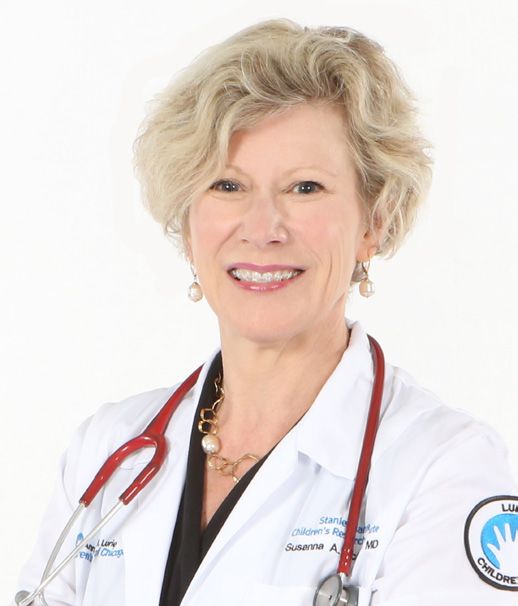
Welcome
    Thank you for participating in     in your usual professional circles.
    the Un-Meeting on Lifespan         Our accomplished speakers
    and Life Course Research:          will give brief presentations
    integrating strategies, hosted     during Un-Plenaries to catalyze
    by the Northwestern University     idea generation and breakout
    Clinical and                                     groups. We are
    Translational                                    delighted that, for
    Sciences (NUCATS)                                the first time at an
    Institute. A major                               Un-Meeting,
    objective of                                     our second
    the Clinical and                                 Un-Plenary will be
    Translational                                    presented by TL1
    Science Awards                                   trainees from four
    Program is                                       CTSA hubs. We
    to promote                                       are excited to see
    collaboration that                               the connections,
    will improve human health by       collaborations and concepts
    accelerating research.             that evolve as a result of this
                                       event. As you meet potential
    This multidisciplinary event       collaborators, keep in mind that
    was conceived by members           a request for applications for
    of the Lifespan Enterprise         CLIC-supported Synergy Papers
    Committee, who recognized          will be released in the near
    the opportunities to share and     future.
    develop strategies to assure
    that translational research is     We are grateful for funding from
    integrated and inclusive across    the National Center for
    the human lifespan, and that       Advancing Translational Sciences
    complex contextual factors         at the National Institutes of
    that influence the life course     Health via the Center for Leading
    can lead to effective preventive   Innovation and Collaboration.
    and interventional measures.
    This event is attendee-driven.     Susanna McColley, MD
    We encourage lively discourse      NUCATS, Ann & Robert H. Lurie
    and interaction with researchers   Children’s Hospital of Chicago
    who you may not interact with

4
Welcome

                     Michael Kurilla, MD, PhD
                     National Center for Advancing Translational Sciences, NIH

                     Kurilla is director of the Division of Clinical Innovation at NCATS.
                     In this capacity, he oversees the Clinical and Translational Science
                     Awards (CTSA) Program, which supports innovative solutions to
                     advance the efficiency, quality and impact of translational
                     science, with the ultimate goal of getting more treatments to
                     more patients more quickly.

                     Donald Lloyd-Jones, MD, ScM
                     NUCATS, Northwestern University Feinberg School of Medicine

                     Lloyd-Jones is principal investigator of the Northwestern
                     University Clinical and Translational Sciences Institute and the
                     Senior Associate Dean for Clinical and Translational Research. His
                     research interests include the mechanisms and life course of
                     cardiovascular health and healthy aging, and cardiovascular
                     disease epidemiology, risk estimation and prevention.

This event is funded in part by the University of Rochester Center for Leading
Innovation and Collaboration (CLIC), under Grant U24TR002260. CLIC is the
coordinating center for the Clinical and Translational Science Awards (CTSA)
Program, funded by the National Center for Advancing Translational Sciences
(NCATS) at the National Institutes of Health (NIH). The Un-Meeting is also being
supported by the NUCATS Institute, Grant UL1TR001422.

                                                                                            5
Logistics
    Networking Reception — Sunday, March 1
    All attendees are invited to a networking reception on Sunday, March 1,
    from 5 to 8 p.m. The reception is being held at the Ann & Robert H. Lurie
    Children’s Hospital of Chicago, 225 E. Chicago Ave., conference center
    rooms 11-142 and 11-150. Light hors d’oeuvres and beverages will be
    provided. Dress is casual. When you enter the building, take the escala-
    tor to the second floor. Stop at the concierge’s desk immediately to your
    left and give the concierge your name. They will have a list of attendees
    and will give you a guest pass.

    Un-Meeting — Monday, March 2
    The Un-Meeting on Lifespan and Life Course Research will take place on
    Monday, March 2, from 7:15 a.m. to 4 p.m. at Northwestern Medicine
    Prentice Women’s Hospital: 250 E. Super St., Chicago. Take the escalator
    to the 3rd floor and the registration table will be directly in front of you.
    Dress is on the casual side of business casual.

    Streeterville Attractions and Dining
    Chicago is a city of neighborhoods (77 to be exact). Streeterville is
    located on the Near North Side and is bound by the Chicago River,
    Magnificent Mile and Lake Michigan. A few nearby attractions include:
    Chicago River Boat Architecture Tours (708-488-6343); Navy Pier (312-
    595-7437); International Museum of Surgical Science (312-642-6502);
    Art Institute of Chicago (312-443-3600); House of Blues (312-923-2000).
    There are numerous dining options within walking distance from the
    hotel, including LYFE Kitchen, Cafecito, Volare, Beatrix and Gino’s East.

    Public Transportation (From Airport)
    From O’Hare Airport — CTA Blue Line Train. Take blue line towards UIC/
    Forest Park, at Lake Street stop transfer to red line, Howard-bound train.
    Exit at Grand stop and walk 10 minutes to hotel.

    From Midway Airport — CTA Orange Line. Take orange line towards The
    Loop, at Roosevelt stop transfer to red line, Howard-bound train. Exit at
    Grand stop and walk 10 minutes to hotel.

    Luggage Storage
    There will be a room available at the event site (Prentice Women’s
    Hospital) for luggage storage.

6
Un-Rules
An Un-Meeting is an event without the rules and structure of
a traditional conference. The attendees create and drive the
agenda and discussions. This format provides a unique approach
for attendees to discuss their experiences and identify areas of
potential research, innovation and collaboration. It is an interactive
way to bring about and cultivate ideas and make new academic,
industry and government connections with the goal of developing
multidisciplinary, collaborative partnerships.

The Law of Mobility
By design, Un-Meetings are very fluid and flexible in nature. Attendees are
free to go where interests lie, and leave if interest wanes.

The Law of Curiosity
No one knows everything … just ask! There are NO wrong questions … or
answers. This goes for acronyms and jargon too. Feel free to “translate in real
time” when more explanation is needed.

The Law of Efficiency
We want to make every second count. The day is in your hands, and we are
open to opportunities for efficiency. Feel free to start jotting down ideas on
Post-Its early. Or, when your breakout group meets, start talking right away.

The Law of Flow
Be open to however the Un-Meeting might unfold. Whatever happens …
happens. Whoever comes are the right people. Whenever it starts is the right
time. When it’s over, it’s over.

The Law of Momentum
Any Un-Meeting is as much about what happens after the event, as it is about
the event itself. We hope you’ll pledge at least one action item as you leave.

The Law of Making Space
Strive to let all voices be heard. Each individual has valuable knowledge,
experience and contributions to bring to the table. Be cognizant of your own
style of communicating and flex if possible. Do you usually speak up first? Try
waiting an extra moment. Do you usually spend most of the time listening?
Try speaking up earlier. As a group we want to have the utmost respect,
consideration and time for all viewpoints.

                                                                                  7
Streeterville Neighborhood Map

    Walking Directions
    Prentice Women’s Hospital and the Lurie Children’s Hospital are
    adjacent structures on Superior Street, a 6 minute walk north on
    Fairbanks Court from the DoubleTree Hotel.

    Prentice Women’s Hospital
    250 E. Superior St., Chicago, IL 60611

    Lurie Children’s Hospital
    225 E. Chicago Ave., Chicago, IL 60611

    DoubleTree Hotel
    300 E. Ohio St., Chicago, IL 60611

8
Prentice Women’s Hospital
                                                                 Third Floor Conference Center Map
                                                              Prentice   Women’s Hospital
                                                                        Third Floor Conference Center Map

s
N      s
       N
                                                            L North
                                                             L North

                         Canning
                              Canning
                                                                                                 HarrisHarris
                                                                                                 FamilyFamily
                                                                                                 AtriumAtrium

                                                              L South
                                                            L South
                                                                                   M
                                                                                       M

                                            E

                                        E

                                                                                   N
                                                                                                      E
                                                                                       N
                                                                        Q      P                               E

                                                                        Q          P

                                                T       S

             Stairs                         T       S

        E Elevator

             Escalator
    Stairs
             Women’s restroom
E ElevatorMen’s restroom
                                                                                                                      18-1844B/0818/PDF

    Escalator
                                                                                           © 2018 Northwestern Medicine. All rights reserved.

    Women’s restroom

    Men’s restroom
                                                                                                                             18-1844B/0818/PDF
                                                                                                  © 2018 Northwestern Medicine. All rights reserved.

                                                                                                                                                       9
Un-Meeting Steering Committee

      Karen Bandeen-                 Rashmi Gopal-
      Roche, PhD                     Srivastava, MSc, PhD
      Johns Hopkins                  National Center
      University                     for Advancing
                                     Translational
                                     Sciences

      Heidi                          Susanna
      Hanson, PhD, MS                McColley, MD
      University of Utah             NUCATS, Ann &
                                     Robert H. Lurie
                                     Children’s Hospital
                                     of Chicago

      Rick                           Rosemarie
      Kaskel, MD, PhD                Rogers
      Albert Einstein                Patient advocate
      College of Medicine
      Children’s Hospital
      at Montefiore

      Phyllis                        Robert
      Mitzen, AM                     White, MS
      Skyline Village                University
      Chicago Health &               of Rochester
      Medicine Policy
      Research Group

      Christine
      Stake, DHA
      Ann & Robert H.
      Lurie Children’s
      Hospital of Chicago

10
Un-Meeting Planning Committee
Kate Judy
Fetherston Giordano
CLIC Staff CLIC Staff
University University
of Rochester of Rochester
Keith Herzog Susanna
NUCATS Institute McColley, MD
Administrator Professor
Northwestern NUCATS, Ann &
University Robert H. Lurie
Children’s Hospital
of Chicago
Emily Robert
Traw, MS White, MS
Assistant Director, CLIC Staff
NUCATS Center for University
Education and of Rochester
Career
Development
Jaime
Ziegler, BA
Program
Coordinator, NUCATS
Center for Education
and Career
Development
#LifespanUnMeeting
11Attendee Directory
Norrina Allen, PhD
Feinberg School of Medicine Northwestern University
norrina-allen@northwestern.edu
My research focus is on the patterns in cardiovascular health
across the life course from birth through older age. I have
methodologic expertise in pooling and harmonizing cohorts,
linking data sources and novel longitudinal methodologies.
Samantha Alonis, MS
Northwestern University Center for Health Equity Transformation
samantha.alonis@northwestern.edu
My specific interest is in translating health research into policies
that could advance health equity.
Lauren Ariniello, BS
Scripps Research Translational Institute
laurena@scripps.edu
I manage siteless clinical research studies utilizing digital health
technologies. I lead the process development and
implementation for our recruitment, enrollment and retention
for studies ranging from pregnancy to healthy elderly.
Karen Bandeen-Roche, PhD
Johns Hopkins University
kbandee1@jhu.edu
I am a statistician and a gerontologist with nearly three decades
of research addressing disability, frailty and cognitive decline in
older adults. I am particularly interested in etiology, spanning
biological through environmental determinants.
Shari Barkin, MD, MSHS
Vanderbilt University Medical Center
shari.barkin@vumc.org
My research applies a lifecourse lens to obesity prevention in
underserved populations. I work with lifecourse experts across
the CTSA in advancing new measures, methods and
collaborations to fully utilize this approach.
12Attendee Directory
Mary Becker, BA
The Ohio State University — CCTS
Mary.Becker@osumc.edu
I assist with the designing of effective strategies to increase
enrollment and retention as well as share information about best
practices.
Giovanni Berardi, PT, DPT, PhD Candidate
Marquette University
giovanni.berardi.gb@gmail.com
I have conducted clinical based research with a focus on
understanding the multifactorial biopsychosocial factors that
influence chronic pain and outcomes to conservative
intervention such as exercise.
Tiffany Bernard, MBA
The Ohio State University — CCTS
tiffany.bernard@osumc.edu
I consult with study teams to develop a recruitment plan and
discuss best practices. My work is often focused on adulthood.
Monica Bianco, MD
Northwestern University, Lurie Children’s Hospital
Mbianco@luriechildrens.org
My research is focused on identifying early predictors for youth
onset type 2 diabetes so that preventative efforts can be
targeted and started prior to signs of disease.
Ryan Blaustein, PhD
Northwestern University
ryan.blaustein@northwestern.edu
I am focusing on basic science of intestinal microbiome
interactions with chemotherapeutic drugs.
13Attendee Directory
Elisabet Borsheim, PhD
University of Arkansas for Medial Sciences — TRI
EBorsheim@uams.edu
I explore energy and substrate metabolism in growth and
development, in adulthood, and in older age.
Donna Brassil, MA, RN
Rockefeller University
dbrassil@rockefeller.edu
As the lead Navigator in our Translational Research Navigation
Program, I work with scientists throughout our University
assisting them in developing their protocols.
Qiana Brown, PhD, MPH, LCSW
Rutgers University School of Social Work, School of Public Health
Qiana.Brown@rutgers.edu
My research focuses on examining disparities in cannabis and
other substance use and related maternal and child health
outcomes during preconception, pregnancy and lactation.
Jeffrey Calhoun, PhD
Northwestern University, Department of Neurology
jeffrey.calhoun@northwestern.edu
There is a relatively unexplored link between lifespan and
epilepsy. A number of known anticonvulsant compounds used
in the clinic result in altered lifespan is model systems. I may
pursue research in this space at some point in my career.
Michelle Cardel, PhD, MS, RD
University of Florida
mcardel@ufl.edu
I am conducting community-engaged healthy lifestyle
interventions with adolescents who overweight or obese.
14Attendee Directory
Anup Challa, MS (expected 2021)
Vanderbilt University Medical Center
anup.p.challa.1@vumc.org
I am Principal Investigator of Modeling Adverse Drug Reactions in
Embryos, a team of clinicians, engineers, and data scientists who
develop computational models to identify the factors that
predispose drug exposures in pregnancy to be teratogenic.
Karly Cody, BS
Wisconsin Alzheimer’s Disease Research Center
University of Wisconsin-Madison
cody3@wisc.edu
My research interests are centered on characterizing the
pathophysiological progression of aging and Alzheimer’s disease
through PET and MR neuroimaging.
Peter Dayan, MD, MSc
Columbia University Irving Medical Center
psd6@cumc.columbia.edu
I conduct multicenter studies of children in the emergency
department to derive, validate, and implement models to
improve diagnostic decision-making for children with common
chief complaints but uncommon severe outcomes.
Amanda Dettmer, PhD
Yale Child Study Center
amanda.dettmer@yale.edu
My research relies on nonhuman primate models of child
development to probe causal mechanisms of lifelong health. I
focus on how early life experiences, influence cognitive,
behavioral, and physical health.
Patricia Drentea, PhD
The University of Alabama at Birmingham
pdrentea@uab.edu
I just wrote a book, Families and Aging (2019) Rowman & Little-
field, about how current social demographic trends affect our
experience in families over time. My research examines aging
themes such as coming of age (20s), all the way to end-of-life.
15Attendee Directory
Elizabeth Eckstrom, MD, MPH
Oregon Clinical & Translational Research Institute
Oregon Health & Science University
eckstrom@ohsu.edu
AS director of the Integrating Special Populations core at our CTSA,
I work with research teams to increase participation of special
populations in research studies, taking a lifespan perspective.
Kelsey Egan, MD
Boston Medical Center, Boston University School of Medicine
kelsey.egan@bmc.org
My interests include early childhood nutrition, sugary beverage
consumption, and social determinants of health. I am interested
in early-life determinants of obesity, including influences on
growth trajectories and taste preferences in the first 1,000 days.
Nicole Fisher, BS
Ann and Robert H. Lurie Children’s Hospital of Chicago
nfisher@luriechildrens.org
Screening and diagnostic: Previously I’ve worked in clinical
implementation science in federally qualified health centers in
Chicago. Currently working on a newborn screening evaluation
of cystic fibrosis in the US.
Sara Folta, PhD
Tufts University
sara.folta@tufts.edu
My research involves the development and evaluation of
community-based interventions to improve eating and physical
activity behaviors to support healthy aging.
Mitzi Gonzales, PhD
UT Health San Antonio
GonzalesM20@uthscsa.edu
My research primarily focuses on understanding the
neurobiological underpinnings of accelerated cognitive aging
and neurodegenerative disease. I am currently conducting two
clinical trials targeting biological aging in Alzheimer’s disease.
16Attendee Directory
Florencia Gonzalez, MPH
Howard University
florencia.gonzalez@howard.edu
I am co-director of the Integrating Diverse Populations Core
which has a focus on supporting research lifespan. My area of
expertise is in community engaged research and I seek to learn
more from others with expertise in research relevant to lifespan.
Rashmi Gopal-Srivastava, MSc, PhD
NCATS
gopalr@mail.nih.gov
NCATS representative for Integration Across the Lifespan
Enterprise Committee.
Ruchi Gupta, MD, MPH
Director of Center for Food Allergy & Asthma Research (CFAAR)
r-gupta@northwestern.edu
I have more than 15 years of experience as a board-certified
pediatrician and health researcher and currently serves as the
director of the CFAAR and Science and Outcomes of Allergy and
Asthma Research Program (SOAAR).
Heidi Hanson, PhD, MS
University of Utah
heidi.hanson@hci.utah.edu
My research is focused on disentangling the interactions of
genetic and environmental influences on disease risk throughout
the life course.
Margo Harrison, MD
University of Colorado Denver — Anschutz Medical Campus
margo.harrison@cuanschutz.edu
My T3-T4 research focuses on optimizing cesarean birth
utilization globally, but primarily in low- and middle-income
countries. I also am interested in pregnancy spacing and
postpartum contraception.
17Attendee Directory
Teri Hernandez, PhD, RN
University of Colorado
teri.hernandez@cuanschutz.edu
I am the associate director of our CCTSI Early Life Exposures
Research Program. I have developed a program of research
exemplified by the execution of carefully controlled clinical studies
focused on nutrition, metabolic health and early life exposures.
Janine Higgins, PhD
University of Colorado Anschutz Medical Campus
Janine.Higgins@childrenscolorado.org
I conduct research in children with Type 2 diabetes and anorexia
nervosa. As Director of Operations for the Colorado CTSA , I
oversee operations for our Children’s Hospital Colorado and
perinatal CTRCs which conduct lifespan research.
Carmen Isasi, MD, PhD
Albert Einstein College of Medicine
carmen.isasi@einsteinmed.org
My research addresses the interplay between psychosocial and
biological factors underlying health disparities across the life
course.
Samantha Jonson, MPS
National Center for Advancing Translational Sciences
samantha.jonson@nih.gov
I am the Special Assistant to the NCATS director and am involved
in lifespan and life course issues at both NCATS and NIH.
Jami Josefson, MD, MS
Lurie Children’s Hospital, Northwestern University,
Department of Pediatrics, Division of Endocrinology
JJosefson@luriechildrens.org
I have research expertise in gestational diabetes, obesity in preg-
nancy and near and long term outcomes in offspring.
18Attendee Directory
Young Juhn, MD, MPH
Mayo Clinic
juhn.young@mayo.edu
My primary research interest is applying a precision population
medicine approach to childhood asthma for precision
interventions.
Donald Jurivich, DO
University of North Dakota
School of Medicine and Health Sciences
donald.jurivich@und.edu
The UND Geriatrics Laboratory investigates molecular stress
responses in aging.
Rick Kaskel, MD, PhD
Albert Einstein College of Medicine
Children’s Hospital at Montefiore
frederick.kaskel@einsteinmed.org
Pediatric nephrologist and investigator; worked on glomerular
disease in children and adults with focal segmental
glomerulosclerosis.
Teresa Kelechi, PhD
Medical University of South Carolina
kelechtj@musc.edu
I research age differentiated-social genomics specific to
distressing psychosocial disorders (specifically loneliness and
social isolation) in older adults transitioning to non-healing
wounds and symptom science specific to phenotyping.
Wesley Kimble, MPA
West Virginia Clinical and Translational Science Institute
Wkimble1@hsc.wvu.edu
I am the Assistant Director of Clinical Research Services at the
West Virginia Clinical and Translational Science Institute
(WVCTSI). My main area of expertise is research involving EHR
data and HIPAA compliance with regards to data use.
19Attendee Directory
Allison King, MD, MPH, PhD
Washington University School of Medicine
king_a@wustl.edu
I am a pediatric and young adult hematologist who is studying
outcomes of people with sickle cell disease as they transition
from pediatric to adult care. While these children are well
studied regarding their cognition, adults remain understudied.
Rhonda Kost, MD
Rockefeller University
Kostr@Rockefeller.Edu
I codirect the community and collaboration core; we foster
community/academic research partnerships with stakeholders
including children individuals affected by rare disease and
seniors.
Ashley Kraus, PhD
Institute for Sexual and Gender Minority Health and Wellbeing
ashley.kraus@northwestern.edu
My research has focused on health disparities faced by sexual
and gender minority youth. Specifically, sexual health and
substance use.
Stephen Kritchevsky, PhD
Wake Forest School of Medicine
skritche@wakehealth.edu
I study nutritional influences that affect trajectories of health
and disability in older adults including vitamins, protein, energy
balance, obesity and exercise.
Rajesh Kumar, MD
Ann and Robert H. Lurie Children’s Hospital of Chicago
rkumar@luriechildrens.org
We are interested in prenatal events which influence the
development of asthma and impair lung function. We are
additionally interested in how PAI-1 may play a role in asthma
development and lung function.
20Attendee Directory
Joan Lakoski, PhD
West Virginia Clinical and Translational Science Institute
joan.lakoski@hsc.wvu.edu
Grant writing support to postdoctoral fellows and early career
faculty; use of grant writing groups to encourage NIH Mentored
Career Development Awards (K Awards), NIH R03 and R21 grant
applications; strategic planning for external grant submissions.
Chelea D. Lanham, MSCH
Wolters Kluwer
chelealanham@gmail.com
I am a voice designer who researches topics and creates
products for better health outcomes. Many of the campaigns
that I am involved in require research about populations with
chronic conditions.
Madison LeCroy, PhD
Albert Einstein College of Medicine
madison.lecroy@einsteinmed.org
My research has focused on diet and risk for cardiometabolic
disease across the life course in immigrant ethnic minorities.
Jessica Lee, MD, MS
The University of Texas Health Science Center at Houston
jessica.lee@uth.tmc.edu
My main areas of research as related to lifespan are in older
adults. I have conducted pilot clinical trials in frailty, sarcopenic
obesity, and nutritional and exercise interventions for
homebound older adults.
Dominick Lemas, PhD
University of Florida
djlemas@ufl.edu
My research is devoted to understanding the fetal origins of
pediatric obesity with a specific interest in the functional
implications of gut microflora and the critical host-microbe
interactions that regulate maternal-infant metabolism.
21Attendee Directory
Hang Lin, PhD
University of Pittsburgh
hal46@pitt.edu
My study focuses on the pathology of osteoarthritis and the
development of disease modifying drugs. In particular, I am using
a human stem cell-derived microphysiological tissue chip to
model the disease in vitro and screen drugs.
Margaret Lind, MPH
University of Washington
Fred Hutchinson Cancer Research Center
mllind89@uw.edu
I am building health prediction models for infectious disease
outcomes with the goal of improving patient care within our
medical system.
Lee Lindquist, MD, MPH, MBA
Northwestern University, Department of Medicine-Geriatrics
LAL425@northwestern.edu
I am chief of Geriatrics with research interests focused on
Aging-in-place for seniors, family caregiver support, and
dissemination.
Bill Lowe, MD
Northwestern University Feinberg School of Medicine
wlowe@northwestern.edu
Research has focused on maternal metabolism during pregnancy
and its impact on short- and long-term offspring metabolic
outcomes. This work has been done using the Hyperglycemia
and Adverse Pregnancy Outcome (HAPO).
Mylynda Massart, MD, PhD
University of Pittsburgh
massartmb@upmc.edu
As a family medicine physician I care for patients across the
lifespan and as core director for ISP specifically focus on integrat-
ing populations across the lifespan into active research projects.
22Attendee Directory
Mary Clare Masters, MD
Northwestern University Feinberg School of Medicine
mary.masters@northwestern.edu
My research interests include the characterization of the
mechanisms underlying age-related physical and cognitive
decline in chronic HIV infection and interventions to improve
functional outcomes in this population.
Kiah Mayo, MPH
University of Rochester Medical Center
kiah_mayo@urmc.rochester.edu
I work with people coming from a variety of backgrounds at a
variety of ages. In order to best accommodate the subjects I feel
it is important to be able to cater to their needs and let research
be an event that is occurring in their life, not an added stressor.
Stefanie McCormack, MSHC
Ann and Robert H. Lurie Children’s Hospital of Chicago
smccormack@luriechildrens.org
I work in the Epilepsy Center at Lurie Children’s. I’m interested in
applying communication theories to build innovative solutions in
pediatric healthcare.
Rachel McPherson, BS
University of Maryland Baltimore and University of Maryland
Baltimore County
rachel.mcpherson@som.umaryland.edu
I am a first-year student assisting with implementation and
dissemination projects in long-term care settings.
Phyllis Mitzen, AM
Skyline Village Chicago Health & Medicine Policy Research Group
phyllis.mitzen@gmail.com
I am a community member with 40+ years working as a social
worker in the field of aging. My expertise is in the development
and implementation of community based services as well as
development and analysis of policies that affect older adults.
23Attendee Directory
Maureen Monaghan, PhD
Children’s National Hospital; Children’s Research Institute Clinical
and Translational Science Institute at Children’s National
mmonagha@childrensnational.org
I am a pediatric psychologist and child health researcher with
interest in promoting optimal self-management and quality of
life in youth with diabetes and their families.
Sandra Morales-Mirque, MUPP
Center for Clinical and Translational Science
at the University of Illinois at Chicago
Smoral2@uic.edu
My area of expertise includes community engagement,
recruitment and retention of study participants, particularly
communities often underrepresented in research.
Tanya Moran, MS
West Virginia Clinical and Translational Institute
tanya.moran@hsc.wvu.edu
I provides internal quality, regulatory, electronic system and
training support in relation to clinical trials. I also identifies issues
to inform improvement initiatives at the institution to drive
clinical research.
Kieran O’Donnell, PhD
Yale University
Kieran.ODonnell@McGill.ca
My research examines the molecular mechanisms that underlie
the biological embedding of experience, with a focus on prenatal
exposures and their impact on the epigenome.
Lee Pachter, DO
Value Institute Christiana Care Health System Delaware-CTR ACCEL
lee.pachter@christianacare.org
My areas of interest include identifying optimal approaches to
including psychosocial determinants of health into life course re-
search in a way that acknowledges the complexity of including and
measuring constructs that change during an individual’s lifespan.
24Attendee Directory
Nancy Pandhi, MD, MPH, PhD
University of New Mexico Health Sciences Center
npandhi@salud.unm.edu
In my CTSA role, I chair a committee that engages experienced
investigators and staff with expertise across the life span to
enhance the CTSA’s work with special populations.
Jill Peltzer, PhD, APRN-CNS
University of Kansas Medical Center
jpeltzer2@kumc.edu
I am interested in understanding the relationships between
social and biological determinants of health, specifically systemic
racism over the life course on biology and how that impacts risk
for cancer and cancer outcomes.
Angela Pfammatter, PhD
Northwestern University Feinberg School of Medicine
angela@northwestern.edu
I have expertise in optimization research methodology and
development of mobile health interventions. My research
focuses on multiple health behavior change, and behavioral
weight loss strategies in particular, to prevent chronic diseases.
Tricia Piechowski, MPH, MSW, MA
Michigan Institute for Clinical & Health Research
kwikwi@umich.edu
I have been at our CTSA for 12 years and in the field of
community engagement for 15 years. I hope to bring a
community engaged perspective to lifespan and life course
research at our CTSA and beyond.
Lindsey Potter, MPH, PhD
Center for Health Outcomes and Population Equity at Huntsman
Cancer Institute University of Utah
lindsey.potter@hci.utah.edu
My research extends the use of novel methodological
assessment to discover how minority specific stressors influence
health risks among marginalized populations in real-time.
25Attendee Directory
Nadia Prokofieva, MA
Tufts Clinical and Translational Science Institute
nprokofieva@tuftsmedicalcenter.org
In my role as the senior project manager, I develop and oversee
four internal funding opportunities that support clinical and
translational research aimed at improving the health and
wellbeing of the public.
Meghan Reeves, MPH
West Virginia Clinical and Translational Science Institute
mreeves1@hsc.wvu.edu
I serve as the assistant director of investigator development, and
manage our pilot grants program and professional
development efforts. I work with our funded researchers to
develop and improve their research projects.
Emerald Rivers, MSN, RN
Johns Hopkins School of Nursing, ICTR
erivers5@jhmi.edu
As a dual DNP/PhD student and TL1 Scholar, my research uses
multiple theoretical frameworks — including the Life Span
Theory of Control — focused on improving outcomes in physical
function and cognition in older adults and their caregivers.
Jamie Roberts, MPH, CCRP
Duke University School of Medicine Clinical
and Translational Science Institute
jamie.roberts@duke.edu
In my role with the Duke CTSI, I work with study teams planning
or struggling with engagement and recruitment, from pre-born
babies to the oldest of individuals.
Sarah Ronis, MD, MPH
Case Western Reserve University
sarah.ronis@UHhospitals.org
I am an early career academic pediatrician and child health
services researcher with experience in the multidisciplinary
clinical care of children with special health care needs.
26Attendee Directory
Tristan Sands, MD, PhD
Columbia University Irving Medical Center
tts27@cumc.columbia.edu
I am a pediatric epileptologist with clinical and research focus on
precision medicine approaches for rare epilepsies and epileptic
encephalopathies resulting from genetic etiologies.
Catherine Saunders, PhD, MPH
The Dartmouth Institute for Health Policy and Clinical Practice
catherine.h.saunders@dartmouth.edu
I study care and communication when people are seriously ill
and likely to die, with particular attention to the social and
cultural contexts within which these interactions occur.
Mark Schleiss, MD
University of Minnesota Medical School
schleiss@umn.edu
I am the pediatric representative on the parent CTSA award at
the UMN and I am involved in community engagement activities,
particularly as they impact pediatricians and researchers at the
University of Minnesota.
Karen Schliep, PhD, MSPH
University of Utah
karen.schliep@utah.edu
My research to date has investigated risk factors for female
reproductive disorders and pregnancy complications, and how
we best measure such disorders (e.g., algorithms for defining
anovulation).
Aaron Seaman, PhD
University of Iowa
aaron-seaman@uiowa.edu
I am a medical anthropologist and health services researcher. My
research centers around care coordination and delivery for older
adults living with chronic conditions and the shifts in patient
experience and care delivery as people age.
27Attendee Directory
Raj Shah, MD
Rush University Medical Center
raj_c_shah@rush.edu
As a clinician researcher trained in family medicine and
geriatrics, my academic interest in developing evidence for
supporting interventions that support ability maximizing
longevity.
Monti Sharma, MD
Northwestern University, Lurie Children’s Hospital
Abhineet.sharma@northwestern.edu
I am currently a neonatology fellow studying how in utero
exposures might play a role in the development of future
disease. My research combines clinical, bench, and
bioinformatics research.
Roopa Siddaiah, MD
Penn State Health Hershey Medical Center
rsiddaiah@gmail.com
Babies born preterm with Bronchopulmonary dysplasia have
shown to have abnormal lung function into their adulthood.
Heather Siefkes, MD, MSCI
University of California, Davis
hsiefkes@ucdavis.edu
My research focuses on critical congenital heart disease
screening and how to improve it with the combination of
non-invasive measurements of perfusion and oxygenation.
Dara Sorkin, PHD
University of California, Irvine Institute for Clinical
and Translational Science, Community Engagement Unit
Dsorkin@uci.edu
As director, we are developing behavioral interventions for
under-resourced communities that use social networks,
innovative incentives, and mobile technologies across adulthood.
28Attendee Directory
Christine Stake, DHA
Ann & Robert H. Lurie Children’s Hospital of Chicago
cstake@luriechildrens.org
I am newer to the field of lifespan and life course research,
however, I do incorporate these elements into many of my proj-
ects as I study children and parental interactions in many studies
and life span factors are often important variables to consider.
Justin Starren, MD, PhD, FACMI
Deputy Director, Northwestern University Clinical and
Translational Science Institute
justin.starren@northwestern.edu
My research focuses on empowering patients of all ages by
enabling EHRs to handle new types of data — from genomic, to
home monitoring, to patient reported outcomes.
Mark Struble, PhD
Northwestern University, Simpson Querrey Institute
mark.struble@northwestern.edu
My area of expertise is in making peptide based therapies. I
often work with clinicians to develop and test new molecules or
provide experience to improve measurements or methods.
Brynne Sullivan, MD
University of Virginia
bsa4m@virginia.edu
I am studying integrated predictive analytics for sepsis in
premature infants. Sepsis can be life-limiting for preterm infants.
Earlier detection using vital sign analytics, clinical risk markers
and bio markers could save lives and improve long term outcomes.
Rebekah Summers, PT, DPT, PhD
University of Minnesota
schm2203@umn.edu
As a physical therapist, I am interested in developing methods
that can diagnose movement disorders at the earliest signs
of disease in effort to facilitate early or preventative therapy
options.
29Attendee Directory
Mark Supiano, MD
University of Utah
mark.supiano@utah.edu
I work on equipping investigators to meet the lifespan inclusion
policy requirement for older adults in clinical trials.
Sana Syed, MD, MS
University of Virginia
sana.syed@virginia.edu
I focus on understanding intestinal structure and function using
computational image analysis and ‘omics with a specific focus
on pediatric enteropathies and how intestinal structure changes
over time.
Jonathan Tobin, PhD
The Rockefeller University Center for Clinical and Translational
Science and Clinical Directors Network
jtobin@Rockefeller.edu
I am a cardiovascular epidemiologist and implementation
scientist. I direct Clinical Directors Network, a practice-based
research network, where I conduct observational studies.
Laurene Tumiel Berhalter, PhD
University at Buffalo
tumiel@buffalo.edu
My research agenda is to improve cancer screening in
underserved communities through partnering with both
practices and patients (the Patient Voices Network).
Anissa Vines, PhD
University of North Carolina at Chapel Hill,
Gillings School of Global Public Health
avines@email.unc.edu
As a psychosocial, women’s health, and community-engaged
epidemiologist, my research centers on the psychosocial
determinants of chronic disease disparities.
30Attendee Directory
Alfred Vitale, PhD
University of Rochester
Clinical and Translational Science Institute
alfred_vitale@urmc.rochester.edu
My masters and PhD work was in Human Development — in
particular, Life Course theory and ecological systems approaches
within the domains of education in particular.
Nicole Viviano, MA
University of Maryland, Baltimore
nviviano@umaryland.edu
Over the past four years, I have been able to study older adults
through their aging process, examining their social support
groups and health behaviors to better understand the aging
population.
Laurie Wakschlag, PhD
Northwestern University Feinberg School of Medicine,
Institute for Innovations in Developmental Sciences
lauriew@northwestern.edu
Developmentally-sensitive measurement Neurdevelopmental
health and vulnerability in early childhood Prenatal origins of
disease.
Keenan Walker, PhD
Johns Hopkins School of Medicine
kwalke26@jhmi.edu
My research merges epidemiological, proteomic, and genetic
methods with neuroimaging, cognitive, and clinical outcome
measures to improve the understanding of etiologic and risk
factors relevant to Alzheimer’s disease.
Robert White, MS
University of Rochester
robertj_white@urmc.rochester.edu
Experienced in a broad range of healthcare information and
analytics. Looking to identify new analytic opportunities.
31Attendee Directory Kelsey Zapotocky, MPH, MS Penn State College of Medicine kzapotocky@pennstatehealth.psu.edu I began my career focusing on exercise and physical activity. I have switched focuses to a more public health view, specifically looking at how best to engage people of all ages in research. Meredith Zauflik, MPA Oregon Health & Science University zauflik@ohsu.edu As the Recruitment Specialist for OCTRI, the CTSA hub at OHSU, and a core member of our Integrating Special Populations (ISP) program, I help to equip and support research teams with the tools they need for successful study recruitment and retention.
You can also read


