We are Fire and Emergency New Zealand - Ko te ratonga ahi me ngā ohotata i Aotearoa mātou
←
→
Page content transcription
If your browser does not render page correctly, please read the page content below
We are
Fire and Emergency
New Zealand
Ko te ratonga ahi me ngā ohotata
i Aotearoa mātou

               Our National Strategy
               2019– 2045
               Te rautaki matua ā-tari 2019–2045
Ko te pae tawhiti, whāia kia tata.
Ko te pae tata, whakamaua kia tina.
Pursue distant goals until they are within your reach.
Once in reach, hold and treasure them.
Contents
Ngā ihirangi

Foreword .  .  .  .  .  .  .  .  .  .  .  .  .  .  .  .  .  .  .  .  .  .  .  .  .  .  .  .  .  .  .  .  .  .  .  .  .  .  .  .  .  .  .  .  .  .  .  .  .  .  .  .  . 1

Introduction .  .  .  .  .  .  .  .  .  .  .  .  .  .  .  .  .  .  .  .  .  .  .  .  .  .  .  .  .  .  .  .  .  .  .  .  .  .  .  .  .  .  .  .  .  .  .  .  .  . 2

Our commitment to working with Māori as tangata whenua  .  .  .  .  .  .  . 4

New Zealand is changing  .  .  .  .  .  .  .  .  .  .  .  .  .  .  .  .  .  .  .  .  .  .  .  .  .  .  .  .  .  .  .  .  .  .  .  .  .  . 6

To respond to our changing environment,
we need to work differently  .  .  .  .  .  .  .  .  .  .  .  .  .  .  .  .  .  .  .  .  .  .  .  .  .  .  .  .  .  .  .  .  .  .  .  . 8

We are Fire and Emergency New Zealand .  .  .  .  .  .  .  .  .  .  .  .  .  .  .  .  .  .  .  .  .  .  . 10

The story behind our new strategic framework  .  .  .  .  .  .  .  .  .  .  .  .  .  .  .  .  . 11

Our strategic priorities .  .  .  .  .  .  .  .  .  .  .  .  .  .  .  .  .  .  .  .  .  .  .  .  .  .  .  .  .  .  .  .  .  .  .  .  .  .  .  . 13

        Building resilient communities .  .  .  .  .  .  .  .  .  .  .  .  .  .  .  .  .  .  .  .  .  .  .  .  .  .  .  .  .  .  . 14

        Collaboration, partnerships and influence .  .  .  .  .  .  .  .  .  .  .  .  .  .  .  .  .  .  .  .  .  . 16

        Growing our people . . . . . . . . . . . . . . . . . . . . . . . . . . . . . . . . . . . . . . . . .18

        Intelligence-led,
        evidence-based decisions .  .  .  .  .  .  .  .  .  .  .  .  .  .  .  .  .  .  .  .  .  .  .  .  .  .  .  .  .  .  .  .  .  .  . 20

        Keeping pace with change .  .  .  .  .  .  .  .  .  .  .  .  .  .  .  .  .  .  .  .  .  .  .  .  .  .  .  .  .  .  .  .  .  .  . 22

Implementing this strategy needs commitment
from everyone  .  .  .  .  .  .  .  .  .  .  .  .  .  .  .  .  .  .  .  .  .  .  .  .  .  .  .  .  .  .  .  .  .  .  .  .  .  .  .  .  .  .  .  .  .  .  . 24

Our future — better together .  .  .  .  .  .  .  .  .  .  .  .  .  .  .  .  .  .  .  .  .  .  .  .  .  .  .  .  .  .  .  .  .  .  . 27

Appendix 1: Foundations for this strategy  .  .  .  .  .  .  .  .  .  .  .  .  .  .  .  .  .  .  .  .  .  . 29

Appendix 2: Our strategic landscape .  .  .  .  .  .  .  .  .  .  .  .  .  .  .  .  .  .  .  .  .  .  .  .  .  .  . 30

Appendix 3: Glossary of terms .  .  .  .  .  .  .  .  .  .  .  .  .  .  .  .  .  .  .  .  .  .  .  .  .  .  .  .  .  .  .  .  . 32

        Photo credits .  .  .  .  .  .  .  .  .  .  .  .  .  .  .  .  .  .  .  .  .  .  .  .  .  .  .  .  .  .  .  .  .  .  .  .  .  .  .  .  .  .  .  .  .  . 33

FIRE AND EMERGENCY NEW ZEALAND
Foreword
He tīmatanga kōrero

We are pleased to introduce our National Strategy.

Fire and Emergency New Zealand’s first National Strategy      Thank you to the people from across our organisation
is an important milestone, setting our direction so we can    who participated in the development of this strategy
meet the challenges of the coming years.                      by providing feedback and information. Thank you also
                                                              to the unions and associations who provided input into
It's important we continue to meet the needs of our
                                                              our strategic priorities. These contributions make us
communities. A warming climate is causing extreme
                                                              confident that we have chosen to focus on the right
weather, including drier conditions. Our population is
                                                              things for the future.
growing, aging and becoming more diverse. Technology
is developing rapidly in the communication, infrastructure    We look forward to your continued support as we bring
and transport sectors. All of these changes will affect how   this strategy to life over the coming decades.
we work.
Throughout these changes we must continue to serve
our communities. This strategy will help us meet the
challenges to come. It will help us think about what we
need to do differently and what success will look like.
It will guide us as we create a robust and sustainable
organisation that better meets the changing demands of
our communities. It will ensure we are creating a positive
culture and building an organisation that our people and
our communities want to be a part of.

                                                                   Hon. Paul Swain QSO                  Rhys Jones
                                                                          Chair                        Chief Executive

                                                                                         OUR NATIONAL STRATEGY 2019–2045   1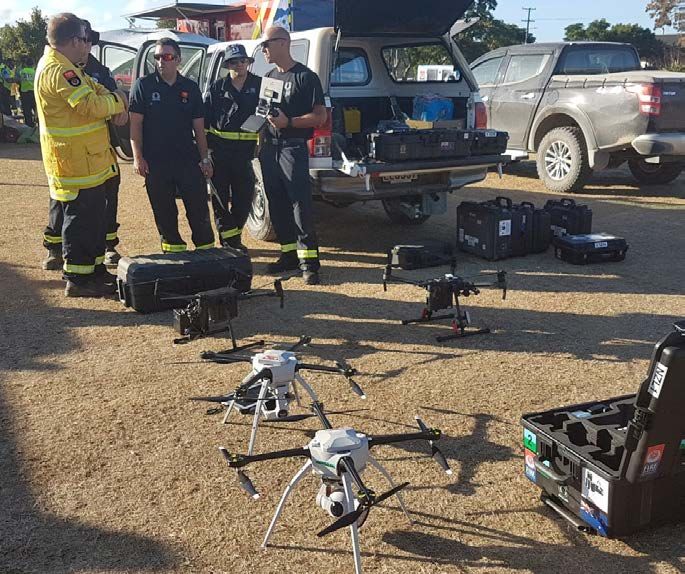
Introduction
    Kupu whakataki
    On 1 July 2017 we celebrated the establishment of             The Act provides the mandate we
    Fire and Emergency New Zealand (Fire and Emergency),          operate under and sets out our
    a Crown entity governed by the Fire and Emergency             principal objectives, main functions
    New Zealand Act 2017 (the Act).                               and additional functions.

    Principal objectives

    Reducing the incidence of unwanted                 Protecting and preserving life, and
    fires and the associated risk to life              preventing or limiting injury, damage
    and property                                       to property, land and the environment

    Main functions

    Promoting fire          Providing fire             Providing for the     Rescuing trapped         Providing
    safety (including       prevention,                safety of persons     people because of        urban search
    guidance on the         response and               and property          transport accidents      and rescue
    safe use of fire as a   suppression                endangered by         or other incidents       service
    land management         services                   incidents involving
    tool)                                              hazardous
                                                       substances

    Additional
    functions

    The Act includes        Assisting and              Promoting             Performing rescues       Providing
    the following           responding to:             safe handling,        including line and       assistance
    additional                                         labelling, signage,   animal rescues, and      at transport
                            • Medical
    functions we                                       storage and           rescues from collapsed   accidents
                              emergencies
    may do if we                                       transportation        buildings, confined
    have capability         • Maritime incidents       of hazardous          spaces, unrespirable
    and capacity,           • Weather events,          substances            and explosive
    and provided              natural hazard                                 atmospheres and
    this does not             events and disasters                           swift water
    affect our ability
    to carry out our        • Incidents where
    main functions            substances present
                              a risk to people,
                              property or the
                              environment
                                                                                This strategy sets out
                            • Any other situation
                                                                                how we will continue to
                              if we are able to help                            meet the needs of our
                                                                                communities and build a
                                                                                respectful and inclusive
                                                                                organisation that is well
                                                                                placed for the future.
2   FIRE AND EMERGENCY NEW ZEALAND
This document forms our National Strategy as defined
in the Act. It sets out our national strategic direction
and intentions.
This strategy is based on our work to bring Fire and
Emergency together: our 2017–2021 Statement of Intent,
our Blueprint for Integration, the initial Strategic Direction
for Fire and Emergency, and the eight key areas of change
that we want to make for the future (see page 8).
Details about all of these documents are in Appendix 1.
For this strategy, we have chosen to look out to the next
25 years. Over this period we would expect fundamental
changes to technology and a better idea of how our
operating environment and climate are changing.
Most importantly, 25 years is long enough to make
significant changes to the way we work so that we are
well prepared to meet our communities’ changing needs.

This strategy reflects our enduring
commitment to our people, our
communities, our sector partners
and our partnerships with Māori as
tangata whenua.

                                                                 OUR NATIONAL STRATEGY 2019–2045   3
Our commitment to working
    with Māori as tangata whenua
    Tā mātau tauākī paiherenga
    ki te Māori hei tangata whenua

    Fire and Emergency recognises the      E whakaae ana Te Ratonga ahi me
    status of Māori as tangata whenua      ngā ohotata i Aotearoa ki te mana
    and, as such, the importance           o te Māori hei tangata whenua, arā,
    of Māori communities as key            ki te hiranga o ngā hapori Māori
    stakeholders in our work.              hei hunga whai pānga hira i roto i
                                           ngā mahi a Te Ratonga ahi me ngā
    We recognise:                          ohotata i Aotearoa.
    ·· Iwi and Māori as community          E whakaae ana mātau:
       leaders with an important role
       in preventing fires and other       ·· He kaiārahi i roto i te hapori ngā iwi
       emergencies, building community        me te Māori me tō rātau wāhanga
       resilience, and supporting             hira ki te ārai i ngā ahi me ētahi
       emergency response                     atu ohotata, te whakawhanake i te
                                              manawaroa hapori me te whāngai
    ·· Iwi as our partners in risk
                                              atu ki te urupare ohotata
       reduction as significant and
       growing land and forest owners      ·· He hoa mahi tahi ngā iwi mō te
                                              whakaiti mōrea hei kaipupuri hira,
    ·· Māori are disproportionately
                                              ngaringari tonu o te whenua me
       affected by unwanted fires,
                                              ngā ngahere
       and that needs to change.
                                           ·· He nui rawa te pā o te Māori ki
    By committing to working with
                                              ngā ahi mura noa nō reira me
    tangata whenua we contribute to a
                                              whakatikatika tēnei.
    safer environment not only for Māori
    but for all New Zealand communities.   Mā te ū ki te mahi tahi me te
                                           tangata whenua ka tautoko mātau
                                           i tētahi taiao haumaru ake kaua
                                           mō te Māori anake engari mō ngā
                                           hapori katoa o Aotearoa.

4   FIRE AND EMERGENCY NEW ZEALAND
OUR NATIONAL STRATEGY 2019–2045 5
New Zealand is changing
    Kei te panoni haere a Aotearoa

    To inform this strategy, we examined how we work and the communities we
    work in. We focused on what is changing now, what might change in the future
    and what these changes will mean for our work.

    We are becoming more diverse                                Expectations are shifting
    New Zealanders are living longer. Twenty years from         With each generation we are seeing changes in what
    now, about 6.5 million people will live here. A quarter     people value and expect. This includes how people feel
    of us will be aged over 65, and more than 250,000 over      about the services we provide, whether they want to be
    85. Around 4 million people will live in our main urban     part of our organisation and what they expect if they join
    areas. Almost half of us will be from non-European          us. It might mean questions and challenges about how
    ethnic backgrounds, and our communities will speak          fast and how well we respond, how much our responses
    over 200 languages.                                         cost and our impacts on the environment. Mainstream
    Increasing diversity will affect many parts of our lives.   access to the internet and social media now means that
    Our workplaces will have a greater mix of ethnicities,      information, news and views about us can be shared
    languages and cultures. Changing demographics will          instantly and globally.
    put pressure on infrastructure and resources and on         As we attend more non-fire emergencies, the firefighter's
    retirement and health systems. Changing lifestyles          traditional role will continue to evolve. Busier lives
    and rising costs of living in some places will affect       and changing expectations may challenge our current
    people's choices.                                           volunteerism model as people look for more suitable or
    As our population ages people may remain in work            flexible ways to volunteer. Like other workplaces, we will
    longer. This will affect recruitment and retention and      need to accommodate flexible hours or locations and
    bring the different expectations, skills and attitudes of   provide enabling technologies.
    multiple generations and cultures to our workplaces.        We must find ways to meet these changing expectations
    Embracing diversity will help us better understand and      so that people from all walks of life value the work we do
    engage with our communities and design effective            and want to be part of our organisation.
    services that suit different communities. We would like
    our organisation's diversity to reflect our communities.

6   FIRE AND EMERGENCY NEW ZEALAND
Technology offers possibilities Our climate and operating environment could
Technology is important for our work now, and the change suddenly…
future will bring new systems and tools. We will A catastrophe such as a major earthquake, fault line
see more homes, buildings, vehicles and everyday rupture, tsunami, volcanic eruption, pandemic or
items with the built-in ability to process and transmit biosecurity event could happen at any time. We must
information. This will affect communications, prepare ourselves, and empower our communities so
convenience, safety and technology. Data and they are prepared.
information will improve our decision-making and
help us carry out our work. Understanding these changes and being part of relevant
policy decisions will help us design appropriate risk
We are already changing the way we work as we manage reduction and response measures.
technological changes. Our people are responding to
electric vehicle accidents and we are using drones …and these changes affect our communities
and sensors for some of our work. We will most likely All communities have different risks and needs, and some
continue to attend more complex incidents with different are at greater risk of seasonal events such as flooding or
risks that could involve new technological solutions. drought. As an island nation, many of our major roads and
Understanding and managing new technologies and railways at sea level or alongside harbours and waterways
equipping our people with the right information will may be cut off if infrastructure and key services are
be challenging, but technology changes will provide disrupted during an emergency. This would have long-
opportunities to develop new skills and bring diversity lasting and widespread impacts on our communities.
to our work. We need to work with our communities now to build their
resilience by helping them prepare for, respond to and
Sustainability is increasingly important recover well from emergencies.
One of the most important issues all countries face is Further afield, we need to consider how we will support
how to curb the effects of climate change and reduce our overseas partners or our Pacific neighbours if they
carbon footprints, pollution and environmental damage. need us in an emergency.
As an organisation, we need to look at how our work
affects New Zealand's natural environment.
Policy or legislation changes could mean that some of
our current technology, use of fossil fuels, chemicals or
operating methods may no longer be acceptable in the
We have looked carefully at how
future. If so, we will need to look for alternatives. This
will influence our investment decisions, capabilities and our communities are changing.
operational techniques. This strategy sets out what we need
We need to consider how we can work in a sustainable to do differently to be effective now
way to manage our impact on the environment. and in the future.
OUR NATIONAL STRATEGY 2019–2045 7To respond to our changing environment,
we need to work differently
He ao hou kei mua i a tātou, nōreira me rite
What’s driving us What has shaped our
In response to the challenges new direction
that New Zealand is facing, the We developed a new operating
Government intends to build model5 to shape the new Fire and
a productive, sustainable and Emergency and to respond to our
inclusive economy and improve changing environment. As part of
well-being for New Zealanders.1 this, we identified eight key areas
The focus on improved well-being is of change that we wanted our new
supported by the Living Standards organisation to make for the future:
Framework, designed by Treasury ·· Strategy-led
and aligned with international ·· Community focus
thinking.2 This framework is based
·· Empowered decision-making
on improving well-being by growing
four capital elements: natural, ·· Insight from intelligence
human, social and financial.3 ·· Risk reduction
In addition to these government ·· Transparency of investment, cost
goals, our work is guided by the and value
mandate set out in our legislation ·· Learning organisation
and the ‘four Rs’4 of emergency ·· Inclusive and dynamic people
management: risk reduction, system
readiness, response and recovery.
These areas of change are
The four Rs model is widely known
where we are committed to doing
across our sector. It describes how
things differently to improve our
we improve readiness or reduce
organisation for our people and
risk in our communities, how we
serve our communities better.
respond during or after an event and
The eight key areas of change
how we help communities recover.
are the foundation of this strategy.
Our key contribution to improving They are reflected in our strategic
New Zealanders’ well-being is the priorities, which are described in
risk reduction, readiness, response detail in this strategy.
and recovery work we do every day
in our communities.
1 This is our plan. The Government’s priorities for New Zealand, 16 September 2018.
2 How's life? 2017: Measuring well-being, OECD Publishing. ISBN 978-92-64-283909 © OECD 2017.
3 Burton, Tony. The Treasury approach to the living standards framework, Treasury paper, 22 February 2018.
978-1-98-853487-9.
4 The four Rs: Ministry of Civil Defence and Emergency Management.
5 'The eight key areas of change', in A unified Fire and Emergency New Zealand: proud history, bright future.
A proposal for consultation, 24 August 2018, page 39.
8 FIRE AND EMERGENCY NEW ZEALANDOur new direction starts with a new
strategic framework
Our strategic framework starts with our
purpose and vision:
·· Our purpose is why we exist: protecting
and preserving lives, property and the
environment. Te whakamaru me te tiaki
i ngā tāngata, rawa me te taiao.
·· Our vision is what we aspire to be: stronger
communities protecting what matters.
Ngā hapori kaha ake e whakamaru ana i
ngā mea hira.
We have three outcomes which describe
our long-term goals for New Zealand and our
communities. These are the end results that we
want to achieve for New Zealanders. They set
out how we improve well-being, add value and
make a difference:
·· Communities prepare for, respond to
and recover well from emergencies.
·· Our services are valued and trusted.
·· Social, economic and environmental
impacts from emergencies are minimised.
We have developed five strategic priorities,
which this strategy describes in detail. These
are the areas that we must focus on now, to
meet our communities’ needs and prepare for
the future.
We have developed new values to create a
respectful and inclusive culture that we can
all be proud of, and that our people and our
communities want to be a part of.
We have developed our operating principles in
accordance with our legislation and they guide
our decision-making and our actions. They are
shown on the next page.
Our new strategic framework is shown on the next page. Its elements
help us create a robust and sustainable organisation that better meets
the changing demands of the communities we serve.
OUR NATIONAL STRATEGY 2019–2045 9We are Fire and Emergency
We are New Zealand
Ko te ratonga ahi me
Firengā
andohotata i Aotearoa
Emergency mātou
New Zealand
Our Purpose
Protecting and preserving lives, property
and the environment
Our Vision
Stronger communities protecting
what matters
Our Outcomes
Communities prepare for, respond to
and recover well from emergencies
Our services are valued and trusted
Social, economic and environmental
impacts from emergencies are minimised
Our Strategic Priorities
Building resilient communities
Collaboration, partnerships and influence
Growing our people
Intelligence-led, evidence-based decisions
Keeping pace with change
Our Values Our Operating Principles
Put safety, health and wellbeing first
Value people
Champion inclusion
We do the right thing We serve and support Strengthen communities
Kia tika Manaakitanga Work together
Drive change
Be accountable
We are better together We strive to improve
Whanaungatanga Auahatanga
10 FIRE AND EMERGENCY NEW ZEALANDThe story behind our new strategic framework
Te whakatupuranga o te pou tarāwaho ā-rautaki
This framework moves us towards our new purpose and To reflect our enduring commitment to tangata whenua,
vision of: protecting and preserving lives, property and we have drawn from Māori symbolism to tell the story of
the environment; and building stronger communities our values.
protecting what matters.
We do the right thing – Kia tika is drawn from the image
The visual design anchors the messages about who we of a growing heart. The heart guides our decisions and
are and what we stand for: gives us the inner courage to make choices we feel are
right, if not necessarily easy. The interconnecting shapes
·· The silver fern reflects where the organisation has
represent combining the heart and mind.
come from. It forms a strong connection with the
organisation’s crest. It represents strength and We serve and support – Manaakitanga is based on the
enduring power. It provides a sense of connection to stylised concept of two hands, symbolising being proactive
New Zealand. The second fern of our current crest is and responsive both inside and outside our organisation.
watermarked into the background to represent our past
We are better together – Whanaungatanga is
and what has gone before.
drawn from a flax weave and is based on the strength
·· The koru focuses on the future of Fire and Emergency. and flexibility that come from being connected and
It represents a strong sense of regrowth, movement and interwoven, contributing to us working together to create
new beginnings. It reflects the strength of a relationship a unified organisation.
within a family or organisation.
We strive to improve – Auahatanga uses the
·· The tuakana (the older koru fern) shelters the taina
poutama to represent growth and striving ever upwards.
(the younger koru) as it grows and unfurls. Together
The poutama is used on our fleet and some of our
they make up the key design that we have chosen for
corporate publications.
our strategic framework.
OUR NATIONAL STRATEGY 2019–2045 1112 FIRE AND EMERGENCY NEW ZEALAND
Our strategic priorities
Ngā whakaarotau rautaki

This strategy is centred around our five strategic priorities. These are the areas where we need to
make the most change now.
Two of our strategic priorities focus on the way we work outside our organisation, within our
communities and with our partners.
Three of our strategic priorities focus on changes that we need to make within our organisation.
Our strategic priorities are set out below and in more detail on the following pages.

Building resilient communities Te hanga hapori aumangea
Empowering communities to identify local           Te whakamana hapori hei tautohu i ngā mōrearea,
risks and needs so they are well prepared          i ngā hiahia ā-rohe kia pai ai tā rātou whakarite i te
when emergencies happen.                           huanga mai o ngā ohotata.

Collaboration, partnerships                        Te mahi tahi, ngā rangapū,
and influence                                      me te aweawe
Working towards a strong and collaborative role    Te mahi tahi ki tētahi tūranga pakari, mahi tahi ki
in our sector with a focus on shared outcomes.     tō tātou rāngai me he aronga ki ngā hua ngātahi.

Growing our people                                 Te whakatipu i ā mātou tāngata
Building an organisation with a respectful         Ko te haumi i ā mātou tāngata kia tipu ai
and inclusive culture that people want to          tētahi ahurea mahi tiketike me te waihanga i
be a part of.                                      tētahi whakahaere e kukume ana me te pupuri
                                                   i te hunga whai pūmanawa e hiahia ai ā mātou
                                                   tāngata ki te mahi.

Intelligence-led,                                  He whakatau whakamātautau
evidence-based decisions                           ā-taunakitanga, ārahi ā-atamai
Evidence-based decision-making will                Mā te whakatau whakamātautau ā-taunakitanga
help us deliver our outcomes and make              tātou e āwhina hei tuku i ō tātou hua, me te
strategic shifts.                                  whakatinana i ngā nekehanga rautaki.

Keeping pace with change                           Te haere tahi ki te hurihuritanga
We will be responsive and courageous in a          Ka noho mataara tātou ki te mahi, ka noho māia
changing environment.                              ki te ao hurihuri.

These are the areas we have chosen to focus on now.
They underpin our direction and will inform our planning
and the way we will work now and into the future.

                                                                     OUR NATIONAL STRATEGY 2019–2045        13
Building resilient communities
Te hanga hapori aumangea
Why is this a priority? What shifts will we see?
One of the most important things we do is help ·· Communities’ changing needs inform our work.
communities reduce risks and prepare for emergency ·· We serve communities according to their local risks
events, so they are more resilient if events occur. and needs.
Communities are not all the same and have different ·· We empower communities to identify and own their
dynamics, strengths, risks and needs. risks and needs.
Some environments present specific risks such as What will success look like?
tsunami zones, floodplains, areas prone to landslips,
Communities:
volcanic or seismic activity, rising sea levels and
increasing risk of wildfire. ·· are engaged, with increased awareness of local risks
·· acknowledge their roles and responsibilities for
Communities may need extra support if they are remote,
managing risk and building resilience to recover from
have unique risks, or are unable to help themselves.
an event
We will focus on working with communities to match
·· are more able to respond to and recover from specific
risk reduction measures, readiness and response
local risks or emergencies
activities to local risks and needs. Our Risk Reduction
Strategy 2019–20296 describes this in more detail. ·· actively volunteer in our organisation.
Fire and Emergency:
What do we need to do?
·· helps communities take responsibility for managing
We will help communities to identify, assess and manage local risks
their own risks, and to plan for emergency events.
·· supports communities by recognising their
To best help our communities, we need to work with them differences, diversity and local risks
to understand their capabilities and local risks and needs. ·· has a strong relationship with our diverse
Our approach to modular service delivery7 and Local communities and aligns our approaches to local
Advisory Committees8 will help us find ways of working customs and practices.
well with communities.
By working more closely with partners, communities and
local groups, we will have a good understanding of the
resources they need, and how we can work better with
them in an emergency.
6 Fire and Emergency New Zealand. Risk Reduction Strategy 2019–2029.
7 'Modular service delivery', in A unified Fire and Emergency New Zealand: proud history,
bright future. A proposal for consultation, 24 August 2018, page 49.
8 Fire and Emergency New Zealand Act 2017, Part 1, section 14, Purpose and functions
of local advisory committees.
14 FIRE AND EMERGENCY NEW ZEALANDEmpowering communities to identify
local risks and needs so they are well
prepared when emergencies happen
Te whakamana hapori hei tautohu i ngā
mōrearea, i ngā hiahia ā-rohe kia pai
ai tā rātou whakarite i te huanga mai o
ngā ohotata
OUR NATIONAL STRATEGY 2019–2045 15Collaboration, partnerships and influence
Te mahi tahi, ngā rangapū, me te aweawe
Why is this a priority? What shifts will we see?
Public sector agencies are increasingly encouraged to ·· We coordinate, cooperate and connect better with
work together towards shared goals.9 others in our sector.
The public expect emergency services to be efficient, ·· Respectful partnerships with Māori as tangata whenua
effective, transparent and good value for money. and with our diverse communities.
·· Strong partnerships with other agencies, including
As a unified organisation, Fire and Emergency has an
complementary services and capabilities.
opportunity to establish a strong role in the emergency
management sector and more broadly. ·· We influence policy, standards, legislation and
best practice where they relate to our work.
We will be more effective if we work well with our
·· A leadership role in responses where we have expertise.
partners. We have an opportunity to influence relevant
legislation, policy and best practice to help support What will success look like?
our work.
·· We recognise the value of partnering with others.
What do we need to do? ·· We know how our services complement others and
meet our communities’ needs.
We need to focus on stronger collaboration, including
internationally, so we can learn from others. We need to ·· Good communication with others at all levels.
identify key partners and understand how they work and ·· Communities and our sector partners value and seek
how we can work well together. our expertise.
We need to play a stronger role in relevant policy ·· We understand our role in the emergency management
development, particularly for building design and sector and are clear where we lead or support others.
infrastructure standards. Our operating methods ·· We have clear guidelines for engaging with
should complement those of our partner agencies and stakeholders. Leaders at all levels understand
should be environmentally, economically and socially our approach and how they fit in.
sustainable and efficient.
As legislation or policy changes, we may have to
work differently or work with others towards shared
sector outcomes.
We will need to find appropriate ways to share research,
data, information, knowledge and best practice within
our organisation and with others.
We will build strong sustainable partnerships with
Māori as tangata whenua in their roles as landowners
and within communities. This strategy recognises
the importance of our Māori Outcomes Programme10
and its key principles in the work that we do.
9 State Sector Act 1988 part 1A: "The purpose of this Act is to promote and uphold a
state sector system that (a) is imbued with the spirit of service to the community;
and (b) operates in the collective interests of government”.
10 Fire and Emergency New Zealand. Māori Outcomes Programme. 2019.
16 FIRE AND EMERGENCY NEW ZEALANDWorking towards a strong and
collaborative role in our sector
with a focus on shared outcomes
Te mahi tahi ki tētahi tūranga
pakari, mahi tahi ki tō tātou rāngai
me he aronga ki ngā hua ngātahi
OUR NATIONAL STRATEGY 2019–2045 17Growing our people
Te whakapakari i ō tātou tāngata
Why is this a priority? What shifts will we see?
Our people are at the heart of everything we do. ·· Training and development that supports our people
They are our connection with communities around and is meaningful and relevant to their current and
New Zealand and they have first-hand knowledge future roles.
of local risks and needs. ·· Career opportunities for a diverse range of people
To be effective, we must have a sustainable workforce at all levels.
that is well trained and equipped at all levels for the work ·· We adapt to generational shifts, technology changes
we do. To attract future generations to our organisation, and new and different ways of working.
we must offer an environment and opportunities that ·· A respectful and inclusive environment, founded on
make people want to join us, where they feel safe and trust and respect.
valued and are well-equipped for their roles.
·· A safe working environment where our people feel
A more diverse workforce will help us better reflect the supported, connected and included.
communities we serve, understand our communities, ·· A diverse organisation that reflects our communities.
and respond effectively as they change.
·· A strong identity within our organisation, across our
Our culture and working environment will ensure wider workforce and the sector.
people from other organisations we work with feel safe, ·· A modern workplace where our people have the right
welcomed and confident that we are well equipped to skills to do their jobs and can grow in their roles.
carry out our roles.
What will success look like?
What do we need to do? ·· Our people will be comfortable with change.
We will build a respectful, inclusive and diverse culture ·· We develop our people to be future leaders. At all
in which our people are well equipped to do their jobs, levels, our people feel well equipped and supported
valued and treated fairly. Our behaviour will reflect our to do their jobs.
values, and we will hold each other to account.
·· Our people know the work they do is meaningful
We will support modern ways of thinking and and we value their skills and expertise.
working, including flexibility for career, volunteer and ·· Our people are confident about our direction, what we
non-operational roles. We will embrace sustainable are trying to achieve and how our work improves our
volunteerism as set out in our Volunteerism Strategy communities’ well-being.
2019–2029.11
·· We measure, report and monitor our investment in our
We will give our people valuable training and people so we understand our impact and can continue
opportunities at all stages of their lives and careers so to improve.
they are well equipped for their roles and we get the best ·· We live our values and our people feel safe
from multiple generations in the same workplace. and respected.
We will train and develop leaders at all levels. We will
give our managers, leaders and aspiring leaders the
skills, resources and confidence to do their jobs well.
11 Fire and Emergency New Zealand. Volunteerism Strategy 2019–2029.
18 FIRE AND EMERGENCY NEW ZEALANDBuilding an organisation with a
respectful and inclusive culture
that people want to be a part of
Te hanga i tētahi whakahaere
whai ahurea whakaute, tāwhiri
hoki, ka pīrangi ngā tāngata
ki te whai wāhi mai
OUR NATIONAL STRATEGY 2019–2045 19Intelligence-led,
evidence-based decisions
He whakatau whakamātautau
ā-taunakitanga, ārahi ā-atamai
Why is this a priority? What shifts will we see?
Every day our people make decisions that affect lives, ·· Our work is intelligence-led and good data helps us
property and the environment, whether in front-line or make decisions proactively.
non-operational roles. ·· Good data, information and knowledge drive
We need good data, information, knowledge and insights continuous improvement.
to help us make sound evidence-based decisions and ·· We treat information as an asset. Our information
manage our readiness, reduction, response and recovery management and use meet best practice standards.
activities. We will use what we learn to improve how we ·· We support our people to make decisions appropriate
make decisions. to their roles and in line with our organisation’s direction.
This priority outlines how we will build good systems
What will success look like?
and a strong information culture so we have access to
accurate, timely data, information and knowledge. ·· We have fit-for-purpose systems and processes
to capture, store and share data and information.
Access to accurate information is important because it These are easy to access and use.
supports our work with government, our stakeholders
·· We make the right information available at the right
and partners, linking to our priority about collaboration,
time for those who need it.
partnerships and influence.
·· Our information helps our people make good decisions.
What do we need to do? ·· We understand risk well, use resources where they are
We will follow best practice, using information needed most and provide an evidence base for our
appropriately at all levels to support transparent and decisions and their impacts.
informed decision-making. We will develop fit-for- ·· Our data and information systems are integrated with
purpose solutions, systems, tools and training and our other assets.
encourage our people to use them. ·· We use our information to help us improve and tell a
We will grow our people's skills in using data and strong performance story.
information and ensure they know what information
they need, are confident that the information is accurate,
and can access and use it easily.
We need good reporting and baseline data on our work.
This will help us understand how we are working, what we
need to change, how the change is working and what else
we need.
Good systems that evaluate our effectiveness will help us
communicate the benefits of what we do and the impacts
we are having, and to tell our performance story.
We will work with partners, agencies and stakeholders
to share information well, support collaborative ways of
working and contribute to shared goals.
20 FIRE AND EMERGENCY NEW ZEALANDEvidence-based decision-making will
help us deliver our outcomes and make
strategic shifts
Mā te whakatau whakamātautau
ā-taunakitanga tātou e āwhina hei
tuku i ō tātou hua, me te whakatinana
i ngā nekehanga rautaki
OUR NATIONAL STRATEGY 2019–2045 21Keeping pace with change
Te haere tahi ki ngā hurihuritanga
Why is this a priority? What shifts will we see?
The demands on our organisation are changing as our ·· We understand how our operating environment is
communities change. As we work with communities changing, what this means for our work now and what
to identify local risks and needs, we need to change we will need to do differently.
our own organisation so we can serve them better. ·· Our investment is well-balanced. It reflects our
Sustainability is becoming increasingly important and services and the capabilities we need to deliver them
we will need to consider what it means for our work. effectively and efficiently.
·· We can adjust what we invest in as our work changes,
There is also a growing interest in our funding model,
considering relevant legal and policy implications.
and the value this delivers. Demonstrating our value will
help us stay relevant to our communities and continue ·· As we invest in new capabilities, we prioritise
to serve them as our operating environment changes. those that help us respond effectively in a
changing environment.
We need to find sustainable and relevant ways to keep
·· We work with others to identify complementary
pace with change and to invest in new and different
capabilities so we don't duplicate services our sector
capabilities as needed.
partners are already providing.
What do we need to do? What will success look like?
We will look at how we can invest in change now and ·· Our capabilities are appropriate to our work.
in the future. Our investment must reflect our Act and
·· Our capability matches local risks and needs and
our activities across the four Rs. It must complement
maximises local skills and resources.
our partners’ work, and show in how we serve
our communities. ·· Our investment decisions are efficient, effective and
transparent and follow sustainability principles.
We need to understand how new capabilities and
·· We have the capabilities and resources to provide
investments will affect our people, systems, training
effective and efficient services to our communities
and culture. During any change, we must continue
now and in the future.
to serve our communities.
·· We can deploy quickly for local incidents as well
We will follow sustainability principles when deciding as responding to multiple large-scale or specialist
how to invest. For example, we will consider how emergencies.
disposing of equipment, vehicles and other assets
·· We work well with other agencies in our sector
that we no longer use affects the environment.
and understand how their investment in their own
We will follow principles of good governance when capabilities affects us.
deciding how to invest. We will need to respond
courageously to our changing environment and stop
or adjust things that aren’t working well.
We will need to consider the broader effects of any
change on our existing assets and capabilities, partners
or stakeholders.
22 FIRE AND EMERGENCY NEW ZEALANDWe will be responsive and courageous
in a changing environment
Ka noho mataara tātou ki te mahi,
ka noho māia ki te ao hurihuri
OUR NATIONAL STRATEGY 2019–2045 23Implementing this strategy needs commitment
from everyone
Mā tō rourou, mā tōku rourou ka tutuki pai ai
tēnei rautaki
Our leaders
This strategy should drive the focus of our activities.
We should align our planning to it so that we are all
working to a common goal. Our leaders will help make
this strategy real for our people by helping us to think
and act differently.
Our people
This strategy will help our people understand:
·· our direction
·· what we are focusing on as an organisation and why
·· how the changes they see in their local area fit into the
bigger picture
·· what local changes mean for how we will work in future.
Our unions and associations
This strategy sets out our direction and our commitment
to the people our unions and associations represent. It will
help our people understand what we need to change.
Our partners
This strategy assures other government agencies,
partners and stakeholders we work closely with that
we are committed to working collaboratively across
the emergency sector to serve our communities.
It helps New Zealanders, our communities and visitors
understand how we are changing.
Across New Zealand, our people,
communities and visitors can be
reassured that we will continue to
work hard to protect and preserve
lives, property and the environment.
24 FIRE AND EMERGENCY NEW ZEALANDWhat comes next
This strategy will inform development of a 10 year plan
and our long-term investment planning.
Our new Statement of Intent will reflect this strategy and
in turn inform our future Statements of Performance
Expectations. This will help to ensure that our work is
joined up and our direction is clear.
We have set out our strategic landscape to show how this
strategy fits with our 10 year plan and the work that we do
in our communities. This is in Appendix 2.
Over time, our strategic priorities, shifts and success
measures will become visible in our work. This will be
reflected in our accountability documents.
Keeping this strategy current
This is the first National Strategy for our new organisation
so we will inevitably make faster progress in some areas
than in others.
We may need to ‘test and adjust’ in the coming years to
ensure that we are still making the right choices for the
future, and that our strategic direction remains current
and focused on the right things.
We will regularly check how our operating environment
is changing, and will respond appropriately.
Strategic change is a step-by-step process, with every
small change combining to move the organisation forward.
As we make changes, our work will
improve well-being and achieve better
outcomes for New Zealanders.
OUR NATIONAL STRATEGY 2019–2045 2526 FIRE AND EMERGENCY NEW ZEALAND
Our future — better together
Ka pūawai ngātahi tātou

Many of the challenges we face are complex, so we need change how          This strategy sets out a
we work. This strategy reflects our commitment to changing over time.      pathway to achieve our
In setting the future direction for our organisation, we understand more   outcomes. It will help us
clearly how our planning, training and investments must work together
                                                                           as we continue to deliver
to meet these complex challenges. Our focus on living our values will
become key as we build a respectful and inclusive organisation that
                                                                           effective services to our
serves communities.                                                        communities, now and
                                                                           into the future.

                                                                             OUR NATIONAL STRATEGY 2019–2045   27
28 FIRE AND EMERGENCY NEW ZEALAND
Appendix 1: Foundations for this strategy
Ngā pou o tēnei rautaki
G8
Fire and Emergency New Zealand
Blueprint
STRATEGIC DIRECTION
2017-2021
STATEMENT 2017-2020
OUR INTENT
seCtion 7: the eiGht key areas
OF INTENT
Fire and Emergency New Zealand is the keystone of community Once we’re unified, we can evolve in response to changes in our
November 2017
safety and resilience. This means New Zealanders confidently community and environment.
of ChanGe
FIRE AND turn to us in times of crisis and for help to reduce risk, and
prepare for and recover quickly from emergencies.
We are well led, have a valued, safe and supportive workforce
and are coordinated in our provision of services.
wAhAngA 7: ngA wAhi tuAwAru (8) mo te putA ke
EMERGENCY
NEW ZEALAND Building Fire and FOCUS
Improving WE HAVE IDENTIFIED EIGHT KEY CHANGES WE NEED TO MAKE AS AN ORGANISATION TO MOVE TOWARDS
services and the
Tauākī takune Emergency NZ Strategic capability
Fit-for-purpose
Coordinated services
for unified service delivery
way we work
UNIFICATION:
Ratonga ahi
Long term thinking Partnering with others to
Informed decision making deliver services
1. STRATEGY-LED 5. EMPOWERED DECISION MAKING
me ngā ohotata
Technology used when and where needed
Supporting
END STATE
Stronger 2. COMMUNITY FOCUS 6. LEARNING ORGANISATION
i Aotearoa
03. 04.
our people Region decisions reflect Operating as one based on capability,
engagement with
Value our people national intent and strategy competency and profile communities
Involve our people Strategy and innovation People can be deployed from Risks and needs of 3. RISK REDUCTION 7. INSIGHT FROM INTELLIGENCE
deliver benefit anywhere to support communities communities built into
Equip our people
Data and intelligence Stronger partnerships and the way we work
4. TRANSPARENCY OF INVESTMENT 8. DYNAMIC PEOPLE SYSTEM
02. 05.
inform decisions relationships
Safety, health and wellbeing Strong, accountable Service and support match
are paramount and open culture community profiles
Volunteerism thrives Relationships with iwi and diverse
THE
DIFFERENCE
These eight key areas of change would ensure we are well set up to meet the enhanced duties and responsibilities
Clear pathways to learning communities are strong
and development Our people reflect the community
they work in
expected of us from the government’s reform, so we can better protect the people, property, environment and
03. 04.
Strategic Reduced
A shared identity
02. leadership consequences
from
05. 06.
Risk reduction
communities we serve.
People are emergencies Increased Have dedicated resource and prevention
We belong 01.
engaged, joined community
People belong and feel connected up and unified resilience
for risk reduction
Have the right people, with the right
Keeping communities safe
It will take several years to make these changes. They require us to adapt and change the way we do things –
We’re inclusive and diverse We are focussed on
collectively and individually – and therefore have implications for everyone in the organisation.
skills and equipment at the right time
Our positive reputation is 01. 06.
reducing risk
Investment goes where
strengthened evidence shows a need
We are identifiable Reduced impact on
and trusted as Fire and people from fire and Plans reflect community
Emergency NZ other emergencies risk and need
UNIFIED 1. STRATEGY-LED
01. Diversity and inclusiveness is prioritised and celebrated. 01. We are identifiable as Fire and Emergency NZ
In future, Fire and Emergency NZ would be a strategy-led organisation.
A shared purpose and our unique public place is valued and built on. Our people know the direction we’re going and the priorities. They feel part of one organisation. There is
Fleet, property and a new uniform reinforce the Fire and Emergency New Zealand brand. mutual respect. Our diverse workforce reflects the communities we serve.
02 Safety, health and wellbeing risks are known, managed and integral to everything we do.
We are a recognised and trusted organisation that understands and is connected to the communities
we serve.
To do this, we would:
Volunteers are valued and recognised.
There is flexibility in how people volunteer and support is tailored. Local decisions are made on these things. 02. People are engaged
People are supported to be their best. They have skills to meet changing needs. They are safe,
• develop, and communicate a clear direction and strategy for our new, unified organisation.
There are career pathways and broader ways to contribute.
• increase our strategic portfolio, investment and planning capacity and capability in the organisation.
Professional development and training reflect everyone’s needs. physically and emotionally.
Volunteers are motivated to join and remain. Career firefighters’ role is strengthened, particularly in
03. Regional decisions reflect national intent, connections to communities are deep and relevant. major emergencies.
Local flexibility and interoperability.
We are centrally led. Strategic and innovation capability delivers benefits.
We are well led, valued, safe and supported. Capabilities support service delivery.
• direct our investments to our strategic priorities - where our strategy tells us investment and resource is
03. Strategic Leadership
The approach to influencing communities, the emergency response sector and levy setting is strategic.
Investment decisions are based on evidence, strategic outcomes, social need and local risks and needs.
Future-focused, flexible and adaptable, efficient, and financially sustainable. needed most.
The cost and value of services are clear. Funders trust us.
Strategic decisions are held nationally with some local flexibility.
Data and intelligence capability supports strategic decisions. Technology and automation are used proactively.
We respond to changing demands of the environment, based on the risks and needs of communities.
• ensure everyone in our new, unified organisation knows, and understands, their role in delivering our
A strong culture of accountability, transparency, efficiency and cost effectiveness. 04. Reduced consequences from emergencies
04. We operate as one, in a unified way. Roles are assigned on the right mix of capability, competency,
We are a trusted responder to incidents. Effort is unified within our organisation and with partners. overall strategy.
capacity and merit. The impact of fire and other emergencies on people, property and the environment is minimised.
Equipment and geographic boundaries align to operational need. People are deployed from anywhere to
respond to incidents.
05. Increased community resilience • continually measure how effective we have been delivering against our strategy, objectives, and
Communities know:
Proactive management of relationships. Partnerships are tailored to reflect community needs and making
a difference.
• their risks and needs achieving outcomes.
• the services provided locally
05. Communities get the right support and services using evidence-based community profiles. They benefit from national support and the skills and experience volunteers gain as part of Fire and
Emergency New Zealand.
Relationships with iwi and our diverse communities influence and inform services.
Communities are better protected. When incidents happen, communities are more informed and Being more strategically-driven will ensure:
06. Dedicated resources for risk reduction, influencing government policy, recover more quickly.
risk strategy, compliance and enforcement.
Investment made, and monitoring done, using evidence.
06. Reduced likelihood of unwanted fires and other emergencies • we have a clear and consistent set of expectations on what our shared organisational priorities are, so we align
Risks and our role to prevent and reduce them are understood.
Connected national and local plans reflect strategic priorities and risks and needs of local communities.
We influence others to reduce risk. our planning and delivery efforts to common goals.
It’s easier to comply and work with us. Systems are user friendly.
The spread and severity of unwanted and escaped fires and other hazards has reduced.
• there is a well-understood system to evaluate our performance against, at all layers of the organisation, which
we can use to adjust and align our priorities.
• our emergency partners will be clear about our strategic intent and shared outcomes.
He waka eke noa | everyone in the same canoe with no exception
whAkArAtongA iwi - serVing our people 39
Statement of Blueprint Strategic Eight key areas
intent 2017–2021 2017–2020 direction of change
The Statement of intent On amalgamation, we This initial direction was The eight key areas of
outlined the reasons developed a blueprint developed to support our change have underpinned
our organisation was setting out how our initial goal of unification, help the way we have designed
established, what we years would look and the build Fire and Emergency, our new organisation, and
would achieve and how benefits of bringing the and improve services. how we intend to operate.
we would measure our former urban and rural It set out six focus areas: These are:
performance over our fire and emergency ·· Developing a shared ·· Strategy-led
integration years. It set services together. identity ·· Community focus
out the context we were This document sets out
·· Supporting our people ·· Empowered
operating in, why we the longer-term benefits
were established and the of the blueprint and we ·· Strategic capability decision- making
provisions of our new will continue working ·· Risk reduction and ·· Insight from
legislation. It outlined the towards these. prevention intelligence
strategic priorities for ·· Stronger engagement ·· Risk reduction
these years. This National with communities ·· Transparency of
Strategy builds on these ·· Coordinated services. investment, cost
original priorities. and value
Our new priorities reflect
most of these areas. ·· Learning organisation
·· Inclusive and dynamic
people system.
They signify important
shifts that we have
continued to focus on.
Each of our strategic
priorities reflects these
key areas of change.
All of these directions were
key to establishing our new
organisation and helped
to form the foundations
of this strategy.
OUR NATIONAL STRATEGY 2019–2045 29Appendix 2: Our strategic landscape
Ngā here ki ngā mahere me ngā rautaki ā-tari
Fire and Emergency Board
Provides governance
Our Purpose
Protecting and preserving lives,
Functional and
property and the environment
enabling strategies,
strategic initiatives Our 10 Year Plan
Our Vision and key change
Sets out our long-term
programmes align
investment priorities
Stronger communities with this strategy
protecting what matters
Our Outcomes
INFORMS
Communities prepare for,
respond to and recover well
from emergencies OUR ACCOUNTABILITY DOCUMENTS
Our services are valued Statement of Intent
and trusted
Sets out our
Social, economic and medium-term intentions
environmental impacts from
emergencies are minimised Statement of
Performance Expectations
Sets annual expectations
Our Strategic Priorities for our outputs
Building resilient communities
Annual Report
Collaboration, partnerships
Summarises our performance
and influence
and financial outcomes
Growing our people
Intelligence-led,
evidence-based decisions
Keeping pace with change
Our Values
We do the right thing We serve and support We are better together We strive to improve
Kia tika Manaakitanga Whanaungatanga AuahatangaExecutive Leadership Team
Provides leadership
The services and
activities we deliver
help to inform our
direction so we
can make changes
Regional Plans as needed
INFORMS
Inform regional activities
Local Plans
Local planning in each region
informs local activities
Local Advisory Committees
Local engagement and advice
to Fire and Emergency
Our Operating Principles
Put safety, health Champion inclusion Work together Be accountable
and wellbeing first Te whakatairanga Kotahitanga Te whakahāngai
Te whakaōhonu i te oranga whaiwātanga taunakitanga
Drive change
Value people Strengthen communities Anga whakamua
Te matapopore tangata Te whakapakari haporiAppendix 3: Glossary of terms
Papakupu
Capability Inclusive and dynamic people system
What an organisation needs to deliver its outcomes now and in This key area of change is about how we will build a different
the future in a high-quality, efficient and timely way. Types of organisation for our people (employees, volunteers and
capability include services, leadership, people and ICT assets.12 contractors). Building a shared identity and a diverse and
inclusive culture will create an engaged organisation that
Capacity
values and recognises a broader set of people, skills and
The combination of all the strengths, attributes and resources
capability. We will recruit and support our people to develop
available within an organisation, community or society to
the capabilities we need to best serve our communities.18
manage and reduce disaster risks and strengthen resilience.13
Insight from intelligence
Community
This key area of change is about how we: collect, analyse
A group of people who:
and disseminate data, information and knowledge; generate
·· live in a particular area or place
insights; and make evidence-based decisions which lead to
·· are similar in some way better outcomes.19
·· have friendships or a sense of having something in Integration and integration phase
common. The phase of organisational change for Fire and Emergency
People can belong to more than one community, and from 2017–2020. Integration is about bringing together the
communities can be any size. With increasing use of social functions, systems, processes, tools, structures and ways of
media, communities can also be virtual.14 working that Fire and Emergency needs to operate as, and be
seen to be, one organisation. It includes setting a new direction
Community focus guided by the new legislation, which will require an integrated
This key area of change is about how we are externally operating model and organisation. It is about new opportunities
focused and recognise communities’ voices in how we such as a strengthened role in risk reduction and working more
work with them and what we prioritise. We recognise that closely with communities in an integrated way.20
communities are not all the same, and work in partnership
with them to build resilience.15 Learning organisation
This key area of change is about how we actively seek
Emergency information about what we do and don’t do well, look forward
An event that requires immediate action to protect and to what we could do better, and look outside to what others
preserve life, prevent injury, or avoid damage to property. do better, ensuring we continuously embed improvements
Examples: and changes.21
(a) a fire (including an alarm of fire); and
(b) a hazardous substance emergency; and Living Standards Framework
(c) a state of emergency declared under the Civil Defence A framework adopted by the Treasury to support Government
Emergency Management Act 2002; and understanding of the likely effects of their policy choices on
(d) any other substance emergency; and New Zealanders’ living standards over time. It assesses living
(e) an incident attended by emergency services (including the standards/well-being around four ‘capitals’: natural, human,
New Zealand Police, Fire and Emergency, and hospital and social, and financial/physical.
health services).16 National Strategy
Emergency services sector The National Strategy means the document or documents
The sector made up of immediate emergency responders expressing Fire and Emergency's national strategic directions
including ambulance, hospital and health services, or intentions.22 This document forms our National Strategy.
New Zealand Police and Fire and Emergency.
Operating principles
Empowered decision-making Our organisation’s operating principles guide our actions and
This key area of change is about how we will consistently decisions, help us carry out our functions effectively, and set
make our decisions closer to the communities we serve. out how we will work with others. They are set out in section
Everyone will know what decisions they own and are 13 of the Fire and Emergency New Zealand Act 2017.23
accountable for, and we will support them to make these
decisions in line with the organisation’s broader direction.17
32 FIRE AND EMERGENCY NEW ZEALANDYou can also read


