Working safely during COVID-19 in offices and contact centres - COVID-19 secure guidance for employers, employees and the self-employed 15 ...
←
→
Page content transcription
If your browser does not render page correctly, please read the page content below

Working safely during
COVID-19 in offices and
contact centres
COVID-19 secure guidance for employers, employees and the self-
employed
15 October 2020
Document updates
Published 11 May 2020
Last updated 15 October 2020

   Date        Version                        Update                                      Section

14 June 2020     2.0     Updated guidance on the need to self isolate if    3.2 People who need to self-
                         advised by the government’s Test and trace service isolate

14 June 2020     2.0     Guidance on test and trace for workers and the      7.1 Shift Patterns and Outbreaks
                         need to keep a record of staff shift patterns

14 June 2020     2.0     Guidance for workers travelling to and from work    4.1 Coming to work and leaving
                                                                             work
14 June 2020     2.0     Guidance on considering the security implication of 1.Thinking about risk
                         any implemented risk mitigations
                                                                             4.6 Accidents, security, and other
                                                                             incidents
24 June 2020     3.0     Guidance on support bubbles and the need to self- 3.2 People who need to self-
                         isolate if anyone in your support bubble has      isolate
                         COVID-19 symptoms
24 June 2020     3.0     Updated guidance on social distancing to reflect    1.1 Managing Risk
                         2m, or 1m with risk mitigation where 2m is not
                         viable is acceptable.                               Throughout
3 July 2020      4.0     Updated to include link to DHSC guidance on Test    7.1 Shift Patterns and Outbreaks
                         and Trace

3 July 2020      4.0     Updated to discourage shouting/loud music           1.1. Managing Risk

3 July 2020      4.0     Updated to include guidance in the event of a local 1. Thinking about risk
                         lockdown
3 July 2020      4.0     Update to the COVID-19 secure poster to reflect     1.2 Sharing the results of your
                         2m, or 1m with risk mitigation where 2m is not      risk assessment
                         viable is acceptable.
                                                                             Webpage
3 July 2020      4.0     Included guidance in the event of a COVID-19        7.1 Team working and outbreaks
                         outbreak as section 7.1.2

10 July 2020     5.0     Include guidance on mass gathering in the           1.1 Managing Risk
                         workplace.

                                                                                                               2
Document updates (continued)
Published 11 May 2020
Last updated 15 October 2020

    Date         Version                       Update                                    Section

 23 July 2020      6.0     Updated guidance on mass gatherings in the       1.1 Managing Risk
                           workplace

 23 July 2020      6.0     Updated guidance on working from home            2. Who should go to work

                                                                            Staying COVID-19 Secure in
                                                                            2020 Poster
 23 July 2020      6.0     Updated guidance on ventilation and mitigating   2.2 Ventilation
                           against the transmission of COVID-19
 23 July 2020      6.0     Include guidance on disposing of personal or     5.2 Keeping your workplace
                           business waste, including face coverings and     clean
                           PPE.

 23 July 2020      6.0     Updated guidance on face coverings and where     6.1 Face Coverings
                           to wear them.

 23 July 2020      6.0     Updated guidance on the use of public transport 7.2 Work-related travel
                           for work related travel

 31 July 2020      7.0     Guidance on clinically extremely vulnerable      2.1 Protecting people who are at
                           individuals returning to the workplace           higher risk

12 August 2020     8.0     Updated guidance on workforce consultation in    2. Who should go to work
                           advance of returning to work

12 August 2020     8.0     Guidance on those at higher risk of COVID-19     2.1 Protecting people who are
                                                                            higher risk
10 September       9.0     Updated guidance on social gatherings            1.1 Managing risk
    2020
10 September       9.0     Updated guidance to mandate the collection of    7.1 Shift patterns and outbreaks
    2020                   Test and Trace data

24 September      10.0     Updated guidance on working from home            2. Who should go to work
    2020

24 September      10.0     Updated guidance on business obligation to       2.2 People who need to self
    2020                   support staff self isolation                     isolate
                                                                                                            3
Document updates (continued)
Published 11 May 2020
Last updated 15 October 2020

  Date       Version                      Update                                Section

15 October    10.1     Updated guidance to reflect launch of Local   1 Thinking about risk
   2020                COVID Alert Levels

                                                                                             4
The UK is currently experiencing a public health emergency
                               as a result of the COVID-19 pandemic. It is critical that
                               employers, employees and the self-employed take steps to
                               keep everyone safe. This document is to help employers,
                               employees and the self-employed in the UK understand how
Introduction                   to work safely during this pandemic, ensuring as many
                               people as possible comply with social distancing guidelines
                               (2m apart, or 1m with risk mitigation where 2m is not viable,
                               is acceptable). We hope it gives you freedom within a
                               practical framework to think about what you need to do to
                               continue, or restart, operations during the COVID-19
                               pandemic. We understand how important it is that you can
                               work safely and support your workers’ and visitors' health
                               and wellbeing during the COVID-19 pandemic and not
                               contribute to the spread of the virus. We know that most
                               office workers are not currently in the workplace, we hope
                               this document will help those who are already working
                               because they cannot work from home, as well as help other
                               people think about how to prepare for when office working
                               returns. The government is clear that workers should not be
                               forced into an unsafe workplace and the health and safety of
                               workers and visitors, and public health, should not be put at
                               risk.
                               We know many people are also keen to return to or
                               contribute to volunteering. Organisations have a duty of care
                               to volunteers to ensure as far as reasonably practicable they
                               are not exposed to risks to their health and safety. This
                               guidance around working safely during COVID-19 should
                               ensure that volunteers are afforded the same level of
                               protection to their health and safety as others, such as
                               workers and visitors.
                               This document has been prepared by the Department for
                               Business, Energy and Industrial Strategy (BEIS) with input
                               from firms, unions, industry bodies and the devolved
                               administrations in Wales, Scotland and Northern Ireland,
                               and in consultation with Public Health England (PHE) and
                               the Health and Safety Executive (HSE).
What do we mean
                               Public health is devolved in Northern Ireland, Scotland and
by ‘offices and                Wales; this guidance should be considered alongside local
contact centres’?              public health and safety requirements and legislation in
                               Northern Ireland, Scotland and Wales. For advice to
                               businesses in other parts of the UK please see guidance set
                               by the Northern Ireland Executive, the Scottish Government,
                               and the Welsh Government.
Indoor environments such as
                               We expect that this document will be updated over time.
offices, contact centres,
                               This version is up to date as of 15 October 2020. You can
operations rooms and similar
                               check for updates at www.gov.uk/workingsafely. If you have
workplaces.
                               any feedback for us, please email
                               safer.workplaces@beis.gov.uk.
                               This document is one of a set of documents about how to
                               work safely in different types of workplace. This one is
                               designed to be relevant for people who work in or run
                               offices, contact centres and similar indoor environments.

                                                                                            5
This document sets out guidance on how to open
             workplaces safely while minimising the risk of spreading
             COVID-19. It gives practical considerations of how this can
             be applied in the workplace.
How to use   Each business will need to translate this into the specific
             actions it needs to take, depending on the nature of their
this         business, including the size and type of business, how it is
             organised, operated, managed and regulated. They will also
guidance     need to monitor these measures to make sure they continue
             to protect visitors and workers.
             This guidance does not supersede any legal obligations
             relating to health and safety, employment or equalities and it
             is important that as a business or an employer you continue
             to comply with your existing obligations, including those
             relating to individuals with protected characteristics. It
             contains non-statutory guidance to take into account when
             complying with these existing obligations. When considering
             how to apply this guidance, take into account agency
             workers, contractors and other people, as well as your
             employees.
             To help you decide which actions to take, you must
             carry out an appropriate COVID-19 risk assessment, just
             as you would for other health and safety related
             hazards. This risk assessment must be done in
             consultation with unions or workers.

                                                                              6
Table of Contents

Introduction                                                5

What do we mean by ‘offices and contact centers’?           5

How to use this guidance                                    6

1. Thinking about risk                                      8

2. Who should go to work                                    13

3. Social distancing for workers                            17

4. Managing your customers, visitors and contractors        24

5. Cleaning the workplace                                   26

6. Personal protective equipment (PPE) and face coverings   30

7. Workforce management                                     34

8. Inbound and outbound goods                               38

Where to obtain further guidance                            39

Appendix                                                    39

                                                                 7
1. Thinking about risk
 Objective: That all employers carry out a COVID-19 risk assessment.

  COVID-19 is a public health emergency. Everyone needs to assess and manage the risks of
  COVID-19, and in particular businesses should consider the risks to their workers and visitors. As
  an employer, you also have a legal responsibility to protect workers and others from risk to their
  health and safety. This means you need to think about the risks they face and do everything
  reasonably practicable to minimise them, recognising you cannot completely eliminate the risk of
  COVID-19.
  You must make sure that the risk assessment for your business addresses the risks of COVID-19,
  using this guidance to inform your decisions and control measures. You should also consider the
  security implications of any decisions and control measures you intend to put in place, as any
  revisions could present new or altered security risks that may require mitigation. A risk assessment
  is not about creating huge amounts of paperwork, but rather about identifying sensible measures
  to control the risks in your workplace. If you have fewer than five workers, or are self-employed,
  you don’t have to write anything down as part of your risk assessment. Your risk assessment will
  help you decide whether you have done everything you need to. There are interactive tools
  available to support you from the Health and Safety Executive (HSE) at
  https://www.hse.gov.uk/risk/assessment.htm.
  Employers have a duty to consult their people on health and safety. You can do this by listening
  and talking to them about the work and how you will manage risks from COVID-19. The people
  who do the work are often the best people to understand the risks in the workplace and will have a
  view on how to work safely You are encouraged to have individual discussions with your workers
  where reasonable, including those who are clinically extremely vulnerable and therefore may be
  returning to the workplace, to consider any uncertainties they have about precautions in place to
  make the workplace COVID-secure. Involving them in making decisions shows that you take their
  health and safety seriously. You must consult with the health and safety representative selected by
  a recognised trade union or, if there isn’t one, a representative chosen by workers. As an
  employer, you cannot decide who the representative will be.
  At its most effective, full involvement of your workers creates a culture where relationships
  between employers and workers are based on collaboration, trust and joint problem solving. As is
  normal practice, workers should be involved in assessing workplace risks and the development
  and review of workplace health and safety policies in partnership with the employer.
  Employers and workers should always come together to resolve issues. If concerns still cannot be
  resolved, see below for further steps you can take.

                                                     Contact your employee representative.
How to raise a
concern:                                             Contact your trade union if you have one.

                                                     Use the HSE form available at
                                                     https://www.hse.gov.uk/contact/concerns.htm.

                                                     Contact HSE by phone on 0300 790 6787.              8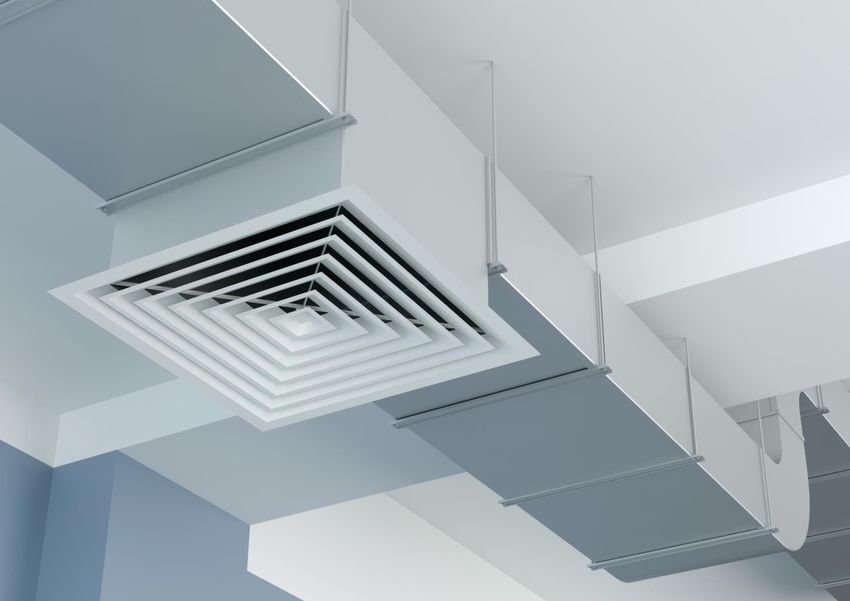
1. Thinking about risk
(continued)

Where the enforcing authority, such as the HSE or your local authority, identifies employers who are
not taking action to comply with the relevant public health legislation and guidance to control public
health risks, they are empowered to take a range of actions to improve control of workplace risks.
These actions include closure of venues under the Health Protection (Coronavirus, Restrictions)
(England) (No. 3) Regulations 2020. For example, this would cover employers not taking
appropriate action to ensure social distancing, where possible.
Failure to complete a risk assessment which takes account of COVID-19, or completing a risk
assessment but failing to put in place sufficient measures to manage the risk of COVID-19, could
constitute a breach of health and safety law. The actions the enforcing authority can take include
the provision of specific advice to employers to support them to achieve the required standard,
through to issuing enforcement notices to help secure improvements. Serious breaches and failure
to comply with enforcement notices can constitute a criminal offence, with serious fines and even
imprisonment for up to two years. There is also a wider system of enforcement, which includes
specific obligations and conditions for licensed premises.
Employers are expected to respond to any advice or notices issued by enforcing authorities rapidly
and are required to do so within any timescales imposed by the enforcing authorities. The vast
majority of employers are responsible and will join with the UK's fight against COVID-19 by working
with the government and their sector bodies to protect their workers and the public. However,
inspectors are carrying out compliance checks nationwide to ensure that employers are taking the
necessary steps.
On October 12 the Government introduced a system of Local COVID Alert Levels. If you live, work
or volunteer in an area that is part of Local COVID Alert Level: High or Local COVID Alert Level:
Very High, there are additional restrictions which apply to you. Please visit the Local COVID Alert
Levels page to find out what level your area is in and the additional restrictions that apply.

                                                                                                         9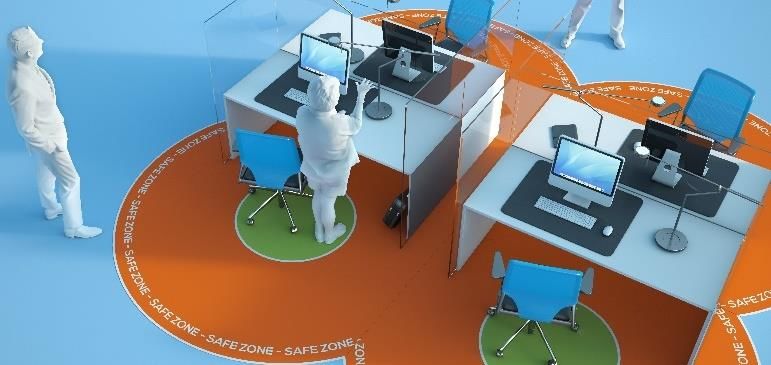
Objective:
               Objective:   ToTo  reduce
                               reduce riskrisk to the
                                            to the    lowest
                                                   lowest    reasonably
                                                          reasonably      practicable
                                                                      practicable
                  level
               level by by taking
                        taking    preventative
                               preventative      measures,
                                              measures,     in order
                                                         in order    of priority.
                                                                  of priority.
                 Employers have a duty to reduce workplace risk to the lowest
                 reasonably practicable level by taking preventative measures.
                 Employers must work with any other employers or contractors
                 sharing the workplace so that everybody's health and safety is
1.1 Managing     protected. In the context of COVID-19 this means protecting the
                 health and safety of your workers and visitors by working through
risk             these steps in order:
                 • Ensuring both workers and visitors who feel unwell stay at
                   home and do not attend the premise. From 28 September, by
                   law businesses may not require a self-isolating employee to
                   come into work.
                 ▪ In every workplace, increasing the frequency of handwashing
                   and surface cleaning.
                 ▪ To help contain the virus, office workers who can
                   work effectively from home should do so over the
                   winter. Where an employer, in consultation with their
                   employee, judges an employee can carry out their normal
                   duties from home they should do so. Public sector employees
                   working in essential services, including education settings,
                   should continue to go into work where necessary. Anyone else
                   who cannot work from home should go to their place of work.
                   The risk of transmission can be substantially reduced if
                   COVID-19 secure guidelines are followed closely. Extra
                   consideration should be given to those people at higher risk.
                 ▪ Businesses and workplaces should make every reasonable
                   effort to ensure their employees can work safely. When in the
                   workplace, everyone should make every reasonable effort to
                   comply with the social distancing guidelines set out by the
                   government (2m, or 1m with risk mitigation where 2m is not
                   viable is acceptable). Where the social distancing guidelines
                   cannot be followed in full, in relation to a particular activity,
                   businesses should consider whether that activity can be
                   redesigned to maintain a 2m distance or 1m with risk
                   mitigations where 2m is not viable.
                 ▪ Further mitigating actions include:
                    ▪ Further increasing the frequency of hand washing and
                      surface cleaning.
                    ▪ Keeping the activity time involved as short as possible.
                    ▪ Using screens or barriers to separate people from each
                      other.
                    ▪ Using back-to-back or side-to-side working (rather than
                      face-to-face) whenever possible.
                    ▪ Reducing the number of people each person has contact
                      with by using ‘fixed teams or partnering’ (so each person
                      works with only a few others).
                 ▪ Where the social distancing guidelines cannot be followed in
                   full, even through redesigning a particular activity, businesses
                   should consider whether that activity needs to continue for the
                   business to operate, and if so, take all the mitigating actions
                   possible to reduce the risk of transmission between their staff.

                                                                                        10
▪ You should ensure that steps are taken to avoid people needing
to unduly raise their voices to each other. This includes, but is
not limited to, refraining from playing music or broadcasts that
may encourage shouting, including if played at a volume that
makes normal conversation difficult. This is because of the
potential for increased risk of transmission, particularly from
aerosol transmission. We will develop further guidance, based
1.1 Managing on scientific evidence, to enable these activities as soon as
possible.
risk ▪ Finally, if people must work face-to-face for a sustained period
(continued) with more than a small group of fixed partners, then you will
need to assess whether the activity can safely go ahead. No
one is obliged to work in an unsafe work environment.
▪ In your assessment you should have particular regard to
whether the people doing the work are especially vulnerable to
COVID-19.
To prevent the spread of the virus, from 14 September there will be
legal limits on how many people someone can spend time with in a
social group at any one time. Whether indoors or outdoors people
from different households must not meet in groups of larger than 6.
This limit does not apply to meetings of a single household group
or support bubble where it consists of more than 6 people.
No-one should socialise in a group of greater than 6. Venues
following COVID-19 secure guidelines (e.g. pubs, restaurants) are
able to host more than 6 people in total, as long as each individual
group is self-contained. It is also important that people from
different households or support bubbles meeting in a single group
remain socially distanced. Further information on social contact
rules, social distancing and the exemptions that exist can be found
here. These rules will not apply to workplaces or education
settings, alongside other exemptions.
The recommendations in the rest of this document are ones you
must consider as you go through this process. You could also
consider any advice that has been produced specifically for your
sector, for example by trade associations or trades unions.
If you are currently operating, you will already have carried out an
assessment of the risks posed by COVID-19 in your workplace.
You use this document to identify any further improvements you
should make. You must review the measures you have put in
place to make sure they are working. You should also review them
if they may no longer be effective or if there are changes in the
workplace that could lead to new risks.
111.2 Sharing the results of your risk
assessment
You must share the results of your risk assessment with your workforce. If possible, you should consider
publishing the results on your website (and we would expect all employers with over 50 workers to do so).
We would expect all businesses to demonstrate to their workers and customers that they have properly
assessed their risk and taken appropriate measures to mitigate this. You should do this by displaying a
notification in a prominent place in your business and on your website, if you have one. Below you will find
a notice you should sign and display in your workplace to show you have followed this guidance.
122. Who should go to work
Objective: Office workers should work from home if they can.
Employers should ensure workplaces are safe for anyone who cannot
work from home.
In order to keep the virus under control, it is important that people work safely. To help contain the virus,
office workers who can work effectively from home should do so over the winter. Where an employer, in
consultation with their employee, judges an employee can carry out their normal duties from home they
should do so. Public sector employees working in essential services, including education settings, should
continue to go into work where necessary. Anyone else who cannot work from home should go to their
place of work.
The risk of transmission can be substantially reduced if COVID-19 secure guidelines are followed closely.
Employers should consult with their employees to determine who needs to come into the workplace safely
taking account of a person’s journey, caring responsibilities, protected characteristics, and other individual
circumstances. Extra consideration should be given to those people at higher risk. When employers
consider that workers should come into their place of work, then this will need to be reflected in the COVID-
19 workplace risk assessment and actions taken to manage the risks of transmission in line with this
guidance.
The decision to return to the workplace must be made in meaningful consultation with workers (including
through trade unions or employee representative groups where they exist). A meaningful consultation
means engaging in an open conversation about returning to the workplace before any decision to return has
been made. This should include a discussion of the timing and phasing of any return and any risk
mitigations that have been implemented. It is vital employers engage with workers to ensure they feel safe
returning to work, and they should not force anyone into an unsafe workplace.
Reviewing your incident and emergency procedures
Steps that will to ensure they reflect the social distancing principles
usually be as far as possible.
needed: Considering the security implications of any changes
you intend to make to your operations and practices
in response to COVID-19, as any revisions may
present new or altered security risks which may need
mitigations.
For organisations who conduct physical searches of
people, considering how to ensure safety of those
conducting searches while maintaining security
standards.
Following government guidance on managing
security risks.Objective: To support those who are at a higher risk of infection and/or
an adverse outcome if infected.
The Public Health England report 'Disparities in the risk and outcomes of
COVID-19' shows that some groups of people may be at more risk of
being infected and/or an adverse outcome if infected.
2.1 Protecting The higher-risk groups include those who:
▪ are older males
people who ▪ have a high body mass index (BMI)
are at higher ▪ have health conditions such as diabetes
risk ▪ are from some Black, Asian or minority ethnicity (BAME)
backgrounds
You should consider this in your risk assessment.
From 1st August, clinically extremely vulnerable individuals can return to
their workplace providing COVID-secure guidelines are in place but
should work from home wherever possible. If extremely clinically
vulnerable individuals cannot work from home, they should be offered
the option of the safest available on-site roles, enabling them to maintain
social distancing guidelines (2m, or 1m with risk mitigation where 2m is
not viable, is acceptable). It may be appropriate for clinically extremely
vulnerable individuals to take up an alternative role or adjusted working
patterns temporarily.
As for any workplace risk you must take into account specific duties to
those with protected characteristics, including, for example, expectant
mothers who are, as always, entitled to suspension on full pay if suitable
roles cannot be found. Particular attention should also be paid to people
who live with clinically extremely vulnerable individuals.
Steps that will usually be needed:
Providing support for workers around mental health and
wellbeing. This could include advice or telephone support.
See current guidance for advice on who is in the clinically
extremely vulnerable and clinically vulnerable groups.
Discussing the safest possible roles for clinically extremely
vulnerable workers who are returning to the workplace.
14Objective: To make sure individuals who are advised to stay at home
under existing government guidance to stop infection spreading do not
physically come to work. This includes individuals who have symptoms
of COVID-19, those who live in a household or are in a support bubble
with someone who has symptoms and those who are advised to self-
isolate as part of the government's test and trace service.
2.2 People Steps that will usually be needed:
who need to By law, from 28 September employers must not knowingly
require or encourage someone who is being required to self-
self-isolate isolate to come to work.
Enabling workers to work from home while self-isolating if
appropriate.
See current guidance for employees and employers relating
to statutory sick pay due to COVID-19.
Ensuring any workers who have symptoms of COVID-19 - a
high temperature, new and persistent cough or anosmia -
however mild, should self-isolate for at least 10 days from
when the symptoms started. Workers who have tested
positive for COVID-19 should self-isolate for at least 10 days
starting from the day the test was taken. Where a worker has
tested positive whilst not experiencing symptoms but develop
symptoms during the isolation period, they should restart the
10-day isolation period from the day the symptoms
developed. This only applies to those who begin their
isolation on or after 30 July.
See current guidance for people who have symptoms and
those who live with others who have symptoms.
Objective: To make sure that nobody is discriminated against.
▪ In applying this guidance, employers should be mindful of the
2.3 Equality in particular needs of different groups of workers or individuals.
▪ It is breaking the law to discriminate, directly or indirectly, against
the workplace anyone because of a protected characteristic such as age, sex,
disability, race or ethnicity.
▪ Employers also have particular responsibilities towards disabled
workers and those who are new or expectant mothers.
Steps that will usually be needed:
Understanding and taking into account the particular
circumstances of those with different protected
characteristics.
Involving and communicating appropriately with workers
whose protected characteristics might either expose them to
a different degree of risk, or might make any steps you are
thinking about inappropriate or challenging for them.
Considering whether you need to put in place any particular
measures or adjustments to take account of your duties under
the equalities legislation.
Making reasonable adjustments to avoid disabled workers
being put at a disadvantage, and assessing the health and
safety risks for new or expectant mothers.
Making sure that the steps you take do not have an
unjustifiable negative impact on some groups compared to
others, for example those with caring responsibilities or those
with religious commitments. 15Objective: To use ventilation to mitigate the transmission risk of
COVID-19.
Ventilation into the building should be optimised to ensure the
maximum fresh air supply is provided to all areas of the facility
wherever possible.
2.4 Ventilation Ventilation systems should provide a good supply of fresh air.
Steps that will usually be needed:
Increasing the existing ventilation rate by adjusting the fan
speed.
Operating the ventilation system when there are people in
the building.
Monitoring and managing filters in accordance to
manufacturer instructions.
Keeping doors and windows open if possible.
Using ceiling fans to improve air circulation, provided there is
good ventilation.
163. Social distancing for workers
▪ You must maintain social distancing in the workplace wherever
possible.
Objective:
▪ Where the social distancing guidelines cannot be followed in full
in relation to a particular activity, businesses should consider
Ensuring workers whether that activity can be redesigned to maintain a 2m
maintain social distance or 1m with risk mitigations where 2m is not viable.
distancing guidelines Mitigating actions include:
(2m, or 1m with risk ▪ Further increasing the frequency of hand washing and
mitigation where 2m is surface cleaning.
not viable, is
▪ Keeping the activity time involved as short as possible.
acceptable), wherever
possible, including ▪ Using screens or barriers to separate people from each
other.
arriving at and departing
from work, while in work ▪ Using back-to-back or side-to-side working (rather than face-
and when travelling to-face) whenever possible.
between sites. ▪ Reducing the number of people each person has contact with
by using ‘fixed teams or partnering’ (so each person works
with only a few others).
▪ Where the social distancing guidelines cannot be followed in
full, even through redesigning a particular activity, businesses
should consider whether that activity needs to continue for the
business to operate, and if so, take all the mitigating actions
possible to reduce the risk of transmission between staff.
▪ Social distancing applies to all parts of a business, not just the
place where people spend most of their time, but also entrances
and exits, break rooms, canteens and similar settings. These
are often the most challenging areas to maintain social
distancing and workers should be specifically reminded.
173.1 Coming to work and leaving work
Objective: To maintain social distancing wherever possible, on arrival and
departure and to ensure handwashing upon arrival.
Staggering arrival and departure times at work to
Steps that will reduce crowding into and out of the workplace, taking
usually be account of the impact on those with protected
needed: characteristics.
Providing additional parking or facilities such as bike-
racks to help people walk, run, or cycle to work where
possible.
Limiting passengers in corporate vehicles, for
example, work minibuses. This could include leaving
seats empty.
Reducing congestion, for example, by having more
entry points to the workplace.
Providing more storage for workers for clothes and
bags.
Using markings and introducing one-way flow at entry
and exit points.
Providing handwashing facilities, or hand sanitiser
where not possible, at entry/exit points and not using
touch-based security devices such as keypads where
possible.
Maintaining use of security access devices, such as
keypads or passes, and adjusting processes at
entry/exit points to reduce risk of transmission. For
example, cleaning pass readers regularly and asking
staff to hold their passes next to pass readers rather
than touching them.
See government guidance on travelling to and from
work.
183.2 Moving around buildings and worksites
Objective: To maintain social distancing wherever possible while people travel
through the workplace.
Reducing movement by discouraging non-essential
Steps that will trips within buildings and sites, for example, restricting
usually be access to some areas, encouraging use of radios,
telephones or other electronic devices, where
needed: permitted, and cleaning them between use.
Restricting access between different areas of a
building or site.
Reducing job and location rotation.
Introducing more one-way flow through buildings.
Reducing maximum occupancy for lifts, providing hand
sanitiser for the operation of lifts and encouraging use
of stairs wherever possible.
Making sure that people with disabilities are able
to access lifts.
Managing use of high traffic areas including corridors,
lifts turnstiles and walkways to maintain social
distancing.
Example lift practices
193.3 Workplaces and workstations
Objective: To maintain social distancing between individuals when they
are at their workstations.
▪ For people who work in one place, workstations should allow them to maintain social distancing wherever
possible.
▪ Workstations should be assigned to an individual and not shared. If they need to be shared they should be
shared by the smallest possible number of people.
▪ If it is not possible to ensure workstations comply with social distancing guidelines (2m, or 1m with risk
mitigation where 2m is not viable, is acceptable), then businesses should consider whether that activity
needs to continue for the business to operate, and if so take all mitigating actions possible to reduce the risk
of transmission.
Review layouts and processes to allow people to
Steps that will work further apart from each other.
usually be
Using floor tape or paint to mark areas to help people
needed: comply with social distancing guidelines (2m, or 1m
with risk mitigation where 2m is not viable, is
acceptable).
Only where it is not possible to move workstations
further apart, arranging people to work side by side or
facing away from each other rather than face-to-face.
Only where it is not possible to move workstations
further apart, using screens to separate people from
each other.
Managing occupancy levels to enable social
distancing.
Avoiding use of hot desks and spaces and, where not
possible, for example, call centres or training
facilities, cleaning workstations between different
occupants including shared equipment.
Green markers Floor plan and
to limit desk signage to
usage and enable social
maintain social distancing and
distancing safe working in
office
203.4 Meetings
Objective: To reduce transmission due to face-to-face meetings and maintain
social distancing in meetings.
Using remote working tools to avoid in-person
Steps that will meetings.
usually be
needed:
Only absolutely necessary participants should
physically attend meetings and should maintain social
distancing guidelines (2m, or 1m with risk mitigation
where 2m is not viable, is acceptable).
Avoiding transmission during meetings, for example,
avoiding sharing pens, documents and other objects.
Providing hand sanitiser in meeting rooms.
Holding meetings outdoors or in well-ventilated
rooms whenever possible.
For areas where regular meetings take place, using
floor signage to help people maintain social
distancing.
Aiding social distancing and
cleaning in meetings
213.5 Common areas
Objective: To maintain social distancing while using common areas.
Working collaboratively with landlords and other tenants
in multi-tenant sites/buildings to ensure consistency
Steps that will across common areas, for example, receptions and
staircases.
usually be
needed: Staggering break times to reduce pressure on the staff
break rooms or places to eat and ensuring social
distancing is maintained in staff break rooms.
Using safe outside areas for breaks.
Creating additional space by using other parts of the
workplace or building that have been freed up by
remote working.
Installing screens to protect staff in receptions or similar
areas.
Providing packaged meals or similar to avoid fully
opening staff canteens.
Encouraging workers to bring their own food.
Reconfiguring seating and tables to maintain spacing
and reduce face-to-face interactions.
Encouraging staff to remain on-site and, when not
possible, maintaining social distancing while off-site.
Regulating use of locker rooms, changing areas and
other facility areas to reduce concurrent usage.
Encouraging storage of personal items and clothing in
personal storage spaces, for example, lockers and
during shifts.
Common areas and appropriate signage to restrict access when social distancing is not
possible / practical
223.6 Accidents, security and other incidents
Objective: To prioritise safety during incidents.
• In an emergency, for example, an accident, provision of first aid, fire or break-in, people do not have to
comply with social distancing guidelines if it would be unsafe.
• People involved in the provision of assistance to others should pay particular attention to sanitation
measures immediately afterwards including washing hands.
Reviewing your incident and emergency procedures
Steps that will to ensure they reflect the social distancing principles
usually be as far as possible.
needed: Considering the security implications of any changes
you intend to make to your operations and practices
in response to COVID-19, as any revisions may
present new or altered security risks which may need
mitigations.
For organisations who conduct physical searches of
people, considering how to ensure safety of those
conducting searches while maintaining security
standards.
Following government guidance on managing
security risks.4. Managing your customers, visitors and contractors
Objective: To minimise the number of unnecessary visits to offices.

                Steps that will usually be needed:
                        Encouraging visits via remote connection/working where this
4.1 Manage              is an option.

contacts                Limiting the number of visitors at any one time.

                        Limiting visitor times to a specific time window and restricting
                        access to required visitors only.

                        Determining if schedules for essential services and
                        contractor visits can be revised to reduce interaction and
                        overlap between people, for example, carrying out services
                        at night.

                        Maintaining a record of all visitors, if this is practical.

                        Encouraging visitors to use hand sanitiser or handwashing
                        facilities as they enter the premises.

                        Revising visitor arrangements to ensure social distancing
                        and hygiene, for example, where someone physically signs
                        in with the same pen in receptions.

                Objective: To make sure people understand what they need to do to
                maintain safety.
4.2 Providing
and             Steps that will usually be needed:
explaining              Providing clear guidance on social distancing and hygiene to
available               people on arrival, for example, signage, visual aids and
                        before arrival, for example, by phone, on the website, by
guidance                email. Consider the particular needs of those with protected
                        characteristics, such as those who are hearing or visually
                        impaired.

                        Establishing host responsibilities relating to COVID-19 and
                        providing any necessary training for people who act as hosts
                        for visitors.

                        Reviewing entry and exit routes for visitors and contractors to
                        minimise contact with other people.

                        Coordinating and working collaboratively with landlords and
                        other tenants in multi-tenant sites, for example, shared
                        working spaces.

                        Informing visitors that they should be prepared to remove face
                        coverings if asked to do so by police officers and staff for the
                        purposes of identification.
                        Ensuring information provided to visitors, such as advice on
                        the location or size of queues, does not compromise their
                        safety.
                                                                                   25
5. Cleaning the workplace
Objective: To make sure that any site or location that has been
                closed or partially operated is clean and ready to restart, including:
                ▪ An assessment for all sites, or parts of sites, that have been closed,
                  before restarting work.
                ▪ Carrying out cleaning procedures and providing hand sanitiser
5.1 Before        before restarting work.

reopening       Steps that will usually be needed:

                        Checking whether you need to service or adjust ventilation
                        systems, for example, so that they do not automatically
                        reduce ventilation levels due to lower than normal
                        occupancy levels.

                        Most air conditioning system do not need adjustment,
                        however where systems serve multiple buildings or you are
                        unsure, advice can be sought from your heating ventilation
                        and air conditioning (HVAC) engineers or advisers.

                Objective: To keep the workplace clean and prevent transmission by
                touching contaminated surfaces.
5.2 Keeping
the workplace   Steps that will usually be needed:
clean                   Frequent cleaning of work areas and equipment between
                        uses, using your usual cleaning products.
                        Frequent cleaning of objects and surfaces that are touched
                        regularly including door handles and keyboards, and making
                        sure there are adequate disposal arrangements for cleaning
                        products.
                        Clearing workspaces and removing waste and belongings
                        from the work area at the end of a shift.
                        Limiting or restricting use of high-touch items and equipment,
                        for example, printers or whiteboards.

                        If you are cleaning after a known or suspected case of
                        COVID-19 then you should refer to the specific guidance.

                        Providing extra non recycling bins for workers and visitors to
                        dispose of single use face coverings and PPE. You should
                        refer to guidance for information on how to dispose of personal
                        or business waste, including face coverings and PPE.

                                                                                         27
5.3 Hygiene – handwashing, sanitation
facilities and toilets
Objective: To help everyone keep good hygiene through the working day.
Steps that will Using signs and posters to build awareness of good
handwashing technique, the need to increase
usually be handwashing frequency, avoid touching your face and
needed: to cough or sneeze into a tissue which is binned
safely, or into your arm if a tissue is not available.
Providing regular reminders and signage to maintain
personal hygiene standards.
Providing hand sanitiser in multiple locations in
addition to washrooms.
Setting clear use and cleaning guidance for toilets to
ensure they are kept clean and social distancing is
achieved as much as possible.
Enhancing cleaning for busy areas.
Providing more waste facilities and more frequent
rubbish collection.
Providing hand drying facilities – paper towels,
continuous roller towels or electrical dryers.
Keeping the facilities well ventilated, for example by
fixing doors open where appropriate.
28Objective: To minimise the risk of transmission in changing rooms
and showers.
Steps that will usually be needed:
5.4 Changing
rooms and Where shower and changing facilities are required, setting
clear use and cleaning guidance for showers, lockers and
changing rooms to ensure they are kept clean and clear of
showers personal items and that social distancing is achieved as much
as possible.
Introducing enhanced cleaning of all facilities regularly during
the day and at the end of the day.
Objective: To reduce transmission through contact with objects that
5.5 Handling come into the workplace and vehicles at the worksite.
goods,
merchandise Steps that will usually be needed:
and other
Cleaning procedures for goods and merchandise entering the
materials, and site.
onsite
vehicles Cleaning procedures for vehicles.
Introducing greater handwashing and handwashing facilities
for workers handling goods and merchandise and providing
hand sanitiser where this is not practical.
Regular cleaning of vehicles that workers may take home.
Restricting non-business deliveries, for example, personal
deliveries to workers.
296. Personal Protective Equipment (PPE) and face coverings
PPE protects the user against health or safety risks at work. It can
include items such as safety helmets, gloves, eye protection, high-
visibility clothing, safety footwear and safety harnesses. It also
includes respiratory protective equipment, such as face masks.
Where you are already using PPE in your work activity to protect
6. Personal against non-COVID-19 risks, you should continue to do so.
At the start of this document we described the steps you need to
Protective take to manage COVID-19 risk in the workplace. This includes
maintaining social distancing guidelines (2m, or 1m with risk
Equipment mitigation where 2m is not viable, is acceptable). When managing
the risk of COVID-19, additional PPE beyond what you usually
(PPE) and wear is not beneficial. This is because COVID-19 is a different type
of risk to the risks you normally face in a workplace, and needs to
face be managed through social distancing, hygiene and fixed teams or
partnering, not through the use of PPE.
coverings The exception is clinical settings, like a hospital, or a small handful
of other roles for which Public Health England advises use of PPE.
For example, first responders and immigration enforcement
officers. If you are in one of these groups you should refer to the
advice at:
https://www.gov.uk/government/publications/coronavirus-covid-19-
personal-protective-equipment-ppe-plan/covid-19-personal-
protective-equipment-ppe-plan
and
https://www.gov.uk/government/publications/covid-19-
decontamination-in-non-healthcare-settings/covid-19-
decontamination-in-non-healthcare-settings.
Workplaces should not encourage the precautionary use of extra
PPE to protect against COVID-19 outside clinical settings or when
responding to a suspected or confirmed case of COVID-19.
Unless you are in a situation where the risk of COVID-19
transmission is very high, your risk assessment should reflect the
fact that the role of PPE in providing additional protection is
extremely limited. However, if your risk assessment does show
that PPE is required, then you must provide this PPE free of
charge to workers who need it. Any PPE provided must fit properly.
31There is growing evidence that wearing a face covering in an
enclosed space helps protect individuals and those around them
from COVID-19.
A face covering can be very simple and may be worn in enclosed
spaces where social distancing isn’t possible. It just needs to
6.1 Face cover your mouth and nose. It is not the same as a face mask,
such as the surgical masks or respirators used by health and care
coverings workers. Similarly, face coverings are not the same as
the PPE used to manage risks like dust and spray in an industrial
context. Supplies of PPE, including face masks, must continue to
be reserved for those who need them to protect against risks in
their workplace, such as health and care workers, and those in
industrial settings like those exposed to dust hazards.
Face coverings are not a replacement for the other ways of
managing risk, including minimising time spent in contact, using
fixed teams and partnering for close-up work, and increasing
hand and surface washing. These other measures remain the
best ways of managing risk in the workplace and government
would therefore not expect to see employers relying on face
coverings as risk management for the purpose of their health and
safety assessments.
Face coverings are mandatory on public transport and in a
number of indoor premises. Face coverings are not mandatory in
offices, though are required for customers and staff in some
businesses that are customer facing such as banks, building
societies, post offices, premises providing professional, legal or
financial services, estate agents and auction houses. Staff in
these settings must wear face coverings when in areas that are
open to the public and where they are likely to come within close
contact of a member of the public, unless they have an
exemption.
People are also encouraged to wear face coverings in enclosed
public spaces where there are people they do not normally meet.
If you choose to wear one, it is important to use face coverings
properly and wash your hands before putting them on and before
and after taking them off.
Find further detail on when and where to wear face coverings.
Some people don’t have to wear a face covering including
for health, age or equality reasons.
32Employers should support their workers in using face coverings
safely if they choose to wear one. This means telling workers:
▪ Wash your hands thoroughly with soap and water for 20
seconds or use hand sanitiser before putting a face covering
on, and before and after removing it.
6.1 Face ▪ When wearing a face covering, avoid touching your face or
face covering, as you could contaminate them with germs from
coverings your hands.
(continued) ▪ Change your face covering if it becomes damp or if you’ve
touched it.
▪ Continue to wash your hands regularly.
▪ Change and wash your face covering daily.
▪ If the material is washable, wash in line with manufacturer’s
instructions. If it’s not washable, dispose of it carefully in your
usual waste.
▪ Practise social distancing wherever possible.
Please be mindful that the wearing of a face covering may inhibit
communication with people who rely on lip reading, facial
expressions and clear sound.
337. Workforce management
Objective: To change the way work is organised to create distinct
                           groups and reduce the number of contacts each employee has.

                           Steps that will usually be needed:

7.1 Shift                           As far as possible, where staff are split into teams or
                                    shift groups, fixing these teams or shift groups so that
patterns and                        where contact is unavoidable, this happens between
                                    the same people.
outbreaks                           Identifying areas where people directly pass things to
                                    each other, for example office supplies, and finding
                                    ways to remove direct contact, such as using drop-off
                                    points or transfer zones.
7.1.1 Shift patterns and
working groups                      You should assist the Test and Trace service by
                                    keeping a temporary record of your staff shift patterns
                                    for 21 days and assist NHS Test and Trace with
                                    requests for that data if needed. This could help
                                    contain clusters or outbreaks. Further guidance can
                                    be found here.

                           Objective: To provide guidance in an event of a COVID-19 outbreak
7.1 Shift                  in the workplace

patterns and
                           Steps that will usually be needed:
outbreaks
                                    As part of your risk assessment, you should ensure you
                                    have an up to date plan in case there is a COVID-19
                                    outbreak. This plan should nominate a single point of
7.1.2 Outbreaks in the              contact (SPOC) where possible who should lead on
workplace                           contacting local Public Health teams.
                                    If there is more than one case of COVID-19 associated
                                    with your workplace, you should contact your local PHE
                                    health protection team to report the suspected outbreak.
                                    Find your local PHE health protection team.
                                    If the local PHE health protection team declares an
                                    outbreak, you will be asked to record details of
                                    symptomatic staff and assist with identifying contacts. You
                                    should therefore ensure all employment records are up to
                                    date. You will be provided with information about the
                                    outbreak management process, which will help you to
                                    implement control measures, assist with communications
                                    to staff, and reinforce prevention messages.

                                                                                               35
Objective: To avoid unnecessary work travel and keep people safe
when they do need to travel between locations.
Steps that will usually be needed:
7.2 Work-
related travel Walking or cycling where possible. When not possible, you
can use public transport or drive. You must wear a face
covering when using public transport.
Minimising the number of people outside of your household
7.2.1 Cars, or support bubble travelling together in any one vehicle,
accommodation and visits using fixed travel partners, increasing ventilation when
possible and avoiding sitting face-to-face.
Cleaning shared vehicles between shifts or on handover.
Where workers are required to stay away from their home,
centrally logging the stay and making sure any overnight
accommodation meets social distancing guidelines.
Objective: To help workers delivering to other sites such as
branches, or suppliers’ or customers’ premises to maintain social
distancing and hygiene practices.
7.2 Work-
related travel Steps that will usually be needed:
7.2.2 Deliveries to Other Putting in place procedures to minimise person-to-person
Sites contact during deliveries to other sites.
Maintaining consistent pairing where two-person deliveries
are required.
Minimising contact during payments and exchange of
documentation, for example, by using electronic payment
methods and electronically signed and exchanged
documents.
36Objective: To make sure all workers understand COVID-19 related
safety procedures.
Steps that will usually be needed:
7.3
Communications Providing clear, consistent and regular communication to
improve understanding and consistency of ways of working.
and Training
Engaging with workers and worker representatives through
existing communication routes to explain and agree any
7.3.1 Returning to Work changes in working arrangements.
Developing communication and training materials for
workers prior to returning to site, especially around new
procedures for arrival at work.
Objective: To make sure all workers are kept up to date with how
safety measures are being implemented or updated.
7.3
Communications Steps that will usually be needed:
and Training
Ongoing engagement with workers (including through trades
unions or employee representative groups) to monitor and
7.3.2 Ongoing
understand any unforeseen impacts of changes to working
communications and environments.
signage
Awareness and focus on the importance of mental health at
times of uncertainty. The government has published
guidance on the mental health and wellbeing aspects of
coronavirus (COVID-19).
Using simple, clear messaging to explain guidelines using
images and clear language, with consideration of groups for
which English may not be their first language and those with
protected characteristics such as visual impairments.
Using visual communications, for example, whiteboards or
signage, to explain changes to schedules or breakdowns
without the need for face-to-face communications.
Communicating approaches and operational procedures to
suppliers, customers or trade bodies to help their adoption
and to share experience.
Example signage to promote
hygiene and social
distancing measures
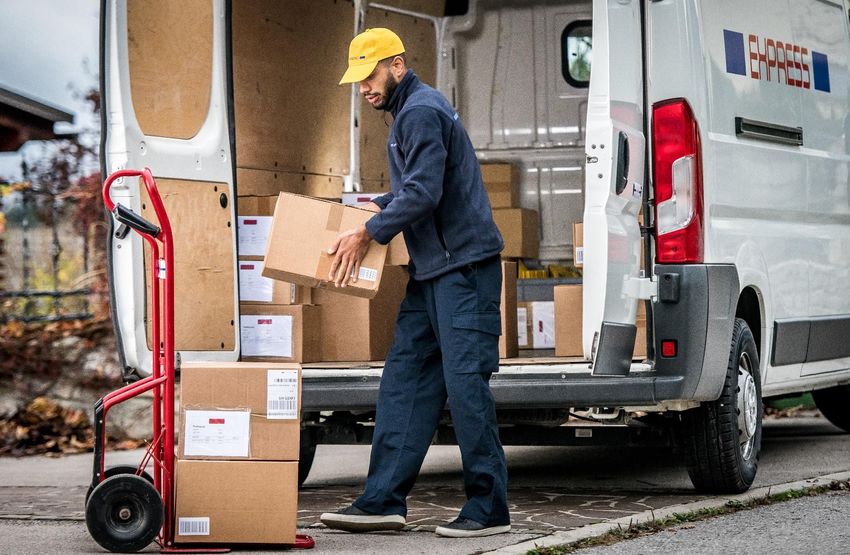
378. Inbound and outbound goods
Steps that will usually be needed:
Objective:
Revising pick-up and drop-off collection points, procedures,
To maintain social signage and markings.
distancing and avoid
surface transmission Minimising unnecessary contact at gatehouse security, yard
when goods enter and and warehouse. For example, non-contact deliveries where
the nature of the product allows for use of electronic pre-
leave the site. booking.
Considering methods to reduce frequency of deliveries, for
example by ordering larger quantities less often.
Where possible and safe, having single workers load or
unload vehicles.
Where possible, using the same pairs of people for loads
where more than one is needed.
Enabling drivers to access welfare facilities when required,
consistent with other guidance.
Encouraging drivers to stay in their vehicles where this does
not compromise their safety and existing safe working
practice, such as preventing drive-aways.
38Where to obtain further guidance
COVID-19: what you need to do
https://www.gov.uk/coronavirus
Support for businesses and employers during coronavirus (COVID-19)
https://www.gov.uk/coronavirus/business-support
General guidance for employees during coronavirus (COVID-19)
https://www.gov.uk/guidance/guidance-and-support-for-employees-during-
coronavirus-covid-19
Appendix
Definitions
Common Areas The term ‘common area’ refers to areas and amenities which are provided for
the common use of more than one person including canteens, reception areas,
meeting rooms, areas of worship, toilets, gardens, fire escapes, kitchens, fitness
facilities, store rooms, laundry facilities.
Support Bubbles The term ‘support bubble’ refers to single adult households, where adults live
alone or with dependent children only, expanding their support network so that it
includes one other household of any size. Further guidance on this can be
found here:
https://www.gov.uk/guidance/meeting-people-from-outside-your-household
39Appendix
Definitions
Clinically extremely Clinically extremely vulnerable people will have received a letter telling them
vulnerable they are in this group, or will have been told by their GP. Guidance on who is in
this group can be found here:
https://www.gov.uk/government/publications/guidance-on-shielding-and-
protecting-extremely-vulnerable-persons-from-covid-19/guidance-on-shielding-
and-protecting-extremely-vulnerable-persons-from-covid-19
Clinically vulnerable Clinically vulnerable people include those aged 70 or over and those with some
people underlying health conditions, all members of this group are listed in the
‘clinically vulnerable’ section here:
https://www.gov.uk/government/publications/staying-alert-and-safe-social-
distancing/staying-alert-and-safe-social-distancing
40© Crown copyright 2020
This publication is licensed under the terms
of the Open Government Licence v3.0
except where otherwise stated. To view this licence, visit:
www.nationalarchives.gov.uk/doc/open-government-
licence/version/3
This publication is also available on our
website at:
www.gov.uk/workingsafely
Images are not covered under the terms of the Open Government
Licence and must not be reproduced or used under copyright
rules.
Contact us if you have any enquiries about this publication,
including requests for alternative formats, at:
enquiries@beis.gov.uk
41You can also read


