2021 ROYAL NEW ZEALAND PLUNKET TRUST - Print Version
←
→
Page content transcription
If your browser does not render page correctly, please read the page content below
ANNUAL REPORT

2021
ROYAL NEW ZEALAND PLUNKET TRUST

Our vision
                                 Kotahi mano ngā rā hiki te
                                 oranga mō ngā tipuranga i
                                      roto i te hāpori
                                    In the first 1000 days
                                   we make the difference
                                         of a lifetime

b   PLUNKET ANNUAL REPORT 2021
Our goals                                                Our strategic themes
Healthy tamariki – We make sure every tamariki/          • Tamariki, their whānau, families and communities
child has the opportunity to be as healthy and well as     are at the heart of everything we do.
they can be.
                                                         • High-performing Whānau Āwhina Plunket people.
Confident whānau – We build the confidence and           • Integrated, collaborative and connected approach.
knowledge of whānau and families across Aotearoa
New Zealand.                                             • Whānau Āwhina Plunket is a learning organisation
                                                           fuelled by knowledge, data and insights.
Connected communities – We make sure no whānau
                                                         • A bright financial future.
or family is left isolated, disconnected or unable to
cope.

Our equity goal
All our services will be delivered equitably by 2025
In Aotearoa New Zealand, people have differences in
health that are avoidable, unfair and unjust.
Equity recognises that different people with different
levels of advantage require different approaches and
resources to get equitable health outcomes.
Ministry of Health, March 2019

                                  Māia
                         to be courageous and                          Māhaki
                       lean into discomfort and                   to be humble as we
                       challenge as we walk the                share our knowledge and
                                path of                        experience to understand
                              pro-equity                       and learn from each other
                                                                    and foster trust

                                               Our
                                            Core Values

                             Tūhono
                     to connect and stand in                         Manaaki
                     relationship in calm and                  to care, love, nurture,
                            safe spaces,                       support and be mana
                          (āhuru mōwai)                     enhancing. To respect mana
                                                             atua, mana tūpuna, mana
                                                              whenua, mana tangata

                                                                                        PLUNKET ANNUAL REPORT 2021 1
Contents
        4        This is Whānau Āwhina Plunket

        6        From our Board Chairperson

        8        From our Chief Executive

        10       Our year in review

        12       Delivering on our strategy

        24       Thank you to our partners, funders and donors

        28       Whānau Āwhina Plunket Board and Leadership

        29       Financials

        31       Funding partners and supporters

        32       Help make the difference of a lifetime

        ISSN 2624-4675 (Online)                                    The artwork of Whānau Āwhina Plunket’s
                                                                      founding wāhine toa, Mere Harper and
                                                                 Ria Tikini, is on display in the level 3 foyer of
                                                                    the Plunket Support Office in Wellington.

                                                                      The artwork was created by Isobel Joy
                                                                         Te Aho-White (Ngāi Tahu and Ngāti
                                                                 Kahungungu ki te Wairoa) who used photos
                                                                 of Mere Harper (left) and Ria Tikini (right) to
                                                                                       recreate their likeness.

                                                                       Behind the pair is the whenua of the
                                                                 Karitāne peninsula. Overlaid on the work is
                                                                 our Ngā pae o te harakeke tohu, which was
                                                                                     designed by Len Hetet.

2   PLUNKET ANNUAL REPORT 2021
Tuāpapa Te Tiriti – Our Foundation
Tūāpapa Te Tiriti reaffirms Te Tiriti o Waitangi as the founding document for Aotearoa New
Zealand and for Whānau Āwhina Plunket.
We will be a strong Te Tiriti o Waitangi partner and will work with Māori to achieve Māori aspirations by applying the
principles of Te Tiriti o Waitangi across all our work. These principles[1] have been defined for the health and disability
system as:

Tino Rangatiratanga                                             Equity
Māori have the right to self-determination and mana            Being committed to achieving equitable health
motuhake in the design, delivery and monitoring of              outcomes for Māori.
health and disability services.
                                                                Options for Māori
Partnership                                                     Māori must have the ability to choose kaupapa Māori
Māori must be partners in the governance, design,              health and disability services. We are also committed
delivery and monitoring of health and disability                to providing our services in a culturally appropriate
services – Māori must be co-designers, with the                way that recognises and supports the expression of
Crown, of the primary health system for Māori.                 hauora Māori models of care.

Active Protection
Acting to the fullest extent practicable to achieve
equitable health outcomes for Māori. This includes
ensuring we are well informed on the extent, and
nature, of both Māori health outcomes and efforts to
achieve Māori health equity.
                                                                [1] Whakamaua: Māori Health Action Plan 2020–2025

                                                                                              ISSN 2624-4675 (Online)

                                                                                                PLUNKET ANNUAL REPORT 2021 33
This is Whānau Āwhina
        Plunket
        Whānau Āwhina Plunket is a charity and Aotearoa New Zealand’s largest provider of
        services to support the health and wellbeing of children aged up to five. Pēpi, tamariki
        and whānau are at the heart of Whānau Āwhina Plunket – everything we do is centred
        on supporting pēpi and tamariki to have the best possible start in life.

        Every whānau and family in Aotearoa New Zealand is eligible for free Well Child
        Tamariki Ora visits. These can take place in homes or local Whānau Āwhina Plunket
        clinics and community spaces.

        Whānau Āwhina Plunket’s nurses provide clinical assessments, and along with our
        Kaiāwhina and Community Karitāne provide care, support
        and health education to whānau and families.

4   PLUNKET ANNUAL REPORT 2021
Pēpi, tamariki, their families,
                 whānau and communities
                             are at the heart of everything we do.

Well Child Tamariki Ora (WCTO) visits                         based on the needs of the community. These are
WCTO nurses work in partnership with whānau and               funded through fundraising, partnerships and
families to understand their health needs and develop         community grants.
a care plan together to improve their child’s health        • A strong advocacy voice for health and wellbeing
outcomes. Nurses complete a health and development            matters related to young children, whānau, families
assessment with each child to check they’re growing           and their wellbeing.
and developing as expected. These checks are critical for
                                                            Making the difference of a lifetime in the first 1000
picking up any concerns early, so children can have the
                                                            days
best possible start in life.
                                                            Research shows the greatest social good will be
In addition to the Well Child Tamariki Ora service,         achieved in investing in a child’s earliest years.
Whānau Āwhina Plunket also offers:                          Everything from brain development to learning physical
• PlunketLine – a free 24/7 parenting and child health      skills, to secure attachments that help children learn
  helpline, staffed by registered nurses. PlunketLine       to love and trust others, to speech development and
  also offers an innovative video-chat breastfeeding        learning self-control, all happen in those first 1000 days.
  support service for mums.                                 The type of care a child receives in this critical time
• Other services – Whānau Āwhina Plunket delivers           can make the difference of a lifetime. Whānau Āwhina
  a range of mostly free community services (parent         Plunket is perfectly placed to make a difference in those
  education, injury prevention, Kaupapa Māori               early years.
  antenatal wānanga) to support children and whānau,

                                                                                          PLUNKET ANNUAL REPORT 2021 5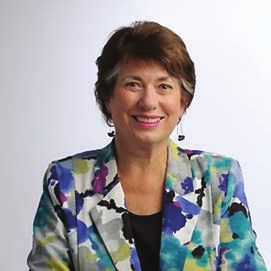
From our Board Chairperson
                                                                   Whānau Āwhina Plunket’s kaimahi have the Board’s
                                                                   full backing and support to carry out some of the most
                                                                   substantial changes our organisation has ever seen, so
                                                                   we can reach our ambitious goal of delivering services
                                                                   equitably by 2025. We’ve made some progress towards
                                                                   achieving this goal, but we know it will require courage
                                                                   and persistence to fully play our part in addressing the
                                                                   health inequities that persist in Aotearoa New Zealand.
                                                                   System change is what can make the difference of a
                                                                   lifetime and beyond and we’re embracing our part in
                                                                   this change.

        E aku nui, e aku rahi, tēnā koutou katoa. Warm             A year of uncertainty
        greetings to you all.                                      During 2020/21 we all experienced the ongoing
        On behalf of the Royal New Zealand Plunket Trust           challenges of COVID-19, including local lockdowns,
        Board, I am delighted to present the 2020/21 Annual        changes to alert levels and the continued economic and
        Report, which looks back on our organisation’s             social ramifications of a global pandemic. For Whānau
        achievements over the last financial year.                 Āwhina Plunket and the people and communities
                                                                   we serve, these challenges exacerbated existing
        This has been another important year for Whānau            inequalities where impacts are disproportionately
        Āwhina Plunket as we continue on our path of               borne by those already susceptible to economic
        organisational development and pro-equity, working         hardship and less resilient against COVID-19’s wider
        to the vision that guides everything we do: in the first   social and economic repercussions. This reinforces our
        1000 days we make the difference of a lifetime.            resolve that we are steering our waka firmly in the right
        As Aotearoa New Zealand’s largest provider of              direction with our pro-equity goal.
        Well Child Tamariki Ora services, our dedicated and        I’m proud to say our Whānau Āwhina Plunket people
        committed kaimahi saw an incredible 291,796 tamariki       took the lessons of 2020 and continued to support
        aged 0 to 5 in 2020/21, including 89 per cent of all new   staff and whānau through the ongoing uncertainty of
        babies across Aotearoa New Zealand, and 62 per cent of     COVID-19. In a world struggling to figure out how to
        all newborn Māori pēpi. We are proud to touch the lives    respond to the pandemic, our values and pro-equity
        of so many New Zealanders.                                 approach provided a clear path for us to focus on
        Whānau Āwhina Plunket’s work continues to be guided        supporting those who most needed us. There was a real
        by our key priority areas of becoming a pro-equity         sense of camaraderie as our kaimahi worked out how
        organisation and improving Māori health outcomes;          to best assist communities and embraced the necessary
        developing our digital channels; and supporting our        changes to our service delivery, pivoting to provide our
        people to do their jobs well. Throughout this report,      services virtually and using our PlunketLine expertise to
        you will see examples of our mahi to facilitate change     support our whānau and families.
        and improve the way we work, so we can best serve          The uncertainty of COVID-19 also severely impacted our
        pēpi, tamariki, whānau and communities across all of       ability to hold fundraising activities, and our funding
        Aotearoa New Zealand.                                      sources across the board have decreased. We are facing
                                                                   strong financial pressures with the ongoing funding
        Reinforcing our commitment to pro-equity
                                                                   shortfall for the delivery of our Well Child Tamariki
        In the past year, as we draw to the end of our five-year   Ora services and across most of our community-based
        strategy, we have reflected deeply on how we can make      services. COVID-19 has put the charity sector under
        sure we’re providing the best level of care, in the most   enormous pressure both in terms of funding and
        beneficial way, to the people who most need us. We         demand. Nonetheless, we are adapting our fundraising
        have re-affirmed our commitment to Te Tiriti o Waitangi    to meet the challenging environment.
        and we are prioritising achieving equitable health
        outcomes, with particular focus on those groups that
        the health system has poorly served – whānau Māori,
        Pasifika families and those with higher needs.

6   PLUNKET ANNUAL REPORT 2021
A bright future eco-system – kaimahi and volunteers, funders and
The changes we’ve seen in the year under review have supporters. I commend our visionary leadership team
all fed into our new five-year strategy and longer-term and Board, who have designed the path ahead and are
work programme. We want to ensure Whānau Āwhina striding firmly along it.
Plunket remains relevant to all whānau, provides Whānau Āwhina Plunket is one of Aotearoa New
equitable services across Aotearoa New Zealand, and Zealand’s oldest organisations and has for more than
moves toward an outcomes-based service model. Our a century delivered health services at the time of life
new strategy is underpinned by our ambition to create when they can make the biggest difference. The history
generational change as we look at how we can innovate of Whānau Āwhina Plunket has reflected the history of
to create health equity. Our direction is completely the nation. Our honest appraisal of this history over the
aligned with the changes the Government is proposing last few years and the conscious move to becoming a
for the wider health system and we look forward to pro-equity organisation, underpinned by the principles
collaborating with other providers to enhance all health of Te Tiriti o Waitangi, provides a focus entirely
outcomes across the board. appropriate for the future. I am privileged to be able to
play a part in delivering this change and look forward to
Thank you
seeing it fully implemented in the future.
As a charity, we are enormously grateful for the
financial support we receive from our partners, Ngā mihi
supporters and funders. This support is critical to our
delivery and is much appreciated.
I also pay tribute to our staff and volunteers for the
tremendous work they did last year. The ongoing impact
of the pandemic has put extra strain on our service
delivery in many ways, but our people have met these Dame Fran Wilde, Board Chairperson
challenges. The staff and volunteers of Whānau Āwhina
Plunket have been outstanding and I and the rest of the
Board thank them for their efforts.
Finally, as this is my first Annual Report as Chair, it
is important to thank the whole Whānau Āwhina
Plunket team for welcoming me so warmly. I have been
highly impressed with the Whānau Āwhina Plunket
PLUNKET ANNUAL REPORT 2021 7From our Chief Executive
is to change the way we deliver our services so that we
can begin to see tangible outcomes for our whānau. You
will see this phase reflected in our new strategy, which
will ensure we are doing the right things at the right
time to achieve our long-term goals.
While it will take time, effort and commitment by each
and every one of us to achieve our pro-equity goal, I am
confident we are already starting to see positive change.
Acknowledging our past to look to the future – Ka
mua, ka muri
An important step towards achieving our pro-equity
Ngā mihi koutou mō tō tae mai ki tō mātou ripoata
goal for the future, is acknowledging our past. Part
a-tau.
of that is recognising the role played by two Māori
It gives me great pleasure to present Whānau Āwhina midwives, Ria Tikini and Mere Harper, in the foundation
Plunket’s 2020/21 Annual Report. of what we know today as Whānau Āwhina Plunket.
Their roles have been invisible in Whānau Āwhina
Continuing on our pro-equity journey
Plunket’s storytelling to date and rebalancing our
Whānau Āwhina Plunket has been walking alongside whakapapa has been an important first step in righting
Aotearoa New Zealand whānau and families for 114 this wrong.
years. We are privileged to be invited into the homes
of whānau and families across the country every day. Whānau Āwhina Plunket has also acknowledged the
Through our work we touch the lives of hundreds of problematic views held by Dr Truby King in relation to
thousands of babies and children every year. Yet we eugenics, and we have apologised for the harm those
know we still have work to do to better meet the needs views, and by association, our organisation caused to
of whānau, pēpi and tamariki Māori. Māori. This is important, because we cannot expect
to play a part in addressing the failings of the health
As you’ll see in this report, 2020/21 marked an system if we don’t first acknowledge our part in those
important step forward in our journey to address the failings.
issues we see in communities every day in Aotearoa
New Zealand: uneven care depending on where We welcomed the health reforms announced in April
you live, and poorer outcomes for whānau Māori, 2021 and look forward to the creation of Health New
Pasifika peoples, and those with greater needs. As Zealand and a Māori Health Authority. The commitment
an organisation that sees around 89 per cent of all to Te Tiriti o Waitangi principles and ensuring equitable
newborn babies in Aotearoa New Zealand, and 62 health outcomes mirrors our own journey over the past
per cent of all newborn Māori pēpi, Whānau Āwhina five years.
Plunket has an obligation to work differently to help
Supporting our people
improve Māori health outcomes. We must continue to
change and innovate, and provide a consistent service We have worked this year to provide our staff with
throughout Aotearoa New Zealand, ensuring every the knowledge and tools they need to understand and
whānau has access to Well Child Tamariki Ora services embrace our pro-equity journey. We are supporting
no matter where they live. our staff to understand how personal and systematic
bias and racism has led to poorer health outcomes for
In October 2020, we launched Te Rautaki Māori – Ngā whānau Māori and Pasifika families.
Pae o te Harakeke (our Māori Strategy) to guide us on
this journey. Te Rautaki Māori – Ngā Pae o Harakeke Pro-equity must be something every person who works
– sets our mahere mana taurite – our equity roadmap – for Whānau Āwhina Plunket understands, embraces
and guides our responsiveness to whānau Māori. and enacts. We have launched learning opportunities
that every person who works for us must complete,
The end of this financial year marked the endpoint of including the Be a Better Treaty Partner course. This
our last five-year strategy. Over the last five years, we’ve course teaches Aotearoa New Zealand’s history and
been working hard to create the conditions and lay the describes the impacts of colonisation on Māori and the
foundations for our pro-equity mahi. Our next phase many systemic failures that have created the inequities
8 PLUNKET ANNUAL REPORT 2021we face today. These tools will help our people deepen Thank you
their pro-equity knowledge, guiding us towards our Finally, I’d like to recognise our kaimahi and volunteers
goal of equitable service delivery by 2025. for their continued commitment to our pēpi, tamariki,
whānau and communities. It’s been another very full
Embracing our whakapapa
and at times testing year, particularly with ongoing
In June 2021, I fulfilled a long-held ambition when I COVID-19 Alert Level changes and regional lockdowns.
hosted 85 of Whānau Āwhina Plunket’s senior frontline At these times, our individual and collective resilience is
clinical leaders at a three-day noho marae at Puketeraki tested as never before. Our staff have been nothing but
Marae in Karitāne. Together we learnt more about the inspiring with their adaptability and commitment to
local history, visited the urupa (cemetery) where our providing the best possible care to our whānau, despite
founding wāhine toa, Mere Harper and Ria Tikini are challenging circumstances.
buried, and talked about how our staff can support
pro-equity through their own work every day. A special mention must go to our nurses, health
workers and kaiāwhina who have been under increasing
We also took a hard look at our performance data pressure this year not only due to the continuing
over the past few years. We saw that despite our best uncertainty of the pandemic, but also through other
efforts, we haven’t created change in the outcomes issues such as supporting our whānau and families who
for our Māori, Pasifika and higher-needs families. So, are under increasing financial stress, high caseloads,
as a leadership team we committed to doing things and difficulty filling staff vacancies.
differently in the future. We agreed to develop a clear
and consistent way of prioritising our delivery for We are also incredibly grateful for the support we
whānau Māori and Pasifika families. It was humbling receive from our partners, supporters and funders.
to see our leaders committing to achieving this change Our heartfelt thanks for helping us support our
and committing to personal change. communities.
I am proud of Whānau Āwhina Plunket’s bold, As an 1,100-strong team we are motivated by the
courageous leadership team and their desire to make a difference we can make in communities across Aotearoa
positive impact on Māori health. New Zealand, and I am very excited about the work we
are doing to achieve equitable outcomes for all
Future challenges New Zealanders. It is a privilege to be part of a dynamic
Like the rest of the charity sector, Whānau Āwhina organisation unafraid to test the waters in the pursuit
Plunket faces significant challenges from increasing of better outcomes for our communities.
financial pressures, ongoing changes in the health care Ngā mihi nui
landscape, and the continued uncertainty of COVID-19
and its economic, social and health impacts. We
continue to innovate and adapt, including delivering
more of our services online and exploring alternate
sources of funding. But our financial constraints will
impact our ability to meet the needs of our families Amanda Malu, Chief Executive
and whānau in the coming years and we will need to
prioritise how best to serve our communities.
We are also facing a time of pivotal change in the health
and disability system that will affect the way health
services are commissioned, funded and delivered.
As our population continues to grow, other challenges
remain with a more diverse Māori, Pacific and Asian
population growing at a faster rate. There are also
significant inequities in health outcomes for Māori and
Pacific populations to address.
The post-COVID-19 environment has also highlighted
the significant and severe health workforce challenges
that the sector will face.
It certainly is a dynamic time in the sector, and our new
strategy ensures we are ready to face the challenges to
ensure that we deliver equitable outcomes for all.
PLUNKET ANNUAL REPORT 2021 9Our year in review
Well Child Tamariki Ora
291,796
20.36% Māori
Children seen by Whānau Āwhina
Plunket (0-5 years) in 2020/21 43.7% European
Ethnicity of 23.66% Asian
51,082 new baby cases 9.28% Pacific
New Whānau Āwhina Plunket babies in
0.01% Unknown
2020/21 – (89% of new babies across
Aotearoa New Zealand) 2.99% Other
1,284
Contacts made with whānau and
families every day – (468,595 over the
year)
27,586
B4 School Checks for 4 year old
completed
(contacts in Auckland, Waitematā, Counties
Manukau, Lakes, Bay of Plenty, Manawatū,
Wellington, Hutt Valley and Kāpiti)
Website and social media Average of
23
plunket.org.nz
191,486 Facebook Live Chats
website visits
Average of
per month
11,907
views per month of
Facebook Live Chats
801 Top topics
breastfeeding support • Child health and
sessions using video illness
conference • Child behaviour
• Breastfeeding
109,421 • Nutrition
• Development
calls handled by PlunketLine
(inbound and customer
support outbound)
10 PLUNKET ANNUAL REPORT 2021Our people 42
Our kaimahi 1
by region
366 71
13.2% Māori
88 7
5
60.8% European
20
Ethnicity of 9% Asian 6 10
32
Whānau Āwhina 5.8% Pacific 25
11
Plunket staff Middle Eastern, Latin
0.7% American and African 12 60
4.8% Unknown 9
219*
5.7% Other Includes Plunket
157 Support Office and
PlunketLine
Frontline nurses Community Karitāne 27
545 91 Active volunteers 1418
Kaiāwhina Community staff 42
50 115
Our equity goal – By 2025 all our services will be delivered equitably
We know that differences in health outcomes are not only avoidable but can be unfair and unjust.
Equity recognises that people with different levels of advantage require different approaches and resources to get
equitable health outcomes.
We are developing a performance measurement framework for our organisation so we can measure our progress
towards achieving the outcomes outlined in our new strategy.
We will develop key indicators to measure and monitor progress towards our pro-equity journey – we have initially
focussed key indicators for our equity goal in our delivery of Well Child Tamariki Ora services.
Key Indicators - 20/21 year
1. Ensuring all pēpi, particularly Māori 2. Ensuring all pēpi, particularly Māori 3. Ensuring all our whānau and
pēpi and Pasifika babies receive their pēpi and Pasifika babies receive all families are provided SUDI prevention
core 1 visit on time. WCTO core contacts in the first year information at a core contact before
We know the first core visit is critical of life. 50 days of age.
as this is when a comprehensive We know this ensures that health and
SUDI on time %
health needs assessment is carried developmental issues are identified in
out and will set the scene for how a timely way. Māori 65
people receive the rest of our service.
5 cores on time* % Pacific 68
Core 1 on time %
Māori 37 Non Māori, Non Pacific 78
Māori 62
Pacific 33
Pacific 65 4. Proportion of Whānau Āwhina
Non Māori, Non Pacific 48 Plunket Kaiāwhina services delivered
Non Māori, Non Pacific 79 to whānau Māori.
* The lockdowns and alert levels had an
impact on our performance
% Māori
All contact types 68
PLUNKET ANNUAL REPORT 2021 11Delivering on our strategy
Our Strategic Themes guide our programme
of work each year
Strategic Theme One: Tamariki, First Engagement
A key part of our work is to prioritise appointments for
their whānau, families and whānau Māori, Pasifika families and those with higher
communities are at the heart of needs. We know that if we can get the first core contact
done well and early, we will increase the likelihood of
everything we do. whānau staying with our service and receiving all their
contacts in the crucial first year of life.
Our services need to work for all tamariki, their whānau, In January 2021, we launched the First Engagement
families and communities. We know that whānau project – an important part of our pro-equity mahi that
Māori and Pasifika families find it harder than others streamlines how whānau and families enter our service,
to receive our services in ways that work for them. In so that we see those who need us most as soon as we
2020/21, we focused on developing our pro-equity can.
response to achieve greater equitable access to our
services. We piloted this streamlined process in Counties
Manukau for six weeks over April and May 2021.
Te Rautaki Māori – Ngā Pae o te Harakeke – shaping Following the promising preliminary results from the
our pro-equity journey pilot, we’ve expanded the project to Auckland and
We want every tamariki to get the best possible start Northland before implementing the process nationally.
in life – but we know not all whānau are able to access By making incremental changes to the way we deliver
the services and support they need. Whānau Āwhina our services, Deputy Chief Executive Operations
Plunket is committed to achieving equitable health Linda Biddle is hopeful our kaimahi will be better
outcomes for Māori. equipped to increase access to our services for Māori
Under Te Tiriti o Waitangi, whānau Māori have tino whānau, Pasifika families and those with higher needs.
rangatiratanga and the right to self-determination and “We know that some people – such as whānau Māori
mana motuhake in the design, delivery and monitoring and Pasifika families – receive fewer key services when
of health and disability services. They should also have compared to other ethnic groups,” Linda says. “First
access to culturally appropriate services that supports Engagement is just one way we’re increasing equitable
hauora Māori models of care. Whānau Āwhina Plunket access to our services, and helping our whānau and
is working to develop our services so we can deliver in a families access other services that may be useful to
way that helps whānau Māori achieve their aspirations them.”
and better meets their needs.
Engaging Whānau
In October 2020, we launched Te Rautaki Māori – Ngā
Pae o te Harakeke (our Māori Strategy) to guide us on Our Engaging Whānau project continued this year
this journey. Te Rautaki Māori – Nga Pae o Harakeke – in Karitāne, Heretaunga (Camberley and Flaxmere)
sets our Mahere Mana Taurite – our equity roadmap and Kirikiriroa (Hamilton). Supported by the NEXT
– and guides our responsiveness to whānau Māori. It is Foundation, Engaging Whānau is a whānau-led and
built on the foundation set by the two previous Māori co-designed approach to improving our service delivery
Strategies of 2000 and 2015. to whānau Māori. The project is in its final phase and
we’ll use insights from the project to improve our
Around 300 people, including kaumatua, kuia, Māori engagement with whānau Māori, and design a service
nursing students, māmā and pāpā Māori and their that leads to better health and wellbeing outcomes for
whānau, Māori academic experts from various iwi, whānau and tamariki Māori.
hapū and hāpori, kaimahi Māori, and Whānau Āwhina
Plunket kaimahi and leaders, contributed to Te Rautaki
Māori – Ngā Pae o te Harakeke. Their feedback shaped
the strategy and the way we approach our work.
12 PLUNKET ANNUAL REPORT 2021Aroha and PlunketLine Chat development which is zero-data, allowing visitors to access all
As part of our Digital Strategy, in late 2020 we information without using their own data.
embarked on a project to introduce live chat to the Aroha was the first stage of this project and went live
Whānau Āwhina Plunket website. This project consists in December 2020. Using insights from PlunketLine and
of two elements: Aroha – our automated chat bot, a Google Analytics review of website users’ activity,
and PlunketLine Chat – a live chat feature designed to we identified the top three queries we receive through
connect website users with PlunketLine nurses through these channels: car seat queries; how to enrol with
digital communication. Whānau Āwhina Plunket; and what courses we offer.
The project aimed to create new ways to engage with We present these queries to people who engage with
people in a non-judgmental way. It invites anonymity Aroha when they visit our website, giving them an
and inclusion for anyone who doesn’t feel comfortable easier way to find the information they’re seeking.
reaching us by phone through PlunketLine. Aroha is Aroha provides some relief for the general and
integrated into the Whānau Āwhina Plunket website, administrative enquiries our PlunketLine staff
receive. She is also a helpful navigation aid for those
overwhelmed by the 900-plus pages of information on
the Whānau Āwhina Plunket website. Aroha receives
around 100 queries per week and we expect this to
increase after her second stage of development, which
will broaden her depth of knowledge to help users and
increase the number of queries she can answer.
The next stage of this project is the PlunketLine chat
functionality – a direct line to a PlunketLine nurse
for clinical queries. This chat option integrates to the
PlunketLine AWS system, which means information is
fed to PlunketLine nurses in the same way, offering a
streamlined interface and workstream protocol. This
will be released in the next financial year and offers
Ask Aroha another digital channel to our whānau and families.
PLUNKET ANNUAL REPORT 2021 13Strategic Theme Two: • The course gave me plenty of insights, mainly about
reflecting on the amount of racism in this country,
High-performing Whānau which is sobering. Personally, it gave me insights on
Āwhina Plunket people how I can speak up more, and I have started to out
racism now with the odd family member and friend.
It’s been fantastic to use some of the tools provided in
A key focus for Whānau Āwhina Plunket is on how the course.
we help our people better understand our pro-equity
• What stood out for me was how little I knew of the
goal, why it is important, and how they can support it
past.
through their own work.
• I found a lot of the information has challenged my
Be a Better Treaty Partner thinking in a positive way.
Through our Be a Better Treaty Partner course, every The Be a Better Treaty Partner course is a crucial part
person who works for Whānau Āwhina Plunket is of helping everyone at Whānau Āwhina Plunket
learning about Aotearoa New Zealand’s history and Te understand what pro-equity means for us, and how we
Tiriti o Waitangi. can all lead this change. Through it, we are supporting
our staff to not only understand, but to implement
The four-week online course, which we’ve been
our pro-equity goal – to perceive how personal and
rolling out since May 2021, provides our kaimahi
systematic bias and racism has led to differences in
with information and resources to increase their
health that are not only avoidable, but unfair and
understanding and knowledge of the history of
unjust.
Aotearoa New Zealand, from pre-colonisation to now,
and the impact that has had on whānau Māori. Ako Māori Learning Framework
Staff feedback on the course has been incredibly In June 2021, we launched the Ako Māori Learning
positive, with people commenting on the powerful, Framework, which is woven from Te Rautaki Māori –
energising and challenging content: Ngā Pae o te Harakeke 2020 (our Māori Strategy) and
our 2018 People Strategy. It is designed to provide
• I really enjoyed all the speakers, their honesty and our people with the knowledge and skills they need
genuineness. to provide appropriate care and support to tamariki,
14 PLUNKET ANNUAL REPORT 2021whānau and communities and help all Whānau Āwhina Te Māra can be accessed 24/7 on Whānau Āwhina
Plunket staff better understand what it means to be a Plunket devices, giving our people the flexibility to learn
pro-equity organisation and deepen their pro-equity at a time and place that best suits them. Each learner
knowledge. develops a history so they can view which courses they
have completed and the courses they can work on in the
Through the framework, our Ringa Raupā Rōpū – the
future.
team supporting Whānau Āwhina Plunket’s
pro-equity journey by helping kaimahi apply Te Rautaki In the 2020/21 financial year, 812 staff completed 5,017
Māori – Ngā Pae o te Harakeke and our core values to courses online. We created an additional 51 courses, 30
our everyday mahi – along with our Organisational of which have a focus on clinical practice.
Capability team, are providing innovative and enriching
As well as the suite of learning opportunities we
learning opportunities to all Whānau Āwhina Plunket
offered internally, we also gave our people the chance
kaimahi. The courses are delivered face to face and
to attend external professional development through
online, in group and individual sessions, and through
the Whānau Āwhina Plunket Professional Development
internal and external providers.
Fund.
Keeping up with best practice – providing learning The fund provides financial assistance for staff
opportunities for our kaimahi attending external opportunities such as conferences,
Since we launched our online learning platform Te Māra courses, university study or workshops. In 2020/21, 628
in September 2019, we have been continually adding staff, including 489 clinical staff undertook external
to our suite of learning courses, ensuring our people learning opportunities.
have at their fingertips the latest best practice learning
specific to their role.
Noho marae in Karitane – supporting our leaders
on our pro-equity journey
In June 2021, we brought together 85 of our frontline “As a leadership team we committed to doing things
clinical leaders at Puketeraki Marae in Karitāne – the differently in the future. We agreed to develop a clear
place where Whānau Āwhina Plunket began in 1907. and consistent way of prioritising in order to shift
Our three-day noho marae hui was our chance to focus the dial on the way we deliver for Māori whānau and
on our uara/values and our pro-equity approach, and Pasifika families and those with higher needs, and to
how we will achieve our ambitious goal of delivering play our part in levelling the playing field for all pēpi
services equitably by 2025. and tamariki in Aotearoa New Zealand,” says Chief
Executive Amanda Malu.
It was in this setting – surrounded by Whānau Āwhina
Plunket’s rich history – that we laid out the aspirations We ended our noho marae with a commitment from
of our leaders for pro-equity and re-affirmed our our frontline leaders to make our pro-equity goal front
commitment to Te Tiriti o Waitangi. We also opened and centre, and with an inventory of the tools needed
discussions about how to tackle one of our biggest to develop and support this change.
challenges: how to provide a universal service in an
equitable way, and the support our leaders need to lead
the charge.
PLUNKET ANNUAL REPORT 2021 15Strategic Theme Three: information. This collaboration and integration will
support the critical early years.
Integrated, collaborative and Whānau Āwhina Plunket aspires to be modern,
connected approach relevant and responsive so we will remain at the heart
of the next generation of Aotearoa New Zealand.
A key focus of our Whānau Āwhina Plunket strategy is Our relationship with the New Zealand College of
to build greater collaboration with other organisations Midwives is an integral part of our future success, and
working with whānau, and better connect our services the difference we make to a child’s life in the first 1000
to create improved outcomes. Whānau Āwhina Plunket days.
is in a unique position to identify the needs of families In the Horowhenua, the Whānau Āwhina Plunket
and whānau, and partner with other organisations team is improving communication and engagement
that share our passion and commitment to make a by joining together with local midwives and other
difference of a lifetime for tamariki and whānau. community providers to explore ways of better reaching
higher needs families.
Building our partnership with Kīngitanga
In April 2021, our Chair Dame Fran Wilde and Chief In Auckland, Whānau Āwhina Plunket is collaborating
Executive Amanda Malu met with Archdeacon Ngira with the College of Midwives to look at possible
Simmonds, the Chief of Staff for Kiingi Tūheitia Paki, co-location options. Waitemata District Health Board
to discuss the aspirations of the Kiingitanga for and Whānau Āwhina Plunket have been working
mokopuna ora. together since November 2017 to run antenatal classes
on the North Shore of Auckland. The joint venture not
They discussed Whānau Āwhina Plunket’s pro-equity only provided parents-to-be with advice and support
approach to the improvement of our services, so we can through the birthing experience and postnatally, but
deliver in a way that better meets Māori whānau needs also ensures they are aware of the support and advice
and helps them achieve their aspirations. Whānau Āwhina Plunket can offer on their parenting
This was the beginning of what we hope will become a journey.
deep and long-standing partnership. In Hamilton, Whirihia works alongside local midwives
and runs a two-day hapu māmā wānanga designed to
Partnering with the New Zealand College of
empower, enrich and support hapu māmā and whānau
Midwives
to learn about haputanga, whakawhānau, parenting
We are delighted 2020/21 has seen closer relationships support, home safety, CPR and water safety.
develop with the New Zealand College of Midwives.
In particular, Whānau Āwhina Plunket and the New In Canterbury, antenatal and postnatal parenting
Zealand College of Midwives are exploring how we can groups work together in a multidisciplinary approach
work more collaboratively in response to the health to support at-risk mothers and whānau with midwifery
sector reforms, including improving the way we share care, Well Child Tamariki Ora care and intensive
16 PLUNKET ANNUAL REPORT 2021support in the health and social service sector. Other closely with the Ministry to support the Government
collaborations include the Canterbury pregnancy and and other providers to achieve equitable access to
parenting education team, where midwifery services services and improved outcomes for whānau Māori, as
and Whānau Āwhina Plunket support young expectant well as delivering to all our whānau and families.
parents.
The Ministry of Health contributed to the evaluation of
Five to Thrive our Prioritised Virtual Service (PVS) delivery during the
national 2020 COVID-19 lockdown, enabling us to use
In September 2020, we teamed up with Barnardos,
the lessons from PVS to continue to improve how we
Te Kahui Mana Ririki and Save the Children New
deliver services and support families and whānau.
Zealand to put the needs of tamariki at the top of the
agenda ahead of the 2020 election. Our Chief Nurse Dr Jane O'Malley and National Advisor
Karen Magrath supported the Ministry’s Interim Clinical
Five to Thrive identified five key issues where urgent
Governance Group (ICGG) for maternity and Well
change is needed for children – realising the potential
Child health services set up during the first COVID-19
of whānau Māori and reducing inequities; investing in
outbreak. Made up of the Ministry clinical advisors,
children’s early years; an affordable and healthy home
Well Child Tamariki Ora provider representatives,
for every child; lifting children and their families out of
Māori health advisors and the New Zealand College
poverty; and mental health support for every child and
of Midwives representatives, the group supported the
new parent who needs it.
development of Ministry practice guidance for providers
The campaign – which was met by overwhelming and practitioners for Alert Levels.
support by the public – asked politicians to commit to
The ICGG continues to guide ongoing work and improve
addressing these issues and the voting public to support
responsiveness, equitable health outcomes
calls for urgent progress to be made.
and integration of approach using data
As a result of the campaign, thousands of Kiwis and insights from the lockdown.
registered their support for Five to Thrive through social
media and website visits, many taking action to sign an
open letter to politicians or writing to their local MP.
Collaborating with the Ministry of Health
We have a strong and positive working relationship
with the Ministry of Health and as a large provider of
health and support services for whānau and families
with children under 5, we strongly support the
Government’s commitments to improving the health
and welfare of our youngest citizens. We are working
17 PLUNKET ANNUAL REPORT 2020 PLUNKET ANNUAL REPORT 2021 17Helping Pasifika communities through COVID-19 We supported the campaign by hosting the videos
anxiety targeted at hapū māmā and new parents on our
The national COVID-19 lockdown put increased stress website, to increase their reach and help our families
on the Pasifika community, with social isolation making learn how to access support.
it difficult to access their usual support networks. Many
were also hard hit by the socio-economic impacts of the
level-four lockdown, which exacerbated existing issues:
precarious employment, poverty, and poor-quality,
overcrowded housing.
Te Hiringa Hauora (Health Promotion Agency)
developed the Mana Pasifika campaign to support
Pasifika communities by showing the importance of
staying safe and connected, and encouraging Pasifika
people to seek help. The campaign featured a series of
videos about the mental wellbeing journeys of Pasifika
people, to remove any stigma around asking for help
and show our Pasifika communities they were not
alone.
Plunket in the Neighbourhood (PIN) groups
Supported by a Ministry for Primary Industries grant, we session, with one remarking: “It’s nice to know I can
ran a wide range of PIN groups across the Western Bay of have time by myself and not feel guilty.”
Plenty and Rotorua.
• A Whānau Āwhina Plunket Community Karitāne
The PIN group in Mamaku near Rotorua provided a warm, presented information on the importance of sharing
inviting community for parents from the rural areas stories with tamariki at one session, and choking and
around the village, so they could create connections and CPR at another.
friendships, and reduce isolation. The group made an
• The mums wanted to learn about car seat safety, so
incredible difference in the lives of these mothers. Here are
the Whānau Āwhina Plunket Community Service
just some of the heart-warming stories:
Coordinator put together an information pack and
• Five mothers who attended the group all lived on arranged for the Rotorua car seat clinic to talk to the
farms down the same very long rural road and had group.
never met each other.
The connections made through the PIN group continue to
• Two mothers who had met in hospital after giving this day, with three mothers taking time to regularly walk
birth reconnected through the group. together with their tamariki. Two mothers have joined the
local Playcentre, and a messenger group has been set up
• A new mum with a 15-week-old baby had lived rurally
to arrange monthly meetings and invite new mothers. The
in the area for five years but did not know anyone.
group has also set up a buddy system for new mothers,
She came to the group to meet other mothers
so they are not daunted by the prospect of walking into a
including her neighbour, who she had seen out with
bigger group.
her children but never met.
• One mother came to a session very flustered – her
husband was sick, so she’d had to do the milking.
She had milked the cows with her baby on her back
and came straight from the farm in her gumboots.
Our Community Service Coordinator gave the mum a
hot drink and held the baby while she relaxed on the
couch. The mum commented, “I really needed that,
this week.”
• Sport Bay of Plenty gave a talk about children
learning at their own pace. They also talked about
self-care and how important it was for the mothers
to have their own time and space to keep themselves
well. The mothers commented that they enjoyed the
18 PLUNKET ANNUAL REPORT 2021Strategic Theme Four: Whānau Here are some of the key findings from the evaluation:
Āwhina Plunket is a learning • More than 80 per cent of whānau reported that
contacts with Whānau Āwhina Plunket answered
organisation fuelled by their questions on child health needs. Around 70 per
knowledge, data and insights cent of whānau also said we answered their own
health questions and helped them feel confident
about their parenting.
Making clear connections between what we are looking
• Around 80 per cent of whānau were very positive
to achieve and the insights, data and evidence we
about their contact with Whānau Āwhina Plunket
gather will assist improved performance, particularly
over the COVID-19 lockdown period. Almost all
towards equity. Over the year, we continued to improve
felt respected and listened to, trusted the Whānau
our use of data and insights so that we can deliver
Āwhina Plunket staff member they spoke with and
tangible improvements that support better health
outcomes for our tamariki, whānau and communities.
Learning from lockdown – evaluating our Prioritised
Virtual Service How did the PVS contribute to our
As New Zealand went into the first COVID-19 lockdown
pro-equity goal?
last year, Whānau Āwhina Plunket, with the Ministry • During the lockdown period, whānau
of Health’s support, established a Prioritised Virtual
Māori and Pasifika families had more
Service (PVS) for our Well Child Tamariki Ora services.
Through the PVS, we continued to deliver these services
contacts on average than non-Māori,
to thousands of whānau and families, even as our
non-Pasifika families, comparing 2019
ability to visit people in their homes was restricted. and 2020 mean number of contacts
for core visits 1 to 3.
We were very keen to learn from this service, and with
funding support from the Ministry and the Rainbow • Prioritisation enabled staff to
Trust, we commissioned Malatest International to work in a more whānau-led way
undertake an evaluation of the PVS. The evaluation and to invest more resources
included surveys of our whānau and staff; sentinel site in getting in touch with some
visits; and real-time electronic Plunket health record
harder-to-reach whānau.
(ePHR) data analysis.
PLUNKET ANNUAL REPORT 2021 19thought Whānau Āwhina Plunket spoke with them in foundation to help ensure our resources are targeted to
a meaningful way. those who need our support the most. The next steps
• Almost all Whānau Āwhina Plunket staff felt in this work are better scheduling and appointment
that prioritisation targeted whānau with the highest management.
needs, although some wanted to exercise discretion
Improving our data collection
and judgement. Staff felt a key factor was to
identify whānau needs in a partnership approach. We have significantly improved the way we collect
ethnicity information, giving us a more complete view
• Having clear guidance can have a positive impact in
of the whānau and families we serve. As at 30 June
our response to whānau Māori and Pasifika families.
2021, we had 99 per cent of ethnicity information – up
These findings are a testimony to the skill and care from 96 per cent at 30 June 2020.
of our staff during an incredibly tough time. More
importantly, however, our experience with delivering Achieving our goal of equitable service delivery by 2025
a PVS showed that with clear direction and careful requires widespread, reliable and consistent data about
prioritisation, we can target our resources towards the racial and ethnic characteristics of our communities.
higher priority whānau with immediate impact. We need this data to identify the nature and extent
of disparities, to target our pro-equity efforts, and
We are using the lessons learned from the PVS and to monitor progress. Measurement, reporting and
evaluation to improve how we deliver services and benchmarking are critical to improving the way we
support families and whānau for generations to come. deliver our services – and with our improved data
collection, we can ensure we are targeting the whānau
Kaiāwhina review
and families who most need us.
Whānau Āwhina Plunket is working hard to do better
for whānau Māori. Our Kaiāwhina (Māori health Digital improvements and innovations
workers) are a valuable resource for our whānau Māori, Technology plays an important part in our frontline
but until recently, they were working mostly with workers’ daily lives, creating efficiencies and giving
non-Māori, and their annual voluntary turnover rate them time back in their day. We are always looking at
was 24 per cent on 30 June 2020. We initiated a review ways we can use digital tools to improve the way we
of the Kaiāwhina workforce that focused on identifying create and access data and records, so our frontline staff
and then removing any barriers to working with always have the most up-to-date information at their
whānau Māori. fingertips.
The review enabled our Kaiāwhina to highlight their In 2020/21 we continued our ongoing upgrades to our
concerns about leadership, racism, allocation of electronic Health Record system, ePHR, to improve its
resources, undervaluing of kaimahi Māori, and cultural speed and performance, synchronise appointments,
safety. and integrate electronic referrals with the National
We’re beginning to see some positive signs as a result Child Health Information system.
of our response to what Kaiāwhina told us. Seventy We upgraded frontline workers’ devices, replacing
per cent of Kaiāwhina contacts are now with whānau 250 outdated tablets with new laptops that have
Māori for the year ended 30 June 2020. The number improved speed and capability, allowing our kaimahi to
of Kaiāwhina in our workforce has also increased seamlessly enter data, book appointments, and access
significantly over the last year. In addition, Kaiāwhina health records.
turnover has reduced to 19 per cent for the year ended
30 June 2021. We have also been having early conversations with
Spark Health about their new Digital Health Platform.
Improving our caseload distribution Spark Health is Whānau Āwhina Plunket’s Strategic
Our people are our most important resource. High Digital Services Provider and is keen to partner with us
workloads are a common reason for staff leaving us. to respond innovatively to the health sector reforms.
As part of our People Strategy, we have undertaken These investments in our technology enable our staff to
work to understand and redistribute caseload. As a spend more time supporting our whānau and families.
first step, we developed a new caseload management
dashboard to support our leaders in distributing
our caseload more equitably. This tool has laid the
20 PLUNKET ANNUAL REPORT 2021Te Pa Harakeke o Papatuanuku project
“Our enduring goal through these
unprecedented times, is to ensure that
whānau and families are healthy and not
disconnected or isolated. We want to ensure
that parents are supported and remain
connected to each other and to their
communities.”
Kelly Spriggs, Kaiarahi mo te Kotahitanga
Last year’s national COVID-19 lockdown had a significant
effect on people’s health and wellbeing. Women in
the perinatal period were especially hard hit. Many of
our vulnerable Māori māmā were isolated from their Wahakura and wānanga
whānau, left to deliver and care for their pēpi without The Whirihia team used wahakura to share messages
their traditional support networks. about safe sleep, and maternal health and wellbeing at
Thanks to generous grant funding from the Ministry various wānanga.
of Health’s COVID-19 Psychosocial Response Fund, In August 2020, the team held a wahakura wānanga at
facilitated by Hiringa Te Hauora (Health Promotion Te Rangimarie Marae (Te Aweawe Whānau) in
Agency), we delivered the Te Pa Harakeke o Papatuanuku Palmerston North. This created a safe space for māmā
project in collaboration with Hāpai Te Hauora from and whānau to ask questions, share stories about giving
August 2020 to early 2021. birth during lockdown, develop connections with other
The COVID-19 Psychosocial Response Fund was set up whānau, and learn about other support services. It was
to help deliver messaging and activities that support also a chance to open important discussions about
the wellbeing of new māmā during the pandemic. maternal mental health and wellbeing, including where
Te Pa Harakeke o Papatuanuku delivered maternal to get help. Each māmā wove and took home her own
mental health support and advice, alongside a safe wahakura with safe sleep messaging. The māmā will
sleep initiative, to māmā and whānau who were in the later gift the wahakura to other whānau, so they can also
perinatal period during the lockdown. benefit from this sustainable, reusable safe sleep device.
Our Whirihia team delivered the project through a Sharing the message
series of hapū māmā wānanga, using their expertise in To increase access to these health and wellbeing
kaupapa Māori antenatal education and support. The messages, Whānau Āwhina Plunket, Te Hiringa Hauora
work of Hāpai Te Hauora informed and supported their (Health Promotion Agency) and Hāpai Te Hauora
mahi. alongside whānau created a short documentary on
A positive environment for maternal health and maternal wellbeing and connection with Papatūānuku
wellbeing is essential in ensuring māmā can create through wahakura during COVID-19.
a healthy, nurturing environment for pēpi. The team Whānau shared their stories about how they used their
focussed on empowering hapū māmā and whānau to intuition to guide their healing for themselves, and their
engage in our services, and supporting them to make precious pēpi, in a year of uncertainty: https://www.
positive decisions for the health and wellbeing of māmā, youtube.com/watch?v=er9HjlutToY
pāpā and whānau.
The team also provided ongoing support via social media,
Pa harakeke including producing and sharing visual messages such
The first stage of the project focused on using pa as a Facebook video that shares advice on how to make
harakeke (flax plantations) to support whānau ora and every sleep a safe sleep: https://www.facebook.com/
foster stronger connections between Whānau Āwhina PlunketNZ/videos/508835219995328/
Plunket and iwi, by linking whānau with our safe sleep
Making connections
and maternal mental health and wellbeing kaupapa.
Through this project, Whānau Āwhina Plunket has
The Whirihia team connected with three marae and fostered relationships with iwi, hapū, whānau and
a marae home-school in the Central North Island to marae; the kairaranga who provided wahakura for the
increase awareness about the important role of pa māmā; and the Māori Women’s Welfare League and local
harakeke. They also showed how to care for and maintain nani and kuia, who made and donated beautiful blankets
harakeke and demonstrated how to use the plant as a to accompany the wahakura that were gifted to wānanga
culturally appropriate and sustainable wahakura (flax attendees.
bassinette) safe sleeping resource.
PLUNKET ANNUAL REPORT 2021 21Strategic Theme Five: Cost to serve
A bright financial future We have further developed our cost to serve model
and have used it to report on the performance of each
service being delivered. The model was used to support
As a charity, we rely on funding to deliver services our case to the Ministry in understanding the true costs
to families and whānau. It is critical that we have a of delivering Well Child services.
sustainable revenue base to support the work we do The model is a tool to allocate shared direct costs and
to make the difference of a lifetime. In 2020/21, we indirect costs to each service – that allows us to assess
continued to focus on actions that support our long- individual and comparative service performance. It
term financial sustainability. enabled us to make a successful case for increased
Focus on financial sustainability funds to deliver the B4 School contract in the Auckland
region.
During our third full year as a charitable trust, we have
continued to focus on sustainability across all services Fundraising ROI
together with improving our working capital. Over the last financial year, we have worked to develop
While there was an improved operating deficit our fundraising strategy and the return on investment
($523,000) from the prior financial year we generated (ROI) on our fundraising activities. The framework we
this through several one-off revenue receipts. This developed allowed us to target our efforts on activities
means our underlying trading deficit remains similar to that have a positive ROI. We have increased our focus
the previous year – around $771,000. on digital fundraising strategies, key partnerships and
grants funding.
From a cashflow perspective, we had a small $88,000
surplus. We achieved this surplus by divesting of Supporting our activities with our partners
property and investments, realising $860,000. We are grateful to the support provided by the Plunket
While the Government has provided some additional Foundation and the Wright Family Foundation for our
funding for our core Well Child services, the services we Whirihia service, a kaupapa Māori pregnancy, childbirth
provide remain underfunded, and when combined with and parenting programme in the Waikato and the KPS
increased complexity and demand post-COVID-19, this Society’s continued support of the implementation of
is stretching our resources and putting pressure on our our Digital Strategy.
organisation. This shortfall in Government funding is Generous funding from our major donors has allowed
not sustainable. us to continue some of our key initiatives to bring
For the coming year we are focussed on working with positive change for Aotearoa New Zealand whānau,
the Government to make the necessary changes to including the evaluation of our Well Child Tamariki Ora
improve the financial sustainability of both our core prioritised virtual service that we used during COVID-19
clinical services and our community services. lockdowns, supported by the Rainbow Trust. The Gawith
Deans Family Trust supported our Improve for Change
programme, which helps fathers in the Hutt Valley area
to learn new parenting skills.
22 PLUNKET ANNUAL REPORT 2021You can also read


