An Evaluation of Human Induced Pluripotent Stem Cells to Test for Cardiac Developmental Toxicity
←
→
Page content transcription
If your browser does not render page correctly, please read the page content below
International Journal of
               Molecular Sciences

Article
An Evaluation of Human Induced Pluripotent Stem Cells to
Test for Cardiac Developmental Toxicity
Lauren Michelle Walker, Nicole R. L. Sparks                     , Veronica Puig-Sanvicens, Beatriz Rodrigues
and Nicole I. zur Nieden *

                                          Stem Cell Center and Department of Molecular, Cell & Systems Biology, College of Natural and Agricultural
                                          Sciences, University of California Riverside, Riverside, CA 92521, USA; lwalk006@ucr.edu (L.M.W.);
                                          nicoles@ucr.edu (N.R.L.S.); puigsanv@oregonstate.edu (V.P.-S.); Beatriz.rodrigues@ucr.edu (B.R.)
                                          * Correspondence: nicolezn@ucr.edu

                                          Abstract: To prevent congenital defects arising from maternal exposure, safety regulations require
                                          pre-market developmental toxicity screens for industrial chemicals and pharmaceuticals. Traditional
                                          embryotoxicity approaches depend heavily on the use of low-throughput animal models which may
                                          not adequately predict human risk. The validated embryonic stem cell test (EST) developed in murine
                                          embryonic stem cells addressed the former problem over 15 years ago. Here, we present a proof-of-
                                          concept study to address the latter challenge by updating all three endpoints of the classic mouse EST
                                          with endpoints derived from human induced pluripotent stem cells (hiPSCs) and human fibroblasts.
                                          Exposure of hiPSCs to selected test chemicals inhibited differentiation at lower concentrations than
                                          observed in the mouse EST. The hiPSC-EST also discerned adverse developmental outcomes driven
                                          by novel environmental toxicants. Evaluation of the early cardiac gene TBX5 yielded similar toxicity

                                   patterns as the full-length hiPSC-EST. Together, these findings support the further development of
Citation: Walker, L.M.; Sparks,           hiPSCs and early molecular endpoints as a biologically relevant embryotoxicity screening approach
N.R.L.; Puig-Sanvicens, V.; Rodrigues,    for individual chemicals and mixtures.
B.; zur Nieden, N.I. An Evaluation of
Human Induced Pluripotent Stem            Keywords: induced pluripotent stem cells; cardiomyocytes; embryotoxicity screen; tobacco smoke
Cells to Test for Cardiac                 solution; embryonic stem cell test
Developmental Toxicity. Int. J. Mol.
Sci. 2021, 22, 8114. https://doi.org/
10.3390/ijms22158114

                                          1. Introduction
Academic Editor: Rivka Ofir
                                                The mammalian developmental process is a sensitive and highly-regulated period of
                                          life. During this time, developing mammalian organisms are subject to numerous and com-
Received: 3 June 2021
Accepted: 26 July 2021
                                          plex processes that are critical for proper formation. As such, exposure to some chemicals,
Published: 29 July 2021
                                          pharmaceuticals, or other agents during particular pregnancy windows could result in
                                          adverse developmental outcomes such as growth retardation, structural and/or functional
Publisher’s Note: MDPI stays neutral
                                          abnormalities, and/or embryo lethality. Current regulations require commercially avail-
with regard to jurisdictional claims in
                                          able industrial chemicals and pharmaceutical products to be evaluated for developmental
published maps and institutional affil-   repercussions [1,2]. These screening approaches evaluate adverse pregnancy outcomes
iations.                                  in relation to maternal toxicity to determine the overall embryotoxic specificity of the
                                          agent, if any. While traditional in vivo screening approaches offer a wealth of information
                                          regarding the developmental toxicity of an agent, exclusively animal-based screens are
                                          time-consuming, expensive, and require a large number of animals to complete statistical
Copyright: © 2021 by the authors.
                                          evaluations. Perhaps most critically, exclusively animal-based evaluations carry the risk of
Licensee MDPI, Basel, Switzerland.
                                          false negatives due to species variations. The collective challenges of animal models have
This article is an open access article
                                          galvanized the growing momentum of focus on in vitro replacements for toxicity screens
distributed under the terms and           and studies.
conditions of the Creative Commons              Early iterations of in vitro developmental toxicity assays employed a variety of cell
Attribution (CC BY) license (https://     and tissue cultures, including primary embryonic cell cultures and whole mammalian
creativecommons.org/licenses/by/          embryos to determine general embryotoxicity and specific malformations, respectively [3].
4.0/).                                    The establishment of mouse blastocyst-derived pluripotent embryonic stem cells (ESCs) [4],

Int. J. Mol. Sci. 2021, 22, 8114. https://doi.org/10.3390/ijms22158114                                         https://www.mdpi.com/journal/ijms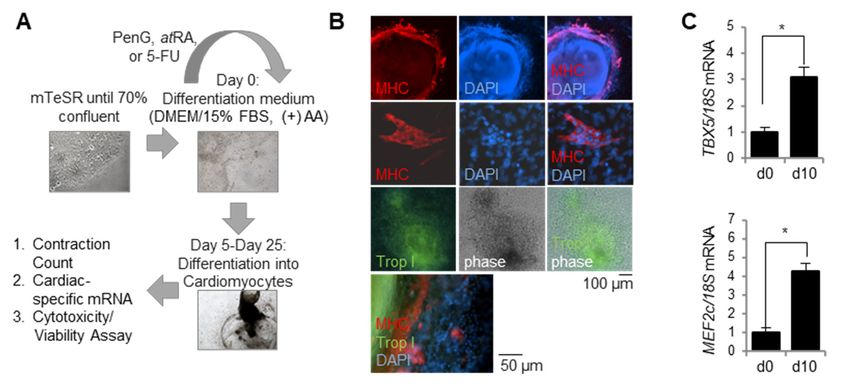
Int. J. Mol. Sci. 2021, 22, 8114                                                                                              2 of 15

                                   however, revolutionized in vitro toxicity screen approaches. Given their unspecialized
                                   nature, pluripotent ESCs can recapitulate the developmental process in vitro through di-
                                   rected differentiation into particular cell types. Spielmann and colleagues capitalized on
                                   this capacity of mouse ESCs (mESCs) in their development of the mouse embryonic stem
                                   cell test (mEST). The mEST is an in vitro battery of assays designed to evaluate embryotox-
                                   icity without routine animal sacrifice [5]. In the mEST protocol, mESCs are differentiated
                                   into contracting cardiac muscle cells while simultaneously exposed to the agent under
                                   evaluation. Effects on ESC viability and differentiation capacity are also compared to 3T3
                                   fibroblast cells to mimic maternal tissues and identify maternal toxicity that could secon-
                                   darily influence embryotoxicity outcomes. Results from all three endpoints are ultimately
                                   entered into a biostatistical prediction model to determine and rank the embryotoxicity of
                                   the agent as non-embryotoxic, weakly embryotoxic, or strongly embryotoxic [6–8].
                                          During its initial inception, accuracy of the mEST biostatistical model was verified
                                   using known positive (5-FU, atRA) and negative (PenG) control chemicals to confirm
                                   consistent classification of non-, weak, and strong embryotoxicants [7,8]. While the success
                                   of the mEST is best captured by its ability to reduce animal sacrifices in toxicity screens, it is
                                   still limited by the challenge of species–species variation in toxicity screens and mechanistic
                                   studies. Our group previously showed that non-human primate ESCs showed differential
                                   sensitivity to assorted classes of compounds compared to mouse ESCs [6]. Our results
                                   highlighted the analytical limitations introduced by species variation and highlight the
                                   need for robust methods that are as biologically relevant as possible to humans.
                                          While their reported use in developmental toxicity assessments is currently limited,
                                   human pluripotent stem cell lines may be the ideal solution to species-based differential
                                   sensitivity by providing a relevant genetic and proteomic environment for toxicity assess-
                                   ments. For instance, a recent comparison in mouse versus human biochemical response to
                                   teratogenic thalidomide revealed that thalidomide targets SALL4 protein in human but
                                   not rodent cells [9]. Thus, employment of human cells in embryotoxic evaluations may
                                   prove more efficacious in determining embryotoxicity. Particularly promising candidates
                                   are human induced pluripotent stem cells (hiPSCs) as such lines can be induced to differen-
                                   tiate like ESCs, without the potential ethical or legislative challenges presented by routine
                                   use of human ESC lines. hiPSCs are already routinely used as in vitro models of human
                                   cardiotoxicity and disease [10,11], though reported use of hiPSCs in in vitro embryotoxicity
                                   studies is limited.
                                          In this study, we seek to assess hiPSC utility in the EST protocol using the original
                                   evaluation scheme on the above mentioned positive and negative controls of the original
                                   cardiac mEST. Moreover, we test the efficacy of our hiPSC-EST protocol in a proof-of-
                                   concept embryotoxicity screen using tobacco product extracts.

                                   2. Results
                                   2.1. hiPSCs Efficiently Differentiate into Cardiomyocytes
                                         Prior to testing the efficacy of the hiPSC-based EST, RIV9 hiPSC cultures were evalu-
                                   ated for their cardiac differentiation potential and efficiency following a 25 day differen-
                                   tiation protocol (Figure 1A). Successful differentiation into cardiomyocytes was visually
                                   confirmed with the generation of active contractile clusters on days 20 and 25 of differ-
                                   entiation. The cardiac identity of these clusters was confirmed molecularly via mature
                                   cardiomyocyte markers. Immunocytochemistry stains of differentiated cell cultures on day
                                   25 revealed positive staining for myosin heavy chain (MHC) and Troponin I (Trop I) in
                                   contractile clusters (Figure 1B). Moreover, RT-PCR analysis of cardiac-specific transcription
                                   factors at differentiation day 10 showed a significant upregulation of TBX5 and MEF2c in
                                   hiPSC cultures induced to a cardiac cell fate (Figure 1C). Together, these results indicated
                                   that RIV9 hiPSCs successfully and efficiently differentiate into cardiomyocytes under the
                                   appropriate culture conditions.
Int. J. Mol. Sci. 2021, 22, x FOR PEER REVIEW 3 of 15
Mol. Sci. 2021,
Int.22, x FOR
J. Mol. PEER
Sci. 2021,REVIEW
22, 8114 3 of 15 3 of 15
Figure 1. hiPSCs consistently and robustly differentiated into cardiomyocytes. Differentiated cardi-
Figure 1. hiPSCs consistently
Figure and robustlyand
1. hiPSCsomyocytes
consistently differentiated
robustlyfor into cardiomyocytes.
differentiated DifferentiatedDifferentiated
into cardiomyocytes. cardiomyocytes were assessed
cardi-
were assessed cardiomyocyte-specific markers and gene expression. (A) Schematic
for cardiomyocyte-specific markers
omyocytes wereprotocol and
assessedfor gene expression.
forcardiomyocyte
cardiomyocyte-specific (A) Schematic
markers
differentiation protocol
andand for cardiomyocyte
gene expression.
embryotoxicity screen.(A)(B)differentiation
Schematic and
Immunocytochemistry
protocol
embryotoxicity screen.for(B)
cardiomyocyte differentiation
Immunocytochemistry and embryotoxicity screen. (B) Immunocytochemistry
stains of differentiated cultures confirmed cardiomyocyte identity via myosin heavy chainvia
stains of differentiated cultures confirmed cardiomyocyte identity (MHC)
stains of differentiated
myosin heavy chain (MHC)and cultures
andTroponin
Troponin confirmed
I I(Trop
(Trop I).
I). (C)cardiomyocyte
(C) Differentiatedidentity
Differentiated via myosin
cardiomyocytes
cardiomyocytes heavy chain
expressed
expressed (MHC)
cardiac-specific
cardiac-specific genesTBX5
genes
and Troponin
TBX5 and MEF2c as measuredI and
(Trop I). (C)as
byMEF2c
qPCR, nDifferentiated
= 3 biological
measured cardiomyocytes
n =±
replicates
by qPCR, SD, *expressed
p < 0.05,
3 biological cardiac-specific
Student’s
replicates t-test.
± SD, genesStudent’s
* p < hiPSC,
0.05, TBX5
human induced
t-test. hiPSC,
and MEF2c as measured
pluripotent stem cell; MHC,human by
myosininducedqPCR, n = 3 biological
pluripotent
heavy chain; Trop I,stem replicates
cell; MHC,
Troponin I. ± SD, * p < 0.05, Student’s t-test.
myosin heavy chain; Trop I, Troponin I.hiPSC,
human induced pluripotent stem cell; MHC, myosin heavy chain; Trop I, Troponin I.
2.2.
2.2. The
The hiPSC-Based
hiPSC-Based EST EST Determines Accurate Assessment
Determines Accurate Assessment of of Embryotoxic
Embryotoxic Compounds
Compounds
2.2. The hiPSC-Based EST Determines Accurate Assessment of Embryotoxic Compounds
To verify the
To verify the utility
utility of
of hiPSCs
hiPSCs in in the
thevalidated
validatedEST ESTprotocol,
protocol,cardiogenic
cardiogenicdifferentia-
differenti-
To verify tion
the utility
was of hiPSCs
induced in in the validated
hiPSC cultures EST
with protocol,
concurrent cardiogenic
treatment differentia-
of one of the following
ation was induced in hiPSC cultures with concurrent treatment of one of the following
tion was induced in hiPSCused
compounds cultures
in the with concurrent
original EST treatment
protocol of one ofPenG
evaluations: the following
(non-toxic), 5-FU (cyto-
compounds used in the original EST protocol evaluations: PenG (non-toxic), 5-FU (cy-
compounds used toxic)in and
the original
atRA EST protocolOver
(embryotoxic). evaluations:
the coursePenG of (non-toxic),
the 5-FU (cyto-
differentiation, hiPSC-derived car-
totoxic) and atRA (embryotoxic). Over the course of the differentiation, hiPSC-derived
toxic) and atRA (embryotoxic).
diomyocytes were Over the
thenthen course to
subjected of the differentiation, hiPSC-derived car- cells and clus-
cardiomyocytes were subjectedvisual quantitation
to visual quantitation of active contractile
of active contractile cells and
diomyocytes wereters then
on dayssubjected
15, 15, to
20, 20,visual
and quantitation
25.25.AtAtthe of
conclusion active contractile cells and clus-
clusters on days and the conclusionofofthe thedifferentiation,
differentiation, cultures
cultures were also
ters on days 15, 20, andfor
evaluated 25.changes
At the conclusion of the differentiation, cultures were also
viability.
in cell viability.
evaluated for changes in cell viability.
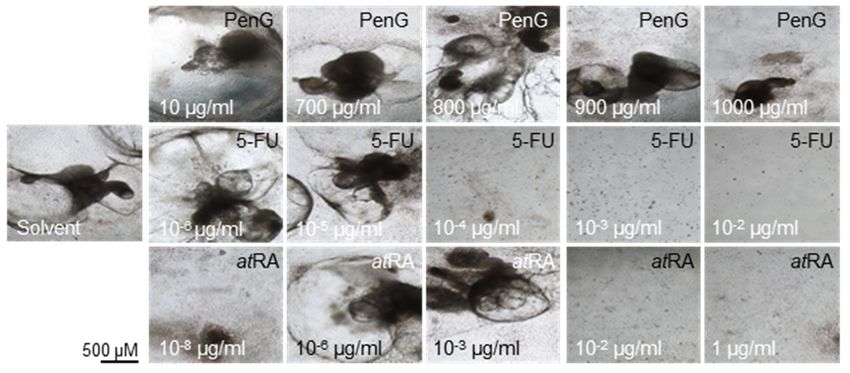
While no actively contracting
contracting cells
cells or
or clusters
clusters were wereobserved
observedon onday
day15 15ofofdifferentia-
differenti-
While no ation
actively
tion for contracting
forany
anytreatment cells
treatmentgroup, or clusters
group,differenceswere
differencesin observed
incontraction on day
contractionincidence 15 of differenti-
incidence were
were readily
readily observed
observed
ation for any treatment
between days group,
days 20differences
20 and25
and 25of in contractionfor
ofdifferentiation
differentiation incidence
for 5-FU-and
5-FU- were
and readily observed
atRA-treated
atRA-treated cultures
cultures compared
compared to
between days to 20the
the and 25 of differentiation
untreated
untreated control. 5-FU
control. forexposure
5-FU-
exposure
5-FU and atRA-treated
negatively
negativelyimpacted cultures
the compared
the formation
impacted of contractile
formation struc-
of contractile
to the untreated control.
tures
structures 5-FU
at exposure
at concentrations above
concentrations negatively
1 × 10⁻¹⁶impacted
above ×µg/mL
10−6 μg/mL the formation
(Figure (Figure 2)of
2) by day contractile
20.
by 5-FU
day 20.exposure further
5-FU exposure
structures at concentrations
returnedreturned
further above
a half-maximal 1 × 10
a half-maximal
−6 μg/mL (Figure 2) by day 20. 5-FU exposure
inhibitory dose (IDdose
inhibitory ) for differentiation
(ID50) for of 2.29
differentiation × 10
of −6 µg/mL
2.29 × 10⁻⁶
50
further returnedon a
day half-maximal
25 (Figure 3)inhibitory
(Table
μg/mL on day 25 (Figure 3) (Table 1). 1). dose (ID50) for differentiation of 2.29 × 10 −6
μg/mL on day 25 (Figure 3) (Table 1).
Figure 2. Presence of contractile cardiomyocyte clusters declines with treatment with embryotoxi-
Figure 2. Presence of 5-FU
cants contractile cardiomyocyte
and atRA. hiPSCs were clusters
treateddeclines with treatment
different
with different with embryotoxi-
concentrations
concentrations of 5-FU,
of 5-FU, atRA,
atRA, or
or PenG
PenG and
cants 5-FU and atRA. hiPSCs were
photographed. treated
hiPSC, with
human different
induced
hiPSC, human induced concentrations
pluripotent stemof 5-FU,
cell; atRA,
5-FU, or PenG and atRA,
5-fluorouracil;
5-fluorouracil; atRA, all-trans
all-trans
photographed. retinoic
hiPSC, human
acid; induced
PenG, pluripotent
penicillin G. stem cell; 5-FU, 5-fluorouracil; atRA, all-trans
retinoic acid; PenG, penicillin G.
retinoic acid; PenG, penicillin G.Int. J. Mol. Sci. 2021, 22, 8114 4 of 15
Int. J. Mol. Sci. 2021, 22, x FOR PEER REVIEW 4 of 15
Figure
Figure 3.3. Treatment
Treatmentwithwithembryotoxicants
embryotoxicants 5-FU
5-FU and atRA
and impeded
atRA impeded cardiomyocyte
cardiomyocyte differentiation. hiPSCs
differentiation. werewere
hiPSCs treated with
treated
different concentrations
with different concentrations of atRA,
of 5-FU, 5-FU, or PenG
atRA, or and
PenGevaluated for differentiation
and evaluated inhibition
for differentiation by visually
inhibition scoring the
by visually number
scoring the
number
of of contracting
actively actively contracting cardiomyocyte
cardiomyocyte clusters.
clusters. Each dataEach
pointdata point represents
represents the mean of the mean
three of three independent
independent ± SD.
experimentsexperi-
ments
*: ± SD.
p < 0.05 *: plowest
= the < 0.05 =concentration
the lowest concentration
significantly significantly below the
below the untreated untreated
control groupcontrol group asbydetermined
as determined by One-
One-Way ANOVA.
Way ANOVA.
hiPSC, hiPSC, human
human induced induced
pluripotent stempluripotent
cell; 5-FU,stem cell; 5-FU,atRA,
5-fluorouracil; 5-fluorouracil; atRA, all-trans
all-trans retinoic retinoic
acid; PenG, acid; PenG,
penicillin G. pen-
icillin G.
Table 1. Comparison of mESC- and hiPSC-EST IC50 and ID50 values and embryotoxicity classifications.
atRA-treated cells failed to form contractile clusters at concentrations above 1 × 10⁻³
Cell Type Toxicity μg/mL
Parameter (Figure 2) Penicillin
and exhibited
G significantly reduced contractile
5-Fluorouracil activityRetinoic
All-Trans in dosesAcidabove 1
× 10
ID50 (µg/mL)
−8 μg/mL (Figure 3). The resulting ID50 value for
750 9.7 × 10 − 3 atRA on day 25 was 9.33
1.7 × 10 ×−10
3 −7 μg/mL.
mESCs In contrast, treatment800
IC50 (µg/mL) with PenG did not 2.2 inhibit
× 10−the
2 formation of contractile
9 × 10⁻⁵ structures
3T3 IC50(Figure
(µg/mL) 2) and did not1000negatively impact contractile
5 × 10 − 2 activity at most of the 2.7tested concen-
trations
ID50 (µg/mL) (Figure 3). Dips
739.9in contractile incidence were
2.29 × 10 − 6 only observed 9.33 × 10−beyond
at doses 7 700
hiPSC μg/mL.
IC50 (µg/mL) An ID50 was determinedIn contrast, treatment with PenG did not inhibit the formation of contractile structures
(Figure 2) and did not negatively impact contractile activity at most of the tested concen-
trations (Figure 3). Dips in contractile incidence were only observed at doses beyond 700
μg/mL. An ID50 was determined at 739.9 μg/mL.
However, cell viability assessments did not find any reduced cell survival in PenG-
Int. J. Mol. Sci. 2021, 22, 8114 5 of 15
treated cells (Figure 4A) in the tested concentration range, suggesting the half-maximal
inhibitory concentration for cell viability (IC50) value for PenG was above 1000 μg/mL.
Figure 4. 5-FU
Figure 4. andatRA
5-FUand atRAtreatment
treatmentreduced
reduced hiPSC-cardiomyocyte
hiPSC-cardiomyocyte andand
hFFhFF
viability in a in
viability dose-dependent manner
a dose-dependent as assessed
manner as as-
sessed
via MTTvia MTT(A)
assay. assay.
hiPSC(A)viability
hiPSC viability screens
screens for 5-FU, for
atRA,5-FU,
andatRA,
PenG,and
n = PenG, biological±replicates
n = 3 replicates
3 biological SD. *: pInt. J. Mol. Sci. 2021, 22, 8114 6 of 15
Int. J. Mol. Sci. 2021, 22, x FOR PEER REVIEW 6 of 15
determined IC50 and ID50 values determined from dose–response curves [15]. Using this
model with the results
non-embryotoxic and 5-FUof the hiPSC-EST
and resulted embryotoxic
atRA as strongly in the accurate classification
(Table 1) as alsoof PenG
initially
as non-embryotoxic and 5-FU and atRA as strongly embryotoxic
noted in the validated mouse EST [14,16]. Importantly, half-maximal concentrations (Table 1) as also ini-
tially noted in the validated mouse EST [14,16]. Importantly, half-maximal
found for 5-FU and atRA were decades lower than the maximum plasma concentration concentrations
found
(Cmax)for 5-FU and
achieved atRAhuman
during were decades
exposure lower than the maximum
underscoring the strong plasma
potentialconcentration
of these two
(Cmax)
compounds achieved during
to elicit human exposure
embryotoxic outcomes underscoring the strong
in vivo. Higher potential
ID50 values of these
observed intwo
the
compounds to elicit embryotoxic outcomes in vivo. Higher ID 50 values
mESC-EST suggest some resistance to the toxic effects of both chemicals in mESC cultures observed in the
mESC-EST
compared to suggest
hiPSCs. somehFFresistance
response to tothe
thetoxic effects
tested of bothalso
chemicals chemicals
appearedin mESC cultures
comparatively
compared to hiPSCs. hFF response to the tested chemicals also appeared
more sensitive than 3T3 cell viability outcomes, with lower IC50 values following 5-FU comparatively
more sensitive
and atRA than 3T3
treatment. cell compared
Thus, viability outcomes, with lower EST,
to the mESC-based IC50 values following 5-FU
the hiPSC-based and
EST sug-
atRA treatment. Thus, compared to the mESC-based EST, the hiPSC-based
gested a potential higher sensitivity compared the mouse cell-based response at least for EST suggested
a potential higher sensitivity compared the mouse cell-based response at least for the three
the three chemicals tested.
chemicals tested.
2.3. hiPSC-EST
2.3. hiPSC-EST Yields Accurate Early
Yields Accurate Early Toxicity
Toxicity Classifications
ClassificationsUsing
UsingMolecular
MolecularTBX5TBX5
mRNA Expression
mRNA Expression
One of
One of the
the main
main critiques
critiques of
of traditional
traditional developmental
developmental toxicity
toxicity evaluations
evaluations is is the
the
length of time and technical training required to successfully complete
length of time and technical training required to successfully complete assays. As such, assays. As such, a
shorter, quantifiable, and correct in vitro
a shorter, quantifiable, and correct in vitro embryotoxicityembryotoxicity assessment could improve
improve
throughput withoutwithoutsacrificing
sacrificingaccuracy.
accuracy.GivenGiven thethe
correct predictions
correct achieved
predictions withwith
achieved con-
traction counts
contraction countsdescribed
described above, wewe
above, next investigated
next investigatedififourourapproach
approachcould
could be modified
modified
with a shorter,
shorter, qPCR-based
qPCR-basedendpoint
endpointtotodetermine
determinedifferentiation
differentiation inhibition.
inhibition. Here,
Here,wewe se-
lected two
selected twocardiogenesis-specific
cardiogenesis-specific transcription
transcription factors, TBX5TBX5
factors, and MEF2c
and MEF2c[17–19], to deter-
[17–19], to
mine if the adverse differentiation outcomes would already be detectable
determine if the adverse differentiation outcomes would already be detectable as changes as changes in
TBX5
in TBX5and andMEF2c
MEF2c expression
expression onon
day 1010
day of of
differentiation.
differentiation.
Similar to the pattern observed in the contractile cluster assay, 5-FU-treated cultures cultures
demonstrated a dose-dependent
dose-dependent reduction
reduction in in TBX5
TBX5 mRNA mRNA expression
expressionwithwithan anID
ID5050 value
value
of 1.79 ×× 1010−4−μg/mL
4 µg/mL (Figure 5). However, d10 TBX5 mRNA expression was more dramat-
(Figure 5). However, d10 TBX5 mRNA expression was more dramat-
ically reduced
reduced at atconcentrations
concentrationsabove above11××10 10−−44 μg/mL, compared to
µg/mL,compared to the
the lower reduction
reduction
threshold of 11 ××1010 −6− 6 µg/mL observed in the contractile assay. It is possible, however,
μg/mL observed in the contractile assay. It is possible, however, that
that our 10
our day dayanalysis
10 analysis timepoint
timepoint captured
captured the beginnings
the beginnings offull
of the the cytotoxic
full cytotoxic response
response that
that was to
was able able to manifest
fully fully manifest
and beand be observed
observed in cultures
in cultures on d25 on d25 of differentiation.
of differentiation. It follows, It
follows,
then, thatthen, that embryotoxicants
embryotoxicants would bewouldthe mostbe the most detectable
detectable at day 10atofday 10 of differen-
differentiation in
tiation
stronger inconcentrations
stronger concentrations
with middle with middle
range doses range doses producing
producing a moretoxicity
a more moderate moderate re-
toxicity
sponse. response.
Figure 5. Treatment
Figure 5. Treatment with
with embryotoxicants
embryotoxicants 5-FU and atRA
5-FU and atRA impeded
impeded cardiomyocyte
cardiomyocyte differentiation
differentiation as
as measured
measured by by day
day 10
10
TBX5 gene expression in hiPSCs. hiPSCs were treated with different concentrations of 5-FU, atRA, or PenG and
TBX5 gene expression in hiPSCs. hiPSCs were treated with different concentrations of 5-FU, atRA, or PenG and evaluated evaluated
for TBX5
for TBX5 oror MEF2c
MEF2c expression
expression via
via qPCR.
qPCR.Data
Datapoints
pointsrepresent
representmeans
meansof ofthree
threeindependent experiments±± SD.
independentexperiments SD. Inhibition
Inhibition
of
of differentiation (ID50) was determined from dose–response curves
(ID50 ) was determined from dose–response curves as as a 50% reduction in gene expression in the control.
hiPSC, human induced pluripotent stem cell; 5-FU, 5-fluorouracil; atRA, all-trans retinoic acid; PenG, penicillin G.
hiPSC, human induced pluripotent stem cell; 5-FU, 5-fluorouracil; atRA, all-trans retinoic acid; PenG, penicillin G. *: p < 0.05
= the lowest concentration significantly below the untreated hiPSC control group as determined by One-Way ANOVA.
Cells exposed to atRA also showed a dose-dependent downregulation of TBX5
mRNA expression. In these cultures, exposure featured significantly downregulated
TBX5 beyond the determined ID50 value of 3.28 × 10⁻⁶ μg/mL (Figure 5). However, atRAInt. J. Mol. Sci. 2021, 22, 8114 7 of 15
Cells exposed to atRA also showed a dose-dependent downregulation of TBX5 mRNA
expression. In these cultures, exposure featured significantly downregulated TBX5 beyond
the determined ID50 value of 3.28 × 10⁻⁶ µg/mL (Figure 5). However, atRA treatment at
tested concentrations lower than 1 × 10⁻⁶ µg/mL yielded a significant upregulation in
TBX5 mRNA expression. This upregulation correlated with the almost 2-fold increase in
contractile cluster incidence seen in cultures treated with 1 × 10⁻⁸ µg/mL atRA (Figure 3).
As retinoic acid is a well-reported regulator of TBX5 expression in developing tissues, it is
possible that exposure to low levels of atRA exposure may have encouraged TBX5 mRNA
expression [20] in differentiating hiPSCs, while atRA exposure above a particular threshold
elicited an embryotoxic suppression of TBX5. Thus, the molecular response pattern in TBX5
mRNA expression mirrored that observed in the contractile assay. Similar to 5-FU-treated
cultures, it is possible that the early inhibitory impact of atRA at d10 of differentiation is
readily observed via qPCR in middle and high concentration ranges. Treatment with the
negative control PenG did not significantly impact TBX5 mRNA expression (Figure 5).
In contrast to expression patterns observed with TBX5 mRNA, MEF2c mRNA ex-
pression yielded inconsistent responses to compound treatment. No reductions in MEF2c
mRNA expression were observed for any 5-FU-treated group compared to the untreated
control (Figure 5) and thus no ID50 value could be determined. In cells dosed with atRA,
however, MEF2c mRNA transcripts were dose-dependently downregulated in differenti-
ating cardiomyocytes (Figure 5). Here, a steady decline in MEF2c mRNA expression was
observed at doses above 1 × 10⁻³ µg/mL with a final ID50 of 4 × 10⁻² µg/mL. MEF2c
mRNA expression in cells dosed with PenG remained largely unchanged from that of the
untreated solvent control, though slight upregulation was observed at 800 and 900 µg/mL.
Given the lack of altered MEF2c mRNA expression in cultures exposed to cytotoxic 5-FU
compared to atRA, it is likely that MEF2c is an inconsistent indicator of early differentiation
inhibition in cardiomyocytes. In contrast, TBX5 mRNA expression patterns suggest that
TBX5 may be a better candidate for early differentiation inhibition assessment.
To compare the efficacy of qPCR-based embryotoxicity classifications versus con-
tractile assay-based classifications, the ID50 values generated from 5-FU and atRA TBX5
mRNA dose–response curves were compared against the ID50 values from the contractile
assay curves in the EST biostatistical model. Both methods were found to produce the
same embryotoxicity classifications for 5-FU, atRA, and PenG of strongly embryotoxic and
non-embryotoxic, respectively (Table 2).
Table 2. List of IC50 and ID50 values and embryotoxicity classifications determined from
concentration-response curves for contractile and d10 qPCR assay endpoints. hiPSC, human induced
pluripotent stem cell; hFF, human foreskin fibroblast.
Toxicity All-Trans
Cell Type Penicillin G 5-Fluorouracil
Parameter Retinoic Acid
hiPSCs ID50 (µg/mL) 739.9 2.29 × 10⁻⁶ 9.33 × 10⁻⁷
(d25) IC50 (µg/mL) >1000 4.726 × 10⁻⁵ 3.642
hiPSCs
ID50 (µg/mL) >1000 1.79 × 10⁻⁴ 3.28 × 10⁻⁶
(d10 TBX5)
hFF IC50 (µg/mL) 1433 8.079 × 10⁻⁴ 1.25 × 10⁻²
hiPSC (day 25 cluster) Biostatistical Strongly Strongly
Not embryotoxic
Embryotoxicity Classification embryotoxic embryotoxic
hiPSC (day 10 qPCR) Biostatistical Strongly Strongly
Not embryotoxic
Embryotoxicity Classification embryotoxic embryotoxic
2.4. hiPSC-EST Suggests Embryotoxicity of Tobacco Solutions
5-FU and atRA were selected for verification of our hiPSC-based EST protocol, given
their initial use in validation of the mESC-based EST and well-reported embryotoxicity. The
observed correct classification builds a foundational rationale for testing the predictivityInt. J. Mol. Sci. 2021, 22, 8114 8 of 15
Int. J. Mol. Sci. 2021, 22, x FOR PEER REVIEW 8 of 15
and sensitivity of this assay with additional chemicals. The true test of utility of the hiPSC-
based EST, however, will be its ability to successfully evaluate novel embryotoxicants. To
cants. To test how well the hiPSC-based EST evaluates novel embryotoxicants, the proto-
test how well the hiPSC-based EST evaluates novel embryotoxicants, the protocol was
col was used to classify two different types of tobacco products: conventional cigarette
used to classify two different types of tobacco products: conventional cigarette smoke
smoke (Marlboro
(Marlboro Red 100) Red 100)
and andsmokeless
Snus Snus smokeless
tobaccotobacco
(Camel (Camel Snus). Tobacco
Snus). Tobacco was as
was selected se-a
lected as a test embryotoxicant as maternal smoking has previously been linked
test embryotoxicant as maternal smoking has previously been linked to a suite of negative to a suite
ofeffects
negative effects
on fetal on fetal development
development includingincluding
low birthlow birthcongenital
weight, weight, congenital heart de-
heart defects, and
fects, and negative impact on bone growth
negative impact on bone growth and bone mass [21–24].and bone mass [21–24].
Contractile
Contractileassays
assays found
found dose-dependent reductionsininthe
dose-dependent reductions theformation
formationofof active
active con-
contrac-
tractile clusters and structures for both Marlboro Red 100 mainstream (MS)
tile clusters and structures for both Marlboro Red 100 mainstream (MS) smoke (Figure 6A) smoke (Figure
6A)
andand Camel
Camel SnusSnus (Figure
(Figure 6B)6B) extract.
extract. Contractile
Contractile assay
assay dose–response
dose–response curves
curves returned
returned ID50
ID50
valuesvalues for 0.014
for 0.014 puff equivalent
puff equivalent (PE)0.0048%
(PE) and and 0.0048% w/v Camel
w/v Camel Snus extract.
Snus extract. The via-of
The viability
bility of differentiating
differentiating hiPSCs concurrent
hiPSCs during during concurrent tobacco exposure
tobacco exposure was not negatively
was not negatively impacted
impacted by either product in the tested concentration ranges. Viability
by either product in the tested concentration ranges. Viability of hFF cultures of hFFexposed
culturesto
exposed to Marlboro Red 100 MS smoke and Camel Snus extract was
Marlboro Red 100 MS smoke and Camel Snus extract was reduced in a dose-dependent reduced in a dose-
dependent manner. Camel Snus hFF exposure returned an IC50 value
manner. Camel Snus hFF exposure returned an IC50 value of 0.2844% extract. An IC50 of 0.2844% extract.
An IC50
value forvalue for Marlboro
Marlboro Red hFF
Red exposed exposed hFFwas
cultures cultures was not determined
not determined within the within the
dose range
dose
under range under evaluation
evaluation but wastoexpected
but was expected occur atto occurabove
a dose at a dose above 0.1 PE.
0.1 PE.
Effects
Figure6.6.Effects
Figure of of cigarette
cigarette smoke
smoke andand Snus
Snus smokeless
smokeless tobacco
tobacco on developing
on developing cardiomyocytes.
cardiomyocytes. (A)
(A) Contractile
Contractile and viability
and viability screens
screens for hiPSCs
for hiPSCs exposed
exposed to MS
to MS cigarette
cigarette smoke
smoke usingcontractile
using contractileand
and
MTT
MTTassay,
assay,nn==33±±SD. SD.(B)
(B)Contractile
Contractileand
andviability
viabilityscreens
screensfor
forhiPSCs
hiPSCsexposed
exposedtotoSnus
Snussmokeless
smokeless
tobacco
tobaccousing
usingcontractile
contractile and
andMTT
MTT assay, n =n 3=±3SD.
assay, (C) Viability
± SD. screen
(C) Viability for hFFs
screen exposed
for hFFs to MSto
exposed
cigarette smoke using MTT assay, n = 3 ± SD. (D) Viability screen for hFFs exposed
MS cigarette smoke using MTT assay, n = 3 ± SD. (D) Viability screen for hFFs exposed to Snusto Snus smokeless
tobacco using MTT assay, n = 3 ± SD. hiPSC, human induced pluripotent stem cell; MTT, mitochon-
smokeless tobacco using MTT assay, n = 3 ± SD. hiPSC, human induced pluripotent stem cell;
drial dehydrogenase activity assay; MS; mainstream; hFF, human foreskin fibroblast.
MTT, mitochondrial dehydrogenase activity assay; MS; mainstream; hFF, human foreskin fibroblast.
*: p < 0.05 = the lowest concentration significantly below the untreated hiPSC control group as
hiPSCs failed to develop cardiomyocyte structures at sub-cytotoxic concentrations
determined by One-Way ANOVA.
(Table 3) with regard to both hiPSC and hFF MTT outcomes, a result that collectively sug-
gests that bothfailed
hiPSCs products have embryotoxic
to develop characteristics.
cardiomyocyte structures In
at fetal serum, nicotine
sub-cytotoxic concen-
concentrations
trations can be as high 15.4 μM [25], placing the ID50 values found for these
(Table 3) with regard to both hiPSC and hFF MTT outcomes, a result that collectively two products
well withinthat
suggests theboth
range of the applicable
products dose. Indeed,
have embryotoxic the biostatistical
characteristics. evaluation
In fetal deter-
serum, nicotine
mined both tobacco
concentrations canproducts to 15.4
be as high be strongly
µM [25],embryotoxic,
placing the in
IDline with the known outcome
50 values found for these two
ofproducts
in uterowell
exposure to tobacco smoke.
within the range of the applicable dose. Indeed, the biostatistical evaluationInt. J. Mol. Sci. 2021, 22, 8114 9 of 15
determined both tobacco products to be strongly embryotoxic, in line with the known
outcome of in utero exposure to tobacco smoke.
Table 3. List of IC50 and ID50 values determined from concentration-response curves for mainstream cigarette smoke and
Snus smokeless tobacco. hiPSC, human induced pluripotent stem cell; hFF, human foreskin fibroblast.
Nicotine Concentration at Nicotine Concentration at
Marlboro Red
Toxicity Parameter Half-Maximal Concentration Camel Snus (% w/v) Half-Maximal Concentration
100 MS (PE)
Marlboro Red 100 MS (µM) Samel Snus (µM)
hiPSC IC50 >0.1 6.1 >1 314.2
hiPSC ID50 0.014 ± 0.0047 0.085 0.0048 15.27
hFF IC50 1.367 82.41 0.2844 89.36
Biostatistical
Embryotoxicity Strongly embryotoxic Strongly embryotoxic
Classification
3. Discussion
Here, we have shown that hiPSCs can be induced to produce a robust and consistent
cardiac differentiation model suitable for use in embryotoxicity screening assays. Using the
biostatistical model, assay endpoints, and chemical agents used in the original EST protocol,
this hiPSC-based EST model correctly classified the original EST test chemicals, 5-FU and
atRA, as embryotoxic and test negative control, PenG, as non-embryotoxic. These results
support that hiPSCs may be utilized in the EST protocol to incorporate translational rele-
vance to embryotoxicity assessments; although additional analyses with multiple chemical
classes are required to confirm improved assay sensitivity and predictivity in the hiPSC-
based EST protocol over the mouse EST. Reductions observed in hiPSC-determined ID50
and IC50 values for three control chemicals already do suggest a potential for differences in
assay sensitivity with hiPSCs compared to the mESC-EST. This could be driven by genetic
or metabolic differences between the cell lines used in both studies. While studies compar-
ing the metabolic efficiencies of mouse and human pluripotent stem cells have yet to be
reported, differential cytotoxic sensitivity between human and mouse has been previously
observed in neuroblastoma cell lines exposed to organophosphate insecticides [26].
The hiPSC-EST model presented here was also modified with the addition of molecular
endpoints to shorten screening duration and reduce personnel strain. Two significant
critiques of traditional developmental animal models are the required time to complete
exposure/assessment routines as well as the need for specialized personnel training. While
the in vitro hiPSC contractile and MTT assays require less hands-on time than a whole
animal model, this approach is still challenged by assay duration and the requirement for
specialized training to complete the contractile assay correctly. To address this limitation,
we evaluated cardiac gene expression at day 10 of differentiation instead of quantifying
contractile structures at day 25. A molecular endpoint was selected as qPCR supplies,
equipment, and protocols are readily available in most laboratory environments conducting
developmental and reproductive toxicity studies.
The differential response in expression between the two cardiac markers chosen for the
qPCR protocol, TBX5 and MEF2c, underscore the importance of carefully selecting tissue
and timepoint specific markers for assessment in this screening model. Changes in TBX5
expression patterns mirrored that of the contractile assay dose–response curve, conversely
MEF2c expression patterns were not consistent between all of the tested chemicals. While
MEF2c expression is specifically detectable in differentiating cardiomyocytes at day 10
of differentiation, additional studies by our group have found that MEF2c expression
is highest on day 25 of differentiation [27]. Thus, it is possible that before day 25 of
differentiation, MEF2c expression is not yet at a robust enough level of expression to
generate a consistent dose–response curve in actively differentiating cells. It should be
noted, however, that the qPCR-derived ID50 values still successfully yielded the same
embryotoxicity classifications for 5-FU, atRA, and PenG as the contractile assay when
calculated with the EST biostatistical model. Collectively, this suggests that the ESTInt. J. Mol. Sci. 2021, 22, 8114 10 of 15
protocol may be successfully utilized with hiPSCs without having to sacrifice the speed of
the original mEST protocol or take on specialized training to conduct the contractile assay.
Given the correct classification of the test embryotoxicants by the hiPSC-EST, we also
assessed the ability of our model to determine the embryotoxicity of life-style toxicants.
Cigarette smoke and Snus tobacco extracts have been connected to adverse pregnancy out-
comes following prenatal maternal exposure and are comprised of a mixture of potentially
hazardous chemicals [28]. While Snus smokeless tobacco has also been linked to impaired
embryonic development following use during pregnancy [22,23], it is also frequently ad-
vertised to women of reproductive age as a harm-reducing alternative to cigarettes. To
date, the precise chemical or chemicals responsible for adverse pregnancy outcomes have
yet to be completely identified thus rendering these extracts “unknown chemical mixtures”
for our purposes. In the concentration ranges tested, the hiPSC-EST successfully identified
ID50 values for both Marlboro Red and Camel Snus that were lower or near plasma nicotine
concentrations measured in embryos of smoking mothers. In that our results harmonize
with epidemiological studies that connect maternal tobacco use with embryonic congenital
heart defects [29]. Furthermore, they also suggest that the main predictor of embryotoxicity
risk may be the relationship between the measured concentration at which differentiation
is inhibited to fifty percent and the actual observed exposure concentrations in humans.
While this may potentially obviate the need to test all three EST parameters, the fact that
the ID50 values were considerably lower than where cytotoxicity was observed ion both cell
lines does suggest a molecular basis for the embryotoxicity of both tobacco products that
operates through differentiation inhibition rather than cytotoxic effects on differentiating
cardiomyocytes. This is important since embryotoxic outcomes may stem from adverse
embryonic events causing aberrant development (i.e., malformations) or cytotoxicity (i.e.,
growth retardation), as well as maternal toxicity that yields embryo implantation issues,
growth retardation or spontaneous abortion. Given this outcome, the hiPSC-EST model
with its three parameters could plausibly be used for molecular follow up analysis to
determine root causes of environmental toxicant-elicited embryotoxicity observed at the
screening phase. Furthermore, considering that cigarette smoke is a mixture of over 5000
chemicals [30], our results suggest that the hiPSC-EST model is also suitable for assessing
embryotoxicity of environmental toxicant mixtures in addition to screens of individual
toxicants. This feature could prove useful in risk assessment applications where the de-
velopmental toxicity potential of commercial, industrial, and/or environmental chemical
mixtures is sought.
4. Materials and Methods
4.1. Culture of Human Induced Pluripotent Stem Cells (hiPSCs)
The hiPSC cell line RIV9 was obtained from the Stem Cell Core at the University of
California, Riverside. hiPSCs were seeded on Matrigel (Corning, Glendale, AZ, USA)-
coated tissue culture plates and maintained in a pluripotent state in mTeSR® medium (Stem
Cell Technologies, Seattle, WA, USA). Cells were cultured under a humidified atmosphere
of 5% CO2 at 37 ◦ C and passaged for maintenance or to seed for experiments approximately
every 5 days as previously described [31,32].
4.2. Cardiac Differentiation of hiPSCs
After cells reached 70% confluency (designated day 0), the medium was changed
to control differentiation medium supplemented with 0.06 mg/mL ascorbic acid (Sigma-
Aldrich, St. Louis, MO, USA) to induce cardiac differentiation [27]. Control differentiation
medium was comprised of Dulbecco’s modified Eagle’s medium (DMEM with 4.5 g/L
glucose, L-glutamine and sodium pyruvate; Corning) supplemented with 18% FBS (PAA),
0.8% penicillin/streptomycin (10,000 units/10,000 units, Gibco, ThermoFisher Scientific,
Grand Island, NY, USA), 0.12% non-essential amino acids (NEAA; Gibco), and 0.1 mM
β-mercaptoethanol (Gibco). Cultures were cultured in differentiation media for 25 days,
starting from day 0.Int. J. Mol. Sci. 2021, 22, 8114 11 of 15
4.3. Culture of Human Foreskin Fibroblasts
Human foreskin fibroblasts (hFF) were gifted from Dr. Derrick Rancourt (Uni-
versity of Calgary). hFFs were seeded onto 0.1% gelatin-coated tissue culture plates
and maintained in Dulbecco’s modification of Eagle’s medium (DMEM with 4.5 g/L
glucose, L-glutamine and sodium pyruvate; Corning cellgro) supplemented with 10%
FBS (Atlanta Biologicals, Flower Branch, GA, USA) and 0.5% penicillin/streptomycin
(10,000 units/10,000 units, Gibco).
4.4. Preparation of Toxicant Solutions
5-flurorouracil (5-FU), all-trans retinoic acid (atRA), and penicillin G (PenG) were
selected from a subset of chemicals used in the original EST validation study [33,34]. 5-FU
and atRA were selected as positive test compounds due to their established embryotoxic
potential while PenG was used as a negative control. All chemicals were purchased
from Sigma. Stock solutions were prepared in DMSO and filtered through a 0.2 micron
Acrodisc® PSF Syringe Filter (Pall Corporation, Port Washington, NY, USA), aliquoted into
sterile microcentrifuge tubes and stored at −20 ◦ C until use. Test chemicals were serially
diluted to final concentrations in differentiation media. Cardiogenic cultures were treated
with designated chemicals (or solvent only) through day 25 of differentiation and hFF
cultures were treated with each compound for a 25 day duration period. Compounds were
replenished with each medium change.
A University of Kentucky smoking machine was used to produce smoke extract
solutions from commercially available conventional Marlboro Red 100 brand cigarettes as
previously described [35,36]. The smoking machine took a 2.2 s puff of mainstream (MS)
smoke every minute. Smoke solution concentrations were made in puff equivalents (PE),
which are the number of cigarette puffs dissolved in 1 mL of medium. MS smoke solutions
were produced by pulling 30 puffs of MS smoke through 10 mL of DMEM. Resulting 3
PE smoke extracts were filtered through a 0.2 micron Acrodisc® PSF Syringe Filter (Pall
Corporation, Port Washington, NY, USA), aliquoted into sterile microcentrifuge tubes, and
stored at −80 ◦ C until use. Serial dilutions were performed in differentiation medium to
reach desired final exposure concentrations. Cardiogenic cultures were treated with smoke
solutions through 25 days of differentiation. Smoke solutions were replenished with each
medium change.
A 10% (w/v) Camel Snus extract was prepared as previously described [37]. Ten grams
of Snus was added to 85 mL of DMEM and allowed to incubate at 37 ◦ C for 2 h. This initial
extract solution was centrifuged for 10 min at 4500× g. Supernatant from the first round of
centrifugation was then centrifuged again at 13,000× g for 1 h. The resulting supernatant
was collected and pH adjusted to 7.4. 15 mL of FBS was added to the pH-adjusted Snus
extract to produce a 10% stock solution of Snus tobacco extract (STE). The stock solution
was then sterile-filtered with a 0.22 µm vacuum filter system. STE was aliquoted into sterile
microcentrifuge tubes and stored at −80 ◦ C until use. Serial dilutions were performed
in differentiation medium to reach desired final exposure concentrations. Cardiogenic
cultures were treated with STE through 25 days of differentiation. STE was replenished
with each medium change.
4.5. Immunocytochemistry
hiPSC-derived cardiomyocytes were washed with sterile commercially available
1× PBS (Gibco, ThermoFisher Scientific, Grand Island, NY, USA) and fixed with 4%
paraformaldehyde (Sigma-Aldrich, St. Louis, MO, USA) 4 ◦ C for 30 min. Fixed cultures
were then washed three times with 1× PBS for 5 min. Cell membranes were permeabilized
with 0.1% Triton X-100 in 1× PBS (ThermoFisher Scientific, Grand Island, NY, USA) for
15 min at room temperature before being washed three more times with 1× PBS for 5 min.
Cultures were incubated in a blocking solution of 10% fetal bovine serum (PAA) and 0.5%
bovine serum albumin (ThermoFisher Scientific, Grand Island, NY, USA) in 1× PBS for 1 h
at room temperature. Primary antibody against mouse anti-Myosin Heavy Chain (MHC,Int. J. Mol. Sci. 2021, 22, 8114 12 of 15
ab15, 1:500, abcam, Burlingame, CA, USA) and/or rabbit anti-Troponin I (Trop I, sc-15368,
1:200, Santa Cruz Biotechnology, Dallas, TX, USA) was added directly to blocking buffer
solution following the initial blocking period and allowed to incubate overnight at 4 ◦ C.
Cultures were washed with 1× PBS three times for 5 min prior to secondary antibody
incubation. Cells were incubated with 20 µg/mL DAPI (40 -6-Diamidino-2-Phenylindole,
Sigma, D9542), anti-mouse 546 conjugated florescent antibody (A10036, ThermoFisher
Scientific, Grand Island, NY, USA) and/or anti-rabbit 488 conjugated fluorescent antibodies
(A21206, ThermoFisher) for 2 h at room temperature. Cells were washed three times in
1× PBS to remove background from non-specific secondary antibody binding prior to
imaging on a Nikon Eclipse Ti inverted fluorescence microscope (Nikon Inc., Melville,
NY, USA).
4.6. Cardiac Viability Assay
Cardiomyocyte survival following concurrent exposure to each compound was evalu-
ated by 3-[4,5-dimethylthiazol-2-yl]-2,5-diphenylterazolium bromide (MTT) assay from
three independent differentiations each carried out in technical quintuplicate as previously
described [38]. On day 25 of differentiation, cells were incubated with MTT (5 mg/mL) for
2 h at 37 ◦ C. MTT supernatant was removed and replaced with a desorb solution of 0.7%
SDS in 2-propanol. The absorbance of the solution was measured at 570 nm in an iMark™
microplate reader (Bio-Rad) with 655 nm as a reference wavelength. Here, mitochondrial
dehydrogenase activity on the MTT in solution is directly proportional to a blue-purple
product that is detected at 570 nm. Hence, a decrease in absorbance is interpreted as a
direct measurement of any reduction in the number of viable cells [6,39,40].
4.7. Cardiac Contractile Assay
Contractile cardiac clusters and individual contractile, or “beating”, cells were counted
and recorded on days 15, 20, and 25 of differentiation from 24 wells per biological replicate
(set up from independent differentiations) as previously described [41]. Individual beating
cells and beating cell clusters were cumulatively quantified between measurement time
points. Untreated control cells served as a baseline for normal contractile incidence for
each differentiation. Changes in beating incidence between treatment groups and days
were reported as a percentage of beating incidence in solvent controls.
4.8. Real-Time Quantitative PCR (qPCR)
RNA was extracted from three wells per biological replicate using the protocol from
NucleoSpin RNA II kit (Macherey-Nagel, Mountain View, CA, USA) and pooled. RNA
from three independent differentiations was then quantified using a NanoDrop® 1000
spectrophotometer (ThermoFisher Scientific, Grand Island, NY, USA) at 260 nm. 25 ng of
total RNA was used as a template for cDNA synthesis with a mastermix including 5 µL 5×
reaction buffer, 1.25 µL 10 mM dNTPs, 1.25 µL 400 U/µL RNase inhibitor, 0.1 µL 200 U/µL
reverse transcriptase, 0.1 µL 3 µg/µL random primer, and 1.5 µL DEPC H2O for a total
of 25 µL per reaction. 25 ng cDNA transcripts were used for quantitative polymerase
chain reaction (qPCR) SYBR green technology on the MyiQ cycler (Bio-Rad). The reactions
were setup for 10 min of denaturing at 94 ◦ C (initial), followed by 40 cycles of denaturing
at 94 ◦ C, and annealing at 60 ◦ C each 45 s. The n-fold expression in target samples was
calculated with the ∆∆CT method by standardizing Ct values to GAPDH expression [42].
Primer sequences for human GAPDH were 50 -GAGTCAACGGATTTGGTCGT-30 and
50 -TTGATTTTGGAGGGATCTCG-30 . Target genes were cardiogenic markers TBX5 and
MEF2c. Primer sequences for human TBX5 were 50 -CTGGACACCCCTAAACTGGA-30
and 50 -TCCCACAGAGCTGAACTCCT-30 and primer sequences for human MEF2c were
50 -CCATTGGACTCACCAGACCT-30 and 50 -AGCACACACACACACTGCAA-30 [27].Int. J. Mol. Sci. 2021, 22, 8114 13 of 15
4.9. Nicotine Measurements
Marlboro Red 100 MS and Camel Snus stock solutions were sent to Enthalpy Analytical
(Irvine, CA, USA) for measurement of nicotine concentrations.
4.10. Statistical Analysis
Half-maximal inhibitory compound doses of differentiation (ID50 ) and cytotoxicity
(IC50 ) were determined from concentration-response curves using GraphPad Prism. The
lowest concentrations at which cardiac contractile function or cell viability registered
significantly below that of the solvent control were also identified with one-way analysis
of variance (ANOVA) statistical analysis and a subsequent post hoc test as appropriate.
p-values below 0.05 were considered significant.
5. Conclusions
In summary, this proof-of-concept study has laid the groundwork for further de-
veloping a cardiac EST embryotoxicity evaluation protocol based on human iPSCs and
fibroblasts modeled after the original cardiac mouse EST. Incorporating early tissue marker
endpoints as outlined in this protocol also possibly offers an opportunity to reduce the
time commitments surrounding traditional animal embryotoxicity screens and the in vitro
contractile assay to increase throughput with an opening for automated assessments and
reduced culture time.
Author Contributions: Conceptualization, N.I.z.N.; methodology, L.M.W., N.R.L.S. and V.P.-S. and
B.R.; writing—original draft preparation, L.M.W.; writing—review and editing, N.I.z.N.; visualiza-
tion, N.I.z.N.; supervision, N.I.z.N.; project administration, N.I.z.N.; funding acquisition, N.I.z.N. All
authors have read and agreed to the published version of the manuscript.
Funding: These studies were supported by the Center for Alternatives to Animal Testing, Johns
Hopkins Bloomberg School of Public Health (grant numbers 2013-11R1, 2014-14R2); and the U.S.
Environmental Protection Agency (EPA-STAR 83950201).
Data Availability Statement: The data underlying this article are available in the article.
Acknowledgments: The authors would like to thank Prue Talbot and Monique Williams for helping
produce the tobacco smoke solutions.
Conflicts of Interest: The authors declare no conflict of interest. The funders had no role in the design
of the study; in the collection, analyses, or interpretation of data; in the writing of the manuscript, or
in the decision to publish the results.
References
1. U.S. Department of Health and Human Services; Food and Drug Administration; Center for Drug Evaluation and Research
(CDER). Guidance for Industry Reproductive and Developmental Toxicities—Integrating Study Results to Assess Concerns; Food and
Drug Administration Center for Drug Evaluation and Research (CDER): Silver Spring, MD, USA, 2011.
2. Center for Food Safety and Applied Nutrition. Redbook 2000: IV.C.9.b Guidelines for Developmental Toxicity Studies; Center for Food
Safety and Applied Nutrition: College Park, MD, USA, 2000.
3. Augustine-Rauch, K.; Zhang, C.X.; Panzica-Kelly, J.M. In vitro developmental toxicology assays: A review of the state of the
science of rodent and zebrafish whole embryo culture and embryonic stem cell assays. Birth Defects Res. Part C Embryo Today Rev.
2010, 90, 87–98. [CrossRef] [PubMed]
4. Evans, M.J.; Kaufman, M.H. Establishment in culture of pluripotential cells from mouse embryos. Nature 1981, 292, 154–156.
[CrossRef] [PubMed]
5. Spielmann, H.; Pohl, I.; Doring, B.; Liebsch, M.; Moldenhauer, F. The embryonic stem cell test (EST), an in vitro embryotoxicity
test using two permanent mouse cell lines: 3T3 fibroblasts and embryonic stem cells. In Vitro Toxicol. 1997, 10, 119–127.
6. Walker, L.; Baumgartner, L.; Keller, K.C.; Ast, J.; Trettner, S.; zur Nieden, N.I. Non-human primate and rodent embryonic stem
cells are differentially sensitive to embryotoxic compounds. Toxicol. Rep. 2014, 2, 165–174. [CrossRef]
7. Genschow, E.; Spielmann, H.; Scholz, G.; Seiler, A.; Brown, N.; Piersma, A.; Brady, M.; Clemann, N.; Huuskonen, H.; Paillard, F.;
et al. The ECVAM international validation study on in vitro embryotoxicity tests: Results of the definitive phase and evaluation
of prediction models. European Centre for the Validation of Alternative Methods. Altern. Lab. Anim. 2002, 30, 151–176. [CrossRef]
[PubMed]Int. J. Mol. Sci. 2021, 22, 8114 14 of 15
8. Genschow, E.; Spielmann, H.; Scholz, G.; Pohl, I.; Seiler, A.; Clemann, N.; Bremer, S.; Becker, K. Validation of the embryonic stem
cell test in the international ECVAM validation study on three in vitro embryotoxicity tests. Altern. Lab. Anim. 2004, 32, 209–244.
[CrossRef]
9. Belair, D.G.; Lu, G.; Waller, L.E.; Gustin, J.A.; Collins, N.D.; Kolaja, K.L. Thalidomide Inhibits Human iPSC Mesendoderm
Differentiation by Modulating CRBN-dependent Degradation of SALL4. Sci. Rep. 2020, 10, 2864. [CrossRef]
10. Geng, L.; Kong, C.W.; Wong, A.O.T.; Shum, A.M.; Chow, M.Z.Y.; Che, H.; Zhang, C.; Yau, K.L.; Chan, C.W.; Keung, W.; et al.
Probing flecainide block of I(Na) using human pluripotent stem cell-derived ventricular cardiomyocytes adapted to automated
patch-clamping and 2D monolayers. Toxicol. Lett. 2018, 294, 61–72. [CrossRef]
11. Da Silva Lara, L.; Andrade-Lima, L.; Magalhães Calvet, C.; Borsoi, J.; Lopes Alberto Duque, T.; Henriques-Pons, A.; Souza Pereira,
M.C.; Veiga Pereira, L. Trypanosoma cruzi infection of human induced pluripotent stem cell-derived cardiomyocytes: An in vitro
model for drug screening for Chagas disease. Microbes Infect. 2018, 20, 312–316. [CrossRef]
12. Palmer, J.A.; Smith, A.M.; Egnash, L.A.; Conard, K.R.; West, P.R.; Burrier, R.E.; Donley, E.L.; Kirchner, F.R. Establishment and
assessment of a new human embryonic stem cell-based biomarker assay for developmental toxicity screening. Birth Defects Res. B
Dev. Reprod. Toxicol. 2013, 98, 343–363. [CrossRef] [PubMed]
13. Aikawa, N. A novel screening test to predict the developmental toxicity of drugs using human induced pluripotent stem cells. J.
Toxicol. Sci. 2020, 45, 187–199. [CrossRef]
14. zur Nieden, N.I.; Kempka, G.; Ahr, H.J. Molecular multiple endpoint embryonic stem cell test—A possible approach to test for
the teratogenic potential of compounds. Toxicol. Appl. Pharmacol. 2004, 194, 257–269. [CrossRef] [PubMed]
15. Spielmann, H.; Genschow, E.; Scholz, G.; Brown, N.A.; Piersma, A.H.; Brady, M.; Clemann, N.; Huuskonen, H.; Paillard, F.;
Bremer, S.; et al. Preliminary results of the ECVAM validation study on three in vitro embryotoxicity tests. Altern. Lab. Anim.
2001, 29, 301–303. [CrossRef]
16. Seiler, A.E.; Spielmann, H. The validated embryonic stem cell test to predict embryotoxicity in vitro. Nat. Protoc. 2011, 6, 961–978.
[CrossRef]
17. Bruneau, B.G.; Logan, M.; Davis, N.; Levi, T.; Tabin, C.J.; Seidman, J.G.; Seidman, C.E. Chamber-specific cardiac expression of
Tbx5 and heart defects in Holt-Oram syndrome. Dev. Biol. 1999, 211, 100–108. [CrossRef] [PubMed]
18. Edmondson, D.G.; Lyons, G.E.; Martin, J.F.; Olson, E.N. Mef2 gene expression marks the cardiac and skeletal muscle lineages
during mouse embryogenesis. Development 1994, 120, 1251–1263. [CrossRef] [PubMed]
19. De Bono, C.; Thellier, C.; Bertrand, N.; Sturny, R.; Jullian, E.; Cortes, C.; Stefanovic, S.; Zaffran, S.; Théveniau-Ruissy, M.; Kelly,
R.G. T-box genes and retinoic acid signaling regulate the segregation of arterial and venous pole progenitor cells in the murine
second heart field. Hum. Mol. Genet. 2018, 27, 3747–3760. [CrossRef]
20. Liberatore, C.M.; Searcy-Schrick, R.D.; Yutzey, K.E. Ventricular Expression of tbx5 Inhibits Normal Heart Chamber Development.
Dev. Biol. 2000, 223, 169–180. [CrossRef] [PubMed]
21. Jones, G.; Riley, M.; Dwyer, T. Maternal smoking during pregnancy, growth, and bone mass in prepubertal children. J. Bone Miner.
Res. 1999, 14, 146–151. [CrossRef]
22. England, L.J.; Levine, R.J.; Mills, J.L.; Klebanoff, M.A.; Yu, K.F.; Cnattingius, S. Adverse pregnancy outcomes in snuff users. Am. J.
Obstet. Gynecol. 2003, 189, 939–943. [CrossRef]
23. Wikström, A.K.; Cnattingius, S.; Galanti, M.R.; Kieler, H.; Stephansson, O. Effect of Swedish snuff (snus) on preterm birth. BJOG
2010, 117, 1005–1010. [CrossRef]
24. Gupta, P.C.; Sreevidya, S. Smokeless tobacco use, birth weight, and gestational age: Population based, prospective cohort study
of 1217 women in Mumbai, India. BMJ 2004, 328, 1538. [CrossRef] [PubMed]
25. Luck, W.; Nau, H.; Hansen, R.; Steldinger, R. Extent of nicotine and cotinine transfer to the human fetus, placenta and amniotic
fluid of smoking mothers. Dev. Pharmacol. Ther. 1985, 8, 384–395. [CrossRef] [PubMed]
26. Li, X.H.; Long, D.X.; Li, W.; Wu, Y.J. Different mechanisms of lysophosphatidylcholine-induced Ca(2+) mobilization in N2a
mouse and SH-SY5Y human neuroblastoma cells. Neurosci. Lett. 2007, 424, 22–26. [CrossRef] [PubMed]
27. Puig-Sanvicens, V.A.C.; Semino, C.E.; zur Nieden, N.I. Cardiac differentiation potential of human induced pluripotent stem cells
in a 3D self-assembling peptide scaffold. Differentiation 2015, 90, 101–110. [CrossRef] [PubMed]
28. US Food and Drug Administration. Harmful and Potentially Harmful Constituents in Tobacco Products and Tobacco Smoke:
Established List. 2012. Available online: https://www.federalregister.gov/documents/2012/04/03/2012--7727/harmful-and-
potentially-harmful-constituents-in-tobacco-products-and-tobacco-smoke-established-list (accessed on 29 March 2021).
29. Malik, S.; Cleves, M.A.; Honein, M.A.; Romitti, P.A.; Botto, L.D.; Yang, S.; Hobbs, C.A.; National Birth Defects Prevention Study.
Maternal smoking and congenital heart defects. Pediatrics 2008, 121, e810–e816. [CrossRef]
30. Hecht, S.S.; Ornaf, R.M.; Hoffmann, D. Chemical studies on tobacco smoke. XXXIII. N0 -nitrosonornicotine in tobacco: Analysis of
possible contributing factors and biologic implications. J. Nat. Cancer Inst. 1975, 54, 1237–1244. [PubMed]
31. Sparks, N.R.L.; Martinez, I.K.C.; Soto, C.H.; zur Nieden, N.I. Low Osteogenic Yield in Human Pluripotent Stem Cells Associates
with Differential Neural Crest Promoter Methylation. Stem Cells 2018, 36, 349–362. [CrossRef]
32. Madrid, J.V.; Sera, S.R.; Sparks, N.R.L.; zur Nieden, N.I. Human Pluripotent Stem Cells to Assess Developmental Toxicity in the
Osteogenic Lineage. Methods Mol. Biol. 2018, 1797, 125–145.
33. Scholz, G.; Pohl, I.; Seiler, A.; Bremer, S.; Brown, N.A.; Piersma, A.H.; Holzhütter, H.G.; Spielmann, H. Results of the first phase of
the ECVAM project “prevalidation and validation of three in vitro embryotoxicity tests”. ALTEX 1998, 15, 3–8.You can also read


