BUDGET SUPP RT Trends and results 2020 - European ...
←
→
Page content transcription
If your browser does not render page correctly, please read the page content below

BUDGET
SUPP RT
   Trends and results 2020

    International
    Cooperation and
    Development
Manuscript completed in 2020

The European Commission is not liable for any consequence stemming from the reuse of this publication.

Luxembourg: Publications Office of the European Union, 2020

© European Union, 2020

The reuse policy of European Commission documents is implemented based on Commission Decision 2011/833/EU
of 12 December 2011 on the reuse of Commission documents (OJ L 330, 14.12.2011, p. 39).

Except otherwise noted, the reuse of this document is authorised under a Creative Commons Attribution 4.0 International
(CC-BY 4.0) licence (https://creativecommons.org/licenses/by/4.0/). This means that reuse is allowed provided appropriate
credit is given and any changes are indicated.

For any use or reproduction of elements that are not owned by the European Union, permission may need to be sought
directly from the respective rightholders. The European Union does not own the copyright in relation to the following
elements:

Cover: © iStock/Zodchiy; © iStock/Oksana Latysheva; © iStock/elenabs; © iStock/seamartini; © iStock/grivina.

Print     ISBN 978-92-76-22108-1           ISSN 2467-4184              doi:10.2841/78156             MN-AP-20-001-EN-C
PDF       ISBN 978-92-76-22107-4           ISSN 2467-4192              doi:10.2841/081397            MN-AP-20-001-EN-N
BUDGET SUPPORT
    Trends and results 2020

 Directorate-General for International Cooperation and Development
Directorate-General for Neighbourhood and Enlargement Negotiations
                      European Commission

                     November 2020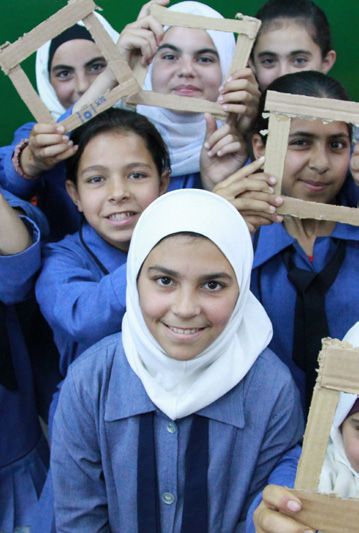
Acknowledgements This report was prepared by the Directorate-General for International Cooperation and Development (more specifically the unit in charge of budget support, public finance management and domestic revenue mobil isation) in association with the Directorate-General for Neighbourhood and Enlargement Negotiations of the European Commission and the European External Action Service. It is made up of contributions from staff at EU headquarters and in EU delegations. This report is based on data available by the end of 2019. What is EU budget support? EU budget support is a means of delivering effective aid and durable results in support of EU partners’ reform efforts and the sustainable development goals. It involves: (i) dialogue with a partner country to agree on the reforms or development results that budget support can contribute to; (ii) an assessment of progress achieved; (iii) financial transfers to the treasury account of the partner country once those results have been achieved; and (iv) capacity-development support. It is a contract based on a partner- ship with mutual accountability. In compliance with the EU financial regulation, the use of budget sup- port is subject to certain conditions. Eligibility criteria have to be met before a contract can be signed and must be maintained during its implementation before payments are made. For an introduction to EU budget support, see the following videos: http://bit.ly/EUbudgetsupportVideo (explaining what EU budget support is), http://bit.ly/EUbudgetsupportVideo2 (explaining how EU budget support operates and what it achieves) or http://bit.ly/EUbudgetsupportVideo3 (explaining EU budget support as a partnership for sustainable results).
Contents

Executive summary ������������������������������������������������������������������������������������������������������������������������������������������������ 5
Part I – Results ���������������������������������������������������������������������������������������������������������������������������������������������������������� 8
     SDG 1 – All countries – Budget support for poverty reduction ��������������������������������������������������������������������������� 9
     SDG 2 – Nepal – Contributing to rural development ��������������������������������������������������������������������������������������������� 9
     SDG 2 – Bolivia – Reinforcing family agriculture ������������������������������������������������������������������������������������������������� 10
     SDG 2 – Honduras – Fostering food security ������������������������������������������������������������������������������������������������������� 10
     SDG 3 – Ethiopia – Improving health facilities ����������������������������������������������������������������������������������������������������� 11
     SDG 3 – Burkina Faso – Fighting maternal and child mortality ����������������������������������������������������������������������� 11
     SDG 4 – Central African Republic – Getting kids into school ����������������������������������������������������������������������������� 12
     SDG 4 – Morocco – Improving literacy ������������������������������������������������������������������������������������������������������������������� 12
     SDG 4 – Kyrgyzstan – Upgrading the education system ����������������������������������������������������������������������������������� 13
     SDG 4 – Tunisia – Access to high-quality education ������������������������������������������������������������������������������������������� 13
     SDG 4 – Paraguay – Completing universal schooling ����������������������������������������������������������������������������������������� 14
     SDG 4 – Cambodia – For inclusive and equitable education ����������������������������������������������������������������������������� 14
     SDG 4 – Serbia – Improving quality and equity in schools ������������������������������������������������������������������������������� 15
     SDG 4 – Jordan – Access to education for refugee children ����������������������������������������������������������������������������� 15
     SDG 5 – All countries – Empowering women and girls ��������������������������������������������������������������������������������������� 16
     SDG 6 – Senegal – Accessing safe water and sanitation ����������������������������������������������������������������������������������� 16
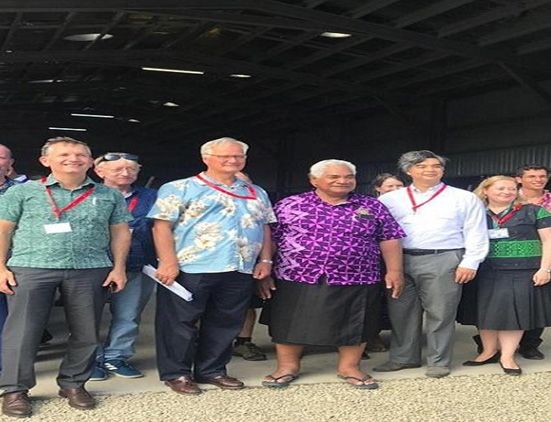
     SDG 6 – Samoa – Reliable and sustainable access to water ����������������������������������������������������������������������������� 17
     SDG 7 – Vietnam – Improving access to electricity ��������������������������������������������������������������������������������������������� 17
     SDG 7 – Barbados – Building resilience in the energy sector ��������������������������������������������������������������������������� 18
     SDG 8 – All countries – Upgrading business environment ��������������������������������������������������������������������������������� 18
     SDG 8 – Tunisia – Facilitating trade ����������������������������������������������������������������������������������������������������������������������� 19
     SDG 8 – Dominican Republic – Vocational training for jobs ������������������������������������������������������������������������������� 19
     SDG 8 – Morocco – Promoting sustainable industry ������������������������������������������������������������������������������������������� 20
     SDG 8 – Albania – Linking training and the job market ������������������������������������������������������������������������������������� 20
     SDG 8 – South Africa – Creating employment ����������������������������������������������������������������������������������������������������� 21
     SDG 9 – Montenegro – Improving border management ������������������������������������������������������������������������������������� 21
     SDG 10 – All countries – Fighting inequalities ����������������������������������������������������������������������������������������������������� 22
     SDG 10 – Bangladesh – Social protection for the poorest ��������������������������������������������������������������������������������� 22
     SDG 10 – Cabo Verde – Broadening social security ������������������������������������������������������������������������������������������� 23
     SDG 10 – Morocco – Social protection for the vulnerable ��������������������������������������������������������������������������������� 23
     SDG 11 – Colombia – Peacebuilding through green growth ����������������������������������������������������������������������������� 24
     SDG 12 – Tuvalu – Sustainable waste management ����������������������������������������������������������������������������������������� 24
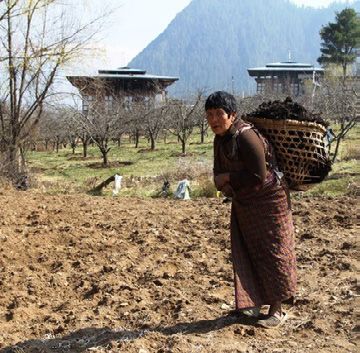
     SDG 13 – Bhutan – Resilience to the impacts of climate change ������������������������������������������������������������������� 25
     SDG 13 – Dominica – Building back better ����������������������������������������������������������������������������������������������������������� 25
     SDG 14 – Cambodia – Sustainable growth in the fisheries sector ������������������������������������������������������������������� 26
     SDG 15 – Jamaica – Sustainable forest management ��������������������������������������������������������������������������������������� 26
     SDG 16 – Serbia – Strengthened border administration ����������������������������������������������������������������������������������� 27
     SDG 16 – Kosovo – Modernising public finance ��������������������������������������������������������������������������������������������������� 27

                                                                                                                                                                           3
Budget Support – Trends and results 2020

    SDG 16 – Georgia – Accountability of public services ��������������������������������������������������������������������������������������� 28
    SDG 16 – Ukraine – Reforming public administration ����������������������������������������������������������������������������������������� 28
    SDG 16 – All countries – Fighting corruption ������������������������������������������������������������������������������������������������������� 29
    SDG 16 – Jordan – Strengthening the rule of law ����������������������������������������������������������������������������������������������� 29
    SDG 16 – Jamaica – Bringing justice closer to people ��������������������������������������������������������������������������������������� 30
    SDG 16 – Niger – Increasing access to justice ����������������������������������������������������������������������������������������������������� 30
    SDG 16 – All countries – Fostering fiscal transparency ������������������������������������������������������������������������������������� 31
    SDG 16 – Albania – Modernising public finance ��������������������������������������������������������������������������������������������������� 31
    SDG 16 – Fragile countries – Building up resilience ������������������������������������������������������������������������������������������� 32
    SDG 17 – All countries – Mobilising domestic revenue ��������������������������������������������������������������������������������������� 32
    SDG 17 – Tunisia – More fiscal transparency ������������������������������������������������������������������������������������������������������� 33
    SDG 17 – Somalia – Debt relief to build resilience ��������������������������������������������������������������������������������������������� 33

Part II – Risk management ����������������������������������������������������������������������������������������������������������������������������� 34
    1. Risk analysis ������������������������������������������������������������������������������������������������������������������������������������������������������������� 34
    2. Mitigating measures and risk response ������������������������������������������������������������������������������������������������������������� 37

Part III – Geographical and financial distribution ����������������������������������������������������������������������� 38
    1. Commitments ����������������������������������������������������������������������������������������������������������������������������������������������������������� 38
    2. Disbursements ��������������������������������������������������������������������������������������������������������������������������������������������������������� 41
    3. Fixed and variable tranches ��������������������������������������������������������������������������������������������������������������������������������� 42
    4. Distribution by SDG and country income group ����������������������������������������������������������������������������������������������� 43

Annex 1 – Selected country indicators ������������������������������������������������������������������������������������������������� 45
Annex 2 – Country classifications ������������������������������������������������������������������������������������������������������������� 53

Abbreviations
DRM            domestic revenue mobilisation
ENI            European Neighbourhood Instrument
EU             European Union
GDP            gross domestic product
IMF            International Monetary Fund
IPA            Instrument for Pre-Accession Assistance
ICT            information and communication technologies
OCT            overseas countries and territories
PEFA           Public Expenditure and Financial Accountability
RMF            risk management framework
SDG            sustainable development goal
SDG-C          sustainable development goals contract
SRBC           state- and resilience-building contract
SRPC           sector reform performance contract
USD            United States dollars

4
Executive summary
Budget support is central to the international cooper- development and the 2017 European consensus on de-
ation policy of the European Union. It is a means of velopment. EU budget support has an important role
delivering effective aid and durable results in support to play in this context. Altogether, more than 45 % of
of EU partners’ reform efforts and the sustainable all budget support commitments and payments
development goals (SDGs). Providing a platform are made in least-developed countries. EU budget
for dialogue between the EU and its partner coun- support thereby represents a firm contribution to the
tries and involving discussions at technical, policy and commitment to allocate 0.2 % of the EU gross national
political levels, budget support is pivotal to EU external income to least-developed countries. When support-
action and the EU global strategy for foreign and ing national strategies or operating at sector level, EU
security policy. It is also instrumental in promoting budget support can play a unique role in helping coun-
progress in line with the accession criteria in the tries meet SDG 1 and SDG 10, targeting poverty and
enlargement context. Finally it promotes EU polit- inequality reduction, respectively. The following de-
ical priorities and notably the Green Deal and digit velopments are notable:
alisation.
▶▶ the share of people living in poverty in countries
Although it refers to developments observed in 2019 receiving EU budget support has almost halved,
and before, this new edition in the EU Budget Sup- from more than 26 % of the population in 2002 to
port – Trends and results series takes into account the less than 14 % in 2017;
present context. The COVID-19 pandemic and its
socioeconomic impact have highlighted even further ▶▶ the income share of the bottom 40 % of the
the value of budget support. The EU’s response to population in those same countries increased by
this crisis through budget support will be presented 11 % between 2004 and 2019.
in next year’s issue, including the risks and mitigating
Rural development and agricultural productiv
measures. Nonetheless, the present report already re-
ity growth are crucial for poverty reduction. Between
fers to programmes that have contributed to strength-
2014 and 2019, 12 % of budget support contracts
ening health or social protection systems along with
directly contributed to advancing SDG 2 (zero hun-
state and economic resilience in partner countries.
ger) by promoting sustainable agriculture and
EU budget support covers a large variety of sectors, fostering food security. The following results can be
with 215 contracts implemented in 89 countries reported:
or territories. On average, it accounts for about
▶▶ in Nepal, EU budget support has contributed to
40 % of national cooperation programmes with part-
raising the value of the dairy market by 21 % and
ner countries. The EU disbursed EUR 1.6 billion of
rice paddy production by 8.9 %;
budget support in 2019, providing countries with
additional fiscal space to finance their public policies, ▶▶ the establishment of irrigation schemes covering
bear the costs of reforms, build their administrative 2 449 hectares in Bolivia has allowed for increased
capacities and achieve results that are both ambitious and diversified production of agricultural products;
and sustainable. In 2020, in response to the COVID-19
crisis, budget support disbursements are expected to ▶▶ budget support in Honduras has contributed to
reach unprecedented levels of up to EUR 3.5 billion, as the provision of nutritional support services to
part of the Team Europe global response. 55 000 rural families.
This report describes the spread and depth of the EU Further efforts have been made to address inequal-
budget support programmes in the different regions ities in partner countries, notably by strengthening
and countries. It presents their results as they relate social protection. Budget support can enable the de-
to the SDGs, analyses the risks associated with budget velopment of broad social protection policies and the
support and depicts the financial and geographical dis- strengthening of health and social protection systems.
tribution of ongoing operations. By supporting public expenditure, budget support con-
tributes to a significant expansion in the coverage of
The eradication of poverty is the primary object key social services, accompanied by policy dialogue
ive of development policy along with leaving no one and other areas of capacity support. Budget support
behind in line with the 2030 agenda for sustainable has contributed for instance to the following results:
5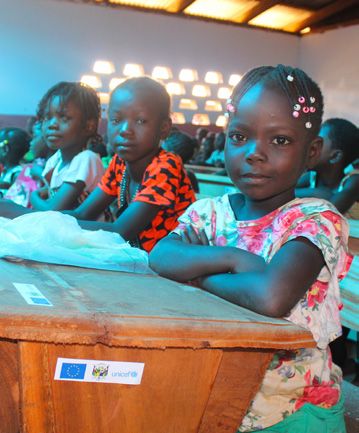
Budget Support – Trends and results 2020
▶▶ a 60 % increase in the allowance received by every ▶▶ in Paraguay, the EU joined forces with the govern-
mother in Bangladesh under the maternal and lac- ment to support educational reforms, increasing the
tating-mothers support scheme; number of students completing primary school by
7.1 % and the rate of enrolment in the upper sec-
▶▶ broadening social coverage of workers in Cabo ondary level by 2.9 %;
Verde from 45.5 % in 2017 to 50.3 % in 2018;
▶▶ the EU has financed books and students’ fees for the
▶▶ increasing social protection for medical coverage to 34 000 Syrian refugee children enrolled in schools
nearly 69 % of the population in Morocco. and kindergartens in camps in Jordan;
The COVID-19 global public health emergency has ▶▶ 40 000 teachers were trained to deliver modern,
demonstrated in particular the need for effective so- outcome-oriented curricula in Serbia;
cial protection systems, which are crucial in safe-
guarding the poor and vulnerable when a crisis hits. ▶▶ in Cambodia, universal access to primary educa-
For years, EU budget support has been instrumental tion has been strengthened, reaching a net school
in tackling disparities in health (SDG 3), which has in- enrolment rate of 98 %;
creased the resilience of health systems and prepared
countries to respond better to the pandemic. The re- ▶▶ the EU has contributed to strengthening technical
sults include the following. and vocational education and training for jobs in the
Dominican Republic, resulting in a 14 % increase
▶▶ In Burkina Faso, budget support helped to finance in students graduating between 2017 and 2018;
free healthcare for 8.5 million children and pregnant
women in 2016, rising to 15 million in 2019. ▶▶ in Morocco, through its focus on industrial ecosys-
tems and the business climate, EU support helped to
▶▶ The EU has contributed to improving health facil create over 400 000 jobs in key industrial sectors;
ities in Ethiopia, improving access to energy supply,
clean water and drugs. As a result, 96 % of facilities ▶▶ in Tunisia, EU support contributed to increased
have essential drugs available at all times. transparency and simplification of trade procedures,
through the adoption of an export manual.
Also in relation to health, the EU addresses disparities
in access to clean water and sanitation (SDG 6): Gender equality and women’s empowerment are
at the centre of EU cooperation; they cut across all
▶▶ in Samoa, EU support has helped expand access to SDGs and are promoted across all sectors and regions.
sustainable and safe water for 83 % of the popu- Almost 50 % of the programmes approved be-
lation; tween 2014 and 2019 contributed directly or sig-
nificantly to SDG 5 (gender equality).
▶▶ in Senegal, EU support helped ensure access to
drinking water for 95 % of the population in rural The EU continues to support climate action (SDG 13)
areas and increased access to sanitation from 42 % to both mitigate and adapt to the impacts of climate
in 2017 to 55 % in 2018. change. Under budget support contracts, actions are
often intertwined with environmental objectives, par-
Large investments are made to support education ticularly promoting inclusive, green and circular econ-
(SDG 4), providing inclusive and equitable education omies and the conservation and sustainable use of
and lifelong learning opportunities for all. With respect ecosystems and natural resources to preserve life on
to decent work and economic growth (SDG 8), land (SDG 15) and life below water (SDG 14). Fur-
budget support programmes can support sectors such thermore, the EU continues to encourage the transition
as employment or youth empowerment, contributing to affordable and clean energy (SDG 7). The results
to building skills, social inclusion and employability. It include the following:
also encompasses promoting reforms that can help
improve the business environment and investment ▶▶ in Bhutan, budget support has contributed to im-
climate as part of the external investment plan. The proving climate resilience through the construction/
following results are notable: renovation of 2 996.5 km of irrigation channels;
▶▶ EU budget support contributions to the education ▶▶ in Dominica, following Hurricane Maria in 2017, the
sector in the Central African Republic strength- EU has supported the reconstruction of 1 568 hous-
ened access to basic education and the number of es with higher climate-resilience standards;
girls not in school decreased from 35 % to 15 % by
the end of 2018; ▶▶ EU support has contributed to sustainable growth in
the fisheries sector in Cambodia, creating 80 artifi-
cial reefs to protect seagrass meadows, supporting
6
the registration of community fisheries to protect the provision of 99 e-services to citizens and busi-
conservation zones and replanting 80 hectares of nesses;
flooded mangrove forest;
▶▶ in Kosovo (1), efforts to collect tax arrears mobilised
▶▶ in Jamaica, EU budget support has fostered sus- additional resources to finance high-quality public
tainable forest management through improved gov- services;
ernance in the forestry sector and policy implemen-
tation in the long term. In addition, the programme ▶▶ in Niger, legal aid for people in vulnerable situations
has supported the creation of a national mangrove was provided to 3 502 people, 1 813 of which were
atlas, the protection of forests and measures for the women;
reforestation of degraded lands with native species;
▶▶ in Jamaica, 10 000 citizens benefited from restor-
▶▶ in Barbados, 1.9 MW of solar infrastructure has ative justice through budget support;
been installed on government buildings and com-
▶▶ with the financial support from the EU and key re-
munity centres have been equipped with solar bat-
forms, Somalia has reached a historic milestone for
tery systems, making the sector more resilient to
debt relief that will allow for the allocation of more
natural disasters;
resources to its development needs;
▶▶ in Vietnam, budget support allowed 58 000 remote
▶▶ EU budget support helped secure higher budget
rural households to connect to the electricity grid,
transparency and oversight, resulting in an
and is supporting the country’s shift to a future of
average rise of two points in the Open Budget Index
greener energy.
of countries receiving budget support.
Finally, an accountable and effective public ad-
This is a sample of the results to which EU support
ministration at both central and local levels is key
contributed in 2019 and which are presented in more
to democratic governance, and encourages inclusive
detail in the report.
economic development. In this regard, budget sup-
port, with its focus on macroeconomic stability and The report is organised into three parts.
strengthened institutions, is a pivotal instrument
for building the foundations for greater and faster Part I offers examples of results for the 17 SDGs
progress towards the SDGs. Institutions that are more achieved in countries with the contribution of EU
transparent and accountable are able to deliver ser budget support.
vices to their citizens more efficiently and effectively. In
Part II analyses the risks associated with budget
situations of fragility, budget support can strengthen
support. Since the risk management framework (RMF)
states’ capacity to provide services to the population
is updated regularly, it has already been strongly influ-
and fosters countries’ resilience. Every budget support
enced by the COVID-19 crisis, which resulted in a triple
contract contributes to peace, justice and strong in-
shock to countries: a global pandemic, an economic
stitutions (SDG 16) and partnerships for achiev-
crisis and a temporary disruption of capital flows with
ing the SDGs (SDG 17) through both the eligibility
tightening financing conditions on financial markets.
criteria and the dedicated indicators. Capacity-devel-
This translated into a sharp increase in the macro
opment actions such as technical assistance are also
economic risks and, to a lesser extent, to increases in
embedded in the operations to support reform design
other risks.
and implementation, as well as to reinforce their sus-
tainability. Data show that: Part III describes the financial and geographical
distribution. Sub-Saharan Africa remains the larg-
▶▶ countries receiving EU budget support perform
est recipient of EU budget support (36 %), followed
better in the control of corruption than other de-
by the European neighbourhood (32 %), Asia (16 %),
veloping countries;
Latin America (6 %), the Caribbean (3 %), candidate
▶▶ the European Union is the biggest provider glob- countries or potential candidates for accession to the
ally of grants to support domestic resource EU (4 %), overseas countries/territories (2 %) and the
mobilisation; Pacific (1 %). By contract type, sector reform per
formance contracts (SRPCs) outweigh state- and
▶▶ in Ukraine, administration reform allowed for the resilience-building contracts (SRBCs) and SDG con-
improved delivery of public services, including tracts (SDG-Cs), with 81 % of the portfolio compared
to 14 % and 5 %, respectively.
(1) This designation is without prejudice to positions on status, and is in line with UNSCR 1244/1999 and the ICJ Opinion on the Kosovo
declaration of independence.
7
Budget Support – Trends and results 2020
Part I – Results
The results highlighted hereafter reflect the variety support programmes approved and implemented
of contexts in which EU budget support is imple- between 2014 and 2019 for a total of EUR 11.6 bil-
mented. The report focuses on trends and results lion, and of their 4 114 performance indicators. This
observed by the end of 2019. It does not yet re- analysis allows for an assessment of the sector dis-
flect the consequences of the COVID-19 pandemic tribution of the current portfolio and for an estimate
and how the EU has helped partner countries cope of the overall contribution of EU budget support to
with the crisis through budget support. Nonethe- each SDG. The findings can be found in Part III of
less, some of the cases indicate earlier contributions this report but the 50 cases presented hereafter il-
from EU budget support that enabled countries to lustrate more concretely the results and trends ob-
react when the crisis hit in 2020. served in partner countries.
Under the development policy, the objectives focus Furthermore, every budget support contract – in
on fostering sustainable development and eradi- other words, 100 % of the EU budget support port-
cating poverty. Under the European neighbourhood folio – contributes to SDG 16 through the eligibility
policy, the EU works with its southern and eastern criterion on public finance management, combined
neighbours to foster stabilisation, security and pros- with dedicated performance indicators and capa
perity. In the context of enlargement and with the city-development actions embedded in the oper
prospect of EU membership, budget support is used ations. This applies to SDG-Cs and to SRBCs, which
to provide incentives for compliance with the Co- typically address points covered by SDG 16, but also
penhagen accession criteria in candidate countries to SRPCs, which aim at improving sector govern-
and potential candidates. It also contributes to the ance and contributing to strengthening institutions.
strengthening of civil society dialogue, enhancing Moreover, some SRPCs are focused on public finance
market economies and supporting alignment with management, justice and, notably in the enlarge-
the EU acquis. ment and neighbourhood contexts, on public admin-
istration reform.
EU budget support is implemented in the context
of the 2030 agenda for sustainable development. Likewise, every single budget support contract – in
This report presents the results achieved by partner other words, 100 % of the EU budget support port-
countries and examples of the contribution of EU folio – contributes to SDG 17 through the eligibil
budget support to each of the 17 SDGs. ity criteria on macroeconomic stability and budget
transparency, similarly combined with performance
The analysis is based on recognised international da- indicators and capacity development.
tabases (2) and on an assessment of the 199 budget
(2) Data used in the report are drawn from official reports of partner countries or from the following public databases: World Devel-
opment Indicators (http://datatopics.worldbank.org/sdgs); Worldwide Governance Indicators (http://info.worldbank.org/governance/
wgi); PEFA (https://pefa.org/assessments/listing); the IMF World Economic Outlook (https://www.imf.org/en/Publications/SPROLLs/
world-economic-outlook-databases); Doing Business (http://www.doingbusiness.org); and the Open Budget Index (http://survey.in-
ternationalbudget.org). Comparisons between editions of Budget Support – Trends and results over multiple years must be handled
with care as the countries receiving EU budget support vary from one year to another. Refer to Annex 2 of this report to find out
where EU budget support is currently being implemented.
8Part I – Results
SDG 1
All countries – Budget support for poverty reduction
Poverty rate decreased by
46 %
in countries receiving EU budget support between 2002 and 2017
When supporting national strategies or sector policies, EU budget
support plays a unique role to help countries meet SDG 1 (no
poverty) and, similarly, SDG 10, which addresses inequalities.
Between 2014 and 2019, it is estimated that 60 % of the budget
support portfolio directly contributed to SDGs 1 and 10, with a
total amount of close to EUR 7 billion.
The share of people living in poverty almost halved in 15 years,
from 26 % in 2002 to 14 % in 2017, in EU budget support countries.
This downward trend is more pronounced in countries receiving
EU budget support than in other developing/emerging countries.
SDG 2
Nepal – Contributing to rural development
The EU contributed to increasing by
21 %
the value of dairy products marketed
In Nepal, EU budget support has contributed to developing the
agriculture sector and alleviating rural poverty. Productivity gains
have been observed.
As a result, during the year 2018/2019, rice paddy production
increased by an estimated 8.9 % compared to the previous year,
while the value of marketed dairy products increased by 21 %.
This is partly due to better access to finance. Commercial banks
have fulfilled their obligation to allocate 10 % of their loans to the
agriculture sectors.
Finally, even if gender equity in the agriculture sector will still
take time to achieve, progress has been made: women now own
19.5 % of agricultural land, compared to 17 % 2 years ago.
9Budget Support – Trends and results 2020
SDG 2
Bolivia – Reinforcing family agriculture
EU support allowed
3 665 families
to access irrigation services and to diversify their production
In Bolivia, the EU supports the national programme for reinforcing
family agriculture and food sovereignty in 35 municipalities located
in outbound migration areas and coca leaf production zones.
EU budget support contributed to the establishment of irrigation
schemes covering 2 449 hectares by July 2019, allowing 3 665
families to increase and diversify their production. Overall production
of eight agricultural products increased by 25 % between 2017
and 2019. By 2019, 30 local markets were operational in the 35
municipalities (up from seven in 2017) to stimulate commercialisation
at the local level.
More than 80 000 families/individuals (40 % of which were women)
received land titles between July 2018 and July 2019. Awareness
raising on climate change included the implementation of 120
actions in 10 municipalities and the training of 122 promoters on
climate change adaptation. Altogether, the programme contributes
to SDG 2 (zero hunger) but also to SDG 8 (decent work and economic
growth), SDG 10 (reduced inequalities) and SDG 16 (peace, justice
and strong institutions).
SDG 2
Honduras – Fostering food security
EU support has helped
38 000 children under the age of five
benefit from nutritional support services
In Honduras, the EU supports the national food and nutritional
security policy. The budget support operation focuses on the
decentralisation of food, nutritional security and health services,
targeting the 39 poorest municipalities.
In 2019, the food security network contributed to improved
decentralised governance in 86 % of country municipalities, to the
participation of 52 000 rural families in business development
programmes and to the provision of food security and nutrition
services to an additional 55 000 rural families.
This resulted in the reduction of stunting in rural areas for nearly
38 000 children under the age of five.
10Part I – Results
SDG 3
Ethiopia – Improving health facilities
With EU contributions
96 % of health facilities
had essential drugs in stock at all times
In Ethiopia, the EU contributed to durable improvements of health
facilities.
This translated concretely into:
▶▶ 52 % of health facilities having access to clean water in 2018,
compared to 44 % in 2015;
▶▶ 75 % having access to reliable energy supply in 2018,
compared to 57 % in 2015;
▶▶ 96 % always having essential drugs available in 2018,
compared to 87 % in 2015.
The Ethiopian health system was therefore more resilient when
the COVID-19 pandemic hit.
SDG 3
Burkina Faso – Fighting maternal and child mortality
The EU helped finance free healthcare for
15 million children and pregnant women
and improve health outcomes accordingly
In Burkina Faso, the EU budget support programme for the health
sector started in 2016. It allowed the quality of healthcare in
hospitals and other health facilities to be upgraded. It contributed
to improving access, in particular for children and pregnant
mothers. It helped the government to better monitor the health
system and make efficient use of budget allocations. This progress
made it more resilient when the COVID-19 pandemic hit.
The results that EU budget support has helped achieve have been
impressive. For instance, 11 million children benefited from free
healthcare in 2018, up from 8.5 million in 2016. In 2018, the
country established its first national health insurance fund and,
in 2019, 15 million children and pregnant women were able to
receive free care.
11Budget Support – Trends and results 2020
SDG 4
Central African Republic – Getting kids into school
The number of girls not in school decreased
from 35 % to 15 %
between 2016 and 2018
Through an SRBC with a strong education component, EU budget
support has helped the Central African Republic in restoring and
strengthening access to basic education since the 2013 crisis.
Access to and quality of education have improved, along with the
governance of the system.
The programme has contributed to decreasing the number of girls not
in school from 35 % in 2016 to 15 % at the end of 2018. Additionally,
the state was able to organise certification examinations at the end
of the 2019 school year in almost 98 % of the country.
By 2019, the Central African government was also able to adopt
a transition plan for the development of the education sector and
to publish education statistics for three consecutive school years:
2017, 2018 and 2019. These two achievements are important for
efficiently steering the education sector towards improving access
and quality throughout the country.
SDG 4
Morocco – Improving literacy
Women make up
80 %
of the beneficiaries of the literacy programme
For the last decade, EU budget support has been helping efforts
to improve literacy in the adult population (aged 15 to 34). More
than 6 million people have benefited from literacy programmes
developed as part of this strategy, prioritising women and the rural
population. Women make up approximately 80 % of the learners
participating in these programmes every year. More than 14 000
literacy instructors have been trained. The illiteracy rate in Morocco,
which was 43 % in 2004, dropped to 32 % in 2017. The EU also
has a long-term partnership with the Ministry of Education in
Morocco, supporting the reinforcement of the education system,
notably aiming at increasing the retention of children in school. The
government of Morocco aims to reduce the illiteracy rate to 20 % by
2021 and to 10 % in 2026. The aim is to provide 1 050 000 people
each year with literacy training between 2017 and 2021.
12Part I – Results
SDG 4
Kyrgyzstan – Upgrading the education system
The total number of children enrolled in school in 2019
amounted to over 1.26 million
compared to slightly over 1 million in 2013
In Kyrgyzstan, EU budget support contributed to enhancing the
relevance of education by supporting a more inclusive approach,
developing infrastructure and improving curricula and teacher
training.
The total number of children enrolled in school in 2019 exceeded
1.26 million, whereas in 2013 this figure was slightly over 1 million.
Besides access to school, EU support has been instrumental in
developing and implementing a national qualifications system
for the teaching profession in line with the European qualification
framework, along with an inclusive education development plan
aimed at furthering the inclusion of children with disabilities in the
education system.
SDG 4
Tunisia – Access to high-quality education
In the final year of preschool,
100 %
of teaching personnel were trained according to reform priorities
The EU supported the government’s measures for promoting
access to and increasing the quality of preschool education.
In 2019, 88.5 % of children registered in grade 1 of primary
education received a 1-year preschool preparatory course. In
addition, a curriculum for preschool now ensures that the final
year of preschool education meets teaching and educational
standards. Trainers, education inspectors and 4 000 teachers
received training on this curriculum. The EU support focused on
the inclusion of innovative teaching practices, integrating life
skills into the curriculum.
13Budget Support – Trends and results 2020
SDG 4
Paraguay – Completing universal schooling
The EU has contributed to an increase of
7.1 %
in the number of students completing primary school
In Paraguay, the EU supported education reforms from 2014 to
2017, which resulted in an increase of 7.1 % in children successfully
completing the 6 years of primary school. It also led to a 2.9 %
increase in enrolment in the upper secondary level.
Paraguay is characterised by a youthful nation (50 % of the
population is under the age of 25). EU support focuses on
eliminating barriers to access to education and improving
the quality of education through better learning results. The
national teacher assessment system has been strengthened by
the adoption of a teacher performance assessments manual,
resulting in 2 904 teachers being evaluated by the end of 2017.
In addition, the public accountability of schools improved, with
the approval of 2 602 school management reports by the end of
2017 (double the number in 2014).
SDG 4
Cambodia – For inclusive and equitable education
The EU has contributed to raising
the net school enrolment rate to 98 %
to achieve universal access to primary education
EU budget support is helping to ensure inclusive and equitable
education in Cambodia, with a focus on early childhood education.
Between 2016/2017 and 2019/2020, the percentage of 5-year-
old children accessing preschool education increased by almost
10 percentage points, from 53.0 % to 62.8 %. Moreover, by the
end of 2019/2020, over 88 % of students were completing their
primary school education and transitioning to secondary school,
compared to 82 % in 2016/2017.
With EU support, a continuous professional development
framework has now been developed for teachers and school
directors, aimed at strengthening the quality of teaching in
Cambodia.
14Part I – Results
SDG 4
Serbia – Improving quality and equity in schools
With EU support
40 000 teachers were trained
to deliver modern, outcome-oriented curricula in their classrooms
In Serbia, the EU has been funding a programme to improve
the quality, equity and relevance of education, focusing also
on the education needs of underprivileged students. Thanks to
EU support, 40 000 teachers were trained to deliver modern,
outcome-oriented curricula in their classrooms. Students have
better access to textbooks in eight national minority languages,
and Roma students, half of whom are girls, receive scholarships.
The national qualifications system was set up under the current
programme, ensuring the quality and relevance of study
programmes at all levels of education.
SDG 4
Jordan – Access to education for refugee children
The EU has financed books and students’ fees for the
34 000 Syrian refugee children
enrolled in schools and kindergartens in camps in Jordan
The budget support programme under the EU Regional Trust Fund
in response to the Syrian crisis is helping the Ministry of Education
school system in the Syrian refugee camps to promote inclusive,
equitable and high-quality education for Syrian children in refugee
camps in Jordan.
In 2019, the programme helped finance the salaries of teachers in
schools and kindergartens (1 466 teachers and 192 administrators
in schools; 114 teachers and 11 administrators in kindergartens). It
contributed to the training of new teachers (161 in camps have been
trained), to the provision of books and fees for all children (for around
34 000 children enrolled in schools and kindergartens), the provision
of libraries and computer and science labs and the improvement of
the quality of the education.
The aim is to apply the same standard of education as in the
state schools in the host community. The programme supports
the landmark commitment taken by Jordan and backed by the EU
and the international community according to which all children,
regardless of their nationality, will have access to high-quality
education opportunities in Jordan.
15Budget Support – Trends and results 2020
SDG 5
All countries – Empowering women and girls
Between 2014 and 2019,
47 % of the budget support portfolio
contributed to gender equality and women’s empowerment
Gender equality and women’s empowerment are at the centre of
EU cooperation and EU budget support has been helping partner
countries to achieve progress towards SDG 5 (gender equality).
Gender equality is therefore a core dimension of EU budget support,
through the dialogue on policies, performance measurement and
capacity development. Between 2014 and 2019, 47 % of the
programmes approved contributed mainly or significantly to SDG
5 –amounting to about EUR 5.5 billion.
Efforts to promote gender equality and women’s empowerment
apply across the board, in access to basic public services (e.g.
education, health, social protection or justice), as beneficiaries of
economic support schemes (e.g. support for small to medium-sized
enterprises or agriculture/irrigation services) and in the reform of
administrations or public finance management (e.g. appointment
to management positions in public entities or gender-responsive
budgeting).
SDG 6
Senegal – Accessing safe water and sanitation
EU support helped
95 % of the population access drinking water
in rural areas
In Senegal, EU budget support contributed to increasing access
to drinking water and basic sanitation, in particular by improving
equity of access in disadvantaged rural areas and reducing the
need for young girls and women to endure the hard work of
carrying water by securing access through the development of
home connections.
In rural areas of Senegal, the rate of access to drinking water
increased from 91 % in 2017 to 95 % in 2018 and the rate of
access to sanitation increased from 42 % to 55 % within the
same period.
16Part I – Results
SDG 6
Samoa – Reliable and sustainable access to water
EU support allowed
83 % of the population
to have sustainable access to water
In Samoa, the EU has been supporting the government’s ‘water for
life’ programme through budget support, with specific attention
paid to improving the quality of water and sanitation, along with
enhancing the resilience of water resources given the country’s
vulnerability to natural disasters and climate change.
EU support has been instrumental in ensuring that at the start of
2020 the majority of the Samoa population (89 %) had access
to piped water, almost 100 % of which complies with national
quality standards. Similarly, 98 % of households and 88 % of
schools now have access to improved sanitation facilities.
SDG 7
Vietnam – Improving access to electricity
EU support allowed
more than 58 000
remote rural households to connect to the electricity grid
In Vietnam, the EU’s programme for sustainable energy has been
improving access to energy for households in rural and remote
areas and has been supporting the country’s shift towards a
future of greener energy.
With EU support, more than 58 000 rural households were
connected to the electricity grid in 2018. Moreover, by the end
of 2019 renewable energy production had been strengthened,
with the country having installed 353 MW of wind power capacity
and 4 875 MW of solar power capacity. This has ensured that,
combined, wind and solar power represented close to 10 % of the
country’s electricity generation at the start of 2020.
17Budget Support – Trends and results 2020
SDG 7
Barbados – Building resilience in the energy sector
EU support contributed to installing solar infrastructure with a capacity of
1.9 MW
on government buildings
In Barbados, the EU supports the state’s national energy policy
aims to foster the country’s energy security and make the sector
more resilient to natural disasters. Barbados recently adopted the
target of a 100 % renewables-based energy sector by 2030.
By the end of 2019, 19 community centres were equipped with
solar battery systems. A production capacity of 1.9 MW is already
in place and an additional solar infrastructure with a capacity of
2.6 MW is being installed on government buildings. In addition,
27 250 streetlights are being retrofitted with light-emitting
diodes.
SDG 8
All countries – Upgrading business environment
The ease of doing business score improved by
6 points
in budget support countries between 2010 and 2020
Improvements in countries’ business environments are usually
monitored through the World Bank’s Doing Business reports.
Progress since 2010 has been faster in EU budget support
countries than in other developing or emerging countries. Their
average ease of doing business score increased from 53 to 59 out
of 100 between 2010 and 2020.
The pace of change remains too modest however and further
reforms are expected from partner countries in order to support
local entrepreneurs and attract foreign investors. The EU supports
these efforts through the external investment plan in order to
stimulate investment in partner countries, raise additional funds
to finance their development agendas and allow them to meet
the SDGs. The COVID-19 crisis makes this agenda even more
important, given the need to accelerate the economic recovery.
18Part I – Results
SDG 8
Tunisia – Facilitating trade
EU support contributed to
increased transparency and simplification of export procedures
through the adoption of an export manual
In Tunisia, the budget support programme encouraged the
government to adopt the measures necessary to increase Tunisia’s
share of exports and access to foreign markets. A streamlined
approach – the export manual – applies to all economic entities,
e.g. manufacturers, artisans, traders or farmers, by providing
key assistance with the administrative procedures applicable to
goods for export.
A comprehensive package of measures seeking to simplify the
formalities related to transport and customs clearance is well on
its way. The government proceeded further with the digitalisation
of several export-related procedures and wants to adopt a similar
manual for imports, where administrative procedures are even
more complex.
SDG 8
Dominican Republic – Vocational training for jobs
EU support contributed to a
14 % increase in graduates of technical and vocational
education and training
between 2017 and 2018
In the Dominican Republic, the EU supports the programme for
strengthening technical and vocational education and training, a
key element for enhanced productivity and job creation.
A revised skills-based curriculum was rolled out in 2019 in all
state secondary technical schools. EU budget support contributed
to a 12 % increase in the number of students enrolled and a 14 %
increase in the number of graduates between 2017 and 2018.
19Budget Support – Trends and results 2020
SDG 8
Morocco – Promoting sustainable industry
EU support helped to create
405 496 jobs
in key industrial sectors
The programme helped establish 49 industrial ecosystems, with an estimated 405 496 jobs created.
Morocco improved its ranking in both The Global Competitiveness Report 2019 and Doing Business 2020.
The EU supported the digitalisation of trade and customs clearance processes. Between 2013 and 2018,
Morocco’s industrial exports increased by 50 % in value, with the automotive sector accounting for 40 %
of them in the last 2 years.
SDG 8
Albania – Linking training and the job market
The EU financed
six employment programmes reaching 13 500 citizens
including minority groups
In Albania, the EU supported the improvement of the employment
services: the authorities modernised 35 labour offices (97 % of
the countrywide total), trained the staff in high-quality delivery
and outreach and contributed to the creation or upgrade of six
employment programmes launched since 2016, serving 13 500
citizens. The share of people from minority groups benefiting from
these employment promotion programmes doubled during the life
of the programme and 70 % of all the vocational education and
training teachers received special training and support to improve
the quality of the education.
20Part I – Results
SDG 8
South Africa – Creating employment
The EU financed support for
more than 72 000 enterprises
owned by vulnerable groups
In South Africa, the EU seeks to support government efforts to
create employment by improving the competitiveness of small,
medium and microenterprises, and their ability to meet the
procurement requirements of multinational/local corporations
and of state-owned enterprises.
EU support financed direct disbursements to more than 72 000
women-owned or black-owned enterprises.
SDG 9
Montenegro – Improving border management
EU support contributed to
a 20 % increase in inspections of goods
at the Montenegrin border, with 39 644 inspections conducted in 2018–2019
In Montenegro, EU budget support contributed to consolidating a
positive track record on border management such as a reduced
number of serious crimes and illegal border crossings along with
an increase in joint patrolling with neighbouring forces.
Integrated border management is part of the broader rule-of-
law policy, which represents an essential part of the accession
negotiations with Montenegro.
21Budget Support – Trends and results 2020
SDG 10
All countries – Fighting inequalities
The income share of the bottom 40 % of the population increased by
11 %
in countries receiving EU budget support between 2004 and 2019
EU budget support is intended for inclusive public policies to
promote shared growth and to help tackle social or geographical
disparities.
The income share of the bottom 40 % of the population in
countries receiving EU budget support increased from 15.6 % to
17.4 % of gross national income between 2004 and 2019, while
it decreased slightly in other developing or emerging countries.
While this is not enough to accelerate the eradication of poverty,
the trend is encouraging. Further efforts are being made to address
inequalities in partner countries, notably by strengthening social
protection systems.
SDG 10
Bangladesh – Social protection for the poorest
The EU contributed to increasing the amount received by each mother by
60 %
under the maternal and lactating-mothers allowance programme
In Bangladesh, EU budget support has provided resources towards
transitional government support (food or cash transfers) for poor
and vulnerable households, with a view to reducing poverty and
eliminating malnutrition.
As a result, there have been increases in both the coverage of
social protection and the levels of benefits for targeted vulnerable
groups, including pregnant women and new mothers, the elderly
and people with disabilities. In 2018/2019, the amount each
mother received under the transitional government’s maternal
and lactating-mothers allowance programme increased by 60 %
and the entitlement period was extended from 24 months to 36
months. The number of beneficiaries also increased from 600 000
to 700 000. Similarly, the number of people receiving the old age
pensions and allowances increased from 3.5 million to 4 million.
22Part I – Results
SDG 10
Cabo Verde – Broadening social security
The EU contributed to increasing social security coverage to more than
50 %
of workers
In Cabo Verde, EU budget support has contributed to increasing
the social protection of workers through a broader social security
coverage in all labour regimes. The overall coverage among
workers increased from 45.5 % in 2017 to 50.3 % in 2018, or an
increase of 5.5 percentage points, surpassing the target of 47 %.
This result is based on the increased number of beneficiaries
under all labour regimes but especially under the special regime
for small to medium-sized enterprises, which saw an increase of
3 764 beneficiaries.
SDG 10
Morocco – Social protection for the vulnerable
The EU contributed to increasing social protection to
nearly 69 % of the population for medical coverage
with 11 % of more vulnerable beneficiaries granted extra social coverage
In Morocco, EU budget support has supported the introduction of
an individual social security number in order to improve access
+ 11 %
widows are 28 million and increase systemic efficiency. In 2019, medical coverage was
beneficiaries medical extended to more than 24 million people, representing 68.8 %
coverage
of social of the total population. Under the same programme, the social
coverage beneficiaries
coverage of vulnerable populations, i.e. women and children,
through non-contributory systems has reached 98 994 women
+ 10 % and 168 290 children.
orphans
receiving
social
coverage
23You can also read


