Corporate Presentation - Enabling Oral Drug Delivery to Improve Patient Compliance - Lipocine Investor Room
←
→
Page content transcription
If your browser does not render page correctly, please read the page content below

Corporate Presentation

   Enabling Oral Drug Delivery to
    Improve Patient Compliance

          January 2021
Forward-Looking Statements
This presentation contains forward-looking statements about Lipocine Inc. (the “Company”). These forward-looking statements are made pursuant to the safe harbor provisions of the
Private Securities Litigation Reform Act of 1995. These forward-looking statements relate to the Company’s products and product candidates, FDA’s approval of TLANDO™, the
expected timing of Phase 3 trials for TLANDO XR and LPCN 1107 and Phase 2 studies for LPCN 1144 and LPCN 1148, clinical and regulatory processes and objectives, potential
benefits of the Company’s product candidates, intellectual property and related matters, all of which involve known and unknown risks and uncertainties. Actual results may differ
materially from the forward-looking statements discussed in this presentation.

Accordingly, the Company cautions investors not to place undue reliance on the forward-looking statements contained in, or made in connection with, this presentation. Several factors
may affect the initiation and completion of clinical trials and studies, the potential advantages of the Company’s product candidates and the Company’s capital needs. The forward-
looking statements contained in this presentation are qualified by the detailed discussion of risks and uncertainties set forth in the Company’s annual report on Form 10-K and other
periodic reports filed by the Company with the Securities and Exchange Commission, all of which can be obtained on the Company’s website at www.lipocine.com or on the SEC
website at www.sec.gov. The forward-looking statements contained in this document represent the Company’s estimates and assumptions only as of the date of this presentation and
the Company undertakes no duty or obligation to update or revise publicly any forward-looking statements contained in this presentation as a result of new information, future events or
changes in the Company’s expectations.

Clinical Stage Biopharmaceutical Company
Innovative Product Candidates for Metabolic and Endocrine Disorders
                                             PRODUCT (Indication)                PRE-CLINICAL   PHASE 1        PHASE 2                   PHASE 3                  NDA

                                                  TLANDO™
                                       (Oral Testosterone for Testosterone                                                                                  Tentative Approval
 Propriety Drug Delivery Platform

                                          Replacement Therapy “TRT”)

                                                  LPCN 1144                                               LiFT Phase 2 Clinical
                                    (Oral Testosterone for Non-Cirrhotic NASH)                               Study Ongoing

                                                 TLANDO XR
                                                                                                                                  Next Step: Food Effect
                                        (Long Acting Oral Testosterone for
                                                                                                                                          Study
                                    Testosterone Replacement Therapy “TRT” )

                                                                                                          Next Step: POC Phase
                                                  LPCN 1148
                                                                                                             2 Clinical Study
                                         (Oral Testosterone for Cirrhosis)

                                                  LPCN 1107
                                                                                                                                  Phase 3 Dose Identified
                                        (Oral HPC for Prevention of PTB)

                                                                                                                                    January 2021 Corporate Presentation I        3
TLANDO™
The Convenient TRT
  without Titration
   Requirement
Monthly TRT TRx Trend
TRT Market is Growing
2014 2015 2016 2017 2018 2019 2020
700
675 5%↑ 6%↑
650
625
Monthly TRx (000s)
600
575
550
525
500
475
450
425
400
375
350
Dec 14
Dec 15
Dec 16
Dec 17
Dec 18
Dec 19
Feb 15
Jun 15
Aug 15
Feb 16
Jun 16
Aug 16
Feb 17
Jun 17
Aug 17
Feb 18
Jun 18
Aug 18
Feb 19
Jun 19
Aug 19
Feb 20
Jun 20
Aug 20
Apr 15
Apr 16
Apr 17
Apr 18
Apr 19
Apr 20
Oct 14
Oct 15
Oct 16
Oct 17
Oct 18
Oct 19
Oct 20
Last 12 months (Nov 2019 – Oct 2020) TRx of 7.7 million
Source: IMS database
TRx = Total prescriptions
January 2021 Corporate Presentation I 5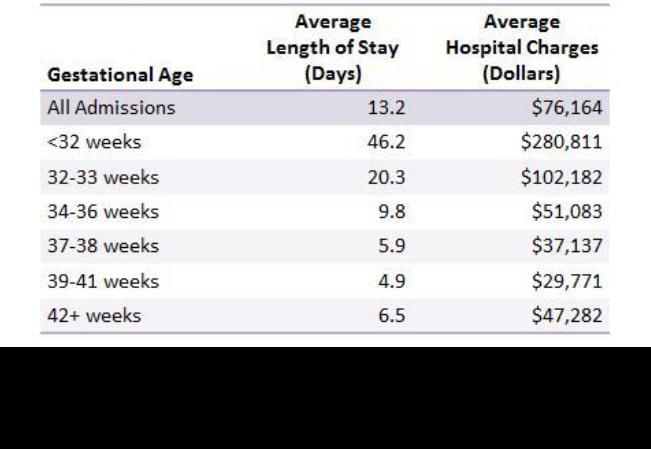
Issues with Current TRT Options
Potential Barriers To Newly Diagnosed and Existing Patients

                             • Black box warning
                                  – Secondary exposure to testosterone
                                  – Pulmonary oil micro embolism (POME) and anaphylactic shock
                             • Inconvenient application or painful injection
                             • High incidence of erythrocytosis was reported in patients on non-oral
                                    – 67% on injectable T, 35% on pellets*
                             • Most require dose titrations - Majority of patients are not on efficacious
                               dose at start of therapy and require up titration
                                  – Avg titration time to reach efficacious dose takes 3-6 months
                                  – Finding appropriate dose through titration is burdensome for physicians
                                     and patients
                                  – Requires additional clinic/pharmacy visits and invasive samplings
                             • Poor persistence with products requiring titration
                                 – 50-80% drop off in 3-6 months
                                 – Insufficient T levels at the beginning of therapy is one of the top
                                     reasons patients stop using TRT

                              *Pastuszak et al. Sex Med. 2015
                                                                                      January 2021 Corporate Presentation I   6
Most TRTs Require Dose Titration in Majority of Patients
Majority of Patients are Not on Efficacious Dose at the Start of Therapy

               Gel (n=200)                                                       Injectable (n=137)
                                                                                                                                                                          JATENZO**

                            1X
                            33%
                                                                              1X                        2X                                                                        0X
                                                                              26%                       20%                                                                       26%
                                                                                                                                                                         2X
                                                                                                                                                                         41%
                                           2X                                                                 3X
                                           15%                                                                                                                                 1X
                                                                                                              12%
                                                                                                                                                                               33%
         0X                                       3X
         47%                                      2%                             0X
                                                                                 37%                             >3 X
                                                                                                                  5%
                                          >3 X
                                           3%                                                                              • 74% of patients required dose adjustments
                                                                                                                           • 97% of dose adjusted patients required up
                  Number of Current TRT Dose Adjustments by Form*                                                            titration
* Current TRT n=412
                                                                                                                           **Jatenzo CLAR-15012 clinical study results
Q16. Since you started using your current testosterone medication, how many times was the dose adjusted up or down until
you reached your current dose level?                            CONFIDENTIAL

                                                                                                                                                                     January 2021 Corporate Presentation I   7
Physician Research Data*
Typical Titration for TRT Takes 3-6 Months to Reach Efficacious Dose for Majority of Patients

             Average titration time to steady state dose
             N = 402 physicians; 150 primary care, 102 urology, 150 endocrinology
             Primary
              Care                                                                                                        3% 1%
                              11%                           41%                                        33%           9%
                                                                                                                            3%
                Urology

                                                                                                                        6% 1%
                                16%                                 45%                                        28%
                                                                                                                     2%   2%
                Endo-

                                                                                                                               1%
                              8%                      36%                                           43%               10%
                                                                                                                              2%
                                                                     % physicians
                                                                                                                              100%
                                1-2 months                           7-8 months
                                3-4 months                           9-10 months
                                5-6 months                           11+ months

                          1.18: How long, typically, does it take to titrate a patient to their steady state dose?

                     *QuintilesIMS-Lipocine, Physician Quantitative Survey, Nov 2017
                          8                                                                                               January 2021 Corporate Presentation I   8
TLANDO: De-Risked Regulatory Profile
Eligible to Launch After March 27, 2022

Current Status                               Opportunities
• Tentative approvals are clearances for     • Post COVID pandemic launch
  drugs to be marketed, but for the          • Adequate time for launch
  existence of patents or market               preparation/partnering
  exclusivities                              • Improves TLANDO XR regulatory
• Initial launch supplies manufactured         prospects
• Business development efforts in progress

                                                               January 2021 Corporate Presentation I   9
LPCN 1144
for Non-Cirrhotic NASH
LPCN 1144: Rationale to Target Non-Cirrhotic Male NASH Patients
Currently No Approved Treatment

                         17 M
                NASH Patients1

        Current Target Population
                         11 M
           NASH Male Patients1,2

                                                                                                    ~6.9 M Male NASH
                       3.5 M                                                                              F2-F3
                  Male NASH
                  with F2-F31,2
                                                                                                        in 20301,2

      Multi-billion $ Opportunity*

           1. Estes et al., Hepatol 2018. 2. Williams et al., Gastroenterology 2011.   *2015 data
                                                                                                             January 2021 Corporate Presentation I   11
Association Between Testosterone and Liver Disease – Clinical
Evidence
Liver Disease in Men Undergoing Androgen Deprivation Therapy (ADT) for Prostate Cancer
Patients Receiving ADT were Significantly More Likely to Have
developed any liver disease
NAFLD
54%↑
Any Liver Disease
47%↑
Necrosis
41%↑
Cirrhosis
35%↑
Gild et al. J Urol. 2018 Sep;200(3):573-581
January 2021 Corporate Presentation I 12LPCN 1144: Androgen Receptor Agonist
Differentiated NASH Treatment Candidate
Targets Unmet Need Clinical Experience
Acceptable benefit to risk ratio Non-invasive dosing regimen
• NASH resolution and/or fibrosis
improvement Meaningfully reduced liver fat in POC
• Tolerability for chronic use study
Improvement of sarcopenia No notable tolerability issues
Improvement of sexual/mood dysfunction
Improved sexual/mood dysfunction
January 2021 Corporate Presentation I 13LPCN 1144: Androgen Receptor Agonist
Potential Mode of Action
LPCN 1144 (Oral Testosterone)
Anti-inflammatory
Anti-oxidant
Anti-steatosis
Booster (↑IGF)
Anti-fibrosis
Regeneration
(↓TGF-β)
Impact on pro-fibrotic inputs Impact on fibrosis
January 2021 Corporate Presentation I 14LPCN 1144: Liver Fat Reduction
Meaningful Relative Liver Fat % Change and Responder Rate
Mean Relative Liver Fat % Change Responders with ≥ 30% change for Liver Fat
0% 100%
90%
Relative % Change of Liver Fat %
-10%
80%
80%
% of Responders
70% 75%
-20%
60%
-30% 50%
40%
-40%
-40% -42%
30%
20%
-50%
10%
0%
-60%
Mean BL LF = 18.3% Mean BL LF = 20.5%
Mean BL LF = 18.3% Mean BL LF = 20.5%
BL ≥ 8% BL ≥ 10%
BL ≥ 8% BL ≥ 10%
(n=10) (n=8) LF = liver fat (n=10) (n=8)
BL = baseline
Ref: Albhaisi et al., Hepatology Communications, 2020 https://doi.org/10.1002/hep4.1571
January 2021 Corporate Presentation I 15LPCN 1144: LiFT (Liver Fat IntervenTion) Study* Ongoing
Phase 2 Paired-Biopsy Clinical Study in NASH Subjects (NCT04134091)
Study Design
• Three-arm (1:1:1 randomization, two treatments and placebo), Secondary Endpoints
multi-center, double-blind • Change in NASH activity and fibrosis via liver biopsy scoring
• Biopsy confirmed male NASH subjects per arm with NAS ≥ 4, F1- • Change in liver markers, anthropomorphic measures (weight,
F3 body mass index (BMI), waist to hip ratio, waist circumference),
• Treatment duration of 36 weeks lipids, insulin resistance, inflammatory/fibrosis markers, and labs
Primary Endpoint • Change in quality-of-life degree (SF-36 and PDQ) and Physical
• Change in hepatic fat fraction via MRI-PDFF Activity Questionnaire
TREATMENT: 36 WEEKS
SCREENING
12 Weeks
MRI-PDFF,
Biopsy
Dose Start Topline MRI-PDFF Results in January 2021 Topline Biopsy Results by Mid-2021
* Website: www.lift-study.com
January 2021 Corporate Presentation I 16TLANDO XR (Testosterone Tridecanoate) Once Daily Oral TRT
TLANDO XR: An Innovative Opportunity
Next Generation TRT Option

                    TLANDO XR is positioned to be the first Oral QD Product

                       TLANDO XR is clinically differentiated from TLANDO

                   Patients and physicians prefer once a day oral testosterone

                      Strong IP (new molecule & proprietary drug delivery technology)

                                       Positive Phase 2b study results

                                                                                 January 2021 Corporate Presentation I   18
Phase 2b Study: Result Summary
Met Primary and Secondary Endpoints
• Once daily dose for 14 days in an open label, multiple dose PK study in
hypogonadal men (n=36 subjects)
✓ Phase 3 dose identified
✓ No Drug related SAEs
✓ Drug Related AEs are Mild to Moderate
• Next step: Food effect study
January 2021 Corporate Presentation I 19LPCN 1148 for Liver Cirrhosis
LPCN 1148: Oral T for Cirrhosis
Background: Prevalence and Common Causes
                                                                                                                      Healthy Liver                                  Liver with Cirrhosis

   Transplant Only Cure for Liver Cirrhosis
 High Economic Burden of a Liver Transplant1

                Liver Cirrhosis in US                                                                               Common Causes5
                                                                                                                    Alcoholic liver disease
    Over 600K patients with liver                                 cirrhosis2
                                                                                                                    Nonalcoholic Fatty Liver Disease (NAFLD)
                   45K deaths in 20173
                                                                                                                    Chronic hepatitis B
      62% male vs. 38% female on the liver                                                                          Chronic hepatitis C
           transplant (LT) waitlist4
                                                                                                                    Cryptogenic

          1. Bentley & Phillips, Milliman Research Report 2017   4. Sarkar et al. J Hepatol. 2015
          2. Sinclair et al., Liver Transplantation, 2016;       5. https://www.niddk.nih.gov/health-information/liver-disease/cirrhosis/symptoms-causes
                                                                                                                                                           January 2021 Corporate Presentation I   21
          3. Sinclair et al., J Gastroenterol Hepatol. 2016;
Unmet Needs For Patients with Liver Cirrhosis
Areas that LPCN 1148 Addresses
Improvement in quality of life while on waiting list
Sarcopenia is a leading contributory cause of
Stay on transplant list removal from the waitlist
• 40 -70% of cirrhotic patients are sarcopenic
Improvement of post transplant survival/outcomes
Yoon and Chen, National Institute on Alcohol Abuse and Alcoholism; Surveillance Report #114, 2019
Scaglione et al., J clin Gastroenterol, 2015; Hart et al., Transplantation, 2016; United Network for Organ Sharing, 2019
Sinclair et al. Aliment Pharmacol Ther, 2016; Lai et al., Am J Transplant, 2014
January 2021 Corporate Presentation I 22Sarcopenia in Liver Cirrhosis
Equivalent to Adding Significant Points to the MELD Score
A two-fold increase in waitlist mortality/decreased survival
Increased risk of hepatic decompensation
Increased risk of hospitalization/prolonged hospitalization
Poor post-transplant outcomes
Increased risk of Infections
Malnutrition
References: Kim and J.W. Jang, World Journal of Gastroenterology, 2015; Sinclair et al., Journal of Gastroenterology and Hepatology (Australia), 2016;
Moctezuma-Velazquez et al., Clinical Nutrition, 2018.; Sinclair et al., World Journal of Gastroenterology, 2017. Montano-Loza et al., Clinical and Translational
Gastroenterology, 2015; Lai, J.C., et al., Hepatology, 2017; Englesbe et al., J Am Coll Surg, 2010.
23 MELD Score: Model For End-Stage Liver Disease Score 23
January 2021 Corporate Presentation ILPCN 1107 Prevention of Preterm Birth
Unmet Medical Need
Preterm Birth is a Significant Public Health Issue in the U.S
• One Preterm birth (PTB) every minute1
• ≥ $26 billion economic impact2
• 10% of all US pregnancies3
• A leading cause of neonatal mortality and morbidity
• Medical costs for PTB infants are ~10x higher than for
full term infants4
1. Pediatric Research (2006) 60, 775–776
2. Institute of Medicine of the National Academies. Jul.200
3. National Vital Statistics Reports, Vol 67, No. 8, Nov 7, 2018: Centers for Disease Control and Prevention (2017) January 2021 Corporate Presentation I 25
4. J. Maternal-Fetal and Neonatal Medicine, Dec. 2006, 19(12), 773–782LPCN 1107: Potential To Be The Standard of Care for Prevention of PTB
Oral Hydroxyprogesterone Caproate (HPC)
Convenient dosing
No injection site reactions
First oral enabling technology
Solid IP coverage
Orphan drug designated
Next Step: Pivotal study agreement w/ FDA
January 2021 Corporate Presentation I 26Impact of Potential Market Withdrawal of Makena and Its Generics
An Opportunity for LPCN 1107
No approved standard of care for prevention of PTB
Improved market potential
Enriched target population: Not losing high risk patients to active control (injectable IM)
May not require a non-inferiority study; Easier to recruit patients for placebo-controlled trial(s)
Advanced “Phase 3 ready” oral candidate targeting PTB
January 2021 Corporate Presentation I 27Upcoming Milestones
Near Term Value Drivers
Event Expected Timing
TLANDO™ Full Approval March 28, 2022
LiFT Primary Endpoint Results January 2021
LPCN 1144
LiFT Biopsy Results Mid 2021
January 2021 Corporate Presentation I 28Key Financial Metrics
Stock Price, Market Cap, Cash Balance
Ticker Symbol LPCN (Nasdaq Capital Market)
Closing Stock Price (12/28/20) $1.39/share
Cash Balance (9/30/20) $23.8 million
Bank Debt (9/30/20) $6.4 million
January 2021 Corporate Presentation I 29Appendix
TLANDO™ Attributes*
Convenient Oral Route
• No inadvertent transference or Pulmonary Oil Micro Embolism risks
• Single strength and dose
TRT without titration requirement
• Enables selection of an effective dose at the start of therapy without
delay
f
• No “efficacy gap” upon switching from other TRTs
• No additional pharmacy and clinic copays to reach efficacious dose
• No dose adjustment clinic and pharmacy visits Physician Research: Physicians View No
• No dose adjustment invasive samplings Titration Product as Positive
• No titration decision errors
Bioequivalent exposure in low/med/high fat food ▪ Cited “easy/less titration” as an important
advantage of TLANDO™
Not Known to Produce Hepatic Adverse Events Associated with 17-
methylated Testosterone ▪ Finding the adequate TRT dose through
titration is burdensome for physicians and
*Pending final approval patients
January 2021 Corporate Presentation I
31LPCN 1144: Liver Fat Imaging Study (“LFS”)
Study Design and Baseline Liver Fat Subject Distribution
LFS was an open-label, multi-center single-arm 16-week study (N=36) of LPCN 1144 225 mg BID in
hypogonadal males
Mean LF % BL
Evaluated
N = 32
Screening Interim Results
LF ≥ 5% 12.1 ± 8.1
N = 21
-4 Wk 0 Wk 8 Wk 16 Wk
LF ≥ 8% MRI-PDFF BL MRI-PDFF ∆ MRI-PDFF ∆
N = 10 18.3 ± 7.7 Interim End of Study
LF ≥ 10%
20.5 ± 7.0
N=8
LF = liver fat
BL = baseline
Ref: Albhaisi et al., Hepatology Communications, 2020 https://doi.org/10.1002/hep4.1571 January 2021 Corporate Presentation I 32LPCN 1148 in Cirrhotic Patients
Potential Key Effects
• Reduce fat mass and increase muscle mass and strength
• Increase bone density
Anabolic
• Inhibit myostatin
• Improve nutritional status*
• Induce hematopoiesis
Androgenic
• Improve sexual dysfunction
Anti-Inflammatory • Reduce IL-1, IL-6, and TNF-α
Improve immuno-dysregulation • Lower infection rate
SHBG lowering • Increase free T
References: Trivedi and Tapper, Gastroenterol Rep (Oxf), 2018; Berzigotti et al., Hepatology, 2017; Chen and Dunn, Clin Liver Dis (Hoboken), 2018; Sinclair et.al, Liver international, 2016; Neff et al.,
Digestive Diseases and Sciences, 2004; Puliyel et al., Australian and New Zealand Journal of Medicine, 1977; Brown et al., Cleve Clin Q, 1960; Girolami M, Am Geriatr Soc, 1958; Neff et al., Transplant
Proc, 2004; Wells R., The Lancet, 1960; Yurci et al., Clinics and Research in Hepatology and Gastroenterology, 2011; Muting D., Verh Dtsch Ges Inn Med, 1969; Gluud C., Liver, 1984.
*individual's health condition as it is influenced by the intake and utilization of nutrients
33 33
January 2021 Corporate Presentation IEnabling Oral Drug Delivery to Improve Patient Compliance
LPCN 1107
Prevention of Preterm Births
34Preterm Birth (PTB)
Basic Facts
• Risks of adverse outcome for preterm infants rise sharply with decreasing gestation
• Early PTB babies have higher rates of death and disability
▪ PTBStatus of MAKENA and its Approved Generic Equivalents
CDER Proposes Withdrawal of Approval for Makena on October 5, 2020
● Confirmatory (PROLONG) study failed to verify clinical benefit and FDA concluded that the available evidence
does not show that Makena is effective for its approved use
● CDER has issued a notice of opportunity for a hearing to AMAG Pharmaceuticals and approved generics to
Makena for an opportunity to comment
● Makena and its approved generics will remain on the market until the manufacturers decide to remove the drugs
or the FDA Commissioner mandates their removal
● FDA intend to hold a meeting with experts in obstetrics, neonatal care, and clinical trial design to discuss how to
facilitate development of effective and safe therapies to treat preterm birth
● Eight approved ANDAs referenced Makena as the basis of submission. Upon withdrawal of Makena’s NDA, FDA
would also withdraw all eight of ANDAs for drug products containing hydroxyprogesterone caproate that reference
AMAG’s NDA as their reference listed drug
January 2021 Corporate Presentation I 36Impact of HPC Plasma Concentration on PTB rate
PK-PD Correlation: HPC Concentration and PTB Rate1
• Lower % (~4.3%) PTB rate can be expected with daily Cavg2 ≥ 8.2 ng/mL compared to overall PTB rate
• 25% of MAKENA (IM HPC ) patients with 250 mg/week dosing have levels below the desired “threshold critical
for efficacy”
1. Caritis et al., Am J Obstet Gynecol. 2014 (N=315 subjects) January 2021 Corporate Presentation I 37
2. Ctrough for IM HPC Cavg, MakenaComparative Steady State PK profiles* to 250 mg/week Injectable HPC
LPCN 1107 Target Regimen Results in Higher Target HPC Levels in Majority of Patients
Phase 3 Dose
Mean Cavg
34.8 ng/mL
Mean Cavg
11.3 ng/mL
*PK results obtained from post 35 days for weekly IM
8.2 ng/ml Injection & post 8 days of BID dosing for oral from the
Reported lower PTB rate threshold dose finding study
January 2021 Corporate Presentation I 38You can also read


