Disadvantage - Every day. In times of crisis. For our future - STATE OF THE WORLD'S MOTHERS 2015 - Save the Children
←
→
Page content transcription
If your browser does not render page correctly, please read the page content below
Every day. In times of crisis. For our future.

  The Urban
Disadvantage
     STATE OF THE WORLD’S MOTHERS 2015
Contents
  2 Foreword by Dr. Margaret Chan
  3 Introduction by Carolyn Miles
  5 Executive Summary: Key Findings and Recommendations
11 Global Trends in Child Survival and Urbanization
17 Unequal Life Chances for the Urban Poor
23 Urban Health Fairness Assessment
29 Saving Lives in Slums
41 Urban Inequity in Wealthy Countries
47 Take Action Now for the Urban Poor
55 Appendix: The 2015 Mothers’ Index and Country Rankings
65 Methodology and Research Notes
70 Endnotes

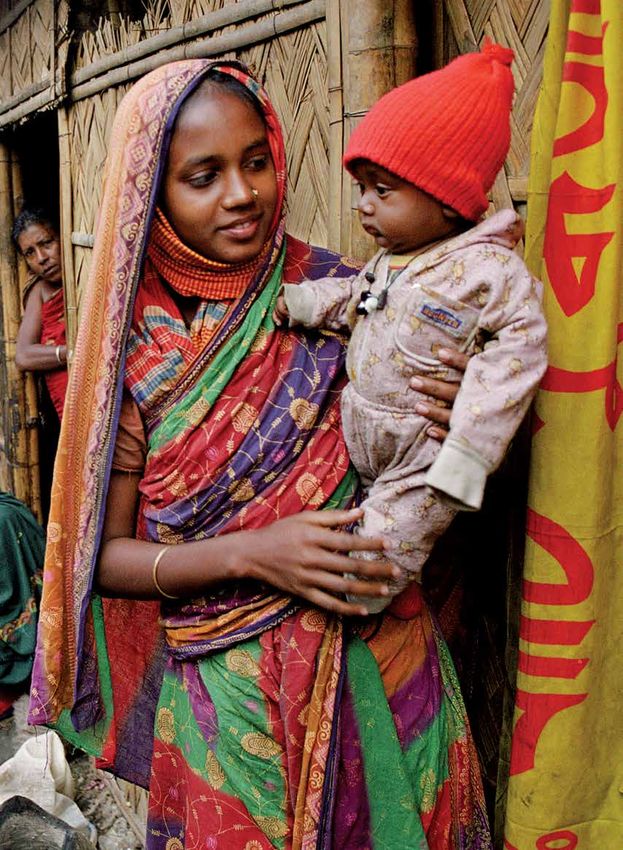
Note: The focus of this report is on the hidden and often neglected        Some names of mothers and children have been
plight of the urban poor. For the purpose of this analysis, the “urban     changed to protect identities.

poor” are defined as the bottom quintile (i.e., the poorest 20 percent     On the cover
of urban households). The “urban rich,” in contrast, are the top           Fatmara lost a baby a few years ago after giving birth
quintile (i.e., the richest 20 percent). The “urban survival gap” is a     on the floor of her shack in Freetown, Sierra Leone.
                                                                           She recently delivered a healthy baby at a clinic opened by
key metric used throughout. For this report, it refers to relative (not    Save the Children in the Susan’s Bay slum.
absolute) inequity in child survival chances and is given by the ratio     Photo by Alfonso Daniels.
between these two groups (i.e., the under-5 mortality rate (U5MR)
                                                                           Published by Save the Children
for the urban poorest is divided by the U5MR for the urban richest).
A relative difference of 2.0, for example, means the poorest urban         501 Kings Highway East, Suite 400
children are twice as likely as the richest urban children to die before   Fairfield, CT 06825
                                                                           United States
reaching age 5.                                                            (800) 728-3943
    When interpreting these data it is important to note that              www.savethechildren.org
sub-national estimates are subject to uncertainty. Observed gaps,
                                                                           © 2015 Save the Children Federation, Inc.
especially where small, may be an artifact of the data rather than an
indicator of genuine difference between groups. For this reason, the       ISBN 1-888393-30-0
city and country data included in the report are imperfect but valu-
                                                                           State of the World’s Mothers 2015 was published
able measures of health equity. The data suggest where gaps may be         with generous support from the Bill & Melinda Gates
great and call attention to the need for further investigation of health   Foundation and Johnson & Johnson.
care challenges faced by the urban poor. For details, see Methodology
and Research Notes.
The Urban           In commemoration of Mother’s Day, Save the

Disadvantage
                      Children is publishing its 16th annual State of the
                      World’s Mothers report with a special focus on our
                      rapidly urbanizing world and the poorest mothers
                      and children who must struggle to survive despite
                      overall urban progress.
                          Every day, 17,000 children die before reaching their
                      fifth birthday. Increasingly, these preventable deaths
                      are occurring in city slums, where overcrowding
                      and poor sanitation exist alongside skyscrapers and
                      shopping malls. Lifesaving health care may be only
                      a stone’s throw away, but the poorest mothers and
                      children often cannot get the care they need.
                         This report presents the latest and most extensive
                      analysis to date of health disparities between rich
                      and poor in cities. It finds that in most developing
                      countries, the poorest urban children are at least
                      twice as likely to die as the richest urban children.
                      In some countries, they are 3 to 5 – or even more –
                      times as likely to die.
                         The annual Mothers’ Index uses the latest data
                      on women’s health, children’s health, educational
                      attainment, economic well-being and female political
                      participation to rank 179 countries and show where
                      mothers and children fare best and where they face
                      the greatest hardships.

Manila, Philippines
Foreword

    When I was growing up in Hong Kong in the             world, young children from the poorest urban
    1950s, 30 percent of the world’s population lived     households are roughly twice as likely to die as
    in cities. Today, for the first time in history,      children from the wealthiest households. The
    more than half of humanity lives in an urban          fact that death rates of mothers and children in
    setting. Most people flourish under the ame-          urban slums may exceed those in rural areas will
    nities of modern life: economic and cultural          come as a surprise to many.
    opportunities, a secure food supply, reliable             The report is issued at an opportune time
    utilities and transportation, and access to social    as the international community transitions to
    services, including health care. But many others      a new development agenda. The Millennium
    flounder. WHO estimates that nearly a billion         Development Goals have unquestionably been
    people live in urban slums, shantytowns, on           good for public health. The annual number of
    sidewalks, under bridges, or along the railroad       young child deaths, stuck at more than 10 mil-
    tracks. Life under these circumstances is chaotic     lion for decades, has fallen by half since 1990.
    and dangerous, and communities often lack             And at least 17,000 fewer children are dying
    even the most basic legal recognition needed to       every day. Deaths associated with pregnancy
    seek essential services.                              and childbirth have also been cut by 45 percent.
        As this year’s report on the State of the         As thinking about the post-2015 development
    World’s Mothers shows, one of the worst places        agenda has matured, strong emphasis is being
    in the world to be a mother is in an urban            given to the importance of making equity and
    slum. Poverty, and the social exclusion that          social inclusion explicit policy objectives. I hear
    goes with it, leave the urban poor trapped in         this from my Member States every time the
    overcrowded, makeshift or decrepit housing,           post-2015 agenda is discussed.
    with few opportunities to stay clean or safe              As so often happens in public health, when
    on a daily basis. Diets are poor. Diseases are        one stubborn problem begins to recede, it
    rife. Pregnancies occur too early in life and too     reveals another problem hidden beneath it. For
    often. Good health care, especially preventive        example, as deaths in young children began to
    care, is rare. In most cases, the publicly funded     fall, newborn deaths emerged as a huge and
    health services that reach the urban poor are         neglected problem accounting for 44 percent
    under-staffed and ill-equipped. Forced reliance       of all deaths of children under age 5. This
    on pricey and unregulated care by private, and        report likewise profiles a problem that stands
    sometimes public, practitioners deepens poverty       out more prominently in the midst of so many
    even further.                                         areas of success. As underscored by the report,
        These are the women and children left             giving greater attention to the health needs of
    behind by this century’s spectacular socioeco-        the urban poor – the mothers and children left
    nomic advances. Far too often, even the simplest      behind – is essential to move towards univer-
    and most affordable health-promoting and              sal health coverage, reducing one of the most
    lifesaving interventions – like immunizations,        glaring gaps in health outcomes, and one of the
    vitamin supplements, safe drinking water, and         most tragic.
    prenatal check-ups – fail to reach them. Their
    plight is largely invisible. Average statistics for
    health indicators in cities conceal the vast suf-
    fering in slums and other pockets of poverty in       Dr. Margaret Chan
    rich and poor countries alike.                        Director-General, World Health Organization
        State of the World’s Mothers 2015 puts these
    unmet health needs under the spotlight. The
    data set out in the report are sometimes shock-
    ing and often counter-intuitive. Vast health
    inequalities are pervasive. In the developing

2
Introduction

 Sometimes reality hits you when you least              • Few countries have invested sufficiently in the
 expect it.                                               infrastructure and systems, including water
    About 20 years ago, I was on a family trip in         and sanitation, which are critical to addressing
 Asia with my husband and two young children,             the basic health needs of the urban poor. More
 my 6-month-old son in my arms. As we waited              countries need to adopt universal health care
 at a bustling city intersection, I looked out of         as a national policy to help address the unmet
 the car window and saw a young woman with                needs of the urban poor.
 her baby, begging in the street. Yes, I had seen
 such mothers before, but this time the enor-                There is no simple solution to creating more
 mous inequities between my world and hers               equitable cities, but a number of cities cited in
 struck me as never before. Here was a mother,           the report – such as Addis Ababa in Ethiopia
 just like me, except for the fact that we were          and Manila in the Philippines – have been
 born into vastly different worlds. By mere cir-         successful in addressing the health needs of the
 cumstance of birth, I had grown up with all the         poorest families, and these examples could serve
 advantages of modern life, as would my chil-            as models for other cities to follow.
 dren, while this mother and her child struggled             Save the Children is proud to have contrib-
 to survive one day to the next. My husband and          uted to these successes. We are working in urban
 I began to talk, and not long afterward I left the      settings to improve care for pregnant mothers
 corporate realm to work for Save the Children.          and newborns and provide improved nutri-
    At Save the Children, we do whatever it takes        tion, education and sanitation. We also partner
 in some of the world’s toughest places to ensure        with local and national governments to create
 that mothers and children survive and thrive.           policies and strategies that make it easier for the
 Increasingly, our work is taking us into urban          poorest urban families to get essential services.
 settings, where very poor, vulnerable mothers           We leverage the unique advantages cities have to
 and children are dying at rates well above city or      offer – technology, highly skilled partners and
 national averages. In most countries, the poorest       existing services that just need to be made more
 urban children are at least twice as likely to die      accessible. The tragedy is that so many more
 as the richest children before their fifth birthday.    could be saved, if only more resources were
 We call this the urban disadvantage.                    available to ensure these lifesaving programs
     Our 16th annual State of the World’s Mothers        reach all those who need them, especially the
 report explores the urban disadvantage in rich          world’s children – and their mothers.
 and poor cities around the world. Among our                 When I think back on the mother and child
 most important findings:                                I saw begging in the street so long ago, I recall
                                                         the many mothers I have met since then. These
• The world, especially the developing world, is         are mothers who will do just about anything to
  becoming urbanized at a breathtaking pace.             keep their children healthy, well-nourished, safe
  Virtually all future population growth in devel-       and educated, so their children can grow up to
  oping countries is expected to happen in cities,       become productive, engaged citizens.
  resulting in a greater share of child deaths taking        Sooner or later, you will see a mother and a
  place in urban areas.                                  child begging in the street of some major city,
                                                         as I did. Please don’t look away. It’s time for all
• In developing countries, the urban poor are            of us to work to set things right – to reverse the
  often as bad as, or worse off than, the average        urban disadvantage, once and for all.
  rural family, and for many rural families, mov-
  ing to the city may result in more – rather than
  less – hardship.
                                                         Carolyn Miles
                                                         President and CEO of Save the Children

  STATE OF THE WORLD’S MOTHERS 2015                                                                            3
4Dhaka, Bangladesh Chapter name goes here
Executive Summary: Key Findings
and Recommendations

Increasing numbers of mothers are rasing their         where lifesaving care may be a stone’s throw
 children in urban areas. Over half the world’s        away – represent perhaps the saddest expression
population now lives in cities and a grow-             of urban health system failure, and they also
ing proportion of child deaths occur in these          represent the everyday misery faced by millions
 areas.1 While cities are home to the wealthiest       of others.
 and healthiest people in a country, they are also        While there are multiple determinants of
home to some of the poorest and most margin-           health in urban settings, this report focuses
 alized families on earth.                             primarily on health-related interventions and
     In much of the world, the odds of children        approaches that we know can have a significant
 surviving to celebrate their fifth birthday have      impact on the health and survival of mothers
improved considerably in recent years. Today,          and children.
17,000 fewer children die every day than in 1990
 and the global under-5 mortality rate has been        Key Findings
 cut nearly in half, from 90 to 46 deaths per
1,000 live births, between 1990 and 2013. But          1. While great progress has been made in
beneath remarkable improvements in national            reducing urban under-5 mortality around the
 averages, inequality is worsening in far too          world, inequality is worsening in too many
many places. Some groups of children are falling       cities. Many countries have made important
behind their more fortunate peers, and these           progress in reducing child death rates overall,
 disparities tend to be more pronounced in cities.     including among the poorest urban children.
     Earlier this year, Save the Children’s Lottery    But progress often does not eliminate disparities,
of Birth report called attention to those children     and sometimes it exacerbates them. In almost
who have been left behind and demonstrated             half of the countries with available trend data
how a more equitable path is needed in order           (19 out of 40), urban survival gaps have grown.
to accelerate progress in reducing global and          In relative terms, survival gaps have roughly
national under-5 deaths. State of the World’s          doubled in urban areas of Kenya, Rwanda and
Mothers 2015 focuses on one vulnerable group           Malawi despite these countries’ overall success
 of children that urgently needs more attention        in saving more children’s lives in cities. (To read
– those living in urban poverty. It also focuses       more, turn to pages 26-27.)
 on the people who feel the loss of a child most
keenly and who have tremendous potential to            2. The poorest children in almost every city
make a positive difference in children’s lives –       face alarmingly high risks of death. In all but
their mothers.                                         one of the 36 developing countries surveyed,
    This report presents a first-ever global assess-   there are significant gaps between rich and
ment of health disparities between rich and poor       poor urban children. Save the Children’s Urban
in cities. It analyzes data for dozens of cities in    Child Survival Gap Scorecard examines child
 developing countries and 25 cities in industrial-     death rates for the richest and poorest urban
ized countries to see where child health and           children and finds that in most countries the
 survival gaps are largest and where they are          poorest urban children are at least twice as
 smallest. It also looks at progress over time to      likely to die as the richest urban children before
 see where gaps have narrowed and where they           they reach their fifth birthday. The Scorecard
have grown wider. While preventable deaths of          finds urban child survival gaps are largest in
young children are tragic, unacceptable and rea-       Bangladesh, Cambodia, Ghana, India, Kenya,
 son enough to focus more attention on health          Madagascar, Nigeria, Peru, Rwanda, Vietnam
 care for the most vulnerable, it is important to      and Zimbabwe. In these countries, poor urban
note that child mortality rates are also an impor-     children are 3 to 5 times as likely to die as their
tant indicator of the overall health of a city. The    most affluent peers. In contrast, cities in Egypt
young children dying in city slums today – even        and the Philippines have been able to achieve

STATE OF THE WORLD’S MOTHERS 2015                                                                            5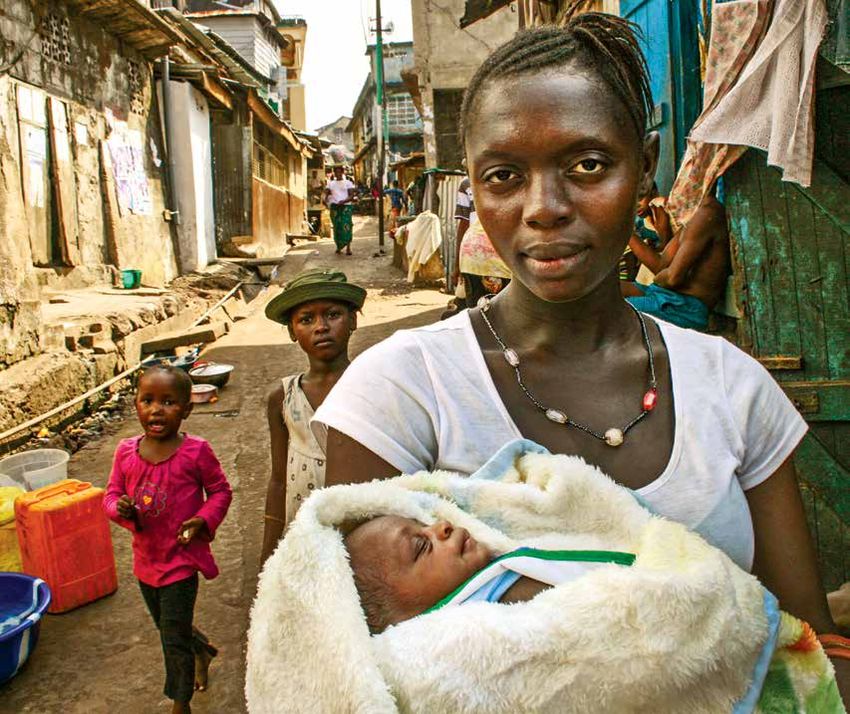
poor resort to seeking care from unqualified
                                                                       health practitioners, often paying for care
                                                                       that is poor quality, or in some cases, harmful.
                                                                       Overcrowding, poor sanitation and food
                                                                       insecurity make poor mothers and children even
                                                                       more vulnerable to disease and ill health. And
    Lima, Peru
                                                                       fear of attack, sexual assault or robbery limit
                                                                       their options when a health crisis strikes. (To
                                                                       read more, turn to pages 17-21.)

                 relatively low child mortality rates with com-        5. We know what works to save poor urban
                 paratively smaller urban child survival gaps. (To     children. Save the Children profiles six cities
                 read more, turn to pages 23-24.)                      that have made good progress in saving poor
                                                                       children’s lives despite significant population
                 3. The poorest urban mothers and children are         growth. The cities are: Addis Ababa (Ethiopia),
                 often deprived of lifesaving health care. Save        Cairo (Egypt), Manila (Philippines), Kampala
                 the Children’s City Health Care Equity Ranking        (Uganda), Guatemala City (Guatemala) and
                 looks at how access to, and use of, health            Phnom Penh (Cambodia). These cities have
                 care differs among the poorest and wealthiest         achieved success through a variety of strategies to
                 mothers and children within 22 cities. It also        extend access to high impact services, strengthen
                 includes a comparison of child malnutrition           health systems, lower costs, increase health
                 (stunting) rates between rich and poor in these       awareness and make care more accessible to
                 same cities. The ranking finds huge dispari-          the poorest urban residents. The city profiles
                 ties in access to prenatal care and skilled birth     provide a diverse set of examples, but the most
                 attendance. The largest coverage gaps between         consistently employed success strategies included:
                 rich and poor were found in Delhi (India),            1) Better care for mothers and babies before,
                 Dhaka (Bangladesh), Port au Prince (Haiti) and        during and after childbirth; 2) Increased use of
                 Dili (Timor-Leste). Child malnutrition gaps           modern contraception to prevent or postpone
                 are greatest in Dhaka, Delhi, Distrito Central        pregnancy; and 3) Effective strategies to provide
                 (Honduras), Addis Ababa (Ethiopia) and Kigali         free or subsidized quality health services for the
                 (Rwanda). In these cities, stunting rates are 29      poor. (To read more, turn to pages 29-39.)
                 to 39 percentage points higher among the poor-
                 est compared to the richest. (To read more, turn      6. Among capital cities in high-income
                 to pages 23-25.)                                      countries, Washington, DC has the highest
                                                                       infant death risk and great inequality. Save the
                 4. High child death rates in slums are                Children examined infant mortality rates in 25
                 rooted in disadvantage, deprivation and               capital cities of wealthy countries and found
                 discrimination. High rates of child mortality         that Washington, DC had the highest infant
                 in urban slums are fueled by a range of factors,      mortality rate at 6.6 deaths per 1,000 live births
                 including social and economic inequalities.           in 2013. While this rate is an all-time low for
                 While high-quality private sector health              the District of Columbia, it is still 3 times the
                 facilities are more plentiful in urban areas, the     rates found in Tokyo and Stockholm. There
                 urban poor often lack the ability to pay for          are also huge gaps between rich and poor in
                 this care – and may face discrimination or            Washington. Babies in Ward 8, where over half
                 even abuse when seeking care. Public sector           of all children live in poverty, are about 10 times
                 health systems are typically under-funded, and        as likely as babies in Ward 3, the richest part of
                 often fail to reach those most in need with           the city, to die before their first birthday. (To
                 basic health services. In many instances, the         read more, turn to pages 41-45.)

6                Executive Summary: Key Findings and Recommendations
In the developing world,

Urban
                                        860
                                                                      one-third of urban residents
                                                                      live in slums – over

and
Unequal
                                    54%
                                    of the world’s population
                                    lives in urban areas. This is
                                                                      million
                                                                      people.                           3

                                    projected to increase to 66
                                    percent by 2050. Most of
                                    this increase will be in Africa
                                    and Asia.2

                                    over half
In cities around the world,         In Bangladesh and India,          In the slums of Nairobi, Kenya,

                                                                      50%
  poorest
the
                                                                      maternal and child mortality
                                                                      rates are about
urban children                      of poor urban

twice
are at least
                                    children are
                                    stunted, compared
                                                                      higher
                                    to 20 percent or less of the

as likely to die                            wealthiest children.5
                                                                                                 than
as the richest urban children.4                                                           the national
                                                                                              average.6, 7

     In Cambodia and Rwanda,                                          In Latin America and
children born into the poorest                                        the Caribbean,
      20% of urban households
                                                                      more than
       5 times
                                                                      half
                    are almost

                                    In Haiti, Jordan and Tanzania,

      as likely                     under-5 mortality rates are

        to die higher in
                                    urban
                                                                      of all child deaths likely occur
                                                                      in urban areas.10
  by age 5 as children born into

                                    areas
the richest 20 percent. Survival
   gaps have grown in Rwanda,
   but are closing in Cambodia.8

                                    than they are in rural areas.9

STATE OF THE WORLD’S MOTHERS 2015                                                                        7
Recommendations

    Cities on fast and more equitable pathways to
    reducing child mortality have made concerted
    efforts to ensure that hard-to-reach groups have
    access to essential, cost-effective and high-impact
    health services that address the leading causes of
    child mortality. Malnutrition is now an under-
    lying cause of nearly half of all under-5 deaths
    worldwide, and an increasing proportion of all             Delhi, India
    child deaths occur in the first month of life (the
    newborn period). These facts point to an urgent
    need to strengthen efforts to improve maternal         decades, not all mothers and children have
    and child nutrition, provide prenatal care, safe       benefited from this progress. This is especially
    childbirth and essential newborn care. A range of      true for the urban poor. Within the context
    policies make equitable progress more likely for       of the post-2015 framework for addressing
    the urban poor, including steps toward the pro-        inequities, explicit attention should be given to
    gressive realization of universal health coverage to   advancing strategies to addressing the inequities
    ensure that poor and marginalized groups have          that exist within urban populations.
    access to quality services that meet their needs.
                                                           3. Improve the health of the urban poor by
    1. The final post-2015 framework should                ensuring universal health coverage. Ending
    include an explicit commitment to equitably            preventable maternal, newborn and child deaths
    ending preventable child and maternal deaths           will require that everyone, starting with the
    with measurable targets. 2015 is a pivotal             most vulnerable, has access to high quality basic
    year for maternal, newborn and child survival.         health and nutrition services, and is protected
    September 2015 will mark the launch of the             from the impoverishing effects of out-of-pocket
    post-2015 framework (Sustainable Development           costs of care. To achieve this, quality basic
    Goals) and the end of the Millennium                   preventive and curative health services must be
    Development Goals (in December 2015). This             made more accessible and affordable. This will
    framework will determine the future of mothers’        require investing in strengthened and expanded
    and children’s lives around the world. Given           urban health systems designed to reach the
    the rapid growth of urban populations, and the         poor, ensuring access to health workers able
    increasing portion of under-5 deaths occurring         to provide quality care in slums and informal
    among the urban poor, the post-2015 framework          settlements, and removing financial barriers to
    needs to highlight investments needed for              accessing quality health services.
    basic health services, water and sanitation, and
    improved nutrition for this under-served, and          4. All governments must follow through
    often neglected, population.                           on Nutrition for Growth commitments
                                                           and ensure that the World Health Assembly
    2. Commit to leaving no one behind by                  nutrition targets are met. Malnutrition is
    embedding equity in the final post-2015                the underlying cause of 45 percent of deaths
    framework. The post-2015 framework must                of children under 5, leading to over 3 million
    make a commitment that no target will be               deaths each year, 800,000 of which occur
    considered to have been met unless it has been         among newborn babies. The locus of poverty
    met for all social and economic groups. While          and malnutrition among children appears to be
    we have made tremendous progress in reducing           gradually shifting from rural to urban areas, as
    maternal and child deaths over the last two            the number of the poor and undernourished

8   Executive Summary: Key Findings and Recommendations
increases more quickly in urban than in rural
areas. Child stunting is equally prevalent in 2015 Mothers’ Index Rankings
poor urban settings as in rural settings. Stunting,
which is caused by chronic malnutrition, can
start during pregnancy as a result of poor Top 10 Bottom 10
maternal nutrition, poor feeding practices, low
RANK COUNTRY RANK COUNTRY
food quality and frequent infections. Attention
must also be given to supporting and promoting 1 Norway 169 Haiti*, Sierra Leone*
2 Finland 171 Guinea-Bissau
exclusive breastfeeding for the first 6 months
3 Iceland 172 Chad
of life. Breastfeeding in some poor urban 4 Denmark 173 Côte d’Ivoire
settings is lower than in rural areas due to lack 5 Sweden 174 Gambia
of knowledge and education. Country-costed 6 Netherlands 175 Niger
plans must include ways to address malnutrition 7 Spain 176 Mali
8 Germany 177 Central African Republic
in urban areas, including an emphasis on
9 Australia 178 DR Congo
wasting, exclusive breastfeeding and stunting. 10 Belgium 179 Somalia
*Countries are tied
5. Develop comprehensive and cross-sectoral
urban plans. National governments should
Save the Children’s 16th annual Mothers’ Index assesses the well-
develop and invest in integrated, cross-sec-
being of mothers and children in 179 countries – more than in
toral urban policies, strategies and plans that
any previous year. Norway, Finland and Iceland top the rankings
include maternal, newborn and child health
this year. The top 10 countries, in general, attain very high
(MNCH) and nutrition, as well as investments
scores for mothers’ and children’s health, educational, economic
in improved access to clean water, sanitation
and political status. The United States ranks 33rd. Somalia
and primary education. Donors should sup-
scores last among the countries surveyed. The 11 bottom-
port these plans with funding critical to the
ranked countries – all but two of them from West and Central
achievement of the post-2015 goal of ending
Africa – are a reverse image of the top 10, performing poorly
preventable maternal and child deaths.
on all indicators. Conditions for mothers and their children in
the bottom countries are grim. On average, 1 woman in 30 dies
6. Invest in data collection. National gov-
from pregnancy-related causes and 1 child in 8 dies before his
ernments and donors should invest in
or her fifth birthday.
strengthening data collection to better identify
The data collected for the Mothers’ Index document the
disadvantaged groups, track quality and use of
tremendous gaps between rich and poor countries and the
services and monitor progress against agreed-
urgent need to accelerate progress in the health and well-being
upon plans and targets. Disaggregated data to
of mothers and their children. The data also highlight the role
identify residents of slums, informal settlements
that armed conflict and poor governance play in these tragedies.
and street dwellers is needed to ensure that the
Nine of the bottom 11 countries are conflict-affected or other-
urban poor are recognized and brought into the
wise considered to be fragile states, which means they are failing
health system.
in fundamental ways to perform functions necessary to meet
their citizens’ basic needs.
7. Mobilize resources to end preventable child
See the Complete Mothers’ Index, Country Rankings and an
deaths in poor urban areas. All governments
explanation of the methodology, beginning on page 55.
must meet their funding commitments for
maternal, newborn and child health and nutri-
tion. Country governments must increase their
own health budgets.
(To read this report’s full set of recommendations,
turn to pages 47-53.)
STATE OF THE WORLD’S MOTHERS 2015 9Freetown, Sierra Leone 10 Chapter name goes here
Global Trends in Child Survival
and Urbanization

Substantial progress has been made in reduc-         life has increased from 37 percent in 1990 to 44
ing child deaths since 1990. The global under-5      percent in 2013. The share of under-5 deaths that
mortality rate has been cut by 49 percent – from     occur during the newborn period is rising in
90 deaths per 1,000 live births in 1990 to 46 in     every region and in almost all countries.15
2013.11 Global child mortality rates are falling         Historically, the highest child mortality
faster now than at any time in history, made         rates have been found in rural areas and in the
possible in part by action on immunization,          most remote regions of developing countries.
family planning, nutrition and treatment of          Many governments have rightly made impor-
common childhood illnesses, as well as improve-      tant efforts to improve health infrastructure in
ments in the wider social determinants of            those geographic areas. Decades of investments
health.12                                            in rural areas are paying off, as death rates in
    The bold child survival target set out in the    small villages in most countries are declining.16
fourth Millennium Development Goal – to              But much work remains to be done to ensure
reduce global under-5 mortality by two thirds        the most vulnerable children everywhere have
between 1990 and 2015 – has already been             an equal chance to survive and thrive. Unmet
met by eight developing countries with high          needs in rural areas cannot be neglected, but the
child death rates. Inspiring progress has been       urgent task of completing the MDG agenda is
made in Malawi (72 percent reduction in child        increasingly concentrated in urban contexts.
mortality), Bangladesh (71 percent), Liberia (71
percent), Tanzania (69 percent), Ethiopia (69
percent), Timor-Leste (68 percent), Niger (68
percent) and Eritrea (67 percent).13
    Many other countries have also made prog-
ress, and as a result about 100 million lives have
been saved since 1990.14
    This is a huge achievement to be celebrated.
The dramatic progress made by some of the
world’s poorest countries has led many to specu-
late that an end to preventable child mortality
is within our reach. Within a generation, we
could live in a world where no child dies from
preventable causes – conditions such as diar-
rhea and pneumonia for which vaccines and
cost-effective treatment are available, or compli-
cations at birth that could be resolved through
the presence of a skilled birth attendant.
    However, there is still a long way to go.
More than 6 million children died in 2013 and
progress for most countries has been too slow.
Only 12 of the 60 countries with the high-
est child deaths rates are on track to achieve
MDG 4. Greater attention is urgently needed in
sub-Saharan Africa and South Asia, the regions
where under-5 deaths are increasingly concen-
trated. Increased attention to newborn babies
is also critically important. While newborn
death rates have been falling, the proportion of        Blantyre, Malawi

under-5 deaths that occur in the first month of

STATE OF THE WORLD’S MOTHERS 2015                                                                        11
The World is Becoming Increasingly Urban
Urbanization trends 1950-2050, with urban population by region
30% 34%
URBAN RURAL
70% 53% 47% 66%
RURAL RURAL URBAN URBAN
1950 2000 2050
Total urban population: Total urban population: Total urban population:
746 Million 2.9 Billion 6.3 Billion
Over half of the world’s population (54 percent) now lives URBAN POPULATION, BY REGION:
in urban areas. This is projected to increase to 66 percent
● Africa ● Latin America and the Caribbean
by 2050. Most of this increase (nearly 90 percent) will be in
● Asia ● Northern America
Africa and Asia.
● Europe ● Oceania
Data source: United Nations, Department of Economic and Social Affairs, Population Division.
World Urbanization Prospects:The 2014 Revision. (New York: 2014)
The Urban Challenge A few facts about urbanization in developing
As the world becomes more urbanized, the child countries:
survival challenge is increasingly located among
the urban poor. Some of the highest child • The number and size of cities in the developing
mortality rates are now found in urban slums, world has exploded in recent decades. In 1970,
and the numbers at risk are sure to grow if there were 273 cities in developing countries, all
current trends continue. In Africa, Asia and the with populations between 300,000 and 10 mil-
Americas, the poorest urban children are twice lion. Today, there 1,287 cities (5 times as many)
as likely to die as the richest urban children. and 22 have populations of 10 million or more.18
And in many places, they are also more likely to
die than rural children. • The number of “megacities” (cities with popu-
Save the Children estimates that over half lations over 10 million) worldwide has grown
of under-5 deaths in Latin America and the 10-fold since 1970. By 2030, over 80 percent of
Caribbean now occur in urban areas. In Asia the world’s megacities (34 of 41) will be in devel-
and Africa, roughly 30 percent of under-5 oping countries.19
deaths occur in urban settings, but these regions
are urbanizing quickly, and as they become • In 1975, only 1 percent of urban dwellers in
more urbanized the share of under-5 deaths developing countries lived in megacities. By
that occurs in urban areas is likely to also 2030, 15 percent will live in megacities. A large
increase.17 Maternal and child health needs will but shrinking share of developing country
become increasingly urgent in the urban areas of urban dwellers live in small cities with fewer
these regions. than 300,000 people (43 percent in 2015).20
12 Global Trends in Child Survival and Urbanization1 in 3 City Residents in Developing Countries Live in Slums
Urban population living in slums in developing countries, 1990-2012
In the developing world, one-third of urban
50 1,200
46 residents live in slums – about 860 million
45 43 people (and counting). If this percentage
39 1,000 remains the same, in 2020, over 1 billion of
40
36 34 33 33 the expected 3.3 billion urban dwellers in
35
800
developing countries could be living in slums,
30 or 1 in 7 people (14 percent) globally.
PERCENTAGE
MILLIONS
25 600 Adapted from: United Nations. The Millennium Development Goals Report
2014 (2014) p.46
20 * To estimate the total number of urban residents in developing countries
that could be living in slums in 2020, the expected urban population in
400 “less developed regions” in 2020 (3.33 billion) was multiplied by the
15 proportion of the urban population in developing countries living in
slums in 2012 (32.7%). This gave an estimated number of 1.09 billion
slum dwellers in less developed regions in 2020. Using the same
10 approach, the number of slum dwellers in low- and middle-income
200 countries in 2020 would be 1.06 billion. The total just in low-income
countries would be 950 million.
5
650 712 760 794 803 820 863 Data source: United Nations, Department of Economic and Social Affairs,
0 Population Division. World Urbanization Prospects:The 2014 Revision.
0
1990 1995 2000 2005 2007 2010 2012 2020*
● Percentage of urban population living in slums (left axis)
■ Total urban population living in slums (right axis)
Growing Numbers in Slums
In the developing world, one-third of urban residents live in What is a Slum?
slums – about 860 million people. This number could to grow to
The United Nations Human Settlements Programme
over 1 billion by 2020.
(UN-Habitat) defines a slum household as one that
Slums are heavily populated informal settlements characterized
lacks one or more of the following conditions:
by substandard housing, poor sanitation, poverty and
vulnerability. While slums differ in size and other characteristics Access to improved water – Easy access
from country to country, most lack reliable sanitation services, to safe water in sufficient amounts at an
supply of clean water, reliable electricity, timely law enforcement, affordable price.
primary health care and other basic services. Slum residences vary
Access to improved sanitation – Access
from shanty houses to professionally built dwellings that have
to adequate sanitation in the form of a private
deteriorated because of poor quality construction or neglect.
or public toilet shared by a reasonable number
While there is a great concentration of poverty in slums, it
of people.
should be noted that not all of the urban poor live in slums – and
by no means is every inhabitant of a slum poor. Nevertheless, Security of tenure – Security of tenure that
slums are both an expression – and a practical result – of depriva- prevents forced evictions.
tion and exclusion. While it is not always appropriate to equate
Durability of housing – Durable housing of a
slums with poverty, the terms are often conflated in the litera-
permanent nature that protects against extreme
ture and in this report. It should also be noted that although
climate conditions.
slum dwellers bear a disproportionate burden of mortality and
ill health, not all slum dwellers are equally disadvantaged. This Sufficient living area – Not more than three
reinforces the need for more and better data on the urban poor, as people sharing the same room.
well as context-specific approaches to meeting their needs.
Approximately one-fifth of the world’s slum house-
Slum prevalence is by far the highest in sub-Saharan Africa,
holds live in extremely poor conditions, lacking
where 62 percent of city residents live in slums. In this region,
more than three of these basic shelter needs.21
basic services are lacking not only in informal, but also formal,
STATE OF THE WORLD’S MOTHERS 2015 13settlements. By comparison, Northern Africa But if urbanization is unplanned and rapid, it
has the lowest prevalence of slums (13 percent is prone to producing informal settlements
in 2012). In Asia, the proportion of the urban with insufficient housing, poor sanitary condi-
population living in slums varies from 25 per- tions and crowding, all of which can accelerate
cent in Western Asia to 35 percent in Southern the spread of diseases and lead to a worsening
Asia. In Latin America and the Caribbean, slum health status. The research suggests urban popu-
prevalence is 24 percent.22 lation growth in developing countries has done
Most developing countries have a large share and may continue to do both.24
of their urban population living in slums, and In general, nations that have high life
the countries with larger percentages in slums expectancies and low mortality rates are highly
tend to have higher urban child mortality rates. urbanized. These are countries where city
There are 11 countries where more than two- governments invest in sound policies. The
thirds of all urban residents are estimated to live improvements over the last 50+ years in mor-
in slums. These are: Central African Republic tality and morbidity rates in highly urbanized
(96 percent), Chad (89 percent), Niger (82 per- countries like Japan, Sweden, the Netherlands
cent), Mozambique (81 percent), Ethiopia (76 and Singapore are testimony to the potentially
percent), Madagascar (76 percent), Somalia (74 health-promoting features of modern cities.25
percent), Benin (70 percent), Haiti (70 percent), But rapid and disorganized urbanization can
Malawi (69 percent) and Liberia (68 percent). also lead to higher rates of under-5 mortality.
Seven of these 11 countries (all but Benin, This is especially true in low- and middle-
Madagascar, Ethiopia and Niger) are also among income countries when rapid urbanization is
the top 10 countries with the highest rates of combined with poor economic performance,
urban under-5 mortality.23 poor governance, failure of national and urban
housing policies, and institutional and legal fail-
Urbanization and Health ure. For example, recent research from Nigeria
Urbanization can have a positive or a negative found that the urban child mortality rate
impact on health. Infrastructure improvements increased with urban population growth. The
such as better access to health services, educa- increase in deaths was linked to more people
tion, sanitation and safe water supply that often living in slum-like conditions.26
accompany urbanization can improve health.
14
Monrovia, LiberiaHigh Risk of Death for the Poorest Urban Children
Under-5 mortality in developing regions, by place of residence and urban wealth quintile
Urban averages mask huge
140 Child death rates are higher
among the urban poorest
inequities. The poorest urban
children are twice as likely
UNDER-5 MORTALITY RATE (DEATHS PER 1,000 LIVE BIRTHS)
120 to die as the richest urban
children in Africa, Asia and
100 the Americas. In all three
regions, poor urban children
80 are also more likely than
rural children to die before
60 reaching age 5.
40
Note: These results represent the average
20 across countries for which urban DHS data
were available for under-5 mortality, from
surveys 2000-2011 (Africa=31 countries,
Americas=8 countries, Asia=14 countries).
0 As such, they may not be representative of
these regions as a whole.
AFRICA ASIA AMERICAS
Adapted from: www.who.int/gho/urban_health/
outcomes/under_five_mortality/en/. Rural
averages were calculated by Save the Children
■ Rural average ■ Urban average ■ Urban poorest 20% ■ Urban richest 20% from the same WHO dataset. Data available at
who.int/gho/data under “Urban health.”
Urban vs. Rural Health and Survival
In general, the risk of death before reaching analysis of household survey data suggests urban
age 5 is higher in rural areas than in urban children in Malawi and Zambia may also face a
areas of developing countries.27 But beneath higher risk of death than their rural peers.31
these averages, the urban poor are often as bad In some cities, the poorest urban children
as, or worse off than, rural populations. In 35 also do worse on health indicators than rural
of 56 countries with available data, the poorest populations in the same country. For example,
urban children face a higher risk of death than in 40 percent of the cities studied (9 of 22),
rural children. measles immunization rates among poor urban
Despite the comparative advantage of cities, children are lower than rates among rural
urban areas are more unequal than rural areas.28 children. Coverage gaps between the city’s
In low-income countries, these disparities are urban poor and the national rural average are
likely to increase as the combination of natural especially large in Delhi, India (for skilled birth
and migration growth – much of which is among attendance), Kigali, Rwanda (for prenatal care),
the poor – and scarcity of resources results in cit- Port au Prince, Haiti (for prenatal care) and
ies being even less capable of providing services to Santa Cruz, Bolivia (for measles immuniza-
those who come to live there.29 tion). These countries may be doing a better
There are a few countries where even the job of reaching rural populations with these
average city dweller does not benefit from an essential services than they are of reaching the
urban advantage. Published Demographic and urban poorest in their largest city. Stunting
Health Surveys (DHS) data show urban mortal- rates are similarly high – or higher – among the
ity rates are as high or higher than rural ones in: urban poor compared to rural populations in
Guyana, Haiti, Jordan, Paraguay, São Tomé and Antananarivo (Madagascar), Bogotá (Colombia),
Príncipe, Swaziland and Tanzania.30 A WHO Dhaka (Bangladesh) and Delhi (India).32
STATE OF THE WORLD’S MOTHERS 2015 1516 Delhi, India Chapter name goes here
Unequal Life Chances
for the Urban Poor

In the developing world, one-third of urban
residents live in slums – over 860 million people
(and counting). If this percentage remains
the same, the number of slum dwellers in the
developing world could reach the 1 billion mark
by 2020. While urbanization in and of itself is
not inherently problematic, the pace and sheer
scale of urbanization has, in many places, far
exceeded local government’s ability to provide
essential services, including water, sanitation
and health care.
    For mothers and children, the phenomena
of urbanization and the growth of city slums
present unique challenges. Recent trends show
an increasing number of female migrants to
cities are doing so on their own – less often            Monrovia, Liberia
with husbands or other family members – and
an increasing number of women are now the
principal wage earners for themselves and their
families.33 Young women may move to cit-              Too Many People, Too Few Toilets
ies seeking economic opportunities or fleeing
discrimination and early marriage. They often         Poor sanitation and related diseases are a major burden on the
have limited employment skills, and struggle          health of slum residents in Liberia’s capital, Monrovia. Hygiene is
to earn sufficient income to support themselves       especially bad in the city’s overcrowded West Point shantytown,
and their children.                                   which is home to more than 40,000 people and has only five public
    Slum life for women is characterized by inse-     toilets. “Open defecation is very common,” says Josephine Wachekwa,
curity on many levels. In slums across the world      a Save the Children health specialist.35
there is a striking lack of basic infrastructure.         Monrovia is the wettest capital city in the world.36 Rainfall during
Most people live close together in shacks they        the wet season can exceed 20 inches (500 mm) per month.37 When
do not own, often sleeping several to a room,         it rains, the water flows through the streets, mixing with feces and
on blankets or on a mud floor. In informal or         contaminating the wells most people rely on for drinking water.38
squatter settlements, many live in constant fear      When it floods, which it often does between May and November,
of eviction or housing demolition, and even           things get even worse.
those in recognized slums have little power               “Some of the biggest issues for children, and adults too, are
over landlords who fail to maintain housing           malaria and diarrhea,” says Mattie Gartor, a registered nurse and
structures. Slum homes in the developing world        midwife who has worked at the Star of the Sea Clinic in West Point
often do not have toilets or running water, so        for 10 years.
women and children are forced to go outside to            Sandra, 28, has come to the clinic with her 3-year-old daughter
attend to their basic needs. This exposes them        Mary. Sandra is also taking care of three nephews who lost their
to the risk of attack, rape and robbery, especially   mother to Ebola. “I worry about the children getting sick,” she says.
at night.                                             “I don’t allow the boys to just go out. They need to stay around
    Health is a major concern for mothers and         our neighborhood so they don’t go anywhere that is too dirty
children in slums. There is a higher risk of          or unclean.”
contagion for any infectious disease in crowded           Mattie worries that the rainy season is coming. “This always
settings without proper sanitation. Water-borne       causes more women and children to get sick,” she says. “There’s
disease and inadequate diets lead to malnutri-        just too much water in people’s homes and in the street. People will
tion among mothers and higher than average            develop coughs and colds, or malaria and cholera. Cholera is one of
deaths rates for children.34 And while health         my biggest concerns.”39

STATE OF THE WORLD’S MOTHERS 2015                                                                                         17
Struggling to Survive in a Bangladesh Slum
Joynab and her husband Jashim dreamt they would be happy leaving
behind their troubles in the the village and moving to the capital city
of Dhaka in search of a better life. Neither was aware of the hard-
ships life in the Rayer Bazar slum would bring. They both work to
needs tend to be greater in slums than in other earn money, but they have struggled to keep a roof over their head
parts of a city, there are often little to no public and to meet their everyday expenses. Healthy food and quality health
health care services available to slum residents, care are beyond their reach. Joynab has lost two of her six children,
especially those who cannot provide proof of and her youngest child is severely malnourished.
residence. “I lost my first child on the day of his birth,” said Joynab. “The boy
“This place is like an island,” said Christina died because he was having trouble breathing … and there wasn’t a
Tardy, 28, a resident of the West Point slum in hospital nearby.” Her fifth child, a baby girl named Brishti, survived
Monrovia, Liberia. “The state does nothing here. only a few days before succumbing to high fever and breathlessness.
It provides no water, no schools, no sanitation, Joynab does not know about prenatal care, as this is not practiced
no roads and no hospital.”40 in her community. She has never had any immunizations or nutritional
Even where health facilities do exist, a vari- supplements during her pregnancies. None of her children have been
ety of factors often prevent slum dwellers from fully vaccinated or received vitamin A supplementation. Information
accessing services. Many cannot afford to take about basic child health care is unavailable in this slum.
time off work or to pay for transportation, medi- Joynab’s 8-month-old son Ashim suffers from frequent fever, diar-
cines or health services available only through rhea and severe acute malnutrition. He weighs less than 9 pounds and
private providers. Mothers with young children his upper arm circumference is about 110 millimeters, which indicates
may be reluctant to leave them at home alone severe wasting. “He is getting lean and thin day by day and does not eat
while they go to a clinic. Recent migrants may enough,” said Joynab. “I can’t give him enough breast milk. I was feed-
not speak the local language or know where to ing him infant formula milk, but it’s very expensive and I can’t afford it
go for care. Slum dwellers of all types report rude anymore. I have no idea what to do with his suffering.”41
Dhaka, Bangladesh
18 Unequal Life Chances for the Urban PoorManila, Philippines
treatment and discrimination by health person- Inadequate Health Systems in Slums
nel, which deters them from seeking care.42 And In order to meet the goal of universal health
some are unwilling to go to facilities they find to care, tremendous investments are needed
be poorly equipped and poorly staffed.43 to address deficiencies in the health systems
Home births not accompanied by a trained serving the urban poor. Public sector health
medical professional are commonplace in many systems are typically under-funded, and often
urban slums.44 This contributes to late recogni- fail to reach those most in need with basic
tion of newborn illness, inadequate postnatal health services. Private sector facilities are more
care, and delays in seeking appropriate medical plentiful in urban areas, but the urban poor
services. Newborn deaths (deaths within the often lack the ability to pay for care – and may
first 28 days of life) are also common in many face discrimination or even abuse when seeking
slums and are often caused by premature birth, care. In many instances, the poor resort to seek-
birth complications and infections.45 Recent ing care from unqualified health practitioners,
studies in Brazil and India found newborn often paying for care that is poor quality, or in
mortality rates up to 50 percent higher in slum some cases, harmful.
compared to non-slum areas.46 In Nairobi, Kenya, for example, a study of
Beyond the newborn period, infants and women giving birth in slums found the major-
young children frequently die of diarrheal ity were served by privately owned, substandard,
disease and respiratory infections.47 Many slum often unlicensed clinics and maternity homes.
children are malnourished, which increases An audit of 25 facilities concluded “the quality
their susceptibility to illness. In Bangladesh, of emergency obstetric care services in Nairobi’s
for example, 50 percent of children under age slums is unacceptably poor, with inadequate
5 living in slums are stunted and 43 percent essential equipment, supplies, trained person-
are underweight. In non-slum areas of cities, nel, skills, and other support services.” There
these percentages are 33 percent and 26 percent, was little supervision or adherence to stan-
respectively.48 The national average rate of stunt- dards. Health personnel were found to be
ing for children under 5 is 42 percent.49 often unfriendly, unresponsive to questions
STATE OF THE WORLD’S MOTHERS 2015 19Afraid to Leave Home
Life in Nairobi’s Kibera slum is especially hard
for women. The threat of attack and robbery are
constant, so women rarely leave their homes after
10 p.m. and are cautious about using communal
and unable or unwilling to provide prenatal areas like toilets and showers. In the past few
counseling. Well-equipped private hospital and months, Kibera’s dangers have affected Veronica
clinics in Nairobi required women to pay before and her family more than once.
receiving service, and often refused admission to Veronica lives in a one-room mud house with
women who lacked financial means.50 her husband, their 4-year-old son, her new baby
A recent Save the Children assessment of daughter, and a 15-year-old girl who she has taken
informal settlements in Karachi, Pakistan found in and treats as her own daughter. Earlier this year,
no government hospitals in the vicinity of the a relative of Veronica’s was assaulted while she
Bhattiabad slum and the nearest private hospi- was taking a shower near Veronica’s home. She
tal so far away that travel costs are prohibitive was afraid to report the incident and did not tell
for low-income families. Primary health care Veronica until several days later, so they did not
is “nonexistent” in this slum and most people take her to a health facility.
depend on informal, unregulated practitioners Veronica recently gave birth to a baby girl
who require high out-of-pocket payments. In named Esther. She planned to go to the hospital to
Bilawal Jokhiyo, mothers struggle to pay for deliver her baby, but her water broke unexpect-
food and medicines, and children resort to scav- edly late in the evening and she was afraid to leave
enging in the streets for fruits and vegetables home to go to the clinic. “Even if a woman is preg-
that have fallen on the ground. Births are not nant and walking with her husband ... they might
registered, so poor children lack documentation have attacked me or my husband,” said Veronica.
to enroll in school. Migrants from Afghanistan “I wasn’t going to risk that. At night it is not a safe
face the greatest deprivations, due to their illegal place at all.”
status and language barriers.51 Veronica is fortunate that a community health
Similar challenges are found in the slums volunteer named Moira was brave enough to
of India’s capital city. “The hospital is far, the come to her home that night and help her deliver
population is so large, and there are not enough the baby. “I was so relieved she came. I did not like
government health workers,” said Rima, a com- giving birth at home at all. I was scared I would
munity health volunteer in VP Singh Camp, a bleed too much. I knew I was anemic and I was
slum of New Delhi. It takes two or three hours worried the baby would die.”
for residents of this slum to reach the nearest The next day, Moira took Veronica to the hos-
hospital in Safdarjung, and when they get there pital so that she and the baby could be checked
they do not always receive good care. “The over.Veronica was discharged after 12 hours and
behavior of the staff at the hospital is not cor- required to pay a fee for the services. She did not
rect – that is a major problem,” said Rima. She have the money, so the hospital retained her hus-
recalled a recent case where a woman having band’s ID card as assurance of payment. In the end,
labor pains was sent home from the hospital by Moira paid the fee for them. They are still paying
a doctor who told her she didn’t look pregnant her back.53
and wasn’t ready to deliver. The woman gave
birth at home that evening and the baby died
a few days later. “Did the doctor not know
when her delivery would happen? That shows
how badly the doctor behaved. With such
incidents, people come back and they tell other
people ‘see sister this is what happened to me
at the hospital, so don’t go to the hospital’.”52
20 Unequal Life Chances for the Urban PoorA nurse in the capital of the Democratic
Republic of the Congo says poor facilities and
lack of equipment are major challenges. “Our
resources aren’t anywhere near the standard
that they should be,” says Marie-Jeanne, a
nurse-midwife in Kinshasa. “If you look at the
birthing room, it’s poorly set-up. If we have a
child born in distress, we can’t resuscitate. We
also have problems with electricity. When we
can’t rely on the lights, how are we meant to
deliver babies at night? Transport is another
challenge. It’s difficult even to get access to a car.
So how do you transfer a baby that’s already in
distress? The child could die on the journey. We
don’t have a blood bank. Sometimes women
lose blood and we have no way to give them a
transfusion. Imagine a woman in all that pain
having to be transferred, sometimes at night.
How do you do this without an ambulance? We
are working in very, very difficult conditions.”54
“As one woman dealing with another I find
it really upsetting,” said Marie-Jeanne. “We’re
not here to kill children. We are here to give
life, to save people. When we can’t do it, it’s not
because we don’t have the skills, but because we
don’t have the equipment.”55
Lack of Data on Health Needs of
Urban Poor
Urban growth often occurs so quickly that city
leaders do not know even basic information
about their slum populations. Sometimes slum
populations are intentionally excluded from
household surveys because informal settlements
do not have legal recognition. In addition,
health information is usually aggregated to
provide an average of all urban residents – rich
and poor, male and female. These urban aver-
ages mask great disparities, and the health
challenges of the most disadvantaged groups are
hidden. Depending on the context, data should
be disaggregated into male vs. female, age
groups, geographic area within the city or socio-
economic status. In cities with large groups of
ethnic minorities, disaggregating by cultural
background might also be helpful.
STATE OF THE WORLD’S MOTHERS 2015 Nairobi, Kenya 21You can also read


