Face masks and coverings for the general public: Behavioural knowledge, effectiveness of cloth coverings and public messaging - Royal Society
←
→
Page content transcription
If your browser does not render page correctly, please read the page content below
26 JUNE 2020

Face masks and coverings for the general public:
Behavioural knowledge, effectiveness of cloth
coverings and public messaging
This rapid review of the science of the effectiveness of different face mask types and
coverings and behavioural adherence is from the Royal Society and the British Academy
to assist in the understanding of COVID-19.
This paper is a pre-print and has not been subject to formal peer-review.

 S U MM ARY K E Y P OIN TS

 • Cloth face coverings are effective in reducing source virus transmission, i.e., outward protection of others, when they
   are of optimal material and construction (high grade cotton, hybrid and multilayer) and fitted correctly and for source
   protection of the wearer.
 • Socio-behavioural factors are vital to understanding public adherence to wearing face masks and coverings, including
   public understanding of virus transmission, risk perception, trust, altruism, individual traits, perceived barriers.
 • Face masks and coverings cannot be seen in isolation but are part of ‘policy packages’ and it is imperative to review
   interrelated non-pharmaceutical interventions in tandem including hand hygiene, sanitizers and social distancing when
   maintaining the 2 metre or 1 metre+ distancing rule is not possible.
 • Consistent and effective public messaging is vital to public adherence of wearing face masks and coverings. Conflicting
   policy advice generates confusion and lack of compliance. Populations without a previous history of mask wearing have
   rapidly adopted face coverings during the COVID-19 period.

FACE MASKS AND COVERINGSUPERSCRIPT FOR THE GENERAL PUBLIC • 26 JUNE 2020                                                     1

Executive summary                                                    Conclusion
• Cloth face masks and coverings for the general public are          In England face masks and coverings for the general public
  effective in improving: i) source protection, i.e., reduced        in public places have not been mandated beyond public
  virus transmission from the wearer when they are of                transport and hospitals. Wearing a face mask or covering
  optimal material and construction and fitted correctly; and ii)    in the UK has had very low uptake (~25%, late April 2020).
  wearer protection, i.e., reduced rate of infection of those        The lack of clear recommendations for the general public
  who wear them.                                                     and low uptake of wearing face masks and coverings may
                                                                     be attributed to: (i) over-reliance on an evidence-based
• Optimal cloth face coverings are made from specific material
                                                                     medicine approach and assertion that evidence was weak
  (e.g., high grade cotton), hybrid and multilayer constructions
                                                                     due to few conclusive RCT (randomised controlled trial)
  (e.g., silk-cotton) and need to be fitted correctly.
                                                                     results in community settings, discounting high quality
• Many countries implemented a policy requiring the general          non-RCT evidence. There have been no clinical trials of
  public to wear face masks and coverings in all public places       coughing into your elbow, social distancing and quarantine,
  by mid-March 2020.                                                 yet these measures are seen as effective and have been
• Countries with no previous history of wearing face masks           widely adopted; (ii) inconsistent and changing advice from
  and coverings amongst the general public rapidly adopted           supranational organisations (WHO, ECDC) and other nations
  usage such as in Italy (83.4%), the United States (65.8%) and      with variation in policy even within the UK; (iii) concern over
  Spain (63.8%) by the end of April 2020.                            the applicability of findings across multiple settings (health
                                                                     care versus general public, other pandemics and countries),
• A systematic review isolated key socio-behavioural factors
                                                                     yet many ‘lessons learned’ from previous pandemics,
  to understanding public adherence to wearing face masks
                                                                     including public wearing of face masks and coverings,
  and coverings, namely:
                                                                     repeat themselves during COVID-19; and, (iv) mix of supply
   •   public understanding of virus transmission, including         concerns of PPE shortages of surgical face masks with
       efficacy of source versus wearer protection, diagnostic       recommendations for face mask and covering wearing for
       uncertainty and inability to self-diagnose.                   general public.

   •   risk perception, individuals’ underestimation of health
       risks and perception that protection is only relevant for
       vulnerable groups, or outside of their proximity.
   •   previous national pandemic experience resulting in
       rapid response and socio-political systems, allowing for
       more or less coordinated action and public trust.
   •   individual characteristics, such as younger people and
       men having a lower threat perception and compliance
       with interventions.
   •   perceived barriers, lack of supply of surgical masks and
       perceived competition with medical resources, resource
       constraints to obtain coverings, comfort and fit.
• Consistent and effective public messaging is vital with non-
  pharmaceutical interventions more effectively seen as part
  of ‘policy packages’ to acknowledge:
   •   interventions as interrelated, to be reviewed in tandem
       with face masks and coverings related to hand hygiene,
       sanitizers and social distancing when maintaining the 2
       metre or 1 metre+ distancing rule is not possible.
   •   public communications must be clear, consistent and
       transparent with inconsistent, premature, alarmist
       information or that without a clear source raising
       scepticism and lowering compliance.

FACE MASKS AND COVERINGSUPERSCRIPT FOR THE GENERAL PUBLIC • 26 JUNE 2020                                                           2
Contents
                  1. Introduction and motivation                                                                      4

                  2. Effectiveness of cloth face coverings                                                            4
                     2.1 Background and existing knowledge: health care settings of surgical masks and respirators    4
                     2.2	Evidence of effectiveness of public wearing of masks and coverings in community-based
                          studies                                                                                     5
                     2.3 Meta-analysis of cloth and paper masks of protection of wearers in health care settings      7
                     2.4 Mask types and outcome as risk of infection                                                  6
                     2.5 Data analysis                                                                                8
                     2.6 Meta-analysis results: Cotton masks associated with infection reduction                      8
                     2.7 	Face masks for protection of others: Effectiveness of cloth face masks varies
                           by fabric type, mask construction and gaps                                                 9

                  3. International face mask and covering policies                                                   10
                     3.1 Varied and changing nature of policy information                                            10
                     3.2 Face mask requirements and recommendations: An international comparison                     11
                     3.3 Location of mask wearing policy                                                             11

                  4. Behavioural factors related to face mask adherence: Systematic literature review                13
                     4.1 Data collection systematic review                                                           13
                     4.2 Public understanding of virus transmission                                                  13
                     4.3 Risk perception: perceived likelihood of infection and perceived benefits                   14
                     4.4 	Previous national experience with pandemics, socio-political systems and trust
                           in government and science                                                                 15
                     4.5 Individual characteristics: Vulnerability, compliance and discrimination                    16
                     4.6 Perceived barriers: supply concerns, resource constraints and comfort                       17

                  5. Public adherence to face mask and coverings, relationship with other interventions
                     and importance of clear and consistent public messaging                                         18
                     5.1 Adherence to face mask wearing: a cross-national comparison                                 18
                     5.2	Adherence to other non-pharmaceutical interventions: face masks and coverings
                          in perspective                                                                             19
                     5.3 Package policies: face mask usage, physical distancing rules and hand sanitizer             20
                     5.4 The importance of communications, clear and consistent public messaging                     21

                  6. Conclusion                                                                                      23

                  Appendices                                                                                         25

                  References                                                                                         34

FACE MASKS AND COVERINGSUPERSCRIPT FOR THE GENERAL PUBLIC • 26 JUNE 2020                                                  3
1. Introduction and motivation                                       2. Effectiveness of cloth face coverings
As many countries evaluate changes in non-pharmaceutical             2.1 Background and existing knowledge: health care
interventions to counter the spread of COVID-19,                          settings of surgical masks and respirators
considerable focus has been given to the use of face masks           Current knowledge on the effectiveness of face masks to
and coverings (see Box 1) and related interventions. Next            prevent virus transmission from COVID-19, SARS, MERS and
to hand washing and social distancing, face masks and                H1N1 is mostly limited to studies of surgical masks and N95
coverings are one of the most of widely adopted non-                 respirators. The majority of existing studies are conducted
pharmaceutical interventions for reducing the transmission           in health care settings and focus on protection of the mask
of respiratory infections. As outlined in the Royal Society’s        wearer as opposed to wearing a mask for the protection
DELVE report on face masks for the general public, their             of others. This distinction is vital since mask wearing for
review concluded that asymptomatic and presymptomatic                the general public occurs in non-clinical situations (home,
individuals are infectious, respiratory droplets are a major         public transport, shops, restaurants) and involves both
mode of transmission and face masks reduce droplet                   protection of oneself but also others. Surgical masks and
dispersal1. Face masks and coverings that are made of                N95 respirators were included in the most recent systematic
optimal material and have a good fit can provide protection          review and meta-analysis published in the Lancet6. Based
for both the wearer, but also those around them. For this            on 29 studies, the authors concluded that the use of both
reason, many nations have already introduced them, such              N95 respirators and surgical masks (including similar re-
as the United States in early April 20202, with the WHO              usable masks) were associated with large reductions in
recommending their use by the general public in early June3          virus transmission. In this meta-analysis, they also found that
along with international experts urgently calling for their          mask wearing in non-health care settings is protective and
introduction for the public during the COVID-19 crisis4.             statistically significant (RR=0.56, CI 0.40-0.79). There were,
                                                                     however, some concerns about this study including difficulty
At the time of writing, they have not been adopted for the           in separating effects of different types of PPE (masks, eye
general public in England and various other countries and            protection), potential confounders and the transferability of
there appears to be several gaps in our existing knowledge           results to community settings.Another meta-analysis found
on the subject of face masks and coverings. This report              that medical masks provided similar protection to N95
contributes the following to inform current knowledge                respirators in protecting against viral respiratory infections
and policy-making on face masks and coverings. First, we             in healthcare settings7. We emphasise that the majority
present existing knowledge about the effectiveness of                of studies have been conducted in health care settings
cloth masks and face coverings, a meta-analysis of existing          and there are therefore caveats in the ability to transfer
studies to demonstrate their protective ability in a health          results directly to community settings (see Appendix 5,
care setting and the effectiveness of cloth masks in effective       GRADE recommendations). Protective equipment in health
filtering of the transmission of the virus (i.e., protecting         care settings may be more effective because of training,
others). Second, we present an international comparison of           knowledge and the environment. As we note in relation
the timing and introduction of face mask policies in relation        to ‘package policies’ (Section 5.3), masks are generally
to COVID-19. Third, existing reviews on this topic have              introduced as one of many policies such as hand hygiene
largely focussed on medical or transmission aspects related          and distancing and thus difficult to examine in exclusion.
to face masks, with a lack of attention to the behavioural           Both distance but also duration of contact are likewise vital
factors underlying perception and adherence to usage.                (but rarely examined), which may differ across settings.
This relates to the fourth contribution, which is providing
a more systematic literature review, also beyond medical
and clinical literature5 to broader sources and databases.
This allows us to evaluate comprehensive themes about
face mask and covering behaviour with interrelated non-
pharmaceutical interventions such as social distancing and
hygiene measures and embeds the face mask literature
across a wider range of topics and more extensive period of
time. In turn, it likewise allows us to learn from behavioural
knowledge reaped from previous respiratory infections and
pandemics.

FACE MASKS AND COVERINGSUPERSCRIPT FOR THE GENERAL PUBLIC • 26 JUNE 2020                                                           4
BOX 1

  Face mask versus face coverings

  Masks often refer to surgical or respiratory masks that medical staff use whereas coverings encompass broader types
  and materials such as homemade cloth masks. Not all masks and coverings are equal, with filtration comparisons
  discussed later in this report.

  Respirators                                  Surgical masks                            Cloth face coverings
  N95, FFP1/2/3 and other forms are            This is a form of personal protective     These are face masks that can be
  seal-tested respirator masks that            equipment (PPE) worn by health            purchased or made in the home
  protect health care workers. These           workers that fits loosely over the        using a variety of fabrics. Research
  masks seal around the nose and               nose and mouth, often blue squares        on a variety of fabrics and patterns of
  mouth, have tangled fibres that              that hook over the ears.                  face coverings has shown that tightly
  contain filters. We note that there                                                    woven fabrics such as cotton, denim
  are also differences amongst these                                                     or tea cloths filter the best and that a
  such as those with and without                                                         combination of multiple layers is the
  valve protection, which we do                                                          most effective. Loosely woven fabrics
  not discuss here.                                                                      like a scarf have been shown to be
                                                                                         the least effective. Attention must
                                                                                         also be placed on how well it fits on
                                                                                         the face; it should loop around the
                                                                                         ears or around the back of the neck
                                                                                         for better coverage.

2.2 Evidence of effectiveness of public wearing of masks            A recent study identified 10 RCTs that examined the
     and coverings in community-based studies                        effectiveness of facemasks on reducing influenza virus
A repeated concern raised by some is that there are few              infection in the community from 1946-201811. The study
randomised control trials (RCTs) with conclusive results             did not distinguish estimates by the type of mask but did
examining the effectiveness of face masksconducted in                examine masks in combination with hand hygiene. The RCTs
community settings. As we discuss in relation to our                 were heterogeneous across community settings ranging
GRADE recommendations in Appendix 5, and as others                   from Hajj pilgrims, university and households settings. In
have noted, RCTs are challenging for evaluating face masks           a pooled meta-analysis, the authors conclude that there
in a public setting given both the ethical and practical             was no significant reduction in influenza transmission with
considerations8, 9. This echoes experts in the field who have        the use of face masks (RR 0.78, 95% CI 0.51-1.20, p=0.25).
urgently called for the implementation of face masks and             But notably, the authors state that: “most studies were
coverings for the general public10. We note that there have          underpowered because of limited sample size, and some
also been no clinical trials of coughing into your elbow,            studies also reported suboptimal adherence in the face
social distancing and quarantine, yet these measures have            mask group.”
been widely adopted and are considered as effective.

FACE MASKS AND COVERINGSUPERSCRIPT FOR THE GENERAL PUBLIC • 26 JUNE 2020                                                            5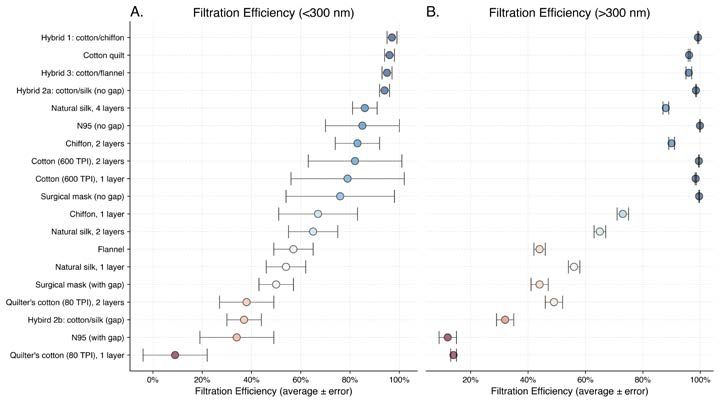
They concluded that “In theory, transmission should be                             that frequent mask use in public venues, frequent hand
reduced the most if both infected members and other                                washing and disinfecting living quarters were significantly
contacts wear masks, but compliance in uninfected close                            protective factors14. A case-control study in Beijing of 94
contacts could be a problem.”                                                      unlinked and 281 community-based controls found that case
                                                                                   patients (i.e., became infected) were more likely to have
A non-peer reviewed medRxiv pre-print meta-analysis of                             chronic medical conditions, eaten outside the home or taken
around 20 studies* (cluster-RCTs, cohort studies, case-                            taxis frequently and that the use of masks was strongly
control, cross-sectional) conducted in community settings                          protective15. Another study was conducted in a community
concluded that wearing a face mask slightly reduces                                setting in Vietnam of nine persons with serological evidence
the odds of infection by the wearer by around 6%12.                                of SARS from a sample of 212 close contacts but does not
Observational studies found greater effectiveness.                                 have a specific focus on face masks, but does confirm a
They concluded that RCTs likely underestimated efficacy                            higher risk for direct carers of those who are infected16.
due to poor compliance and that observational studies                              As noted previously largely due to the experience of
likely over-estimated efficacy because of self-reported                            previous respiratory infections, the wearing of masks in
symptoms and confounding. They also found that face                                the community is strongly recommended in many Asian
mask wearing was consistently protective across settings                           countries, with high to almost universal uptake.
including the general community, schools and universities,
and visits to health care clinics. They concluded that face                        Our literature review revealed that no systematic review and
mask wearing was probably not protective during mass                               meta-analysis had yet been conducted on the effectiveness
gatherings, but they note this should be judged with caution                       of other types of cloth masks beyond surgical masks and
since they are drawn only from Hajj pilgrimage studies.                            N95 respirators. As noted above, reviews that did exist
Pilgrimages would have different multiple transmission                             focussed on surgical and R95 respirators in health care
pathways and a longer duration of recurrent contact. A                             settings17 or did not distinguish between the type of mask18.
major limitation noted by the authors was that the type of                         A meta-analysis scrutinizing the effectiveness of these
face mask was rarely explicitly stated in the studies and                          alternative mask types is therefore a contribution, given
they had to infer masks were of surgical grade, leaving no                         that cotton and paper masks are being recommended by
indication of the effectiveness of cloth or non-surgical masks                     some governments19 and that there is difficulty in sourcing
or coverings for the general public.                                               surgical masks for the general public. As noted in the
                                                                                   GRADE evaluation of our work in Appendix 5, and above,
Although there are few community-based RCTs, there is                              there are two strong caveats to our meta-analysis. First, it
evidence from mask wearing that occurred within the public                         has been conducted in a health care setting and second,
in Beijing13, which examined the transmission of COVID-19                          that all studies focus on source protection (i.e., protecting
within families and close contacts of 335 people in 124                            the wearer). In a community setting different circumstances
families from 28 February to 27 March 2020. They found                             would be at play and protection would be both of oneself
that face mask use before the family member developed                              but also in blocking transmission to protect others.
symptoms was 79% effective but that wearing a mask after                           A strength of this analysis is that the studies are in a
the onset of illness was not significantly protective. The                         relatively homogenous setting.
risk of transmission in the household was 18 times higher
with those who had frequent daily close contact with the
infected family member, compared to those who did not. A
combined study in Hong Kong examining hospital workers
and household members of SARS patients (N=1,192) found

* We note ‘around 20’ since different numbers are reported in the text and figures. In the results section, 31 studies are listed of which 28 were reported as
   suitable for meta-analysis yet 21 studies are listed in the meta-analysis results (Figure 2).

FACE MASKS AND COVERINGSUPERSCRIPT FOR THE GENERAL PUBLIC • 26 JUNE 2020                                                                                          6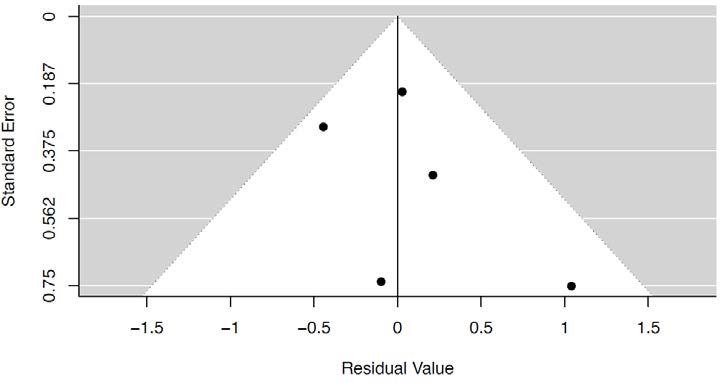
2.3 Meta-analysis of cloth and paper masks of protection of         2.4 Mask types and outcome as risk of infection
     wearers in health care settings                                 The primary outcome of interest was risk of infection,
We identified four potential studies and further cross-              with three studies providing statistics for SARS cases
reference checks and analysis of existing systematic                 and one for influenza A H1N1. Cotton masks include cloth
reviews on face masks revealed one additional non-                   masks and ≥12-layer gauze masks, following specifications
English language study (see Table 1, Yin et al. 2004). One           provided in the studies. Estimates of gauze masks are
of the studies did not pass our eligibility criteria due to the      included due to the fact that some Chinese healthcare
absence of a clear control group (i.e., they lacked a ‘no            workers made their own masks from layers of gauze during
mask’ control group and compared only medical versus                 the SARS outbreak22. The second mask type of interest are
cloth masks)20. The excluded study was conducted in a                alternative masks made from paper, also used during the
healthcare setting in Vietnam and is notably the only RCT            SARS epidemic.
study on cloth masks. Another important eligibility criterion
was the presence of separate estimates on cotton and
paper masks. Our meta-analysis is thus based on four
quantitatively comparable studies which provide five
estimates from healthcare settings in China (Table 1). One
article21 was in Chinese, which we able to have translated
and obtain the necessary information.

 TABLE 1

Characteristics of comparative studies included in mask type meta-analysis.

 Study         Country         Setting    Virus      Type of           Comparison groups         Sample   Main findings
                                                     study                                       size
                                                                   Control       Intervention
                                                                   group         group
 Zhang et      Beijing,        Health     H1N1       Case-         No face       Cloth face      56       Cloth mask use did
 al. 2012150   China           care                  control       mask; 16.6%   mask;                    not significantly
                                                                   infected      20.5%                    decrease the risk of
                                                                                 infected                 infection in health
                                                                                                          care setting
 Liu et al.    Beijing,        Health     SARS       Case-         No face       ≥12-layer       477      Healthcare
 2009151       China           care                  control       mask; 12.1%   gauze;                   workers who wore
                                                                   infected      6.5%                     cotton masks had
                                                                                 infected                 significantly lower
                                                                                                          risks of infection
 Seto          Hong Kong,      Health     SARS       Case-         No face       Paper mask;     111      Healthcare workers
 et al.        China           care                  control       mask; 13.3%   7.1% infected            who wore paper
 2003152                                                           infected                               masks had lower
                                                                                                          risk of infection
 Yin et al.    Guangdong       Health     SARS       Case-         No face       a. ≥12-layer    a. 213   Healthcare workers
 2004153       Province,       care                  control       mask; 81.8%   gauze;                   who wore both
                                                                                                 b. 55
               China                                               infected      22.8%                    types of masks
                                                                                 infected                 had lower risk of
                                                                                                          infection
                                                                                 b. Paper
                                                                                 mask; 50%
                                                                                 infected

FACE MASKS AND COVERINGSUPERSCRIPT FOR THE GENERAL PUBLIC • 26 JUNE 2020                                                         7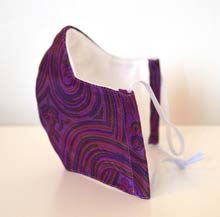
2.5 Data analysis                                                                  2.6 Meta-analysis results: Cotton masks associated with
We quantify associations of mask use with incidence of                                  infection reduction
infection by employing standard random effects meta-                               The results of meta-analysis are shown in Figure 1 with
analysis. We assess risk ratios (RRs) with 95% confidence                          pseudo 95% CIs (see also Appendix 3, Fig A3.2). For SARS
intervals (CIs) and performed subgroup analysis by face                            and H1N1 infections, the use of both cloth/≥12-layer gauze
mask type. Due to the small number of studies, we were                             and paper masks is associated with a statistically significant
unable to perform additional sensitivity analyses (e.g.,                           reduction of the infection risk (pooled RR=0.49 with 95%
differences by country or different settings). Since our                           CI: 0.30 to 0.78, N=888). However, there is considerable
sample is relatively homogenous with respect to research                           heterogeneity in the findings (I2=59.3%* and significant
design, country, and health care setting, we do not expect                         Q-test with P=0.03). The use of cotton masks is associated
inter-study heterogeneity to seriously bias our results.                           with a 54% lower relative odds of infection in comparison
As noted in the limitations, the low number of studies is,                         to the no mask groups (RR=0.46; 95% CI: 0.22-0.97; N=746)
however, one concern. We also performed Begg’s and                                 with a coefficient heterogeneity I2 of 66.6% (Q-test P=0.05).
Egger’s tests which did not reveal presence of significant                         For paper masks, the relative odds of infection were 39%
publication bias (P>0.05).                                                         lower than in the no mask group (RR=0.61; 95% CI: 0.41-
                                                                                   0.90; N=166; I2=0.0%). On average, we can conclude that
                                                                                   cotton masks exhibit a greater protective potential than
                                                                                   paper masks. The results on paper masks should be
                                                                                   interpreted with caution since there are only two estimates
                                                                                   that emanate from small samples in comparison to the
                                                                                   cotton masks studies and particularly the comparatively
                                                                                   larger sample sizes in previous meta-analyses on surgical
                                                                                   and N95 respirators23. Once again, we note that this is
                                                                                   about the protection of the wearer and not about reducing
                                                                                   spread, which we cover in the next section. We also note
                                                                                   that these are case-control studies and do not show causal
                                                                                   relationships.

* We use I² statistics to quantify between-study heterogeneity, where I²>50% representing a potential for substantial heterogeneity. Notably, it is not
   uncommon in medical meta-analyses to have a I² of 80%.

FACE MASKS AND COVERINGSUPERSCRIPT FOR THE GENERAL PUBLIC • 26 JUNE 2020                                                                                   8
FIGU R E 1

Forest plot of risk ratios of the association of cotton and paper mask use with viral infection causing
SARS and influenza A H1N1.

 Study                    Country    Virus       Events,            Events,                                        Risk Ratio [95% CI]
                                               masks (n/N)   no masks (n/N)

 Cotton mask (e.g. cloth, 12−16 layer gauze) vs no mask
 Liu et al., 2009          China    SARS          8/123             43/354                                             0.54 [0.26, 1.11]

 Yin et al., 2004.1        China    SARS         46/202              9/11                                              0.28 [0.19, 0.41]

 Zhang et al., 2012        China     H1N1         9/44               2/12                                              1.23 [0.30, 4.94]

 Random subtotal (I2 = 66.6%)                                                                                          0.46 [0.22, 0.97]

 Paper mask vs no mask
 Yin et al., 2004.2        China    SARS          22/44              9/11                                              0.61 [0.41, 0.92]

 Seto et al., 2003         China    SARS          2/26               11/72                                             0.54 [0.13, 2.28]

 Random subtotal (I2 = 0.0%)                                                                                           0.61 [0.41, 0.90]

 Random overall (I2 = 59.3%)
                                                                                                                       0.49 [0.30, 0.78]

                                                                        0.05      0.25      1         5
                                                                                   Risk Ratio

2.7 Face masks for protection of others: Effectiveness of             Figure 2 takes their original results and plots them on a
     cloth face masks varies by fabric type, mask construction         graph to visually demonstrate the differences in mask
     and gaps                                                          filtration ability by several types of masks. The central
As the previous meta-analysis demonstrates, the type of                conclusions are that: (i) filtration for various fabrics when
face covering is essential, but it focussed on the protection          a single layer is used performs relatively worse, ranging
of the wearer. Another persistent question is: Are certain             from 5-80% and 5-95% for particle sizes of 300 nm respectively. (ii) cotton (particularly high grade
home or purchased more protective to shield transmission               thread counts) is particularly good at filtration, and this was
of infection to others? Although there is currently limited            (iii) particularly with more layers cotton (600 TPI, 2 layers)
evidence on this in relation to COVID-19, a recent study               (99.5 ±0.1 error) whereas (iv) a hybrid material of (cotton-
published April 24 2020 examined the performance of                    chiffon, cotton-silk, cotton-flannel) performed the best at
various commonly available fabrics used in cloth masks and             >80% (particles 90% (for particles >300 nm).
coverings. Note that the COVID-19 virus produced by an                 They concluded that this enhanced performance of hybrids
infected person is in the respiratory mucus and distributed            was likely related to the combination of mechanical and
out in larger particles, making the type of fabric and ability to      electrostatic-based filtration. Finally (v), the effectiveness
penetrate this fabric important. A variety of common fabrics           of all masks, including N95, surgical and cloth masks were
and their combinations were used including cotton, silk,               seriously reduced when a gap was introduced, suggesting
chiffon, flannel and various synthetics.                               the importance of proper fit and usage.

FACE MASKS AND COVERINGSUPERSCRIPT FOR THE GENERAL PUBLIC • 26 JUNE 2020                                                                   9
FIGU R E 2
Filtration efficiencies of various fabric type test specimens (error).
Source: Adapted from Table 1154. Note: The figure shows filtration efficiencies at a flow rate of 1.2 CFM.
The authors therefore conclude from this study that such as the World Health Organization (WHO) and advice
combinations of various commonly available fabrics used provided by various countries and regions (e.g., states,
in cloth masks and face coverings can provide significant provinces) within them. As of March 14 2020, 67 countries
protection against the transmission of aerosol particles. had introduced policies, with many more implementing
policies between April and May 2020 (Figure 3A)24. The
3. International face mask and covering policies majority of the facemask policies were inaugurated on
3.1 Varied and changing nature of policy information March 14, three days after the WHO declaration of the
International face mask policies, often in the form of coronavirus outbreak as a pandemic. On April 6 2020,
recommendations, have been introduced across many the World Health Organization (WHO) recommended that
countries in relation to COVID-19. Within these policies healthy people in the community did not need to wear a
there has been a distinction between recommendations for mask, and that they should be worn only by those who
respiratory (e.g., N95) and surgical masks for medical and are feeling unwell and are coughing and sneezing, as well
health care workers, versus face coverings (e.g., homemade as caring for someone who is infected25. Advice from the
of fabric) for the general community. A definition of different European Centre for Disease Prevention and Control (ECDC)
types of masks and coverings and terminology can be issued a similar statement on April 8 2020. Here they stated
found in Box 1, with a more detailed explanation on the that there was “no evidence that non-medical face masks
effectiveness of fabric and material differences between or other face covers are an effective means of respiratory
cloth masks described later in this report. protection” and that there is “limited indirect evidence
showing that non-medical face masks made from various
Notably, policies on face masks and coverings in relation
materials may decrease the release to the environment of
to COVID-19 have changed over time and been varied and
respiratory droplet produced by coughing.”26
inconsistent between large supranational organisations
FACE MASKS AND COVERINGSUPERSCRIPT FOR THE GENERAL PUBLIC • 26 JUNE 2020 10Conversely, there was almost universal mask wearing 3.2 Face mask requirements and recommendations:
without any policy in certain Asian countries that had An international comparison
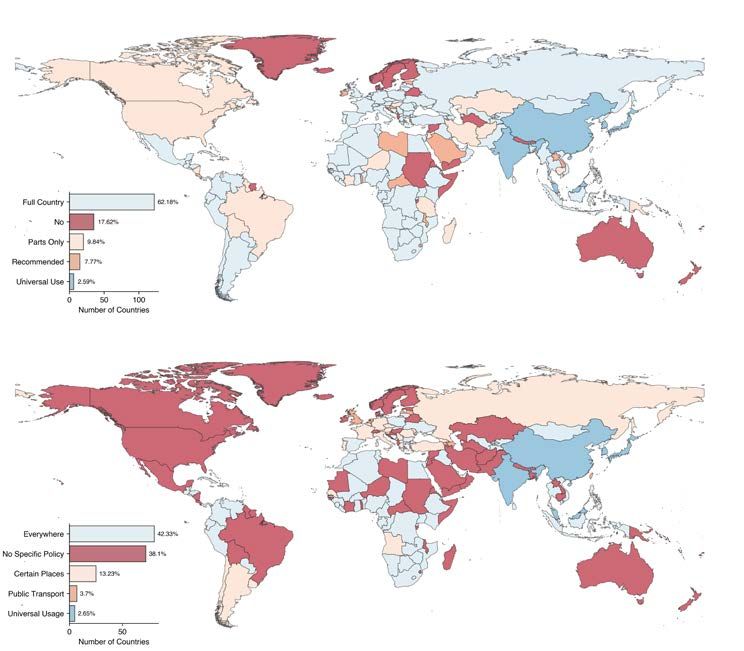
previous experience with SARS, which we explore in the As shown in Figure 3 (panel A), as of June 15 2020, most
next section. countries (121 of 188 where data is available) required
face masks to be worn in the entire country, 19 in parts
Large countries that had no previous history of face of the country only, 28 did not require mask wearing, 14
coverings also adopted new measures. On April 3 2020, in recommended masks or covering, but did not require
light of knowledge that a significant portion of individuals mask-wearing and 6 Asian countries had no requirements,
with COVID-19 are asymptomatic and can still transmit the but experienced virtually universal usage**. In Asian nations
virus27, the United States Centre for Disease Control and such as China, Taiwan or Hong Kong, masks were already
Prevention (CDC) recommended wearing non-surgical cloth common even before the coronavirus pandemic, credited
face coverings in public settings where social distancing is to populations accustomed to wearing coverings due
hard to maintain (e.g., grocery stores). They also specifically previous experience with the SARS and H1N1 outbreaks, or
noted that they did not advocate the use of surgical masks pollution33. The use of face masks is also not new in Latin
for the general public28. We note that in the same week, America and were mandatory during H1N1 for instance in
the CDC recommended the use of non-medical face masks Brazil34 and Mexico35.
while the ECDC stated that non-medical face masks are not
effective. 3.3 Location of mask wearing policy
Policies also vary by the location of where facemasks are
Then on June 5 2020, WHO published a correction of mandated. We illustrate measures of as of June 15 2020 in
their statement in early April with updated guidance Figure 3B with detailed policy categories described in Table
recommending that governments across the world should A1.1. Policies can be largely grouped into:
recommend that the public should wear face masks in
• mask wearing required for everyone in public places (71
public areas to help reduce the spread of COVID-1929.
countries).
This included encouraging mask wearing where there is
widespread transmission and physical distancing is difficult, • only indoor places (e.g., in relation to social distancing,
such as on public transport, in shops or in other confined or type of indoor space (15 countries),
crowded environments. The WHO stressed that face masks
• public transport and crowded places (in relation to
were one of a range of tools to reduce the risk of viral
number of people, social distancing and venue)
transmission and that face masks should not give a false
(12 countries),
sense of protection.
• certain public places (major cities only, in relation to social
Across the United Kingdom recommendations and distancing) (9 countries),
mandates have varied considerably. On April 28 2020,
• public transport only (7 countries)
Scotland provided recommendations (not mandatory) that
the public should wear face masks in enclosed spaces • universal mask usage but no formal policy (6 countries)
where social distancing is difficult to achieve. This was
followed by mandatory wearing on public transport as of
June 22 202030. On June 9 2020, Wales recommended
that face coverings could be used where it might be difficult
to stay 2 meters away from others and advised using
three-layer non-medical face coverings31. England formally
introduced its first face mask policy in early June, mandating
that as of June 15 2020, face coverings were mandatory
on public transport32. Although there has been some public
messaging about wearing face coverings in England, which
we explore in a later section, this has not been in the form of
clear and consistent formal advice.
** China, Hong Kong, India, Japan, Malaysia, South Korea.
FACE MASKS AND COVERINGSUPERSCRIPT FOR THE GENERAL PUBLIC • 26 JUNE 2020 11FIGU R E 3 Face mask policies across the world. Source: Masks4all data155 data as of June 15 2020. This source is regularly updated and corrected but is not an official governmental or supranational source. The authors used the information as provided in good faith, and note that each source for national policy is linked to an external source. Notes: Panel A, data available for 188 countries. Panel A. Full country (121); Parts of country (19), No (28); No, but recommended (14); No, but universal usage (6). Panel B see Appendix 1, Table A.1. Panel B, data available for 120 countries. FACE MASKS AND COVERINGSUPERSCRIPT FOR THE GENERAL PUBLIC • 26 JUNE 2020 12
4. B ehavioural factors related to face mask adherence:             4.2 Public understanding of virus transmission
    Systematic literature review                                     A central theme that emerged from the literature on public
4.1 Data collection systematic review                                adherence to face mask and coverings is the importance
Following the PRISMA36 and MOOSE37 reporting guidelines              of personal and cultural beliefs and understanding of
(see Appendix 2 Methods), we developed several                       how respiratory viruses are spread. Core factors are: (i)
customized Python functions to undertake a systematic                understanding how it is spread and, importantly, whether
review across the three databases of PUBMED, Scopus and              asymptomatic individuals can transmit the virus, (ii) whether
Web of Science (WoS), building on previous scientometric             mask wearing is for one’s own individual protection or to
work in genetics38, 39. Given the comparatively slower               protect others, (iii) clarity on diagnosis of COVID-19 and
publication pace of the social and behavioural sciences,             inability and reticence to self-diagnose; and, (iv) efficacy
also noted elsewhere40, we also included some pre-                   to adopt the required behaviour of face mask or covering
print non-peer reviewed articles and note this fact where            usage to counter the threat.
mentioned and in our GRADE recommendations41 of the
quality of evidence (see Appendix 5). This extended search           A systematic literature review of previous respiratory
allowed the inclusion of non-medical literature including            pandemics (SARS, H1N1) found that the general perception
materials (e.g., face mask materials) and socio-behavioural          of how respiratory viruses are transmitted is that it is by air,
literature. We expanded the queries to include search terms          only within a particular proximity, by symptomatic others only
related to multiple derivations of face masks and coverings          and more likely in cold ambient and water temperatures44.
(e.g., facemask, face mask, N95 respirator, surgical mask,           For COVID-19 as with other respiratory viruses, droplets
FFP3, cloth mask, face covering, all search queries available        are produced when an individual coughs, sneezes, talks
upon request). Given the relatively recent nature of the             or breaths, which then convert to aerosols and become
COVID-19 pandemic and to obtain a richer body of literature          airborne. Droplets can land on surfaces and can remain
and lessons learned, in addition to research on COVID-19             viable. Aerosols are much smaller than droplets and thus
and coronavirus, we also included previous respiratory               can more easily penetrate different types of material.
pandemics such as the 1918 Spanish flu, severe acute                 Knowledge rapidly changed about COVID-19 transmission,
respiratory syndrome (SARS), H1N1 influenza, Middle East             particularly in the early phases, with a growing number of
respiratory syndrome (MERS), H5N1 influenza and flags for            studies demonstrating sizeable levels of asymptomatic
additional policies on social distancing and isolation. More         transmission45.
detailed information on study selection can be found in
                                                                     A related issue is the understanding of whether face masks
Methods (Appendix 2, Figure A2.1).
                                                                     are used for individual protection against contracting the
The aim of this rapid review was to focus on behavioural             virus versus wearing one to protect others. An international
factors related to compliance, with five central themes              poll of face mask wearing during March 12 to April 12
that emerged: i) public understanding of the virus, ii) risk         across 15 countries examined this (N=29,000, ~2,000
perception, iii) previous national experience with pandemics,        per country)46. In the UK (41%), Australia (47%), Russia and
socio-political systems, and trust in government and science,        Canada (35%) a sizeable proportion did not see the value
iv) individual characteristics; and, v) perceived barriers. Most     in wearing a face mask if they were not sick, suggesting
of these themes have been previously identified such as              that they were not aware of asymptomatic transmission.
for example, in a review of qualitative research of SARS and         This is not entirely surprising, also in light of WHO and
H1N1 in 17 studies42 and a systematic review of 9 bioevent           other national advice that had initially focussed on
studies in the United States43, but themes also differ due to        individual mask wearing for only infected individuals to
the wider breadth of the literature reviewed here, additional        protect others in early April 2020.(19) This is compared to
focus on COVID-19 and international literature.                      comparatively lower levels reporting the same in Vietnam
                                                                     (7%), China (9%), Japan (11%), but also Spain (8%) and Italy
                                                                     (9%), all nations that had adopted or continued to have high
                                                                     levels of face mask wearing by mid-April 2020. As noted
                                                                     previously, this could be related to the different phases of
                                                                     the outbreak. Respondents in the UK showed the lowest
                                                                     levels of understanding that face masks can be worn to
                                                                     protect others with 15% reporting ‘I expect people around
                                                                     me to wear a face mask so I don’t get sick’ compared to for
                                                                     instance Japan (58%) or Vietnam (55%).

FACE MASKS AND COVERINGSUPERSCRIPT FOR THE GENERAL PUBLIC • 26 JUNE 2020                                                             13
During both SARS, H1N1 and repeated again with COVID-19, 4.3 Risk perception: perceived likelihood of infection
there was also high diagnostic uncertainty particularly at the and perceived benefits
start of the pandemic, which challenges individuals’ ability A clear theme that emerged in the literature was the
to self-diagnose. Particularly during H1N1, but also COVID-19, importance of individual risk perceptions, the notion of
individuals expressed doubts about their ability to identify ‘othering’ and belief that ‘it won’t happen to me’. Core
symptoms and whether and how they could distinguish factors related to this theme are an: (i) overly optimistic
between the pandemic and seasonal flu symptoms. Studies risk assessment of not contracting or transmitting the
in the UK47, 48 and New Zealand49 of the H1N1 outbreak found virus, (ii) incorrect judgements about the role of proximity;
that individuals had strong fears and concerns about their and, (iii) denying personal risk via ‘othering’ by blaming or
own judgement and ability to self-diagnose, which in turn differentiating oneself from vulnerable groups perceived to
influenced their behaviour in relation to self-isolation and be at a higher risk.
use of remote healthcare. During H1N1, the ‘vagueness’
of the symptoms and differentiating them was listed as a A central challenge isolated in the literature is that many
central challenge for individuals. Indeed alternative data individuals view themselves as less vulnerable and more
collection of ‘real-time’ tracking crowdsourced a wide variety capable than others, generally underestimating health risks,
of COVID-19 symptoms across a spectrum of mild to serious finding it unnatural to respect strict isolation to protect others
systems ranging from loss of smell and taste to breathing and have only a limited awareness of actions that pose
difficulties, which at that time had not been included as a health risk63. A number of studies focus on individuals’
symptoms in many countries50. incorrect assessment of risk and overly optimistic sense
they will not contract the virus. A study of SARS in Canada,
Finally, the manner in which individuals in the community for instance, found that a common aspect of risk perception
respond to the threat of a respiratory infection is influenced was the denial about their risk of contracting SARS because
by their beliefs about the efficacy of the intervention and they did not feel sick64. Individuals’ optimism can in turn lead
perceived costs of protective behaviours51. Efficacy refers to an underestimation of contracting COVID-19 and thus
to the beliefs about an individuals’ ability to successfully ignoring public health messages A study of 1,591 US-based
adopt behaviours and the effectiveness of adopting individuals in the first week of the COVID-19 pandemic from
behaviours in eliminating the health threat. Literature from March 11-16 2020 examined individual’s perception of risk 65.
the SARS coronavirus outbreak and H1N1 2009 pandemic Within five days, as they gained awareness about the virus,
found that perceptions of risk, anxiety about the infection perceptions of risk increased yet they still underestimated
and the efficacy of the intervention are pivotal52, 53, 54, 55, 56, their personal risk of infection. This, however, substantially
57, 58, 59, 60
. Behavioural change is highly contingent on the varied amongst individuals, isolating a subgroup of those
communication of risk, individual appraisal of risk and the who persistently remained disengaged, unaware and did
perceived ability to make the change61. A literature review of not practice any protective behaviour. A pre-print non-
over 65 studies examining over 20 public health issues for peer reviewed study on medRxiv surveyed individuals
instance, concluded that the key factors driving behavioural across eight countries between mid-March to April 19 2020
change are increases in threat severity, threat vulnerability, (N=66,266)66. They found that the perception of individual
response efficacy and self-efficacy facilitated adapted threat of COVID-19 was the highest in Italy, followed by the
intentions or behaviours62. We return to this topic later in UK, Spain and others with Germany being the lowest. The
this section when we discuss barriers, conflicting policy authors note that the perceived threat was also in relation to
advice and confusion about the effectiveness of face masks the phase of the outbreak with Italy and UK, two of the most
and coverings, which in turn impacts the efficacy individuals’ affected countries in Europe. They also found that the level
would place on adopting face mask and covering of threat was related to the trust in government and health
interventions. care systems, which were high in Germany, we return to
socio-political systems later.
Perceived proximity to the outbreak also played a role.
During the H1N1 2009 pandemic, individuals assumed they
had lower risk if they had a higher perceived health status
or that they perceived the outbreak was outside of their
proximity67. Proximity is often evaluated by individuals in
terms of geographical distance, but also own perceived
differences in their own living environment. Another
common belief found in studies in the UK, US, New Zealand
FACE MASKS AND COVERINGSUPERSCRIPT FOR THE GENERAL PUBLIC • 26 JUNE 2020 14and Australia in relation to previous pandemics was that in the event of another respiratory pandemic74. In many
geographical proximity was protective and that respiratory Asian countries impacted by SARS, broad communications
viruses were unlikely in a ‘modern, developed country’ and had already previously been tested and put in place, such
hence a perceived lack of urgent risk and lag in adopting as media messaging and billboards showing how to wash
public health messages68, 69, 70. A study in the UK about hands and wear masks properly75. At the start of SARS 65%
public attitudes surrounding H1N1 found that individuals of respondents in Hong Kong said they wore a mask76.
believed that respiratory viruses were only more likely to Singapore, for instance had previously distributed over 1
emerge in ‘other’ living environments such as those with low million ‘SARS toolkits’ which included a digital thermometer,
hygiene levels, high population density, poor border control two surgical masks and instructions in four languages77.
and health systems71. Some, however, related the high ability They had also previously developed random and electronic
and propensity for viruses to spread worldwide more rapidly monitoring of compliance. After the first COVID-19 case
due to air travel. was reported in Singapore on January 22, 2020, the
country introduced deep and swift measures by February
Distancing is a typical way of dealing with the negative 7 2020. All non-essential gatherings were cancelled; daily
impact of health risks by using what is characterized in temperature and health checks were performed in schools
the literature as ‘othering’72. Othering refers to blaming or and workplaces, and face mask wearing and physical
differentiating oneself from ‘the other’, which in turn denies distancing were quickly advised in public places. So deep
personal risk. During H1N1, but also repeated with COVID-19, was the intervention that an unintended consequence
was the designation of a vulnerable group of ‘others’ that was that influenza levels declined steeply from a mean of
needed to be shielded and were perceived to be at a higher 57.3% (first 6 weeks of 2020) to 3.5% (week 14), lower than
risk of infection. This included those with chronic health any influenza levels for the past 3 years78. The authors
problems, impaired immune systems (e.g., undergoing attributed this to the introduction of wide and deep non-
cancer treatment) or in frontline occupations (e.g., teachers, pharmaceutical interventions, which included face masks
health workers). Although the literature on this point is in addition to the suspension of mass gatherings, social
largely from the H1N1 pandemic, it appears to echo similar distancing and public promotion of the social responsibility
experiences in the COVID-19 pandemic. A general narrative to stay at home.
in this literature is the public belief that ‘it won’t happen to
me’ and have an inability to rationally evaluate the individual Second, in nations where individuals have previously worn
risk of infection while also actively distancing themselves face masks for other reasons such as pollution (e.g., India,
from the threat by clarifying their difference to ‘other’ groups China), there is higher and more normalized compliance
and circumstances that would have a higher risk of infection. (see previous section on international policies). There is
We discuss the link of othering with potential discrimination limited knowledge of face mask wearing in countries without
later in Section 3.5 on individual and group differences. a previous history, but an initial study demonstrated that face
mask adoption could happen rapidly79, which we discuss in
4.4 Previous national experience with pandemics, socio- more detail later in this report.
political systems and trust in government and science
There is a strong national variation in the acceptance and A third more heterogeneous strand of literature focuses
usage of face masks, which has been attributed to several on socio-political systems, linked to individualistic versus
key factors. These are: (i) previous experience with viral socially cohesive structures, political polarization and trust
infections (e.g., SARS, H1N1), (ii) normalisation and history in government. One body of research draws from research
of mask wearing for other reasons (e.g., pollution) and on socio-political systems that compare more community-
rapid adoption for those without a face mask history; and, based social cohesion versus those from more individualistic
(iii) socio-political systems, linked to individualistic versus based structures80. This has been posited in the form of
socially cohesive structures, political polarization and trust in ‘tight versus loose cultures’, with countries such as the US,
government. Italy and Brazil positioned as having the weakest social
norms and being more permissive81. These socio-political
Previous experience with viral infections such as SARS and structures have in turn been linked to the ability to engage
H1N1 is linked to more universal and early mask use and in coordinated action.
acceptance during COVID-1973. In addition to face mask
policies, these countries also simultaneously introduced This strand of literature currently exists largely in pre-print
a battery of other interrelated non-pharmaceutical non-peer reviewed format due to the slower publication
interventions. After SARS, most governments from the processes within the social sciences, noted previously. It
nations that were deeply influenced had already set up rapid examines the inability for coordinated action due to political
responses and policies that would allow them to react swiftly polarization – which is notable in countries such as the
FACE MASKS AND COVERINGSUPERSCRIPT FOR THE GENERAL PUBLIC • 26 JUNE 2020 15US, UK and Brazil, which in turn results in distrust of the disadvantaged communities and particularly racial and
opposing party and beliefs in false information that can ethnic minorities hold a low level of trust in public institutions
undermine public health messages. Using geolocation data due to persistent experiences of discrimination87, with
of daily movements from January until April 23 2020 from particularly low levels of trust in the health care system88.
around 35 million unique devices and debit card transaction
data of over 12 million cards in the same period in the US, 4.5 Individual characteristics: Vulnerability, compliance
one study found that residents in Republican voting counties and discrimination
were less likely to stay at home after a state order82. There has also been attention to the study of differences
Conversely, those from Democrat counties were more likely in the vulnerability and adoption of non-pharmaceutical
to switch to online e-commerce spending after stay at home interventions across groups. This work can largely be
state orders were implemented. Adherence was also related divided into topics examining: (i) face mask usage in
to the political affiliation of the governor and suggested relation to vulnerable groups more likely to die if infected,
that bipartisan support was essential to maximize the (ii) difference between demographic groups in relation
effectiveness of policies. We note some concerns with these to asymptomatic infection and compliance to non-
ecological studies using political variables as there are very pharmaceutical interventions such as face masks; (iii)
likely many other confounders that play a role. additional traits such as personality or physical traits (e.g.,
eye-glass wearing, activity level) that make it more difficult
Another medRxiv pre-print examining the level of confidence to wear a mask; and, (iv) discrimination or social reactions to
in local and national health care systems and governments mask wearing.
and the WHO during COVID-19 found individuals reported
the lowest levels in the UK and US across all institutions Throughout previous pandemics and with COVID-19 there
compared to other countries such as Spain, the Netherlands, has been a focus on vulnerable groups more prone to
Italy and Germany83. Another study drawn from two MTurk infection and death from the virus. A considerable amount
studies of US respondents (N=1153) found that political of COVID-19 research has focussed on differences in death
conservatism predicted lower compliance with social rates due to individual characteristics such as age89 or
distancing84. They found that the politicization of COVID-19 other vulnerabilities related to co-morbidities (hypertension,
prompted conservatives to discount mainstream media obesity, diabetes)90, being male, from certain ethnic groups
reports of the severity of the virus, leading them to downplay (African, Asian) or working in front-line occupations91. Some
the health risks and adhere less to social distancing of these factors are related to deprivation such as some
protocols, also when controlling for key demographic and groups are more likely to become infected since they
psychological variables. As demonstrated in more general are more often key workers (e.g., bus drivers, care), rely
research, the result can be echo chambers and less cross- on public transport or have poor or no internet contact,
group information sharing85. These more narrowing lines of putting them at a higher risk of leaving the household and
information can be amplified by social media streams. higher risks of contact92. Here policies have been effective
in promoting the wearing of face masks for protection
Another pre-print non-peer reviewed study examined trust around those who are ill, with the majority within health care
in science and government during the COVID-19 and the settings. Several studies conducted in relation to H1N1 and
relationship with compliance with public health measures86. during SARS, concluded that the perceived need or wish
Using digital trace data from Twitter and survey data to care for sick (isolated) loved ones overrode concerns
collected online via Telegram and Facebook, they examined about self-protection and personal distancing. A Canadian
the evolution of trust in science in Italy during early phases study of SARS reported that although compliance with the
of COVID-19. They found that there was an initial reliance quarantine order was high, within house protocols such as
on information seeking from scientists and public-health mask wearing were uneven and often ignored when a family
authorities. Trust in science and institutions (local or member was sick and required care93.
national government) emerged as a consistent predictor
of both knowledge about COVID-19 and adherence to Another emerging area of COVID-19 research is the study of
non-pharmaceutical measures. As the epidemic peaked in how compliance to non-pharmaceutical interventions such
Italy, however, they found a reverse in information seeking as wearing face masks varies across socio-demographic
and trust in science and health authorities, interpreted groups and first particularly age groups. Representative
by the authors as an erosion of trust. Interestingly, using data measuring health behaviour across eight countries
an experiment they found that those who held incorrect (Belgium, France, Germany, Italy, the Netherlands, Spain,
information about COVID-19 gave no or even lower UK, US) published in a medRxiv non-peer reviewed pre-
importance to scientific information about the virus. Many print discussed previously, found that younger people
perceived the COVID-19 threat lower to themselves than
FACE MASKS AND COVERINGSUPERSCRIPT FOR THE GENERAL PUBLIC • 26 JUNE 2020 16You can also read


