Gas to Power Fast and flexible electricity for rapidly developing countries - By Michael Farina and Brandon Wilson
←
→
Page content transcription
If your browser does not render page correctly, please read the page content below

GE

Gas to Power
Fast and flexible electricity for rapidly
developing countries
By Michael Farina and Brandon Wilson
GE

Gas to Power
Fast and flexible electricity for rapidly
developing countries

Contents
03 Executive summary
03 Gas to Power and the “Age of Gas”
04 Options for different scales of development
05 Regional considerations: fast power, flex power, gas monetization,
   and oil substitution
08 Competitive economics
12 Project development for new gas economies and growth regions
14 Policy considerations
16 Conclusions
Gas to Power
Fast and flexible electricity for rapidly
developing countries

By Michael Farina
Market Development Director, GE Global Gas to Power
Brandon Wilson
U.S. State Department Fellow
GE Global Government Affairs & Policy

Executive summary                                                       for business – especially for gas supply        stream faster. Development and finance
                                                                        projects that have investment horizons          institutions can also take a fresh look at
New gas discoveries, in combination                                     of 20 to 30 years. GE’s approach involves       their objectives and priorities to ensure
with advances in technology, are                                        convening stakeholders along the                that resources and lending policies reflect
making it possible to address previously                                power generation value chain, including         emerging trends, and are fully aligned with
insurmountable energy challenges in                                     governments, developers, fuel suppliers,        efforts to increase energy access in the
underserved regions of the world. These                                 construction firms, equipment providers,        developing world.
developments are raising hopes and                                      and financiers. Ultimately, the goal is
expectations of improving the lives of 20                               to deliver— in a holistic, cost-effective
percent of the world’s population that still                            way — gas-fired powered generation to           Gas to Power and
lives without access to electricity. Industry
experts and policymakers alike see the
                                                                        underserved markets. GE refers to this          the “Age of Gas”
                                                                        approach as its “Gas to Power” (GTP)
potential of harnessing the ever-expanding                                                                              GE’s "Age of Gas" narrative1 describes
                                                                        initiative.
world gas supply to drive economic growth                                                                               a world where natural gas will take on
and improve the basic human condition in                                Government officials, regional trade            a much larger role in the global energy
their home countries.                                                   associations, international development         landscape, delivering economic and
                                                                        organizations, industry leaders and other       sustainability benefits. Led by the
The expansion of global gas networks and                                stakeholders are key components of              power sector, global gas consumption is
the opening of new markets for natural                                  the strategic partnerships necessary to         projected to grow by 33 percent by 2025.
gas are mutually reinforcing, further                                   bring more power to local communities.          The oil and natural gas industry is evolving
enhanced by cost-competitiveness,                                       In tandem, these stakeholders can work          with new complexities and ongoing
flexible operating characteristics, and                                 together to restructure inefficient, legacy     volatility. Shale-based resources and
environmental advantages of gas. GE is                                  markets and replace them with clear and         massive offshore discoveries are reshaping
on the cutting edge of this trend, offering                             consistent regulatory regimes. In so doing,     price dynamics, trade patterns, and
the most advanced and wide-ranging                                      they will increase access to risk-shared        business models. The international trade
power generation systems for everything                                 financing, reinvigorate long-planned but        of liquefied natural gas (LNG) supplies will
from mega-cities to isolated villages,                                  dormant regional infrastructure projects,       more than double over the next ten years
from industrial sites to municipal grids.                               and encourage investment in each stage of       and will feature a variety of new buyers
GE’s wide array of technology offerings                                 the project value chain. As a result, more
can serve projects that scale to each                                   households will see the benefit of reliable
community’s needs, and are in alignment                                 and affordable power.
with whatever indigenous resources may                                                                                  Key takeaways
be available.                                                           GE recommends a fresh look at the new
                                                                                                                        GE’s Gas to Power initiative involves
                                                                        opportunities that GTP promises now and
While gas already is addressing some of                                                                                 convening stakeholders along the
                                                                        in the future. Policymakers should examine
the most challenging generation problems                                their energy mix in light of emerging trends,   full spectrum of the gas supply to
in the global energy sector, more can                                   amend and develop regulations to support        power generation project value chain,
be done to bring these resources online                                 new gas to power projects, and look for         including governments, developers,
faster. International companies are                                     opportunities for regional cooperation.         fuel suppliers, construction firms,
willing to take on significant financial and                            Where it makes sense, industry should           equipment providers, and financiers.
operational risks to develop resources,                                 develop centers of excellence around GTP        The goal is to deliver— in a holistic,
build infrastructure, and link markets if                               to seek the strategic alliances needed          cost-effective way — gas-fired powered
governments create a stable environment                                 to bring these complex projects on-             generation to underserved markets.

1
    Evans, Peter and Michael Farina. The Age of Gas & the Power of Networks. General Electric, October 2013.

3 of 17         Gas to Power
and sellers and more flexible contracting                            growth centers can be found throughout                              These distributed power-based “satellite”
terms. Furthermore, the increasing                                   Sub-Saharan Africa, the Middle East, Latin                          systems can be developed faster and
divergence between gas and oil prices                                America, and the Caribbean. The challenge                           are expected to increasingly augment
is creating economic and environmental                               is to adapt the development models for                              rather than displace traditional power
benefits leading to the displacement                                 power to these new geographies.                                     generation development. Distributed
of high cost, oil-fired power in isolated                            GE’s new gas to power (GTP) initiative is                           gas-to-power networks can serve many
locations and for emergency power.                                   supporting electricity development around                           types of consumers, from small power
                                                                     the globe. With a focus on private sector                           generation plants, to light industry,
In the power generation sector, the world
                                                                     participation, the effort targets areas                             and to fleet fueling stations. They can
will require electricity to be generated
                                                                     where traditional development has stalled                           also be built adjacent to large existing
from every possible source. Renewables
                                                                     or is too slow. We see opportunities to bring                       gas networks or in isolation. GTP
will be a major part of future growth as
                                                                     technology and capital in an integrated                             technology options, from mega-projects
generation costs fall and development is
                                                                     approach for deeper engagement in                                   to distributed systems, create powerful
prioritized, but renewables are only part
                                                                     early stage projects to help them move                              options for countries seeking to overcome
of the solution. There is a growing need
                                                                     forward. The basic concept is to efficiently                        the full range of energy challenges.
for cost-effective flexible power that can
follow loads and back up intermittent wind                           convert gas into electricity for households
and solar. The world will also continue to                           and business, although there are many
rely on large baseload resources like hydro,                         variations depending on local dynamics.
nuclear, and coal. These large, centralized
power plants capture economies of scale in
power production and involve fuel choices                            Options for different scales
that are reflective of local conditions and                          of development
resource distribution. These plants are
                                                                     To understand GTP, one must start with
typically sponsored by sovereign entities
                                                                     an examination of the options for different
or large utilities with costs spread out
                                                                     scales of development. GTP has strong
over many customers and paid-off over
                                                                     advantages in many regions, and the
many years. However, multi-billion dollar
                                                                     modularity and flexibility of the concept
projects, particularly coal and nuclear,
                                                                     allows for its application to the full range
have long development timelines and
                                                                     of energy needs – from mega-projects                                Key takeaways
can be difficult to build if institutional
                                                                     to micro-grids. Figure 1 looks at scales of
structures are weak and/or electric grids                                                                                                The oil and natural gas industry
                                                                     gas to power development. At the largest
are insufficiently robust. This creates an                                                                                               is evolving with new complexities
                                                                     scale, mega-gas pipeline and LNG projects
important role for faster, flexible natural
                                                                     will continue to anchor gas networks.
                                                                                                                                         and ongoing volatility. Shale-based
gas projects – especially in emerging                                                                                                    resources and massive offshore
                                                                     These multi-billion dollar projects are
markets.                                                                                                                                 discoveries are reshaping price
                                                                     critical to advancing gas use on a global
By 2025, 60 percent of global electricity                            scale, linking large gas supply reserves to                         dynamics, trade patterns, and business
consumption will occur in emerging                                   critical demand centers. Medium–sized,                              models. This creates huge opportunities
markets, up from 52 percent today.2                                  regional gas transit projects, e.g., pipelines,                     for GTP.
Moreover, emerging markets will represent                            are typically built to unlock domestic
more than 80 percent of actual growth                                                                                                    Emerging markets will represent more
                                                                     gas supplies. Projects of this scale also
in electricity consumption between 2013                              can include large regasification terminal                           than 80 percent of actual growth in
and 2025. China will represent about                                 projects (onshore or floating technology)                           electricity consumption between 2013
half of this growth, but even if the so-                             to enable access to global LNG markets to                           and 2025. China will represent about
called “BRIC” countries (Brazil, Russia,                             feed multi-gigawatt power markets.4                                 half of this growth, but even if the so-
India, and China) countries are excluded,
                                                                     While these larger networks are critical
                                                                                                                                         called “BRIC” countries (Brazil, Russia,
developing countries will account for about                                                                                              India, and China) countries are excluded,
                                                                     and will continue to advance, especially in
25 percent of power demand growth to                                                                                                     developing countries will still account
                                                                     more developed economies, GE believes
2025.3 Southeast and southern Asia is an                                                                                                 for about 25 percent of power demand
                                                                     there will be more opportunities for
epicenter of this growth, but other large                                                                                                growth to 2025.
                                                                     dynamic growth in smaller scale GTP.

2
 Source: OECD vs Non-OECD consumption, International Energy Agency (IEA), World Energy Outlook 2014, www.worldenergyoutlook.org.
3
 IEA WEO 2014.
4
 The generation or use of electric power (watts) over a period of time (hours), is often expressed in kilowatt-hours (KWh), megawatt-
hours (MWh) or gigawatt-hours (GWh). One gigawatt hour (GWh) of electricity uses approximately 10 million cubic feet (MMCF) of natural
gas in a combined-cycle power plant. "U.S. Energy Information Administration - EIA - Independent Statistics and Analysis." How Much
Coal, Natural Gas, or Petroleum Is Used to Generate a Kilowatt-hour of Electricity? N.p., n.d. Web. 19 May 2015.

4 of 17      Gas to Power
Figure 1: Gas to power at different scales of development. Source: GE Global Gas to Power. Notes: Indicative capital expenditure (CAPEX) estimates based on public
industry news reports. BCFD: Billion cubic feet per day, GWe: Gigawatt/Megawatt equivalent. Bcm: Billion cubic meters per year, MMTPA: Million metric tons per
year, CAPEX: Capital expenditure, CCGT combined cycle gas turbine conversion at 60 percent efficiency, Distributed power (DP) conversion at 45 percent efficiency.

  Gas network                                                          BCFD                   ~GWe Typical project Typical
  options                                                           (Bcm/MMTPA)                (CCGT) $B CAPEX     aspects

                                                   Int’l Mega            3.5                                                            Sovereign state-to-
                                                                                                  20                                    state deals
                                                    Pipeline            (35/25)

                                                                                                                 $10–30B
  Large                                                                                                                                 Long-term
                                                   LNG Mega              2.2                      12                                    commitments
                                                                        (22/16)                                                         on gas and
                                                                                                                                        infrastructure
 “Anchor Systems”
                                                    Regional             1.2                                                            Mix of state-owned
                                                                                                 6.5                                    & private players
                                                    Pipeline           (12/8.5)

  Mid                                                                                                                $1–5B

                                                   Floating              .45                                                            Gas and
                                                                                                 2.5                                    infrastructure can
                                                  LNG Regas            (4.5/3.3)
                                                                                                                                        be separate (tolling)

                                                                       MMcfd                 ~Mwe(DP)
 “Satellite Systems”
                                                  Small-scale                                                                           Single entity or
                                                                        8–40                  40–200                                    small JV
                                                    LNG                                                                                 partnerships
                                                                                                              $50–300MM
  Small
                                                     CNG In                                                                             Modular,
                                                                       0.5–5                   2.5–20                                   pre-configured
                                                     A Box™                                                                             designs

Regional considerations:                                                                                       Key takeaways
fast power, flex power,                                                                                        Larger gas networks are critical and will
gas monetization, and oil                                                                                      continue to advance, but there will be
                                                                                                               more opportunities for dynamic growth
substitution                                                                                                   in smaller scale GTP. These distributed
Countries will find GTP attractive for a                                                                       power-based “satellite” systems can
variety of applications; from increasing                                                                       be developed faster and are expected
basic energy access and addressing                                                                             to increasingly augment rather than
growth-related shortages, to avoiding
                                                                                                               displace traditional power generation
higher cost oil-fired power or expanding
                                                                                                               development.
flexible power options. Opportunities
also exist on the supply side, where
countries are looking to monetize domestic
gas production or eliminate and/or
reduce flaring of gas associated with oil
production. Often, GTP is an attractive
alternative and can resolve multiple
challenges in a single market, as noted in
Figure 2.

5 of 17    Gas to Power
Figure 2: Solving energy sector challenges.

                                                                                           Electricity
                                           Peaking & flexible                                                   Domestic gas
                                                                                           shortage -                                       Oil substitution
                                              generation                                                        monetization
                                                                                           fast power

Chile                                                     X                                                                                           X
Nigeria                                                                                        X                       X                              X
Egypt                                                                                          X                                                      X
South Africa                                              X                                    X                                                      X
Brazil                                                    X                                    X                                                      X
Indonesia                                                 X                                    X                       X                              X
Bangladesh                                                X                                    X
Ghana                                                                                          X                       X                              X
Mozambique                                                                                     X                       X
Caribbean                                                 X                                    X                   X* U.S. Gas                        X

A variety of factors will make GTP                                       Sub-Saharan Africa, 30 countries suffer       compared to a global average of about
attractive in a particular country. Key                                  from regular blackouts and brownouts,         $0.10 per KWh.7 Recognizing the critical
metrics from a power market perspective                                  which can lead to economic losses of          role energy plays in alleviating poverty
are included in Figure 3. Strong economic                                roughly two to five percent of GDP.6          and promoting development, the World
growth, especially when tied to resource                                 Furthermore, in areas where electricity is    Bank ranks providing universal access
development and urbanization, leads to                                   available, it tends to be more expensive      to reliable electricity as its top energy-
rapid electricity demand growth. Regions                                 than in the developed world. Electricity      related priority. In fact, five of the eight UN
with lower electrification rates, high                                   costs in Africa vary widely. Some hydro-      Millennium Development Goals hinge upon
electricity prices and higher percentages                                based or coal-based systems have low cost     access to electricity. GE believes that GTP
of oil or hydro generation, are also good                                power of $0.05-0.07 per KWh, but many         is an important option to support basic
prospects for GTP depending on availability                              of these investments occurred decades         human needs and promote investment and
of gas in the region.                                                    ago and the corresponding transmission        economic growth in these countries.
There is strong consensus that energy                                    grids need to be updated and expanded.        While some countries focus on getting new,
poverty is one of the greatest barriers to                               Shortages prevail in other parts of Africa,   incremental power on the grid as fast as
global economic development. Currently,                                  where weak and underfunded electricity        possible, others focus on GTP for its ability
20 percent of the world’s population lives                               companies scramble to meet needs              to create flexibility in the power system.
without access to electricity – primarily                                through ad-hoc expansions of oil-fired        Gas generation is a dispatchable resource
in Sub-Saharan Africa and parts of Asia.                                 power, often subsidized at great cost         (generation that is available for dispatch
While most of those without electricity                                  to the financial health of the country.       on demand) that can, for example, back up
live in rural areas, urban populations in                                Industrials, which require reliable access    hydro power in times of drought or ramp
developing countries are expected to                                     to power in order to thrive, also rely on     up quickly to serve load in markets with a
exceed rural populations by 2020.5                                       expensive small oil-fired generators to       high penetration of intermittent renewable
                                                                         provide power for their businesses. In        resources. Ultimately, investment in
Inadequate access to electricity limits the                              Africa, it is not uncommon to see power
ability of low income countries to improve                                                                             GTP options can displace high cost and
                                                                         costs far in excess of $0.20 per KWh          environmentally-unfriendly oil-fired peaking
their economic position. For instance, in

5
    United Nations Population Division, World Urbanization Prospects: The 2014 Revision.
6
    "The Issues Affecting Global Poverty: Energy." ONE Campaign. June 2013.
7
    Climate scope 2014, http://global-climatescope.org/en/.

6 of 17         Gas to Power
Figure 3: Countries with strong fundamentals for GTP projects. Sources: GE Gas to Power estimates based
on various sources, IEA, World Bank, Climate Scope 2014, EIA, African Development Bank, BMI, GE Power
and Water. Notes Electricity price based on Industry or average prices latest best estimate.

Region or Country               GDP          Electricity             Percent           Average price      Natural gas       Oil        Renewables
(selected)                    Growth        Consumption          Electrification        electricity *      % of total    % of total     inc Hydro
                             ('15-'20)         Growth            (latest data or      US Cents/KWh)        TWh Gen       TWh Gen        % of total
                                              ('15-'20)             estimate)                                                           TWh Gen

Asia
Indonesia                       5%                6%                   78%                   8.1              21%           22%           13%
Bangladesh                      6%                9%                   62%                   7.8              90%           6%             2%
Vietnam                         7%                8%                   96%                   6.0              41%           3%            37%
Pakistan                        6%                6%                   69%                   15.7             29%           36%           31%

Africa (Sub-Sahara)
Kenya                           6%               10%                   29%                   13.6             0%            34%           62%
Mozambique                      7%               11%                   34%                   4.9              8%            5%            87%
Tanzania                        6%               13%                   18%                   7.8              44%           10%           46%
Nigeria                         5%                9%                   56%                   12.4             77%           0%            23%
Ghana                           5%                8%                   72%                   17.8             9%            20%           71%
Senegal                         4%                8%                   50%                   25.6             2%            85%            8%
Ivory coast                     7%                8%                   26%                   16.1             67%           2%            30%
South Africa                    3%                1%                   85%                   7.6              0%            0%             1%
Angola                          5%               12%                   12%                   4.5              0%            30%           70%
Namibia                         3%                7%                   44%                   5.3              0%            1%            95%

Middle East & North Africa
Egypt                           4%                4%                   99%                   8.0              76%           14%           10%
Morocco                         5%                6%                   99%                   14.0             16%           24%           11%
Saudi Arabia                    3%                3%                   94%                   6.0              46%           54%            0%

Latin America
Brazil                          2%                2%                   99%                   14.8             6%            3%            80%
Chile                           3%                4%                   99%                   13.8             16%           10%           34%
Colombia                        4%                4%                   97%                   15.8             15%           0%            76%
Dominican Republic              4%                3%                   96%                   20.5             19%           58%           10%
Haiti                           4%                5%                   28%                   33.8             0%            75%           25%
Panama                          5%                7%                   88%                  16.7              0%            39%           58%
Honduras                        4%                4%                   89%                  19.6              0%            56%           41%
Jamaica                         1%                4%                   92%                  37.0              0%            92%            5%

generators. Brazil, Ghana, Chile, Egypt,               The availability of domestic gas or nearby         and the Middle East that are waiting for
Indonesia, and South Africa are all examples           gas resources is a critical driver of GTP          the right political climate and economic
of more developed nations that have been               projects. The global map of gas supply             opportunity. Another driver for GTP is the
active in exploring GTP options. In some               options is expanding. From the large shale-        focus by certain gas-rich, infrastructure-
cases, these countries are looking for fast            based resources of North America to the            poor nations such as Nigeria, Mozambique,
access to city-scale power solutions, while            vast offshore gas deposits of East and             Indonesia, and Namibia to monetize
in others they seek to add flexible seasonal           West Africa, every month seems to yield            their domestic gas reserves. Lastly, the
or peaking power to diversify and optimize             announcements of new gas discoveries.              abundance of competitive shale-based gas
their existing systems. In still other cases,          Further, there are well-known yet still            supplies, including LNG, propane, ethane,
countries want both fast and flexible power.           untapped gas resources in Latin America            and pipeline gas from the United States,

7 of 17       Gas to Power
Figure 4: Key regions for distributed power and oil substitution. Source: IEA, GE Global Gas to Power. Note
data points apply to sub-set of highlighted countries.

Percent share (%) of oil generation 2013
Electricity demand growth rate 2014 to 2020

    North America
    (Upstream, mining &
    remote)

                                                                                                                                        GCC
                                                                                                                                                                           22%   Indonesia
                              ~65%                                                                                                                                         +6%
          Caribbean
                              +3%                                                                                                       35%
                                                                                                                                        +4%
                                                                                           35%
                                                                                           +5%
        Latin America
        Selected: Chile, Argentina,
                                      14%                                    Sub-Sahara Africa (ex RSA)                                                Australia- PNG
        Columbia, Venezuela
                                      +4%                                                                                                              (Mining & remote)

is creating robust opportunities for oil                               generation, representing 13 gigawatts                                  dollar per kilowatt ($ per KW) basis, the
substitution in the Caribbean, the rest of                             (GW) of capacity, that can be displaced                                capital cost of installing gas technology is
Latin America, and beyond.                                             with natural gas.9 Small-scale technology                              one-half to one-fifth of the estimated cost
Oil accounts for about five percent                                    platforms have the advantages of lower                                 of coal or nuclear plants, respectively.10
of global electricity generation, with                                 capital intensity, faster implementation,                              In many cases, GTP projects are a quick,
approximately 1,100 terawatt-hours (TWh)                               and can be phased to match load growth.                                economically-viable means to bridge the
per year.8 This is almost equal to the world                           However, these small systems can have                                  gap until larger, centralized projects can be
generation from solar, wind, geo-thermal,                              reduced economies of scale and therefore                               developed.
and biomass resources combined. Lighter                                higher per unit costs. As a result, it is                              Integrated GTP projects involving LNG
premium oils, such as diesel and kerosene,                             important to understand the trade-offs to                              are a potential cost-effective option
represent around 50 percent (~570 TWh)                                 determine the best for each application                                for countries in need of a larger scale
of this oil generation. Natural gas is a                               and challenge.                                                         development solution that can be
viable alternative to oil-fired generation in                                                                                                 conceived and executed in three to
many cases. In others, lower cost fuels like                                                                                                  five years. The power station serves
propane can potentially work as a bridge
                                                                       Competitive economics                                                  as the “anchor” customer for a floating
fuel until natural gas becomes available, as                           The viability of any GTP technical approach                            regasification and storage vessel (FSRU).
today’s turbine technology can run – and                               starts with a value proposition. One of the                            In such circumstances, it is important to
switch – efficiently on multiple fuels.                                key advantages of natural gas generation                               combine all of the elements along the
                                                                       is its lower capital startup costs than other                          value chain, including gas assets, marine
Examining just a few target regions, GE
                                                                       comparable sources of electricity. On a                                facilities, local pipelines and transmission
has identified nearly 100 TWh of light oil

8
 GE Gas to Power estimates based on IEA generation data 2013 and GE Power and Water forecasts.
9
 GE Gas to Power estimates.
10
  Evans, Peter and Michael Farina. The Age of Gas & the Power of Networks. General Electric, October 2013. The dollar per kilowatt
capital costs are based on indicative North American costs. Actual project costs can be significantly different depending on regional
conditions. These costs are indicative to show the general relationship between the technologies.

8 of 17         Gas to Power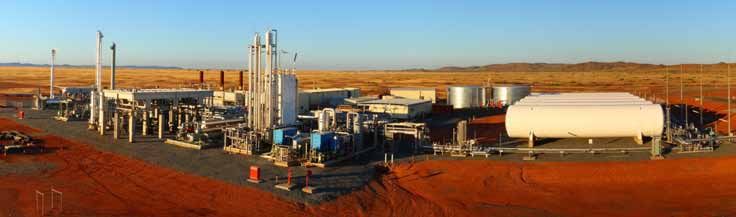
Figure 5: LNG to Power. Source: GE Gas to Power estimates. Notes: FSRU Floating Regas and Storage vessel. CCGT: Combined cycle gas turbine. GSA: Gas sales
agreement. PPA: Power purchase agreement. Assumes imported LNG at $9.00 per MMBtu DES into the FSRU. Indicative cost estimate for discussion purposes.
Project specific and actual cost structures may vary depending on multiple factors.

          LNG to Power
          Integrated LNG with phased power

                           GSA                                                   FSRU                                     CCGT                                              PPA

          LNG                                   FSRU + Infra                                                        3.0
                                                                                                                                                                 10.3
          9.0                                   1.5                                         7.3                                                                  cts/KWh
          $/MMBtu                               $/MMBtu

                                                                                                                                                                 700 MW
                                                                                                                                                                 25 year
                                                                                      Fuel Charge                 Power
                                                                                                             (CAPEX & OPEX)

connections, and the power plant into an                                 supply or direct purchase from a sovereign                           GE estimates fuel costs at 7.3 cents per
integrated project group. This helps avoid                               entity. The LNG price may be tied directly                           KWh, based on a 60 percent efficiency
misalignment around timing of investment.                                to the price of oil or linked to a liquid gas                        level for a combined cycle power plant and
The gas assets can be dedicated to a single                              market, as exists in the United States, with                         a 25-year asset life. The plant capital and
power station or the project can allocate                                infrastructure tolling contracts associated                          operating expenditure (CAPEX and OPEX)
excess midstream capacity to other gas                                   with the LNG producing plant. There are                              of a combined cycle gas turbine (CCGT)
users. Key drivers of the cost of power                                  also a variety of new hybrid structures                              is roughly $.03 per KWh.13 This yields an
include LNG supply, the gas infrastructure                               that are somewhere between these two                                 estimate for the levelized cost of power of
and the duty cycle (baseload, cycling or                                 models.12 The gas supply contracts must                              10.3 cents per KWh in real 2012 U.S. dollars.
peaking), and efficiency level of the power                              be securitized within the project structure.                         While many factors might alter these
plant.11                                                                 The combination of downstream and                                    numbers, GTP involving LNG appears to be
Figure 5 shows an indicative example of                                  midstream elements within an integrated                              a competitive and relatively fast solution
the economics of an LNG to Power concept.                                project, removes pressure on upstream                                for city-scale power, especially near coastal
The design is based on delivery of 700 MW                                companies to develop the entire gas value                            regions.
of power generation in several phases                                    chain. Producers can focus on what they do                           LNG-based power is only one option
of development. LNG supply would be                                      best – finding and developing gas resources.                         for large scale supply. A variation on
contracted separately to feed the plant.                                 Assuming LNG prices of around $9 per                                 this concept would be to use domestic
Fuel procurement options might include                                   MMBtu and a tolling fee of $1.50 per MMBtu                           offshore gas or gas pipeline options.
portfolio suppliers with multiple sources of                             (assuming partial utilization of the FSRU),                          There are examples of projects where

11
   Baseload refers to power plants that run virtually year round, Cycling plant may only run in the day-time hours, or seasonally (e.g. dry
season), while peaking plants only run in the hour of highest demand.
12
   A detailed discussion of the gas supply structures, contracts, financing and pricing is beyond the scope of this paper. However, as the
largest component of cost, the details around the LNG purchase agreements a key in every project.
13
   This example assumes capital costs of 850 per Kilowatt, 20 percent of owners costs, 70/30 debt equity ratio.

9 of 17       Gas to Power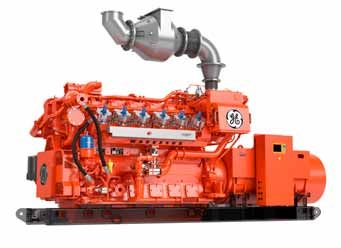
Figure 6: Small LNG to Distributed Power. Source: GE Gas to Power estimates. Notes DP: Distributed Power includes Aeroderivative or gas engine options. GSA:
Gas sales agreement. PPA: Power purchase agreement. Assumes domestic gas at $5.00 per MMBtu. Indicative cost estimate for discussion purposes. Project
specific and actual cost structures may vary depending on multiple factors.

             Small LNG to Distributed Power (DP)
             Inland – Captive Power Baseload

                            GSA                                   Sm LNG                   Truck                  Dist. Pwr                           PPA

             NG                                 Gas Infra                                            4.6
                                                                                                                                           14.6
             5                                  4.5                                   10                                                   cts/KWh
             $/MMBtu                            $/MMBtu

                                                                                                                                            90 MW
                                                                                                                                            15 year
                                                                                   Fuel Charge      Power
                                                                                                 (CAPEX & OPEX)

smaller producers joining with developers                                substitute for physical pipelines. Virtual      Now it is often less expensive to transport
and government entities to create fully                                  pipelines replicate the continuous flow of      gas where it is needed, versus oil. Virtual
integrated GTP projects.14 The power                                     energy in a pipeline or electric transmission   pipelines are typically not substitutes for
project is the anchor customer for the gas                               line, with discrete “cargos” of energy based    gas pipelines, but rather are a compelling
development, but additional sources of                                   on storage and transportation logistics.        option when supply and demand centers
demand, like industrial users, around the                                One of these systems can effectively            are large and pipeline development is not
project site become critical. As the gas                                 replicate the continuity and flexibility of     possible in the short term. Longer term,
infrastructure needs and costs get larger,                               a pipeline and can meet changing load           pipelines remain the most cost effective
including drilling wells or constructing                                 profiles without permanently committing         way to move large quantities of natural
pipelines, the role for government entities                              to a fixed, point-to-point conduit.             gas, but virtual pipelines can fill the gap
typically increases. However, selected                                   This approach is particularly suitable          in connecting smaller supply sources to
midstream investments in processing or                                   to areas with power shortages where
compression might be integrated into the                                 domestic gas resources exist but
GTP project structure. Reducing the scale                                delivery is hampered by a lack of pipeline
of the GTP project in a more distributed                                 infrastructure. Historically, end-users
power approach is another option.                                                                                        Key takeaways
                                                                         tended to turn to oil for emergency power
Distributed power fed by a “virtual” pipeline                            because of its high energy density and          GTP solutions that deliver power at 10
is a smaller scale option with interesting                               lower cost transportation logistics. Today,     to 15 cents per KWh are often 30 to
potential. “Virtual” pipelines distribute gas                            oil prices are disconnecting from gas prices,   50 percent below the cost of oil-fired
via land or sea transportation and are a                                 and even propane prices, in many regions.       power.

14
     Examples include Banda in Mauritania, Kribi in Cameron, or Kudu in Namibia.

10 of 17         Gas to Power
LM2500 gas turbine emerging or remote demand centers. about 900 cubic meters (CM) of liquid LNG These are indicative cost estimates Virtual pipelines have become a viable, per day. for discussion purposes. It should be cost-effective, and mobile alternative Given a 200 km one-way voyage to the recognized that project-specific and actual means to deliver fuel. power generation site, travel time is cost structures may vary depending GE offers the following conceptual case assumed to be about 4 hours with 3 hours on multiple factors. A variety of virtual study to illustrate how virtual pipeline and for delivery time. The project would need pipeline concepts can be explored utilizing distributed power systems might work between 15-20 trailers each with about barges, rail cars, or small regional feeder together. The project entails a 90 MW 10,000 LNG gallon capacities. Each truck vessels. There are also a number of fuel natural gas-fired combined cycle power unloads the cargo into a second LNG options including propane and compressed plant to run in baseload operations. The storage site with regasification and a short natural gas (CNG) along with LNG. The power plant will be supplied by a small- pipeline to the power generation site. variety of modes and fuel options creates scale LNG facility and trucking and storage The trucks arrive on schedule to keep the optionality for remote and fast power tanks to create a “virtual pipeline” for storage on site topped up ready in cases of applications that can be competitive with an inland isolated end-user, such as an a disruption. As shown in Figure 6, the total diesel-fired power. In this case, the cost of industrial facility. This example assumes cost of the virtual pipeline infrastructure the gas transport system is slightly lower that an existing regional gas pipeline is including conversion and trucking than the cost of supply. As in the large the supply source for the project, but the translates to about $4.50 per MMBtu. The scale example, the cost of fuel is about pipeline does not reach the industrial site total cost of gas supply is $9.50 per MMBtu 70 percent of the cost of electricity. It is and the load potential is not large enough or fuel charge of about $0.10 per KWh. The clearly critical to manage fuel options, to justify a pipeline expansion. We assume power plant capital and operating costs along with many other variables, in order the gas is dry and clean, needing only minor when amortized over a 15-year period total to execute successful GTP development. pre-treatment before entering the LNG about $0.046 per KWh. Total cost of power The advantage of this approach is that the system, and the gas is supplied at $5.00 in this example is about $0.15 per KWh. capital cost of this type of project are in the per MMBtu. For this design, we are using This often compares very favorably against range of $200 to $300 million dollars, much a 240,000 LNG gallon per day plant that the costs of diesel power, which can range lower than centralized power, and typically needs approximately 21 MMcf per day of from $0.20 to $0.30 per KWh. they can be online in two to three years, or feed gas. The plant is assumed to produce less, depending on gas availability. 11 of 17 Gas to Power
Project development for                                  identify the key projects stakeholders                      to determine which technology options
                                                         and to determine what is needed in                          make the most sense. The activation model
new gas economies and                                    each component – including technology                       underscores the various stakeholder and
growth regions                                           selection and execution (or “activation”)                   institutional factors in a country that can
GTP projects require strong stakeholder                  requirements, to deliver a successful                       create an attractive environment for GTP
commitment to regulatory and industry                    project. Figure 7 outlines elements                         projects. This includes credible regulatory
best practices, underpinned by                           of the “technology” and “activation”                        structures, viable power purchase
coordination at each project stage. It is                models required for a GTP project. The                      agreements (PPA), and availability of
important to understand the high level                   technology aspect focuses on country-                       credit support. Specific roles for project
aspects of the development process, to                   specific considerations such as scale,                      stakeholders as shown in Figure 8 are
                                                         application, and need, all of which combine                 discussed below.

Figure 7: Project structuring dimensions. Source: GE Global Gas to Power

                             Technology model                                                                          Activation model

                                        Fuel
                                                NG                                                              Gas/grid
                Technology                                                                                                           PPA
                                                LNG                     Scale                                   infrastructure                  GSA/FPA
                                                LPG                     (MW)                                    toll/JV/lease
                      CCGT
                                                CNG
                                                                     1,000
                          Frame
                                                NGL*           500
                                Aero                      50
                                                     5                                                  Partnership
                                  Gas Eng
                                                  Truck                                                 network
     International                                   Barge
                                                                                                                                                   Risk
                                    Local                Rail
     or domestic             Import         Peak            Small ship
                      Export                                   Pipe
                                          Cycling                   FSRU

                                         Baseload                      Mode       NGL: Natural gas liquids,        Financing              Government
                              Duty                                                including methanol, ethane,
                                                                                  other exotic gases                                      relations

Figure 8: Project Development Components. Source: GE Global Gas to Power

  Identification              Conceptual design                  Project design                Commercial structure                 Execution

       Customer                                     NG infra -
       value prop                                    solution
                          Technical study                                Power solution            Financing            Execution - EPC      Operation
      Government
                                                  Fuel supply
       relations

12 of 17   Gas to Power
Policy framework – International, ingredients of a successful GTP project.) Construction – Engineering, procurement,
national, and local regulatory requirements Distribution company (off-taker) and and construction (EPC) firms must be
must be transparent, reasonable, and customers/end-users – Private sector experienced in working in the local and
responsive to the pace of business. or state-owned enterprises must be regional markets and have the ability to
Policymakers must have political will to committed to industry best practices. The operationalize new (greenfield) projects or
implement reforms and confront legacy regulatory landscape must be sufficiently update older plants (brownfield projects).
interests where needed. Tariff schemes for stable to forecast revenue streams over The key challenge is to align the
the sector must ensure that governments the life of the project. The utility must have potentially divergent interests of all of
and companies share the risks and rewards the ability to minimize losses from theft the stakeholders. Fuel suppliers want the
of the activity and that the private sector and inefficiency. There must be sufficient highest price for their gas. Generators
can recover the cost and rely upon a demand by end-users who are willing to want tariff assurances, security of fuel
reasonable rate of return for investments. pay market costs for electricity over the life supply, and secure offtake agreements.
Gas development and transportation of the project. Harmonization between public and private
– The fuel source, whether domestically Regulator – Depending on market interests is also required. Figure 9 maps out
sourced or imported, must be cost structure, electricity tariffs should be natural positions of private stakeholders
competitive and sustainable for the life maintained under the authority of an and the challenges governments face to
of the project. Supply contracts must be independent regulator to judge the navigate multiple competing interests.
flexible to address local needs. prudency of new investments, maintain a Once all parties are generally aligned,
Power generator (seller) – Private sector balance between the interests of power market and political forces can force
or state-owned enterprises must be plant owners/operators and consumers, re-alignment. The fundamentals and
committed to industry best practices, and and to de-politicize the ratemaking mutual advantages must be strong enough
a world class Power Purchase Agreement process. for a project to move to financial close
(PPA) must be negotiated between the and implementation, and to withstand
Project finance – Stakeholders must unexpected changes in the market.
power seller and off-taker. (A PPA is a have access to competitive private sector
contract between two parties, one who or development bank financing, reflecting
produces or generates power for sale and construction risk, sovereign risk, and Key takeaways
one who seeks to purchase that power currency risk. Host governments may
over a long time horizon. The quality of the Stakeholders in a GTP project will often
need to provide sovereign guarantees, have competing interests. Creating
PPA can determine whether or not power tax exemptions, and other credit
projects are financeable and viable for the alignment among various parties is
enhancements to attract financing.
long-term, and hence are among the key critical for success.
Figure 9: Navigating Interests. Source: GE Global Gas to Power
Project interests Government/Utility interest
Minimize
Fuel environmental costs
supplier IPP Insure viability/
profitability of Maximize
Maximize power project - reliability
sale price get access to fuel
of fuel – ? supply and pass Energy utility
Security of through fuel costs planning
demand ? objective space
Costs
Support
economic increase
?
development
Minimize costs to consumer –
government treasury
Achieve government/ Utility
utility interests
off-taker Sustainable growth
13 of 17 Gas to PowerSmall-scale LNG plant, Australia
Policy considerations rules increase private sector confidence to independent regulator to oversee prices to
develop long-term gas projects. consumers and balance the interests of all
International companies are often willing parties while guaranteeing a reasonable
to take on significant financial and Legacy sector interests – Every new
project must take into consideration rate of return for prudent investments.
operational risks to develop resources,
build infrastructure, and link markets, operators already in the market. In Financing – Many countries are
provided governments can create a stable many cases, these private companies or undertaking reforms to stimulate private
environment for investment and ensure state-owned enterprises will become participation. When new or reformed
a reasonable and sustainable return on new, integral partners to the project’s market entrants are establishing
investment. This is even more important success. In some markets, however, where themselves during this transition,
for gas supply projects with 20- to 30- significant structural reform is needed or stakeholders need certain guarantees to
year investment horizons. Some of the legacy operators will face new competition, facilitate bankable projects. Policymakers
common policy challenges – and potential policymakers must have the political can stimulate infrastructure project
recommendations - for GTP projects are will and power to ensure new initiatives financing using funds from donor
summarized below. can succeed through new regulation and governments and development financial
implementation. institutions (DFIs) to address project
Holistic decision making – Fuel and development and feasibility studies in
technology choices made now and over Electricity pricing – Electricity prices
can be a highly politically-charged issue. addition to construction risk, sovereign
the next fifteen years will largely define risk and currency risk in emerging
the structure of the energy industry for Cost-reflective prices for customers
guarantee the stability and sustainability markets. There is a growing need for credit
decades to come. This brings concerns enhancements, partial risk guarantees,
about “path dependency,” meaning it will of any new power project as tariffs are
normally the only income stream to pay off and sovereign risk guarantees to make this
be hard to change the path of development happen. As private finance becomes more
once technology choices are made owing to the investment. Many utilities in emerging
markets still do not charge cost-reflective sophisticated and willing to seek out these
the long asset life and slow capital turnover opportunities, DFIs can leverage relatively
of major energy systems. Policymakers prices for electricity and new power
projects are derailed because suppliers do small investments with their own funds
and industry experts should take a to mobilize substantial private capital.
holistic approach to long-term decision not see a way to recover the costs of new
investments. Many developing countries While many DFIs and bilateral donors
making to include diversification of supply, are already doing this, more can be done
non-subsidized fuel price comparisons, with state-owned electricity systems
do not have the financial wherewithal to to coordinate resources. At the country
future trends, environmental targets, and level, policymakers should ensure their
regulatory structures. invest in significant volumes of new power
generation and increasingly seek private regulations include consent mechanisms to
Developing fuel and infrastructure – sector investment through an Independent attract DFI and donor support.
Where the resources exist, policymakers Power Producer (IPP) model. This can Regional cooperation – There remains
can stimulate investment in gas relieve the burden on government to make significant need for international
development by structuring income the up-front investment. At the same time, cooperation to support expansion of
distribution schemes for the sector the IPP must be able to recoup and make gas networks and trade across these
whereby governments and investors share a return on its investment over the life of networks. The ability to find common
the risks and rewards of the venture. the project, and have security that revenue ground between buyers, sellers, regulators
Regulations need to promote a transparent will be sustained in order to attract and other stakeholders will be pivotal in
and inclusive transfer of benefits to local financing. This can be achieved through the mobilizing new mega-project investments.
communities so that they benefit from and employment of a strong power purchase Regional economic partnerships and trade
support new investments. Consultative agreement that enables cost recovery blocs could elevate energy cooperation by
institutions and clear legal regimes that and that protects the investor against forming technical working groups to help
insulate firms from volatile political political interference in the ratemaking standardize related regulation.
leadership changes and the consistent process. This in turn argues for a strong,
enforcement of labor and environmental
14 of 17 Gas to PowerCase study Switching thermal generation from oil
to gas on roughly 3,000 MW of capacity
Ghana 1000 – Regulatory change and regional supply can reduce energy costs by $1 billion
makes large GTP project feasible annually.15 A LNG solution combined with
increasing availability of domestic gas will
dramatically increase supply options, allow
faster development and create a hedge
Since 2012, Ghana has faced power Region of Ghana. Ghana 1000 features against upstream delays or disruptions.
shortages caused by inadequate and GE's state-of-the-art multi-fuel gas turbine In addition, many of Ghana’s regional
unreliable gas supplies to run power technology, purpose-built LNG import neighbors beyond Nigeria will be exporting
plants. Electricity demand growth has infrastructure, and a floating storage LNG in the next few years, creating
been constrained by lack of power. and regasification unit (“FSRU”) provided multiple opportunities to access nearby
Industries have been forced to curtail by Excelerate Energy. In addition, the supply. The gas contracts are structured
energy use as well, for example, VALCO’s consortium has entered into exclusive with flexibility so that Ghana can end
large aluminum plant in Tema operated supply negotiations with Shell Trading the contracts when it starts producing
at 20 percent utilization in 2013. In regarding a long-term supply agreement for sufficient gas supply from domestic
addition, hydro-generation has been LNG. The consortium is structuring the gas production.
variable driving significant use of oil-fired agreements so that the plant can utilize
generation. In response, GE is working a portion of the domestic gas from ENI’s Regulatory changes in Ghana around
with a set of partners to develop Ghana and Vitol’s Sankofa gas development when electricity tariffs and government resolve
1000, a 1,300 MW combined cycle available. The combination of domestic to work toward a private solution has been
power plant and Sub-Saharan Africa’s and international sources creates supply key to unlocking this project’s potential.
largest integrated gas to power (GTP) diversity and flexibility to withstand supply When it is complete, the Ghana 1000
project. While the project is still in the disruptions and to follow variation in project will be a signature accomplishment
development stage, it shows tremendous demand from hydro availability. The project of the Power Africa Initiative. However, a
promise to solve Ghana’s long-standing will be built in two phases: variety of US and international institutions
energy challenges. By shifting generation including the World Bank, IFC, USAID, OPIC,
• Phase 1: 750 MW of power from two Ex-Im, and the MCC are helping to ensure
from light crude oil to cleaner natural gas, power blocks, each producing 375 MW
the project will ensure reliable electricity the success of the project. Efforts at this
from two gas turbines and a steam scale require a whole-of-government
supply while significantly reducing turbine
emissions and delivering associated approach. If ultimately successful,
• Phase 2: 550 MW of power from 3 gas Ghanaians will have affordable, reliable
health and environmental benefits.
turbines and one steam turbine electricity and the project will even benefit
Consortium partners General Electric, LNG can potentially lower the cost of Ghana’s neighbors though power exports
Endeavor Energy, Sage Petroleum, power in Ghana by up to 35 percent, as the to surrounding countries. Furthermore,
and Eranove have entered into a Joint cost of LNG is expected to be lower than Ghana 1000 has the potential to be a
Development Agreement (JDA) to develop oil by 2018 and combined cycle gas is more model for other nations with similar
Ghana 1000 near Takoradi in the Western efficient than simple cycle oil generation. challenges.
15
This calculation is indicative of the savings potential based on 750 MW of simple cycle oil generation priced at roughly $80 per bbl or
$14 per MMBtu versus 750 MW of combined cycle generation priced at $12 per MMBtu including FSRU costs. The resulting annual savings
is $250 million per year. The annual savings in 2018 on 3,000 MW of thermal capacity, a target for Ghana, is roughly $1.0 billion dollars.
15 of 17 Gas to PowerSmall-scale LNG plant
Conclusions Rapid access to energy is needed across Key takeaways
much of the developing world. Yet
The "Age of Gas" is a game changer for GTP has strong advantages in many
traditional development models have
the power industry. While large baseload struggled to deliver in many of these
regions, and the modularity and
generation such as hydro, coal, and oil regions as large-scale developments often flexibility of the concept allows for its
will continue to have a large part to play get delayed from a myriad of technical, application to the full range of energy
in power generation in the future, the gas political, environmental, and financial needs, from mega-projects to micro-grids.
market evolution coupled with traditional hurdles. The speed and flexibility of GTP
power market challenges is creating ever GTP projects require strong stakeholder
projects holds tremendous promise for
increasing GTP opportunities. commitment to regulatory and industry
communities, countries, and regions willing
In many places, gas to power has key to take a fresh look at how gas can play a
best practices, underpinned by
advantages, including; the speed of larger role in their energy mix. coordination at each project stage.
development, access to new and diverse The complexity of these projects,
gas supply options, lower capital intensity, although less than traditional models, still
flexibility to support the expansion present challenges that will require more
of renewables in the power mix, and concerted efforts by stakeholders to build
increasing price competitiveness. strategic alliances to bring these projects
on-stream faster.
16 of 17 Gas to PowerAbout Us
GE works on the things that matter in the
oil and gas industry. In collaboration with
our customers, we push the boundaries
of technology to bring energy to the
world. From extraction to transportation
to end use, we address today’s toughest
challenges in order to fuel the future
Michael F. Farina Brandon Wilson
Selected References Market Development Director, U.S. State Department Fellow
International Energy Agency (IEA), GE Global Gas to Power GE Global Government Affairs & Policy
World Energy Outlook 2014, www.
worldenergyoutlook.org. Michael F. Farina is responsible for Brandon Wilson is a Foreign Service
early stage Gas to Power (GTP) project Officer at the U.S. Department of State
Evans, Peter and Michael Farina. "The development and concept validation in on a fellowship assignment to GE’s
Age of Gas and the Power of Networks." support of regional commercial teams. Global Government Affairs & Policy team.
General Electric, October 2013. Michael develops fuel strategies and Brandon joined the Foreign Service in
Anabel España, Galway Energy Advisors, advises on market issues for GTP projects. 2007. His overseas assignments include
Applications for Small Scale LNG to Michael has been a market intelligence working as a consular and economic
Facilitate Fuel Oil & Diesel Substitution for leader at GE for nearly seven years officer in Mexico; as an economic officer
Power Generation, Presentation: Platt’s including Leader of the Fuels Center of covering trade, aviation, and investment
13th Annual Caribbean Energy Conference, Excellence within GE Energy and most disputes in Venezuela; and as an economic
January 24, 2013 recently as Strategy and Analytics Leader officer covering trade and investment in
for GE Oil & Gas. Throughout his time Turkey. Right before joining the Foreign
HDR Alaska, Inc., Interior Energy Plan:
at GE he has been deeply involved in Service Brandon worked as a consultant
North Slope / Fairbanks LNG Project
strategy and market development related at the State Department covering Iraq
Engineering Brief and Consultant Team
to unconventional resources, natural gas infrastructure construction assistance, and
Recommendations prepared for Alaska
systems, gas and power price formation, before joining the government began his
Industrial Development and Export
and distributed energy. In 2011, he career with ExxonMobil. He received his
Authority in Partnership with the Alaska
authored "Flare Gas Reduction: recent MBA from American University and BBA
Energy Authority, April 23, 2013.
global trends and policy considerations" to from Baylor University. The views expressed
showcase GE technology solutions. In 2013, in this paper are those of the author and
Note on gas conversions he was lead analyst and co-author of "The do not necessarily represent the views of
Age of Gas and the Power of Networks" the U.S. Department of State or the U.S.
Conversions between natural gas and LNG
and "China's Age of Gas" white papers. Government.
are based on standard measures in the
Michael has been in the oil, gas and power
International Gas Union (IGU) natural gas
industry for more than twenty years.
conversion pocket book at
http://agnatural.pt/documentos/ver/
Previously he was a Director of natural gas Acknowledgements
consulting at Cambridge Energy Research
natural-gas-conversion-pocketbook_ We would like to thank our colleagues
fec0aeed1d2e6a84b27445ef096963a7eebab0a2.pdf Associates (IHS-CERA) and has worked on
from the Global Growth Organization and
LNG, pipeline, and gas-fired power plant
Government Affairs team at GE along with
development around the world. Michael
GE Oil & Gas, GE Power and Water, and
holds a BA in Economics from Colorado
GE Energy Management for their unique
State University and a MA in Economics
insights on technology and the role for gas
from the University of Colorado.
to power. Special thanks to George Pickart,
Michael Leifman, and Jennifer Dewar for
contributions on policy recommendations,
market data, and editing, respectively.
geoilandgas.com
©2015 General Electric Company. All Rights Reserved.
GE_Gas_to_Power_WP-060115You can also read


