Iptacopan (LNP023) update - Investor presentation June 22, 2021 - Novartis Investor Relations
←
→
Page content transcription
If your browser does not render page correctly, please read the page content below

Novartis Investor Relations

                       Iptacopan (LNP023) update
                       Investor presentation
                       June 22, 2021
Disclaimer

This presentation contains forward-looking statements within the meaning of the United States Private Securities Litigation Reform Act of 1995. Forward-looking
statements can generally be identified by words such as “potential,” “expected,” “will,” “planned,” “pipeline,” “outlook,” or similar terms, or by express or implied
discussions regarding potential marketing approvals, new indications or labeling for iptacopan or regarding potential future revenues from such product. You
should not place undue reliance on these statements. Such forward-looking statements are based on our current beliefs and expectations regarding future events,
and are subject to significant known and unknown risks and uncertainties. Should one or more of these risks or uncertainties materialize, or should underlying
assumptions prove incorrect, actual results may vary materially from those set forth in the forward-looking statements. There can be no guarantee that iptacopan
will be submitted or approved for sale or for any additional indications or labeling in any market, or at any particular time. Nor can there be any guarantee that
iptacopan will be commercially successful in the future. In particular, our expectations regarding iptacopan could be affected by, among other things, the
uncertainties inherent in research and development, including clinical trial results and additional analysis of existing clinical data; regulatory actions or delays or
government regulation generally; global trends toward health care cost containment, including government, payor and general public pricing and reimbursement
pressures and requirements for increased pricing transparency; our ability to obtain or maintain proprietary intellectual property protection; the particular
prescribing preferences of physicians and patients; general political, economic and business conditions, including the effects of and efforts to mitigate pandemic
diseases such as COVID-19; safety, quality, data integrity or manufacturing issues; potential or actual data security and data privacy breaches, or disruptions of
our information technology systems, and other risks and factors referred to in Novartis AG’s current Form 20-F on file with the US Securities and Exchange
Commission. Novartis is providing the information in this presentation as of this date and does not undertake any obligation to update any forward-looking
statements contained in this presentation as a result of new information, future events or otherwise.

2   Iptacopan (LNP023) update | June 22, 2021

David Soergel MD                    Rod Wooten                 Samir Shah MD
            Global Head of Cardiovascular,      Global Head of Marketing   Global Head of
            Renal and Metabolism                Novartis Pharmaceuticals   Investor Relations
            Development

3   Iptacopan (LNP023) update | June 22, 2021
Iptacopan could become a potentially preferred treatment option for several diseases with high unmet need – a pipeline in a pill The complement system is a foundational component of the innate immune system; dysregulation and/or overactivation of the cascade leads to and characterizes several diseases Iptacopan development program covers several nephrology and hematology indications that currently have limited (PNH1, aHUS2, LN3) or no approved treatments (IgAN4, C3G5, CAD6, iMN7) Positive Ph2 data in IgA nephropathy (IgAN) and C3 glomerulopathy (C3G) presented at ERA-EDTA 2021 Positive Ph2 results for paroxysmal nocturnal hemoglobinuria (PNH) presented at ICKSH 2021 and EHA 2021 Regulatory designations granted: PRIME for C3G, Breakthrough for PNH, and five orphan drug designations Ph3s ongoing in PNH, IgAN and expected to start in C3G and aHUS in coming months; iMN Ph2 ongoing First filings expected 2023; multi-billion potential if efficacy and safety confirmed across multiple indications 1. PNH = paroxysmal nocturnal hemoglobinuria 2. aHUS = atypical hemolytic uremic syndrome 3. LN = Lupus nephritis 4. IgAN = IgA nephropathy 5. C3G = C3 glomerulopathy 6. CAD = cold agglutinin disease 7. iMN = idiopathic membranous nephropathy 4 Iptacopan (LNP023) update | June 22, 2021

Iptacopan is an oral, potent, selective factor B inhibitor...
Dysregulation of the complement pathway is associated Alternative pathway
with a range of rare kidney and hematological diseases
Iptacopan (LNP023) is an oral, first-in-class, potent Classical Lectin
C3
«Tick-over» iptacopan
and selective small-molecule inhibitor of factor B (FB) pathway pathway
Iptacopan binds to FB to suppress the activity of
C3(H2O)
X
Factor B
C3 convertase and thus signaling from the alternative Factor D
C3 convertase
complement pathway (AP) and activation of the (C3(H2O)Bb) C3 convertase
amplification loop (C3bBb)
This prevents downstream generation of the C5 X
Factor B
Factor D
convertase complex, opsonization, and formation of C3 convertase
C3a
C3
C3b
C3b
C3a and C5a anaphylatoxins and membrane attack (C4b2b)
X
Amplification
complex (MAC) loop
Direct classical and lectin pathway signaling C5 convertase C5 convertase
(C4b2b3b) (C3bBb3b)
remains intact, resulting in a potentially lower
C5
meningococcal infection risk in vaccinated patients C6, C7, C8, C9n
compared to terminal complement pathway inhibitors C5a C5b MAC
Schubart A et al. Proc Natl Acad Sci U S A 2019;116(16):7926-7931.
5 Iptacopan (LNP023) update | June 22, 2021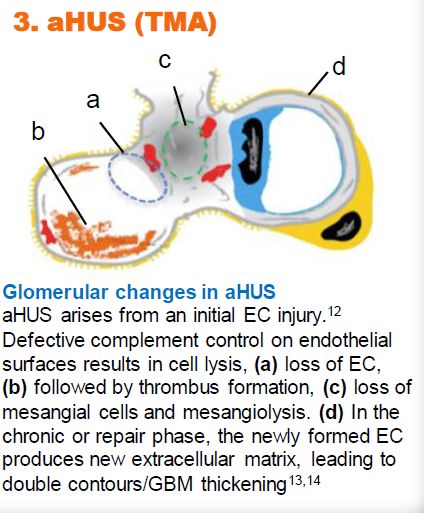
... with a promising profile enabling its broad development...

                                                 Narsoplimab (i.v.)
                                                                                        Iptacopan (oral)
                                                                                    (IgAN, C3G, aHUS, PNH,              FD-inhibitors (oral)
                                                                                       iMN, LN, ITP, CAD)               Danicopan, ALXN2050,
                                                                                                                        BCX 9930
    Pegcetacoplan (s.c.)

                 Eculizumab,
                 Ravulizumab
                  (i.v. /s.c.)                                        Avacopan (oral)
                                                                                                Illustrative, selected examples of approved or currently developed therapeutics

6    Iptacopan (LNP023) update | June 22, 2021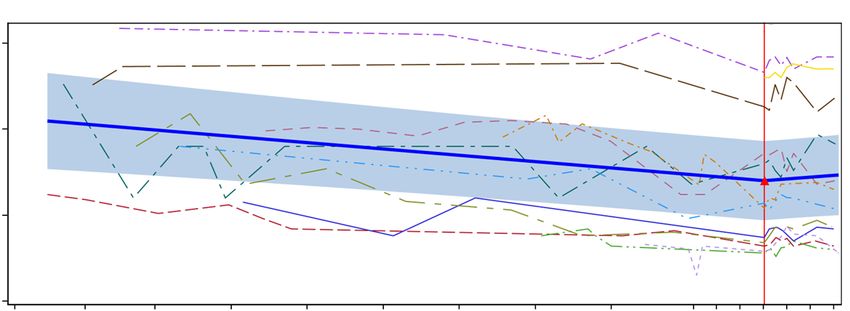
... across both nephrology and hematology

              Indication                    2021          2022          2023            2024            2025          Comments
                                                                                                                      Interim analysis (IA) with 250 patients at 9 months (♦) could
              IgAN                          Phase 3
                                                                                                                      support filings in 2023 for conditional/accelerated approvals

              C3G                                 Phase 3                                                             Ph3 to start enrollment imminently
Nephrology

              aHUS                                   Phase 3                                                          Ph3 to start enrollment in H2 2021

              iMN                          Phase 2                                                                    Ph2 ongoing

                                                                                                                      Ph2 to start end 2021/early 2022; first read-out from initial
              LN                New                      Phase 2
                                                                                                                      cohort expected 2023

              PNH                           Phase 3                                                                   Ph3 initiated based on positive data from two Ph2 trials
Hematology

              ITP               New                      Phase 2                                                      Ph2 to start end 2021

              CAD               New                      Phase 2                                                      Ph2 to start end 2021
IgAN = IgA nephropathy   C3G = C3 glomerulopathy  aHUS = atypical hemolytic uremic syndrome   iMN = idiopathic membranous nephropathy   LN = Lupus nephritis   PNH = paroxysmal nocturnal hemoglobinuria
ITP = immune thrombocytopenic purpura CAD = cold agglutinin disease

 7           Iptacopan (LNP023) update | June 22, 2021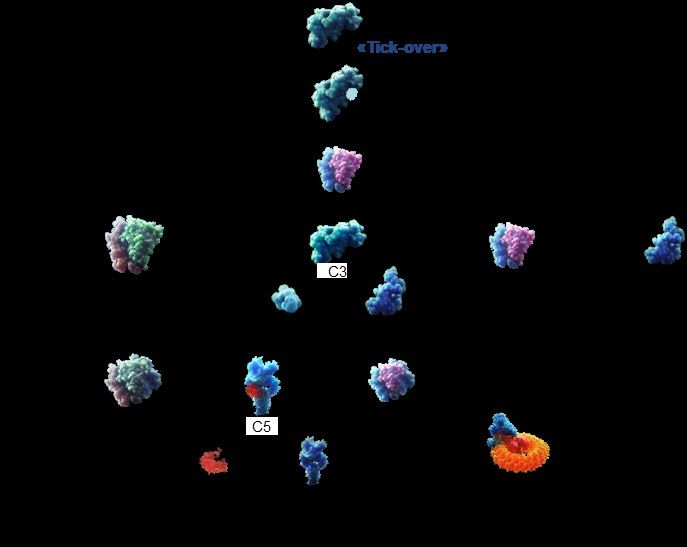
IgAN
In IgA nephropathy, iptacopan could potentially delay the need
for dialysis and/or transplant
Most common primary glomerulonephritis, most common
TA3-proteinuria: the strongest clinical predictor cause of kidney failure in young adult Caucasians1
for IgAN kidney function decline2 Prevalence: US: ∼185k; EU5: ∼32-51k; China: ∼1m;
Japan: ∼130k
Standard of care (SoC): currently no approved therapies,
focus on supportive care
Proteinuria ≥1g/day is the strongest risk factor for poor
prognosis in IgAN: ∼30% of patients with proteinuria
1-2 g/day progress to kidney failure within 10 years
Proteinuria reduction is an important clinical goal in IgAN
and a relevant endpoint for accelerated registration pathways
by FDA and other authorities
Activation of the alternative pathway (AP) is present in
almost 90% of biopsies
By targeting the AP, iptacopan has the potential to slow
disease progression and delay the need for dialysis
and/or transplant
1. Nair R, Walker PD. Kidney Int 2006;69:1455-83 2. Reich HN et al. J Am Soc Nephrol 2007;18:3177–183. 3. TA = time averaged
8 Iptacopan (LNP023) update | June 22, 2021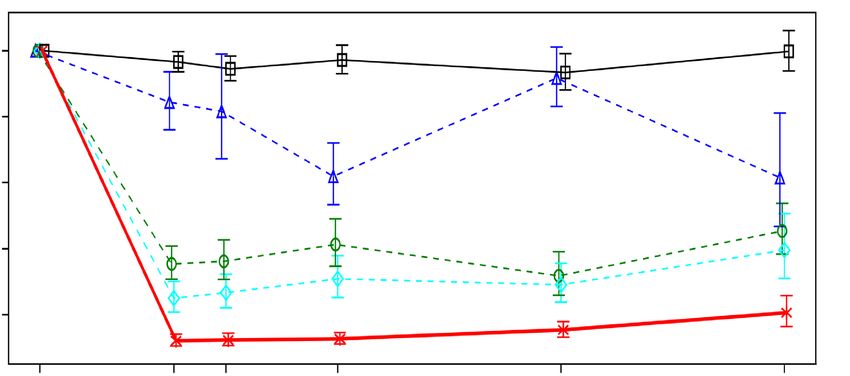
IgAN
IgAN Ph2 study robustly designed for rapid development...

Population                                                                      Part 1 (n=46)                                                                          Part 2 (n=66)
Biopsy-confirmed IgAN patients at
risk of progression with elevated
proteinuria (UPCR ≥0.75g/g) despite                                             Randomization              Treatment2                                                  Randomization               Treatment2
being on stable background therapy5
                                                                                                              Iptacopan 10mg BID                                                                    Iptacopan 10mg BID
Study design
Adaptive, seamless, double-blind,                                                                             Iptacopan 50mg BID                                                                    Iptacopan 50mg BID

placebo-controlled, dose-ranging                                                         R
                                                                                                              Iptacopan 200mg BID                                              R                    Iptacopan 100mg BID

Primary objective                                                                                             Placebo                                                                               Iptacopan 200mg BID
Dose response on the reduction in
proteinuria vs. placebo after 90 days                                                                                                                                                               Placebo

Secondary objectives
Safety and tolerability, eGFR3, and                                             Day 1                                                          Day 90                     Day 1                          Day 90                        Day 180

biomarkers reflecting activity of AP4
                                                                                                                                                                                                          IA1

1. IA = interim analysis: analysis includes patients pooled from parts 1 and 2 of the study (n=112) 2. BID = twice daily   3. estimated glomerular filtration rate   4. AP = alternative pathway    5. Supportive care including a maximally tolerated
dose of ACEi or ARB therapy for the individual, antihypertensive therapy or diuretics for at least 90 days before dosing

9      Iptacopan (LNP023) update | June 22, 2021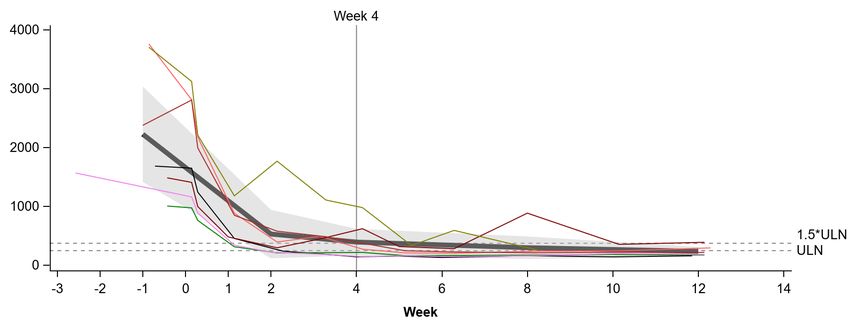
IgAN
... showed 200mg BID3 led to a clinically meaningful
proteinuria reduction of 23% at Day 90...
Primary endpoint data
presented at ERA-EDTA 2021
UPCR1 (24-hour urine collection) (g/mol)
1.2
ratio to placebo (of ratio to baseline)
MCP-mod4 estimates X MMRM6 estimates
Statistically significant effect
Estimated dose-response curve Pointwise 80% CI
of dose-response in
1.0 proteinuria reduction8 by
iptacopan versus placebo at
90 days
0.8 Iptacopan 200mg BID3 led
to a 23% reduction (80% CI:
8%, 34%)
0.6
Treatment with iptacopan
1-sided P=0.0382
for dose–response effect
showed encouraging trend to
23% reduction vs placebo early stabilization of renal
0.4
function (eGFR7)
0 10 50 100 200
Iptacopan dose (mg) Well tolerated; no serious
MCP-mod4 infections
estimate 0.99 0.94 0.87 0.77
(80% CI5) (0.86, 1.00) (0.76, 0.98) (0.72, 0.96) (0.66, 0.92)
1. UPCR = Urine protein to creatinine ratio 2. Multiplicity-adjusted P-value; analysis adjusted for baseline UPCR (24-hour) and ancestry 3. BID = twice daily 4. MCP-mod = Multiple Comparison Procedure – Modelling
5. CI = confidence interval 6. MMRM = mixed model repeated measurements 7. eGFR = estimated glomerular filtration rate 8. 24-hour UPCR
10 Iptacopan (LNP023) update | June 22, 2021IgAN
… with the 200mg BID delivering rapid, sustained, near complete
inhibition of the alternative complement pathway...
Data presented at
ERA-EDTA 2021
100
Percent change (80% CI) from
baseline in Wieslab – serum
Iptacopan
80
Dose-dependent reduction
of AP activation measured by
60 serum Wieslab assay
Rapid - Day 8 onwards
40
Also reduced other
complement biomarkers,
20
including plasma Bb and
urinary sC5b-9
Baseline D8 D15 D30 D60 D90
(pre-dose)
Time (days)
Iptacopan 10mg BID Iptacopan 50mg BID Iptacopan 100mg BID
Iptacopan 200mg BID Placebo
. BID = twice daily CI = confidence interval AP – alternative complement pathway
11 Iptacopan (LNP023) update | June 22, 2021IgAN
... providing the basis to initiate the APPLAUSE-IgAN Ph3 study
Population Randomization Interim analysis (IA) End of study
Biopsy-confirmed IgAN patients at risk (n= ~250 at 9 months) (EoS)
of progression with elevated proteinuria
(UPCR2 ≥1g/g) despite being on stable
n=215
background therapy1
Iptacopan 200mg BID3
Primary objectives Option to
IA: Assess superiority of iptacopan roll-over in
R 1:1 open-label
vs. placebo in reduction of proteinuria2 extension
at 9 months; to support regulatory study
submission for accelerated/conditional Placebo
approval
n=215
EoS: Assess superiority of iptacopan vs.
placebo in slowing progression of IgAN
measured by annualized total slope of
eGFR decline over 24 months Day 1 Month 9 Month 24
1. Including at least maximally tolerated dose of ACEi/ARB for at least 90 days 2. UPCR (urine protein-to-creatinine ratio) from 24-h urine collection 3. BID = twice daily
12 Iptacopan (LNP023) update | June 22, 2021IgAN Summary Robust Ph2 data demonstrate clinically meaningful effect. Ph3 initiated to support worldwide regulatory filings First study to report safety and efficacy of an alternative complement pathway inhibitor in IgAN Robust Ph2 design provides confidence iptacopan has the potential to deliver a clinically meaningful effect − Randomized, double-blind and placebo-controlled study throughout the 90 days study period − 112 patients randomized to three (part 1) or four (part 2) different doses of iptacopan or placebo Primary study objective met: dose-dependent reduction in 24h UPCR at 90 days when compared to placebo – 23% UPCR reduction considered clinically meaningful; already observed after 90 days of treatment – Early trend of renal function stabilization (measured by eGFR) – Strong and dose-dependent inhibition of biomarkers of alternative complement pathway activity – Iptacopan treatment well tolerated at all doses Ph3 APPLAUSE-IgAN is ongoing globally to support iptacopan filings worldwide Potential first oral targeted anti-complement therapy in IgAN to delay dialysis and/or transplant UPCR = Urine protein to creatinine ratio eGFR = estimated glomerular filtration rate 13 Iptacopan (LNP023) update | June 22, 2021
C3G
Iptacopan has potential to be disease modifying, delaying or
preventing need for dialysis and/or kidney transplant in C3G
K-M analysis of kidney survival1 by C3G subtype4
C3G is an ultra-rare, severe form of primary
glomerulonephritis and is commonly diagnosed in
100% adolescents and young adults
DDD2
Prevalence: US: ∼10k; EU5: ∼1.5-2.5k;
C3GN3
Kidney survival
75% China: ∼32k; Japan: ∼3.2k
There are currently no approved therapies
50% P=0.35
~50% patients develop kidney failure within 10 years
of diagnosis
25%
Post-transplantation recurrence and allograft loss is
common (50% in DDD2, 75% in C3GN3)
0%
0 12 24 36 48 60 72 84 96 108 120 132 144 Characterized by complement dysregulation and
Analysis time (months) complement C3 deposition in the kidney
Number at risk
DDD 17 15 12 10 9 7 6 5 4 2 2 2 2 In C3G, iptacopan has the potential to be disease
C3GN 53 32 26 22 15 14 14 8 7 4 3 2 2 modifying and to delay, or even prevent, the need
for dialysis and/or transplant
1. End-stage kidney disease (ESKD) free renal survival 2. Dense Deposit Disease 3. C3 glomerulonephritis 4. Medjeral-Thomas et al. Clin J Am Soc Nephrol. 2014;9(1):46-53
14 Iptacopan (LNP023) update | June 22, 2021C3G
Iptacopan Ph2 provides data on patients with both native and
transplanted kidneys...
Population
Cohort A: Biopsy-confirmed C3G Screening Run-in/ Weekly (BID) Treatment Treatment Dose (OD11) Safety follow-up
baseline dose escalation period 1 period 2 tapering (no treatment)
patients1, with native kidneys and
reduced serum C3 levels EoS5
Renal Renal Patients roll over4 into a
Interim data available biopsy2 biopsy3 long term extension study
Cohort B: patients1 with C3G recurrence Cohort A
following kidney transplantation
Data expected in Q3 2021 Iptacopan 200mg Iptacopan 200mg
10 25 100 200 25 10
BID10 BID10
Cohort B
Primary objective (Cohort A)
Reduction in proteinuria at Week 12
measured as ratio to baseline of UPCR7 Week −12 Week 1 Week 4 Week 124 Week 244 13/25 14/26 Week 26/38
Secondary objectives
eGFR8, and biomarkers reflecting activity
of AP9, safety and tolerability Cohort A (n = 16): Proteinuria reduction based on ratio to baseline UPCR7 at Week 12 (24h urine sample)
Primary endpoint
Cohort B (n = 11): Changes from baseline in C3 deposit score (based on IF6 microscopy) at Week 12
1. Patients aged ≥18 years 2. Not required for Cohort A unless most recent biopsy >12 months old 3. Optional for Cohort A 4. Patient may roll over into a separate extension study at Week 12 5. EOS = end of study
6.IF = immunofluorescence 7. UPCR = Urine protein to creatinine ratio 8. eGFR = estimated glomerular filtration rate 9. AP = alternative complement pathway 10. BID = twice daily 11. OD = once daily
15 Iptacopan (LNP023) update | June 22, 2021C3G
... showing clinically meaningful 49% reduction in proteinuria...
IA data on primary endpoint
presented at ASN 2020
UPCR3 (24h urine collection) vs. baseline over time1
Geo-Mean (Geo-CV) UPCR3 Significant and clinically
At baseline: 397 (55.9) g/mol meaningful reduction in proteinuria
At Week 12: 202 (77.3) g/mol of 49% from baseline
Already at 3 months there are signs
of stabilization of kidney function
(eGFR4)
Well tolerated with no unexpected or
new safety findings
ERA-EDTA 2021: new retrospective
observational cohort study data:
longitudinal change in proteinuria
strongly associated with kidney
failure risk in C3G2
1. Note: all patients from cohort A (with native kidney) 2. Caravaca-Fontan, Nephrol Dial Transplant 2021 Mar 29;gfab075. 3. UPCR = Urine protein to creatinine ratio 4. eGFR = estimated glomerular filtration rate
16 Iptacopan (LNP023) update | June 22, 2021C3G
... with improvements in trajectory of renal function decline
compared to historical patients’ trend
Data presented at ERA-EDTA 2021
Mean eGFR1 slope and 95% CI2 indicated by bold blue line and surrounding shadowed area
Start of iptacopan
Historical Post-treatment
150 Iptacopan treatment leads to
stabilization of renal function
eGFR (mL/min/1.73m2)
Patients experienced deterioration
100
in renal function historically
Iptacopan’s estimated effect
50 corresponds to a mean predicted
eGFR preservation of 6.4
mL/min/1.73m2 over 12 weeks
(p=0.0459)
0
-128 -116 -104 -91 -78 -65 -52 -39 -26 -12 -8 -4 0 4 8 12
Relative Start Study Time (Weeks)
Individual patient eGFR slopes (n=12) for up to 2 years prior to and following commencement of 12-week course of iptacopan
1. eGFR = estimated glomerular filtration rate 2. CI = confidence interval
17 Iptacopan (LNP023) update | June 22, 2021C3G
Ph2 C3G data formed basis to initiate Ph3 APPEAR-C3G
to support regulatory submission
Primary
Randomization Blinded treatment endpoint Open-label treatment End of study
Population analysis (EoS)
Adult patients with biopsy-confirmed
C3G and native kidney. Proteinuria
n = 34
≥1g/g (24h UPCR1)
Iptacopan 200mg BID2 Iptacopan 200mg BID2
Primary objective
Option to
Proteinuria reduction at 6 months roll-over in
R 1:1 open-label
extension
Secondary objectives study
eGFR3, proportion achieving a
composite renal endpoint, reduction Placebo Iptacopan 200mg BID2
in glomerular inflammation, safety
n = 34
and tolerability
Day 1 Month 6 Month 12
1. UPCR = urinary protein to creatinine ratio 2. BID = twice a day 3. eGFR = estimated glomerular filtration rate
18 Iptacopan (LNP023) update | June 22, 2021C3G Summary Strong Ph2 data demonstrate clinically meaningful effect. Ph3 to be initiated to support worldwide regulatory filings Clinically meaningful reduction in 24h UPCR of 49% after 12 weeks and stabilization of renal function – Beneficial effects on proteinuria reduction and eGFR were seen very fast and sustained – Rapid increases in serum C3 levels and reductions in markers of complement activity provide mechanistic support – Favorable safety and tolerability profile New data presented at ERA-EDTA 2021 show statistically significant and clinically important improvements by iptacopan in eGFR slope when compared to pre-treatment period, suggesting that iptacopan may slow progression to, or potentially even prevent development of, kidney failure in patients with C3G Final Ph2 results, including from cohort B in patients with recurrent C3G after kidney transplant expected in Q3 2021 and planned to be presented at an upcoming congress Double-blind, placebo-controlled Ph3 APPEAR-C3G study projected to start enrollment imminently Potential to become first targeted and evidence-based treatment in C3G UPCR = Urine protein to creatinine ratio eGFR = estimated glomerular filtration rate 19 Iptacopan (LNP023) update | June 22, 2021
PNH
Iptacopan has the potential to be the first oral anti-complement
mono-therapy in patients with PNH
Hematological response to eculizumab1 Paroxysmal nocturnal hemoglobinuria (PNH) is a rare, life-threatening
blood disorder caused by an acquired mutation in hematopoietic stem cells
that leads to absence of complement-regulatory proteins
Prevalence: WW 7-16 cases/million; US 5-6k2
> 12 g/dl
Many patients remain anemic and transfusion dependent despite
17% eculizumab treatment
normal Hb < 10 g/dl
42% – C3-mediated extravascular hemolysis not addressed by anti-C5
mod-severe
anemia
– ~40% remain anemic (Hb3PNH
Iptacopan Ph2 study in patients with PNH who are anti-C5
treatment naive
Primary objective: Taper
Screening Baseline Period 1 Period 2 Extension Period 3 down EoS3
Reduction of PNH-associated
hemolysis (LDH1 levels at week 12)
Cohort 1 (n = 7): 25 → 100mg BID2
Randomization
Secondary objectives: 25mg BID 100mg BID 100mg BID
25mg QD
7d+ 10mg EoS
Dose-response, markers of QD 7d
intravascular and extravascular
hemolysis (incl. Hb), markers Vaccinations R Cohort 2 (n = 6): 50 → 200mg BID2
associated with risk of thrombosis,
25mg QD
safety and tolerability, 50mg BID 200mg BID 200mg BID 7d+ 10mg EoS
pharmacokinetics QD 7d
Key exclusion criteria: Week -8 to -1 -1 0 2 4 12 13 or 16 or
109 112
Complement inhibition within prior 3
months, history of splenectomy Interim analysis performed when 11 patients4 completed 12 weeks of iptacopan treatment
1. LDH = Lactate dehydrogenase 2. BID = Twice a day (QD = Once a day) 3. EoS = End of study 4. One patient in Cohort 1 started study drug taper prior to cutoff and discontinued after cutoff by patient preference, due to worsening of
pre-existing neutropenia, one patient in Cohort 2 discontinued after 2 days of dosing due to non-severe AE of headache
21 Iptacopan (LNP023) update | June 22, 2021PNH
Ph2 PNH study met primary endpoint of reduction in LDH1
at week 12...
New data (anti-C5 naive)
Cohort 1: 25 → 100mg BID2 presented at EHA 2021
Mean
LDH1 (U/L)
(90% CI3)
Patients in both cohorts met the primary endpoint
Week 12 of reducing LDH1 levels by ≥60% at Week 12
4
After week 4, iptacopan achieved mean LDH
4
reductions of 80-90%
LDH reduction was rapid and durable, less
variability observed in the higher dose cohort
Mean Cohort 2: 50 → 200mg BID2
(90% CI3)
Markers of intra- and extravascular hemolysis
LDH1 (U/L)
normalized in the majority of patients
Week 12
4
4
1. LDH = Lactate dehydrogenase 2. BID = Twice a day 3. CI = Confidence interval 4. ULN = Upper limit of normal
22 Iptacopan (LNP023) update | June 22, 2021PNH
... with clinically meaningful increases in hemoglobin
observed in all patients
New data (anti-C5 naive)
Week 12 presented at EHA 2021
Hemoglobin (g/L)
Cohort 1: 25 → 100mg BID3
All patients experienced rapid, durable increase in
hemoglobin
Mean
(90% CI)
All patients except one remained transfusion-free
until Week 12
One patient in cohort 2 (blue line) got one red
blood cell (RBC) transfusion on study Day 3
Week 12
Hemoglobin (g/L)
Cohort 21: 50 → 200mg BID3
This patient (blue line) had pre-existing MDS2,
requiring 13 RBC transfusions during the year
Mean
(90% CI4) prior to study entry
1. One patient in Cohort 2 was excluded for Hb analyses due to an RBC transfusion that occurred between screening and baseline, raising Hb from 71 to 110 g/L 2. MDS = Myelodysplastic syndrome 3. BID = twice a day CI = confidence interval
23 Iptacopan (LNP023) update | June 22, 2021PNH
Ph2 data provide basis for iptacopan Ph3 APPLY-PNH
Population (n ~91)
Adult PNH patients (Hb
LNP023 200mg BID2 Continue with LNP023PNH Summary
Iptacopan has the potential to become the first oral
anti-complement mono-therapy in patients with PNH
Interim analysis (EBMT 2020) showed iptacopan provided clinical benefits as add-on to eculizumab in PNH patients with
residual hemolysis
– Marked reduction of hemolytic markers and transfusion-free improvement of hemoglobin in the majority of patients
– Well tolerated with most common AE1s being headache, insomnia, rhinitis and rhinorrhea
– Clinical benefits persisted upon discontinuation of eculizumab
New data (EHA 2021) show clinically important benefits of monotherapy iptacopan in anti-C5 treatment naive PNH patients,
including normalization of markers of intra- and extravascular hemolysis; resulting in a rapid and durable, transfusion-free
improvement of hemoglobin levels in the majority of patients, with a favorable safety profile
Ph3 APPLY-PNH study to assess superiority of iptacopan vs. anti-C5 therapy in patients with residual anemia despite
standard of care treatment is ongoing to support filings as of 2023
Iptacopan could become the first oral anti-complement mono-therapy in PNH offering significant convenience to patients along a
potential superior benefit/risk
1. AE = adverse event
25 Iptacopan (LNP023) update | June 22, 2021iMN
Iptacopan could improve nephrotic syndrome and remission
rates in patients with idiopathic Membranous Nephropathy
Idiopathic Membranous Nephropathy (iMN) is
Development of ESKD1 or 50% reduction in renal function
a rare autoimmune glomerular disease and the
in patients with remission of MN vs. relapse2,3,4 most common cause of nephrotic syndrome in
non-diabetic adults
Log-rank P = 0.002 Prevalence: US: ∼80k; EU5: ∼82k;
0.30 China: ∼422k; Japan: ∼32k
Relapsed
There are currently no approved therapies
Cumulative event
0.20
30-40% of patients develop kidney failure
probability
In remission
within 5-15 years of diagnosis
0.10
Relapses after remission are common
(15-30% of patients)
0.00
Complement pathway activation has been
0 1 2 3 4 5 shown in kidney biopsies
Years since 12 months following remission In iMN, iptacopan has the potential to rapidly
improve nephrotic syndrome and
remission rates
1. ESKD = End-stage kidney disease. 2. Cattran DC et al. J Am Soc Nephrol 28: 995–1003, 2017. 3. Lai WL, et al. J Formos Med Assoc. 2015;114(2):102–111. 4. Keri KC, et al. Postgrad Med J. 2019;95(1119):23–31
26 Iptacopan (LNP023) update | June 22, 2021aHUS
Iptacopan has the potential to become first oral anti-complement
therapy in patients with atypical Hemolytic Uremic Syndrome
Atypical Hemolytic Uremic Syndrome
Glomerular changes in aHUS8 Kidney biopsy showing TMA
(aHUS) is a life-threatening, progressive,
rare form of thrombotic microangiopathy
(TMA) often affecting children5
Prevalence: US 50% of patients need dialysis and/or
develop more permanent renal damage
within 12 months following the first
episode of aHUS6
Unmet need remains despite current
aHUS arises from an initial EC1 injury.
SoC4 with C5 inhibitors such as patient
Defective complement control on
endothelial surfaces results in cell lysis, burden
(a) loss of EC1, (b) followed by thrombus Associated with dysregulation of the
formation, (c) loss of mesangial cells and alternative pathway
mesangiolysis. (d) In the chronic or repair
Fibrin thrombi and red blood cell Iptacopan has potential to become the
phase, the newly formed EC1 produces
new extracellular matrix, leading to double fragments present in the capillary first oral anti-complement therapy with a
contours/GBM2 thickening loops (white arrowheads)7 strong benefit/risk profile
1. EC = endothelial cell 2. GBM = glomerular basement membrane. 3. TMA = thrombotic microangiopathy 4. SoC = standard of care 5. Goodship THJ et al. Kidney Int 2017;91:539–51. 6. Fremeaux-Bacchi V et al. Clin J Am Soc
Nephrol 2013;8:554–621. 7. Dixon BP, Gruppo RA. Pediatr Clin N Am 2018;65:509–25 8. Zipfel PF, et al. J Am Soc Nephrol. 2020;31(2):241–256.
27 Iptacopan (LNP023) update | June 22, 2021LN
Iptacopan may have the potential to delay dialysis and/or
transplant in patients with Lupus Nephritis (LN)
Patient population Scientific rationale for iptacopan
Inflammation of the kidneys associated with proteinuria, hematuria, Strong complement activation in SLE5
impaired kidney function and high blood pressure In LN, deposition of nucleic acid-containing material in the glomeruli
Affects up to 40% of adults (~90% women of childbearing age) and 80% triggers the engagement of complement, activation of kidney stromal
of children with systemic lupus erythematosus (SLE); major cause of cells and recruitment of circulating pro-inflammatory cells
morbidity and mortality1 Significantly decreased plasma C3 and increased Bb, C3a, C5a, and
Remission achieved in only 30–50% of patients; 10-20% of patients MAC found in active LN
develop kidney failure within 10 years of diagnosis1 Reduced levels of C3 and C4 in plasma (overconsumption)
Major ethnic disparities: Less frequent and severe for Caucasians; highly
prevalent in African/Caribbean patients, Hispanic and Asian patients
accounting for ~28-52% of the LN population
Standard of care Expected milestones
Induction with high dose corticosteroids + immunosuppressants (oral Ph2 to start end 2021 / early 2022
MMF2 or cyclophosphamide/CNIs3), followed by lower doses as First read-out from initial cohort expected 2023
maintenance therapy; off-label rituximab used for refractory disease
Filing expected ≥2025
High unmet need for convenient and safe therapies with rapid nephron
protection and durable CRR4 >20%, even after two novel entrants in
2020 (belimumab, voclosporin)
1. Maria NI, Davidson A. Protecting the kidney in systemic lupus erythematosus: from diagnosis to therapy. Nature Reviews Rheumatology. 2020;16:255–267 2. MMF = mycophenolate mofetil 3. CNI = Calcineurin inhibitor
4. CRR = complete renal response 5. systemic lupus erythematosus
28 Iptacopan (LNP023) update | June 22, 2021ITP Initiating Ph2 iptacopan study in Q4 2021 in patients with Immune Thrombocytopenic Purpura (ITP) Patient population Scientific rationale for iptacopan Autoimmune thrombocytopenia (= platelets
CAD
Initiating Ph2 iptacopan study in Q4 2021 in patients with Cold
Agglutinin Disease (CAD)
Patient population Scientific rationale for iptacopan
Auto-immune hemolytic anemia, often triggered by cold IgM autoantibody-mediated disease
temperatures or viral infections Anemia primarily caused by extravascular hemolysis in
Prevalence of 1-9 / million spleen / liver and which is largely complement-dependent
through C3 fragments deposition on RBCs1
More women than men affected; median age at diagnosis
is 72 years and median age at the onset of symptoms 65 years
Reduced quality of life due to anemia; symptoms include fatigue,
dizziness, tachycardia, dyspnea, abdominal pain, acrocyanosis
Standard of care Expected milestones
No approved therapy Cohort in hematology basket study
Plasma apheresis; steroids and rituximab used off-label Phase 2 start in Q4 2021, with first results expected 2023
Sutimlimab (anti-C1 mAb) Ph3 positive; approval pending Filing projected ≥2025
Iptacopan has potential for first-in-class oral complement
pathway inhibitor in CAD
1. RBC = red blood cells
30 Iptacopan (LNP023) update | June 22, 2021Iptacopan in parallel development across several nephrology and
hematology diseases, with global multi-blockbuster potential
Indication 2021 2022 2023 2024 2025
Market potential
IgAN Phase 3
Indication US prevalence
thousands
C3G Phase 3
Nephrology
Nephrology
IgAN ~185 aHUS Phase 3
C3GNovartis is making significant efforts to prepare for a successful
launch of iptacopan...
Partnering with patient organizations: Elevating the “voice of the patient” to raise awareness of high
1 burden of illness and unmet need across the different diseases
Real world data generation: Working with key registries across the world to demonstrate the potential value
2 of iptacopan to the overall healthcare system
Patient journey mapping: Identifying key clinical and non-clinical implementation barriers that need to be
3 removed to ensure optimal patient outcomes
Medical education and evidence generation: Establish a strong scientific “share of voice” at congresses to
4 highlight the unmet need, build innovative partnerships with healthcare system stakeholders and ensure a
robust evidence base for future implementation in clinical practice
32 Iptacopan (LNP023) update | June 22, 2021... which has the potential to become first-in-class for several
rare complement driven diseases with high unmet need
Complement driven Iptacopan could delay the For many of these Iptacopan is a first-in-
diseases are rare progression or control diseases1, there are class oral Factor B
and often progressive the manifestations of no approved therapies inhibitor that targets some
diseases these rare diseases, and some current of the key drivers of
thus improving QoL for treatment options show these complement
Many of these diseases patients and easing the limited efficacy/ driven diseases
affect young patients, overall burden on significant side effects
significantly impacting healthcare systems
their QoL and even For others2, a need exists
leading to premature In renal diseases, our for options to better
death aspiration is to “extend control the disease and
dialysis-free life” ease the burden on
patients and the overall
healthcare system
QoL = quality of life 1. IgAN, C3G, CAD, iMN 2. PNH, aHUS, LN
33 Iptacopan (LNP023) update | June 22, 2021Iptacopan is a pipeline in a single molecule, potentially addressing several diseases with high unmet need Pursued complement-driven diseases are rare and affect mostly young patients with no or limited evidence-based and approved treatment options Iptacopan is a first in class, oral, potent and selective Factor B inhibitor of the alternative complement pathway, which is postulated to play a key role in the underlying pathophysiology of the indications in scope Positive efficacy results along with a favorable safety profile from four Ph2 studies in three indications Due to its targeted MoA, iptacopan leaves the direct classical and lectin pathway signaling intact, resulting in a potentially lower meningococcal infections risk in vaccinated patients when compared to terminal complement pathway inhibitors such as anti-C5s First filings expected 2023 to support outlook with multi-billion potential based on a differentiated profile addressing key unmet needs 34 Iptacopan (LNP023) update | June 22, 2021
You can also read


