Isolation and loneliness - opening up new stories and interpretive experiences at Calke Abbey - Suzanne MacLeod, Jocelyn Dodd and Sarah Plumb ...
←
→
Page content transcription
If your browser does not render page correctly, please read the page content below
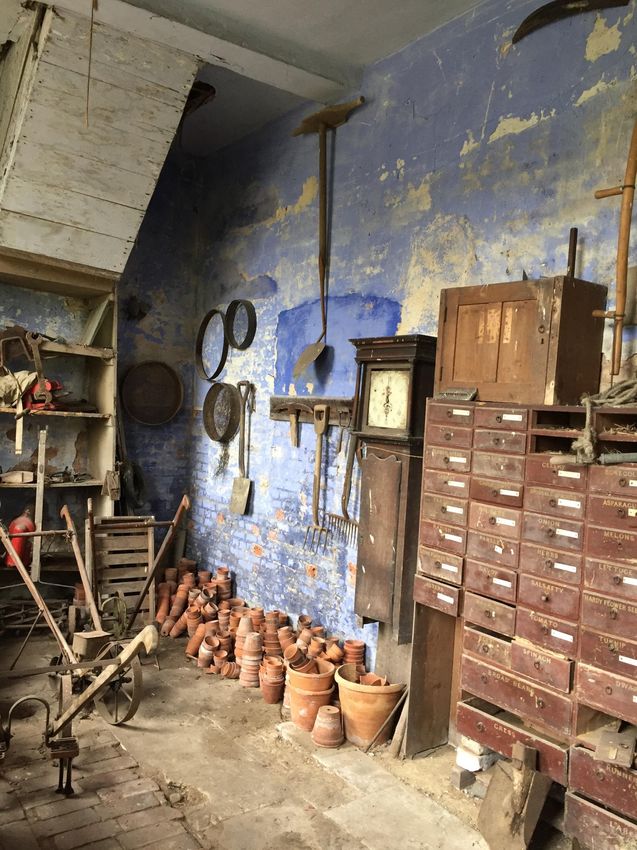
Isolation and loneliness –
opening up new stories and
interpretive experiences at
Calke Abbey
Research Report

Suzanne MacLeod, Jocelyn Dodd and Sarah Plumb

Research Centre for Museums and Galleries (RCMG)
School of Museum Studies
University of Leicester
19 University Road
Leicester
LE1 7RF

March 2018

A list of RCMG research projects is available from
http://www.le.ac.uk/ms/research/rcmg.html
About the partners
Calke Abbey
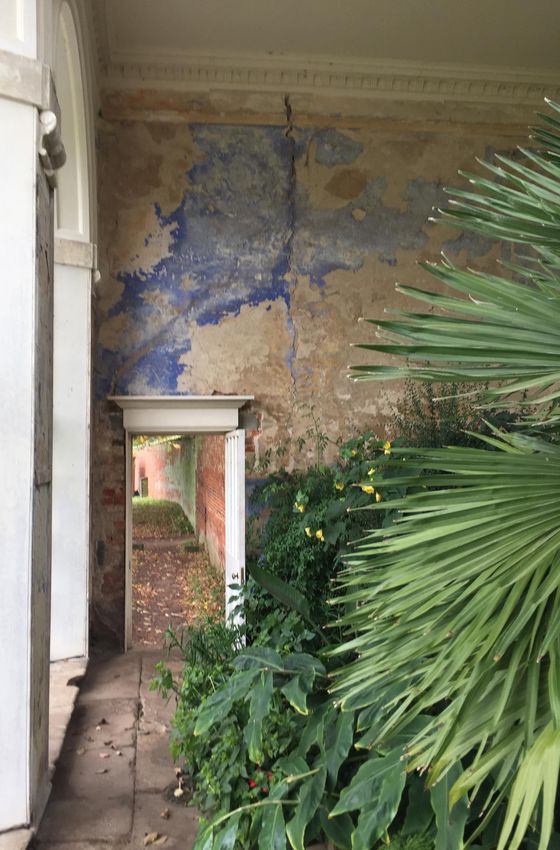
Calke Abbey is a National Trust property located in South Derbyshire. Taken over by
the Trust in 1985, it is characterised by its peeling paintwork and overgrown
courtyards. Calke Abbey tells the story of the dramatic decline of a grand country
house estate through its conservation philosophy of repair not restore.
Research Centre for Museums and Galleries (RCMG)
As part of the School of Museum Studies at the University of Leicester, RCMG
combines academic rigour with practical experience of museum, galleries and heritage
sites. Research teams are brought together to meet the specific needs and
requirements of each project and their work to date has enabled RCMG to develop a
unique set of skills, experiences and perspectives in capturing, analysing and
interpreting the perspectives, experiences and voices of users, and non-users, of
cultural organisations.
Duncan McCauley
Duncan McCauley was founded in Berlin in 2003 by architects Tom Duncan and Noel
McCauley in response to the evolving task range needed in museum and exhibition
design. The work of the studio encompasses masterplanning, architecture, exhibition
design and audio-visual production for museums and cultural institutions.

                                          2
Research team
Stewart Alcock     General Manager, Calke Abbey and Leicestershire
                   Portfolio, National Trust
Jocelyn Dodd       Director, RCMG
Tom Duncan         Director, Duncan McCauley
Suzanne MacLeod    Professor, School of Museum Studies
Sarah Plumb        Research Associate, RCMG
Alison Thornhill   Community and Engagement Manager, Calke Abbey,
                   National Trust

Project Team
Heloise Brooke     Head Gardener, Calke Abbey
Patrick Burke      Consultancy Manager, Volunteering and Participation,
                   National Trust
Kerrie Fletcher    Community Development Manager South Derbyshire
                   CVS, Swadlincote
Alison Gimingham   Consultancy Manager, Volunteering and Participation,
                   National Trust
Julie Griffith     House and Collections Manager, Calke Abbey
Rebecca Harvey     Midlands Curator, National Trust
Karen Heath        Volunteer, Calke Abbey
Sue Hubbard        Volunteer, Calke Abbey
Kate Jopling       Policy and Strategy Consultant, Jo Cox Commission
Zoe Knights        Engagement Officer, Calke Abbey
Kellie Payne       Research and Policy Manager, Campaign to End
                   Loneliness
Caroline Taylor    Visitor Experience Manager, Calke Abbey

                                3
Contents

                                                  Overview
                                                  The Brief
                                                  The Process
                                                  Key Findings
                                                       Opportunities

                                                       Pitfalls: a note of caution

                                                       Loneliness and social isolation: the facts

                                                       The uniqueness of Calke: site

                                                       The uniqueness of Calke: story

                                                  Planning for Stage 2
                                                  Appendices
                                                       Leading-edge approaches to interpretation

                                                       Visitor research

                                                       Local and national associations and potential partners

                                                       Examples of practice in museums, galleries, heritage sites and
                                                       cultural organisations
‘Some visitors told me they come to Calke alone
and walk here because they feel safe here.’
Calke volunteer
                                                                                     4
Overview
This report sets out the findings from a research project commissioned by Calke
Abbey, a National Trust property in Derbyshire, and undertaken in full collaboration
with RCMG (the Research Centre for Museums and Galleries) at the University of
Leicester.
The project emerged as part of Calke’s planning processes and the Calke team’s desire
‘There is a lot of stigma attached to develop interpretation and programmes around the contemporary issue of social
isolation and loneliness in 2019 in order to mark the 200th anniversary of the death of
to loneliness, so it is incredibly
Henry Harpur Crewe, 7th Baronet of Calke Abbey who was dubbed ‘The Isolated
hard to admit that you are Baronet’ in his own time.
feeling lonely … It is important With an ambition to make a contribution to discussions and campaigns surrounding
to recognise that feeling lonely is the contemporary epidemic of loneliness and potentially to the lives of ordinary
people who might be struggling with loneliness, and aware of the need to enter this
not your fault and that there are space from an educated and thoroughly researched perspective, Calke approached
people who are ready to talk to RCMG to ask them to ‘think with’ Calke about the potential opportunities and pitfalls
of work in this area and to help Calke plan this work in such a way that it would:
you about how you are feeling, generate new and ongoing community relationships; deliver Calke’s ambition to
and offer support.’ deliver high quality and sector leading interpretive practice; result in an exceptional
visitor experience and programming for 2019; and leave a legacy of increased
Laura Alcock-Ferguson, expertise, creativity and confidence amongst staff and volunteers to develop this and
Campaign to End Loneliness other work in the future.
For the RCMG team, the project offered an opportunity to expand research it had
undertaken at a range of sites exploring the visitor experience and the role of the
physical museum (a building and curated collections or an historic site and its
contents) in the various encounters and opportunities for experience, action and
expression that visitors might experience as opening up to them during a cultural visit.
Interested in questions of the value of culture and its role in human wellbeing, the
project offered an opportunity to ask how cultural organisations might take a
‘Young or old, loneliness doesn’t discriminate ... it is conscious role in the fight against loneliness alongside government, public services,
business and community groups (Jo Cox Commission 2018).
something many of us could easily help with.’
In the following pages, we describe the research process, set forward the key findings
Jo Cox, Labour Party MP from the research, and set out a Plan for Stage 2 of the project.
5The Brief
Questions of isolation and loneliness have often been associated with
Calke and the place itself embodies the histories of isolation which have
shaped the lives of the people who lived here. As awareness grows of
the complex challenge loneliness and social isolation pose to
contemporary society, Calke is exploring its own history of isolation
and using this work to drive new approaches to interpretation and
community engagement. In 2018 and 19, Calke will be building new
relationships and working with a range of partners to open up new
stories and interpretive experiences and to reflect on Calke’s spirit of
place.
After some discussion, the research questions were conceived as:
How can Calke approach the theme of loneliness and social isolation in ways
which:
- deliver Calke’s ambition to develop an ongoing programme of activity
which sits comfortably within leading edge approaches to interpretation;
- generate new and ongoing networks and relationships from which new
projects will flow;
- engage in contemporary debate and challenge;
- result in an exceptional visitor experience and programming for 2019;
- leave a legacy of increased expertise, creativity and confidence amongst
the wider interpretation team at Calke?
6The Process
Between October 2017 and March 2018 a multi-disciplinary, cross-sectoral Visitor Research
research team was brought together which included researchers Jocelyn A review of existing visitor research and of the site’s audience segmentation
Dodd, Suzanne MacLeod and Sarah Plumb from RCMG, exhibition designer data was undertaken. This was supplemented with additional qualitative
Tom Duncan from Duncan McCauley, and Alison Thornhill, Community and visitor research to find out more about the nature of visitors’ perceptions of,
Engagement Manager from Calke Abbey, National Trust. The process began and responses to, Calke. 43 semi-structured interviews with visitors
with a series of meetings and interviews and, once the research brief had (individuals, couples and small groups) were completed and analysed.
been clearly articulated, the following methodology was developed and
worked through: Volunteer Feedback
Strategic Workshop 1 In consultation with RCMG, Alison Thornhill led a workshop with volunteers,
asking: What do we know about Calke in relation to the theme of isolation
An opening Strategic Workshop was organised in order to test the research and loneliness? Feedback from the volunteers in the form of statements were
focus and methodology (were we asking the right questions? was our collected by Alison and fed into the research and analysis process.
methodology sound? what were we missing?) and to enable a number of
experts (Kellie Payne, Research and Policy Manager, Campaign to End Strategic Workshop 2
Loneliness; Patrick Burke, Consultancy Manager, Volunteering and
Situated at the very end of the research process but prior to any findings
Participation for the National Trust; and Kerry Fletcher, Community
being finalised, Strategic Workshop 2 involved a wider range of staff and
Development Manager from South Derbyshire CVS) to feed in to the project
volunteers from Calke along with the RCMG team and was intended to
at its earliest stage. A number of questions and issues arose in this discussion
enable the whole workshop team to explore the research and develop the
which remained vital throughout the research process.
key findings together. Kate Jopling, author of the Jo Cox Commission report
Four Working Papers on loneliness, unable to attend in person, was able to complete an interview
beforehand and key recordings capturing her thoughts were fed into the
A series of Working Papers reviewing existing research and highlighting Workshop. For clarity, Day 1 was approached as input – feeding in the
particular perspectives considered to be of relevance to the project were contents of the working papers, visitor research and volunteer feedback –
drawn up. These ‘quick and dirty’ summaries of existing research and and Day 2 was approached as time for analysis and development. Analysis
thinking included: and development were aided by a series of creative activities and the use of a
1) A working paper around the contemporary social issue of loneliness pre-prepared and propositional ‘emergent framework’ (Figure 1) around and
and social isolation against which discussion could be generated.
2) A further working paper on isolation and solitude During Workshop 2, an emergent framework for the project was tested with
participants and found to offer a useful mechanism for conceptualising
3) A paper exploring the nature of innovations in interpretation at Calke’s work around loneliness and social isolation.
historic sites
4) An image-based analysis of the physical site of Calke Abbey
7Opening
Opening up
moments of moments of
reflection reflection on
loneliness and
social isolation
Experiences that are Working with
felt – emotional and creatives to produce
Creating sensory interventions
Research and opportunities
Development to avoid
loneliness
The tangible
Building new skills
Loneliness and manifestation of
and knowledge Social Isolation: kindness and being
consciously social in
amongst the team
Figure 1a – Emergent Framework harnessing the everything Calke
does
physicality and
special potential
of Calke
The emergent framework places an emphasis on three overlapping and inter- Creating
Research and
related areas of activity: opportunities to
Development
avoid loneliness
1. working with hand-picked creatives to develop particular interpretive
interventions at Calke with the key aim of disrupting the conventional
heritage visit and opening up moments of reflection on and awareness of The values of Calke
Working with
questions of loneliness and social isolation which are felt, physically and and why it is doing
external partners
this work
emotionally;
2. working to create opportunities for staff, volunteers, visitors and
programme participants, to avoid loneliness. Part of this area of activity
requires Calke to think deeply about how it could be social in everything it
does and how it could manifest its ambition to be welcoming, sociable and
prompt small acts of kindness in and through its physical and human Figure 1b – Emergent Framework
resources;
3. ongoing research and development as the Calke team learn more about
what matters to them and push their work and capacity forward.
8Key Findings
Opportunities
The proposal that Calke develop a programme of activity stemming from and
connecting with the contemporary issue of loneliness and social isolation is timely,
much-needed and has the potential to generate a project from which others will want
to learn. Since the project started in October 2017, the Jo Cox Commission has
published its report on loneliness and the UK government has appointed its first ever
Minister for Loneliness, a signal of the importance and scale of the issue.
Whilst a range of sectors (government, business, health and community organisations)
are perceived to be engaging with and have potential to contribute to the prevention
of loneliness, the cultural sector is strangely absent from discussions and reports (Jo
Cox Commission 2018). Calke has an opportunity to show how, in very practical ways,
cultural organisations can get involved. Cultural organisations are uniquely placed to
model forms of human interaction required in the fight against loneliness and to open
up thoughtful reflection on the world in which we live and the ways in which so many
people are struggling to build relationships and meaning. Indeed, cultural
organisations can respond by working to enable profound and deeply social
opportunities for experience and action which, in their own small ways, are more
powerful than even the most vocal of campaigns. In this sense, the project opens up
the possibility for Calke to develop a programme of events and ways of working which
will be of great interest across the cultural sector.
The project also sits comfortably within the National Trust’s ambition to Move, Teach,
and Inspire, especially in relation to improving interpretive experiences and provoking
visitors, staff and volunteers to think differently about the world around them.
Finally, the project will open up opportunities to build local links and generate long-
lasting relationships with local groups. This could be as simple as making space
available at Calke to enrich the experiences of local groups already working in this
area, but could also be about working in partnership on a whole range of projects from
small, targeted programmes to major co-production activities. It is clear that the team
at Calke need to start with a workable and manageable set of activities and so the Plan
for Stage 2 at the end of this report sets out a number of combinations and routes to
development.
9Pitfalls: a note of caution
The project was commissioned by Calke based on an understandable and thoughtful
caution about venturing in to a field of work, areas of which clearly demand specialist
expertise. Loneliness is a deep social problem and the emotional and subjective nature
of loneliness means that strategies and solutions for people who are suffering from
acute loneliness will be specific to the individual. To begin to work with people
struggling with loneliness demands an ongoing commitment and anyone working in
this space needs to ask themselves how they will both draw in the relevant expertise
and sustain this work.
Throughout the research process (in Workshop 1, in the Working Papers and in
Workshop 2) questions were raised by participants about the appropriateness of
undertaking this work to mark the 200th anniversary of the death of Henry Harpur
Crewe and then moving to a different theme in 2020. These questions were raised in
full recognition of the need for cultural organisations to make a sustained commitment
to shaping the world around them and in recognition of the time and energy that
would be required from the team at Calke and any partner organisations, to develop a
meaningful and impactful programme. It was possible to see how Calke might seek to
raise awareness of loneliness and social isolation, and encourage small acts of kindness
for a year, but any more substantial programming and engagement with people
struggling with loneliness, would demand a longer-term commitment and sustained
partnership working. There are, however, contributions that would work well as a
year-long programme and which we feel would also provide Calke with some new
ways of working and approaches which could then have a much longer life and even
build towards more focused partnerships and programming if the commitment to this
issue continued. These approaches are set out in the Planning for Stage 2 section at
the end of this report.
‘Why people are visiting the Park? Some
are carers and come for a break.’
Calke volunteer
10Loneliness and social isolation: the facts
Although often conflated, loneliness, social isolation and solitude are distinct concepts.
Solitude is the state of being alone, and historically has been considered both a boon ‘Some recent surveys have
and a curse, with some people choosing solitude as ‘a respite from the stresses of life, uncovered levels of loneliness
for quiet contemplation, to foster creative impulses, or to commune with nature’
(Coplan and Bowker 2014: 3). Despite the many associated benefits, a social and
across all ages that are worryingly
cultural stigma surrounds deciding to isolate oneself from society (Averill and high. What we don’t yet know is if
Sundararajan 2014: 92-93).
this is a sign of a growing problem,
Loneliness, on the other hand, is a state of mind. Loneliness is subjective, it is
emotional, the felt experience of an individual, the negative and unwelcome feeling of
or because efforts to breakdown
lack or loss of companionship. It takes place when there is a mismatch or perceived the stigma of loneliness are
gap between the quantity and quality of social relationships that we have and those
working, making people more
which we would like or expect to have (Perlman and Peplau 1981; Bolton 2012; Cutler
2012). willing to acknowledge their
Social isolation is the absence of social contact, an objective state which is measured loneliness. Whichever it is, there is
through the number of contacts that someone has. Social isolation can contribute to much to do.’
loneliness, but there is not always a link because people can feel lonely even if they
have contact with family and friends; other people might have few contacts and not Jo Cox Commission 2018
feel lonely (Bolton 2012; Cutler 2012). It is therefore possible to be isolated without
being lonely, and to be lonely without being isolated.
As Jo Cox powerfully puts it – ‘loneliness doesn’t discriminate’, it can affect anyone;
cutting across ages, demographics and economic contexts. Two in three people know
someone who is lonely (Campaign to End Loneliness) and over nine million adults are
often or always lonely (British Red Cross and Co-op 2016). Loneliness is a natural part
of the human condition, with most of us feeling lonely at some point during our lives.
However, where it becomes an issue is when it becomes acute; an ongoing, grinding
and deeply painful felt experience (Jopling 2018). In these instances, loneliness can be
harmful to both our physical and mental health.
Loneliness is a comparable risk factor for early death to smoking 15 cigarettes a day
and is worse for us than other well-known risk factors such as obesity and physical ‘Loneliness is a comparable health
inactivity (Holt-Lunstad and Layton 2010). Loneliness increases the likelihood of
mortality by 26% (Holt-Lunstad et. al 2015), as well as increasing the risk of high blood risk to smoking 15 cigarettes a
pressure (Hawkley et. al 2010). A lack of social connections and experiencing acute day.’
loneliness increases the onset of disability (Lund et. al 2010), and puts us at greater risk
of cognitive decline (James et. al 2011). Lonely people are also 64% more likely to Campaign to End Loneliness
develop clinical dementia (Holwerda et. al 2012). Loneliness isn’t actually a mental
11health condition in itself, but social isolation and chronic loneliness can evoke feelings
of depression, anxiety and other mental health conditions. Lonely individuals are more
prone to depression (Cacioppo et al. 2006; Green et. al 1992), and loneliness and low
social interaction are predictive of suicide in older age (O’Connell et. al 2004). ‘Over 9 million adults are often or
Loneliness can lead to an increase in unhealthy behaviours, such as smoking,
substance abuse, and poor diet, creating a vicious cycle, where people are even less
always lonely.’
inclined to get involved in social situations, lose confidence, and progressively become British Red Cross and Co-op 2016
more physically unwell (Jopling 2015 following Goll et. al; Jo Cox Commission 2018;
Derby Women’s Centre).
Although loneliness can touch us all, there are a number of factors that increase the
likelihood of experiencing loneliness, which make some groups of people more at risk.
The causes of loneliness are complex, but chronic loneliness can be triggered by
transitions and changes in people’s lives. These can include: ‘moving home, changing
schools, coming to the country seeking asylum, leaving the armed forces, developing a
health condition, leaving care, becoming a carer, becoming a parent, changing jobs or
leaving work, experiencing family breakdown and bereavement’ (Jo Cox Commission
2018: 10).
While we should not assume that all people going through a particular life ‘92% of us find it difficult to tell
circumstance or transition will experience loneliness as a result, we should be aware
others they are lonely.’
that there is a real stigma surrounding loneliness (Goodman et. al 2015: 4), meaning
that many individuals find it difficult to admit to feeling lonely, not only to themselves, Campaign to End Loneliness
but to others. Recent research by the Campaign to End Loneliness found that a
staggering 92% of people find it difficult to tell others they are lonely. The reasons for
this stigma relate to a fear of being negatively judged (eight in ten people) and a belief
that others will think there is something wrong with them (33% of people) (Campaign
to End Loneliness). Because of this many individuals feel unable to ask for help, or
readily reveal their needs (Jopling 2015 following Griffin 2010). This, and the fact that
many, but not all, lonely people are also socially isolated, acts as a real barrier and
makes them exceptionally difficult to identify and reach (Jopling 2015 following Victor
et. al 2009). Explicit targeting is therefore required, but caution must be taken to avoid
‘Cross team volunteer buddies?
presenting opportunities as being ‘solutions to loneliness’ or framed as ‘programmes
for lonely people’. Given its nature as subjective, experiences of loneliness are deeply Some colleagues work in
personal and individual, meaning that the most effective way to tackle chronic
isolation.’
loneliness is to provide a service which firstly draws out and then responds to
individual needs (Jopling 2015: 20). This challenging work requires individuals and Calke volunteer
organisations, with significant expertise and highly specialist skills, to proactively
outreach.
12Increasingly, a more holistic and integrated approach is being taken, where
organisations and agencies work together to not only combat loneliness, but to
endeavour to prevent it. Preventative action is less challenging than working with
people who are already acutely lonely, and recent research suggests that even thin
social ties and small acts of kindness can make a difference in avoiding loneliness
(Jopling 2018), for example, simply taking time to chat with a neighbour or stopping to
have a conversation with someone in a supermarket.
Raising awareness of the worrying levels of loneliness across all ages, the Jo Cox
Commission report encourages us all to think more consciously about our social
connections and to talk more openly about the issue of loneliness. This in turn will
begin to break down the stigma surrounding loneliness. As the report’s title
compellingly puts forward: ‘Combatting loneliness one conversation at a time’,
individuals and organisations are prompted to take action, no matter how big or small.
They suggest that:
‘We all have a role to play. Tackling loneliness starts with:
Taking care of ourselves – We need to check our relationship balances at least as often Derek’s top ten tips to feeling less lonely:
as we check our bank balances, and think about whether we’ve got the connections we
1. Make an effort to make new friends.
need to keep us going. Is there any more we can do to make sure we maintain the
relationships that sustain us, or to build new relationships when others fall away? 2. Join a hobbies club.
3. Visit your local community or resource centre and find out what’s on offer.
Taking care of others – We all need to think about our families, neighbours and wider
communities, and consider who may be feeling lonely. What can we do to reach out 4. Learn to use a computer at your local library.
and help others feel connected – maybe it’s as simple as letting people know we are 5. Seek help from your local social services.
‘happy to chat’? 6. Consider taking in a lodger or paying guest.
Creating Connection-friendly communities – Community and voluntary sector groups 7. Use your telephone more often to contact people; don’t wait for people to contact you.
have a responsibility to make sure that their work helps people to connect and build 8. Contact friends and relatives you haven’t spoken to recently.
relationships. This might be about developing new services, and building the evidence
9. Make friends with your neighbours.
for what works in tackling loneliness. Or it might be as simple as making sure everyone
feels welcome in your group, and making special effort to help those who might need a 10.Do voluntary work if you are able to.
bit of extra support to take the first step in joining in’ (Jo Cox Commission 2018: 21).
Derek, who is in his early 90s, got involved with his local Age-friendly Project in Old Moat,
Greater Manchester through attending consultation events and participating in workshops,
later becoming an Age-friendly Champion for this work. He decided to write a set of ten top
tips for reducing loneliness, introducing simple things he does to keep himself active and
connected (Age-Friendly Manchester).
13The uniqueness of Calke: site
‘You’re talking isolation here,
As the research progressed, it became very clear that in relation to the theme of
you couldn’t get more isolated I loneliness and social isolation and the potential to generate opportunities for
reflection, action and expression, the physicality of the site is equally as important to
don’t think.’
opening up these opportunities, as key stories, such as the story of ‘The Isolated
Bruce, visitor to Calke Baronet’. The quality of the site at Calke is incredible and although it also has other
kinds of interpretive potential, it lends itself exceptionally well as a place in which a
more reflective mode of being, might, at key moments, be prioritised and enabled.
During the research, a number of observations were made about the physical site and
its interpretive potential which began to take on great significance.
Repetition
At first, a visit to Calke might be interpreted as a kind of repetition. Experience after
experience of gardens, buildings, interiors and objects in varying states of disrepair and
abandonment can feel as though it lacks variation and leave visitors feeling confused.
As the research progressed however, it became clear that this sense of repetition is, in
fact, a key characteristic of Calke and is a great asset. Every trace of the past matters at
Calke – it is rich in its sense of the passing of time – and if interpreted and framed in
the right way, can open up a way of being, seeing and feeling that is fundamentally
different to many other National Trust properties or heritage visits. It is perhaps more
focused, more inward and more reflective. No single element or object is the star (odd
moments in the visit such as the display of the State Bed challenge this approach,
though in potentially rather interesting ways), and this multiplicity in the physical site,
does have great potential as a route to encouraging the opening up of multiple
subjectivities, or ways of being, in visitors. As the visitor research made clear, for some
visitors this happens through their engagement with the site – visitors made links to
loved ones they had lost, to questions of mental health, and to their experiences as a
carer. For others however, a clearer framing of and additional structures to support
engagement with these qualities of the site and the experiential possibilities they
might open up (what are we meant to do here? how are we meant to behave? how
might we understand the things that we experience?), will be needed.
Fragments and gaps
A key observation on the site is that as a visitor, we never fully grasp the entirely of the
site or gain a full view of the site. The house is hidden from us from the very start and
even if we do venture out towards the grotto and look back to view the house in its
entirety, our view is still partial and side on. Calke is characterised by fragmentation,
not just in the fragments of the past that make up the place, but in the larger structure
14and visitor experience. Similar to the comments above on repetition, this has its
‘We went out the library then we actually went into another challenges in terms of the visitor experience – it is a challenge to the norm – but also
room and then all of a sudden where the carpet finished it was great potential and speaks to ideas in much recent museum literature around the
power of fragments, of the unfinished and of gaps in understanding, in fuelling our
then another world…’ imagination and emotions (Working Paper 3). Recognising this quality and protecting
and nurturing this quality is clearly important.
Maureen, visitor to Calke
Nature
The setting for all of the above is natural and a large number of visitors commented on
the isolated nature of Calke, physically removed from the world around it, and the
peace and wellbeing that comes from spending time in its landscape. Volunteers
report that a number of people come and walk at Calke because they feel safe there
and being in certain parts of the landscape seem to open up moments of particular
peace and wellbeing for different people. Key here is Calke as a resource for people to
return to time and again and the kinds of feelings and ways of being that being in the
landscape and looking on to the landscape, seem to engender.
‘Being in the woods with only
Corridors and tunnels
the sound of nature is good for
A unique feature of the site at Calke is the range of spaces that you find yourself
the soul. Positive isolation.’ moving through as a visitor – from rolling landscape, to formal gardens, from once
Calke volunteer stately rooms, to empty corridors, from winding pathways to hidden tunnels, and from
the grotto to the ice house. The range is incredible. Visitors are interested in these
diverse spaces and what happened here – they appreciate that the spaces have the
potential to transport them to another time and place, to another world.
Thresholds and significant moments of change or decision-making
Beyond the perception of sameness and repetition and linked to the fragmentation of
Calke, it is very clear that there are key moments of change and/or decision-making in
the visit. In the house, one moment of change might be the sudden change between
the Boudoir and the Yellow room, where faded opulence turns to decay. Similarly, in
the gardens the large number of gates and doorways which invite us to step through to
something unknown on the other side, add to the mystery of Calke and prompt our
curiosity. To some extent we are an explorer at Calke, always discovering something
new and Calke’s strategy of leaving the site as it is and encouraging discovery and
roaming by leaving doors open in order to leave space for exploration and imagination,
is magical and incredibly rare. All of these feelings of possibility and the potential for
exploration are heightened by the lack of visibility and continual moving through
‘There is an area in the parkland overlooking thresholds.
Middle Lodge from the woodland – leaning on the
five bar gate …. The peace and tranquillity takes
over and all is OK with the world!!!’ 15
Calke volunteerSimilarly, other physical points in the visitor journey such as arrival in the stable yard or
down in front of the house, offer up moments of decision-making. Simple signage has
been used extremely effectively in a number of these places across the site to lightly
and in careful, unobtrusive ways, provide information at these key points – the chalk
boards have a lovely quality but so do the Perspex onto brick signs.
Whereas many National Trust properties are challenged with how they might stimulate
curiosity or engender an exploratory mode, at Calke, for some visitors, this is already
stimulated by the physicality of the site. For others however, such modes of
engagement and experience need to be encouraged, enabled and supported – visitors
need permission to explore.
‘In the dining room there’s 20 chairs, but there’s only two
of you, you’d feel lonely, you’d be aware of what you’d
lost or the connections you didn’t have.’
Chris, visitor to Calke
‘They’ve obviously got a lot of restoration to do, you know paintwork… but I hope they
don’t make it too modern.’
Frances, visitor to Calke 16The uniqueness of Calke: story
Since Calke was taken over by the National Trust in 1985, the particular qualities of the
site – its state of disrepair and decay – have been associated with stories of the decline
of the great country houses as well as evocative and curious stories of isolation which
have circulated around key members of the Harpur Crewe family, most notably Henry
Harpur Crewe, 7th Baronet and Sir Vauncey Harpur Crewe, 10th Baronet. These stories
have been passed on in the oral histories told about Calke and in National Trust
guidebooks.
The overarching story of isolation at Calke is often seen to begin with Henry and his
perceived dislike of society and human contact has been applied as a lens to Calke to
reveal more stories of isolation and loneliness down the male family line. Henry Harpur
Crewe, 7th Baronet of Calke, reportedly ostracised himself from polite society by
marrying a lady’s maid. Henry is described as eating alone, though with the table set
for company and as communicating with his servants by note (Barber 2016: 10). Sir
Vauncey, the 10th Baronet, is also described as preferring isolation – it was Sir Vauncey
who added the taxidermy collections to Calke which are, for so many people, bound up
in associations of Calke with obsessions and a turn away from life. As the Guidebook
states: ‘He fled at the first sign of anyone visiting and did not reappear until the
intruders were gone’ (Barber 2016: 16). Although the lack of deep understanding and
distinction between key stories means that visitors often conflate the various members
of the Harpur Crewe family, at one level, the oral, curious and very human nature of
these stories should be celebrated,.
That said, stories expressed verbally often seem to take on a different character once
they are committed to print, perhaps as a result of an expectation that print will be
historically accurate or that it speaks for the National Trust, rather than being the
understanding, memory or anecdote of an individual. Additionally, and reflecting on
what we know now about loneliness and social isolation, the way in which the Harpur
Crewe family is described is rather judgmental and could be interpreted as extending
the stigma that exists around these issues. For example, in the National Trust
Guidebook, the account of Sir Henry is depicted as where the ‘legends of Calke’s
reclusive family begin’ (Barber 2016: 10). Later, his ‘taste for solitude’ is rather
problematically described as ‘morbid’ (Barber 2016: 10). The Guidebook uncritically
references material from the diarist Joseph Farington, who reported that Henry’s ‘The family told people to keep out.’
‘shyness is a disease of the mind’ (Farington cited in Barber 2016: 11), described Sir
Calke volunteer
John Harpur Crewe 9th Baronet as ‘marked’ by ‘a resurgence of the Harpur gene that
shunned society and indulged personal passions’ (Barber 2016: 14) for his reluctance
to assume public office, and later labelled Georgina’s (Sir Henry Harpur, 7th Baronet’s ‘The Harpur Crewe family liked to be isolated.’
Calke volunteer
17granddaughter) children as having ‘a double dose of Harpur eccentricity unsettling
their senses’ (Barber 2016: 15). This lack of a critical frame runs the risk of ‘I noticed that when we went around
perpetuating simplistic and negative stereotypes, and further stigmatising individuals there was loads of souvenir type things,
who choose to isolate themselves, wish for solitude, or simply do not fit societal
‘norms’. like shells and birds that I didn’t
As the research progressed, it also became clear that the stories which circulate understand the background of. Like
around ‘The Isolated Baronet’ and which refer to his solitude and perceived lack of hoarders. Like why have they done that?’
social skill and interaction, are questioned by other stories which seem to suggest a
man engaged in a range of public roles. Linked to this, a number of visitors, volunteers Marie, visitor to Calke
and outside participants in the research raised the question of servants at the site.
Calke has a number of physical features (not least its tunnels) which meant that
servants were, as one volunteer put it, ‘not seen’. Servants would have moved to Calke
from their homes and undoubtedly would have experienced loneliness to differing
degrees. Staff living at Calke today could clearly identify with these experiences and
were aware that there are opportunities to share some of these stories in ways which
open up a greater understanding of a wider range of people who have lived, and
continue to live, at Calke.
Clearly, there is a need for some new ways of talking, particularly in print, about the
people who lived at Calke. How might new research and thinking at Calke open up new
ways of framing the stories which circulate around the Harpur Crewe family? How
might we utilise questions to problematize the stories told at Calke and open them up
to greater interpretation? And might these new, perhaps more open and complex
ways of talking, open up new possibilities for research and storytelling at the site?
‘One of the ladies
(volunteer) did say
‘At other National Trust properties you see a snapshot, a couple perhaps there was
of rooms in the house in different times in history. This is more possibly Asperger’s
of a snapshot of a family… it’s how real people left their room.’ syndrome … and they
Chris, visitor to Calke do have a tendency to
not talk to people and
collect things.’
18 Jayne, visitor to CalkePlanning for Stage 2
Opening up moments of reflection on and awareness of • Generating debate
contemporary questions of loneliness and social • Providing a platform for discussion
• Posing questions
isolation • Chalk boards and other small text-based interventions around the site – start a conversation about loneliness and isolation in
There is a real stigma surrounding loneliness, meaning that many response to the spirit of this place
individuals find it difficult to admit to feeling lonely, not only to • Events – hosting talks
themselves, but to others. Talking about loneliness is key to tackling • Work with hand-picked creatives to respond to Calke and create a small number of powerful and evocative installations which prompt
loneliness. A key part of our Strategy is to generate debate by reflection on contemporary questions of social isolation and loneliness
providing a platform for discussion and deep reflection. • Co-production of creative interventions
• A warm welcome for everyone – modelling inclusive behaviour across all areas of work
• Being sociable in everything we do – what might this mean?
• Recognition that some people come alone to Calke because they feel safe here
Creating opportunities to avoid loneliness • Chatty Cafe – the addition of 'Chatter and Natter' tables at key points during the visit
In relation to loneliness and social isolation, prevention is key and • Rewriting the Guidebook to remove judgemental language and stigma
small interventions and moments of empowerment can have big • Directing existing programming at groups already working with people at risk from loneliness and social isolation in order to share
impacts. A key part of the Strategy is to embed opportunities for the wellbeing benefits of Calke with others
visitors, volunteers, staff and a range of people working with local • Making space at Calke available to specific local and community groups in order to enrich their ongoing activities
organisations, to build 'thin ties' and enable others to do the same. • Introduce a buddy system for new volunteers
This has great potential to be embedded across the visitor • Introduce more opportunities for teamworking – volunteering can sometimes be too solitary an experience
experience and in a whole range of projects. • Introducing support for individuals as they transition out of volunteering – a volunteer alumni scheme
• Encouraging visitors to take action – small acts of kindness which can make a big difference by using the simple card system (other
opportunities will follow once we start!)
• Form a steering group
Research and development • Identify internal champions to drive Calke's work around loneliness and social isolation
• Professional development – targetted visits to see how others are working
As the team at Calke works through the outcomes from this research
and plans the work that will take place at Stage 2 of the project, there • Build new skills and knowledge amongst the team
is clearly significant potential for organisational learning and capacity • Consolidate research about the people who lived at Calke and identify new areas of research
building from internal sharing and innovation, to working with and • Building understanding of local groups and how Calke can work with them
learning from others, undertaking new research, and planning in • Building a deeper understanding of visitors – becoming experts in who visits, who doesn't, and how Calke can develop an in-depth
targetted professional development opportunities. understanding of the visitor experience
• Increasing understanding of Calke's values and what matters to the people who work thereLeading-edge approaches to
interpretation Explore not tell Imagination and experiences that are felt
A key observation on leading edge approaches to Part of this recognition of visitors as learners on
interpretation and one that is backed up by their own independent learning and experiential
museum research around learning and journeys also links to our second observation on
Part of the research involved identification and
experience is the call to ‘explore not tell’. leading-edge interpretive practice which
analysis of leading-edge approaches to
Questioning the tendency in cultural demands that interpretation prioritises the
interpretation at historic sites and beyond which
organisations to produce panels of information feeling, sensing and thinking human being. If we
might be of significance to Calke and particularly
and detail for visitors, the idea of explore not tell feel something we are more likely to be engaged,
in relation to loneliness and social isolation. A
challenges us to think about how we might, transported to another place or another idea. As
whole series of examples of interpretation were
rather, enable visitors to explore for themselves Susannah Lipscomb has written, ‘visitors need to
drawn together and a number of key themes
and access information on their own terms. This be able to glimpse, taste, and feel the past in
emerged: explore not tell; imagination and
demands the curation of landscapes full of experiences that work intellectually, emotionally,
experiences that are felt; qualities of the
potential. and physically’ (Lipscomb 2010: 111).
ephemeral, the partial and lightness of touch;
Interestingly, in relation to the theme of
authenticity; working with hand-picked creatives;
loneliness and social isolation, most people have
and calls to action.
some experience upon which they can draw –
loneliness is a universal human feeling.
Ephemeral, partial, lightness of touch
Linked to both of the characteristics above, many
examples of leading edge interpretation exhibit
an ephemeral quality or a lightness of touch that
suggest and open up, rather than close down,
new interpretive possibilities. Examples such as
the reinterpretation of Kew Palace in 2006 and
interpretation printed on to fabric as well as
some elements within the Young Henry VIII Story
at Hampton Court Palace, convey stories and
content but with an openness, flexibility and
sense of humanity which is then directly picked
up in the visitor experience. Calke has a
particular advantage here in that the site is
characterised by fragmentation and elements of
the interpretation at the site – particularly the
chalk boards – instinctively harness this
partiality.
Brickworks Museum, Zehdenick. Image: Duncan McCauley
20
20of the cultural organisation. The projects reached
across a whole range of budgets and some of the
most compelling projects were delivered by
young creatives at the start of their careers.
Calls to action
One example which generated a good deal of
positive response and discussion amongst
Workshop 2 participants was drawn from Lost
Childhoods, an exhibition at the Santa Cruz
Museum of Art and History (MAH) in the United
States which was co-produced with a large
community group of over 100 young people
transitioning out of foster care, carers, agencies
and youth advocates. The exhibition is a lovely
example of a museum giving up its space and
skills in exhibition making, to support a group of
young people to say what they wanted to say
about their experiences, worries, hopes and
What makes a visitor experience more or less authentic? Morris Hargreaves McIntyre
dreams. Alongside objects, photography, films
Authenticity engagement is key, it is also clear that stories and personal journals, were exhibited works
(particularly human stories) matter more than created by artists working with the young
To connect visitors emotionally, visitors must people. One work, a tapestry containing small
detailed information. That said, research and
feel that their experience is authentic and thoughts and messages from the young people
accuracy are also expected and are clearly linked
increasing amounts of research have begun to was later turned into a simple rack of cards
to the trust that visitors place in cultural
engage with questions of authenticity which can, which listed a range of ways in which visitors
organisations to curate and open up experiences
if approached in too simplistic a way, be could support children in or transitioning out of
for them.
assumed to relate to the quality and philosophy foster care. On the backs of the cards were
of restoration or the original (untouched, Working with hand-picked creatives instructions on how to act. Right at the leading-
unmodified) state of a building or landscape. In edge of participatory practice, the card system
All of the examples of interpretation we explored
fact, recent research challenges these shows how, when deeply embedded in a project,
in Working Paper 3 and during Workshop 2
assumptions and enables us to see that the most simple techniques can be used to empower
involved working with hand-picked creatives –
authentic places and experiences are those visitors to act and make a change. The idea of
artists, graphic designers, architects, film-
which trigger imagination and emotion, the call to action and simple ways to empower
makers, theatre groups, and others. In each case,
experiences that are felt. Historic Royal Palaces visitors to do small things in order to effect big
significant steps were taken to work through a
(HRP) recently commissioned a piece of research changes, is clearly of great relevance to Calke’s
process of careful selection and briefing – all the
around authenticity which usefully draws much work around loneliness and social isolation.
projects exhibited a tight fit between the
recent research together into a simple model
selected creatives and the ambitions and intent
(above). Whilst the model shows that emotional
21
21Visitor Research
Over two days in October 2017, RCMG conducted semi-structured interviews at Calke
with 43 adult visitors in order to build on the visiting member data collected by Calke
and develop a more nuanced understanding of the current visitor experience in
relation to the themes of loneliness and isolation. Each interview lasted approximately
20 minutes and was carried out with the visitors in the way that they had visited, for
example – individually, in couples, and in small groups of family and friends. ‘Don’t collect quite so much clutter
Coincidentally, all who participated in the visitor research were National Trust
members. There was a range of ages, but the majority were retired. Interviewees also
because you don’t want to wind up
came from diverse socio-economic backgrounds, however, there was a lack of ethnic with your house being like this with
diversity – all were white and British. Several visitors had come to Calke whilst on
stuff in every room. This guy clearly
holiday, a small number had not visited before, and some were local to Calke and had
visited on several occasions. The interviews revealed a number of key findings: had a problem. He’s a bit of a
Unique and immersive experience kleptomaniac, keeping hold and
Visitors had overwhelmingly positive experiences of Calke. Most of the visitors hoarding things. I get the impression
interviewed remarked on the ‘specialness’ of Calke, recognising it as different from that he had some sort of mental
most National Trust properties, and although some respondents could not always
easily articulate their experience in relation to the themes of loneliness and isolation, problem that he perhaps needed to have
others used highly emotive language to describe the immersive ‘feel of the place’. For addressed.’
some visitors this was an unexpected surprise, for others it was the main reason they
came, and for most people it was an important part of their visit. Grenville, visitor to Calke
Isolation and loneliness
Many visitors responded to the themes of loneliness and isolation by talking about the
physical nature of the site. The long drive and expansive parkland, the isolated and
hidden estate, and the secluded house down in a hollow were often mentioned as
memorable parts of the visit, particularly in relation to where they experienced
feelings of isolation. Other visitors described their experiences in the house, expressing
how the dark, long corridors and tunnels made them think about what it would have
been like to work at Calke, questioning whether the servants would have felt lonely.
Some visitors saw the rooms in disrepair with abandoned and stacked furniture as a
metaphor for the Harpur Crewes’ psychological state, drawing parallels between
rooms being shut down and withdrawing in on oneself. A number of visitors also made
connections with contemporary issues of loneliness and social isolation, in some cases
talking about loved ones’ and friends’ experiences of feeling alone.
22
22Collecting and hoarding
The wealth and expanse of collections were consistently remarked upon, with
comments appearing in most interviews. A number of visitors were uncomfortable, in
particular, with the natural heritage collections, finding them ‘disturbing’ and unsure
of why they were collected in the amounts they were. Some visitors described the
collection as a form of ‘hoarding’, finding it obsessive and making connections to the
reclusive nature of the family, whilst others saw it as a ‘passion’, with one visitor
pondering whether the family’s energy went in to this, perhaps, over socialising.
An emotive experience
Several visitors connected to the spirit and essence of Calke emotionally. Visitors often
recalled and relished specific details linked to the stories of the Harpur Crewes, talking
about the site as being ‘more human’ or reflecting ‘the human condition’. Calke was
described intimately as having a sense of ‘sadness’, where strong, visceral feelings
were evoked, with words and phrases such as – ‘neglect’, ‘loss’, ‘decline’, ‘rise and fall’,
and ‘emptiness’ used. One visitor found Calke ‘creepy’ and ‘uncanny’, and many
thought of it as a catalyst for the imagination, seeing the huge potential in the site.
Decline of the country house and estate
A large number of visitors spoke about their fascination with Calke’s dilapidation,
finding it poignant and intriguing at the same time. One visitor asked whether Calke
was ‘idyllic or a prison?’, whilst another described it as a ‘noose around your neck’,
particularly reflecting on the impact of inheritance tax on the family’s situation. Many
remarked on Calke as an opportunity to see what it really would have been like, rather
than the ‘usual National Trust pristine, lavish house of the rich and privileged’.
Confusion
Although visitors took delight in the unique nature of Calke, several were confused
about what they were seeing. There was some misunderstanding around the
philosophy of preserve and present as found, with a number of visitors believing that
Calke was in a process of restoration or had run out of funds to complete the
renovation. One visitor believed the State Bed to be the focal point of the whole site,
noticing how it had been maintained and displayed in a completely different way to
the rest of the house. In many instances visitors mixed up and conflated members of
the Harpur Crewe family. One visitor also questioned the dominant narrative of an
isolated and withdrawn family, after seeing a photo of the last occupant – Henry
Harpur Crewe – meeting with Nancy Reagan and being dressed in a ‘nice suit’, later
going on to describe this as ‘incongruous’ and not being able to ‘comprehend it’.
23
23Local and national associations
and potential partners
Home to Home Calls (http://www.hometohomecalls.com/)
Independent Age (https://www.independentage.org)
Action for Children (https://www.actionforchildren.org.uk/)
Jo Cox Commission on Loneliness
British Red Cross (http://www.redcross.org.uk/) (https://www.jocoxloneliness.org/loneliness)
Amber Trust (www.ambertrust.co.uk) Kate Jopling, Policy and Strategy Consultant
Age UK (https://www.ageuk.org.uk/) (https://www.linkedin.com/in/kate-jopling-69503328/)
Alzheimer’s Society (https://www.alzheimers.org.uk/) Junior Vision Ambassadors – Vision Support and Primary Hearing Support,
Special Education Needs and Disability Support Service, Leicester City Council
Campaign to End Loneliness (https://www.campaigntoendloneliness.org/) (www.leicester.gov.uk)
Carers UK (https://www.carersuk.org/) Mental Health Action Group (www.mhag.org.uk)
Community Directory Derbyshire Refugee Action (https://www.refugee-action.org.uk/)
(www.communitydirectoryderbyshire.org.uk)
Rethink (www.rethink.org)
Contact the Elderly (http://www.contact-the-elderly.org.uk/)
Royal Voluntary Service (https://www.royalvoluntaryservice.org.uk)
Co-op (https://www.coop.co.uk/)
Sense (https://www.sense.org.uk/)
CVS South Derbyshire (https://sdcvs.org.uk/)
The Silver Line (https://www.thesilverline.org.uk/)
Derbyshire Carers Association (https://www.derbyshirecarers.co.uk/)
Women’s Institute (https://www.thewi.org.uk/)
Derbyshire Mental Health Services
(www.derbyshirementalhealthservices.nhs.uk) YMCA (https://www.ymca.org.uk/)
Derbyshire Mind (http://www.derbyshiremind.org.uk/)
Derby Women’s Centre (http://www.derby-womenscentre.org.uk)
Hadhari Project
(http://www.communitydirectoryderbyshire.org.uk/view/3012/hadhari-
project)
Defence Medical Rehabilitation Centre Headley Court
(http://www.headleysurrey.org.uk/hc.htm)
24
24You can also read


