Kooth Pulse 2021 May 2021 - The State of the Nation's Mental Health
←
→
Page content transcription
If your browser does not render page correctly, please read the page content below

May 2021

The State of the Nation’s Mental Health

Kooth Pulse 2021
Identifying issues and collaborating to enable
positive mental health for all

koothplc.com
                                                 1
The purpose of this report is to examine the data                                             Executive Summary
    from April 2020 to March 2021 (NHS Fiscal Year
    2020) to present the state of the nation’s                                                    As the UK’s leading digital mental health service provider, Kooth plc has been providing

    mental health.
                                                                                                  anonymised mental health insights to support the NHS and Local Authorities, Public
                                                                                                  Health England, policymakers, charities, and businesses since the first lockdown in March
                                                                                                  2020.
    The study focuses on key mental health topics, such as suicidal thoughts, self-harm, and
    eating issues, as we view them as the prominent mental health concerns over the past          From the very beginning of the pandemic, Kooth realised that it was in a unique position
    year. It identifies issues in different demographics - with attention to ethnic minorities,   to provide extraordinary insights into the impact of the pandemic on the nation’s mental
    students, and working-age adults, as well as families and children. By examining the          health. By unearthing the effects COVID-19 has posed on society, a clearer picture of the
    impact of COVID-19 on key mental health issues, the report addresses both the clinical        issues that will need to be addressed now, and in the years ahead, will emerge.
    impact of the pandemic, as well as a broader view on how service users are actually
    feeling about their lives.                                                                    Finally, by collaborating with leading experts the study has helped us to garner an
                                                                                                  understanding of how, as a nation, professionals, organisations, and citizens, we can work
                                                                                                  together to enable positive mental health across the nation.

    Inside this report
    1.0   Executive Summary									03

    1.1   Foreword by Sir Norman Lamb							04

    1.2   Kooth Insights: the Report Data							06

    2.0   The Impact of the Pandemic on the Nation’s Mental Health			                       07

    2.1   Suicide and Self-Harm									12

    2.2   Eating Difficulties                                                               18

    3.0   Black, Asian and Non-White Communities						24

    4.0   Families, Parenting and Homeschooling						30

    5.0   University Students									34

    6.0   Working Age Adults									40

    7.0   Conclusion											46

    8.0   About Kooth Plc                                                                   52

    8.1   References                                                                        54

2                                                                                                                                                                                              3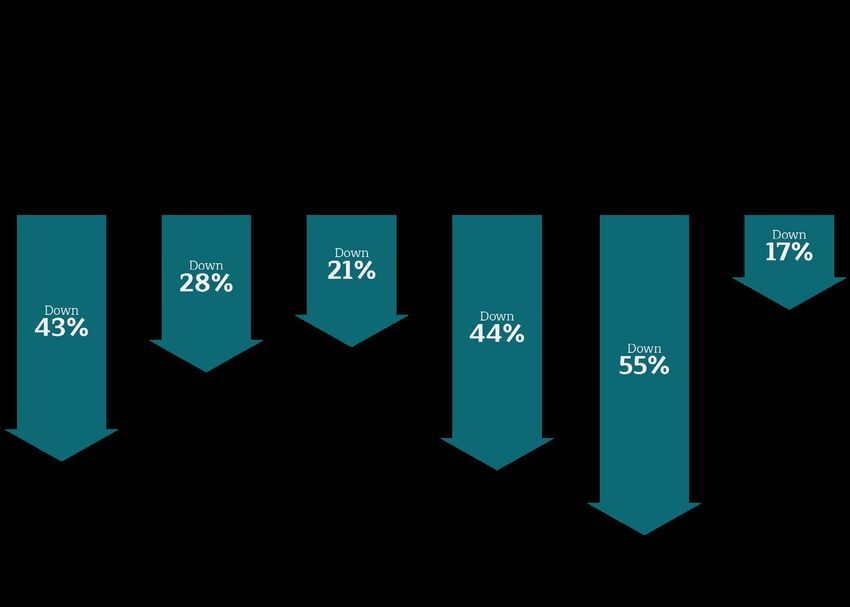
Foreword
    Sir Norman Lamb
    Chair of the Kooth Advisory Board

    In 2019 I joined as Chair of the Kooth Advisory Board with a keen interest in the role          However, the pandemic has also revealed a widening in the socio-economic gaps in UK
    integrative digital mental health care could play to improve the mental health of citizens      society. Whole communities have been left behind from a health equality perspective,
    across the globe.                                                                               more often enough being brought about by digital poverty.

    After all, we are living in an era where internet connectivity has fast asserted itself as an   As an Advisory Board, it was clear that Kooth was in a unique position to provide a
    essential utility and there is an exponential increase in the number of connected devices,      huge data set and real-time insights that could help us to identify the implications the
    such as phones, laptops and tablets, making their way into households, businesses and           pandemic was having on the mental health of the nation and explore where people were
    schools. As such, there is an expectation from the nation that the services we use to go        being left behind. We have had many debates and discussions about how best to respond
    about our daily lives are accessible 24/7, how and when we want them - this includes            to the data and ensuing trends. We wanted to do more than just publish data and say
    access to healthcare.                                                                           that there is a pending problem. Hence, we took our data, added anonymous insights
                                                                                                    from service users, researched information from third-party reports and articles, and
    It comes as no surprise that over the last few years, Kooth has seen an unparalleled shift      collaborated with experts in the field to garner their views - and with this insight the
    towards digital mental health support. Digital mental health platforms are now providing        Kooth Pulse 2021: The State of the Nation’s Mental Health report was born.
    necessary and vital support to the NHS, traditional statutory and non-statutory systems.
    In order to address the increase in demand for mental health support, the workforce
    shortages in the health sector, and the digital wants and needs of our population,
    widening accessibility to effective digital mental health services and offering access to
    high quality interventions has been, and continues to be, vital.
                                                                                                    Sir Norman Lamb
    Fast-forward to March 2020, the implications of the pandemic have further increased the         Chair of the Kooth Advisory Board
    need for additional mental health support and treatment. As the nation adapted to a more
    home-based life, there has been an even heavier reliance on technology for homeworking,
    schooling, and for social connections, this has further accelerated the switch towards
    digitally-based mental health support.

4                                                                                                                                                                                              5
Kooth Insights: the Report Data                                                                     The Impact of the Pandemic on
    Kooth is an anonymous digital mental health platform that has access to self-declared
                                                                                                        the Nation’s Mental Health
    demographic information such as age, ethnicity, geographic region, and gender but
    protects service user identity. The data for this report has been collected from over 192k          The pandemic and the subsequent lockdowns have had a clear adverse effect on the
    active, anonymous Kooth service users in NHS Fiscal Year 2020 (FY2020). Service users               mental health and wellbeing of the nation. The impact of COVID-19 has seen an 89%
    range from 10 to 85 with those between 10 to 25 forming our children and young people               upsurge in the usage by adults of Kooth’s digital mental health platform. For children and
    population.                                                                                         young people, this was 42%. With the long reaching effects - including long COVID-19,
                                                                                                        the return to work and the changing face of the workplace, unemployment and socio-
                                                                                                        economic issues - it is anticipated that this will only increase further (O’Shea, N., 2020).
                                  Children and Young People (CYP):

                                                                                                                                                                               !
                                  Since January 2020, children and young people (CYP) have
                                  been asked to complete a short questionnaire using the brief
                                  form CORE (2020) questionnaire. CORE is a session-by-session
                                  monitoring tool that is a measure of someone’s psychological/                         Key Finding
                                  emotional distress over the past week. It covers different                            Impact of the Pandemic on the Nation’s Mental Health
                                  areas of mental health e.g. symptoms, functioning, and risk.
                                  CORE has been standardised and is used widely across both
                                  clinical services and research. It is self-reported, i.e. completed
                                                                                                                        •   In FY2020, Kooth’s data revealed that 63% of under 18s

                                  by the young person. Although it is optional to fill out, 87% of                          self-presented as having severe needs.
                                  Kooth users complete the form.                                                        •   17% of adults accessing professional intervention say that
                                                                                                                            they think about hurting themselves or feel suicidal nearly
                                  Adults:                                                                                   every day - a 40% increase on the previous year.
                                  Kooth’s adult service users are asked to complete                                     •   A further 41% of users say that they feel nervous every day.
                                  standardised assessments which are widely used across
                                  clinical settings. These are the Generalised Anxiety Disorder
                                  Assessment (GAD7) (Spitzer, R. L., et al., 2006), the nine
                                  item depression scale of the Patient Health Questionnaire             63% of CYP presented in the ‘severe’ category on CORE. This varied throughout the year
                                  (PHQ9) (Kroenke, K., et al., 2001), and the Work and Social           with noticeable spikes in April and December 2020, coinciding with the first and second
                                  Adjustment Scale (“WSAS”) (Mundt, J. C., et al., 2002)                national lockdowns respectively.
                                  which is a simple and reliable measure for impairment in
                                  functioning.                                                          The average score of individual users is also notably high compared to averages produced
                                                                                                        within face-to-face services - in fact, the mean score of young people at the point of entry
                                                                                                        to Kooth is 25.9 (out of 40). Kooth will be publishing more research this year to explore
    Additional information:                                                                             this further.
    Case studies and comments from service users have been amended to preserve anonymity
    or have the express permission for use by the service user. All names are pseudonyms.
                                                                                                           Data reference: see page 8-9

6                                                                                                                                                                                                      7
CORE Measure
    Data from April 2020 - March 2021

8                                       9
Increasing severity in Kooth’s adult population

     In the last year, Kooth has seen a worrying increase in key factors of GAD, PHQ9 and   WSAS   There has been large increases in all adult respondents
     WSAS assessments in its adult population.                                                     claiming that they had been severely or very severely
                                                                                                   impaired from carrying out work (22% of respondents, and
                                                                                                   increase of 55% from FY2019). Of note:

                                                                                                   •   29% of adult respondents claimed their private leisure
           PHQ9         •   39% of respondents are feeling down, depressed, or                         activities were impaired (+24% on FY2019), and 21%
                            hopeless nearly every day - a 28% increase from FY2019.                    saying their social leisure activities were impaired (+22%
                                                                                                       on FY2019).
                        •   43% of respondents felt bad about themselves, that they
                            were a failure, or had let themselves or their family down,            •   15% of respondents claimed that they were severely
                            nearly every day - an increase of 17% from FY2019.                         or very severely impaired from carrying out home
                                                                                                       management tasks such as cooking, cleaning, and laundry
                        •   17% of respondents had suicidal or self-harm thoughts                      (+42% on FY2019).
                            nearly every day - an 40% increase from FY2019.
                                                                                                   •   23% of respondents claimed that they were severely or
                        •   49% had suicidal or self-harm thoughts for several days or                 very severely impaired in the ability to form and maintain
                            more - a 17% increase from FY2019.                                         close relationships with others, including those they live
                                                                                                       with (+11% on FY2019).

           GAD 7        There was an increase in every single category of the GAD7
                        questionnaire for those identifying in the most severe
                        category of ‘nearly every day’. The one exception was a
                        decrease in those identifying severely in being so restless it’s
                        hard to sit still.

                        •   41% of adult respondents said they felt nervous or anxious
                            every day compared to 35% the previous year - a 19%
                            increase from FY2019.

                        •   38% of adults said that they could not stop or control
                            worrying nearly every day - a 25% increase from FY2019.

10                                                                                                                                                                  11
Suicide and Self-Harm
There has been a significant rise in the proportion of male service users presenting with
issues related to self-harm and suicidal thoughts since the pandemic. This was especially
evident from August 2020, with a recent notable spike in March 2021:
Kooth has seen an increase in the proportion of service users
presenting with self-harm and suicidal ideation issues. Specifically,
Kooth has seen a large increase in male users and younger users Self-Harm
presenting with self-harm and suicidal ideation.
FY2019 FY2020
20.00%
Early intervention and prevention are crucial in providing safe spaces
% of Presenting Issues Users
15.00%
to talk for individuals experiencing suicidal ideation or self-harm.
Digital services can effectively work with people to create harm 10.00%
reduction strategies and develop safety plans. 5.00%
One of the more concerning trends we have seen over the past year has been the 0.00%
ril
ay
e
h
er
ary
r
er
y
er
ry
st
increasing prevalence of children and young people self-harming. The number of children
be
Jun
Jul
arc
gu
mb
Ap
tob
mb
ua
M
bru
cem
M
Au
Jan
pte
Oc
ve
aged between nine to twelve years of age being admitted to hospital due to self-injury has
Fe
De
No
Se
doubled in the past six years (Whitworth, D., & Maybin, S., 2020). The figures revealed
Month
that hospital admissions are now averaging almost 10 a week, having risen from 221 in
2013-2014 to 508 in 2019-2020.
Kooth’s data for the under 18 population age group demonstrates similar trends. Suicidal Thoughts
!
FY2019 FY2020
40.00%
% of Presenting Issues Users
Key Finding 30.00%
Suicide and Self-Harm
20.00%
Amongst Kooth’s 10-13 year old service users with presenting 10.00%
issues, self-harm issues are being presented by 33% more users
0.00%
than last year.
ril
ay
e
h
er
ary
r
er
y
er
ry
st
be
Jun
Jul
arc
gu
mb
Ap
tob
mb
ua
M
bru
cem
M
Au
Jan
pte
Oc
ve
Fe
For the entire CYP cohort with presenting issues, these issues
De
No
Se
were 27% more prevalent than last year. Suicidal thoughts are
Month
up 54% for the 10-13 age group.
12 13
practitioner assessment/risk profiling tools, and with a focus on the effective integration
            “I have self-harmed a few times over the past few weeks. When I do it and then my          of technology to enhance these processes. It also adopts a ‘root cause’ approach, for
            parents find out that I’ve done it, I get a lot of attention. We talk about what’s going   example through embedding trauma-focussed practice and routine enquiry as well as early
            on but that doesn’t last very long. They just forget about me after a while. They did      help and preventative initiatives. Additional support for Kooth’s practitioners who manage
            try to call my doctor but she didn’t really give me any time as she was too busy with      this increased level of acuity on a daily basis and are at significant risk of vicarious trauma
            COVID-19 stuff. I just wish they would always give me attention.”                          and burnout is a key consideration.

                                                                                                                                             !                                                    !
                                                                 Anonymous Service User, 2020

     Studies have shown that self-harm is more common amongst those with mental health                     Key Finding                                          Key Finding
     disorders, including depression, anxiety, and substance abuse disorders (Singhal, et al.,             Suicide and self harm                                Suicide and self harm

     2014). NHS data from 2017 found that over 25% of 11 to 16 year olds with a mental
     disorder reported self-harming or having attempted suicide (Mental Health of CYP in
                                                                                                           For our under 18 population                           Across our adult users, the
     England, 2017).                                                                                       who have presented with any                           numbers suggest similar findings
                                                                                                           issue, Kooth has seen a:                              with:
     Other stress factors that may lead to self-harm include if a family member self-harms or
     has attempted suicide, adverse family circumstances if the individual is in care as well as
                                                                                                           •    27% increase in users                            •   23% increase in self-harm and
                                                                                                                presenting with self-harm                            35% in suicidal thoughts since
     in relative poverty.
                                                                                                                in the past year.                                    FY2019.

     As noted above, while there are specific risk factors, there is no one cause of self-harm.            •    39% increase in those                            •   40% increase in those adults
     People who self-harm typically do so because it is the only way they feel that they can                    presenting with suicidal                             in counselling that claim
     cope with their feelings. Moreover, although self-harm is not necessarily an attempt                       thoughts versus last year.                           to have thoughts of being
     at suicide, the research is clear that those who self-harm (particularly with increasing                                                                        better off dead or hurting
     frequency) have a significant increase of contemplating suicide.                                                                                                themselves nearly every day.
                                                                                                                                                                 •   This is now self-reported by
     Digital technology is uniquely situated to provide help with early identification and
                                                                                                                                                                     17% of the adult users in
     referrals to the appropriate mental health services. A National Inquiry study into self-
                                                                                                                                                                     professional intervention on
     harm among young people found that peer support approaches are “an important
                                                                                                                                                                     Kooth.
     intervention in their own right” (Truth Hurts Report, 2006). Kooth provides counselling
     for CYP when they need it most. 63% of Kooth chats happen outside of normal working
     hours, after 5pm and on weekends. This is a crucial measure to support CYP who are self-
     harming or with suicidal thoughts.
                                                                                                               “I have no one to talk to at the moment because everyone seems to be going
                                                                                                               through a really bad time and I just don’t want to stress out anyone even more. I’m
     Kooth assesses and monitors risk continuously and across all areas of its site, both in                   really feeling isolated and have been getting panic attacks most days. The only way
     relation to risks that individuals may pose to themselves and also to others, including, for              I feel better is when I self-harm as it completely distracts me from the emotional
     example by moderating ALL submissions before publicly sharing. Through an allocated risk                  pain. My family doesn’t understand or get how I’m feeling at all so there’s no point
     status, practitioners are able to proactively reach out to those who may be most vulnerable               trying to talk to them.“
     and connect an individual’s activity across the site within one place via case notes. Kooth
     has an enhanced risk assessment and management process utilising psychometrics,                                                                                 Anonymous Service User, 2020

14                                                                                                                                                                                                       15
“
                                                                                                     Case Study

           Expert Commentary
                                                                                                    Lara (Pseudonym)
                                                                                                    •    14 years old          •   Female
                                                                                                    •    White British         •   Existing Kooth User
           Louis Appleby
           National Suicide Prevention Lead
           for England
                                                                                                        Background
           “The rise in suicide and self-harm by young people in recent years has become a
           major public health concern. As this report shows, Kooth is playing an increasing part   For the last year, Lara has been experiencing sleep issues, exacerbated by using her
           in the prevention response. It has become a vital source of support to young people      phone for ten hours per day. She also described low self-esteem and poor body image. Her
           who may be in distress.”                                                                 school had referred her to the GP who had organised an appointment with the Child and
                                                                                                    Adolescent Mental Health Service (CAMHS). Sadly, Lara’s family all contracted COVID-19
                                                                                                    and her appointment was cancelled. Unable to go to school or gain support from her family
                                                                                                    her mental health spiralled, leaving her suicidal.

                                                                                                    Kooth offered Lara an intervention immediately on discovering her high-risk presenting
     It is important to acknowledge that the best evidence on suicide trends suggests
                                                                                                    issues. A counsellor offered a full assessment which led on to regular therapeutic chat
     there was no increase in 2020.                                                                 sessions with messaging in between. This intervention encompassed creating and
                                                                                                    following a comprehensive safety plan. Lara was able to recognise triggers, use alternative
     The increases we see on Kooth could be a result of digital mental health services              self-soothing techniques and communicate fully to her parents. Lara was aware of crisis
     becoming more known and accepted as a route to support.                                        services and had a plan of action should she feel unsafe.

                                                                                                        Conclusion                                           User Feedback

                                                                                                    Kooth was able to successfully offer Lara            “I went outside!! I went on a walk
                                                                                                    a service online, immediately dealing with           with my mum and Gran • I had an
                                                                                                    and reducing risk until the lockdown was             AMAZING hair day! I’m actually
                                                                                                    over and she was able to see CAMHS. This             really proud of myself. I dealt with
                                                                                                    flexible work aimed to help Lara build               the pain so well. You reminded
                                                                                                    resilience and halt her downward spiral.             me that yeah I do want to live
                                                                                                    Through a comprehensive therapeutic and              and made me super grateful. I’m
                                                                                                    solution focussed intervention, Lara’s suicidal      so thankful for the workers too
                                                                                                    ideation reduced and her emotional wellbeing         because they were all so nice!”
                                                                                                    improved significantly meaning she could
                                                                                                    keep safe, build self-help strategies to cope,
                                                                                                    and move seamlessly into CAMHS support.

16                                                                                                                                                                                                17
Eating Difficulties Even more concerning is the fact that the pandemic is not only exacerbating symptoms
in people who were already struggling with eating difficulties, it has also triggered a
surge in young people contacting Kooth with no prior eating disorder history.
Eating difficulties are growing amongst our young people. Since the start of the pandemic,
Kooth has seen a sharp increase in eating difficulty presentations in under 18s. In
“I don’t know what’s going on with me but ever since the start of the pandemic
FY2020, Kooth handled proportionally 51% more service users presenting with eating
I’ve developed an eating disorder. I’m in a never ending cycle of binging and then
difficulties in comparison to FY2019 and 103% more than FY2018.
restricting. I can’t control it and it’s taken over all aspects of my life. My family
can’t understand me at all so I don’t bother talking to them anymore. All I want to
be able to do is eat my food without obsessing over everything. PLEASE HELP.”
CYP Eating Difficulties
Anonymous Service User, 2020
CYP 2018 CYP 2019 CYP 2020
10.00%
% of Presenting Issues Users
7.50%
For many of Kooth’s young people already struggling with eating difficulties, the
5.00%
lockdown has led to a marked worsening of existing symptoms - including binge eating,
2.50% counting calories, and over-exercising - as a way of coping with the stresses and anxiety
of the pandemic.
0.00%
ril
ay
e
h
er
ary
r
er
y
er
ry
st
be
Jun
Jul
arc
gu
mb
Ap
tob
mb
ua
M
bru
cem
M
Au
Jan
pte
Oc
ve
Fe
De
No
Se
Month
“I truly don’t know what’s going on but I think I may have an eating disorder. All of
a sudden I’ve started getting nervous around some of my favourite foods like pizza
and pasta. Slowly I’m cutting out different foods and I’m really uncomfortable when
These findings are echoed by doctors around the UK. In a survey conducted by the Royal people start mentioning food. There are days when I have stopped eating altogether.
I feel really uncomfortable in my body and am constantly body-checking and looking
College of Pediatrics and Child Health (RCPCH) (2020), paediatricians reported a three to
to see how I compare to other people. I’ve started weighing myself every day. My
fourfold increase in referrals for eating disorders since the start of the pandemic.
friends are really worried and think it’s getting out of control.”
In December 2020, the Royal College of Paediatrics and Child Health spoke to
Anonymous Service User, 2020
paediatricians to see how the pandemic was impacting their patients. Dr. Simon
Chapman, a consultant paediatrician at King’s College Hospital and South London and the
Maudsley, said “I’ve worked in eating disorders for 10 years and I have never known us to
be so busy. Referrals since March have tripled.”
“Every time I get stressed I head straight for the fridge or cupboard. It’s worse now
because I’m at home night and day. My binge disorder is just out of control right
NHS England data for Q2 2020 also reveals that the number of urgent referrals (where
now. :(.“
the individual requires immediate treatment) for children and young people has almost
doubled in the past year (CYP eating disorder waiting times, 2020). Additionally, in order
Anonymous Service User, 2020
to access potentially life-saving mental health care, young people may be expected to
travel hundreds of miles away - far away from their families and support network.
18 19The comments from Kooth service users are consistent with findings from several global Eating disorders are extremely complex conditions associated with high rates of mortality
studies looking into the impact of COVID-19 on people with eating disorders, including (Steinhausen, H., 2009). If left untreated, behaviours can become entrenched leading
studies published in the International Journal of Eating Disorders (Phillipou, A,. et al, to lifelong conditions that affect every aspect of an individual’s life. The positive news is
2020) and Eating and Weight Disorders (Nisticò, V., et al, 2021). that eating disorders can be treated. We know that the earlier a person seeks and receives
treatment, the greater their chances of making physical and mental recovery.
Service users identify several factors that have led to a worsening of eating disorder
symptoms, including:
“I don’t know what to do. I have anxiety and anorexia and because we’re in
• Lack of structure and changes to routine
lockdown I can’t get to see my medical team and therapist. Really struggling and
• ‘Zoom dysmorphia’ i.e. increased use of video conferencing technology exacerbating
having panic attacks regularly. Please help.”
body image issues Anonymous Service User, 2020
• Triggering home environments
• Isolation
• How much physical activity they were doing A recent report by the Royal College of Psychiatrists found that people with eating
• Access to treatment disorders may have to wait up to 41 months to get treatment. There is strong evidence
“
that digital resources can help to play an important role in not only taking pressure off
an overwhelmed NHS, but ultimately in saving lives (online resources helped people with
“My issue is dealing with the massive focus by the media to lose weight and anorexia, 2021). With access available 365 days of the year, Kooth can offer immediate
exercise. It’s non-stop and it’s really making me obsess and think about it.” benefits such as peer support and convenient access to qualified counsellors who are able
to provide support as well as screen and signpost young people at risk. Early intervention
Anonymous Service User, 2020 is crucial in order to save lives. Online digital platforms like Kooth can help to bridge the
gap between increases in demand for services and access to them.
With COVID-19 disrupting day-to-day medical appointments, many routine forms of
healthcare have been postponed or cancelled. For people with new or existing eating
difficulties, this has meant having to wait longer for initial appointments, having
Expert Commentary
treatment postponed or cancelled altogether, and in some extreme cases being discharged
early from specialist eating disorder units unable to operate at full capacity.
Furthermore, paediatricians have reported seeing a rise in children and young people Dr Sandeep Ranote
admitted to hospital emergency departments with acute symptoms who are in need of Psychiatrist and Eating Disorder Expert
immediate treatment and stabilisation, attributed to the reduced number of face-to-face
appointments.
“I believe that the next pandemic is our mental health one. Within this, we are
In 2015, The Access and Waiting Time Standard for Children and Young People with an already seeing a significant rise in the need for support with eating disorders. Kooth
Eating Disorder stated that 95% of children and young people referred for assessment has a vital role to play in this with its ability to deliver digital early Intervention and
or treatment for an eating disorder should receive NICE-approved treatment within one continued online therapies. Moving forward, the power will be in our partnerships
and a whole system approach to providing care for whole communities, with shared
week in urgent cases. Yet the Quarterly Children and Young People with Eating Disorder
decision making and therapeutic choice, led by the person and carers accessing
Waiting Times for Q3 2020-21, reports that only 72.7% of children and young people were
support. Kooth is ready and able to be that partner in care.“
able to start treatment within one week of referral - the lowest percentage in three years.
20 21•
•
Case Study
Dahlia (Pseudonym)
15 years old
Bangladeshi
Background
•
•
Female
New Kooth User
Expert Commentary
Hope Virgo
Eating Disorder Campaigner
“
“During the last year with the pandemic, we have seen a huge increase in the
number of people struggling with an eating disorder; and from the stockpiling to
the levels of uncertainty, we have seen more and more people struggling with this
Since the start of the COVID-19 lockdown, Dahlia had felt sad and alone. She has no energy perfect storm for people with eating disorders. With services overstretched and wider
for basic activities and has lost her appetite as well as a significant amount of weight. work needed to tackle this, we need to be looking elsewhere for that support. This is
Although Dahlia has a supportive family, she has few friends. She said that she doesn’t where digital services come into play, those creating a safe space for young people to
know how to ‘let people in’ or how to trust them. Dahlia came to Kooth for help and get that support.”
support.
Dahlia’s initial sessions discussed how the pandemic had affected her. The counsellor
looked at Dahlia’s support networks and encouraged her to talk to family and friends who
were understanding.
Dahlia needed support to build resilience and challenge unhelpful thinking patterns. She “I’m in the same situation. I’ve gone completely backwards in my recovery because
practiced affirmations to help with low self-esteem and unhelpful thoughts. She also set I’m just sat around the house doing nothing. I feel like I don’t deserve to eat or need
goals to practice self-help and self-soothing techniques in order to feel more grounded and the calories. Some nights are ok but the rest of the time I’m purging and trying to
positive. The counsellor also encouraged her to adopt healthy eating practices to ensure get rid of the calories I’ve eaten.“
she was looking after herself. Finally, Dahlia was encouraged to contact her GP for a full
assessment. Anonymous Service User, 2020
Conclusion User Feedback
Dahlia found her initial sessions “Thank you very much!”
incredibly helpful and will continue
to use Kooth. She has made an
appointment to see her GP and Kooth
will continue to support her through this
process.
22 23Black, Asian and Non-White
There has been a noticeably higher proportion of these service users registering issues
related to family relationships, loneliness, motivation, and school.
Communities For Children and Young People
Kooth’s data shows that there have been deeply worrying increases in users presenting
Black, Asian and Non-white communities have shown significantly with specific issues in FY2019 versus FY2020:
higher levels of loneliness and struggles with family relationships and
• 114% increase in motivation issues.
friendships compared to white communities. There were also greater • 83% increase in sleep difficulties.
comparative increases last year in Black children and young people • 71% increase in school/college issues.
expressing worry around school/college. • 40% increase in suicidal thoughts.
• 37% increase in eating difficulties.
• 25% increase in sadness.
We need to engage better with ethnic minorities and provide them • 19% increase in family relationships.
with access to a wide variety of routes to mental health services.
Schoolwork is often a source of stress for young people in Black, Asian and Non-white
Anonymous and unbiased digital mental health services can provide communities with a heavy focus on academic achievement.
a safe space and community for all users to explore a wide range
!
of needs. Mental health providers should focus on training and
increasing the diversity of their workforce and increasing participation
and engagement with ethnic minorities to improve understanding and Key Finding
the success of therapeutic interventions. Black, Asian and Non-White Communities
Early pandemic data from The Office of National Statistics Centre (2020) revealed that For both Black and Asian service users, there was a dramatic
Black, Asian and Non-white communities were disproportionately impacted by the increase in those presenting with school/college issues
coronavirus pandemic. However, in addition to the well documented physical effects of compared to 2019 (+102% and +50% respectively).
the pandemic, the evidence suggests that COVID-19 may also have negatively affected
the mental health of Black, Asian and Non-white communities more so than white
communities, intensifying long-standing racial inequities.
As GCSEs, AS, and A-level exams were cancelled and replaced with predicted grades,
In June 2020, The Guardian published concerning data from Kooth revealing how young
students from Black, Asian, and Non-white communities were more likely to have their
people from ethnic minorities were being adversely affected in the first few months of the
final exam grades under-predicted compared to their white peers (Weale, S. & Batty, D.,
pandemic (Campbell, D., 2020). Our latest data reveals how both young people and adults
2020). Given that worries about health, education and future prospects are so central to
from non-white communities are struggling more with certain aspects of mental health.
poor mental health in young people, this may go some way in explaining the concerning
Futhermore, of the entire Kooth service user base, a greater proportion of service users
gap between our different populations.
came from Black, Asian and Non-white communities versus last year. 34,600 more service
users from these communities have logged onto the Kooth platform than in FY2019.
24 25“
For Adults
Family relationships, suicidal thoughts, and depression are also prevalent presenting
issues among adult users of the platform, with family relationship issues increasing 11%
from last year. Loneliness, sadness, and sleep difficulties have also increased by at least
40% since last year.
!
Expert Commentary
Key Finding
Black, Asian and Non-White Communities
Steve Gilbert OBE
Mental Health Campaigner and Kooth
Advisory Board Member Kooth’s data reveals that 52% of adult service users have
presented with issues of anxiety or stress - a 12% increase
on the previous year.
“As a society, we need to do more to understand the impact on mental health for
Black, Asian and racialized communities and the barriers to accessing safe and
secure treatment that is trusted.
We need to understand the overall disparities in mental health for Black, Asian
and racialized communities at all levels, from the significantly high numbers of Mental health disparities amongst certain communities are well-documented. For
Black men that are sectioned through to the exceptionally low uptake of Child and
example, Black people are four times more likely to be detained under the Mental Health
Adolescent Mental Health Services (CAMHS) and Improving Access to Psychological
Act; Black people are 10 times more likely to receive Community Treatment Orders; Black
Therapies (IAPT) services from the South East Asian communities.
women more likely to experience common mental disorders than White women and
Most importantly, it is incumbent of all of us working in mental health that we work British South Asian women between the ages of 16-24 are more likely to self-harm than
together to implement sustainable and deliberate policies and actions to encourage White women (Carter, C., 2021).
those from Black, Asian and racialized community backgrounds to enter professional
careers in mental health, through promotion, scholarships, and awareness.” Despite this, ethnic minorities are less likely to access mental health support than White
communities for several reasons including, language barriers, racism, discrimination and
bias in treatment settings, mental health stigma, and lack of availability in their area.
26 27“
Case Study
Jemila (Pseudonym)
• 12 years old • Female
• Black-African • New Kooth User
Expert Commentary
Background
Kaljit Johal
Jemila is a new user. She is a bright and creative young woman who sometimes struggles with her
Lead for Diversity at Kooth Plc
own mental health and is just beginning to engage with the team. Jemila came to Kooth in light of
the recent Black Lives Matter movement and to highlight the need to challenge racism.
Risk & Needs Assesment Intervention “We need to promote mental wellbeing and mental health to Black, Asian and Non-
White communities. Particularly for young people, Kooth does this by promoting
role models in schools and education settings and via social media to help create
• Jemila comes to Kooth to engage in Jemila uses the safely moderated forums,
an environment of trust and choice for these communities. Working closely with
the front end of the site and currently discussion boards and the magazine in order
trusted faith and community groups is vital to create appropriate awareness and
is not motivated to engage with the to share her political views, and encourage
understanding of what services are available and how to get help and support.
counseling or emotional wellbeing critical thinking amongst her peers. Jemila was
support team. particularly keen to engage with the Black Lives
For us to truly engage with and provide the best services for Black, Asian and Non-
• Risk was set as low in light of this. Matter movement and enjoyed writing songs,
white community groups, it is imperative that we listen to the individual voices
• Jemila wanted a place to engage poetry, and thought-provoking pieces for the
and needs within these communities. Kooth has therefore invested heavily in an
positively with her peers. wider Kooth community.
engagement team to work with existing and potential users from all backgrounds as
equal partners in improving and developing our service provision so we can ensure
their needs are being met in the best way possible.
(Goals and other observed
Outcomes outcomes)
Conclusion
Providing accessible and culturally appropriate mental health services is a vital step
to narrowing the gap in outcomes. Kooth is anonymous and easily accessible via
• Jemila has set and is working on the Jemila came to Kooth to express her thoughts
your mobile phone or tablet, reducing stigma and allowing freedom to express your
following goals: and opinions on the current political climate,
feelings in a safe environment. Peer-to-peer environments are particularly important
• Tidy my bedroom encouraging her peers to think critically and
- whether virtually or in safe community settings - for people struggling with mental
• Grow my hair to my shoulders have more of a stake in their communities.
health. It is important to know that there are people like you, going through the
• Jemila continues to engage prolifically Young people like Jemila can have a huge
same struggles and from the same or similar backgrounds. At Kooth we create a
on the front end of the site, contributing positive impact on our world by encouraging
diverse range of content and peer-to-peer communities to welcome children and
creative and issue based content to be young people to engage in politics, challenging
young people from all backgrounds.”
shared with her UK-wide peers. Jemila was racism and equality. The transferable skills
encouraged to keep writing. gained from this will support her to boost her
• Jemila wrote a discussion piece which own self-esteem, setting her in greater stead to
featured on the site. begin to work on her own emotional wellbeing
as she continues to access Kooth.
28 29Families, Parenting and “I am really struggling at the moment with my mental health at home because I
live in a busy family and life is always chaotic and I feel as though I never get the
Homeschooling
chance to breathe. I also have ADHD although I haven’t told anyone in my family
about it because I know how they would react but I need to somehow tell them so
advice on that would be great. I’m the youngest in my family and I feel like I’m the
poor kid that’s always getting bullied except it’s my parents who are the bully’s and
In 2020 the disruption to school and working life, resulted in months of homeschooling they just can’t accept me and if I say anything about my opinion on something then
running in parallel with homeworking. Stretched families tried to balance working I’m in the doghouse when at school I’m always getting told that I should voice my
virtually and in workplaces, with trying to parent. And children had to adapt to extended opinion. I’m never rude about it and I always try to see both sides of a story, but I
periods away from their peer group and the structure of the school environment. wish my parents could too because then life might actually be [sic] bearable. If you
have any advice I would really appreciate it.“
For Children and Young People
Anonymous Service User, 2020
The pandemic has caused a rise in a wide number of presenting issues for children and
young people. Kooth data reveals that there has been an increase in:
In addition to those areas where Kooth data shows heightened concerns, it also reveals a
real reduction in factors causing day-to-day challenges for school children:
30 31“Hello, I find social situations with new people hard because I feel like I’m a “I am a Mother juggling a job and children and house etc etc. My daughter is
naturally awkward person and I don’t know what to say to seem likeable. Even showing signs of lacking attention and I am trying my best to give time to her and
with people I am friends with sometimes I feel as though I’m awkward and my son who also needs help to stay on track, all the time they’re not really doing
uncomfortable to be around. what they could. Their Dad doesn’t get involved, like a positive input just gets angry
and tells them off if they do something wrong so I’m trying to ward that off too and
I often feel like I am the only one who experiences it, as no one else around me while trying to do my job and look after mental health - it’s hard, it’s so hard and I
seems to have the issue - does this happen to anyone else?” get where you’re coming from.
When I can I go for a walk and listen to my music or a podcast, or I’ll take myself
Anonymous Service User, 2020 away to my bedroom for 5 mins or so. I think we have to just try and accept that we
are doing our best and we can not do anymore. One more thing that’s helped me is
“
talking on here or to someone that I think I can trust.”
For Parents Anonymous Service User, 2020
During the pandemic, one of the recurring themes for parental concern was the struggle
to access support and care for their children via CAMHS, schools, and special educational
needs (SEN) schemes. Kooth’s data for this population shows there was also an increase
in specific presenting issues including:
Expert Commentary
Dr Lynne Green
Consultant Clinical Psychologist and
Chief Clinical Officer at Kooth plc:
“There is a strong evidence base for parenting interventions to support positive
outcomes for children with mental health difficulties. However, there is a difference
between ‘parenting interventions’ and ‘interventions for parents’.
Sometimes, what parents want and need is support for themselves regarding their
own mental health, stressors and juggling demands and indeed this can have an
extremely positive impact on their children - without the need for a more targeted
(and sometimes costly) intervention aimed at parenting skills specifically.”
32 33University Students
“Online learning is so challenging. I’m finding it really hard to stay motivated and
work and the whole situation is making me so anxious. It’s also impacted me socially
as I haven’t got anyone to talk to and it’s just made me feel so lonely and isolated.
’It’s the opposite of what I thought my university experience would be like.”
University students are a vulnerable population. In addition to coping with academic
pressures, they are also faced with unique concerns, from financial and social changes, Anonymous Service User, 2020
to adjusting to life away from family and friends. These can have a significant impact on
their mental health. While mental health stressors have been a major issue for students
for several years, the pandemic has only exacerbated a growing crisis.
Kooth has seen a 25% uptake in student counselling since the start of the pandemic.
Furthermore, the data shows the total number of students presenting with mental health “I’ve never felt so lonely in my life. I only started university this year and have
issues has increased in the following areas: found the whole thing so challenging. In fact, it’s impacted my mental health
so much that I have ever spent the past month mostly in bed. I just don’t know
whether to even continue with it anymore. I have some support from my boyfriend
but we’re not living together and I don’t want to put it all on him”.
Anonymous Service User, 2020
“I’ve got deadlines looming and I’ve barely started my essays. Got no motivation
whatsoever because of COVID-19 and the personal stuff that’s going on for me.
Every day I think it’s going to feel different but it’s just not happening.”
In the past decade, there have been rising numbers of students struggling to cope
Anonymous Service User, 2020
with university life. Data analysed by the Press Association revealed that two-thirds
of universities recorded an increase in student drop-out over the past five years. In
2015/16, there was a fivefold increase in the number of students reporting a mental
health problem, while at the same time, 94% of higher education institutions reported
an increase in demand for counselling services (Thorley, C., 2017). Of increasing concern,
is the rise in student suicide rates. Between 2007-2015, the number of student suicides
increased by 79%. Despite the government launching initiatives like a student mental “OMG, I feel exactly like that too. Loved my first year but this year has been crap.
I’ve lost all motivation for my course. It’s not like the workload has eased up during
health task force and the University Mental Health Charter (co-created with Student
this, if anything it’s worse and I just can’t do it. It’s making me feel ill. Does anyone
Minds), demands on services continue to outpace supply.
else feel like this?”
With campuses around the country closed, students have grappled with the switch to
Anonymous Service User, 2020
online learning and social isolation from their peers. This has led to increased rates of
mental health issues.
34 35University Institutional Case Study
At a time when university students have been both socially and physically isolated from
their peers, Kooth has seen a large spike in the number of peer support discussions on
the topic of schools (“School” forum is defined as any forum with any of the following key
terms: college, education, e-learning, exam, school, university):
“Our shared vision is for UK universities to be places that promote mental health and
wellbeing, enabling all students and all staff to thrive and succeed to their best potential.”
Forum Engagement: FY2020 vs. FY2019
Universities UK, 2020
60.00%
FY2020 vs. FY2019 % Difference
There is a compelling vision and strategy for scaling mental health support set-out in 3
40.00%
initiatives:
• Stepchange: mentally healthy universities, 2020.
20.00%
• Suicide Safer Universities Guide, 2018
• The University Mental Health Charter
0.00%
Total Users Logging In Forums Forum Comments In 2017, Steve West, Vice Chancellor at The University of West of England (UWE), led the way
by embarking on a stepchange, whole university approach. He describes mental health as a
‘team sport’ with 3 essential skills:
• There has been a huge increase in forum activity this year: forum comments have
increased by 51%. 1. Spotting the signs (engagement in academic and non-academic activities for example)
• This has been driven by a 20% increase in forum comments per person. 2. Having conversations and encouraging disclosure
• 21% of all CYPs that logged in to Kooth engaged with a forum in FY2020. 3. Giving hope and providing structured and continuous care and support.
Steve has been implementing this strategy to align people, process and technology to aid in the
Despite the government taking steps to address the situation, mental health provision
promotion of mental health, prevention of crisis, provision of intervention, and postvention,
for university students continues to be stretched. The UK offers its students a world-class
in addition to learning from past stories and data. He brought in Kooth in 2017 to complement
education yet without increased funding and long-term investment, the universities will student support and help further their vision for mental health support at UWE.
fail some of the country’s most vulnerable and brightest. Given that one in four students
are likely to experience mental health issues each year (Smith, M. 2016), it is imperative
that we act now.
UWE digital support for a mentally healthy university
“Mental Health is a team sport, it’s everybody’s business. Kooth is on the UWE
DOMAINS Community Self-Help Immediate Goal Feedback
team, partnering support services and giving staff a further signposting option. Peer Support Counselling (Evidence Based)
Importantly, Kooth is alongside our students providing them constant access to a
Learn ✓ ✓ ✓ ✓
choice of interventions, including counselling by chat for those who are suffering or
struggling, but who wish to remain anonymous.”
Support ✓ ✓ ✓ ✓
Live ✓ ✓ ✓ ✓
Work ✓ ✓ ✓ ✓
Steve West, University of West England
36 37“
Over 1,000 students logged into Kooth from UWE in the last calendar year, with issues
from anxiety through to suicidal thoughts. Kooth worked closely with UWE to ensure that
the Kooth student service was embedded into its pathways for mental health support,
not as a stand-alone application operating in isolation. 92% of students said they would
recommend the service to other students. Expert Commentary
The service is now available to the university sector to help tackle challenges including:
Larissa Kennedy
• Reducing transition risk by being alongside ‘freshers’.
NUS National President
• Providing an anonymous alternative to student support.
• Shortening and triaging support queues.
• Encouraging disclosure, providing structured support, and accredited counselling.
“It should be no surprise that the majority of students have experienced
• Promoting early intervention - particularly for those with suicidal ideation. deteriorating mental health as a result of the pandemic. It is deeply troubling that
students are not getting the support that they need, with only 29 percent of those
reporting worse mental health accessing services.
Case Study
Students deserve better than their treatment this year. It is time for governments
to fund university, college and NHS mental health services to ensure all students
Gem (Pseudonym) can get the support they require. Students’ unions also need greater investment to
continue to provide essential services to students.
• 20 years old • Male
• Black (Other) • Kooth Student User Covid-19 has not had an equal impact on all and has further entrenched the
disadvantage that marginalised groups feel. Targeted support must be offered to
students of colour, disabled students, student parents and LGBT+ students, and
funding should be provided to mental health charities working with these groups.
Background Intervention We must tackle the root of these issues. There was already a mental health crisis
on campus that has been exacerbated by Covid-19. To alleviate this crisis students
Gem is an international student studying We encouraged Gem to look at ways to need greater financial support, rent rebates and investment to tackle digital
at university. He expressed concerns about feel more connected with flat mates and poverty.”
loneliness and lack of socialisation and reach out digitally to family and friends.
feels these issues have ‘increased’ due to Gem also explored problems with a
Covid 19. Gem was finding it hard to find language barrier. We were able to praise
his place, missing his family and logged on how well he was communicating and build
to Kooth for help and support. confidence here. Gem also mentioned
financial strains as working became
impossible with lockdown. We supported
Conclusion
Gem practically to access his university
hardship fund.
Gem began to feel more in control of his
situation, making small steps to improve
his mood, leading to an increase in his
resilience.
38 39Working Age Adults
The unprecedented health and economic crisis caused work disruption on an unparalleled Problems at work FY2019 Problems at work FY2020
5.00%
scale. Across the UK, the three lockdowns forced many companies to close offices and
transition their employees to remote working.
4.00%
% of Presenting Issues Users
It didn’t end there, many firms had to make difficult decisions to furlough or lay off 3.00%
workers to simply stay afloat. While the focus for many organisations has been to preserve
business continuity and protect the health and safety of employees, the emotional and 2.00%
mental health of their workers is a factor they can no longer afford to ignore.
1.00%
Although working from home has offered some benefits - no commute, no dress code, and 0.00%
increased autonomy - it’s become apparent that twelve plus months of uncertainty, stress,
ril
ay
e
h
er
ary
r
er
y
er
ry
st
be
Jun
Jul
arc
gu
mb
Ap
tob
mb
ua
M
bru
cem
and isolation has placed a heavy toll on employees’ wellbeing.
M
Au
Jan
pte
Oc
ve
Fe
De
No
Se
Kooth’s data reveals the profound impact COVID-19 had had on the mental health of
Month
working adults.:
• Sadness has increased over the last year, and in 2020 is significantly higher than
the same months in 2019 (despite a slight decline in December 2020 and except
for January). In July 2020, Kooth saw a 129% increase in the proportion of users Sadness FY2019 Sadness FY2020
presenting with sadness. 10.00%
• Sleep difficulties have been consistently more common compared to the previous
% of Presenting Issues Users
year. In November 2020, sleep difficulties were 106% more prevalent than in 2019. 7.50%
• Suicidal thoughts have also been increasing over the past year, with significant spikes
in November and December 2020. In February 2021, 27% of all adults presenting 5.00%
issues displayed issues of suicidal thoughts.
• Self-Harm issues have been rising among adults and have been worse than the 2.50%
previous year in every month since August 2020, and most prominently in February
and March 2021. 0.00%
ril
ay
e
h
er
ary
r
er
y
er
ry
st
be
Jun
Jul
arc
gu
mb
Ap
tob
mb
ua
M
bru
cem
M
Au
Jan
pte
Oc
ve
Fe
De
No
Se
Month of date
40 41Further Kooth data further reveals the severity of the problem. Using the Work and Social
Adjustment Scale (WSAS) to measure functioning, there has been a 54% increase in the
number of service users reporting that their ability to work has been severely impaired,
compared to last year.
Self Harm FY2019 Self Harm FY2020
20.00%
15.00% “Struggling to stay on top of things. I thought that I had managed to get myself
% of Presenting Issues Users
back on an even keel after the first lockdown but now I’ve got the kids around all
the time again and all the pressures of work, I’m just losing it again. Honestly, I
10.00% would be quite happy to just fall asleep and have someone wake me when this
nightmare is over.”
5.00%
Anonymous User, 2020
0.00%
ril
ay
e
h
er
ary
r
er
y
er
ry
st
be
Jun
Jul
arc
gu
mb
Ap
tob
mb
ua
M
bru
cem
M
Au
Jan
pte
Oc
ve
Fe
De
No
Se
“I used to really love my job but since the pandemic, I feel like I have more and
Month of date
more piled on me. It’s non-stop and just doesn’t slow down at all. I tried to speak
up but was effectively told that I should feel lucky to have my job given the current
economic situation. I truly don’t know what to do anymore. All I do is is feel sick and
stressed and guilty. Is it me? Should I just deal with it?”
Suicidal Thoughts FY2019 Suicidal Thoughts FY2020
Anonymous User, 2020
30.00%
% of Presenting Issues Users
Pre-COVID-19 analysis by Deloitte (Parsons, L., & Gibson, S., 2020) found that mental
20.00%
health-related issues were costing UK firms up to £45 billion a year; the Sainsbury Centre
for Mental Health estimates that businesses could save up to £8 billion a year if they
implemented effective mental health policies (Removing Barriers, 2009).
10.00%
As business leaders prepare to navigate the new reality after COVID-19, it is likely staff
0.00%
will be turning to their employers for additional support and resources as they struggle to
cope. And although mental health has been a focus in workplaces for some time, a 2019
ril
ay
e
h
er
ary
r
er
y
er
ry
st
be
Jun
Jul
arc
gu
mb
Ap
tob
mb
ua
M
bru
cem
study found that only two in 10 small and medium-sized businesses have a health and
M
Au
Jan
pte
Oc
ve
Fe
De
No
wellbeing strategy in place (Hall, A,. 2019).
Se
Month of date
The COVID-19 pandemic has left people suffering and struggling. 74% of employees
report their mental health has been negatively impacted (Aetna International Release,
42 43You can also read


