Outdoor Recreation Management Strategy - for Brisbane's Natural Areas 2011-2021 - Amazon AWS
←
→
Page content transcription
If your browser does not render page correctly, please read the page content below
Outdoor Recreation
Management Strategy
for Brisbane’s Natural Areas 2011-2021

 1   Outdoor Recreation Management Strategy for Brisbane’s Natural Areas 2011-2021
2 Outdoor Recreation Management Strategy for Brisbane’s Natural Areas 2011-2021
A message from the Lord Mayor
                        Brisbane City Council’s Living in Brisbane 2026 vision reflects the
                        community’s desire to create and preserve a clean and green city,
                        and to provide opportunities to be active and healthy in a safe,
                        friendly environment.

As Lord Mayor of this beautiful city, I am committed to           This strategy proposes a number of actions for Brisbane’s
encouraging active and healthy lifestyles. Our subtropical        natural areas that Council may take to ensure that we
climate and wealth of open spaces makes Brisbane an               get the balance right between visitor access and the
ideal location for residents and visitors to enjoy outdoor        protection of their values. It also introduces a guide
recreation activities such as picnicking, bushwalking and         on how you can look after your natural areas and assist
rock climbing.                                                    Council in ensuring outdoor recreation activities are
                                                                  sustainable, safe and enjoyable.
In order for us all to enjoy the benefits of residing in one
of the world’s most liveable cities, and be able to pass          This is an important strategy for Brisbane’s future to
on those benefits to future generations, we must make             ensure our city continues to be a great place to work,
responsible decisions now to ensure a sustainable future.         live and play.

Brisbane is Australia’s most biodiverse capital city, with
more than 8000 hectares of natural areas in Council
management. Of this, more than 3000 hectares has been
acquired through our Bushland Acquisition program
over the past 20 years. This program has contributed
to preserving valuable habitat for native plants and
animals while also creating some unique opportunities for         Graham Quirk
residents and visitors to our bushland and wetland areas.         LORD MAYOR

To maintain a balance between providing for the
management of outdoor recreation and ensuring
our environmental values are preserved, Council has
developed the Outdoor Recreation Management Strategy
for Brisbane’s Natural Areas 2011-2021.

                                                Outdoor Recreation Management Strategy for Brisbane’s Natural Areas 2011-2021   3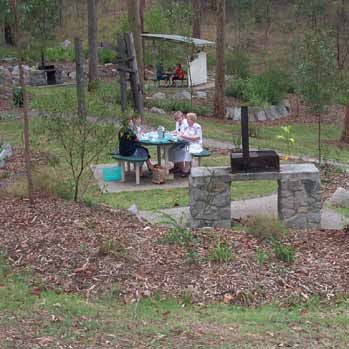
Living in Brisbane 2026
Our shared vision –

Council’s vision for the future and how we can work together to reach our goals
‘Brisbane will be internationally renowned as the ‘active, healthy lifestyle city’
that allows time for everyone to have an active lifestyle. All Brisbane residents,
regardless of age, gender and ability will be encouraged and supported in their
choices of physical exercise, play or sport.’
‘Brisbane residents will have easy access to waterways for diverse uses – to kayak
and canoe in the wetlands and creeks….’
‘Brisbane will provide space for ‘nature in the city’ – with a wealth of native plants
and animals – by preserving the critical amount of natural habitat on public and
private lands, and by reconnecting ecological corridors for wildlife movement.
Brisbane will continue to be Australia’s capital city with the highest level of
biodiversity. We will achieve this goal through a partnership with the community,
business, Queensland Government and local councils from the South East
Queensland region.’
‘In 2026, Brisbane residents and visitors will value and appreciate all that their city
has to offer with little intrusion into their liberties. Brisbane will be a place where
everyone feels safe, without fear for their personal safety or property security –
in their homes, streets, parks and travelling throughout the city.’

4   Outdoor Recreation Management Strategy for Brisbane’s Natural Areas 2011-2021
Contents
1    Introduction and purpose.............................................7

2    Areas and outdoor recreation activities
     addressed in this strategy............................................7

3    Outdoor recreation in South East Queensland.........7

4    Outdoor recreation in Brisbane’s natural areas........8

5    The strategy..................................................................10

6    Looking after natural areas........................................12

7    Outdoor recreation activities and actions...............12

     7.1 Bushwalking, cycling and horse riding...................12

     7.2 Picnicking and nature study....................................13

     7.3 Canoeing, kayaking and fishing..............................13

     7.4 Orienteering and geocaching................................14

     7.5 Rock climbing and abseiling...................................14

8    The way forward .........................................................15

9    Links and further information....................................16

10 Glossary.........................................................................17

Appendix
1 How to look after your natural areas ......................18

Map
1 Natural areas included in this strategy......................9

                                                                  Outdoor Recreation Management Strategy for Brisbane’s Natural Areas 2011-2021   5
The Outdoor Recreation Management Strategy at a glance

              GOAL                         Sustainable outdoor recreation in Brisbane’s natural areas.

                         HOW BRISBANE CITY COUNCIL WILL ACHIEVE THIS GOAL

                                           1. Manage outdoor recreation to ensure the protection of
                                              environmental values.
                                           2. Provide a diverse and accessible network of outdoor
          OBJECTIVES                          recreation opportunities.
                                           3. Help create an informed and educated community.
                                           4. Participate in regional collaboration and partnerships.

                                           1.1 When planning and managing outdoor recreation,
                                               ensure environmental values are assessed and protected.
                                           1.2 Manage the impacts of outdoor recreation activities in natural areas.
                                           2.1 Provide a diverse range of outdoor recreation experiences appropriate
                                               for the landscape setting of an area and ensure that they are supported
                                               by suitable facilities and infrastructure.
                                           2.2 Actively manage and support outdoor recreation activities.
          STRATEGIES                       2.3 Be adaptive to new and emerging outdoor recreation activities
                                               and trends.
                                           3.1 Where possible and appropriate, engage with clubs and groups
                                               involved in outdoor recreation opportunities.
                                           3.2 Provide information on outdoor recreation opportunities.
                                           3.3 Encourage an appreciation of the natural values of our natural areas.
                                           4.1 Maintain regional partnerships for the planning and management
                                               of outdoor recreation in natural areas.

                                           Actions for each of these groups of activities.
                                           •    Bushwalking, cycling and horse riding.
      ACTIVITY-SPECIFIC                    •    Picnicking and nature study.
          ACTIONS                          •    Canoeing, kayaking and fishing.
                                           •    Orienteering and geocaching.
                                           •    Rock climbing and abseiling.

                                           To optimise the natural and cultural values of Brisbane’s natural areas while
           OUTCOME
                                           ensuring that visitor access and use is nature-based and sustainable.

6   Outdoor Recreation Management Strategy for Brisbane’s Natural Areas 2011-2021
1. Introduction and purpose                                      The following activities, while considered to be outdoor
                                                                 recreation, are not permitted in Brisbane City Council
The purpose of this strategy is to provide a framework to        natural areas.
ensure that outdoor recreation management in Brisbane’s          • Driving motor vehicles including four-wheel-drive
natural areas can respond to a growing community and an             vehicles.
increase in demand for outdoor recreation opportunities          • Riding off-road motorcycles1 including trail bikes,
while protecting the many values of these areas.                    motocross bikes, enduro bikes, quads and similar
Council owned and/or managed natural areas have                     motorised vehicles.
significant environmental values that we need to protect         • Electric or self-propelled vehicles.
and outdoor recreation activities have the potential             • Hunting, archery1, shooting.
to impact on these. Council recognises that outdoor              • Camping, including campervans and caravans.
recreation in natural areas is a legitimate use, however         • Fossicking, collecting.
not all activities can be catered for.                           • Ropes courses.

This strategy only addresses outdoor recreation in natural       Brisbane residents are also fortunate to have within easy
areas owned and/or managed by Council and adopts                 reach a number of Queensland Government-managed
the Queensland Department of Local Government and                areas such as the Brisbane River, water catchments,
Planning definition of outdoor recreation:                       state forests, marine parks such as Moreton Bay and
                                                                 national parks such as D’Aguilar National Park. The
‘Outdoor recreation includes a range of leisure, recreation      outdoor recreation opportunities offered by these areas
or sport activities, undertaken in natural, rural and urban      complement those offered in Council’s natural areas.
open space.’

Community feedback from the draft strategy, existing             3. Outdoor recreation in South
Council plans and policies, and outdoor recreation                  East Queensland
industry reporting and planning (including trends and
                                                                 The South East Queensland Regional Outdoor
developments in outdoor recreation across Australia)
                                                                 Recreation Strategy Discussion Paper 2007 states that
have been considered in the development of this strategy.
                                                                 each year 170 million outdoor recreation activities are
                                                                 undertaken across SEQ, worth an estimated $1 billion
2. Areas and outdoor recreation                                  to the region’s economy.
   activities addressed in
                                                                 Outdoor recreation activities occur on privately-owned
   this strategy
                                                                 lands, local government lands and state land such as
This strategy identifies outdoor recreation activities that      water catchments, national parks and state forests.
Council will consider in accordance with our natural area        Council therefore supports a regional approach to
management principles. The activities in this strategy           the management and provision of outdoor recreation
focus on those that take place in Council owned and/or           opportunities. The following documents support the
managed natural areas and have been categorised into             management of outdoor recreation opportunities across
the following five main groups.                                  the region and were considered during the development
• Bushwalking, cycling and horse riding.                         of this strategy.
• Picnicking and nature study.                                   • South East Queensland Outdoor Recreation
• Orienteering and geocaching.                                       Strategy 2010.
• Canoeing, kayaking and fishing.                                • Draft Queensland Greenspace Strategy 2010.
• Rock climbing and abseiling.                                   • Queensland Outdoor Industry Survey 2008.
Many of Brisbane’s natural areas are relatively small and        • South East Queensland Outdoor Recreation
isolated in comparison with other sites across South                 Demand Study 2007.
East Queensland (SEQ). This is a limiting factor when            • South East Queensland Regional Outdoor Recreation
considering the range of activities and the scale of visitor         Strategy Discussion Paper 2007.
access and use.                                                  • South East Queensland Active Trails Strategy 2007.
                                                                 • Plans and strategies by surrounding local
                                                                     governments.

                                                                 1
                                                                  It should be noted that archery and riding off-road vehicles
                                                                 such as trail bikes may be allowed in some Council parks via
                                                                 appropriate lease/licence conditions.

                                               Outdoor Recreation Management Strategy for Brisbane’s Natural Areas 2011-2021     7
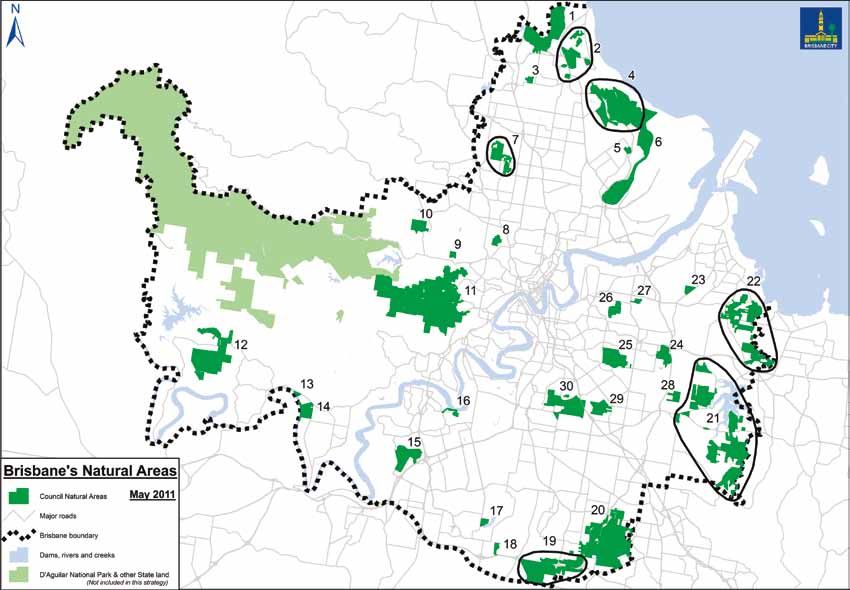
4. Outdoor recreation in Brisbane’s                                This strategy applies to Council reserves that are
                                                                   managed as natural areas. These include:
   natural areas
While it may be desirable to provide opportunities for
all outdoor recreation pursuits within our city, the reality
                                                                       NORTH
is that some activities have to be provided outside of                 No. Natural area
Brisbane or by agencies other than Council. Similarly,
                                                                       1     Tinchi Tamba Wetlands Reserve
the scale of some activities may require them to be
                                                                       2     North-East Wetlands
accommodated outside of our natural areas.
                                                                       3     Telegraph Road Park
Brisbane City Council manages more than 8000 hectares                  4     Boondall Wetlands
of natural areas within a total park estate of more than               5     Nudgee Waterhole Reserve
14,000 hectares (June 2011). The variety of park types                 6     Kedron Brook Floodway Park
across the city provides the community with a diversity                7     Chermside Hills Reserve
of choice when recreating outdoors. This also provides
Council with flexibility when choosing locations for the
range of recreation pursuits which the community enjoys.               WEST
Some activities will be appropriate for our urban parks                No. Natural area
and others will be suitable for natural areas.
                                                                       8     Banks Street Reserve
Brisbane’s natural areas comprise bushlands, wetlands,                 9     Ashgrove Scenic Reserve
waterways and habitat corridors. These areas were                      10    Levitt Road Park (Keperra Bushland)
originally protected from development for many                         11    Mt Coot-tha Reserve
reasons but the protection and enhancement of areas                    12    Lake Manchester Road Park
of ecological and biodiversity value has always been                         and Lake Manchester Road
a fundamental management outcome.                                      13    Mt Crosby Road Park
In recognition of rock climbing, abseiling and bouldering              14    Anstead Bushland Reserve
at Kangaroo Point Cliffs these activities have been                    16    Fort Road Bushland (adjoining bushland
included in this strategy. The city’s natural areas do not                   on escarpment of Rocks Riverside
provide opportunities for these activities due to the lack                   Park included)
of suitable locations.

                                                                       SOUTH
                                                                       No. Natural area

                                                                       15    Pooh Corner and Wacol Bushlands
                                                                       17    Blunder Creek Reserve
                                                                       18    Sergeant Dan Stiller Memorial Reserve
                                                                       19    Karawatha-Greenbank Corridor
                                                                       20    Karawatha Forest Park
                                                                       30    Toohey Forest Park

                                                                       EAST
                                                                       No. Natural area

                                                                       21    Brisbane Koala Bushlands
                                                                       22    Bayside Parklands
                                                                       23    Fleming Road Park (Hemmant Quarry Reserve)
                                                                       24    Belmont Hills Bushland
                                                                       25    Whites Hill Reserve
                                                                       26    Seven Hills Bushland Reserve
                                                                       27    Cannon Hill Bushland Reserve
                                                                       28    Mt Petrie Road Park
                                                                       29    Mt Gravatt Outlook Reserve

                                                                   (see Map 1 for further details)

8    Outdoor Recreation Management Strategy for Brisbane’s Natural Areas 2011-2021
Map 1 – Natural areas included in this strategy

                                      Outdoor Recreation Management Strategy for Brisbane’s Natural Areas 2011-2021   9
5. The strategy                                                    • Engaging the community in planning and
                                                                     management of natural areas.
The goal of this strategy is ’sustainable outdoor                  • Encouraging participation in outdoor recreation.
recreation in Brisbane’s natural areas’.                           • Partnerships with private landholders and industry.
The underlying principles that contribute to sustainable           • Monitoring activities and implementing adaptive
planning and management of our natural areas include                 management.
the following.                                                     • Being responsive to changing ecological, economic
• Protecting and conserving biodiversity.                            and social objectives.
• Recognising and protecting ecosystem services.                   • Complying with relevant legislation, standards, policy
• Providing a diversity of recreational opportunities.               and guidelines.
• Providing safe and accessible recreational                       The objectives, strategies and actions of this strategy set
   opportunities.                                                  clear direction on how Council will achieve the goal of
• Planning for and managing desired user experiences               sustainable outdoor recreation in our natural areas.
   and demand for activities.

     Objective 1
     Manage outdoor recreation to ensure the protection of environmental values

     Strategies                                                   Priority actions

     1.1 When planning and managing outdoor                       • Apply environmental assessment methodology
         recreation, ensure environmental values                    to plan and manage outdoor recreation activities
         are assessed and protected.                                across the network.

                                                                  • Continue to use existing and new Council plans,
                                                                    policies, procedures and guidelines to ensure
                                                                    environmental values are protected when planning
                                                                    and managing outdoor recreation.

     1.2 Manage the impacts of outdoor recreation                 • Use information gathered from outdoor recreation,
         activities in natural areas.                               biodiversity monitoring and research programs,
                                                                    and adapt management practices to ensure the
                                                                    protection of environmental values.

     Objective 2
     Provide a diverse and accessible network of outdoor recreation opportunities

     Strategies                                                   Priority actions

     2.1 Provide a diverse range of outdoor recreation            • Implement the Landscape Classification System
         experiences appropriate for the landscape                  across the natural area network and apply the
         setting of an area and that are supported by               outcomes to future planning and management.
         suitable facilities and infrastructure.
                                                                  • Provide high-quality, safe and sustainable outdoor
                                                                    recreation infrastructure and facilities appropriate
                                                                    to the activity selected for the landscape setting.

     2.2 Actively manage and support outdoor                      • Develop policies, procedures and guidelines that
         recreation activities.                                     assist in the implementation of this strategy.
                                                                  • Develop and/or update natural area management
                                                                    plans to include implementation of this strategy
                                                                    and associated policies, procedures and guidelines.

     2.3 Be adaptive to new and emerging outdoor                  • Monitor, assess and plan how we manage new
         recreation activities and trends.                          outdoor recreation activities, trends and demands.

10   Outdoor Recreation Management Strategy for Brisbane’s Natural Areas 2011-2021
Objective 3
Help create an informed and educated community
Strategies Priority actions
3.1 Where possible and appropriate, engage with • Improve systems and processes to ensure that clubs
clubs and groups involved in outdoor recreation and/or groups conduct well-managed activities.
opportunities.
• Help promote Council-supported club and group
codes of practice.
3.2 Provide information on outdoor recreation • Explore new ways to inform the community about
opportunities. where to go, what to do and how to do outdoor
recreation activities sustainably.
3.3 Encourage an appreciation of the natural values • Continue to deliver environmental education
of our natural areas. programs focussing on natural area values through
our environment centres.
• Promote nature conservation and sustainable
visitation through improved information and
community engagement.
Objective 4
Participate in regional collaboration and partnerships
Strategy Priority actions
4.1 Maintain regional partnerships for the planning • Work with regional outdoor recreation partners
and management of outdoor recreation in including the Queensland Government, other local
natural areas. governments and non-government organisations to
plan for outdoor recreation on a regional scale.
• Continue to work with regional partners as part of
ongoing training and development of staff and
outdoor recreation participants.
Outdoor Recreation Management Strategy for Brisbane’s Natural Areas 2011-2021 116. Looking after natural areas
Council has developed a list of desired behaviours listed
in Appendix 1, with the aim of educating natural area
7.1 Bushwalking, cycling and
visitors about how they can help protect the natural values
of these areas and ensure that everyone enjoys their
horse riding
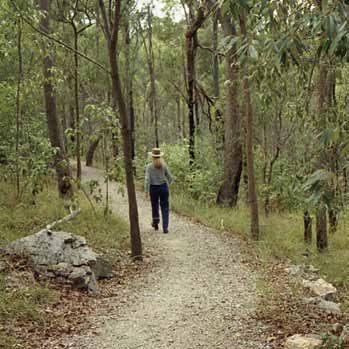
outdoor recreation experience. Brisbane’s natural areas provide hundreds of kilometres
of different paths, tracks and trails that are used by a
Such information can also be found in Council’s track map
large number of people whether they are walking, cycling
series for natural areas. For details refer to the ‘Links and
or horse riding. With increasing use of these trails by
further information’ section.
different user groups, it is essential that the trail network is
Some groups and clubs have developed minimum managed to ensure that facilities are safe and sustainable.
codes of practice for the safe and sustainable conduct of
Council promotes trail-based recreation through the
specific outdoor recreation activities. Knowing how these
popular track map series, which currently covers nine
standards apply to activities can ensure they are safe,
natural areas. Within our natural areas we have walking
enjoyable and sustainable. For details refer to ‘Links
tracks that offer great views from lookouts, allow people
and further information’ section.
to get up close and experience waterways and wetlands,
and see a diversity of ecosystems.
7. Outdoor recreation activities
and actions Our natural areas also offer a variety of cycling facilities,
from sealed pathways to unsealed multi-use trails and
The implementation of this strategy and future planning
single-width mountain bike trails. Mt Coot-tha Reserve is
for outdoor recreation in our natural areas will incorporate
currently the only Council-approved site in Brisbane with
a broad range of planning tools including new plans and
designated single-width mountain bike trails.
policies, an environmental assessment framework, the
Landscape Classification System (LCS), latest industry Horse riding is also a popular activity in natural areas and
updates and results from on-ground surveys, auditing and surrounding semi-rural areas. Mt Coot-tha Forest and
monitoring programs. Brisbane Koala Bushlands offer trails for use by horse
riders. There are also many other opportunities within
In March 2010, Council commissioned external consultants
South East Queensland, including regional trails in the
(led by Lloyd Consulting) to complete the BCC Bushland
Brisbane Valley.
Trail-Based Outdoor Recreation Assessment report to
determine the suitability of seven of our natural areas to Council’s priority actions.
accommodate additional mountain biking opportunities. • Implement a track classification system across the city.
The assessment methodology applied an ecological • Where possible, provide multi-use trails for use
assessment framework to provide direction. This by walkers, cyclists and horse riders and utilise
framework, as well as the results of this report, will be appropriate facility design, codes of practice and
adapted for future planning. regulatory signage to reduce conflict between users.
• Continue to educate the community that if dogs are
One of the strategy’s aims is to provide a diverse and
walked in reserves, they need to be on a leash and
accessible network of outdoor recreation opportunities
that there are approved off-leash areas in some
and the LCS is one way this can be planned and
Council parks.
managed. The LCS is currently used by the Department
• Where possible, create linked tracks and trails with
of Environment and Resource Management and is a tool
adjoining state and local government natural areas.
for determining the type of experience that visitors can
expect, based on the level of ‘naturalness’ of a setting (or
a place). The naturalness is determined by biophysical, Case study
social and managerial features of a site. Mt Coot-tha Trail Care program
Ongoing management of activities will include an Council runs a volunteer-based program to look
adaptive approach based on audits and monitoring after trails in Mt Coot-tha Forest. Volunteer mountain
the level of use of recreation infrastructure and facilities. bike riders are working in cooperation with Council
These audits and monitoring will assist in determining to protect and restore natural areas through the
maintenance regimes and resourcing requirements. maintenance and improvement of the recreation
The outdoor recreation activities that Council will plan for track and trail network. Sustainable trails protect
and manage are listed below. They have been grouped the environment by minimising the impact of visitors
based on similarities in where activities are carried out, and recreation.
e.g. tracks/trail-based.
12 Outdoor Recreation Management Strategy for Brisbane’s Natural Areas 2011-20217.2 Picnicking and nature study 7.3 Canoeing, kayaking and fishing
Brisbane’s natural areas provide a range of picnicking Brisbane’s bayside and tidal and freshwater creeks provide
opportunities from local bushland reserves to the more a variety of opportunities for water-based recreation.
iconic picnic areas of Mt Coot-tha. According to Outdoor Creeks meander through our wetland areas and provide
Recreation Trends in South East Queensland 2007, unique opportunities to view birds and other wildlife.
picnicking is the most popular outdoor recreation activity,
Fishing platforms are provided at a number of our
with 57% of the Brisbane population having had a picnic
natural areas.
in a natural area at least once in 2007.
A number of Queensland Government agencies have a
Nature study is also a popular pastime. Brisbane is
role to play in the management of water-based outdoor
Australia’s most biodiverse capital city and is home
recreational opportunities. Council is not responsible for
to a variety of native flora and fauna. You can wait in a
the regulation of water-based activities such as fishing or
bird hide at Boondall Wetlands to view the migratory
motorised activities. Council does however manage the
wader birds or find a scenic lookout and appreciate
access points to waterways from Council-owned and/or
the sweeping views across the city.
managed natural areas.
Council’s priority actions.
Council’s priority actions.
• Provide facilities and community engagement
• Where necessary provide sustainable access to creeks
opportunities to encourage picnicking and nature
in natural areas to manage impacts to creek banks.
study in natural areas.
• Design facilities appropriate to the setting of an area.
Case study
Case study Tinchi Tamba Wetlands
Boondall Wetlands Environment Centre Tinchi Tamba Wetlands is over 380 hectares in size
and is bordered by Pine River and Bald Hills Creek
The Boondall Wetlands area is Brisbane’s largest
on the northern edge of Brisbane. The Deep Water
wetlands covering 1000 hectares. The Boondall
Bend picnic area provides a variety of facilities for
Wetlands Environment Centre opened in 1996 and
activities in the outdoors, including fishing platforms,
offers a range of opportunities to learn more about
self-guided walking tracks, a bird hide and a boat/
wetlands and flora and fauna. Facilities include
canoe ramp. Canoeists can explore the wetlands at
an information desk, display area and interpretive
high tide on the Island Trail or Eagle Trail, exploring
material, as well as walking and cycling paths (with
the islands, channels and mangrove forest habitats
wheelchair access), bird hides and picnic areas.
that are home to a variety of birdlife.
The environment centre runs a volunteer guide
program, supporting volunteers to learn about the
plants, animals and the wetlands. Guides lead walks
each Saturday and Sunday morning through the
wetlands, sharing this knowledge with visitors.
Outdoor Recreation Management Strategy for Brisbane’s Natural Areas 2011-2021 137.4 Orienteering and geocaching 7.5 Rock climbing and abseiling
Orienteering and geocaching in Brisbane occur in a range Rock-climbing and abseiling are specific recreation
of urban and natural settings. Orienteering is generally pursuits requiring a high-degree of specialised training,
undertaken through clubs and groups, and geocaching skill and equipment. They are largely undertaken through
is undertaken by small groups or individuals. organised clubs and groups.
There are some limitations on the level of orienteering There are limited opportunities for rock climbing and
and geocaching opportunities in Council owned and/ bouldering within Brisbane City due to our geology and
or managed natural areas. This is due not only to the topography. However, we are lucky to have the popular
difficulty in managing the impacts of activities that Kangaroo Point Cliffs conveniently located across the
involve off-track use but also to the relatively small size Brisbane River from the Central Business District for
of our natural areas, which makes them more susceptible abseiling, top-roping, lead climbing and bouldering.
to overuse. These activities require a well-coordinated
Council’s priority actions.
management approach between Council and the
• Continue to support and improve rock climbing and
orienteering and geocaching communities.
abseiling experiences at Kangaroo Point Cliffs.
Council’s priority actions. • Assess the popularity and impacts of bouldering in
• Develop an event management procedure to natural areas to inform management actions.
coordinate, support and manage group and
club activities.
Case study
• Work with peak geocaching groups to manage
geocaching activities, in particular the placement Kangaroo Point Cliffs
of geocaches in natural areas. Brisbane is unique with a central urban climbing
crag. The cliffs at Kangaroo Point have been used
Case study for rock climbing from the early 1960s and are
known internationally by climbers. Council regularly
Recreation programs
undertakes geo-technical assessments, scaling,
Council offers residents of all ages and abilities an bolting and testing of top anchors to provide a safe
exciting and diverse range of recreation programs. cliff structure for climbers.
These Council initiatives encourage residents from all
walks of life to enjoy an active and healthy lifestyle.
Brisbane is the backdrop, with its many parks, pools,
waterways and venues. Activities offered range from
fun and relaxing events such as meditation to higher
energy activities like abseiling, orienteering and
exercise classes. Some of the programs include Gone
Walking, Real Adventure Women (RAW) and Growing
Old and Living Dangerously (GOLD).
14 Outdoor Recreation Management Strategy for Brisbane’s Natural Areas 2011-20218. The way forward
It will take a combined effort from many sections of
Council to deliver the goal and objectives of this strategy.
A balance between managing the growing demand for
outdoor recreation opportunities and protecting the
environmental values of our natural areas will remain
paramount during its implementation.
This strategy will be regularly reviewed and updated
based on changes in outdoor recreation demand and
the natural area estate including the acquisition of new
reserves through our Bushland Acquisition program.
It is a long-term document with timeframes dependent
on the availability of resources and funding.
The success of the strategy will also depend on a strong
partnership between the community and Council,
encouraging activities to be carried out in a sustainable
manner. Natural area visitors can stay aware of emerging
outdoor recreation information and opportunities
by visiting Council’s website or calling Council on
(07) 3403 8888.
How you can get involved
If you are interested in having your say on issues in
Brisbane in your neighbourhood, there are a few ways
that you can do so.
• Join Your City Your Say. You will receive regular
newsletters and invitations to consultation activities
for lots of Council projects and get to hear what other
people think.
• Visit Council’s website to join online discussion forums
on ever-changing topics.
Visit www.brisbane.qld.gov.au/yoursay
• If you’re under 25, visit www.visible-ink.org and
www.generate.qld.gov.au for ways that you can help
shape the community.
• Get involved in planning your local neighbourhood.
Visit www.brisbane.qld.gov.au/planning to find out
where local plans are developing.
• Go along to a Green Heart program event.
There’s lots of information on local issues
and how to live sustainably in Brisbane.
Visit www.brisbane.qld.gov.au/environment
for dates and locations.
If you do not have access to a computer, they are available
for public use at Council libraries.
Otherwise, please phone Council on (07) 3403 8888
for more information.
Developing an Outdoor Recreation Management Strategy
will provide a sustainable balance between conservation and
recreation and is another way Council is achieving our shared
vision for a clean, green Brisbane. That’s why I cherish our natural areas
Outdoor Recreation Management Strategy for Brisbane’s Natural Areas 2011-2021 159. Links and further information For more information about Council’s natural areas (including track maps) and programs visit www.brisbane.qld.gov.au Federal, state and regional contacts Brisbane Valley Rail Trail http://www.brisbanevalleyrailtrail.org.au/ Queensland Outdoor Recreation Federation http://www.outdoorsqueensland.com/default.asp Queensland Department of Communities http://www.sportrec.qld.gov.au/ Queensland Department of Environment and Resource Management http://www.derm.qld.gov.au/ Queensland Department of Local Government and Planning http://www.dip.qld.gov.au/ Queensland Department of Employment, Economic Development and Innovation http://www.deedi.qld.gov.au/ Seqwater http://www.seqwater.com.au/public/home Queensland Health http://www.health.qld.gov.au/ Tourism Queensland http://www.tq.com.au/ Outdoor Council of Australia http://www.outdoorcouncil.asn.au/ Forestry Plantations Queensland Pty Ltd http://www.fpq.net.au/asp/index.asp?sid=5&page=recreation Regional planning references South East Queensland Outdoor Recreation Strategy 2010 http://www.dip.qld.gov.au/resources/plan/SEQ/seq-outdoor-recreation-strategy.pdf Draft Queensland Greenspace Strategy 2010 http://www.dlgp.qld.gov.au/resources/plan/greenspace/draft-greenspace-strategy.pdf Queensland Outdoor Industry Survey 2008 http://www.qorf.org.au/_dbase_upl/Outdoor%20Industry%20Survey%20Report%202008.pdf South East Queensland Regional Outdoor Recreation Strategy Discussion Paper 2007 http://www.dlgp.qld.gov.au/resources/plan/SEQ/SEQRORS_Discussion_Paper_07.pdf South East Queensland Outdoor Recreation Demand Study 2007 http://www.qorf.org.au/_dbase_upl/2007%20SEQORDS%20small.pdf Active Trails: A Strategy for Regional Trails in South East Queensland 2007 http://www.dip.qld.gov.au/resources/plan/SEQ/Active_Trails_Strategy.pdf Some outdoor recreation groups, clubs and associations Queensland Horse Council http://www.qldhorsecouncil.com/default.aspx Australian Trail Horse Riders Association http://www.athra.com.au/Index.aspx Bicycle Queensland http://www.bq.org.au/ Orienteering Queensland http://www.oq.asn.au/ Australian Climbing Association Queensland http://www.climb.org.au Brisbane Rock Climbing Club http://www.brisbanerock.org/ Bushwalking Qld (visit for a list of groups in Brisbane) http://www.bushwalkingqueensland.org.au/ Gap Creek Trails Alliance http://www.gcta.asn.au/ International Mountain Biking Association http://www.imba.com/ Mountain Bike Australia http://www.mtba.asn.au/ Pony Club Australia http://www.ponyclubaustralia.com.au/ Queensland Canoeing Inc (also kayaking) http://qld.canoe.org.au/ Queensland Endurance Riders Association http://www.aera.asn.au/qera/ Queensland Horse Council Inc http://www.qldhorsecouncil.com/default.aspx Trail Running Association of Qld http://runtrails.org/articles/ Sunfish http://www.sunfishqld.com.au/ Geocaching Australia http://www.geocaching.com.au Queensland Rogaine Association http://www.qldrogaine.asn.au/qraonline/ The Australian Recreation and Sport Fishing Industry Confederation Inc. http://www.recfish.com.au/ Standards and codes of conduct For activity-specific codes of conduct, refer to the websites of (or contact) the relevant groups, clubs or associations above. Queensland Adventure Activity Standards (Queensland Department of Communities) http://www.qorf.org.au/01_cms/details.asp?ID=1048#2974 Leave No Trace Australia http://www.lnt.org.au/ 16 Outdoor Recreation Management Strategy for Brisbane’s Natural Areas 2011-2021
10. Glossary                                                               Landscape Classification System (LCS)7
                                                                           The Landscape Classification System (LCS) is a tool for
For the purpose of this strategy:                                          assessing the naturalness of landscape settings from a visitor
                                                                           use and management perspective. Naturalness is expressed
Abseiling                                                                  on a range from completely untouched, wild, natural or remote
The controlled descent on a rope using friction obtained by                to completely modified, built or developed depending on the
passing the rope through any of various devices, e.g. rack,                proportion of natural and human modified elements (post-1788)
descender, karabiners.                                                     in the landscape.

Bushwalking2                                                               Mountain bike riding8
Involves walking on-trail or off-trail in natural settings for pleasure,   Generally involves riding on unsealed surfaces such as gravel
challenge, experience and/or educational outcomes. The term                roads, fire trails, single track, or open or rocky ground, and can
‘bushwalking’ is appropriately applied to long (multi-day) as              involve manoeuvring through or around obstacles such as fallen
well as short (an hour or two) walks that can be experienced               or narrowly-spaced trees, creeks, mud, rocks, man-made structures
in diverse environments including coastal, mountain, outback               and other technical trail features.
and remote regions.                                                        It may also be divided into three likely types of mountain bike
                                                                           users and their preferences:
Canoeing3                                                                  1. Recreational riders. These riders are likely to be of mixed ages,
Encompasses a wide variety of activities undertaken in canoes                 preferring wide hardened trails, grassy areas or board walks and
or kayaks, ranging from white-water racing on rivers to surfing               sometimes fire management trails.
on the sea and sea kayaking. Canoeing involves single-blade                2. Active riding or traditional mountain bike riders. These are
paddling of water craft (typically open craft) in flat or open water          generally males, aged 25-40 years old who tend to prefer
environments (e.g. Canadian canoes). Kayaking involves double-                to use informal and formal narrow trails, as well as fire trails.
blade paddling of water craft (typically closed craft) in flat, open          Traditionally flat trails are not appealing.
or white water environments.                                               3. Extreme/free riding or down-hill bikers. This group consists
                                                                              predominantly of males 13-25 years old, which prefer informal
Climbing4                                                                     and formal narrow trail as well as fire trails. They like to use and
Rock climbing is the process of ascending natural cliffs. Associated          construct trail-technical features. Flat trails are not appealing.
activities include bouldering, single- and multi-pitch lead climbing
and single-pitch top rope climbing. The activity of bouldering is          Natural areas
described as rock climbing where the lowest part of the body is            Any land classified as a natural area by Council and owned by, or
no more than 1.2m above the impact zone and where adequate                 under the control of, Council. These areas are primarily bushland
safety can be provided by ‘spotting’ rather than with the aid              and wetland areas managed for the intent of nature conservation
of additional systems involving harnesses, belay mechanisms                and protection of biodiversity for the long term. They also provide
and ropes.                                                                 for nature-based and sustainable visitor access and use.

Council                                                                    Nature-based recreation
The term Council refers to Brisbane City Council.                          Activities for which the natural setting is critical for the participants,
                                                                           which foster an appreciation of natural resources and which do not
Cycling   5
                                                                           require substantial modification of the natural environment.
Includes riding of bicycles for touring and/or riding of mountain
bikes for touring and cross-country riding.                                Nature study
                                                                           Studying elements of nature in a natural setting.
Fishing
Only includes line fishing.                                                Orienteering10
                                                                           Combines outdoor adventure with map reading and navigational
Geocaching6                                                                skills. It involves navigating though the bush, parks or streets with
Geocaching is a treasure hunt where global positioning system              the aid of a specially produced map and orienteering compass,
(GPS) enabled devices and GPS coordinates are used to located              with the aim being to locate checkpoints (controls) on various
geocaches (sometimes know as ‘caches’). Geocaching combines                natural and man-made features along the way, such as a boulder,
location-based gaming, social networking, treasure hunting, GPS            track junction, bench seat or street lamp. Controls are generally
navigation and outdoor recreation.                                         represented by distinctive orange and white flags.

Horse riding                                                               Setting11
Includes recreational trail riding and endurance competition.              The Landscape Classification System is based on settings.
                                                                           A setting is a measure of naturalness. Naturalness is expressed
                                                                           on a range from completely untouched, wild, natural or remote
                                                                           to completely modified, built or developed depending on the
                                                                           proportion of natural and human modified elements (post-1788)
                                                                           in the landscape.

2
  http://www.outdoorsqueensland.com.au/_dbase_upl/AAS%20Bushwalking.pdf
3
  http://www.qorf.org.au/_dbase_upl/AAS%20Canoeing%20%28with%20PDF%20Update%20as%20Note%29.pdf
4
  http://www.outdoorsqueensland.com.au/_dbase_upl/AAS%20Rockclimbing.pdf
5
  http://www.qorf.org.au/_dbase_upl/OR%20definitions.pdf
6
  http://geocaching.com
7
  http://www.derm.qld.gov.au/publications/docs/p203740.pdf
8
  http://www.outdoorsqueensland.com.au/_dbase_upl/AAS%20Mountain%20Bike.pdf
9
  Lloyd Consulting, 2010. BCC Bushland Trail Outdoor Recreation Assessment report
10
   http://www.orienteering.asn.au/gfolder/newcomers/intro%20to%20orienteering.pdf
11
   http://www.derm.qld.gov.au/publications/docs/p203740.pdf

                                                        Outdoor Recreation Management Strategy for Brisbane’s Natural Areas 2011-2021              17
Appendix 1
How to look after your natural areas
General Activity-specific
Visitors to Brisbane’s natural areas can help everyone
enjoy these special places by being aware of some simple
If you’re cycling
behaviours and acting responsibly. • Give way to horses, walkers and runners.
• Enjoy and protect. Enjoy and respect what makes • Only ride on designated multi-use and mountain
the place special – be responsible in protecting it biking trails.
for the future. Leave no trace of your visit. Take your • Avoid skidding – it reduces your control and damages
rubbish home. the track.
• Be a good ambassador. Always set a good example
for others. Show that you are a responsible visitor If you’re picnicking
for your chosen activity. Avoid disturbing wildlife or • Don’t feed the wildlife – for your sake and theirs.
damaging plants as they are protected. Wildlife can become dependent on this food and
• Follow the rules. Understand what you can do, where loose their ability to forage for natural food. The food
and when. Know and follow the regulations and they are being fed may make them sick and they may
expectations that apply to your chosen activity. become a nuisance to other picnickers.
• Observe the signs and follow directions from • Leave picnic areas clean and tidy – take your rubbish
Council employees. Signs are there to provide home with you or ensure you dispose of it where bins
information and to assist in protecting you and the are provided.
environment. From time to time, Council may close
areas for safety reasons such as fires and fallen trees. If you’re studying nature
• Stay on track. Keep to designated trails or within the
• Remember that all plants and wildlife are protected,
areas provided for your activity. Keep to plan so others
consider if your activity will disturb wildlife or
know and appreciate group activities. Protect trails,
cause damage.
avoid the edges, don’t cut corners and avoiding taking
• Watch animals from a distance so you don’t
short cuts. Check your equipment, shoes and socks
disturb them.
for seeds and plant material before and after a visit
• All plants and animals are protected – take photos only.
to reduce the possible spread of weeds.
• Share the area. Respect other users you may
encounter and their activities. Protect your and their If you’re canoeing or kayaking
quality of experience. • Protect creek and river banks. Enter and exit
• Limit the impacts of your activity on the site and canoe trails only at designated access points
other users. Loud noises and bright lights will detract (e.g. canoe ramps, boat ramps and pontoons).
from the natural experience and disturb wildlife. • Consider your skill level and fitness. Assess the
Visit in small groups or split larger parties and visit at condition of water prior to and during canoeing.
different times. Avoid using areas and trails during • Keep an eye on tides – some canoe trails are only
or immediately after wet weather. Leave your dog at accessible at high tide.
home or take it to a dog off-leash area. • Wear appropriate safety gear.
• Be safe. You must be in control at all times, wear • Check equipment, remove and appropriately dispose
appropriate, approved and suitably checked safety of any water weeds to prevent the spread of weeds.
gear and if relevant, manage your speed safely. You are
responsible for the protection of the environment and If you’re fishing
for your safety and that of others. Don’t forget to take • Carry out responsible and sustainable fishing habits.
sunscreen, a hat, water and repellent and stay within • Know the fishing ethics codes of practice, treat
designated areas. fish humanely, look after our fisheries, protect the
• Plan ahead. It is your responsibility. Some areas and environment and respect the rights of others.
activities will have limitations on use and/or group • Follow the recreational fishing rules and regulations
sizes. Be prepared for the outdoors. Also, if going for Queensland developed by the Queensland
alone, let someone know the details. Government http://www.dpi.qld.gov.au/documents/
• Groups and clubs planning an activity need to contact Fisheries_RecreationalFishing/Rec-fishing-regs.pdf
Council to discuss requirements.
• Report damage or problems to Council on
(07) 3403 8888. In an emergency dial triple zero (000).
18 Outdoor Recreation Management Strategy for Brisbane’s Natural Areas 2011-2021If you’re orienteering or geocaching
• Contact Council to know what areas may be
available for your activity and if there are any
other requirements.
• Watch your step. Be careful not to damage plants
and cause erosion.
• Check your shoes and socks for seed or plant material
before and after events to reduce the possible spread
of weeds.
• Keep everyone safe by ensuring participants are
appropriately trained and are aware of safety plans
and procedures.
• Be prepared to change plans if there is wet weather.
• When setting up checkpoints and caches, ensure
plants and natural features are not damaged, are
not located in sensitive areas and are removed
following an event.
If you’re rock climbing or abseiling
• Join a club to maximise your knowledge of the
activity and suitable locations.
• Use accurate/current guide books and climb
descriptions.
• Your life is precious. Know your skill level.
Always wear a helmet and ensure your equipment
is safe and suitable.
• Respect climbing traditions:
– protect geological features and avoid erosion
– don’t place bolts next to cracks or other
natural features
– changes to existing climbs are unacceptable.
• Avoid hogging climbs and cliffs. Share the cliffs
and surrounds with other users.
• Avoid vegetation in rock faces. Vegetation in rock
environments is easily damaged.
• Do not rely on the adequacy of bolts, pitons or
anchors. You are responsible for your own actions
regarding the use and installation of any fixed anchors.
• Climbers should exercise care and restraint in the
installation of fixed hardware. Minimal bolting is
acceptable but not encouraged. Installation should
only be in line with best practice and local approvals
and protocols.
• Avoid marking routes or excessive chalk use.
• Update written climb descriptions through clubs
and groups.
Outdoor Recreation Management Strategy for Brisbane’s Natural Areas 2011-2021 19Brisbane City Council Printed on recycled paper For more information visit
Information www.brisbane.qld.gov.au
GPO Box 1434 or call (07) 3403 8888.
Brisbane Qld 4001
N2011-02800
© Brisbane City Council 2011You can also read


