PHAU00805901 HANWORTH HOUSE, 13-120,JOHN RUSKIN STREET,BRANDON ESTATE,WALWORTH SE5 0XF - Southwark Council
←
→
Page content transcription
If your browser does not render page correctly, please read the page content below
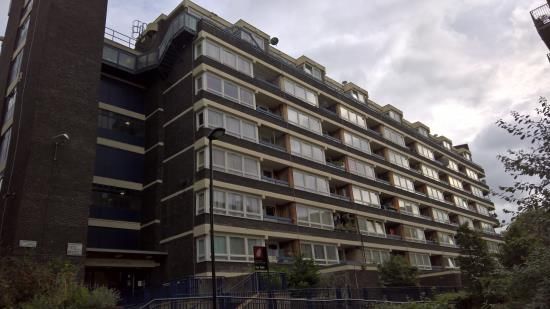
Asset Identifier                   PHAU00805901
Address                            HANWORTH HOUSE, 13-120,JOHN
                                   RUSKIN STREET,BRANDON
                                   ESTATE,WALWORTH
Post Code                          SE5 0XF

Code                               FRA-PB
Version                            13
Description                        FRA-PURPOSE BUILT BLOCKS

Assessment Date                    23/03/2020
Assessment Version                 Current
Assessor Name                      Paul May

Produced using Rowanwood Apex Health and Safety
1 CONTENTS 1.1 Contents ...................................................................................................................................... 1.1.1 Contents - 1.1.2 Introduction - 1.1.3 Summary - 1.1.4 General Building Information - 1.1.5 Maintenance Schedules - 1.1.6 Fire Hazards and their Elimination and Control - 1.1.7 Fire Protection Measures - 1.1.8 Management of Fire Safety - HANWORTH HOUSE, 13-120,JOHN RUSKIN STREET,BRANDON ESTATE,WALWORTH Page 2/22
2 INTRODUCTION
2.1        Introduction
......................................................................................................................................
2.1.1     Introduction                                                             -

HANWORTH HOUSE, 13-120,JOHN RUSKIN STREET,BRANDON ESTATE,WALWORTH                                       Page 3/22
3 SUMMARY
3.1        Summary
......................................................................................................................................
3.1.1     Risk Rating                                                              LOW MODERATE

3.1.2     Next Physical Assessment Due                                             2021

3.1.3     FRA Type                                                                 PB

3.1.4     Storeys Ground and Above                                                 8

3.1.5     Storeys Below Ground                                                     0

3.1.6     Units                                                                    31

3.1.7     Status                                                                   COMPLETE

3.1.8     Building Dimensions. Length, width and height.

          55m x 12m x 17.5/18 to highest residential floor.

3.1.9     List any tasks that once completed can reduce the risk rating
          of this assessment.

          This is a stand alone building in terms of means of escape and structural separation from the
          sister bock(s). It has a simple internal layout and design and with no areas that can be deemed
          as convoluted for individual(s) who may be required to traverse the routes in a stressful
          situation like escaping a fire.

          The risk rating is currently 'Low Moderate' which has been deemed as appropriate as not all
          areas were accessed. from the point of view of the communal areas and condition of the
          building coupled with the existing passive and active systems the premises is of an acceptable
          standard. However, without access to the electrical riser voids and samples of the FEDs it is
          not considered to be a comprehensive Type 1 FRA.
          The main concern in this building is the presence of areas of timber cladding which provide a
          cosmetic element to the building elevation relating to the balconies. The timber cladding is not
          ideal and measures are being put in place to address this by LBS. However, the fixing of
          lightning strips to the timber poses another potential fire risk that needs to be explored parallel
          to any other cladding work. This is a condition shared by all blocks on the estate.

          The chance of a lightning strike is remote but a realistic one depending on many factors.
          Should a strike occur and a fire start then the residents are still expected to be able to
          evacuate via the normal internal escape routes. these areas will likely not be directly or even
          indirectly affected and should provide adequate means of escape to ultimate safety. In that
          respect, it is important that the residents control the amount of combustible materials on the
          balconies. This is a housekeeping requirement and one that can be deemed as fire loading
          should the amount and type of storage become too great in volume.

HANWORTH HOUSE, 13-120,JOHN RUSKIN STREET,BRANDON ESTATE,WALWORTH                                       Page 4/22
3 SUMMARY 3.1.10 Does this assessment require a review? Yes No N/A HANWORTH HOUSE, 13-120,JOHN RUSKIN STREET,BRANDON ESTATE,WALWORTH Page 5/22
4 GENERAL BUILDING INFORMATION
4.1        General Building Information
......................................................................................................................................
4.1.1     Building information

          This address range forms part of a larger estate of identical blocks that are part of the same
          estate. This premises (subject to the FRA) is accessed from an end of elevation stair and lift
          core and is structurally separated from the sister block that forms part of the overall footprint.

          The design and construction of the premises is typical formed of a concrete frame and floor
          plates (slab design) under a flat roof with garages located on the ground floor level. The
          internal stair and lift shaft are formed of concrete. The building includes service rooms/spaces
          and risers that are part of the original design concept and are located internally from the
          circulation areas.
          The internal design/means of escape is based on secondary MOE for the flats which are
          maisonettes. The ground floor flats have access to gardens, the sixth floor flats have an
          alternative external MOE leading to the lift lobby on that level. All other maisonettes have
          internal routes that lead to the corridor above or below according to the location of the flat. The
          doors that form the final exit from these SMOE are FD30S and secured closed with no opening
          mechanism on the external side for security reasons.

          The internal horizontal travel distances are not acceptable according to current standards,
          however, at the time of construction and with the secondary means of escape for all dwellings,
          this can be considered mitigated and poses no issue. The refuse arrangements for each floor
          consists of a small dedicated room housing the refuse hopper opening into the chute that then
          leads to a ground floor refuse room. The room is provided with permanent ventilation and is
          separated from the corridor by a metal frame and safety glazing bulkhead.

          Doors that form part of the original design concept open onto the half landings in the stairway.
          These doors are no longer needed and are not in use. The external aspect of the building
          consists of timber spandrel panels between uPVC casement windows. This feature is
          consistent for the entire height of the building. On the rear elevation are balconies that have
          timber panels in place as a cosmetic feature. The timber infill panels and spandrels have, in
          some cases, have had lightning strips fitted directly onto the material which will be raised a s a
          concern in the relevant section of this FRA.

4.1.2     Any further building comments?

          Owing to advice given by Government relating to the Coronavirus pandemic Southwark
          Council has implemented certain measures with regards to undertaking FRAs. This will enable
          an assessment of the communal areas of a residential block to be made and to comment on
          any obvious flaws relating to the passive and active systems that may be in place without
          increasing the exposure to the individual surveyor to the virus.

          The final risk rating of the building will not include an in-depth sample of the FEDs, only an
          external assessment of the doors sets, which form part of the protection to the circulation
          area(s). With regards to the FSS gaining an understanding of the level of AFD in the flats, this
          will not be possible during the period in which the mitigation measures are in place.
          Assumptions will not be made relating to the level of PFP and AFD and so any areas relating
          to these aspects that are deemed to be a concern but cannot be sufficiently determined at the
          time should be highlighted as such to ensure they are assessed as soon as is practicable
          following a return to normal operations.

          This is a type 1 fire risk assessment which focuses on the shared means of escape and
          samples the FED's (flat entrance doors) where possible. The internal and external aspect is
          assessed to determine if the general means of escape are adequate and unobstructed.

HANWORTH HOUSE, 13-120,JOHN RUSKIN STREET,BRANDON ESTATE,WALWORTH                                       Page 6/22
4 GENERAL BUILDING INFORMATION
In addition to the external aspect the assessment also considers if any immediate external fire
risks are present that may potentially adversely affect the property should a fire break out. This
relates predominantly to refuse/recycling bins as well as unkempt shrubbery that may promote
external fire spread and areas where obvious signs of anti social behaviour are taking place.
The primary focus of the FRA is the active and passive fire safety provisions where applicable.
The assessment considers the shared means of escape from the FEDs to the final exit but will
also sample the flat doors where possible to determine the type of doors within the stair core
that open onto the vertical and horizontal escape route(s) if relevant to the building design.
There has been no information provided to the surveyor or FST pre survey of any individual(s)
that require a PCFRA or need to be considered as higher than normal risk in regard to being
able to self rescue from their dwelling if that is appropriate. The surveyor will consider the
occupants as ‘General Needs’ and conduct the survey accordingly. In most cases the residents
are expected to be able to self rescue in the event of a fire. They are also encouraged to
manage fire safety in the home with safe practice and lifestyle choices that incorporate the
control of ignition sources such as candles and proper management of cooking etc. It is
impossible to police such elements of peoples lives in private dwellings, the surveyor will
attempt to pass on good advice to the resident(s) when making contact during the FRA.
HANWORTH HOUSE, 13-120,JOHN RUSKIN STREET,BRANDON ESTATE,WALWORTH Page 7/225 MAINTENANCE SCHEDULES
5.1 Maintenance Schedules
......................................................................................................................................
5.1.1 Maintenance Schedules
All equipment relating to fire fighting and fire protection in the building are subject to scheduled
maintenance which is recorded and stored off site. This maintenance will be in line with the
requirements and test methods as given in the relevant British standard. Where no such record
exists or where maintenance has not been undertaken (or carried out appropriately), the
surveyor will make comments in the relevant section. This survey will be updated in the near
future to provide the last test dates for all active fire safety measures installed in this building.
Dry/Wet Riser - Annual Wet Test - 10-Aug-19
Dry/Wet Riser - Visual Inspection - 10-Aug-19
Electrical Periodic Inspection Rep. - 31-Oct-18
Emergency Communal Lighting - 28-Sep-18
Lightning Protection Test - 10-Apr-19
HANWORTH HOUSE, 13-120,JOHN RUSKIN STREET,BRANDON ESTATE,WALWORTH Page 8/226 FIRE HAZARDS AND THEIR ELIMINATION AND
CONTROL
6.1 Electrical Sources of Ignition
......................................................................................................................................
6.1.1 Are there reasonable measures taken to prevent fires of Yes No N/A
electrical origin?
6.1.2 Are fixed installations periodically tested and inspected? Yes No N/A
6.1.3 Is the fuseboard/mains intake suitably fire resistant? Yes No N/A
6.1.4 Comments
Southwark Council undertake 5 yearly inspections and testing of the landlord's electrical
installation. Records of any testing or maintenance are held on the Council's internal database.
No portable appliances were observed in communal areas which would be subject to PAT
testing.
Portable electrical appliances are used in the common areas by councils own staff and
approved contractors. The council has a system in place for testing its own portable
appliances. Those appliances used by contractors are subject to the contractors own
company's Health and Safety arrangements which are required by the council.
6.2 Gas
......................................................................................................................................
6.2.1 Is there gas supplied in the area of inspection? Yes No N/A
6.2.2 Is gas equipment protected/located so as to prevent Yes No N/A
accidental damage?
6.2.3 Are gas installations and appliances free from any obvious Yes No N/A
defects?
6.2.4 Comments
No observations were made on this inspection of any gas installations which may be prone to
accidental damage or have any defects. Gas has been supplied to the estate blocks but no gas
related pipework or meters were noted within the communal areas.
6.3 Smoking
......................................................................................................................................
6.3.1 Is there evidence of smoking in areas where this has been Yes No N/A
prohibited?
6.3.2 Comments
No evidence of smoking in the internal common areas was observed at the time of inspection.
Smoking in the communal areas is not permitted, however it is understood that residents may
smoke within their own dwellings. No Smoking signs have been installed.
Since 1 October 2012, at least 1 legible no-smoking sign must be displayed but landlords are
now free to decide the size, design and location of the signs. No action is needed for anyone
who is already complying with the current regulations. But the new smoke-free signs
regulations, give landlords the freedom to move, change or remove multiple signs. At least 1
legible no-smoking sign must still be displayed but landlords are now free to decide the size,
design and location of the signs.
HANWORTH HOUSE, 13-120,JOHN RUSKIN STREET,BRANDON ESTATE,WALWORTH Page 9/226 FIRE HAZARDS AND THEIR ELIMINATION AND
CONTROL
6.4 Arson
......................................................................................................................................
6.4.1 Does basic security against arson from outsiders appear to be Yes No N/A
reasonable?
6.4.2 Is there an unnecessary fire load within the building or in close Yes No N/A
proximity of the premises which is available to ignition from
outsiders?
6.4.3 Is there any shrubbery that needs pruning or removing to Yes No N/A
prevent fire spread if ignited?
6.4.4 Comments
The building has a secure entrance control with fire fighter override. Each residential floor has
the same level of security. There are no indications of anti social behaviour in or around the
building.
6.5 Portable Heaters and Heating Installations
......................................................................................................................................
6.5.1 Does the area of inspection have any portable heaters or Yes No N/A
heating installations?
6.6 Lightning
......................................................................................................................................
6.6.1 Does the premises have a lightning protection system? Yes No N/A
The LPS has, in some areas, been fixed to the timber infill feature located on the external
elevations front and rear. The timber cladding on this building forms part of the balcony design.
The LPS should not be fixed to timber as this poses a potential ignition risk with an aspect of
fire loading. Overtime the timber cladding has become affected by dirt and affected by the
environment making the combustibility more probable.
A task action will be raised to address this concern related to the timber infill/cladding aspect.
At this point, there is an unknown element to the effect that a lightning strike might have on this
timber and so it is deemed prudent to explore this as a potential fire risk.
6.6.2 Comments
The lightning conductor system is inspected and tested annually in accordance with BS EN
62305. All records of such inspecting and testing are held centrally at Southwark Council`s
offices. The issue relating to the LPS being fixed to the timber infill panels is exploratory to
ensure this condition is controlled. A LPS engineer will need to make this assessment and
effectively sign off the current format as acceptable. The timber is, at some point in the future,
due to be removed but as yet there is no time line for this. In the mean time it is prudent to
ensure this condition does not pose an immediate threat relating to fire.
6.7 Housekeeping
......................................................................................................................................
6.7.1 Is the standard of housekeeping adequate? Yes No N/A
HANWORTH HOUSE, 13-120,JOHN RUSKIN STREET,BRANDON ESTATE,WALWORTH Page 10/226 FIRE HAZARDS AND THEIR ELIMINATION AND
CONTROL
6.7.2 Are combustible materials separated from any sources of Yes No N/A
ignition?
6.7.3 Comments
All Southwark council properties undergo regular cleaning in communal areas. No storage or
combustibles which would either obstruct or impede escape were observed on this inspection.
6.7.4 What is the housekeeping regime for the premises MANAGED
This type of managerial approach to housekeeping is deemed to be appropriate. The premises
has alternative routes that allows people to bypass the usual corridor means of escape.
However, housekeeping is an essential aspect to the day to day management of the building
and will require continuous monitoring by RSOs and the residents.
6.8 Dangerous Substances
......................................................................................................................................
6.8.1 Are there any hazardous substances in the area of Yes No N/A
inspection?
6.8.2 Are the general fire precautions adequate to address the Yes No N/A
hazards associated with dangerous substances used and
stored on the premises?
6.8.3 Comments
No dangerous substances were noted to be in or around the building.
6.9 Hazards Introduced by Contractors or Works
......................................................................................................................................
6.9.1 Are there contractors or works taking place in the area of Yes No N/A
inspection?
6.9.2 Is there satisfactory control over works carried out by the on Yes No N/A
site contractors (including hot works permits)?
6.9.3 Comments
No hot works were being carried out at the time of the inspection with no evidence of any hot
works having been carried out was observed.
Contractors carrying out work at Southwark Council premises are pre-selected from an
approved list. They will have undergone a selection and training process prior to being allowed
to carry out work at council premises. All contractors should receive a permit to work. There
should be no reliance on council staff to perform safety checks on hot works carried out by
contractor.
HANWORTH HOUSE, 13-120,JOHN RUSKIN STREET,BRANDON ESTATE,WALWORTH Page 11/227 FIRE PROTECTION MEASURES
7.1 Measures to Prevent Fire Spread and Development
......................................................................................................................................
7.1.1 Is compartmentation suitable? Yes No N/A
7.1.2 Is there reasonable limitation of linings that might promote fire Yes No N/A
spread?
7.1.3 Where ducting is provided can it be ascertained if fire Yes No N/A
dampers are provided to prevent the spread of fire through
compartments to protect the means of escape?
7.1.4 Comments
It is considered that the concrete slab and brick/block construction will provide the required fire
separation. However this form of construction is subject to general building conditions of age,
and incorrectly installed/maintained services/works that can lead to smoke or fire spread. For
this standard of construction we deem this risk to be medium to low. Any riser within the
building requires inspection for fire stopping between floors. These risks are continually
monitored through post fire investigation and the void process. The common parts internal
walls are in a good order but it was not possible to ascertain the construction of compartment
walls and floors within the individual flats.
No ventilation ducts were identified in communal areas which would allow the spread of fire or
smoke to other parts of the building. It should be confirmed however that no ducts exist inside
the flats which may allow the spread of fire or smoke to other flats or other parts of the building.
Internal decoration of the stairwell appeared to be emulsion paint onto a concrete surface.
7.2 Means of Escape from Fire
......................................................................................................................................
7.2.1 Are there adequate provisions for exits in the area assessed? Yes No N/A
7.2.2 Are exits immediately openable where necessary? Yes No N/A
7.2.3 Are the means for securing the exit doors appropriate? Yes No N/A
7.2.4 Is there suitable protection for the escape routes? This is to Yes No N/A
include any glazing.
7.2.5 Are there any inner room scenarios? Yes No N/A
7.2.6 Are the escape routes free from obstructions or Yes No N/A
electrical/telecom installations likely to give rise to an
obstruction in the event of a fire?
All services that are routed to the flats have been located within purpose made risers spaces or
within conduit fixed to the upper floor plate.
7.2.7 Do any doors have additional security grilles or gates fitted Yes No N/A
over the means of escape that will hamper an individual in the
event of a fire?
7.2.8 Where final exit doors are fitted with electrical overrides to Yes No N/A
open will this door open in the event of an electrical failure?
HANWORTH HOUSE, 13-120,JOHN RUSKIN STREET,BRANDON ESTATE,WALWORTH Page 12/227 FIRE PROTECTION MEASURES
7.2.9 Do the travel distances in the common areas comply with Yes No N/A
those escape distances specified in current/previous building
regulations?
7.2.10 Comments
The building is designed to allow for a single direction of escape from all of the FEDs (and
alternative routes within the flats) to a final exit and ultimate safety.
The internal layout is simple with no protracted route to any aspect within the building that may
potentially confuse evacuating occupant(s). In that regard directional signage is not considered
necessary as the natural day to day access/egress is the primary escape route. However,
directional signage has been installed and is comprehensive.
The fabric of the internal aspect is brick and concrete with no openings or penetrations (other
than the FEDs) such as glazing features above the doors that can be considered as a potential
'weak point' in the protected escape route requiring a specific application of fire safety to
support an evacuation. Service riser doors are within ventilated lobbies and those that are
located in the residential corridors housing water pipe systems and plumbing with sterile voids.
The horizontal means of escape from the flats are ventilated by permanent open vents at the
storey exit end and openable windows at the end of elevation. The level of permanent
ventilation is adequate as there are secondary means of escape from all dwellings mitigating
the need for anybody to have to pass through a smoke filled environment to evacuate the floor
or building.
The stairways are remote from the flats and should therefore be at a safe distance from what is
deemed to be the primary risk of fire which are the flats. The vertical means of escape are
concrete, sterile and with very little to no intrinsic risk.
7.3 Emergency Escape Lighting
......................................................................................................................................
7.3.1 Is Emergency Lighting provided and if so is there full Yes No N/A
compliance?
7.3.2 Comments
Emergency lighting has been installed within the building. It must be assumed that it is installed
in line with BS5266: Pt. 1: 2016.
7.4 Fire Safety Signs and Notices
......................................................................................................................................
7.4.1 Is there reasonable provision for all notices? Yes No N/A
The final exit from the roof balcony requires 'fire exit keep clear' sign on the inner side and turn
thumb sign to doors that leads into protected lobby. This was raised in the previous FRA and
will be duplicated following this assessment. Signage of this type is important to support an
evacuation through routes that may not be familiar and by person(s) who may be under stress.
The escape route from the adjacent block (1-84) leads into the top residential corridor of this
block. This door is openable from the outside only but still forms part of the means of escape
from that block. This door is almost invisible to the occupants of this block but it should be
denoted with appropriate signage to avoid it becoming blocked or misused in any way
preventing persons evacuating from the adjacent block from using it.
7.4.2 Is there suitable signage for automatic, self closing and locked Yes No N/A
fire doors?
HANWORTH HOUSE, 13-120,JOHN RUSKIN STREET,BRANDON ESTATE,WALWORTH Page 13/227 FIRE PROTECTION MEASURES
7.4.3 Is the fire action notice fitted in the correct area and displaying Yes No N/A
the correct information?
7.4.4 Are the 'No Smoking' signs fitted and are there sufficient Yes No N/A
notices?
7.4.5 Have 'areas of special risks' such as boiler rooms, oil Yes No N/A
transformer rooms, switchgear rooms and telecommunication
rooms been appropriately signed?
7.4.6 Comments
Directional escape signage is fitted throughout and is considered acceptable. Managerial
signage is of a good standard as is the FANs that are clearly displayed in the communal areas.
In a premises of this design and use the residents will self rescue typically using the day to day
access and egress routes to safety. When alternative routes are available that is when signage
is important. Signage denting the dry rising main outlets are displayed in the stairway to the
appropriate landing and on the access door to the facility.
Images
(HSA)PHAU00805901-FRA-SITE-3-1-1-4-1-0-98.jpg
(HSA)PHAU00805901-FRA-SITE-3-1-1-4-1-0-97.jpg
7.5 Means of Giving Warning in Case of Fire
......................................................................................................................................
7.5.1 Does the common area of the building have an automatic Yes No N/A
detection and warning fire alarm system?
7.5.2 Is the extent of the detection fitted appropriate for the Yes No N/A
occupancy and fire risk?
7.5.3 Is there the remote transmission of alarm signals to an Alarm Yes No N/A
Receiving Centre in place?
7.5.4 Comments
HANWORTH HOUSE, 13-120,JOHN RUSKIN STREET,BRANDON ESTATE,WALWORTH Page 14/227 FIRE PROTECTION MEASURES
In Line with normal practice for purpose built and converted residential blocks designed to
facilitate a ‘defend in place’ evacuation strategy there is no need for communal automatic fire
detection and alarm system to be fitted in the building. Such a system is not normally required
for purpose built residential blocks and is not required under the Building Regulations 2010,
other than to activate any automatic opening vents.
The restrictions on sampling flats will not allow for an assessment of the level of AFD to be
made at this time.
7.6 Smoke Ventilation Requirements
......................................................................................................................................
7.6.1 Is it considered that the premises has been provided with Yes No N/A
reasonable means of smoke ventilation in the event of a fire?
7.6.2 Is the building ventilated naturally? Yes No N/A
There are elements of permanent vents in the lift lobbies, corridors and refuse rooms.
however, this is not natural ventilation in the same way as an open balcony building design and
is a small part of the buildings fabric in regard to area.
7.6.3 If permanently ventilated in the common area is there Yes No N/A
sufficient free area?
7.6.4 If permanently ventilated in the stair is there sufficient free Yes No N/A
area?
7.6.5 Are vents/openings obstructed in any location where they are Yes No N/A
required?
7.6.6 Is the building ventilated naturally by AOV's, shutters or Yes No N/A
doors?
7.6.7 Are detectors that operate AOV's, shutters and vents silent Yes No N/A
operating?
7.6.8 Is the building ventilated by a mechanical smoke extraction Yes No N/A
system?
7.6.9 Comments
Smoke ventilation is considered to be adequate for a building of this design. The horizontal
escape routes are influenced by permanent vents as is the refuse rooms that are separated
from the corridors by a FD60S SC door set and bulkhead.
The stairway has PV's on each half landing. The lift lobbies have PV's and manually openable
windows to assist with smoke dispersion if required. Residents can opt to use the secondary
means of escape from their flat if the horizontal route from the FED is smoke filled.
The building met the benchmark standards of the day at the time of construction whereby
extended travel distances and cross flow ventilation were negated by the provision of
alternative means of escape from each dwelling, subsequent installation of AFD/FED
replacement has provided early warning and extended safe evacuation time thus the building
is considered to be adequately ventilated where required.
7.7 Fire Brigade Access and Facilities
......................................................................................................................................
7.7.1 Is there suitable access for fire appliances with adequate Yes No N/A
provision for a turning circle, hammerhead or other point a
vehicle can turn if required?
HANWORTH HOUSE, 13-120,JOHN RUSKIN STREET,BRANDON ESTATE,WALWORTH Page 15/227 FIRE PROTECTION MEASURES
7.7.2 Are there any obstructions in the form of a gate, bollards or Yes No N/A
removable posts that may hinder appliance access?
7.7.3 Is the building fitted with either a wet or dry rising main? Yes No N/A
7.7.4 Is the hose distance to the riser or dwelling acceptable? Yes No N/A
7.7.5 Does the front entry door have a firefighter's override? Yes No N/A
7.7.6 Is the current access provision suitable and sufficient for Yes No N/A
firefighters? Is there an inappropriate level of security before
entry is made into an affected dwelling by Firefighters?
7.7.7 Where locked do all firefighting facilities have FB locks? Yes No N/A
7.7.8 Are firefighting lifts installed? Yes No N/A
7.7.9 Do the lifts in the area inspected have firefighting overrides? Yes No N/A
7.7.10 Where fitted are all wet/dry riser outlets and inlets accessible? Yes No N/A
7.7.11 Is there suitable signage for firefighting facilities that would Yes No N/A
allow for effective use during firefighting operations?
7.7.12 Where panels are fitted for smoke ventilation and fire alarm Yes No N/A
systems-have zonal charts been sited in a prominent position
which have easy to follow instructions and are accurate?
7.7.13 Does the building signage give correct directions to dwellings Yes No N/A
in an emergency?
7.7.14 Where fitted does the Premises Information Box contain the Yes No N/A
correct and relevant information?
7.7.15 Comments
Access to the building envelope is not an issue. There is signage denoting the location of the
DRM inlet and additional signage to that affect on each level regarding outlets. Security to the
building is standard with fire fighter overrides on each floor. There are no concerns related to
fire fighter access in or around this building.
7.8 Fire Doors
......................................................................................................................................
7.8.1 Are all dwelling front entry doors and hardware (where Yes No N/A
required) compliant with certification carried out to BS476-
22/BSEN 1634-1 or of a suitable notional value? (Consider
seals and strips)
7.8.2 Are all cross corridor, stair and lobby doors certified to a test Yes No N/A
regime under BS476-22 or BS EN 1634-1 or of a suitable
notional value?
7.8.3 Are all electrical intake/boiler/utility service room doors Yes No N/A
suitably fire resistant as tested under the BS476-22 or BS EN
1634-1 regime or of a suitable notional value?
HANWORTH HOUSE, 13-120,JOHN RUSKIN STREET,BRANDON ESTATE,WALWORTH Page 16/227 FIRE PROTECTION MEASURES
7.8.4 Are all ancillary doors (in escape routes) suitably fire resistant Yes No N/A
as tested against BS476-22/BS EN 1634-1 or of suitable
notional value?
Polyurethane (PU) foam fillers was seen by the assessor to have been used to fill large voids
and/or openings around the doorframe of electrical intake. Without clear manufacturer's
guidance, they shouldn't be used to fill large voids or openings as the foam’s fire-stopping
properties may only be effective and tested in narrow voids or gaps.
Normally expelled from pressurised cans as a sticky liquid, which quickly expands to around 40
times its original volume to form rigid foam, PU foam is designed to fill small linear gaps or
service penetrations. Without clear manufacturer's guidance, they shouldn't be used to fill large
voids or openings as the foam’s fire-stopping properties may only be effective and tested in
narrow voids or gaps. PU foam products must have their fire performance determined by
testing to standards BS 476 Part 20/22 and BS EN 1366-4 for linear gaps and BS EN 1366-3
for service penetration seals.
7.8.5 Are all doors leading to rubbish areas or bin chutes where Yes No N/A
they are in the escape routes suitably tested to BS476-22/BS
EN 1634-1 regime or of a suitable notional value?
7.8.6 Do all fire doors have self closing devices compliant with BS Yes No N/A
EN 1154? Where not applicable are fire doors kept locked
shut?
7.8.7 Are any fire doors surveyed at this site constructed of Yes No N/A
anything else other than wood?
7.8.8 Do doors on the means of escape open in the direction of Yes No N/A
escape where necessary?
7.8.9 Are doors on the means of escape fitted with appropriate Yes No N/A
panic bolts or latches where required?
7.8.10 Where applicable are doors appropriate for use by disabled Yes No N/A
individuals?
7.8.11 Where applicable does the door have a vision panel fitted? Yes No N/A
7.8.12 Comments
The fire doors in the building are of a good standard and appropriate for this building design
and use. The FEDs are equally as robust and FD30S with self closers (this from an external
assessment only)
Doors to the electrical and service risers were locked at the time of the FRA and were noted to
be modern and in good condition. Those that were sampled were 54mm timber. It was not
possible to sample all doors owing to the fact the surveyor does not have the correct keys for
this site.
The refuse room door sets can be considered to be old and potentially inadequate compared
to today's standard of door set. However, the risk of a serious fire in the refuse lobbies is very
low, the chance of smoke migration from a serious refuse room fire to the residential corridors
is higher but again, the design of the building will help to mitigate the effects and dissipate
smoke to air before it affects the corridor. The secondary means of escape from the flats
allows people to turn away from an affected means of escape and reach a storey or final exit
without being exposed to the products of combustion.
7.9 External Wall Finish
......................................................................................................................................
HANWORTH HOUSE, 13-120,JOHN RUSKIN STREET,BRANDON ESTATE,WALWORTH Page 17/227 FIRE PROTECTION MEASURES
7.9.1 Is this building over 18 metres in height? Yes No N/A
7.9.2 Does this building have an external cladding system which Yes No N/A
overlays the original structure?
The building is partially clad with timber panelling on the rear elevation, flat balconies and the
ground floor rear entrance ceiling, the assessor was not able to determine the level of fire
resistance achieved by the cladding. Inspection and testing should be carried out to establish
the suitability of the cladding. The building is linked to other purpose built flats therefore
considering should be given to the testing of the cladding in order to prevent external fire
spread.
It could not be clarified on site information about the panels are in line with requirements of
Paragraph B4 of Schedule 1 of the Building Regulations 2010 (as amended) (External Fire
Spread). This can be clarified via design information and building records. Where the panel
product type can be confirmed on the building, a check of the fire performance with the
manufacturer by requesting test certification should be completed. Where there is no
information about the panel or there is uncertainty, it will be necessary to investigate the panel
composition by sample testing.
In addition to the LPS there are garages that from the ground floor of the block. The garages
are structurally separated vertically and have secure metal doors on them to avoid anti social
behaviour. Historically, fires are fairly common in garages where not only vehicles are kept but
also hazardous substances some of which are accelerant's.
Garages do not have the same level of control as a dwelling. It was noted that above the
garages and below the timber cladding is a row of lites formed of (visual assessment only at
this stage) safety glazing (georgian wire). In some places this has been removed, broken and
are placed with ply wood or something similar. This would allow a fire originating in the garage
to spread beyond the space and affect the cladding. Potentially very quickly owing to the fact
the lites are at the top of the garage space and will be directly affected by fire and heat from
the start.
The advice at this time is to replace any broken or missing lites with a suitable fire stopping
product to achieve 60 minutes fire resistance between the two aspects. The product used does
not have to be expansive fire resisting glazing and so a product such as ablative coated batt
will suffice. A third part accredited contractor will be able to decide the most appropriate
product for this use.
This will be deemed as a 'high' risk task action where appropriate but it is still expected that
occupants can evacuate internally via the normal routes if required.
7.9.3 Does the building's exterior wall contain infill panels? Yes No N/A
This relates to the timber infill panels associated with the balconies. This has been highlighted
and detailed in the section on LPS and cladding.
7.9.4 Comments
All buildings at the time of construction and/or alteration the external walls would have
complied with the building regulations at the time. Southwark Council has an assessment
process in place that will ensure the external fabric of a block is compliant to the current
building regulations. This assessment not only includes the external finish of the wall but the
materials used for insulation and fire breaks and how these materials are fixed to the building.
All panels are being examined as part of a process. This includes any that form part of the
external fascia and those on escape routes with a single direction of escape. Where found to
be deficient or the fire rating cannot be ascertained they will be replaced as part of the Major
Works programme.
HANWORTH HOUSE, 13-120,JOHN RUSKIN STREET,BRANDON ESTATE,WALWORTH Page 18/228 MANAGEMENT OF FIRE SAFETY
8.1 Procedures and Arrangements
......................................................................................................................................
8.1.1 Are procedures in the event of fire appropriate and properly Yes No N/A
documented?
This is not appropriate for this premises.
8.1.2 Have staff and relevant individuals been given appropriate fire Yes No N/A
safety training?
8.1.3 Are checks carried out by staff on fire safety systems where Yes No N/A
appropriate and logged?
8.1.4 Are external stairs and in particular those devised as a means Yes No N/A
of escape regularly inspected, maintained and appropriate for
use in all weathers?
8.1.5 Comments
The fire evacuation policy for this building being a purpose built block of flats is; if in a
protected dwelling stay put unless affected by fire or smoke. If in the dwelling on fire or in the
common parts, leave the building immediately, if safe to do so, and remain a safe distance
from the building.
It is understood that tenants are provided with a planned evacuation policy in the tenant’s
information pack which are given to them on tenancy sign up. Additionally fire action notices
displayed throughout the building forms a crucial part of the evacuation policy.
It is expected that the person discovering the fire will summon the fire service by telephone.
Details of how to summon the fire service are contained within the tenants pack and on fire
action notices. It is not considered practicable to provide a controlled emergency evacuation
assembly point for purpose built blocks of flats. It should be communicated to residents that in
the event of fire, all evacuees should wait in a safe place at a distance from the building so as
not to be affected by smoke, flame, possible explosion and fire fighting. Residents should also
understand that they should remain local to be available for liaison with the fire fighting crew.
Council Staff that frequently visit the building are given regular fire safety training. This training
clearly informs them what to do in the event of fire. Employees from other organisations are
expected to have regular training on carrying out an evacuation in the event of an emergency.
The training records are submitted to the council before these persons are allowed to visit
council property.
Southwark carry out a strict regime of inspection, testing, repair and maintenance of all building
services and systems in accordance with the relevant statutory regulations. Records relevant
to testing & maintenance are available for inspection at the council’s offices but not on site as it
is not practicable to store them.
HANWORTH HOUSE, 13-120,JOHN RUSKIN STREET,BRANDON ESTATE,WALWORTH Page 19/22Action Plan
Issue No: 6.6.1.1
.............................................................................................................................................
Priority HIGH
Location
Floor
Question Does the premises have a lightning protection system?
Issue LPS fixed to timber infill/cladding features associated with the balconies and rear elevation.
Action A qualified electrical engineer must assess the LPS to determine if this is a fire risk or a
condition which can remain until the timber is removed in the future.
Status Resolved
Target Date 25/04/2020
Resolution Issue resolved from Works Order: APEX-HSI-1046762
Images
(HSA)PHAU00805901-FRA-SITE-3-1-1-4-1-0-89.jpg
(HSA)PHAU00805901-FRA-SITE-3-1-1-4-1-0-90.jpg
Issue No: 7.4.1.1
.............................................................................................................................................
Priority MEDIUM
Location
Floor
Question Is there reasonable provision for all notices?
Issue The final exit from the flat roof requires 'fire exit keep clear' sign to inner door and 'turn thumb'
sign to outer door.
Action Provide required signage to door which leads from roof balcony escape into the protected
lobby area.
Status Outstanding
Target Date 24/06/2020
Comments Identified in previous FRA APEX-HSI-1037088
Issue No: 7.4.1.2
.............................................................................................................................................
HANWORTH HOUSE, 13-120,JOHN RUSKIN STREET,BRANDON ESTATE,WALWORTH Page 20/22Priority LOW
Location
Floor
Question Is there reasonable provision for all notices?
Issue No signage on final exit door that leads into the top floor of this block.
Action Display 'Fire Exit Do Not Block' or similar signage to this door.
Status Outstanding
Target Date 02/04/2021
Issue No: 7.8.4.1
.............................................................................................................................................
Priority MEDIUM
Location
Floor
Question Are all ancillary doors (in escape routes) suitably fire resistant as tested against BS476-22/BS
EN 1634-1 or of suitable notional value?
Issue The FD60s fire doors not installed correctly to level 6 riser with 30mm gaps infilled with foam,
doors must be installed and maintained in accordance with manufacturers instructions.
Polyurethane (PU) foam fillers was seen by the assessor to have been used to fill large void
between doorframe. Without clear manufacturer's guidance, they shouldn't be used to fill large
voids or openings as the foam’s fire-stopping properties may only be effective and tested in
narrow voids or gaps.
Action PU foam products must have their fire performance determined by testing to standards BS
476 Part 20/22 and BS EN 1366-4 for linear gaps and BS EN 1366-3 for service penetrations.
Mineral wool and intumescent mastic is normally used for FDO60s installation. Provide the
required certification on door and installation once completed. Competent persons should
inspect all the electrical riser door installations.
Status Outstanding
Target Date 24/06/2020
Comments Identified in previous FRA APEX-HSI-1037089-
Issue No: 7.8.4.2
.............................................................................................................................................
Priority LOW
Location
Floor
Question Are all ancillary doors (in escape routes) suitably fire resistant as tested against BS476-22/BS
EN 1634-1 or of suitable notional value?
Issue Doors along the corridors on the ground floor, 6th floors were rising butt hinges, it was
assumed these are redundant dry rooms however no access was possible
Action Rising butt hinges are no longer accepted as a component for 'notional' fire doors, a total of x
12 doors had these along ground and level 6 corridors. It is understood these were drying
rooms/storage, have these areas inspected to assess if they are still being used and replace
with FD30 doors.
Status Outstanding
Target Date 27/03/2021
Comments Identified in previous FRA APEX-HSI-1037090 - In programme of works.
Images
(HSA)PHAU00805901-FRA-SITE-3-1-1-4-1-0-72.jpg
HANWORTH HOUSE, 13-120,JOHN RUSKIN STREET,BRANDON ESTATE,WALWORTH Page 21/22Issue No: 7.9.2.1
.............................................................................................................................................
Priority HIGH
Location
Floor
Question Does this building have an external cladding system which overlays the original structure?
Issue The building is partially clad with timber panelling on the rear elevation, they cover
approximately over 60 % of the building.
Action Southwark Council has an assessment process in place that will ensure the external fabric of
a block is compliant to the current building regulations. This assessment not only includes the
external finish of the wall but the materials used for insulation and fire breaks and how these
materials are fixed to the building, add this block to the assessment process.
Status Outstanding
Target Date 26/04/2020
Comments Identified in previous FRA APEX-HSI-1037091 - In programme of works.
Images
(HSA)PHAU00805901-FRA-SITE-3-1-1-4-1-0-90.jpg
Issue No: 7.9.2.2
.............................................................................................................................................
Priority HIGH
Location
Floor
Question Does this building have an external cladding system which overlays the original structure?
Issue Broken or missing glazing/lites above garages with potential for fire spread to cladding.
Action Where broken/missing an approved contractor should apply appropriate fire stopping to
separate the garage from the external facade.
Status Resolved
Target Date 14/05/2020
Resolution Issue resolved from Works Order: APEX-HSI-1047178
HANWORTH HOUSE, 13-120,JOHN RUSKIN STREET,BRANDON ESTATE,WALWORTH Page 22/22You can also read


