TAPAS: An Open-Source Software Package for Translational Neuromodeling and Computational Psychiatry
←
→
Page content transcription
If your browser does not render page correctly, please read the page content below
REVIEW
                                                                                                                                                    published: 02 June 2021
                                                                                                                                            doi: 10.3389/fpsyt.2021.680811

                                                TAPAS: An Open-Source Software
                                                Package for Translational
                                                Neuromodeling and Computational
                                                Psychiatry
                                                Stefan Frässle 1 , Eduardo A. Aponte 1 , Saskia Bollmann 1,2,3,4,5 , Kay H. Brodersen 1,6 ,
                                                Cao T. Do 1 , Olivia K. Harrison 1,7,8 , Samuel J. Harrison 1 , Jakob Heinzle 1 , Sandra Iglesias 1 ,
                                                Lars Kasper 1,9 , Ekaterina I. Lomakina 1,6 , Christoph Mathys 1,10 , Matthias Müller-Schrader 1 ,
                                                Inês Pereira 1 , Frederike H. Petzschner 1 , Sudhir Raman 1 , Dario Schöbi 1 , Birte Toussaint 1 ,
                                                Lilian A. Weber 1 , Yu Yao 1 and Klaas E. Stephan 1*
                                                1
                                                 Translational Neuromodeling Unit (TNU), Institute for Biomedical Engineering, University of Zurich and ETH Zurich, Zurich,
                            Edited by:
                                                Switzerland, 2 Institute for Biomedical Engineering, ETH Zurich and University of Zurich, Zurich, Switzerland, 3 Centre for
                      Henry W. Chase,
                                                Advanced Imaging, The University of Queensland, Brisbane, QLD, Australia, 4 Athinoula A. Martinos Center for Biomedical
University of Pittsburgh, United States
                                                Imaging, Massachusetts General Hospital, Charlestown, MA, United States, 5 Department of Radiology, Harvard Medical
                      Reviewed by:              School, Charlestown, MA, United States, 6 Department of Computer Science, ETH Zurich, Zurich, Switzerland, 7 Nuffield
                     Antonio Di Ieva,           Department of Clinical Neurosciences, University of Oxford, Oxford, United Kingdom, 8 School of Pharmacy, University of
        Macquarie University, Australia         Otago, Dunedin, New Zealand, 9 Techna Institute, University Health Network, Toronto, ON, Canada, 10 Interacting Minds
                       Peggy Series,            Center, Aarhus University, Aarhus, Denmark
             University of Edinburgh,
                    United Kingdom
                 *Correspondence:               Psychiatry faces fundamental challenges with regard to mechanistically guided differential
                   Klaas E. Stephan             diagnosis, as well as prediction of clinical trajectories and treatment response of individual
          stephan@biomed.ee.ethz.ch
                                                patients. This has motivated the genesis of two closely intertwined fields: (i) Translational
                    Specialty section:
                                                Neuromodeling (TN), which develops “computational assays” for inferring patient-specific
          This article was submitted to         disease processes from neuroimaging, electrophysiological, and behavioral data; and
            Computational Psychiatry,
                                                (ii) Computational Psychiatry (CP), with the goal of incorporating computational assays
                a section of the journal
                 Frontiers in Psychiatry        into clinical decision making in everyday practice. In order to serve as objective and
           Received: 15 March 2021              reliable tools for clinical routine, computational assays require end-to-end pipelines
            Accepted: 10 May 2021               from raw data (input) to clinically useful information (output). While these are yet to be
           Published: 02 June 2021
                                                established in clinical practice, individual components of this general end-to-end pipeline
                              Citation:
   Frässle S, Aponte EA, Bollmann S,
                                                are being developed and made openly available for community use. In this paper, we
  Brodersen KH, Do CT, Harrison OK,             present the Translational Algorithms for Psychiatry-Advancing Science (TAPAS) software
     Harrison SJ, Heinzle J, Iglesias S,        package, an open-source collection of building blocks for computational assays in
    Kasper L, Lomakina EI, Mathys C,
          Müller-Schrader M, Pereira I,         psychiatry. Collectively, the tools in TAPAS presently cover several important aspects
  Petzschner FH, Raman S, Schöbi D,             of the desired end-to-end pipeline, including: (i) tailored experimental designs and
    Toussaint B, Weber LA, Yao Y and
       Stephan KE (2021) TAPAS: An
                                                optimization of measurement strategy prior to data acquisition, (ii) quality control during
  Open-Source Software Package for              data acquisition, and (iii) artifact correction, statistical inference, and clinical application
     Translational Neuromodeling and            after data acquisition. Here, we review the different tools within TAPAS and illustrate how
            Computational Psychiatry.
         Front. Psychiatry 12:680811.           these may help provide a deeper understanding of neural and cognitive mechanisms of
     doi: 10.3389/fpsyt.2021.680811             disease, with the ultimate goal of establishing automatized pipelines for predictions about

Frontiers in Psychiatry | www.frontiersin.org                                          1                                             June 2021 | Volume 12 | Article 680811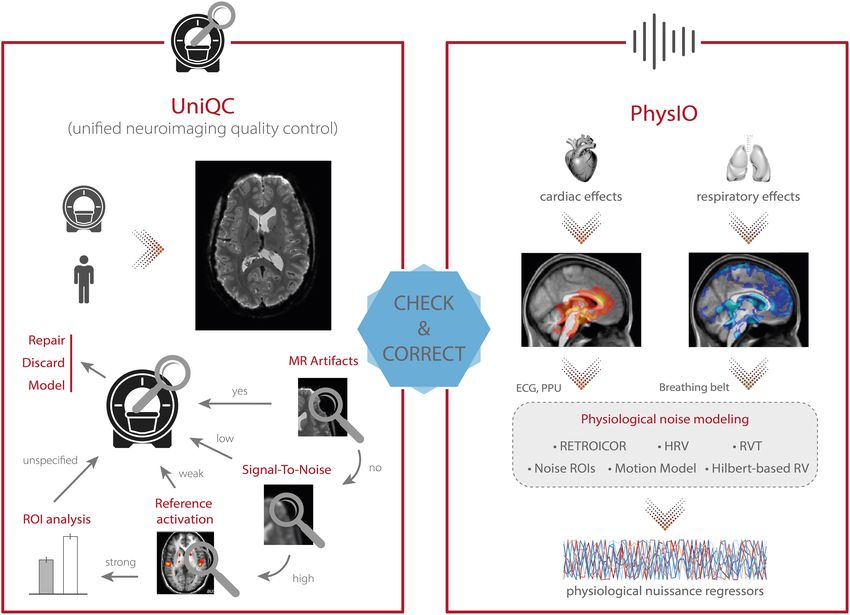
Frässle et al.                                                                                             Translational Algorithms for Psychiatry-Advancing Science

                                                individual patients. We hope that the openly available tools in TAPAS will contribute to the
                                                further development of TN/CP and facilitate the translation of advances in computational
                                                neuroscience into clinically relevant computational assays.

                                                Keywords: TAPAS, Translational Neuromodeling, Computational psychiatry, Computational psychosomatics,
                                                computational assays, open-source, software

INTRODUCTION                                                                           Developments of computational assays are often based
                                                                                   on generative models of neuroimaging or behavioral data.
Contemporary psychiatry uses disease classifications that are                      Generative models describe how measured data may have been
almost entirely based on syndromes (i.e., patterns of symptoms                     caused by a particular (neuronal or cognitive) mechanism; their
and signs) as defined by the Diagnostic and Statistical Manual of                  inversion allows computational assays to operate on inferred
Mental Disorders [DSM; (1)] or the International Classification                    states of neural or cognitive systems (16, 29). This mechanistic
of Diseases [ICD; (2)]. While these schemes are valuable in that                   interpretability is crucial in many clinical contexts. Additionally,
they provide a stratification of mental illness that relates to the                traditional machine learning (ML) plays a central role in TN/CP,
subjective phenomenology of patients, they are inherently limited                  for example by translating the inferences from computational
as they do not rest on pathophysiological or aetiological concepts                 assays into patient-specific predictions, an approach referred to
of diseases. As a consequence, clinical labels proposed by DSM                     as “generative embedding” (30).1
or ICD (e.g., schizophrenia or depression) typically have limited                      While early TN/CP proposals date back over a decade [e.g.,
predictive validity with regard to clinical trajectories and do not                see Stephan et al. (31)], computational assays are yet to enter
inform the optimal treatment selection in individual patients                      into routine clinical practice in psychiatry. In order to achieve
(3, 4). Furthermore, clinical and scientific evidence suggests that                translational success, computational assays will have to build
these labels do not describe distinct categorical entities, but                    on automatized and validated end-to-end pipelines and tools
rather spectrum disorders that are characterized by substantial                    for optimal data acquisition. These pipelines need to support a
heterogeneity and overlap (5–7).                                                   complete analysis stream that takes raw data as input, and outputs
    This has motivated novel approaches to advance our                             clinically actionable results that are derived from inferred latent
understanding of the pathophysiological and psychopathological                     (hidden) computational quantities with pathophysiological or
processes underlying diseases, and to ultimately inform                            psychopathological relevance. Such an end-to-end pipeline will
differential diagnosis and treatment prediction in individual                      incorporate a series of fundamental steps (Figure 2): (i) Design,
patients (8). In addition to the rise of (epi)genetic approaches,                  (ii) Conduct, (iii) Check and Correct, (iv) Preprocessing, (v)
advances in computational neuroscience have fueled hopes that                      Inference, (vi) Clinical application. Each of these components
it may become possible to establish quantitative diagnostic                        poses significant challenges given the complex nature of the
and prognostic computational tools that significantly                              acquired data and of the computational tools. Here, we review the
improve clinical practice in psychiatry. In particular,                            current state of development toward such an end-to-end pipeline,
mathematical models of neuroimaging data, as obtained                              with a particular focus on our own work and software.
using functional magnetic resonance imaging (fMRI) and                                 Considerable efforts have recently been made to develop
electro/magnetoencephalography (EEG/MEG), hold great                               standardized and user-friendly software packages that could
promise as they might offer readouts of the symptom-producing                      serve as individual components for computational assays. For
physiological processes underlying brain disorders (9–14).                         instance, in the context of neuroimaging data, packages like
Similarly, advances in computational models of human behavior                      Statistical Parametric Mapping [SPM; (32)], FMRIB Software
may enable inference on psychopathological processes at the                        Library [FSL; (33)], or Analysis of Functional NeuroImages
computational (information-processing) level (15–20).                              [AFNI; (34)] are widespread tools and cover several aspects of the
    Efforts to exploit these scientific advances can be                            aforementioned end-to-end pipeline, including preprocessing
grouped into two separate yet overlapping approaches.                              of neuroimaging data and statistical inference (typically in the
Primarily methodological efforts toward the development                            framework of General Linear Models). Similarly, for behavioral
of “computational assays” for inferring brain disease processes                    data, software packages like the VBA Toolbox (35), hBayesDM
from neuroimaging, electrophysiological, and behavioral data are                   (36), KFAS (37), COMPASS (38), or HDDM (39) allow inference
referred to as Translational Neuromodeling (TN); by contrast,                      on computational (information processing) quantities. This list is
Computational Psychiatry (CP), Computational Neurology                             non-exhaustive and more software packages could be mentioned.
(CN), and Computational Psychosomatics (CPS) are concerned                         While all of these packages have proven highly valuable to study
with concrete applications in the respective clinical domains,                     behavior and brain function in humans, none of them has been
with the ultimate goal of incorporating computational assays
into routine clinical decision-making (Figure 1). Although many
                                                                                   1 ML is also used “on its own” in CP and applied directly to measured data, e.g., for
of the tools in TAPAS are equally useful for CN and CPS, here
                                                                                   producing patient-specific predictions or discovering structure in heterogeneous
we focus on CP as this is arguably the most developed of the                       populations (222–224, 226–228). In this paper, however, we focus on approaches
computational clinical neurosciences (16, 21–29, 114, 119).                        where ML operates on estimates provided by generative models.

Frontiers in Psychiatry | www.frontiersin.org                                  2                                              June 2021 | Volume 12 | Article 680811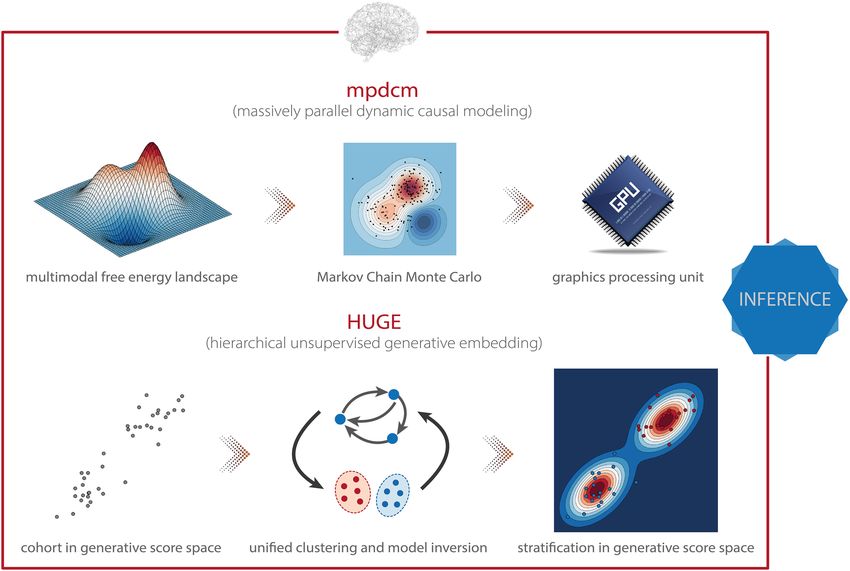
Frässle et al.                                                                                                Translational Algorithms for Psychiatry-Advancing Science

  FIGURE 1 | Taxonomy for different disciplines in the computational neurosciences and their relation to clinical questions. Translational Neuromodeling (TN) develops
  and validates mathematical models for addressing clinical problems, whereas Computational Psychiatry (CP), Neurology (CN), and Psychosomatics (CPS) then apply
  these methods to clinically relevant questions. Reprinted with permission from Frässle et al. (13). Copyright 2018 Wiley.

designed with the specific goal of constructing a pipeline for                         models that extract computational quantities from observed
clinically useful computational assays.                                                actions (e.g., decisions or eye movements). Importantly, TAPAS
    In this paper, we focus on the Translational Algorithms                            is not meant to provide a comprehensive collection of all
for Psychiatry-Advancing Science (TAPAS) software package                              tools that may potentially contribute to the development of
which represents a collection of toolboxes that, collectively,                         end-to-end pipelines for computational assays. Instead, TAPAS
aim to advance computational modeling of neuroimaging and                              represents a collection of toolboxes that are of particular strategic
behavioral data. While applicable to study human behavior and                          and practical relevance for advancing TN/CP and for supporting
brain function in health, TAPAS differs from the aforementioned                        translational applications of computational approaches to
software packages in that its designated purpose is to provide                         problems in psychiatry.
clinically useful tools at every stage of the aforementioned end-                         To facilitate usability of our software, TAPAS is complemented
to-end pipeline in order to advance translational success of                           with comprehensive documentation for each toolbox, as well as
computational approaches to psychiatry. TAPAS is primarily                             an active forum where users can seek help (https://github.com/
written in MATLAB (with some components in C and Python)                               translationalneuromodeling/tapas/issues).
and distributed as open-source code under the GNU General                                 Here, we provide a general overview of the different software
Public License 3.0 (https://www.translationalneuromodeling.                            toolboxes included in TAPAS and highlight how these may
org/tapas). It does not represent a single unified piece of                            support the development of clinically useful computational
software but rather a collection of toolboxes, each of which                           assays for psychiatry. The paper is not meant to provide a
addresses a specific problem that arises in TN/CP approaches to                        comprehensive description of each toolbox, but instead offers a
neuroimaging and/or behavioral data analysis (Figure 2). More                          high-level perspective on how the different tools relate to each
specifically, the development of each toolbox has been motivated                       other in order to jointly advance TN/CP. For readers interested
by the general goal of TN/CP: to develop end-to-end pipelines                          in a more in-depth treatment of a particular toolbox, references
that derive clinically actionable outputs from measured data, as                       will be provided in the respective sections.
illustrated in Figure 2.
    In brief, TAPAS contains: (i) tailored experimental
paradigms (tasks) that probe psychopathologically and/or                               DESIGN
pathophysiologically relevant processes, (ii) tools for
optimization and monitoring of data quality in the specific                            The development of carefully designed experimental
context of fMRI, (iii) model-based physiological noise correction                      manipulations and the acquisition of high-quality data is
techniques for fMRI data, and (iv) generative models and                               paramount for (clinical) modeling. This is because any
associated statistical techniques that enable inference on                             conclusion—whether a scientific or clinical one—fundamentally
latent (hidden) neurophysiological or cognitive quantities                             rests on the underlying data. The goal of tailored experimental
from neuroimaging or behavioral data. The latter range                                 paradigms and optimized data acquisition is to increase both
from network/circuit models that infer effective (directed)                            the sensitivity and specificity of clinical tests; this necessitates
connectivity from fMRI and EEG/MEG data to behavioral                                  optimizations at different stages of data collection.

Frontiers in Psychiatry | www.frontiersin.org                                      3                                             June 2021 | Volume 12 | Article 680811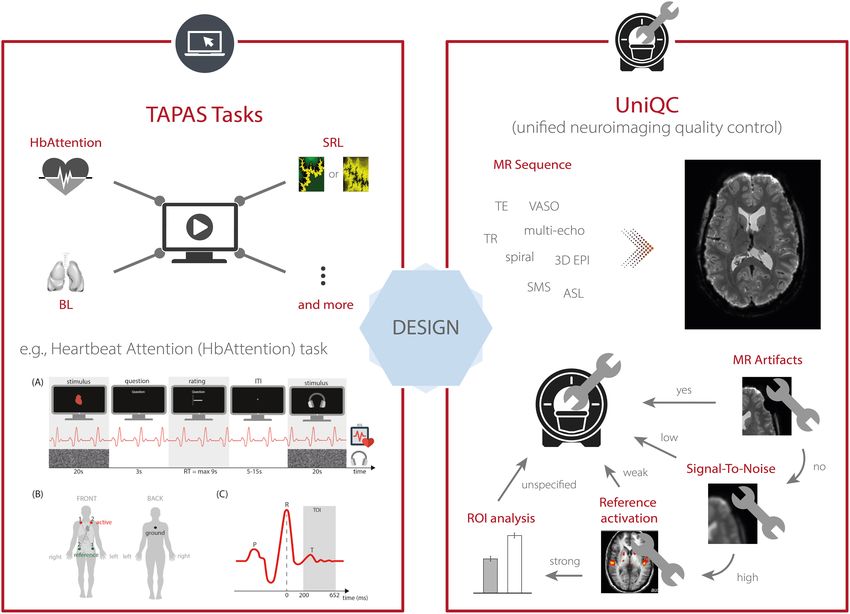
Frässle et al.                                                                                                       Translational Algorithms for Psychiatry-Advancing Science

  FIGURE 2 | TAPAS components in a proposed end-to-end pipeline of a clinically relevant computational assay. This end-to-end pipeline will need to incorporate all
  steps from the raw imaging or behavioral data to a final clinical recommendation. Such a computational assays will capture at least the following crucial steps:
  (i) Design, (ii) Conduct, (iii) Check and Correct, (iv) Preprocessing, (v) Inference, and (vi) Clinical application. Various components of TAPAS feature into one or several
  of these steps and aim to address important questions and limitations that have so far hampered translational success.

    (I) Prior to data collection: Tailored experimental paradigms                           aspect of data quality control will be covered in section Conduct,
have to be designed that capture relevant processes of interest.                            Check and Correct.
This may relate to physiological and cognitive aspects in health,                               (III) After data collection: Post-hoc assessment of data quality
or to pathophysiological and psychopathological mechanisms                                  is important to identify datasets that need to be excluded or
in disease. Furthermore, optimization of the data acquisition                               extra analysis steps to deal with artifacts. Poor data quality
process is vital to ensure high quality measurements. This                                  might be due to severe artifacts and/or high noise levels in
is particularly important in the context of fMRI data, where                                the data, induced by both the MR system and the participant
it is common that project-specific MR sequences have to be                                  itself (motion, physiological noise). To identify such cases, tools
developed. These aspects will be covered in the current section.                            are required that allow for quantitative assessment of data
    (II) During data collection: Measures have to be taken that                             quality and that facilitate the decision process as to whether
allow maintaining a consistently high level of data quality across                          satisfactory data quality can be restored or not. Finally, user-
acquisitions; for instance, across different patients, scanners or                          friendly tools are needed that enable automatized corrections to
sites. This is vital in order to ensure that comparable (clinical)                          clean-up data as best as possible. We will address these aspects in
conclusions can be drawn from the data. Tools that address this                             section Preprocessing.

Frontiers in Psychiatry | www.frontiersin.org                                           4                                               June 2021 | Volume 12 | Article 680811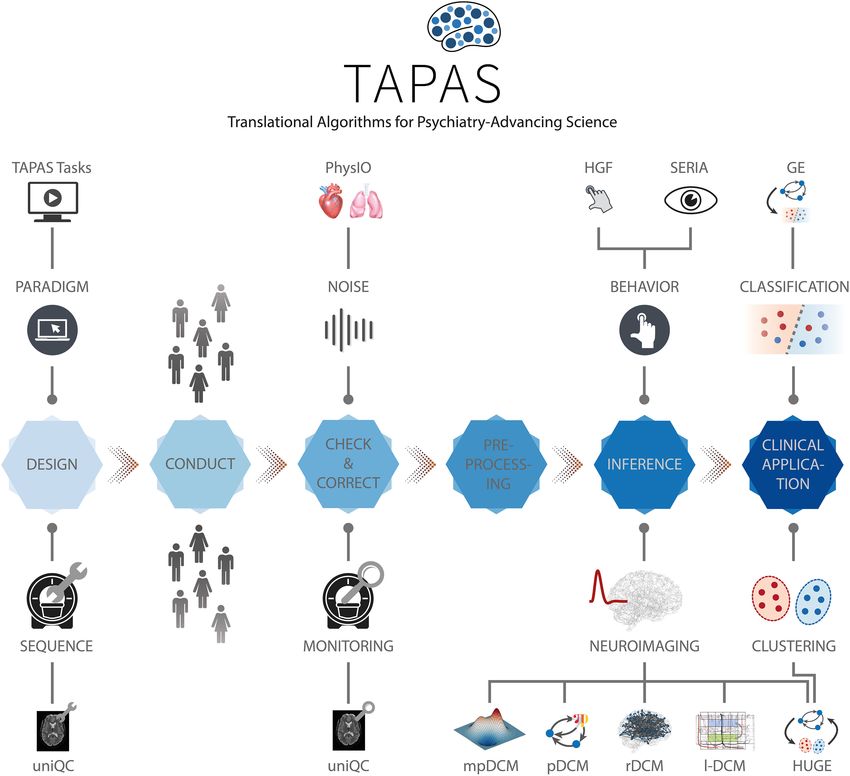
Frässle et al.                                                                                            Translational Algorithms for Psychiatry-Advancing Science

   All these efforts ideally interact seamlessly with each                             asked to focus attention either on their heart or on a
other in order to maximize the sensitivity and specificity of                          simultaneously presented auditory stimulus (white noise).
diagnostic/prognostic tests that build on the acquired data.                           Importantly, in both conditions the sensory stimulation is
Suboptimal data acquisition and quality control can result in                          identical. Using this paradigm, Petzschner et al. (47) found
a high proportion of datasets that have to be excluded from                            an increased heartbeat evoked potential during interoceptive
further analyses or lead to false conclusions, which is particularly                   compared with exteroceptive attention. A non-invasive readout
problematic in the context of clinical applications.                                   of the attentional modulation of interoceptive processes could
                                                                                       potentially be of high clinical relevance, since alterations in
Harmonization of Experimental Design                                                   interoceptive processing have been recognized as a major
For probing disease-relevant cognitive processes, a plethora of                        component of various psychiatric conditions, including mood
experimental tasks have been proposed that frequently only                             and anxiety disorders, eating disorders, drug addiction, as well
differ in small details. While some variations are valuable as                         as depression (48).
they address somewhat different aspects of a cognitive process,                           TAPAS Tasks represents work in progress and not all
this diversity complicates exact comparison of findings across                         experimental paradigms listed above are available yet (for more
studies and often gives rise to “approximate replications” where                       details, see Table 1). Newly devised experimental paradigms will
an initial finding is not replicated exactly but some (vaguely)                        be added in the future. We hope that by making these tasks
related finding is linked to the original observation (4, 40). A                       openly available to the community, TAPAS Tasks may contribute
prominent example of this in the context of clinical neuroimaging                      to growing a collection of standardized experimental paradigms
is the frontal dysfunction hypothesis in schizophrenia. Since                          in TN/CP.
the original report (41), several studies have re-examined this
question using somewhat different experimental approaches and                          Optimization of MRI Protocols
have reported a variety of different outcomes, ranging from                            In the context of neuroimaging, data quality also depends heavily
hyper- to hypoactivation, to no obvious alterations at all [cf.                        on the MR scanner settings and acquisition sequence. Carefully
(4, 42)]. While it is possible that these differences could be of                      crafted sequences with optimized parameter choices can offer
pathophysiological relevance, potentially referring to different                       considerable gains in functional sensitivity and specificity for
subgroups in the schizophrenic spectrum, inconsistencies in                            the targeted research question (49–51). However, due to the
the utilized experimental manipulations render any differences                         large variety of available parameters and their interdependency,
difficult to interpret. Hence, until such variations are properly                      optimization of MR protocols is challenging and suboptimal
explained or controlled for, approximate replications do not                           acquisition choices might reduce data quality, e.g., low signal-to-
provide a solid basis for clinical tests.                                              noise ratio or pronounced artifacts like ghosting, ringing, signal
    One way to address this challenge is by openly sharing                             dropouts and distortions due to magnetic field inhomogeneities
established experimental tasks. Notably, while the call for open                       [for an overview, see (52–55)]. Hence, the development,
sharing of data has been very prominent in recent years (43–45),                       optimization and validation of robust and powerful MR protocols
this is less the case for sharing the experimental tasks themselves                    prior to data acquisition is critical and tools are needed that ease
(but see, for instance, the task protocols utilized by the Human                       this process.
Connectome Project (46) which have been shared openly).                                    To this end, TAPAS includes the unified neuroimaging quality
    To this end, TAPAS comprises the module “TAPAS Tasks”                              control (UniQC) toolbox (56), which provides a framework
which represents a collection of experimental paradigms that                           for flexible, interactive and user-friendly computation and
have been designed and thoroughly tested (Figure 3, top                                visualization of various quality measures in neuroimaging
left). TAPAS Tasks comprises several tasks that cover both                             data (Figure 3, right). UniQC facilitates fast prototyping and
the exteroceptive and interoceptive2 domains (for a complete                           optimization of acquisition sequences by providing tools for
list, see Table 1). For all paradigms, the stimulus code is                            artifact detection and sensitivity analyses across the entire image
provided as well as detailed documentation. This includes a                            or tailored toward specific regions of interest.
comprehensive description of (i) the experimental task, (ii)                               As sequence development constitutes an iterative process,
software requirements, (iii) experimental set-up (including a list                     feedback on image quality has to be immediate and specific to
of necessary peripheral devices), and (iv) information on how to                       the protocol changes, so that the performed quality control (QC)
run the task.                                                                          query informs the operator on how to adjust parameters for the
    Here, as an example, we describe the Heartbeat Attention                           next scan (Figure 3, right). For example, if an unexpected bias
(HbAttention) task in more detail (Figure 3, bottom left).                             field occurs in the mean image, both excitation and receiver
The task implements a novel paradigm to probe purely                                   channels could be compromised. In this case, fast display of
attentional differences of the heartbeat evoked potential between                      individual coil images is critical, which would be omitted if the
exteroceptive and interoceptive conditions (47). The paradigm                          mean image were inconspicuous. Thus, QC during sequence
consists of alternating conditions where participants are                              development resembles a decision tree, where the outcome of
                                                                                       one image quality metric (IQM) determines the selection of
2 Exteroceptionrefers to perception of sensations originating from the external
                                                                                       the next one, with varying display options. This necessitates
world, whereas interoception refers to perception of sensations originating from       an interactive, fast and flexible way to compute and visualize
the own body or “internal world”.                                                      IQMs. Typically, such a decision tree starts from basic artifact

Frontiers in Psychiatry | www.frontiersin.org                                      5                                        June 2021 | Volume 12 | Article 680811
Frässle et al.                                                                                                       Translational Algorithms for Psychiatry-Advancing Science

  FIGURE 3 | TAPAS components that aim to enhance data quality for scientific and clinical applications. This includes (left, top) TAPAS Tasks, a collection of
  experimental paradigms that have been devised and carefully tested, for instance, the Heartbeat Attention (HbAttention), stimulus-reward learning (SRL), and
  breathing learning (BL) task. For a complete list of tasks that are already included in TAPAS Tasks or will be included in one of the upcoming releases, see Table 1.
  (Left, bottom) Schematic overview of the experimental paradigm of the HbAttention task, as well as the placement of ECG electrodes and a typical ECG signal
  associated with a heartbeat [reprinted with permission from Petzschner et al. (47)]. (Right) Furthermore, TAPAS comprises the unified neuroimaging quality control
  (UniQC) toolbox which is designed to facilitate the development and optimization of MR acquisition sequences. UniQC can assess (compute and visualize) different
  image quality metrics (IQMs) at different stages of an fMRI experiment (i.e., from raw data to statistical images). This facilitates the acquisition of high-quality data by
  implementing an iterative optimization process, including basic artifact checks, temporal stability analysis, functional sensitivity analyses in the whole brain or in
  particular regions of interest. UniQC enables this optimization in a highly flexible fashion, independent of the exact input data (e.g., sequence, dimensionality).

checks over temporal stability all the way to functional sensitivity                        (63, 64)] or Arterial Spin Labeling [ASL; (65, 66)], with the
analyses in particular regions of interest, with the occasional                             former being particularly relevant for depth-dependent fMRI.
return to the scanner, if a QC step fails (Figure 3, right).                                Furthermore, UniQC allows seamless integration with SPM
    To achieve this functionality, UniQC exploits the object-                               and other MATLAB toolboxes in order to benefit from image
oriented programming capabilities in MATLAB. Importantly,                                   and fMRI processing algorithms that are already available in
UniQC is not restricted to 4-dimensional neuroimaging data                                  those packages.
(i.e., space and time) like most other software packages, but                                   In summary, UniQC provides a flexible, interactive and user-
generalizes operations to n-dimensional data. This generalization                           friendly toolbox for evaluating MR pulse sequence development
to arbitrary numbers of dimensions comes in useful when                                     and quality control of n-dimensional neuroimaging data.
handling data from multiple receiver coils (57), as well as                                 These efforts carry over from the design stage to the data
multi-echo (58, 59) or combined magnitude/phase fMRI data                                   collection, in that UniQC allows utilizing the processing and
(60–62) in a single unified framework. Similarly, prominent                                 visualization pipeline established here directly as a quality
non-BOLD fMRI contrasts rely on an additional tag/control                                   control protocol—enabling unique QC toward the aims of
dimension, for instance, Vascular Space Occupancy [VASO;                                    each study.

Frontiers in Psychiatry | www.frontiersin.org                                           6                                               June 2021 | Volume 12 | Article 680811
Frässle et al. Translational Algorithms for Psychiatry-Advancing Science
TABLE 1 | List of tasks (to be) included in TAPAS Tasks.
Task Description
Heartbeat attention (HbAttention) The HbAttention task probes differences in neural responses to heartbeats due to changes in attentional focus. The
paradigm consists of alternating conditions where participants focus attention either on their heart (interoceptive condition)
or on an external sound stimulus (exteroceptive condition), while keeping the sensory stimulation identical (47). The
HbAttention task requires the acquisition of an ECG and can be run in the context of an EEG experiment, measuring a
Heartbeat Evoked Potential (HEP), or an fMRI experiment. The task is programmed such that the stimulus timing can be
easily adjusted to the experimental modality.
Heartbeat feedback The HbFeedback task presents auditory-visual stimuli that are either locked to an individual’s online detected heartbeat
(HbFeedback) (veridical feedback about the heartbeat) or presented at a rate that is faster or slower than the individual’s heartrate. The
task assesses the effects of veridical vs. false feedback on physiological and neural signals related to heartbeats. It requires
the simultaneous recording of EEG and ECG signals.
Heartbeat mismatch (HbMMN) The HbMMN task consists of an auditory omission paradigm where a “standard” tone is presented shortly after each
heartbeat, but occasionally omitted (“deviant”). In different conditions, the delay between heartbeat and tone is varied. This
allows to measure changes in stimulus-evoked and heartbeat-evoked potentials between standards and omissions. In a
control condition, tone presentation times are unrelated to heartbeats. EEG and ECG signals are simultaneously recorded
during the task.
Filter detection (FD) The FD task is a perceptual threshold breathing task where participants have to indicate on each trial whether a very small
resistance (i.e., filter) or sham (i.e., empty filter) was applied to the breathing system (yes/no version) (213), or in which
interval resistance was applied (two-interval forced choice version). The task is tailored to assessing respiratory interoceptive
accuracy and metacognition in individual participants. Behavioral responses are recorded.
Breathing learning (BL) The BL task represents an associative learning task where participants learn the association between visual cues and the
subsequent presence/absence of an inspiratory resistive load. Respiratory load is applied using a novel MRI-compatible
breathing system that allows for remote administration and monitoring of resistive loads and whose construction plan has
been published (214). fMRI signals are recorded during the task.
Stimulus-reward learning (SRL) The SRL task requires participants to predict which of two simultaneously presented visual stimuli (i.e., fractals) would yield
a monetary reward. The association strengths between the visual cues and monetary outcomes change over the course of
the experiment, introducing volatility. fMRI or EEG data can be acquired during the task.
Auditory mismatch negativity The aMMN task is a variant of the auditory oddball paradigm in which the degree of volatility in the auditory stream varies
(aMMN) over time. While engaging in a visual distraction task, participants passively listen to repeated presentations of a high and a
low tone. During stable phases of the experiment, one stimulus reliably serves as the “standard” (more frequent) tone and
the other one as the “deviant” tone. During volatile phases, the roles of standard and deviant switch more rapidly. Deviance
processing can be compared between different levels of stability/volatility. Task versions are available for both EEG or fMRI
recordings.
Visual mismatch negativity The vMMN task implements the identical probabilistic stimulus sequence as the aMMN task. However, instead of auditory
(vMMN) stimuli, Gabor patches of different orientations are used to probe mismatch responses in the visual domain. Task versions
are available for both EEG and fMRI recordings.
Antisaccades (AS) The AS task asks participants to perform antisaccades which are a type of voluntarily controlled eye movements. In TAPAS,
code is available to run two different versions of the AS task (215, 216) using an EyeLink (SR Research, Ottawa, ON,
Canada) eye tracking system. The versions of the task differ in the timing (with or without a delay before the eye movement)
and position (at center or at peripheral target position) of the presentation of the task cue.
TAPAS Tasks will include a variety of different paradigms that probe exteroceptive and/or interoceptive processes. So far, the Filter detection (FD) and Breathing learning (BL) tasks are
included; the other tasks will follow as soon as the respective papers are published.
CONDUCT, CHECK AND CORRECT the experimenter’s control [e.g., motion, physiology; (67, 68)].
Adequately correcting for these artifacts is essential to avoid bias
Besides optimization steps prior to data acquisition, further in subsequent data analyses and to ensure that conclusions are
steps are necessary during and after the measurement to ensure not confounded [e.g., (69–71)]. In what follows, we elaborate
adequate data quality. Specifically, ongoing monitoring of data on these points and describe tools in TAPAS that address
quality during image acquisition is critical, because both the these challenges.
MR system and the study participant constitute significant
potential noise sources. On the system side, data quality across Quality Monitoring
different time points and scanning sites may vary due to fMRI analyses rely on the content of brain (or spinal cord)
potential malfunctions or alterations in the scanner hardware, images as information source. Thus, the visual inspection of raw
that must be detected in a timely manner. On the participant’s images by one or multiple experts is still often considered a gold
side, even under ideal circumstances, with tailored experimental standard for quality control. However, visual assessment depends
designs, optimized acquisition sequences and thorough quality on individual rater experience and visualization choices (e.g.,
control measures, fMRI data is still subject to artifacts outside slice orientation, windowing) which may reduce the apparent
Frontiers in Psychiatry | www.frontiersin.org 7 June 2021 | Volume 12 | Article 680811Frässle et al. Translational Algorithms for Psychiatry-Advancing Science
information content of an image to detect artifacts or improper been implemented by providing standardized visual reports (e.g.,
acquisition parameters (72) and generally aggravates inter-rater MRIQC, fMRWhy) or interactive QC visualization tools (e.g.,
reliability. Furthermore, limited time resources and fatigue make visualQC), a comprehensive framework that integrates all these
the naïve visual inspection of every raw image quickly unfeasible, functionalities has been missing. To address this, we designed
as even a single fMRI dataset contains hundreds of volumes with the UniQC toolbox to meet these demands by offering flexible,
dozens of slices each. This challenge is exacerbated for large-scale interactive and user-friendly assessment of fMRI data (Figure 4,
datasets, like the Human Connectome Project [HCP; (46)] or UK left). Importantly, the quality control pipeline derived during the
Biobank (73), where thousands of participants are measured. sequence design stage (section Design) can be readily deployed
Automation of quality control is therefore required, and to cover QC automation, and once quality issues are detected,
can in principle target both aspects of the manual image UniQC also provides a framework to “interrogate” the data
classification by raters. A first approach is to replace raters efficiently and identify potential causes of the problem.
by a machine learning algorithm working on derived IQMs In principle, this fast and precise identification can lead
to reduce the high-dimensional feature space of image time to quality improvements in three ways (Figure 4, left). First,
series. A second option is that the expertise of the rater can be the information can be used to isolate and repair hardware
harnessed more efficiently by providing flexible tools for image malfunction (e.g., of certain coil elements) to swiftly restore
manipulation and visualization with intuitive interfaces to derive quality levels for the next scan or participant. Second, the quality
and inspect relevant IQMs, thereby reducing operator fatigue of the affected dataset can be increased by modeling the impact
and inconsistency. of distinct noise sources, as identified by the QC decision tree
The first approach was explored early on for anatomical T1- [e.g., electrostatic spike artifacts in the images or interactions
weighted images (74) and demonstrated good discriminability between subject motion and magnetic field; (84–86)]. Third,
of undistorted, noisy, and distorted images based on a subset selectively discarding the low-quality data only, as isolated by
of 239 IQMs. Since then, various additional tools for automatic the customized QC interrogation, salvages quality levels for the
quality control have been proposed, introducing additional IQMs remainder of the data (Figure 4, left).
to assess image quality (75–77). These methods have been refined Furthermore, unlike generic QC pipelines, the customization
and extended into scalable QC frameworks for large-scale fMRI afforded by UniQC facilitates testing whether any given dataset
studies, most notably in the form of the MRI Quality Control shows a functional response relevant for the research question.
tool [MRIQC; (78)] and within the UK biobank study (79). Their For example, due to the seamless integration with other
key advancement lies in the ability to classify images in a binary MATLAB toolboxes such as SPM, UniQC can analyze statistical
fashion (“good” vs. “problematic”) or even categorizing multiple maps from study-specific GLMs, as well as provide region-
artifact classes (79). Standardized quality reports then provide of-interest (ROI) statistics. With this functionality, task-fMRI
guidance, as to whether data from a given participant should performance can be validated using robust expected activation
be included in subsequent analyses or not. In order to ensure patterns as a sanity check, for example, sensory-motor activation
accurate classification, these algorithms are typically trained on during a learning task, before proceeding to more complex
large curated datasets that include both patients and healthy analyses. Thus, UniQC offers flexible, interactive and study-
controls [e.g., ABIDE (80) and DS030 (81) for MRIQC]. specific quality control of the image acquisition system and
While such fully automatized approaches with minimal visual the imaged participant. Thanks to its modularity, UniQC
output and manual assessment might be the only viable solution can be further integrated to monitor quality throughout the
in studies with thousands of participants, the required high preprocessing stage (section Preprocessing), independent of the
degree of standardization of the acquisition protocol as well as the concrete pipeline.
need for large, representative training datasets poses limitations
on its utility. In TN/CP, less well-studied clinical populations Physiological Noise Modeling
and novel technologies can pose challenges when trying to One of the main confounds in fMRI is physiological noise
exploit established mappings between IQMs and image quality. as it perturbs blood oxygen level dependent (BOLD) signals
In particular, this can occur when employing advanced imaging (68, 87)—which can substantially hamper both classical fMRI
hardware or acquisition sequences to maximize sensitivity for analysis as well as computational modeling of the data. The
individual subject measurements, IQMs may fall outside the two primary sources of physiological noise are the cardiac
standard range or become inapplicable. For example, higher and respiratory cycles (88). The respiratory cycle introduces
magnetic field strengths and customized high-density or surface confounds by distortions of the magnetic field due to the
coils (82, 83) induce atypical image intensity variations (bias movement of the participant’s chest (89) as well as bulk
fields). Similarly, Nyquist ghosts manifest differently for spiral susceptibility variation in the lungs (90). Additionally, the
readouts than in conventional Cartesian echo-planar imaging. respiratory cycle alters the pressure of blood CO2 (which is a
Thus, fMRI data may require different IQMs or thresholds when vasodilator) over longer time periods, thereby inducing slow
deviating from standard acquisition choices. signal fluctuations (91). The cardiac cycle, on the other hand,
In these domains, the second option for QC automation is modulates blood volume and vessel diameter during systole
preferable. This approach empowers the rater to determine which and diastole, leading to small deformations of brain tissue
IQMs to inspect, how to visualize them, and at which stage of the and brainstem displacement, causing periodic motion of the
analysis stream to assess them. While parts of this approach have cerebrospinal fluid (92). Furthermore, variability in heart rate
Frontiers in Psychiatry | www.frontiersin.org 8 June 2021 | Volume 12 | Article 680811Frässle et al. Translational Algorithms for Psychiatry-Advancing Science FIGURE 4 | TAPAS components that aim to monitor data quality and correct for physiological confounds. (Left) In addition to supporting the development and optimization of MR acquisition sequences (see Figure 3), UniQC also facilitates monitoring of data quality during data acquisition in order to quickly identify potential problems in the acquisition processes which might relate to malfunctions or alterations in the scanner hardware, as well as to artifacts related to the participant (e.g., motion, physiology). (Right) PhysIO implements model-based physiological noise correction based on peripheral recordings of cardiac [e.g., electrocardiogram (ECG), photoplethysmographic unit (PPU)] and respiratory (e.g., breathing belt) cycle. The toolbox uses RETROICOR as well as modeling of the impact of heart rate variability (HRV) and respiratory volume per time (RVT) on the BOLD signal (e.g., using Hilbert-based respiratory volume) to derive physiological nuisance regressors that can be utilized in subsequent statistical analyses to account for physiological confounds in fMRI signals. induces alterations in the oxygen level in the blood (93), BOLD signal may differ from priors that were defined based on and consequent low frequency signal fluctuations (94). Finally, the general population. interactions between the cardiac and respiratory cycles, such Several freely available implementations for model-based as in respiratory sinus arrhythmia (i.e., accelerated heartbeat physiological noise correction are available, including AFNI during inhalation), induce additional non-trivial physiological 3DRETROICOR (67), FSL Physiological Noise Modeling (97), fluctuations (95). and PhLEM (98); however, relatively few studies have capitalized Various physiological noise correction methods for fMRI on these tools, in particular for task-based fMRI. One important exist, either based solely on the fMRI time series and prior practical challenge—that is exacerbated in clinical populations assumptions of spatiotemporal noise properties, or modeling with less compliant subjects—is the variable data quality of the noise from independent physiological recordings (e.g., using the peripheral recordings which these models are based on. electrocardiogram (ECG), photoplethysmographic unit (PPU), Reduced data quality may be due to subject motion or and breathing belts) (88, 96). Arguably, for TN/CP applications (partial) detachment/saturation of the peripheral devices. In with clinical populations and pharmacological interventions, most implementations, preprocessing of these recordings is methods based on independent recordings might be preferable: minimal, and identification of the physiological cycles typically In clinical populations, physiological processes that impact on the relies on peak detection provided by the MR scanner vendor Frontiers in Psychiatry | www.frontiersin.org 9 June 2021 | Volume 12 | Article 680811
Frässle et al.                                                                                 Translational Algorithms for Psychiatry-Advancing Science

(96). Alternatively, manual intervention to correct erroneous               parameters, framewise displacement, physiological (cardiac or
detection is offered, hampering the development of automatized              respiratory) signals, or global signals (88, 104).
pipelines and the translation of physiological noise modeling into              These and additional procedures for preprocessing
routine application.                                                        neuroimaging data are available in various software packages
   The PhysIO toolbox (96) in TAPAS offers methods for                      including, SPM (32), FSL (105), FreeSurfer (106), AFNI (34), or
model-based physiological noise correction based on peripheral              Nilearn (107). The plethora of different preprocessing tools and
recordings of the cardiac (e.g., ECG, PPU) and respiratory cycles           workflows manifests in the absence of a current gold standard
(e.g., breathing belt). PhysIO utilizes these peripheral measures           for preprocessing neuroimaging data, despite several attempts to
to model the periodic effects of pulsatile motion and field                 establish best-practice guidelines (102, 108–110).
fluctuations using RETROICOR (67). Furthermore, the toolbox                     In an attempt toward common preprocessing standards, large-
accounts for end-tidal CO2 changes and heart rate-dependent                 scale consortia like the HCP or the UK Biobank provide access
blood oxygenation by convolving respiratory volume per time                 not only to the raw data, but also to already preprocessed versions
(RVT) and heart rate variability (HRV) with a respiratory                   of the data. For instance, in the HCP database, researchers have
and cardiac response function, respectively (91, 99, 218). For              access to the version of the data which have been subjected
these methods, emphasis is placed on robust preprocessing of                to a common minimal preprocessing pipeline (111). However,
the input time series via reliable peak detection in low-SNR                these workflows are usually tailored toward the particular
regimes, as well as a novel method for RVT estimation using                 dataset’s idiosyncrasies and do not readily translate to other
the Hilbert transform (100). As a more data-driven alternative              datasets. A first attempt toward such a universally applicable
for noise correction, PhysIO also allows the extraction of                  preprocessing workflow is fMRIPrep (112), which represents a
signals from pre-defined regions of interest (“noise ROIs”) as              pipeline that combines tools from several of the above-mentioned
additional confound regressors—for instance, signal related to              software packages. fMRIPrep autonomously adapts the workflow
white matter or cerebrospinal fluid (CSF). Finally, the toolbox             to the present data, rendering the approach robust to data
also incorporates various strategies for correcting motion-related          idiosyncrasies and potentially applicable to any dataset without
artifacts by implementing, for instance, the Volterra expansion             manual intervention.
confound set (101) or censoring strategies based on the framewise               While no toolbox dedicated to data preprocessing is currently
displacement (69). A schematic illustration of the modeling                 available in TAPAS, our tools from the previous step (i.e.,
process in PhysIO is provided in Figure 4, right. PhysIO provides           “Conduct, Check and Correct”) integrate well with most of the
both command-line operation for de-noising multiple subjects                third-party software packages highlighted above. For instance,
conveniently, as well as a user-friendly graphical interface                PhysIO integrates seamlessly with the batch editor system of
within the SPM Batch Editor. Thereby, physiological noise                   SPM to facilitate the derivation of nuisance regressors related to
correction can be integrated with complete fMRI preprocessing               physiological confounds that can be utilized in GLM analyses.
pipelines, minimizing the need for manual interventions or                  Similarly, UniQC is designed to integrate with SPM and other
custom programming (96). Additionally, PhysIO ensures robust                MATLAB toolboxes. Importantly, PhysIO and UniQC are also
preprocessing even for low-quality data and provides simple                 designed to integrate well with other neuroimaging software
diagnostic tools to assess the correction efficacy in individual            packages. For instance, PhysIO stores all physiological noise
subjects. This renders PhysIO an accessible noise correction tool           regressors in a dedicated text file which can be inputted into the
for preprocessing pipelines both in basic neuroscience studies as           first-level analyses in any software package (e.g., FSL, AFNI).
well as for clinical purposes.

                                                                            INFERENCE
PREPROCESSING
                                                                            Once neuroimaging and/or behavioral data have been
Data preprocessing is closely intertwined with quality control              preprocessed and artifacts have been corrected, the question
and artifact correction. Thorough preprocessing is particularly             arises how best to interrogate the data in order to gain insights
important for complex data acquired using neuroimaging                      into the functioning of the human brain and alterations thereof
techniques such as fMRI or EEG/MEG (102). To this purpose,                  in disease. Concerning clinically oriented studies, it has been
researchers typically create ad hoc preprocessing workflows for             pointed out (4, 25) that focusing on differences in descriptive
each study individually (103), building upon a large inventory              measures—such as BOLD activation, functional connectivity
of available tools. Broadly speaking, preprocessing steps can               patterns or task performance—between patients and healthy
be separated into two main categories: (i) preprocessed time                controls is unlikely to result in improvements of clinical practice.
series are derived from the original data after application of              This is because these analyses do not provide an understanding
retrospective signal corrections, spatiotemporal filtering, and             of the symptom-producing mechanisms and they do not easily
resampling in a target space (e.g., MNI standard space), and (ii)           inform the development of biologically grounded clinical tests.
confound-related information in the data can be modeled or                  Consequently, these measures have not yet led to routine
taken into account through nuisance regressors (i.e., regressors            applications in clinical practice (4, 113).
of no interest) in subsequent statistical analyses using the general           To address this shortcoming, mathematical models of
linear model (GLM). These confounds may include motion                      neuroimaging and behavioral data that capture putative

Frontiers in Psychiatry | www.frontiersin.org                          10                                        June 2021 | Volume 12 | Article 680811
Frässle et al. Translational Algorithms for Psychiatry-Advancing Science
physiological and cognitive disease mechanisms may represent a experimental manipulations that can perturb the system. DCM
promising avenue. This line of thinking is at the core of clinically- was initially introduced for fMRI (132) and later extended to
oriented modeling disciplines like Computational Psychiatry electrophysiological data (133). Comprehensive reviews on DCM
(15, 16, 22–24, 27), Computational Neurology (15, 114), can be found elsewhere [e.g., (121, 134–136)]. DCM is freely
and Computational Psychosomatics (115). For example, in available as part of SPM and has found widespread application.
Computational Psychiatry, a major goal is to move from the For example, with regard to clinical applications, DCM has
current syndromatic nosology to disease classifications based on been used to study schizophrenia (137–141), autism (142, 143),
computational assays that may improve differential diagnosis and depression (144, 145). Despite these promises, the classical
and treatment prediction for individual patients (7, 116). DCM approach is also subject to several limitations—which may
TAPAS contributes to this endeavor by providing a collection become particularly relevant in the context of TN/CP, where the
of computational tools that can be applied to neuroimaging goal is to develop computational assays that inform prediction
(fMRI) or behavioral data (decisions, eye movements). All of clinical trajectories and treatment responses in individual
of these approaches are so-called generative models (117). patients. In what follows, we highlight some of these limitations
Generative models specify the joint probability p y, θ m over and outline how the methodological advances in DCM included
measured data y and model parameters θ , which—according in TAPAS aim to address these challenges.
to probability theory—can be written as the product of the
likelihood function p y θ , m , representing the probability of the Global Optimization
data given a set of model parameters, and the prior distribution When translating computational advances like DCM into
p (θ |m), encoding the a priori plausible range of parameter computational assays, the robustness of the inference procedure
values. Together, likelihood and prior yield a probabilistic and the reliability of the parameter estimates become paramount
forward mapping from latent (hidden) states of a system (e.g., (146). Standard model inversion in DCM rests on variational
neuronal dynamics) to observable measurements (e.g., BOLD Bayes under the Laplace approximation [VBL; (147)] which
signal). Model inversion enables inference on the parameters is computationally efficient, yet subject to several limitations
and latent states of the system from measured data, and can be (134): First, VBL rests on maximizing the negative free energy
accomplished using a variety of approximate Bayesian techniques (which serves as a lower bound approximation to the log model
(e.g., variational Bayes, Markov chain Monte Carlo or Gaussian evidence) using gradient ascent and is thus inherently susceptible
process optimization). Their ability to reveal latent mechanisms to local maxima if the objective function is multimodal. Second,
underneath the visible data and their natural connection to even when the global maximum is found, the distributional
hypothesis testing through model selection procedures (118) assumptions (i.e., Laplace and mean-field approximations)
have established generative modeling as a cornerstone of TN/CP might not be justified, potentially rendering the approximate
(13, 119). posterior distribution a poor representation of the true posterior.
In brief, the generative models included in TAPAS comprise: Third, when the distributional assumptions of the Laplace
(i) models of effective (directed) connectivity among neuronal approximation are violated, the negative free energy is no
populations, (ii) models of perception in the light of an uncertain longer guaranteed to represent a lower bound on the log model
and volatile environment, as well as (iii) models of inhibitory evidence (148).
control. In what follows, we briefly describe the different Sampling-based model inversion schemes, typically based
generative models in TAPAS and highlight how each of them on Markov chain Monte Carlo (MCMC) methods, do not
might be useful for clinical (neuro)modeling. require any distributional assumptions about the posterior and
are guaranteed to be asymptotically exact (i.e., converge to
Generative Models of Neuroimaging Data the global extremum in the limit of infinite samples). This
Models of effective connectivity describe the mechanisms by renders sampling-based methods an appealing alternative to
which neuronal populations interact and how these mechanisms VBL. However, they come at the cost of other challenges: First,
give rise to measured data (e.g., fMRI or EEG/MEG). By inverting sampling-based routines are computationally expensive. Second,
these generative models, it is possible, in principle, to infer on convergence is only guaranteed in the limit of infinite samples;
the directed (synaptic) influences neuronal population exert on detecting convergence in practice thus rests on heuristics. Third,
one another (120, 121). This differs from measures of functional unlike VBL, sampling-based methods do not readily provide
connectivity (e.g., Pearson’s correlation) which are essentially an estimate of the (log) model evidence, but require additional
descriptive and undirected statistical indices. Models of effective strategies, which further aggravate the computational burden.
connectivity hold particular promise for TN/CP, since global For instance, the current gold standard for sampling-based
dysconnectivity has been proposed as a hallmark of various estimates of the model evidence, thermodynamic integration [TI;
mental disorders (10, 122), including schizophrenia (31, 123–125, (149–151)], requires running multiple MCMC chains at different
164), autism (126–128), and depression (129–131). “temperatures” (i.e., at different positions along a path from prior
A frequently used generative modeling framework for to posterior). Until recently, these reasons have been prohibitive
inferring effective connectivity from neuroimaging data is for the use of sampling-based model inversion for DCMs.
dynamic causal modeling [DCM; (132)]. In brief, DCM The massively parallel dynamic causal modeling (mpdcm)
describes changes in neuronal activity as a function of toolbox (152) implemented in TAPAS renders sampling-
the directed interactions among neuronal populations and based model inversion in the context of DCM for fMRI
Frontiers in Psychiatry | www.frontiersin.org 11 June 2021 | Volume 12 | Article 680811You can also read


