THREATENED SPECIES INVESTMENTS AND FUTURE OPPORTUNITIES
←
→
Page content transcription
If your browser does not render page correctly, please read the page content below
c

      THREATENED
        SPECIES
     INVESTMENTS
      AND FUTURE
    OPPORTUNITIES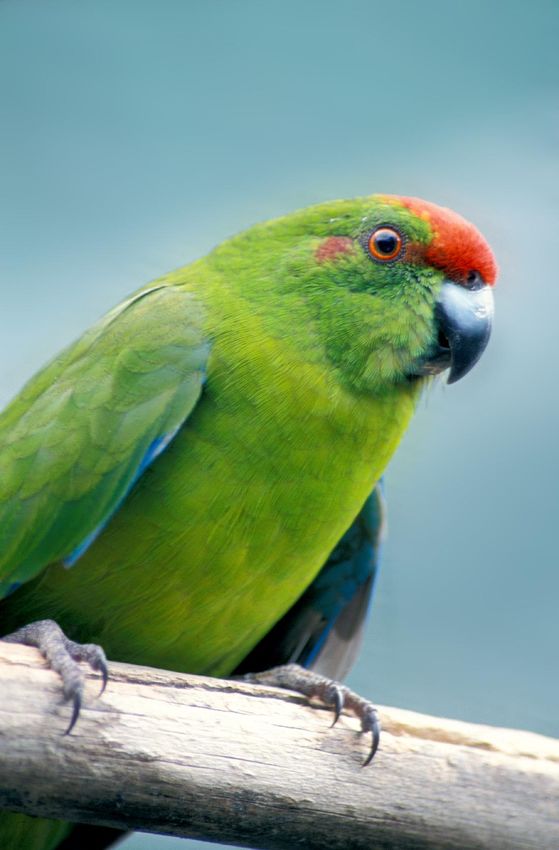
THREATENED SPECIES INVESTMENTS AND FUTURE OPPORTUNITIES

 The projects identified in the following pages are like a prospectus. They will start important conversations and have
 potential to forge long lasting partnerships for action. And of course, new project opportunities will emerge going forward.
 We all have a role to play in recovering Australia’s threatened species. It’s a task that relies on multiple partners, including
 federal, state and territory governments, NGO’s, the private sector and communities. The project proposals have come to
 the attention of the Threatened Species Commissioner through his consultation with the community and states and
 territories on development and implementation of the Threatened Species Strategy. They provide opportunities for co
 investment and collaboration. By working together and pooling our efforts, we can be more effective and achieve long
 lasting outcomes in protecting and recovering Australia’s unique and diverse species.

 Image: Norfolk Island green parrot, Parks Australia
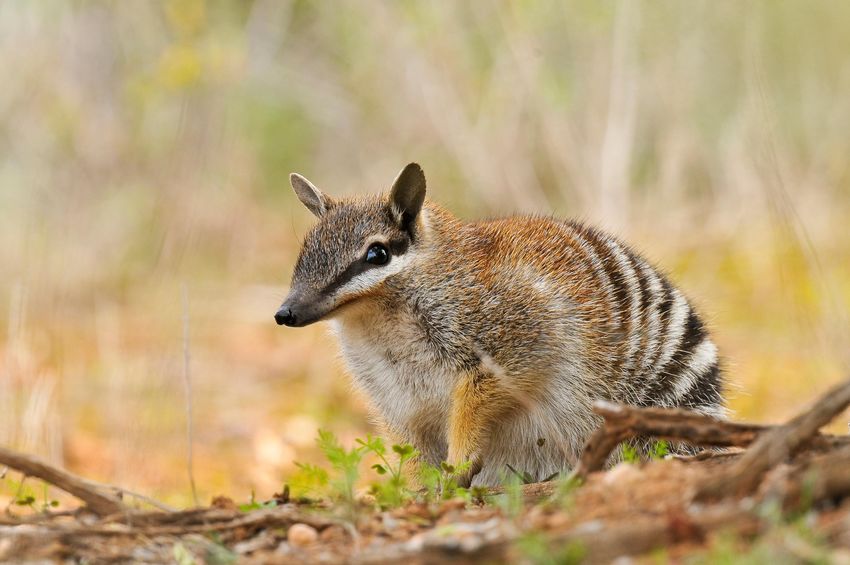
 Front cover: Numbat, courtesy of Australian Wildlife Conservancy, W. Lawler

TARGETS
                  20 birds by 2020       20 mammals by 2020       Tackling feral cats and their impacts   Protecting Australia’s plants   Improving recovery practices
TACKLING FERAL CATS AND THEIR IMPACTS
Proposal title Key species Summary State Partners
Threatened animal recovery Numbat This project will enable feral cat control to be integrated with WA Western Australian $1,700,000
through feral cat control existing broadscale fox control in Western Australia. It aims to Government
Woylie recover threatened animals through refining the use of the Eradicat®
feral cat bait together with the Probait® fox bait in four different Project Numbat
Black-flanked landscapes in Western Australia. The response of both feral cats and
rock-wallaby native non-target species to the baiting program will be monitored, Recovery teams
and followed by translocations of threatened native species into the
Western ringtail baited areas to promote those species’ recovery. The project
possum includes an education and awareness raising component for
landholders and the community about the impact of feral cats and
Western quoll foxes on native animals and how programs like the Western
Australian Government’s Western Shield program are working to
Western ground recover threatened species. The project will support the recovery of
parrot threatened native fauna across more than 850,000 hectares of
conservation reserves in Western Australia.
Kimberley feral cat bait trial Northern quoll This project will undertake a field trial of a hybrid Curiosity® 1080 WA Western Australian $250,000
bait in the Kimberley region of Western Australia to determine its Government
effectiveness on feral cats and whether there is an impact on native
non-target species. The project will collaborate with and train local
Aboriginal rangers in feral cat management techniques and
monitoring to deliver long term outcomes for threatened species
and biodiversity in to the future. The new hybrid feral cat bait
(Eradicat© and Curiosity© technology) reduces the risk of non-
target uptake by northern quolls. Following successful trials, Eradicat
has now been approved for use within WA.
TARGETS
20 birds by 2020 20 mammals by 2020 Tackling feral cats and their impacts Protecting Australia’s plants Improving recovery practicesTACKLING FERAL CATS AND THEIR IMPACTS
Proposal title Key species Summary State Partners
Building on traditional Greater bilby This project aims to integrate Traditional tracking methods with WA Desert Wildlife
tracking skills to develop a more modern technologies including leghold trapping, grooming Services
community cat control Great desert traps, camera-traps and DNA analysis of scats to determine whether
strike force team to protect Skink we can reduce predation pressure on bilby populations at two Central Desert
threatened species from cat 10,000 ha sites in the Kiwirrkurra IPA. The project will build on Native Title
predation Brush-tailed existing tracking skills but also up skill eight Pintupi Trackers to Services
mulgara produce a Community Cat Control Strike Force team proficient in
tracking, baiting, trapping, shooting and use of detector dogs to Kiwirrkurra
Marsupial mole control predators at priority sites on the IPA. The team will also be Community
available for deployment to other important threatened species
sites across arid Australia.
Groote Eylandt biodiversity Northern quoll This project aims to improve the conservation security of Groote NT Northern Territory $235 000
initiative Eylandt - a critical island refuge for northern Australian threatened Government
Brush-tailed species such as the brush-tailed rabbit-rat. The project will improve
rabbit rat understanding of threats to biodiversity on Groote Eylandt and
beyond, and will test key aspects of the efficacy of using poison baits
Pale field rat for feral cat control in Northern Australia.
The project includes systematic surveying for threatened species
Northern and feral cats across the island, implementing a baiting programme
hopping mouse and developing a long term management plan for the island.
The project will also identify priority conservation areas and
management actions to address a range of threats to several
threatened species, including the northern quoll, brush-tailed rabbit
rat, pale field rat and northern hopping mouse.
TARGETS
20 birds by 2020 20 mammals by 2020 Tackling feral cats and their impacts Protecting Australia’s plants Improving recovery practicesTACKLING FERAL CATS AND THEIR IMPACTS
Proposal title Key species Summary State Partners
Protecting the mountain Mountain Through this project a full-time contractor will be employed as a NSW New South Wales $140,000
pygmy-possum and pygmy possum dedicated cat and fox control officer. They will be trained to handle Government
Konoom (smoky mouse) two cat and fox detection dogs to protect both the mountain pygmy
Konoom (smoky possum and smoky mouse. At last one detector dog will be trained
mouse) to detect smoky mice, which will greatly assist in the location and
monitoring of this difficult to find critically endangered species. Two
threatened species officers will also be trained to handle the dogs
for both predator and threatened species detection.
Optimising grooming traps Greater bilby This project will assist in developing and testing a new technology to SA Ecological Horizons $100, 000
for targeted feral cat help protect a wide range of cat-vulnerable species, including the Pty Ltd
control Woylie bilby, woylie, warru, night parrot, bridle nail-tail wallaby. The Feral
Cat Grooming Trap uses sensors to detect the presence of a feral cat South Australian
Warru sprays a lethal dose of toxic gel onto the fur of the animal as it is Government
walking past. The feral cat instinctively grooms the gel from its body
Night Parrot and in doing so ingests the lethal dose of the poison. This project will University of South
fine tune and enhance the durability and reliability of the grooming Australia
Bridled nail-tail trap, and conduct field trials in Flinders Ranges National Park.
wallaby
TARGETS
20 birds by 2020 20 mammals by 2020 Tackling feral cats and their impacts Protecting Australia’s plants Improving recovery practicesTACKLING FERAL CATS AND THEIR IMPACTS
Proposal title Key species Summary State Partners
Feral cat eradication on Various This project will provide a unique opportunity to control and SA South Australian
Kangaroo Island mammals and eradicate feral cats across an entire environmental region (Kangaroo Government
birds Island). Benefits of investment at this site includes border security
(being an island); appropriate local government domestic cat Kangaroo Island
enforcement; community support for both domestic and feral cat Council
control; long history of previous cat management and research on KI
will inform control techniques; absence of foxes, wild dogs and Kangaroo Island
rabbits. Natural Resources
Management
There is also existing community support for the project with key Board
stakeholders collaborating to ensure KI is cat free by 2030.
The negative impacts of feral cats on Kangaroo Island are
considerable and include predation on over 50 native animal
species, spread of livestock diseases, and social impacts. Feral cats
create an unwanted nuisance by wailing and defecating in public
places, are visible at tourist attractions, and spread human diseases.
National Feral CatScan app Feral cats Feral CatScan is a national feral cat mapping system for landholders, NATIONAL Invasive Animals $45,000
community groups, local councils, indigenous groups, NRM CRC
organisations and pest manager’s expertise to record and centralise
real-time information about feral cat activity (including cat impacts
on native species).
This project will trial Feral CatScan with the Kangaroo Island
community, providing training and support to test the App for an
Australia-wide rollout.
The project will develop a Feral CatScan mobile phone application
available for free download on iPhone and Android devices, to
enable community and conservation groups to record and report
feral cats and their impacts.
TARGETS
20 birds by 2020 20 mammals by 2020 Tackling feral cats and their impacts Protecting Australia’s plants Improving recovery practicesSAFE HAVENS
Proposal title Key species Summary State Partners
Mt Gibson Endangered Woylie The project involves establishing the largest fox and cat-free area WA Australian Wildlife
Wildlife Restoration Project (7,800 hectares) on mainland Western Australia. AWC has Conservancy
Greater bilby constructed a specially-designed 43km feral-proof conservation
fence at Mt Gibson and has removed all feral predators (cats, foxes) Western Australian
Numbat and competitors (rabbits, goats) from this area and declared it feral- Government
free. In the next phase of the project, AWC will reintroduce nine of
Greater stick- Australia’s most threatened mammal species, including the bilby,
nest rat numbat, woylie, western barred bandicoot, Shark Bay mouse, red-
tailed phascogale, greater stick-nest rat, banded hare-wallaby and
Western quoll western quoll to this area and will start rebuilding wild populations
of these species.
This single project will provide a more secure future for 14% (one in
seven) of Australia’s 65 nationally threatened mammal species and
will increase the global Numbat population by 33%.
Expansion of the captive Numbat This project will double the capacity of the Numbat breeding facility WA Western Australian
breeding colony for numbat at Perth Zoo so that more Numbats can be rewilded at key locations Government
across Australia.
Australian Wildlife
Perth Zoo manages the only captive breeding facility for Numbats in Conservancy
the world. There are estimated to be less than 1,000 individuals in
the wild which precludes wild-wild translocations. Numbats only
rear a maximum of 4 young per year, have short breeding lives, and
don’t live long in the wild. These attributes mean that the
establishment of new populations is now totally dependent on
captive breeding.
The Numbat has been slated for reintroduction into the three NSW
re-wilding sites, Mount Gibson Sanctuary and Lorna Glen. This is in
addition to any further releases in SW WA.
TARGETS
20 birds by 2020 20 mammals by 2020 Tackling feral cats and their impacts Protecting Australia’s plants Improving recovery practicesSAFE HAVENS
Proposal title Key species Summary State Partners
Expanding a safe haven for Mala This project will expand the predator proof enclosure at Matuwa (a WA Western Australian
threatened fauna in the WA former pastoral lease at Lorna Glen) to 5,000 ha to provide for Government
rangelands Boodie larger, more long-term, viable populations of the current species
and allow the establishment of at least another three species of Wiluna Martu
Numbat locally extinct mammal (western barred bandicoot, numbat, and traditional owners
pale field rat).
Western barred- The enclosure will provide a safe haven for 11 threatened mammals
bandicoot and will reduce predation by introduced species, particularly foxes
and feral cats.
Golden
bandicoot
Establishment of a large Golden The Newhaven Project involves establishing the one of the biggest NT Australian Wildlife $750 000
feral-free area at Newhaven Bandicoot ever feral cat and fox-free (fenced) areas in Australia, at Newhaven Conservancy
Wildlife Sanctuary Wildlife Sanctuary in the Northern Territory. This two-stage project
Greater bilby will establish a 100,000 hectare enclosure to protect nine
threatened mammals including the golden bandicoot and the
Mala greater bilby. The project will be delivered by the Australian Wildlife
Conservancy in collaboration with traditional owners, with
Western Quoll indigenous rangers helping to deliver a range of activities including
fire management, feral animal control and biological surveys.
Supporting Waterfall Brush-tailed This project will support the Waterfall Springs Wildlife Sanctuary to NSW Waterfall Springs $70,000
Springs Conservation rock-wallaby undertake actions that support a captive population of threatened Wildlife Sanctuary
Foundation - brush-tailed Brush-tailed Rock wallabies. By working with "Friends of the Brush-
rock-wallaby breeding tailed Rock Wallaby', the project will work towards the release, New South Wales
facility tracking and monitoring of an insurance population of Wallabies into Government
the wild.
TARGETS
20 birds by 2020 20 mammals by 2020 Tackling feral cats and their impacts Protecting Australia’s plants Improving recovery practicesSAFE HAVENS
Proposal title Key species Summary State Partners
Northern Corroboree Frog Northern This project will involve the construction of five specialised ACT ACT Government $20,000
enclosures corroboree frog amphibian enclosures to protect critically endangered northern
corroboree frogs at Tidbinbilla Nature Reserve. The enclosures will Kosciusko National
re-establish breeding populations and will help the frogs to develop Park
natural disease resistance to the Amphibian Chytrid Fungus - a key
threatening process for the species.
Development of a Eastern bettong This project is driven by a partnership between the Australian ACT ACT Government $600,000
nationally significant Government, the ACT Government and the Woodlands and
woodlands conservation New holland Wetlands Trust to expand the Mulligan’s Flat Woodland Sanctuary
sanctuary at Mulligans Flat mouse and provide a predator-free environment for listed threatened Woodlands and
species including the Eastern Bettong (extinct on mainland Australia) Wetlands Trust
and the New Holland Mouse. The project will improve habitat for
these species through developing a box gum grassy woodland
community with a full suite of flora and fauna acting at the
landscape scale. Expanding the sanctuary is a vital conservation
action for these species and will provide a benchmark vision for
what can be achieved elsewhere.
Safeguarding Australia’s The 75 EPBC This project will build wild seed resources of EPBC listed Australian National Australian Seed
threatened eucalypts listed eucalypt eucalypts, including those thought to be at risk of the plant disease Bank Partnership
species myrtle rust. Through the project, hundreds of seed collections will
be stored in conservation seed banking facilities to an international Australian National
(including standard. These seed collections will be available for on-ground Botanic Gardens
Angophora, threatened species recovery activities and use for seed production
Eucalyptus and areas. State botanic
Corymbia) gardens
TARGETS
20 birds by 2020 20 mammals by 2020 Tackling feral cats and their impacts Protecting Australia’s plants Improving recovery practicesSAFE HAVENS
Proposal title Key species Summary State Partners
Establishment of a feral Greater bilby This project will see the establishment of a new feral-free area at QLD Australian Wildlife $1,200,000
predator-free area at Astrebla Downs National Park, managed by the Australian Wildlife Conservancy
Astrebla Downs National Kowari Conservancy. It will involve the establishment of an 8,000 hectare
Park enclosure, staff facilities, as well as funding for the implementation
Plains mouse of landscape scale conservation management (with a focus on feral
predator control) across the unfenced area of the National Park. The
Plains wanderer project will deliver a significant and measurable increase in the
population of at least three nationally listed mammals including the
greater bilby, kowari and plains mouse.
Expanding Victoria’s Eastern barred This project aims to establish additional fenced reserves to expand VIC Mt Rothwell
threatened species safe bandicoot and support threatened species programmes across Victoria. Feral
havens. proof fencing has proven to be successful in acting as a safeguard, Macedon Shire
Southern brush- and provides transition and rewilding establishment between Council
tail rock-wallaby captive breeding and wild releases.
Victorian
Southern-brown The enclosures will provide a robust risk mitigation strategy in case Government
bandicoot of catastrophic events (e.g. fire and disease), through establishing
populations across a variety of separate locations, while also Recovery teams
Swift parrot providing broader community involvement opportunities.
The additional reserves (1,600+ ha) will increase the number of
Eastern bettong threatened species to be targeted for recovery will enable the long-
term protection of these species from threats such as cats and foxes.
Eastern barred bandicoot Eastern barred This project will increase the genetic variation and fitness of VIC Victorian $55,000
recovery actions bandicoot Victorian eastern barred bandicoots through the capture and Government
translocation of approximately 26 Tasmanian eastern barred
bandicoots to a fox-free predator proof conservation park at Mt
Rothwell. This project is crucial for increasing the genetic diversity of
the existing breeding programme so that a larger population can be
held and a greater number of animals can be provided to
reintroduction programmes in the future.
TARGETS
20 birds by 2020 20 mammals by 2020 Tackling feral cats and their impacts Protecting Australia’s plants Improving recovery practicesIMPROVING HABITAT
Proposal title Key species Summary State Partners
Restoring central Australian Red cabbage This project will contribute to the conservation of several NT Northern Territory $320,000
water places for palm threatened plants and animals including the red cabbage palm, Government
biodiversity outcomes brush-tailed mulgara and the black-footed rock-wallaby. Utilising
Black-footed Indigenous Knowledge, the project will involve the restoration of Central Land
rock-wallaby four biodiversity-rich spring sites, training of local land managers Council
and development of guidelines for wetland restoration techniques in
Brush-tailed arid Australia. University of
mulgara Canberra
Pastoralists
Conservation actions for the Hooded plover This project will undertake banding and genetic analysis on hooded NSW New South Wales $40,000
hooded plover plovers to understand differences in two fragmented sub- Government
populations in NSW.
The study aims to increase knowledge of the hooded plover through
flagging and banding plovers, with spatial and genetic analysis
undertaken to gain crucial information for understanding
interactions between the two populations to improve management
actions and protect this important threatened species.
Woodland restoration White box - This project will build on an important partnership project between ACT Alzheimer’s
though Alzheimer’s yellow box - Alzheimer’s Australia ACT and Greening Australia that supports Australia ACT
volunteering Blakely's red volunteers who are living with Younger Onset Dementia to volunteer
gum grassy weekly at the Greening Australia Canberra Community Nursery. Greening Australia
woodlands and
derived native
grasslands
TARGETS
20 birds by 2020 20 mammals by 2020 Tackling feral cats and their impacts Protecting Australia’s plants Improving recovery practicesIMPROVING HABITAT
Proposal title Key species Summary State Partners
‘Here be dragons’ - ensuring Grassland This project will establish a captive insurance population of the ACT ACT Government
the future of the grassland earless dragon endangered grassland earless dragons. The project will breed and
earless dragon. reintroduce this species back to the wild to recover the existing University of
population and increase their current range. Canberra
The captive population would be established across a number of
institutions (i.e. institutions may include ACT’s Tidbinbilla Nature
Reserve, Melbourne Zoo) to help prevent the loss of the species
should wild populations become extinct.
A small population of captive individuals, based in the University of
Canberra, have been used as the basis for breeding and
reintroduction trials. These individuals will be used as the basis for
the larger insurance population.
Improving the condition of Grassland This project will improve the condition of native temperate ACT ACT Government $4,651
native temperate grassland earless dragon grassland sites within the open space network in Canberra to
sites within the open space support the recovery of a suite of threatened grassland species. Landcare
network in Canberra. Striped legless
lizard The project will trial positive disturbance approaches to grassland
management through fire, grazing, planting tube stock, slashing and
Golden sun complementary weed and pest animal control.
moth
Multiple
threatened
plant species
TARGETS
20 birds by 2020 20 mammals by 2020 Tackling feral cats and their impacts Protecting Australia’s plants Improving recovery practicesIMPROVING HABITAT
Proposal title Key species Summary State Partners
Kangaroo Island goat Glossy black- This project on Kangaroo Island is the final phase of an ambitious SA South Australian $92,500
eradication programme - cockatoo feral mammal eradication project. This phase will aim to eradicate Government
the final phase feral goats from the Island to protect its unique biodiversity and
ecosystems. The project will target the remaining population of
feral goats to reduce pressures on glossy black-cockatoo habitat and
prevent further impacts on native plants.
Implementation of Northern This project will implement dedicated land management at three QLD Australian Wildlife $200,000
dedicated management for bettong biodiversity-rich National Parks in northern Queensland. Mt Lewis, Conservancy
a nationally threatened Mt Spurgeon and Mt Windsor National Parks are a hotspot for
species hotspot at Mt Northern quoll threatened species, particularly threatened mammals. The Queensland
Lewis, Mt Spurgeon and Mt Australian Wildlife Conservancy will work with Queensland National Government
Windsor National Parks Spotted-tailed Parks to undertake feral animal control, fire management, weed
quoll control, biological surveys and scientific research to protect at least
16 nationally threatened species including the northern quoll,
Southern southern cassowary and northern bettong.
cassowary
Achieving breeding success Hooded plover This project will manage disturbance by visitors (and their dogs) on Vic Birdlife Australia
for hooded plovers the higher visitation beaches through developing educational
material, erecting new signs, carrying out compliance activities and Victorian
nest protection. The project will also carry out monitoring of Hooded Government
Plover populations and investigate key threats. This includes
monitoring breeding success, the health of populations,
effectiveness of management actions and tracking the survival of
individuals, in particular chicks. It will also monitor visitor numbers
and the effectiveness of signs erected to protect the birds.
TARGETS
20 birds by 2020 20 mammals by 2020 Tackling feral cats and their impacts Protecting Australia’s plants Improving recovery practicesIMPROVING HABITAT
Proposal title Key species Summary State Partners
Building a wildlife corridor Mountain This project will construct a crucial rock-filled wildlife corridor and Vic Victorian
for Mountain pygmy- pygmy-possum culvert under the Great Alpine Road to link the upper and lower Government
possums at Mount Hotham sections of boulderfield habitat at Mt Little Higginbotham located at
Cherokee Corner.
Protecting and restoring Swift parrot This project will protect and restore important woodland bird Vic BirdLife Australia
priority threatened habitat through habitat improvement and land protection measures.
woodland bird ‘hotspots’ Regent Data on threatened woodland bird species has been mapped and Recovery Teams
honeyeater ranked to determine habitat of the greatest value to threatened and
declining woodland birds. These ‘hotpots’ identify priority areas, Victorian
Superb parrot such as refugia, which can be assessed and used to direct priority Government
recovery actions such as restoration (tree planting), protection
South east red- (covenanting) and/or other management activities (control of Local community
tailed black- invasive species, fencing), depending on the pressure faced at those groups
cockatoo sites.
The project delivers priority actions identified in the national Farmers
recovery plans of EPBC listed species in consultation with the
recovery teams for those species.
Managing the impacts of Golden galaxias this project will protect the endangered Golden galaxias through the Tas Tasmanian
Carp in Lake Sorrell to removal and eradication of carp in Lake Sorrel. The project will Government
protect endangered Southern bell involve spatial monitoring of carp using radio transmitters to enable
freshwater fish frog timely harvesting of aggregating carp; using an extensive barrier,
trap and gill net system to ensure that spawning is prevented
TARGETS
20 birds by 2020 20 mammals by 2020 Tackling feral cats and their impacts Protecting Australia’s plants Improving recovery practicesEMERGENCY INTERVENTION TO AVERT EXTINCTIONS
Proposal title Key species Summary State Partners
Emergency Intervention - Central rock-rat This project will establish and pilot an aerial baiting program to NT Northern $220,000
West MacDonnell ranges assess the potential for strategic cat control in and around the Territory
central rock-rat Long-tailed rugged mammal refuge areas of the West MacDonnell Ranges. The Government
conservation dunnart project will involve aerial baiting using Eradicat baits, with an
intensive monitoring program to determine the effectiveness for
Black-footed protecting small mammals.
rock-wallaby
The project will also collect valuable information about the location
and density of several threatened species including the central rock-
rat, long-tailed dunnart, brush tail possum and black-footed rock-
wallaby and will strategically address the identified threat from cats
to these species in the West MacDonnell Ranges.
Emergency conservation Plains wanderer The plains wanderer is an inland shorebird endemic to Australia. It is NSW New South Wales $100,000
actions for the plains considered one of the most evolutionarily distinct birds in the world. Government
wanderer This project will deliver emergency conservation actions for the
plains wanderer, including improving habitat through rabbit control
and woody weed removal. The project will also involve a workshop
to assess the feasibility and design for a captive breeding
programme as an essential step towards an insurance population.
Improving scientific Grey falcon This project would allow for the first ever study of grey falcon QLD University of
understand of the grey ecology, behaviour and threats to survival. Almost 70% of all Queensland
falcon breeding events of the species recorded since 2004 have occurred
on Telstra repeater stations. CSIRO
The significance of Telstra repeater stations for the grey falcon’s
survival cannot be overstated. Grey falcons greatly benefit from the
repeater towers by being absolutely safe from terrestrial predators
such as feral cats, goannas, snakes and ants. Further, high up on the
repeaters the breeding falcons remain unmolested from smaller
birds that often harass breeding and roosting raptors.
TARGETS
20 birds by 2020 20 mammals by 2020 Tackling feral cats and their impacts Protecting Australia’s plants Improving recovery practicesEMERGENCY INTERVENTION TO AVERT EXTINCTIONS
Proposal title Key species Summary State Partners
Save the orange-bellied Orange-bellied This project will undertake crucial monitoring and management Tas Tasmanian $525,000
parrot program: parrot actions at the orange-bellied parrot breeding site at Melaleuca, in Government
implementation of critical the Tasmanian Wilderness World Heritage Area.
recovery actions in It will provide essential support to the captive-bred population of Wildcare Inc.
Tasmania orange-bellied parrots and will facilitate actions to release of
captive-bred birds into the wild. The project will include the
provision, monitoring and improvement of nesting boxes specifically
designed to reduce predation on Orange-bellied Parrots and
competition with other species.
The project also aims to decrease the spread of beak and feather
disease, and increase understanding of the impact of the disease on
the parrot's recovery.
TARGETS
20 birds by 2020 20 mammals by 2020 Tackling feral cats and their impacts Protecting Australia’s plants Improving recovery practicesNEW OPPORTUNITIES
Proposal title Key species Summary State Partners
TARGETS
20 birds by 2020 20 mammals by 2020 Tackling feral cats and their impacts Protecting Australia’s plants Improving recovery practicesNEW OPPORTUNITIES
Proposal title Key species Summary State Partners
TARGETS
20 birds by 2020 20 mammals by 2020 Tackling feral cats and their impacts Protecting Australia’s plants Improving recovery practicesYou can also read


