A mental health resource for players, coaches, clubs and communities
←
→
Page content transcription
If your browser does not render page correctly, please read the page content below
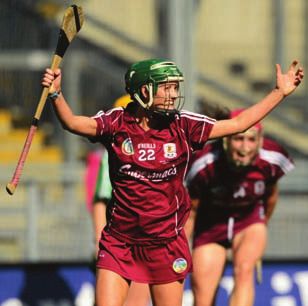
A mental health resource for players, coaches, clubs and communities

            Download your free Play In My Boots pack at www.playinmyboots.ie
                                                                               1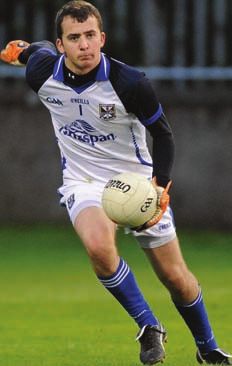
About
ST PATRICKS MEN
ST. PATRICK’S MENTAL HEALTH SERVICES AND
TAL HEALTH FOU
St. Patrick’s Men NDATION
tal Health Founda
Health Services. tion fundraises on
behalf of St. Patri
ck
’s Mental
St. Patrick’s Univ
ersity Hospital wa
is today, Ireland’s s founded over 25
la
We aspire to prov rgest independent, not-for-profit 0 years ago by Jonathan Swift, an
id d
and to advocate e the highest quality mental heal , mental health service provider.
for the rights of th th care, to promot
ose who experienc e
‘Walk in My Shoe e mental health di mental health
s’ fficulties.
awareness for m is a campaign of St. Patrick’s Men
ental health and ta l He al th Founda
young adults. funds to provide
mental health se tion which raises
rvices to vulnerab
• The idea from le
‘Walk in My Shoes’
could put themse came from a 16 ye
lves in his shoes an ar old
‘Walk in My Shoe d better understan who said he wished his friends
s’ challenges the d mental health dif
stigma associate ficulties.
St. Patrick’s Mental d with mental he
He al th di fficulties.
Friday and is manne alth Services Support and inform
at
outside hours. You d by Mental Health Professionals wi ion line is open 9-5pm Monday to
ca th an answering an
you can email your n contact the Support & Informat
query to info@stp ion service by callin d call-back facility
atsmail.com. g 01 249 3333, or
For more info see
www.stpatricks.i
e
a role in promoting
mu nit y org ani sat ion the GAA has always played
g and com
As Ireland’s largest sportin yers.
ing am on gst its members and pla ies for physical
health and we llbe
g un its off ering excellent opportunit ,
clubs are he alth pro mo tin t for recreational activities
By their very nature GAA nit y en gag em en t, as well as a safe environmen vol un tee rs, and
n, commu ice rs,
exercise, social interactio Your local GAA club, its off
era tio nal con ne ctio ns, and life skill development. me mb ers and com mu nities overcome
intergen sup port system to he lp
pro vid e a val uab le
your team mates also
e from time to time. ce dedicated structures
to drive
challenges they may fac the Association has put in pla ke Park
ani cal ly in ou r clu bs, alth Se ctio n in Cro
While all this happens org al lev el thr ou gh the GA A Community & He ne w He alth
agenda at nation e, and at county level thr
ough the
and support this health & We llbe ing Co mm itte r (re pla cin g the
tional Health t a Health & Wellbeing Off
ice
and the newly formed Na are also being asked to appoin
Co mm ittees. Clu bs
& Wellbeing
previous role of the ASAP
Officer). land and our work in the
int o eve ry parish on the island of Ire t
s our abi lity to rea ch ips with organisations tha
The GAA’s strength remain l be larg ely de pe nd en t on appropriate partnersh wo rk wit h St. Pat rick ’s
ing wil y we have chosen to
area of health and wellbe res ou rce s. Th at is wh
and inform ativ e.
ise, knowledge, and pe you find it both useful
have the requisite expert atio n of this resource and we ho ers
es in the cre and we wish our memb
all
Mental Health Servic alth y bodies, healthy minds’
ports the ma ntr a of ‘he
The GAA very much sup ir mental fitness.
ry succes s and en joy ment in maintaining the
eve
aa.ie
For more info see www.g
2
Focus on Mental Fitness
Sport and the GAA have a great contribution to make to the health and
mental wellbeing of Irish society. The old adage of a healthy body and
a healthy mind still rings true today. Unfortunately, the concept of
mental health has been stigmatised, despite the fact that it plays a part
of all of our daily lives – from how we think, relate to people, handle
pressure or stress, and view the world we live in.
These packs shine a positive light on the concept of mental health and
align it with the world of GAA sports people. That is why we are using
the term ‘mental fitness’ throughout this booklet.
Approaches to developing and maintaining our physical fitness and
our mental fitness are very similar – we need to exercise our minds and
bodies regularly, watch our diet and hydration levels, get plenty of
sleep, and enjoy appropriate down time. But even if we do all this,
injuries can happen through no fault of our own.
If you pull a hamstring you get a physiotherapist to assist you in your
recovery. Getting help to overcome a ‘mental injury’ is no dierent.
The earlier you do so, the earlier you will get back doing what you love!
orS
Sport SpeciFic FAct
AFFecting Me nt Al
FitneSS
The key to mental fitness for
anyone is BEING AWARE OF
in
‘WHEN’ YOU NEED TO ASK FOR • Players can be criticised son
ways tha t the ave rag e per
HELP and knowing what positive
doesn’t experience
choices are available to you. ing or
• Struggling with recurr
There is a “super athlete” perception long-t erm injury
petitive
out there that leads to players • Retirement from com
feeling like they shouldn’t have to sport
steem
seek help. • Implications for self-e
and cop ing
tributor
• Stress is a major con health
to athletes’ me nta l ill
l Fitness:
“e key thing for anyone who is
ting your Menta
and loss of form
Factors aec
ms feeling depressed is to always
• Surroundings – stadiu ing remember there is light at the end
filled wit h peo ple wa tch
ess a of the tunnel. And if you ever get to a
1 Relationship str every move and action of
los s of so m ething important pla yer and exa mi nin g and point where you are struggling to see
2 The work,
hool, in college, in ridiculing every mistake
or it, like I did, then that is the moment
3 Bullying: in sc b or online
, in your clu achievement to reach out for help. Opening the
in the community t
4 Financial strain
or hardship
of • Sideline negativity thasports vault that had become my head was
hy lifesty le choices e.g. use reflects on a pla yer ’s crucial in liing my depression.”
5 Unhealt ot her su bs ta nc es, ability, temperament and
an d Alan O’Mara
tobacco, alcohol fitness for purpose Cavan Footballer
poor diet s face
mitments - college
team, • Social Media – player ial
6 Too many com ad em ic studies being ridicu led on soc
team, ac
club team, county essing or media through comments
lence, such as witn and photos which
7 Exposure to vio abuse/
physical or sexual many people see
being a victim of
assault • Body image – added perfect
pressures of having a
body image
fect 1 in 4 people.
Mental health difficulties af
rength, not weakness.
Asking for help is a sign of st
3
Focus on teams & Mental Fitness
In this section you will find tips and advice on how to promote
positive mental fitness for you and your team mates.
In a sports team environment there is a
huge support network and many “go to”
people you can talk to, including:
• Coach
• Mentor
• Team Captain
• Close team mates
• Club members
• Parents/other parents
• Team physio, selectors, doctor
• Teachers, lecturers
• Support services/helplines
protective and beneficial
factors of being on a team
1. Positive attitude
2. Enhanced self-confidence
“In sport and in life we face “Look at speaking about how you’re feeli
and positive self-belief ng as a sign of
setbacks. ese can be strength not weakness. Keeping quiet
3. Development of good about our issues only
challenging but with experience deepens our problem. Speaking out abou
communication skills t how you feel
you realise it’s natural to hurt allows you the opportunity to improve
4. Making boundaries/setting your situation.
sometimes and things will get It is about speaking up, not shutting up.”
better. ere is always someone limits together
Seamus Hennessy
there to help you through, be it 5. Having assertiveness Tipperary Hurler
team mates, family or friends.” 6. Experiencing a strong sense
tAl FitneSS
Deirdre Burke of community/belonging
beneFitS to Men
Galway Camogie Player 7. Opportunities to socialise in
rS
teAM Sport oFFe
a safe environment
reased well-being
anxiety & inc
• Reduced feelings of
might be having difficulties
If you think someone on your team • Reduced stress and
depression
help by: concentration
with their mental fitness you can • Improved mood and nfidence
Asking them if they are ok , self-efficacy and co
• • Improved self-esteem
Really listening to their response g new friends
•
alone and help is out there • Opportunity for makin
• Making sure they know they are not l skills such as
Developing your socia hers and self-confidence
selves •
• Making sure they don’t isolate them communicating wi th ot
off the field
• Taking time to be there for them
• Telling your coach
sessions/matches
• Encouraging them during training
• Encouraging them to see k help
Stress is an overlooked trigger of poor mental health in players
Research shows talking about problems
is associated with lower mental health
distress and more positive well-being
4
Focus on players aged 12 - 17
This section aims to oer guidance to juvenile players including tips and advice on how
to look after your own mental fitness.
According to the Gaelic
The worst thing you can do is bottle it all up and tell no one. You may think
it is only
some stage of their life. Players Association (GPA),
happening to you but in fact 1 in 4 people go through a tough time at
So if this is you, you’re not alone. since 2010 over 100 county
players have made contact
with the GPA counselling
Players are subject to a unique set of challenges and circumstances that
can make a person
service and received support.
vulnerable to a mental fitness problem like depression or anxiety.
If you think you are having difficulties with your mental fitness, here are If you need some support,
don't be afraid to follow in
some do and
don’ts that might help you.
their footsteps and reach
out too.
You don't always need professional help;
sometimes self-help can work...
DO... Don’t...
COMMUNICATION COMMUNICATION
• Do talk to someone you can trust • Don’t isolate yourself or spend
• Do listen to someone you trust too much time alone
• Do arrange to meet with a friend • Don’t keep things bottled up
LIFESTYLE CHOICES LIFESTYLE CHOICES
• Get some fresh air, go outdoors • Don’t exist within a social media
when you can bubble
• Eat good food • Don’t avoid friends, family,
• Make room for some quality coaches and team mates
relaxation time • Don’t take on too many
• Be included and include others commitments
• Get a good night’s sleep
• Arrange a kick-around/puck about POSITIVE ATTITUDE DEVELOPMENT
• Don’t give up
POSITIVE ATTITUDE DEVELOPMENT • Don’t criticise yourself negatively.
• Explore additional interests as well Be constructive with your
as GAA self-reflection
• Be patient • Don’t put too much pressure on
• Be aware of how your thoughts yourself
influence your mood • Try not to be impatient ere’s a perception that sports people
can overcome
• Take deep breaths • Don’t worry what others might any obstacles but we are no different to
think anyone else.
• Accept mistakes We give it our best and sometimes we
• Don’t let bad performances get succeed, some-
• Know that you can’t win them all times we fail. What really matters is what
• Give yourself a pat on the back you down you do next.
ere’s always hope and there’s always
• Don’t feel guilty – it’s not your help at hand.”
fault! Valerie Mulcahey
Cork Ladies Footballer
important.
Talking about Mental Health isbig
A simple conversation can mak e a difference.
5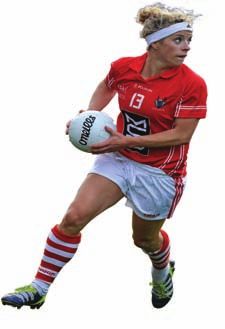
Focus on college players
This section is for players dealing with the additional stresses of college life.
Included you will find tips and advice on how to look after your own mental fitness.
Starting college can be both exciting and stressful. You’re juggling so much with training/matches, living on your own for
the first time and figuring out what you want out of life. It’s no surprise that many feel overwhelmed!
This is a time of transition (significant changes) and psychological disorders can often develop during transition periods
i.e. leaving home, changing colleges, relationships ending, playing for new teams, new academic and financial pressures.
DiD YoU KnoW?
adulthood is a
The transition from adolescence to
ng sports people.
46% of college GAA
challenging time esp ecia lly for you
players regularly feel
entering the
It may include heading off to college,
overwhelmed by all of
ng part of new GAA teams. For
workforce or becomi
their commitments i.e.
mental health
the more than 1 in 4 young adults with
academic and sport
greater
difficulties, this phase of life poses even
participation etc. challenges.
Only 15% of college Alcohol and Mental Health
GAA players find it
For students, drinking alcohol has
easy to manage all of become an integral part
of the college social life. Becaus
their commitments. e of this, binge drinking
has become more prominent in
10% of college GAA college students. Harmful
drinking can have serious impacts
players feel that their on mental health as it
increases levels of stress, anxiety
college does not and depression.
*Recommended weekly alcohol
support them intake;
Men = 17 standard drinks
academically.
Women = 11 standard drinks
(GPA, 2013)
...
Know what your drinking
ain
onttai 0g
nss 10 alccohol
g off pure al
d Drinkk ccon
1 Standarrd
Small
1SD = Beer
Bee
Pi t
lf Pint
lf
Half
Hal
H
outt or
Stou
er,, St or
ub
Pub
P
Spirit
ure
Meassure or Glass
Wine
Alee
Al
alccohol
1 off pure al
d Drinkk 10g
som e drin ks e
are
ar mo e
re
r tha n one Standarrd
...and
8SD
2SD le of
Bottle
2SD 2SD
Largee
Larg Wine
Pint off Beer, Largee
Larg
“e one bit of advice I would ourr or 2SD le of
Bottle 2SD Can of
Stou
St
give to anyone feeling down or Alee
Al Double Pub
ble Pub Alco pop
Alcopo p Quatterer
Beer
Bottllee of
suffering with their mental sure of
Measure
Wine
health is to surround themselves Spirit
with close friends, family and
positive people. Having a close
knit group who you feel safe
South of Ireland.
around will make talking easier vary between the North &
*Terminology & guidelines rela tive to Northern Ireland.
and will give the people who care
ase see nhs .uk/live wel l/alcohol for information
about you the opportunity to Ple
help you and make sure you
don’t have to go through
anything alone.”
Darren O’Sullivan
Kerry Footballer & Sigerson Cup
Winner with DIT
6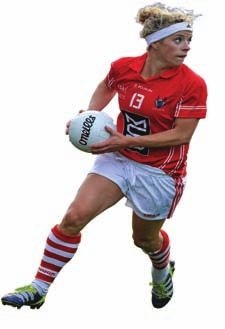
Focus on college players
Some mental health problems for players can be triggered by taking on too much -
including increased sport participation and increased life and work commitments overall.
all
Footubrling
or h Work
Friend
s or
relatio
nships
Course s
pressure
Family
Healt
& well- h
being
Social life
Fi n a n c
es
Here are some Do & Don'ts for dealing with
the added pressures of college life “e more we bottle our problem
s
up the mor e exag gerated they can
y
become in our own head, it's oka
DO Don’t to tell someone you’re not oka y.”
1. Learn to talk to your roommates 1. Don’t commit to too much i.e. Conor Lehane
and classmates, explore the if you’re playing for your college Cork Hurler
UCC
campus together; go for a coffee. and club and possibly county & Fitzgibbon Cup Winner with
don’t let yourself become stressed
2. Connect to your teachers and juggling these with your studies.
lecturers. They are there to help Know your limits! Tell someone - talking about
you get through tough classes,
2. When playing for a lot of teams
mental health is important.
tough decisions and tough times.
and having extra A simple conversation can
3. Communicate with your coaches. commitments/pressures in make a big difference.
Let them know if the sport vs college, players can be prone to
academic pressures are getting too injury. Poor mental health has
much. They will understand and been shown to be a response
can offer support. to an injury.
4. Remember that there are help 3. As well as that players can develop
services on campus to help you. “overtraining syndrome” which
Chat to your students union, the can lead to a decrease in their
college GP or your tutor for performance and in turn cause
information. depression, stress or anxiety in
players.
7
Watch out for the warning signs

    HoW to Spot tHe SignS? WAtcH oUt For YoUrSelF, YoUr FrienDS, FAMilY AnD WorK colleAgUeS
    iF YoU recogniSe AnY oF tHe FolloWing WArning SignS it’S tiMe to SeeK Help

    FeelingS
                                                                                                                     person on
    Watch out for signs of the player feeling:                                   “Before I thought I was the only
                                                                                                this  problem  but  I know now
    • Sad and hopeless without a reason for a long time                         the planet with
                                                                                                                    shar ing our
    • Angry, crying, over-reacting most of the time                             I’m not alone and by talking and
                                                                                                            free from  a bet.”
    • Feeling worthless or guilty often                                            feelings we can all stay
                                                                                               Nia ll McN  ame   e
    • Regularly feeling performance was inadequate in a match and                             Offaly Footballer
       significant others will be disappointed
    • Being anxious or worried often…maybe feel it before a match
    • Extremely fearful, unexplained fears
    • Concerned about physical appearance or physical problems
    • Tired or exhausted due to other symptoms
    • Feeling life is too hard to handle/ having suicidal thoughts
    • Negative emotions before, during or after matches

    experience
    •   Increasingly declining performances in school, college, work, sport
    •   Unable to cope with the loss of someone or something important
    •   Losing interest in things once enjoyed…like playing your sport
    •   Unexplained changes in sleeping patterns
    •   Unexplained changes in eating patterns
    •   Avoiding friends, family, team mates or coaches
    •   Wanting to be alone all of the time – missing training or matches
    •   Daydreaming too much, poor concentration or easily distracted
    •   Frightened that his/her mind is out of control or controlled
    •   Hearing voices that cannot be explained
    •   Persistent nightmares

    beHAvioUr
    •   Poor concentration/unable to think straight                                                                                                r
                                                                                                       is no different to maintaining you
                                                                    “Maintaining your mental fitness                 tly. You  r lifestyle  and  hav ing
    •   Inability to sit still or focus attention                                                  k on it constan
                                                                physical fitness - you need to wor                ng tim  e for  you rsel f and  hav ing
                                                                                                 but so is   taki
    •   Over talkative, disjointed conversations                a positive outlook is important,                                        and   sup  por t
                                                                                                     nds you can turn to for help
    •   Frequent complaints of fatigue, illness, or injury       a good network of family and frie                          ’t go  as plan  ned .”
                                                                                                         ll or things don
    •   Becoming more irritable                                        when life throws you a curve-ba
                                                                                                Eoin Cadogan
    •   Loss of emotion or heightened emotion                                                  Cork Dual Player
    •   Withdrawal from social contact or sporting activities
    •   Not asking for help for fear of what other people might say, or of getting dropped

    ActionS       [cAUSing probleMS]

    •   If you notice signs of player using/ abusing/ depending on alcohol or drugs
    •   If their gambling has become a problem
    •   Dieting/ Exercising excessively
    •   Excessive risk taking
    •   Doing things that can be life threatening

8
Focus on coaches & Mental Fitness
This section is for Coaches and Mentors providing tips and advice on how to improve mental fitness
within a team environment and guidance on how you can help if a player is experiencing a problem with
their mental fitness.
Coaches have a special relationship with their players and this places them in a unique position when it comes to
contributing to their mental fitness. Coaches should never underestimate the potential they have to positively influence a
player’s development o the field as well as on it.
Players are used to receiving positive lifestyle messages from coaches, they respect them, and they take onboard their
advice. The regular face-time spent with players aords coaches an opportunity to detect problems early and then to oer
support to those who may be in need of assistance. You don’t have to be a counsellor, just know where to find help and
encourage players to seek it.
The presence of One Good Adult is
a key indicator of how well a young
person
Approaching a situation
When dealing with players and
can cop e with prob lem s.
looking and
is connected, self-confident, future
Psychology : My World Survey 2012) mental health, a coach may be
the
(Headstrong and the UCD Sch ool of
first step in the process of finding
a
solution.
How can i help / What can i do? Coaches should be positive,
• Be aware of what's happening concerned and involved:
in players’ lives o the field
• Become informed about mental 1 listen – most important part of
diculties health services and
communication
• Model a positive attitude towards 2 Accept – accept what the
mental fitness
• Promote a safe environment whe person is saying; for
problems re players can discuss
clarification ask questions if
• Connect with players families needed. Don’t be dismissive
3 When the player stops talking
DO ask if there is anything else
they need to say
4 Indicate you are glad they cam
• Use respectful Language
e
to you and that you want to
• Put the player first
help them
• Talk about mental health concerns
5 Make necessary referral /
• Be informed about mental health & resources available to you
signpost them in direction of
and your players
support
• Get support, don’t try to do everything on your own
• Spend time with the player or arrange for someone to spend
time with that person
• Listen and give positive feedback
• Be supportive & understanding Don’t
• Offer participation for everyone • Use disem
powering lang
(“Sure there’s no uage
thing wrong w
• Refer to pe ith you...just pl
ople by their ay on”)
• Gossip; be illness in a ne
judgemental gative way
“Mental health is a very precious • Keep the
commodity. As coaches we need to be information or
very • Underestimat concern to yo
cognisant of the fact that what we do and e the young pl urself
• Ass um ayer’s abilities
how we do it can have a significant impa e someone el
ct • Be focuse se is dealing w
on the psychological well-being of the d on winning ith the issue
players’ we work with. Life is not a gam
e of
perfect, every player will have up time
s and
down times over the course of a seaso
n, for
me coaches need to be aware of the issue
of
mental health and be ready to support
the
players under their care”
Jim McGuinness
Donegal Manager
9
Where to seek help

                                                                Republic of Ireland Contacts
                                                                Aware
                             alth Services Contacts             Helping defeat depression
      St. Patrick’s Mental He                                   Helpline: 1890 303302
                                                                www.aware.ie
                                      alth Services
             St. Patrick’s Mental He     n Centre
                Support and Informatio                          Bodywhys
                      Helpline: 01 249 3333                     The eating Disorders Association of Ireland
                       www.stpatricks.ie                        Helpline: 1890 200 444
                           Dean Clinic                          www.bodywhys.ie
                                       Assessments
              Providing Mental Health9 3590                     ReachOut.com
                      Helpline: 01 24
                                                                An online service to help young people aged 16-25
                                                                ie.reachout.com
                                                                Samaritans Helpline
                                                                24HR support line for anyone who needs to talk to
      Northern Ireland Contacts                                 someone, about anything. Official mental health partner
                                                                & support service for the GAA
                                                                Helpline: 1850 116 123
      LifeLine                                                  www.samaritans.org
      Crisis response helpline service for people who
      are experiencing distress or despair                      Shine
      24Hrs. Helpline: 0808 808 8000                            Supporting people affected by Mental Health
      www.lifelinehelpline.info                                 Helpline: 1890 621 631
                                                                www.shineonline.ie
      Eating Disorders Association
      Offering advice for people affected by eating             National Office of Suicide Prevention
      disorders. Helpline: 028 9023 5959                        A point of contact for people seeking help in relation to
      www.eatingdisordersni.co.uk                               suicide or those affected by it
                                                                www.nosp.ie
      Samaritans Helpline
      24HR support line for anyone who needs to talk to         Console
      someone, about anything. Official mental health partner   Bereaved by suicide
      & support service for the GAA                             Helpline: 1800 201 890
      UK Helpline number: 08457 90 90 90                        www.console.ie
      www.samaritans.org
                                                                Pieta house
      NIAMH                                                     Centre for prevention of self harm & suicide
      Promoting supporting and exploring positive               Helpline: 01 601 000
      mental wellbeing throughout society                       www.pieta.ie
      Helpline: 028 9032 8474
      www.niamh.co.uk                                           National LGBT
                                                                A non-judgemental and confidential service providing
      Cruse                                                     listening, support and information to lesbian, gay, bisexual
      Promoting the wellbeing of bereaved people:               and transgender people.
      for adults children and young people                      Helpline: 1890 929 539
      Helpline: 028 9079 2419                                   www.lgbt.ie
      www.cruse.org.uk
      Zest
      Family outreach support for self-harm
      Helpline: 028 9066 8333
      www.zestni.org
      Cara-friend
      Providing information and support to the lesbian gay
      bisexual and transsexual community
      Helpline: 028 9089 0202
      www.cara-friend.org.uk

10
‘Play in My Boots’ is an adaptation from St. Patrick’s Mental Health Foundation’s
‘Walk in My Shoes’ Campaign which began after a 16 year old said he wished his friends
could put themselves in his shoes.
‘Play in My Boots’ was established in 2014, by St. Patrick’s Mental Health Foundation
and the GAA as a mental health resource for players, coaches, clubs and communities.
If you or your club would like find out more or to get involved and raise funds to
support vulnerable young adults in Ireland with mental health difficulties
please log onto www.playinmyboots.ie or call 01 249 35 96.
Thank you.
Green 3285 Purple 2593
App
lable for iOS and Android devices.
WorkOut is a free mental fitness app avai
tion with the GAA Community &
Developed by ReachOut.com in conjunc
sure and improve mental fitness.
Health Section, it is a tool to help mea
missions to move past negative
WorkOut uses practical, action-oriented
d and outlook. WorkOut targets
thinking which can impact on our moo
getting time to do the things you
thinking in relation to problem-solving,
g your social support networks and
enjoy, regulating your sleep, identifyin
by going to to
lots more. The WorkOut app is available
the QR code below.
ie.reachout.com/workout or by scanning
d the WorkOut concept and to the
Australian colleagues who develope
ReachOut.com are grateful to our n, Irela nd who funded the development of this
app.
e for Suicide Preventio
Health Service Executive, National Offic
WorkOut is a free app,
scan QR code or go to ie.reachout.com/workout
11A mental health resource for players, coaches, clubs and communities
Download your free Play In My Boots pack at www.playinmyboots.ie
www.stpatsfoundation.ie www.gaa.ie
St. Patrick’s Mental Health Foundation & the GAA would like to express their
gratitude to Allianz for their support in the publication of this pack
Follow us on
facebook.com/walkinmyshoes facebook.com/officialgaa
@walk in my shoes @officialgaa
12You can also read


