BACK TO on-CAMPUS work - RESIDENTIAL EDUCATION ACADEMIC YEAR 2020-2021 - UPDATED JANUARY 2021 - Boston University
←
→
Page content transcription
If your browser does not render page correctly, please read the page content below
UPDATED JANUARY 2021

BACK TO on-CAMPUS work

   RESIDENTIAL EDUCATION
  ACADEMIC YEAR 2020–2021
RESIDENTIAL EDUCATION — AY2020/21

       TABLE OF CONTENTS

   (USE LINKS TO JUMP TO EACH SECTION)

                                    2    PROTECTING OUR COMMUNITY AND EACH OTHER
                                    2     INTRODUCTION
                                    3     COMPLIANCE WITH SAFETY & HEALTH PROTOCOLS

                                    4    HEALTH & SAFETY OF THE BU COMMUNITY
                                    4     PROTOCOLS AND COMPLIANCE
                                    5     COVID-19 SCREENING, TESTING & CONTACT TRACING
                                    8     COVID-19 TESTING CATEGORIES
                                    10    SELF-MONITORING FOR SYMPTOMS
                                    11    LIMITING THE SPREAD OF GERMS
                                    12    USE OF PERSONAL PROTECTIVE EQUIPMENT

                                    14   WORKING ON CAMPUS
                                    14    BUILDING VENTILATION
                                    15    CLASSROOMS, TEACHING, LIBRARIES
                                    15    VISITORS AND TRAVEL
                                    16    WORKPLACE ADJUSTMENT REQUESTS
                                    17    GETTING TO CAMPUS
                                    17    PARKING AT BU

                                    18   A SAFE WORKPLACE
                                    18    ACCESS TO BUILDINGS & WORK AREAS
                                    18    CAMPUS SIGNAGE
                                    18    CONDUCTING MEETINGS
                                    18    MEALS IN THE WORKPLACE
                                    18    DISINFECTING YOUR WORKSPACE

                                    19   RESEARCH

                                    20   CLINICAL WORK

                                    21   SUPPORT AS WE TRANSITION
                                    21    COVID-19 PAID ABSENCES & BACK-UP CARE
                                    21    EMPLOYEE WELLNESS
                                    21    FACULTY & STAFF ASSISTANCE OFFICE

THIS GUIDE WILL BE UPDATED
 FREQUENTLY AND WE WILL             22   WEBSITES & CONTACT INFORMATION
IDENTIFY NEW INFORMATION.

                                                                                                     1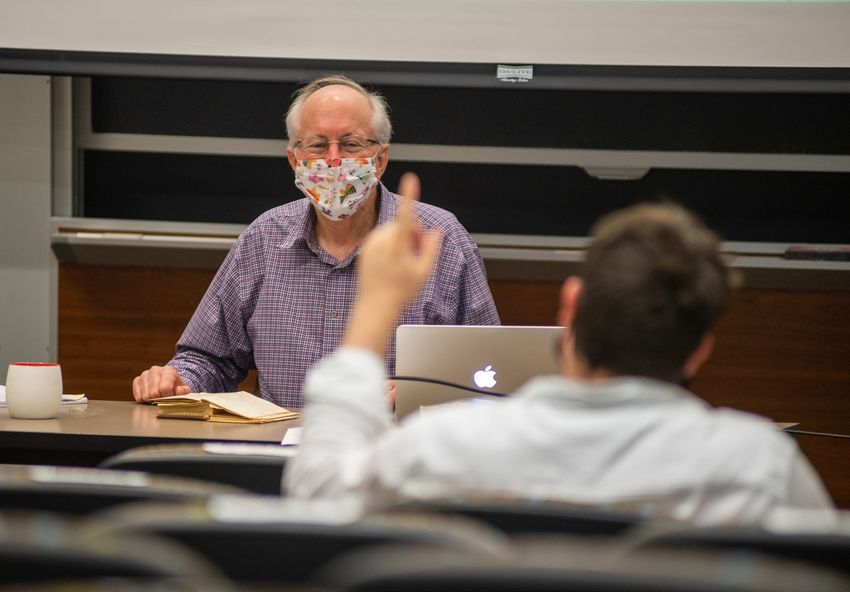
RESIDENTIAL EDUCATION — AY2020/21

PROTECTING OUR COMMUNITY AND EACH OTHER

          INTRODUCTION

          As we begin our spring semester, we are both grateful and optimistic. We are grateful for the
          extraordinary efforts made by all faculty and staff during the fall semester. Those efforts have
          enabled our community to carry on—teaching, living, and learning together despite the enor-
          mous hardship of the COVID-19 pandemic.

          Now that COVID-19 vaccinations for the BU community have become a reality, and an immuni-
          zation clinic has been set up on the Charles River Campus, we can be ever more optimistic that
          the spread of the pandemic will diminish. President Brown has convened a COVID-19 Vaccine
          Preparedness Group (VPG) that is working out logistical issues and overseeing distribution of
          the vaccines strictly in accordance with state-mandated distribution polices, priorities, and
          timelines. The rollout of vaccines may take many months. We have posted FAQs about the
          vaccination process on the Healthway website, where we will provide ongoing updates about
          our progress. You also can submit non-medical questions about the vaccination process to
          covidhelp@bu.edu.

          In the meantime, we must continue wearing masks and physical distancing—and observing
          our protective protocols and strategies, epitomized by our comprehensive screening, testing,
          and contact tracing program.

          We recognize the tremendous strain caused by the virus both at home and in your professional
          lives. We have assessed the successes and shortcomings of our educational and support programs,
          and plans are in place to safely expand the staff presence on campus to more effectively support
          our students and faculty.

          Finally, this note wouldn’t be a pandemic-appropriate communication without a reminder that
          we must continue the vigilance and compliance that has kept us so safe for so long. For the
          foreseeable future, every member of our community is responsible for every member of our
          community. No letting up. No shortcuts. We can do this.

          This update of the Back to On-Campus Work guide gives you the latest information on our
          medical guidance and University policies designed to mitigate the spread of COVID-19.
          You’ll see updates in our parking options, travel policy, and Paid Family and Medical Leave,
          to name a few. It’s important to understand that our circumstances are evolving, and so will
          our policies. Updated information will be added periodically in this guide and will be posted
          on the Back2BU website.

                                                                                                             2
RESIDENTIAL EDUCATION — AY2020/21

                                COMPLIANCE WITH SAFETY & HEALTH PROTOCOLS

                                Every member of the BU community has a role to play in maintaining a healthy and safe
                                campus. Toward that end, all members of the community who work on campus are expected to
                                comply with COVID-19 testing frequency requirements associated with their assigned testing
                                category and perform the required daily health screening. Faculty and staff assigned to testing
                                category 4 do not come to campus and should not be tested and are not required to complete
                                the daily health screening.

                                A COVID-19 health and safety compliance protocol has been established, describing corrective
                                actions to be taken in the event faculty or staff are out of compliance with testing frequency,
                                required health screening, face covering, and quarantine or isolation requirements. Deans
                                and managers are responsible for implementing the corrective action process in their units in
                                conjunction with Human Resources.

                                      FACULTY AND STAFF
                       HEALTH AND SAFETY COMMITMENTS AND EXPECTATIONS

                                           WHAT YOU MUST DO
                                            Testing               Testing                Testing               Testing
         Required Task
                                           Category 1            Category 2             Category 3            Category 4

         COVID-19 Health
         Commitments and
         Expectations
                                             One time              One time               One time             One time

         Daily Health Screening
        *If your schedule includes
         Saturday and/or Sunday, you
         are expected to complete
         the daily health screening on   Monday–Friday* if    Monday–Friday* if      Monday–Friday* if
         those days.                     scheduled to work    scheduled to work      scheduled to work       Not Required

         COVID-19
         Community Testing

                                             One test              One test          1st day on campus
                                            within every          within every         and once every
                                               7-day                 7-day            7-day period on
                                               period                period          campus thereafter       Not Required

Know Your Testing Category: You can find your testing category on MyBUworks. If you believe your testing category
should be changed, speak with your manager. If you have questions, please reach out to COVID-19 Employee Support
at covidhelp@bu.edu.

                                                                                                                                  3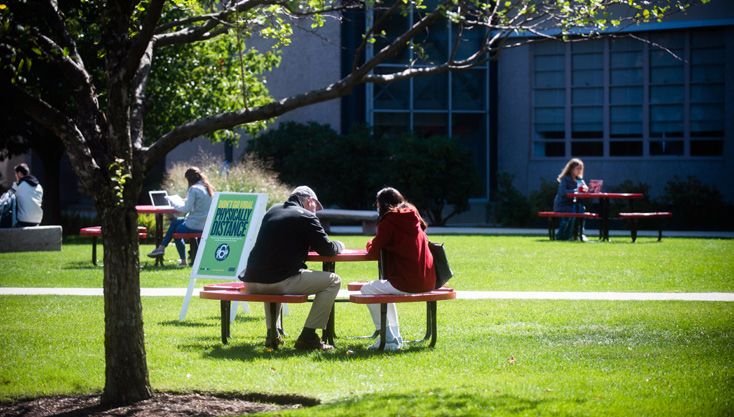
RESIDENTIAL EDUCATION — AY2020/21

   HEALTH & SAFETY OF THE BU COMMUNITY

Protocols and   PUBLIC HEALTH POLICIES
Compliance      We have implemented comprehensive health and safety protocols for students, faculty,
                and staff with the goal of decreasing the incidence of the virus in our campus community:

                   •   Face covering by everyone inside and outside our facilities
                   •   Application of the six-foot distancing rule in all our classrooms, dining halls, offices,
                       and other spaces
                   •   Enhanced sanitation all across campus
                   •   Increased ventilation and air-filtering in buildings with central air systems
                   •   Symptom checking by everyone who comes to campus—students, staff, and faculty—
                       coupled with prioritized sample collection and testing for individuals reporting symptoms
                   •   RT-PCR testing of everyone on campus
                   •   Contact tracing of close contacts of individuals identified with the virus
                   •   Students living on campus are quarantined in designated spaces and, if tested positive
                       or identified as a close contact, move to isolation housing on campus. Quarantine and
                       isolation housing on campus is also available for off-campus students who are identi-
                       fied as a close contact or test positive. Faculty and staff self-quarantine and isolate at the
                       place where they live.

                For more information and the latest announcements, please go to Back2BU.

                COVID-19 HEALTH COMMITMENTS AND EXPECTATIONS FOR
                FACULTY AND STAFF

                Everyone who returns to campus, including faculty and staff, is required to adhere to the Univer-
                sity’s safety and health protocols, as described in this guide and in future updates and announce-
                ments posted on Back2BU.

                Managers are responsible for ensuring that each of their direct reports comply with their
                required health screening and testing frequency for their assigned category. Managers access a
                daily COVID-19 Non-Compliance Action Report of their direct reports not in compliance. This
                report is an important tool to help track compliance, identify opportunities to provide individ-
                ual coaching, and implement corrective action with employees who do not comply with these
                important health and safety protocols. Business Warehouse COVID-19 Compliance Reporting is
                available to add greater flexibility and control for managers, and detailed instructions are on the
                Human Resources website.

                                                                                                                        4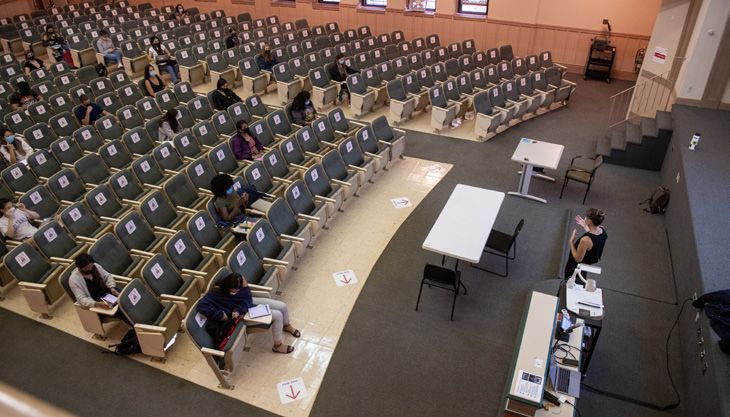
RESIDENTIAL EDUCATION — AY2020/21

COVID-19          As part of a multipronged initiative to restore residential learning, expand research activities, and
                  return to campus life, Boston University has established our own COVID-19 screening and testing
Screening,
                  program for all members of the BU community arriving on campus—undergraduate students,
Testing &
                  graduate and professional students, faculty, and staff. The testing program focuses on identifying
Contact Tracing   members of our community who are carrying COVID-19 so they can be promptly treated and
                  isolated. All faculty, staff, and students are tested when they arrive on campus and regularly
                  throughout the semester, according to their on-campus status and testing category.

                  We consider in-house COVID-19 testing an essential public health step—along with self-screen-
                  ing, physical distancing and face coverings, hygiene, contact tracing, and treatment for those
                  infected—as we resume the activities that make up the traditional residential college experience.
                  After reopening our classes and campus life and restoring the reasons that drew many of us to BU
                  in the first place, it’s imperative we make every effort to protect the health and safety of all mem-
                  bers of the University community across our Charles River, Fenway, and Medical Campuses.

                  We have worked with doctors, epidemiologists, and public health experts to determine the
                  best courses of action. We will post the latest announcements on the Back2BU website, so
                  please check there regularly. In the meantime, see below for current information on our proto-
                  cols for screening, testing, and contact tracing.

                  A PORTAL FOR COVID-19 HEALTH SCREENING AND TESTING

                  BU introduced the Healthway website that is your portal into our COVID-19 community
                  health screening. This portal includes tutorials, videos, COVID-19 Testing Data Dashboard, and
                  resources that faculty and staff may find helpful. Most importantly, it links to Occupational
                  Health Connect, where you will be able to access health systems for the following tasks:

                     •   Completing required self-check for symptoms
                     •   Scheduling testing
                     •   Checking test results

                     •   Displaying health compliance status

                  DAILY SYMPTOM CHECKING

                  The daily health screening requirement was modified in November. Revised guidance specifies
                  that all faculty and staff in categories 1, 2, and 3 must complete a daily health screening on all
                  weekdays (Monday through Friday), whether or not you come to campus that day. Screening is
                  not mandatory on weekends, holidays, and regularly scheduled days off, unless you will be on
                  campus for any reason on those days. If your schedule includes Saturday and/or Sunday, you are
                  expected to complete the daily health screening on those days.

                  Do not report to work if you are experiencing COVID-19 symptoms. Any faculty or staff member
                  exhibiting symptoms of COVID-19, such as fever, cough, or difficulty breathing should indicate
                  symptoms using the required health screening and contact your primary care provider. You will
                  also be contacted by a member of the Healthway team to review your reported symptoms.

                  See pages 8–9 of this guide for more information on testing categories, and page 10 for
                  symptom monitoring.

                                                                                                                          5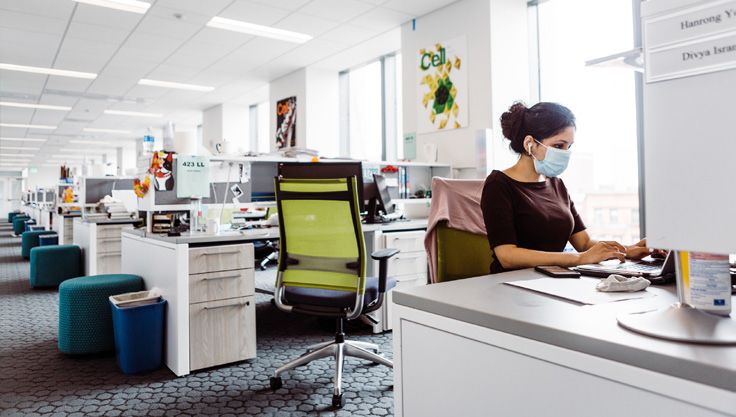
RESIDENTIAL EDUCATION — AY2020/21

COVID-19          SCREENING
Screening,        If you report symptoms on your self-check on Occupational Health Connect via the
Testing &         Healthway portal, you will be advised to stay home and wait for a call from a Healthway
Contact Tracing   triage specialist. A medical professional will call you, evaluate your status, recommend a
                  course of action, and provide further instruction regarding testing.

                  Upon completion of the required health screening on Occupational Health Connect, you will
                  receive a COVID-19 pass via email that you may be required to show to enter BU buildings and
                  events. The green pass will indicate that you are clear to come to campus if you are asymptom-
                  atic and in compliance with the testing schedule. A red “not cleared” result will indicate that
                  you should not come to campus.

                  TESTING

                  All faculty and staff are required to be tested on your first day back on campus after Winter
                  Break (a negative test result is not required to be on campus), and you should test twice per week
                  for the first two weeks. Thereafter, you should follow the cadence below. If you are unsure of your
                  testing category, please review the testing categories (pages 8–9), check with your manager, or go
                  to MyBUworks and see the box “My Community Testing Category.” Testing frequencies are based
                  on calculations of COVID-19 spread and simulations of transmission that take into account
                  specific details of our classrooms, residential environment, and workplace conditions.

                  If you are in testing category 1 or 2 and do not report symptoms in your required check, you
                  will be prompted to schedule a COVID-19 test at regular intervals. Using the Healthway portal,
                  you can conveniently schedule this test at one of the testing collection sites that have been set
                  up on our campuses. We have designed the process so that it only takes a few minutes. See a
                  short video on How to Take the Test. At the testing collection site, you will receive a kit with a
                  bar-coded vial for the sample. You will perform the test under observation and leave the vial
                  for transport to the processing facility.

                  Faculty and staff in testing categories 1 and 2 will be tested once every 7 days. Category 3
                  faculty and staff are tested when you come to campus for the first time, and thereafter based
                  on frequency on campus. In no case will faculty and staff in categories 1, 2, or 3 be tested
                  more than once every 7 days unless you report symptoms or are directed by a healthcare
                  professional to seek additional testing. During those 7-day periods, you are strongly encour-
                  aged to get tested on the first day you are on campus. You are not required to take a test during
                  7-day periods when you are not on campus at all.

                  Faculty and staff in category 4 do not work on campus or engage in other activities on campus.
                  If you are assigned to testing category 4, you are to remain off campus at all times and on-cam-
                  pus testing is not available to you. If your situation changes and you need to return to campus,
                  please notify your department chair or manager. They will discuss with you whether it is
                  appropriate to reassign your testing category, in which case you would be required to be tested
                  and complete the daily health screening in accordance with your new testing category.

                                                                                                                        6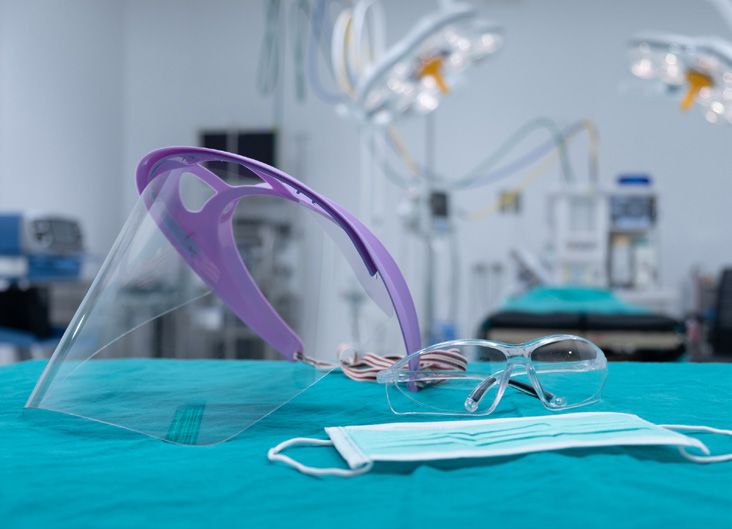
RESIDENTIAL EDUCATION — AY2020/21

COVID-19          Anyone with additional questions is encouraged to utilize the following resources:

Screening,           •   Go to Healthway for videos and tutorials on how to do your required symptom check,
Testing &                schedule your test, and much more
Contact Tracing
                     •   Healthway Line: 617-353-0550 – For all faculty and staff who are symptomatic, have
                         tested positive, or to speak with a contact tracer (see Contact Information on page 22)

                     •   COVID-19 Support Line: covidhelp@bu.edu or 617-358-4990 – For all faculty and staff
                         who have nonmedical questions related to COVID-19

                  TESTING METHOD AND TEST COLLECTION SITES

                  The University is using the RT-PCR, or reverse transcription polymerase chain reaction, testing
                  method, which detects both symptomatic and asymptomatic infections. The test is highly
                  specific for COVID-19, with an extremely low false positive rate. Tests are collected by the self-
                  administered “nasal swab” method of acquisition, with observation.

                  Testing collection sites have been installed at four locations on the Charles River Campus
                  and one site on the Medical Campus. Open seven days a week, by appointment only:

                     •   Rajen Kilachand Center for Integrated Life Sciences & Engineering,
                         610 Commonwealth Avenue, 7 am – 8 pm

                     •   808 Gallery, 808 Commonwealth Avenue, 8 am – 9 pm

                     •   Agganis Arena Lobby, 925 Commonwealth Avenue, 8 am – 9 pm

                     •   925 Commonwealth Avenue Rear, Health Services Annex, in the back of Agganis
                         Arena; this site is exclusively for those who report symptoms of coronavirus, 8 am – 9 pm

                     •   BU Medical Campus, Room R107, 72 East Concord Street, 7 am – 8 pm

                  The tests will be run through a laboratory we have established at the Rajen Kilachand Center
                  for Integrated Life Sciences & Engineering, on the Charles River Campus. The BU Clinical
                  Testing Laboratory is being run and overseen by certified clinical lab professionals who are
                  working closely with Student Health Services and the Occupational Health Center. Our testing
                  laboratory is capable of processing very large numbers of tests daily. Our goal is next-day
                  turnaround for every test. Protecting the privacy of your health information has been an
                  integral part of the planning for the creation of the BU Clinical Testing Laboratory from the
                  start. Negative test results will be reported to you through the Healthway portal.

                  BU faculty and staff who test positive will be contacted by a Healthway triage specialist with
                  the BU Occupational Health Center (BUOHC) to inform you of your test result and instruct you
                  on how to isolate at home and for how long. Faculty and staff will be directed to reach out to
                  their primary care physician. In general, we follow Centers for Disease Control and Prevention
                  (CDC) guidelines on isolation periods for those who test positive. The CDC currently recom-
                  mends: “For most persons with COVID-19 illness, isolation and precautions can generally be
                  discontinued 10 days after symptom onset and resolution of fever for at least 24 hours, with-
                  out the use of fever-reducing medications, and with improvement of other symptoms.”

                                                                                                                       7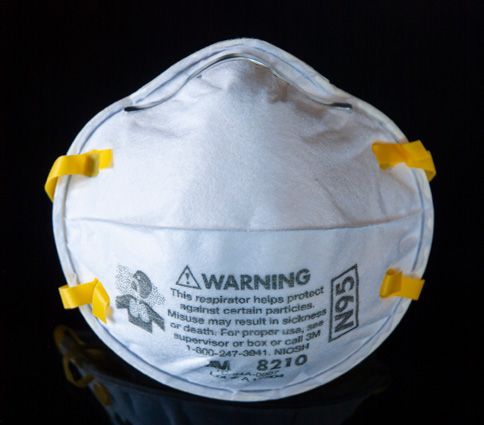
RESIDENTIAL EDUCATION — AY2020/21

COVID-19          CONTACT TRACING
Screening,        Because rapid identification of infection is crucial to controlling the spread of COVID-19,
Testing &         the University has also implemented contact tracing for the BU community, which involves
Contact Tracing   identifying and reaching out to members of the BU community with whom an infected person
                  has come into contact on campus. Read the full text of President Brown’s letter announcing
                  testing and tracing protocols and find more information on testing on our Back2BU website.
                  It is important that all persons contacted respond immediately to contact tracers. Faculty can
                  learn what happens if a student in your class tests positive for COVID-19.

                  COVID-19 TESTING CATEGORIES

                  Based on guidance from public health authorities, the University recognizes four
COVID-19          COVID-19 testing categories:
Testing           Testing Category 1.0 (tested twice weekly)
Categories           •   Undergraduate students living on campus
                     •   Undergraduate students living off campus and attending in-person classes
                     •   Graduate students living in undergraduate residential housing
                     •   BU Academy cross-registered students taking classes with residential students
                  Examples include: Undergraduate students and CELOP students living on campus, including
                  undergraduate and graduate resident assistants and hall directors living on campus, and
                  undergraduate students living off campus and attending in-person classes.

                  Testing Category 1.1 (tested once weekly)

                     •   Commuting graduate students, staff, and faculty who interact with residential students
                         for significant periods of time either in classes or other activities or who otherwise
                         spend many hours on campus in close contact activities like athletics, performing arts,
                         or in some research and off-campus educational environments

                     •   Faculty and staff who, due to age or medical condition, have disclosed (through a
                         confidential process for requesting workplace adjustments) that they fall within a CDC
                         high-risk category (or who have disclosed that they have household members in these
                         categories) and are not in category 4 due to receiving a workplace adjustment

                     •   Faculty and staff who use public transportation to go to or from campus at least weekly

                     •   BU healthcare providers (including, for example, faculty, staff, and students providing
                         healthcare services to members of the BU community or to the public, but excluding
                         Boston University Medical Group faculty who do not have classroom or laboratory con-
                         tact with students and other BU faculty and staff members) and first responders like the

                                                                                                                    8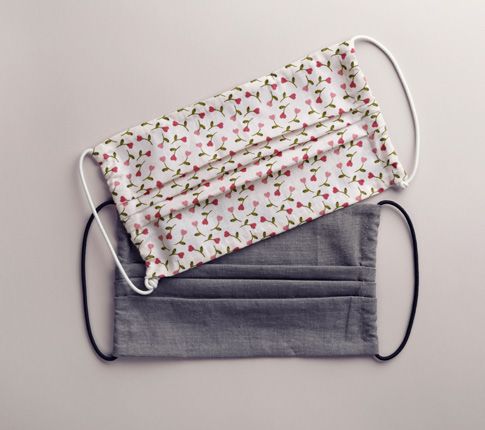
RESIDENTIAL EDUCATION — AY2020/21

COVID-19            BUPD who have high contact hours with each other or must interact frequently with in-
Testing             dividuals outside the University who may not have taken basic CDC protective measures
                    (face covering, distancing, self-diagnosis)
Categories
                •   BU Academy students who are not cross-registered
             Examples include: Residential Life staff, including area directors, and residential security; students
             enrolled in programs without LfA options, graduate or non-degree students enrolled in in-person
             courses with undergraduates, a student or faculty member working in a law school clinic; or a gradu-
             ate student working at the Sargent Choice Nutrition Center.

             Testing Category 2 (tested once weekly)

                •   Commuting graduate students residing off-campus attending in-person classes or
                    students whose on-campus employment or service obligations require interaction with
                    other students and BU community members

                •   Commuting faculty and staff, including certain faculty who are student-facing, but have
                    little contact with undergraduates and have limited contact hours in venues such as
                    classrooms. Although at risk for infections from outside the Boston University commu-
                    nity, individuals in this category will work within protocols established for entry into the
                    BU work environment
             Examples include: A staff member in Enrollment & Student Administration who lives off campus and does
             not interact in person with students; or a faculty member who teaches only graduate students who live off
             campus and does not interact with undergraduate students in common spaces in their school or college,
             including graduate students enrolled in LfA-option degree programs and attending class in person.

             Testing Category 3 (testing based on frequency on campus)
             Category 3 testing requirements have been revised. Individuals assigned to Category 3 need
             to be tested on their first visit to campus; thereafter, regular community testing will be based
             on frequency on campus and requires one test within any 7-day period on campus. In no case
             will individuals be tested more than once every 7 days unless they report symptoms or are
             directed by a healthcare professional to seek additional testing. Health screening remains a
             requirement. This applies to:

                •   Commuting faculty and staff whose job duties require very limited contact with
                    students and who can control their contact with other faculty and staff

                •   Graduate students in degree programs that meet only once per week or less
             For example: If you come to campus during two separate weeks a month, you should be tested once
             during each of those weeks, and you are encouraged to do so on the first day you are on campus
             during those weeks. Depending on how often you come to campus, you should test once every 7 days,
             or when you come to campus if there are more than 7 days between visits. You are not required to take
             a test during weekly periods when you are not on campus at all.

             Testing Category 4 (not tested)

                •   Students, faculty, and staff who engage only in virtual learning, working, and other
                    activities and events and who do not commute to campus
             Examples include: Students in online programs, attending courses on satellite campuses, or who have
             opted to attend all courses remotely; staff and faculty granted workplace adjustments for on-campus
             activity, and staff performing work duties entirely remotely.

                                                                                                                         9
RESIDENTIAL EDUCATION — AY2020/21
Self-Monitoring SELF-MONITORING FOR SYMPTOMS
for Symptoms Everyone in the BU community must work together to protect each other. As described earlier
in Daily Symptom Checking, if you are assigned to testing category 1, 2, or 3, every week-
day (Monday through Friday, excluding holidays), you are required to complete a symptom
check on the Occupational Health Connect system via the Healthway portal. If your schedule
includes Saturday and/or Sunday, you are expected to complete the daily health screening on
those days. If you have any of the symptoms listed below, do not report to work. Contact your
primary care provider, notify your supervisor, and call the Healthway COVID-19 Medical
Line at 617-353-0550 if one or more of the following concerns apply:
SOME SYMPTOMS
OF COVID-19 • You have symptoms of COVID-19 (see list of symptoms below)
• You have been in close contact (within 6 feet for a total of 15 minutes or longer cumula-
tively over a 24-hour period) with someone who has tested positive for COVID-19
• You have been in close contact with someone who is symptomatic (patient under inves-
tigation) who has been tested for COVID-19 and is awaiting test results
• You are symptomatic and have been tested for COVID-19 and are awaiting results or
FEVER have been told the test was positive
• You have traveled internationally or to a high-risk location domestically
If you have a new positive test result for COVID-19 from an outside facility and have not notified
Occupational Health, please call Healthway at 617-353-0550 during business hours 8 am–8 pm.
SYMPTOMS TO CHECK FOR
Are you experiencing any of the following symptoms that are new and have arisen in the
SORE THROAT
past 14 days?
F
ever of 100°F, or feeling unusually hot (if no thermometer is available), with shivering/chills
ew cough not related to chronic condition
N
ifficulty breathing/shortness of breath
D
ore throat
S
ew loss of taste or smell
N
V
omiting
COUGH S
evere fatigue
S
evere muscle aches
The list above is not comprehensive and will be updated periodically. As with any illness, consult
your medical provider if you are experiencing other symptoms that are severe or concerning to you.
Human Resources offers resources for faculty and staff and supervisors related to COVID-19
and absences from work. BU Facilities has a specific protocol that custodial staff can use as
needed to properly clean areas suspected of infection with COVID-19.
SHORTNESS
OF BREATH
10RESIDENTIAL EDUCATION — AY2020/21
Limiting the LIMITING THE SPREAD OF GERMS
The strategies below have been shown to reduce transmission of COVID-19:
Spread of Germs
• S
tay home if you are sick.
• W
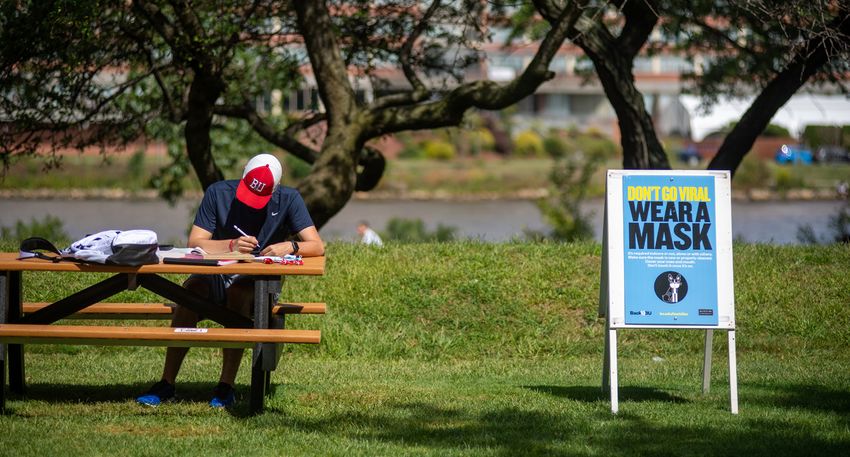
ear a cloth face covering in shared spaces at all times while on campus.
• K
eep six feet away from others when you must go into a shared space (physical distancing).
• W
ash hands frequently, or use alcohol-based (60% ethanol or 70% isopropanol)
hand sanitizer.
• A
void touching your eyes, nose, and mouth.
• C
lean and disinfect frequently touched objects and surfaces.
• C
over your coughs and sneezes with a tissue or your inner elbow.
WASH HANDS
FOR MINIMUM • Th
row out used tissues immediately and wash your hands.
OF 20 SECONDS
PROPER HAND-WASHING
Wash your hands frequently with soap and water for at least 20 seconds—after entering
a building, before eating, and after using the restroom. Use an alcohol-based hand sanitizer
with at least 60% ethanol, or 70% isopropanol in healthcare settings, or when soap and water
are not available.
60% ETHANOL OR
70% ISOPROPANOL
HAND SANITIZER
11RESIDENTIAL EDUCATION — AY2020/21
Use of FACE COVERINGS
Personal The University is committed to promoting a safe campus environment for students,
Protective faculty, and staff in accordance with current state and local public safety guidelines.
Face coverings must be worn at all times: in any shared spaces, in BU student residences, in
Equipment
all University buildings, on the BU Shuttle, and on public transportation, as well as on the
street and in public spaces. Wearing a face covering does not replace the need to maintain
physical distancing and observe safety protocols in shared spaces.
Based on currently available data from the CDC, face shields in the absence of other
facial covering will not provide adequate protection against COVID-19 infection. They
may be used in addition to masks but not as a sole intervention. Gaiters, bandanas, neck
fleeces, scarves, and masks with exhalation valves may not be used, given the potentially
increased risk of aerosol transmission associated with these types of facial coverings.
CLOTH FACE COVERING Faculty and staff are required to wear cloth face coverings or disposable masks in shared
areas. Faculty and staff should provide their own cloth face coverings or disposable masks
for normal, day-to-day activity. The University will provide appropriate face coverings in
specified settings, when required by health and safety officials or regulatory agencies.
When you are alone in an office or an enclosed private workspace, you do not need to wear
a face covering or disposable mask. Research and clinical workers have setting-
specific PPE protocols determined by their department or center.
CLOTH FACE COVERING
DISPOSABLE FACE MASK Cloth face coverings are appropriate for wear by faculty and staff in shared, non-health-
care settings. Your face coverings can be made at home or purchased, and should be
changed and laundered daily. Store them in a clean paper bag when not in use.
DISPOSABLE MASK
Disposable masks may be worn by the campus community, including faculty and staff, in
shared, non-healthcare settings to contain the wearer’s respiratory droplets. These masks
should be discarded daily.
SURGICAL MASK
SURGICAL MASK
Reserved for healthcare workers providing patient care and certain researchers. These
masks reduce the wearer’s spread of respiratory droplets and shield the wearer from large
droplets emitted by others.
N-95 RESPIRATOR
While fitted N-95 masks provide the best level of protection, these are in short supply and
generally should be reserved for healthcare workers. Similar levels of protection can be
achieved with surgical masks, three-ply masks, or two-ply masks consisting of a layer of
N-95 RESPIRATOR polypropylene and cotton or two layers of cotton, and two layers of polypropylene.
12RESIDENTIAL EDUCATION — AY2020/21
Use of HOW TO WEAR A CLOTH FACE COVERING
Personal Facial coverings and masks are an effective tool to prevent the potential spread of
Protective illnesses like COVID-19. In order to be effective, facial coverings and masks should
have a snug fit and ideally consist of two or three layers of material (e.g., two-ply or
Equipment
three-ply).
Make sure you wash your hands before donning a mask, place it over your nose
and mouth, make sure it fits snugly so air is passing through the mask and not
around the sides of the mask, and make sure you can breathe comfortably. Watch a
video on properly wearing a face covering.
Image courtesy of CDC.
GLOVES, GOGGLES, AND FACE SHIELDS
Most employees will not need to wear gloves in the course of their everyday
duties. They do not replace the need to wash your hands often and avoid touch-
ing your face. If you are required to wear protective goggles or face shields in
the workplace, you will be notified by your supervisor and your department will
provide you with this equipment. Gloves and other protection may be necessary
for healthcare workers and other individuals working in high-risk situations.
13RESIDENTIAL EDUCATION — AY2020/21
WORKING ON CAMPUS
The University has put in place a comprehensive plan focused on the safety of faculty,
staff, and students, with the goal of decreasing the incidence of the virus in our campus
community. Campus Planning & Operations has established guidelines and advisory services
related to the implementation of safe building practices, operations, sanitation, and space
management strategies in accordance with public health guidelines to reactivate our buildings
and spaces.
BUILDING VENTILATION
To oversee BU’s efforts to combat the airborne spread of COVID-19, Facilities Management
& Operations has created a team of the University’s engineering and building systems staff,
in-house HVAC technicians, building area managers, and BU Environmental Health & Safety
staff. The team is following the recommendations of the Centers for Disease Control and
Prevention (CDC) and the American Society of Heating, Refrigerating and Air-Conditioning
Engineers (ASHRAE). The University has also hired engineering and consulting firm Environ-
mental Health & Engineering, with expertise in HVAC system design and operation, to assist
with the work.
Following the advice of the CDC and ASHRAE, the University has increased the ventilation and
enhanced the air filtration in the 120 buildings on campus that have mechanical ventilation
systems. The University has replaced the filters in the systems that recirculate air in offices and
classrooms with new filters capable of capturing airborne viruses, including SARS-CoV-2, the
virus that causes COVID-19.
We have also extended HVAC run times from 12 to 16 hours a day to around-the-clock, and
increased the amount of outside air pulled into the system. Because those actions coincide with
the University’s reduced occupancy in all buildings, every person in HVAC-controlled buildings
has significantly more outside air per person than would have otherwise been the case.
For buildings without central HVAC, teams from Facilities Management & Operations have
followed the advice of the CDC and are using window fans to increase the circulation of out-
door air and increase outdoor air dilution of indoor air. Facilities assessed all classrooms, and
HEPA-filtered air purifiers were installed, as needed, before the start of classes in the fall.
More information on our efforts to keep COVID-19 out of the air in indoor spaces is available in
a July 28 white paper, and on the Return to Campus Advisory Services website.
14RESIDENTIAL EDUCATION — AY2020/21
Working CLASSROOMS AND TEACHING
on Campus Classrooms have been outfitted with technology upgrades that enable remote learning.
New classroom maximum occupancy has been determined, seating density has been greatly
reduced, and furniture placement has been adjusted. HVAC systems have been adjusted for
efficiency. For more information on reduced capacities in specific classrooms and spaces,
please visit bu.edu/classrooms and use the Find a Classroom feature to find a PDF of the
reduced seating plan and a list of room features. In accordance with the University’s Learn
from Anywhere (LfA) teaching format, many in-person classes have been divided into smaller
rotations that take turns attending classroom sessions while other students attend class
remotely. Spaces designated for LfA instruction across all three campuses have been outfitted
with a technology solution to enable use of Zoom including a webcam, microphone, and laptop
connection for faculty devices. The exact solution varies depending on the size, location, exist-
ing technology, and availability of new technology in each space. See the Learn from Anywhere
Faculty Resources website for pedagogical guidance, tools to get started, assessment options,
FAQs, training schedules and recordings, and more. See, for example, LfA Classroom Overview
and Connecting USB-C Adapters.
LIBRARIES
Mugar Memorial Library is open daily to current BU students, faculty, and staff, 8 am to
11 pm. For other Charles River Campus libraries, visit Back2BU Libraries Updates. The Alumni
Medical Library on the Medical Campus is open Sunday to Friday, 7:30 am to 6 pm.
VISITORS AND TRAVEL
Key to our efforts to maintain healthy learning, living, and working environments
across the University is our policy to limit the flow of travel and outside visitors to
our campuses.
Under the Policy Regarding Campus Visitors During the COVID-19 Pandemic, until further
notice, all University campus spaces, facilities, and buildings are open only for official University
business and not to the general public. The policy lays out categories of visitors (including con-
tractors, vendors, tenants, patients, and visiting faculty, scholars, researchers, and students) who
will be permitted on campus, provided they have been invited by a host and meet a set of health
and safety requirements, in conjunction with federal, state, local, and University regulations.
TRAVEL POLICY
The Updated University-Sponsored Travel Policy, Travel Guidance, and Compliance Expectations
prohibits University-sponsored domestic and international travel for faculty, staff, and students
through the Spring 2021 semester. The University will provide an update on the status of these
restrictions on April 5, 2021, taking into account COVID-19 vaccine developments. The full text of
the winter break and spring 2021 policy can be found on the Office of the Provost website.
As a reminder, all travelers remain subject to federal, state, and local travel restrictions and
quarantine requirements, as well as any applicable University quarantine requirements.
15RESIDENTIAL EDUCATION — AY2020/21
Working WORKPLACE ADJUSTMENT REQUESTS
on Campus Although we strive to provide a campus environment focused on the safety of faculty, stu-
dents, and staff, we recognize that some faculty and staff may still be reluctant to return to
campus. This may include individuals who are or might be considered at increased risk of severe
illness from COVID-19, as defined by the Centers for Disease Control and Prevention, or who live
with someone who is or might be considered at increased risk of severe illness from the virus.
A confidential process to request a workplace adjustment was made available for those faculty
and staff with a recognized CDC high-risk condition, or who have a household member with such
a condition. Adjustment recommendations were based on the receipt of appropriate medical doc-
umentation. Deans and senior administrators have communicated the outcome of each request
for workplace adjustment to individual faculty and staff members for the spring semester.
While the deadlines have passed for the faculty and staff Workplace Adjustment processes,
several options may still be available depending on your personal situation.
For faculty members who did not previously apply for a Spring Workplace Adjustment by the
deadline of October 30, 2020, please visit bu.edu/hr/hr-covid-19-resources/covid-19-work-
place-adjustment-request/ to learn about the options available should you experience a change
of circumstances such as a new teaching or research assignment or a new classification within
a CDC Risk Category for either yourself or a household member.
For staff members who did not previously apply for a Spring Workplace Adjustment by the
deadline of November 30, 2020, please visit bu.edu/hr/hr-covid-19-resources/bu-covid-19-work-
place-adjustment-program-staff/ to learn about the options should you experience a change in
circumstances, such as a change in testing category and/or job duties, or a new classification
within a CDC Risk Category for either yourself or a household member.
16RESIDENTIAL EDUCATION — AY2020/21
Working GETTING TO CAMPUS
on Campus When commuting to campus, faculty and staff must follow City of Boston and
Commonwealth of Massachusetts recommendations, including wearing face coverings
and maintaining physical distancing in public spaces. If you rely on public transportation,
you should frequently review changes to service and passenger protocols on the MBTA web-
site. Reduced public transit schedules and changes to service may require flexibility in work
schedules and staggered arrival and departure times. If your commute is affected, speak with
your department head or supervisor. A Terrier Transit app (iOS and Android) is now available
so the BU community can consider all their transportation options and routes in one mobile
app—BUS, MBTA buses, trolleys, and trains, walking, bicycling, Bluebikes, and Zipcar. Visit our
Charles River Campus Parking & Transportation Services website or Medical Campus Parking
& Transportation website for detailed, up-to-date information regarding the BU Shuttle sched-
ule, free emergency rides home (via Uber), and subsidized transit passes.
Faculty and staff who regularly commute to campus from out of state should consult the
Massachusetts Travel Order for guidance on travel restrictions.
PARKING AT BU
Parking at BU has become easier. Faculty and staff can choose between a parking permit
or a Daily Parking Program that bills your credit card only on days you park at the Charles
River Campus. You can sign up online at BU Works Employee Self-Service. Once the transac-
tion is approved, parking is assigned to both a license plate and your BU ID.
BU faculty and staff who opt for a monthly parking permit have a wide range of options, includ-
ing gated and ungated lots, garages, and alleyways, and can pay for permits through a pre-tax
payroll deduction. Those who enroll in the daily program will be permitted to park in most gated
lots and garages. The system allows or blocks entry based on the parking permit you purchased.
An important note regarding our new License Plate Recognition (LPR)-based parking system: keep
your BU ID handy when entering or exiting lots controlled by LPR cameras. Should the camera
fail to recognize your license plate, just tap your BU ID on the parking kiosk to raise the gate. If you
have difficulty, press the “assistance” button (at any time of day) and a remote attendant will help
get you on your way. For more information, including prices for the two options, visit the Charles
River Campus Parking & Transportation Services website or email parking@bu.edu.
The 710 Albany Street Garage is the primary parking facility for patients visiting Boston Medical
Center and BU clinics. As more patients return to campus, parking needs to be made available.
Therefore, Medical Campus employees and students are no longer able to park at the 710 Albany
Street Garage for a reduced rate. Employees and students reinstating or signing up for a new
permit should do so using the online application. Employees parking two days or fewer a week
may apply online for a Daily Fee permit for use of the Doctors Office Building (DOB) Garage at
720 Harrison Avenue. Students in need of infrequent parking may also use this garage for $12/
day, space permitting. To pay this rate, students must present their student BU ID along with
their ticket to the cashier in order to pay before returning to their vehicle. For more information,
please visit the Medical Campus Parking & Transportation website.
17RESIDENTIAL EDUCATION — AY2020/21
A SAFE WORKPLACE
Access to BU Academic, research, and office buildings on the Charles River, Fenway, and Medical Campuses
have returned to their regular, pre-COVID opening and closing schedules. A green daily attesta-
Buildings &
tion badge/email is required to enter dining halls, the George Sherman Union, and several
Work Areas
other public spaces on campus. Faculty are encouraged to participate in this effort by asking
students to show their green badges as they enter classrooms. Similarly, we are asking managers
of student-facing services to put into place a practice of asking students to show green badges
when entering a department’s space. This practice has been successfully implemented in the
Dean of Students Office, the Howard Thurman Center, and the Fitness & Recreation Center.
Additional guidance on how to make this request and respond to any student concerns can be
found on the Back2BU Faculty Support website.
For those conducting in-person care or research, follow your approved plan for screening
before and at the time of encounters or appointments. The University will determine the best
way to monitor access. Any questions you have should be directed to the Facilities Control
Desk, which can be reached on a 24/7 basis at 617-353-2105 on the Charles River and Fenway
Campuses and 617-358-4144 on the Medical Campus. Changes in a department’s assigned space
should be processed through the existing space change/renovation request processes.
Campus Signage Extensive signage has been posted in classroom buildings and throughout our Charles
River and Medical Campuses to direct students to observe safety protocols and safe move-
ment patterns for physical distancing in shared spaces—including sidewalks, entryways, cor-
ridors, stairwells, restrooms, common areas, and elevators. The University has developed sched-
ules and protocols for entry and exit of buildings, waiting in hallways between classes, cleaning
of classrooms, equipment, and high-touch surfaces, and availability of sanitizing supplies and
hand sanitizer to address safety concerns of faculty, staff, and students.
Conducting Meetings are limited to members of the BU community and specifically exclude the general
public, campus visitors, or guests. Consult the New Policy on University-Sponsored Campus
Meetings
Meetings, Events, and Gatherings for the Spring 2021 Semester. Continue to use remote-meeting
technology tools whenever possible, and for in-person meetings, limit the number of attendees so
that physical distancing can be practiced as posted for that space, with a maximum of 10 people for
an indoor event, and 25 for an outdoor event, and be sure that all participants wear face coverings.
Meals in the
Bringing meals from home is the safest course. Communal food sharing can spread illness.
Workplace
Faculty and staff should wash their hands before eating, and clean and sanitize food preparation
surfaces and high-touch areas. Face coverings are required when using dining areas and shared
kitchens, except when eating or drinking. We recommend using the hand-sanitizer stations pro-
vided throughout campus or carrying hand sanitizer with you for personal use.
Disinfecting
Your Workspace Faculty and staff should wipe down work surfaces and commonly touched areas in their own
personal workspaces. When at home or away from campus, continue practices such as thorough
cleaning, hand-washing, and physical distancing that will limit the chance of exposure.
18RESIDENTIAL EDUCATION — AY2020/21
RESEARCH
BU Research On-campus research remains limited to those research groups that have submitted recovery
plans and received formal approval from the Office of Research. Safety guidelines outlined in
the Research Recovery Toolkit—including six-feet physical distancing, sanitation protocols,
etc.—remain in effect for the safety of our faculty, staff, and students.
OCCUPANCY LIMITS
Research groups have increased lab occupancy, in accordance with state advisories, following
approval from the Office of Research. We are still encouraging remote work when practical. All
plans and schedules should strive for de-densification of the workspace whenever possible. In
labs, this means limiting on-campus work to critical use of bench/lab space or equipment
(ensuring students and staff are not in close proximity for extended periods and avoiding
unnecessary congregating).
Experimental labs (“wet” or bench research that requires on-campus equipment):
Occupancy limits continue to be set by the PI, following approval from the Office of Research.
These limits may exceed 50 percent, provided all University and research-specific require-
ments continue to be met, including regularly sanitizing shared surfaces, maintaining cleaning
logs, six-feet distancing, and appropriate de-densification, as defined above.
Offices associated with research, including administrative spaces and nonexperimental
labs (theoretical, computational, observational, and all other “dry” or non-bench research):
Office spaces are subject to capacity and gathering limits set by the state.
FIELD AND OFF-CAMPUS RESEARCH
We have guidance and a special planning template available for PIs ready to request approv-
al to return to field or off-campus research using our web form. PIs previously approved to
resume on-campus research must submit separate recovery plans for any planned field or
off-campus research.
GUIDANCE FOR HUMAN SUBJECTS, IN-PERSON TRAININGS,
AND EXPERIENTIAL LEARNING
In addition to the guidance available for field or off-campus research and the master guidance
for research groups returning to campus, we have also established guidance for human subjects
research on the Charles River Campus, in-person lab trainings, and off-site experiential learning
placements. Please review these resources as relevant to your work and incorporate into new or
revised plans as needed.
19RESIDENTIAL EDUCATION — AY2020/21
BU Research ACTION REQUIRED TO ACTIVATE RESEARCH GROUPS
PIs submitting recovery plans and personnel lists for the first time should follow instructions
in the Research Recovery Toolkit. PIs amending a previously approved plan must revise and
resubmit their recovery plan and personnel list using our simplified form. Please submit all
personnel lists using the streamlined Research Personnel Template.
We will work with chairs and associate deans of research to review and approve submitted
plans, with lab occupancy changes above the previous 30 percent limit. New and revised plans
must be approved by the Office of Research prior to any new personnel returning to campus.
As a reminder, the required survey via Healthway and regular testing as determined by test-
ing category are mandatory for all research personnel in Categories 1–3. Failure to abide by
required health and safety protocols may result in revocation of laboratory access privileges
and corrective action under the University compliance protocols. Health & Safety posters for
research labs are available on the Research Support website. PIs are encouraged to download,
print, and post these flyers in their lab space. If you need to report non-compliance with BU pro-
tocols and expectations, you may do so by submitting a hazard observation in Environmental
Health & Safety’s ObservNow tool (Kerberos log-in required).
CLINICAL WORK
The University has approved the resumption of additional in-person healthcare
services, following guidance issued by the Massachusetts Department of Health for
reopening clinical care.
Most of the BU healthcare clinics and clinical training centers have reopened for some
in-person services, while remaining remote for all services that can be provided remotely in
a satisfactory manner. In addition to the GSDM Dental Health Center and Patient Treatment
Center, Physical Therapy at the Ryan Center, the Center for Neurorehabilitation, Speech clinic,
the Center for Psychiatric Rehabilitation, the Center for Anxiety & Related Disorders, and the
Danielsen Institute have reopened for some in-person treatment and/or testing. The reopen-
ings have been reviewed and approved by the BU Medical Advisory Group and the Research
and Clinical Workgroup to ensure all public health guidance is followed for patient screening,
use of PPE, maintaining physical distancing, and other COVID-19 health and safety measures.
The Sargent Choice Nutrition Center and the Faculty & Staff Assistance Office have found their
services can continue on a remote basis for the time being.
20RESIDENTIAL EDUCATION — AY2020/21
SUPPORT AS WE TRANSITION
COVID-19 Boston University offers full-time, non-temporary, non-faculty staff up to 10 days of supplemen-
tal paid time off if they have a COVID-19–related illness, need to care for a family member with
Paid Absences
COVID-19, or need to care for a child because of daycare or school closures related to the pandem-
and Back-Up
ic. Employees should submit a request for approval to their supervisor for any absences related to
Care these circumstances, retroactive to March 13 , 2020. Staff may request COVID-19 Paid Absences
via the Time Off Request system in BUworks. COVID-19 Paid Absences will be available as long as
the impact of the pandemic continues, as determined by the University.
All faculty and staff are eligible for the new Paid Family and Medical Leave benefits effective
January 1, 2021, providing paid leave benefits for personal medical leaves, bonding with a new-
born or adopted child, and caring for a family member. Additional information about these
benefits is available at bu.edu/hr/lifebu/leaves-of-absence/paid-family-and-medical-leave.
An additional benefit is available to BU faculty and staff—for planned as well as last-minute circum-
stances. Back-up care for children, adults, and elders is designed to provide alternative care until reg-
ular care arrangements can resume. Boston University faculty and staff have a back-up care benefit
that allows you to continue to provide care for your family members even when your regular care
plan is disrupted for any number of reasons. Learn more at Back-Up Care for Children and Adults.
Employee Employee Wellness has created a COVID-19 page, which is frequently updated with new
Wellness resources, information, and virtual programming. It is important to prioritize your well-being
as part of your overall health. Doing so will support you, your family and friends, and the
important work being done at Boston University every day.
Faculty & Staff The Faculty & Staff Assistance Office provides free and confidential counseling to Boston University
Assistance faculty, staff, and your immediate family members. Virtual appointments are available through a
HIPAA-compliant Zoom platform. Schedule an appointment online or by phone at 617-353-5381.
Office
21RESIDENTIAL EDUCATION — AY2020/21
WEBSITES & CONTACT INFORMATION
Boston University HEALTHWAY WEB PORTAL
bu.edu/healthway for daily screening, scheduling testing, tutorials, dashboard
HEALTHWAY LINE
617-353-0550 (for students, faculty, and staff who are symptomatic, tested positive, or calling
to speak with a contact tracer)
• R
esults Notification, press 1 (8 am–8 pm, 7 days/week)
• T
riage Specialists, press 2 (7 am–6 pm, 7 days/week)
• C
ontact Tracers, press 3 (8 am–8 pm, 7 days/week)
• N
on-medical questions from students on COVID-19 protocols or the vaccination process,
press 4 (7 am–11 pm, 7 days/week)
COVID-19 VACCINATION RESOURCES
• F
aculty and staff who have non-medical questions about the vaccination program may
email covidhelp@bu.edu, or call 617-358-4990 weekdays from 9 am to 5 pm
• S
tudents who have non-medical questions about the vaccination program may email
healthwayhelp@bu.edu.
• F
aculty, students, or staff who have medical questions related to the vaccine and post-vac-
cination side effects should call Healthway at 617-353-0550 from 7 am to 6 pm,
7 days a week, and press 2 to speak with a nurse.
BACK2BU WEBSITE
bu.edu/back2bu
For the latest announcements and information on BU’s response to COVID-19
BU COVID-19 SUPPORT LINE
(for all employees who have work-related, nonmedical questions related to COVID-19)
email: covidhelp@bu.edu • 617-358-4990 (Monday–Friday, 9 am to 5 pm)
CAMPUS PLANNING & OPERATIONS
bu.edu/cpo
• FACILITIES MANAGEMENT & OPERATIONS
bu.edu/cpo/who-we-are/operations-services
• CUSTODIAL SERVICES
bu.edu/cpo/who-we-are/operations-services/custodial-operations
OPERATIONS SERVICE CENTERS
• C
HARLES RIVER CAMPUS & FENWAY CAMPUS • 617-353-2105
EDICAL CAMPUS • 617-358-4144
• M
EMPLOYEE WELLNESS
bu.edu/wellness
ENVIRONMENTAL HEALTH & SAFETY
COVID-19 Resources website: bu.edu/ehs/ehs-topics/ehs-covid-19-resources
22RESIDENTIAL EDUCATION — AY2020/21
Boston University EQUAL OPPORTUNITY OFFICE
bu.edu/eoo/reasonable-accommodations • email: eoo@bu.edu • 617-358-1796
FACULTY & STAFF ASSISTANCE OFFICE (FSAO)
bu.edu/fsao
Schedule an appointment at bu.edu/fsao/contact or call 617-353-5381
HUMAN RESOURCES
bu.edu/hr
Recovery Plan Resources for Faculty & Staff: bu.edu/hr/hr-covid-19-resources/recov-
ery-plan-resources-for-faculty-staff
OCCUPATIONAL HEALTH CENTER
bu.edu/buohc • 617-353-6630
OFFICE OF THE OMBUDS
bu.edu/ombuds • email: ombuds@bu.edu • 617-358-5960
PARKING & TRANSPORTATION SERVICES
• C
HARLES RIVER CAMPUS & FENWAY CAMPUS
bu.edu/parking • 617-353-2160
City, State, and EDICAL CAMPUS
• M
Government bumc.bu.edu/parking • 617-358-3506
Information on
RESEARCH OCCUPATIONAL HEALTH PROGRAM
COVID-19 bu.edu/researchsupport/safety/rohp • 617-358-7647
RESEARCH RECOVERY TOOLKIT
bu.edu/researchsupport/tools-services/research-recovery-toolkit/
CENTERS FOR DISEASE CONTROL AND PREVENTION COVID-19
cdc.gov/coronavirus/2019-ncov
CITY OF BOSTON
boston.gov/news/coronavirus-disease-covid-19-boston
COMMONWEALTH OF MASSACHUSETTS
mass.gov/resource/information-on-the-outbreak-of-coronavirus-disease-2019-covid-19
MASSACHUSETTS DEPARTMENT OF PUBLIC HEALTH
mass.gov/2019coronavirus
MBTA — MASSACHUSETTS BAY TRANSPORTATION AUTHORITY
mbta.com
1/20/21
23You can also read


