Challenges and opportunities to improve the care of older adults with cancer in Europe
←
→
Page content transcription
If your browser does not render page correctly, please read the page content below

Challenges and opportunities to improve the
 care of older adults with cancer in Europe
                          Nicolò Matteo Luca Battisti
                                       Medical oncologist
                    Breast Unit - The Royal Marsden NHS Foundation Trust
             Breast Cancer Research Division – The Institute of Cancer Research
            President-Elect of the International Society of Geriatric Oncology (SIOG)
       Co-Chair of the European Cancer Organization Inequalities Focused Topic Network
                              BECA Public hearing on
                                11th January 2021
Increasing burden of cancer in older individuals
          Distribution of the European population by age and sex1                                                   Combined incidence of all cancers2
                                2017 and 2050                                                                                US, 1975-2011

 1. United Nations. (2017). World Population Prospects. Available at: https://population.un.org/wpp/Publications/Files/WPP2017_DataBooklet.pdf. Accessed: October 2020.
 2. Bluethmann SM et al, Cancer Epidemiol Biomarkers Prev, 2016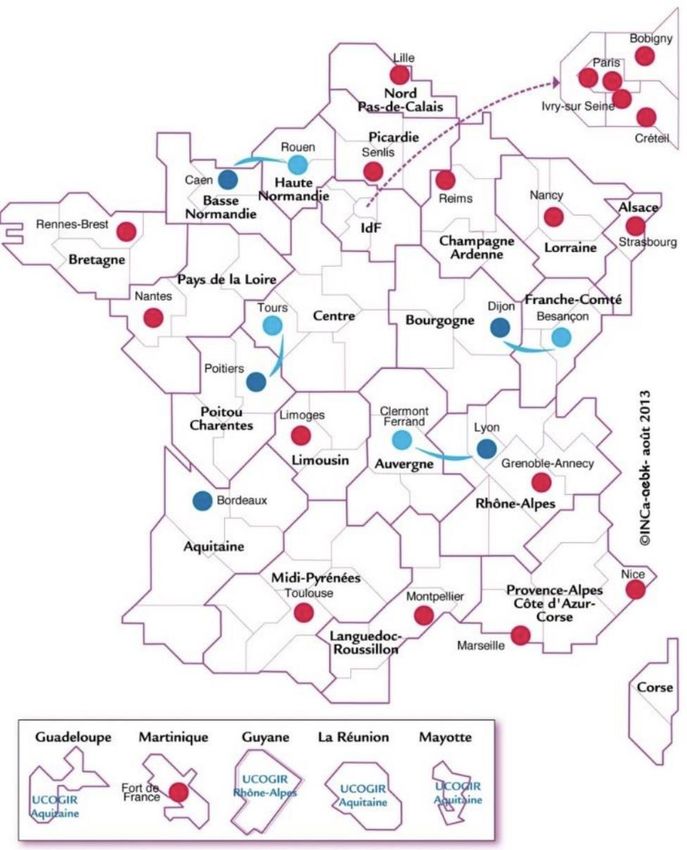
Cancer incidence and mortality according to age
Gaps of knowledge in geriatric oncology
   Proportion of patients ≥65 years enrolled in SWOG trials vs US cancer   Age distribution for patients enrolled onto NCI adult cooperative
                             patient population1                                 group Phase II and III treatment trials (all diseases)2
                        according to the type of cancer                                                2001–2011

1. Hutchins L, et al. N Engl J Med 1999;341:2061–7
2. Hurria A, et al. J Clin Oncol 2014;32:2587–94.
Treatment variation
                                   Proportion of patients receiving various treatment options by stage of disease
                                                 EURECCA Breast Cancer Group analysis, 2000-2013

Derks M et al, Br J Cancer, 2018
Older adults are heterogeneous

    FIT                         FRAIL
    Life
 expectancy
                             Comorbidities
 Functional
   status
                             Polypharmacy

Organ reserve
                             Toxicities risk
  Focus on
   survival
                              Focus on
                             quality of life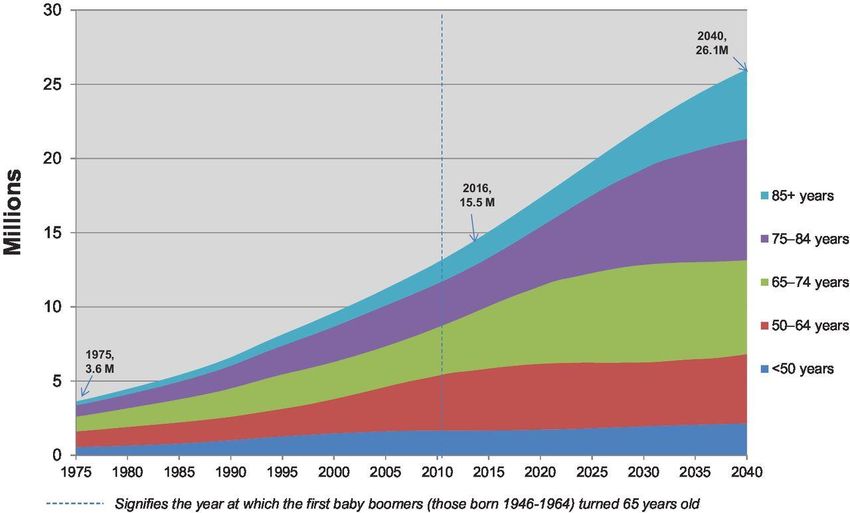
Under- versus over-treatment
                                                 Undertreatment

                                                 • Use of less intensive treatment in fit older
                                                   adults who would otherwise derive a greater net
                                                   benefit from more intensive treatment

                                                 • Not providing nononcologic interventions to
                                                   deficits in geriatric domains regardless of what
                                                   therapy is chosen

                                                 Overtreatment

                                                 • Treatment of cancer in an older patient that
                                                   would not likely lead to symptoms in the
                                                   remaining lifetime

                                                 • Intensive treatment in a vulnerable older
                                                   patient in whom there would be a greater net
                                                   benefit from less intensive therapy

DuMontier C et al, J Clin Oncol, 2020
Complexity of managing cancer in older adults
                                                                                                     Comorbidities                                             Psychological distress
                                                                                                     • Cardiovascular                                          • Depression
                                                                                                     • Diabetes mellitus                                       • Anxiety
                                                                                                     • Cancer

                                                                                    Reduced organ function                                    Polypharmacy
                                                                                     • Bone         • Kidneys                                 • Interactions
                                                                                       marrow       • Liver                                   • Errors
                                                                                     • Heart                                                  • Reduced compliance

                                                                                                     Increased risk of                                         Nutritional problems
                                                                                                     toxicities/complications
                                                                                                                                                               • Obesity
                                                                                                     • Chemotherapy                                            • Malnutrition
                                                                                                     • Surgery                                                 • Weight loss
                                                                                                     • Radiotherapy

                                                                                       Lack of social support                                    Cognitive impairment

                                                                                                                                                               Impaired function
                                                                                                                                                               • ADL
                                                                                                             Quality of life                                   • IADL

Soto-Perez-de-Celis E, et al. Lancet Oncol 2018;19:e305–16
Battisti NML & Extermann M. (2017). Multidisciplinary management, including chemotherapy of solid tumours (lung, breast, and colon). In: Michel J-P, Beattie BL, Martin FC and Walston J (eds). Oxford
Textbook of Geriatric Medicine. 3rd edn. Oxford University Press.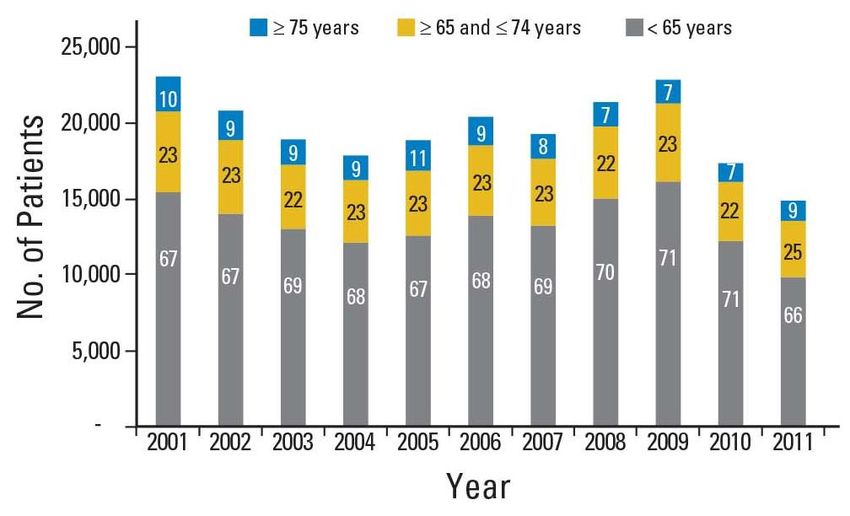
Ageing-related concerns in geriatric oncology
                   Function                     • How will treatment affect independence?

      Physical performance                      • Will I fall more while on treatment?

              Comorbidities                     • How will treatment affect my other medical problems?

                                                                                                                    How will I
                  Cognition                     • Will my mother be more confused with treatment?                  tolerate the
                                                                                                                   treatment?
       Psychological status                     • Can I improve my mood?

                   Nutrition                    • I do not feel like making meals. How can I increase my intake?

                                                • What are the resources available for my mother so that she can
             Social support                       stay in her home?

Mohile S. et al, J Natl Compr Canc Netw, 2015
Benefits of integrated oncogeriatric care
Predicting complications and side effects from treatment
Medical
oncologist Predicting functional decline during treatment
Radiation
Primary care
oncologist
Estimating survival
Supportive Assisting in cancer treatment decisions
Surgeon
care
Detecting problems not found by routine history and physical
examination in the initial evaluation
Identifying and treating new problems during follow-up care
Psychologist Patient Geriatrician Improving mental health and well-being
Improving pain control
Reducing severe chemotherapy toxicity
Social
Nurse
worker
Reducing unplanned hospitalisations
Physiotherapi Increasing completion of advanced directives
st Dietician
/OT Shortening post-operative inpatient and ICU admissions
Pharmacist
Improving quality of life
Wildiers H, et al, J Clin Oncol, 2014
Decoster L et al, Ann Oncol, 2015
Mohile SG et al, J Clin Oncol, 2018‘Geriatricising’ clinical trials
• Expand eligibility criteria • Quality of life
• Allocate treatment according to fitness • Physical function
• Increase retention of enrolled • Tolerability
individuals
Enrol
Select relevant
vulnerable and
endpoints for
frail older
older adults
patients
Include
• Extended trials Utilise novel • Toxicity prediction
geriatric
trial designs
• Pragmatic trials assessment • Treatment allocation
and strategies
tools
• Prospective cohorts • Longitudinal follow-up
Soto-Perez-De-Celis E and Lichtman SM, Expert Opin Investig Drugs, 2017.Models of care in geriatric oncology
Geriatric
screening Consultative
• Oncologist refers patient to
Negative Positive geriatrician
Oncology Oncology
Shared care
work-up/set-up work-up/set-up
• Collaboration oncologist-
geriatrician
Geriatric
work-up/set-up
Comprehensive
INTEGRATED • Geriatric oncologist is the
TREATMENT
PLAN
TREATMENT
PLAN
treating oncologist
Battisti NML and Dotan E. (2020) Integrating Geriatric Oncology into Clinical Pathways and Guidelines. In: Extermann M. (eds) Geriatric Oncology. Springer, Cham. https://doi.org/10.1007/978-3-319-
57415-8_18.Joining forces to improve outcomes for older
adults with cancer
International Society of Geriatric Oncology (SIOG)
European Cancer Organisation
Cancer and Aging Research Group (CARG)
European Organisation for Research and Treatment of
Cancer (EORTC) Elderly Task Force
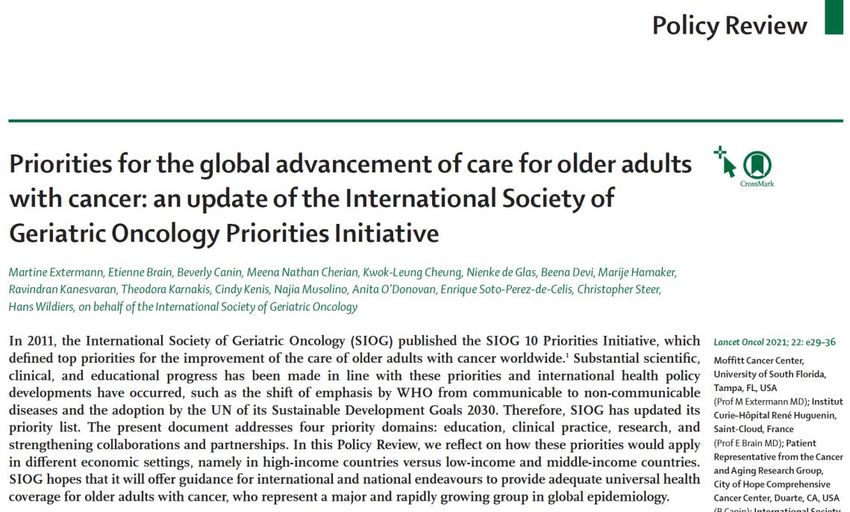
Journal of Geriatric OncologySIOG Top Priorities for the global advancement of
care for older adults with cancer
Education Clinical practice Research Collaborations and partnerships
• Integrate geriatric oncology • Develop and implement • Improve the relevance of • Develop and strengthen links
into medical, nursing and models to provide optimal clinical trials to older adults between SIOG and the
allied health professionals care for older adults with with cancer geriatric oncology
schools and residency cancer workforce, international
training programmes and • Evaluate the benefits of specialised agencies, global
promote involvement of • Develop guidelines for the geriatric assessment- and regional professional
trainees in research optimal treatment of older allocated treatments and organisations, policy
adults with cancer geriatric comanagement in makers, and patient
• Provide educational material improving treatment outcomes advocacy groups
and organise formal • Establish centres of for older adults with cancer
educational activities excellence in geriatric • Promote the inclusion of
focused on geriatric oncology for delivering clinical • Use personalised medicine specific provisions for
oncology for practising health care, conducting clinical and technologies to enhance delivering high-quality,
care professionals translational research, and cancer understanding and evidence-based care for older
providing educational management of older adults adults in national cancer
• Educate the general public opportunities control plans
about the relevance of
providing age-appropriate care • Create global funding
for older adults with cancer mechanisms aimed at
fostering professional
development of the geriatric
oncology workforce and
promoting research on the
interface of cancer and ageing
Extermann M et al, Lancet Oncol, 20203 ways the EU can help banish age discrimination in
cancer care
Improve access to healthcare Recognise and respond to
1 professionals trained in 3 the comorbidity challenge
geriatric oncology • Improve data collection and
• Support initiatives that help to embed
geriatric training for cancer
2 reporting on the interface
cancer/comorbidities, including
clinicians and oncology training for cancer registries, European Health
geriatricians within healthcare Data Space and within regulatory
professional curricula e.g. Minimum Ensure inclusion databases - e.g. market
Training Requirements within the authorisation, post-authorisation and
of older patients in pharmacovigilance activities
Professional Qualifications Directive,
EU4Health clinical trials
• Ensure research on
• Take action on workforce comorbidities are a
• Initiate a Commission-sponsored study core part of the EU
shortages through DG Jobs
into the EU regulatory environment for Cancer Mission,
mechanisms on addressing
clinical trials, and, specifically, how greater Horizon Europe &
EU skills shortages,
participation of older patients in trials might EU4Health
including geriatric oncology
be achieved programmes
skills shortageSome further reading Extermann M et al, Lancet Oncol, 2020
Thank you!

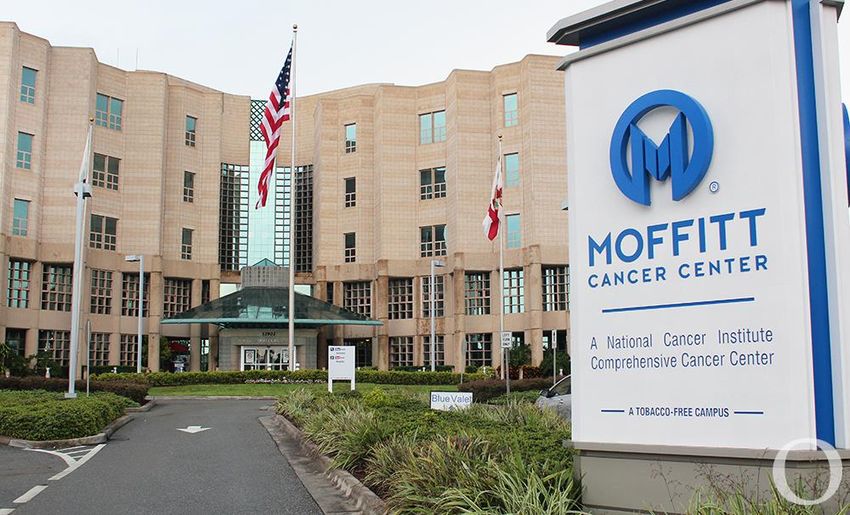
                                                               National Cancer Institute & San Paolo Hospital, Milan,
                                                               Italy

The Royal Marsden, Sutton, UK

       twitter: @nicolobattisti   nicolo.battisti@gmail.com
                 #gerionc         nicolo.battisti@rmh.nhs.uk
                 #gerihem
                                                               H. Lee Moffitt Cancer Center, Tampa, FL, USA
You can also read


