CUMASÚ Empowering through learning - Action Plan for Education 2019 - Department of Education and Skills
←
→
Page content transcription
If your browser does not render page correctly, please read the page content below
CUMASÚ
Empowering through learning

Action Plan for Education 2019

Prepared by the Department of Education and Skills
www.education.ie
Table of Contents

Foreword by Minister McHugh                         2    STRATEGIC GOAL 4
                                                         We will intensify the relationships between
Forewords by Minister of State Halligan and
                                                         education and the wider community, society
Minister of State Mitchell O’Connor                 4
                                                         and the economy                                       35
Statement by the Secretary General                  5
                                                         Actions for 2019                                      36
Our Vision Statement, Mission and Values            6
                                                         Indicators                                            39
Introduction                                        8
   2016-2019 Progress                               9
   Key Strategies and Initiatives                  12
   Whole of Government commitments                 13    STRATEGIC GOAL 5
                                                         We will lead in the delivery of strategic direction
                                                         and supportive systems in partnership with key
                                                         stakeholders in education and training                40
OUR
GOALS                                                    Actions for 2019                                      41
Our Goals                                          15
                                                         Indicators                                            47

STRATEGIC GOAL 1
We will shape a responsive education and training
                                                         APPENDICE
system that meets the needs and raises the
                                                         S
aspirations of all learners                       16
Actions for 2019                                   17    Appendix 1
Indicators                                         22    Bodies under the aegis of the Department              48

                                                         Appendix 2
STRATEGIC GOAL 2                                         Acronyms                                              49
We will advance the progress of learners at risk of
educational disadvantage and learners with special
educational needs in order to support them to            Appendix 3
achieve their potential                             23   DES commitments arising from the Programme for
Actions for 2019                                   24    a Partnership Government                              51
Indicators                                         27

STRATEGIC GOAL 3
We will equip education and training providers
with the skills and support to provide a quality
learning experience                                28
Actions for 2019                                   29
Indicators                                         34
Cumasú
Empowering through learning
Action Plan for Education 2019

Prepared by the Department of Education and Skills
www.education.ie
Minister’s Foreword

               Education and training matter to people. They provide a way to help people
               realise their full potential, to lead richer lives, and to help our society
               develop. They can be truly transformative, and I believe that this is reflected
               in the phrase “Cumasú”; we are empowering people through learning and
               helping them to achieve their full potential.

               This means that we are using education and training services in a flexible,
               adaptive and innovative way, so as to prepare people for the future. We are
               building on our progress and looking at what we need to do next, in order
               to serve the best needs of learners and society, and linking in with other
               national initiatives such as “Future Jobs Ireland”.

               Approximately one out of every four people across the country can be
               classed as a student, which gives us an idea of the relevance of
               education in peoples’ lives and on the national agenda. It matters to
               people and this is reflected in the level of investment placed in
               learners by the Government. This year, the education budget is €10.8
               billion; the third year of a major reinvestment in the sector, and the highest
               ever level of Government expenditure on education and skills. This
               highlights the Government’s strong belief in, and commitment to, the power
               of education.

               Of course, with such levels of investment, we are committed to
               transparency, evaluation and measurement. Staff in the Department are
               fully committed to this, and the Action Plan for Education framework gives
               a comprehensive picture of how we will be investing the budget over the
               course of the year. But more importantly, it gives a clear view of the range
               of activity and reform going on right across the education and training
               sector, affecting all learners. It allows us
               to measure different areas to see where we are making solid progress but,
               equally importantly, those areas where we need to focus our efforts. If we
               are to ensure that education truly empowers people, then we need to be
               ambitious about what we can achieve.

2
From early times, we have been recognised as a nation of scholars and it is important that we recognise
our past and learn from it. Education serves as a crucial gateway to the past, with education leaders
serving as custodians of our heritage, culture and language, and enabling more creative ways (through
digital technology) to bring our rich history to life. It’s very true to say that “ar scáth a chéile a
mhaireann na daoine”- we live in each other’s shadows.

Central to all our work and deliberations must be how we treat each other and a recognition of the
importance of the wellbeing of all those dealing with our education and training services.
It is quite evident that, now more than ever, dignity and respect must be at the heart of our
education system.

Over the past few years, using the Action Plan framework, great progress has been made and I want to
thank everyone who was involved. I see the education and training sector as a united one, where we
engage in a common effort to nurture the next generation. Following extensive consultation with our
partners, I am committed to continuing with the reforms underway, in a carefully managed and paced
way. I want to ensure that there is a logical sequence to what’s being implemented on the ground.

We must still challenge ourselves and be ambitious about what we can achieve. I believe that the
Action Plan roadmap provide a fair balance. By following it in a unified way, we can make great
progress in enhancing learners’ potential and enabling them to thrive. We can improve our society, our
environment and our global contributions. I’m enthusiastic about what we can achieve and I look
forward to working together as we do this.

Joe Mc Hugh TD
Minister for Education and Skills

                                                                                                         3
Forewords by Minister of State Halligan and
    Minister of State Mitchell O’Connor

                                I’m delighted to have                                The higher
                                the opportunity to                                   education sector is
                                highlight all of the                                 undergoing a huge
                                work ongoing in                                      transformation at the
                                the skills area. Over                                moment, very much
                                the course of 2019, we                               mirroring society at
                                will be placing a                                    large.
                                particular focus on                                  This is exactly as it
                                improving life-long                                  should be: education
    learning, by looking at new and exciting ways to     services should reflect the societies they
    encourage people to upskill and engage with          operate in, and offer a proper response for
    different options. Linked to that, we will be        learners. During 2019, we will be building on
    working to improve the impact of further             existing access measures, for example, by
    education and training programmes and schemes,       developing an evidence base for access
    looking at research opportunities, working with      measures to increase the participation rates
    the Regional Skills Fora and strengthening the       of under-represented groups. This is to ensure that
    apprenticeship and traineeship systems by            students are more representative of
    enhancing the range of courses and increasing the    the national population. Similarly, we will be
    number of student places.                            working to improve gender balance amongst staff
                                                         in higher education institutes. We will build on
                                                         the successful establishment of Ireland’s first
                                                         Technological University, TU Dublin, by further
    These are just some of the measures that we will     developing this model, and reviewing and
    be working on this year, all with a view to          updating the overall strategic framework for
    making our education and training system more        higher education and further education and
    flexible, innovative and responsive over the         training.
    entire course of a person’s life. We are moving
    away from the traditional learning routes and
    adapting more to what is required in society         Just as we are personally enriched in a connected,
    today and into the future. This element of future    empathetic society, so the education landscape is
    proofing is important and the further education      better for having greater linkages. Learners are
    and training services                                better served by these connections and so I am
    offer a fantastic way to respond to these new        delighted that this is a priority focus for the higher
    opportunities. I look forward to continuing the      education sector in particular during 2019. We
    already excellent engagement with all of the         will build on existing relationships and forge new
    partners in this work, and to establishing new       ones as we increase our offerings for students.
    relationships as we deliver on these actions.

                                                         Mary Mitchell O’Connor TD
    John Halligan TD                                     Minister of State for Higher Education
    Minister of State for Training, Skills,
    Innovation and Research and Development

4
Statement by the Secretary General

           The Action Plan for Education 2019 sets out the priorities for the
           Department of Education and Skills and its agencies and aegis bodies
           for the year. This annual plan sits with the wider action plan
           framework, is driven by the goals and ambitions set out in our
           Statement of Strategy 2019-2021. Both documents represent the
           Department’s commitment to interdepartmental and whole of
           Government reform programmes.

           With the appointment of Minister McHugh to the Department, it was
           timely that we examined our use of the Action Plan framework model. We
           looked at how we used the model within the Department and across the
           sector, including in our work with agencies and other partners. We see the
           value that it adds to our oversight functions and
           the way it allows us to pace and sequence activities, whilst still making
           progress in delivering improved services.

           This year, we have a new Statement of Strategy, which sets out our vision,
           mission, values and goals for the next three years. These are the foundations
           of the Action Plan, which remains our high level work programme for the
           year. The Plan provides a link between the range of reforms that we have
           already begun and changes which are planned in order to further enhance the
           education and training system. It allows us to consider the best timing for
           change, so that we can embed what
           we’re doing, and pace the introduction of new initiatives. This will be a key
           focus throughout the year.

           The Action Plan has been developed in a strong partnership approach. I
           firmly believe that this is the key to success. The education and training
           sector is all the richer for having such a diversity of voices, and I wish to
           acknowledge all of the contributions that we received during the
           consultation and development process.

           Over the course of 2019, we will continue to work with our many partners. I
           would very much like to thank you all for what we have already collectively
           achieved, and I believe that by continuing with this approach, we can
           together deliver an education and training system that meets learners’ needs,
           and the needs of society, enterprise and the economy.

           Seán Ó Foghlú
           Secretary General

                                                                                           5
Our Vision Statement, Mission and Values

    Vision Statement
    Cumasú Empowering through learning

    A progressive and equitable education and training system has the power to transform lives - the
    transformation begins with the individual, and moves outward: to family, to community, to society. It
    brings important social and economic benefits in the form of self-confident and
    dynamic communities – communities which foster social stability, independence, creativity and
    entrepreneurial endeavours.

    The key to accessing this transformation is through the delivery of a quality learning experience
    that challenges each person to realise their potential, to raise their aspirations and to achieve their
    personal ambitions.

    We want an education and training system which empowers learners to be confident in their national,
    cultural and individual identity, to be aware of their capability to achieve more and to
    take every opportunity that arises to be the best that they can be.

    We want to empower learners by offering a wide range of learning opportunities and experiences,
    reaching out to all learners– including those impacted by disadvantage, learners who need additional
    educational supports and learners who wish to return to education to
    enhance their skills.

    We have set out to deliver a learning experience to the highest international standards. We want to
    work with our education practitioners to support the development of their capability to drive
    continuous improvement and reform across education and training. We want to provide learning at all
    levels and to all age groups, which is enhanced through the richness of
    innovation, discovery and research.

    The Department’s work reflects the value that the Government places on education. We want to
    provide an education and training system, based on evidence-informed policies, that is designed to
    anticipate and respond to the changing needs of learners, society and
    the economy.

    We will work in partnership with learners, parents, education and training providers and all our
    stakeholders to achieve our vision.

6
Our Mission
To facilitate individuals, through learning, to achieve their full potential and contribute to
Ireland’s social, economic and cultural development.

Our Values
We place the learner at the centre of education strategy and policy development and value learning as a
public good, in light of its core role in the development, cohesion and wellbeing of an inclusive society.

We believe in the vital importance of open communication, consultation and collaboration with
stakeholders, within the education and training sector and with the wider community.

We are committed to the principles of continuous improvement, innovation and evaluation
which will underpin evidence-based policy development and programme delivery.

The achievement of our goals will be underpinned by the overarching values for the Civil
Service, as set out in the Civil Service Renewal Plan.

We value our staff and create an environment where we learn, develop and contribute to the
goals of the organisation.

We are accountable, open to change, customer-focused and respectful in our dealings with the
public and work colleagues.

                                                                                                         7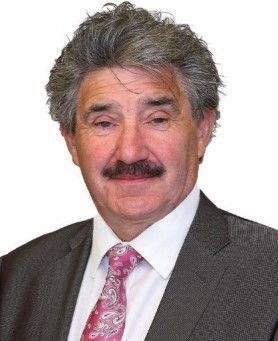
Introduction

    Education matters in peoples’ lives. It matters because it can transform lives and because it offers
    possibilities for fulfilling potential. The benefits of this are felt by learners, their families, and our
    wider society. They contribute to our social and economic activities, and help to raise standards in so
    many ways.

    The Programme for Government recognises this, saying that education “is the key to giving every
    child an equal opportunity in life. No child should be left behind in economic recovery and we
    should use our strengthening economy to become a leader in the provision of world- class education
    and skills.”

    This is true right across the spectrum of education and training services, from early learning and
    care (ELC) to lifelong learning.

    To ensure that no-one is left behind, we have to support learners to develop flexible skills, so that
    they can easily respond to the changing world around them. They must be prepared for the world of
    the future, where nobody knows exactly what will be required of learners and workers. However, we
    can lay solid foundations today, so that people are able to adapt more
    easily to what is required in the future.

    We can be measured as a society by how we look after our most vulnerable and by the way we treat and
    respect each other. Within the education and training sector, we can influence this in many ways: working
    together to challenge a cyberworld in which shaming and harassment can often feature; teaching dignity,
    empathy and compassion; and developing learners’ resilience so
    that they are empowered to achieve their full potential.

    With the appointment of Joe McHugh TD as Minister for Education and Skills in October 2018, we
    used the development of a new Statement of Strategy to assess the value of the Action Plan framework.
    In doing this assessment and fully considering how it was used within the Department and across the
    sector, we were able to affirm its value.

    At the heart of the model was quality and continuous improvement, inclusion and skills, as seen from
    the learner’s point of view. The framework enabled us to easily see the full range of high level
    activity ongoing and planned, to look at the scheduling of this activity, and to see where we needed to
    better pace it. Importantly, it also enabled us to ensure that we remained focussed and ambitious in
    terms of improving services for learners, supporting educators, and
    having the right systems in place for the sector.

    As a result, we are continuing to use the model and this document presents our high level work
    programme for the year, with all of our key activities clearly visible. We have built on the experience
    of previous Action Plans and the progress we have already made.

8
Since 2016, our high level progress includes:
Measures to enhance the quality of education and training provision, such as
introducing education-focussed inspections to improve quality and standards in the
emerging ELC sector; establishing the Schools Excellence Fund, with several
strands all designed to encourage schools to work in
clusters to explore and apply new innovative solutions and to improve learning
outcomes; updating child protection procedures disseminated to schools and the trial
implementation of Child Protection and Safeguarding Inspections to monitor school
compliance with requirements under the Children First Act; implementing a new
strategy to support Gaeltacht schools to provide high- quality, Irish-medium
education to children; undertaking quality reviews of further education and training
(FET) programmes (Youthreach, Vocational Training Opportunities Scheme/Specific
Skills Scheme (SSS) and Post Leaving Certificate (PLC)) and implementing the
recommendations of the PLC review and agreements between the Higher Education
Authority (HEA) and higher education institutions (HEIs) setting and monitoring
progress against targets in
the System Performance Framework 2018-2020.
Initiatives to strengthen leadership, teaching and workforce planning, including
commencing the Fitness to Teach provisions of the Teaching Council Act to enhance
the reputation of the teaching profession and to increase openness and transparency;
implementing a new Strategy on Teacher Supply (including baseline data collection
and analysis and a focus on the immediate gaps in certain areas); introducing new
graduate and undergraduate programmes to enhance the diversity, quality and supply
of primary, post-primary and FET teachers and to deliver high quality education and
training; and establishing
the Centre for School Leadership (CSL) with a package of associated supports
(coaching, mentoring and a new postgraduate qualification in School
Leadership).
A key focus on Wellbeing for students and the wider school community, with the
implementation of the Wellbeing Policy Statement and Framework for Practice
(2018-2023), which aims to build learning environments that promote health,
wellbeing and personal development, supported by an increase in the
number of National Educational Psychological Service (NEPS) psychologists.
9The continuation of curricular reform, with the roll out of the new Framework for
Junior Cycle (JC) giving students the opportunity to develop a wider
range of knowledge and skills; introducing the new Primary Language Curriculum
(Irish and English) to further develop bilingualism in young learners; implementing
the “Languages Connect, Ireland’s Strategy for Foreign Languages in Education 2017-
2026” to improve proficiency, diversity and immersion in foreign languages amongst
students; delivering under the “STEM Education Policy Statement 2017-2026”
(Science, Technology, Engineering and Maths),
to equip learners with analytical, creativity and critical thinking skills to meet the
challenges of a rapidly changing world; setting new targets for literacy and
numeracy following a review of the “Literacy and Numeracy for Learning and Life”
strategy, building on existing progress; implementing a new grading
system and common points scheme, to support students moving from second- level
into higher education and commencing a review of Senior Cycle (SC), to explore the
learning experiences of students and provide a strong base from which to shape a
curriculum that genuinely meets the needs of all learners for
years to come.
Solid developments in the area of education inclusion, with a new Delivering
Equality of Opportunity in Schools (DEIS) Plan being implemented to concentrate
delivery in key areas (including standards and retention) to ensure better outcomes
and to develop better progression pathways; a new methodology being used to
identify DEIS schools so that children at the
greatest risk of disadvantage are included and resources matched to identified needs;
introducing a new model for allocating Special Education Teaching Resources to
mainstream schools, to end the unfairness which existed previously, when many
parents were unable to access the assessments need to qualify for educational
resources and introducing the Programme for Access to Higher Education (PATH)
Fund as part of the “National Plan for Equity of Access
to Higher Education 2015-2021”.
Becoming a market leader in attracting international student talent and being
internationally recognised for the development of global citizens through our
internationalised education system, by delivering the “International Education
Strategy 2016-2020”.
10Developing strong structures across the education and training landscape, by
commencing a number of provisions in the Education (Admission to Schools) Act
2018 to ensure that admissions processes are structured,
fair and transparent; commencing the Technological Universities Act and
establishing the first Technological University, with a focus on vocationally and
professionally oriented science and technology programmes that address
regional needs and implementing a new approach to determining the patronage
of new schools, to provide greater choice for parents and guardians.
Increasing our digital abilities, by implementing the Digital Strategy for Schools to
realise the potential of digital technologies to enhance teaching learning and
assessment; having Technology Enhanced Learning Plans in each Education and
Training Board (ETB) to provide for infrastructure, pedagogy and staff training and
development and introducing a range of digitalised and online services such as a pilot
digital e-hub for students attending Gaeltacht post-primary schools
to provide a wider and more equitable choice of subjects through Irish, online school
transport appeals and payment of State exam fees and the piloting of
online marking of State exams.
Improving our skills offerings, implementing the “National Skills Strategy 2025”
(including establishing the National Skills Council and Regional Skills Fora (RSF) to
strengthen engagement between education and training providers and employers and
enterprise) and delivering under the “Action Plan to Expand Apprenticeship and
Traineeship in Ireland 2016-2020”, to further strengthen the partnership between
employers and education and training providers and
to promote work-based learning.
This progress has been funded by a strong level of investment in the sector. This year is the third year
of a major reinvestment in education and training: there has been a €1.7bn (18.7%) increase over the
period 2017-2019. The 2019 budget marks the highest ever level of Government expenditure on
education and skills. The budget increased almost 7% on 2018, to
stand at €10.8 billion overall, with the capital element of this amounting to €941 million.
11Achievements during this period have been driven by our key strategies and initiatives:
STEM Education Policy Statement 2017-2026
Languages Connect, Ireland’s Strategy for Foreign Languages in Education 2017-2026
National Strategy: Literacy and Numeracy for Learning and Life 2011-2020
Action Plan to Expand Apprenticeship and Traineeship in Ireland 2016-2020
Ireland’s National Skills Strategy 2025
Digital Strategy for Schools 2015-2020 Enhancing Teaching, Learning and Assessment
Policy on Gaeltacht Education 2017-2022
Irish Educated Globally Connected an International Education Strategy for Ireland, 2016-2020
Further Education and Training Strategy 2014-2019
National Strategy for Higher Education to 2030
Framework for Junior Cycle
Education for Sustainability’ National Strategy on Education for Sustainable development in
Ireland 2014-2020
20-Year Strategy for the Irish language 2010-2030
Education and Training Sector Shared Services Plan 2017-2020
DEIS (Delivering Equality of Opportunity in Schools) 2017
Teacher Supply Action Plan
National Síolta Aistear Initiative
Strategy for Technology-Enhanced Learning in Further Education and Training 2016-2019.
Wellbeing Policy Statement and Framework for Practice 2018–2023
National Plan for Equity of Access to Higher Education 2015-2021
The National Strategy for Higher Education to 2030
Model for Allocating Special Education Teaching Support to Mainstream Primary Schools
As we undertake our work in 2019, we will build on our achievements, and within the framework of
these strategies and associated reviews, seek to continuously improve. This year, we will particularly
focus on collaboration, further development of STEM, foreign languages, creativity, wellbeing and
increasing subject choices, strengthening supports for learners with special education needs, managing
performance and workforce development, strengthening data interpretation and analysis to facilitate
evidence-informed policy and ensuring that the
education and training system meet the skills needs of students, society and the economy.
Critical thinking, adaptability, innovation, resilience and wellbeing are important and are very much
a focus of what we intend to deliver this year. They are an integral element of our
approach not only within the curriculum but also in broader education and training policy.
12Whole of Government Commitments
In progressing towards our overall ambition and in supporting Government wide reform and strategy,
we work with a range of other Government Departments and their agencies. Drawing on the underlying
principles of the Programme for a Partnership Government, we will continue
to deepen this engagement in order to deliver in priority areas during 2019.
This includes working with:
Department of Children and Youth Affairs (DCYA) to implement “Better Outcomes, Brighter
Futures, the National Policy Framework for Children and Young People, 2014-2020” and “First 5 -
The National Early Years Strategy”, to progress implementation of the Government’s Action Plan for
Online Safety, in our role as Chair of the Sponsors Group in collaboration with other key
Departments, to improve the school engagement, participation and retention levels of learners from
disadvantaged backgrounds, through the delivery of TUSLA’s integrated delivery model for
educational welfare, to develop and evaluate a demonstration model for the provision of Therapy
Services in school and ELC settings during the 2018/19 school year/
Early Childhood Care and Education (ECCE) year, and to promote the wellbeing of children and
young people through the implementation of our Wellbeing Policy.
Department of Communications, Climate Action and Environment (DCCAE) to improve schools
connectivity, service delivery and learner outcomes (and other relevant National Broadband Plan
actions). We will work collaboratively to implement the National Strategy on Education for
Sustainable Development 2014-2020, which is linked to the “Our Sustainable Future” Policy
Framework, to implement the “National Sustainable Development Goals Implementation Plan 2018-
2020”, in the delivery of the All of Government Climate Plan and to
progress implementation of the Government’s Action Plan for Online Safety.
Department of Foreign Affairs and Trade (DFAT) to advance the International Trade Strategy,
Regional Trade Strategies, the Global Ireland 2025 Initiative, post-Brexit planning
arrangements, the Development Education agenda, and EU Policy and Budget matters.
Department of Rural and Community Development (DRCD) to progress the literacy and
numeracy agenda through collaboration with library services, and to implement the Department’s
commitments in “Realising our Rural Potential: The Action Plan for Rural Development”.
Department of Health (DOH) (including the Health Service Executive (HSE)) to implement the
pilot of the In-School Speech and Language Therapy Service, to advance the education elements of
“Reducing Harm, Supporting Recovery 2017-2025” (a health led response to drug and alcohol use), to
continue work on the National Taskforce on Youth Mental Health and to progress
implementation of the Government’s Action Plan for Online Safety.
13Department of Business, Enterprise and Innovation (DBEI) on the Expert Group on Future Skills
Needs, the Inter-Departmental Group Review of Economic Migration Policy, and implementing Future
Jobs Ireland, Regional Enterprise Plans, Innovation 2020 and Technology Skills 2022 and to progress
implementation of the Government’s Action Plan for Online Safety.
We also participate in the DBEI group on implementation of Industry 4.0.
Department of Culture, Heritage and the Gaeltacht (DCHG) to advance the education
elements of the “20 Year Strategy for the Irish Language, 2010- 2030”, the national Audio- visual
Action Plan and Creative Ireland’s “Creative Youth” plan, and to collaborate on
Commemorations and Decade of Centenaries projects.
Department of Housing, Planning and Local Government (DHPLG) to implement the student
housing aspects of the Action Plan on Housing and Homelessness and a co-ordinated approach to
homelessness as part of the Homelessness Interagency Group, assist with purpose-built student
accommodation (PBSA) elements of the Residential Tenancies (Amendment) Bill 2018, to plan school
infrastructure and build on existing cooperation through the statutory land use plan processes, and to
cooperate on construction skills issues supporting the implementation
of Rebuilding Ireland and the National Development Plan.
Department of Public Expenditure and Reform (DPER) to implement relevant reforms
associated with the civil and public service reform programmes in the Civil Service Renewal Plan
and Our Public Service 2010 and actions set out in the Build to Share Strand of the Public Service
“Information and Communications Technology (ICT) Strategy” (including ePQs,
eSubmissions, and eCorrespondence).
Department of Employment Affairs and Social Protection (DEASP) to support unemployed and
economically inactive people into employment, through engaging on planning literacy, numeracy
and basic skills provision, particularly in the context of the implementation of the
European Council recommendation of Upskilling Pathways for Adults.
Department of Justice and Equality (DJ&E) to facilitate education provision for refugees and
asylum seekers, to advance the “Migrant Integration Strategy”, the “National Traveller and Roma
Inclusion Strategy”, the” National Strategy for Women and Girls 2017-2020”, the “National
Disability Inclusion Strategy 2017-2021” and the “Comprehensive Employment
Strategy 2015-2024”, to progress implementation of the Government’s Action Plan for Online
Safety, and the development of the “Youth Justice Strategy”.
14Our Goals
GOAL 1
We will shape a responsive education and training system
that meets the needs and raises the aspirations of all
learners.
GOAL 2
We will advance the progress of learners at risk of
educational disadvantage and learners with special
educational needs in order to support them to achieve their
potential.
GOAL 3
We will equip education and training providers with the
skills and support to provide a quality learning
experience.
GOAL 4
We will intensify the relationships between education and
the wider community, society and the economy.
GOAL 5
We will lead in the delivery of strategic direction and
supportive systems in partnership with key stakeholders in
education and training.
15Goal 1
We will shape a responsive education and training system that
meets the needs and raises the aspirations of all learners.
A quality learning experience that supports learners in reaching their potential is the key to giving
learners the choices and opportunities to be the best they can be. The learning experience must
promote an individual’s wellbeing needs and provide a broad range of
engaging and stimulating curricula so that learners can respond to the changing opportunities
they will face in the future.
In seeking to deliver the best possible learning experience for learners, we will measure
ourselves against best practice abroad and seek to continually adapt our approach to
incorporate successful methods that will work in an Irish context.
The successful delivery of this goal means that Wellbeing measures will be further rolled out and
positively impact on more learners, key strategies in the areas of languages, digital, STEM and literacy
and numeracy will continue to be delivered, curricular reforms will be continued, the position of the
Irish language will be strengthened in Gaeltacht schools, and learners will be
supported as they move between education settings.
Our Strategic Actions under this goal are to:
1. Foster and promote the wellbeing of learners in the education and training system in order to
support success in learning and in life.
2. Review and reform the curricula from Early Years to senior cycle level to enhance quality
learning and support learners’ physical and intellectual development.
3. Improve proficiency in, and increase the diversity of take up of, languages to provide
greater opportunities to learners and meet skills needs.
4. Implement the Gaeltacht education policy and improve the quality of Irish-medium educational
provision in line with the 20 Year Strategy for Irish.
Ensure the education system meets the current and future needs of learners participating
5.
in an economy, labour market and society being transformed by technology.
16Goal 1
During 2019, we will deliver the following actions:
Action Actions/sub-actions for 2019 Time- Lead
No. frame agency/
partner
1 Oversee the roll-out of the implementation of the DES Wellbeing Policy, which aims
to foster and promote the wellbeing of all children and young people, and ensure that
wellbeing is at the core of the ethos of all schools and centres for education
1.1 Commence the strengthening and alignment of structures within the Q4 HSE,
department and between departments and other relevant bodies to promote the Tusla/
Education
coordinated implementation of the DES Wellbeing Policy and Framework for
Welfare
Practice Services
(EWS),
National
Council
for Special
Education
(NCSE)
1.2 Finalise the development of a plan for national roll out of CPD to support Q4 Junior
implementation of the Wellbeing Policy Statement Cycle for
Teachers
Support
Service
(JCT),
PDST,
HSE
1.3 Commence the development of an aligned and easily accessible programme of Q4
support for all schools and centres for education to address school-identified
wellbeing promotion needs
1.4 Commence a review of the supports and support structures for vulnerable Q4
children and young people at key points of transition within and between
education settings
1.5 Complete Phase 3 of the roll-out of teacher programmes to DEIS schools by Q4
NEPS psychologists that build capacity to promote social and emotional
competence, resilience and school connectedness for all learners
1.6 Complete Phase 2 of training for schools on the revised NEPS Critical Q4
Incident Guidelines and resources to schools, prioritising the
completion of critical incident training to post-primary school teachers
1.7 Roll-out Phase 3 of the Student Support Team Project in DEIS Post- Q4
Primary schools
17Goal 1
Action Actions/sub-actions for 2019 Time- Lead
No. frame agency/
partner
2 Provide a comprehensive educational psychological service to the primary and
post-primary school sector
2.1 Commence the recruitment of an additional ten NEPS psychologists to Q3
support implementation of the Wellbeing Policy and Framework for
Practice 2018 – 2023 in schools
3 Support the welfare and well-being of higher education students
3.1 Complete the drafting of a consent framework for deployment by the higher Q1
education institutions
3.2 Support DHPLG on the implementation of legislation providing for rent Q2 DHPLG
predictability measures in PBSA
4 Further development of the Primary Curriculum
4.1 Publish a report on coding and computational thinking in the primary Q2 National
curriculum Council for
Curriculum
and
Assessment
(NCCA)
4.2 Publish the new Primary Language Curriculum/Curaclam Teanga na Q3 NCCA
Bunscoile for junior infants to sixth class both online and in hardcopy
4.3 Publication of overview of a redeveloped primary curriculum, based on Q3 NCCA
extensive research including a series of seminars, for public consultation
5 Implementation of the Framework for Junior Cycle
5.1 Publish a review of the optional nature of History under the new Q2 NCCA
Framework for Junior Cycle
5.2 Scope a longitudinal study of the impact of the changes made as a result of Q2 NCCA
the introduction of the Framework for Junior Cycle
5.3 Introduce the final phase of Junior Cycle specifications in Technology Q3 NCCA
subjects, Religious Education, Jewish Studies and Classics
5.4 Complete a review of the Junior Cycle Schools Programme (JCSP) Q4
6 Review Senior Cycle and progress the development and implementation of
Leaving Certificate subject specifications
6.1 Complete an advisory report on the Review of Senior Cycle Q2
18Goal 1
Action Actions/sub-actions for 2019 Time- Lead
No. frame agency/
partner
6.2 Commence a review of draft Leaving Certificate subject specifications for Q2 NCCA
Biology, Chemistry and Physics, including a new coursework assessment
component
6.3 Commence consultation on draft Leaving Certificate subject Q4 NCCA
specifications for Gaeilge (one for Irish-medium schools and one for
English-medium schools)
6.4 Complete a new Leaving Certificate specification for Mandarin Chinese for Q4 NCCA
non-native speakers
6.5 Complete new Leaving Certificate specifications for Polish, Lithuanian and Q4 NCCA
Portuguese for heritage speakers
6.6 Scope the nature of a review of work experience following on from the Q4 NCCA
publication of the NCCA report on the Review of Senior Cycle
7 Advance actions that cross curricular areas
7.1 Complete the report of the review of Relationships and Sexuality Education Q2 NCCA
in the curriculum
7.2 Complete an audit of Traveller history and culture in the curriculum Q2 NCCA
7.3 Publish results of 2018 Wellbeing and Lifeskills survey to inform Q3
policy development in a range of areas
7.4 Support the Government’s Healthy Ireland agenda through promotion of Q4 DoH,
healthy eating and physical activity. Healthy
Ireland
8 Implement “Languages Connect, Ireland’s Strategy for Foreign Languages in
Education 2017-2026” to promote a society where the ability to learn and use at
least one foreign language is taken for granted, because of its inherent value for
individuals, society and the economy
8.1 Increase the number of post-primary schools participating in the Foreign Q3
Language Assistants scheme
8.2 Increase the uptake in Erasmus programme Q4 HEA,
Léargas
9 Progress implementation of the “STEM Education Policy Statement 2017- 2026”
and the Implementation Plan 2017-2019
19Goal 1
Action Actions/sub-actions for 2019 Time- Lead agency/
No. frame partner
9.1 Develop a work plan as part of a coordinated response to increase the Q2
numbers of females participating in STEM, including the establishment of
a females in STEM subgroup
9.2 Develop a work plan in relation to the integration of Arts education into all Q2
STEM learning experiences
9.3 Develop a framework in relation to STEM partnerships between Q3
Business/Industry and Schools to include an agreed set of mutually
beneficial guidelines in relation to engagement
9.4 Implement STEM advertising campaign aimed at learners, teachers, Q4
school leaders and parents, in order to increase participation levels in
STEM subjects
10 Implement the “Digital Strategy for Schools 2015 -2020” to enhance teaching,
learning & assessment
10.1 Commence the longitudinal study of the Digital Learning Q1 Professional
Framework and its implementation in Schools Development
Service for
Teachers-
Technology in
Education,
(PDST-TiE),
Education
Research
Centre (ERC)
10.2 Produce Working Group Report with recommendations for the Q3
provision of ICT technical support in schools
10.3 Support the 3 year Schools Excellence Fund Digital (and STEM) Q4 PDST-TiE
programme, including external evaluation, hosting of a showcase event
and producing an interim report on progress to date
11 Progress implementation of the Education Chapter of the 20 Year Strategy for the
Irish Language 2010-2030 as set out in the 5 year Action Plan for Irish 2018 -
2022
11.1 Complete a scoping paper on implementation of Content Language Q2
Integrated Learning in both Irish and Foreign Languages and establish a
working group to plan the development of pilot projects
11.2 Complete a public consultation on the Circulars governing the Q3
granting of Exemptions from the Study of Irish and analyse
responses for consideration in the finalisation of the revised circulars
for Primary and Post-primary level
20Goal 1
Action Actions/sub-actions for 2019 Time- Lead agency/
No. frame partner
12 Implement the Policy on Gaeltacht Education 2017-2022 on a phased basis
12.1 Monitor the commencement and operation of an Irish-medium initial Q4
teacher education BEd programme to support the provision of high
quality Irish-medium education in schools
13 Implement the Gaeltacht School Recognition Scheme
13.1 Provide guidance for naíonraí and primary schools on the development of Q4
links between naíonraí and primary schools, including exemplars of good
practice
13.2 Deliver a pilot e-Hub Transition Year online module on higher-level Q4
Leaving Certificate Physics through Irish from e-Hub Gaeltacht schools
to students in post-primary Gaeltacht schools and commence the delivery
of an online higher-level Leaving Certificate Physics course through Irish
from e-Hub Gaeltacht schools to students in other post-primary Gaeltacht
schools
13.3 Publish Circulars, revised Guides and report on exemplars of good Q4
practice in immersion education to support schools in implementing the
Gaeltacht School Recognition Scheme
13.4 Commence a research review to inform the development of a guide to Q4
support children/students with special educational needs in Gaeltacht
immersion education settings and disseminate relevant information among
professional and para-professional staff working with these children.
14 Evaluate the Gaeltacht School Recognition Scheme in primary and post- primary
schools
14.1 Develop inspection model, evaluation instruments and guide for the Q4 ERC
evaluation of immersion education in schools participating in the
Gaeltacht School Recognition Scheme and commence the first phase of
evaluation of immersion education in participating primary and post-
primary schools
15 Support the transition of students across different levels of the education system
15.1 Pilot supportive processes for pre-schools and schools to raise awareness Q4 DCYA, NCCA
and build capacity to use online reporting templates
15.2 Develop proposals to support transition of children with a disability from Q4 DCYA, NCSE
pre-school into primary school
21Goal 1: Indicators
The following indicators will be used to measure our progress during 2019:
Indicator
Range and reach of training for teachers and leaders Number of teachers and principals trained in Wellbeing-
to support and promote Wellbeing related programmes per annum
The provision, take up of and success of post Achievement in Higher Level and Ordinary Level Maths
primary students in STEM subjects among girls and boys
Provision of STEM choices by school type (girls/boys/ mixed
)
Take-up of STEM subjects among girls and boys
The provision, take up and success of post primary Achievement in Leaving Cert in foreign languages
students in foreign languages Provision of foreign language choices by schools
Take-up of foreign languages among girls and boys
Retention rates to Leaving Certificate % of Students sitting Leaving Cert
Transition rates from post-primary to Higher % transitioning from post-primary to Higher Education
Education
22Goal 2
We will advance the progress of learners at risk of educational
disadvantage and learners with special educational needs in order to
support them to achieve their potential.
All learners should have the opportunity to reach their potential, and we are committed to helping
them do so. Those with additional needs should receive the right supports at the right time. We are
already heavily committed in this area in terms of funding and support services, with almost €1.75
billion invested in Special Education in 2018, nearly one fifth of the overall education budget. We are
also committed to using education and training services to help break the cycle of disadvantage.
Under this goal, we are aiming to support the progress and improve the educational outcomes of
learners at risk of educational disadvantage or learners
with special educational needs (SEN), and to ensure that access to tertiary level is broadened.
The successful delivery of this goal means that learners requiring extra support will receive the right
supports at the right time, that investment in this area is evaluated and informs policy, that
performance gaps between learners in DEIS and non-DEIS schools are closed, and that the profile of
learners progressing through the education system is more representative of the
population in general.
Our Strategic Actions under this goal are to:
1. Implement the DEIS Plan in order to close the gap in performance between DEIS and non- DEIS
schools, increase retention rates of DEIS students, and increase the progression rates of DEIS
students into HE and FET.
2. Explore innovative approaches to improving the outcomes for learners at greatest risk of
educational disadvantage.
3. Progress the implementation of a school inclusion model to deliver the right supports at the right
time to students with additional care needs.
Further progress the move towards a needs-based, responsive set of State supports for students
4.
with special educational needs, with a focus on improved measurable outcomes. Implement
strands of the National Access Plan to ensure that the student body entering, participating in and
5.
completing higher education at all levels reflects the diversity and
social mix of Ireland’s population.
23Goal 2
During 2019, we will deliver the following actions:
Action Actions/sub-actions for 2019 Time- Lead agency/
No. frame partner
16 Implement the DEIS Plan in order to close the gap in performance between
DEIS and non-DEIS schools, increase retention rates of DEIS students, and
increase the progression rates of DEIS students into Higher Education and
Further Education and Training
16.1 Conduct further analysis to examine other variables known to be strong Q1
predictors of educational disadvantage in the context of resource
allocation under the DEIS Plan
16.2 Develop a new resource allocation model for application to all School Q2
Support programme (SSP) schools, to include a more tailored system of
resource allocation, within which there are more grades of disadvantage
identified and resources allocated accordingly in response to the needs
of individual schools
16.3 Develop a monitoring and evaluation framework to generate data on Q2
resource allocation, to ensure that inputs are linked to outputs and
outcomes and to share knowledge and successful initiatives to support
better practice
16.4 Continue collaboration with Tusla and Traveller Representative Groups Q2 TUSLA,
on measures to improve Traveller engagement with education in the Traveller
context of the “National Traveller & Roma Inclusion Strategy” Representative
Groups, DJ&E
16.5 Launch School Excellence Fund Tranche 3 for DEIS schools Q2
16.6 Publish review and recommendations of Out-of School report Q2
16.7 Develop a phased approach to the allocation of resources based on the Q4
new identification process
16.8 Develop guidelines for schools to support successful transitions at key Q4 DCYA, TUSLA
stages of the education spectrum to facilitate an integrated model of
access from pre-school to primary and primary to post- primary school
16.9 Commence the roll-out in DEIS schools of an action research project Q4
in the implementation of evidence-based approaches and
programmes, to help reduce the gap in literacy achievement between
pupils in DEIS and non-DEIS schools
24Goal 2
Action Actions/sub-actions for 2019 Time- Lead
No. frame agency/
partner
17 Progress the implementation of a School Inclusion Model to deliver the right
supports at the right time to students with additional care needs
17.1 Inform schools, through the NCSE, of their Special Needs Assistant (SNA) Q2 NCSE
allocation before the end of the school year
17.2 Progress proposals for the implementation of the recommendations of the Q4 NCSE
Comprehensive Review of the SNA Scheme
17.3 Resolve all SNA allocation appeals as soon as practicable following their Q4 NCSE
receipt by the NCSE
18 Embed the Special Education Teacher model which provides a unified allocation
model for special educational support teaching needs to each school, based on the
school’s educational profile, to ensure support is available for all pupils who
require it
18.1 Review the model for allocating Special Education Teachers to schools by Q2
ensuring that data are available and there is engagement with the sector so that
school profiles can be updated to enable new allocations to be made for the
2019/20 school year
19 Develop the In-School Speech and Language Therapy Service to develop greater
linkages between educational and therapy supports, to assist schools to develop their
capacity to support children with speech and language needs in schools
19.1 Continue to implement the pilot of the In-School Speech and Language Q4 NCSE
Therapy Service
19.2 Complete an evaluation of the pilot of the In-School Therapy Demonstration Q4 NCSE
Project
20 Progress development of guidelines for management of crisis student Q3
behaviour
21 Progress policy advice on special classes and special schools Q4 NCSE
22 Progress plans to respond to commencement of Disability Act provisions in 2020 Q4
23 Initiate the development of an evaluation framework through which outcomes of Q1
students with special educational needs are measured
24 Implement Brexit related changes to the student support architecture Q1
25Goal 2
Action Actions/sub-actions for 2019 Time- Lead
No. frame agency/
partner
25 Implement strands of the “National Plan for Equity of Access to Higher
Education 2015-2021”, and oversee the delivery of the targets for HEIs so that
HE becomes more representative of the population in general
25.1 Commence the development of an action plan for increasing Traveller Q1 HEA
participation in HE
25.2 Commence an evaluation of certain initiatives funded under the PATH Q2 HEA
programme
25.3 Commission independent research into first time mature and part-time Q2 HEA
students participation in HE, in order to provide an evidence base for access
measures to increase their participation rates
25.4 Progress strands of the Data Plan to support the “National Plan for Equity of Q4 HEA
Access to Higher Education 2015-2021”
26 Lead the interdepartmental implementation of the recommendations in "An Q4
Independent Review to Identify the Supports and Barriers for Lone Parents in
Accessing Higher Education"
27 Begin a review the 2018 Pilot Support Scheme for those in the Protection System Q2
26Goal 2: Indicators
The following indicators will be used to measure our progress during 2019:
Indicator
Gap in retention rates between DEIS and non- DEIS % retention rates in post-primary DEIS and non-DEIS schools
schools
Comparison on Overall Performance Score in Junior Overall performance Score in Junior Cycle (DEIS)
Cycle Overall Performance Score in Junior Cycle (non-DEIS)
Number of early school leavers post-primary Number of early school leavers – started 5th year but did not
sit Leaving Cert
Access to Higher Education by under- represented Total number of people with a disability that are new
groups entrants to Higher Education
% Mature entrants of total entrants in HE (first-time, full-
time undergraduate)
% of 20 year olds in disadvantaged areas who are students
(Census)
Special Education Needs (SEN) Size and Capacity Number of SNAs
Number of special schools
Total number of pupils in special classes and special schools
% of students with special needs in special classes in
mainstream schools
27Goal 3
We will equip education and training providers with the skills and
support to provide a quality learning experience.
The quality of teaching and leadership in education settings is a critical success factor for the best
possible learner outcomes. In recognising this, we want to strengthen the system’s capacity as a
whole to continuously improve and to deliver the highest quality education and training services.
As a country, we are fortunate to have a highly skilled and dedicated teaching and training
profession. Those involved deliver to high standards and have a strong
international reputation. However, we need to ensure that sufficient numbers are being trained
and available to work in education settings.
The successful delivery of this goal means that leadership, management, quality frameworks,
teaching methods, and initial and continuing training will be supported to operate to the highest
standards across the spectrum of education and training provision, with a range of inspection and
evaluation models providing transparency and quality assurance. Teacher supply will be addressed at
both primary and post-primary levels and supports implemented, professional qualifications will be
strengthened in the ELC sector, steps will be taken to improve gender balance in HE, and innovation
and excellence will be recognised, with
experiences shared and celebrated.
Our Strategic Actions under this goal are to:
1. Improve teacher education to provide practitioners with the right skills for 21st century teaching,
learning and assessment.
2. Use internal and external evaluation to improve quality and promote excellence in early years
settings, schools, centres for education and other provision.
3. Build strong leadership practice in schools and promote innovation and excellence in leadership.
Support the further enhancement of professional qualifications and standards within the ELC
4. sector and enhance the quality of learning experiences for young children in the ELC sector
through the implementation of the quality framework, Síolta and the curriculum framework,
Aistear.
Increase the alignment of higher education and further education and training to achieve a
more integrated tertiary education system.
5.
28Goal 3
During 2019, we will deliver the following actions:
Action Actions/sub-actions for 2019 Time- Lead
No. frame agency/
partner
28 Support the implementation of Síolta (the national quality framework) and Aistear
(the early childhood curriculum framework) via the National Síolta Aistear
Initiative, in partnership with DCYA, Better Start and the NCCA
28.1 Introduce a new model for delivery of mentoring and training supports under Q1 DCYA,
the National Síolta Aistear Initiative through the establishment of the new NCCA
National Síolta Aistear Implementation office in Better Start
28.2 Oversee the implementation of the Síolta and Aistear, including the Q4 DCYA,
rollout of the new National Aistear CPD programme and the NCCA
development of a self-evaluation framework and appropriate research activity
29 Implement a national programme of Early Years Inspections to provide advice and to
support progressive improvement in standards, leadership and learning activities
29.1 Review the Early Years Education Inspection Model to encompass education Q4
provision in Early Years settings 0-6 years and to respond to the objectives
of “First 5- The National Early Years Strategy”
30 Mainstream quality assurance mechanisms for inspection work in schools
30.1 Implement a set of proposals that will further strengthen the quality assurance Q4
processes of the Inspectorate's work
31 Manage a programme of School Self-Evaluation (SSE) advisory visits to primary
and post-primary schools
31.1 Publish SSE updates (for primary and post-primary schools) in order to Q2
promote the embedding of SSE in schools and to support the
implementation of national strategies such as STEM, Modern Foreign
Languages, and Digital Learning
31.2 Review the model of SSE Advisory visits to primary and post-primary Q3
schools
32 Undertake a planned programme of inspection and advisory visits in schools and
alternative education settings
32.1 Begin a programme of Child Protection and Safeguarding Inspections in Q1
primary and post-primary schools
32.2 Begin to implement the new model of Special Educational Needs Inspections Q1
in post-primary schools
29You can also read


