FURRY SWIMMERS - MISSOURI DEPARTMENT OF CONSERVATION - Missouri Department of ...
←
→
Page content transcription
If your browser does not render page correctly, please read the page content below
M IS S O U R I D E PA RT M E N T O F CO N S E RVAT I O N

                                                     March/April 2021

                         FURRY SWIMMERS
                                 NOT ALL DOG-PADDLERS ARE DOGS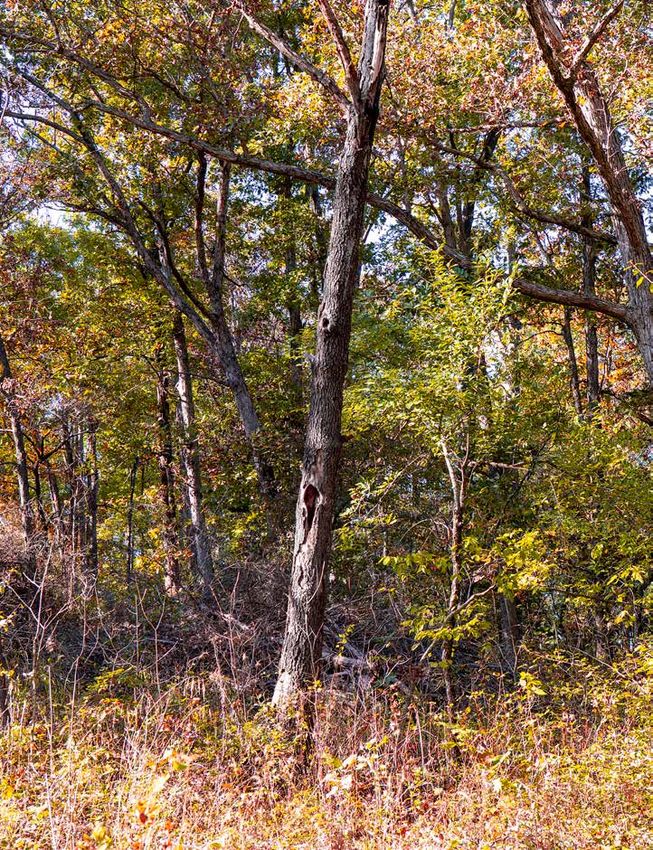
Contents
Features
 6 Talking Turkey
      Wild turkeys have a language all their
      own. We’ll help you learn to speak it.
10 Furry Float Buddies
      Is that a beaver or a Labrador retriever?
      Get to know Missouri’s furry water critters.

Departments
  2   Get Out!
  3   What Is It?
  4   Into the Wild
16    Predator vs. Prey
 17   Strange but True
18    How To
20    Xplor More

               Baby opossums leave
                 mom’s pouch when
              they’re about 2 months
              old. But the little pouch
               potatoes can’t survive
                on their own. So for
              the next several weeks,
               mom becomes a furry,
                four-legged minivan.
                      by Jim Rathert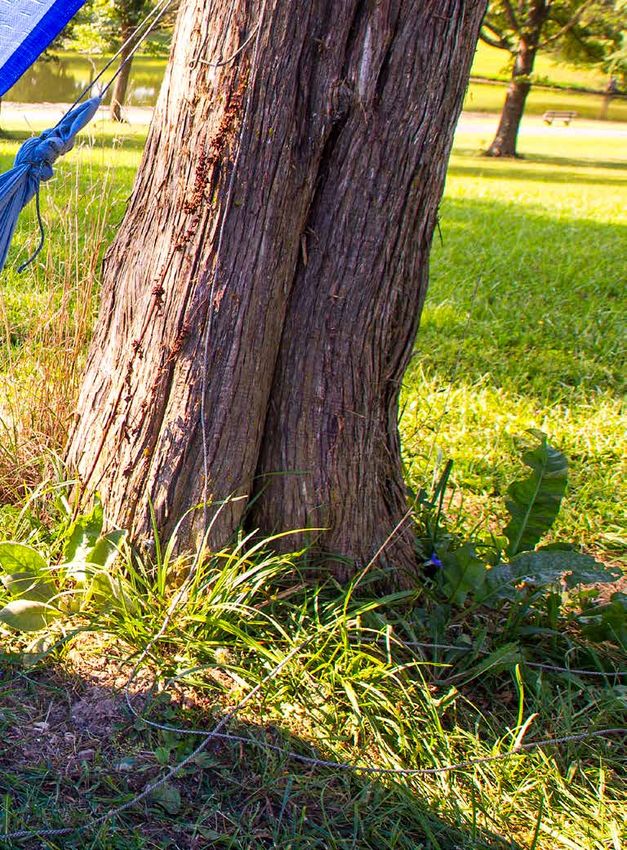
GOVERNOR
                      Michael L. Parson
   CONSERVATION COMMISSION
                     Don C. Bedell
                  Steven D. Harrison
                   Mark L. McHenry
                 Wm. L. (Barry) Orscheln
                      DIRECTOR
                     Sara Parker Pauley
                   XPLOR STAFF
                      Bonnie Chasteen
                      Les Fortenberry
                      Alexis (AJ) Joyce
                    Angie Daly Morfeld
                    Noppadol Paothong
                        Marci Porter
                       Laura Scheuler
                         Matt Seek
                       David Stonner
                     Stephanie Thurber
                         Cliff White

Xplor (ISSN 2151-8351) is published bimonthly. It is a
publication of the Missouri Department of Conservation,
2901 West Truman Boulevard, Jefferson City, MO (Mailing
address: PO Box 180, Jefferson City, MO 65102.) Subscription
free to Missouri residents (one per household); out of state
$5 per year; out of country $8 per year. Please allow 6–8
weeks for first issue. Notification of address change must
include both old and new address (send mailing label with
the subscriber number on it) with 60-day notice. Preferred
periodical postage paid at Jefferson City, Missouri, and at
additional entry offices. Postmaster: Send correspondence
to Xplor Circulation, PO Box 180, Jefferson City, MO 65102-
0180. Phone: 573-751-4115, ext. 3856 or 3249.

Copyright © 2021 by the Conservation Commission of the
State of Missouri. Vol. 12, No. 2. March/April 2021 issue printed
by LSC Communications in February 2021 in Liberty, Missouri.
Printed in the USA.

Send editorial comments to: Mailing address: Xplor
Magazine, PO Box 180, Jefferson City, MO 65102-0180; Email:
Xplor@mdc.mo.gov. Please note: Xplor does not accept
unsolicited article queries, manuscripts, photographs, or
artwork. Any unsolicited material sent will not be returned.

Equal opportunity to participate in and benefit from
programs of the Missouri Department of Conservation is
available to all individuals without regard to their race,
color, religion, national origin, sex, ancestry, age, sexual
orientation, veteran status, or disability. Questions should
be directed to the Department of Conservation, PO Box
180, Jefferson City, MO 65102, 573-751-4115 (voice) or 800-
735-2966 (TTY), or to Chief, Public Civil Rights, Office of Civil
Rights, U.S. Department of the Interior, 1849 C Street, NW,
Washington, D.C. 20240.

               We recycle.
               You can, too! Share
               Xplor with friends.

             ON THE COVER
                   American Mink
               by Noppadol Paothong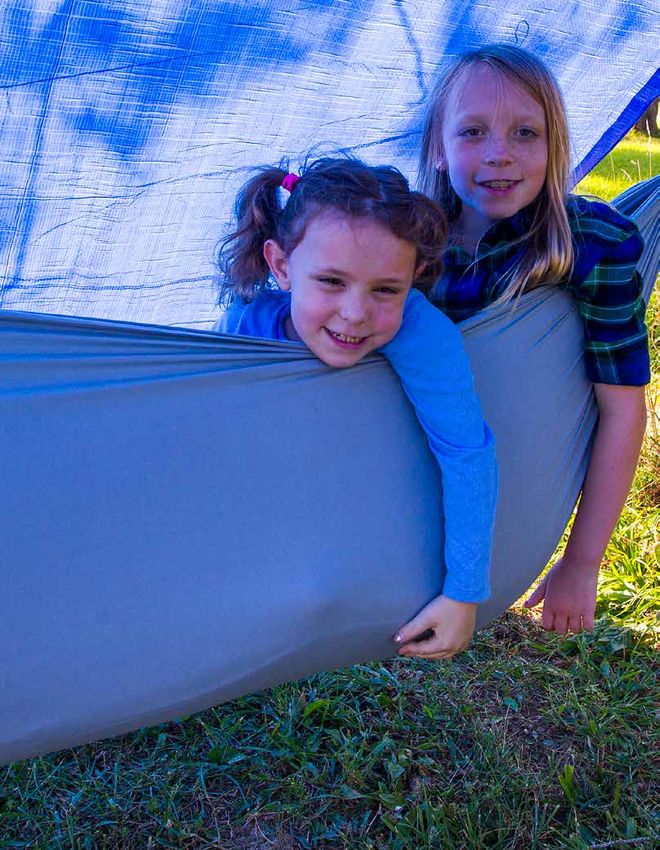
Get Out!

GET OUT!
                                                                                          FUN THINGS TO DO
                                                                                          AND GREAT PLACES
                                                                                        TO DISCOVER NATURE

                                                                                                     Prothonotary
                                                                                                                         warb
                                                                                                                             ler

                                                                               oriole    Songbirds
                                                                       imore             are returning
                                                                   Balt
                                                                                         to Missouri.
                                                                                         Keep them from flying
                                                                                         into reflective windows by
                                                                                         sticking easy-to-remove
                                                                                         painter’s tape or
      Try the taste of                                                                   decals to the
    spring. Redbuds                                                                      outside of
                                                                                         big panes.
    start blooming
    in late March. Their
    blossoms add a pop
    of color and tangy                                                                               Indi
                                                                                                         go b
                                                                                                                unt
    flavor to salads.                                                                                              ing

                                     Walk a trail
                                     to enjoy the sights,
    Many Missouri turtles            sounds, smells, and
    become active in late                                                                                The youth
                                     textures of spring.
    March. You can help                                                                                  portion of
                                                                                                         Missouri’s
    turtles cross
                                                                                                     2021 spring
    the road by carrying
    them in the direction                                                                                 turkey
    they were headed — but                                                                               season is
    only if it’s safe to do so.                                                                     April 10 and 11.
                                                                                                     Learn the pros
                                                                                                        and cons of
                                                                                                     various turkey
                                                                                                    calls on Page 6.
                                            Orn
                                               ate
                                                   b
                                                   ox
                                                      tur
                                                         tle

                           Looking for more ways to have fun outside? Find out about
  2 i xplor                Discover Nature programs in your area at mdc.mo.gov/events.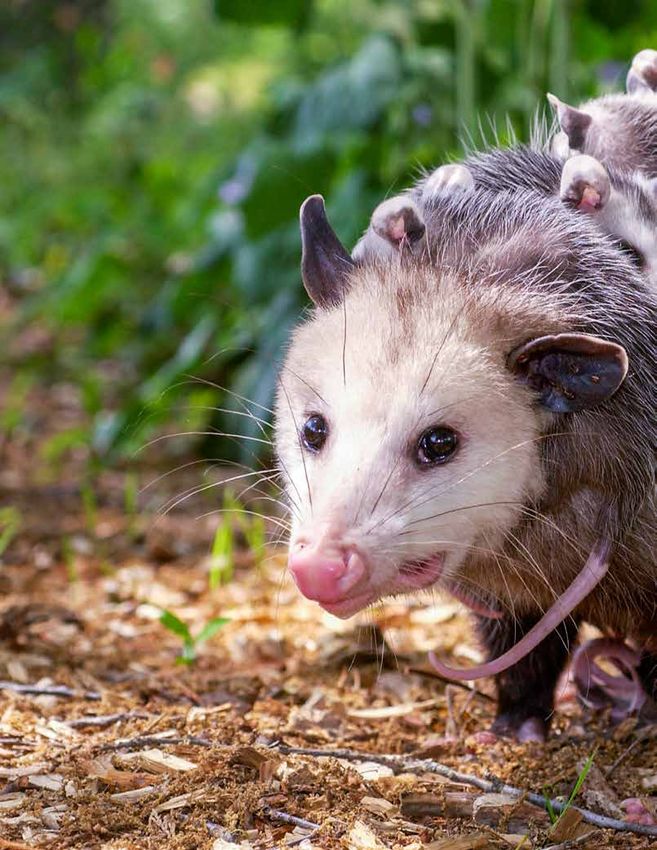
WHAT ?
  What is it?
                               IS
                               IT
                                                     DON’T KNOW?
                                                     Jump to Page 20 to find out.

❶ My eggs look like berries.        ❸ My hatchlings stick close …
❷ My tail is their home.            ❹ … till they’re ready to roam.

                                                                      march/April 2021 i 3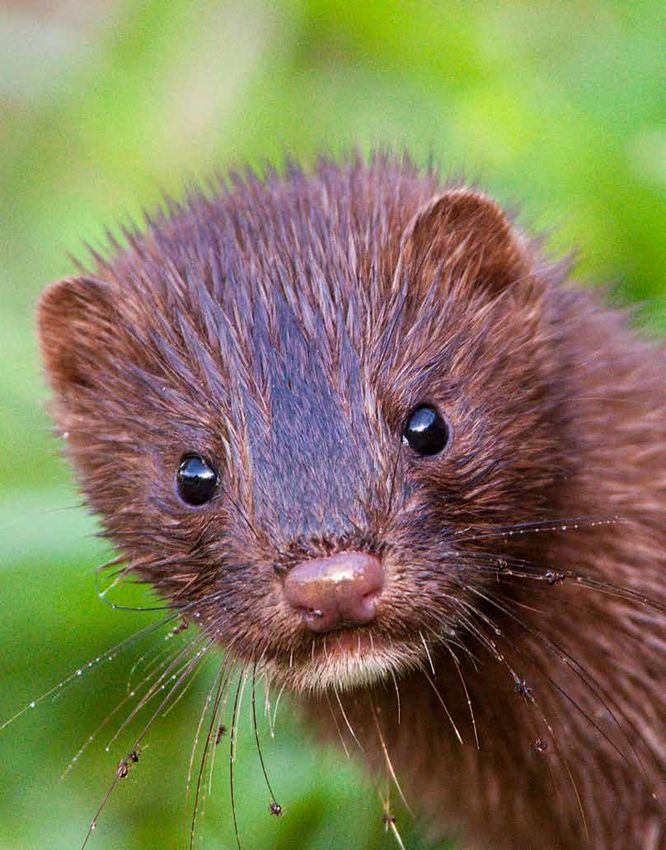
Into the                                             Wild
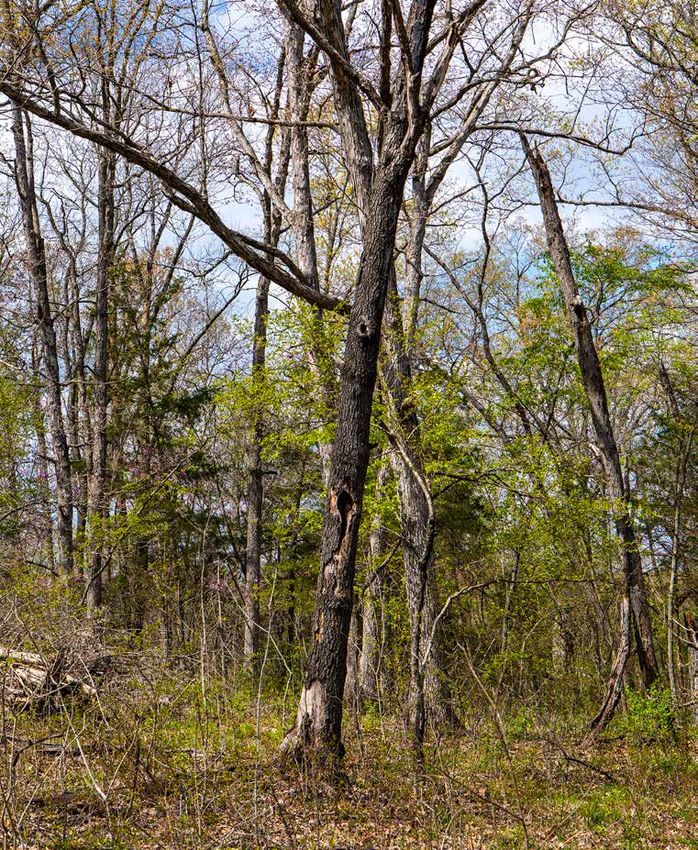
                                                                           Even after death, trees provide

           Wild
                                                                             homes and food for lots of life.

                                                                 Do w ny                    LOO k
                                                                                            Woodpeckers

                                 g
                                                                                            hammer on dead snags

                           ad sna                                                           to find insects to eat,

                         de                                                                 make nest holes, and
                                                                                            tap out messages to
                                                                                            fellow woodpeckers.
                                                                                            The next time you

                                                                            ir y
                                                      Red
                                                                                            visit a snag, keep your

                                                                            Ha
  ?
      You Kno
                                                          -h
                                                                                            eyes peeled for these
                                                           ead
       ou
  Did Yw?
             w
Did

                  Red-bellied
                                                               ed
  Kno                                                                                       head-banging birds.
                 woodpeckers have
              super-long tongues that
            they use to probe inside

  ?
          hammered-out holes. The
          tongue is needle sharp —
          perfect for harpooning bugs
          — and barbed at the tip so
                                                   Red-

          dinner can’t wiggle away.
                                                       belli

                                                                                     ated
                                                                                 Pile
                                                            ed

                                                                                              k
      LOO k                                                                 Take a Closer Loo
                                                                             Take a Closer Look
                                                                             Can you spot the owl? Camouflaged
          Mama raccoons often turn hollow
                                                                             feathers make an eastern screech-owl
          trees into nurseries. In the summer,
                                                                             disappear against a barky background.
          you might spot her ring-tailed babies
                                                                             To find screechers in the wild, listen for
          practicing their tree-climbing skills.
                                                                             songbirds raising a ruckus. Small birds
                                                                             gather near owls and fuss to try to drive

                                                   SPRIN G                   the predatory birds away.

      4   i xplor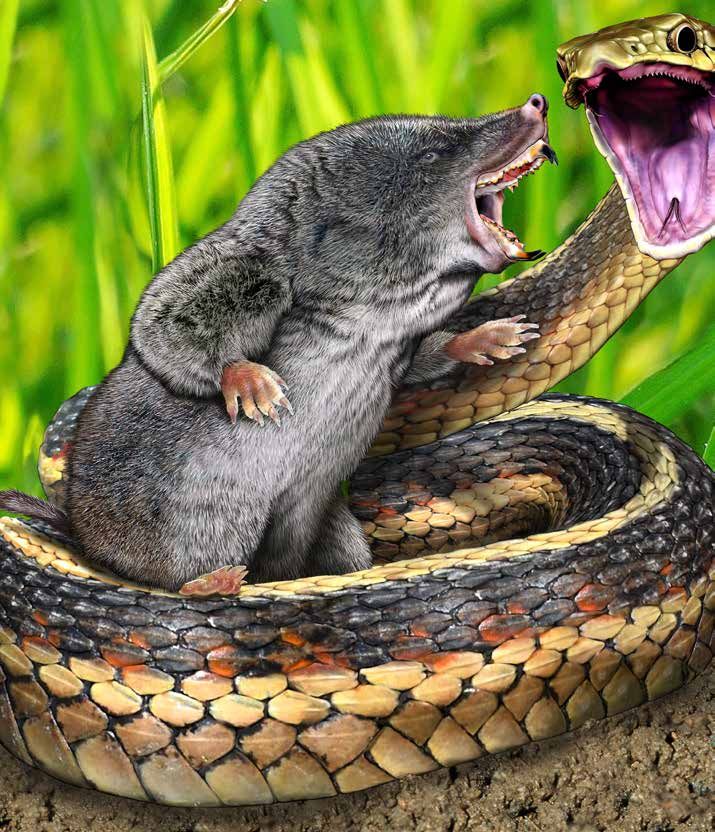
FALL

                                                                                                            hat Happened Here?
                                                                                                                    What Happened Here?

                                                                                                           W The squiggly lines you find when
  ke a Closer Look
TaMourning
   Take a Closer Look
                                                                                                                bark falls off of dead snags are
                                                                                                                made by baby insects. Many
           cloak
                                                                                                                kinds of beetle larvae tunnel
   butterflies spend winter
                                                                                                                under the bark. They eat the
   huddled in tree cavities or
                                                                                                                tree as they go and leave behind
   under loose bark. Though
                                                                                                                winding paths called “galleries.”
   the upper side of their
   wings is brightly colored,
   the underside is well-
   camouflaged. This helps
   hide them from hungry
   birds. With their wings
   folded, mourning cloaks

                                                                                             ?
   become nearly invisible                                                                      You Kuno
                                                                                                     o
                                                                                                Did Yw?

                                                                                                          w
   against a tree’s trunk.                                                                Did   Kno          When weather
                                                                                                           turns chilly,
                                                                                                       southern flying
                                                                                                    squirrels snuggle

                                                                                             ?
                                                                                                    together inside hollow
                                                                                                    trees. Their furry
                                                                                                    bodies can warm the
                                                                                                    den by 30 degrees,
                                                                                                    and the more
                                                                                                    squirrels there are,
                                                                                                    the toastier it gets.

LOO k
                                                                                                    Fifty squirrels have
                                                                                                    been found packed
   When a tree dies                                                                                 into a single tree!
   — sometimes even
   before — it becomes
   food for shelf
   mushrooms. The next
   time you find a snag,
   see how many of
   these colorful        Turkey
                                                   sino
                                                       us polypore              cken
                                                                                     of the woo                Ling c
                                                                                                                     hih                     ist conk
   fungi you                    tai
                                   l             Re                          Chi
                                                                                               ds                                         Art
   can spot.

                                                                                                                            march/April 2021 i 5
Resinous polypore: Joseph Berger, Bugwood.org; Artist conk: Joseph OBrien, USDA Forest Service, Bugwood.org;
Flying squirrels: Joe McDonald/The Image Bank via Getty Images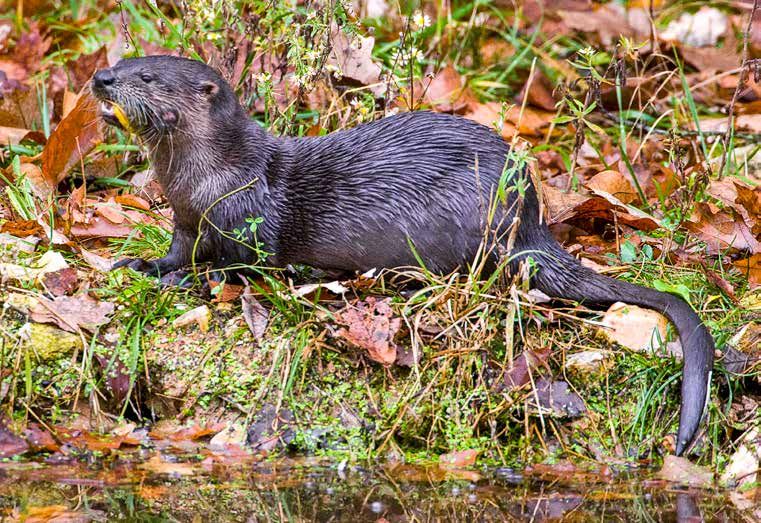
Few things make your
     heart pound harder than
     calling a wild turkey
     into close range.         Talking
       TURKEY                                             by Matt Seek

I
   f you’re a nature lover, turkeys are
   endlessly entertaining to watch. And
   if you’re a sportsperson, they’re a thrill
to hunt. But turkeys are wary birds, and                        Yelp
trying to sneak up on one is a good way to           Squeaky, high-pitched yelps are
learn what the south end of a northbound          the most-used words in turkey talk.
bird looks like. To get up-close and              Three to seven yelps strung together
                                                 is how a turkey says: “I’m here. Come
personal with this careful critter, your            see me.” It’s also how a hen tells a
best bet is to fool it into thinking you’re           gobbler: “Howdy, handsome!
a friendly member of the flock. And to do                  Let’s go on a date.”
that, you’ll need to learn how to talk turkey.

6   i xplor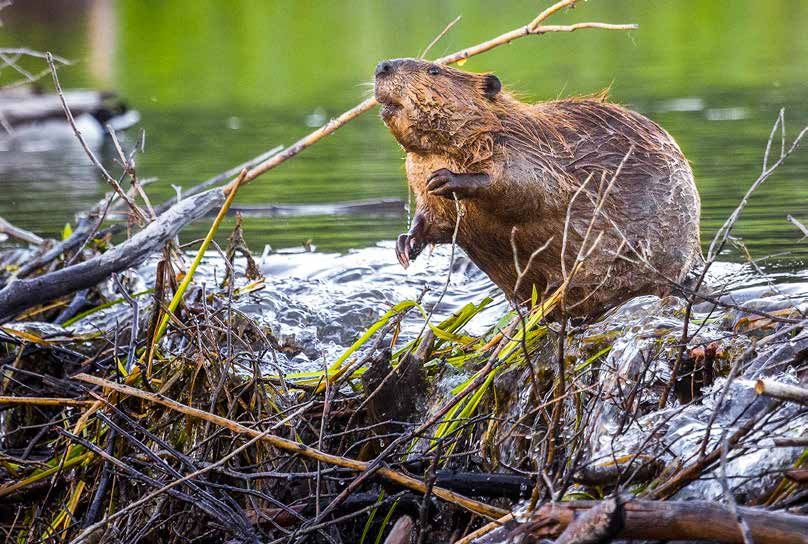
Learn the
   Language                                                             Caw or Hoot
                                                                  Aggressive gobblers can’t stand
                                                                  letting other birds have the last
                                                            w
                                                        cro     word. So when a crow caws or an
                                                   an
                                                ric             owl hoots, a nearby tom will often
    Turkeys are chatty birds              A   me
    that make many sounds.                                      belt out a loud, defiant gobble. The
    Next time you’re near                                          next time you’re in the woods,
    a flock, listen for these                                       make a loud hoot and see if a
                                                                   nearby gobbler answers back.
    common calls.
                                              Putt

                                                                                                       Gr
                                                                                                        at

                                                                                                         e
                                                                                                           h   orn
                                   Uh-oh! Something seems                                                         ed
                                                                                                                     o   wl
                                 suspicious. A sharp, worried
                                    PUTT! is how turkeys
                                    warn others of danger.

              Gobble
      Adult male turkeys, called
      gobblers or toms, rip out
        a thunderous GOBBLE,
         GOBBLE, GOBBLE! to
      attract hens and let other
       toms know who’s boss.

         Cluck
 Turkeys often cluck like
  chickens while they’re
moving around looking for
food. Happy clucking tells
 other turkeys: “Chill out.
   Relax. Life is good.”

             Purr
   A soft, catlike purr is made —
along with clucks — when turkeys
 feel safe or when they’re feeding.
  It reassures other turkeys in the
     group that everything’s OK.

                                                                                               march/April 2021 i 7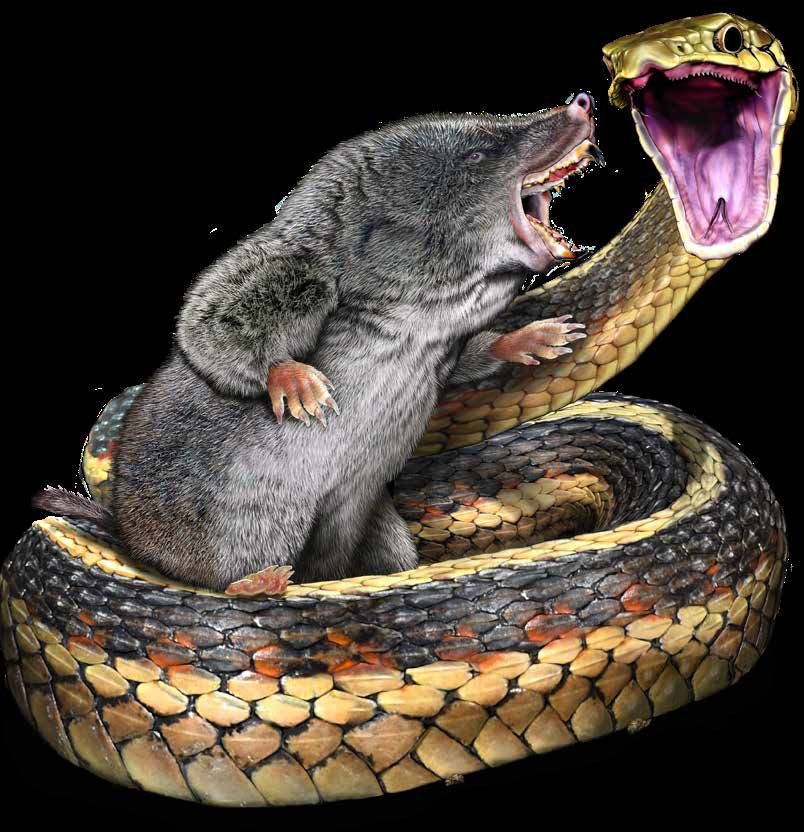
Tools
     of the
                   Turkey calls help hunters (and
                   birdwatchers) cluck, purr, and
                   yelp like a turkey calling to its
                   friends. There are many kinds of
     Trade         calls, and each has pros and cons.
                                                                    SLATE Call
                                                                    With just a little extra practice, you

                                     BOX Call                       can use a slate call (aka pot call)
                                                                    to make a wider variety of turkey
                                       Most new hunters             sounds than you can with either a
                                      learn to call by using        push-button or box call. To make
                                     a box call, which is           a slate call “talk,” you scratch a
                                   simply a small wooden            pencil-shaped striker across a disc
                                 box with an open top.              of slate, glass, or metal.
The lid, or paddle, is stroked over the edges of the box            Good: With a slate call, you can
to make sound. By changing the speed of the stroke                  make nearly any sound a real
and the pressure on the paddle, you can create yelps,               turkey can make.
clucks, purrs, putts, and other turkey sounds.
                                                                    Bad: Slate calls are a little trickier
Good: Box calls are easy to use, which makes them                   to learn than other hand-held
great for beginners. They’re also quite loud and work               calls. They’re not as loud, either, so
well when the woods are noisy, like on windy days.                  turkeys may have trouble hearing
Bad: Box calls may work poorly in wet or humid                      you on windy days. And it’s hard to
weather. Some must have chalk applied to the paddle                 hold a shotgun or binoculars and
before they’ll make realistic sounds. And, unless                   work a slate call at the same time.
you have three hands, you can’t hold a shotgun or
binoculars and use a box call at the same time.
                                                               MOUTH Call
PUSH-BUTTON Call                                               You use a mouth
                                                               call kind of like
A push-button call is the easiest way for a rookie             how you play a
to make lifelike yelps. All you have to do is push             clarinet: You put
a spring-loaded button. This causes a pencil-sized             the call in your mouth
rod to rub inside a small box, producing sound. By             and force air over a thin piece of plastic.
changing the pressure, speed, and rhythm on the                By changing the shape of your mouth
button, you can make different sounds.                         and varying how hard you blow, you
Good: Push-button calls are dead simple to use. You            can fool a turkey into having quite a
can work them with one hand, leaving the other                 conversation with you.
free to reach for a shotgun or a pair of binoculars.           Good: A mouth call lets you shoulder
Bad: Push-button calls are one-hit wonders. They               a shotgun or peer through binoculars
produce a few calls                                            while also calling to a turkey. In
well, but they                                                 the hands — oops, mouth — of an
don’t make the                                                 experienced caller, mouth calls make a
wide variety                                                   variety of realistic turkey sounds.
of sounds                                                      Bad: The only downside to a mouth call
that other                                                     is its steep learning curve. Beginners
calls can offer.                                               are better off using hand-held calls.

8   i xplor
Help for Your Yelps Talking turkey well enough
to fool real birds takes
practice. You can search
online for turkey calling
videos to help hone your
skills. (For a quick lesson
on using a box call, check
out short.mdc.mo.gov/
ZaX.) Or register for a
turkey hunting class at
mdc.mo.gov/events.
But the best way to
learn is to find an
experienced caller
who’s willing to
take you under
his or her wing.
Make a Homemade Here’s What You Need
Turkey Call •
•
•
Empty yogurt cup (Make sure it’s washed!)
Drinking straw
Scissors
• Duct tape
There’s no need to rush out and buy a call • Brown, green,
if you’re itching to try talking to a turkey. or black paint
It’s easy to make a call at home by
recycling a few items you probably
already have in your kitchen.
Here’s What You Do
1 Trim the straw so it’s a couple inches
taller than the yogurt cup.
2 Tape the straw inside the yogurt cup.
Leave a space about the width of your
pinky between the bottom of the straw
and the bottom of the cup.
3 Paint the cup with brown, green, or black
paint, or use camouflage duct tape to
cover the cup as we’ve done in the picture.
How to Use Your Call
Hold the tip of the straw in your lips and sip like
you’re giving someone a noisy kiss. With practice,
you’ll soon be able to produce a sharp yelp.
march/April 2021 i 9Furry
Float by Bonnie
Chasteen
Buddies
T he best thing about
paddling around
a farm pond or
shuttling off to a
stream — especially in
spring — is all the cool
things you’re likely to see
while you’re out on the
water. Frogs and turtles
splashing into the soup,
silvery fish flashing below
your boat — hold on —
what’s that furry critter
sliding down the bank
and into the water?
It could be one of
several aquatic mammals
ter
that call Missouri home.
r ot
rive
ican
mer
hA
Nort
10 i xplorWh i s k e r
s
Warm-Blooded, Built for working
Fur-Covered underwater
Water-Lovers Clear “swim
goggle” eyelids,
The science-y phrase, closeable
“aquatic mammal,” noses and ears,
basically means “furry, and sensitive
warm-blooded critter whiskers help
that makes itself at home otters and
in the water.” Mammals beavers navigate
that live near but not in the water.
in the water are called
“semi-aquatic.” This could t ter
er o
include humans, too. n riv
North America
Some river-loving people
call themselves “river rats.”
Are you a river rat?
Whether they live in Well-insulated
bank-side burrows or Otters and beavers come with their own layered
just hunt from the bank, wet suits that keep them warm, even under the
Missouri’s aquatic and ice. They start with an insulating layer of fat
semi-aquatic mammals are under the skin. Then there’s a short, thick, oily
all good swimmers. Some layer of fur next to the skin. And on top
share similar features like of that, there’s a glossy coat of
webbed toes or “swim guard hairs.
goggle” eyes, and others
have scaly, oarlike tails.
Let’s get to know each
critter and find out when
and where you’re likely
to see them.
Good swimmers n bea
ver
erica
Webbed toes, tapered bodies, A m
and oarlike tails help otters,
beavers, and muskrats move
oes
like acrobats in the water. b ed t
We b
Oarlike tail
© Jnjhuz | Dreamstime.com
march/April 2021 i 11North American
River Ot ter
These aquatic clowns are
well-suited to life in the water.
They have sleek, streamlined
bodies and fully webbed
feet. Their long, tapered tails
are thick at the base and flat
on the bottom. Their ears
and nose close when they
go underwater, and they can
stay under for three to four
minutes. They have lots of
sensitive whiskers that help
them find crayfish in the water,
even at night. Although they
are mostly nighttime hunters,
they’re active all year. You may
see one (or several) sliding
down a snowy or muddy bank
— splash — right into the
water! The name “river otter”
tells you where you’re most
likely to see them.
12 i xplorAmerican Mink
Minks and otters are cousins. You
could think of them as water
weasels, although the mink is less
aquatic than the otter. It lives in
margins between water and woods
under tree roots and logs or in old,
bank-side muskrat burrows. Like
the otter, it works the night shift,
and it tends to keep to itself. Still,
you might see one (or a young
family) hunting in daylight this
spring or summer. They’re fast
runners as well as good swimmers,
and they’re known to eat young
rabbits as well as fish, crawdads,
and even ducks. They often stash
their food in their dens to eat later.
Common Muskrat
These medium-sized water rodents
dig burrows in pond, lake, and stream
banks, or they build big dens out of
sticks and cattails in marshes and
wetlands. While otters and minks
mostly eat meat, muskrats are mainly
plant eaters. In marshy areas, they
eat the roots and stems of cattails,
rushes, and lotuses. Muskrats living
along Ozark streams will eat mussels,
snails, crayfish, and frogs as well as
water plants. When swimming, the
muskrat’s slim, scaly tail paddles back
and forth, almost finlike, behind it.
march/April 2021 i 13American Beaver
The beaver is Missouri’s largest
aquatic mammal, and a big one
can be 54 inches long and weigh
90 pounds — probably bigger
than you! Unlike muskrats, which
have long tails, the beaver has
a broad, flat tail that serves
© Chase Dekker | Dreamstime.com
as an all-purpose tool. In the
water, it works as a rudder and
a propeller. On land, it serves
as a kickstand to help the beaver
balance on its hind feet while it
chomps down trees.
Like muskrats, beavers build
lodges, where they sleep and raise
© Musat Christian | Dreamstime.com
their families. While muskrats make
their lodges out of cattails and
rushes, beavers build theirs out of
sticks, branches, and logs. Either
water rodent may also make a home
by digging into a stream bank.
Unlike muskrats, beavers never eat
meat — only bark, twigs, pond lilies,
and other plants. Both critters have
special lips that close behind their
teeth to keep water from flowing A Sure Sign
into their throats as they swim with If you find pointy tree
branches or cattails in their mouths. stumps along a stream or
Beavers are mostly active at night, lake, you can bet they’re the
but it’s possible to spot them just work of a busy beaver. To spot
before sundown in the evening or a beaver’s lodge, scan the water
just after sunrise in the morning. If for a heap of branches or look
for a burrow dug into a
you’re lucky, you may see a beaver
stream bank.
sunning itself or using its hind toes
to comb oil through its fur.
14 i xplorRaccoon
These masked mammals
aren’t aquatic, but they do
like living near water. They
swim as well as they climb,
so they’re just as likely
to splash in the water for
mussels and crayfish as
they are to reach for tasty
blossoms, mushrooms,
© Holly Kuchera | Dreamstime.com
and fruit. Like most of the
float buddies profiled here,
raccoons are creatures of the
night. They start prowling
for food around sundown,
so you might spot a ring-
tailed shadow slipping along
the stream near the end of
your day on the river.
Labrador
Retriever
OK, NOT a native
aquatic mammal, but
a true water dog —
and a Missouri river
rat’s best friend. Don’t
be surprised if one
paddles out to say hi
when you float by.
march/April 2021 i 15The struggle to survive isn't always a fair fight
RT E R S N A K E
E AS T E R N GA
Short-Tailed Shrew
This
issue :
Eastern Gartersnake Vs
VS S H O R
illustrated by
David Besenger T -TA I L E D S H R E W
Backward Biters
A gartersnake’s teeth curl
inward. Once prey is seized,
the only direction it can move
is toward the snake’s tummy.
Jumbo Jaws
Special jawbones allow
a snake to stretch its
mouth around prey
that's much larger
than the snake's head.
Tiny but Toxic
Short-tailed shrews produce
venomous saliva that
paralyzes small prey like
insects and hinders the
heart of larger victims.
Hungry, Hungry Hunter
To survive, a shrew must eat up to half its
body weight each day. Its appetite makes
a shrew feistier than larger predators.
And the winner is…
shrew sinks its fangs into the snake’s neck, and the mini mammal’s venom takes care of the rest.
16 i xplor
In a battle between predators, the winner is often decided by who strikes first. This time, theStrange but True
ide to all the
Your gu
sua l, un iqu e ,
und u believable
an Un ure
es on in nat
o
stuff that g
Better than a bulldozer:
Woodchucks dig a network
of burrows and underground
chambers in which to live.
Their tunnels may stretch
Ruby-throated almost 80 feet, and
hummingbirds can fly up, the woodchuck may
down, forward, backward, remove nearly 700
sideways, and even upside- pounds of soil during
down. The tiny birds can construction.
streak toward a flower at 25 mph
and come to a dead stop in a space
no longer than your pointer finger.
There’s a good
reason why zebra
swallowtail
Why so blue? During
butterflies
mating season, the inside of usually lay only one egg on
a double-crested each pawpaw plant: The baby
cormorant’s mouth turns caterpillars will happily eat any of
bright blue. When a female their siblings that crawl too close.
approaches a male’s nest site, he
spreads his beak wide open to
show off his sky-colored pie hole.
Dutchman’s
breeches contain
druglike chemicals.
Common merganser Cattle that eat too
babies often hitch a ride many of these spring-
on their mother’s back blooming wildflowers
as she swims through often foam at the
the water. This offers mouth and stagger
the little fluff balls some around as
safety from fish and other though they
underwater predators. were drunk.
Like four peas in a pod: Nine-banded armadillos
always give birth to four — no more, no fewer — identical
babies, either all boys or all girls. It takes a couple months for
baby ’dillos to develop the protective armor adults possess.
march/April 2021 i 17How to
Hang a
o mem ade
H
Hammock
Nothing is more relaxing
on a warm spring day
than lying in a hammock and
swinging with the breeze. No
hammock? No problem. Here’s
how to rig one with supplies
you likely have at home.
Here’s what you need
• Old bed sheet
(a twin- or full-size
sheet works best)
• Rope or parachute cord
• Tarp
• Pocketknife
Pro Tip
• Tent stakes (optional) To protect the trees,
• Two stout trees wrap thick cardboard
around each tree at the
spot where the rope
encircles its trunk.
18 i xplorHere’s what you do
For shade from the sun or
protection from rain, it’s easy to
1
make a tent over your hammock.
4
Tie each end of the sheet into a large overhand
knot. Leave a tail of sheet sticking out so the
knot won’t come untied. Tie lengths of rope to the
corner grommets (the little
2
metal holes) of the tarp.
5
Cinch a length of rope or cord just below
each knot. Each piece of rope needs to be
long enough to stretch from the hammock
Tie the tarp between the two trees so that
to a tree. Make sure the rope is tied tightly
it hangs over the top of your hammock.
so that it won’t slide off of the sheet.
3 6
Attach the rope from each end of the hammock Using tent stakes, sharpened sticks, or heavy
to separate trees. Make sure the hammock is rocks, secure the ropes from the grommets
about chest high — the rope will stretch and to the ground so that the tarp forms a roof
the hammock will sink a little when you sit in it. over your hammock.
march/April 2021 i 19x p lo r m or Xplor More
Spring Woods Bin
o r
x p l or m
Spring Woods Bingo
■ Raccoon ■ Fern ■ Chipmunk ■ Morel
fiddlehead ■ Woodpecker
A springtime walk in
the woods is a delight
for your senses. The
forest turns green, birds
sing, and the sweet scent of ■ May apple ■ Moss ■ Box turtle ■ Dog wood ■ Jack-in-the-
flowers hangs in the air. To pulpit
make your walk even better,
play “Spring Woods Bingo.”
Instructions ■ Paw print ■ Salamander
■ Redbud ■ Turkey
Cut out the bingo cards. Bring the
cards, a couple friends, and some
pencils on your next hike. When
FREE
you spot an item in the woods that’s
■ Cardinal ■ Spring peeper ■ Bluebird
listed on the card, put an “X” in the ■ Dutchman’s ■ Columbine
corresponding box. When you get breeches
five X’s in a row, yell
“Xplor!”
■ Wild sweet ■ Wake robin ■ Bumblebee ■ Zebra
William ■ Spring beauty
swallowtail
WhAT ? IS Crayfish usually mate in the fall, but
the moms don’t “lay” eggs until spring.
IT
What
Is It? Then the eggs, which look like berries,
appear in a sticky mass. They stick to
— FROM PAGE 3 — the mother’s tiny, leglike swimmerets
under her “tail” or abdomen. After hatching, the young keep hanging out
on mom’s tail until they shed their skins twice. Then they start wandering
away from mom, but they return to the safety of her tail if they feel
threatened. Learn more at mdc.mo.gov/field-guide.
20 i xplorre
■ Raccoon ■ Fern ■ Bumblebee ■ Morel
fiddlehead ■ Wake robin
go
■ Columbine ■ Moss ■ Box turtle ■ Dog wood ■ Jack-in-the-
pulpit
■ Paw print ■ Salamander
■ Redbud ■ Turkey
FREE
■ Cardinal ■ Spring peeper ■ Bluebird
■ Dutchman’s ■ May apple
breeches
■ Wild sweet ■ Woodpecker ■ Chipmunk ■ Zebra
William ■ Spring beauty
swallowtail
I mean Xplor!
■ Columbine ■ Cardinal
■ Bluebird
■ Spring peeper ■ Salamander
r,
o .. . e
g
Bin
■ Woodpecker ■ Spring beauty
■ Morel ■ Chipmunk
■ Fern
fiddlehead
■ Turkey ■ Paw print
■ Dutchman’s ■ Redbud
breeches
FREE
■ Jack-in-the- ■ May apple
■ Wild sweet ■ Box turtle
■ Moss pulpit
William
Warning:
In “Spring Woods Bingo” if you say
■ Raccoon ■ Dog wood
■ Zebra ■ Bumblebee “bingo” instead of “Xplor,” you must
■ Wake robin
swallowtail erase one of your X’s and continue
to look for items until you have five
in a row again.
march/April 2021 i 21Subscribe online
mdc.mo.gov/xplor
Free to Missouri households
CRIT TER CORNER Baby Red-Shouldered Hawks
These nestlings are waiting for mom or dad to bring home lunch — maybe a frog or a mouse. Their parents will
tend to them until they are ready to hunt on their own, sometime in mid-June. Red-shouldered hawks start nesting
in mid-March, and their eggs hatch in late April or early May. You may spot nesting pairs in woods along creeks this
spring. Listen for the parents’ calls — a loud kee-aah! Learn more at mdc.mo.gov/field-guide.You can also read


