ROOMA - THE CHALLENGES AND REWARDS OF GOVERNING TE PAPA HONOURING THE PAST, WHILE LOOKING TO THE FUTURE - IOD NZ
←
→
Page content transcription
If your browser does not render page correctly, please read the page content below
board
                                                  AUG / SEP 2018
room
Magazine of the Institute of Directors in New Zealand

The challenges
and rewards of
governing Te Papa
HONOURING THE PAST, WHILE
LOOKING TO THE FUTURE.
Drive your
governance
career.
Do the Company Directors Course
You will be learning from the best practising
directors to gain a thorough understanding
of governance. Join a strong community
of driven individuals, and be in a position
to lead the way in New Zealand business.

REGISTER NOW
iod.org.nz/cdc
0800 846 369

CONTENTS

A note from the editor

                                               The Agenda
The beautiful image on our cover this
issue is courtesy of Te Papa. It was taken
by Jo Moore at the opening weekend of
Te Papa’s Toi Art exhibition. In this issue,
Te Papa chair Evan Williams talks about        AUGUST / SEPTEMBER 2018
the museum’s goal of honouring the past
while looking to the future, and we feel
                                                                                     INSIDE IoD

                                               07
this photo captures that spirit.
    Former All Blacks captain David Kirk
gets philosophical about duty and morals.                                            01    BoardRoom details
Drawing on his philosophy degree from
the University of Oxford, he explains
                                                                                     02    CEO letter

why directors and business leaders need
to go back to basics and rethink moral
                                                                                     03    UpFront

frameworks if they want to build trust.                                              03    DirectorVacancies
    New Zealand Trade and Enterprise
(NZTE) has contributed a piece on why                                                21    GLC Update
companies that want to globalise need
a global board.                                                                      41    Out and About
    Climate change is becoming top of          DAVID KIRK / Rethinking
mind for directors and other business          moral frameworks in                   43    Events
leaders and it’s a topic we’re exploring       order to build trust.
in this issue. The New Zealand chief
                                                                                     FEATURES
executives of 60 organisations recently

                                               11
formed the Climate Leaders Coalition,
pledging to reduce emissions and to play                                             07    David Kirk gets
                                                                                           philosophical
a leading role in transitioning the country
to a low emissions economy. Submissions
also recently closed on the Zero Carbon
                                                                                     11    Te Papa chair Evan Williams
                                                                                           talks museum governance
Bill. The IoD put in a submission on this,
something our Governance Leadership                                                  15    Mahuki: Culture tech
Centre (GLC) talks about in its GLC                                                        at the museum
Update. Two of our national sponsors
also tackle climate change this issue.                                               27    IoD Directors’ Fees
MinterEllisonRuddWatts, which is a new                                                     Survey results
national sponsor of the IoD, looks at
three different types of climate change                                              29    Private equity governance
risks for businesses, including physical                             TE PAPA /
risks, economic transition risks and                                 Governance      33    An angel at the board table
liability risks. Meanwhile Marsh provides                            at the museum
a practical approach to how companies                                                34    Developing future talent
can build climate resilience and gain
                                                                                     35    Going global starts

                                                                           29
a competitive edge.                                                                        at the top
    We’re also pleased to be able to
present findings from our recent IoD
Directors’ Fees survey, and introduce
                                                                                     39    Mentoring for diversity

the latest intake of mentees for our
Mentoring for Diversity programme.                                                   FROM OUR PARTNERS

Kate Geenty                                                                          17    The rising tide /
BoardRoom editor                                                                           MinterEllisonRuddWatts

                                                                                     19    Climate change resilience:
                                                                                           The challenges ahead /
                                                                                           Marsh

                                               PRIVATE EQUITY /
                                               Private equity investors’
                                                                                     25    What’s currently top
BoardRoom is the magazine                                                                  of mind for your CEO? /
of the Institute of Directors                  approach to governance                      KPMG
in New Zealand iod.org.nz
BOARDROOM DETAILS

boardroom                                                SENIOR LEADERSHIP TEAM
                                                         Chief Executive Officer
                                                                                                BOARDROOM IS PLEASED
                                                                                                TO ACKNOWLEDGE THE
                                                                                                SUPPORT OF
                                                         Kirsten Patterson
BoardRoom is published six times                                                                NATIONAL PARTNERS
a year by the Institute of Directors                     General Manager, Members
                                                         Nikki Franklin
in New Zealand (IoD) and is free
to all members. Subscription for                         General Manager, Governance            asb.co.nz
                                                         Leadership Centre                      0800 803 804
non-members is $155 per year.                            Felicity Caird

BoardRoom is designed to inform                          General Manager,
                                                         Corporate Services                     marsh.co.nz
and stimulate discussion in the                          Chris Fox                              0800 627 744
director community, but opinions
                                                         General Manager, Brand,
expressed do not reflect IoD                             Marketing and Communications           NATIONAL CYBERSECURITY
policy unless explicitly stated.                         Sophi Rose                             PARTNER

                                                         Delivery Manager
                                                         Robbie McDougall
                                                                                                aurainfosec.com
EDITOR                                                   Manager, Professional                  04 894 3755
Kate Geenty                                              Development
+64 4 470 2647                                           Paul Gardner
kate.geenty@iod.org.nz                                                                          NATIONAL SPONSORS

Please contact the editor for any advertising queries.   COUNCIL 2017/18
                                                         Liz Coutts – President
                                                         Alan Isaac – Vice President
INSTITUTE OF DIRECTORS IN NEW ZEALAND (INC)              Dr Helen Anderson – Wellington         kpmg.co.nz
Mezzanine Floor, 50 Customhouse Quay                     Des Hammond – Bay of Plenty            09 367 5800
PO Box 25253, Wellington 6146                            Julia Hoare – Auckland
New Zealand                                              Jackie Lloyd – Wellington
Tel: 04 499 0076                                         Simon Lockwood – Waikato
Fax: 04 499 9488                                         Vincent Pooch – Canterbury             minterellison.co.nz
mail@iod.org.nz                                          Geoff Thomas – Otago Southland         09 353 9700
iod.org.nz                                               Clayton Wakefield – Auckland
                                                         Sarah-Jane Weir – Nelson
The Institute of Directors has staff based at the        Marlborough
National Office in Wellington, an office in Auckland
                                                                                                PRODUCTION NOTES
and eight branches. For National Office, phone                                                  Every effort has been made
04 499 0076.                                             COMMERCIAL BOARD                       to guarantee the pages of
                                                         Kirsten Patterson, Chair;              this magazine are sustainably
                                                                                                sourced and produced using
                                                         Liz Coutts, Alan Isaac,                paper that meets the environmental
BOARDROOM IS PROUDLY DESIGNED BY                                                                standards shown below.
                                                         Dr Alison Harrison

                                                         BRANCH MANAGERS
eightyone.co.nz                                          For a full list of branch managers,
04 894 1856                                              see page 44.
                                                         Cover image credit: Toi Art Opening
                                                         Weekend Events and Programmes, 2018.
                                                         Photograph by Jo Moore. Te Papa.
      When you have finished with
      this magazine, please recycle.

BOARDROOM August/September 2018                                                                                                  1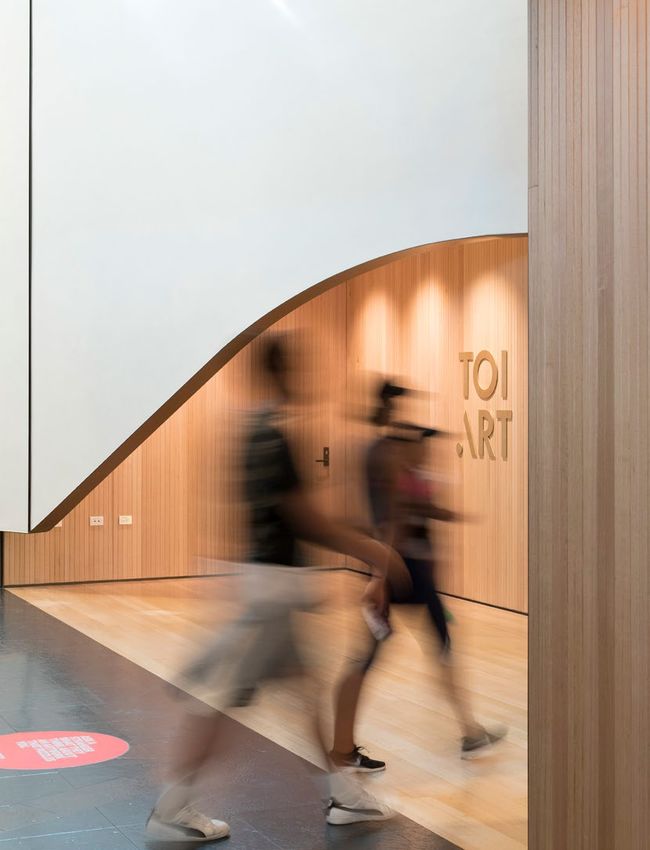
CEO LETTER

                                  Malo e lelei                                      Dame Margaret noted that a culture
                                                                                change of the magnitude envisaged by
                                  It was Mahatma Gandhi who said “a             this review takes a long time to effect.
                                  nation’s culture resides in the hearts and    She estimates it will take 10 years and

The
                                  minds of its people”. But where does the      notes the essential role that the board
                                  culture of a company reside?                  will play in ensuring the culture is
                                      One of the most requested sessions        monitored, measured and reported

culture
                                  for our leadership conferences each           on if the momentum and priority is to
                                  year is ‘war stories’ or case studies of      be maintained.
                                  governance ‘failures’ so we may learn from        The transparent and public release

change
                                  others’ mistakes. Yet it can be difficult     of the report was a brave and courageous
                                  to find examples where people are able,       move by the firm and has the opportunity
                                  or prepared, to speak about times when        to have impacts beyond their own
                                  governance was hard, tricky, and where        transformational culture change.
                                  things have not gone as intended.                 A recent Law Society survey revealed
                                      The recent release of the Independent     that there are bullying and harassment
                                  Review of Russell McVeagh by Dame             issues across the entire legal profession.
                                  Margaret Bazley is a glimpse into one of      Just as people behave within a company
                                  these examples that we as a governance        context, companies themselves also exist
                                  community cannot afford to waste.             within an industry context. We would be
                                      Failings were found in the firm’s         naïve to think that issues are restricted
                                  governance, structure, management,            to one organisation or even one industry.
                                  policies, standards, and systems. The             Good governance demands of us
                                  review references that the report “reflects   that we are scanning across industries
KIRSTEN PATTERSON                 the commitment to telling the story of        for trends and messages that we should
CEO, INSTITUTE OF DIRECTORS
                                  what happened and didn’t happen and           adopt, or that could impact our own
                                  the dreams and disappointment of the          organisations.
                                  people who have worked for the firm               Gandhi not only gave us the well-
                                  in recent years.”                             known and often quoted “be the change
                                      The Bazley report speaks to               you wish to see in the world,” but he
                                  independent review of governance              also importantly expressed that “action
                                  structures, the tenure of board chair and     expresses priorities”.
                                  board members, the role of the board              It may be time to reflect if our actions
                                  chair, the role of the board in driving       and questions as directors are expressing
                                  transformational culture change, the          the priority of culture change that we all
                                  appointment of independent board              wish to see.
                                  members, and the adequacy of board
                                  reports. The report also recommends           Faka’apa’apa atu,
                                  that board committees and appointment
                                  processes be reviewed. All important and      Kirsten (KP)
                                  relevant messages for many organisations
                                  beyond those just in the legal fraternity.

BOARDROOM August/September 2018                                                                                                2
UPFRONT

UpFront
Director
Vacancies
DirectorVacancies is a cost-               APPOINTMENTS                            Douglas McKay, ONZM
effective way to reach our extensive                                               Chartered Member, has been appointed
membership pool of director talent.        George Adams                            to the board of Fletcher Building.
We will list your vacancy until the        Chartered Member, has been appointed
application deadline closes or until       to the board of Cavalier Corporation.
you find a suitable candidate.                                                     Karen Price
   Contact us on 0800 846 369.                                                     Chartered Member, has been
                                           Barbara Chapman                         appointed as independent chair
Unless otherwise stated, the following     Chartered Member, has been appointed    of The Learning Wave.
positions will remain open until filled.   to the board of Fletcher Building.

HANSA PRODUCTS LTD                                                                 Cathy Quinn, ONZM
Role: Independent Director                 Mary Devine, ONZM                       Chartered Member, has been appointed
Location: Hamilton                         Chartered Member, has been              to the board of Fletcher Building.
Closing date: 31 August                    appointed as an independent
                                           non-executive director of
YHA NEW ZEALAND                            Hallenstein Glasson Holdings.           Kevin Sceats
Role: Board Member (Elected)                                                       Charted Member, has been appointed
Location: National                                                                 chair of New Zealand Certified Builders.
Closing date: 7 September                  Abby Foote
                                           Chartered Member, has been
SPORT NORTHLAND                            appointed as an independent             Rowan Simpson
Roles: Centrally-held list of Directors/   director of Freightways Ltd.            Chartered Member, has been appointed
Director Pool                                                                      to the board of Sport New Zealand.
Location: Auckland and Whangarei
                                           Diane Hallifax
NEW ZEALAND AMERICAN FOOTBALL              Member, has been appointed to the       Denis Snelgar
FEDERATION INC                             board of the Waikato Rugby Union.       Chartered Member, has been appointed
Role: Appointed Board Member                                                       non-executive chair of boutique project
Location: Auckland                                                                 management firm Pragmatix.
Closing date: 31 August                    Mark Hamilton
                                           Member, has been appointed
ARTSPACE AOTEAROA TRUST NZ                 to the board of Freshpork.              Aaron Snodgrass
Role: Trustees                                                                     Chartered Member, has been appointed
Location: Auckland                                                                 chair of the Dilworth Trust board.
                                           Wendie Harvey
AUCKLAND TRANSPORT                         Member, has been appointed
Role: Independent Director                 to the Fire and Emergency               Anne Urlwin
Location: Auckland                         New Zealand board.                      Chartered Fellow, has been appointed
Closing date: 23 September                                                         to the board of Tilt Renewables.

REGIONAL FACILITIES AUCKLAND               Malcolm Inglis
Role: Independent Director                 Chartered Member, has been
Location: Auckland                         appointed to the Fire and
Closing date: 23 September                 Emergency New Zealand board.

BOARDROOM August/September 2018                                                                                               3
UPFRONT

    MINTERELLISONRUDDWATTS A NEW NATIONAL SPONSOR

    MinterEllisonRuddWatts and the Institute of Directors             leadership papers on governance, providing strategic advice
    (IoD) are proud to announce a new partnership that will           to boards and holding leading governance symposiums.
    further support the growth and expertise of New Zealand’s            The national law firm’s Chair, Lloyd Kavanagh, says,
    governance community.                                             “We understand the importance of strong governance to
       “We are delighted to announce MinterEllisonRuddWatts           maximise opportunities and minimise risks to achieve the
    as an IoD national sponsor,” says IoD Chief Executive Kirsten     very best business outcomes.
    Patterson. “As a full service law firm MinterEllisonRuddWatts        “Our legal expertise and commerciality of our advice
    has a wealth of experience across a number of sectors             complement the great work the IoD does to support New
    including energy and resources, infrastructure, government,       Zealand’s business community, making our new partnership
    health, banking and financial services, managed funds and         a natural fit. We are delighted to be working alongside the
    technology. We look forward working with the team there           IoD to create better business for New Zealand through
    to provide thought leadership and insight and create events       better governance.”
    and opportunities that build knowledge for our members.”             MinterEllisonRuddWatts joins ASB, Aura, Marsh and
       MinterEllisonRuddWatts has long championed good                KPMG as national partners or national sponsors of the IoD.
    governance in New Zealand, including publishing thought

  Q: Who
  authorises
  director fees?
  The board can authorise director fees
  in certain circumstances (see s 161 of
  the Companies Act 1993). However,
  a company’s constitution may provide
  that fees must be sanctioned by
  shareholders. NZX listed companies
  must obtain shareholder approval by
  ordinary resolution for increases in the
  director fees pool.
                                             MĀORI GOVERNANCE TRAINING

                                             Iwi governance training courses developed          Feedback from earlier TPK/IoD
                                             by the Institute of Directors (IoD) and Te         governance programmes has indicated
                                             Puni Kōkiri (TPK) are running again over           that the knowledge and experience
                                             the coming months to November.                     shared is highly effective for iwi boards
                                                 Our three-day Ngā Pae Hihiri (Māori            in achieving their outcomes.
                                             governance) training programme will be                 The first course took place in Wairoa in
                                             delivered to 12 boards across the country.         mid-July. IoD’s Delivery Manager, Robbie
                                             Up to 20 trustees will attend each course.         McDougall and Professional Development
                                                 Ngā Pae Hihiri aims to enhance and             Manager, Paul Gardner, travelled to Wairoa
                                             deepen iwi governance capability and               for a pōwhiri to mark the occasion.
                                             contribute to long-term iwi success.
                                             In picture above: (left to right) Robbie McDougall,
                                             course facilitator Susan Huria, kaumātua Hemana Eruera,
                                             TPK representative Kemara Keelan, Hera Koia, Paul Gardner.

BOARDROOM August/September 2018                                                                                                             4
UPFRONT

   IoD approaching its 30th

                                  Next year will mark 30 years since the Institute of Directors
                                  in New Zealand Inc was registered as an incorporated society.
                                  Until 1989, the IoD operated in New Zealand as a division of the
                                  IoD UK. As we get ready to mark the milestone, we’re getting
                                  nostalgic, with a look at some BoardRooms from the past.

                                                               DirectorRem
                                                          Attract, motivate and retain the best
                                                         board members by ensuring the right
                                                       level of director remuneration using our
                                                                tailored benchmarking services.
                                                                                            Call 0800 846 369
                                                                                       iod.org.nz/DirectorRem
                                                                                     boardservices@iod.org.nz

                                                                          Brought to you by

BOARDROOM August/September 2018                                                                                    5
Smarter
  partnering.

Calder Stewart and Hoyts on-site at EntX.

When Hoyts sought an end to end development partner in Christchurch we jumped
at the opportunity. Set to open in Spring 2018, EntX will be home to a stunning
seven-cinema experience with 18 eateries for locals and visitors to enjoy in the
heart of the CBD. For the full development story visit entx.co.nz

Call (03) 338 0013 or
visit calderstewart.co.nz
FEATURE

        Moral duty
        and trust

                                       01

BOARDROOM August/September 2018             7
FEATURE
Former All Black captain and current
chair of several NZX and ASX-
listed companies, David Kirk, gets
philosophical about duty and morals.
Drawing on his philosophy degree
I t is not usual to talk about moral
duties when discussing directors’
responsibilities but David Kirk says
when it comes to building trust the
concept of moral duty is an important
The All Blacks, Kirk says, need trust
to function. “You have to trust other
people to do the right things at the right
time. Props trust that locks will push in
the scrum, locks trust props will lift them
from the University of Oxford, he consideration. He also says the All Blacks in the lineouts. You have to trust the
tells Kate Geenty why directors and culture, the most powerful culture he has coach’s selection decisions, defence lines
business leaders need to go back to ever been a part of, is grounded in duty. have to trust each other. There can be
basics and rethink moral frameworks Kirk is based on the other side of no team cohesion without trust. The All
if they want to build trust. the Tasman these days, where he is a Blacks have to trust each other and that
co-founder and partner of the ASX-listed trusting behaviour builds trustworthiness
growth-stage information technology in each member of the team.”
investment fund Bailador. He’s still very
connected to New Zealand, though, WHEN TRUST DISAPPEARS
coming back every few weeks in his roles
as chair of listed companies Kathmandu Trust is in short supply in the Australian
and Trade Me. business landscape at the moment.
Although he has had a long and The Royal Commission into Misconduct
distinguished career, which includes in the Banking, Superannuation and
working as a doctor, a political advisor Financial Services Industry has uncovered
and CEO of Fairfax Media in Australia, for multiple instances of misconduct and
many New Zealanders Kirk will always be toxic cultures. The fallout from the
the fresh-faced captain of the All Blacks, Commission has already seen AMP’s
holding the inaugural Rugby World Cup chair step down, alongside several board
aloft in 1987. members. The ripples are also being felt in
Kirk says his time in the All Blacks industries outside the scope of the inquiry.
instilled in him valuable lessons about the “Directors are wrestling with this,” Kirk
importance of duty and trust. “If you think says. “How can we build a trustworthy
about the All Blacks, all we ever did was culture? What will cause people to start
try and exercise our duty – our duty to the to trust institutions again?”
All Black legacy, our duty to win the game, While the Commission is likely to
our duty to our teammates, our duty to lead to some practical changes in the
New Zealand and finally our duty to do way Australian businesses operate, Kirk
the best for ourselves and to realise our says this will not necessarily affect the
own potential as rugby players and a team. fundamentals that caused things to
Being an All Black is all about duty, and go wrong in the first place. He thinks
it’s not for everyone.” directors and other business leaders need
Alongside duty, the second crucial part to reflect on the importance of the ethical
of the All Blacks’ culture was trust. Kirk basis of trust, or nothing will really change.
notes there are many academic studies “If we are to rebuild trust in politicians,
that show a strong correlation between company directors, priests and all sorts
people who are prepared to trust other of institutions that have lost the trust of
people and their own trustworthiness. people, we need to understand that trust
“If you’re a trusting person, and trust others is built by moral conduct not pragmatic
to do the right thing by you, then you’re or even winning conduct,” Kirk says.
much more likely to be the type of person A man with many feathers in his cap,
other people can place their trust in.” Kirk isn’t talking flippantly about moral >>
01: David Kirk with the
Rugby World Cup 1987.
BOARDROOM August/September 2018 8FEATURE
Props trust that locks frameworks; it’s a subject he’s familiar has retained the trust of many Americans
with. After retiring from international because he has tried to keep his promises,
will push in the scrum, rugby after the 1987 World Cup, he took that is, he has done his duty by the voters
locks trust props will lift up a Rhodes Scholarship at the University who voted for him. He has set out to build
of Oxford, where he gained a degree in the wall, change trade agreements, make
them in the lineouts. Philosophy, Politics and Economics. Kirk the Europeans pay more for their own
You have to trust draws on this academic knowledge of
philosophy as he talks about different
defence and so on. Whether you like the
policies or not, his sticking to them after
the coach’s selection moral frameworks and how they influence the election has made him trustworthy
the development of trust. He notes there for his base.”
decisions, defence lines are two broad frameworks governing Kirk says consequentialism as a moral
have to trust each other. moral behaviour.
Consequentialism is the moral
framework does not instil trust any more.
“For many people outcomes are too open
There can be no team framework that most of the business to manipulation and varied interpretation.
and political world has followed for a Businesses need to think more carefully
cohesion without trust. long time. Under this framework, the right about communicating a duties-based
David Kirk thing to do is based on the outcome of moral framework. Boards need to be clear
your actions. “Which in many contexts that whatever the outcome, some duties
makes a lot of sense, because if you look are inviolable.”
at the outcome, and the outcome is good, Kirk says, “Unless we are prepared to
then you must have done the right thing take a pretty rigid approach to a duties-
people think,” Kirk says. based moral framework, we’re not going
But he gives an example of how to get ourselves out of this massive
utilitarianism, the consequentialist moral trust deficit.”
theory that says the right action is the
action that produces the greatest good DOES DISCLOSURE LEAD TO
for the greatest number, has undermined TRANSPARENCY?
trust. “Globalisation has meant that
what is good for the world economy in One of the ways regulators and politicians
aggregate is often not good for particular have tried to improve trust in institutions
people in particular countries. Decisions has been to demand more disclosure.
that produce the greatest good for the They have turned to paperwork in a bid
greatest number undermine the trust of to create trust, requiring more and more
the people who do not see the benefits disclosure from business. But Kirk says
of the decisions.” more disclosure does not equal greater
“Free trade is a good example of this. transparency. He says while disclosure
It’s inarguable that trade increases the helps to some extent, after a certain
net economic wealth of trading nations. point it can do more harm than good.
But the benefits of trade are not evenly “Take remuneration for senior executives,”
distributed. In the USA the technologists he says. “Detailed disclosure has resulted
in Silicon Valley are huge winners, the in the exact opposite of what proponents
steel makers in Pittsburgh are big losers.” of disclosure wanted. Disclosure has
The second moral framework Kirk caused salaries to go up, not down. Boards
references is Kant’s theory that the right never go to chief executives who are at
action is the action that fulfils your moral the top of pay bands and say ‘Oh, it looks
duty. In this theory it doesn’t matter what like you’re being overpaid, you’ll have
the outcome of the action is; so long as to go down’, that doesn’t happen. It all
it fulfils a moral duty then it is the right gets benchmarked up, nothing gets
thing to do. Kirk notes, “Donald Trump ratcheted down.”
BOARDROOM August/September 2018 9FEATURE
In Australia, banks already face hefty
disclosure requirements, but that hasn’t
stopped the bad behaviour that is being
highlighted by the Royal Commission.
“There’s a stupendous amount of
information banks have to give to their
boards and their regulators. There’s
just no way in the world that all of that
increasing disclosure has resulted
in increasing transparency. It just
overwhelms regulators and befuddles
boards. Instead of directors being able
to focus on say, 50 pages of reading that
is actually important, they have to wade
through 500 pages, 450 pages of which
are merely disclosure for the sake of it.”
THEORIES IN PRACTICE
Kirk admits that until recently he has
approached trust and morals in “much
the same context as I suspect most other
board directors have been thinking about
it. ‘Think about what the right outcome
looks like and do what will deliver that’.”
However he now believes, while that’s still
an important way to think, it’s probably
not enough to build and maintain trust.
“As directors we need to be more explicit
about what we understand our duties to
be and always act according to them.”
The next step is working out how
to put these theories into practice. 01
“I don’t think it’s impractical to talk about
ethical theories in the context of business
management and board directorship.
Maybe the Institute of Directors should
mandate a course in moral philosophy
for directors”, he laughs.
01: David Kirk, present day.
02: David Kirk holding the Rugby World Cup 1987. 02
BOARDROOM August/September 2018 10Governance
at the museum
As the Museum of New Zealand
Te Papa Tongarewa celebrates its
20th anniversary, Kate Geenty talks
to its chair Evan Williams about the
challenges and rewards of governing
the national museum, which included
blurring some governance lines to guide
the institution through tough times.
01
Toi Art entrance, 2018.
Photograph by
Kate Whitley. Te Papa.FEATURE
02
W hen Evan Williams first became
the chair of Te Papa’s board
in 2013, he admits he was
much more hands-on than is usual for a
governance role. It was a tough time for
“[Weta Workshops founder] Richard
[Taylor] and I sat and looked at each other
across a room in July 2013 and knew that
we had to open on Anzac Day in 2014. We
didn’t have any designs, we had a concept
CHALLENGES AND REWARDS
OF MUSEUM GOVERNANCE
While the Gallipoli exhibition was a triumph,
it isn’t always straightforward to define
the museum, which was facing an annual only. Essentially we made a schoolboy success in a museum environment.
deficit of up to $14 million after two loss- pact. We said, ‘We are going to honour the As well as weighing up the commercial
making exhibitions and a turbulent time. memories of the men who died and their considerations needed to ensure Te Papa
Te Papa’s chief executive resigned, and families, in a manner that they would be remains financially viable, its directors
Williams was effectively in the hot seat really proud of’. We walked a really fine also have to take into account cultural,
until a replacement was found. line of not glorifying war, not shying away scientific and public service concerns.
“I got brought on originally because from the horrors and reality of war, not “They don’t always sit in the same box
there was a clear set of signals that there making it into some romanticised love and they don’t always point in the same
was an issue, and I sorted that issue out,” story, and helping people to understand direction,” Williams says.
Williams says. “But in order to do that I what it was like to be there. That’s what In business terms, Te Papa is no
had to dive very deeply, roll my sleeves up those big figures were designed to do. minnow, with nearly $2 billion in assets.
and actually get personally involved. This They were designed to produce an Economic studies show it drives a large
walked past all the normal governance/ emotional connection.” proportion of Wellington’s tourism,
executive distinctions, but it had to The Gallipoli exhibition went on to contributing around $100 million a year
happen at that point.” become Te Papa’s most popular ever, net GDP to the capital. Te Papa has an
Williams describes this first phase with more than two million visitors. More operating business of around $64 million
of his term as a time of reconstruction, than 90 per cent of people who visited it and has to earn around half of that itself,
reorganisation and financial discipline, said their view of war had fundamentally through things like ticketing, events
as the board clawed back the deficit to changed as a result of seeing the exhibition. and conferences, retail merchandising
$8.7 million, and stabilised the museum. and exhibitions. >>
One of the projects which Williams
was deeply involved with during this
period was the Gallipoli: The scale of our LEGISLATION
war exhibition, a collaboration with Weta
Workshops. The project took just nine Te Papa was established by the Museum of New Zealand Te Papa Tongarewa Act
months to complete – a mammoth effort in July 1992. Under the act Te Papa is mandated to provide a forum in which the
considering exhibitions of that size would nation may present, explore, and preserve both the heritage of its cultures and
typically take years. knowledge of the natural environment in order to better:
understand and treasure the past
enrich the present, and
meet the challenges of the future.
01: Evan Williams, Chair of Te Papa, 2018.
Photograph by Michael O’Neill. Te Papa. Source: Te Papa’s Statement of Intent, 2017–2022
02: Visitor at Gallipoli Opening, 2016.
Photograph by Kate Whitley. Te Papa.
BOARDROOM August/September 2018 12FEATURE
From a cultural standpoint, Williams BOARD COMPOSITION CONTROVERSY AND CRITICISM
describes Te Papa as a bicultural
institution with a multi-cultural mandate, Museum governance requires a diverse Te Papa has occasionally attracted
which makes it unique in terms of skill set to be able to balance the mix controversy in the 20 years it has been
global museum practice. He says it also of commerce and culture. In his time as around, copping criticism about issues
combines a number of museums in one Te Papa chair, Williams has worked with ranging from the shape and size of
– a national art gallery, a natural history three different government ministers to its building, through to accusations
and science museum, an ethnographic build what he calls a portfolio board. Te of dumbing down exhibition and
museum, and a history museum. Papa’s board has an even gender split, content choices.
“It’s a very rich and rewarding something Williams says he has actively Williams says while some of that
environment, but you do find you get driven, and there’s also a diversity of criticism has been valid, some hasn’t.
into these multi-faceted issues where skills and experience. “If you think about “Te Papa has mis-stepped here and there,
you can’t simply say ‘well, we’re going to governance, it represents a multiplicity but it’s always been in sensitive areas.
sell x number of that product which will of people, multiple people from multiple In the arts it’s very unusual for people to
bring in so many dollars, and it costs z to backgrounds, who have different agree, especially if you are at the forefront
make, and the result is this.’ All businesses experiences to offer, and in this job, of things.”
have complex pieces around them, but people who can bring experiences Te Papa isn’t shying away from
this one happens to have some very, of different cultures.” potential controversy in the future, and
very intangible values that are very hard Williams says Te Papa’s board is currently working on a project that
to measure but are actually almost the members need to be able to have a view Williams says will provide a safe place
strongest drivers to the value that the on national issues over many subjects, for difficult conversations. “That concept
museum delivers.” deal with complex specialist areas in a is in itself highly controversial. It will be
real way, and make choices. “Creating an conversations, and not debates, and not
effective governance culture and holding with politicians. People will talk about
20 YEARS OF TE PAPA the organisation to account requires difficult issues, the ones we don’t talk
BY THE NUMBERS bold choices, often within conflicting about calmly as a country.”
strategies. What is not done is usually Williams can’t go into details about the
170 exhibitions have opened harder to define than what is done. content or timeline for these discussions,
The debate and discussions within the but says planning is well underway.
1,580 works of art have been board, senior management and specialist Providing a forum for ideas and
treated by conservators staff is rich, complex and value-laden. discussions is just one of the ways
700 scientific expeditions With such questions on the table Te Papa is meeting its mandate of
governance is exciting and demanding. “understanding the past, enriching the
1.3 million shakes of the From my perspective the single biggest present, and meeting the challenges of the
earthquake house contribution to the future of Te Papa at future”, which is outlined in the Museum of
a governance level has been the quality, New Zealand Te Papa Tongarewa Act 1992
3,500 children have been lost diversity and reach of the board members (see box on previous page). Education is
(and found) at the museum with whom I have been privileged to serve.” another. Hīnātore is an education project
Williams likes working with directors that the museum is rolling out in schools
who aren’t afraid to ask questions and throughout the country, in conjunction
push boundaries. “As a chair my briefing with the Ministry of Education. Drawing on
to incoming board members starts with Te Papa’s digital and traditional resources,
exactly the same statement, which is: Hīnātore uses culture to turbo-charge
‘My favourite questions start with the learning, says Williams. “The way I put it,
words ‘this might sound like a dumb as a non-specialist, is if you have someone,
question, but…’. When I chair I really say a young teenage Māori boy who is
encourage people to venture out of their not interested in maths, and you expose
comfort zone and not stay safe. You have him to the learnings of his ancestors with
to be able to say ‘I’m sorry but I don’t navigation and waka, and he can see
understand this, could you run that one digital footage of some carefully curated
by me again?’ Invariably those kinds things from travelling waka from the
of questions uncover an issue.” day, as well as some actual taonga, the
chances of that teenager scoring 60 or 70
per cent in maths instead of 20 are quite
high. What we’ve found is these cultural
approaches to education motivate people
really, really strongly.”
01
BOARDROOM August/September 2018 13FEATURE
EXPANDING THE REACH
TE PAPA’S MOST POPULAR PAID EXHIBITIONS
The national museum is looking to
extend its physical footprint beyond the Exhibition Dates Visitor numbers
initially somewhat controversial edifice
that has graced Wellington’s waterfront Lord of the Rings 19 Dec 2002–21 Apr 2003 219,539
for the past 20 years. Planning is well
underway to open new premises in Monet and the 14 Feb 2009–17 May 2009 152,094
Manukau, Auckland. Impressionists
Williams says this project will take
the interactivity that is a hallmark of its Whales Tohora 1 Dec 2007–10 May 2008 140,207
Wellington base and build on it. “It’s what
we call the platform for participation. The Bug Lab 10 Dec 2016–17 Apr 2017 137,741
audience, the community, curates or co-
curates what we do.” Te Papa is looking to Dreamworks 12 Dec 2015–28 March 2016 135,107
put a funding case to the Government for
Source: Te Papa. NB: Gallipoli: The scale of our war is the most popular exhibition
the Auckland project within the next year. in Te Papa’s history but is free to visit.
Williams’s term as chair will end next
year. He expects Te Papa to continue to
innovate and develop, keeping an eye
on the future, as much as the past. “One
of the things that has been fantastic
to watch is just the pace at which the
organisation is moving. People associate
museums with slow and steady; it’s not
true at all, not at this place. These guys
move with lightning speed.”
He says the most exciting opportunities
for the future of Te Papa lie in continued
research within the natural history
collections, contributing to new
developments in science, pushing further
into community and formal education
at a national level, and standing out
as a guardian of cultural and religious 02
tolerance in New Zealand. “I think the next
period of Te Papa’s development will be
even more exciting than the last.” FACT BOX
Te Papa opened on
14 February, 1998
When I chair I really
Its busiest day was opening day,
encourage people to with 35,000 visitors
venture out of their 03
There have been more than
comfort zone and 28 million visitors to the museum
over the past 20 years
not stay safe.
Te Papa receives around $30 million
a year in Crown funding, and earns
about the same again from non-
Crown sources including commercial
01: Child with headphones at Toi Art,
2018. Photograph by Jo Moore. Te Papa. enterprises (corporate functions,
02: Toi Art visitors view t by Rebecca Baumann, food and retail outlets, car parking,
2018. Photograph by Jo Moore. Te Papa. museum tours); exhibition revenue,
03: Visitor views Indra’s Bow by Tiffany Singh,
2018. Photograph by Jo Moore. Te Papa. grants, and investments; and
04: Toi Art spatial view of build design, donations and sponsors.
2018. Photograph by Kate Whitley. Te Papa.
04
BOARDROOM August/September 2018 14FEATURE
Culture tech
at Te Papa
Culture meets technology at
Te Papa’s innovation accelerator,
Mahuki. The museum’s tech hub
aims to help digital entrepreneurs
develop business ideas for
the culture, heritage and
education sectors.
01
T
e Papa chair Evan Williams CULTURE AND COMMERCE information. For this reason, we need to
says Mahuki is an example of include the voices of our communities,
the museum pushing the boat Museums are complex and sizable enable conversations and sharing, and
out into unchartered waters businesses, so would-be innovators provide places where audience-generated
– mixing traditional museum skill-sets and entrepreneurs need to display content can sit alongside more traditional
with high-tech specialists, innovators commercial savviness. “We are actually and authoritative narratives,” Te Hau says.
and entrepreneurs. Mahuki has its own a big business, so we are interested in Since its inception more than two
advisory board, which includes former enterprise solutions that will help us run years ago, ideas developed within Mahuki
Te Papa Chief Executive Rick Ellis, our business more efficiently. We are very include virtual reality tours of artists’
and Te Papa board member, Fran Wilde. interested in data, insights, analytics and studios, digital treasure hunts and
“Te Papa has been able to maintain ideas around that,” says Mahuki General animated portraits of historical characters
direction and discipline in a governance Manager, Tui Te Hau. that come to life to tell their stories.
sense while letting the organisation But the business aspect is just one
explore uncharted water. Overall risk of the considerations Mahuki takes into THE PROCESS
control lies with Te Papa and the dual account when choosing participants for
structure has allowed Te Papa to take the programme, with cultural and social To apply for Mahuki, teams go through
risks in a controlled fashion but create drivers equally important. a selection process that starts with an
new knowledge and skills and absorb “We are all about being a world- online application, followed by interviews,
those into the main board,” says Williams. leading accelerator and producing great and finally an invitation to join the
commercial outcomes, but at the same programme.
time, we’re interested in a much wider Te Hau says it’s important to Te Papa
range of results, in social enterprise and that the teams taking part reflect the
ideas that actually empower communities, community. “We’ve grown Māori and
and create prosperity through cultural Pacific participation in Mahuki from about
opportunities,” Te Hau says. 7 per cent to 41 per cent over the past two
Mahuki looks for ideas that can help years,” says Te Hau. “We are a mainstream
Te Papa grow and retain its audience, programme but we’ve managed to achieve
and tell New Zealand’s stories in new and really great results in terms of diversity.”
exciting ways, including through the use Mahuki provides $20,000 in financial
of emerging technology such as virtual assistance to teams that go through
reality, holograms, gaming, gamification the programme. The teams also get a
and animatronics. four-month residency at the Mahuki hub
“Contemporary audiences want to be in Te Papa, which gives them full access
empowered to contribute to their national to the museum’s resources, experts and
story, rather than simply being served networks. “For the entrepreneurs we have
BOARDROOM August/September 2018 15FEATURE
Challenges How can culture and heritage institutions:
Mahuki is create a more multi-lingual experience encourage and inspire life-long
looking to solve for visitors?
improve the navigation experience
learning for different age and
community groups?
for visitors? streamline their venue hire and
event management systems?
create more opportunities for dialogue
between visitors, staff or curators? create better staff inductions and
learning opportunities for staff?
create a more inclusive experience for
visitors with cognitive, developmental, better track their collections and
intellectual, mental, physical, or sensory objects without having to individually
accessibility needs? tag them?
enable more New Zealanders to improve operational practices to have
participate in important and difficult a better environmental impact?
conversations with galleries, libraries,
archives and museums, such as invent sustainable solutions that care
discussions about post-Treaty for the natural environment?
settlements?
Source: Mahuki.org
content. We are digitising our collection Mahuki’s start-up teams access to INCO’s
items and we need stories told,” Te Hau Jump Seat Express Programme – where
says. “We have this great content teams can have a one-week learning
that those technologists can use for expedition to explore new avenues for
their stories.” growth in a foreign market.
At the end of the programme, Mahuki Access to these global networks
hosts an event where participating teams was one of the things that attracted
can showcase their work to potential recent Mahuki alumni Collaborate to
investors and customers. the programme. An all-women team,
Te Papa also has the option to take Collaborate is creating a volunteer- 02
equity in the teams. “We don’t do that matching programme, which aims
lightly,” says Te Hau. “What it means is to streamline the process of finding
Te Papa has skin in the game and and screening skilled volunteers and
hopefully those teams go on to do really connecting them with community
well and we benefit from that and can organisations and not-for-profits. “They
reinvest back into the museum.” could have gone to a number of different
places but their interest in coming to
GLOBAL NETWORK Mahuki was that museums around the
world can have anywhere up to 2000
As well as giving access to Te Papa’s to 3000 volunteers on their database,
resources, the programme also hooks so in that case it’s a really great platform
participants into the global GLAM for them to launch from,” Te Hau says.
(galleries, libraries, archives and “And who doesn’t want to have Te Papa
museums) network. Te Hau says or the Smithsonian or the Louvre as
Te Papa has a strong global reputation, your customer?”
and through this network there’s not a Te Hau says Mahuki was the world’s
market in the world it can’t reach. “At 1.8 first culture accelerator, but since its
million visitors per annum, Te Papa is very inception other museums have set up 03
sizable on the international stage, and it their own incubation programmes. “What
01: Mahuki showcase dinner, 2016.
provides really interesting opportunities we’re seeing now is a growing network Photograph by Michael O’Neill. Te Papa.
for entrepreneurs and innovators.” of cultural institutions setting up similar 02: Mahuki visits Hīnātore Learning Lab, 2017.
Mahuki has also signed up to the INCO types of programmes, so that provides Photograph by Te Papa.
03: Tui Te Hau at Mahuki showcase dinner, 2016.
network, a French non-profit organisation all sorts of amazing opportunities in the Photograph by Michael O’Neill. Te Papa.
with a global network to help social and future for us to link up.”
environmental start-ups. This gives
BOARDROOM August/September 2018 16CONTRIBUTION BY MINTERELLISONRUDDWATTS
The rising tide
Lloyd Kavanagh, Chair of MinterEllisonRuddWatts
assesses the risks and implications of climate change
on business models and assets.
PHYSICAL RISKS ECONOMIC TRANSITION RISKS
LLOYD KAVANAGH
CHAIR OF
MINTERELLISONRUDDWATTS Physical risks are the issues we think of More subtle, but broader, are the economic
first. Several are helpfully listed on the transition risks as regulations and market
Ministry for the Environment’s website. forces respond to the threat of climate
A
They include higher temperatures, more change. These are not yet as widely
wave of consciousness of the extreme weather, rain-pattern changes, discussed, even though they arise whether
global impact of climate change and rising sea levels. or not the physical risks eventuate.
has inundated directors. But some Farming and horticulture are obvious
are still coming to terms with the financial sectors impacted in New Zealand. As New regulation
implications for their own businesses. the climate shifts, so do viable land uses. Our new Government has flagged the
One of the fundamental duties of Tourism may also be affected, as seasonal priority they will be giving climate change,
directors is to exercise the care, diligence weather patterns shift and biodiversity which will result in regulatory change.
and skill that a reasonable person would is impacted. They have already ruled out new
exercise in the same circumstances. This But there are broader impacts – for permits for offshore oil and gas
involves actively considering three types example, flooding on property portfolios exploration, and announced fuel-tax
of climate change risks on businesses: or supply-chain networks. New Zealand increases. The Zero Carbon Bill is
has the seventh largest coastline in the currently being drafted, after more
physical risks world, with much of our infrastructure than 10,000 submissions were received.
on the coast or rivers. It may be in force as early as April 2019.
economic transition risks, and The implications also flow through to Regulatory measures need not all be
liability risks. lenders and insurers who have exposure negative, as there could be significant
to other business in the front line, and carrots in the form of subsidies for clean
This is not about whether one thinks therefore the availability of finance and tech and revenue from the Emissions
climate change is a moral responsibility, or insurance in future may be affected. Trading Scheme. But there are likely to
whether it is caused by human activity; it is Addressing these risks involves be some sanctions.
about the commercial and financial impact. reviewing business models, assets and While obligations are yet to be clarified,
supply chains to understand where there it’s important for directors to think about
is exposure to physical risks of climate their businesses’ carbon footprints, and the
change and potential for damage to assets. impact of new regimes on the bottom line.
BOARDROOM August/September 2018 17CONTRIBUTION BY MINTERELLISONRUDDWATTS
Investor and consumer reaction LIABILITY RISKS SO WHAT TO DO?
Economic transition risk also flows from
the reactions of investors and consumers. Internationally there are cases using the For directors, it doesn’t necessarily mean
An example is the New Zealand Super courts as a way to hold central and local elevating climate-related issues to the top
Fund reallocating close to a billion dollars governments accountable for climate of the priority list. However, it does mean
away from companies with high exposure impacts. Groups are also looking at being explicit that climate change is being
to emissions and reserves, into lower-risk whether individual companies may have considered to see if it is likely to have
companies, to ensure its portfolio is more liability for their environmental impact material and financial implications.
resilient to climate change risks. The or failure to adequately disclose risks Directors can ask their management
New Zealand Super Fund is open about to investors or customers. teams for reports on implications of
its motivation – it does not yet think the In Australia recently, ecology graduate climate change for their business model
market has fully priced the impact of Mark McVeigh filed a claim in the Federal and assets in board meetings. Scenario
climate change. Court against his superannuation scheme planning is useful, as it highlights the
Consumers are also asking questions provider REST for failing to disclose its consequences of climate change on the
about the carbon footprint of the goods strategies to deal with climate-related business are being considered as events
and services they buy, with Tesco risks – the case is yet to be heard. unfold. Scrutiny of risks and opportunities
labelling its milk since 2009. Liability risk could also be personal. is key, as well as both management and
But the transition towards a greener In a widely published 2016 memorandum, disclosure.
economy isn’t all downside risk – there leading NSW barrister Noel Hutley
are also opportunities for agile and SC argued that Australian company
well-placed businesses. For example, directors who fail to consider and disclose Climate change risks
there is opportunity to promote New foreseeable climate-related risks could for business
Zealand as an international leader in low- be held personally liable for breaching
emission production of export goods and their duties under the Corporations Act.
services. We are already seeing television Hutley warned that it is “only a matter
advertisements promoting the benefits of of time” before Australia sees litigation 01 Physical risks
paper from sustainable forests processed against a director. Additionally, regulators
using geothermal power, and of electric from ASX to APRA and ASIC have all
vehicles powered by New Zealand’s high emphasised that climate change presents
proportion of hydro-electric generation. financial risks, rather than ‘ethical’ or
‘environmental’ risks.
Stranded assets and business models In New Zealand, regulators have not
Changes of this magnitude will shift the yet been so vocal, but the issue is coming. 02 Economic
value of assets and of businesses. A 2015 Section 137 of the Companies Act sets out transition risks
study published in Nature estimated an equivalent duty to the Corporations
a third of oil global reserves, half of gas Act, requiring directors to exercise care,
reserves and more than 80 per cent of diligence and skill. Though this is a duty
known coal reserves would remain unused owed to the company, shareholders can
if targets under the Paris Agreement are bring derivative actions for the company.
met. The value of companies that extract, Failure to comply with disclosure 03 Liability risks
distribute, or rely heavily on fossil fuels requirements is also a risk. For listed
could drop when this risk is priced in. companies, they include NZX Listing
On the flip-side, businesses with Rules for non-financial disclosure of
renewable energy sources may become environmental, economic and social
more valuable. Some New Zealand sustainability risks. Inadequate disclosure
businesses are moving to clean energy of risk under the Financial Markets
to avoid having stranded assets. For Conduct Act when issuing financial
example, Z Energy has rolled out seven products may also bring responsibility
Lloyd Kavanagh leads MinterEllisonRuddWatts’
fast-charge electric vehicle charging for companies and directors. financial services practice, and is a commentator
stations at sites in Auckland, Turangi, on key governance issues. In December 2017,
Wellington and Christchurch, and Ports of Ports of Auckland he presented at the Tokyo UNEPFI Regional
Roundtable for Sustainable Finance in Asia
Auckland is planning to be New Zealand’s
first zero emission port by 2040. is planning to be Pacific on Investors Duties and Obligations
to Integrate ESG Issues.
A key responsibility of directors is to New Zealand’s first
require their businesses to re-evaluate
operations to assess the impact of changes. zero emission port
by 2040.
BOARDROOM August/September 2018 18The challenges ahead
Steve Walsh, Chief Client Officer, Marsh, looks
at what boards can do to build climate resilience
and use climate change scenario analysis.
T he issue of climate change is
becoming more prominent on
the boardroom agenda. In fact,
35 per cent of those surveyed in our
recent Directors’ Risk Survey report said
Initiatives such as the 2018 Paris
Agreement on climate change have drawn
even more attention to this issue, with
more than 190 countries indicating their
commitment to limiting the rise in global
Further, it is widely accepted that
corporate risk profiles are changing under
environmentally driven pressures, and
three associated trends have arisen:
that environmental issues/climate change average temperatures to less than 1. The growth of responsible investing
would have a potential impact on their two degrees. has led investors and credit-rating
business in the next 24 months. As businesses globally look to address agencies to focus on companies’
This finding aligns with the immediate and rising climate-related exposure to climate change impacts.
World Economic Forum’s Global Risks pressures, it is acknowledged that
Report 2018, which ranks climate proactive and forward-thinking companies 2. Growing requirements for disclosure
and environment-related threats as that look to build climate resilience will be on sustainable practices.
the most likely and most damaging those that gain a competitive edge. It is 3. Shifting customer preferences
over the next decade. imperative that companies move from cascading through B2B and B2C
a primarily defensive corporate and social supply chains.
responsibility (CSR) focus to an offense-
oriented mind set, which embeds climate- In June 2017, the TaskForce on Climate-
related risks, their financial impact(s) and related Financial Disclosures (TCFD)
opportunities in the company’s strategy released a report which focused on the
and operations. accelerating needs for financial disclosure.
Some of the challenges ahead are The recommendations of the TCFD
in the form of understanding: identified four areas for adoption:
the impact of climate change on your governance
company’s financial performance
strategy
the framework for financial disclosures
risk management
how to generally report on climate
risk issues. metrics and targets.
These are detailed further in graphic 1.
Steve Walsh
BOARDROOM August/September 2018 19CONTRIBUTION BY MARSH
BREAKING DOWN SILOS Determining the best approach to
modelling the financial impact of climate Graphic 1: Core elements of
Managing climate risk cannot be the sole scenarios and mapping a pathway for the TCFD recommendations
responsibility of an individual or group incorporating climate risk into future
within an organisation. planning can be a daunting process, but
Research by the MMC Global Risk reference back to the TCFD report will
Center flagged disconnects between be helpful to you. Governance
corporate finance modelling/risk Organisations first need to determine
management and corporate sustainability which climate scenarios are best suited for
departments. Their research showed understanding their risks. They must then Strategy
how climate risk assessments can be translate climate economic scenarios into
significantly impacted by a lack of clarity meaningful financial terms. Risk
around defining the risks and on which Next, scenario analysis should be management
function ‘owns’ them. integrated into existing risk reporting,
Most organisations know how to again raising the question of processes.
Metrics and
mitigate conventional risks, which can be For example: is scenario planning for targets
relatively easily isolated and addressed climate change integrated with other
with standard risk-management corporate scenarios’ planning? Who
approaches. The problem lies when it should lead this analysis? And what is
comes to complex risks embedded in the language of scenario planning for
interconnected systems, such as those climate change? The organisation’s governance
related to climate risks and the changes Finally, organisations need to describe around climate-related risks
associated with a transition to a low- how top-down scenario impacts link to and opportunities
carbon economy. Standard approaches future business performance, mapping The actual and potential
simply don’t work in instances such out direct and quantifiable impacts. impacts of climate-related
as this. risks and opportunities on
the organisation’s businesses,
Short-term and limited climate risk INCREASING RESILIENCE strategy, and financial planning
analyses will not be sufficient to provide IS FUNDAMENTAL
organisations, investors and other The processes used by the
stakeholders with a mid- or long-term As directors and leaders begin to organisation to identify, assess,
and manage climate-related risks
view of the potential direct physical, examine how climate change is affecting
financial and transitional impacts of their organisation, the critical need to The metrics and targets
climate opportunities and risks. increase climate resilience as a business used to assess and manage
Broad ownership and understanding fundamental is evident. relevant climate-related
risks and opportunities
of climate risks and opportunities and the Those who can successfully identify
financial impacts and input from across physical and transitional climate risks
the organisation will be required. and integrate these risks into operational
Source: TCFD, “Recommendations of the
and strategic planning, can better position Task Force on Climate-related Financial
TO HELP: USE CLIMATE CHANGE their companies to improve climate Disclosures,” June 2017
SCENARIO ANALYSIS resilience.
By defining and separating external
scenarios, such as changing weather
patterns and evolving political and Graphic 2: Pathway to incorporate climate-related risks
regulatory environments from the internal into corporate planning process
business plans, scenario analysis ensures
that the corporate strategies and plans
are robust and viable under different 01 02 03
plausible outcomes. Determine climate Interpret climate- Integrate
The effects of climate change scenarios economic analysis with
on specific industries, sectors and scenarios risk reporting
organisations are highly variable.
Organisations should therefore apply
scenario analysis in strategic and Source: Marsh & McLennan Companies, 2018
financial planning, as well as in their
risk-management processes.
BOARDROOM August/September 2018 20You can also read


