Soft Power Using sports diplomacy to score business outcomes in the Australia-Korea relationship - Australia-Korea Business Council
←
→
Page content transcription
If your browser does not render page correctly, please read the page content below

Soft Power
      Using sports diplomacy to score business
      outcomes in the Australia-Korea relationship.

      November 2020

Supported by the
Australia-Korea Foundation         akbc.com.au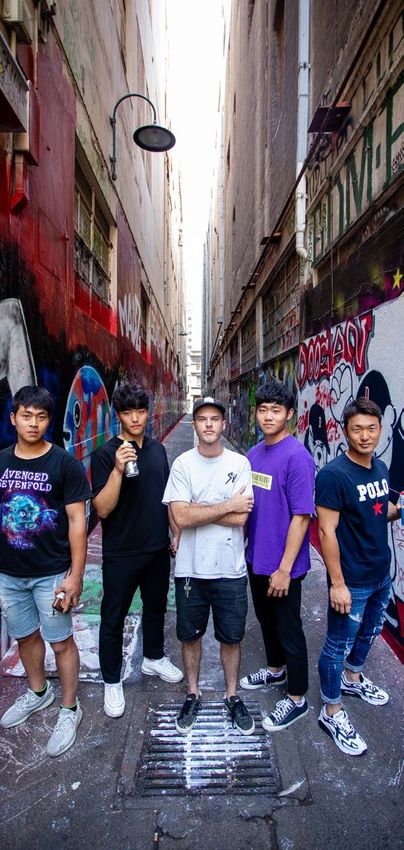
2 Soft Power: Using sports diplomacy to score business outcomes in the Australia-Korea relationship.
Contents

1. Key Findings ................................................................................................................................ 4

2. Acknowledgments..................................................................................................................... 5

3. Introduction................................................................................................................................. 6

4. What is sports diplomacy?...................................................................................................... 7

5. Australia-Korea Relations ...................................................................................................... 8

6. Sports diplomacy in the Australia-Korea relationship.................................................. 9

    Football................................................................................................................................................ 10

    Baseball .............................................................................................................................................. 11

    Golf........................................................................................................................................................ 12

7. Missed opportunities..............................................................................................................13

8. Recommendations: working towards a sports-diplomacy future...........................14

9. Conclusion..................................................................................................................................18

10. References ..............................................................................................................................19

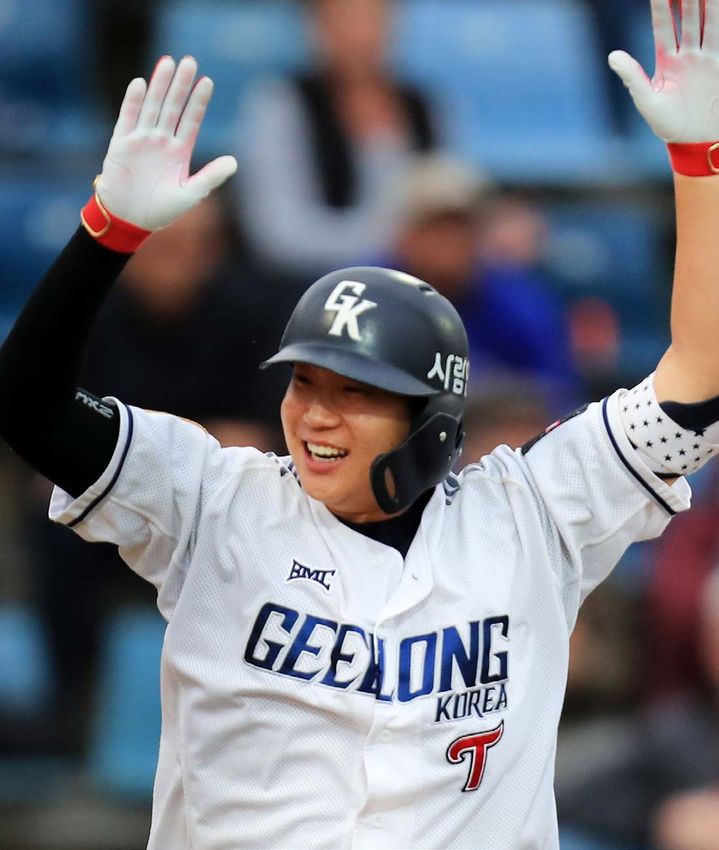
COVER - Jae-Wook Park, Geelong-Korea

Soft Power: Using sports diplomacy to score business outcomes in the Australia-Korea relationship.                                                                3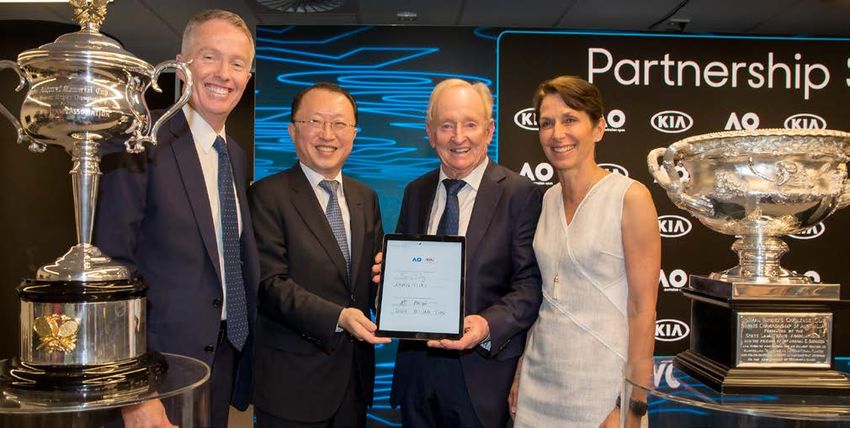
1. Key Findings

    This project is an example of sports diplomacy in action:
    Australians and Koreans playing, leveraging and using
    sport to secure business and diplomatic outcomes.

    »   Australia and the Republic of Korea (Korea) have an       »   Sustainable relationships built around the universal
        untapped goldmine of talent, networks, resources and          language of sport could help create strong and long-
        opportunity in terms of soft power assets.                    lasting connections between the people of Australia
                                                                      and Korea.
    »   Partnership between government, business and sport
        is vital to unlocking and harnessing sports diplomacy     »   Despite the impact of COVID-19 on international
        potential.                                                    travel, sport will continue to be a high-profile
                                                                      drawcard for business, fans, and government alike,
    »   Coupling business outcomes with foreign policy                and international sporting events and summits remain
        objectives via sporting events is a low-risk, low-cost,       an important meeting place for diplomacy. Upcoming
        and high-profile method of diplomacy.                         events such as the 2023 FIFA Women’s World Cup in
                                                                      Australia and New Zealand, and opportunities through
    »   Sports diplomacy presents an opportunity to re-               the Asian Football Confederation and Australian
        think how the sports industry can be utilised to bring        Baseball League are potential platforms for sports
        Australia and Korea closer.                                   diplomacy activities.

4   Soft Power: Using sports diplomacy to score business outcomes in the Australia-Korea relationship.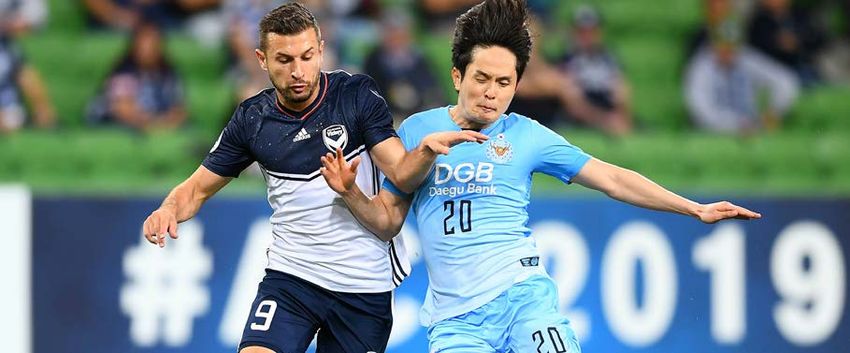
2. Acknowledgments

The AKBC would like to express thanks to those who                    The AKBC is also grateful to the speakers who participated
contributed to this project. In particular, the AKBC would            in the webinars including Cam Vale (Baseball Australia),
like to acknowledge Stuart Murray, Associate Professor in             Andrew Walton, Bruce Djite (Adelaide United Football
International Relations at Bond University and Gavin Price,           Club), Trent Smyth (Sports Diplomacy Foundation), Chris
an independent expert focused on sports diplomacy for                 Oxspring (former professional baseballer and pitching
taking a lead role in writing this report. Special thanks also        coach Lotte Giants), Fiona de Jong (Austrade), Andrew
goes to Chloe Yoo and Stephanie Hilton who assisted with              James (Populous) and Jooyoung Kim (Populous).
this project during their internships with AKBC.

IMAGE - Hee Young Park, Winner of the 2020 ISPS Handa Victoria Open

Soft Power: Using sports diplomacy to score business outcomes in the Australia-Korea relationship.                            5
3.        Introduction

    Established in 1978, the Australia-Korea Business Council (AKBC) is the leading
    bilateral organisation fostering friendship and understanding between Australian and
    Korean business communities.

    In 2019, the AKBC successfully applied to the Australia         This report constitutes a second output of the AKF funded
    Korea Foundation (AKF) for a grant to explore sports            project. It is the first ever report on Australia-Korea sports
    diplomacy between Australia and Korea and its potential to      diplomacy. It adds to the body of knowledge that emerged
    advance our bilateral relationship.                             during the webinars, describes the theory and practice of
                                                                    sports diplomacy, and suggest ways in which sport might
    As part of this project, two webinars were held in June and     be better employed to enhance collaboration between
    August 2020. Entitled Soft Power: Using Sports Diplomacy        Australian and Korean diplomats, business people, and
    to Score Business Outcomes, these events were moderated         representatives from the world of sport.
    by the AKBC’s Executive Director Liz Griffin and brought
    together leading industry experts from sport, trade, and        The intention of this report is not to provide an exhaustive
    government. They discussed how businesses could better          list of examples of Australia-Korea sports collaboration, but
    engage with sports to advance bilateral relations, capitalise   rather to provide an introduction to the benefits of sports
    on upcoming opportunities, and better align interests           diplomacy and key examples of Australia-Korea sports
    conducive to mutually reciprocal, win-win outcomes.             diplomacy in action.

6   Soft Power: Using sports diplomacy to score business outcomes in the Australia-Korea relationship.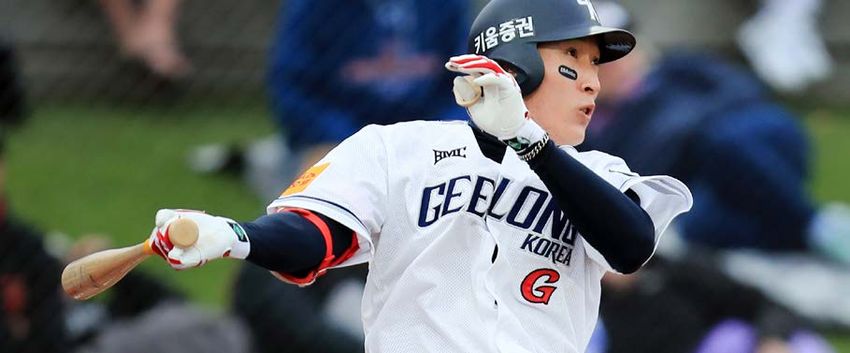
4.        What is sports diplomacy?

Sports diplomacy is a relatively new term than describes        The US Department of State first led the way via its
an old practice: the unique power of sport to bring people,     SportsUnited suite of operations. These were introduced
nations, and communities closer together via a shared           after 9/11 as a way of engaging disenfranchised youths
love of physical pursuits. It is a young field of study and a   in the Middle East, Africa, and Asia. Years later, Australia
growing area of practice. Sports diplomacy can be defined       became the first sovereign state to introduce a specific
as the “conscious, strategic and ongoing use of sport,          Sports Diplomacy 2015-2018 strategy which, in turn, was
sportspeople and sporting events by state and non-state         followed by Sports Diplomacy 2030.
actors to advance policy, trade, development, education,
image, reputation, brand, and people-to-people links.” 1        Designed by the Department of Foreign Affairs and Trade
The term also encapsulates a more inclusive, plural and         (DFAT) and the Office for Sport, and launched in 2019 by
“innovative” method of diplomacy: governments, non-state        the Foreign and Sports Minsters, this second strategy seeks
actors and sports organisations working together for win-       to captilise on Australia’s passion for sports and increase
win outcomes. 2                                                 brand, influence and national interests.

     There are many benefits to using sport as a diplomatic tool:

     »   Sports diplomacy is “low-risk, low-cost and high       »   Sports diplomacy creates sustainable partnerships
         profile” 3 and amplifies a nation’s brand, culture,        between government and national sports
         and values.                                                organisations, generates cost savings by combining
                                                                    resources, and encourages mutually reciprocal
     »   Many sports organisations already have extensive           policy, trade and sporting outcomes.
         international networks, meaning governments and
         businesses are simply leveraging an already well-      »   Many sports people are “diplomats in tracksuits” 4
         established stakeholder environment.                       and represent immense diplomatic value.

     »   Bespoke sports diplomacy strategies offer a            »   Sports diplomacy strategies increase a nation’s soft
         comparative advantage over rivals not using sport          power ranking as well as the international profile of
         as a diplomatic tool.                                      its cities and regions.

     Attracted by such benefits, governments and diplomats are doing sports diplomacy.
     Yet, there has been little analysis of the business community leveraging this strategy.
     This project seeks to address this gap, by firstly examining the Australia-Korea relationship.

Soft Power: Using sports diplomacy to score business outcomes in the Australia-Korea relationship.                          7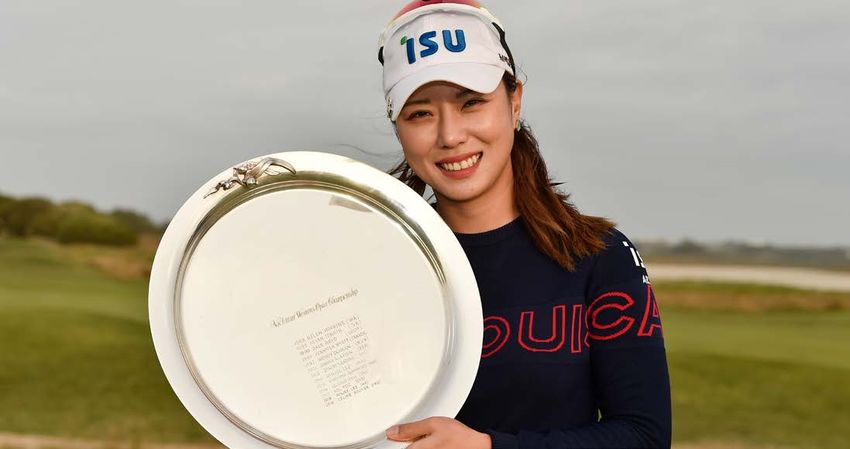
5.       Australia-Korea Relations

    Prior to the 1950s, Australia and Korea were geo-political strangers. This changed with
    the outbreak of the Korean War (1950-1953) when Australia sent 18,000 troops to Korea.

    The formal diplomatic relationship began in 1963 and          Trade dominates the relationship and, as such, the two
    the two nations have enjoyed a prosperous economic            countries remain somewhat culturally and politically
    bond ever since. Korea is Australia’s third largest           “estranged.” 11 There is a feeling among seasoned
    export market, largely due to the country’s dependence        observers that the relationship should evolve beyond
    on imported energy, resources and agriculture, and            trade. As Bill Paterson PSM, the Australian Ambassador
    Australia’s fourth largest two-way trading partner. The       to the Republic of Korea from 2013-2016 recently noted,
    level of investment between Australia and Korea has           “the time may have come for both countries to reassess
    grown significantly over the past decade, from just A$600     this relative detachment and to give greater priority to
    million in 2003 to A$49 billion in 2018. 5                    defense and security collaboration.” 12

    Like Australia, Korea is a developed, middle-power and        Similarly, and thinking beyond the classical politico-
    liberal democracy. They share a common interest in            military agenda, there is an equal opportunity to employ
    maintaining the so-called “liberal international order”       innovative foreign policy tools such as culture, art, music,
    that has underpinned their security and prosperity in         “gastrodiplomacy”, people-to-people exchanges and
    the post-Cold War period. 6 People-to-people exchanges        sports to strengthen ties outside of formal diplomatic
    also matter to the relationship. In 2019, for example,        channels. 13 Of these, sports diplomacy is the most viable
    172,000 Australians visited Korea; a 12.9% increase on        and presents a unique soft power opportunity to further
    the previous year. 7 In the same period, 280,000 Koreans      bolster Australia-Korea ties while generating measurable
    visited Australia. 8                                          business outcomes.

    Little wonder then that Australia is host to a large and
    rapidly growing Korean diaspora. The 2016 Census
    showed a 32.5% increase in Korea-born Australians since
    2011 to almost 100,000 people. In fact, the population
    sits at 126,000, including those born in Australia
    with Korean ancestry. An estimated 50% of Korean
    Australians recorded in the 2016 census arrived in the
    ten years prior. 9 Sydney is home to the largest population
    of Korean diaspora at 63,000. 10

8   Soft Power: Using sports diplomacy to score business outcomes in the Australia-Korea relationship.
6. Sports diplomacy in the
Australia-Korea relationship
The strength of economic ties and the growing interest in Growing opportunities also exist in sponsorships of
tourism represents a similar opportunity to enhance the sporting events and activities, with businesses increasingly
Australia-Korea sporting relationship. Both countries share recognising the value of brand promotion and activation
a passion for sports. Australians are fanatical about footy rights that come with event sponsorship. Korean car group
(whether it be rugby league, union or AFL), basketball, KIA Motors is the longest running major partner of the
cricket, and football. The most popular sports in Korea Australian Open with the sponsorship deal representing
are taekwondo, baseball, football, basketball, and golf. the biggest sponsorship in Australian sport. Coincidently,
14
This shared passion for traditional sports, as well as KIA extended its sponsorship agreement for another five
new markets for e-sports, is pivotal for using sports as a years in 2018, the year that Chung Hyeon achieved success
diplomatic tool and accelerating business opportunities. in reaching the semi-finals, marking the first-ever Korean to
reach the semi-finals of a Grand Slam.
With Australia and Korea sharing similar time zones, but
opposite seasons, opportunities exist to take advantage of This section presents three case studies on football,
this – such as tourism to Australia during Korea’s winter baseball and soccer, however it should be noted that ties
and Australia’s summer and opportunities for Korean and opportunities in other sports such as e-sports and
sporting teams to hold training camps in Australia during tennis are strong and growing.
their off-season. This would also pave the way for other
engagement such as collaboration between coaches and
IMAGE – Australian Open Tournament Director Craig Tiley, Kia Motors Executive
referees and may open doors to business relationships and Vice President Park Byung-yun, Australian tennis player Rod Laver and President
sponsorship opportunities. of Tennis Australia Jayne Hrdlicka.
Soft Power: Using sports diplomacy to score business outcomes in the Australia-Korea relationship. 96. Sports diplomacy in the Australia-Korea relationship
Football
One of the most productive sporting beltways comes in Senior men’s teams also meet regularly in the Asian
the form of the World Game. Since the early 1990s, when Champions League. Since 2007, Australian teams have
Greg Brown played for POSCO Atmos (now known as the competed against Korean teams in every single edition
Pohang Steelers), Australian footballers have served as of the tournament. In the 2020 tournament, for example,
informal Australian ambassadors to Korea. Adam Taggart Melbourne Victory played FC Seoul, Sydney FC faced
(Suwon Samsung Bluewings), Jason Davidson (Ulsan Jeonbuk Hyundai Motors and Perth Glory played Ulsan
Hyundai), Rashid Mahazi (Incheon United), Terry Antonis Hyundai. These fixtures represent ideal staging posts for
(Suwon Samsung Bluewings) and Brandon O’Neill (Pohang collaborative business and sponsorship endeavours that
Steelers) are currently playing in the K-League and several will strengthen ties between Australia and Korea.
others have also played in Korea, including Bruce Djite
and Adrian Leijer. During the early days of the COVID-19 International sporting exchanges also create valuable
pandemic, the K-league was one of few domestic leagues public diplomacy opportunities. In 2015, the Australian
able to play games. This saw an 18% increase in viewers and Korean men’s national teams played a thrilling match
(3.4 million) for the 2020 Season. in the Asian Cup Final held in Sydney in front of 78,385
fans. The game was a sports diplomacy success. More than
Several Koreans have also played in the A-League, of which 1.8 million people watched the game in Australia and 5.8
Hyundai has been a major long-term sponsor, including: million tuned in from Korea. Andrew Robb (Minister for
Kim Eun-Sun (Central Coast Mariners), Jeon Ga-eul Trade and Investment, 2013-2016) oversaw two Match
(Melbourne Victory), and Song Jin-hyung (Newcastle Australia sports-business networking events15 arranged
Jets). Similarly, former Swansea City player of the year, around the final, which provided platforms for the Local
Celtic legend and current FC Seoul star Ki Sung-Yueng, has Organising Committee and Austrade to bring together
110 caps for the Taeguek Warriors, yet honed his skills in 93 investors, buyers, stakeholders and clients invited by
Brisbane where he studied at John Paul College under the the Australian Government.16 The Australian and Korean
Brain Soccer Program and starred in a youth team that won national teams have also played several international
the 2004 Bill Turner Cup (national inter-school under-15 friendly matches both in Australia and Korea, most recently
soccer competition). in Busan in 2019.
IMAGE –Melbourne Victory vs Daegu FC, 2019 at AAMI Park, Melbourne
10 Soft Power: Using sports diplomacy to score business outcomes in the Australia-Korea relationship.6. Sports diplomacy in the Australia-Korea relationship
Baseball
Baseball ties between the Korea and Australia are Another example of Korea’s involvement in Australian
particularly strong and provide ample building blocks baseball is the Doosan Bears’ annual, three-week training
on which to build diplomatic, business or sporting camp in Melbourne and subsequent friendly match against
relationships. Australian baseball players such as Chris the Australian national team. Sponsored by the Doosan
Oxspring and Warwick Saupold are household names Group - a multinational conglomerate – the team is one
in Korea and provide a similar ‘diplomats in tracksuits’ of the oldest and most successful in the KBO League.
function to soccer players. The Doosan Bears first held a training camp in Sydney in
2016 and have since regularly visited Australia during the
In 2018, Geelong-Korea, an all-Korean baseball team, was Korean winter. Such visits generate business opportunities
introduced to the domestic Australian Baseball League off the pitch.
(ABL). The subsequent 2018/2019 season of the ABL was
broadcast in Korea, resulting in a remarkable 667% growth In February 2020, Doosan CEO Park Jeong-won travelled
in TV viewership, as well as a 74% increase in TV viewership to Australia for 48 hours and attended the friendly match
in Australia. This also led to an increase in revenue at the between the Doosan Bears and the Australian national
ticket gate.17 The creation of Geelong-Korea has also team. A simple example of sports diplomacy during this
led to the development of new partnerships in areas of visit was the facilitation of a golf game for the CEO at
sponsorship, broadcasting, economic activity and tourism Royal Melbourne Golf Club – the feedback of which was
promotion, including a sponsorship deal with Deakin overwhelmingly positive and this simple act was significant
University to help increase its student recruitment from in ensuring Doosan’s return to Australia.
Korea. The ABL looks to continue to expand Asia-Australia
baseball links with potential new teams from Japan, Taiwan
or China.18
IMAGE – Ro-han Kang, Geelong-Korea
Soft Power: Using sports diplomacy to score business outcomes in the Australia-Korea relationship. 116. Sports diplomacy in the Australia-Korea relationship
Golf
Golf provides yet another promising and under-utilised Many Koreans make the trip down to Australia to play two
connection between Australia and Korea. Like football, key events on the Australian women’s golf calendar - the
there are many players that move between Asia and ISPS Handa Victorian Open and ISPS Handa Australian
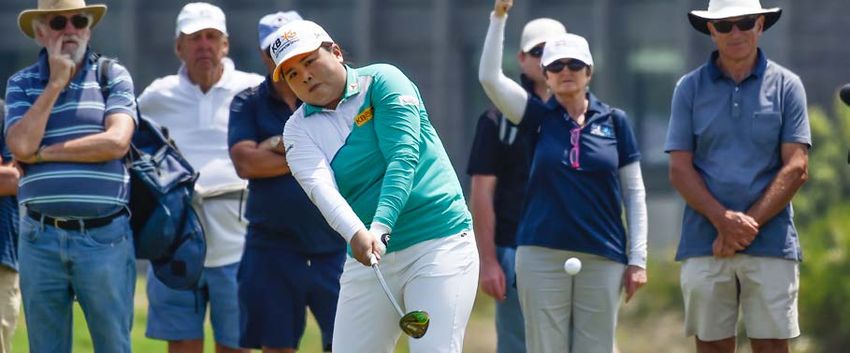
Australia, and many with a shared heritage. Minjee Lee and Women’s Open. In 2020, Hee Young Park and Inbee Park,
her brother Minwoo Lee are two outstanding examples of won these tournaments respectively, demonstrating the
successful golfers who are Australian with Korean heritage. depth and breadth of Korean talent in golf.
Minjee Lee is currently ranked the 9th best female golfer in
the world and together with her brother Minwoo Lee, serve Despite the popularity of golf in both countries, the
as a powerful symbol of the close, diasporic ties. opportunities are under-utilised, especially by Australia.
The sport’s value to the Australia-Korea relationship should
In the past, Australian golfers including Marc Leishman, be recognised by those in government, business, and
Matthew Griffin and Andrew McKenzie have all played and diplomatic circles. Australia has some of the world’s most
won on the Korean Golf Tour. Unfortunately, as the Korean renowned golf courses in the world, with nine golf courses
golf tour is becoming more domestically focused, there are in Australia making the Golf Digest World Top 100 Courses
no current Australian players on the Tour. rankings. The Royal Melbourne Golf Club which has hosted
the President’s Cup on three occasions and most recently
The women’s game is incredibly popular in Korea. Interest in November 2019, Kingston Health, and Cape Wickham
in golf among women in Korea traces back to the success of are among the highest rated golf courses in Australia.
Park Se-ri in 1998 who, in her rookie season, won the LGPA
Championship and became the youngest winner of the U.S. Australia’s climate guarantees high-quality courses for
Women’s Open. Her legacy is evident in how many of the tournaments at any time during the year. Golf tourism is
world’s best players are of Korean descent. Ten out of the an essential export of Australia. Victoria seeks to leverage
top 20 players on the Ladies PGA Tour world rankings are this opportunity as showcased through the Victorian
either Korean or of Korean descent including current world Government’s Golf Tourism Strategy 2018-2023.
number one Ko Jin-young. This Strategy seeks to promote the opportunities for
continued growth in golf participation and the attraction
Korea is the third biggest golfing market in the world and of international visitors, who tend to spend more on their
dominates rankings on the Ladies PGA tour. Koreans watch visits than other visitors. 20
televised golf more than any other nation, with 15% saying
it is their preferred sport to watch.19 Koreans also have high
participation rates at 14%, with Japan and the US following
at 11% and 9%, respectively. Inbee Park at 2020 ISPS Handa Victorian Open
12 Soft Power: Using sports diplomacy to score business outcomes in the Australia-Korea relationship.7. Missed opportunities
Despite our successes in sport diplomacy, there is significant
room for improvement. Several criticisms can be leveled:
» Attitudes toward sport as a diplomatic tool are » Relations between government, sport and business in
somewhat dated. Rather than viewing sporting both countries are still being formed; the ‘dots’ are not
exchanges as providing opportunities for diplomacy, yet joined.
sport is often over-simplified and misunderstood.
» Sports diplomacy successes are sporadic,
» The perception around a Minister or prominent opportunistic, and one-off, rather than part of a
businessperson attending a sporting event for sustainable strategic approach.
networking purposes is often negative and considered
a ‘junket.’ A more mature narrative is required, » Popular and thriving sports diplomacy networks
highlighting that attendance at these events is an between Australian and Korean Universities, youth
investment of time, which often leads to enhanced sports exchanges and sports science research
business opportunities. initiatives have not yet been mapped and measured.
» Sports diplomacy exchanges are characterised by
missed opportunities. The business community could
have been invited to meet the Doosan Bears CEO,
Park Jeong-won, during his 2020 visit, for example.
Soft Power: Using sports diplomacy to score business outcomes in the Australia-Korea relationship. 138. Recommendations:
working towards a sports-diplomacy future
Despite the issues described above, opportunities exist to improve the role that sports
diplomacy plays in Australia-Korea relations. The timing is ideal to re-think how collaboration
might be improved between Australian and Korean governments, businesses, and sports.
Teamwork is vital Leadership and a game plan
Forming a team between government, business and sport is Leadership is critical to securing outcomes from sports
key to any sports diplomacy success. diplomacy. In the Australian context, DFAT, Austrade and
the AKBC are best placed to provide strategic direction to
A team approach matters to effective sports diplomacy. the diverse ensemble of actors and stakeholders who are
As Rob Tranter, First Assistant Secretary at the DFAT, and working towards stronger diplomatic and economic ties
architect of the world’s first sports diplomacy strategy between Australia and Korea.
noted, DFAT sought to simply “join the dots” between a
number of different organisations with similar interests To truly harness the soft power of sport, these
that could be better aligned through sport. They sought organisations must become sports diplomacy leaders and
to integrate systems, tease out common interests, avoid highlight to decision-makers in government and business
duplication of similar activities, and share expertise. the opportunities that exist in the world of sport. This
group should continue to work together to make sports
The key to DFAT’s initial 2015 strategy was learning how diplomacy activities a priority to ensure the benefits of
to “work together and coordinate with other agencies sporting collaborations are maximised.
such as Austrade or the Office of Sport to inform and
influence foreign publics and partners, to promote sports More formal ambassador-led programs could also be
for mutual and strategic advantage.” Should Australia explored, for example through ambassadorial partnerships
and Korea desire to use sport to foster closer relations, a with athletes, such as upcoming Taekwondo stars such as
similar team mindset between business, government and Australia’s Reba Stewart and Korea’s Lee Dae-hoon.
sport is necessary.
14 Soft Power: Using sports diplomacy to score business outcomes in the Australia-Korea relationship.8. Recommendations: working towards a sports-diplomacy future
Working with athletes
Those working in sport, whether it be administrators,
coaches or the athletes themselves, play a significant
role in the success of sports diplomacy. Their buy-in is
essential. To effectively engage these stakeholders, the
value proposition of working with Australian and Korean
governments or businesses must be clearly articulated.
Benefits might include:
» Greater access for athletes and sports executives to
business and government networks, and diplomatic
events. A review of the Australian and Korean
ministerial calendars to consider where synergies may
exist with the international sporting calendar in order
to strategically plan opportunities for sports diplomacy
activities. A key focus would be to target opportunities
for international trade and potential portals to promote
intercultural ties between both nations via sport.
» Government and diplomatic support for learning and
leadership programs could be explored as a potential
tool to assist leading Australian and Korean sports
administrators, athletes and officials seeking to leverage
influential roles at major international sports governing
bodies such as the Asian Football Confederation and
International Baseball Federation.
» Seeking investment in an Australian-Korean sports
business ‘incubator’ and supporting resources to enable
more planning for major sports events in both nations,
and longer-term legacy benefits for the respective
economies.
IMAGE - Doosan Bears, Melbourne street art tour. 15Early runs on the board
Part of the appeal of sports diplomacy is its innovative
and rapidly evolving nature. Such an ethos encourages
entrepreneurial thinking. In this spirt, we have
highlighted three areas for immediate Australia-Korea
sports diplomacy collaboration:
IMAGE – An overview shows eSports gamers playing during a competition at the
maiden event of Sydney’s first dedicated eSports stadium. July 14, 2018.
16 Soft Power: Using sports diplomacy to score business outcomes in the Australia-Korea relationship.8. Recommendations: working towards a sports-diplomacy future
1. Esports
According to a 2018 report by PwC, e-sports is growing faster than any other traditional sports. This is true
for both Australia and Korea. Korea is a well-known powerhouse of e-sports, both in terms of competitive
players and game development. Player Unknown’s Battleground, for example, has an active player base of
250 million and is developed by Bluehole in Seoul. An Adelaide-based e-sports team was purchased by the
Adelaide Crows in 2017. The team, Legacy E-sports, went on a Samsung-sponsored development trip to
Korea where they had the opportunity to train with Korean players. In 2019, Optus joined Samsung Australia
in becoming a major partner of the team. As the industry grows, partnerships like this help to enhance the
image and reputation of both Korean and Australian businesses.
2. Training for ‘diplomats in tracksuits’
Sports people serve as powerful ambassadors. The role of American sportspeople as representatives,
messengers and heroes in the Black Lives Matter protest movement is a good example of the power of
sportspeople to represent causes and affect change on a national stage. Sportspeople can also be highly
effective diplomats. As Murray notes, a significant amount “…. of diplomatic credibility is generated from heroic
performances in the sporting arena, as well as genuine words or simple deeds and messages outside. Combine
talent, heroism, failure, and genuine acts of humility and kindness, and the result is an incredibly authentic
champion human being, one that many ordinary sporting plebeians literally worship; one that millions of people
listen to, respect and believe. Authenticity means that sportspeople are more effective communicators than
their celebrity peers, disingenuous politicians, or corporate titans of industry.”
In terms of diplomatic communicative ability Australian and Korean sportspeople are force multipliers when
it comes to diplomacy and trade. They can be more influential in shaping perceptions about their country than
diplomats. An event, workshop or training program bringing together real and sporting Australian and
Korean diplomats to exchange knowledge, ideas, would be a world’s first.
3. The informal sports diplomacy summit
Sporting events bring together a cast of powerful people. Games and tournaments generate summits for high
profile politicians, leaders and businesspeople to meet. Approximately 120 heads of state attended the opening
ceremony of the 2012 London Olympic Games, for example. At the time, Britain’s Foreign and Commonwealth
Office (FCO) saw the Games as a “magnet for high value foreign investment” and “the biggest corporate
networking event in the world.”
The sports diplomacy program included engaging British Olympic athlete ambassadors to spread the 2012
messages globally, a series of sector events, rolling trade expos and an on-site British Business Embassy. The same
logic should be applied to events where Australian and Korean sports exchange occur. Some suggestions
and venues for such sports diplomacy summits could be the KIA Australia Open and football matches between
Australian and Korean clubs in the Asian Champions league. To maintain the momentum from this report, the
AKBC, DFAT’s Sports Diplomacy Advisory Council and other key stakeholders in both Australia and Korea should
work together on specific Australia-Korea sports diplomacy initiatives. As a start, this group should consider
hosting an Australia-Korea sports diplomacy forum that brings together key players, such as government,
academia, business, sportspeople and governing bodies to provide a platform for discussion and action.
Soft Power: Using sports diplomacy to score business outcomes in the Australia-Korea relationship. 179. Conclusion
There is significant untapped potential to better engage with sport as a
means to improving Australia-Korea business, government and people-
to-people relations. Now is the time to take hold of these opportunities.
With every good idea, however, there comes a time to
move beyond the conceptual stage, to determine the
next steps. To facilitate this process it is important to first
thank the AKF for their initial support, the presenters and
participants that assembled for the webinars.
This project, its webinars, and this report are examples
of sports diplomacy in action: Australian and Korean
representatives innovatively engaging and working with
sport for business outcomes. This report represents the
end of one project and, hopefully, the beginning of a new
sports diplomacy era in Australia and Korea relations.
18 Soft Power: Using sports diplomacy to score business outcomes in the Australia-Korea relationship.10. References
1. Murray, S., (2018). Sports Diplomacy: Origins, Theory and Practice.
2. Murray, S. (2008). Consolidating the gains made in diplomacy studies: A taxonomy. International Studies Perspectives, 9(1), 22-39.
3. Keech, M., & Houlihan, B. (1999). Sport and the end of apartheid. The round table, 88(349), 109-121.
4. Strenk, A. (1980) “Diplomats in track suits: the role of sports in the foreign policy of the German Democratic Republic” Journal of Sport and
Social Issues, Vol. 4, No. 1, pp. 34-45.
5. https://www.dfat.gov.au/sites/default/files/rkor-cef.pdf
6. Ikenberry, G. J. (2018). The end of liberal international order?. International Affairs, 94(1), 7-23.
7. Visit Korea (2020). Australian Travellers to South Korea on the Rise [website]. Retrieved from https://visitkorea.org.au/for-travel-news/
australian-travellers-to-south-korea-on-the-rise/
8. Camper Champ (2020). South Korea Tourism in Australia – Statistics (2019) [website]. Retrieved from https://camperchamp.com.au/statistics/
australia/south-korean-visitors/
9. Australian Department of Home Affairs (2018). South Korea-born: Community Information Summary. Retrieved from https://www.
homeaffairs.gov.au/mca/files/2016-cis-south-korea.PDF
10. .id (2020). Greater Sydney Korean population [website]. Retrieved from https://profile.id.com.au/s_greater-sydney/korean-population, https://
profile.id.com.au/s_greater-brisbane/korean-population
11. Der Derian, J. (1987). Mediating estrangement: a theory for diplomacy. Review of International Studies, 13(2), 91-110.
12. https://www.aspistrategist.org.au/australia-and-south-korea-can-and-should-have-closer-defence-tiesoul/
13. Rockower, P. S. (2012). Recipes for gastrodiplomacy. Place Branding and Public Diplomacy, 8(3), 235-246.
14. Nielsen. (2017, March 16). Swing Time in Seoul: The Global Golfing Powerhouse of South Korea. Nielsen. Retrieved from https://www.nielsen.
com/apac/en/insights/article/2017/swing-time-in-seoul-the-global-golfing-powerhouse-of-south-korea/
15. Minister Robb chaired an investment roundtable and was the key speaker at Austrade’s Major Sporting Events Industry Schowcase
16. https://www.aph.gov.au/Parliamentary_Business/Senate_estimates/fadtctte/estimates/bud1516/index
17. Australian Leisure. (2019, March 17). ABL Season: The Most Viewed of All Time. Australian Leisure. Retrieved from https://www.ausleisure.
com.au/news/abl-season-the-most-viewed-of-all-time/
18. Long, D. (2019, May 23). Australian Baseball League eyes future expansion to Wellington, Christchurch. Stuff. Retrieved from https://www.stuff.
co.nz/sport/other-sports/112940065/australian-baseball-league-eyes-future-expansion-to-wellington-christchurch
19. Nielsen. (2017, March 16). Swing Time in Seoul: The Global Golfing Powerhouse of South Korea. Nielsen. Retrieved from https://www.nielsen.
com/apac/en/insights/article/2017/swing-time-in-seoul-the-global-golfing-powerhouse-of-south-korea/
20. Visit Victoria. (2018). Victoria’s Golf Tourism Strategy. Retrieved from https://assets-corporate.visitvictoria.com/documents/Visit-Victorias-
Golf-Strategy-2018-2023.pdf
21. Tranter, Robert. 2016. (First Assistant Secretary, Public Diplomacy and Communications Division: DFAT, Canberra), interview with the author,
25 October 2016.
22. Roberts, Martin. (Adviser, Sports Diplomacy), in discussion with the author, 30 October 2014.
23. Brookes, J. (2019, June 20). Optus Sponsors Adelaide Crows’ Esports Team. Which-50. Retrieved from https://which-50.com/optus-sponsors-
adelaide-crows-esports-team/
24. Murray, S., (2018). Sports Diplomacy: Origins, Theory and Practice.
25. FCO Public Diplomacy: The Olympic and Paralympic Games 2012 – Foreign Affairs Committee, https://publications. parliament.uk/pa/
cm201011/cmselect/cmfaff/581/58107. htm
Soft Power: Using sports diplomacy to score business outcomes in the Australia-Korea relationship. 19You can also read


