2020 YEAR IN REVIEW - MAX PLANCK FLORIDA RESPONDS TO CORONAVIRUS CRISIS - Max Planck Florida Institute
←
→
Page content transcription
If your browser does not render page correctly, please read the page content below
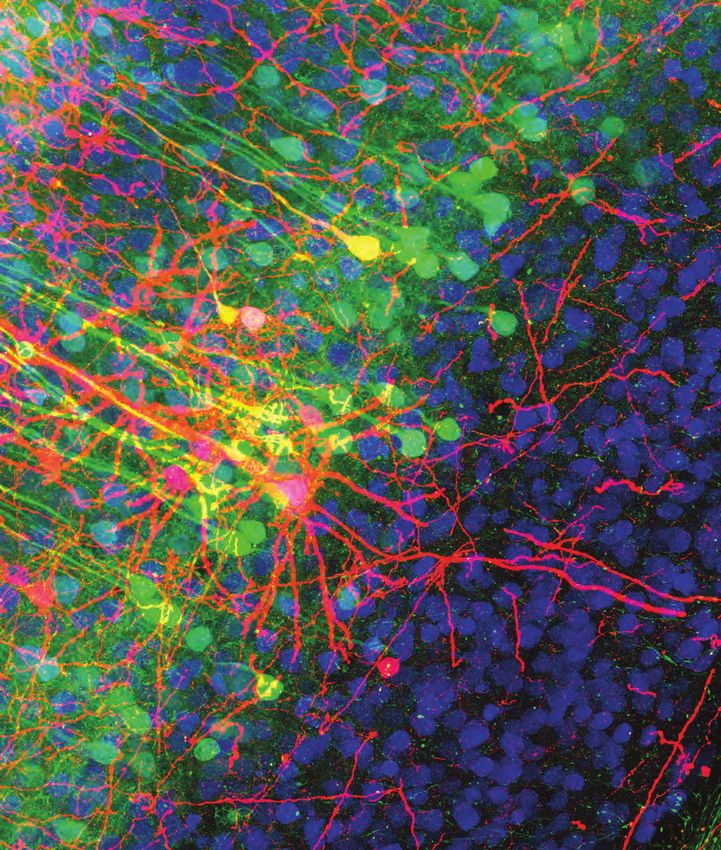
2020
                                                   YEAR IN
                                                   REVIEW

MAX PLANCK FLORIDA RESPONDS
TO CORONAVIRUS CRISIS
RESEARCH HIGHLIGHTS   SCIENTIFIC LEADERSHIP
MPFI Adds Two New     Board of Trustees Appoints
Research Groups       Dr. Asifa Akhtar as Chair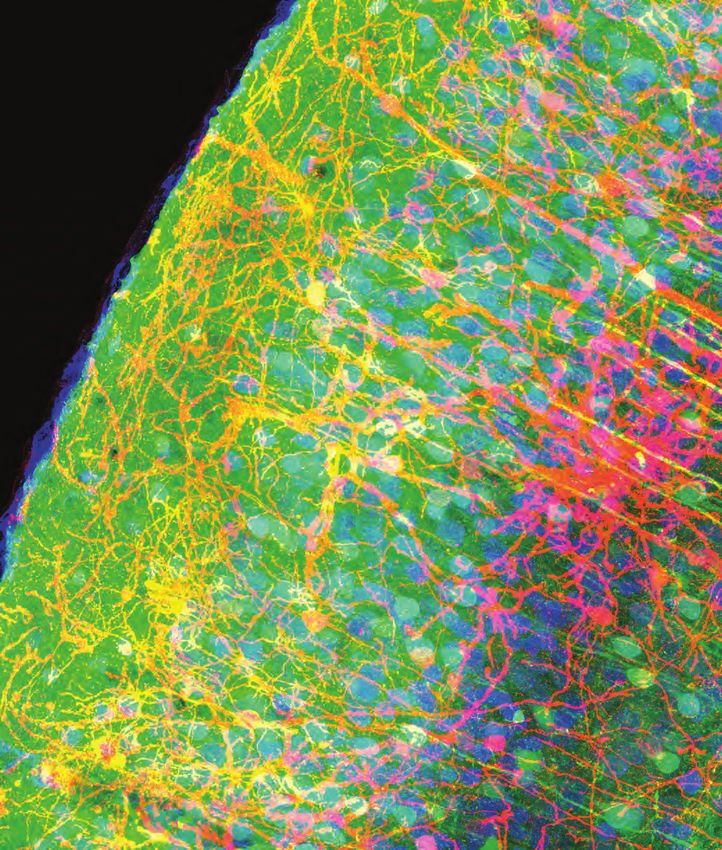
Scientific Leadership
                                                          6    Max Planck Florida Showcases Programs at SfN Virtual
                                                               Graduate School and Career Fair

Contents                                                  8    MPFI Researchers Sweep SfN Gruber Award
                                                          09 Board of Trustees Appoints Dr. Asifa Akhtar as Chair
                                                          10   Dr. Jason Christie Receives Two NIH Awards
                                                          11   Dr. Ryohei Yasuda Awarded $8.8 Million To Study Memory
                                                          11   Dr. Hidehiko Inagaki Awarded Searle Scholar Award
                                                               Inside the Institute
                                                          12   2020 Awarded Grants and Fellowships
                                                          13   2020 Scientific Publications
                                        22                14   Research Highlights
                                                               14 Molecular brake on learning: uncovering a potential
                                                               therapeutic strategy to prevent memory loss
                                                               16 New approach reveals structure and function
                                                               of individual synapses
                                                               18 Early visual experience drives precise alignment of
                                                               cortical networks critical for binocular vision

                                        26                20
                                                          21
                                                               Employee Spotlight: Kevin G. Albertini
                                                               2020 New Team Members
                                                          21   MPFI Appoints New Head of Undergraduate Training
                                                          22   2020 Advanced Neuroimaging Course
                                                          23   FAU High School Jupiter Campus Launches Max Planck
                                                               Academy Partner Program
                                                               Future Researchers

                                       29                 24
                                                          25
                                                               Max Planck Florida Welcomes 2020-2021 Postbacs
                                                               MPFI’s 2020 Science Career Panel
On the cover: Despite the pandemic,
                                                               Community Outreach
MPFI scientists stepped up to continue their
important work unlocking the mysteries                    26   Max Planck Florida Holds Two Science Meets Music Events
of the brain.                                             29   MPFI Attends AAAS Conference
                                                          30 MPFI Scientists in the Community
                                                          31   Max Planck Images of Science Goes Virtual
                                                          32   Max Planck Neuroscience
                                                               Advancement
                                                          34 MPFI Hires new Vice President and Chief Development Officer
                                                          35   Thank you, MaryLynn Magar
1     Letter from the CEO
                                                          35   Staying Connected with Brainwaves eNewsletter
      Highlights
                                                          36   Thank you for your Transformational Gifts
2     Max Planck Florida responds to coronavirus crisis
                                                          38 Thank you for Your Annual Gifts
3     Max Planck Florida Launches
      “Simplified Science” Project                        40 Board of Trustees
5     Max Planck Florida Adds Two New Research Groups     41   Corporate Partners in 2020
H IGHLI G H TS                                                                                                              2020

Letter from
the CEO
Dear Friends of MPFI,

One of the most notable discoveries of 2020 was
just how incredibly resilient the human spirit can
be when faced with unprecedented challenges. As
we leave this year and set our eyes to the future I
can’t help but be proud of my colleagues at Max
Planck Florida, who rose to every obstacle pre-
sented to them.
   Our crisis management team acted swiftly to
enact policies that kept our researchers safe while
allowing our science to continue. Our machine shop
changed course to produce protective gear for first
responders during the shortages at the beginning
of this crisis. Our education team found ways to
continue valuable scientific training, benefiting
young scientists in all stages of their career. I am
grateful that we have these dedicated people as
part of our MPFI family.
   But these accomplishments are just part of Max
Planck Florida’s 2020 story. Despite the upheaval
of 2020, MPFI scientists saw their research pub-
lished 17 times, with the most recent one being a
major publication in the journal Nature. Our insti-
tute was awarded over $15K in grant funding and
won awards in recognition of our scientific excel-
lence and innovation. We even managed to grow - expanding the number of labs to ten with the addition of Research
Group Leaders Dr. Sarah Stern and Dr. Salil Bidaye.
   Great discoveries do not happen in isolation, and our success was not ours alone. Friends of Max Planck Flori-
da, such as our Board of Trustees, supporters, government officials, and community partners all played a critical
role in making our institute thrive. Please know how grateful we are for your support.
   The life-changing damage caused by COVID-19 made it clear this year: science matters. Pursuing novel questions
to find the answers that move humanity forward is more important than ever. We are proud to be part of a global
network of curiosity-driven researchers, and we are encouraged by the creativity and talent of our scientific train-
ees. As we look to the future, I am confident and excited about the institute’s contribution to scientific knowledge
and to the next generation of exceptional scientists.

With gratitude,

David Fitzpatrick, CEO and Scientific Director

                                                                                                            YEAR IN REVIEW   1
Max Planck Florida responds
    to coronavirus crisis

    Max Planck Florida Institute for Neuroscience (MPFI) put the                          the headband and adhesive-backed
    machine shop’s state-of-the-art equipment to work manufacturing                       polyurethane foam for the cushion.
    face shields for Palm Beach County first responders                                      Fellow MPFI mechanical engineer
                                                                                          Nicole Holstrom spent hours sourcing
                                                                                          the materials to make the masks.
    You’d normally find Markus Klement         much we can do to solve that situation.    Holstrom said, “Everyone in the
    manufacturing highly technical custom      Finding a way to use our skills to help    machine shop is eager to help the
    parts for top scientific organizations     first responders was a really great        cause and will make more shields as
    across the globe, but his latest project   experience and it felt good to be able     more materials become available.”
    made an important impact right here        to do something to make a difference,”        The MPFI Mechanical Workshop is
    in Palm Beach County. He worked to         Haury Parra said.                          known globally for its excellence in
    get critical protective equipment to           Klement says the most difficult part   designing and building highly special-
    those fighting the coronavirus. Kle-       of the process was sourcing the mate-      ized, commercially unavailable equip-
    ment, a master mechanical engineer,        rials needed to make the shields since     ment and also customizing existing
    and machinist, manages the Mechan-         there is a shortage of the raw materials   tools that allow MPFI scientists to
    ical Workshop at MPFI. He wanted to        needed, such as elastic latex fabric for   develop non-conventional and unique
    help with the ongoing coronavirus cri-
    sis so he put the machine shop’s state-
    of-the-art equipment to work manu-
    facturing face shields for first
    responders. As a result, MPFI was able
    to donate more than 170 shields to
    Palm Beach County Fire Rescue.
       “Seeing what is happening in our
    community as coronavirus cases keep
    growing feels overwhelming, but it
    feels good that MPFI is doing some-
    thing for the community, especially
    first responders, since they are working
    very hard and put their lives at risk,”
    Klement said.
        Helping him in this endeavor was
    recent Dwyer High School graduate
    Samuel Haury Parra who worked to
    assemble the finished parts of the
    shields and prepare them for
    distribution.
       “In the machine shop, we are always
    looking for ways to make things better,
    but with the coronavirus, there isn’t

2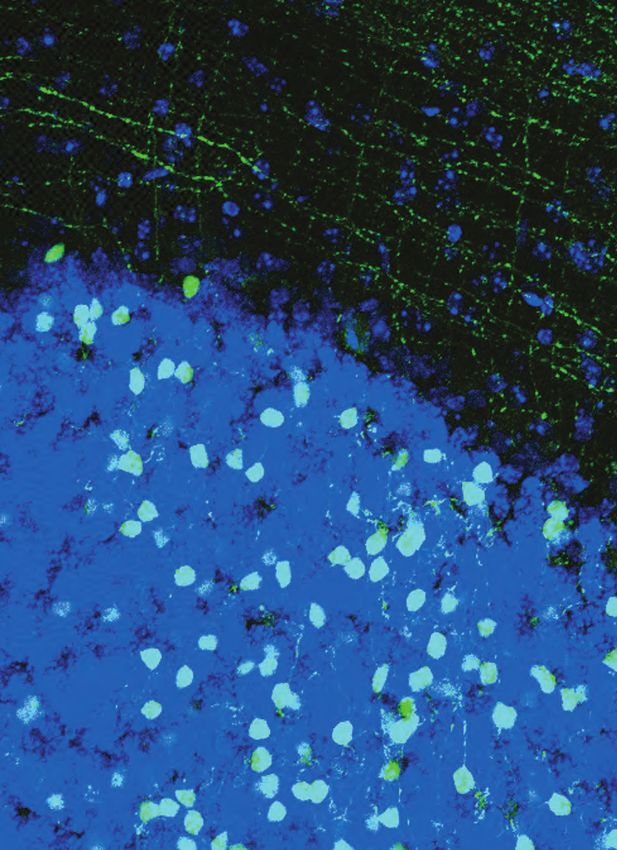
H I G HL I G HTS   2020

                                                Max Planck Florida Launches
                                                “Simplified Science” Project

Seeing what is happening
in our community as
coronavirus cases keep
growing feels
overwhelming, but it feels
good that MPFI is doing
something for the
community, especially first                     There is no doubt that Max Planck Florida’s cutting-edge research
responders, since they                          is important. After all, brain diseases and neurological disorders
                                                affects millions of people globally. But the exact nuances of the science,
are working very hard and
                                                along with the tools and techniques used to perform research can
put their lives at risk.”                       be a little hard to understand for a general audience. To combat that,
                                                Max Planck Florida launched Simplified Science in May of 2020,
Markus Klement, Manager, Master Mechanical
Engineer and Machinist of the MPFI Mechanical   adding a page of resources for readers to connect with the science,
Workshop.                                        techniques and people who push discovery forward.

                                                Understanding science is more important than ever. Simplified Science helps by
                                                adding descriptions and articles that are accessible to a reader with no scientific
 microscopes and imaging technology             training. In addition, stories about Max Planck scientists help the reader relate to
 that isn’t available anywhere else. Be-        the “people behind the bench” and learn from their journeys, backgrounds and
 cause of the unique expertise of its           experiences working in fundamental research.
 machinists, it frequently provides ser-           But the project has another layer that benefits early career researchers. Learn-
 vices to research organizations                ing how to succinctly and clearly explain science is an important skill, so the Max
 throughout the United States and in-           Planck Florida communications team works with post baccalaureate students to
 ternationally.                                 train them in effective communication skills. Adding this skillset to their repertoire
“Part of being at Max Planck is that we         of experience makes them more well-rounded and provides important exposure
 are used to tackling these out-of-the-         to other science-related career paths, such as outreach and communications.
 box questions and finding new ap-                “Max Planck Florida is truly redefining the future of neuroscience, and as we do
 proaches to solving problems, and this         this it is important to share our work with as many communities as possible. From
 even goes beyond our science,” Kle-            policy-makers to young students considering a career in science, accessibility is
 ment said. “We want to do everything           the key to bringing science literacy and appreciation to a wider audience,” said
 we can for the people in our commu-            MPFI’s Head of Public Communications Katie Edwards.
 nity, and try to come up with ways to             To learn more about Max Planck Florida’s Simplified Science project, please
 benefit as many people as we can.”             visit mpfi.org and select “Simplified Science” from the “Science” menu.

                                                                                                                       YEAR IN REVIEW         3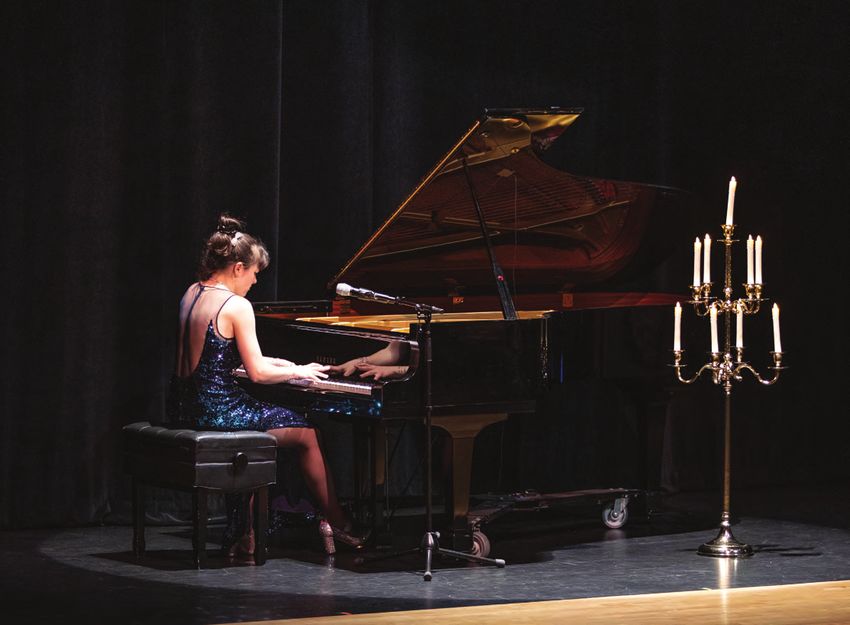
Dr. Sarah Stern,
    Research Group Leader of the Integrative Neural Circuits
                                  and Behavior Lab at MPFI

                                                                                            Dr. Salil Bidaye,
                                                               Research Group Leader of the Neuronal Control
                                                                                  of Locomotion Lab at MPFI

4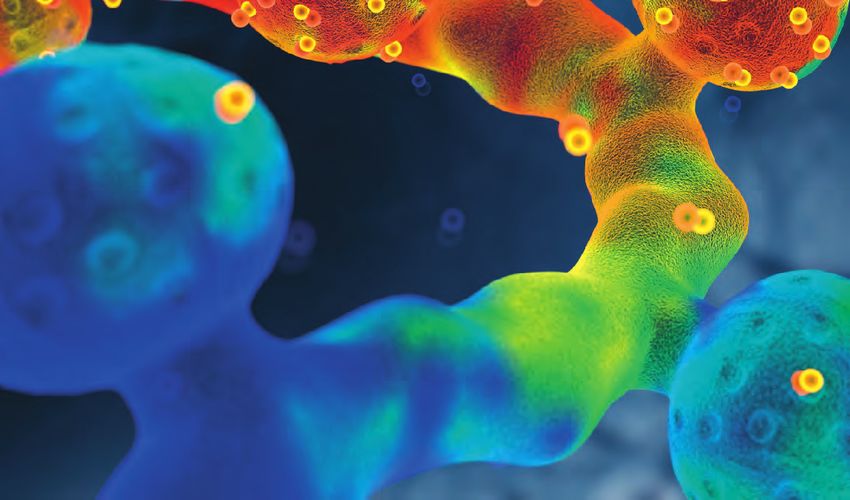
H I G HL I G HTS   2020

Max Planck Florida
Adds Two New Research Groups

MPFI announces the addition of two new research                     Prior to this Dr. Bidaye was a Postdoctoral Fellow at the
groups. Led by Drs. Sarah Stern and Salil Bidaye, these          University of California – Berkeley in the lab of Professor
new laboratories will expand Max Planck Florida’s areas          Kristin Scott. Before that, he earned his Ph.D. at the Research
of study to include studies on the neuroscience behind           Institute of Molecular Pathology (IMP), Vienna in Dr. Barry
feeding habits (Stern) and motor control (Bidaye).               Dickson’s laboratory. Over the course of his doctoral and
                                                                 postdoctoral work, Dr. Bidaye has established an independent
Dr. Stern began her Research Group Leader position at the        research program centered around understanding motor
Max Planck Florida Institute for Neuroscience in January         control using Drosophila walking as a model system. While
2021, leading the Integrative Neural Circuits and Behavior       a Ph.D. student, Bidaye discovered the neurons that consti-
research group. Her research will focus on understanding         tute the central pathway for backward directed walking in
how learning integrates with innate behaviors to produce         fruit-flies, dubbed the “moonwalker neurons”. This work has
diverse behavioral outcomes, from a molecular to the circuit     spurred several studies aimed at understanding how animals
level.                                                           instantaneously switch their walking directions in response
    Prior to this, Dr. Stern was a Postdoctoral Fellow at        to sensory stimuli. During his postdoctoral work, Bidaye
Rockefeller University in the laboratory of Dr. Jeffrey Fried-   used Drosophila genetics tools to address another funda-
man, where she used her expertise in memory and rodent           mental question pertaining to locomotor control: how do
behavior to study the neural basis for environmental cue-driv-   animals initiate walking? This led to the identification of two
en over consumption. Although this has direct implications       distinct brain pathways that initiate distinct forward walking
for obesity, which is a huge health problem, it is also a gen-   programs. Functional characterization of these neurons un-
eral model for how learning can influence innate behaviors       covered how contextual information impinges on senso-
leading to maladaptive choices. Dr. Stern also led a project     ry-motor circuits to achieve task-specific walking control.
studying the intersection of stress and feeding relevant to      This work not only characterizes the central nodes in the
Anorexia Nervosa.                                                walking circuit of the fly but also provides genetic tools to
    Dr. Stern earned her PhD. in 2014 from the Icahn School      begin unraveling the downstream circuits essential for ex-
of Medicine at Mount Sinai in the laboratory of Dr. Cristina     ecuting an optimal walking pattern.
Alberini, where she studied the role of Insulin and IGF-II on
memory consolidation and enhancement, as well as the role
of astrocytic lactate signaling on long-term memory forma-
tion and consolidation. Prior to that Dr. Stern conducted        To learn more about the areas of focus of all of Max Planck Florida’s
research with Dr. Joseph LeDoux as an undergraduate stu-         research groups, please visit https://mpfi.org/science/our-labs/.
dent at New York University, where she graduated magna
cum laude, with honors.
    Dr. Stern is the recipient of numerous honors including a
K99/R00 Pathway to Independence Award and a NARSAD
Young Investigator Award.
    Dr. Bidaye will start his Research Group Leader position
at the Max Planck Florida Institute for Neuroscience in April
2021, leading the Neuronal Control of Locomotion group. His
research will focus on understanding how fast and precise
locomotor decisions are executed at the level of genetically
defined neural circuits.

                                                                                                                            YEAR IN REVIEW          5
S C I E N T I FI C L E AD E RSH IP

    Max Planck Florida Showcases
    Programs at SfN Virtual Graduate
    School and Career Fair

    MPFI hosted a virtual booth at the Society for Neuroscience (SfN)
    Virtual Graduate School and Career Fair from November 05-07, 2020.

    The SfN Virtual Graduate School Fair provided prospective
    students, advisers and neuroscience graduate program
    representatives with a unique opportunity to connect, learn
    and engage with graduate programs from around the world
    one-on-one through live text and video chat from the comfort
    and safety of their own homes.
       The MPFI virtual booth was visited by around 100 poten-
    tial students to hear about the MPFI graduate program
    opportunities. The International Max Planck Research School
    (IMPRS) for Brain and Behavior is the first of its kind in unit-
    ing universities and Max Planck Institutions on both sides of
    the Atlantic, and it offers a competitive world-class Ph.D.
    training and research program. Our research programs ad-
    dress how sensory information is encoded in neural circuits
    and is transformed ultimately to behavior. The level of anal-
    ysis ranges from understanding molecular signaling cas-                     THE MAX PLANCK FLORIDA
    cades in spines during learning to understanding how sen-                   INSTITUTE FOR NEUROSCIENCE
    sory and motor circuits are activated in awake behaving                     N ove m b e r 2 0 2 0
    animals. Learn more at mpfi.org/graduate-programs/ or email
                                                                                MPFI GRADUATE
    imprs@mpfi.org.
                                                                                PROGRAMS
       From January 11-13, 2021, SfN is holding another grad-
    uate school and career fair at SfN Global Connectome:
    A Virtual Event. MPFI presence is confirmed at this fair to
    keep promoting our graduate programs and attract potential
    new students.
                                                                       Contact imprs@mpfi.org for any application
                                                                       inquiries or visit mpfi.org/graduate-programs/

6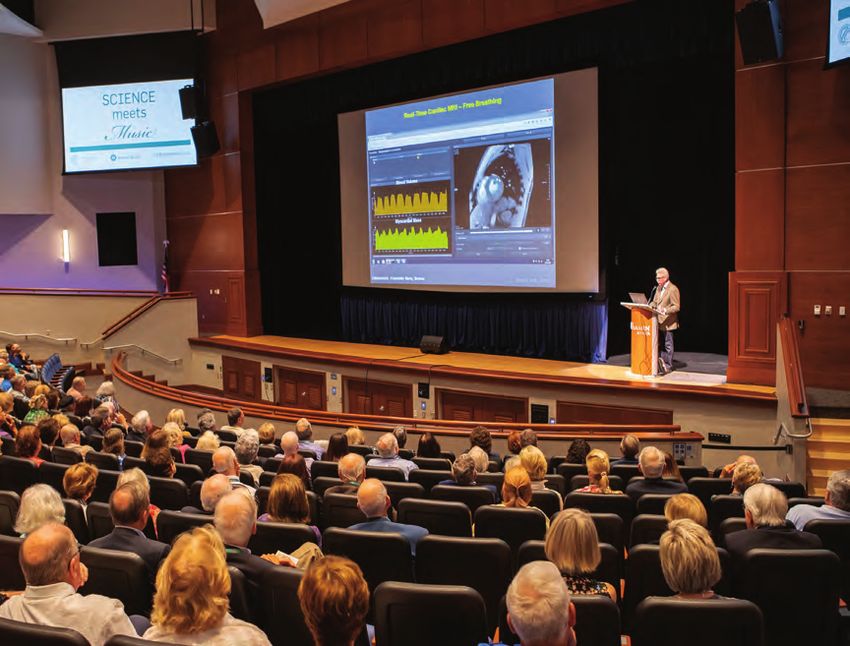
S C I E N T I FI C L E A DERSHI P   2020

                                         UNIVERSITY    BONN
                                            OF BONN

                                              CAESAR

                    I M P R S
                    F O R B R A I N
                    & B E H AV I O R
JUPITER   MPFI

          FAU

                 MPFI virtual booth at the SfN
                 Graduate School and Career Fair

                                                                          YEAR IN REVIEW          7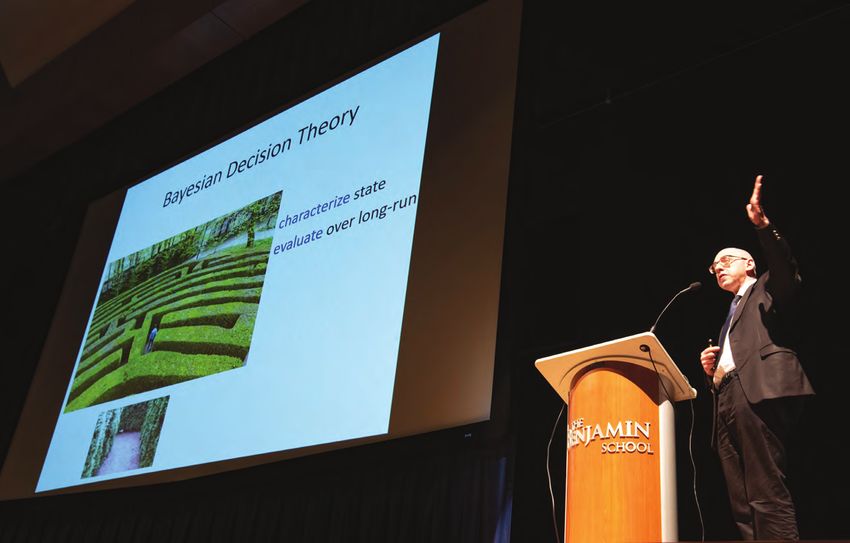
MPFI Researchers
    Sweep SfN
    Gruber Awards

    Each year, a committee of neuroscientists from the Society of the Neuroscience convene to evaluate
    applications for The Peter and Patricia Gruber International Research Award in Neuroscience, an annual
    award that recognizes early career neuroscientists who not only demonstrate scientific excellence, but
    also a commitment to international collaboration.

    Only two winners are selected from a pool of talented            Inagaki started his Research Group Leader position
    scientists from around the world and this year, both         at MPFI in September 2019 leading the Neural Dynam-
    winners come from the Max Planck Florida Institute for       ics and Cognitive Functions research group.
    Neuroscience. MPFI Research Group Leaders Dr. Vidhya             Inagaki’s research focuses on understanding cellular
    Rangaraju and Dr. Hidehiko Inagaki are the 2020 win-         and network mechanisms underlying cognitive functions
    ners of the Peter and Patricia Gruber International Re-      in mice, such as decision making and time perception.
    search Award in Neuroscience. Winners of this presti-        He was the winner of the Max Planck Society Free Float-
    gious prize receive $25,000 and special recognition          er Competition. The competition invites leading post-
    from the president of SfN at the organization’s annual       doctoral fellows to apply for the opportunity to become
    international meeting.                                       a research group leader at a Max Planck Institute. As
       MPFI welcomed Rangaraju as Research Group                 the winner, Inagaki could choose which of the Max
    Leader in January 2020. The Rangaraju group studies          Planck Institutes that are studying the brain he wanted
    the energy use and supply of biological processes in         to work in. Inagaki chose MPFI for its research focus on
    neurons. Prior to this appointment, Rangaraju was an         neural circuits and its highly interactive and collabora-
    EMBO and Marie Curie Postdoctoral Fellow in the group        tive environment.
    of Dr. Erin Schuman at the Max Planck Institute for Brain        Prior to this appointment, Inagaki was a Postdoctor-
    Research in Germany. During her postdoc, she uncov-          al Fellow at the Janelia Research Campus of Howard
    ered the presence of local mitochondrial compartments        Hughes Medical Institute, working with Dr. Karel Svo-
    of energy that fuel local translation during synaptic        boda. At Janelia, he studied the neuronal mechanism
    plasticity. She completed her Ph.D. in the lab of Dr. Tim-   of short-term memory in frontal cortex. Inagaki com-
    othy Ryan at Weill Cornell Medicine in New York. During      pleted his Ph.D. under the mentorship of Dr. David J.
    her graduate work, she developed a novel optical re-         Anderson at the California Institute of Technology. For
    porter of the energy-carrying molecules and elucidated       his graduate work, he studied the neuronal mechanism
    the link between the activity of neurons and the syn-        of internal states in Drosophila.
    thesis of these molecules.                                       He is the recipient of numerous honors including
       She is the recipient of numerous awards including         Harold M. Weintraub Graduate Student Award,
    the Vincent DuVigneaud Award of Excellence, The              Larry Katz Memorial Lecture Award, and the Searle
    Lindau Nobel Laureate Meeting Award, and the MPIBR           Scholar.
    Scientific Discovery of the Year Award.

8
S C I E N T I FI C L E A D E RSHI P 2020
Board of Trustees
Appoints Dr. Asifa Akhtar
as Chair
Akhtar is the first international female vice president of
the Max Planck Society’s Biomedical Section.
The Board of Trustees bid farewell to Dr. Bill Hansson
who is stepping down from his role as Vice President of
the Max Planck Society Biomedical Section, and chairman
of MPFI’s board of trustees. Dr. Hansson became chairman
of MPFI in June of 2014, and saw the institute through a
period of exceptional growth and scientific success. He
is succeeded by Dr. Asifa Akhtar who was appointed as
Vice President of the Biomedical Section in July of 2020.
Dr. Akhtar joined MPFI board members at the November
meeting, where she was officially named chair.
Asifa Akhtar is a Director of the Department of Chro-
matin Regulation at the Max Planck Institute of Immuno-
biology and Epigenetics. In July 2020, she became the
first international and female vice president of the Max
Planck Society’s Biology and Medicine Section, which
oversees more than forty-five institutes with research
that focuses on life sciences, including anthropology, bio-
I am excited to work with the
chemistry, neuroscience, and more. board of trustees at Max Planck
Born in Karachi, Pakistan, Dr. Akhtar obtained her doc- Florida, which is an important
torate at the Imperial Cancer Research Fund in London,
UK in 1997. She then moved to Germany, where she was
part of the Max Planck Society’s
a postdoctoral fellow at the European Molecular Biology international strategy. I look
Laboratory (EMBL) in Heidelberg and the Adolf-Buten- forward to being a part of the
andt-Institute in Munich from 1998 to 2001. She rejoined
the EMBL Heidelberg as a group leader before becoming
growth and excellent science
a Max Planck Investigator at the MPI in Freiburg in 2009. that the institute is sure to bring
Since 2013, she has been a director at the MPI for Immu- in the coming years.”
nobiology and Epigenetics in Freiburg.
Asifa Akhtar was awarded the Early Career European Dr. Asifa Akhtar, Vice President of the Biomedical Section of the
Max Planck Society, Scientific Director of the Max Planck Institute
Life Science Organization Award in 2008, EMBO mem-
of Immunobiology and Epigenetics.
bership in 2013, the Feldberg Prize in 2017, and the
Leibniz Prize award in 2020, which is considered Germa-
ny’s most prestigious scientific award. She was elected
as a member of the National Academy of Science Leop-
oldina in 2019.
YEAR IN REVIEW 9Dr. Jason Christie
Receives Two NIH Awards
MPFI Research Group Leader Dr. Jason Christie received The first award, announced in April 2020 was for $2.6
two significant grants from the National Institute of million over five years. The proposal also received a perfect
Neurological Disorders and Stroke of the NIH to support impact score. The goals of his project are to identify the loca-
ongoing investigation of neural circuits in the cerebel- tions in the cerebellum where motor memories are stored and
lum that instruct and guide motor learning. to uncover the molecular and synaptic features that allow for
a diversity of memories.
The cerebellum, an anatomically unique region of the brain, In July, the Christie lab received another grant for $3.3 mil-
plays a central role in fine motor control and motor learning. lion over five years. This grant is funded through the BRAIN
When functioning normally, the cerebellum is essential in Initiative Program (Targeted BRAIN Circuits Projects). The goal
learning and performing skilled movements, but its dysfunction of this study is to characterize the diversity of inhibitory mo-
has been linked to movement disorders such as ataxia (pro- lecular layer interneuron subtypes and determine how their
gressive loss of fine motor skills) and dystonia (uncontrollable neural connections allows them to play a determinant role in
muscle contractions). Motor learning occurs when mistakes error-driven motor learning, insight that is required to under-
are made while performing movements. Specialized cells in stand how the cerebellum operates in health and disease.
the cerebellum, called Purkinje cells, receive powerful instruc- With the support of this crucial funding, Dr. Christie’s
tive signals that guide our behavior and improve subsequent research will provide a better understanding of how neural
movements. What has remained largely unknown, is how these circuits in the cerebellum ensure accurate movement, turning
instructive signals are modulated to produce a spectrum of the motor errors we make into reliable, adaptable and mean-
learning outcomes. Through his research, Christie has ingful learning; laying the foundational science that will lead
identified the importance of a key type of neuron, molecular to tomorrow’s cures.
layer interneurons, that may be essential in modulating error
signals and driving adaptability of motor learning.
10S C I E N T I FI C L E A DERSHI P 2020
Dr. Ryohei Yasuda Dr. Hidehiko Inagaki
Awarded $8.8 Million Awarded Searle
To Study Memory Scholar Award
MPFI Scientific Director Dr. Ryohei Yasuda has been MPFI Research Group Leader Dr. Hidehiko Inagaki
awarded the prestigious Outstanding Investigator has been selected as a 2020 Searle Scholar,
Research Program Award by the National Institute of in recognition of his work on Neural Dynamics
Neurological Disorder and Stroke (NINDS) of the and Cognitive Function.
National Institutes of Health (NIH) and will receive
$8.8 million in funding over the next eight years. Inagaki has been selected as a 2020 Searle Scholar, in rec-
ognition of his work on Neural Dynamics and Cognitive
Yasuda received a perfect score on his application, a rare Function. Dr. Inagaki was selected from 199 applicants and
accomplishment among even the most experienced scien- 139 institutions who applied for the award, which recogniz-
tists. This award recognizes leaders in the field of neurosci- es scientists who focus on high-risk / high-reward science.
ence whose records of research achievement demonstrate The $300,000 award supports exceptional young faculty
their ability to make major contributions to neuroscience. who demonstrate innovation in research. Inagaki is one of
This is the first time an MPFI researcher has received this only 15 researchers selected nationwide to receive the
award. scholarship.
The Yasuda Lab focuses on Synaptic plasticity, the abili- Inagaki started his Research Group Leader position at
ty for synapses to change their connection strength, is MPFI in September 2019 leading the Neural Dynamics and
thought to underlie learning and memory. Cascades of bio- Cognitive Functions research group. His current research
chemical reactions in dendritic spines, tiny (~0.1 femtoliter) focus is to understand cellular and network mechanisms
postsynaptic compartments emanating from dendritic sur- underlying cognitive functions, such as purposeful move-
face, trigger diverse forms of synaptic plasticity. The lab aim ment initiation and time perception, in mice. The ultimate
to elucidate some of the operation principles of such signal- goal of his lab is to understand how neuronal dynamics
ing networks in dendritic spines using optical techniques. support diverse cognitive and motor functions.
YEAR IN REVIEW 11I N S I DE T H E INSTITU TE
2020 Awarded
Grants and
Fellowships
NATIONAL EYE INSTITUTE, NATIONAL INSTITUTE SEARLE BIOMEDICAL SCHOLARS PROGRAM
OF HEALTH Hidehiko Inagaki
Benjamin Scholl Title: Neuronal Mechanisms to Time Actions
Title: Principles of presynaptic networks for single layer TOTAL: $300,000
2/3 neurons in ferret visual cortex 07/01/2020-06/31/2023
TOTAL: $215,782
02/01/2020-01/31/2022
NATIONAL INSTITUTE OF NEUROLOGICAL DISORDERS NATIONAL INSTITUTE OF NEUROLOGICAL DISORDERS
AND STROKE, NATIONAL INSTITUTE OF HEALTH AND STROKE, NATIONAL INSTITUTE OF HEALTH
Jason Christie Jason Christie
Title: Motor Memory Storage in the Cerebellum Title: Organization of Inhibition in the Cerebellar Cortex
TOTAL: $2,605,223 TOTAL: $3,273,307
04/15/2020-04/14/2025 08/01/2020-06/30/2025
NATIONAL INSTITUTE OF NEUROLOGICAL DISORDERS SRYBNIK FOUNDATION
AND STROKE, NATIONAL INSTITUTE OF HEALTH Ryohei Yasuda
Ryohei Yasuda Title: Uncovering the Role of Insulin-Like Peptides
Title: Neuronal Intracellular Signaling Underlying Signaling in Memory Formation
Synaptic, Circuit and Behavioral Plasticity TOTAL: $10,000
TOTAL: $8,760,217 11/01/2020-12/31/2020
05/01/2020-04/30/2025
12I N S I D E T H E I N STI TUTE 2020
2020 Scientific Publications
A R T I C L ES Nishizono, H., Darwish, M., Scholl, B., Thomas, C.I., Ünal, Ç.T., Ünal, B., and Bolton,
Asede, D., Joseph, A., and Uosaki, H., Masuyama, N., Ryan, M.A., Kamasawa, N., M.M. (2020). Low-threshold
Bolton, M.M. (2020). Dele- Seki, M., Abe, H., Yachie, N., and Fitzpatrick, D. (2020). spiking interneurons perform
tion of NRXN1a impairs and Yasuda, R. (2020a). Use Cortical response selectivi- feedback inhibition in the
long-range and local con- of Freeze-thawed Embryos ty derives from strength in lateral amygdala. Brain Struct
nectivity in amygdala fear for High-efficiency Produc- numbers of synapses. Funct 225, 909–923.
circuit. Translational Psy- tion of Genetically Modified Nature. Online Publication.
chiatry 10, 1–13. Mice. J Vis Exp e60808.
Zhao, X., Wang, Y., Spruston,
Stern, S.A., and Bulik, C.M. N., and Magee, J.C. (2020).
Cao, Y., Wang, Y., Dunn, H.A., Nishizono, H., Yasuda, R., (2020). Alternative Frame- Membrane potential dynamics
Orlandi, C., Shultz, N., Ka- and Laviv, T. (2020b). Meth- works for Advancing the underlying context-dependent
masawa, N., Fitzpatrick, D., odologies and Challenges Study of Eating Disorders. sensory responses in the
Li, W., Zeitz, C., Hauswirth, for CRISPR/Cas9 Mediated Trends in Neurosciences hippocampus. Nature
W., et al. (2020). Interplay Genome Editing of the 43, 951–959. Neuroscience 1–11.
between cell-adhesion Mammalian Brain. Front.
molecules governs synaptic Genome Ed. 2. Szatmari, E., Moran, C.,
wiring of cone photorecep- Cohen, S., Jacob, A., Par- B O O K C H A PT E R
tors. PNAS 117, 23914– ra-Bueno, P., Kamasawa, N.,
23924. O’Banion, C.P., and Yasuda, Sun, Y., Thomas, C., Mikuni, T.,
R. (2020). Fluorescent sen- Guerrero-Given, D., Klein,
Guerrero-Given, D., Yasuda, R.,
M., Stackman, R., and Yasu-
sors for neuronal signaling. and Kamasawa, N. (2020).
Chang, J.T., Whitney, D., and da, R. (2020). ADAP1/Cen-
Current Opinion in Neurobi- Correlative Ultrastructural
Fitzpatrick, D. (2020). Expe- taurin-a1 negatively regu-
ology 63, 31–41. Analysis of Functionally Mod-
rience-Dependent Reorga- lates dendritic spine
ulated Synapses Using Auto-
nization Drives Develop- function and memory for-
mated Tape-Collecting Ultra-
ment of a Binocularly Rangarajan, E.S., Primi, mation in the hippocampus.
microtome and SEM Scanning
Unified Cortical Represen- M.C., Colgan, L.A., Chin- ENeuro ENEURO.0111-20.
electron microscopy (SEM)
tation of Orientation. Neu- thalapudi, K., Yasuda, R., Array Tomography | Springer
ron 107, 338-350.e5. and Izard, T. (2020). A dis- Nature Experiments.
Thomas, C.I., Ryan, M.A.,
tinct talin2 structure di-
Scholl, B., Guerrero-Given,
rects isoform specificity in
Chen, L.-F., Lyons, M.R., Liu, D., Fitzpatrick, D., and Ka-
cell adhesion. J. Biol. Chem.
F., Green, M.V., Hedrick, masawa, N. (2020). Target-
295, 12885-12899. ing Functionally Character-
N.G., Williams, A.B.,
Narayanan, A., Yasuda, R., ized Synaptic Architecture
and West, A.E. (2020). The Scholl, B., and Fitzpatrick, Using Inherent Fiducials
NMDA receptor subunit D. (2020). Cortical synaptic and 3D Correlative Micros-
GluN3A regulates synaptic architecture supports flexi- copy. Microscopy and Micro-
activity-induced and myo- ble sensory computations. analysis 1–14.
cyte enhancer factor 2C Current Opinion in Neurobi-
(MEF2C)-dependent tran- ology 64, 41–45. Tu, X., Yasuda, R., and Col-
scription. J. Biol. Chem. gan, L.A. (2020). Rac1 is a
295, 8613–8627. downstream effector of
PKCa in structural synaptic
plasticity. Scientific Re-
ports 10, 1–9.
YEAR IN REVIEW 13Research
Highlights
Molecular brake on learning:
uncovering a potential therapeutic strategy
to prevent memory loss
Researchers from MPFI uncover a surprising new role responsible for driving the intricate signaling forward, ulti-
for the protein centaurin-a1 in regulating memory mately facilitating the process of learning and memory,”
formation explains Dr. Ryohei Yasuda, Scientific Director at MPFI. “By
contrast a much smaller subset of unique proteins seems
No piece of music better highlights the lighthearted and to have the exact opposite effect, acting to attenuate and
spooky side of Halloween quite like J.S. Bach’s Toccata and balance the feed-forward signaling.”
Fugue in D minor. This iconic piece features the haunting These unique proteins are more similar to a pipe organ’s
melodies of the pipe organ; an instrument that projects gran- stops, functioning as negative regulators of overall activity.
deur in both sound and appearance. The intricate stop mech- Though it’s not yet fully understood why these proteins func-
anism within the pipe organ is responsible for alterations in tion in this way, studying them is crucially important for
the overall sound character and volume. As the name sug- gaining a more complete understanding of the biological
gests, stops block incoming air into an organ’s pipes, dra- processes involved in learning and memory.
matically reducing how loud it can play. When all the stops In a recently published study in eNeuro, the Yasuda Lab
are removed, an organ can play at its maximal volume; hence has identified a new negative regulator of synaptic plastici-
the popular saying “pulling out all the stops.” ty called centaurin-a1 (CentA1). A highly abundant protein
When it comes to learning and memory, our brains share in the brain, CentA1 has been previously implicated in den-
a very similar mechanism to the stops of a pipe organ. When dritic differentiation and as a potential mediator in Alzhei-
we learn new skills or form memories, dynamic changes mer’s disease. But up until now, the exact neurobiological
occur at sites of communication between neurons called functions of the protein haven’t been well studied.
synapses. Cascades of proteins are activated within, result- In order to get a better picture of CentA1’s function with-
ing in lasting alterations to synaptic strength. This process, in the brain, the team created a novel mouse line knocking
known as synaptic plasticity, is thought to underlie how we out the protein. Comparing the brains of mice lacking Cen-
learn and remember. tA1 with their wildtype counterparts, they found the overall
“Many of the proteins involved in synaptic plasticity, fall brain structure and morphology to be indistinguishable
into the pro-plasticity category. These types of proteins are between the two. While this seemed to hold true for most
14I N S I D E T H E I N STI TUTE 2020
brain regions, a major difference was spotted within the
hippocampus. In mice lacking CentA1, there was a no-
ticeable increase in the amount of small synaptic com-
partments called dendritic spines across all age groups
tested. Looking closer with electron microscopy, it was
found that despite the increase in spines, the fine struc-
ture of these synaptic compartments remained the same.
Because spine density is so closely associated with
synaptic plasticity, this increase hinted at the possibil-
ity of CentA1 playing a major role.
To further explore this connection, MPFI scientists
used two-photon glutamate uncaging and electrophys-
iology to assess both single-spine structural plasticity
as well as functional plasticity within the CA1 region of
the hippocampus. In mice lacking CentA1, they found a
significant increase in both structural and functional
Representative images of dendrites from pyramidal neurons in
plasticity compared to wildtype controls. To validate
organotypic slices from CentA1 knock-out (KO) and control (NTG)
whether these changes to plasticity had functional con-
mice. Lack of CentA1 protein leads to increased dendritic spine
sequences on behavior, mice lacking CentA1 were as-
density in the hippocampus.
sessed in a variety of learning and memory tasks. Sur-
prisingly, each behavioral result came up similar for
both groups. One drawback to standard behavioral tasks,
is that they aren’t very good at picking up improvements
in learning. In collaboration with the Stackman Lab at University. “It seems that rather than causing structur-
Florida Atlantic University, a newly optimized and more al alterations to the brain, CentA1 exhibits its unique
challenging object-in-place memory task was imple- function through downstream signaling. Given its strong
mented. With this hippocampus-demanding test, mice association with memory attenuation and Alzheimer’s
lacking CentA1 showed significant improvements in disease, CentA1 may represent a potential therapeutic
associative recognition memory and enhanced learning. target preventing memory decline in normal and patho-
“Our results indicate that CentA1 seems to be a nov- logical aging”.
el, negative regulator of both synaptic plasticity as well
as hippocampus-dependent memory,” notes Dr. Erzseb-
et Szatmari, former Senior Scientist in the Yasuda Lab
and currently an Assistant Professor at East Carolina
YEAR IN REVIEW 15New approach reveals
structure and function of
individual synapses
An interdisciplinary team of scientists
at MPFI have developed a novel approach
to measure the activity and strength of
individual synapses that drive a neuron’s
response to sensory input.
A common analogy used to describe the brain
is that it consists of tiny interconnected com-
puters. Each one of these computers, or neu-
rons, process and relay activity from thousands
of other neurons, forming complex networks
that allow us to perceive our surroundings,
make decisions, and guide our actions. Com-
munication between neurons occurs through
tiny connections called synapses, and each
neuron integrates the activity across these
synapses to form a single output signal. How-
ever, not all synapses are created equal. Syn-
apses converging onto an individual neuron
differ in size, and size is correlated with
strength: larger synapses are stronger and have
a greater influence on a neuron’s output than
smaller synapses. But why are some synapses
stronger than others, and how does this impact
individual neurons processing incoming sig-
nals?
Multiphoton imaging in vivo provides measures of synaptic activity and function (left), One well-known theory has suggested an
while electron microscopy (right) performed on the same neuron provides structural answer. The Hebbian model for circuit devel-
information at the nanometer scale. opment posits that the strength of a synapse
between two neurons is determined by similar-
ity in their activity. Synapses between neurons
that are highly co-active become stronger than
those that are less frequently co-active. This
relationship provides a clear prediction for the
diversity of synapse sizes present in mature
neurons. Large synapses would be formed
16I N S I D E T H E I N STI TUTE 2020
with other neurons that have very similar response proper- same exact synapses with electron microscopy, we knew
ties, and these synapses have a dominant role in determin- we could answer this question”. The combination of these
ing the output of the neuron. In contrast, small synapses techniques, termed Correlated Light and Electron Micros-
would arise from neurons with less similar response prop- copy (CLEM), allowed the researchers to measure the func-
erties and have less impact on the neuron’s response. Al- tion (feature selectivity) and structure (strength) of popula-
though there is some evidence in support of this model, a tions of synapses from several neurons.
direct test requires measuring the activity of individual syn- In their initial results, the team found nothing unexpected:
apses, their size, and their neuron’s output signal, a combi- some synapses shared feature selectivity with the neuron,
nation that has been challenging to achieve with existing while others were different; some synapses were small
technologies. (weak), while others were large (strong). But when these
Now, for the first time, an interdisciplinary team of scien- data were put together, the authors were surprised to find
tists at MPFI report the results of a novel approach that that both strong and weak synapses exhibited a wide variety
allowed them to achieve these measurements. Published in of functional properties: there was no strict relationship as
the journal Nature, their work challenges predictions of the theorized. However, by examining the activity of the whole
Hebbian model, demonstrating that synapse size is not cor- synaptic population, the researchers recognized that they
related with response similarity and suggests neural re- had uncovered the likely synaptic basis for feature selectiv-
sponse properties reflect the total number of active synaps- ity. “We observed a ‘strength-in-numbers’ phenomenon. Our
es, both weak and strong. data suggest that the feature selectivity of a neuron is derived
Benjamin Scholl, Ph.D., a postdoctoral researcher in the from the total number of synapses activated, including strong
Fitzpatrick lab at MPFI, was inspired to explore this question and weak,” described Scholl. “In fact, we found many more
in the visual cortex, where he could take advantage of the weak synapses driving feature selectivity, which suggests
fact that individual neurons exhibit a high degree of selec- they could have a predominant influence”. In support of this,
tivity in their response to different features in the visual the team observed that neighboring weaker synapses were
scene, such as the orientation of edges or the direction of a more often co-active, which could even enhance their influ-
moving object. This phenomenon, termed feature selectivi- ence on the neuron.
ty, arises through the integration of thousands of synapses These results challenge the prevailing theory that strong
conveying different signals, but exactly how this occurs is synapses are exclusively found between neurons with sim-
unknown. “We aimed to test the hypothesis that the strong ilar response properties and play the dominant role in de-
synapses have responses that closely match the neuron’s termining a neuron’s feature selectivity. Instead, selectivity
feature selectivity, while the weak ones do not,” explained appears to derive from the total numbers of synapses, sug-
Scholl, who is co-first author of the study. To test this hy- gesting that a synaptic democracy (akin to the popular vote)
pothesis, the scientists utilized a light microscopy technique is most important. This still leaves open the question of why
to visualize the activity of a population of synapses on indi- some synapses are stronger than others and studies are
vidual neurons in real time. But this technique alone has a underway using these technologies to explore what other
severe limitation—only synaptic activity can be observed, aspects of synaptic connections might be important. “Com-
not their strength. bining both structural and functional measurements of neu-
To measure synapse strength, a collaboration was formed rons provides a more holistic understanding of how our brains
with another team of scientists from the Electron Microsco- compute information” says Thomas. “The CLEM technique
py Core Facility at MPFI, led by Naomi Kamasawa, Ph.D. is allowing us to push the boundaries of what we know about
“Electron microscopy captures incredibly detailed images of fundamental workings of the brain.” This work emphasizes
a synapse, at the nanometer scale, allowing us to make the creative synergy that results from bringing together
precise measurements of their structure”, explained Connon curiosity-driven scientists from different disciplines,
Thomas, co-first author of the work and an electron micros- enabling new insights into neural circuit organization that
copy specialist. “These structural measurements tell us how could not have been anticipated, and laying the foundation
strong each synapse is. By first examining synapse activity for tomorrow’s advances in understanding disorders of
with light microscopy, then measuring the strength of those brain function.
YEAR IN REVIEW 17Early visual experience drives precise
alignment of cortical networks
critical for binocular vision
Researchers at MPFI identify three distinct cortical representations? They approached this question in the fer-
representations that develop independent of visual ret, a species that has a well-organized visual cortex with
experience but undergo experience-dependent a repeating modular structure in which nearby neurons
reshaping, an essential part of cortical network have similar orientation preferences, resulting in distinct
alignment and maturation. patterns of activity across the cortical surface for different
orientations. This makes it possible to use imaging tech-
Neural networks in the visual cortex of the brain do a re- niques that detect calcium signals to visualize the different
markable job of transforming the patterns of light that fall modular patterns of activity that are associated with dif-
onto the retina into the vivid sensory experience that we call ferent orientations. Prior to the onset of visual experience,
sight. A critical element of this encoding process depends they found that monocular stimulation produced activity
on neurons that respond selectively to different features in patterns that had all the hallmarks of the mature visual
the visual scene. Edges and their orientation in space carry cortex except one: the modular patterns of activity produced
an enormous amount of information about the visual envi- by stimulation of the left eye with a single orientation, were
ronment, and individual neurons in the visual cortex encode different from the modular patterns produced by the same
this information by responding selectively to a narrow range stimulus orientation presented to the right eye. In other
of edge orientations; some responding maximally to vertical words, our brains are capable of developing orderly network
or horizontal, and others to different orientations in between. representations of edge orientation in the absence of visu-
But neurons in visual cortex face another challenge in rep- al experience, but these networks lack the binocular align-
resenting visual information: They must bring together the ment that is seen in mature animals. Additional experiments
signals that originate from the left and right eyes to create allowed the investigators to uncover a dynamic process
a single unified binocular representation. The association of that occurs over a short period of time (7-10 days) in which
the inputs from the two eyes occurs in the visual cortex and visual experience drives the alignment of these early rep-
we know that this is achieved with a high degree of precision resentations. Importantly, the period when visual experience
such that individual neurons respond selectively to the same is capable of supporting alignment was found to be limited
orientation with stimulation of either the left or right eye. to the first week after eye opening, making it clear that
What has been missing is a clear understanding of the de- early visual experience is critical for proper development
velopmental mechanisms that are responsible for uniting of the circuits that support binocular vision for the rest of
the inputs from the two eyes, a gap in knowledge that led life.
Max Planck Florida researchers to a series of experiments These results suggested that binocular visual experience
that have revealed a critical role for early visual experience early in development is likely to be a key factor in the align-
in guiding the formation of a unified binocular representation. ment of the network representations of the two eyes. This
The first issue that Max Planck scientists Jeremy Chang, led them to wonder what the patterns of activity in visual
David Whitney, and David Fitzpatrick wanted to address is cortex would look like for simultaneous stimulation of the
whether alignment of the inputs from the two eyes requires two eyes early in development before alignment has been
visual experience. Does the brain use vision to align the achieved. Surprisingly, they found that binocular stimulation
18I N S I D E T H E I N STI TUTE 2020
In the mature visual cortex, similar modular patterns of activity are observed when the same orientation is
shown to the left or right eye. In contrast, early in development, markedly different patterns of activity are
observed for the same stimulus, resulting in a monocular mismatch that reflects misalignment of the
orientation representations from the two eyes.
led to the appearance of a third modular representation— the onset of visual experience that are rectified by changes
one that was distinct from the patterns of activity found for in preferred orientation induced by visual experience. The
stimulation of the two eyes independently. By tracking these next steps of this project are to investigate network reor-
three representations across time they discovered that the ganization at the synaptic scale, to identify precisely which
early binocular representation was more stable than the components of the cortical network are changing and the
others, appearing most similar to the mature, unified rep- mechanisms that enable the change.
resentation that emerges with visual experience. Thus, the A greater understanding of the mechanisms responsible
activation of this binocular representation with the onset for the experience-dependent alignment of cortical net-
of binocular visual experience may guide the reorganization works is critical for addressing visual disorders that arise
process, ensuring that all three representations become from early abnormalities in visual experience such as am-
aligned as a single coherent network. blyopia. But experience-guided alignment of cortical net-
Ultimately, these changes in network structure must works is likely critical for a broad range of brain functions—
reflect changes in the response properties of single neurons, sensory, motor, and cognitive— that are optimized to support
and to probe the process of alignment at the cellular scale, effective navigation and interaction with our world. Identi-
they turned to experiments using two-photon imaging that fying those aspects of brain circuitry that depend on early
allowed them to visualize the response properties of indi- experience for proper alignment, and understanding the
vidual neurons. Consistent with the network representation underlying alignment mechanisms could offer insights in-
observations, individual neurons exhibited mismatched to a host of neurodevelopmental disorders whose causes
orientation preferences for monocular stimulation prior to are still largely unknown.
YEAR IN REVIEW 19EMPLOYEE SPOTLIGHT
Kevin Albertini
D I G I TA L
MEDIA DESIGNER
If you follow Max Planck Florida on social media, you have When you are not working, what do you like to do?
no doubt seen a series of new videos that showcase the
I tend to watch movies, play video games, hike trails with
spirit of Max Planck Florida. This year’s employee spotlight
my dog, create music, shoot photography, write and shoot
features the person behind the camera who brings those
short films. I’m also getting married soon so needless to
stories to life. Kevin Albertini joined MPFI in 2018 and works
say, wedding planning has increasingly become “what I
in the Office of Scientific Communications.
do” when I’m not at work.
What have you learned since coming to MPFI?
How would you describe your job at MPFI?
Admittedly, it took me a few weeks to be able to confidently
My job at MPFI is a collaborative one by nature. I work as say the word ‘microscopy’ when I started back in 2018.
part of a small team where my role is to help the scientists Since then I have learned and continue to be fascinated by
and the institute in developing and producing visual & audio how seemingly interconnected things appear to be within
media that creatively amplifies both the science as well as neuroscience and scientific research as a whole. Being in
the scientist. That often involves filmmaking and photogra- the communication department, I get to see a bit of a
phy, as well as multimedia design and production. narrative arch starting with a scientist having a question
and then collaborating with multiple specialists to create
What is your favorite project that you’ve worked on at MPFI new tools and techniques in pursuit of the answers.
and why? It’s really inspiring to literally see how things are being
I have two; the first project being the creation of our mini discovered.
documentary that is currently part of the ‘Images of
Science’ exhibit at the Frost Science Museum. This was my
first collaborative project with many of the scientists and
specialists at the institute. It really expanded my under-
standing of the science as well as my connection with the
scientists here at Max Planck Florida. The second, was
creating all the visual media for our engagement events at
the 2019 SFN conference in Chicago. We all had a blast
hosting an event that had a big turnout.
20I N S I D E T H E I N STI TUTE 2020
2020 New Team MPFI Appoints
Members New Head of
Undergraduate
Training
In 2020, MPFI Welcomed the Following We also Welcomed
Postdoctoral and Research Fellows: Sean Coveleski
Zhen Yang, Ilika Ghosh, Yonil Jung, as Vice President and
and Mike Guest Chief Development Officer
Vidhya Rangaraju
Our new Graduate Students were: as Research Group Leader
Kori-Anne Citrin, Joseph Wasserman, Sarah Stern
Roberto Hernandez, and Cody Loomis as Research Group Leader
Edward Chwieseni
Our new Postbaccalaureate Research as Head of Information
Fellows were: Technology
Romy Aiken, Rory Cooley, Jacob LaMar, Glen Linthicum
Micaiah McNabb, Kelly South, Eleanor as Head of Facilities MPFI has appointed Dr. Joseph W.
Stuart, Isaac Wendler, and Zhongkai Wu, Amanda Jorgensen Schumacher as head of undergraduate
as Advancement Specialist for training.
Major Gifts and Research
New Undergraduates were:
Matthew Pacheco, Tejas Purimetla, Colleen Neiner In this role, Schumacher will work closely
and Vivek Sreejithkumar as Animal Care Technician with our partner programs at FAU, including
Kaitlyn Letourneau the Max Planck Honors program and FAU
as Student Employee Jupiter High School. Joe has been at MPFI
New Research Technicians:
Diana Legutko for six years, working as a postdoctoral
Shaun Foutch, Christopher Apgar,
as Visiting Student
and Mina Dawod research fellow in the lab of Dr. David
Christopher Cannon Fitzpatrick. During his time at MPFI he has
as Electrical and HVAC Service
actively engaged in community outreach ef-
Specialist
forts and shared his science through public
Irena Suponitsky-Kroyter
lectures and teaching. Joe is one of the
as Research Assistant
founders and hosts of MPFI’s Neurotrans-
Lantz Pierre
as Security Manager
missions podcast, a science communication
project that shares stories from the world’s
Lucas Haury Parra
as Institutional Assistant leading neuroscientists in an accessible and
engaging way. He graduated from Columbia
University with a Ph.D. in Neurobiology and
Behavior. Prior to that he earned his under-
graduate degree in cognitive science with an
additional focus on computer science from
Vassar College.
YEAR IN REVIEW 212020
Advanced
Neuroimaging
Course
MPFI shares expertise with scientists from across the
globe during the 5th advanced Neuroimaging Course.
From February 03 – 15, The Max Planck Florida Institute for
Neuroscience (MPFI) hosted the fifth advanced Neuroimag-
ing Course. The laboratory-oriented program gives pre-doc-
toral students, postdoctoral students, and early-career
investigators an intense and comprehensive training on the
principles of modern imaging and the cutting-edge applica-
tions used to study the brain.
The two-week course included special lectures, collabo-
rative discussions with distinguished scientists, and hands-
on workshops highlighting novel neuroimaging techniques
from leaders in the field, including Max Planck Society sci-
entists, guest faculty, and lecturers. Catherine Dulac, Ph.D.,
Professor from Harvard University, and Vincent Pieribone,
Ph.D. Professor from Yale University, gave exceptional lec-
tures and led insightful discussions with the participants.
The 2020 course was particularly unique because it featured
Mackenzie Mathis, Ph.D., a former student of the 2016
Imaging Course, and now an assistant professor at Harvard
University, as one of the special lecturers.
THANK YOU
MPFI is grateful for the generous support and
presence of these partners that further enhanced
the Advanced Imaging Course 2020 experience:
Imaging Course Lunch & Exhibit Sponsors
Tecniplast, Bitplane (IMARIS), Hamamatsu
MPFI Corporate Partners
Spectra-Physics, Thorlabs, Inscopix
22I N S I D E T H E I N STI TUTE 2020
FAU High School
Jupiter Campus
Launches Max
Planck Academy
Partner Program
The first class of the new FAU High School
Jupiter Campus began classes this fall.
Twenty-four students are enrolled and will
benefit from partnership with Max Planck
Florida’s Max Planck Academy training pro-
gram. MPFI’s curriculum enhancements
include “Introduction to Neuroscience,”
“Advanced Life Sciences Tools” and “Neural
Data Science.”
YEAR IN REVIEW 23F uture R esearchers
Max Planck Florida
Welcomes 2020-2021
Postbacs
01
MPFI welcomed eight recent graduates to its
2020-2021 Postbaccalaureate Program. The students
arrived at MPFI in September and quickly got to work,
gaining hands-on lab experience throughout the institute.
In addition to research, postbacs receive career develop-
ment training in special meetings, adapted this year
to ensure safety and social distancing requirements.
MPFI’s Postbaccalaureate Program provides recent college 02
graduates who are planning to apply to graduate school an
opportunity to spend one or two years performing full-time
research at MPFI. Postbaccalaureate Fellows (“Postbacs”)
work under the mentorship of some of the world’s leading
scientists, in MPFI’s unique curiousity driven environment.
Postbacs are regularly exposed to leaders in neuroscience
outside of MPFI in the ongoing MPFI scientific seminar series
and participate in a wide range of career education and pro-
fessional development activities including workshops on
graduate school application preparation, poster and oral
presentations, and other topics aimed at helping postbacs
become well-rounded scientific professionals. MPFI provides
a vibrant and supportive training environment with regular
scientific and social events to foster interactions between
03
trainees and scientists at the institute.
This year’s Postbacs are:
• 01. Romy Aiken from FSU - Bolton Lab
• 02. Rory Cooley from the University of Maryland - Fitzpatrick Lab
• 03. Jacob LaMar from Indiana University - Rangaraju Lab
• 04. Micaiah McNabb from the University of Kentucky - EM core
• 05. Kelly South from New College of Florida - Yasuda Lab
• 06. Eleanor Stuart from FAU – EM core
• 07. Isaac Wendler from Yale University - Yasuda Lab
• 08. Zhongkai Wu from UCSD – Wang Lab
04
24You can also read


