2021 Consumer Trends Microsoft Advertising + Suzy
←
→
Page content transcription
If your browser does not render page correctly, please read the page content below
Microsoft Advertising + Suzy

2021
Consumer Trends

HEALTHY HESITATION
Consumers have a cautious optimism in 2021. They see the light at the end of the tunnel but
understand that they need to have a healthy amount of hesitation along the way. How
consumers see travel, retail, health & wellness, technology, and finance has shifted with the
new landscape.
There’s no surprise that digital adoption was the star of 2020. This newfound comfort level
with blended experiences opened the door to the virtual world in ways we haven’t seen
before. With adoption comes new conflict and struggles against what used to be societal
norms. The world we live in hasn’t changed drastically, but consumers’ views on parts of it
have shifted or become more concrete. Income inequality, health and safety, privacy, and
sustainability are just a few of the subjects where trend dichotomies have started to form. All
of these culminate together to create consumers’ healthy hesitation. Consumers want to
ensure that as the year progresses, they are protecting themselves, their families, their health,
and their finances, while maintaining connection and equality.
As we move further into 2021, let’s dive into the state of these trends – travel, retail, health
and wellness, technology, and finance – and see where they are taking us.
THE FIVE:

01 RETAIL

02 HEALTH & WELLNESS

03 TRAVEL

04 TECHNOLOGY

05 FINANCIAL SERVICES

RETAIL
THE END OF MORE. THE MOVE TO LOW
IMPACT CONSUMERISM IS HERE TO
STAY.
Retail
The end of more. The     New Makers Market
move to low impact
consumerism is here to
stay.
                         Buy Nothing Movement

                         Small Business More Than Saturday

                         Liquid Expectations

                         Responsible & Value Driven Retail
THE END OF MORE. THE MOVE TO LOW IMPACT CONSUMERISM IS HERE TO STAY. Consumers are moving toward minimalism and making sure that anything they do purchase is sustainable and has low impact. The convenience of big box retailers conflicting with a desire to support small businesses.
CONSUMER FEEDBACK
27% of respondents said their shopping through independent, local, small businesses increased since March 2020.

35% more consumers are likely to spend money on home improvements or renovations in the future.

50% of respondents said their shopping via established retailers like Amazon, Walmart, etc. has increased since
March 2020.

47% of respondents feel it’s more important than ever to support local retailers over chains/big box stores.
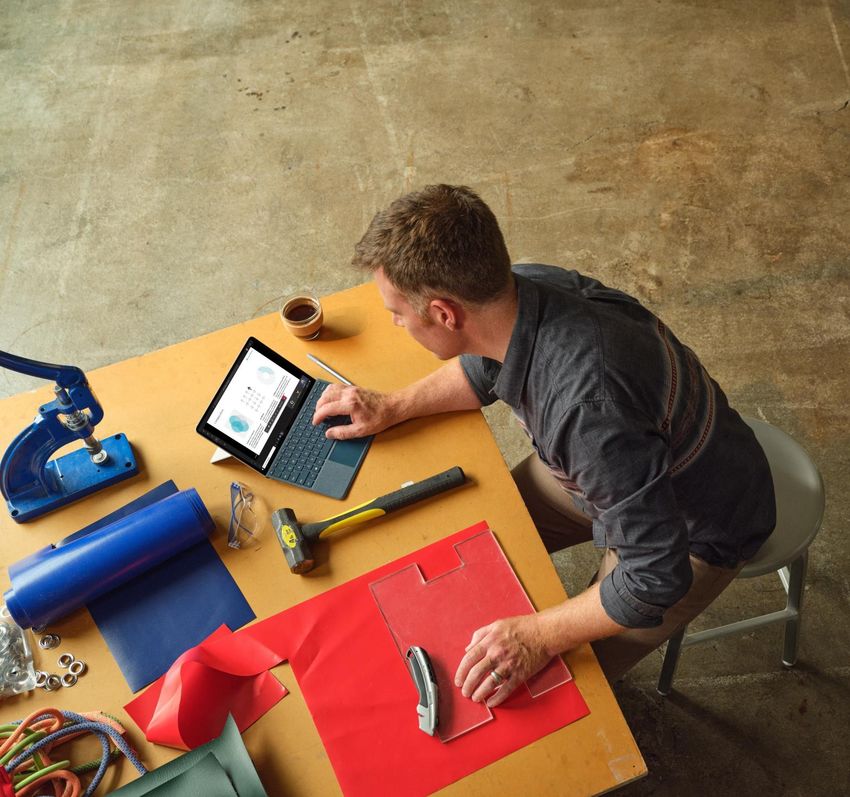
During the pandemic, sectors of
         society had time to fill. This led to an
         uptick in consumers experimenting
NEW      with do-it-yourself projects and life
         hacks. Whether that manifested in

MAKERS   personal joy, home improvement,
         crafts, or up-cycling, this trend is here

MARKET
         to stay in 2021. Consumers see the
         value in doing it themselves and now
         know they can. And it all starts with a
         search.
Consumers are starting to seek resale
and recycled solutions, which has led
to a popular movement within
affluent to middle-class
BUY demographics to form communities
that share goods at no cost or sell
NOTHING used goods at low cost. This
movement limits consumption, avoids
MOVEMENT unnecessary costs, and creates a
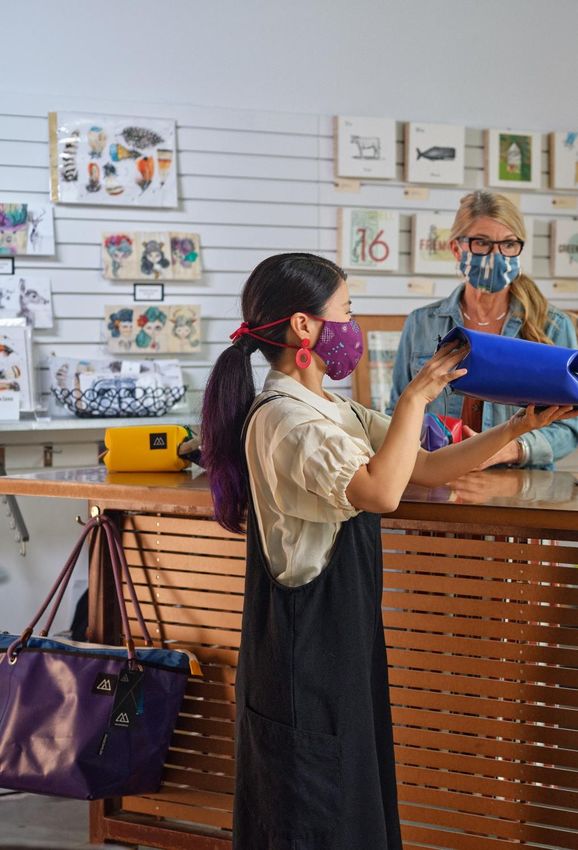
hyper-local community.We used to shop only on Saturdays at a
SMALL small business. With digital storefronts,
we can do this every day of the week.
BUSINESS
In 2020 local businesses suffered, and
consumers saw this and sought a way
to help – the solution became to buy
MORE
local whenever you can. It highlighted
the importance of supporting your
community and brought new
THAN
awareness to consumers. This reversion
to older patterns of behavior is going
to be here to stay in 2021 as consumers
SATURDAY continue to show support for local.During the pandemic, retail had to rise
to the occasion and meet consumer
needs in new ways. This led to some
brands standing out from the crowd
and excelling in the new landscape
LIQUID through superior digital experiences.
But with exceptional customer-centric
EXPECTATIONS website or app design from some
retailers, consumers' expectations
increased causing a tidal wave effect.
Soon people expect instant
gratification and a seamless experience
from every and all retailers.Social good was in the limelight in 2020,
and it won’t be going away. With social
good comes responsible retail, whether
that's buying to support a cause, making
RESPONSIBLE sustainable purchases, doing more
upcycling or buying used and vintage.
& Consumers are wanting to take a stand
and are using their wallets to do so.
VALUE
DRIVEN
RETAILOverall, companies will need to strategically
implement their new digital experiences and
WHAT DOES
messaging to ensure their business stays
relevant and meets consumers’ needs.
An example of a brand leveraging retail
THIS MEAN
trends is the UK’s B&Q, whose “You don’t
buy a life. You build one.” campaign
recognized consumers' increased desire for
DIY projects. Their campaign demonstrated
FOR AN
how they could help consumers do exactly
that – build the home they want. Brands
should think of how utilize both search and
and audience marketing solutions using the
ADVERTISER?
right messaging strategy, visual approach,
and timing, to create impactful campaigns.HEALTH AND WELLNESS MINDFULNESS, UNIQUENESS AND INCLUSIVITY TAKE THE SPOTLIGHT.
Health &
Wellness               Healthcare Influencers
Mindfulness and
inclusivity take the
spotlight.             Virtual Fitness

                       Inclusive Health & Wellness

                       Virtual Healthcare

                       Teams Face
MINDFULNESS AND INCLUSIVITY TAKE THE SPOTLIGHT. Health, wellbeing, and taking care of yourself are the primary focus for consumers. This has led to mindfulness, but also consumers realizing that they are all unique, which is why this desire for inclusivity and heterogeneity is in the spotlight.
CONSUMER FEEDBACK
A third (32%) of our respondents' report feeling comfortable with interacting with their doctor or health care services
through videoconferencing and remote monitoring of vital signs.

43% of respondents are comfortable with taking online fitness classes.

23% of respondents see their weight and body image as the situation most likely to cause them to feel stress and
anxiety.
Influencers are no longer only centered
              around fashion or consumerism, but they
              have expanded into health and wellness.
              Doctors, nurses, chiropractors, and
              physiotherapists are just some of the
HEALTHCARE    individuals that have taken over digital
              platforms to offer real and educational
INFLUENCERS   advice for people. Whether they shed
              light on misinformation, or simply offer
              stretches to help with sitting all day, they
              are becoming more common and
              established on information channels.
During the pandemic, consumers had to
find new ways to meet their fitness needs
and stay healthy. That led to new
businesses trying to meet their consumers
where they were – at home. Virtual fitness
VIRTUAL took off and consumers enjoyed the ability
to workout without taking the extra time
to travel to a fitness location. This
FITNESS adoption has led to new platforms and
certain products skyrocketing in popularity
(Peloton, Mirror and Fight Club). Although
some consumers will flock back to the
gym, others have learned to enjoy the
convenience of working out at home.Inequality is in the spotlight now more
than ever before, and we literally can
observe it in health & wellness. Typically,
products have been designed for the
INCLUSIVE average or ideal person. But consumers
are no longer accepting this one-size-fits
all approach. They are pushing health and
HEALTH & wellness products to become accessible
and designed for all genders, body types,
ethnic and racial makeups.
WELLNESSDuring the pandemic, consumers no
longer felt comfortable or could not
access healthcare in the same way they
could before. Companies found
comfortable virtual solutions to the
VIRTUAL problem that consumers adopted en
masse. This adoption and comfort of
this new behavior will only gain
HEALTHCARE momentum moving into 2021.aka: Zoom Face.
Teams/Zoom calls are something that
consumers use daily now. With these calls,
we experience something that we haven’t
before. On every conference call, we see a
small window that shows an image of
TEAMS FACE ourselves in unflattering angles and light.
This constant reminder on what we look
like in meetings, has not only led to an
increase in filters, but also consumers
seeking out enhancements in cosmetic
appeal. There is an uptick in consumers
searching for cosmetic solutions to this
perceived problem.With health and wellness being top of mind
for consumers, it will need to be top of
WHAT DOES
mind for advertisers, too. How do your
products help consumers meet their health
and wellness goals? Is there a way for an
advertiser to position itself in the market as
THIS MEAN
such, or a way to adapt its offerings to
better align with consumers’ needs?
Companies like Peloton have created a
FOR AN
competitive element to their platform to
help push consumers, while other
companies like Obe’ Fitness have designed
a workout party feature to bring
ADVERTISER?
socialization back into the experience. Think
of how to reach people searching with goal-
oriented solutions in mind and not simply a
product offering.TRAVEL FEAR OF MISSING OUT CONFLICTS WITH RESPONSIBILITY.
Travel
Fear of missing out   Sustainable & Responsible Travel
conflicts with
responsibility.

                      Micro-Mobility

                      Nostalgia Trippin’

                      Telecommuting = Long Term Travel

                      Bucket List Experiences
FEAR OF MISSING OUT CONFLICTS WITH RESPONSIBILITY. When the flood gates open and everyone can go back to traveling, consumers are excited to experience the trips they have been dreaming of, while being conflicted over responsibility and sustainability.
CONSUMER FEEDBACK
43% of respondents agree that in the future, they’re more likely to want to
experience travel with family than they did before the pandemic.

44% of respondents agree that the quality of medical care at their travel
destinations is far more important to them than before the pandemic.

37% of respondents plan to travel to places they’ve never been before.
During the pandemic, the environment
              became more top of mind as less
              commuting and flying occurred. People
SUSTAINABLE   noticed and want to maintain this state of
              being to help improve the planet in 2021.
&             We are becoming more conscious about
              the impact that travel and tourism have

RESPONSIBLE
              on the environment and want to make
              sure as things return to elevated levels, we
              will continue to look for sustainable and
TRAVEL        responsible forms of travel.
Although long distance travel became
limited in 2020, new forms of micro-travel
became widely adopted. Electric scooters,
MICRO-
biking, e-bikes, and electric skateboards
started to gain popularity for both
recreational purposes and for moving
MOBILITY from location to location in short
distances.Uncertainty during the pandemic left
people searching for comfort in the
things that they knew. This includes
searching for and planning future
vacations to places they have already
NOSTALGIA been and now dream of going back to.
These nostalgia trips are something that
will continue to grow in 2021 as
TRIPPIN’ consumers slowly ease back into travel.Through the pandemic, companies have
realized their employees can still be
productive and work remotely. This new-
TELECOMMUTING found freedom allows employees to
travel and stay at a remote destination
= for longer periods of time. We can now
work anywhere and use our weekends or
LONG TERM evenings to explore a new place.
TRAVELWith people not being able to travel, we
have been dreaming of all the
destinations we haven't had the chance
to visit yet. We have shifted perspectives
and we want to start going to the places
BUCKET LIST we’ve always dreamt of going to and
experiencing the activities and
EXPERIENCES adventures in those places we’ve always
imagined.WHAT DOES
The new micro-mobility trend gives
advertisers the opportunity to get back to
basics and expand their street-level, out-
of-home media buys for consumers to
THIS MEAN
see, while also taking a more digital
approach to capitalize on the trend –
using geolocation search solutions to
target consumers at key moments in key
FOR AN
locations. These are just a few ways to
think about using geolocation data and
micro-moments to better meet the needs
of current and potential customers and
ADVERTISER?
become relevant.TECHNOLOGY FINDING BALANCE IN A VIRTUAL WORLD.
Technology
Finding balance in a   Cloud Gaming
virtual world.

                       Screen Fatigue

                       Blended Experiences

                       Virtual Social Good Protests

                       Privacy, Trust and The Social Dilemma

                       Predictive Purchasing
FINDING BALANCE IN A VIRTUAL WORLD. Work/Life balance feels dated. Will a newer term be Virtual/Physical balance? 2020 escalated consumer adoption of virtual experiences, and with that comes a balance as technology and the physical worlds continue to blend.
CONSUMER FEEDBACK
62% of respondents say privacy is important to them, and they need to know that organizations will protect
their data.

36% of respondents say they’re interested in trying virtual and augmented shopping, where shoppers engage
with brands and products via digital experiences (try on, personalize, etc.).

One-third of respondents say they would pay more for environmentally friendly tech options.

62% of consumers are likely to replace old appliances with smart appliances in the next few years.
Gaming-as-a-service is not new, but
         during the pandemic it took off and
         started gaining more traction with the
         masses. Now that consumers have
         experienced these interesting

CLOUD
         capabilities (collaborative gameplay,
         concerts), it will only expand and reach
         new audiences not perceived as gamers.

GAMING
During the pandemic, screens became
an escape for consumers stuck indoors.
However, with the lack of companies
being able to create new content,
consumers started to notice a sea of
SCREEN sameness on online platforms. This
increased use of screens, coupled with
the homogeneity of content, led to
FATIGUE screen fatigue and consumers begging
for unique and out-of-the-ordinary
content. This desire will only continue
into 2021.2020 forced everything that could live in
digital into digital. Live performances,
socializing, book clubs, community
meetings and other events won’t just
stop existing in these new formats. We
BLENDED
will see different technology platforms
continue to blend in 2021 until we don’t
have proper labels for them.
EXPERIENCE2020 was a time to highlight the
injustices that exist in the world, and
VIRTUAL
technology continued to play a central
role in this area. People took to virtual
platforms to rally and protest with great
PROTESTS & success. The use of these technologies
to congregate virtually in the name of
SOCIAL social good will continue in 2021.
GOODBig data has been around for the last
PRIVACY, decade, but the use of that data is
coming into question. Instead of
consumers trusting that companies will
TRUST & use or protect their data in ethical ways,
consumers want to be in control and
THE
know that they are receiving the privacy
and security they deserve. This sentiment
continues to gain momentum with
SOCIAL
documentaries like The Social Dilemma
shedding light on how our data is being
used. In 2021 the demand for control of
DILEMMA
personal data may reach new heights.With AI becoming more advanced,
predictive purchasing is just beginning to
influence consumer behavioral patterns.
Predictive algorithms can free up time by
PREDICTIVE
allowing commonly-used items to be
purchased and shipped to one’s home
before someone even knows they need it.
PURCHASING Services like this will only drive
convenience for consumers and become
more widely adopted as technology such
as smart refrigerators integrates with
online grocery shopping services.As technology continues to advance, so do the
advertising opportunities. In 2020, digital platforms
provided opportunities for advertisers that we hadn’t
WHAT DOES
seen before.
With blended experiences expanding, the
opportunities are endless. In 2021, advertisers will have
the opportunity to continue innovating on digital
THIS MEAN
platforms and creating new branded experiences for
consumers. Furthermore, our research shows that 62%
of our respondent's report being comfortable with
location-based advertising (receiving mobile advertising
based on proximity to a business). This opens the door
FOR AN
for advertisers to reach consumers in moments of
relevancy and design interactive experiences.
However, with these advances and opportunities,
advertisers must be careful and cognizant of
ADVERTISER?
consumers’ concerns around privacy. With third-party
cookies becoming more regulated and privacy
concerns driving awareness of advertising practices, we
must adapt to the new landscape. We will have to find
a balance between targeting, relevancy,
personalization, and privacy. On top of this, each brand
will need to show consumers how its product protects
their privacy.FINANCIAL SERVICES INDEPENDENCE AND PUTTING YOUR MONEY WHERE YOUR MOUTH IS.
Financial
Services               Biometric Payment
Independence and
putting your money
where your mouth is.   Sustainable Purchases & Tracking

                       Income Polarization

                       Self-Directed Finances

                       Triple Bottom Line
INDEPENDENCE AND PUTTING YOUR MONEY WHERE YOUR MOUTH IS. Consumers are searching for a way to be financially independent and take control of their finances and how their money is being spent and invested. This control comes in partnership with being able to support what is important to them.
CONSUMER FEEDBACK
49% of respondents agree that not only do they need to
improve their finances, but they also need to improve their
financial literacy and understanding around managing
their finances.

One-third of respondents said they would be willing to pay
more for environmentally friendly tech options.

69% of respondents say that privacy is important to them
and that they need reassurance that their financial
institution protects their personal data.
In 2020 we saw an increase in people
            using and getting comfortable with
            contactless payment due to the
            pandemic. No cash, no need to input
            credit card numbers, these contactless

BIOMETRIC   behaviors are leading to more
            consumers adopting mobile payment
            through biometrics. However, it hasn’t
PAYMENT     stopped there, with smart stores
            opening and biometric use becoming
            more popular in physical retail, we will
            see the adoption of biometric payment
            increase in 2021.
Sustainability is a trend we will continue
to see in 2021. This goes beyond just a
recognition of the problem but how
brands become part of the solution. Enter
SUSTAINABLE consumers choosing to make sustainable
purchases and choosing to track the
PURCHASES & carbon footprint of their purchases.
People want to make a difference and put
TRACKING their money where their mouth is. This
action encourages businesses to produce
sustainable and environmentally friendly
products.Inequality has been a major focus in
2020 and will continue to be in 2021.
With many facing hardship globally
during the pandemic and several
economists noting a “K-shaped economic
INCOME recovery” at the same time, people took
notice. The drastic income polarization
POLARIZATION that exists won’t stop being a topic of
discussion in 2021. People want to know
what will be done to stop the financial
divides that continue to widen.The times of consumers just sitting back
SELF-
and letting others control their money
while charging fees are coming into
question. Consumers want the ability to
DIRECTED
control exactly what is happening with
their money, which has led to an increase
in self-directed investments. The pandemic
FINANCES
has provided people with the time to start
using stock investing platforms and
alternative payment applications.People. Planet. Profit.
It is no longer just about the bottom
line, but rather consumers are forcing
TRIPLE companies to demonstrate their support
of all three. They are putting more
pressure on organizations to do better
BOTTOM for their community and not just care
about shareholders. We will see more
companies trying to prove their actions,
LINE products, and staff work toward the
triple bottom line. And consumers will
be sure to show support to those who
do or cancel companies that don’t.On top of understanding consumers’
mindset, another opportunity exists –
WHAT DOES
highlighting how your brand values the
“triple bottom line.” Start developing a
communication strategy showing
consumers what your company cares about
THIS MEAN
and how it demonstrates those values
through action. Make sure consumers know
what you value.
FOR AN
This knowledge, coupled with consumers’
newfound desire for control, creates
opportunities for companies to offer new
products or features. Whether through
ADVERTISER?
technological innovations or
communicating your product benefits in a
new way, we as advertisers have an
opportunity and responsibility to
understand and provide our audience with
what they want and need.CREATORS OF THIS REPORT Geoffrey Colon, Head of Brand Studio, Microsoft Advertising Matt Britton, Founder and CEO at Suzy
Bing powers 37.5% of U.S. desktop
                searches1 and 13.9 billion monthly
                searches around the globe2, plus
                connects you with 44.2 million searchers
                that Google can't reach.

     ABOUT      In fact, 27 percent of our clicks come
                from searches that are exclusive to the
                Microsoft Search Network3.

 MICROSOFT      In the U.S., the Microsoft Search Network
                has 138 million unique searchers.

ADVERTISING
                Visit MicrosoftAdvertising.com

              1. Comscore qSearch, Explicit Core Search (custom), September 2020, United States,
              desktop traffic only.
              2. Comscore qSearch (custom), September 2020, Worldwide, desktop traffic only.
              3. U.S. click data from Microsoft internal data, July 2017.
Suzy: The Voice of Consumers.
A decade ago, we built the first social
media companies to help organizations
create value for consumers through
meaningful content and transformative
ABOUT SUZY
ideas.
Since then, the collective voice of
consumers has spawned unicorns and
crippled industries — rewarding
companies who put customers first and
destroying those who don’t.
In case you missed it... the consumer
won.
Visit Suzy.comLISTEN AND WATCH
Subscribe on Apple podcasts, Google aka.ms/TheDownload
podcasts and SpotifyREAD:
MICROSOFTADVERTISING.COM/INSIGHTS
59You can also read


