A silver lining Queensland Business Outlook - Deloitte
←
→
Page content transcription
If your browser does not render page correctly, please read the page content below

A silver lining
Queensland Business Outlook
May 2017

Brochure / report title goes here |
                                   Section title goes here

Economic snapshot                                                    03
Economic outlook                                                     04
      Economic growth                                                05
      Labour markets                                                 06
      International exports                                          06
      Tourism                                                        07
In focus: Agriculture outlook                                        08
In focus: The economic cost and social impact of natural disasters   11

02
Queensland Business Outlook | Economic snapshot

Economic snapshot
December quarter 2016
Queensland’s economic growth is solid                                 Faster growth in China and elsewhere                              Once this passes, it will take a very large
with state final demand in positive territory                         has lifted energy prices and boosted                              negative out of the equation.
up 1.8%, supporting job growth, with                                  coking coal prices in particular. Although
employment up 0.6% in March 2017.                                     peak pricing has passed, it is part of the                        The pace of turnover growth for
                                                                      wider good news story for Queensland’s                            Queensland’s retailers accelerated over
The spectacular lift in gas exports is                                economic backdrop, with global conditions                         the last year, catching the national average.
buoying the state’s economy, providing                                improving as Australian interest rates fall.                      This is ensuring a pretty solid outlook in the
a substantial dividend to Queensland's                                                                                                  short term, with household consumption
economic growth.                                                      Although the $A is no longer falling, its                         up 2.4%.
                                                                      earlier falls are still playing out. This is
We often refer to a gap between actual                                excellent news for the tourism industry and                       It is increasingly clear that the trough
economic growth and the reality being felt                            the numbers of foreign students choosing                          in population growth in late 2015 is also
in the regions – as a lack of a ‘feel good                            to study in Queensland.                                           passing, with Queensland rapidly closing in
factor’ in Queensland’s economy. This is                                                                                                on the national population growth average.
because those sectors of the economy                                  When it comes to the building and                                 Indeed, there’s potential for Queensland to
that are going well are not job-intensive.                            construction sector, we may not yet be                            surpass the national average at some stage
                                                                      quite at the bottom of the ‘construction                          in the next couple of years.
                                                                      cliff’, but we are much closer than before.

                                                                                                                    Up 2.4%
                                                                                    Household                       Electricity, gas and other
                                                                                   consumption                      fuel up 4.8%
                                                                                                                    Purchase of vehicles
                                                                                                                    down 8.6%

                         Down 3.7%                                                                                                               Up 1.1%
                                                             Business                                                     Housing
               New (non-residential)                                                                                                             New and used up 5.5%
                                                           investment                                                   investment
               buildings down 11.9%                                                                                                              Alterations and
                    New engineering                                                                                                              additions down 6.0%
            construction down 16.4%                                                          Up 1.8%
                                                                                             State Final
                                                                                             Demand

                                                                                                                        Employment
                                             Up 3.7%                      Government                                     up 0.6% to
                 General government consumption                                                                            2.37m
                                expenditure up 2.3%                                                                                                      Share of total State
                 Public gross fixed capital formation                                                                                                    Final Demand
                                              up 8.9%

Notes: Real, year-on-year; Seasonally adjusted figures; Employment to March 2017; State Final Demand to December 2016
Sources: ABS 5206.0; ABS 6202.0

                                                                                                                                                                                      03
Queensland Business Outlook | Economic outlook

Economic outlook

The growth outlook for Queensland is              This disaster was a double edged sword,       To this end we provide an overview of
3.4% each year on average across the              delivering real disaster for some farmers,    the outlook for agriculture in general.
forecast period to 2020. Over the next            but welcome rain to others. In this Quarter   There was a lift in this year’s crop, but more
three years we can expect a real leg up           we outline findings from a report by          rain also has meant less beef production,
from a surge in gas exports. Queensland’s         the Australian Business Roundtable for        as farmers try to rebuild their herds after
state final demand is recovering and this         Disaster Resilience and Safer Communities     the drier times of previous years.
is contributing to a positive outlook for the     on the economic cost and social impact of
state, boding well for the future.                disasters, and outline four areas to help     Indeed, Queensland is the engine room
                                                  recovery and prepare for the future.          of Australia’s beef and sugar industries, and
Although gas exports provide a substantial                                                      delivers a significant portion of Australia’s
dividend to the state’s economic growth,          Queensland has the largest area of            cotton crop. The outlook for these
they do less for jobs. That combination           agricultural land of any Australian state     commodities is promising; with growing
of conditions may take a little longer to         and the highest proportion of land area       global and Asian demand, Queensland is
repair, so a continued focus on job               dedicated to agriculture. Some 30,500         well positioned to deliver.
creation is essential.                            businesses carry out agricultural activity
                                                  in Queensland, and agricultural industries
There is also much to repair across               contribute more than $10 billion to the
the state in the wake of cyclone Debbie.          state's economy each year.

04
Queensland Business Outlook | Economic outlook

Economic growth

Gross State Product                                                   State final Demand
Queensland’s gross state product is expected to remain above          Queensland’s state final demand is recovering and this is
the national average. The growth outlook is 3.4% each year on         contributing to a positive outlook for the state, boding well for the
average across the forecast period to 2020. We expect Queensland      future. Our forecasts predict that State Final Demand will remain
to benefit significantly from the surge in gas exports. And looking   strong with average growth per year of 3.0% out to 2020.
further ahead, rising export earnings will eventually help tilt the
growth pendulum back to Queensland from 2018 onwards.

      Gross State Product                                                    State final demand
      Constant price, annual % change                                        Constant price, quarterly % change
9%                                                                    15%

                                                                       10

  6
                                                                        5

                                                                        0
  3

                                                                        -5

  0                                                                   -10
   Dec                Dec            Dec        Dec           Dec        Dec                Dec              Dec             Dec             Dec
   2004               2008           2012       2016          2020       2004               2008             2012            2016            2020

          Australia          Queensland                                         Australia            Queensland

      Source: ABS, Deloitte Access Economics                                 Source: ABS, Deloitte Access Economics

                                                                                                                                               05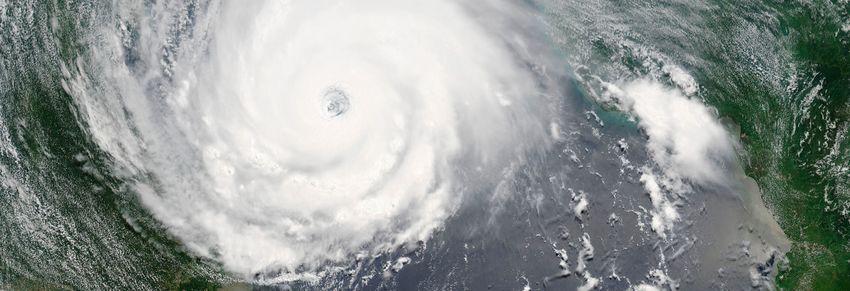
Queensland Business Outlook | Economic outlook

Labour markets                                                                                                   Unemployment rate %
Queensland’s unemployment rate is expected to remain around                                                8%
the national average at about 6% over the forecast period to 2020.
Economic growth is solid, but jobs growth is modest. Gas exports
provide a substantial dividend to the State’s economic growth, but                                           6

does not translate into jobs.

This means a continued focus on job creation is key for supporting                                           4

this repair particularly in regional Queensland.

                                                                                                             2

                                                                                                             0
                                                                                                              Dec                     Dec           Dec       Dec     Dec
                                                                                                              2004                    2008          2012      2016    2020

                                                                                                                      Australia               Queensland

                                                                                                                 Source: ABS, Deloitte Access Economics

International exports                                                                                                International exports
                                                                                                                     Constant price, quarterly % change
Queensland’s international exports have grown by $8.3 billion
                                                                                                            30%
(or 17.0% in nominal terms) to reach $57.1 billion over the year to
February 2017. 1
                                                                                                              20
LNG prices did enjoy a strong rally compared with 2016,
although it is not expected to move the dial on any significant
                                                                                                              10
new LNG investment. Conditions for investment in coal have been
favourable, but this is a similar story to LNG.
                                                                                                                 0
Of the $3.4 billion in projects underway, all are scheduled to
wrap up by the middle of this year.                                                                           -10

                                                                                                              -20
                                                                                                                 Dec                   Dec            Dec      Dec     Dec
                                                                                                                 2004                  2008           2012     2016    2020

                                                                                                                          Australia            Queensland
                                                                                                                     Source: ABS, Deloitte Access Economics

1. Exports of Queensland goods overseas, February 2017, Queensland Government Statistician’s Office (source ABS 5368.0)

06
Queensland Business Outlook | Economic outlook

Tourism                                                                     International tourist arrivals
                                                                            Annual % change
Queensland’s international tourist arrivals are expected to
                                                                      30%
remain solid over the forecast period, averaging 7.4% out to 2020.

Commercial construction continues to be supported by the               20
strength of the tourism sector. Geographic proximity to China,
cheaper flights and an $A that, although on the rise, is well below
                                                                       10
the highs of the past decade, are all encouraging more visitors to
Queensland.
                                                                        0
This has also flowed into investment spending, with hotels and
resorts making up more than two thirds of the total commercial        -10
construction pipeline for Queensland.

                                                                      -20
                                                                        Dec                Dec              Dec             Dec             Dec
                                                                        2004               2008             2012            2016            2020

                                                                               Australia            Queensland
                                                                            Source: ABS, Deloitte Access Economics

                                                                                                                                              07
Queensland Business Outlook | In Focus: Agriculture

In focus: Agriculture

Queensland has both the largest area of                                  Beef                                           What this means for Queensland:
agricultural land of any Australian state                                Over the next four years, the Australian       Re-building the herd is a key focus for
and the highest proportion of land area                                  beef cattle herd is expected to increase to    Queensland farmers given the recent
dedicated to agriculture. Around 30,500                                  26.6 million head, growing at 2% p.a. This     drought across western and northern
businesses are in involved in agricultural                               growth is against the backdrop of a beef       Queensland. Re-stocking demand
activity in Queensland, with agricultural                                cattle herd that had been in decline since     will support prices for younger and
industries contributing more than $10                                    in 2014.                                       store-type cattle.
billion to the state's economy each year.2
                                                                         The Australian Bureau of Agricultural          Although slaughter and saleyard prices
Queensland is the engine room of                                         and Resource Economics and Sciences            could come under pressure as processors
Australia’s beef and sugar industries, and                               (ABARES) expects the weighted average          react to softer export demand for grinding
delivers a significant portion of Australia’s                            saleyard price and export unit value to        beef, the overall outlook for beef exports
cotton crop. Given the promising outlook                                 peak in 2016-17. ABARES forecasts that         remains very favourable with prices and
for these commodities from growing global                                average prices through to 2021-22 will         opportunity primarily due to growing
and Asian demand, Queensland is well                                     remain above $4 per kilogram (saleyard)        Asian demand.
positioned to both benefit and deliver.                                  and $6 per kilogram (live export).
                                                                                                                        The recent approval of additional export-
The following factors will shape the outlook                             Increasing competition from the US into        accredited processing facilities for exports
for three of Queensland’s key export                                     our common export markets and lower US         to China is a favourable development as it
agricultural commodities.                                                import demand for grinding beef (including     will provide additional market access for
                                                                         Australian beef) will increase price           Australian beef.
                                                                         competition for Australian beef. In addition
                                                                         competition from South American beef into      The live export outlook might be at lower
                                                                         China could decrease Australia’s market        volumes than in the past, but with stronger
                                                                         share in this emerging market.                 prices, overall returns for this beef segment
                                                                                                                        are likely (on balance) to be better overall.
                                                                         Live export beef cattle prices are forecast
                                                                         to remain strong, with ABARES expecting
                                                                         2016-17 to reach a peak unit value of just
                                                                         over $1,200 per head. The ‘million head’
                                                                         milestone (which was exceeded in both
                                                                         2014-15 and 2015-16) is not expected to
                                                                         be reached again until 2021-22.

2. https://www.business.qld.gov.au/industries/farms-fishing-forestry/agriculture/overview

08
Queensland Business Outlook | In Focus: Agriculture

Queensland is the engine    Sugar                                           Cotton
                            Australian sugar export earnings are            On a global scale, cotton consumption
room of Australia’s beef    forecast to increase by 10% in 2017-18 due      is exceeding production so leading to a
and sugar industries, and   to incremental crop yield gains and firmer      decline in the stock-to-use ratio. By 2021-
                            global prices.                                  22 the global stock-to-use ratio is expected
delivers a significant                                                      to decline below 60% - the lowest level
portion of Australia’s      Domestic production is forecast to grow         since 2011-12.
                            over the next few years through increased
cotton crop.                planted areas and yields.                       China remains the world’s largest
                                                                            purchaser of raw cotton, but China’s share
                            What this means for Queensland:                 of consumption growth is slowing as lower
                            The key driver is that global consumption       cost Asian textile mills gain market share.
                            of sugar will grow faster than production,      ABARES analysis indicates that China
                            leading to a lower stocks-to-use ratio and      reached ‘peak cotton’ with a stockpile of
                            firmer prices for Australian growers. Local     almost 15 million tonnes in 2014-15. By
                            prices are expected to rise to an estimated     June 2018, China’s stockpile will have fallen
                            A$54 per tonne in 2021-22.                      by a third, despite the nation maintaining
                                                                            its minimum raw cotton import obligation
                            This higher price environment will occur,       of 900,000 tonnes per annum.
                            according to ABARES forecasts, despite
                            increased Queensland production. So             What this means for Queensland:
                            there could be potential in the short-term      Australian cotton growers will benefit
                            to accelerate total Queensland production       from improved irrigation dam levels and
                            through further increases to planted areas      firmer global prices. On that basis, we
                            or increased yield gains.                       expect a significant area of irrigated cotton
                                                                            to be planted next summer. In the event
                            This short-term however will be influenced      of favourable winter and spring rainfalls
                            by the impact of Cyclone Debbie on              during calendar year 2017, the area
                            Queensland cane crops. Current industry         planted next season to dryland cotton
                            estimates of crop damage are $150 million.      could also be higher (although with the
                            However this figure may increase once           appropriate yield differential compared
                            the 2017 harvest, and subsequent milling        to irrigated cotton).
                            activity, gets underway and sugar quality
                            impacts, if any, can be quantified.             The global market dynamic appears to
                                                                            be shifting. While China remains the key
                                                                            import market (at least for the next four
                                                                            years), south-east Asian countries could
                                                                            become increasingly important trading
                                                                            partners for raw cotton.

                                                                                                                           09
Queensland Business Outlook | In Focus: Agriculture

In focus: Agriculture

While the outlook for Queensland’s beef,               •• Value-adding opportunities (such as          •• New free trade agreements with the
sugar and cotton industries is favourable,                shelling, roasting, salting and packaging)      next wave of booming Asian economies
more can be done to exploit trade                         for Queensland macadamia exports,               (such as India) and the United Kingdom
opportunities and position Queensland’s                   particularly for the growing markets in         (following the Brexit decision)
agricultural sector to further benefit from               Japan, China and South Korea
                                                                                                       •• Foster relationships with the emerging
the population-driven demand from Asia
                                                       •• Supply of counter-seasonal produce, such        cotton textile mills in south-east Asia
and the shifting global marketplace.
                                                          as mangoes, to growing Asian markets            and further develop our competitive
                                                                                                          advantage in premium cotton segments
Suggested actions include:                             •• Queensland fresh fruits and vegetables
                                                                                                          and sustainability-produced cotton
                                                          generally would benefit from enhanced
•• Further accreditation of Queensland-
                                                          fruit fly treatment protocols to meet
   based abattoirs for exports to China                                                                Queensland’s agribusiness sector has a
                                                          growing Asian export market demand
                                                                                                       bright future. Our proximity to growing
•• Further development of streamlined
                                                       •• Regular supply of high protein grains        Asian populations and reputation for
   value chains in beef (including cold chain
                                                          and pulses, including mung beans and         quality produce are key differentiators,
   continuity) to China’s consumers
                                                          soybeans, for emerging niche market          the challenge is to make the most of the
•• Ongoing promotion and market                           opportunities especially in Asia. If         specific opportunities identified and
   development of beef into established                   these market opportunities are to be         market positions already established.
   Asian export markets if Queensland is to               developed, then a concerted industry
   protect its current market share in the                development effort is required in
   face of increasing competition from other              Queensland
   significant beef exporting nations

10
Queensland Business Outlook | In Focus: The economic cost and social impact of natural disasters
In focus: The economic
cost and social impact of
natural disasters
Information on all costs of
natural disasters is required
to understand the full impact
of natural disasters on our
communities and the economy
11Queensland Business Outlook | In Focus: The economic cost and social impact of natural disasters
In focus: The economic cost and social
impact of natural disasters
Natural disasters affect economic cost is not well understood. year by 2050 in real terms (Chart ii), even
all states and territories Where data permits, Deloitte has both without considering the potential impact
in Australia. They have an quantified and identified, the social of climate change.
impacts of natural disasters, including
enormous impact on people, those on health and wellbeing, education, Clearly comprehensive information on
the environment and our employment and community networks. all costs of natural disasters is required
communities When considered alongside the tangible to understand the full impact of natural
costs originally highlighted in the Deloitte disasters on our communities and
Since cyclone Debbie hit at the end of Access Economics’ 2013 report Building economy, and the extent to which
March, Queenslanders have yet again felt our Nation’s Resilience to Natural Disasters, expenditure on mitigation and resilience
the effects of a natural disaster. a much richer picture emerges of the total measures is effective.
The category four cyclone wreaked havoc economic cost of natural disasters
over much of the state. In Australia, natural to Australia. The Deloitte report demonstrates the
disasters incur billions of dollars in tangible social costs of natural disasters equal
costs to individuals, businesses and A report led by The Australian Business the more traditionally defined economic
governments. Beyond the known economic Roundtable for Disaster Resilience & Safer costs – and sometimes are even higher.
costs, it is well recognised that natural Communities found that in 2015, the total It is clear that a greater effort should be
disasters also have wide-ranging social economic cost of natural disasters in invested in the preparedness of individuals,
impacts that often persist beyond the an average year - including tangible and in particular long-term psycho-social
immediate high impact for the rest of intangible costs - exceeded $9billion. recovery. This would include community
a person’s life. This is equivalent to about 0.6% of gross development programs and support
domestic product (GDP) in the same year. for areas such as health and wellbeing,
While there is considerable evidence of This is expected to almost double by 2030 employment and education.
social impacts, our knowledge of their ($18bn) and to average $33billion per
2015-50 forecast of the total economic cost of natural disasters, identifying costs of each state
40 $bn (2015 prices)
35
30
25 TAS
ACT
20
NT
15 SA
WA
10
QLD
5 VIC
NSW
0
2015 2020 2025 2030 2035 2040 2045 2050
Source: The Australian Business Roundtable for Disaster Resilience & Safer Communities
12Queensland Business Outlook | In Focus: The economic cost and social impact of natural disasters
The research offers four recommendations planning, to health, and education. individuals, businesses, governments
to help reduce the long-term social impacts This highlights the importance of a and communities.
and economic costs of natural disasters. collaborative effort to build resilience,
including coordinated approaches 04. Further research is needed into
01. Pre- and post-disaster funding that consider all aspects of natural how to quantify the medium
should better reflect the long-term disasters: direct and indirect, tangible and long-term costs of the social
nature of social impacts. and intangible. This collaborative impacts of natural disasters.
The analysis shows that the intangible perspective should be considered While the complex social impacts of
costs of natural disasters are at within planning processes, to ensure natural disasters are undisputed, there
least as high as the tangible costs. disaster resilience is integrated across is currently a lack of consistent data to
Significantly, they may persist over a various portfolios in accordance with reliably quantify the cost. Direct and
person’s lifetime and profoundly affect the National Strategy for Disaster tangible impacts are usually considered
communities. While building resilience Resilience (NSDR). as ‘one-offs’, but intangible social
into infrastructure is important, it impacts tend to persist over time.
should be accompanied by measures 03. Governments, businesses and
to ensure social and psychological communities need to further invest Hence, data collection needs to better
wellbeing. It is crucial that funding and in community resilience programs incorporate this temporal component
policies acknowledge the long-term that drive learning and sustained to track and fully appreciate the long-
social impacts of natural disasters. behaviour change. term effects of natural disasters. The
It is clear that funding disaster report shows that the social impacts of
02. A collaborative approach involving mitigation measures should focus on natural disasters tend to be multiple and
government, business, not-for- building physical infrastructure such interrelated. Importantly, the experience
profits and community is needed as flood levees as well as funding social of grief and trauma varies from person
to address the medium and and psychological measures. This to person. It is therefore necessary
long-term economic costs of the would include community awareness, to understand both the primary and
social impacts of natural disasters. education and engagement programs secondary impacts of natural disasters on
Individuals, businesses, governments that enhance social capital by building individuals and communities.
and communities all feel the social social networks and connections.
impacts of natural disasters. These While these preventative measures For more information regarding this report
impacts are complex and touch all require up-front funding, they yield a go to: The economic cost of the social impact
levels of government and cross all return on investment by lessening the of natural disasters
portfolios, from infrastructure and overall impact of a natural disaster on
13Queensland Business Outlook | Deloitte Access Economics is one of Australia’s leading economic consultancies.
Deloitte Access Economics is one of
Australia’s leading economic consultancies
To find out more about what Deloitte Business outlook Investment monitor
Access Economics can do for you, please Business Outlook, released quarterly, is The quarterly Investment Monitor
visit our website www.deloitte.com/au/ specifically designed for business analysts lists around 900 Australian investment
deloitte-access-economics and strategic managers. Subscribers to projects, each valued from $20 million.
the standard hard copy or electronic Projects are divided by State, sector and
Our team produces a number of highly subscription are also eligible to purchase status (ie, possible, under consideration,
regarded subscription publications aimed the Business Outlook on CD. The CD committed, under construction).
at giving clients a leading edge by providing subscription contains forecasts out ten The publication also contains commentary
in-depth economic analysis. A description years, in quarterly, calendar and financial on industry trends, and company contact
of each publication is presented below. year formats as well as detailed history and details for those companies involved in
charts, all in excel. the projects.
Budget monitor
Budget monitor is the leading source of Employment forecasts Retail forecasts
accurate and independent private sector Employment Forecasts, released quarterly, Retail Forecasts, produced quarterly,
projections of Federal budget trends provides forecasts and commentary for provides detailed analysis of current retail
in Australia. Budgets are analysed and each industry, plus white collar, blue collar sales and consumer spending. Included
projections made, including detailed and office demand index (where the latter are National retail forecasts, retail sector
estimates of future spending and revenue draws on the ‘office intensity’ of each forecasts, State retail forecasts, disposable
levels. Budget Monitor is prepared twice a industry). There are three levels of data income, non-income influences on retail
year, prior to the Mid-Year Review and the available: State, City and CBD. Employment spending and broader macro-economic
Budget itself. Forecasts is particularly useful in the influences. An annual subscription
analysis of property market demand. includes four quarterly reports plus Excel
spreadsheets including 10 year forecasts
and charts.
14Queensland Business Outlook |Contacts
Contacts
Chris Richardson Mark Ingham Michael Kissane
Partner, Deloitte Access Economics Partner, Deloitte Access Economics Partner, Deloitte Access Economics
chrichardson@deloitte.com.au mingham@deloitte.com.au mkissane@deloitte.com.au
+61 2 6263 5075 +61 7 3308 7206 +61 7 3308 7246
Natasha Doherty Luke Baxby
Partner, Deloitte Access Economics Partner, Deloitte Access Economics
ndoherty@deloitte.com.au lbaxby@deloitte.com.au
+61 7 3308 7225 +61 7 3308 7202
Contributors
Rob McConnel
Jacquelyn White
Mathew Thomas
Nathan Brierley
Deloitte Access Economics
123 Eagle Street
GPO Box 1463
Brisbane QLD 4001 Australia
+61 7 3308 7000
www.deloitte.com.au
15This publication contains general information only, and none of Deloitte Touche Tohmatsu Limited, its member firms, or their related entities (collectively the “Deloitte Network”) is, by means of this publication, rendering professional advice or services. Before making any decision or taking any action that may affect your finances or your business, you should consult a qualified professional adviser. No entity in the Deloitte Network shall be responsible for any loss whatsoever sustained by any person who relies on this publication. About Deloitte Deloitte refers to one or more of Deloitte Touche Tohmatsu Limited, a UK private company limited by guarantee, and its network of member firms, each of which is a legally separate and independent entity. Please see www.deloitte.com/au/about for a detailed description of the legal structure of Deloitte Touche Tohmatsu Limited and its member firms. Deloitte provides audit, tax, consulting, and financial advisory services to public and private clients spanning multiple industries. With a globally connected network of member firms in more than 150 countries, Deloitte brings world-class capabilities and high-quality service to clients, delivering the insights they need to address their most complex business challenges. Deloitte has in the region of 200,000 professionals, all committed to becoming the standard of excellence. About Deloitte Australia In Australia, the member firm is the Australian partnership of Deloitte Touche Tohmatsu. As one of Australia’s leading professional services firms, Deloitte Touche Tohmatsu and its affiliates provide audit, tax, consulting, and financial advisory services through approximately 6,000 people across the country. Focused on the creation of value and growth, and known as an employer of choice for innovative human resources programs, we are dedicated to helping our clients and our people excel. For more information, please visit Deloitte’s web site at www.deloitte.com.au. Liability limited by a scheme approved under Professional Standards Legislation. Member of Deloitte Touche Tohmatsu Limited © 2017 Deloitte Touche Tohmatsu. 054379_SA_MCBD_SYD_Queensland Business Outlook
You can also read


