Ambition & Opportunity - A Strategy for Public Libraries in Scotland 2015-2020 - The Scottish Library & Information ...
←
→
Page content transcription
If your browser does not render page correctly, please read the page content below
Ambition &
Opportunity
A Strategy for Public Libraries in Scotland 2015-2020

About the Scottish Libraries and Information Council
    The Scottish Library and Information Council (SLIC) is the independent advisory body
    to the Scottish Government on library and information services. SLIC offers leadership
    focus and support to the Scottish library and information sector, coordinating and
    promoting national service developments to benefit Scotland’s people and enrich our
    cultural, educational and economic landscape. www.scottishlibraries.org

    About the Carnegie UK Trust
    The Carnegie UK Trust works to improve the lives of people throughout the UK and
    Ireland, by changing minds through influencing policy, and by changing lives through
    innovative practice and partnership work. The Carnegie UK Trust was established by
    Scots-American philanthropist Andrew Carnegie in 1913. www.carnegieuktrust.org.uk

    June 2015

b   Ambition & Opportunity
Contents
Chair’s Introduction                                                                                          2

About the National Strategy for Public Libraries in Scotland Strategic Group                                  4

Developing the National Strategy                                                                              5

Visual Executive Summary                                                                                      6

1.    2015-2020: Challenges & Opportunities                                                                   8

2.    Vision, Aims and Objectives                                                                            13
      Strategic Aim 1: Libraries promoting reading, literacy and learning                                    14
      Strategic Aim 2: Libraries promoting digital inclusion                                                 18
      Strategic Aim 3: Libraries promoting economic wellbeing                                               22
      Strategic Aim 4: Libraries promoting social wellbeing                                                 25
      Strategic Aim 5: Libraries promoting culture and creativity                                            30
      Strategic Aim 6: Libraries as excellent public services                                                33

3.    Leading the Delivery of the Strategy                                                                   37

4.    Recommendations                                                                                       40

5.    References                                                                                             41

                                                                            A Strategy for Public Libraries in Scotland 2015-2020   1
Chair’s Introduction

    Map and compass                                           Beyond ‘warehouses for books’
    A strategic approach to the future of public              The 21st century public library has to position
    libraries in Scotland needs to provide both a map         itself in a world where immense amounts of
    and a compass: a map to show the terrain ahead;           knowledge, information and culture can be accessed
    and a compass to set a clear direction of travel. We      almost instantaneously, ‘24 hours a day’ through
    aim to be realistic about the challenges which may        smartphones, tablets and computers. The old
    be before us, and to provide suggestions about            business model for public libraries was based
    how the public library service can be equipped to         on the aim of providing collections of material –
    tackle this terrain, showing how they can plot a          ‘warehouses for books’. Books were expensive and
    way through the ever-changing territory which is          in short supply. The job of the public library was to
    the future. To this end, we hope to strengthen the        provide a civic solution to this social problem. Public
    role of libraries in their local communities, while at    libraries have been extraordinarily successful over
    the same time encouraging stronger partnerships,          the last 150 years. They have collected information
    stimulating innovative practice and promoting             and knowledge in written form and made it
    shared learning. We have worked hard to sift              available, free of charge, to anyone who needed it.
    through the evidence and views of library funders
    and providers, users and non-users of public              The library promise, their social contract with the
    libraries. We have learned from library services in       public, now needs to be refreshed and updated.
    other jurisdictions of the UK and further afield.         The best libraries are changing their model from
                                                              safeguarding and lending information to actively
    The strategy builds on the high regard which              helping citizens improve their wellbeing by pursuing
    people in Scotland have for public libraries, and         their interests, aspirations and potential.
    sets out recommendations for all those involved:
    Scottish Government, local authorities, library           We need to accelerate this progress, to promote
    services, library staff, publishers and more.             effectively and then replicate the pioneering
                                                              developments already taking place. This way, libraries
    Scotland is rightly proud of its strong tradition         will continue to be relevant and useful, even sought
    of public library provision, supported in the             after, as we move further into the 21st century.
    early years by the Scots-American philanthropist
    Andrew Carnegie. Carnegie’s vision for public             Some people have told us that the future of
    libraries was that they opened opportunities for          libraries lies in physical books. They are only
    education and advancement by providing access to          partly right. Books will remain an important part
    books containing a huge wealth of information and         of the future of libraries. However, in our view
    knowledge not otherwise available.                        it is essential that libraries contribute directly
                                                              and creatively to supporting the aim of local
    Libraries and local government have built on this         government, which is to enable local people and
    tradition over many decades, providing access to          communities to flourish. This should be their
    ideas, knowledge and information for everyone in          clear, shared mission, in partnership with local
    the community, no matter what their circumstances.        government.
    Public libraries in Scotland constitute a valued and
    trusted resource at the heart of local communities.
    These communities in their turn can and should play       Most popular civic resource
    a central role in the design and delivery of library      Public libraries constitute an extensive network of
    programmes and services, exploring the new ways           known public spaces, free at the point of access,
    in which public libraries can interact with their local   with dedicated staff, where all members of the
    communities in the digital age.                           community can go. The fact this network exists

2   Ambition & Opportunity
is of great credit both to the stewardship of         A strategic
local government and to the culture generated
by library staff. Local government has by a           approach to public
combination of deliberate design and happy
accident created and maintained these spaces          Libraries in Scotland
and library staff have in turn innovated and
developed services. With 28 million visits each
year public libraries remain extraordinarily                        VISION
popular. They are the most popular civic
resource that local government offers.                              statement
                                                      Scotland’s public libraries are trusted guides
                                                      connecting all of our people to the world’s
Outcome focus                                         possibilities and opportunities.
My hope is that an agreed and widely supported
national strategy for public libraries will:

•	Reinvigorate advocates for public libraries and                  MISSION
   encourage them to forge links with ‘unusual
   friends’.                                                        statement
•	Align and make explicit the wide range of          Scotland’s public libraries are part of a
   activities provided by library services with the   shared civic ambition to fulfil the potential of
   priorities of funders and decision-makers.         individuals and communities.
•	Support library service to become even more
   active and confident partners with other
   services.
•	Encourage librarians to be vocal leaders
   in the digital age on access to information,
                                                                    Outcome
   intellectual freedom and freedom of                              statement
   expression.                                        Every step individuals and communities
•	Embrace an evidence-based and                      take towards fulfilling their potential
   measurement-rich culture.                          adds to Scotland’s social, economic and
                                                      cultural wellbeing.
Martyn Evans
Chair

                                                               A Strategy for Public Libraries in Scotland 2015-2020   3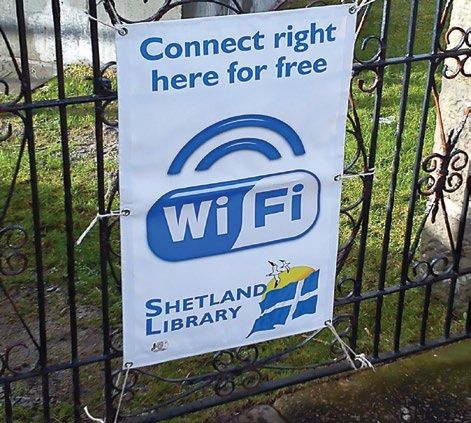
About the National Strategy for Public
    Libraries in Scotland Strategic Group

    The Scottish Library and Information Council              • Cleo Jones, Manager, Information and Learning
    (SLIC) was asked by the CoSLA Arts and Culture               Resources, City of Edinburgh Council
    Working Group to take forward the development             • Martina McChrystal, Acting Library and
    of a national strategy for public libraries in               Information Services Manager, City of Edinburgh
    Scotland. SLIC convened a strategic group – the              Council
    National Strategy for Public Libraries in Scotland        • Louise Macdonald, CEO, Young Scot
    Strategic Group – which has been tasked with the          • Ian McKay, Regional Chairman, Institute of
    development of a National Strategy for Scotland’s            Directors (Scotland)
    public libraries. The group is chaired by Martyn          • Helen Milner, Chief Executive, Tinder Foundation
    Evans, Chief Executive of the Carnegie UK Trust,          • Sophie Moxon, Deputy Director, Scottish Book
    and comprises members with expertise from                    Trust
    within the library profession and from other              • Jenny Niven, Portfolio Manager – Literature,
    sectors and backgrounds relevant to the issue such           Publishing and Languages, Creative Scotland
    as digital and the third sector.                          • Jenny Peachey, Policy Officer, Carnegie UK
                                                                 Trust
                                                              • Peter Peacock, Policy Director, Community
    The members of the Strategic Group are:                      Land Scotland
    • Martyn Evans, Chief Executive, Carnegie UK             • Robert Ruthven, Director, Library Services,
        Trust (Chair)                                            Glasgow Caledonian University
    • Amina Shah, CEO, SLIC                                 • Marion Sinclair, CEO, Publishing Scotland
    • Gillian Daly, Policy & Projects Officer, SLIC until   • Claire Stevens, Chief Officer, Voluntary Health
        December 2014                                            Scotland
    • Trish Caimbeul Botten, Manaidsear,                     • Rosemary Ward, Director, Gaelic Books
        Leabharlainn agus Oighreachd (Manager                    Council
        Libraries & Heritage), Comhairle nan Eilean Siar
    • Duncan Campbell, Deputy Chief Executive,
        National Library of Scotland                          Observers:
    • Jeanette Castle, President, Chartered Institute of     • A nne Dagg, Policy Officer, Scottish Government
        Library and Information Professionals in Scotland     • Caroline Johnston, Policy Manager, COSLA
        (CILIPS)

4   Ambition & Opportunity
Developing the National Strategy

The national strategy has been informed by a            Presentations
process of engagement including independent             A range of library and non-library stakeholders
deliberative research, a questionnaire to gather        were solicited for their expertise. Presentations
views, presentations by a range of stakeholders,        included an overview of current approaches in
and a series of visits to public libraries.             Nordic countries, the Society of Chief Librarians’
                                                        universal offers in England, digital participation in
                                                        Scotland, reading, e-reading and publishing, and the
Independent Research                                   National Entitlement Card.
Blake Stevenson was commissioned to conduct
deliberative research with users and non-users
of libraries. Focus groups were conducted with          Library Visits
people across Glasgow, Dundee, Duns, Bathgate,          The Chair and group members conducted a series
Elgin, Greenock, Dingwall and Edinburgh. The            of visits to public libraries across Scotland, including
final research report can be accessed on the            Edinburgh, Glasgow, the Highlands, Perth and
Scottish Library and Information website:               Kinross, Dundee, the Western Isles, and Dumfries
www.scottishlibraries.org                               and Galloway. The visits enabled group members
                                                        to hear the views of library staff and stakeholders,
                                                        build on the understanding gained from responses
‘Your Views on Scottish Public Libraries’              to the questionnaire, and experience current good
A questionnaire was distributed to key                  practice in libraries.
stakeholders and promoted via social media to
gather views on what public library services in         The group is grateful to everyone who gave their
Scotland should look like; what its visions, values     time and energy to discuss the future of public
and aims should be; the services it should deliver      libraries with us during this process.
and the skills staff will require; the practicalities
of how and with whom services could best be             A special acknowledgement goes to Liz Macdonald,
delivered; and measuring and evidencing the             Carnegie Associate, for her insight and expert
impact of public libraries. The questionnaire and       support.
overview of responses can be accessed on the
Scottish Library and Information website:
www.scottishlibraries.org

                                                                       A Strategy for Public Libraries in Scotland 2015-2020   5
Visual
    executive                                              strategic aim 1
                                                           Reading, literacy and learning
    summary

                                                           strategic aim 2
                                                           Digital inclusion

                                                           strategic aim 3
                                                           Economic wellbeing

           VISION                 MISSION                  strategic aim 4
          Scotland’s public        Scotland’s public       Social wellbeing
       libraries are trusted    libraries are part of a
       guides connecting all    shared civic ambition
       of our people to the      to fulfil the potential
        world’s possibilities      of individuals and
         and opportunities           communities

                                                           strategic aim 5
                                                           Culture and creativity

                                                           strategic aim 6
                                                           Excellent public services

6   Ambition & Opportunity
Recommendations                                      national outcomes
Ensure access to library services for all
citizens using new technology

Develop and promote the core offer                    We have tackled the significant inequalities in
from public libraries in Scotland                     Scottish society
                                                      We are better educated, more skilled and
Develop Scotland-wide digital access resources        more successful, renowned for our research and
                                                      innovation
Ensure WiFi is available and
accessible in all public libraries

Develop partnerships with advice services,
job centres and enterprise organisations
                                                      We realise our full economic potential with
Mainstream activities to improve STEM skills          more and better employment opportunities
                                                      for our people
Test and replicate provision of
co-working spaces for small businesses

Create strong national, regional and local
partnerships with all public services and
community planning partners

Share best practice on how to create effective
and accessible public service or community hubs       We live longer, healthier lives
                                                      We have improved the life chances for
Build on current practice to beome champions          children, young people and families at risk
of community engagement and empowerment

Develop guidelines on the appropriate
use of volunteers

Develop and strengthen national, regional and local
partnerships with arts and culture organisations

Pilot a collaborative venture to provide              We take pride in a strong, fair and inclusive
access to eBooks from Scottish publishers             national identity

Support librarians to become effective voices
for freedom of information and expression

Continue to develop methods for reporting
on the impact and outcomes of library activities
through ‘How Good is Our Public Library Service?’

Develop and implement a learning and
development programme for all library staff           Our public services are high quality, contiunally
                                                      improving, efficient and responsive to local
Explore alternative approaches to                     people’s needs
generating financial investment

Engage proactively with models for efficient
procurement of goods and services at national level
                                                                  A Strategy for Public Libraries in Scotland 2015-2020   7
1. 2015-2020: Challenges & opportunities

    1.1 Libraries now and in the future                    Reading is the most popular form of cultural
    Scotland’s public libraries have adapted and           participation in Scotland, with 68% of adults having
    evolved for over 150 years to connect individuals      read for pleasure in 2013, roughly three times more
    and communities to information, knowledge and          than the next most popular activity, creative work
    culture. The service is universally recognised and     on a computer or on social media1. Libraries were
    highly regarded across Scotland.                       the cultural venue which was most often visited on
                                                           a weekly basis. Deliberative research carried out
    Public libraries provide a highly valued universal     to inform this strategy confirmed the key statistics
    service to the people of Scotland: a service           by identifying the library services that the public felt
    which at its heart is about opening up a world         are most important to them (Figure 2). The role of
    of opportunity for everyone. It is intimately          libraries in providing book lending and computer and
    linked with the promotion of literacy through the      IT services is clear. Many recognised the role of the
    encouragement of reading. It is a central point of     library in community life and referred to using the
    access to an incredibly wide range of information      library to find out about local events and groups.
    and knowledge, open to all, with the benefit of
    qualified staff to support those who need help in      We are committed to the aspiration that over the
    identifying what they need or what it means.           next five years the public library service in Scotland
                                                           will continue to be open to everyone in Scotland,
    Public libraries operate both as social change         accessible to all, and one which:
    agents and as a key strand in the social safety net,
    providing essential lifelines to jobs, educational     • Encourages reading for pleasure and recreation,
    opportunity, literacy, health resources and access       enables discovery, and promotes literacy and
    to government and community services for all,            lifelong learning.
    especially the least advantaged.                       • Supports individuals in relation to their
                                                             economic wellbeing, their health, their cultural
    Public libraries provide the space in which a very       opportunities and their social wellbeing.
    wide range of activities can take place: spaces        • Promotes the use and understanding of digital
    for learning; spaces for meeting; spaces for local       for all.
    services; spaces for innovation and creativity.        • Strengthens the identity of the community in
                                                             which it is based, and is valued by its community
                                                             for the range of services it provides access to.
                                                           • Collects, curates and makes available
                                                             information, knowledge, ideas and works of
                                                             imagination.

             Libraries provide a neutral,                  These five roles are already played by most public
         safe and welcoming space for                      libraries, and they will continue. The challenges
                                                           for public libraries will be to fulfil and measure the
       all members of the community to
                                                           impact of these roles given the increasingly fast rate
       come and sit, read, learn, discuss,
                                                           of digital change and the need to be responsive to
       debate, meet, be entertained, be                    local community needs.
        informed, research, discover.
             RESPONDENT TO CONSULTATION

8   Ambition & Opportunity
FIGURE 1: KEY FACTS ABOUT PUBLIC LIBRARIES IN SCOTLAND2
Over 600 423 + 1,839
libraries and other service points Staff with library qualifications
(such as mobile libraries) + other staff
61% £166
of the public use libraries, annual return on investment per user,
higher than in England and Wales at a cost of £21 per head of population
20,000,000 IMPORTANCE
books loaned every year, Those living in disadvantaged
more than the number sold areas are more likely to say libraries
every year in Scotland are important to them
28 mILLION 9 MILLION hours
physical visitors in 2013/14 of internet access provided in 2013/14
13.6 mILLION 1,848
virtual visits in 2013/14, with virtual visits increasing volunteers working in public libraries across Scotland
200+ courses NETWORK
Provided to support Public libraries constitute a powerful network
digital skills development supporting sharing of learning and best practice
A Strategy for Public Libraries in Scotland 2015-2020 9FIGURE 2: KEY SERVICES USED IN LIBRARIES
Book Computer Newspapers
lending & IT facilities & magazines
Reference materials Other lending (CDs, DVDs, Children’s activities
(e.g. local history archives) audiobooks, eBooks) (e.g. Bookbug, links to schools)
Quiet space Reading Employment
for study groups support
1.2 Why we need a national strategy This is the context within which a new strategy
The time is right to articulate a shared national for public libraries in Scotland must be placed. In
vision for public libraries and a strategy for how parallel with this changing policy environment,
that vision will be achieved. As with other public there has been growing interest in ‘bottom up’
services in Scotland, this is a time of significant ways of working that give citizens and communities
transition and change. As financial and demographic more control. For example, The Community
pressures bite harder, governments in the UK Empowerment (Scotland) Bill provides a strategic
and in other OECD countries are realising that framework for empowering Scotland’s people,
traditional models of public service delivery require improving outcomes and further enabling local
rethinking if we are to ‘weather the storm’3. level decision-making, and the purpose of COSLA’s
Commission for Strengthening Local Democracy is
In response to these challenges, and in the wake of to identify a route map to deliver a shift in power
the Christie Commission, the Scottish Government towards local people in Scotland5.
set out its approach to public service reform as
follows: Public services continue to face financial pressures
and it is a welcome fact that local government
• A decisive shift towards prevention. spend on libraries has dropped by only 2% between
• Greater integration of public services at a local 2007/8-2013/146. It is likely that Scottish local
level driven by better partnership, collaboration authorities will face increasing financial pressure
and effective local delivery. over the next few years, and there is no room
• Greater investment in the people who for complacency that there will not be further,
deliver services through enhanced workforce potentially more severe reductions in spending
development and effective leadership. capacity. This strategy is based on the expectation
• A sharp focus on improving performance, that there will be increasing pressure on local
through greater transparency, innovation and authorities to reduce their spending levels, and to
use of digital technology4. prioritise the services they fund. This is a challenge
10 Ambition & Opportunitywhich library authorities have already been information and local resources, but increasingly
facing over the last few years, with many creative in the next five years people will visit libraries not
responses and new partnerships as a result. to borrow material but to participate in learning
programmes, take part in creative activity, join
However, it is a strength of the public library sector groups, and seek guidance and expertise from
that their level of funding is very small relative to library staff and from other partners providing
other sectors, as the following diagram shows services in the library space.
(Figure 3). Libraries represent incredibly good value
for money in terms of the scale of their impact on Libraries’ ability and potential to support free of
local communities. They punch way above their charge, lifelong learning and to promote economic
weight and they have the invaluable advantage of wellbeing and social outcomes puts them in a
public trust and support. strong position to play a key role in improving
access to opportunities for all of us, including the
While much of the UK debate focuses on the most vulnerable, and in alleviating the increasing
reduction in the number of libraries it is important pressure the expanding and ageing population will
to note that since 2009/10 there has been only have on public services.
a small decrease in the number of libraries in
Scotland. 13 library service points (open 10 hours The impact of digital technology creates both
or more, including mobiles) have closed since challenges and opportunities for public libraries.
2011/2012; over the same time period 120 service The digitisation of information, literature and
points have closed across the UK 7. Reductions in learning resources means a radical change in the way
budgets have been more likely to lead to reduced people search, access and explore information and
opening hours, stock purchases and staff numbers gain knowledge. Access to the internet and digital
than to closures. A decrease in opening hours technology is now an essential facet of 21st century
makes the service less accessible to its users, and life, and something which now underpins everything
creates a cycle of decline which contributes to a public library does. This technology provides new
falling book lending figures. A positive case for the opportunities for democratic and civic participation,
future of Scotland’s public libraries is required to more choice, enhanced access to knowledge,
avoid the risk of ’death by a thousand cuts’. information and entertainment and quicker and
easier forms of communication. At the same time it
In this climate, public libraries have an opportunity is clear that many people need considerable support
to re-present themselves to the public and to to guide and navigate the digital world effectively
policy makers as centres of learning, innovation
and creativity, places which can provide answers
to problems, proactively support policy goals and
create inspiring settings where people can acquire
new skills, and where stronger, more vibrant
communities can be supported.
There is a historic perception
We must articulate a clear, relevant and positive
that libraries are about borrowing
role for public libraries in Scotland in the 21st
century. Libraries themselves are in a period of
books... and they’ve moved on
transition, continuing to support book-based dramatically...the library service has
services while at the same time moving their library been unable to get that reality over
services online. Library spaces will still house and to the wider population.
provide physical and unique materials, as a key RESEARCH PARTICIPANT
part of their role as custodians and curators of
A Strategy for Public Libraries in Scotland 2015-2020 11FIGURE 3: SPENDING PER HEAD OF POPULATION 2012-138
ECONOMIC
development
£197
agriculture
& fisheries
£197
Education
HEALTH & training
£1440
£2124
Social
libraries
services
£21 £861
and maximise the benefits that it offers. Libraries future success of public libraries will be determined
have a critical role in supporting people to do this. by how successfully they respond to the changing
Librarians must have an increasingly important needs and aspirations of its community, and to the
role as visible and vocal champions of freedom of constantly evolving digital world.
information and free expression at both local and
national levels. This can be a difficult and challenging Our strategy shows how the service can move
responsibility to fulfil and librarians need peer and to this endpoint: outlining the kind of measures
professional association support to be effective. which will need to be taken to create an efficient,
effective, people-centred public library service
This time of transition and change will involve in the digital age. The vision, strategic aims and
developing exciting opportunities for libraries to recommendations are set out in section 2. Section
contribute to the economic and social health of 3 outlines some of the mechanisms and processes
their communities, and to make and demonstrate which will be needed to achieve these ambitions.
this contribution in new and powerful ways. The
12 Ambition & Opportunity2. Vision, aims and objectives
This strategy begins with a shared, consistent and As well as alignment between local and national
convincing vision about what libraries can achieve policy goals, Scotland also benefits from alignment
and their unique and vital contribution in a modern, between different public services and the third
progressive, democratic society. The National Strategy for sector through Community Planning Partnerships
Public Libraries in Scotland Strategic Group took evidence (CPPs). Evidence received by the Group and
from the public, libraries, experts and professional bodies. our study trips to libraries around Scotland
In taking this evidence we were interested in discerning consolidated for us the important role of CPPs in
the different perspectives on what libraries could and leading public service change in local areas. Our
should be in the future. From this evidence we set out a ambition is that this strategy helps local library
vision for public libraries in Scotland. services advocate for the important role that
they can and do play in meeting local and national
This vision is aligned to the National Performance outcomes.
Framework supported by six strategic aims which
outline the key areas for development over the next The Scottish Library and Information Council’s How
five years. In taking forward the strategy, the National Good is our Public Library Service?9 refers to the role
Strategy for Public Libraries in Scotland Strategic Group of whole library services within a local government
also makes a number of recommendations to deliver area in relation to the Scottish Government’s
the strategic aims (see Figure 4). National Performance Framework. The overarching
purpose of the Scottish Government is linked with
This strategy is a catalyst for the changes which are 16 national outcomes, many of which are directly
necessary to ensure that the service remains meaningful relevant to the work of the library strategy. In
and useful to citizens, is cost-effective and reflects our deliberations, we found it useful to locate the
the policy aims of local and Scottish Government. By aims of a national strategy for libraries in relation
addressing the particular needs of their communities, to the relevant national outcomes. We were also
public libraries contribute to the effectiveness of influenced by the Scottish Digital Strategy10. In the
local government in meeting their Single Outcome next sections, we outline six strategic aims and our
Agreements and helping to meet the national policy goals recommendations for action to meet the ambition
set out in the National Performance Framework. of our vision statement.
FIGURE 4: A STRATEGIC APPROACH TO PUBLIC LIBRARIES IN SCOTLAND
strategic aim 1
Reading, literacy and learning
VISION
statement strategic aim 2
Digital inclusion
Scotland’s public libraries are
trusted guides connecting all of our
people to the world’s possibilities strategic aim 3
Outcome
and opportunities. Economic wellbeing statement
Every step individuals and
communities take towards
strategic aim 4
MISSION Social wellbeing
fulfilling their potential adds to
Scotland’s social, economic and
statement cultural wellbeing.
Scotland’s public libraries are part strategic aim 5
of a shared civic ambition to fulfil Culture and creativity
the potential of individuals and
communities.
strategic aim 6
Excellent public services
A Strategy for Public Libraries in Scotland 2015-2020 13STRATEGIC AIM 1: Libraries promoting
reading, literacy and learning
STRATEGIC AIM Public libraries in Scotland promote education and learning for all, develop a
culture of reading for pleasure, offer support for everyone from early years
to older people, and enable people to make informed choices.
RECOMMENDATIONS Ensure access to library services for all citizens using new technology.
Develop and promote the core offer from public libraries in Scotland.
RELEVANT NATIONAL We have tackled the significant inequalities in Scottish society.
OUTCOMES We are better educated, more skilled and more successful, renowned for
our research and innovation.
RELEVANT NATIONAL • Improve the skills profile of the population
INDICATORS • Improve levels of educational attainment
• Widen the use of the internet
Universal access in the 21st Century both users and non-users surprised at the range
It is one of the fundamental defining characteristics of services on offer at their local library. The lack
of the public library service that they are open to of awareness about libraries’ services means that
all. No-one is turned away from a public library, the service is being misunderstood and under-used
no joining fee is required, and anyone can make by individuals, groups and communities who could
use of the library space. It is essential that this is benefit from it.
preserved.
Promotion of public library services will be done
There are a number of ways in which libraries can both nationally, locally and in respect of individual
develop to ensure that they are providing universal libraries. At national level, there will be potential
access in a digital world including implementing to further promote national services such as
one library card for the whole of Scotland, possibly the Scottish Reading Strategy as well as national
linked with the National Entitlement Card or campaigns or initiatives, focusing on particular
an app or similar and creating a mechanism for aspects of libraries’ work – such as libraries and
automatic library enrolment from birth. health – in particular years.
Consistent and effective promotion of public library
Promoting the ‘core offer’ of library services services is easier when there is some range of
Like any service in the 21st century, whether in the consistent service available in all parts of Scotland.
public or private sector, public libraries need to let This underlines the importance of there being a
people know what they are offering and how their core offer from all public libraries in Scotland, for
service can be accessed. Research with the public example with universal WiFi and eBook provision.
underlined the fact that many people are unaware Where libraries across the country can agree to
of services currently available in local libraries, with provide a standard level of service, this will allow
14 Ambition & OpportunityIt is important culturally and
socially that people should have
access to information and books
and learning, that it makes a better
society than without.
RESEARCH PARTICIPANT
Case study:
the service to promote their offer to the public, as Orkney
well as to partners and stakeholders who might
benefit from partnerships with libraries. Orkney Libraries have been nominated
for the prestigious Bookseller Industry
We are recommending that the Scottish Award, Library of the Year 2015. Their
Government, local government and stakeholders creative and engaging Twitter feed with over
continue to develop national programmes or 16,000 followers has gained the small island
initiatives with a view to providing resources to international recognition:
all public libraries creating a clear ‘core offer’ to
promote consistency in the key areas of activity, “We started using Twitter as we felt it
including learning, reading and literacy, economic would be a good way of communicating with
wellbeing and digital inclusion. our members and the wider community.
Twitter gives us the opportunity to raise
the awareness of the library and its services
among the community. We thought it might
in some way help to change the stereotypes
people might have about libraries, and allow
us to show a more fun side of the service. “
“What we hadn’t thought about was how
beneficial it would be for the service in terms
of direct contact with authors, publishers,
journalists etc. We have had author events
that have pretty much been organised through
Twitter. Serving a community scattered across
various islands means we can use Twitter to
promote our online services that people can
access from home. They can share photos and
content from events we have in the library, or
advise people of changes to the mobile library
timetable. It has become an essential part of
what we do as a library.”
www.buzzfeed.com/alanwhite/real-talk-
who-doesnt-dress-as-whitesnake-once-a-
week#.tlByOPkGkK
A Strategy for Public Libraries in Scotland 2015-2020 15Case Study:
Appiness
North Ayrshire’s Appiness project, funded by
the Public Library Improvement Fund, supports
early years learning through encouraging
parents to try educational apps with their
pre-school children. Library staff use a range
of devices (laptops, iPods, e-book readers
and iPads) to teach very young users how
to interact with apps that support literacy,
numeracy, science, technology, music and art. Public libraries in the USA have found increasing
Over 100 apps were identified, ranked by levels of attendance and involvement in their
popularity and tested by the staff for user- programmes of activity, sometimes alongside falling
friendliness and functionality. The apps used levels of book borrowing. Public library services will
were refined throughout the project based on continue to develop programmes of activity which
popularity and participants’ feedback. meet the needs of their community. They are likely
to include things like:
Since instigating the Appiness project library
staff has seen real enthusiasm and a growth • Reading activities and literacy programmes
in confidence in parents who often buy the • Digital skills – activities and programme which
apps and devices once they see the education respond to the needs of their community
benefits for their children. In this way, the • Support for new business and enterprise –
project provides a shared learning experience providing information resources, spaces for
which brings parents/carers and children co-working, advice for new start-ups, meeting
closer together. spaces, WiFi
• Support for jobseekers – job clubs, IT training
Appiness was shortlisted for the 2015 EDGE • Support for those seeking welfare benefits
award in the digital library category. • Services for older people and people with dementia
• Health and wellbeing – information on health
issues, bibliotherapy, providing space for health
advice
• Access to local services – services available in
the library at specified times
• Local and family history – resources, courses,
advice
• Cultural activities – music, drama, art, literature
• Access to local and national government services
Literacy and reading
Scotland needs an even better educated, more
literate and more skilled population. This is
important for many reasons: it provides access
to job opportunities; it leads to better health;
contributes to higher levels of wellbeing; and
provides the building blocks for creating a more
equal society for all. Literacy is one of the key
16 Ambition & Opportunitycontributors to wellbeing: financial literacy and commit to providing, thereby gaining the benefit of
health literacy are two examples of areas in which resources to support this. The role libraries play in
the ability to understand information and to literacy is reflected in the Scottish Government’s
respond to that information can bring clear benefits Read, Write, Count programme, which aims to
to the individual. create a fairer future for Scotland’s children through
nurturing reading, writing and counting in early
Given the abundance of studies and statistics linking years.
improved literacy to health and wellbeing, lower
levels of crime, social mobility and attainment, It has always been a central part of the role of
there are clearly enormous benefits to having a public library to inspire people through books
a highly literate population. One aspect of the and literature. Libraries are the only place in
response of Scottish public libraries has been contemporary society where everyone, regardless
the development of a Scottish Reading Strategy, of age, social demographic, or level of education
which is similar to the national reading offer has free access to books.
developed in England by The Reading Agency and
the Society of Chief Librarians. It constitutes a Libraries are not alone in seeking to promote
national programme which local library services can learning and literacy, but have a unique and distinct
role as a place where people of all ages, including
those who have missed out on formal education
can come seeking to learn. Libraries can play a
complementary role to the education service,
working with local schools and organisations such
as the Scottish Book Trust, Creative Scotland and
The Reading Agency to support reading initiatives
in a variety of settings. Entering into closer
collaboration and partnership with the education
service could also enable public libraries to make
better use of resources, share best practice and
increase awareness of the facilities available for
literacy, learning and skills for life.
A Strategy for Public Libraries in Scotland 2015-2020 17STRATEGIC AIM 2: Libraries
promoting digital inclusion
STRATEGIC AIM Public libraries in Scotland make best use of digital technologies to deliver
high quality, efficient and responsive services, enabling access to information
and services wherever and whenever citizens want them.
RECOMMENDATIONS Develop Scotland-wide digital access resources.
Ensure WiFi is available and accessible in all public libraries.
RELEVANT NATIONAL We have tackled the significant inequalities in Scottish society.
OUTCOMES We are better educated, more skilled and more successful, renowned for
our research and innovation.
RELEVANT NATIONAL • Widen the use of the internet
INDICATOR
There are a number of ways that libraries can There are many well documented social, health
develop to ensure that they are providing digital and educational benefits from access to books and
access resources: literature from an early age and throughout life.
• Implement one library card for the whole of Public library services ensure that through equality
Scotland, possibly linked with the National of access to books, events and programmes, these
Entitlement Card or an app or similar benefits are available for everyone. But the way we
• Promote the concept of the virtual library and access information is changing:
digital library services, with 24/7 access to
digital resources • Book lending in public libraries has dropped
• Spread innovation and international experience over 20% in 4 years11.
in providing access to books and other materials • 16% of us now have an e-reader12 and sales of
outside normal opening hours ebooks are rising13, as are e-book loans from
• Maximise the opportunities offered by digital libraries14.
systems and media in extending the reach, • four in ten households have a tablet and a
relevance and accessibility of library services for majority have smart phones15.
users and local authorities • There has been an explosion of Massive Open
• Achieve the most effective and cost-efficient Online Courses (MOOCs) making access to
technological solutions for library systems and knowledge within easy reach of everyone with a
services computer and broadband connection16 .
• Work in partnership with local authorities and
the national collections to increase access to Currently, eBooks can be borrowed through the
national and local digital collections and optimise vast majority of library services across Scotland but
their accessibility and preservation the choice and range of eBooks lags significantly
behind that of print titles.
18 Ambition & OpportunityThe current lending model available through public
libraries is not well developed. The number and
range of books available is limited and licensing
restrictions inhibit ease of use on some devices as
well as the number of users who can read a title
at any one time. From the perspective of library
users, there are several problems with the current
provision:
• It is not possible to download eBooks from
public libraries onto the most popular e-reader,
the Kindle.
• eBook catalogues are not easy to search.
• There is a limited range of eBooks available
through libraries in Scotland, some services Case study:
offering access to less than 200 eBooks.
• For a population which can download eBooks Channel Shift
on demand at home 24 hours a day, there is an
expectation that they can borrow eBooks on a The development of online services in
similar 24/7 basis, without waiting for another North Ayrshire makes it possible to
reader to ‘return’ the book. reserve and renew items through mobile
phone apps and web services. Enabling
A sustainable model of lending eBooks in libraries library users to carry out simple services
is needed, as recommended in the Sieghart Review like this ensures that staff are available to
into public library e-lending which reported in engage with users in more sustained and
201317 . A year-long pilot for e-lending in public valuable ways; through programmes such as
libraries was launched in England in March 2014 reader development, homework clubs and
offering new releases and titles not available for the development of IT skills.
e-lending elsewhere.
Many libraries have also used digital
technology to enhance their service for
the public by integrating texting into the
Library Management System, offering digital
music streaming and downloading services,
and using social media to co-produce
community heritage as shared assets rather
than digitising its own collection.
A Strategy for Public Libraries in Scotland 2015-2020 19The Strategic Group believes that the provision of
eBooks and other digitised material is something
which can most effectively be addressed by
developing national solutions, and by learning from
the outcomes of the Sieghart pilots. In the digital
landscape, boundaries are less clearly defined and
Scotland can benefit from learning from models
elsewhere and cooperating with partners from
other parts of the UK and beyond. Indeed some of
the E-book challenges are European Union wide
and it would be sensible to have a UK approach
and seek partners from other EU library services to
Case study: negotiate change for service providers and users.
Wi-Fife
Promoting digital and information literacy
Fife Cultural Trust had seen an increase in the Digital and information literacy is of central
demand for computer and internet access in importance to enabling people to learn, participate,
libraries since the start of welfare reform. As improve their economic position and communicate
space is restricted in most of Fife’s libraries, it with others. Libraries are critical to supporting a
was not possible to accommodate additional digitally and information literate population but at
desktop computers in library buildings. In the present time they are not fully equipped to
order to meet user demand for computer respond to the enormity of this challenge. Libraries
and internet facilities, WiFi access was have several significant strengths in relation to
extended from 20% of libraries to 100% of promoting digital participation:
libraries in November 2014.
• An enviable track record in helping people
The installation of WiFi has allowed those learn how to use the internet, having been early
who have their own mobile device to access pioneers of computer courses and having led
the internet without waiting for a computer the provision of free access to technology in
to become available. It has also enabled communities for many years.
library-users to access the internet outwith • A safe space at the heart of local communities.
library opening hours, where the fabric of • Technical and professional networks, offering
buildings allows the WiFi signal to carry scope for sharing best practice and learning.
outside of the building. This can be essential if Learning about what works with the most
customers have deadlines to meet for benefit vulnerable groups and sharing innovative
claim purposes. practice will be essential.
20 Ambition & Opportunity• Experience in finding the particular motivations,
interests and drivers that might encourage an
individual to go online, as library staff already do
in relation to reading.
• Access to a wide range of digital technology and
equipment which is not generally available in
other public places in local communities.
While libraries can offer good access to digital
equipment, WiFi is not universally available across
the library network in Scotland. This has been
recognised by the appointment of a Scottish
Government-funded WiFi Officer currently
working within SLIC to make recommendations
on how to extend WiFi provision. Prior to Scottish
Government investment just 39%18 of libraries
provided WiFi access and there were three local As the number of digitally excluded citizens
authorities in which only one library in the local reduces, the level of personal intervention and
authority had WiFi. More recent figures from SLIC support required to engage with each individual
show that 72% of libraries now offer WiFi access19. who remains offline increases. Those who are
digitally excluded today are increasingly unlikely to
Ensuring access in the remaining 146 libraries and seek out courses or classes that might help them go
exploring options for access in mobile libraries online, whether in a library or elsewhere. Libraries
is increasingly important in relation to digital will have to consider what outreach activities they
participation, as learners often wish to learn and can provide to improve digital skills of the least
receive support on their own equipment, such as a likely to engage with traditional digital inclusion
tablet or a smartphone. activities.
Libraries are well placed to play a leading role in Digital technology has the potential to be a
the work to further digital participation in Scotland. vital tool in reducing inequality and tackling
Digital participation activities are now focused social exclusion, aiding self-improvement and
on the ‘final fifth’ of the population who remain advancement. However, at present those who are
offline. This means that models that have worked least likely to use the internet, for reasons of cost,
well in the past to help people learn how to use skills, motivation and access, are the same groups
the internet may not be successful in the future. who are most likely to be disadvantaged according
New approaches are required and a willingness to to a number of other social and economic
experiment and try different techniques is essential. measures. In Scotland nearly a fifth of people lack
basic digital skills20 and the same proportion of
There is a challenge for public libraries in households do not have access to the internet at
determining whether a universal approach is home through either a fixed broadband service or
required to determine how they should foster a mobile device21. The digital age is widening, rather
digital participation, or whether variation at local than bridging, existing socio-economic divides.
level, to take account of the specific context in Research shows that over half of those in our most
a given area, is more appropriate. This question deprived communities felt that IT improvements
applies both between national and local authority would encourage their library use22.
level and within local authority areas.
A Strategy for Public Libraries in Scotland 2015-2020 21STRATEGIC AIM 3: Libraries
promoting economic wellbeing
STRATEGIC AIM Public libraries in Scotland contribute to Scotland’s economic wellbeing,
supporting jobseekers, offering courses in digital skills, language courses, and
support for small businesses.
RECOMMENDATIONS evelop national, regional and local partnerships with advice services, job
D
centres and enterprise organisations.
Mainstream activities to improve STEM skills in young children.
Test and replicate a model of public libraries providing co-working spaces
for small businesses.
RELEVANT NATIONAL We realise our full economic potential with more and better employment
OUTCOMES opportunities for our people.
We have tackled the significant inequalities in Scottish society.
RELEVANT NATIONAL • Increase the proportion of young people in learning, training or work
INDICATORS • Increase the number of businesses
• Improve the skill profile of the population
• Reduce the proportion of people living in poverty
Libraries help jobseekers to find opportunities Over the next year, the expansion of Universal
and apply for jobs online, they run job clubs, offer Credit will gradually take place but only a small
courses in digital skills training, and offer advice and proportion of potential claimants will move onto
support for the development of small businesses. Universal Credit. Each local authority will be
At the same time they can help people make the offered a resource from the Department of Work
most of the income they have. In the build-up and Pensions (DWP) to provide basic digital
to the introduction of Universal Credit, public support to those claimants who are most in need.
library staff have played a key role in supporting
applications for welfare benefits online. This role Over the longer term USDL should evolve – as
will increase over the coming years. more claimants go onto Universal Credit, and those
claimants will have increasingly demanding needs. As
Universal Support – Delivered Locally (USDL) a result more resources should become available –
is a funded framework which recognises that the however this will be subject to negotiation and local
introduction of Universal Credit will put new authorities will need to decide whether the level is
pressures on local services. As Universal Credit is acceptable. DWP has consistently disallowed capital
digital by default, there will be an increase in the funding from such arrangements and we cannot
number of people requiring access to IT facilities envisage that changing. Welfare Reform leads within
and digital skills. It is recognised that local facilities local authorities are currently negotiating on resources
such as libraries will have an important role to play. for this year, and COSLA continues to negotiate for
the longer term arrangements.
22 Ambition & OpportunityCase Study:
Edinburgh City
I would never have Libraries
thought to use the library until it Edinburgh City Libraries set up Business
was forced upon me by the job Hubs in libraries by accessing Town Centre
centre. Now I use it, now I bring Regeneration funding and creating a
my own kids. I just never thought partnership with Business Gateway. Research
– I’m not a book reader. in local town centres such as Leith Walk and
RESEARCH PARTICIPANT Stockbridge had shown that a high percentage
of local independent businesses were not
using the wealth of online resources to
promote their business. Business Gateway
Libraries can contribute to the development of deliver tailored courses free of charge in
new enterprise and small business start-ups by libraries at times to suit local businesses.
providing information and advice, providing space Five years into the project, the hubs are
for co-working, meeting spaces and free WiFi. actively contributing to the Council’s strategic
In these ways, libraries can bring entrepreneurs, commitment to strengthen town centres and
charities and small businesses together to support to promote economic resilience.
each other in the library space. In today’s world
of digital start-up companies operating in coffee Since the Business Hub opened at Leith
shops, there is considerable potential for public Library in 2010 it has held 174 workshops
libraries to create accessible co-working spaces, which have been attended by 2,150 people
with provision of services such as fast WiFi, looking to start or develop their business.
printing, faxing and other services, as well as café
facilities. Scottish Prince’s Trust for Young people also
run courses from the Business Hub once a
week, aimed at young people looking to start
a business, such as Youth Business Scotland
application sessions, and bookkeeping
courses.
In addition, the library provides employability
services for some of their most vulnerable
customers in partnership with Crisis UK.
For some of the local rough sleepers these
include budgeting classes, English language
classes and even some tests held at end
of courses. Edinburgh City Libraries had a
small – but important – number of positive
outcomes with this group, assisting them with
volunteering, employment and housing and
will be progressing these offerings in a more
coordinated way across Leith, through the
new Economy Action Group.
A Strategy for Public Libraries in Scotland 2015-2020 23Case Study:
The Mitchell Library
Digital Making Space
Glasgow Life has partnered with CoderDojo
Scotland and Virgin Media to create a Digital
Making Space in the Mitchell Library. CoderDojo
Scotland is part of a global collaboration which
Case Study: provides free coding clubs for young people.
Dundee At the Mitchell Library, free coding clubs are
Opportunities Hub offered to enable young people to learn what they
need to become a programmer in a safe, fun and
sociable environment. At code clubs, young people
The Opportunities Hub in Dundee Central have the opportunity to learn new programming
Library was created as part of a Scottish languages, create apps for a computer, tablet or
Government Public Library Improvement phone, build websites and make games. In these
Fund project to support those seeking ways, code clubs facilitate the development of
access, skills and support to cope with the STEM skills, enable young people and open up
changes to Welfare Reform. The project future employment opportunities for them.
created a dedicated space by refocusing and
rebranding the Reference and Information
Centre. Library staff who were already
working closely with local agencies and groups
in raising digital awareness are now part of
a team who will shape the experience of
people using the service.
A volunteer coordinator works with library
staff and partner organisations to ensure
that libraries are recognised as being at the
heart of digital inclusion in Dundee and a
main point of contact for other agencies to
direct clients to for advice and support. The
turnover of volunteers is high due to the fact
many of them are job seekers who finding
their new skills are helping them in their own
job seeking.
One volunteer with the project has recently
secured employment with a company carrying
out energy price comparisons for customers.
The volunteer has said the experience he
gained in developing and delivering a price
comparison website workshop directly lead
to him securing this job. The volunteer had
not been in employment for 2 years prior to
volunteering with the Opportunities Project.
24 Ambition & OpportunityYou can also read


