Building API Solidarity & Safe Communities - League of ...
←
→
Page content transcription
If your browser does not render page correctly, please read the page content below

Building API Solidarity
        & Safe Communities
             Protect Resist Advance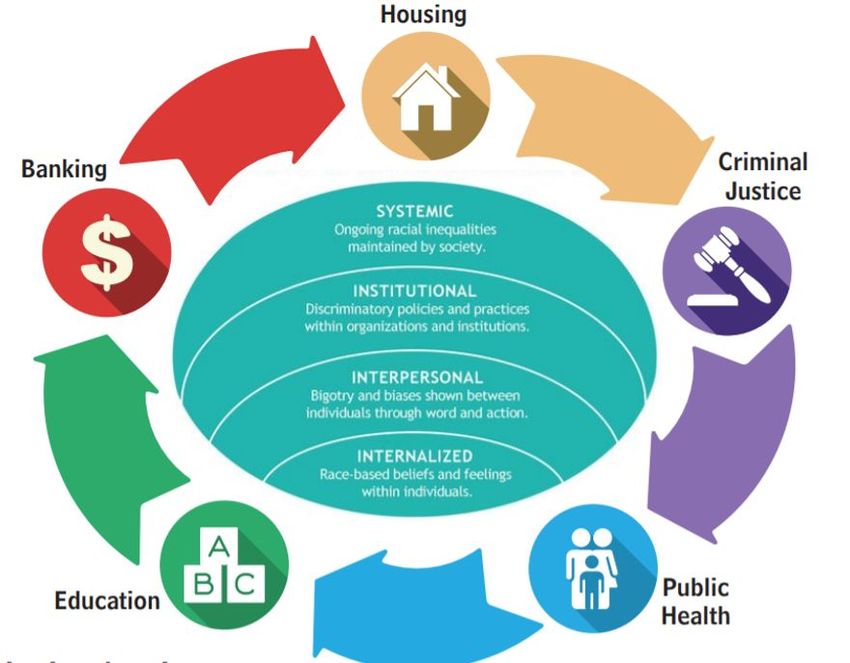
OUR MISSION

“   To advocate for civil rights, provide legal
    services and education, and build coalitions
    to positively influence and impact Asian
    Americans, Native Hawaiians, and Pacific
    Islanders and to create a more equitable and
    harmonious society.
                        ”
Victoria “Nikki” Dominguez   Sheng Thao                Benjamin Tran
Policy Director              President, League of CA   Policy Strategist
Pronouns: She/hers           Cities API Caucus         Pronouns: He/him
                             Pronouns: She/hers

         OUR SPEAKERS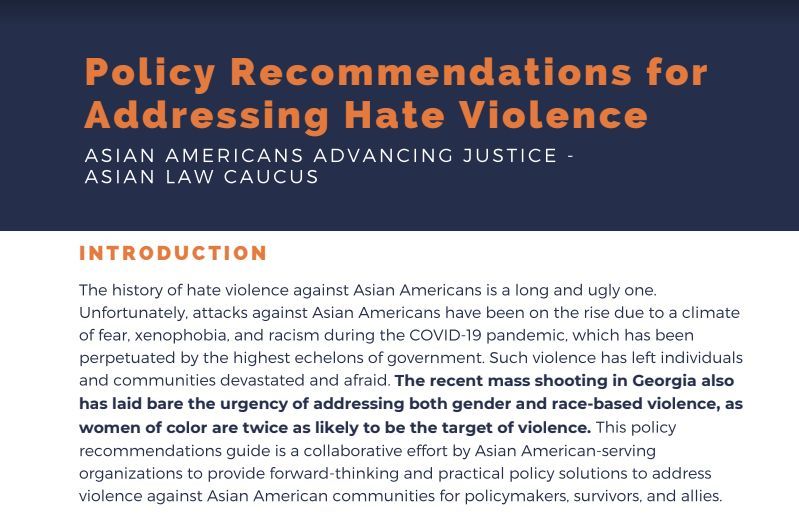
WHO IS THE AAPI
COMMUNITY IN CA?
AANHPI Population
-   1 out 7 Californias are of AANHPI heritage.

-   It is estimated that over one-quarter (28%) of
    undocumented Asians reside in California.

-   Nearly ⅓ of the total AANHPI population in the United
    States lives in California.

-   Asians are the largest growing undocumented
    population in the United States.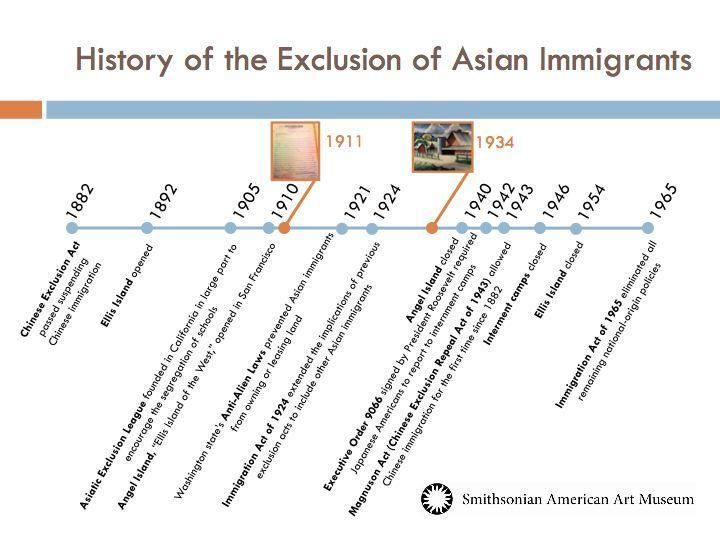
Poverty
 2013

     Hmong and
    Cambodians
    have some of
     the highest
   poverty rates in
      the state.

www.collegecampaign.org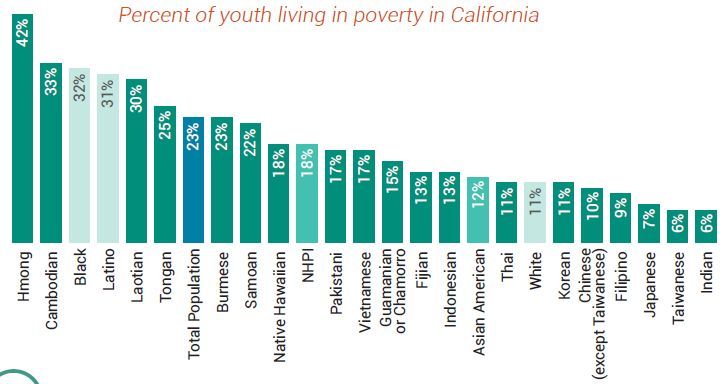
Language / EL Education
                          In 2013, more than 1/3
                          (35%) of Asian
                          Americans and 13% of
                          NHPI were limited
                          English Proficient- a
                          rate higher than
                          Latinos (30%)
WHAT IS HAPPENING
      NOW?
#StopAAPIHate:
 -   Reports collected from March 19, 2020 to June 30, 2021.
     The number of hate incidents reported to our center
     increased from 6,603 to 9,081 during April—June 2021 of
     racism and discrimination targeting Asian Americans
     nationally.
       - 38.6% or 3,505 incidents from CA

-    Types of incidents:
      - Verbal harassment made up 68% of incidents;
      - Shunning or avoidance comprised 20%
      - Physical assaults made up 11% of incidents;
      - Coughing/spitting comprised 7%;
#StopAAPIHate:
 -   Vulnerable populations:
      - Women attacked 2.3 times more than men
      - Youth under 20 yrs old comprise 13%
      - Elderly over 60 yrs old comprise 6%

-    Location of incidents:
      - Clear civil rights violations — workplace
         discrimination, refusal of service from establishments,
         transit or ride-shares — make up 9% of the incidents
      - Businesses were the top site of discrimination
         incidents, making up 35% of locations of
         discrimination
HOW DID WE GET HERE?
ANTI-BLACKNESS     COLORISM

        WHITE SUPREMACY
Chinese Americans in the Jim Crow South
Chinese American families in the
South were able to obtain access
to white schools during a time in
which they were considered
“color”/“black” - by
assimilating and adopting white
racial paradigms, and desirable
cultural/societal markers.
…. This is our first introduction of the “model
minority”stereotype as these families were seen
as “passive” and “nontreathing” by White
Americans - which in return allowed them access
quality education.What is the “Model Minority” Stereotype? Model Minority is a socio-political term/concept used to downplay the struggles/claims of other communities of color by uplifting Asian Americans as exemplars of upward mobility through individual achievement; and characterizes Asian Americans as integrated, modernized and civilized.
Chinese Americans in the Jim Crow South

Chinese Americans
established grocery stores
that would serve Black
Americans in the South -
as they would not be served
by White own stores.
GROUP CONVERSATION

WHAT IS HAPPENING IN OUR CITIES/COMMUNITIES?
      WHAT HAVE YOU SEEN/EXPERIENCE?
Unity in Diversity: Advocating for AAPI's Means Advocating For All
WHAT CAN WE DO?
What is hate
violence?

Hate violence can occur
through physical violence.
It also can take place in
the form of verbal
harassment, threats,
intimidation, vandalism,
bullying, and civil rights
violations.
    Hate violence can be
systemic, institutional, or
            interpersonal.
Community Focus Strategies
❑ Multi-faceted response to incidents of hate
violence directed at Asian Americans.
❑ Focuses on community-centered solutions
because the solutions to interpersonal violence
is not more systemic state violence in the form
of aggressive and discriminatory law
enforcement, that inevitably harms
communities of color.
❑ Supports and funds restorative justice
programs:
❑ Centers repairing the harm caused to
victims and our communities and reduces
recidivism.POLICY GUIDE 1. Establish rapid response network to
track and respond to incidents
https://drive.google.com/file/d/1ATww3j0s2FUWnYkc7r4QU5TFTfZNI-xx/view 2. Provide bystander training to educate
and empower allies
3. Fund and support restorative justice
programs
4. Ensure victim funds are accessible
5. Fund culturally competent and mental
health services for victims
6. Fund Community-Based Ambassador
Programs
7. Support K-12 Ethnic Studies and
Comprehensive Sex Education
Curriculum
8. Stop Criminalization, Detentions, and
Deportations
9. Strengthen Worker Protections and the
Power to OrganizeSACRAMENTO RESOLUTION
https://maivang.org/stopaapihate
BASED ON THE FACTS SET FORTH IN THE BACKGROUND, THE
CITY COUNCIL RESOLVES AS FOLLOWS:
Section 1. Sacramento’s Mayor and City Council hereby condemn
and will combat racism, xenophobia, and intolerance against Asian
Americans and Pacific Islanders.
Section 2. The Mayor and Sacramento City Council will work with
AAPI community partners in support of data-gathering that is
culturally appropriate and to acknowledge the systemic barriers to
reporting hate crimes impacting AAPIs.
Section 3. The Mayor and Sacramento City Council will work jointly
with members of the AAPI community to develop tangible,
community-led solutions through the City’s racial equity initiative that
acknowledge the experiences of AAPI residents, root out systemic
racism, and uplift racial solidarity.School/Classroom Focused Strategies
❑ Include Asian American ethnic studies and
history:
❑ https://www.advancingjustice-la.org/what-
we-do/curriculum-lesson-plans
❑ Be proactive about anti-Asian bullying and
harassment by talking to students about what
is happening and addressing any
misinformation or myths students might be
engaging in
❑ Support restorative justice programs:
❑ Centers repairing the harm caused to
victims and our communities and reduces
recidivism.GROUP CONVERSATION
WHAT CAN I/WE DO TO SUPPORT SOLIDARITY & SAFE
COMMUNITIES?
WHAT OPPORTUNITIES DO I/WE SEE IN OUR CITIES?1. Recognize how you have and/or continue to reinforce the “model minority” or other harmful stereotypes. 2. Challenge the “model minority” or other harmful stereotypes when you see it - especially when it impacts students. 3. In spaces, look around and ask yourself: who is missing?
QUESTIONS?
You can also read


