Calgary Clinical Psychology Residency Predoctoral Residency Program in Clinical Psychology 2020-2021
←
→
Page content transcription
If your browser does not render page correctly, please read the page content below
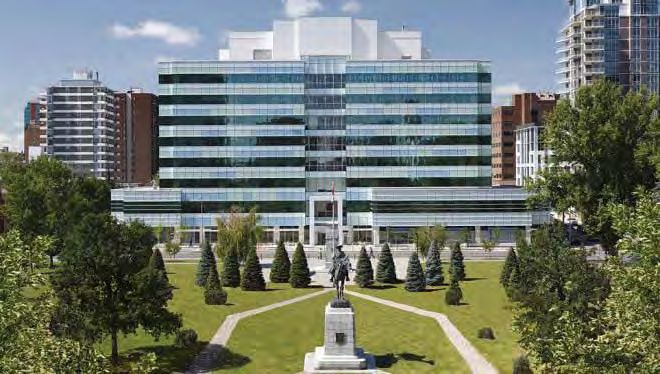
Calgary Clinical Psychology Residency
Predoctoral Residency Program in Clinical Psychology

                                                               2020-2021

                    Accredited by the Canadian Psychological Association.
                                                       2017/18-2023/24
                            http://www.albertahealthservices.ca/info/Page5442.aspx
Credits:

                          Document Review and Revisions: 2019 Clinical Training Committee

                                              Last Edited: 2019.08.23

                                          Formatting: Caroline Schnitzler

                                              Images: cited per image

Calgary Clinical Psychology Residency             2020-2021                                 Page | 2
TABLE OF CONTENTS
    Introduction ........................................................................................................................................ page 4

    The Organization and the Setting ........................................................................................................ page 5

    Program Training Locations ............................................................................................................... page 7

    Professional Psychology ...................................................................................................................... page 8

    Philosophy & Goals ............................................................................................................................ page 9

    Clinical Training ............................................................................................................................... page 10

    Assessment ..................................................................................................................................... page 11

    Intervention ...................................................................................................................................... page 12

    Professional & Administrative Processes .......................................................................................... page 13

    Research .......................................................................................................................................... page 13

    Supervision & Educational Experiences ........................................................................................... page 14

    Evaluation ........................................................................................................................................ page 15

    Training Rotations ............................................................................................................................ page 15

    Program Rotations ........................................................................................................................... page 18

       A. Addictions & Mental Health ..................................................................................................... page 18

        1. Regional Outpatient Mental Health Programs ......................................................................... page 18

        2. Inpatient & Day Treatment Programs ..................................................................................... page 25

        3. Addiction Centre ....................................................................................................................... page 26

        B. Forensic Psychology ................................................................................................................ page 27

        C. Health Psychology / Neurosciences ........................................................................................ page 29

        D. Clinical Neurosciences ............................................................................................................ page 34

    Duration and Funding / Application ................................................................................................ page 37

    Supervisors ...................................................................................................................................... page 40

    Training Rotation Request ............................................................................................................... page 52

Calgary Clinical Psychology Residency                                             2020-2021                                                                        Page | 3
Introduction
                                                             (AHS) with the exceptions of the Carewest
     We are very proud to introduce the Calgary              Operational Stress Injury Clinic, which is
     Clinical Psychology Residency (CCRP)                    closely affiliated with AHS. Health care within
     program, which is designed to provide                   Albert has changed from Regional to
     advanced training in the application of                 Provincial administration. On April 1st, 2009,
     psychological principles and skills in                  the Alberta Mental Health Board, the Alberta
     accordance with accreditation criteria of the           Cancer Board and the Calgary Health Region
     Canadian Psychological Association. The                 were all placed under the administrative
     CCPR was formerly the Calgary Consortium in             umbrella of AHS. Consequently, Alberta has
     Clinical Psychology and we changed our name             the most integrated health care system in
     in 2011 in order to reflect the changes in              Canada and we no longer require the
     health care within Alberta. We are known for            umbrella of a consortium to provide training.
     the diversity, breadth and depth of our
     training experiences that are embedded in a
     fully integrated health care system that
                                                             The hospitals and centres which offer
     includes community and hospital settings.               training rotations are the Foothills Medical
     The range of clinical training offered includes         Centre (FMC), the Sunridge Medical Gallery
     psychological assessment, intervention and              (SMG), the Rockyview General Hospital (RGH),
                                                             Sheldon M. Chumir Health Centre (SMCHC),
     consultation in the areas of mental health and
     addictions, forensic psychology, health                 the Holy Cross site (HCS), the Tom Baker
     psychology, as well as clinical                         Cancer Centre (TBCC), the Richmond Road
     neuropsychology and neurorehabilitation.                Diagnostic and Treatment Centre (RRDTC),
                                                             the Carewest Operational Stress Injury (OSI)
     The program prepares residents for
     professional roles through the integration of           Clinic, the Southern Alberta Forensic
     graduate education, psychological science and           Psychiatry Centre, the Calgary Correctional
                                                             Centre, and South Health Campus. Please see
     theory to professional skills. We aim to
     provide a breadth experience with the goal of           page 6 for a map of Calgary and these
     independent practice by the completion of               facilities. The Tom Baker Cancer Centre and
                                                             the Addictions Centre are physically located
     the residency year.
                                                             on the FMC site, which adjoins the University
                                                             of Calgary Medical Centre. The Psychosocial
     These varied experiences are currently                  Oncology Program is located at the Holy Cross
     offered at 11 different geographical locations          site. Alberta Children’s Hospital typically
     throughout the city. All of the training                hosts two or three seminars as well as
     programs and sites within Calgary are                   Psychology Day.
     administered through Alberta Health Services

Calgary Clinical Psychology Residency                  2020-2021                                           Page | 4
The Organization and the Setting
Alberta Health Services (AHS) is an integrated health care system and administers virtually all
publicly funded health care facilities and services in the province. Up to 2009, health care services
were delivered through regions, one of which was the former Calgary Health Region. The Clinical
Training Program is administratively managed through the Director of Allied Health, Calgary Zone.
All residency facilities listed are involved in direct patient services and training. Most sites are also
involved in evaluation and research. AHS provides a comprehensive, integrated and active health
treatment system for the population of Calgary as well as southern Alberta.

In addition to their clinical mandate, the hospitals and centres serve as teaching and research
institutions associated with the University of Calgary and Mount Royal University. In all, nine
disciplines, including Psychology, are involved in providing professional training. AHS also supports
applied research programs in the medical and behavioural sciences.

The Calgary Clinical Psychology Residency will offer a minimum of six predoctoral residency
positions. One to four residents are placed together at a primary site that provides administrative
support to the residents located there. These primary sites may include the Foothills Medical Centre
and the Sheldon M. Chumir Health Centre due to their central locations as well as the number of
training opportunities available. Other locations may be utilized, depending upon the training plans
in a given year. A Residency Program Coordinator will be designated for each resident and will act
to facilitate all aspects of the residents training program. Because the CCPR has been designed to
build as much flexibility as possible in the residency experience, the selection of training rotations is
not restricted to any one side. Most residents will have rotations at two or more sites and every
effort is made to coordinate their training schedule and to minimize travel time. More details about
the selection of rotations and the organization of a resident’s time are provided in subsequent
pages.

Each of the predoctoral residency positions has a stipend of $31,205.00 per annum. All residents
will have work space, computers and voicemail. In addition, psychology residents have access to a
broad range of health care facilities, services and resources to support their professional training.
These facilities and services include one-way viewing rooms, audio visual services, online library
services that have access to MEDLINE, the Alberta Health Knowledge Network, the Alberta
Electronic Health Record, national interlibrary loan services, computer access, and administrative
support. Research opportunities also exist for the interested resident, and the resources of the
University of Calgary are easily accessed. We are pleased to offer this exciting opportunity to
experience the future of health care.

The City of Calgary
     Nestled in the foothills of the Rocky Mountains, Calgary is a cosmopolitan and energetic city of over
     one million people. Calgary has been called the Heart of the New West and is the administrative
     centre for Canada’s oil and gas industry, the financial centre of western Canada, and the agricultural
     hub of south central Alberta. Calgary is also the home of growing data processing, distribution and
     tourist industries and has the second highest number of corporate head offices in Canada.

     Although many people are first attracted to Calgary for professional and training reasons, they often
     remain due to the wonderful career, lifestyle and leisure opportunities. Many of the psychology
     staff and supervisors were former predoctoral residents! The Rocky Mountains provide
     opportunities for camping, kayaking, hiking and skiing. Excellent city facilities are open to the public
     for sporting activities. The city houses a Centre for the Performing Arts, several art galleries, four
     institutions of higher learning, a world class museum, the Studio Bell National Music Centre, a large
     zoo, and state of the art science centre. Every July, the city hosts “The Greatest Outdoor Show on
     Earth”, the Calgary Stampede.

     Although the weather can be unpredictable, Calgary averages more sunshine than any other
     Canadian city. Because of the warm Chinook winds, winters are often milder than other major cities
     in Canada. Calgary is home to people from many places making Calgary a vibrant, culturally diverse
     city. For information in the city of Calgary and regional activities at: www.calgary.ca and
     www.tourismcalgary.com .

Calgary Clinical Psychology Residency                2020-2021                                              Page | 6
SAFP          CCC
             C

                                 OSI
                                        ACH
                                                                              SPC
                                              FMC
                                                                             SMG
                                                    TBCC

                                                                     SMCHC
                                                       RRDTC         C

                                                                    HCS

                                                       RGH

                                                                                          SHC

     http://mapquest.com

      Program Training Locations
      Sheldon M. Chumir Health Centre (SMCHC):……….……………………………..………1213 – 4th Street SW, Calgary, AB T2R 0X7

      Foothills Medical Centre (FMC) &
      Tom Baker Cancer Centre (TBCC):……………………………………………………………1403 – 29th Street NW, Calgary, AB T2N 2T9

      Sunridge Medical Gallery (SMG):……………………………………………………2200, 2580 – 32nd Street NE, Calgary, AB T1Y 7M8
      Sunridge Professional Centre (SPC):………………………………………………………… 5- 2681 36th Street NE, Calgary, AB T1Y 5S3

      Alberta Children’s Hospital (ACH):……………………………………………………………………………28 Oki Drive, Calgary, AB T3B 6A8
      Rockyview General Hospital (RGH):………………………………………………………….7007 – 14th Street SW, Calgary, AB T2V 1P9

      Holy Cross site (HCS):………………………………………………..…………………..22nd Avenue & 2nd Street SW, Calgary, AB T2S 3C3
      Richmond Road Diagnostic and Treatment Centre (RRDTC):………………1820 Richmond Road SW., Calgary, AB T2T 5C7
      Carewest Operational Stress Injury (OSI) Clinic:…………………………203, 3625 Shaganappi Trail NW, Calgary, AB T3A 0E2

      Southern Alberta Forensic Psychiatric Centre (SAFPC):…………………….……11333 – 85th Street NW, Calgary, AB T3R 1J3
      South Health Campus (SHC):…………………………………………………………...………….4448 Front Street, Calgary, AB T3M 1M4

      Calgary Correctional Centre (CCC):…………………………………………………………11808 – 85th Street NW, Calgary, AB T3R 1J3

Calgary Clinical Psychology Residency                          2020-2021                                 Page | 7
Professional Psychology within AHS
     Professionals from all disciplines generally work in interdisciplinary teams and are typically
     administratively responsible to Program Managers. There is a strong commitment at the
     administrative level to both team collaboration and professional accountability for each discipline.
     At present, approximately 180 psychologists are members of clinical teams in the adult sector of the
     Calgary Zone of Alberta Health Services. A number of adjunct supervisors and psychometrists also
     make an important contribution to training. The Residency is managed by the Director of Clinical
     Training, who reports to the Allied Health Manager.

     By virtue of their expertise in particular assessment/treatment areas, psychologists have assumed
     senior clinical and supervisory roles on the interdisciplinary teams within which they work. In
     addition to their roles within the organization, most psychologists on staff hold positions in a
     number of professional capacities, including adjunct positions in academic and clinical departments
     at the University of Calgary, executive and advisory positions on professional and governmental
     boards, and supervisory designations with the Canadian Group Psychotherapy Association and the
     Academy of Cognitive Therapy.

Calgary Clinical Psychology Residency              2020-2021                                               Page | 8
Philosophy and Goals
Clinical psychology involves the assessment, diagnostic, treatment and prevention of psychological
distress, disability and health risk behaviour. The role of the clinical psychologist also involves
consultation, program development and evaluation, administration, teaching and research. The
residency program is designed to promote the development of autonomous professional clinical
psychologists. This philosophy is articulated thorough the pursuit of four inter-related goals:
1. To assist the resident in acquiring and interpreting professional knowledge and ethical
standards;
2. To promote the development of the resident’s clinical skills based on a knowledge of
psychological principles;
3. To encourage the resident’s personal growth, professional socialization and
development of a professional identity as a clinical psychologist;
4. To promote both breadth and depth of clinical training.
The program recognizes the complex and multi-faceted role of the contemporary clinical
psychologist and this reality is reflected in the training endeavors.
We offer residency training in several assessment and intervention modalities from diverse
theoretical perspectives and with a broad patient population. The program challenges residents to
realistically assess their own strengths and weaknesses and to recognize the need to maintain and
increase their knowledge and skills throughout their career. Within certain limits (given patient
services are the first priority in a health care setting), the program is tailored to the interests and
training needs of the resident. An emphasis is given to the development of assessment, therapy,
and consultation skills. Rather than gaining only brief exposures to areas for time-limited rotations,
residents select options that provide a more long term (i.e., 6- and 12- month) in-depth experience.
Training is facilitated through a number of components.
The residency program balances the following needs in training:
1. Meeting the resident’s interests and training requirements;
2. Providing consistent in-depth training; and
3. Offering a variety of training experiences.
Residents select a number of training rotations. Selection of training rotations depends on the
resident’s interests and the residency committee’s appraisal of current skill readiness. The Clinical
Calgary Clinical Psychology Residency 2020-2021 Page | 9Training Committee recognizes that each resident arrives with a different set of skills, experiences,
needs and interests. Every effort will be made to design a residency program which recognizes the
individual needs of the resident. However, to ensure that each resident has a breadth of
experience, there are minimum requirements for the development of assessment and therapy skills.
Opportunities are also made available for the development of consultation skills and to begin to
develop supervisory skills. Didactic training in supervision is offered every year and every effort is
made to organize direct supervision experiences. Each resident develops a training program by the
end of September of each year that is formalized in a Learning Contract. Each resident will be
required to meet a minimum goal of 375 hours of direct patient contact over the year of the
residency. Residents typically select assessment and intervention rotations in consultation with
their Residency Program Coordinator. The majority of rotations are 12 months in duration, although
some 6-month rotations may be included as well. Four days per week will be spent in clinical
rotations while the fifth day is utilized for seminars, peer consultation, program development and
other indirect service activities.
The written Learning Contract will be developed by each resident in consultation with the
supervisors from each rotation selected. This contract is an agreement between the training
program and the resident which specifies the nature of the resident’s learning experiences and the
resident’s and supervisor’s responsibilities. It will be coordinated and overseen by the Residency
Program Coordinator designated to work with the resident. Designation of a resident’s home base
will depend on the rotations selected, with primary consideration given to minimization of travel
time between locations. In any one 6-month term, residents are encouraged to select rotations that
do not require travel between sites within a single day.
Clinical Training
Clinical training activities include assessment (psychological testing, diagnostic interviewing and
report writing), treatment and interdisciplinary consultation. Clinical training is provided through
supervision of direct patient assessment and treatment—which can include individual, group,
marital and family therapy from different theoretical orientations—as well as through the
observation of staff members’ work. These training experiences are available to the resident in the
form of supervised, individual-tailored rotations, as described in the following section. The major
theoretical orientations of the staff are cognitive-behavioural, client centred motivational
interviewing, psychodynamic, interpersonal, integrative, and family/marital systems (note:
family/marital therapy may be available in certain rotations, depending on supervisor expertise and
availability; please see individual rotation descriptions). During the year, all residents will be
involved with both empirically based assessments and interventions. The patient population is
primarily adult (18-65 years), however, children and adolescents can be seen in several rotations
(e.g., family therapy in Addiction Centre Adolescent Program). An older adult population (65+) is the
focus if a Psychogeratric Rotation is selected.
Calgary Clinical Psychology Residency 2020-2021 Page | 10Assessment
Residents are required to ensure that their Hospital Service), whereas others are
program includes training and supervision in primarily assessment (e.g., RPAS).
psychological assessment which includes an
interview and psychometric tests leading to
integrated written reports. Over the course
of the residency year, residents are typically
required to be primarily responsible for
conducting psychometrically based
assessments with written reports. Although
all rotations may not be available ever year,
the rotations listed below provide the
opportunity to do these types of assessments.
Some of these rotations will provide both
psychological assessment and treatment
experience (e.g., Addictions Centre, Day
LOCATION ROTATIONS
Foothills Hospital Addictions Centre (Adolescent, Adult), Day Hospital
Service, Mood Disorders Program, Adult Psychosis
Program, Early Psychosis Intervention Program,
Adolescent Inpatient, Neuropsychology, Neuro-
Rehabilitation Program, Calgary Epilepsy Program
Market Mall Carewest Operational Stress Injury Clinic
Rockyview General Hospital Seniors Health - Neuropsychology
Sheldon M. Chumir Health Centre Regional Psychological Assessment Service (RPAS),
Geriatric Mental Health
South Health Campus Neuropsychology
Southern Alberta Forensic Psychiatric Centre Forensic Inpatient Unit
Sunridge Professional Centre Forensic Adolescent Program, Forensic Assessment
and Outpatient Services
Sunridge Medical Gallery Sunridge Outpatient Assessment Services
Calgary Clinical Psychology Residency 2020-2021 Page | 11Intervention
Over the course of the year, the resident is required to complete intervention training rotations.
Typically, at least one major rotation will be an intervention-based rotation and a second rotation of
an alternative kind may be chosen. The major intervention rotation will usually be two days a week
for either six or twelve months. Consequently, one of the interventions will be an in-depth
experience and the second will be a rotation involving treatment interventions of an alternative kind
(e.g., different model, modality, population and/or disorder). The goal is for the resident to have an
intensive training experience and some breadth of exposure involving an area that is substantially
different from the primary one.
LOCATION ADDICTIONS & MENTAL HEALTH PSYCHOLOGY
HEALTH ROTATIONS ROTATION
Foothills Hospital Addictions Centre Acute Care,
(Adolescent, Adult), Neuro-Rehabilitation Programs,
Mood Disorders Program, Calgary Epilepsy Program,
Day Hospital Service, OPTIMUS Program
Early Psychosis Intervention
Program,
Anxiety Disorders Clinic,
Adult Psychosis Program,
Adolescent Inpatient
Tom Baker Cancer Centre Psychosocial Oncology
Market Mall Carewest Operational Stress
Injury Clinic
Sunridge Professional Centre Forensic Assessment and
Outpatient Services
Calgary Correctional Centre Rocky Mountain Program
Richmond Road Diagnostic and Diabetes Centre Calgary,
Treatment Centre Calgary Adult Bariatric Surgery
Clinic,
Chronic Pain Centre
Sheldon M. Chumir Health Centre Cognitive-Behavioural Therapy
Service,
Geriatric Mental Health,
Behavioural Health Consultation
Sunridge Medical Gallery Primary Mental Health Care
South Health Campus Women’s Health Program
Calgary Clinical Psychology Residency 2020-2021 Page | 12Professional and Administrative Processes
The program recognizes the necessity of maintaining the professional identity of clinical psychology
within the interdisciplinary program managed service delivery system. To this end, regular meetings
of psychologists and residents are held to discuss professional, clinical and administrative issues.
Residents also meet regularly with a Residency Program Coordinator and their supervisors to review
and monitor their training program.
Residents are required to become knowledgeable about the relevant legislative acts governing the
practice of psychology in Alberta as well as the ethical and professional guidelines provided in the
College of Alberta Psychologists, the Psychologists’ Association of Alberta and the Canadian
Psychological Association. A training session on ethical standards and practice takes place during
the orientation for all residents.
Residents are also required to familiarize themselves with the relevant administrative Policy and
Procedure manuals and with pertinent aspects of Alberta Health Services operations. The resident
participates in formal evaluation of the training program and may serve on the Clinical Training
Committee. Residents also participate in interviewing new candidates applying for residency
positions each year, but do not participate in the evaluation and selection process.
Research
The program regards the ability to conduct
and evaluate research as an important aspect
of the clinical psychologists’ role. Residents
are encouraged to be involved in the ongoing
applied research projects conducted by staff
psychologists or to pursue their own research
interests. Residents are regularly advised of
the research colloquia at the Departments of
Psychology and Psychiatry at the University of
Calgary and other local sites. They are
encouraged to attend presentations relevant
to areas of applied and scientific interests.
Residents have full hospital and University of
Calgary library privileges, including access to
MEDLINE, the Alberta Health Knowledge
Network and national interlibrary loan
service.
Calgary Clinical Psychology Residency 2020-2021 Page | 1370% of their training time in direct and
indirect clinical service delivery, in order to
have time for formal education, select
administrative responsibilities and the pursuit
of research interests. Residents can take up
to two weeks paid and protected research or
education time. The research component is
encouraged but not required.
Residents can expect to spend no more than
Supervision and Educational Experiences
Consistent with the CPA accreditation criteria, residents can expect to receive a minimum of four
hours of individual supervision per week. At the onset of their year, the residents are given general
and specific orientations to Alberta Health Services and the residency program as well as individual
rotation orientations. A number of didactic opportunities are provided and all residents participate
in educational seminars. Required seminars occur in conjunction with the residents in the Alberta
Children’s Hospital program. These seminars cover topics of general relevance to psychology
residents from all settings such as ethics, professional legislation, psychotropic medication, expert
testimony, and diversity and mental health. Other educational activities are offered within the
context of the rotations and cover topics of specific relevance to the rotations (e.g., Endocrinology
Rounds; Diabetes Educator Rounds; certification in risk assessment tools with youth; attendance at
court in adolescent forensics rotation; clinic-specific inservice meetings). Each training site typically
has rounds which the residents are encouraged to attend. In addition, Calgary has a large and active
psychological community and the resident is encouraged to attend lectures and workshops offered
by visiting scholars at the University of Calgary and at other institutions and agencies. In addition to
receiving supervision and training, we work to provide opportunities to engage in supervision.
Seminars on supervision are provided as part of the required seminar series. Opportunities for peer
consultation, program development and evaluation are also provided to all residents.
Calgary Clinical Psychology Residency 2020-2021 Page | 14Supervision occurs through weekly case reviews with a supervisor, live session observations, use of
audio/visual tapes and interdisciplinary case problem solving conferences. The supervision process
involves not only case intervention and management strategizing, but also focuses on the resident’s
development of a unique therapeutic style as well as therapist-patient interaction patterns. The
residency program is a rigorously supervised experience. Ongoing supervision of each case
managed by the resident will be provided by the staff psychologist responsible for each rotation at
least one per week. In these supervisory sessions, residents will be required to produce
representative samples of their work with patients, covering therapy process and/or assessment
activities. These sessions will often require video or audio taping, or direct observation through
one-way mirrors. Residents can expect to receive approximately one hour of supervision for every
three hours of clinical practice. In some rotations, particularly group and family therapy training,
primary supervisors may, on occasion, be from disciplines other than Psychology. In these
instances, there will also be an additional psychologist supervisor assigned.
A number of didactic opportunities are provided and all residents participate in educational seminars.
Evaluation
At the half-way point in the training program (February), the resident receives a formal evaluation
report compiled by his/her supervisors and meets with all supervisors and Residency Program
Coordinator to discuss its contents. Mid-rotation (November and May), informal evaluations are
also held to ensure that the training experience is proceeding smoothly from both the resident’s and
supervisors’ perspectives. The final evaluation occurs at the end of the residency in August. A
certificate will be provided upon successful completion of the residency program.
Training Rotations
In the following section, each training rotation is described. The rotations are grouped in two broad
categories – Addictions and Mental Health (including Forensics) and Health Psychology/Clinical
Neurosciences. The description of each rotation includes the names of supervisors, the location of
training, and the time commitment required if the resident selects that particular rotation. A
resident typically participates in two to four rotations during their residency year. Depending on the
resident’s unique training goals they may participate in rotations from just one broad category (e.g.,
rotations from only Addictions and Mental Health) or can choose a mix of rotations from both broad
categories (i.e., rotations from both Addictions and Mental Health and Health Psychology/Clinical
Neurosciences). Note that some of the rotations are 12 months long, while others offer the option
of either a 6-month or 12-month duration. If rotations of 6-month duration are selected, training
occurs from September through February or from March through August of the residency year. Also
note that the time commitment per week varies depending on the rotation selected. Some
rotations are designed to provide training one day per week, some require a 2-day commitment,
and some are flexible in this regard. Applicants indicate their interest in training rotations on the
Calgary Clinical Psychology Residency 2020-2021 Page | 15Training Rotation Request form (page 50). The Clinical Training Committee works with each resident
to create an individualized training program that meets the resident’s interests and training needs
while prioritizing AHS’ patient care (see “Sample Resident Programs” below).
Sample Resident Programs
RESIDENT MONDAY TUESDAY WEDNESDAY THURSDAY FRIDAY
A (Addictions & Regional Day Hospital Day Hospital Primary Mental Unassigned time
. Mental Health Psychological Service (September Service Health Care (indirect clinical
Focus) Assessment Service – August) (September – (September – work, participation
(September – August) August) in seminars, and
February) peer consultation
(September –
Forensic August)
Assessment and
Outpatient Services
(March – August)
B (mix of Chronic Pain Centre Diabetes Centre Cognitive- Cognitive- Unassigned time
. Addictions & (September – Calgary Behavioural Behavioural (indirect clinical
Mental Health August) (September – Therapy Service Therapy Service work, participation
and Health February) (September – (September – in seminars, and
Psychology / August) February) peer consultation
Clinical (September –
Neurosciences) Mood Disorders Mood Disorders August)
Program Program
(March – August) (March – August)
C (Health Psychosocial Acute Care Psychosocial Neuro- Unassigned time
. Psychology / Oncology (September – Oncology Rehabilitation (indirect clinical
Clinical (September – February) (September – Program work, participation
Neurosciences) August) August) (September – in seminars, and
OPTIMUS Program August) peer consultation)
(March – August) (September –
August)
Calgary Clinical Psychology Residency 2020-2021 Page | 16ROTATION LOCATION
BOTH ASSESSMENT
& INTERVENTION
INTERVENTION
ASSESSMENT
Addictions Centre (Adolescent , Adult) Foothills Hospital
Anxiety Disorders Clinic Foothills Hospital
Adolescent Inpatient Foothills Hospital
Adult Psychosis Program Foothills Hospital
Day Hospital Service Foothills Hospital
Mood Disorders Program Foothills Hospital
Early Psychosis Intervention Program Foothills Hospital
Acute Care Foothills Hospital
Neuropsychology Foothills Hospital, South Health Campus *
Neuro-Rehabilitation Program Foothills Hospital
Calgary Epilepsy Program Foothills Hospital
OPTIMUS Program Foothills Hospital
Chronic Pain Centre Richmond Road Diagnostic and Treatment
Centre
Diabetes Centre Calgary Richmond Road Diagnostic and Treatment
Centre
Calgary Adult Bariatric Surgery Clinic Richmond Road Diagnostic and Treatment
Centre
Carewest Operational Stress Injury Clinic Market Mall
Seniors Health - Neuropsychology Rockyview General Hospital
Regional Psychological Assessment Service Sheldon M. Chumir Health Centre
Geriatric Mental Health Sheldon M. Chumir Health Centre
Cognitive-Behavioural Therapy Service Sheldon M. Chumir Health Centre
Behavioural Health Consultation * Sheldon M. Chumir Health Centre
Forensic Inpatient Unit * Southern Alberta Forensic Psychiatric
Centre
Forensic Adolescent Program Sunridge Professional Centre
Forensic Assessment and Outpatient Sunridge Professional Centre
Services
Rocky Mountain Program* Calgary Correctional Centre
Psychosocial Oncology Tom Baker Cancer Centre and/or Tom
Baker Cancer Centre – Holy Cross site
Primary Mental Health Care Sunridge Medical Gallery
Sunridge Outpatient Assessment Services Sunridge Medical Gallery
Women’s Health Program* South Health Campus
*Automobile an asset for this rotation
Calgary Clinical Psychology Residency 2020-2021 Page | 17Program Rotations
A. Addictions and Mental Health
1. Regional Outpatient Mental Health Programs
The Outpatient Mental Health (OPMH) Program is a time limited, goal focused, change oriented
psychotherapy program focused on treatment for the presenting problem. OPMH provides services
for clients’ ages 18-64 presenting with a mental disorder. Psychotherapy services available include
cognitive behavioural therapy for individuals and groups, interpersonal therapy for individuals and
groups, and narrative therapy for individuals. Clients must have a physician, usually a family doctor,
supporting client care while enrolled at OPMH. Currently, training opportunities are only available
for cognitive-behavioural therapy.
Suitability for the program is assessed by an intake process on a case by case basis. Therapists and
clients evaluate goals for change and the match with program resources before clients are accepted
into the program. The OPMH Program includes two residency rotations: the Regional Psychological
Assessment Service and the Cognitive-Behavioural Therapy Service.
The Regional Psychological Assessment Service, based at the Sheldon M. Chumir Health Centre,
provides comprehensive assessments for various outpatient programs in the Calgary area facilities
within the AHS. Referrals are accepted from Mental Health clinicians and therapists (e.g.,
Psychiatrists, Psychologists, Social Workers, and Psychiatric nurses) to provide opinions and
recommendations to aid in formulating treatment, rehabilitation or management decisions for
individuals with a wide range of complex psychological or psychiatric concerns. Assessments include
clinical interviews, extensive psychological testing, detailed reports, and direct client feedback. The
resident will also be involved in ongoing communication and consultation with the referring
clinicians and therapists. Referral issues include diagnostic clarification, personality functioning,
cognitive testing, and vocational assessment. Clients assessed range in age from 18 to 65. The
resident is expected to complete at least 4-6 full assessments with reports over a 6-month period.
Travel between sites is expected. Opportunities for training in program development and
evaluation as well as supervision of a practicum student may also be available.
Supervisors: Location: Duration: Population:
Jennifer Garinger-Orwin, Ph.D. SMCHC One or two days / week for six or Adults
Kerry Mothersill, Ph.D. twelve months.
The Cognitive-Behavioural Therapy Service consists of a number of therapists who work primarily
from a cognitive-behavioural therapy perspective. Clients treated with this form of therapy are
typically experiencing depressive, anxiety, and/or personality disorders. Most clients are adults.
Calgary Clinical Psychology Residency 2020-2021 Page | 18Residents may have an opportunity to co-facilitate groups (e.g., Social Anxiety Group, OCD Group,
CBT Basics Group, and several Mindfulness Meditation groups). The resident will meet weekly (one
hour minimum) with his/her supervisor for individual supervision. In addition, the Cognitive-
Behavioural Therapy Team meets weekly (1.5 hours) to problem-solve difficult cases, illustrate novel
applications of techniques/strategies, and/or discuss assigned articles. Supervision will be done via
live observation of sessions, audio- or video-taped sessions, and/or detailed discussion of the
session with supervisors.
Over the course of this rotation, the resident will be expected to learn and be able to apply the
following:
Development of a collaborative relationship
Psychometric assessment procedures unique to cognitive-behavioural therapy
Case conceptualization and management
Use of specific cognitive-behavioural therapy techniques and strategies
Schema-focused procedures
Use of behavioural interventions
Development of a facilitative therapeutic style
Ability to examine the therapist’s role, including assumptions about the reactions to the
client.
Supervisors: Location: Duration Population:
Gayle Belsher, Ph.D. (not SMCHC Two days / week for Adults (age 18-65)
supervising for 2019-20 year) twelve months.
Barb Backs-Dermott, Ph.D.
Abigail Draper, Ph.D. (not
supervising for 2019-20 year)
Michael Enman, Ph.D.
Calgary Clinical Psychology Residency 2020-2021 Page | 19Primary Mental Health Care is a multidisciplinary, community based outpatient mental health clinic.
Most patients have been diagnosed with an anxiety or mood disorder. A subset of this patients also
has a personality disorder and/or interpersonal difficulties. The primary model of treatment is
Calgary Clinical Psychology Residency 2020-2021 Page | 20cognitive-behavioural. During his/her tenure in the clinic, the residents will develop a theoretical
understanding of cognitive-behavioural approaches to assessment and treatment, with a focus on
anxiety and mood disorders. The resident will conduct assessments with the goal of case
formulation and treatment planning. Although the treatment approach is primarily cognitive-
behavioural, the resident will also become familiar with and integrate strategies from other
therapeutic models as appropriate. The resident will be supervised using live observation through a
one-way mirror.
Supervisors: Location: Duration: Population:
Laurie Ali, Ph.D. (not Sunridge Medical Two days / week for twelve Adults
supervising for 2019- Gallery months
20 year)
Vanessa Chong, Ph.D.
Erin Moss, Ph.D.
The Sunridge Outpatient Assessment Service provides psychological assessments for clients
referred by Mental Health Clinicians (e.g. Psychiatrists, Psychologists, Social workers, Occupational
Therapists, Nurses) in the three Adult Outpatient Mental Health Clinics at the Sunridge Medical
Gallery: (Primary Mental Health, Community Based Services, and the Carnat Centre). The goal of
assessments is to enhance treatment and/or case management of individuals with a wide range of
complex psychological and psychiatric conditions, often with medical comorbidities. Referral
questions include diagnostic clarification, personality functioning, and cognitive functioning.
Presenting issues include mood, anxiety, personality, psychosis, trauma, addictions,
neurodevelopmental, neurocognitive, psychosomatic, and medical conditions. Assessments include
clinical interviews, psychological testing, direct feedback to clients, and detailed assessment reports.
Resident participates in communication and consultation with referring clinicians and therapists in
the various multidisciplinary teams.
Supervisors: Location: Duration: Population:
Saneeta Saunders, Ph.D. Sunridge Medical Two days / week for six Adults
Gallery months
The Anxiety Disorders Clinic is a relatively new, psychology-led clinical program at the Foothills
Medical Centre, staffed by two psychologists – Dr. Patrick Lynch (36 years’ experience) and Dr. Al-
Noor Mawani (11 years’ experience). Training in a number of theoretical orientations is possible
under these two supervisors, including: Interpersonal Behaviour therapy (psychodynamic factors
are treated using behaviour therapy to address causal/maintaining interpersonal/emotional
patterns), classical exposure-based approaches to severe anxiety, CBT, ACT, and Mindfulness.
Residents function as therapists in the clinic, doing assessments and following patients in individual
Calgary Clinical Psychology Residency 2020-2021 Page | 21and/or group therapy. The clinic often has both Psychology Residents and Practicum Students.
Residents are encouraged to take on a supervisory role with Practicum Students. Group therapy
training opportunities include (depending on referral demand): a TransDiagnostic group, a
Mindfulness group, and a CBSST group (Cognitive Behavioural Social Skills Training).
Supervisors: Location: Duration: Population:
Patrick Lynch, Ph.D. FMC Two days / week for twelve Adults
Al-Noor Mawani, Ph.D. months
The Foothills Mood Disorders Program. This is a rotation that provides clinical service to adults on
an outpatient mood disorders service (unipolar and bipolar disorders). This rotation provides the
resident with an opportunity to develop significant diagnostic interviewing skills alongside
integration of psychometric testing to deliver suitable Axis I and Axis II diagnoses and treatment
plans, focused on mood and anxiety presentations. On occasion, cognitive testing will be
administered as appropriate. The resident will gain understanding of the interplay of various co-
morbid and psychosocial conditions that contribute to a psychiatric disorder. A major focus will be
on honing cognitive-behavioral therapy case conceptualization and skills, emphasizing integration of
“classic” CBT with mindfulness/acceptance, dialectical behavior therapy (DBT), and short term
dynamic therapy approaches to treat co-morbid anxiety disorders, residual mood symptoms, and
characterological issues. Both individual and group treatment modalities are offered.
Supervisors: Location: Duration: Population:
Raymond Lamontagne, Ph.D. FMC Two days / week for Adults
six months
The Adult Psychosis Program provides multi-disciplinary outpatient treatment for individuals who
are experiencing psychosis, including individuals with chronic and persistent presentations.
Residents completing this rotation will develop skills in assessment, diagnosis, and treatment of
individuals with psychosis, often in the presence of comorbid conditions (e.g., mood, anxiety,
personality disorders). The main theoretical orientation of psychotherapy is cognitive-behavioural.
Residents will also become familiar with other interventions, including mindfulness and acceptance-
based approaches. Therapy is offered in both group and individual formats. There is considerable
opportunity for multi-disciplinary consultation. Supervision will be provided through live feedback
(behind the mirror), observation, videotape, and discussion following therapy sessions.
Supervisors: Location: Duration: Population:
Raymond Lamontagne, Ph.D. FMC One day / week for 6 Adults
or 12 months
The Early Psychosis Intervention Program provides multi-disciplinary outpatient treatment for
individuals who are experiencing a first episode of psychosis. The goals of the program include:
early identification; reducing delays to treatment; treating primary symptoms of psychosis; reducing
Calgary Clinical Psychology Residency 2020-2021 Page | 22secondary morbidity; reducing relapse; promoting normal psychosocial development and reducing
stress for families and caregivers. Residents completing this rotation will develop skills in diagnosis,
assessment and treatment of individuals with psychosis, schizophrenia and delusional disorders.
Mood disorders, anxiety disorders and substance misuse are also common comorbid conditions in
our patients. The main theoretical orientation of psychotherapy is cognitive-behavioural. Residents
will also become familiar with other interventions, including motivational enhancement and
mindfulness. Residents will be expected to become familiar with cognitive behavioural models of
schizophrenia and comorbid conditions. Residents will be expected to learn and apply skills in
building a collaborative therapeutic relationship, case formulation, cognitive therapy techniques and
behavioural interventions. Therapy is primarily conducted individually but there may be
opportunity for group therapy as well. Supervision will be provided through live feedback (behind
the mirror), observation, videotape and immediate feedback after sessions.
Supervisor: Location: Duration: Population:
Nancy Remington, Ph.D. FMC One day / week for Adults (age 15-35)
twelve months
The Carewest Operational Stress Injury (OSI) Clinic is one of a national network of specialized
mental health clinics established by Veterans Affairs Canada. Clients served are former and still
serving members of the Canadian Forces and Royal Canadian Mounted Police who have sustained a
psychological injury as a consequence of their service. Couple and family services are available.
Clients present with complex mental health issues including PTSD, mood disorders, substance use
disorders, chronic pain and health issues, and relational problems. Psychological interventions
include exposure-based therapies (e.g., prolonged exposure, Accelerated Resolution Therapy),
cognitive-behavioural treatment, life review, pain management, and extensive assessments. The
OSI Clinic team includes psychologists, psychiatrists, nurse clinicians, social workers, occupational
therapists, and program assistants. There is a strong focus on an interdisciplinary team approach to
addressing clients’ complex issues. Over the course of this rotation, the resident can learn to:
Complete thorough psychological assessments for diagnosis and treatment
Formulate and implement treatment plans
Provide specialized mental health services to a military and paramilitary clientele
Work within an interdisciplinary clinical team
Supervisor: Location: Duration: Population:
May Wong, Ph.D. Carewest OSI Clinic, Two days per week Adults
Market Mall for twelve months
Calgary Clinical Psychology Residency 2020-2021 Page | 23The Behavioural Health Consultation Services (BHC) under the mandate of Shared mental Health
Care provides integrated behavioural health consultation service to family physicians throughout
Calgary. This program, in conjunction with Primary Care Networks, imbeds Psychologists in primary
care practices.
The BHC Service offers an innovative approach to the behavioural and mental health burden in
primary care settings. The integrated behavioural health model places a behavioural health
consultant within the primary care team to provide consultative services to physicians and patients
aimed at detecting and addressing a wide range of behavioural health and mental health concerns
with the goal of early identification, quick resolution, long-term prevention, and general wellness.
The focus is not solely on mental health, as is typical of psychologists and clinical social workers, but
also on individuals’ behaviour that negatively affects their overall health.
In contrast to traditional specialist therapy services, the consultant adapts specifically to the primary
care settings by providing brief and highly accessible consultative services to physicians and
patients. Consultants adopt a population-based health care orientation in order to effectively
penetrate the primary care population and its diverse needs (e.g. mood, anxiety, chronic disease,
substance abuse, occupational and relationship problems, etc.). This means that the behavioural
health consultants assess and intervene with patients differently than is typical for mental health
professionals. Rather than attempting to alleviate suffering in a few people, they use brief methods
to assist the entire population by improving individuals’ functioning and quality of life.
Consultants also help physicians and patient navigate the formal mental health system when
necessary. By directly integrating consultants into primary care teams and adapting their practices
to suit this unique setting, the BHC Service takes a novel and responsive approach aimed at
increased health cost off-sets, greater patient and physician satisfaction, and improved health
outcomes in primary care settings.
Residents will have the opportunity to work with one or two primary care clinics throughout the
residency year. They will learn to use CBT as well as other interventions such as motivational
interviewing, acceptance, mindfulness, and solution focused strategies across a broad range of
presenting problems.
Supervisors: Location: Duration: Population:
Lauren Allan, Ph.D. Calgary One day a week for Primarily adults, will
Deanna Gammell, Ph.D. twelve months see minors.
The Geriatric Mental Health rotation offers training in the assessment and treatment of clients aged
65 and older with moderate to severe age-related mental health concerns, and those with age-
related dementia. Residents working with the Community Geriatric Mental Health Program have
Calgary Clinical Psychology Residency 2020-2021 Page | 24the opportunity to focus their training on either assessment or treatment, or a combination of both.
If focusing on assessment skills, the resident will provide comprehensive assessments on a
consultative basis, to geriatric clients who are being seen in clinic, or on their own home, by the
team’s mental health therapists and psychiatrists. Referral questions include diagnosis, evaluation
for cognitive and emotional functioning, recommendations for treatment, and assessment of
decision making capacity. Residents who elect to focus their experience on developing their
intervention skills will be involved in case formulation and treatment of mood, anxiety and
personality disorders in older adults, primarily from a cognitive-behavioural perspective. Treatment
options are available in outpatient individual and group formats, as well as impatient settings.
Residents will have the opportunity to work in an interdisciplinary team, and also provide education
and support to client’s caregivers or families. Opportunities also exist for residents to obtain in
providing consultation to continuing care centres for patients with psychiatric/behavioural problems
secondary to a wide range of organic and functional mental health disorders through the Geriatric
Mental Health Consulting Service. This service also provides consultation and education to care
centre staff regarding behaviour management and other mental health issues.
Supervisors: Location: Duration: Population:
Michele Fercho, Psy.D. SMCHC One to two days / Seniors
Christine Knight, Ph.D. week for six to
twelve months
2. Inpatient & Day Treatment Programs
The Foothills Day Hospital Program provides multi-disciplinary outpatient treatment to individuals with
complex psychiatric/psychological presentations. Patients are primarily referred from either community
sources or from inpatient units. The Day Hospital treatment programming is offered primarily in a group
format with individual sessions that augment the group treatment. The treatment model involves
cognitive-behavioural as well as some interpersonally-informed approaches. The resident will be involved
as part of the interdisciplinary team and will have opportunity to be involved in the following (based upon
interest): assessment, group and individual psychotherapy, consultation to other professionals. In
addition, there will be an opportunity for involvement in program evaluation and educational activities.
Supervision will be provided through live feedback (behind the mirror), observation, videotape, and
discussion following therapy sessions.
Supervisors: Location: Duration: Population:
Bianca Bucarelli, Ph.D. FMC Two days / week for Adults
six or twelve months
The Adolescent Inpatient rotation is designed to develop skills in both psychological assessment and
therapy to prepare residents for professional practice with adolescents and their families. Residents
receive in-depth training with complex patients on mental health inpatient units, including training in
psycho-diagnostic assessments, consultation, individual therapy, and group therapy. Interventions based
Calgary Clinical Psychology Residency 2020-2021 Page | 25You can also read


