Crewkerne Equalities Impact Assessment - Somerset Libraries
←
→
Page content transcription
If your browser does not render page correctly, please read the page content below
Somerset Library Service Consultation 2018
        APPENDIX 3: Equalities Impact Assessment

   Somerset Library Service Consultation 2018

          Crewkerne
Equalities Impact Assessment

                   (Extract from
Appendix 3 Libraries Service Consultation Decision
                18 January 2018)

                       Page 1 of 55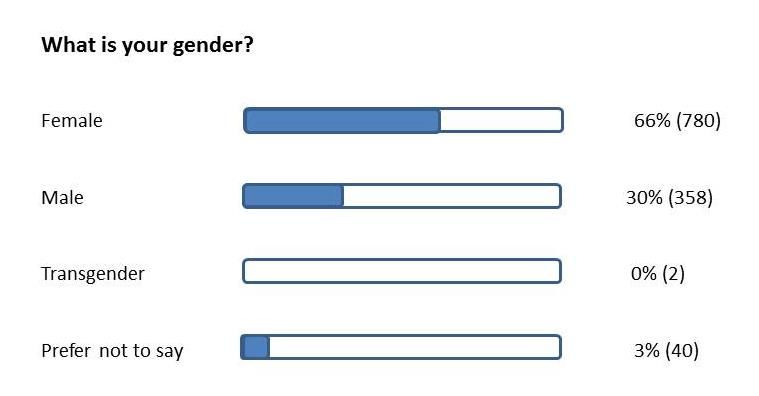
Somerset Library Service Consultation 2018
APPENDIX 3: Equalities Impact Assessment
Library Service Consultation – Equalities Impact Assessment for Crewkerne
Equality Impact Assessment Form and Action Table
"I shall try to explain what "due regard" means and how the courts interpret it. The courts
have made it clear that having due regard is more than having a cursory glance at a
document before arriving at a preconceived conclusion. Due regard requires public
authorities, in formulating a policy, to give equality considerations the weight which is
proportionate in the circumstances, given the potential impact of the policy on
equality. It is not a question of box-ticking; it requires the equality impact to be
considered rigorously and with an open mind."
Baroness Thornton, March 2010
What are you completing the Impact
Library Service Consultation 2018 –
Assessment on (which policy, service,
Crewkerne
MTFP reference, cluster etc)?
Version 1 Date 16/01/2017
Section 1 – Description of what is being impact assessed
Following on from the agreement of a vision, strategic direction and outcomes framework
for the Library Service in November 2017, the County Council plans to launch a
consultation exercise on specific proposals to shape the future of Somerset Library
Services. A series of proposals for the future delivery of Library Services in different
areas of Somerset has been developed and these will form the basis of the proposed
consultation. The consultation is anticipated to run from 29th January to 22nd April 2018.
No decisions will be taken until the consultation exercise is concluded and all results are
analysed.
This assessment considers the potential impacts of the proposed changes we are
consulting on for the delivery of Library Services in Crewkerne and the surrounding area.
It focuses on impacts that are specific to people who use, or who are likely to use,
Crewkerne library, and should be read in conjunction with the other assessments
included within this Appendix:
Appendix 3i – which considers overarching impacts that are likely to be common to
all communities where changes are proposed (this assessment does not cover
these general impacts).
Appendix 3ii – which considers the potential impacts of the proposed changes on
Library Service staff (this assessment does not cover potential impacts on staff).
All of these Equalities Impact Assessments will be reviewed and revised after the
consultation period, in the light of feedback received, and the revised assessments will be
considered in the development of any final recommendations for change.
Library Services in Crewkerne are currently delivered through a library building in
Crewkerne, with a Mobile Library Service and the Home Library Service serving some
customers in the surrounding area. Table 6 below shows that the majority of service
users living in Crewkerne and the surrounding area use Crewkerne Library. The service
is a universal one, however certain activities are targeted towards specific groups - for
example, people with long term health issues, children and young people, people being
Page 2 of 55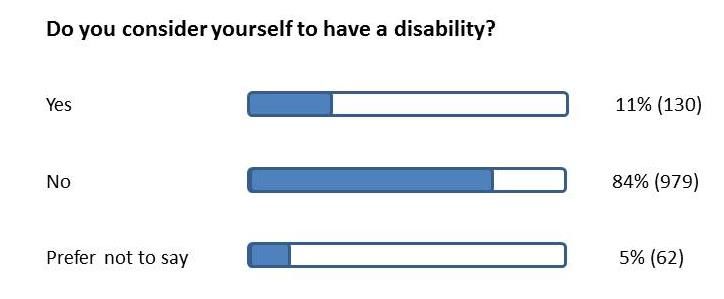
Somerset Library Service Consultation 2018
APPENDIX 3: Equalities Impact Assessment
cared for in their own homes.
The consultation proposal considered in this Equalities Impact Assessment is to provide
Library Services to the community of Crewkerne and the surrounding area through either
a partnership with the local community to maintain a library building in Cheddar
(supported by some funding from the County Council) or an additional Mobile Library stop
and some outreach Library Service delivery. If this consultation proposal is implemented,
then the existing library may close and alternative Mobile Library and outreach services
would be delivered (as now, service users in the area would also have access to online
Library Services, or the libraries in Yeovil and Chard). We will try to mitigate this
outcome through efforts to maintain a library building in Crewkerne through a community
library partnership. It is important to emphasise again that this is only a potential change
at this stage - no decisions will be taken until the consultation exercise is concluded and
all results are analysed.
Section 2A – People or communities that could be affected
Crewkerne library usage levels for the financial year 2016/17 were as follows:
There were 2,262 active borrowers;
60,223 visits (footfall);
245 people’s network users;
2,651 attendances at events held in the library.
The library catchment has a population of 24,051.
Crewkerne library is open for 29 hours a week, including Saturdays.
In order to get a sense of how different groups are likely to be affected by changes to
Crewkerne library, a similar comparative analysis to that set out in section 2A of
Appendix 3i has been carried out, with the addition of data on Crewkerne library users
and the wider population in the catchment of Crewkerne library. Further details on the
methodology and datasets used are set out in Appendix 3i above. The information is set
out in the tables below, with broad conclusions set out at the end of the tables.
Table 1: % of active library users, Crewkerne catchment and Somerset population
in certain age ranges:
% of
% Active % Active % of Somerset
Crewkerne
Age range library users library users – population as
Catchment
Somerset Crewkerne a whole
population
0-4 5.35% 7.2% 4.5% 5.3%
5-11 16.07% 17.9% 6.9% 7.7%
12-17 4.32% 4.1% 5.9% 6.8%
18-64 44.10% 33.7% 52.9% 56.0%
65+ 28.81% 35.6% 29.8% 24.1%
Unknown 1.35% 1.5%
Page 3 of 55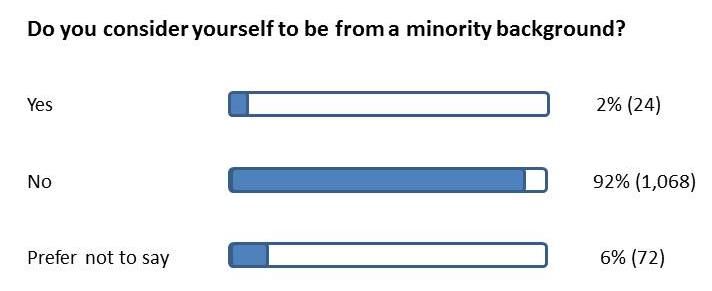
Somerset Library Service Consultation 2018
                          APPENDIX 3: Equalities Impact Assessment

Table 2: % active library users, Crewkerne catchment and Somerset population by
sex:

                            % Active                                   % of
                                                % Active                               % of Somerset
                            Somerset                                Crewkerne
          Sex                                library users                             population as a
                             library                                Catchment
                                             – Crewkerne                                   whole
                            members                                 population
 Female                         61.88%                 65.9%                 51.6%                51.20%
 Male                           36.38%                 33.3%                 48.4%                48.80%
 Prefer not to say                1.75%                 0.8%                                              -

Table 3: % of active library users, Crewkerne catchment and Somerset population
by ethnicity:

                                        % Active          % Active            % of             % of
                                         library           library         Crewkerne        Somerset
             Ethnicity
                                          users           users –          Catchment        population
                                        Somerset         Crewkerne         population       as a whole

 Black & Minority ethnic
                                                2.1%             0.9%              1.3%            2.02%
 groups
 White British                              91.39%              95.3%             96.7%           94.64%
 White Irish, Gypsy or Irish
                                                6.6%             3.8%              2.0%            3.34%
 Traveller, any other White

Table 4: % of active library users registering a disability (of active library users
who answered this question), and 2011 census responses on disability / long term
health problems – Crewkerne catchment and Somerset population:

                                                    Disability / long
                % Active         % Active                                     % of       % of
                                                    term health
 Disability      library          library                                  Crewkerne Somerset
                                                    problem status
 status           users          users -                                   catchment population
                                                    (2011 census
                Somerset        Crewkerne                                  population as a whole
                                                    response)
                                                    Long term health
 Disabled                5%          2.9%           problem or                   18.8%             19%*
                                                    disabled
                                                    No long term
 Non-                                               health problem
                        95%           97.1%                                       81.2%             81%
 disabled                                           or disability
                                                    identified
* People whose day-to-day activities are limited because of a long-term health problem or disability.

Active library members who have declined to answer the question are excluded from

                                              Page 4 of 55
Somerset Library Service Consultation 2018
APPENDIX 3: Equalities Impact Assessment
tables 3 and 4 (unlike in tables 1 and 2) because the proportion is high, and would skew
comparisons with the Somerset population as a whole; this introduces a degree of
potential inaccuracy into these data tables. At this pre-consultation stage we do not have
any reliable data or meaningful information on the relative prevalence of Library Service
users with the protected characteristics of Gender Reassignment, Sexual Orientation,
Religion and Belief, Marriage and Civil Partnership or Pregnancy. From our experience
of service delivery we feel that a relatively high proportion of people with the protected
characteristic of Maternity are likely to be Library Service users, but we have no reliable
data to evidence this judgement. Further potential evidence bases for these groups will
be reviewed when this Equalities Impact Assessment is reviewed; at this stage we have
made informed assumptions about potential impacts on these groups.
The following statistically significant differences in the equalities characteristics of
Crewkerne library users / library catchment residents compared to Somerset as a whole
have been identified from the tables above:
The proportion of library users aged under 5 is significantly higher than the
proportion of people in Crewkerne library catchment in this age range.
The proportion of people aged 65 or over in the catchment is higher than the
proportion of this age group in Somerset as a whole.
The proportion of people in the catchment identifying themselves as ‘White British’
is higher than the proportion of people in Somerset as a whole identifying
themselves in this ethnic group.
The proportion of library users within the catchment identifying themselves as
‘White Irish, Gypsy or Irish Traveller or any other White’ is higher than the
proportion of the population in Somerset as a whole identifying themselves in this
ethnic group.
There is no statistically significant difference in the proportion of females in Crewkerne
catchment compared to Somerset as a whole. The proportion of females amongst users
of Crewkerne library is statistically significantly higher than the proportion of females
using all Somerset libraries. There is a smaller proportion of library users with disabilities
in Crewkerne than in Somerset as a whole.
In common with the vast majority of library user groups, the proportion of users of
Crewkerne library in the 5-11 and 65+ age ranges, and the proportion of female users,
are both statistically significantly higher than the proportion of these age groups in the
local catchment population as a whole.
Other considerations about people who use, or are likely to use, Crewkerne library:
Rural / urban mix:
Crewkerne catchment serves a large rural area around Crewkerne. Analysis of library
usage data indicates that the majority of users in this area use Crewkerne Library (see
Table 6 below), although some use Yeovil library and other libraries surrounding the
catchment (we anticipate that many will use more than one library). Usage of Crewkerne
library is concentrated in the built up area of Crewkerne, but is significant in the nearby
rural areas and villages and also in the larger settlement of Merriot. Although many users
of Crewkerne library are likely to have the protected characteristic of Rurality, the majority
of users are likely to live in more urban areas.
Page 5 of 55Somerset Library Service Consultation 2018
APPENDIX 3: Equalities Impact Assessment
Income levels:
The average income deprivation decile across Lower layer Super Output areas in the
Crewkerne library catchment is 7, meaning that the population of the catchment is likely
to contain a slightly lower proportion of people on lower incomes than Somerset as a
whole (where average income deprivation decile is 6). The catchment average is likely to
mask significant variations in income levels within the catchment population; levels of
income deprivation to the south of the town are higher than the Somerset and national
average.
Other considerations:
A very wide range of community groups use library premises for their activities, and many
of these groups share protected characteristics. The number and range of activities and
events provided at Crewkerne library is very significant, with 2651 attendances at events
held in the library. The needs assessment indicates that there is a significant risk of
social isolation in the southern part of Crewkerne town.
Section 2B – People who are delivering the policy or service
People delivering the service that could be affected by the proposed change are
considered in detail in a separate Equalities Impact Assessments in Appendix 3ii above.
Section 3 – Evidence and data used for the assessment (Attach documents where
appropriate)
Section 2A above sets out an analysis of equalities data analysed at catchment level
relating to the protected characteristics of Age, Sex, Race, Disability, Rurality and Low
Income. In addition to this important dataset, further data and information on equalities
issues has been gathered at this pre-consultation stage, and this is set out below in
relation to Crewkerne library:
Relevant evidence gathered through the informal community engagement exercise:
A community engagement meeting was held with community representatives from
Crewkerne on 25th September 2018. It was noted that some areas of the catchment
were relatively wealthy, with a large number of people coming from other parts of the
country to retire in Crewkerne, but that there were areas with higher levels of deprivation
in some parts of the town, e.g. to the south, around Maiden Beech Academy school. The
local representatives advised that car ownership was relatively low in Crewkerne; many
older people chose to live in the town because it had all the necessary facilities within
walking distances. They felt that this was an important factor that should be taken into
account; it was felt that people would not generally travel to Yeovil to use the library.
Further catchment level data from needs assessment:
Table 5 below sets out further evidence (additional to the data already set out in section 2
above) which has been used in this assessment. This has been derived from the
catchment mapping / needs assessment exercise explained in Appendix 2 to the
accompanying report. All of the measures in Table 5 are expressed as deciles, with
higher values indicating lower levels of need, and lower values indicating higher levels of
need
Table 5: selected needs assessment data, Crewkerne catchment:
Page 6 of 55Somerset Library Service Consultation 2018
APPENDIX 3: Equalities Impact Assessment
Crewkerne
Somerset
catchment
Health decile index – average for all LSOAs 8 6
Adult Social Care interventions decile index –
5 5
average for all LSOAs
Income decile index – average for all LSOAs 7 6
Employment decile index – average for all
7 6
LSOAs
‘Access to services’ deprivation (Barriers to
Housing / Services decile index) – average for 5 4
all LSOAs
Social isolation index (composite measure of
factors likely to lead to social isolation) – 6 6
average for all LSOAs
Further explanation of these measures is set out in Appendix 2 to the covering decision
report.
All of the measures in table 5 indicate that, on average for these measures, the level of
need in Crewkerne catchment is generally either in line with, or slightly below, the
Somerset average. There is likely to be a similar proportion of people with the
characteristic of Disability, and a slightly lower proportion of people with the characteristic
of Low Income, in the catchment compared to the proportion for Somerset as a whole.
The table indicates that people in Crewkerne catchment are likely to experience similar
levels of social isolation to people in Somerset as a whole, and are slightly less likely to
have the characteristic of Rurality.
Access to alternative locations:
The information and data set out below provides information relevant to access
considerations.
Table 6: usage of different libraries in Crewkerne catchment:
Library Borrowers PN Users WiFi Users
Crewkerne 1658 267 54
Yeovil 599 135 23
Martock 281 53 7
South Petherton 257 42 7
Ilminster 229 21 6
Chard 196 61 15
Taunton 84 31 14
Mobile Library 52 0 0
Langport 29 3 0
Somerton 10 1 0
Table 6 shows that the vast majority of library users in Crewkerne catchment currently
Page 7 of 55Somerset Library Service Consultation 2018
APPENDIX 3: Equalities Impact Assessment
use Crewkerne Library, with a significant number also using Yeovil library. Usage of
other libraries (Martock, South Petherton, Ilminster and Chard) is concentrated in the
outer areas of Crewkerne catchment, nearby to these libraries – from the analysis of
catchments, it appears that more users are ‘pulled’ towards Crewkerne from these
communities than vice versa; a factor that increases the size of Crewkerne Library
catchment. Further evidence from the community engagement meeting suggests that
Yeovil Library is very likely to be the alternative library building that people in the
catchment might access if, as a result of implementing the consultation proposals, there
ceased to be a library building in Crewkerne. This assessment will therefore consider
access to Yeovil Library from the catchment.
Table 7: driving times and distances to alternative libraries (from Crewkerne built
up area):
Library Driving time* Driving distance
Yeovil 16 minutes 9 miles
Chard 12 minutes 8 miles
* Driving times have been calculated using Open Street Map data and routing software, and are given from
the centre of the most central Output Area (OA) in the relevant built up area to the alternative libraries
shown. Driving times are shown for light traffic conditions and are likely to be longer at peak times of the
day.
Table 8: vehicle ownership in Crewkerne catchment (compared to Somerset
average):
Vehicle ownership in households – average Crewkerne
Somerset
for all LSOAs catchment
Households with no vehicles 13% 16%
Households with one vehicle 42% 43%
Households with 2 -4 vehicles 45% 41%
Public and community transport, walking and cycling:
Bus service 96 links Crewkerne with Chard and Yeovil, providing good public transport
access to alternative libraries in these locations. The service has a 1 to 2 hour
frequency, and takes 30 minutes to get to Yeovil and 45 minutes to get to Chard. It also
serves the villages of Misterton, Haselbury Plucknett and suburban areas within
Crewkerne, providing alternative access from these areas to Yeovil or Chard libraries.
The adult return fare to Chard is £4.00; return to Yeovil is £4.40 (free for concessionary
pass holders). The service is considered to be sustainable. Merriot is served by service
9, which provides three return journeys a day to Crewkerne (with connections possible to
Yeovil and Chard) or Ilminster (with possible connections to Chard). A number of other
communities in the catchment are not served by regular public transport. Community
Transport is available for people who cannot access public transport easily – Crewkerne
and some surrounding communities are served by the South Somerset Community
Voluntary Association community transport group, providing access to Yeovil.
Neither Yeovil nor Chard are within a reasonable walking or cycling distance from the
Page 8 of 55Somerset Library Service Consultation 2018
APPENDIX 3: Equalities Impact Assessment
majority of the catchment.
Section 4 – Conclusions drawn about the equalities impact (positive or negative) of the
proposed change or new service/policy:
Many of the overarching potential impacts noted in Appendix 3i could result from the
change proposed to Library Services in Crewkerne, if the consultation proposals were
implemented. The overarching impacts analysed are likely to impact to a significant
extent, because of the high levels of usage of the library, the high catchment population,
and the large number of people living in Crewkerne who are currently able to walk or
cycle to the library.
Crewkerne has reasonable access to alternative library buildings at Yeovil and Chard.
However, car ownership levels are very low compared to the Somerset average in parts
of Crewkerne town. For households in the catchment that do not have access to a
vehicle, public transport links are relatively infrequent and journey times are relatively
lengthy. This may dissuade people from accessing alternative library buildings. The cost
of public transport is currently more affordable than elsewhere in Somerset, although it is
not insignificant and is still likely to dissuade people do who not have a concessionary
bus pass from accessing alternative libraries. People who do have access to a vehicle
would incur additional fuel costs, and may incur car parking costs.
Specific potential equalities impacts that do not accord with this general assessment are
described in the action plan table below, alongside mitigating actions. Decision makers
should have due regard to the following points in particular:
The view of community representatives (expressed in the community engagement
exercise) is that many older people live in Crewkerne town because it has all the
necessary facilities within walking distance; and that people would not generally
travel to Yeovil to use the library.
There are a significant number of people aged 65 or over living in Crewkerne, and
library use is high amongst this group.
The library is well used by children under 5 and new parents; in particular there
are well-used events and activities targeted at these groups.
A greater proportion of people using Crewkerne library are female than is the
case for Somerset as a whole.
There are a significant number of library users who identify themselves in the
‘White Irish, Gypsy or Irish Traveller, any other White’ ethnic group, and changes
could have an impact on people with this potential characteristic.
There are a large number of current users of Crewkerne library who are likely to
have the characteristic of Rurality, and who are likely to find it less convenient to
use alternative library buildings. Some rural users to the north of Crewkerne may
have significantly more difficulty accessing alternative libraries by public transport.
There are likely to be many library users in Crewkerne town, and some in Merriot
to the north of Crewkerne, who are on low incomes and are likely to find it more
difficult to access alternative library buildings. Usage of public access computers
is significant.
In addition to the general mitigations noted in the overarching assessment, the provision
of Library Outreach Services activities could mitigate some of the impacts noted for
Page 9 of 55Somerset Library Service Consultation 2018
APPENDIX 3: Equalities Impact Assessment
children, new parents and those on low incomes.
Page 10 of 55Somerset Library Service Consultation 2018
APPENDIX 3: Equalities Impact Assessment
If you have identified any negative impacts you will need to consider how these can be mitigated to either reduce or remove them.
In the table below let us know what mitigation you will take. (Please add rows where needed)
Identified issue drawn from your conclusions Actions needed – Who is How will it be
can you mitigate the responsible for the monitored? What is
impacts? If you can actions? When will the expected
how will you mitigate the action be outcome from the
the impacts? completed? action?
Age
Overarching impacts noted in Appendix 3i are likely to apply, with No specific action
impacts probably being more significant in Crewkerne than for necessary.
changes proposed elsewhere, because of the high levels of usage
of the library, the high catchment population, and the large number
of people living in Crewkerne who are currently able to walk or cycle
to the library.
The proportion of people aged 65 or over in the Crewkerne Ensure that the Director of Issue is better
catchment population is higher than the proportion of the Somerset consultation effectively Economic and understood as a result
population in this age range, and this is particularly pronounced in engages with older Community of the consultation
Crewkerne town. Community representatives have highlighted that people, and explore Infrastructure exercise, and is taken
many older people chose to live in Crewkerne because it has all the this issue during the Commissioning – into account in the
necessary facilities within walking distances. This being the case, consultation exercise. Jan. 2018 decision making
any change which led to a reduction of local Library Services or process.
service levels could indirectly discriminate against people aged 65 or
over. The reasonable access to alternative building-based Library If consultation Director of Library buildings are
Services in Yeovil and Chard is the main mitigation for this potential proposals are Economic and maintained through
impact, but (as has been noted by community representatives) the implemented, seek to Community community
relatively lengthy and infrequent public transport services, low levels maintain a library Infrastructure partnerships wherever
of car ownership and other factors are likely to dissuade older building in partnership Commissioning – possible.
people from accessing these alternative services. with the community. May / June 2018
Crewkerne library is well used by children under 5, and the usage of
Page 11 of 55Somerset Library Service Consultation 2018
APPENDIX 3: Equalities Impact Assessment
activities and events targeted at this age range is significant. In Ensure that the Director of Issue is better
addition to the general significance of overarching impacts on consultation effectively Economic and understood as a result
children (associated with high levels of usage at Crewkerne library engages with families, Community of the consultation
generally), there is potentially a further disproportionate impact on and explore this issue Infrastructure exercise, and is taken
this group. For the 13% of households in the catchment that do not during the consultation Commissioning – into account in the
have access to vehicles, children may be more reliant on public exercise. Jan. 2018 decision making
transport to access alternative libraries at Chard or Yeovil. The cost process.
of public transport is not insignificant for non-concessionary pass
holders, journey times are lengthy and services are infrequent – all If consultation Director of Library buildings are
of these factors are likely to prevent or dissuade parents from taking proposals are Economic and maintained through
children to alternative building-based Library Services, where they implemented, seek to Community community
do not have access to a car. Fuel and potential car parking costs maintain a library Infrastructure partnerships wherever
may also dissuade parents with access to vehicles. The provision of building in partnership Commissioning – possible.
Library Outreach Services and Mobile Library Services could with the community. May / June 2018
mitigate this impact to an extent.
If consultation Director of Outreach service
proposals are Economic and delivery meets the
implemented, ensure Community needs of children.
Library Outreach Infrastructure
Services provision is Commissioning –
designed with the Sept. 2018
needs of children in
mind.
Disability
Overarching impacts noted in Appendix 3i are likely to apply, with No specific action
impacts probably being more significant in Crewkerne than for necessary.
changes proposed elsewhere, because of the high levels of usage
of the library, the high catchment population, and the large number
of people living in Crewkerne within a short distance of the current
library building.
Page 12 of 55Somerset Library Service Consultation 2018
APPENDIX 3: Equalities Impact Assessment
Gender Reassignment
Overarching impacts noted in Appendix 3i are likely to apply, with No specific action
impacts probably being more significant in Crewkerne than for necessary.
changes proposed elsewhere, because of the high levels of usage
of the library and the high catchment population.
Marriage and Civil Partnership
No impacts identified at this stage.
Pregnancy and Maternity
Crewkerne library is well used by children under 5, and the usage of Ensure that the Director of Issue is better
activities and events targeted at new parents is reasonably consultation effectively Economic and understood as a result
significant. In addition to the general significance of overarching engages with families, Community of the consultation
impacts on people with this protected characteristic (associated with and explore this issue Infrastructure exercise, and is taken
high levels of usage at Crewkerne library generally), there is during the consultation Commissioning – into account in the
potentially a further disproportionate impact on this group. For the exercise. Jan. 2018 decision making
13% of households in the catchment that do not have access to process.
vehicles, new parents may be more reliant on public transport to
access alternative libraries at Chard or Yeovil. The cost of public If consultation Director of Library buildings are
transport is not insignificant for non-concessionary pass holders, proposals are Economic and maintained through
journey times are lengthy and services are infrequent – all of these implemented, seek to Community community
factors are likely to prevent or dissuade parents from taking children maintain a library Infrastructure partnerships wherever
to access alternative building-based Library Services, where they do building in partnership Commissioning – possible.
not have access to a car. Fuel and potential car parking costs may with the community. May / June 2018
also dissuade parents with access to vehicles. The provision of
Library Outreach Services and Mobile Library Services could If consultation Director of Outreach service
mitigate this impact to an extent. proposals are Economic and delivery meets the
Page 13 of 55Somerset Library Service Consultation 2018
APPENDIX 3: Equalities Impact Assessment
implemented, ensure Community needs of children.
Library Outreach Infrastructure
Services provision is Commissioning –
designed with the Sept. 2018
needs of children in
mind.
Other overarching impacts noted in Appendix 3i are likely to apply, No specific action
with impacts probably being more significant in Crewkerne than for necessary.
changes proposed elsewhere, because of the high levels of usage
of the library, the high catchment population, and the large number
of people living in Crewkerne who are currently able to walk or cycle
to the library.
Race (including ethnicity or national origin, colour, nationality and Gypsies and Travellers)
Overarching impacts noted in Appendix 3i are likely to apply, with No specific action
impacts probably being more significant in Crewkerne than for necessary.
changes proposed elsewhere, because of the high levels of usage
of the library, the high catchment population, and the large number
of people living in Crewkerne who are currently able to walk or cycle
to the library.
The proportion of people in Crewkerne catchment identifying No specific action
themselves as ‘White British’ is statistically significantly higher than necessary.
the proportion of people in Somerset as a whole identifying
themselves in this ethnic group. However, the proposed change in
Crewkerne is not considered to have any potential discriminatory
effect on White British people because this is the majority ethnic
group in the catchment.
The proportion of Crewkerne library users identifying themselves as Ensure that the Director of Issue is better
Page 14 of 55Somerset Library Service Consultation 2018
APPENDIX 3: Equalities Impact Assessment
‘White Irish, Gypsy or Irish Traveller, any other White’ is statistically consultation effectively Economic and understood as a result
significantly higher than the proportion of people in Somerset as a engages with people Community of the consultation
whole identifying themselves in this ethnic group. Library usage by whose first language is Infrastructure exercise, and is taken
this group is less prevalent than library usage by people identifying not English, and Commissioning – into account in the
themselves as ‘White Irish, Gypsy or Irish Traveller, any other White’ explore this issue Jan. 2018 decision making
across Somerset as a whole, however the numbers affected may during the consultation process.
still be significant. The reasonable access to alternative building- exercise.
based Library Services in Yeovil and Chard (particularly by car) is
the main mitigation for any potential impact on this group, although If consultation Director of Library buildings are
the cost of fuel and car parking is likely to dissuade some from proposals are Economic and maintained through
accessing alternative Library Services. However, those whose first implemented, seek to Community community
language is not English may be disadvantaged by difficulties in maintain a library Infrastructure partnerships wherever
understanding changes proposed, or difficulties in engaging in a building in partnership Commissioning – possible.
consultation exercise and making their views heard. This potential with the community. May / June 2018
impact will be mitigated by contacting key equality groups that could
be specifically affected, through partner organisations where If consultation Director of Mobile Library
appropriate. If the consultation proposal for Crewkerne results in the proposals are Economic and provision meets the
replacement of a current library building with an alternative Mobile implemented, ensure Community needs of people whose
Library Service, the range of book stock in alternative language Mobile Library Infrastructure first language is not
formats may not be as extensive as it is now. provision is designed Commissioning – English effectively.
with the needs of those May / June 2018
whose first language is
not English in mind.
Religion and Belief
Overarching impacts noted in Appendix 3i are likely to apply, with No specific action
impacts probably being more significant in Crewkerne than for necessary.
changes proposed elsewhere, because of the high levels of usage
of the library, the high catchment population, and the large number
of people living in Crewkerne who are currently able to walk or cycle
to the library.
Page 15 of 55Somerset Library Service Consultation 2018
APPENDIX 3: Equalities Impact Assessment
Sex
Females may be impacted more by the changes proposed to Ensure that the Director of Issue is better
Crewkerne library, because this group makes up a larger proportion consultation effectively Economic and understood as a result
of users of Crewkerne library compared to Somerset libraries as a engages with females, Community of the consultation
whole. The reasonable access to alternative building-based Library and explore this issue Infrastructure exercise, and is taken
Services in Yeovil and Chard (particularly by car) is the main during the consultation Commissioning – into account in the
mitigation for any potential impact on this group, although the cost of exercise. Jan. 2018 decision making
fuel and car parking is likely to dissuade some from accessing process.
alternative Library Services. However, from feedback we have
received during the community engagement exercise, we believe If consultation Director of Library buildings are
that women may be more reliant on public transport to access proposals are Economic and maintained through
alternative building-based Library Services than men in some implemented, seek to Community community
communities. The cost of public transport is not insignificant for maintain a library Infrastructure partnerships wherever
non-concessionary pass holders, journey times are lengthy and building in partnership Commissioning – possible.
services are infrequent – all of these factors are likely to prevent or with the community. May / June 2018
dissuade females from accessing alternative building-based Library
Services, where they do not have access to a car. The provision of
Library Outreach Services and Mobile Library Services could
mitigate this impact to an extent.
Sexual Orientation
Overarching impacts noted in Appendix 3i are likely to apply, with No specific action
impacts probably being more significant in Crewkerne than for necessary.
changes proposed elsewhere, because of the high levels of usage
of the library, the high catchment population.
Other (including caring responsibilities, rurality, low income, Military Status etc.)
Rurality – Overarching impacts noted in Appendix 3i are likely to Ensure that the Director of Issue is better
apply, with impacts probably being more significant in Crewkerne consultation effectively Economic and understood as a result
than for changes proposed elsewhere, because of the high levels of engages with people in Community of the consultation
Page 16 of 55Somerset Library Service Consultation 2018
APPENDIX 3: Equalities Impact Assessment
usage of the library and the relatively large population in the rural rural areas, and Infrastructure exercise, and is taken
parts of the catchment. Whilst some rural communities in the explore this issue Commissioning – into account in the
catchment would have reasonable transport links to alternative during the consultation Jan. 2018 decision making
libraries in Yeovil or Chard, public transport access to building based exercise. process.
Library Services would be more difficult for communities in the north
of the catchment area. Driving times to access alternative library If consultation Director of Library buildings are
buildings in Yeovil of Chard would not be too significant, and the proposals are Economic and maintained through
cost of parking and fuel would be comparable to Crewkerne – so implemented, seek to Community community
rural users who currently access Crewkerne library using their own maintain a library Infrastructure partnerships wherever
vehicle are likely to be impacted by convenience factors rather than building in Crewkerne Commissioning – possible.
significant barriers to access. in partnership with the May / June 2018
community.
Review Mobile Library Director of Mobile Library
network in the area, Economic and Services provide an
following the Community alternative service
implementation of any Infrastructure where it is needed.
proposals. Commissioning –
Sept. / Oct. 2018
Low Income – Overarching impacts noted in Appendix 3i are likely Ensure that the Director of Issue is better
to apply, with impacts probably being more significant in Crewkerne consultation effectively Economic and understood as a result
than for changes proposed elsewhere, because of the high levels of engages with people Community of the consultation
usage of the library, the high catchment population, and the large on low incomes, and Infrastructure exercise, and is taken
number of people living in Crewkerne who are currently able to walk explore this issue Commissioning – into account in the
or cycle to the library. during the consultation Jan. 2018 decision making
exercise. process.
Whilst levels of income and employment in the catchment as a If consultation Director of Library buildings are
whole are slightly higher than the average for Somerset, levels of proposals are Economic and maintained through
income in parts of Crewkerne town are lower than the County and implemented, seek to Community community
national average, and there is also a pocket of employment maintain a library Infrastructure partnerships wherever
Page 17 of 55Somerset Library Service Consultation 2018
APPENDIX 3: Equalities Impact Assessment
deprivation (in the 30% most deprived nationally for this decile) to building in partnership Commissioning – possible.
the south of Crewkerne Town. Merriot to the north of Crewkerne with the community. May / June 2018
also has slightly higher levels of income and employment
deprivation than the Somerset average. If the consultation proposal If consultation Director of Library Outreach
was implemented and a community library solution could not be proposals are Economic and Services meet the
found, the cost of public transport to Yeovil or Chard for non- implemented, ensure Community needs of those on low
concessionary pass holders may prevent or dissuade those on lower Library Outreach Infrastructure incomes.
incomes from accessing alternative building-based Library Services. Services provision is Commissioning –
Rates of car ownership in parts of Crewkerne town are very low. designed with the Sept. 2018
The cost of fuel may also prevent or dissuade people who have needs of people with
access to a vehicle but who have low incomes from accessing low incomes in mind.
alternative Library Services in Yeovil or Chard. Public access
computer use is significant at Crewkerne library. This suggests that
the potential impact of ceasing the delivery of this service may be
significant for some people. The provision of Library Outreach
Services and Mobile Library Services could mitigate this impact to
an extent.
Section 6 - How will the assessment, consultation and outcomes be published and communicated? E.g. reflected in final strategy, published.
What steps are in place to review the Impact Assessment
The Equalities Impact Assessments will be published as and when they are produced to support successive scrutiny and decision reports;
each will contribute towards a suite of Assessments that will provide a consistent thread from start to finish and which will demonstrate how
due regard to the Council’s equality duty has been made through the process.
Completed by: Jon Doyle / Oliver Woodhams
Date 03/01/18
Signed off by: Michele Cusack
Date 16/01/2017
Compliance sign off Date 16/01/2017
Page 18 of 55Somerset Library Service Consultation 2018
APPENDIX 3: Equalities Impact Assessment
To be reviewed by: (officer name) Jon Doyle
Review date: Regular review at project board meetings
Page 19 of 55Somerset Library Service Consultation 2018
APPENDIX 3: Equalities Impact Assessment
Somerset Library Service
Consultation 2018
Appendix 3:
Equalities Impact Assessment
Page 20 of 55Somerset Library Service Consultation 2018
APPENDIX 3: Equalities Impact Assessment
APPENDIX 3i: Library Service Consultation – Overarching Equalities Impact
Assessment
Equality Impact Assessment Form and Action Table
"I shall try to explain what "due regard" means and how the courts interpret it. The courts
have made it clear that having due regard is more than having a cursory glance at a
document before arriving at a preconceived conclusion. Due regard requires public
authorities, in formulating a policy, to give equality considerations the weight which is
proportionate in the circumstances, given the potential impact of the policy on
equality. It is not a question of box-ticking; it requires the equality impact to be
considered rigorously and with an open mind."
Baroness Thornton, March 2010
What are you completing the Impact
Assessment on (which policy, Library Service Consultation 2018
service, MTFP reference, cluster etc)?
Version 3 Date 16/01/2017
Section 1 – Description of what is being impact assessed
Following on from the agreement of a vision, strategic direction and outcomes framework
for the Library Service in November 2017, the County Council plans to launch a
consultation exercise on specific proposals to shape the future of Somerset Library
Services. A series of proposals for the future delivery of Library Services in different
areas of Somerset have been developed and these will form the basis of the proposed
consultation. The consultation is anticipated to run from 29th January to 22nd April 2018.
No decisions will be taken until the consultation exercise is concluded and all results are
analysed. The changes proposed are set out in Appendix 1 of the report which
accompanies this assessment.
This assessment considers the potential impacts of the proposed changes that Somerset
County Council is consulting on at this time. It focuses on overarching, general potential
impacts on people who use the Library Service, and should be read in conjunction with
the other assessments included within this Appendix:
Appendix 3ii – which considers the potential impacts of the proposed changes on
Library Service staff (this assessment does not cover potential impacts on staff).
Appendix 3iii – which considers more specific potential impacts on people using
the Library Service, considering each of the affected libraries in turn (this
assessment does not cover potential impacts that are specific to individual libraries
or individual catchments).
All of these Equalities Impact Assessments will be reviewed and revised after the
consultation period, in the light of feedback received, and the revised assessments will be
considered in the development of any final recommendations for change.
Putting the Library Service on a sustainable footing (in line with the medium term financial
plan for the wider County Council) is a key reason for the recommended launch of a
Page 21 of 55Somerset Library Service Consultation 2018
APPENDIX 3: Equalities Impact Assessment
consultation exercise. The proposals we are consulting on have been developed within
the context of a forecast reduction in the net budget available to the service, set out in the
table below:
2017/18 2018/19 2019/20 2020/21
(£'000) (£'000) (£'000) (£'000)
Estimated service
3,890 3,690 3,560 3,570
budget for the year:
Somerset’s Library Service is predominantly delivered through 34 library buildings, a
Mobile Library Service, an online digital service and app, and the Home Library Service.
The Mobile Library Service is likely to be expanded as a result of the changes proposed,
and the digital service (which includes e-book and e-audio book loans, online
subscriptions to business resources and e-zines, renewals and reservations) is becoming
increasingly important. The service is a universal one, however certain activities are
targeted towards specific groups - for example, people with long term health conditions,
children and young people, people being cared for in their own homes.
The library network is currently dispersed geographically around Somerset with library
buildings in all large towns, together with many in market towns and in several smaller
settlements. In some areas of the County (if a community partnership solution cannot be
found to maintain a local library building) the consultation proposals may result in the
replacement of a current library building with an alternative Mobile Library or Library
Outreach Services Service. This is the most significant potential change being assessed
here. Where community library solutions are found to maintain library buildings, there
could still be changes to the way Library Services are provided, and the impact of these
potential changes have also been assessed.
The Council has a statutory duty to provide a ‘comprehensive and efficient Library
Service for all persons desiring to make use thereof’ under the 1964 Public Libraries &
Museums Act.
Section 2A – People or communities that could be affected
People use the Library Service for many things. Whilst the majority of service users are
library members, and use their membership cards to access lending and public access
computer services, there are other groups of users who come to our libraries to browse
newspapers, attend an event or activity, use a Wifi connection, look up information, work
or study, socialise, and many more things besides.
In 2016/17 there were:
74,486 active borrowers;
1.8 million visits across all libraries;
2,12109 items borrowed;
139,922 hours of People’s Network usage;
87,806 log-ons onto library Wifi networks.
When registering for a library card, library members are asked to complete some
personal details. The questions are not compulsory, and some customers decline to
Page 22 of 55Somerset Library Service Consultation 2018
APPENDIX 3: Equalities Impact Assessment
answer certain questions. However, we are able to get a reasonable sense of the types
of people or communities who could be affected by the changes described in section 1 by
analysing responses to these questions. In the following tables, ‘Active Library Members’
means a Library Service user who has carried out a transaction with their library card
over the previous 12 months, and who answered the relevant question when they joined
the library. Where comparable (or nearly comparable), the proportion of Active Library
Members belonging to a certain group has been compared to the proportion of the
Somerset population belonging to that group, in order to get a sense of which groups are
more likely to be library users. Somerset population figures are taken from 2011 census
data.
Table 1: % of active library members and Somerset population in certain age
ranges:
% Active % of
library Somerset
Age range
members population as
Somerset a whole
0-4 5.4% 5.3%
5-11 16.1% 7.7%
12-17 4.3% 6.8%
18-64 44.1% 56.0%
65+ 28.8% 24.1%
Unknown 1.4%
Table 1 indicates that children and people aged 65 or over may be more likely to be
affected by changes to Library Services, because these groups are more likely to use
libraries than other groups. The total number of active library members broken down in
the table above is 66,372.
Table 2: % of active library members and Somerset population by sex:
% Active % of Somerset
Sex library population as a
members whole
Female 61.68% 51.20%
Male 36.38% 48.80%
Prefer not to say 1.75% -
Table 2 indicates that females may be more likely to be affected by changes to Library
Services, because a higher proportion of library users are female. The total number of
active library members broken down in the table above is 66,372.
Page 23 of 55Somerset Library Service Consultation 2018
APPENDIX 3: Equalities Impact Assessment
Table 3: % of active library members and Somerset population by ethnicity:
% of
% Active library
Somerset
Ethnicity members who
population
registered ethnicity
as a whole
Black & Minority ethnic groups 2.1% 2.02%
White British 91.39% 94.64%
White Irish, Gypsy or Irish Traveller,
6.6% 3.34%
any other White
Table 3 indicates that Black & Minority Ethnic groups, and non-British white groups, may
be more likely to be affected by changes to Library Services than White British people,
because these groups are more likely to use libraries than White British people. The total
number of active library members broken down in the table above is 48441. The ethnicity
of a further 17,931 active library members is unknown because these members have
either declined to answer the question or have not registered their ethnicity. Active library
members who have declined to answer the question are excluded from table 3 (unlike in
tables 1 and 2) because the proportion is high, and would skew comparisons with the
Somerset population as a whole; this introduces a degree of potential inaccuracy into this
data table.
Table 4: % of active library members registering a disability (of active library users
who answered this question), and 2011 census responses on disability / long term
health problems:
% of
% Active Disability / long term health
Disability Somerset
library problem status (2011 census
status population
members response)
as a whole
Long term health problem or
Disabled 5% 19%*
disabled
Non- No long term health problem or
95% 81%
disabled disability identified
* People whose day-to-day activities are limited because of a long-term health problem or disability.
The total number of active library members broken down in the table above is 50,324. A
further 16,048 active library members either declined to answer this question, or their
disability status is unknown. Active library members who have declined to answer the
question are excluded from table 4 (unlike in tables 1 and 2) because the proportion is
high, and would skew comparisons with the Somerset population as a whole; this
introduces a degree of potential inaccuracy into this data table. It is difficult to draw any
conclusions from table 4 because of the datasets are not comparable.
Page 24 of 55Somerset Library Service Consultation 2018
APPENDIX 3: Equalities Impact Assessment
Information from customer satisfaction survey:
Because of the nature of our universal, free at the point of use service, we have very little
data on service users who are not library members. The service carried out a customer
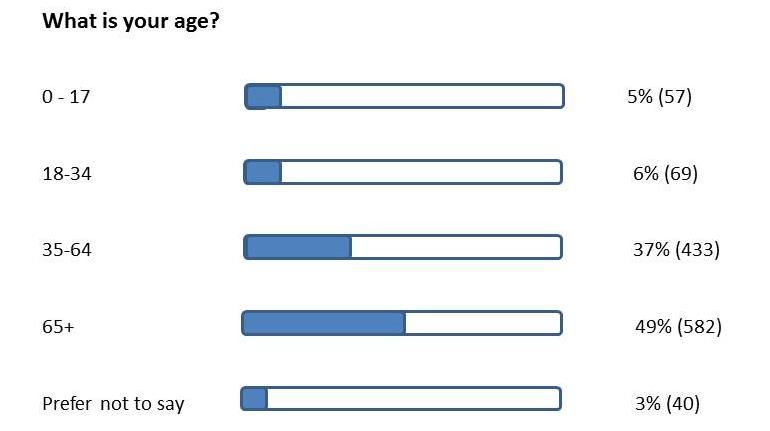
survey, open to all library users and non-library users, in June / July 2017. Over 1200
people responded to the survey, and a summary of responses to questions on certain
protected characteristics is shown overleaf:
Page 25 of 55Somerset Library Service Consultation 2018
APPENDIX 3: Equalities Impact Assessment
As with the data on active library users, responses to the recent customer satisfaction
exercise would indicate that groups with certain protected characteristics (women and
people aged 65 or over) are more likely to be affected by changes to Library Services.
This data would also seem to suggest that a relatively higher proportion of Library
Service users are disabled people, although this could be due to the higher rate of
responses amongst elderly people.
Other considerations about people who use the service:
Rural / urban mix:
To support the development of the consultation proposals set out in Appendix 1 to the
Page 26 of 55Somerset Library Service Consultation 2018
APPENDIX 3: Equalities Impact Assessment
accompanying report, we have carried out a significant exercise mapping (anonymously)
the home addresses of our active library members. The results of this exercise give an
indication of the number of active library users living in more rural parts of Somerset. We
have been unable to summarise this data here as it is mapped across over 1800
statistical output areas across Somerset; however, the rural / urban mix of library users is
considered in the specific assessments set out in Appendix 3iii below.
Income levels:
We do not collate any data on the income levels for library customers, however our
judgement is that those with low incomes are more likely to use the Library Service. We
know from the day-to-day experiences of our frontline staff that many homeless people
use Somerset libraries; people on low incomes are also more likely to utilise free-at-the-
point-of-use borrowing or internet access facilities as an alternative to more expensive
purchasing of reading material or computers / internet access at home. Increasingly
under the new Universal Credit benefit procedures, people on income-related benefits
are using the library to apply for jobs and engage in learning.
Other considerations:
A very wide range of community groups use library premises for their activities, and many
of these groups share protected characteristics. The Library Service also runs a further
wide range of activities and events across the network. Some of these activities - such
as the University of the 3rd Age, ‘Knit and Natter’ and ‘Feel better with a book’ groups
tend to be utilised by older people; other activities (such as homework clubs, code clubs,
lego clubs) tend to be focussed on children. Other activities and services are used by
other groups sharing protected characteristics – for example, baby rhyme time sessions
are very frequently used by people on maternity leave; the ‘conversation café’ service
which brings together English and non-English speakers to develop language skills is
heavily used by ethnic minority groups; some of our specialist health collections are used
by people with long term physical or mental health conditions. Library opening times
mean that the service is more difficult to use for those who work, which means that the
service is used more frequently by some groups (such as older people, carers and
parents on maternity or paternity leave) with protected characteristics. 539 customers
(as at 31st March 2017) are supported to use Library Services from their own
homes/residential homes through the Home Library Service; the majority of this group are
elderly and all have some sort of mobility restriction or long-term health condition.
At this pre-consultation stage we do not have any reliable data or meaningful information
on the relative prevalence of Library Service users with the protected characteristics of
Gender Reassignment, Sexual Orientation, Religion and Belief, Marriage and Civil
Partnership or Pregnancy. From our experience of service delivery we feel that a
relatively high proportion of people with the protected characteristic of Maternity are likely
to be Library Service users, but we have no reliable data to evidence this judgement.
Further potential evidence bases for these groups will be reviewed when this Equalities
Impact Assessment is reviewed; at this stage we have made informed assumptions about
potential impacts on these groups.
Page 27 of 55Somerset Library Service Consultation 2018
APPENDIX 3: Equalities Impact Assessment
Section 2B – People who are delivering the policy or service
People delivering the service that could be affected by the proposed change are
considered in detail in a separate Equalities Impact Assessments elsewhere in this
Appendix – see Appendix 3ii below.
Section 3 – Evidence and data used for the assessment (Attach documents where
appropriate)
At this pre-consultation stage we have gathered the evidence and data set out in section
2 above, as well as further data and information on equalities issues in different
communities that may be affected, data from the needs assessment which relates to
protected characteristics, information and data from the initial access assessment we
have undertaken, and further analysis of the data set out in section 2 above at catchment
and library level. This information has given the project team an indication of who is
using libraries, needs and access issues in different parts of the County, and areas where
certain groups sharing some protected characteristics are over or under represented (and
therefore may be disproportionately impacted by the changes proposed). Four main
areas of evidence and data have formed the focus of this work, and have been used in
the development of consultation proposals and this assessment:
1. Evidence from an informal community engagement exercise.
An engagement exercise with local communities, library friends groups and other
stakeholders was carried out between September and November 2017. Information
gathered from 34 community engagement meetings held around the County has been
used to inform the assessment set out here, as well as the development of the proposals
we are consulting on and mitigating measures proposed and considered in the action
tables. This engagement exercise was most useful in developing our understanding of
issues and potential impacts in communities, rather than the gathering of empirical data –
however, where evidence or data relating to a protected characteristic was gathered at a
particular community engagement meeting it has been included within the relevant
Equalities Impact Assessment in Appendix 3iii below.
2. Further analysis of equalities data and catchment user profiles.
The data set out in section 2 above has been analysed further to indicate the proportion
of groups sharing the protected characteristics of age, race and disability who have
registered / used particular libraries, which has given a more detailed level of evidence on
some of the various characteristics of the Library Service customer base. This data is
set out in summary form and considered fully in Appendix 3iii; the raw data is available on
request from the author. We have also concluded a major analysis of library catchments,
which has enabled the analysis of some equalities data (relating to age, race and
disability) at catchment level, as well as a more focused assessment of the potential
impact of changes in different areas of the County. Again, this information has been
used to inform the assessment set out here, as well as the development of the proposals
we are consulting on and the mitigating measures proposed and considered in the action
tables. It is set out in summary form and considered fully in Appendix 3iii, and the raw
data will be made available online at https://somcatchments.azurewebsites.net/ during
the consultation period.
Page 28 of 55You can also read


