Digital Strategy 2018 2021 - Page 1 of 20 - Sandwell Council
←
→
Page content transcription
If your browser does not render page correctly, please read the page content below

Digital Strategy
2018 - 2021
            Page 1 of 20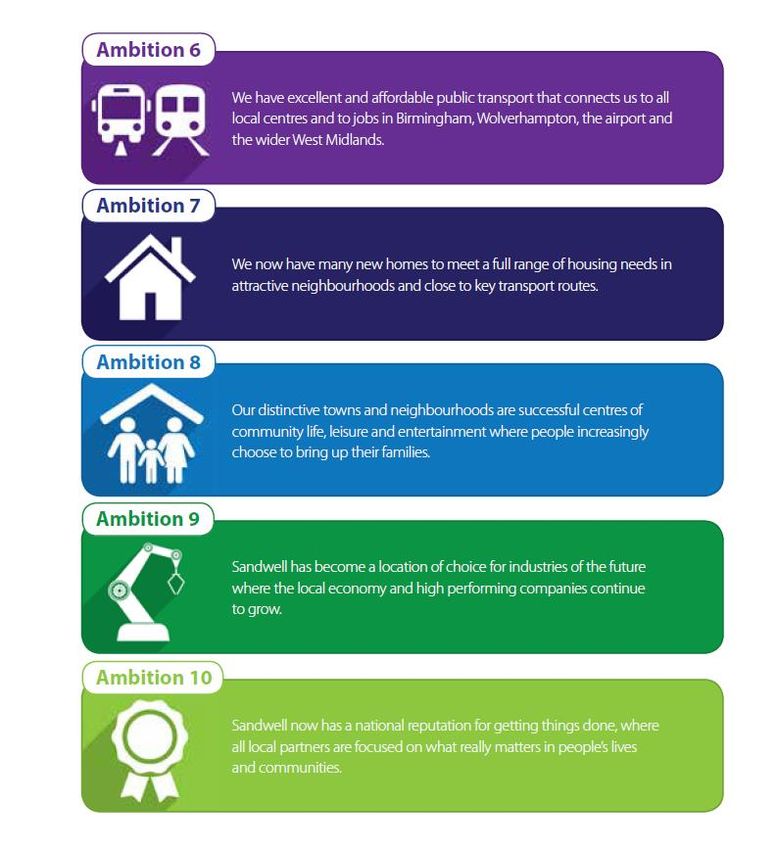
In 2030, Sandwell is a thriving, optimistic and resilient community. It’s where we call home and where we’re
proud to belong - where we choose to bring up our families, where we feel safe and cared for, enjoying good
health, rewarding work, feeling connected and valued in our neighbourhoods and communities, confident in
the future, and benefiting fully from a revitalised West Midlands.

                                                                                                               Page 2 of 20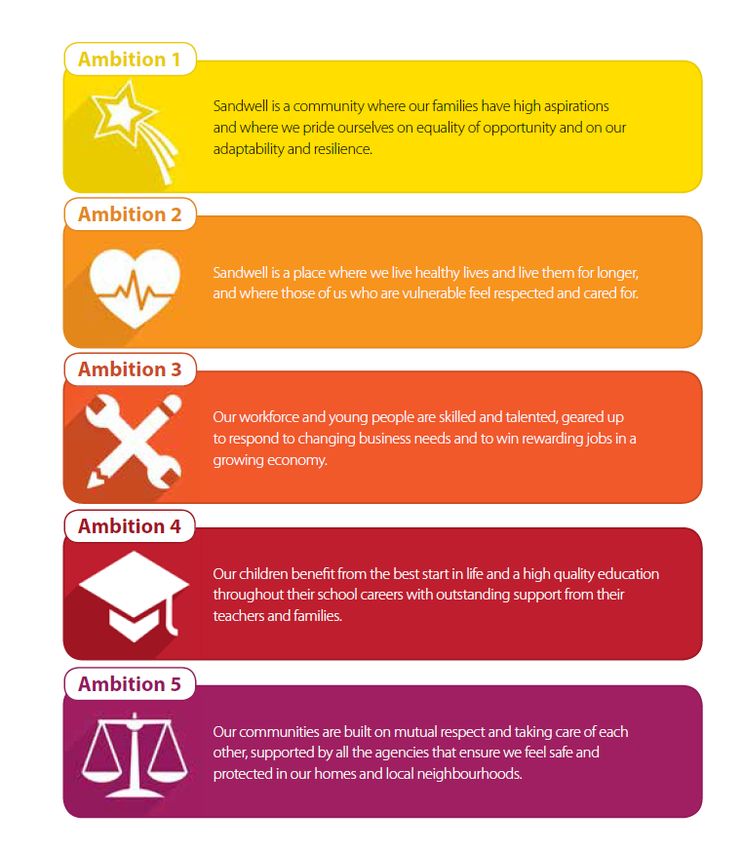
Foreword
                  Having digital skills is essential in our                       I see Digital Transformation as a key
                  modern world. As the trend for products                         priority for Sandwell. We want to be
                  and services moving online continues the                        digital by default in whatever we do. This
                  world becomes more digitally dependent                          will enable an agile workforce and
                  with 90% of jobs requiring digital skills.                      present opportunities to deliver services
                                                                in different, innovative ways.
Digital technology is in every aspect of our home and
work life. It continues to change the way we                    Digital will also enable us to transform and modernise
communicate and go about our day.                               how and where we work. We will be able to modernise
To take advantage of the internet, or even undertake the        office space providing better collaborative environments
simplest online task requires skills. Sandwell’s use of basic   for our workforce and enable flexible working improving
digital skills is the lowest percentage across the Black        work/life balance.
Country at only 30%.
                                                                It is important that the outcomes in this strategy do not
Our challenge in Sandwell is to make the best use of            just focus on service delivery and our workforce. They
technology to improve people’s lives, whether through           also aim to deliver real benefits to our citizens by
enjoying new skills, finding a job, maintaining contact         supporting them to learn new digital skills so that they
with family or having access to a wider range of easy to        can benefit from the opportunities digital inclusion brings.
use services, ensuring no one is left behind.

Councillor Steve Trow – Cabinet Member for Core Services        Darren Carter - Executive Director of Resources

                                                                                                                  Page 3 of 20
ICT Digital

                 This is a new strategy for Sandwell and one that will bring about significant transformation of services. It
                 has been developed in consultation with the community and our workforce. It demonstrates in a non-
                 technical way Sandwell’s high level vision, principles and ambitions for Digital Transformation.
                 Underpinned by the ICT Strategy, the focus of our Digital Strategy isn’t just about developing digital
                 services, it’s about putting residents at the heart and delivering better outcomes.

Over the past 2 years our knowledge and understanding of what can be achieved through digital transformation has
grown and we are now starting to see real positive outcomes for the people of Sandwell and our workforce. We have
used this knowledge and experience to help shape the strategy.

Digital is now a part of everyday life and we will seek to bring about efficiencies in working practices and automate
processes wherever possible. Our co-design ethos will ensure we understand what matters most to Sandwell’s residents
when transforming services.

Consultation with the community, has been a crucial stage in the development of this strategy. It allowed us to recognise
and appreciate the important role that we have as a Council in addressing social isolation and social exclusion as it is clear
that this can be compounded when implementing digital services. We have ensured that this strategy therefore supports
social integration.

                                                                       Sue Knowles - Head of ICT, Digital and Revenues and Benefits

                                                                                                                       Page 4 of 20
Vision and Purpose of our Digital Strategy
Our Digital Strategy provides clear focus for how we will best use technology to deliver better outcomes for people, rather
than the information systems and technology that underpin delivery. The strategy puts inclusion at the centre of Digital
Sandwell both in its development and delivery.

This strategy sets out:

                                                This is what the service will aim for to add value and improve
 4 Strategic Outcomes                           effectiveness across all Council services

                                                These will be our primary areas of focus and will help us to successfully
 3 Key Themes                                   deliver the strategic outcomes

                                                These will be used to support decision making and ensure needs and
 5 Guiding Principles                           opportunities will be prioritised to deliver maximum benefits for the
                                                whole council and for the people of Sandwell

                                                                                                                  Page 5 of 20
Digital Strategic Outcomes

                                                   Digital Communities
                                                    supporting Social
     Skills, Confidence and Trust                        Inclusion                Digital Communities supporting
                                                                                   Social Inclusion
    Inspire confidence and trust
    in digital services, increasing                                                Engaged and self-supporting
    digital skills and usage for      Organisation  FitConfidence
                                                               Transformation      communities using digital
    our community, businesses                    Skills,          and              tools to help themselves and
    and workforce                       for Future       Trust     of Services     each other at home and in
                                                                                   places that reduce social
                                                                                   isolation

                                                    Transformation of
                                                        Services

                                          Digital
   Organisation Fit for Future                                        Skills,      Transformation of Services
                                       Communities
                                                                 Confidence and
   A digital culture across the         supporting                                 Extensively adopt digital
   organisation and its partners                                      Trust        tools, solutions and processes
   that shapes process, policy        Social Inclusion                             into service delivery models
   and the way we think, behave                    Organisation Fit for            to make better services and
   and communicate                                      Future                     ensure best value for money

                                                                                                                    Page 6 of 20
Engagement with our Workforce
Our Digital Strategy builds on great examples of work that we are already doing. We’ve gained views of those working in these areas to ensure our strategy
                       captures the digital ambitions of our workforce.

                                                                                                                                             Page 7 of 20
Community Engagement
Feedback from our community and voluntary organisations has help us to shape our strategy and capture the digital ambitions of our people. In the heart
of our community we are assured they represent the current and future needs of the people of Sandwell, catering for those ready to exploit digital and
those that need support in a digital world.

                                                                             “There is limited English
                                                                              within our community
                                                                              and this is leading to a
                                                                             lack of confidence with
                                                                               IT and going online”

                                                                                                                                            Page 8 of 20
Our Learning
Over the past 2 years our knowledge and understanding of what can be achieved through digital transformation has
grown and we are now starting to see real positive outcomes for the people of Sandwell and our workforce. We now know
what we need to do more of and this has helped shape the strategy.

Third sector and community demand for digital is                         It's not all about the technology
clear                                                                    To make sure transformation is truly for everyone, we need to
Supporting the third sector with even the smallest grants to             provide more than just access.
create their own digital community projects is resulting in              Over 88,000 people are using digital skills to enjoy access to
sustainable communities who are now passing the digital                  many online council services. Making something simple and easy
knowledge and support gained to communities within the                   to use is hard work but we’ll continue to do the behind the
borough.                                                                 scenes complex designs and most importantly, robustly challenge
We recognise the value our residents place on these projects             to drive out unnecessary steps as we understand the easier we
and the genuine benefits of increasing aspirations and ambitions         make it, the more people can benefit.
for employability, educational and economic status that they
bring so will do more to support third sector.
                                                                         Digital transformation requires holistic change
                                                                         Growing skills gaps puts our transformation efforts at risk and
 Address social isolation when implementing digital
                                                                         we recognise that digital transformation requires holistic
 services                                                                change; we need to transform technology and people - starting
 We’ve learned that addressing community concerns around the             with our workforce. We will do more to address skill levels
 impact digital has on social inclusion and isolation is critical. Our   within our workforce, supporting the use of technologies and
 digital services will recognise the importance of not isolating         engaging them in change to deliver services in different,
 communities; residents want to get out of the house and see             innovative ways which are crucial to the delivery of our
 other people to overcome loneliness and not necessarily access          ambitious Vision 2030.
 IT in their own home and we’ll ensure our service design
 reflects this.

                                                                                                                              Page 9 of 20
Key Digital Transformation Themes
To turn our strategy into reality we have identified three key themes that will ensure we focus on the
things that will help us to achieve our strategic outcomes and support delivery of Sandwell’s Vision
2030.

Theme 1:                             Theme 2:                             Theme 3:
Digital By Default                   Access to Services                   Digital Inclusion
Workforce

  Freed up to work on                Our partners and                        Our communities will
  what matters most and              communities will have                   enjoy more skills,
  skilled with easy ways             greater access to a wider               motivation and trust in
  to communicate and                 range of easy to use, much
                                                                             technology with value
  collaborate, our                   more efficient services,
                                     provided and accessed in a              spreading beyond the
  workforce will see
  change in how work is              way that is relevant and                practicalities and into
  organised, the type of             effective for their needs.              wider issues such as
  work they do, and when                                                     social exclusion,
  and where people work.                                                     loneliness and isolation.

                                                                                               Page 10 of 20
Theme 1: Digital by Default Workforce
Objective
• Freed up to work on what matters most and skilled with easy ways to communicate and collaborate,
our workforce will see change in how work is organised, the type of work we do, and when and
where people work.
We• will:
• Work collaboratively with our workforce and partners to understand the requirements of services,
articulating how technology can improve and deliver these more efficiently - exploring the “art of the
possible”
• Exploit our investment in tools and platforms to make the most use of the functionality and capability of
our existing systems
• Support the Council’s Work Place Vision programme by providing the right tools and management
processes for a paperless environment
• Focus on process efficiency and automation, simplifying processes and systems for the benefit of end
users
• Ensure our workforce has the digital skills to adopt a digital first approach to working collaboratively
across boundaries to deliver services and meet customer needs
• Address gaps in digital skills and confidence by providing support for training and skills transfer to deliver
an empowered digital workforce
Page 11 of 20Theme 2: Access to Services
Objective
• Our partners and communities will have greater access to a wider range of easy to use, much more
efficient services, provided and accessed in a way that is relevant and effective for their needs.
•
We will:
• Understand how and why people access services and make improvements that focus both on self-
service opportunity and development of assisted digital services for those who need support and
people with disabilities.
• Provide simple options for those who are socially and economically excluded to get online
• Continue to add a wide range of easy to use, efficient services to the MySandwell Customer Portal,
making it easier for more people to access better services
• Explore using new technology and channels for businesses and partners
• Provide a well-managed roll out programme with resource focussed to making the greatest impact
• Grow the in-house skills of our digital developers to exploit our digital platforms and make the most
use of the functionality and capability
• Facilitate end to end process re-engineering including Lean challenge to ensure processes are user
friendly
Page 12 of 20Theme 3: Digital Inclusion
Objective
• Our communities will enjoy more skills, motivation and trust in technology with value spreading beyond
the practicalities and into wider issues such as social exclusion, loneliness and isolation.
We will:
• Bring digital into people's lives in a way that benefits them; helping them do things they care about
and can gather a broader set of information and resources to make better-informed choices
• Ensure all our access channels and services support vulnerable people in our communities to live
their lives well; providing digital opportunities that support social interaction, participation in the
community, and wider participatory activities
• Support our people to fulfil their potential by signposting to voluntary sector partners for digital
support and training, working collaboratively with the sector to access funding opportunities and
improve digital skills and literacy
• Work to develop the skills of our community organisations to enable them to provide a greater
level of digital support
• Inform and educate people to help them move to new ways of accessing council and online
services,
• Ensure we are meeting local needs by developing partnerships that focus us on what matters most
Page 13 of 20Guiding Delivery Principles
These principles, incorporating Government Digital Service and LocalGov Digital standards will be used to support
decision making and ensure needs and opportunities will be prioritised to deliver maximum benefits for the whole
council and for the people of Sandwell
Principle 1: Principle 2:
Start with community needs not our own Work together
Principle 3:
Principle 4:
Provide support
Make it simple, easy and better
Principle 5:
Be data driven
Page 14 of 20Principle 1 – Start with community needs not our own
We must ensure our designs and decisions satisfy community needs to get the right outcome for them
Rationale: Benefit:
• The use of digital technologies and services must • Increases users trust
add value to the community, whether an • Cost to serve decreases as more people
employee, elected member, citizen, business or choose to self-serve
partner organisation
• Technology should be easy to use and accessible to • Decreased support costs as services are
the community users so they make it their channel simple and intuitive and require no/minimal
of choice training
• There is a direct correlation between digital • Digital access and skills support our most
exclusion and social exclusion vulnerable to be socially included
• Quality must be assessed from the user’s point of • Increase customer satisfaction
view, customer satisfaction is a key measure • Increasing the number who can appreciate
• People need tailored support to help them the benefits of digital
overcome their own barriers; whether that’s
around access, cost, confidence or skills.
Page 15 of 20Principle 2 – Work Together
Support greater collaboration, partnerships and joint working, ensuring co-design with our workforce,
community, businesses & partners
Rationale: Benefit:
• Co-design is key to involving a range of • Co-design helps us to test assumptions that we
stakeholders, particularly community users, in may have about how well (or otherwise)
needs assessment and service design solutions might work
• Tapping into the diverse talent pool including
• Opportunity to explore a range of targeted
our volunteers, third sector and businesses we
can add capacity to develop digital confidence initiatives involving council services,
• Provide value for money by simplifying services commissioned providers and support groups
and adopting common business processes • Opportunity to access larger funders
• Building mutually beneficial partnership opens • Shared knowledge to assist with future support
access to capability, capacity, experience and • Partnerships will allow us to adopt new and
innovation that will enable us to meet innovative shared technologies with partners
changing service needs and other service providers to ensure
• Recognise that designing easy to use services convenient face-to-face access for those who
that our community need is complex, requiring
need it
collaboration from all areas of the business
• Offers additional opportunity to network and
learn from each other
Page 16 of 20Principle 3 – Provide Support
Address the digital divide between those who are confident in a digital world and those who are not,
providing space, opportunity and support
Rationale: Benefit:
• New technologies can compound social • Developing in-house talent, up-skilling our
exclusion of the most vulnerable groups workforce and developing community skills will
• Many people are missing out on the help us become fit for future
opportunities the digital world offers, whether
• Increased easy access to wide ranging online
through lack of connectivity, digital skills or
motivation services such as accessing health and wellbeing
• Many jobs have a digital element, with 90% of all information, financial support, cheaper
jobs requiring some element of digital skills services and keep in-touch with family and
• Providing effective digital skills is essential to friends will help reduce longer term pressures
ensure the community and our workforce is on council services
prepared for this and future technological • Future generations will have fair access to jobs
changes and opportunities and Sandwell has a skilled
• Opportunity for the interests of the community and capable workforce
to help set the agenda for what they learn • Make it easier for support and funding to reach
organisations who can offer the best support
to people offline
Page 17 of 20Principle 4 – Make it simple, easy and better
Ensure we do the hard work to make things simple in the design and delivery of processes and services
across all channels
Rationale: Benefit:
• This is what we mean when we say service • Easy to access and easy to use services
transformation, we can't continue delivering • Builds confidence in using digital
services using paper forms or old fashioned, technologies
inflexible systems built up over decades • Reduced demands on our workforce and
• Making something simple and easy to use is hard improve performance
work - behind the scenes complex designs but • Service delivery can be forecast and planned
most important, robust challenge to drive out around the more complex retained services
unnecessary steps • Creating capacity so resources can be
• It’s not just about hardware and software that redirected to ensuring vulnerable people get
makes things happen, it’s thinking about the the support they require
whole service and transforming the experience • Consistent, straight forward customer
for users experience across whole customer journey
• As more customers take advantage of self-service
our telephony and face to face customer profile
will change, resulting in more complex, lengthy
Page 18 of 20
enquiries as simple transaction are done onlinePrinciple 5 – Be data driven
Directing energy towards the greatest impact for our people using data at the heart of our decisions
Rationale: Benefit:
• Data can provide a good benchmark for the
• When an initiative is data driven, quality workforce to connect their actions to
information is available to the right people when
results,
they need it and realistic impact can be assessed
• As resources become more and more in • Data will reveal new opportunities for
demand, prioritisation becomes more critical improvement.
and data provides rationale for decisions • Leads to accelerated impact if used for
• Data offers a more complete picture of the decision making
organisation so that decisions aren’t made based • Ability to identify trends over time which
on only one perspective, but with a more holistic can inform effective practice and service
view design
• Encourages a culture of being flexible and open • Data supports outcome based performance
to sharing where we can measure and learn
management
• A commitment to moving towards the creation /
• Data provides us with early indication of
sharing / use of more Open Data to better
future service pressures
inform decision-making
• Allows us to improve frequently
Page 19 of 20Future State
Digital transformation will be improving the effectiveness and
efficiency of internal ways of working within a “think digital”
culture.
Office space is being rationalised and transformed as employees
embrace agile working.
Technology will be supporting front line services across all
channels, whilst users confidently enjoy better, wide ranging
services.
Through strengthened partnership working we will be engaging
larger funders, bringing new money and resources into the
region to decrease the digital usage and skills gap and ensuring
sustainability.
Communities engaged in setting the future strategy and digital
priorities supporting social and digital inclusion.
Page 20 of 20You can also read


