Division of Public and Behavioral Health Mental Health Presentation February 2017 - Brian Sandoval - Nevada ...
←
→
Page content transcription
If your browser does not render page correctly, please read the page content below

Brian Sandoval                                                        Richard Whitley
   Governor                                                               Director

                 Division of Public and Behavioral Health
                        Mental Health Presentation
                              February 2017

                    Helping People. It’s who we are and what we do.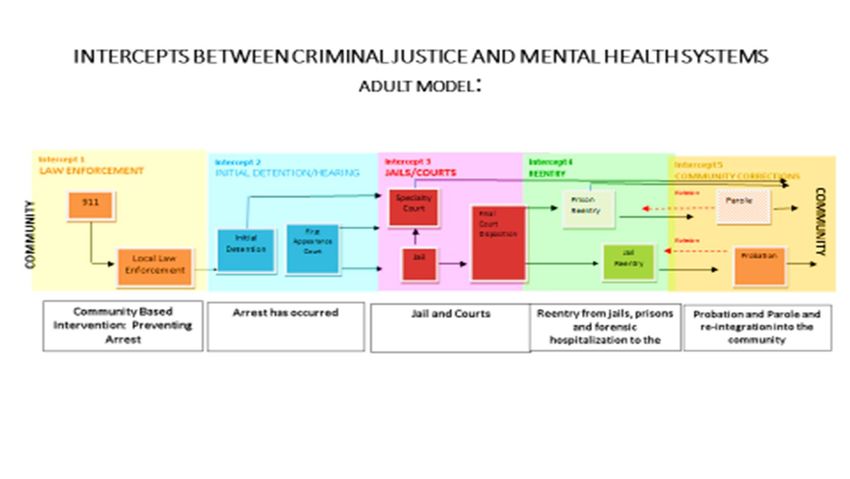
Overview of Mental Health Services
•Mental Health services provided by the Department of Health and
 Human Services, include:

 •Children’s Mental Health- Division of Child and Family Services (DCFS)

 •Adult Mental Health- Division of Public and Behavioral Health (DPBH)

•Urban areas- the state, local and community-based providers support
 the mental health service systems in the major population centers.

•Rural areas- DPBH provides most of the services for all age ranges, as
 there are limited community resources available. This is accomplished
 through local and tele-health providers.
                          Helping People. It’s who we are and what we do.   2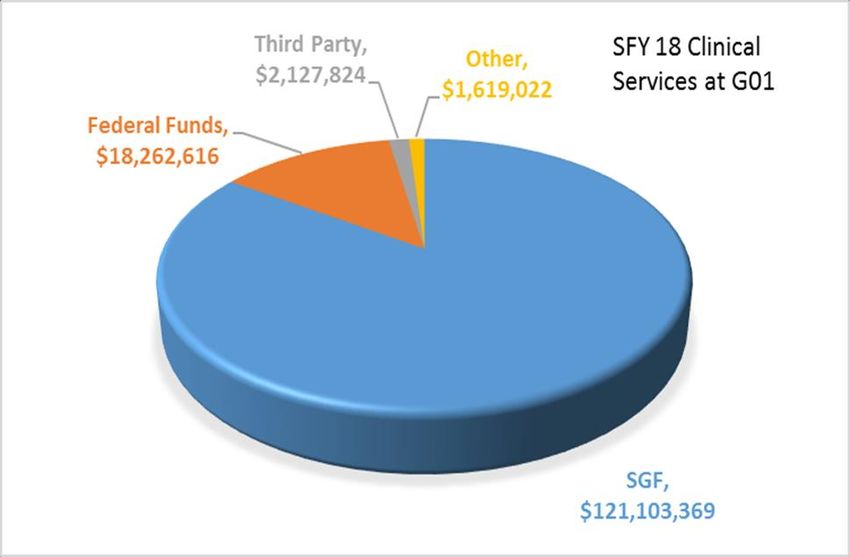
Overview of Mental Health Services
• DCFS provides children’s inpatient, outpatient and residential services
 in urban areas in collaboration with agencies such as the Children’s
 Cabinet.
• DPBH provides adult services statewide, and provides funding to
 community partners to operate services where billing for services to
 Medicaid is encouraged, when possible.
• Services include inpatient/outpatient, civil and forensic, supportive housing,
 and telehealth services, diversion and court-ordered services, and more.
• Partners include the counties throughout the state, along with the Specialty
 Courts, Nevada Rural Hospital Partners, WestCare, Ridge House, UNSOM and
 Law Enforcement agencies, and many more.

                          Helping People. It’s who we are and what we do.          3
Major Issues Facing the Division
• Expanding Forensic inpatient services located at Stein Hospital in Las Vegas,
  based on the Consent Decree requirements including competency
  evaluations, restoration and long-term care.

• Decreasing short-term crisis stabilization services where community
  capacity is available, a result of the Affordable Care Act, (Civil
  commitments).

• Increasing outpatient services for those in the criminal justice system and
  evidence-based programs such as Diversion, Specialty Courts and Assisted
  Outpatient Treatment (AOT) programs, in lieu of incarceration.

                            Helping People. It’s who we are and what we do.       4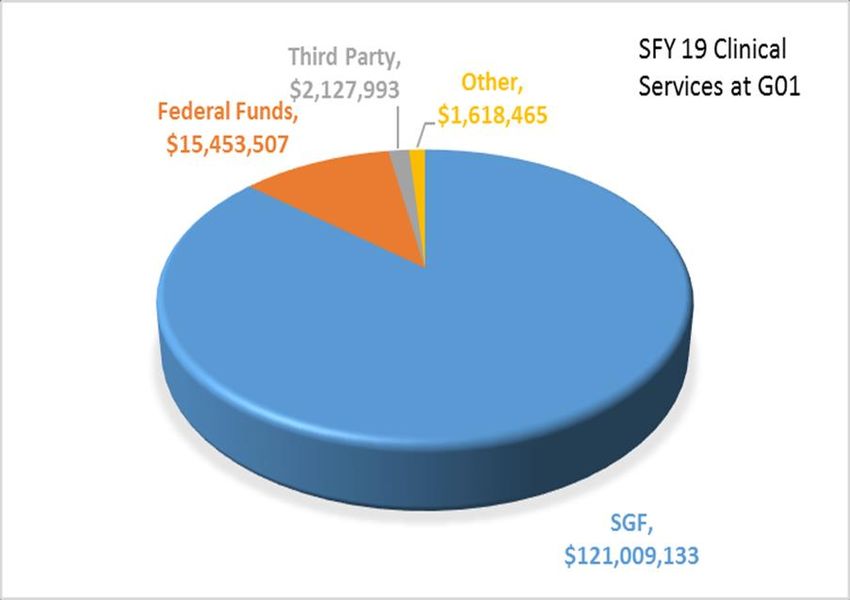
Delivery Model Changes
• Expansion of Medicaid- the Governor’s expansion of Medicaid has
  allowed the uninsured access to community services.
• The Division is focused on the de-criminalization of individuals with
  mental-illness, a group with very limited treatment options.
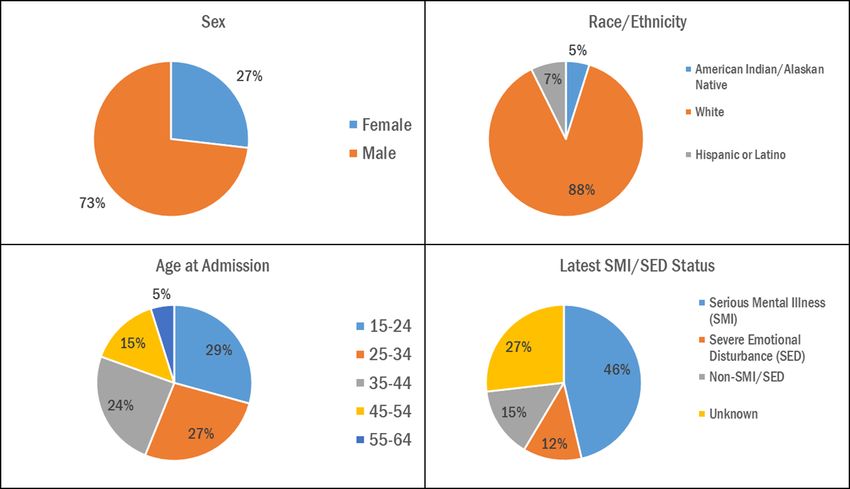
• The inpatient Forensic population is only served by DPBH.
• Increases in Forensic competency evaluations in jails and restoration
  activities, have driven the expansion of services.
• This demand for services for these populations is increasing, and by
  diverting from the criminal justice system to mental health services,
  there is treatment rather than incarceration.

                       Helping People. It’s who we are and what we do.    5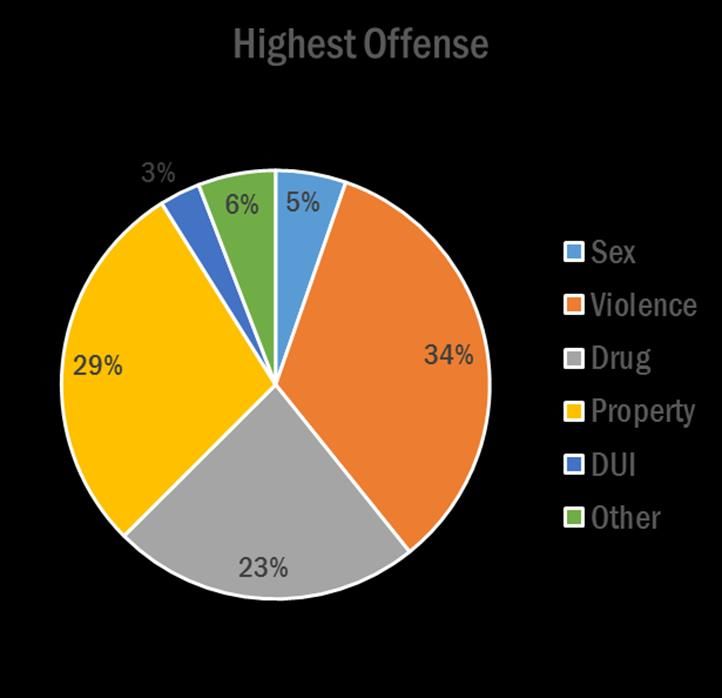
Helping People. It’s who we are and what we do. 6
Delivery Model Changes (cont.)
• Expansion of outpatient services will impact those who previously
  encountered the criminal justice system.
• Collaboration with the courts, correctional centers and those who
  have a prevailing mental health disorders will allow for longer-term
  impacts and a stabilizing of this population.
• Partnering with DPS, Parole and Probation, and local law
  enforcement for mental health assessments for those exiting
  jail/prison provides for a seamless approach to post-release services.
  This approach will reduce recidivism for this population.

                       Helping People. It’s who we are and what we do.     7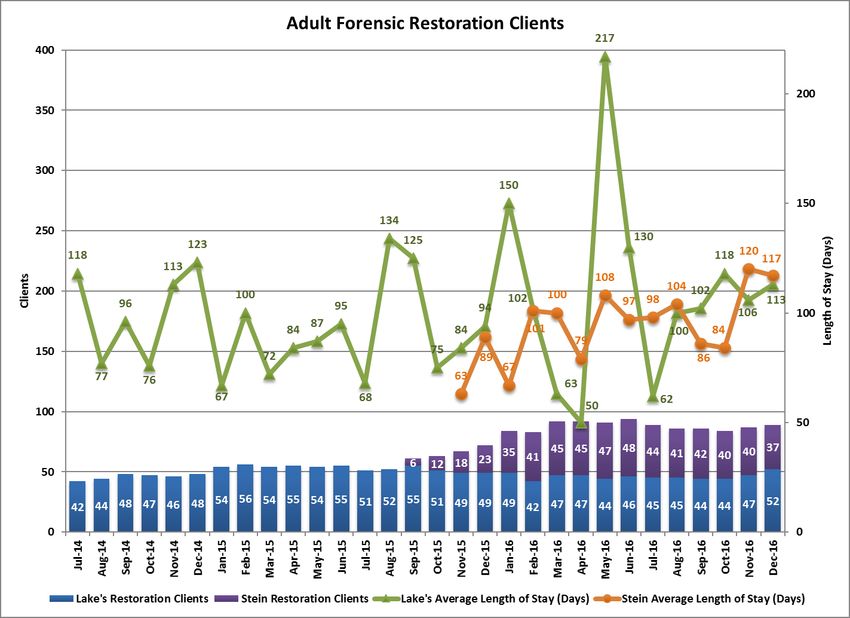
Delivery Model Changes (cont.)
• The Sequential Intercept Model*, (an evidenced-based approach which
  defines the points in time, where the individual can be linked with
  mental health services), has impacted the community and the service
  delivery models.
• Benefits include reduced burden to the criminal justice system and
  improved health outcomes.
• This decreases the improper housing of individuals with mental-illness
  in correctional facilities.

*See next page

                      Helping People. It’s who we are and what we do.      8
Helping People. It’s who we are and what we do. 9

CCBHC

• Certified Community Behavioral Health Centers, (CCBHC)
  are a new model which standardizes expectations for quality
  and service delivery in community mental health centers,
  and provides linkages which tie payments to outcomes.
• The goal of CCBHC’s is to strengthen community-based
  mental health and addiction treatment services, integrate
  behavioral health care with physical health care and use
  evidence-based care more consistently.

                   Helping People. It’s who we are and what we do.   10
Affordable Care Act
• The Affordable Care Act (ACA) provides a resource for the patients who
previously were only able to be served in Emergency Rooms and by the
State-operated facilities.
• This has allowed for Medicaid’s Managed Care Organizations (MCO’s) to
cover mental health services in community-based traditional and
private health care settings.
• Addition of two MCO’s to make four, will aid in coverage for all eligible
mental health enrollees, as of July 1, 2017.
Helping People. It’s who we are and what we do. 11Affordable Care Act
• The MCO’s are responsible for managing the
care of those who are participants in their
plans.
• They have an incentive to keep individuals
‘well’, to avoid paying high costs.
• This expansion to four plans will allow for
competition, which is expected to drive
improved services for people with mental-
illness.
Helping People. It’s who we are and what we do. 12Mental Health Budgets
• Under the ACA the majority of those between the ages of 19-64 years
are now covered under the MCOs.
• Individuals can access services at any clinic, in any hospital, and fill
prescriptions at any pharmacy that accepts Medicaid/MCO. This has
resulted in less demand.
• Budgets were predicated on the fact that the ACA remains intact
moving forward.
• The role then of DPBH becomes the safety-net for those who do not
have insurance, or are under-insured or are a population that currently
is not being served.
Helping People. It’s who we are and what we do. 13Mental Health Budgets
• Rural Clinic’s demand for behavioral health services for all ages
continues to remain high and therefore there were no changes to
that budget.
• Many of the initiatives in the budgets were based on the
recommendations also found in the Regionalization of Mental Health
Services study provided by LCB.
• New community-based services- such as CCBHC’s are organized
similarly to FQHC’s under Medicaid. SAMHSA recently awarded a
grant to fund three across the state.
Helping People. It’s who we are and what we do. 14Clinical Services Statewide
Total Budget SFY 18: $143,112,831 Total Budget SFY 19: $140,209,103
SGF- State General Fund Federal Funds- Medicaid, etc.
Third Party- commercial insurance Other- Fees, Cash pay, other sources
Helping People. It’s who we are and what we do. 15Budget Changes Helping People. It’s who we are and what we do. 16
Helping People. It’s who we are and what we do. 17
Eligibility

•The uninsured numbers noted on the chart on the prior slide
 indicate that there could be a larger population of uninsured
 that could be covered.

•The remedy for this is the co-locating of Welfare Eligibility
 Workers from the Division of Welfare and Supportive
 Services, (DWSS) in many settings to provide determinations
 for the uninsured, in real-time.

                    Helping People. It’s who we are and what we do.   18
Services to the Uninsured
Several creative partnerships have improved access to benefits
including Medicaid, SNAP, and other services.
•DWSS Eligibility Workers available, or in progress:
• Dini-Townsend Hospital
• Northern Nevada Adult Mental Health Services campus
• Rawson-Neal Hospital
• Southern Nevada Adult Mental Health Services campus
• Clark County Detention Center
• Warm Springs Correctional Center
• Casa Grande
• Parole and Probation Services Children’s Cabinet
Helping People. It’s who we are and what we do. 19Examples of Services
• Warm Springs Correctional Center in Carson City- Eligibility workers
come to the prison, and two community providers are working with
DPBH/ DOC to gain access to their pre-parole population to provide
discharge planning and placement 30-60 days prior to release.
• Casa Grande in Las Vegas, is currently using one-half of their housing
unit for parolees who are released after serving their sentence, yet
have parole plan that is acceptable. DPBH in partnership with DOC is
engaged in a Transition Partnership which includes Mental Health
Assessments, Individualized Services and a Transition plan.
Helping People. It’s who we are and what we do. 20Examples of Services
Casa Grande services include:
• Medication Management
• Counseling
• Service Coordination
• Housing Support
• Peer to Peer Support
• Drop In Center
• Substance Abuse Counseling
• Supported Employment with DETR
Helping People. It’s who we are and what we do. 21Mobile Outreach Safety Teams
• Mobile Outreach Safety Team, (MOST) is a program that operates in
several areas across the state. It is a collaboration with local law
enforcement in each area, who participate in Crisis Intervention
Training, (CIT) so that they are prepared to intervene with those in a
mental health crisis.
• Clinicians accompany the officers to assess the individual(s).
• Based on the Governor’s Behavioral Health and Wellness Council
recommendations report, there is now local control for decision-
making in Clark County, and in process in Washoe County .
Helping People. It’s who we are and what we do. 22Helping People. It’s who we are and what we do. 23
Mobile Outreach Safety Teams

• Clark County has C.I.T. trained Metro Police Officers who respond to
  calls for individuals experiencing a mental health crisis.
• DPBH funds Clark County Social Services who then sub-grant funds
  to WestCare Nevada, the service provider.
• MOST was operationalized based on the community needs, which
  allows the decision-making to remain at the local level.
• This was a recommendation of the Governor’s Health and Wellness
  Council.

                       Helping People. It’s who we are and what we do.   24
Mobile Outreach Safety Teams
• Washoe County has C.I.T. trained Police Officers and Sheriff’s
Deputies who respond to calls for individuals experiencing a mental
health crisis. Programs currently operate through several law
enforcement agencies.
• DPBH currently supports the Clinicians who accompany the law
enforcement personnel. This funding is being transferred to Washoe
County Social Services so that they can base decisions on their
community needs.
• This was a recommendation of the Governor’s Health and Wellness
Council.
Helping People. It’s who we are and what we do. 25Mobile Outreach Safety Teams
• Carson City has a clinician employed by DPBH Rural Clinics, who
works with local C.I.T. trained Sheriff’s Deputies.
• When there is a need, law enforcement responds to the specified
location in support of the staff who determines there is a mental
health crisis.
• This is a new program which expands services to the rural
communities however have been successful overall.
• There are discussions about potential programs in other rural
counties.
Helping People. It’s who we are and what we do. 26Staff Changes
• There are considerable reductions in staffing, included in the Clinical
Services budgets, however;
• Most are vacant positions, which are unable to be filled due to
workforce shortages, and the need to hold some positions vacant in
anticipation of the budget impacts.
• The Division has communicated to staff through Town-Hall meetings,
to work with them through the personnel process, if impacted.
• Majority of the impacted positions will have other options for
employment within the Division or the Department.
Helping People. It’s who we are and what we do. 27Workforce Shortage
• Mental Health services are experiencing a severe workforce shortage
in Nevada for behavioral health professionals.
• The Nevada Primary Care Office works with the Federal Health
Resources Services Administration to designate Health Professional
Shortage Areas, (HPSAs) in Nevada to leverage federal funding for
recruitment and retention.
• For behavioral health, most of Nevada is a designated HPSA, with a
single catchment area in all of northern Nevada, and multiple
designations in southern Nevada.
Helping People. It’s who we are and what we do. 28Workforce Shortage (cont.)
According to the 2017 Health Data Book, Office of Statewide Initiatives,
University of Nevada Reno, School of Medicine, as of 2016:
• Licensed Alcohol & Drug counselors went down from 45.0 to 42.1 per
100,000 population;
• Licensed Marriage & Family therapists has decreased by 15.6% since
2010;
• Licensed Clinical Professional Counselors has increased from 1.0 -3.4 per
100,000 population since 2010;
• Of the 190 Psychiatrists licensed in Nevada, 189 live in the urban areas,
and the per capita is 6.8 per 100,000, an increase of 25%. (Average is
12.3 per 100,000 nationwide);
Helping People. It’s who we are and what we do. 29Workforce Shortage (cont.)
• Licensed Psychologists have increased by 25.4% from 11.4 to 13.4
per 100,000 population, (average in US is 65 per 100,000);
• Licensed Clinical Social Workers is 14.3 per 100,000 in rural counties
versus 25.1 in urban areas, (169 per 100,000 nationwide on
average).
These statistics rank Nevada in the bottom 5% across these
professions, in comparison to other states. The Department of Health
& Human Services is working on several initiatives to address these
issues.
Helping People. It’s who we are and what we do. 30Workforce Shortage (cont.)
Some of the initiatives include:
– Recruitment, retention and hiring of qualified professionals;
– Licensing and reciprocity; SB69;
– Education and training with competency-based curriculum;
– Workforce pipeline- Social Workers, UNSOM,
– State Loan Repayment program; National Health Services Corps;
– Medicaid reimbursement for Psychology Interns, NV-PIC;
– Nevada Office of Rural Hospital Partners- Telehealth;
Helping People. It’s who we are and what we do. 31Nevada Department of Corrections
Received Mental Health Treatment
Top Offenses
• Burglary/Grand Larceny
• Possession/Under Influence of Control
Substance
• Robbery
• Use of Deadly Weapon
• Possession of Stolen Vehicle/Property
• DUI
• Sexual Assault
Source: Nevada Department of Corrections (FY 2013 – FY 2016) and AVATAR (as of January 07, 2017)
Helping People. It’s who we are and what we do. 32Parole & Probation
Received Mental Health Treatment
Source: Nevada Parole and Probation and AVATAR (as of January 07, 2017)
Helping People. It’s who we are and what we do. 33Lyon County Jail
Received Mental Health Treatment
Source: Lyon County Jail (October – November, 2017) and AVATAR (as of January 07, 2017)
Helping People. It’s who we are and what we do. 34Most Common Mental Health Diagnosis Among Clients,
Nevada
Mood Disorder
Polysubstance Dependence
Antisocial Personality Disorder
Depressive Disorder
Psychotic Disorder
Amphetamine Dependence
Personality Disorder
Alcohol Dependence
Anxiety Disorder
Bipolar Disorder
Source: AVATAR (as of January 07, 2017)
Helping People. It’s who we are and what we do. 35Individuals with Mental Illness and Crime
According to an article in the New England Journal of Medicine:
As physicians, we are uniquely positioned to call attention to the circumstances
that result in our patients being housed in places of punishment rather than places
of healing. We can also push for the expansion and funding of programs that seek
to rectify these injustices. Given the vast scope of the problem, a combination of
solutions — including the foundation of insurance parity for mental health care —
is necessary. “If you dramatically increase the number of crisis options,” points out
Joel Dvoskin, chair of the Nevada Behavioral Health and Wellness Council, “police
will be less likely to arrest.”
Hard Time or Hospital Treatment? Mental Illness and the Criminal Justice System, Christine Montross, M.D.
N Engl J Med 2016; 375:1407-1409October 13, 2016DOI: 10.1056/NEJMp1606083
Helping People. It’s who we are and what we do. 36Gun Violence and Individuals with Mental Illness
According to CNN, People with serious mental illness are three times more likely
than those who are not mentally ill to commit violent acts against themselves or
others, but that is still a very small number of people, about 2.9% of people
with serious mental illness within a year. And the impact on gun violence
statistics is marginal, amounting to about 4% of all firearm homicides, according
to research as recent as last year.
When talking about gun deaths from suicide, however, epidemiologists say
mental illness legitimately becomes an area of concern. Suicides accounted for
61% of all firearm fatalities in the United States in 2014, or 21,384 of 33,599 gun
deaths recorded by the Centers for Disease Control and Prevention.
Gun violence not a mental health issue, experts say, pointing to 'anger,' suicides
By Emanuella Grinberg, CNN; http://www.cnn.com/2016/01/25/health/gun-violence-mental-health-issue/
Helping People. It’s who we are and what we do. 37Summary
• The Affordable Care Act is in a precarious situation with threats of
repeal or replace by new President Trump. If they reduce or
eliminate this expanded coverage, there is a need to reconsider our
proposed changes to our programs, services and budgets.
• Trends in the healthcare system means that the Division is now
focused on the unmet needs such as those being sent out-of-state
for care, including children and adolescents, and adults who need
long-term treatment in a secure setting.
Helping People. It’s who we are and what we do. 38Summary
• Service capacity that now is covered by Medicaid, is expanding by
community providers, which needs support to be sustained.
• Behavioral Health workforce shortages make for limited resources to
operate these programs and therefore the system remains
somewhat limited.
• Safety-net services are now changing to focus on the uninsured, and
services that are not reimbursable by traditional health insurance,
and Medicaid.
• These changes drive the modifications in the Mental Health budgets
and services at the State level.
Helping People. It’s who we are and what we do. 39You can also read


