Flexitarian Diet? - Food Insight
←
→
Page content transcription
If your browser does not render page correctly, please read the page content below

What is the
        Flexitarian Diet?
                                                  THE BASICS

M     ost Americans do not consume the recommended
      amounts of dairy, fruits, legumes (e.g., chickpeas, len-
tils and beans, including soy), seafood, vegetables or whole
                                                                  There are no set calorie or macronutrient goals in a flexitarian
                                                                  diet. Instead, the goal is to increase the consumption of plant
                                                                  or plant-based foods over time, keeping in mind that meat is
grains.1,2,3 While a complete diet overhaul may seem daunting,    not off-limits but rather that it is eaten less frequently and/or
one style of eating—the “flexitarian diet”—attempts to make it    in smaller portions.
easier to shift dietary choices by focusing more on what can be
added to the diet rather than what should be taken away.          Calories in the flexitarian diet mostly come from nutrient-rich
                                                                  foods such as fruits, legumes, whole grains and vegetables.
The flexitarian diet is a play on two words: flexible and         When it comes to protein, plant-based foods (e.g., soy foods,
vegetarian. While no single definition has been adopted, the      legumes, nuts and seeds) are the primary source. Protein
flexitarian diet can be generally defined as a semi-vegetarian,   also comes from eggs and dairy, with lesser amounts coming
plant-forward diet that incorporates dairy and eggs and allows    from meat, especially red and processed meats. Due to
room for meat from time to time. The emphasis on plant foods      the emphasis on nutrient-dense foods, the flexitarian diet
is thought to contribute to the health benefits associated with   encourages limiting one’s intake of saturated fat, added
a vegetarian diet without requiring                               sugars and sodium.
compliance to the dietary rules of
100%-vegetarian or vegan diets.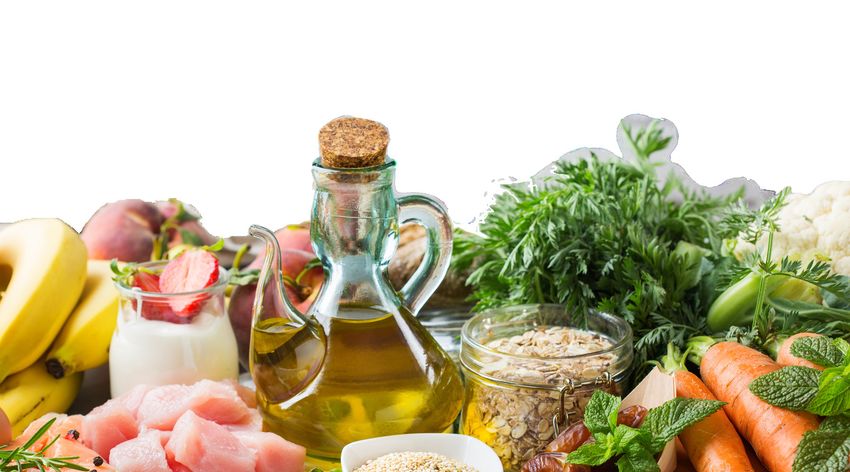
2

                                          THE FLEXITARIAN DIET
                                          AND YOUR HEALTH

                A    flexitarian diet can have a positive
                     impact on health,4,5 while being
  less strict than a 100%-vegetarian or vegan diet.
                                                            blood pressure, and decrease the risk of type 2
                                                            diabetes. The same review found that a semi-
                                                            vegetarian or flexitarian diet may also have a role
The plant-forward philosophy of a flexitarian diet          to play in the treatment of inflammatory bowel
aligns with the 2020–2025 Dietary Guidelines for            diseases such as Crohn’s disease.
Americans which recommend choosing more
nutrient-dense foods (fruits, vegetables, legumes,          The protective effects of the foods emphasized in
whole grains, low-fat dairy, lean proteins and              the flexitarian diet are thought to be due to multiple
healthy fats) and beverages and relatively less red         beneficial nutrients contained in these foods,
and processed meats, sugar-sweetened foods and              including mono- and polyunsaturated fatty acids,
beverages, and refined grains.3                             omega-3 fatty acids, antioxidant vitamins, minerals,
                                                                               phytochemicals, fiber and protein.
A 2016 review of evidence-based literature that
included 25 studies (four randomized controlled                                    There is a growing body of
trials and 21 observational studies) examined the                                   evidence examining the
effects of adopting a flexitarian diet.6 It should be                                health effects associated
noted that the definition of the diets included in this                              with adopting a flexitarian
review varied slightly, ranging from “a diet comprised                                diet, including implications
of a total of red meat or poultry ≥1 time/month but                                  for heart disease, diabetes,
all meats combined (including fish)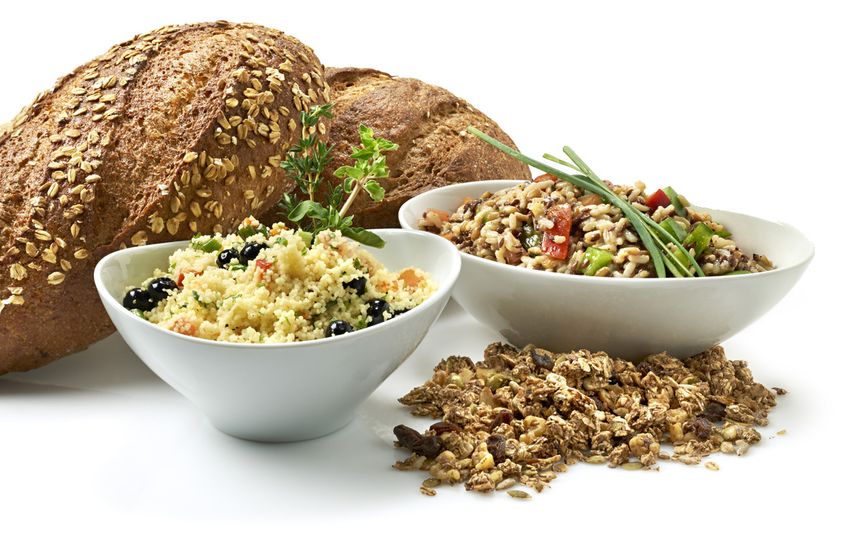
3

Heart Disease                                           Other Benefits
Eating more plant-based foods through a flexitarian     Dietary Sources of Fiber
or semi-vegetarian diet may reduce one’s risk for
                                                        Most Americans consume about half the dietary
cardiovascular disease. Research has shown that a       fiber that is recommended each day (which is
diet comprised predominantly of plant-based foods,      14 grams per 1,000 calories consumed), and
such as fruits, vegetables, legumes, nuts and whole     only about 5% of the population meets the
grains is associated with a lower risk of CVD.7         recommendations for dietary fiber intake.11
                                                        Consuming more plant-based foods can help
Diabetes                                                increase a person’s daily dose of dietary fiber,
Several studies have examined diets high in plant-      which plays key roles in gut and bowel health,
based foods and their impacts on diabetes-related       promoting adequate digestion and absorption
risks. Compared to non-vegetarian diets, flexitarian    of several nutrients. Moreover, dietary fiber
diets are associated with significantly lower levels    consumption has been linked to a host of
of glucose, insulin, and reduced insulin resistance,⁸   potential health benefits, including reduced risk
as well as a reduced risk in developing diabetes        of cardiovascular disease, coronary heart disease,
mellitus.9                                              stroke, hypertension, certain gastrointestinal
                                                        conditions, obesity, metabolic dysfunctions like
Cancer                                                  prediabetes and type 2 diabetes, and some types
Flexitarian or semi-vegetarian diet patterns have       of cancer.12
been associated with reduced risk of certain types of
cancer, including colon cancer.10                       Dietary Sources of Vitamins and Minerals
                                                        Plant-based foods contain many vitamins and
Weight Management                                       minerals that are good for health, including
                                                        vitamins A, C, E, K and folate and the minerals
Consuming more plant-based foods in a flexitarian
                                                        potassium, phosphorus, magnesium and
diet could be one factor that helps with weight
                                                        manganese. These nutrients, which are often
control. Research has shown that individuals
                                                        not consumed in adequate amounts, are vital to
following a flexitarian diet have had significantly
                                                        the health of our eyes, immune system, muscles,
lower body weight and significantly lower body fat
                                                        heart, nerves, skin, gut, brain and more. While
                percentages than those following
                                                        the main emphasis of this diet is on the benefits
                         non-vegetarian      eating
                                                        of plant-based foods, dairy and eggs are also
                                  patterns.⁸
                                                        allowed and provide high-quality protein in
                                                        addition to other nutrients. Dairy contains B
                                                        vitamins, potassium, calcium and vitamin D and
                                                             eggs provide vitamins A, D, E, choline, iron,
                                                                lutein and folate.
4

Environmental Impact

T   he replacement of animal-
    source foods with plant-based
                                                    Tips for Trying a
foods not only has positive health
outcomes; it can also exert a gentler              FLEXITARIAN DIET
impact on the environment.13 Plant-
based foods can help consumers                         At each meal, build a plate with fruits, vegetables,
meet functional and nutritional                        whole grains, legumes and healthy fats.
requirements while generating
fewer GHG emissions compared                           When choosing protein sources, opt for plant-based
with omnivorous diets or animal                        foods (e.g., soy foods, legumes, nuts and seeds), dairy
foods.14,15,16                                         and eggs most of the time.

H   owever, it’s worth noting that
    these comparisons do not
account for the lower bioavailability
                                                       Take advantage of the flexibility
                                                       of this plan—meat can be
                                                       incorporated from time to time,
of some nutrients, such as iron and                    but be mindful of its portion sizes.
protein, in certain plant foods. This
means that our bodies are not able to                  Include more whole,
absorb some nutrients from certain                     nutrient-dense foods,
plant foods as efficiently as we can                   which may naturally
from animal foods. As a result, the                    reduce the consumption
environmental footprints of some                       of foods or beverages
plant-based foods do increase when                     that are high in calories,
calculated on the basis of nutrient                    saturated fat, added sugars
density. 17                                            and salt.

                                                                 IN SUMMARY

                                        A    t its core, the flexitarian diet allows for flexibility, which may be
                                             appealing to some who are looking for a path to improved health
                                        that has fewer rigid rules. The main purpose of this diet is to slowly
                                        increase one’s plant intake over time without omitting animal foods.
                                        With its emphasis on plant and plant-based foods, the flexitarian diet is
                                        comprised of beneficial vitamin-, mineral-, and fiber-containing foods and
                                        has been associated with a reduced risk of type 2 diabetes, cardiovascular
                                        disease and cancer.
5

References
1. Lee-Kwan SH, Moore LV, Blanck HM, Harris DM, Galuska         10. Battaglia RE, Baumer B, Conrad B, Darioli R, Schmid A,
D. Disparities in State-Specific Adult Fruit and Vegetable      Keller U. Health risks associated with meat consumption:
Consumption—United States, 2015. MMWR Morb Mortal               a review of epidemiological studies. Int J Vitam Nutr Res.
Wkly Rep. 2017;66(45):1241-1247.                                2015;85(1-2):70-78.

2. Lange SJ, Moore LV, Harris DM, et al. Percentage of          11. Quagliani D, Felt-Gunderson P. Closing America’s Fiber
Adolescents Meeting Federal Fruit and Vegetable Intake          Intake Gap: Communication Strategies From a Food and
Recommendations—Youth Risk Behavior Surveillance                Fiber Summit. Am J Lifestyle Med. 2017;11(1):80-85.
System, United States, 2017. MMWR Morb Mortal Wkly Rep.
2021;70(3):69¬-74.                                              12. Dahl WJ, Stewart ML. Position of the Academy of
                                                                Nutrition and Dietetics: Health Implications of Dietary
3. U.S. Department of Agriculture and U.S. Department           Fiber. J Acad Nutr Diet. 2015;115(11):1861-1870.
of Health and Human Services. Dietary Guidelines for
Americans, 2020-2025. 9th Edition. December 2020.               13. Broekema R, Tyszler M, van ‘t Veer P, et al. Future-
                                                                proof and sustainable healthy diets based on current
4. Grasso S, Jaworska S. Part Meat and Part Plant: Are          eating patterns in the Netherlands. Am J Clin Nutr.
Hybrid Meat Products Fad or Future? Foods. 2020;9(12).          2020;112(5):1338-1347.

5. Spencer M, Cienfuegos C, Guinard J-X. The flexitarian flip   14. Eshel, G, Stainier, P, Shepon, A, Swaminathan, A.
in university dining venues: Student and adult consumer         Environmentally Optimal, Nutritionally Sound, Protein and
acceptance of mixed dishes in which animal protein has          Energy Conserving Plant Based Alternatives to U.S. Meat.
been partially replaced with plant protein. Food Qual           Sci Rep 9, 10345 (2019).
Prefer. 2018;68:50-63.
                                                                15. Food and Agriculture Organization of the United
6. Derbyshire EJ. Flexitarian Diets and Health: A Review of     Nations. Key Facts and Findings (greenhouse emissions).
the Evidence-Based Literature. Front Nutr. 2016;3:55.           Accessed 2020.

7. Patel H, Chandra S, Alexander S, Soble J, Williams KA,       16. Drewnowski, A, Rehm, CD, Martin, A, Verger, EO,
Sr. Plant-Based Nutrition: An Essential Component of            Voinnesson, M, Imbert, P. Energy and nutrient density of
Cardiovascular Disease Prevention and Management. Curr          foods in relation to their carbon footprint. Am J Clin Nutr.
Cardiol Rep. 2017;19(10):104.                                   January 2015;101(1):184-91.

8. Kim MH, Bae YJ. Comparative Study of Serum Leptin and        17. Tessari, P, Lante, A, Mosca, G. Essential amino acids:
Insulin Resistance Levels Between Korean Postmenopausal         master regulators of nutrition and environmental
Vegetarian and Non-vegetarian Women. Clin Nutr Res.             footprint? Sci Rep. 25 May 2016;6:26074.
2015;4(3):175-181.

9. Agrawal S, Millett CJ, Dhillon PK, Subramanian SV,
Ebrahim S. Type of vegetarian diet, obesity and diabetes in
adult Indian population. Nutr J. 2014;13:89.
You can also read


