Apotti Programme Deployment of Epic in Helsinki Area 2016-2020
←
→
Page content transcription
If your browser does not render page correctly, please read the page content below

Apotti Programme
Deployment of Epic in
Helsinki Area 2016–2020

How to work with customizing a shared EMR for different specialties?
       How to organize the work getting clinicians in front ?
            How was the experience so far with EPIC ?
Helsinki and Uusimaa Hospital District
Apotti area covers
     •    30 hospitals, including
          University hospital group
          (Helsinki University Hospital)
     •    40 public health stations
     •    50 social service offices
       • 1,6 million citizens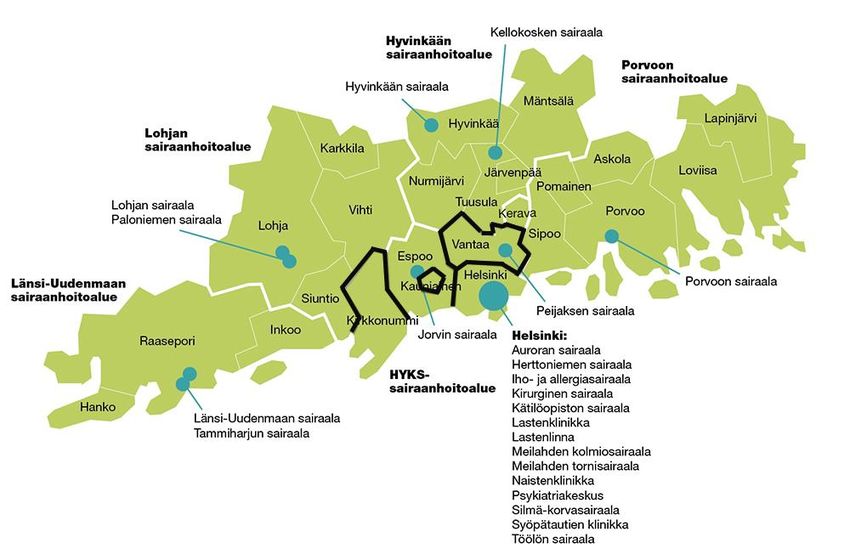
Denmark: The Health Platform

• Two regions – 2.5 million citizens
• 12 hospitals
• 44,000 employees in the region will be using the
  system
• 46 municipalities can (at least in part) be linked up to
  the system
• 400 persons involved in the project organisation
• No social or home care included

                                                             Eastern Denmark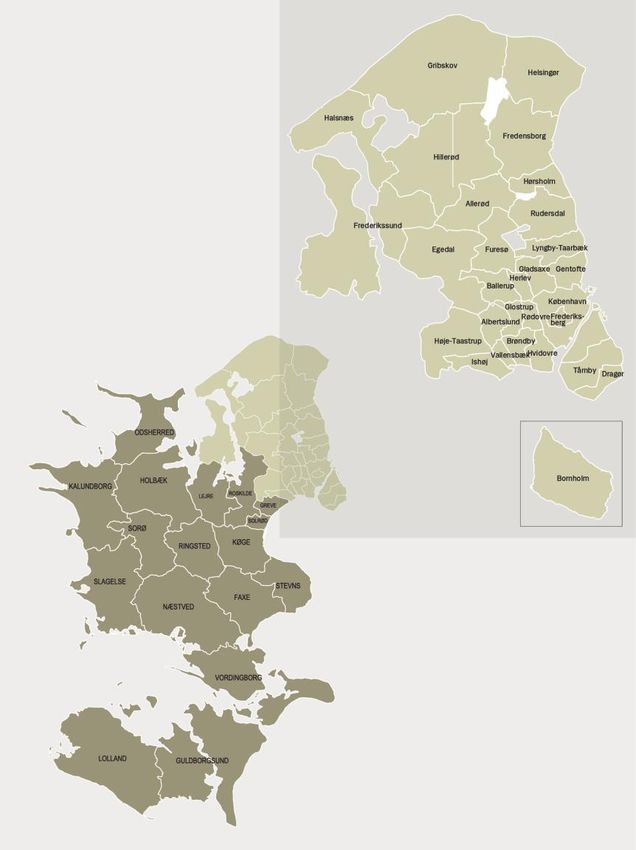
Background: Social and Healthcare in Finland

• Healthcare and social care services
   • Healthcare expenditure: 20 billion a year (9.5 % of GNP)
   • Private healthcare service providers’ combined turnover: 3.5 billion a year
   • Social care expenditure: 66 billion (32 % of GNP)
       • Proportion of social care expenditure related to old age: 38 %

• Role of private sector providers is set to increase
• Challenges
   • Aging population
   • Chronic diseases
• Almost 100 % Electronic Medical Record coverage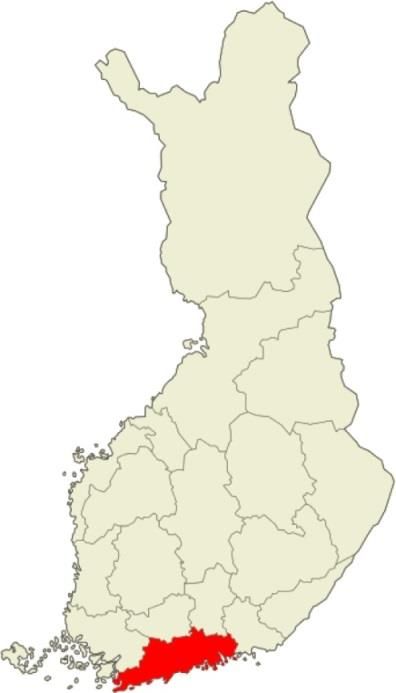
Epic Systems’ EHR software, the core of Apotti,
is in use in some of the world’s top-ranking
health care establishments
                               • Over 3 million users

                               • Over 45 million client portal users
                               • Over 360 organizations, including Kaiser
                                 Permanente, Mayo Clinic, Johns Hopkins
                               • The best content is incorporated into the
                                 Epic system and shared and updated with
                                 the system to all users
                                 → The best practices in the world can be
                                 easily adopted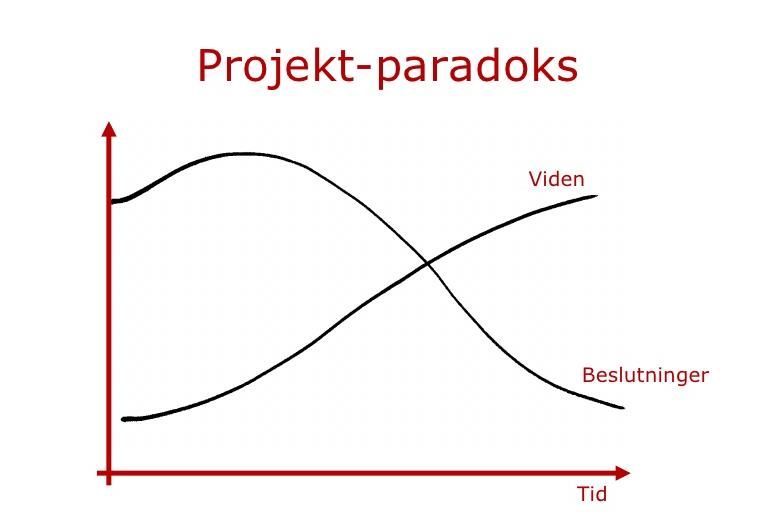
Key facts about Apotti Programme
Apotti’s
      main objective
    is to establish one
  regionally integrated
    client and patient
IT-system for social and
        health care
Apotti reforms Social and Health Care:
Medication Process before Apotti
= Information does not move, need for double documentation
Effica Effica
Social services (nursing home)
Health center Pegasos GE Clinisoft Pegasos
Uranus Uranus
Emergency
Lab WebLab
Radu Agfa Pacs
X-ray
GE CA
Anesthesia
Operating room GE Opera
Intensive care GE Clinisoft
Inpatient ward UranusMedication after Apotti go-live Medication check point
Changing color in the line describe that
the medication is changed.
Social admin
Health center
HUHD ED
HusLab
HUHD General Imaging
Anesthesia
Operating room
Intensive care
Bedded unitThe Scope • Specialized Care, Primary Care, Oral Health Care • Elderly Care, Home Care and other Social Care Services • Most of the Epic applications – clinical and administrative • A lot of Finland specific functionality developed by Epic according to the agreement • Integration to national health archive KANTA and Prescription Center • Finland specific coding and reporting • Integrations to around 60 other systems • My Chart client portal
Key Facts about Apotti

May 2012: Program starts as a common project owned by Uusimaa Hospital Area and 5 municipalities
Fall 2013 to fall 2015: Procurement and product evaluation period
     •   Over 600 social, health and ICT professionals take part in the procurement process

March 2016: 65 Apotti Associates (Physicians, Nurses and Social workers) start their work
April 2016: Contract between Apotti and Epic signed
     •   Value 384 million euros over 10 years

August 2016: Implementation begins
September 2016: Contract for infra services signed with Fujitsu
November 2018: First parts of system go live
Latest news:
     •   Over 400 employees working within the Apotti Company
     •   Apotti associated professional network consists of over 500 professionals
     •   Total number of end users is about 40 000
Implementation time lines
2018 2019 2020
November May November January May October
HUS PEIJAS VANTAA: VANTAA: HUS: HUS: HELSINKI
most of oral healthcare, Hyvinkää, Meilahti hospitals, KIRKKONUMMI
2 000 users healthcare, substance abuse Lohja, Porvoo, Skin and Allergy KAUNIAINEN
family services services, Jorvi, Raasepori, Hospital, TUUSULA
and services for services for the Gynaecology Töölö Hospital, KERAVA
the elderly disabled, and obstetrics, Surgical Hospital,
employment HUH Psychiatry HUS units of the 15 000 users
2300 users services Malmi, Laakso, Aurora
and family law 9 400 users and Herttoniemi
matters hospitals,
HUS Medical Imaging
700 users
12 500–15 000 users
ONGOING SERVICE / PRODUCTION / FURTHER DEVELOPMENTAreas of operational change
Structured Guiding workflows Utilisation of Electronic Harmonized
documentation →Client and patient knowledge services practices
safetyHow to organize the work getting clinicians in front ?
What did the clinicians do in Apotti?

• Workflows: How do clinicians work in Finland?
• Content: How can we help clinicians do their work more safely and
  effeciently? What kind of order sets, note templates and reports do they
  need?
• Training material and acutal training
• Testing
• Integrations: Where in the workflow do the clinicians need the data from
  different intergrated systems?
• COMMUNICATION
• OPERATIONAL READINESS
How are clinicians involved?

 650 Subject Matter Experts

                                                                                      Line of business
Experts of different disciplines                                                        management
       in organisations                   65 Apotti Associates
                                         = Nurses, Physicians & Social Workers
                                                 working at Apotti Ltd.
      Decisions on the                                                               Regular meetings with
   workflows and contents                  Broad understanding of the                 the leaders of their
       of the system                     workflows and strategies in their               departments
                                             respective departments

                                     Team around a                Each Apotti Associate
                                                                  belongs to an
                                   system application             application team
How did Apotti involve Clinicians?
Epic has a standard way of doing it:
Direction / Review, Build, and Approve workflows
Adoption
Review, Build, and Approve “common”
Core content for all specialties
ACDC Review, Build, and Approve content needed
(Apotti Content Design for different specialties
Conferences)Problems in Denmark and in Finland ”The most important
decisions are done
when you know the
least about how the
system works”
”We did not
understand
what we were
deciding...”FOUNDATION – CORE – CONTENT BUILD
ACDC (Foundation)
Apotti-Core-
Apartments
After ACDCWorkgroups
15 ACDC GROUPS 1 Anesthesia
13 specialties group 2 Abdominal Care
Primary care 3 Cardiac/Pulmonology
4 Emergency
Social care Head and Neck Centre
5
6 Inflammation
7 Intensive Care
8 Internal Medicine & Extended Care
9 Obgyn
10 Oncology
11 Orthopedics
12 Pediatrics
13 Primary Care
14 Psychiatry
15 Social CareAbdominal Care service line in HUH
ONE ACDC-GROUP Endocrinology and Parenchymal Diseases
CAN HAVE
MULTIPLE Hepatic and Transplantation Surgery
SPECIALTIES Nephrology
Gastroenterology
Gastrointestinal Surgery
Urology
Vascular SurgeryVantaan Go Live (11.5.2019) timeline
28.3. 16.4.
27.4.
Cutover Go Live dress
New Epic
training rehearsal 11.5. at 04:00
version
12.4. 25.4. Apotti GO Live in Vantaa
1.4. Cutover 23.4. Cutover Primary Care and Social Care
GLRA 1 training GLRA 2 Kick Off
March April May June
4.–11.5.
11.3.–3.5.
Health Care
End user training
Pre Go Live
29.4.–11.5.
12.3.–11.4. Soc Care Pre Go Live
Super user training
25.3.–24.5.
Data conversion
20.3.–7.5. 8.–11.5. 11.5. → GL2
Log-in labs Cutover Intermediate workflows
1.4.–30.4.
Manual conversion training and Kick offs
28.3.–5.4.
Building of 8.4.–16.6.
schedules for Manual conversions
end users
8.4.–6.5. 6.–31.5. 1.–19.6.
Support models in place Hyper care (extensive support) Support continues
25.3.–19.6.
Go Live organization in place and workingHow was the experience so far with EPIC ?
How did we succeed?Greatest challenges during the build period
• Epic is used to working in silos/applications, but health care is an
integrated process
• Medication goes from outpatient to inpatient to home care etc
• Scheduling, coding, billing and reporting is part of every process and cannot be
separated from clinical work
• Epic is very configurable –sometimes even too configurable…
• US Health Care workflows are not the same as Finland workflows
• Terminology and translation is hard and ”wrong” or ”new” terms can cause
problems
• Focus on core workflows and do optimization after clinicians know what
they needGreatest challenges today (6 months after Go Live1) Medication: Patient transfer: • Difficulties with integrations and workflows • New and complicated workflows with the national Prescription Center, both when the patient is moving between technical issues and slow workflows different levels of care (ED to ward, • Unsatisfactory configuration due to lack of ward to operation theatre etc) time and lack of co-operation between • Apotti should have followed Epic`s different teams inside Apotti guiding on how to support change • Easy to customize -> 76 different views and management, but did not because of lists in different parts of the system lack of resources and time • Inpatient and outpatient medication lists do • Insufficient end user training with not communicate as clinicians are used to incomplete system • A lot of improvement still needed
Greatest challenges today (6 months after Go Live1)

InBasket:                                             Code capture:
• Professionals were not used to checking results
  through “email-like” InBasket.                      • Registering administrative codes for
• Technical issues with results routing                 billing, databases and more takes a
• Not enough change management before Go Live           lot of clicks
• Inadequate end-user training → No clear             • Codes for are missing and end up in
  understanding of the overall effect to daily work
                                                        error work queues
Ordering:                                             • Code capturing needs to be intuitive
• Computerized Physician Order Entry (CPOE) –           and easy
  good or bad?
• Epic Order Sets, Note templates and Favourites      • Hard stops?
  utilization is not on satisfactory level
• Personalization not on satisfactory level           • Secretary workflows are unclear
                                                      • Who does what?
Valley of death
Wrap up

• Change management

• Strong local clinical leadership

• Ability to make fast decisions and document them

• A certain level of detailed knowledge about the system is necessary
You can also read


