FOSTER CARE LIFE-SAVING CAT AND KITTEN GUIDE - Souris Valley ...
←
→
Page content transcription
If your browser does not render page correctly, please read the page content below
L I F E - S AV I N G C A T A N D K I T T E N

FOSTER CARE                               GUIDE
DEAR FOSTER FAMILY,
You are about to embark on a memorable live-saving adventure! Thank you for
opening your home and heart to orphan kittens. Kittens younger than eight weeks old
are the most at-risk population in our shelter.

Fostering orphaned kittens is a rewarding process that saves thousands of lives
in our community each year, and we could not do it without you! In this manual, you
will find helpful tips to ensure success. Orphaned kittens usually require consistent
love and attention that is difficult to provide in a shelter environment. We encourage
fosters to take more than one kitten at a time to help promote socialization and normal
behavioral growth. When kittens are unable to have appropriate social interaction with
other kittens it can stunt proper socialization and lead to behavioral problems. Multiple
kittens are not only fun, they can also self entertain!

There are several requirements to be the perfect foster for this type of animal. If the
requirements included in the following section do not work well with your current
schedule, please let us know. We can help you find a foster situation that will work best
for you!

Sincerely,

Souris Valley Animal
Shelter Foster Team

                                                               Souris Valley Animal Shelter Foster Kitten Manual   |1
TABLE OF CONTENTS

  Get Ready! Preparing the Kitty Room................. 4                               Maintaining Kitten Health
                                                                                          Taking a Temperature ........................................15
  Get Set! Where Do Foster Animals Stay?............5                                     Measuring Growth...............................................15
                                                                                          Diarrhea...................................................................16
  Go! Kitty Care                                                                          Parasites..................................................................16
      Heating..................................................................... 6      Vomiting .................................................................16
      Feeding..................................................................... 6      Eye Discharge........................................................16
      Elimination.............................................................. 6         Ear Mites................................................................. 17
      Cleaning.................................................................... 6      Fleas......................................................................... 17
      Socialization.............................................................7         Ringworm............................................................... 17
      Litter Box Training..................................................7              Mange ..................................................................... 17
      Foster Rechecks......................................................7              Upper Respiratory ...............................................18
                                                                                          Fading Kittens ......................................................18
  Kitten Development................................................... 8
                                                                                       Veterinary Care
  Kitty Expectations & Care By Age......................... 9                             Routine Veterinary Care ....................................19
                                                                                          Scheduling Rechecks..........................................20
  Neonate Feeding                                                                         Vaccines..................................................................20
     Type of Food......................................................... 10          Ready for Adoption
     Feeding Etiquette .............................................. 10                  How do Pets in Foster Get Adopted? ........... 21
     Weaning.................................................................. 11
     Amount of Feeding ............................................. 11                Kitten Health Cheat Sheet .................................... 22
     Cleaning Equipment ........................................... 11
                                                                                       Kitten Cheat Sheet ................................................ 23
     Example of Neonate Kitten Daily
        Weight & Feeding Record.............................12

  Fostering Moms
     Bringing Mom Home...........................................13
     Socialization ..........................................................13
     Mom & Her Kittens .............................................14
     Problem Issues with Mom Cats........................14

  2 |   Souris Valley Animal Shelter Foster Kitten Manual
ARE YOU A FOSTER KITTEN CANDIDATE

          TIME
          Are you able to devote the required time daily and weekly to your                   YES          NO
          foster animal (see chart below)?

          Are you able to bring foster animals to the shelter for vaccinations                YES          NO
          and wellness exams every 1-2 weeks?

          Are you able to contact or bring foster animals to the emergency                    YES          NO
          care facility quickly in an emergency?

          SPACE
          Are you able to separate your foster animals from your household                    YES          NO
          pets for at least two weeks to protect them from illnesses and allow
          for proper adjustment period?

          Are you able to handle cleaning procedures such as washing hands                    YES          NO
          after every encounter and cleaning / disinfecting the kittens’
          quarters routinely?

          Are you able to handle any potential home damage (carpet,                           YES          NO
          clothing, and/or furniture) associated with animals?

          CARE
          Are you prepared to handle sickness or possible death of your foster                YES          NO
          animal?

          Are you able to emotionally handle letting go of the foster animal                  YES          NO
          after becoming attached once their foster period is over?

          Are you able to handle the potential of foster animals carrying                     YES          NO
          illness that could affect your household animals / family?

                     Kitten Foster Time Commitments

TYPE OF FOSTER                 DURATION OF FOSTER                        DAILY COMMITMENT

 Weaned Kittens                        1-3 weeks                                   2 hours

    URI Cats                          2-3 weeks                                   1-2 hours

Kittens with Mom                      2-8 weeks                              1-2 hours or more

   Injured Cat                     1 week - 2 months                              1-2 hours

Neonate Kittens                       6-8 weeks                                Up to 8 hours

                                                       Souris Valley Animal Shelter Foster Kitten Manual   |3
GET READY!

                TIPS&
                TAILS
                                               Preparing the Kitty Room
                                               Before you bring home your kittens, make sure that you have a
                                               suitable place for them to stay. A bathroom often works well. The
                                               kitten room should adhere to the following guidelines:
          Use glass or metal                     • A space where temperature can be controlled.
        bowls as plastic bowls                   • The space has been disinfected by using a mild bleach solution
        are porous and not as                      (1 part bleach to 32 parts water).
            easy to clean.
                                                 • Separate from other household pets.
                                                 • Can withstand kitty messes: litter box accidents, vomit, spilled
                                                   water, etc.
             Clean linens                        • No breakable items.
            and toys daily.                      • Electrical outlets and wires are blocked.
                                                 • No small items.
                                                 • Secured windows (closed or with a secure screen).
               Supervise                         • Secured appliances (toilet lids closed).
               play time.

  4 |   Souris Valley Animal Shelter Foster Kitten Manual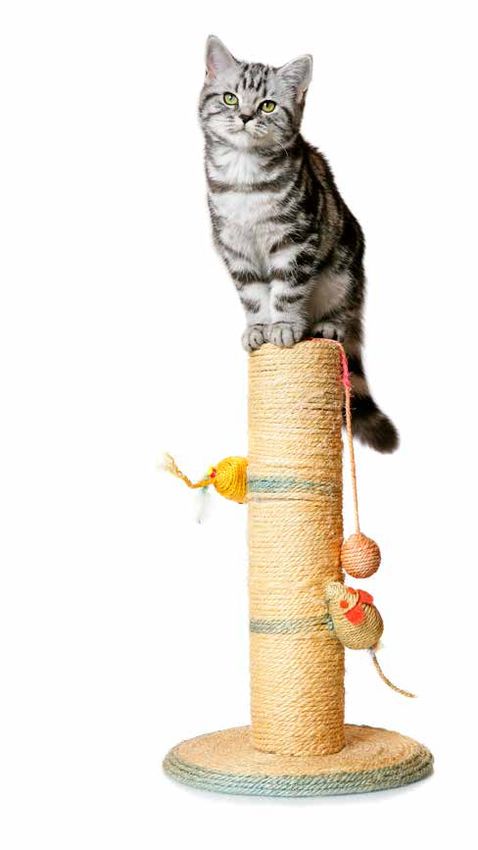
GET SET!

               toilet seat
                    down

fresh   food      liter      bed
water             box

toy
                               toy
                                              scratching
                                                    post

                                   Souis Valley Animal Shelter Foster Kitten Manual   |5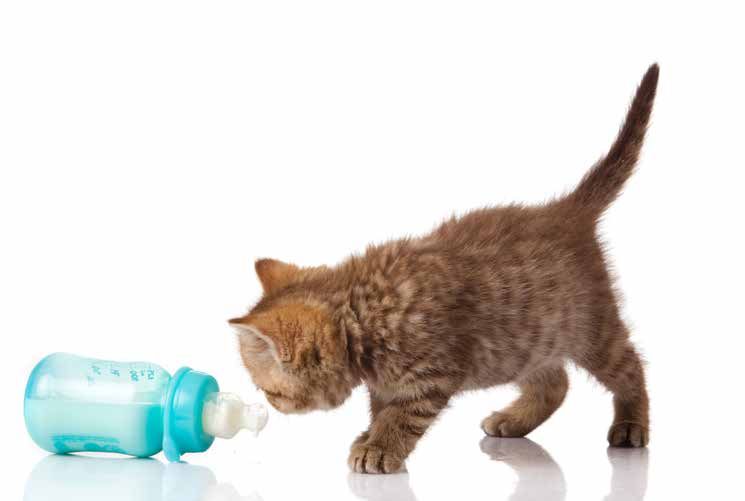
GO! KITTY CARE
                                              Heating
                TIPS&                         It is important to keep the kittens warm! However, it is also important
                TAILS                         that kittens have space to move away from a heat source. Covering a
                                              heating pad or warm rice sock with a towel works well. Be sure that
                                              the heat source only covers part of the area. Small litters or single
                                              kittens need more help staying warm.

       Heat Rice Socks
                                              Feeding
      in Microwave for 1                      Follow the feeding schedule provided in the Feeding section.
      minute maximum.                         For neonates keep track of the feedings on the Daily Weight and
                                              Feeding Record.
    This will provide up to
    60 minutes of warmth.                     Elimination
                                              Young kittens (3 weeks or less) often need help urinating and
                                              defecating. To do so, gently rub a warm cloth or cotton pad on
                                              the anus and genital areas immediately after a feeding. This will
         Play with your kitten                stimulate kittens to urinate and/or defecate into the cloth or cotton pad.
         with toys instead of                 If a mother cat is present she will stimulate the kittens.
          your hand, this will                Cleaning
         prevent your kitten
                                              Kittens are usually groomed by their mother. In the absence of the
        from thinking you are
                                              mother, you must work hard to keep the kittens clean.
         a toy and scratching
            and biting you.                   Dried feces in the fur can be removed by using a flea comb.

                                              Use a warm, damp cloth to stroke the kittens’ fur. This simulates how
                                              a mother cat would groom her kittens.

        If your kitten is having              A small amount of dawn soap on the warm, damp cloth will help to
            issues using their                remove any lingering dirt/ fleas that may be present. This is only to be
                                              done once weekly at most.
         litter-box try having
          more than one litter                Dipping dirty feet or tails in warm water is also helpful.
           box in the kitten’s
                                              Be aware that some kittens may not enjoy being wet, so they may
          room. Also you may                  protest. Be careful of escapees and their sharp claws!
             try using Kitten
              Attract™ litter.                Dry kittens well so that they do not get chilled.

       Do not give dairy
    products such as cow’s
      milk to your foster.

  6 |   Souris Valley Animal Shelter Foster Kitten Manual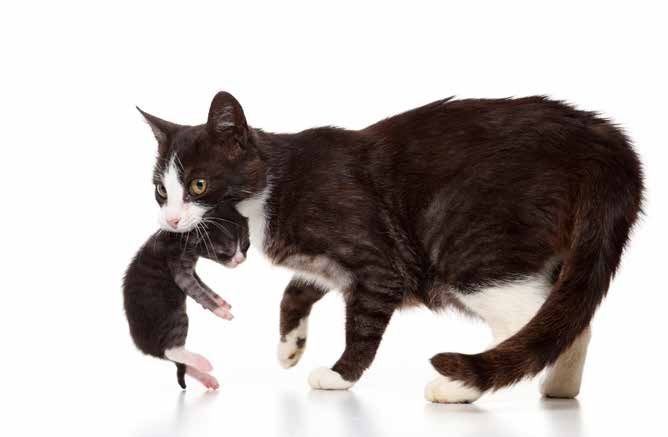
GO! KITTY CARE

Socialization

Socialization is a very important part of kitty care. It is your job to
convince kittens that humans are kind and loving.

Allow all kittens to acclimate to their new environment before trying to
play with them. This usually takes just one day.

Outgoing kittens can be cuddled and played with.

Shy kittens need to have many short encounters to encourage them that
humans are friendly. Hold shy kittens calmly, stroking them and talking
to them in a comforting voice. Put the kitten down before he or she
starts squirming. If you repeat this often – perhaps only 30 seconds at a
time – shy kittens will begin to love the experience.

Fearful kittens will run away from you when you try to approach them.
Simply sit on the floor calmly and wait for them to come to you. Let them
become accustomed to your presence and, when they finally approach,
use a calming voice and stroke them gently.

Not all kittens will grow into cats that love to be cuddled and held. This is
ok! Although some people want affectionate cats, others prefer
independent pets.

Litter Box Training

Use a low box, such as a cake pan, with one inch of non-clumping kitty
litter or shredded newspaper. (Clumping kitty litter can be dangerous if it
is ingested.) After feeding, place the kitten in the litter box. Take her paw
and gently scratch the litter. Give lots of praise when they are
successful. Be patient! Keep the litter box clean and away from the food
area. Note: Litter box will not be used for neonates.

Foster Rechecks

Fosters will need to come in every 4 weeks for weight check,
deworming, and booster vaccinations. However, neonates will need to
be examined weekly.

                                                                          Souris Valley Animal Shelter Foster Kitten Manual   |7
GO! KITTY CARE

                                                Kitten Development
                  TIPS&
                                                In the first few weeks of life, kittens are helpless and vulnerable. They
                  TAILS
                                                are still developing basic reflexes, their hearing and vision are still not
                                                fully developed, and they are unable to properly control their body
                                                temperatures. They should therefore be confined to a nursery area.
                                                Kittens should not be allowed to mingle with your own pets.

                                                During the first 1-3 weeks of life kittens do not urinate or defecate on
           Kittens sleep up to                  their own and require stimulation for elimination. Gently rub a warm
           18-20 hours a day.                   cloth or cotton pad on the kitten’s genital area and anus. This should
                                                be done before or after feeding.

                                                Keeping the kittens clean from food and feces is vital for his or her
                                                health. If you notice your kitten has food, urine or feces on him or her
            Playtime with your
                                                gently wipe the kitten down with a warm damp cloth or baby wipe. Be
            kitten is a must for                sure to dry the kitten well afterwards so that they do not become
           kitten development.                  chilled.

            Neonate kittens are
           kittens that are under
          four weeks of age with
            or without a nursing
                  mom cat.

    8 |   Souris Valley Animal Shelter Foster Kitten Manual
GO! KITTY CARE

                             Kitty Expectations & Care by Age

WEEKS                           FEEDING                                                  DEVELOPMENT

        Bottle feed ½ tablespoon of formula every 2-3
                                                                Kittens will weigh about 4 oz. Kittens will sleep 90% of
        hours, overnight feeding can be every 3-4 hours.
                                                                the time and eat the rest of the time. Handle the kittens
0-1
        If there is a Mom cat, make sure that all kittens are
                                                                minimally. Newborns are deaf and blind and are unable to
        nursing. Kittens can nurse from Mom for up to 45
                                                                maintain their body temperature. Keep kittens warm with
        minutes at a time. A lot of crying or activity could
                                                                provided heating source and follow baby bag protocol.
        indicate a problem with Mom’s milk supply.

                                                                Kittens will weigh about 7 oz. Ear canals open between
        Bottle feed every 2-3 hours until kittens are           5-8 days. Eyes open between 8-14 days. Healthy kittens

1-2
        full but not bloated. Overnight feeding can             will be round and warm and have pink skin. Healthy
        be every 3-4 hours. Generally, kittens eat ½            kittens seldom cry. They are still unable to maintain their
        tablespoon per feeding.                                 body temperature. Keep kittens warm with provided
                                                                heating source and follow baby bag protocol.

                                                                Kittens will weigh about 10 oz. and will begin to crawl and
                                                                stand between 18-21 days old. They begin to play with each
        Bottle feed up to 1 tablespoon (15 mL) every            other. Increase handling of kittens to get them used to human
2-3     3-4 hours. Overnight feeding can be every 4-5
        hours.
                                                                contact. Ensure that all interactions are gentle and positive.
                                                                They are still unable to maintain their body temperature.
                                                                Keep kittens warm with provided heating source and follow
                                                                baby bag protocol.

                                                                Kittens will weigh about 13 oz. Kittens begin to see well.
        Bottle feed every 3-4 hours until kittens are full      They may start cleaning themselves but will still need help
        but not bloated. Overnight feeding can be every         for serious cleaning. Litter box training may begin at 4
3-4     4 hours. Kittens may start lapping from a bowl.
        Feedings during the night are not required,
                                                                weeks of age. (See Litter Box Training description in Kitty
                                                                Care section.) They are still unable to maintain their body
        unless kittens are not thriving.                        temperature. Keep kittens warm with provided heating
                                                                source and follow baby bag protocol.

        Feed 3 tablespoons of formula every 8 hours.
4-5
                                                                Litter box training may begin at 4 weeks of age. (See Litter
        Weaning of kittens may begin gradually. (See
                                                                Box Training description in Kitty Care section.)
        Weaning description in Kitty Care section.)

        Feed gruel 4 times a day. Introduce dry food and
        water. Some kittens do not like canned food – try       Kittens can start to wander around the room, under
5-6     mixing any meat flavored human baby food with
        water. Be sure the meat flavor does NOT have
                                                                supervision. Play with your kittens often! (See Socialization
                                                                description in Kitty Care section.)
        onion powder as this is hazardous to kittens.

        Feed canned and dry food at least 3 meals daily.        Kittens will start to act like actual cats: playing and
6-7     If any kittens are territorial with food, provide a
        second bowl so that everyone gets fed.
                                                                washing themselves. Be sure to show them the litter box
                                                                after meals, play sessions and naps.

        Each kitten will be eating a little over one can

7-8
        of food per day. Offer wet food 3-4 times a day.
                                                                Continue playing and socializing with the kittens.
        Leave a bowl of dry food and water for kittens
        to use at will. DO NOT feed kitten table scraps.

        Feed wet food 2 times per day. Leave a bowl of
 8+     dry food and water for kittens to use at will. DO
                                                                Kittens should weigh about 2 pounds! When they reach
                                                                this point, they are ready for adoption.
        NOT feed kitten table scraps.

                                                                       Souris Valley Animal Shelter Foster Kitten Manual   |9
NEONATE FEEDING
Type of Food
TIPS&
TAILS Never give a neonate kitten anything other than their specified
formula! (No cow’s milk!)
Kittens who are less than three weeks old are fed liquid or powder
formula. After a feeding, unused liquid formula can be stored for
up to three days in the refrigerator or frozen for future feedings.
To warm nursing Frozen formula will last for 6 months.
bottles, fill a coffee
mug half way with hot The powder formula must be mixed for feedings. It is important
to closely follow mixing directions, one part powder into two parts
water and place the
warm water, as it can cause diarrhea or constipation if not done
bottle of formula into
correctly. When mixing do not use a blender. Any reconstituted
mug. After a minute or
powder formula can be refrigerated for up to 24 hours. After that
two, test formula by point, it must be discarded.
sprinkling a few drops
on the back of your
Feeding Etiquette
hand. Formula should
be warm to the touch, • Only use clean nipples and bottles!
but not hot. • Feed kittens one at a time. Place them on a counter top and
allow them to feed with four paws on the counter and with a
level head. This simulates how they would nurse from a mom.
• Do not feed a kitten while she is on her back. This can cause
formula to go down the wrong way and end up in the lungs.
• Gently open the kitten’s mouth with your finger and place the
nipple on the tongue.
• Stroking kittens can help them to eat.
• Pull lightly on the bottle. This promotes strong sucking.
• Tilt the bottle up slightly. This prevents the kitten from inhaling
too much air.
• Do not squeeze the bottle to force formula into the kitten’s
mouth. This can cause formula to move into the lungs.
• After feeding, burp your kitten by gently massaging their back.
• After feeding stimulate the kittens to urinate and/or defecate.
Stimulate them with a warm cloth if necessary.
• Fill out the Daily Weight and Feeding Record.
• Please, watch these videos for clarification:
www.maddiesfund.org/orphaned-kitten-care-how-to.htm
10 | Souris Valley Animal Shelter Foster Kitten ManualNEONATE FEEDING
Weaning
Weaning can occur at 4 weeks and should be conducted gradually.
TIPS&
Create a gruel by mixing warmed canned food with water. It may take
TAILS
a few tries for kittens to understand. If they are not interested, wait a
few days and then try again. After they have accepted the gruel,
gradually thicken it by adding less water. Begin to also offer dry food
on a free feeding basis.
Amount of Food Orphaned Kitten Care
How to Videos
Overfeeding is a dangerous as underfeeding. Feed kittens until they
www.maddiesfund.
are full but not bloated.
org/orphaned-kitten-
care-how-to.htm
Cleaning Equipment
Keeping the kittens’ nursing bottles and supplies clean is vital
as this will prevent diarrhea, vomiting, or infection. Cleaning
the bottles and nursing nipples is quite easy. Using hot, soapy water,
clean the bottle with a bottle brush. If you do not have a bottle brush,
you may wash the bottle and nursing nipple in the dishwasher. You
may place them in the silverware rack or in a dishwasher basket. Also,
please regularly inspect nipples for damage and replace as needed.
Souris Valley Animal Shelter Foster Kitten Manual | 11NEONATE FEEDING
Example of Neonate Kitten Daily Weight and Feeding Record
NAME/ID KITTEN 1 KITTEN 2 KITTEN 3 KITTEN 4 KITTEN 5 KITTEN 6
Date
Weight
Attitude
FEEDING 1
Milk volume
Stool/urine
FEEDING 2
Milk volume
Stool/urine
FEEDING 3
Milk volume
Stool/urine
FEEDING 4
Milk volume
Stool/urine
FEEDING 5
Milk volume
Stool/urine
FEEDING 6
Milk volume
Stool/urine
NOTES:
12 | Souris Valley Animal Shelter Foster Kitten ManualFOSTERING MOMS
In some cases, moms are fostered together with their litters.
There are a few things to keep in mind for this type of foster
situation. Moms require a calm setting with privacy and
minimal activity. Stress can cause moms to stop taking care
of their kittens.
Bringing Mom Home
You will need a separate space for a mom with her litter. When you
first bring them home, leave them alone in their new space. Mom
will need some time, up to a few days, to adjust to her new space. Be
sure to offer mom fresh food, water and a clean litter box.
Socialization
Even adult cats need socialization; however, proceed slowly with any
adult cat that you do not know. Create situations for socialization but
let her come to you. Stop the session if you notice any negative signs,
such as swishing tail, ears laid back, head jerk towards you, tensing
up, cranky meow, moving away, hissing or growling.
Souris Valley Animal Shelter Foster Kitten Manual | 13FOSTERING MOMS
Mom and Her Kittens
TIPS&
TAILS For the first few weeks, mom will do everything necessary to take
care of her kittens. Kittens start nursing very soon after birth. Mom
will also groom her kittens. Cats should be left alone for the first
two weeks except to feed, clean and check on the kittens a few
times a day.
Be sure to keep mom Possible Issues with Mom Cats
& kittens separated
Maternal neglect – In some cases, about 8% of the time, kittens
from other pets in
die from poor maternal care. There are a few causes of this. Some
home. Mother cats cats lack maternal instincts and, in other cases, it is nature’s way of
need a quiet area to handling sick or weak kittens. Environmental stress is an important
raise their kittens. factor, which is why it is important to create a calm environment for
mom and the litter. As the foster parent, watch for signs of maternal
neglect. Call the Foster Coordinator if you notice the mom avoids
feeding and grooming her kittens and ignores their cries.
Maternal Aggression – As mom protects her kittens, it is common
for her to be aggressive towards humans or other animals. Do not
try to introduce your household pets to your foster mom as this
adds too much stress to the environment. If aggression becomes
severe, call the Foster Coordinator.
14 | Souris Valley Animal Shelter Foster Kitten ManualMAINTAINING KITTEN HEALTH
Healthy kittens have bright eyes, a sleek coat and a plump
belly. Their eyes and noses are generally free from discharge.
A normal body temperature for kittens is 100-102.5°F.
Taking a Temperature (For Neonates Only)
If you think a kitten is sick, the first step is to take the temperature
of the kitten. Use a regular human thermometer and KY Jelly. Wipe
KY on the thermometer and insert just the tip into the kitten’s
anus. After holding it for at least a minute, remove and read the
temperature. If the temperature is over 103 or under 99, call the
Foster Coordinator.
Measuring Growth
Kittens are weighed to measure growth and development. Neonate
kittens should be weighed daily to ensure growth and weight gain.
Kittens over 4 weeks of age are weighed once a week.
When weighing your kitten if you notice if he or she has lost or not
gained weight please call the Foster Coordinator.
Souris Valley Animal Shelter Foster Kitten Manual | 15MAINTAINING KITTEN HEALTH
Diarrhea
There are three types of cat stool: normal, soft and diarrhea. Normal
stool is firm and has a definite shape. Soft stool is not firm but
still has some shape. Diarrhea is liquid, with or without color to
it. Diarrhea is common in kittens and can be caused by parasites,
viruses, bacteria, food changes, stress, overfeeding and other
issues.
Diarrhea must be monitored as it can quickly lead to dehydration.
If the kitten is active, mild diarrhea that occurs for 24 hours is not
Normal Stool a concern. Feed the kitten less at a time but more often. If the
diarrhea is severe, lasts more than 3-4 feedings or contains blood/
parasites, call the Foster Coordinator to schedule a recheck.
Parasites
Kittens can sometimes get tapeworms either in their feces or on
their anus. These look like grains of rice. Roundworms look like
spaghetti and can be seen in the litter box or in vomit.
Parasites are commonly found in the stool of kittens. If you notice
worms, call the Foster Coordinator to schedule a recheck.
Soft Stool
Vomiting
Vomiting is not serious unless it happens continuously. It can lead
to dehydration. If vomiting occurs 2-3 times in a row, call the Foster
Coordinator right away.
Eye Discharge
It is normal for kittens to have little pieces of crust in their eyes after
waking up. If you see continuous yellow or green discharge, swollen
or closed eyes call the Foster Coordinator to schedule a recheck. You
can use a warm, damp towel to wipe the affected eye(s).
Diarrhea
16 | Souris Valley Animal Shelter Foster Kitten ManualMAINTAINING KITTEN HEALTH
Ear Mites
Ear mites are parasites that live in the ear canal. You may notice a
bald spot behind ears due to continuous scratching. They may also
violently shake their head. The ears may smell bad and you may
see brown discharge that resembles coffee grounds. Ear mites are
contagious to other cats and need to be treated. Call the Foster
Coordinator if you notice any of these symptoms.
Fleas
Kittens that have fleas will scratch themselves often. Topical and Ear Mites
oral flea prevention are given to kittens over 4 weeks of age. Flea
prevention for kittens under 4 weeks includes daily brushing with
the flea comb and daily bedding changes. If you still notice signs of
fleas, you can wash the kitten in a small amount of Dawn dish soap
followed by using a flea comb to remove any remaining fleas. Be
sure to thoroughly dry following a bath. Baths should not be given
more than once every 1-2 weeks. If you still notice signs of fleas, call
the Foster Coordinator to schedule a recheck.
Ringworm
Ringworm is a contagious fungus that can spread to other animals
and humans. A sign of ringworm is thinning hair or patches of hair
loss. Ringworm is difficult to remove from your house. To help with
prevention and to prevent spreading, maintain cleaning protocols
and a good hand washing routine. Call the Foster Coordinator if you
notice any hair loss.
Mange
Mange is caused by parasites that infect the skin of kittens. Some
Ringworm
forms of mange are contagious to other animals and humans. The
symptoms include itching, hair loss and sores. Mange needs to be
treated. If you notice these symptoms, call the Foster Coordinator.
Souris Valley Animal Shelter Foster Kitten Manual | 17MAINTAINING KITTEN HEALTH
Upper Respiratory Tract Infection (URI)
TIPS&
TAILS URIs are common and are caused by contagious viruses and
bacteria. Signs to look for:
• Sneezing and discharge from eyes/nose
• Congested breathing
• Loss of appetite
The use of a humidifier
• Lethargy (lack of energy)
in the kitten’s
• Dehydration
room will help with
congestion. If you notice any of these signs, please contact the Foster
Coordinator to schedule a recheck.
Fading Kittens
Occasionally, a kitten that appeared healthy will suddenly stop
thriving. They will stop growing, socializing and crawling. They will
begin to lose weight and may cry continuously. When this happens,
they fade quickly and, even with medical intervention, may not
survive 48 hours.
There is no understood cause for this condition.
One possible cause could be Panleukopenia, a contagious disease
with a high mortality rate. Kittens will present with diarrhea and
vomiting. If you notice any of these symptoms or lethargy and
inactivity, please contact the Foster Coordinator.
Occasionally, kittens die in foster care. If this should occur contact
the Foster Coordinators for information concerning the disposition
of remains.
18 | Souris Valley Animal Shelter Foster Kitten ManualVETERINARY CARE
TIPS&
Routine Veterinary Care TAILS
Routine veterinary care is paid for by Souris Valley Animal Shelter. The
foster coordinator will work directly with partnering veterinarians to manage
the health and well-being of each foster pet or litter. Souris Valley Animal
Shelter has a policy that we will not reimburse individuals for vet bills for Questions about your
foster animals when taken for veterinary care outside of that which is pre- foster’s veterinary
authorized by the Souris Valley Animal Shelter staff. care? Call
701-852-6133.
Scheduling Rechecks
If after hours please
Your foster pet(s) will be up-to-date on age appropriate vaccinations and de-
call our Emergency
worming at the time that you take them in. Puppies and kittens must return
Line: 701-833-5729
to the shelter every two weeks while in foster care to be weighed and have
vaccines boostered starting at 4 weeks of age. Adult foster pets may or may
not need to return to the shelter for vaccines.
Souris Valley Animal Shelter Foster Kitten Manual | 19VETERINARY CARE
Scheduling Rechecks
TIPS&
TAILS Foster animal(s) are required to return to the shelter every two weeks for
vaccinations and general exams. To schedule a recheck you will need to book
an appointment via our scheduling platform:
https://app.acuityscheduling.com/schedule.php
owner=19436383&calendarID=3905005
If for any reason you are unable to make any of the alloted times please
contact the Foster Coordinator to reschedule.
Questions about your
foster’s veterinary
care? Call Vaccines
701-852-6133.
Kittens and puppies receive vaccinations every two weeks from the time they
are 4 weeks of age until they are 16 weeks or unless otherwise directed by our
veterinarians. Animals 12 weeks and older receive a Rabies vaccine.
Cats & kittens receive FVRCP Vaccine (feline viral rhinotracheitis, calicivirus
and panleukopenia)
20 | Souris Valley Animal Shelter Foster Kitten ManualREADY FOR ADOPTION!
SVAS Adoption Process
TIPS&
TAILS Potential Adopters
SVAS works off a first come first serve process for potential
adopters. All potential adopters will need to apply on our website
at https://svaspets.com/adoption/
After the application is received the Foster Coordinator will review
and then email the application to the Foster Caregiver. The
Adoption Fees Foster will then contact the first person that applied to set up a
meet and greet at their home or at a central location. If a central
location is not available then a meeting can be set up via Zoom.
Puppy - $250
Dog - $200 Adoption
The Foster Coordinator or a member of the shelter team will be
Kitten- $85 present at every meet and greet. To schedule a meet and greet
the Foster will utilize the shelter calendar at:
Cat - $75 https://app.acuityscheduling.com/schedule.php?
owner=19436383&appointmentType=14128039
If the Foster Coordinator and Foster Caregiver feel that
the adopter is a good fit, then the puppy will go home the same
day. If the meeting is virtual, then the Foster Coordinator will
schedule a time to pick up the puppy and deliver him/her to the
adopter.
If the foster caregiver feels that the potential adopter is not a
good fit, then they will need to contact the Foster
Coordinator before moving on to the next person on the list. In
the end the final decision is up to the SVAS staff member.
21 | Souris Valley Animal Shelter Foster Kitten ManualKITTEN HEALTH CHEAT SHEET
NON-EMERGENCIES EMERGENCIES
Monitor First Require Immediate Veterinary Attention
If worsens: Call the Foster Call On Call Staff Member
Coordinator at 701-833-5709 After Hours: 701-833-5729
Monday-Friday between 9am -5pm Sundays, Saturdays and after 5pm on Weekdays
• Runny discharge from the eyes or nose • Continuous diarrhea longer than 24-36 hours
• Lack of appetite • Continuous vomiting longer than 12 hours
• Lethargy (lack of energy) • Loss of appetite
• Diarrhea lasting more than 3 or 4 feedings • Bleeding of any kind (from nose or in urine/
• Vomiting stool)
• Weight loss • Any trauma (hit by a car, dropped, limping,
unconscious, etc)
• Coughing and sneezing
• Difficulty breathing
• Lack of bowel movement for more than 24-36
hours or straining in litter box • A kitten that does not respond or has not eaten
for more than a day
• Swollen eyes or eyes held closed
Emergency Care
If you have questions about the health of your foster • If the Souris Valley Animal Shelter has not
animal or if an emergency situation should arise approved any or all treatments to foster pets,
during regular hours of operation, please call the foster parent will be responsible for ALL
701-833-5709. Our regular hours are Monday costs.
through Friday from 10am-6pm and 10am-5pm on
• If the foster parent takes a foster pet to any
weekends. If your foster animal has an emergency
other veterinary or emergency clinic than the
that occurs outside of the normal hours of
one designated by the Foster Coordinators, the
operation, please call the Emergency After-
foster parent will be responsible for ALL costs.
hours phone number at 701-833-5729. The
Emergency Staff member will contact our • The Souris Valley Animal Shelter has a policy
veterinarian for a treatment plan. Should after-hours that we will not reimburse individuals for vet
treatment be needed, the Foster Coordinator will bills for foster animals when taken for veterinary
instruct the foster family on the appropriate steps to care outside of that which is pre-authorized by
take. Souris Valley Animal Shelter must approve the Souris Valley Animal Shelter staff.
any and all treatments for foster pets.
22 | Souris Valley Animal Shelter Foster Kitten ManualBEHAVIOR AND TRAINING INFO
The Dos and Don’ts of Introducing Cats
https://www.jacksongalaxy.com/blog/the-dos-and-donts-of-introducing-cats/
How to Introduce a Dog to a Cat
http://bestfriends.org/resources/how-introduce-dog-cat - Option 1: Slow and steady
desensitization
Common Cat Behavior Issues: Aggression
https://www.aspca.org/pet-care/cat-care/common-cat-behavior-issues/aggression-cats
Common Cat Behavior Issues: Litterbox Problems
https://www.aspca.org/pet-care/cat-care/common-cat-behavior-issues/litter-box-problems
Foster Kitten FAQ
https://drive.google.com/file/d/1eT6FrLKFnQja2J-Q7-Am8nZw7x8d-VrT/view?usp=sharing
Fading Kitten Protocol
https://docs.google.com/document/
d/1UGU51hRal0G30iYxi4w006McMp01W_fRwU46CXSm93A/edit?usp=sharing
Nursing Cat and Kitten Care
http://www.austintexas.gov/sites/default/files/files/Pet_Services/Foster_Care_Manual/
NURSING_MOTHER_CATS_AND_KITTENS.pdf
Bottle Baby Kitten Care
https://www.dropbox.com/s/z7pwoipf7nxsbld/KittenLady_OrphanKittens.pdf?dl=0
http://www.kittenlady.org/kitten-care
How to Make Gruel for Syringe Feeding Kittens/Cats
https://youtu.be/6feWmWAu-48
How to Syringe Feed Gruel to Kittens/Cats
https://youtu.be/-4d3-Ge7TyA
Souris Valley Animal Shelter Foster Care Manual | 23You can also read


