Handbook 2018-2019 B.A. Moderatorship in Philosophy, Political Science, Economics and Sociology (PPES) - Trinity College Dublin
←
→
Page content transcription
If your browser does not render page correctly, please read the page content below
School of Social Sciences and Philosophy

B.A. Moderatorship
in Philosophy,
Political Science,
Economics and
Sociology (PPES)
Handbook
2018–2019

Contents
Section 1 – General College Information ............................................................................................ 5
   Student Services and Support .................................................................................................................. 5
   Tutors ................................................................................................................................................................ 5
   Co-curricular Activities............................................................................................................................... 6
       TCD Sports Clubs ...................................................................................................................................... 6
       TCD Societies ............................................................................................................................................. 6
   Student Union................................................................................................................................................. 6
       TCDSU ........................................................................................................................................................... 6
   Emergency Procedure ................................................................................................................................. 6
   Health and Safety Statements .................................................................................................................. 7
   Data Protection .............................................................................................................................................. 7
Section 2 – General Programme Information .................................................................................. 8
   Welcome from the Programme Director ............................................................................................. 8
   Welcome from the Programme Administrator ................................................................................. 9
   Contact Details ............................................................................................................................................ 10
   Key Dates....................................................................................................................................................... 11
   Academic year Structure ......................................................................................................................... 12
   Programme Governance ......................................................................................................................... 13
   Module Registration and Timetable ................................................................................................... 13
       Module Registration............................................................................................................................. 13
       Module Choices – Change of Mind .................................................................................................. 13
       Lecture Timetable ................................................................................................................................. 14
       Blackboard ............................................................................................................................................... 14
       Email .......................................................................................................................................................... 14
       Student Portal ......................................................................................................................................... 15
Section 3 – Teaching and Learning ..................................................................................................... 16
   Programme Architecture ........................................................................................................................ 16
   Programme Structure and Workload................................................................................................. 16
       Junior Fresh (First) Year .................................................................................................................... 16
       Senior Fresh (second) Year ............................................................................................................... 17
       Junior Sophister (third) Year ............................................................................................................ 19
       Independent Research Project ......................................................................................................... 22
       Study Abroad .......................................................................................................................................... 23
       Senior Sophister (fourth and final) Year ...................................................................................... 23
   Plagiarism and Referencing Guide ...................................................................................................... 26

                                                                                    2
Plagiarism Declaration ........................................................................................................................ 27
       School of Social Sciences and Philosophy Plagiarism Policy ................................................ 27
   ECTS ................................................................................................................................................................ 29
   Progression Regulations ......................................................................................................................... 30
       Publication of Results .......................................................................................................................... 30
       Re-checks ................................................................................................................................................. 30
       Appeals ...................................................................................................................................................... 30
       Transcripts .............................................................................................................................................. 31
   Learning Outcomes ................................................................................................................................... 32
   Awards ........................................................................................................................................................... 32
   External Examiners ................................................................................................................................... 32
   Attendance Requirements ...................................................................................................................... 33
       Examination Regulations - General ................................................................................................ 33
   Exam Regulations and Conventions ................................................................................................... 33
       Registering Modules and Sitting Examinations......................................................................... 33
       Coursework and Attendance at Classes ....................................................................................... 33
   Absence from Examinations .................................................................................................................. 33
   Off-Books Regulations ................................................................................................................................ 35
   Repeat Years ................................................................................................................................................. 35
   Examination Timetables ............................................................................................................................ 35
   Examination Venues ................................................................................................................................... 35
   Academic Progress ...................................................................................................................................... 36
       Junior Sophister Year – Erasmus/Exchange............................................................................... 36
       Inclusion/Exclusion of Course Work............................................................................................. 37
       Grading Conventions ........................................................................................................................... 37
       Individual Papers .................................................................................................................................. 37
       Overall grade: General......................................................................................................................... 38
   Careers Information & events ............................................................................................................... 39
   Graduate Attributes .................................................................................................................................. 39
       University Regulations ........................................................................................................................ 40
   Feedback and Evaluation ........................................................................................................................ 40
       School of Social Sciences and Philosophy .................................................................................... 40
Section 4 – Scholarships and Prizes ................................................................................................... 42
   Foundation Scholarships ........................................................................................................................ 42
   Prizes, medals and other scholarships .............................................................................................. 42
   Marking Scale .............................................................................................................................................. 44
       School of Social Sciences and Philosophy Marking Scale ...................................................... 44

                                                                                   3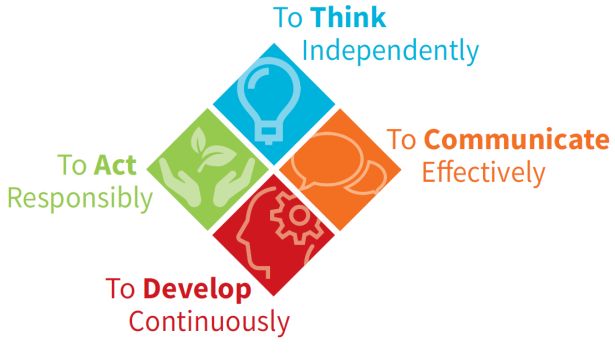
A Note on this Handbook

This handbook applies to all students on the PPES programme. It provides a guide to what is
expected of you on this programme, and the academic and personal support available to you.
Please retain for future reference.

The information provided in this handbook is accurate at the time of preparation. Any necessary
revisions will be notified to students via email and the website.

Please note that, in the event of any conflict or inconsistency between the General Regulations
published in the University Calendar and information contained in course handbooks, the
provisions of the General Regulations will prevail.

Alternative formats of the Handbook can be made available on request.

The Programme Handbook is divided into four sections:

Section 1 – provides general College information, e.g. Student Services and Supports, Co-
             curricular Activities, Student Union, Data Protection, Emergency Procedures.

Section 2 – provides general information on the PPES programme, e.g. Contact Details, Key
             Dates, Academic Year Structure, Module Registration, Student Portal, Blackboard.

Section 3 – focuses on Teaching and Learning, e.g. Programme Architecture, Plagiarism,
             Programme Structure and Workload, Study Abroad, Progression Regulations,
             Module Descriptors, Absence from Examinations, University Regulations etc.

Section 4 – provides information on Scholarship and Prize

                                               4
Section 1 – General College Information
Student Services and Support
The Programme Administrator is your first port of call of all general queries. College also
provides a range of administrative, academic and wellbeing supports and services to help
smooth your route through college, these include the College Tutorial Service, Student-2-
Student, College Health, the Disability Service and a range of other activities. You can find
further information at the links below:

   •     Careers Advisory Service - http://www.tcd.ie/Careers/
   •     Graduate Studies Office - http://www.tcd.ie/graduatestudies/
   •     Mature Student Office - https://www.tcd.ie/maturestudents/
   •     Student Services Website and Information booklet – www.tcd.ie/studentservices,
         http://www.tcd.ie/students/assets/pdf/Student Services Booklet (web version).pdf
   •     Senior Tutor and Tutorial Service - https://www.tcd.ie/seniortutor/
   •     Trinity Disability Service - http://www.tcd.ie/disability/

Tutors
All undergraduate students are assigned a tutor when they are admitted to College. Your
tutor, who is a member of the teaching staff, will give confidential advice on courses,
discipline, examinations, fees and other matters and will represent you before the College
authorities should the need arise. For more information please see
https://www.tcd.ie/Senior_Tutor/faq/

Student 2 Student

                                           From the moment that you arrive in College, right
                                           the way to your end of exams, Student 2 Student
                                           (S2S) is here to make sure that your first year is fun,
engaging and a great foundation for the rest of your time in Trinity. You will meet S2S
mentors in Freshers’ Week. They will keep in regular touch with you throughout your first
year and invite you to events. They will also provide useful information about your course
and what to look out for. Mentors are students who have been through the first year and

                                                 5
know exactly what it feels like. S2S also offers trained Peer Supporters if you want to talk
confidentially to another student, or just to meet a friendly face for coffee and a chat. S2S is
supported by the Senior Tutor’s Office and the Student Counselling Service. See
http://student2student.tcd.ie ; email: student2student@tcd.ie;
telephone: (+353) 1 896 2438
Co-curricular Activities
TCD Sports Clubs
College has 50 sports clubs in a range of disciplines, from Basketball to Archery, you can find
information on all of the clubs on the Trinity Sport website, here:
https://www.tcd.ie/Sport/student-sport/clubs/
TCD Societies
College offers over 100 societies across the University. From arts, culture, politics and
debating to gaming, advocacy and music, you're sure to find your niche. You can find a list of
all of the societies here: http://trinitysocieties.ie/
Student Union
TCDSU
The Trinity College Students Union is a union for students, by students. There represent the
undergraduate student body at College level. You can find further information about the
union, and how to get involved, on their website, here: https://www.tcdsu.org/ and can find
information on the student representation structures here: https://www.tcdsu.org/aboutus
Emergency Procedure
In the event of an emergency, dial Security Services on extension 1999 Security Services
provide a 24-hour service to the college community, 365 days a year. They are the liaison to
the Fire, Garda and Ambulance services and all staff and students are advised to always
telephone extension 1999 (+353 1 896 1999) in case of an emergency. Should you require
any emergency or rescue services on campus, you must contact Security Services. This
includes chemical spills, personal injury or first aid assistance. It is recommended that all
students save at least one emergency contact in their phone under ICE (In Case of
Emergency).
6Health and Safety Statements
The College Safety Statements can be accessed here:
https://www.tcd.ie/estatesandfacilities/health-and-safety/
Data Protection
Please note that due to data protection requirements Staff in the School of Social Sciences
and Philosophy cannot discuss individual students with parents/guardians or other family
members.
As the University considers students, even if they are not yet 18, to have the maturity to
give consent for the use of their data, in normal circumstances, the University will not
disclose personal data to the parents, guardians or other representatives of a student
without the student’s consent. The University’s preference is to receive written consent by
way of email from the student where possible. Without such consent the University will not
release any details regarding students including details of their registration, attendance,
results, fee payments etc.
Trinity College Dublin uses personal data relating to students for a variety of purposes. We
are careful to comply with our obligations under data protection laws, you can find further
information on how we obtain, use and disclose student data here:
https://www.tcd.ie/info_compliance/data-protection/student-data/
7Section 2 – General Programme Information
Welcome from the Programme Director
Welcome to the PPES Handbook!
I recommend that you take the time to carefully read through this
handbook, particularly if you are newly arrived to Trinity. It has been
carefully prepared to give you the information you need to make the
most of your time in the degree, with useful contact details,
important dates, and information about choices over course
modules you will be making over the course of your degree.
One of the real advantages of the PPES degree is the wide range of module choices available
to you from diverse fields of academic study. In your first year, you will take a range of
courses from the four PPES disciplines, and then gradually increase your focus as you
progress to your final year. Indeed, this is what is unique to the PPES programme: the wide
range of choice available across four interconnected disciplines, and the ability to ultimately
focus on the one or two disciplines you find more appealing. So read carefully, and choose
carefully, and enjoy your PPES degree.
With best wishes,
Paul Scanlon
Academic Director, PPES
8Welcome from the Programme Administrator
Welcome to a new Academic year.
My name is Jessie Smith and I am the administrator for the PPES programme. You can email
me on ppes@tcd.ie or drop in to me in the office (room 3023, Arts Building) during my
office hours to discuss any administrative queries.
Your individual timetable, containing both your lecture and tutorial group information, will
be available to you via your online student portal at my.tcd.ie when you complete your
programme registration.
You should read this handbook carefully as it will explain many important details and
deadlines that will arise during this academic year. You will also find lots of relevant
information on the PPES website, so do spend some time looking through these pages.
Keep an eye out for emails from me during the year as I will be alerting you to various
administrative deadlines and announcements. In the meantime, enjoy the start of term and
please do make contact if you have any queries.
Best wishes
Jessie Smith
Programme Administrator, PPES
9Contact Details
Academic Director
Professor Paul Scanlon is the Academic Director for the PPES programme. His office is
located in Room 3006, Arts Building and his office hours are:
Michaelmas Term
Wednesday: 17.00 – 18.30
Hilary Term
Thursday: 16.00 – 18.00
Email: scanlop@tcd.ie
Administration
Jessie Smith is the Administrator for the PPES programme. Her office is located in Room
3023, Arts Building and her office hours are:
Monday – Thursday: 14.00 – 17.00
Fridays: 14.00 – 16.00
Email: ppes@tcd.ie
Telephone: +353 1 896 1840
General
Website: http://www.tcd.ie/ssp/undergraduate/ppes/
School of Social Sciences and Philosophy: www.tcd.ie/ssp/contact/
10Key Dates
10 Sept 2018 Teaching commences for Michaelmas Term
14 September 2018 Deadline for changing Module Choices - No further changes
allowed
Week of 22 Oct 2018 Study/Review Week
15 October 2018 Applications forms available to apply for Foundation Scholarship
30 October 2018 Deadline for applications to sit Foundation Scholarship
Week of 29 Oct 2018 Michaelmas Term Tests
Week of 3 Dec 2018 Revision Week
Week of 10 Dec 2018 Assessment Week
17 Dec 2018 Christmas Break
Week of 07 January 2019 Foundation Scholarship Examinations
21 Jan 2018 Teaching commences for Hilary Term
Week of 11 March 2019 Hilary Term Tests
10 April 2019 Return of Module Choice Form for 2019-2020 Academic Year
Week of 15 April 2019 Revision Week
Week of 22 Apr 2018 Assessment Week
29 April 2019 Publication of Foundation Scholarship Examination Results –
10am
26 Aug – 31 Aug 2019 Supplemental Examination Period
11Academic year Structure
Cal. Dates 2018/19 2018/19 Academic Year
Term /
Wk. (week beginning) Calendar
Semester
1 27-Aug-18 Marking/Results ←Michaelmas Term begins/Semester 1 begins
2 03-Sep-18 Orientation (undergraduate)/Freshers' Week
3 10-Sep-18 Teaching and Learning ←Michaelmas teaching term begins
4 17-Sep-18 Teaching and Learning
5 24-Sep-18 Teaching and Learning
6 01-Oct-18 Teaching and Learning
7 08-Oct-18 Teaching and Learning
8 15-Oct-18 Teaching and Learning
9 22-Oct-18 Study/Review
10 29-Oct-18 Teaching and Learning
11 05-Nov-18 Teaching and Learning
12 12-Nov-18 Teaching and Learning
13 19-Nov-18 Teaching and Learning
14 26-Nov-18 Teaching and Learning
15 03-Dec-18 Revision
←Michaelmas term ends Sunday 16 December 2018/
16 10-Dec-18 Assessment Semester 1 ends
17 17-Dec-18
Christmas Period - College closed
18 24-Dec-18
19 31-Dec-18 24 December 2018 to 1 January 2019 inclusive
20 07-Jan-19 Foundation Scholarship Examinations^
21 14-Jan-19 Marking/Results ←Hilary Term begins/Semester 2 begins
22 21-Jan-19 Teaching and Learning ←Hilary teaching term begins
23 28-Jan-19 Teaching and Learning
24 04-Feb-19 Teaching and Learning
25 11-Feb-19 Teaching and Learning
26 18-Feb-19 Teaching and Learning
27 25-Feb-19 Teaching and Learning
28 04-Mar-19 Study/Review
29 11-Mar-19 Teaching and Learning
30 18-Mar-19 Teaching and Learning (Monday, Public Holiday)
31 25-Mar-19 Teaching and Learning
32 01-Apr-19 Teaching and Learning
33 08-Apr-19 Teaching and Learning
34 15-Apr-19 Revision (Friday, Good Friday) ←Hilary Term ends Sunday 21 April 2019
35 22-Apr-19 Assessment (Monday, Easter Monday) ←Trinity Term begins
36 29-Apr-19 Trinity Week
37 06-May-19 Marking/Results (Monday, Public Holiday)
38 13-May-19 Marking/Results
39 20-May-19 Marking/Results
←Statutory (Trinity) Term ends Sunday 2 June 2019/
40 27-May-19 Summer Research
Semester 2 ends
41 03-Jun-19 Summer Research (Monday, Public Holiday)
42 10-Jun-19 Summer Research
43 17-Jun-19 Summer Research
44 24-Jun-19 Summer Research
45 01-Jul-19 Summer Research
46 08-Jul-19 Summer Research
47 15-Jul-19 Summer Research
48 22-Jul-19 Summer Research
49 29-Jul-19 Summer Research
50 05-Aug-19 Summer Research (Monday, Public Holiday)
51 12-Aug-19 Summer Research
52 19-Aug-19 Summer Research
^ Note: it may be necessary to hold some exams in the preceding week.
12Programme Governance
The PPES programme is governed by the PPES Programme Management Committee which
is a sub-committee of the School of Social Sciences and Philosophy Undergraduate Teaching
and Learning Committees. Membership of the PPES Programme Management Committee
includes the Academic Director (Chair), Administrative Officer (Secretary), an academic
representative from each of the four constituent Disciplines and a PPES Student
Representative.
Module Registration and Timetable
Module Registration
It is your responsibility to ensure that you:
• take modules amounting to 60 ECTS during an academic year;
• that your selected modules meet the programme requirements;
• and that you meet the prerequisites for your chosen modules
This handbook outlines your module requirements for each year and gives details of module
prerequisites and programme requirements. Some of your modules may be core (you must
take them) and others are optional/ approved. You register your choice for the following
academic year in May, but you can change your mind in the first teaching week of
Michaelmas term, bear in mind that lecturers will not be able to make special arrangements
for you if you turn up to lectures for the first time in week two: if you have doubts, attend
all modules you are thinking about for the first week.
All module choices must be registered with the Programme Administrator so that you will
be included on examination lists. You should note that module changes will be subject to
availability of places and timetable constraints.
Module Choices – Change of Mind
Students who wish to change their options may do so up to the end of the first week of
Michaelmas Term (first week of Hilary Term if the student has been away on Erasmus in
their Michaelmas Term). All module choices must be registered with the Course Office by
13this time so that students will be included on examination lists. Students should note that
module changes will be subject to availability of places and timetable constraints.
Lecture Timetable
Lecture Timetables are published to student portals my.tcd.ie at least one week before the
beginning of the academic year. Once a student is registered, they can view their timetable
on their student portal. The onus is on students to check their timetable at regular intervals
to identify any changes to venues or lecture times. It is imperative that students, at the
beginning of the Academic year, check for any clashing of modules that may be occurring,
not just in the Michaelmas term, but through into the Hilary term.
Blackboard
Blackboard is the College online learning environment, where lecturers will give access to
material like lecture notes and discussion forums. The use of Blackboard varies from module
to module and individual lecturers will speak to you about the requirements for their
module.
In order to access a module on Blackboard you should be registered to the module by your
programme administrator.
Blackboard can be accessed via https://tcd.blackboard.com/webapps/login/
Email
All official email correspondence will be sent to TCD email addresses only.
You should check your email on a regular basis. When emailing the Administration students
should include their TCD Student ID Number at all times.
14Student Portal
My.tcd.ie allows students to view their own central student record containing all relevant
information related to the course for which you are registered. To access the system, you
will need your College username and network password.
If your personal student information is incorrect you should contact the Academic Registry
(via email – academic.registry@tcd.ie) stating your full name and student ID number. If
your timetable module list is incorrect then you should notify the Programme
Administrator.
15Section 3 – Teaching and Learning
Programme Architecture
Moderatorship (BA) in Philosophy, Political Science, Economics and Sociology
Economics Economics
and Political
Science
Sociology Economics
and and
Philosophy Sociology
Single
Political Joint
Philosophy Honor Science
Degrees Honor
Degrees
Philosophy Political
and Political Science and
Science Sociology
Sociology
Philosophy
and
Economics
Programme Structure and Workload
The following modules are available for the Academic Year 2018-2019. Each module code is
linked to a module descriptor which will give a brief description of the module content, its
learning outcomes, taught hours, approximate hours of self-directed learning or research
and required reading list, etc.
Junior Fresh (First) Year
Students take 60 ECTS from within the four subjects – Philosophy, Political Science,
Economics and Sociology. Each module has 10 ECTS credits.
Module Code Module Title ECTS
PI1006 Central Problems in Philosophy 10
PI1007 History of Philosophy I 10
PO1600 Introduction to Political Science 10
EC1110/EC1111 Introduction to Economics A / 10
Introduction to Economics B
EC1130/EC1131 Mathematics and Statistics A / 10
Mathematics and Statistics B
SO1110/SO1111 Introduction to Sociology 1 / 10
Introduction to Sociology 2
16Senior Fresh (second) Year
Students must choose modules equivalent to 60 ECTS, choosing 20 ECTS modules from
EACH of three of the four disciplines available (Philosophy, Political Science, Economics,
Sociology).
FULL YEAR MODULES
Module Code Module Title ECTS
PI2008 History of Philosophy II 10
PI2009 Logic, Language and Science 10
MICHAELMAS TERM MODULES
Module Code Module Title ECTS Co-requisites
EC2110 Intermediate Economics A 5 EC2111
EC2120 Economy of Ireland A 5 EC2121
EC2140 Mathematical and Statistical 5 EC2141
Methods A
PO2110 History of Political Thought A: The 5 PO2111
Greeks to the Renaissance
PO2140 International Relations A: Theories 5 PO2141
of International Politics
PO2150 Comparative Politics A 5 PO2151
SO2110* Introduction to Social Research 1 5 SO2111
SO2140 Gender, Work and Family 1 5
SO2150 Power, State & Social Movements 1 5
SO2160* Social Theory 1 5 SO2161
HILARY TERM MODULES
Module Code Module Title ECTS Prerequisites
EC2111 Intermediate Economics B 5 EC2110
EC2121 Economy of Ireland B 5 EC2120
EC2141 Mathematical and Statistical 5 EC2140
Methods B
PO2111 History of Political Thought B: 5 PO2110
Modernity and its Critics
PO2141 International Relations B: Topics 5 PO2140
and Treaties
PO2151 Comparative Politics B 5 PO2150
SO2111* Introduction to Social Research 2 5 SO2110
SO2141 Gender, Work and Family 2 5
SO2151 Power, State & Social Movements 2 5
SO2161* Social Theory 2 5 SO2160
17*Note: SO2110, SO2111, SO2160 and SO2161 are prerequisites for any student who wishes
to take the Senior Sophister Dissertation SO4200
Programme Requirements
Programme Requirements
Pathway Requirements
Economics EC2110 and EC2111 and EC2140 and EC2141 (subject to point 4
above)
Political Science 20 ECTS from the Political Science modules on offer
Sociology 20 ECTS from the Sociology modules on offer, students intending
to take single honor Sociology in their Senior Sophister year must
take SO2110, SO2111, SO2160 and SO2161
Philosophy PI2008 and PI2009
• Students must take an even distribution of ECTS, 30 in Michaelmas Term and 30 in
Hilary Term.
• Modules chosen in SF year will determine the range of modules available to you in
JS and SS years.
• It is important to consider module prerequisites and programme requirements,
which are outlined under each of the relevant years here:
http://www.tcd.ie/ssp/undergraduate/ppes/current/course-structure/module-
outlines/
• Students who do not wish to continue with Economics after their Senior Fresh
year may substitute EC2120 and EC2121: Economy of Ireland A & B for EC2140 and
EC2141: Mathematical and Statistical Methods A & B. Intermediate Economics
(EC2110 and EC2111) is mandatory for students taking Economics modules.
18Junior Sophister (third) Year
Students must choose modules equivalent to 60 ECTS, choosing 30 ECTS from two of the
four disciplines available (Philosophy, Political Science, Economics, Sociology).
• Note: Students who intend to follow a single honor degree pathway may take 40
ECTS from that discipline and the remaining 20 ECTS from their second discipline.
MICHAELMAS TERM MODULES
Module Code Module Title ECTS Co-requisites Prerequisites IRP
Economics
EC3110 Economic Analysis A 5 EC3111 EC2010
5 EC3121 EC2010,
EC3120 Money and Banking A
EC2040
EC3130 European Economy A 5 EC3131 EC2010
Economics of Less Developed 5 EC3141
EC3140
Countries A
5 EC3151 EC2010,
EC3150 Investment Analysis A
EC2040
EC3160 Economics of Policy Issues A 5 EC3161
EC3170 Industrial Economics A 5 EC3171 EC2010
EC3180 Mathematical Economics A 5 EC3181 EC2040
EC3190 Econometrics A 5 EC3191 EC2040 IRP
Philosophy (choose one 5 ECTS and one 10 ECTS module
PI3107 Moral Philosophy 5
PI3007 Moral Philosophy 10
PI3109 Logic and Philosophy 5
PI3009 Logic and Philosophy 10
PI3103 Topics in Ancient Philosophy 5
PI3003 Topics in Ancient Philosophy 10
PI3113 Topics in Continental Philosophy 5
PI3013 Topics in Continental Philosophy 10
Political Science
Research Methods for Political 5 PO3111 IRP
PO3110
Science A
Irish Politics A: Constitution, 5 PO3131
PO3130 Elections, Parties and
Parliament
Political Institutions of the 5
PO3150
United States
Political Violence A: Theories of 5 PO3121
PO3120
Political Violence and Conflict
PO3140 Public Opinion 5
PO3170 Democracy and Development A 5 PO3171
19PO3180 European Union Politics A 5 PO3181
Sociology
SO3130 Globalisation & Development 1 5
SO3141 SO2310,
SO3140 Researching Society 1 5
SO2360
SO3150 Race, Ethnicity & Identity 1 5
Social Stratification &
SO3170 5
Inequalities 1
Comparative Sociology of
SO3180 5
Europe 1
HILARY TERM MODULES
Module Code Module Title ECTS Prerequisites IRP
Economics
EC3111 Economic Analysis B 5 EC2010, EC3110
EC3121 Money and Banking B 5 EC2010, EC2040, EC3120
EC3131 European Economy B 5 EC2010, EC3130
Economics of Less Developed 5 EC3140
EC3141
Countries B
EC3151 Investment Analysis B 5 EC2010, EC2040, EC3150
EC3161 Economics of Policy Issues B 5 EC3160
EC3171 Industrial Economics B 5 EC2010, EC3170
EC3181 Mathematical Economics B 5 EC2040, EC3180
EC3191 Econometrics B 5 EC2040, EC3190 IRP
Philosophy (choose one 5 ECTS and one 10 ECTS module)
PI3117 Metaphysics 5
PI3017 Metaphysics 10
PI3108 Philosophy of Religion 5
PI3008 Philosophy of Religion 10
PI3102 Political Philosophy 5
PI3002 Political Philosophy 10
PI3118 Philosophy of Mind 5
PI3018 Philosophy of Mind 10
20Political Science
Research Methods for Political 5 PO3110 IRP
PO3111
Science B
Irish Politics B: Governance in 5 PO3130
PO3131 Ireland, Politics in Northern
Ireland
Contemporary Issues and 5
PO3151
Controversies in US Politics
Political Violence B: Political 5 PO3120
PO3121 Violence and Conflict in
Comparative Context
PO3141 Political Participation 5
PO3171 Democracy and Development B 5 PO3170
PO3181 European Union Politics B 5 PO3180
Sociology
SO3131 Globalisation & Development 2 5
SO3141 Researching Society 2 5 SO2310, SO2360, SO3140
SO3151 Race, Ethnicity & Identity 2 5
Social Stratification &
SO3171 5
Inequalities 2
Comparative Sociology of
SO3181 5
Europe 2
Programme requirements
Programme Requirements
Single EC3110, EC3111, EC3190, EC3191 and 20 ECTS from the other
Economics Honor Economics modules on offer
Joint Honor 30 ECTS from the Economics modules on offer, including at least
one of: EC3110 & EC3111, EC3120 & EC3121, EC3160 & EC3161,
EC3190 & EC3191
Philosophy Single & 30 ECTS from the Philosophy Modules on offer. Students must take
Joint Honor one 5 ECT module and one 10 ECT module per term. Students
opting for Single Honor Philosophy, and who are taking 40 ECTS of
Philosophy modules, must take two 10 ECT modules per term.
21Political Single PO3110 & PO3111 and 20 ECTS from the other Political Science
Science Honor modules on offer.
Joint Honor 30 ECTS from the Political Science modules on offer.
Sociology Single SO3140 & SO3141 and 20 ECTS from the other Sociology modules
Honor on offer.
Joint Honor 30 ECTS from the Sociology modules on offer.
• Modules chosen in JS year will determine the range of modules available to you in
the SS year.
• Students on Erasmus/ exchange must ensure they are meeting programme
requirements and module prerequisites while on exchange.
• It is important to consider module prerequisites and programme requirements,
which are outlined under each of the relevant years here.
• Students must take an even distribution of credits across terms, 30 ECTS in MT and
30 ECTS in Hilary Term
• Students are required to complete an independent research project, or
dissertation, in either their Junior Sophister or Senior Sophister years, modules
identified as ‘IRP’, across the two years, qualify as meeting this requirement.
Students are only required to choose one such module, whether from the Junior
Sophister or Senior Sophister years and it may be chosen from across any
discipline.
Independent Research Project
Students are required to complete an independent research project, or dissertation, in
either their Junior Sophister or Senior Sophister years. Modules identified as ‘IRP’, across
the two years, qualify as meeting this requirement. Students are only required to choose
one such module, whether from the Junior Sophister or Senior Sophister years and it may be
chosen from across any discipline.
22Study Abroad
In Junior Sophister year you may be permitted to satisfy the
requirements of the year, in whole or in part, by study
abroad under an approved Erasmus or college-wide
international exchange programme approved by the Vice-President for Global Relations,
with the assessment at the host university counting as part of your academic record in
College. The maximum period for such study is one academic year and the minimum period
is three months. Arrangements governing specific exchange programmes are made by the
school, department or course office concerned. See
https://www.tcd.ie/ssp/undergraduate/study-abroad/ for more information.
Senior Sophister (fourth and final) Year
Students must choose modules equivalent to 60 ECTS.
• Students following a joint honor pathway must take 30 ECTS from each subject.
Module Code Module Title ECTS Prerequisites IRP
EC4010 Economic Theory 15 EC3010 and one of IRP
EC3080 or EC3090
EC4020 World Economy 15 EC2010 IRP
EC4051 Economics of Financial 15 EC3050 & EC3090 IRP
Markets
EC4041 Development Economics 15 EC2010 IRP
EC4090 Quantitative Methods 15 EC3080 & EC3090 IRP
EC4100 International Economics 15 EC2010 IRP
EC4120 Economic & Legal Aspects 15 EC2010 IRP
of Competition Policy
EC4130 Economics Dissertation 15 EC2010 & EC3090 IRP
EC4141 Econometrics II 15 EC2010 & EC2040 IRP
(EC4141 is only
available to students
who were on Erasmus
in JS year)
EC4150 Applied Economics 15 EC2010 IRP
EC4160 History of Economic 15 EC2010 IRP
Thought
EC4170 Political Economy 15 EC2010 IRP
23PI4201 Philosophy General Paper 5 None
PI4200 Philosophy Dissertation 15 None IRP
PI4024 Ancient Philosophy (MT) 5 None
PI4124 Ancient Philosophy (MT) 10 None
PI4042 Metaphysics (MT) 5 None
PI4142 Metaphysics (MT) 10 None
PI4028 Philosophy of Language 5 None
(MT)
PI4128 Philosophy of Language 10 None
(MT)
PI4050 Early Modern Philosophy 5 None
of Language (MT)
PI4150 Early Modern Philosophy 10 None
of Language (MT)
PI4041 Post Kantian Philosophy 5 None
(HT)
PI4141 Post Kantian Philosophy 10 None
(HT)
PI4052 Philosophy of Mind 5 None
PI4152 Philosophy of Mind 10 None
PI4026 Political Philosophy (HT) 5 None
PI4126 Political Philosophy (HT) 10 None
PI4051 Ethics, The Limits of 5 None
Morality (HT)
PI4151 Ethics, The Limits of 10 None
Morality (HT)
PI4048 Neurophilosophy (HT) 5 None
PI4148 Neurophilosophy (HT) 10 None
PO4600 Research Seminar 15 PO3600 IRP
PO4690 Issues in Contemporary 15 PO3600 or equivalent IRP
Politics
PO4700 Contemporary 15 PO2640
International Relations
PO4710 African Politics 15 None
PO4740 Topics in Political Science 15 None
PO4750 Chinese Politics 15 None IRP
PO4760 The Politics of Policy- 15 None IRP
making
PO4770 Political Psychology 15 None
PO4780 Autocracy and Human 15 None IRP
Rights
PO4790 Women and Politics 15 None IRP
SO4200 Sociology Dissertation 15 SO2310 & SO3240 IRP
SO4253 Conflict Studies 15 None
SO4293 Social Networks & Digital 15 None
Lives
24SO4294 Labour Markets, Gender & 15 None
Institutions
SO4295 Migration, Mobilities & 15 None
Integration
Programme Requirements
Programme Requirements
Single EC4010 and three of the Economics modules on offer.
Economics Honor
Joint Two of the Economics modules on offer. EC4130 is not available
Honor to joint honor students.
Single Students must take modules to the value of 60 credits, as follows:
Honor • Students are required to attend and submit essays on the
topics of six research seminars (40 credits), comprised of one
10 credit and two 5 credit modules in the Michaelmas term
and one 10 credit and two 5 credit modules in the Hilary
term. The seminars will each last for one full term.
• Students are required to write a dissertation (15 credits)
during the year on a philosophically acceptable topic.
• Students are also required to sit one 3-hour general paper (5
credits).
Joint Students must take modules to the value of 30 credits, as follows:
Philosophy Honor • Students are required to attend and submit essays on the
topics of three research seminars (15 credits), comprised of
two 5 credit modules in Michaelmas term and one 5 credit
module in Hilary term. The seminars will each last for one
full term.
• Students are required to write a dissertation (15 credits)
during the year on a philosophically acceptable topic.
OR
• Students are required to attend and submit essays on the
topic of five research seminars (25 credits), comprised of
three 5 credit modules in Michaelmas term and two 5 credit
modules in Hilary term. The seminars will each last for one
full term.
• (b) Students are required to undertake a general paper
examination (5 credits).
Single PO4600 and PO4690 and two other Political Science modules.
Political Science Honor
Joint Two of the Political Science modules, noting that PO4600 is not
Honor available to joint honor students.
Sociology Single SO4200 and three of the other Sociology modules on offer.
Honor
Joint Two of the Sociology modules on offer.
Honor
25• It is important to consider module prerequisites and programme requirements,
which are outlined under each of the relevant years here.
• Students are required to complete an independent research project, or
dissertation, in either their Junior Sophister or Senior Sophister years. Modules
identified as ‘IRP’, across the two years, qualify as meeting this requirement.
Students are only required to choose one such module, whether from the Junior
Sophister or Senior Sophister years and it may be chosen from across any
discipline.
• Students must take an even distribution of ECTS, 30 in Michaelmas Term and 30 in
Hilary Term.
Plagiarism and Referencing Guide
If you copy another student’s essay, engage someone to write your work, quote material
from any published or electronic source without acknowledgement, or extensively
paraphrase such material without acknowledgement, you have committed the offence of
plagiarism. A mark of zero may be awarded.
The College’s definition of plagiarism and specification of its consequences can be viewed
here http://tcd-ie.libguides.com/plagiarism. These webpages are designed to help you to
understand what plagiarism is and to employ the principles of academic integrity so as to
avoid plagiarising. They also set out the regulations in Trinity relating to plagiarism offences
and how they are dealt with. The College Calendar defines plagiarism, gives examples of the
kinds of actions that are deemed to constitute plagiarism, and elaborates on the procedures
for dealing with plagiarism cases. It is essential that you read the Calendar entry that is
relevant to you as an undergraduate or postgraduate student.
The webpages also contain materials and advice on citation styles which are used to
reference properly. You should familiarise yourself with the content of these pages. Your
course handbook may also contain specific examples of referencing conventions in your
discipline.
All students must complete our Ready Steady Write plagiarism tutorial and sign
a declaration when submitting course work, whether in hard or soft copy or via Blackboard,
26confirming that you understand what plagiarism is and have completed the tutorial. If you
read the information on plagiarism, complete the tutorial and still have difficulty
understanding what plagiarism is and how to avoid it, please seek advice from your College
tutor, your Course Director, your supervisor, or from Student Learning Development.
Plagiarism Declaration
Each coversheet that is attached to submitted work should contain the following completed
declaration:
"I have read, and I understand the plagiarism provisions in the General Regulations of the
University Calendar for the current year, found at http://www.tcd.ie/calendar.
I have also completed the Online Tutorial on avoiding plagiarism ‘Ready Steady Write’,
located at http://tcd-ie.libguides.com/plagiarism/ready-steady-write."
Please refer to your relevant School/ Department for the format of essay submission
coversheets.
School of Social Sciences and Philosophy Plagiarism Policy
If plagiarism, as referred to in the Calendar (www.tcd.ie/calendar/undergraduate-
studies/general-regulations-and-information.pdf) is suspected, the lecturer informs their
HoD and Director of Teaching and Learning (Undergraduate) (DUTL). The DUTL, or their
designate, will write to the student, and the student’s tutor advising them of the concerns
raised. The student and tutor (or representative from the Students’ Union) will be invited to
attend an informal meeting with the DUTL, or their designate, and the lecturer concerned,
in order to put their suspicions to the student and give the student the opportunity to
respond. The student will be requested to respond in writing stating his/her agreement to
attend such a meeting and confirming on which of the suggested dates and times it will be
possible for them to attend. If the student does not agree to attend such a meeting, the
DUTL, or designate, may refer the case directly to the Junior Dean, who will interview the
student and may implement the procedures as referred to under conduct and college
regulations.
27If the DUTL, or designate, forms the view that plagiarism has taken place, he/she must
decide if the offence can be dealt with under the summary procedure set out below. In
order for this summary procedure to be followed, all parties attending the informal meeting
above must state their agreement in writing to the DUL or designate.
If the offence can be dealt with under the summary procedure, the DUTL, or designate, will
recommend one of the following penalties:
Level 1: Student receives an informal verbal warning. The piece of work in question is
inadmissible. The student is required to rephrase and correctly reference all plagiarised
elements. Other content should not be altered. The resubmitted work will be assessed and
marked without penalty. The DUTL should inform the course director and where
appropriate the course office. The offence is recorded.
Level 2: Student receives a formal written warning. The piece of work in question is
inadmissible. The student is required to rephrase and correctly reference all plagiarised
elements. Other content should not be altered. The resubmitted work will receive a reduced
or capped mark depending on the seriousness/extent of plagiarism. In the case of a Level 2
offence, the Senior Lecturer must be notified and requested to approve the recommended
penalty. The DUTL should inform the course director and where appropriate the course
office. The offence is recorded.
Level 3: Student receives a formal written warning. The piece of work in question is
inadmissible. There is no opportunity for resubmission, with corrections. Instead, the
student is required to submit a new piece of work as a reassessment during the next
available session. Provided the work is of a passing standard, both the assessment mark
and the overall module mark will be capped at the pass mark. Discretion lies with the Senior
Lecturer in cases where there is no standard opportunity for a supplemental assessment
under applicable course regulations. In the case of a Level 3 offence, the Senior Lecturer
must be notified and requested to approve the recommended penalty. The Senior Lecturer
will inform the Junior Dean accordingly. The Junior Dean may nevertheless implement the
procedures as referred to under conduct and college regulations. The DUTL should inform
the course director and where appropriate the course office. The offence is recorded.
28Level 4: If the case cannot normally be dealt with under the summary procedures, it is
deemed to be a Level 4 offence and will be referred directly to the Junior Dean. Nothing
provided for under the summary procedure diminishes or prejudices the disciplinary powers
of the Junior Dean under the 2010 Consolidated Statutes.
ECTS
The European Credit Transfer and Accumulation System (ECTS) is an academic credit system
based on the estimated student workload required to achieve the objectives of a module or
programme of study. It is designed to enable academic recognition for periods of study, to
facilitate student mobility and credit accumulation and transfer. The ECTS is the
recommended credit system for higher education in Ireland and across the European Higher
Education Area. The ECTS weighting for a module is a measure of the student input or
workload required for that module, based on factors such as the number of contact hours,
the number and length of written or verbally presented assessment exercises, class
preparation and private study time, laboratory classes, examinations, clinical attendance,
professional training placements, and so on as appropriate. There is no intrinsic relationship
between the credit volume of a module and its level of difficulty. The European norm for
fulltime study over one academic year is 60 credits. 1 credit represents 20-25 hours
estimated student input, so a 10-credit module will be designed to require 200-250 hours of
student input including class contact time, assessments and examinations. ECTS credits are
awarded to a student only upon successful completion of the programme year. Progression
from one year to the next is determined by the programme regulations. Students who fail a
year of their programme will not obtain credit for that year even if they have passed certain
component. Exceptions to this rule are one-year and part-year visiting students, who are
awarded credit for individual modules successfully completed.
29Progression Regulations
For College progression regulations please reference the College Calendar at:
http://www.tcd.ie/calendar/undergraduate-studies/general-regulations-and-
information.pdf
Publication of Results
Publication of results take place on dates as specified and agreed by the PPES Programme
Committee and are advised under ‘Important Dates’ of the Handbook and on the PPES
website. Results are published to your Student Portal my.tcd.ie.
Re-checks
You are entitled to discuss your performance with examiners after your results have been
published. Having discussed your performance with the examiner(s) and ascertained that
the mark in question was correctly calculated, you may ask that their results be re-
considered if they have reason to believe
a. that the examination paper contained questions on modules which were not
part of the module prescribed for the examination, or
b. that bias was shown by an examiner in marking the script.
Through your tutor, you may appeal to the Senior Lecturer. In submitting your case, you
should state under which of (a) or (b) above the request is being made. If a mark is revised,
the Director of the PPES programme will be notified of the mark change by the relevant
Director of Undergraduate Teaching and Learning of the School. The Director will, by
reference to the PPES Programme conventions, and with the permission of the Senior
Lecturer, amend the relevant module result(s) and overall grade as appropriate.
Appeals
Please see the College Appeals Policy at: http://www.tcd.ie/teaching-
learning/assets/pdf/academicpolicies/Appeals%20Policy.pdf
You may appeal a decision of the Court of Examiners. The grounds for appeal must fall
under one or more of the following categories: (i) the case of the appellant is not adequately
covered by the ordinary regulations of the College, (ii) the regulations of the College were
not properly applied in the appellant's case, or (iii) the appeal is ad misericordiam.
30Appeals in the first instance must be made to the Dean of the Faculty of Arts, Humanity &
Social Sciences.
As the Appeal Committee meets to hear these appeals within one week of the publication of
results, it is imperative that you are present to obtain and consider results as soon as they
become available.
Appeals should be made via electronic form by a student’s tutor or, if the tutor is
unavailable to act, by the Senior Tutor.
Transcripts
Transcript requests may be made by applying on-line via the PPES website.
Transcripts will include the set of grades that permit students to rise with their year and the
set of grades that forms the basis of the award of the degree. The transcript will make
explicit whether or not one or two sittings were required (however supplemental in a paper
for which there was a deferral permitted from the annual session is not considered a
separate sitting) and whether or not a year is repeated. The grades achieved on the second
sitting will be clearly indicated. Where more than one sitting was required an overall grade
will always be recorded as a Pass/Fail.
The Scholarship Examination is an exception to the above. The examination will not be
reflected on the student transcript unless the student has obtained Scholarship, in which
case such information, if requested, shall appear (by way of asterisk and explanation) below
the grades for Senior Freshman year.
Transcripts are never issued to a third party, such as a parent or prospective employer
without the consent of the person named on the transcript.
31Learning Outcomes
Having completed this programme students should be able to:
• Identify, critically evaluate and synthesise the substantive theories, frameworks and
models, both qualitative and quantitative, that are used in fields of enquiry related
to philosophy and the social sciences;
• Analyse and solve a variety of problems in the private and public sector from a multi-
disciplinary knowledge basis of theories and frameworks in philosophy and the social
sciences;
• Communicate effectively in oral and written modes in professional and academic
settings;
• Use appropriate ICT tools in analysing, solving, and communicating a variety of
problems in the social sciences;
• Apply knowledge and understanding of the ethical dimensions of management and
research in both the public and private sectors of society and to apply this
knowledge effectively in management and research contexts;
• Work effectively as an individual and in teams in multi-disciplinary settings;
• Demonstrate flexibility, adaptability and independence in order to engage
productively with a changing social, cultural and technological environment;
• Engage the pursuit of knowledge in greater depth and over time in support of life-
long learning, either as a practitioner or an academic, in the fields of philosophy and
the social sciences.
Awards
Ten different degree options are available across the four disciplines with students
ultimately having the opportunity to specialise in either one (single honor) or two (joint
honors) chosen subjects. In all cases students graduate with a B.A. (Moderatorship) in
Philosophy, Political Science, Economics and Sociology.
External Examiners
External examiners review the results on a module basis. Please contact the relevant
department for further details.
32You can also read


