INFECTION PREVENTION ORIENTATION VAPHS 2021 - GOALS OF INFECTION PREVENTION DISCUSSION
←
→
Page content transcription
If your browser does not render page correctly, please read the page content below
4/14/2021

                  INFECTION
                 PREVENTION
                 ORIENTATION
                 VAPHS 2021

1

       GOALS OF INFECTION PREVENTION
                DISCUSSION
    • UNDERSTANDING OF HOW TO KEEP YOURSELVES AND OUR
      VETERANS SAFE AND FREE FROM INFECTION
    • HAND HYGIENE
    • OCCUPATIONAL HEALTH
    • ENVIRONMENTAL CLEANING

2

                                                               1
4/14/2021
INFECTION PREVENTIONISTS
PAM CARPENTER, RN, MSN
SHELIA CLOUD-WOODS, RN, MSN, CIC
LYNETTE HATHAWAY, RN, MSN, CIC
CLARISSA HUNTER, RN, MSN/MBA
BONNIE MIHALCHIK, RN, BS, CIC
JACKIE MITCHELL, RN, MSN
JODY FEIGEL, RN, MSN – NURSE MANAGER
IP ON-CALL NUMBER: 412-680-7439
3
INFECTIOUS DISEASE MD’S
• DR. CORNELIUS CLANCY
– CHIEF OF INFECTIOUS DISEASES AND INFECTION PREVENTION
• DR. BROOKE DECKER
– DIRECTOR OF INFECTION PREVENTION
• DR. AARON LUCAS
-- INFECTIOUS DISEASE
• DR. NINA SINGH
– TRANSPLANT SPECIALTY
4
2
4/14/2021

             GOAL OF OUR
    INFECTION PREVENTION PROGRAM

      ZERO HEALTHCARE ACQUIRED
              INFECTION

5

     HEALTH CARE ACQUIRED INFECTIONS

                       • IN US HOSPITALS ALONE,
                         HEALTHCARE ASSOCIATED
                         INFECTIONS ACCOUNT FOR AN
                         ESTIMATED 1.7 MILLION
                         INFECTIONS.
                       • THIS IS AN MRSA INFECTION
                         AFTER A BROKEN ANKLE/ORIF

6

                                                            3
4/14/2021

      HOW DO WE PROTECT OUR
    PATIENTS AND OURSELVES WHILE
              WORKING?

7

8

                                          4
4/14/2021

                      HAND HYGIENE
     • NUMBER 1 WAY TO PREVENT THE SPREAD OF INFECTION!

     • HAND WASHING WITH SOAP AND WATER (15 SECONDS)
        • MAKE SURE THAT YOU DRY YOUR HANDS COMPLETELY

     • SANITIZING YOUR HANDS WITH ALCOHOL HAND SANITIZER

     • HAND HYGIENE MONITORS

     • NO CHIPPED NAIL POLISH, ARTIFICIAL NAILS OR ANY OVERLAY’S

9

       MOST EFFECTIVE HAND SANITIZING
                 METHOD?
     • DEPENDS ON THE SITUATION…..
     • SOAP AND WATER HAND WASHING IS REQUIRED WHEN HANDS
       ARE VISIBLY SOILED OR WHEN CARING FOR A PATIENT WITH
       DIARRHEA.
      – 15 SECOND SCRUB PAYING CLOSE ATTENTION TO ALL HAND SURFACES
     • ALCOHOL HAND SANITIZER PRODUCTS SHOULD HAVE AT LEAST 62%
       ALCOHOL CONTENT AND ARE EFFECTIVE AT KILLING UP TO 99.7%
       OF THE BACTERIA ON OUR HANDS
      – RUB ON HANDS UNTIL DRY

10

                                                                             5
4/14/2021

              But what about the patient’s hands?

     A patient’s hands are just as important as the healthcare workers
     when it comes to fighting bacteria! A patient should wash their
     hands before eating or after using the restroom – each and
     every time.

11

                      Patient Hand Hygiene
         Offer patients hand sanitizer, hand wipes or if able, to
         wash their hands with soap and water at the sink.
         Clean hands will help fight infections and keep our
         patients safer!

12

                                                                                6
4/14/2021

                 To help protect y our priv acy , PowerPoint has block ed automatic download of this picture.

          “Wait—did you wash your hands?"

13

                STANDARD PRECAUTIONS

     • REDUCES THE RISK OF TRANSMISSION OF BLOOD-BORNE AND
       OTHER PATHOGENS IN THE HOSPITAL
     • STANDARD PRECAUTIONS APPLIES TO:
      –   BLOOD
      –   ALL BODY FLUIDS AND SECRETIONS AND EXCRETIONS EXCEPT SWEAT
      –   NON-INTACT SKIN
      –   MUCOUS MEMBRANES
     • WEAR PERSONAL PROTECTIVE EQUIPMENT (PPE) WHEN CONTACT
       WITH BLOOD OR BODY FLUIDS IS ANTICIPATED

14

                                                                                                                       7
4/14/2021

15

                   TYPES OF PPE AVAILABLE
     • GOWNS
       – YELLOW ISOLATION GOWNS
           – FLUID RESISTANT
           – BLUE ISOLATION GOWNS
           – FLUID IMPERVIOUS
     • GLOVES
       – NITRILE EXAM GLOVES
     • MASKS
       –   FACE MASK (SURGICAL MASK)
       –   FACE MASK WITH SHIELD
       –   N95 RESPIRATOR
       –   PAPR HOOD

16

                                                   8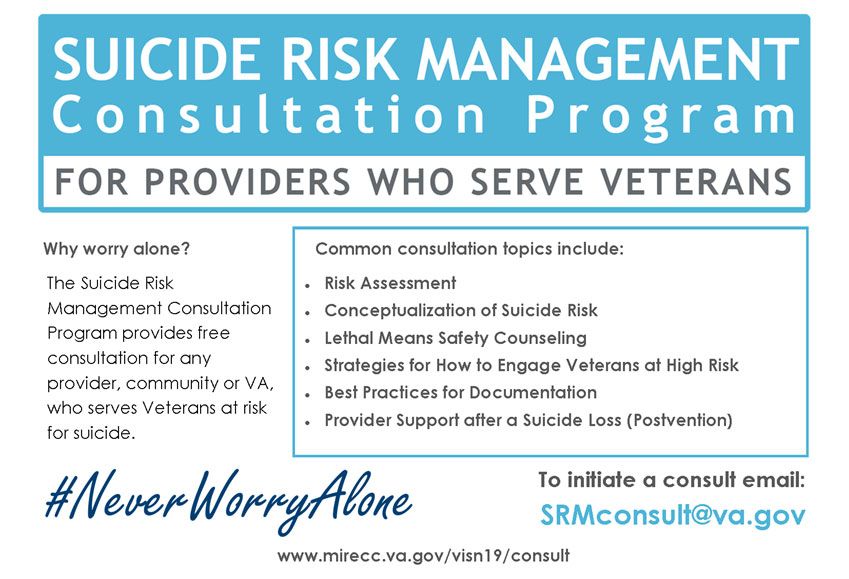
4/14/2021

           OCCUPATIONAL HEALTH & INFECTION
                    PREVENTION

     • PPD SCREENING ON HIRE AND AFTER EXPOSURES

     • OTHER VACCINATIONS & TITERS
        • INCLUDING COVID-19 VACCINE AND TESTING
        • EMPLOYEES WISHING TO GET THE COVID-19 VACCINE
          SHOULD COMPLETE A LEAF SURVEY:
        • HTTPS://LEAF.VA.GOV/VISN4/646/FACILITY_REQUEST/

17

                INFLUENZA VACCINATION

18

                                                                   9
4/14/2021
INFLUENZA
• INFLUENZA VACCINE OFFERED FREE OF CHARGE TO ALL EMPLOYEES.
• MUST COMPLY WITH THE VHA DIRECTIVE 1192
• APPENDIX B FORM NEEDS TO BE FILLED OUT EVERY YEAR FOR EVERY
STAFF MEMBER. THIS INCLUDES ADMINISTRATION OF VACCINE AND
DECLINATION.
19
NON-CRITICAL EQUIPMENT CLEANING
RME NON-CRITICAL SOP
CONTACT TIMES FOR CLEANING SOLUTIONS – THESE TIMES CAN BE FOUND
ON THE CLEANING SOLUTION LABEL
BLEACH WIPES 3 MINUTES
PDI WIPES - PURPLE LID 2 MINUTES
MONK DISINFECTANT WIPES 10 MINUTES
CLOROX DISINFECTANT WIPES* 4 MINUTES
ALCOHOL UNTIL DRY
ALL NON-CRITICAL ITEMS MUST BE CLEANED IN BETWEEN EACH PATIENT USE!
SHAREPOINT RME LIST
BECOME FAMILIAR WITH THE EQUIPMENT IN YOUR AREA!
20
104/14/2021
REUSABLE MEDICAL
EQUIPMENT
IS IT REALLY CLEAN?
21
WATER SAFETY
22
114/14/2021
ENVIRONMENTAL CONCERNS
REPORT
WET OR BROKEN CEILING TILES
DAMAGED FLOORING
HOLES IN WALLS
WATER LEAKS
ANY ENVIRONMENTAL FINDINGS REPORT TO SUPERVISOR AND INFECTION
PREVENTION SO THAT THE APPROPRIATE DEPARTMENTS CAN BE NOTIFIED.
DON’T ASSUME SOMEONE ELSE IS TAKING CARE OF IT! A SAFE WORK
ENVIRONMENT IS EVERYONE’S RESPONSIBILITY !
IP ON CALL PHONE: 412-680-7439
23
COVID-19
• February 16, 2021- 199 new cases reported today (73,598) with 5 additional hospitalizations (4,680) and 1
additional death reported (1,584).
• In the last 24 hours, 199 new cases were reported to the Health Department. Of these, 105 are confirmed cases
from 631 new PCR tests. There are 94 probable cases. New cases ranged in age from 1 year to 88 years with a
median age of 40 years. The dates of positive tests ranged February 8 to February 15. Two (2) positive tests were
more than a week old.
• There was one (1) new death reported. The date of death was February 14. The person was in their 80s.
24
124/14/2021
• ALL STAFF MUST WEAR A MASK COVERING NOSE AND MOUTH.
• ALL EMPLOYEES WHO MAY BE WITHIN SIX FEET OF A CO-WORKER,
VETERAN OR SUPPORT PERSON FOR 15 MINUTES (CUMULATIVE) OR
LONGER MUST ALSO WEAR EYE PROTECTION. IDEALLY, AVOID SUCH
SITUATIONS, IF POSSIBLE.
• EMPLOYEES FAILING TO WEAR MASK/EYE PROTECTION MAY RECEIVE
A VIOLATION NOTICE WHICH THEIR SUPERVISOR MAY USE TO PURSUE
FORMAL DISCIPLINE.
25
QUESTIONS?????
26
134/14/2021
Information Security and
Privacy Training for New
Employees
0
Know your Information System Security Officers & Privacy Officers
Information System Security Officers – Email Group VHAPTH ISO
Judy Buccini Brian Kohler Steve Changet Terry Dziadik
Privacy Officers – Email Group VHAPTH Privacy
Jeffrey Adamson Lisa Hoss
FIELD SECURITY SERVICE 1
1
14/14/2021
VA Privacy and Information Security Training Requirements
• You will be required to complete the
following training every 365 days in the
Talent Management System (TMS) :
– VA Privacy and Information Security
Awareness and Rules of Behavior (all
staff)
– Privacy and HIPAA Focused Training
(staff who have access to PHI)
• If you are delinquent, your computer
access will be disabled.
• You will get reminders if your TMS profile
is correct.
• You are responsible for knowing and
following the National Rules of Behavior.
FIELD SECURITY SERVICE 2
2
PIV cards
• Should be displayed at all times
(exceptions for certain staff)
• Unlock computer
– 6 digit PIN lasts for the life of the card
Removal of the card will not lock the
computer.
– Do not leave the PIV card unattended.
• Encrypt Email
– Certificates must be installed
– Instructions found on the ISO SharePoint
page
• Lost or stolen PIV cards should be
reported to your supervisor, ISSO, AND
Police IMMEDIATELY.
FIELD SECURITY SERVICE 3
3
24/14/2021
Functional Categories
• As a part of assigned job duties, some employees will have access to the VAs electronic medical
record system. This does not mean you have a right nor need to know to any record that is
available. Accessing a record because you are curious is not authorized.
• All VHA personnel must use, disclose, or request protected health information to the minimum
amount necessary required to perform their specific job function and to accomplish the
intended purpose of the use, disclosure, or request. Not everyone has a need to know,
including co‐workers.
• All VHA personnel are classified into at least one designated functional category. Staff must not
access information that exceeds the limits of protected health information for their functional
category. VHA personnel should only access PHI needed to perform their official job function
even if the functional category to which they have been assigned allows for greater access.
• The VA National Rules of Behavior that are signed by ALL VA employees annually state, “I will
only use my access to VA computer systems and/or records for officially authorized and
assigned duties.” Official duties do not include accessing the information of relatives, friends or
co‐workers (regardless of permission from that party) unless the function has been specifically
assigned.
FIELD SECURITY SERVICE 4
4
Accessing Medical Records
• A VA employee may only access the health record of a Veteran in the
performance of their official VA job duties.
• A Veteran may not give verbal or written authorization for their family
member, who is also a VA employee, to access their health record for
personal reasons. Veterans can sign a VA form 10‐5345 for non‐VA family
members to receive a copy of their health records.
• If a VA employee is officially apart of the treatment team of a family
member; please notify your supervisor to consider reassignment or
addresses instances where there may be no other staff member to
complete the job function related to the Veteran family members' care.
FIELD SECURITY SERVICE 5
5
34/14/2021
Protection of Information
• Types of information:
– VA Sensitive Information. For example: contract records, meeting minutes, research
raw data
– Personally Identifiable Information (PII). For example: names, SSNs, dates of birth,
addresses
– Protected Health Information (PHI). For example: medical records, prescription lists,
lab results
• How to protect:
– Interoffice Mail: When sending PII or PHI through interoffice mail, use Special
Attention Privacy envelopes
– Email: When emailing patient information, anything more than the patient’s first
initial of the last name and last 4 of the SSN needs to be encrypted
Unencrypted: A1234 left a message and is asking for a callback
Needs encrypted: A1234 left a message asking to reschedule his June 2nd appointment
with Cardiology
FIELD SECURITY SERVICE 6
6
Passwords
• Most systems use the PIV card to login.
• Must have at least 1 of each of the following:
– Uppercase character
– Lowercase character
– Symbol
– Number
• Must be at least 8 characters
• Changes every 90 days
Password123
• Not easily guessed
– Not password
– Avoid names of pets and relatives
– Avoid birth dates
FIELD SECURITY SERVICE 7
7
44/14/2021
Personally Owned Devices and External Services
The following should not be connected to a VA computer, connected to the
VA computer network, or used for VA job duties without written permission
from the Area Manager and ISSO:
laptop tablets, iPads
USB/flash/thumb drive Dropbox
camera Google Docs/Drive
smartphones Outside Email
FIELD SECURITY SERVICE 8
8
Saving Data
• Save everything to your:
– N: drive (My documents)
– L: drive (Shared folders)
• Network drives are backed up daily so
information can be recovered if lost
• Data saved on a network drive can be accessed
from any VA computer, even at another VA
• Local computer hard drives are never backed up
• Anything saved on the Desktop will be backed up
FIELD SECURITY SERVICE 9
9
54/14/2021
Remote Access
• The VA network can be accessed remotely either with a VA laptop or
personal computer when off‐site
• Request must be submitted through self‐service portal.
• This must be approved by your supervisor and Area Manager prior to being
granted access.
• All network drives, email, and VistA can be accessed using this access.
FIELD SECURITY SERVICE 10
10
Past Audit Findings
• Unlocked computers
– +L
• Employees without proper ID
– Visible, right side up
– Information unobscured
• Staff not challenging those without IDs
– If you see an unfamiliar person in your
work area, question their reason for
being there
FIELD SECURITY SERVICE 11
11
64/14/2021
VA Email
• Do not mix business with non‐business.
• All emails can be requested through the Freedom of Information Act (FOIA).
– Do not email anything you would not want the public to know.
– Personal email cannot be requested under FOIA even if sent/received on a
government computer.
• Do not email any sensitive or proprietary information to a non‐VA email
address.
• Do not open any suspicious emails from unknown non‐VA email addresses.
• Be cautious opening emails with [EXTERNAL] in subject line.
• Do not put sensitive information in the subject line.
FIELD SECURITY SERVICE 12
12
Report Phishing Attempts
FIELD SECURITY SERVICE 13
13
74/14/2021
Limited Use of Resources Policy
• Employees are permitted to use VA computer systems for personal
browsing at the following times:
– During breaks
– Before and/or after tour of duty
• No purchases should be made from a VA computer.
• Can never be used for a personal business.
• All Internet activity is monitored and logged.
FIELD SECURITY SERVICE 14
14
Insider Threats
One of the biggest threats to the VA’s data and information networks is the
people who have the easiest access: Insiders
• Risks
– An insider could use authorized access to harm information systems and VA
sensitive information
– An insider could become an involuntary threat by opening an attachment
containing a virus that installs when opened
– Establishing alternative methods for accessing the VA information system
• Prevention
– Never share your account information
– Do not open emails or attachments you aren’t expecting
– Use the access you’ve been given to the network only to perform your official
duties
FIELD SECURITY SERVICE 15
15
84/14/2021
Reportable items
• All information security and privacy incidents must be reported to your
supervisor and/or ISSO/PO IMMEDIATELY. Examples of reportable items are:
– Lost/stolen PIV card, iPhone, iPad, Laptop, CD/DVD,
VA USB drive, patient/employee records
– Mis‐mailed items
– Unlocked computers
– Unsecure patient/employee records
– Auditory privacy concerns
– Computer screen privacy
– Virus attack
– Suspicious email
– Unencrypted emailing of sensitive information
• Often times the person affected by these types of incidents is provided credit
monitoring protection or a HIPAA notification letter
FIELD SECURITY SERVICE 16
16
Lessons Learned
• Employee who posted a staff selfie to Facebook with appointment list in
background
• Nurse who accessed father’s medical record
• Employee who allowed non‐VA employee to use his ID badge for access
• Use your VA email and devices for VA work – use your personal email and
devices for personal business
• Nurse took patient information home in tote bag without supervisor
approval
• When working remotely; work in a private setting and be aware of your
surroundings
• Provider used Dropbox to transcribe patient notes
• Malicious or inadvertent security breaches compromise patient
confidentiality and negatively impacts VA’s ability to provide patient care.
FIELD SECURITY SERVICE 17
17
94/14/2021
Q&A
Questions?
FIELD SECURITY SERVICE 18
18
104/14/2021
S.A.V.E. Training
VA Office of Mental Health and Suicide Prevention
(OMHSP)
Suicide Prevention Program
1
A Little Housekeeping Before We Start:
• Suicide is an intense topic for some people.
• If you need to take a break, or step out, please do so.
• Immediate Resources:
• National Suicide Prevention Lifeline: 1‐800‐273‐8255
• Service members and Veterans should press 1 to connect with the Veterans
Crisis Line.
• INSERT IMMEDIATE LOCAL RESOURCE, If present (e.g., EAP, Community
Partners, Counselor Onsite, etc.)
2
2
14/14/2021
Overview
• Objectives
• Facts about Suicide
• Common Myths vs. Realities
• The Steps of S.A.V.E.
• S.A.V.E. Training
• Resources and References
3
3
Objectives
By participating in this training, you will:
• Have a general understanding of the scope of suicide within the United States.
• Know how to identify a Veteran who may be at risk for suicide.
• Know what to do when you identify a Veteran at risk.
4
4
24/14/2021
Before We Continue
What is your biggest question around suicide and talking to people in
crisis?
5
5
Facts About Suicide
6
6
34/14/2021
2019 National Veteran Suicide Prevention Annual Report
• Annual Report
• Reports on trends in Veteran suicide deaths from
2005–2017
• Focuses on suicide counts and rates among various
Veteran subpopulations
• State Data Sheets
• Examined state level Veteran suicide deaths and
compared to national and regional trends
• 53 data sheets available for all 50 states, D.C.,
Puerto Rico, and U.S. Territories
Access the reports online:
https://www.mentalhealth.va.gov/mentalhealth/suicide_prevention/data.asp
7
7
Data: Suicide in the U.S.
• National public health problem (as defined by CDC)
• Over 45,000 Americans died by suicide in 2017, including 6,139 Veterans.
• Service member and Veteran issue
• In 2017, the suicide rate for Veterans was 1.5 times the rate for non‐Veteran adults.
• Veteran populations at risk
• Younger Veterans
• Women Veterans
• Veterans in a period of transition
• Veterans with exposure to suicide
• Veterans with access to lethal means
8
8
44/14/2021
Risk and Protective Factors
Risk Protective
• Prior suicide attempt • Access to mental health care
• Mental health issues • Sense of connectedness
• Substance abuse • Problem‐solving skills
• Access to lethal means • Sense of spirituality
• Recent loss
• Mission or purpose
• Legal or financial challenges
• Physical health
• Relationship issues
• Employment
• Unemployment
• Homelessness • Social and emotional well‐being
Goal: Minimize risk factors and boost protective factors
9
9
Key Data Points
10
10
54/14/2021
Suicide Count, U.S. Adult and Veteran Populations (2005–2017)
From 2005 to 2017, there was a 43.6% increase in the number of suicide deaths in the general
population and a 6.1% increase in the number of suicide deaths in the Veteran population.
11
11
Veteran Suicide Deaths: Count vs. Rate
Veteran Suicide Deaths in 2017
The absolute number of suicides was highest among Veterans ages 18–34 had the highest suicide rate.
Veterans ages 55–74.
12
12
64/14/2021
U.S. Veterans and Suicide Methods (2017)
Female Veterans Male Veterans
8.1% 4.8%
15.6%
19.9%
43.2%
8.9%
70.7%
28.7%
Firearm Injury Poisoning Firearm Injury Poisoning
Suffocation Other Suffocation Other
13
13
Method of Suicide Among Veteran and Non‐Veteran Adults Who
Died by Suicide (2017)
In 2017, 69.4% of Veteran suicide deaths were due to a self‐inflicted firearm injury.
14
14
74/14/2021
Time From Decision to Action < 1 Hour
Source: Simon, T.R., Swann, A.C., Powell, K.E., Potter, L.B., Kresnow, M., and O’Carroll, P.W. Source: CDC WISQARS and US Dept. of Veterans Affairs
Characteristics of Impulsive Suicide Attempts and Attempters. SLTB. 2001; 32(supp):49‐59. https://www.mirecc.va.gov/lethalmeanssafety/facts/
15
15
Suicide
is preventable.
16
16
84/14/2021
Common Myths vs. Realities
17
17
Common Myths vs. Realities
Myth Reality
People who talk about suicide are
just seeking attention.
18
18
94/14/2021
Common Myths vs. Realities
Myth Reality
No matter how casually or jokingly said,
suicide threats should never be ignored
and may indicate serious suicidal feelings.
Someone who talks about suicide
provides others with an opportunity to
intervene before suicidal behaviors occur.
19
19
Common Myths vs. Realities
Myth Reality
The only one who can really help
someone who is suicidal is a mental
health counselor or therapist.
20
20
104/14/2021
Common Myths vs. Realities
Myth Reality
Special training is not required to safely
raise the subject of suicide. Helping
someone feel included and showing
genuine, heartfelt support can also make
a big difference during a challenging time.
21
21
The Steps of S.A.V.E.
22
22
114/14/2021
S.A.V.E.: Teaching Communities How to Help Veterans at Risk
for Suicide
S.A.V.E. will help you act with care and compassion if you encounter a
Veteran who is in suicidal crisis.
• Signs of suicidal thinking should be recognized.
• Ask the most important question of all.
• Validate the Veteran’s experience.
• Encourage treatment and Expedite getting help.
23
23
Signs of Suicidal Thinking
Learn to recognize these warning signs:
• Hopelessness, feeling like there is no way out
• Anxiety, agitation, sleeplessness, or mood swings
• Feeling like there is no reason to live
• Rage or anger
• Engaging in risky activities without thinking
• Increasing alcohol or drug use
• Withdrawing from family and friends
24
24
124/14/2021
Signs of Suicidal Thinking
The presence of any of the following signs requires immediate attention:
• Thinking about hurting or killing themselves
• Looking for ways to die
• Talking about death, dying, or suicide
• Self‐destructive or risk‐taking behavior, especially when it involves alcohol, drugs,
or weapons
25
25
Asking the Question
Know how to ask
the most important question of all…
26
26
134/14/2021
Asking the Question
“Are you thinking about killing yourself?”
27
27
Asking the Question
Do’s Don’ts
DO ask the question if you’ve DON’T ask the question as though
identified warning signs or you are looking for a “no” answer.
symptoms. • “You aren’t thinking of killing yourself,
are you?”
DO ask the question in a natural DON’T wait to ask the question
way that flows with the when someone is halfway out the
conversation. door.
28
28
144/14/2021
Asking the Question: Check‐In & Practice
• What are your thoughts about “Asking the question”?
• What initial concerns do you have?
• Let me demonstrate a few ways of asking the question — both good
and bad — and you can tell me which ones you think are most
effective and direct.
• Now, turn to a neighbor and practice asking the question with one of
ways you feel would be most effective.
29
29
Validate the Veteran’s Experience
• Talk openly about suicide. Be willing to listen and allow the Veteran to
express his or her feelings.
• Recognize that the situation is serious.
• Do not pass judgment.
• Reassure the Veteran that help is
available.
30
30
154/14/2021
Validate the Veteran’s Experience: Check‐In & Practice
• Who can share with me a validating statement?
• Turn to a partner and practice the following:
• In response to an “invitation statement” such as, “Everything is so hard.
I feel like a drag on my friends.”
• Start by telling your partner, “Everything will be fine.” (Partner should
respond.)
• Shift instead to a statement that validates their feelings. (Partner should
respond.)
• What did you notice?
31
31
Encourage Treatment and Expedite Getting Help
• What should I do if I think someone is suicidal?
• Don’t keep the Veteran’s suicidal behavior a secret.
• Do not leave him or her alone.
• Try to get the person to seek immediate help from his or her doctor or the
nearest hospital emergency room.
• Call 911.
• Reassure the Veteran that help is available.
• Call the Veterans Crisis Line at 1‐800‐273‐8255 and Press 1.
32
32
164/14/2021
When Talking with a Veteran at Risk for Suicide
• Remain calm.
• Listen more than you speak.
• Maintain eye contact.
• Act with confidence.
• Do not argue.
• Use open body language.
• Limit questions — let the Veteran do the talking.
• Use supportive, encouraging comments.
• Be honest — let the Veteran know that there are no quick solutions, but help is available.
33
Practice Sessions
• Goal: To develop a level of comfort and confidence in asking about
suicide and helping a Veteran who is thinking about suicide.
34
174/14/2021
Practice Sessions
Imagine that you are talking to a friend, family member, or co‐worker whom
you know well. You also know this person has been having a lot of personal
problems lately and seems to be withdrawing from activities, and overall
seems “down” much of the time. They mention that everything feels
“hopeless.”
• Step 1: As you begin your conversation with them, listen for the problems that they
believe suicide would solve and listen for a sign — an invitation statement. When you
hear a warning sign, find a way to ask the question, e.g., “You seem very overwhelmed
right now. Are you thinking about suicide?”
• Step 2: As you listen, make sure to validate their experience or feelings. Continue to
listen and try to expedite them to the appropriate level of care.
• Switch roles.
35
35
Remember
S.A.V.E.
S Signs of suicidal thinking should be recognized.
A Ask the most important question of all.
V Validate the Veteran’s experience.
E Encourage treatment and Expedite getting help.
36
184/14/2021
Signs of Suicidal Thinking
What signs did you pick up on?
37
37
Asking the Question
What did you notice about your “ask”?
38
38
194/14/2021
Validate the Veteran’s Experience
What did your partner do or say that was
validating?
39
39
Encourage Treatment and Expedite Getting Help
What did you do to expedite getting help?
How comfortable would you be recommending
resources?
40
40
204/14/2021
Debrief
• Any other thoughts, feelings, questions?
41
41
Resources and References
42
42
214/14/2021
Psych Armor Institute’s
S.A.V.E. Training:
Spreading the Word
43
43
S.A.V.E. Training
• A PsychArmor course developed in
collaboration with the Department of
Veterans Affairs and presented by Dr. Megan
McCarthy, Former Deputy Director, Suicide
Prevention
• After taking this 25‐minute course, you will:
• Develop a general understanding of the
problem of suicide in the United States.
• Understand how to identify a Veteran who
may be at risk for suicide.
• Know what to do if you identify a Veteran at
risk.
44
44
224/14/2021
Utilize S.A.V.E. Training
• S.A.V.E. is a free online
Veteran suicide prevention
training found on
Psycharmor.org.
• S.A.V.E. is provided through
VA suicide prevention
resources across the
country, which can be found
using VA’s resource locator
at
www.VeteransCrisisLine.net Available online for free: psycharmor.org/courses/s‐a‐v‐e/
/ResourceLocator.
45
45
Utilize S.A.V.E. Training
• There are two different ways to take
S.A.V.E.
1. Group setting
2. Individually
• S.A.V.E. was designed to be watched
as a group. This allows for greater
discussion and interaction of the
topics and video.
46
46
234/14/2021
Who Should Take S.A.V.E. Training?
This training is beneficial for anyone who
interacts with Veterans, including:
• First responders
• Crisis line volunteers
• Law enforcement
• Members of clergy
• Individuals working in the justice system
• Health care employees
• Faith leaders Available online for free: psycharmor.org/courses/s‐a‐v‐e/
• Community members
47
47
What to Do if a Veteran Expresses Suicidal Ideation During a
Phone Call
• Keep the caller on the line (do not hang up or transfer).
• Remain calm.
• Obtain identifying information on the caller (name, phone number, and current
location).
• Conference call to VCL (don’t hang up until VCL responder has the call).
• Solicit co‐workers for assistance via Skype, etc.
• If caller disconnects, dial 911 and VCL (1‐800‐273‐8255 and Press 1.).
Tip: Practice conferencing in calls at your desk with coworkers.
48
48
244/14/2021
Free, Confidential Support 24/7/365
• Veterans • Family members
• Service members • Friends
49
49
Veterans and Military Crisis Line
50
50
254/14/2021
#BeThere Prevention Initiative
https://www.youtube.com/watch?time_continue=60&v=MCSZ7FjTq5I
51
51
Make the Connection
• Online resource featuring hundreds
of Veterans telling their stories about
overcoming mental health challenges.
https://maketheconnection.net/conditions/suicide
52
52
264/14/2021
Coaching into Care
Program for families and loved ones of
Veterans, helping them encourage the Veteran
in their lives to seek support.
CALL 888‐823‐7458
53
53
Find a Local VA SPC at
VeteransCrisisLine.net/ResourceLocator
More than 400 SPCs nationwide.
54
54
274/14/2021
VeteransCrisisLine.net/ResourceLocator
55
55
Veteran Outreach Toolkit
Includes facts and myths about suicide, as
well as information on:
• Establishing a suicide prevention council
• Talking to Veterans about their military
service
• Assessing suicide risk
• Developing a suicide prevention safety plan
• Helping Veterans feel more connected to
others
• Joining public‐private partnerships Access the toolkit online:
go.usa.gov/xnwbz
56
56
284/14/2021
Community Provider Toolkit
• Free online training on Veteran issues,
including military culture, for health
care providers.
• Includes tips for screening clients for
military service.
• Military culture training can count for
continuing education credits (CEUs):
https://www.mentalhealth.va.gov/co
mmunityproviders/military.asp. Access the toolkit online:
www.mentalhealth.va.gov/communityproviders
57
57
Suicide Risk Management Consultation Program
58
58
294/14/2021
WELCOME TO
VA PITTSBURGH
VA POLICE
DEPARTMENT
1
VA Police Organizational Chart
CHIEF
CRIMINAL
INVESTIGATIONS
(2)
DEPUTY CHIEF
MAJOR- PATROL PHYSICAL
MAJOR – ADMIN SECURITY
OPERATIONS OPERATIONS SPECIALIST (PSS)
PATROL
LIEUTENANTS (4) TRAINING PROGRAM
(2) SUPPORT
ASSISTANT (PSA)
PATROL
SERGEANTS TRAINING
(10) CORPORALS (8)
PATROL OFFICERS
(42)
K9 (1)
BICYCLE
PATROL (1)
DISPATCHERS
(5)
2
14/14/2021
VA POLICE AUTHORITY
• Federal Police Officers
• Authorized by Congress to Enforce
Federal Laws
• By Local Agreement Authorized to
Enforce PA State Law Also
• Work Community “Mirrors” your Home
Community Regarding Violations of Law
• Typical Violations Include; Retail Theft
(Canteen & Retail Store), Traffic/Parking
Violations, Disorderly Conduct, etc.
3
VA POLICE OFFICE
LOCATIONS
UNIVERSITY DRIVE DIVISION
– Building #1, 1st Floor, Adjacent to
Emergency Department
– Internal Telephone # 60-6911
– Emergency # 911
HEINZ DIVISION
– Building #51, 1st Floor, By Main Entrance
– Internal Telephone # 60-6911
– Emergency # 911
4
24/14/2021
VA POLICE - PARKING
• TO OBTAIN A PARKING STICKER
– COMPLETE ALL THE INFORMATION
BLOCKS (W/*) ON THE PROVIDED
PARKING PERMIT FORM
– TAKE THE COMPLETED PARKING
PERMIT FORM ALONG WITH YOUR
CURRENT/VALID DRIVER’S LICENSE,
REGISTRATION & PROOF OF
INSURANCE TO VA POLICE OFFICE TO
OBTAIN STICKER
5
VA POLICE - PARKING
• PARK ONLY IN DESIGNATED
EMPLOYEE PARKING AREAS
– UD GARAGE – FLOORS B1, B, G, 5 & 6
– HZ – LOTS designated “Employee
Parking” (see handout)
6
34/14/2021
VA POLICE DEPARTMENT
NOTE: KNIVES UNDER 3” ARE PERMITTED
7
VA POLICE DEPARTMENT
• PERSONAL SAFETY
– Report suspicious persons, packages,
unusual conditions – IMMEDIATELY!
– Report threatening and abusive
behavior – IMMEDIATELY!
– Report all contraband (weapons,
illegal drugs, etc.) – IMMEDIATELY!
8
44/14/2021
VA POLICE DEPARTMENT
• PERSONAL SAFETY (con’t.)
– Notify VA Police (and lock the door
if possible) when working in
an isolated area, working late/alone –
VA Police will conduct extra patrols in
your area
– INCREASE AWARENESS/TRUST
YOUR INSTINCTS!
9
VA POLICE DEPARTMENT
• PERSONAL SAFETY (con’t.)
– Use discretion/caution when walking in
isolated/poorly lit areas, particularly
in the evening/night
– Walk in well lit areas and groups
– Request VAPD Escort from your
location to your vehicle
10
54/14/2021
VA POLICE DEPARTMENT
ACTIVE THREAT
RESPONSE
Dial 911
https://www.youtube.com/watch?v=KxLB2yxB3Pw
11
VA Police Department
• Active Threat
• DEFINITION OF AN ACTIVE THREAT EVENT:
The event is described as an emergency
situation involving a person or persons who are
actively engaged in killing or attempting to kill
people in a populated area by acts of either
random or systematic violence.
12
64/14/2021
VA Police Department
• The overriding objective appears to be
that of mass murder, rather than
criminal conduct such as robbery,
kidnapping, etc.
• Active Threat Events include any
assault with a deadly weapon (guns,
knives, explosives, etc) with one
objective in mind; causing as many
deaths as possible
13
VA Police Department
• EXPLAIN THE NOTIFICATION
PROCEDURES IN THE EVENT
OF AN ACTIVE THREAT EVENT:
• While mode or delivery of an Active
Threat Event may vary by facility such
as Giant Voice (PA System), phone,
internet or all the above, it is vital that
the alert/notification be sounded as
quickly as possible.
14
74/14/2021
VA Police Department
• Plain English identifying an “Active
Threat” is in progress with location, if
known can be used throughout the VA.
• When an Active Threat Event is
announced it should be immediately
followed by the location, i.e., “Active
Threat Firearms”, Bldg. #XYZ, 3rd Floor
or Ward XYZ.
15
VA Police Department
• LIST THREE OPTIONS AVAILABLE
TO STAFF TO PROTECT THEIR
OWN LIFE DURING AN ACTIVE
THREAT EVENT.
• The options that are most widely accepted
are: Evacuate (RUN) Evade (Shelter in
Place and Hide), or as a last resort,
Engage (Take action against the
attacker(s) and fight).
16
84/14/2021
VA Police Department
• The Evacuate, Evade, Engage model
has been widely distributed and
accepted throughout the Federal
Government.
• All models, including Evacuate, Evade
or Engage emphasize how important it
is for you to understand how to properly
assess and make the best decision for
your particular situation.
17
VA Police Department
• EVACUATE: Unlike a fire emergency, evacuation
is best suited in a setting where you have clear
access to an escape route, or are in the immediate
area of the attack. The idea is to get as many
Victims/Targets out of the area as possible to
reduce casualties. Traditional philosophy is that
you should encourage others to flee with you, but
not to wait if they hesitate. In other words “look out
for number one.” If your assessment indicates that
this is the best course of action for you then act
swiftly, get out and away from the affected area.
18
94/14/2021
VA Police Department
– If a staff member decides to evacuate, he or
she should:
• Leave personal belongings behind
• Help others, if possible
• Prevent others from entering the threat area, if possible
• Keep their hands visible
• Follow the instructions of any police officers
• Do not attempt to move wounded people
• Do not attempt to drive away
• Call 911 when they are safe
19
VA Police Department
• EVADE: Often during an Active Threat Event, one of the
best courses of action for staff, patients and visitors is to
“EVADE AND SHELTER IN PLACE” OR “LOCK DOWN”
In their immediate vicinity. If there is a relatively secure
location to hide nearby, in the absence of a clearly safe
escape route, staff should shelter themselves, patients
and visitors in a secure location and lock down until the
threat is neutralized. Most doors in the Medical Center
are solid core and able to be locked. Many walls are
constructed of block and brick. These are likely to
provide some protections. Staff should secure their
immediate area by:
20
104/14/2021
VA Police Department
– Locking and barricading doors with whatever
is available (i.e. desks, file cabinets, beds,
etc.).
– Turning off lights, radios and computer
monitors
– Blocking windows and closing blinds
– Silencing cell phones
21
VA Police Department
• ENGAGE: Staff should take action against the
suspect only as a last resort when their life is in
immediate and imminent danger. If action is taken
against the suspect, staff must be committed to
acting swiftly and aggressively to disrupt and/or
incapacitate the attacker(s).
• NOTE: It is not mandatory for employees to
engage an Active Shooter, this option should only
be exercised if the options Evade and Evacuate
have been exhausted.
22
114/14/2021
VA Police Department
• EXPLAIN WHAT FIRST RESPONDING
OFFICERS TO AN ACTIVE THREAT EVENT
ARE TRAINED TO DO.
• In the modern era, first responders no longer contain the
situation and wait for “SWAT” First responders are trained
to respond directly, and as quickly as possible to
assertively, and decisively engage and neutralize the Active
Threat thereby, preventing the further loss of innocent life.
• VA police officers are armed with Department-approved
weapons and are the primary, initial response force to an
Active Threat incident on a VA-owned campus.
23
VA POLICE DEPARTMENT
§ 1.201 Employee’s Duty to Report
All VA employees with knowledge or
information about actual or possible
violations of criminal law related to
VA programs, operations, facilities,
contracts, or information technology
systems shall immediately report such
knowledge or information to the VA Police,
their supervisor, any management official,
or directly to the Office of Inspector General.
(Authority: 5 U.S.C. App. 3, 38 U.S.C. 902)
24
124/14/2021
VA POLICE DEPARTMENT
QUESTIONS?
25
134/14/2021
WELCOME NEW COLLEAGUES
Connected Care and Telehealth
Overview
1
What is Connected Care?
• Telehealth Services
• VA Mobile
• Home Telehealth
• VISN TeleMental Health HUB
• My HealtheVet
– MHV have many features
2
14/14/2021
My healthevet encourages our patients to be more
engaged in their healthcare, while providing for a safe and
secure way to do so.
My healthevet encourages our patients to be more
engaged in their healthcare.
3
My healthevet encourages our patients to be more engaged in their healthcare
• Patients can easily register (establish) a new MHV
account from any internet connected device on
www.myhealth.va.gov.
• A “Premium” account is needed to unlock the main
features with access to their personal electronic
health record, It is easily obtained in with
verification/authentication in person or via VA Video
Connect.
• MHV gives our patients the tools to access their VA
health records and enter outside personal healthcare
information which produces a personalize health Contact Bill and Dave at the My HealtheVet
management system. Office for more information.
• Major features include: Prescription Ordering, Tel: (412) 360‐6838 or email:
Appointment Tracking, Secure Messaging and Health VHAPTHMyHealtheVet@va.gov
Record Access.
• Site information can be viewed, saved and/or printed.
4
24/14/2021
Telehealth Department
5
Telehealth Definitions
• TCT (Telehealth Clinical Technician) ‐ A member of the VA
telehealth team, whose responsibility is to coordinate telehealth
visits, schedule visits and serve as the first point of contact for
technology matters
• Teleprovider ‐ Any provider using CVT equipment to treat a patient,
may be a Licensed Independent Practitioner or a Non‐Licensed
Independent Practitioner including but not limited to: Physicians,
Nurse Practitioners, Physicians Assistants, Social Workers,
Dietitians, Psychiatrists, Psychologists, and Pharmacists.
6
34/14/2021
Telehealth Modalities
• CVT (Clinical Video Telehealth) ‐ This synchronous telehealth modality
allows veterans and providers to see and hear each other to complete a
health care visit while distance separates them physically
• SFT (Store and Forward Telehealth) ‐ SFT is defined as the use of
technologies to acquire and store clinical information (e.g. data, image,
sound, and video) that is then forwarded to or retrieved by a provider at
another location for clinical evaluation
7
Telehealth Modalities
VVC (VA Video Connect) ‐ The new VA Video Connect
application connects Veterans with their health care team
from anywhere, using encryption to ensure a secure and
private session. The application allows quick and easy health
care access from any mobile or web‐based device.
VVC currently has no copay!
8
44/14/2021
Telehealth Programs by Modality
(Programs can be under more than one modality.)
• Telesleep •Endocrinology/ Diabetes • MOVE! •Primary Care
•TeleSleep •Chaplain • Mental Health • Spinal Cord
• ENT • Chiropractic Care
Store & Forward
•Palliative Care •Com & Pen exams •Wound care
CVT Continued
VVC to Home or Non VA Locations
VVC to Home or Non VA Locations
CVT (To another VA Facility)
• Telederm •Teledementia •Pharmacy • Amputation clinic
•Physical Therapy
•Audiology •HBPC Social Work:
• Teleretinal •Cardiology • Primary Care
•Nutrition •Audiology
•Neurology • TCM
• Telewound •GRECC •Speech
•GI •Low Vision • MHICM
•TeleLactation
•Blind/Low Vision •TeleURGENT Care • Vocational Rehab
•Recreational Therapy
•Virtual Cancer Care •Telediabetes • Caregiver Program
•Cognitive Assessment
•Cardiology screening •Renal
•Renal Education Programs: •Dialysis
•Palliative Care •TeleSleep / Pulmonary
•Diabetes
•Infectious Disease •Vascular Surgery
•CKD
•Bariatric •Urology
•Rheumatology
•ENT
•Vascular •Dermatology
•Palliative Care
•IMPACT / Pre‐Surg Evals •Hepatology •MOVE
•Transplant •Bariatric (Intro and PreOp) • hepatology
•Neurosurgery •Recreational Therapy
•Endo Surgery • Infectious Disease
•Pain Management •Rheumatology
•Urology •Neurology
• Opiate Use Review Clinic •GRECC
(OURC) •Chaplain services
• VISN 4 Pharmacy Transplant •Urgent Care
Care •PT/OT
• ENT •Dermatology
• Orthopedics •Oncology
• Plastic Surgery •Plastic Surgery
•Active Duty Sexual Truama
•Home Telehealth
9
Home Telehealth
FREE Equipment and Requirements
• Home Telehealth accepts Veterans with the following diagnosis:
• Congestive Heart Failure (CHF)
• End Stage Renal Disease
• Bipolar Disorder
• Dementia
• Chronic Kidney Diseases (CKD)
• Diabetes
• Chronic Obstructive Pulmonary Diseases
• COPD
• Depression
• Hypertension
• Post‐Traumatic Stress Disorder (PTSD)
• Depression
• COVID‐19
10
54/14/2021
FREE VVC
equipment for
Veterans
11
Providers must complete within 30 days
VVC trainings for all providers and scheduler:
NEW*VVC Integrated Training 4556649
For Behavioral Health providers:
Telemental Health Suicide Prevention and Emergency Care
TMS VA 6949
Ryan Haight Guidance for Providers VA 4192640
CVT training for providers:
Matching CVT Patient Indicated Date (PID) for Telehealth
Clinic to Clinic Teleheatlh Provider Training
MHV Training
Wednesday at 1pm and Friday at 9am
Ask your team if you will need to participate in MHV training.
12
64/14/2021
CONACT:
Group email: VAPHS Telehealth Staff
MHV: VHAPTH MY HEALTHEVET
HOME TELEHEALTH: VHAPTH CCHT
VHAPTH CCHT
THANK YOU
13
7You can also read


