#JUSTICESOLUTIONS NEW ZEALAND TOUR - SEPTEMBER 2019 - JESUIT SOCIAL SERVICES
←
→
Page content transcription
If your browser does not render page correctly, please read the page content below

#JusticeSolutions
New Zealand Tour
September 2019


Table of Contents

WHO WE ARE												2
FOREWORD												3
INTRODUCTION											8
#JUSTICESOLUTIONS TOUR: OBSERVATIONS								10
        Political will											10
        Layers of leadership										10
        Innovative approaches to reform									10
        Value of spirituality and culture									14
        Culture of values and spirituality									16
        Importance of language										18
        Relationship, respect and a restorative approach							19
        Prisons and youth detention facilities								19
CONCLUSION												22
RECOMMENDATIONS											23
APPENDICES												24

    For further information, contact:
    Julie Edwards, CEO, Jesuit Social Services
    03 9421 7600
    julie.edwards@jss.org.au

We acknowledge the Traditional Custodians of all the lands on which Jesuit Social Services operates and pay
respect to their Elders past, present and emerging. We express our gratitude for their love and care of the land and
all life.
We also acknowledge that our Justice Solutions tour took place on the lands of Māori iwi. We pay respect and
express our gratitude for their hospitality.

                                                                                                                       1
Who we are

Jesuit Social Services has been working for more than        Research, advocacy and policy are coordinated
40 years delivering practical support and advocating         across all programs and major interest areas of
for improved policies to achieve strong, cohesive and        Jesuit Social Services. Our advocacy is grounded
vibrant communities where every individual can play          in the knowledge, expertise and experiences of
their role and flourish.                                     program staff and participants, as well as academic
                                                             research and evidence. We seek to influence policies,
We are a social change organisation working with
                                                             practices, legislation and budget investment to
some of the most marginalised individuals and
                                                             positively influence people’s lives and improve
communities, often experiencing multiple and
                                                             approaches to address long term social challenges.
complex challenges. Jesuit Social Services works
                                                             We do this by working collaboratively with the
where the need is greatest and where we have the
                                                             community to build coalitions and alliances around
capacity, experience and skills to make the
                                                             key issues, and building strong relationships with
most difference.
                                                             business and government.
Our services span Victoria, New South Wales, the
                                                             Our Learning and Practice Development Unit
Northern Territory and Queensland where we support
                                                             builds the capacity of our services through staff
more than 57,000 individuals and families annually.
                                                             development, training and evaluation, as well as
Our services and advocacy focus on the following             articulating and disseminating information on best
key areas:                                                   practice approaches to working with participants and
    • Justice and crime prevention – people involved with    communities across our programs.
      the justice system

    • Mental health and wellbeing – people with multiple
      and complex needs including mental illness, trauma,
      homelessness and complex bereavement

    • Settlement and community building – recently
      arrived immigrants and refugees, and
      disadvantaged communities

    • Education, training and employment – people with
      barriers to sustainable employment

    • Gender and culture – providing leadership on the
      reduction of violence and other harmful behaviours
      prevalent among boys and men, and building new
      approaches to improve their wellbeing and keep
      families and communities safe.

    • Ecological justice - inviting discussion on
      what practices, policies and actions can be taken
      by governments, individuals, organisations and the
      community services sector within Australia, to build
      an ecologically just society.

The promotion of education, lifelong learning and
capacity building is fundamental to all our activity. We
believe this is the most effective means of helping
people to reach their potential and exercise their full
citizenship. This, in turn, strengthens the
broader community.

2
Foreword

The New Zealand justice system faces similar                   believe that change is not happening fast enough.
challenges to Australia’s justice system – a high              Despite a Royal Commission, reports of abuse and
incarceration rate despite a drop in the rate of               mistreatment in Don Dale continue.7 Reports of
offending and a significant over-representation of             mistreatment, unrest, and poor conditions across the
Indigenous people in the justice system.                       country continue to emerge.
There are, however, pockets of success and                     As a community, we need to demand evidence-
innovation that could help inform us here in Australia.        based policy and reform and implement positive
These include: political will and leadership; an               changes to justice systems across Australia as a
appetite for innovation; the strong connection                 matter of urgency.
to culture; a commitment to a restorative justice
                                                               In Victoria, where Jesuit Social Services has been
approach to offending; and the acknowledgement of
                                                               working with young people involved in the justice
the importance of relationship and connection for
                                                               system for more than 40 years, we have sensed a
all people.
                                                               recent shift in community sentiment towards people
We know that the state of Victoria was once a leader           who offend, especially young people. We know
in its approach to Youth Justice. In fact, several of the      from our own work there is a significant community
people we met with in New Zealand acknowledged                 of people who want better outcomes for these
that fact. However, over the past eight to ten years,          young people. In July 2018, Jesuit Social Services
we have seen a significant decline of evidence-based           launched Worth a Second Chance, a campaign to fix
policies and practices and a hardening of public               youth justice in Victoria. Thus far, 49 organisations
attitudes towards young offenders.                             have endorsed the campaign, and upwards of 700
                                                               community members have engaged in kitchen table
Indeed, across Australia, we are seeing prisons (both
                                                               conversations with their families and friends, attended
youth and adult) filling up and more prisons being
                                                               community events, and heard from young people
built, despite an overall drop in offending. We are also
                                                               with lived experience of the justice system.
seeing rising recidivism and, all too often, reports of
‘crises’ in the systems.                                       There is a desire within the Victorian Government to
                                                               find effective, evidence-based solutions to addressing
    “‘Appalling’: Queensland condemned for holding             the problems in the justice system.
    children as young as 10 in police watch houses”1
                                                                 “We know that the earlier we intervene in an
    “Young Indigenous 17 times more likely to be in              at-risk youth’s life, the better chance we have
    detention than other Australians”2                           of keeping them out of the justice system.” –
                                                                 Minister for Youth Justice, Ben Carroll8
    “Bimberi detention centre ‘breached human
    rights’ by unlawfully separating teen for two
    months, case alleges”3

    “NSW youth detainees subjected to inappropriate
    strip searches and isolation, report finds”4

    “‘Lock your doors’: Idyllic suburb rocked by youth
    crime issues”5

    “Victorian Premier Daniel Andrews vows to deal
    with ‘nasty’ youth crime”6

This situation is not sustainable – either morally
or financially. This is recognized in some quarters,
but change is slow. For instance, the Northern                 ABC Four Corners investigation into Queensland
                                                               Watch Housesi
Territory Government has vowed to implement
recommendations of the Royal Commission into
the Protection and Detention of Children. Many

i
    Source: https://www.abc.net.au/news/2019-05-17/youth-justice-overhaul-in-wake-of-watch-house-revealations/11123238

                                                                                                                         3
New Zealand has reminded us that this sort of            Jesuit Social Services’ vision is to build a just society.
change requires strong leadership and a political will   Through our discussions with educators, nurses,
that begins at the top of the political hierarchy and    parents, victims, business owners, and media, we
extends through Cabinet, Caucus, and the public and      know that others share our view that every child
community sectors. This is how change will               deserves a second chance.
be achieved.
                                                         So it’s now time for a reset in Australia. Through this
We also need bi-partisanship. If we are to stop this     report, we set out some of our key observations from
“race to the bottom” in being “tough on crime”, we       New Zealand and look at ideas that might be
need the Government and the Opposition to look at        helpful here.
the evidence, learn lessons from what’s not working,
and have the courage to back effective and humane
policies and legislation.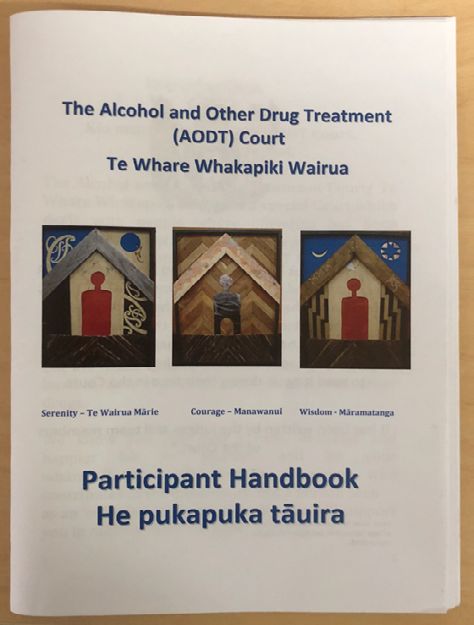
New Zealand and Australia – context                        Australia has grown 56 per cent over ten years, and
and comparison                                             Victoria’s prison population has grown by over 80
                                                           per cent in the past ten years.10 As evidenced in the
New Zealand’s prison population increased                  table below, many of the outcomes in New Zealand
dramatically over the past decade, particularly            are comparable to our own in Australia. Despite these
between 2015 and 2018. It has started to decline           similarities, New Zealand’s trajectory is now set on
in the past 18 months, though there have been              a different path – acknowledging the failures of the
variations in the number of prisoners over the period.9    justice system, they are now actively seeking to adjust
In comparison, Australian prison populations have          policy and practice to reduce its growth. This report
continued to increase; the number of prisoners in          will explore these differences in detail.

                                     New Zealand                                 Australia
 Imprisonment rate per 100,000       220 per 100,000 adults in the general       221 per 100,000 adults in the
 people                              population16                                general population.17
 Proportion of unsentenced           35 per cent18                               32 per cent19
 prisoners
 Proportion of prisoners who are     93 per cent20                               92 per cent21
 men
 Percentage of prison population     51.7 per cent22                             28 per cent24
 who are Indigenous (Aboriginal,
                                     (16 per cent of the total population)23     (3.3 per cent of the total
 Torres Strait Islander, or Māori)
                                                                                 population)25

 Crime rates                         Crime rates have been falling steadily      The number of offenders has
                                     since 200926                                decreased over the past year in
                                                                                 most states and territories.27
 Remand rates                        The remand population has more              32 per cent of prisoners are
                                     than doubled since 2000.28 It now           unsentenced. Ten years ago,
                                     represents 35 per cent of the prison        23 per cent of prisoners were
                                     population.29                               unsentenced.30
 Custodial sentencing trends         Growth in the prison population of New      At December 2018, the number
                                     Zealand attributed to parole laws, often    of people in Australian prisons
                                     developed in response to high-profile       has increased for the seventh
                                     events31                                    consecutive year32
 People under justice supervision    Approximately three quarters of             64 per cent of people in corrective
 in the community                    offenders are supervised in the             services in Australia are under
                                     community33                                 community-based supervision.34
 Recidivism rate                     Around 60 per cent of people are            45.6 per cent of prisoners return in
                                     reconvicted within 2 years following        two years36
                                     release from prison. Around 42 per
                                     cent are re-imprisoned after 2 years
                                     following release from prison.35
 Youth justice                       Young people aged 10 to 16 who offend       In every state and territory, young
                                     are dealt with in the youth justice         people aged 10 to 17 who offend
                                     system                                      are dealt with through youth
                                                                                 justice
                                     On July 1 2019, the Oranga Tamariki Act
                                     definition of youth in the justice system
                                     is changing to include 17-year-olds.
                                     Currently, young people aged 17 and
                                     over are heard in the District Court, not
                                     through Youth Courts

                                                                                                                        5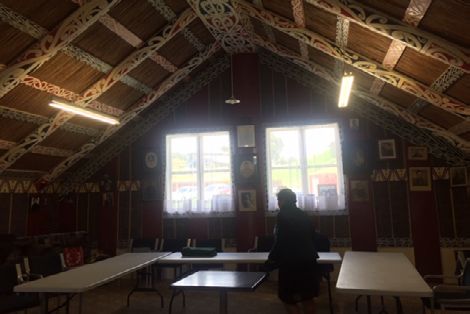
Family Group Conferencing and
restorative approaches
Over 75 per cent of young people in New Zealand                       Commentators have consistently noted the links
who come in contact with the police are funnelled                     between Māori conflict resolution practices and
out of the system through warnings or diversion.11ii                  restorative justice processes.14 Family Group
Since 1989, New Zealand has used Family Group                         Conferencing processes used in New Zealand share
Conferencing, involving the young person, their family,               similarities with Māori justice approaches, particularly
representatives from the community and the victim,                    in relation to ideas of restoration and consensus. Ideas
as the primary justice response for young people                      underpinning tikangaiii interrelate with restorative
aged 14 and over. Family Group Conferencing is used                   approaches. Rangatahi and Pasifika Courts monitor
as the standard mechanism for processing serious                      a young person’s completion of their Family Group
cases where a young person admits to their offending.                 Conference Plan in a culturally appropriate way.15 By
As part of the Family Group Conferencing, a plan is                   contrast, in Victoria, courts (including Koori Courts)
developed that is monitored by the court. If a young                  sentence young people, but do not oversee the
person fails to comply with the plan, they are referred               outcome plans created through Youth Justice Group
back to the court for formal sanctioning.                             Conferencing.
Restorative justice has also been a feature of the
justice landscape in Australia for a number of years. In
Victoria, Jesuit Social Services delivers Youth Justice
Group Conferencing across metropolitan Melbourne.
Conferences are available to young people age 10
to 17 who have pleaded guilty, whose offending is
serious enough to warrant youth justice supervision,
and take place before a young person is sentenced in
the court.
However, there are key distinctions between the
models used in New Zealand and in Australian
jurisdictions. In contrast to Victoria, Group
Conferencing in New Zealand is the default response
for youth offending. Group Conferencing is ‘opt-out’
rather than ‘opt-in’. Unlike in Victoria, restorative
conferencing is available for adults in New Zealand,
predominantly at the pre-sentence stage.12
We met restorative justice experts, Professor Chris
Marshall and Dr Tom Noakes-Duncan from Victoria
University, who highlighted the central tenets of
restorative approaches: the importance of “human
interaction and human need” at the core of restorative
work; and the alignment of restorative principles
with Māori concepts of “land, ancestors, community,
morality and justice”.13

ii
   The equivalent figure in Victoria is 56 per cent. Source: Sentencing Advisory Council. (2016). Reoffending by Children and Young
People in Victoria. Retrieved from https://www.sentencingcouncil.vic.gov.au/sites/default/files/publication-documents/
Reoffending_by_Children_and_Young_People_in_Victoria.pdf
iii
      General behaviour guidelines for daily life and interaction in Māori culture, handed down through generations.

6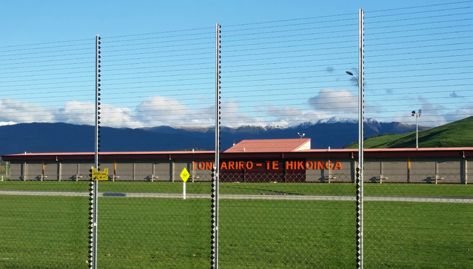
Catherine Neville, Executive Director - Advocacy and
Strategic Communications and Daniel Clements,
General Manager - Justice Programs, pictured at
Victoria University, Wellington.

                                                       7
Introduction

We all desire safe communities, homes and streets.                  In April 2019, Julie Edwards (CEO), Catherine
We also desire fair and just societies. If the treatment            Neville (Executive Director, Advocacy and Strategic
of prisoners is the marker of the humanity of a society,            Communications) and Daniel Clements (General
we are consistently failing this litmus test in Australia.          Manager, Justice Programs) travelled to New
Across the country, there have been mounting                        Zealand to gain insights into effective approaches to
allegations and findings of abuse, maltreatment,                    the justice system. Justice Solutions New Zealand
and brutality in our justice systems. To our collective             involved meetings with key decision-makers including
shame, Aboriginal and Torres Strait Islander people                 Ministers, senior departmental staff and members
continue to be overrepresented in our justice systems,              of the judiciary. We also met with academics and
and are imprisoned at 15,5 times the rate of non-                   community service organisations delivering programs
Indigenous Australians.37iv                                         and advocating for change. We saw youth justice
                                                                    facilities, an adult prison, and a variety of courts. A full
Excessively punitive and often ineffective procedures,
                                                                    itinerary is attached to this report at Appendix A, while
laws and structures across Australian jurisdictions are
                                                                    further detail about specific facilities and meetings
often justified with the false rationale that “tough on
                                                                    is included in Appendix B. An overview of the justice
crime” policies promote community safety. We are
                                                                    context in New Zealand forms Appendix C.
locking more people up than ever, but this approach
is not making us safer in the long term. Almost 46 per              New Zealand is in the process of undertaking large-
cent of prisoners return to detention within two years              scale reform to improve its justice system. This is a
of their release,38 and over 99 per cent of prisoners               concerted system-wide effort, led by strong political
will return to the community at the end of                          will and leadership. Over the past 10 years, the
their sentence.39                                                   number of children and young people in court has
                                                                    dropped by 64 per cent,40 and recent targets have
What kind of society do we want to live in? One
                                                                    been set to reduce the adult prison population by
in which ineffective practices and prisons do little
                                                                    30 per cent over the next 15 years. 41 This approach
to promote community safety in the long term, or
                                                                    to justice reform is bolstered by a ‘culture of values’,
one which values the dignity of citizens and uses
                                                                    and a strong commitment within the justice system
evidence-based responses to reduce and prevent
                                                                    and the community more broadly to principles of
harm? We have found that too often public discourse
                                                                    humanity and dignity for people who offend.
and political rhetoric fail to respond to the question
of what kind of society we want to live in. To break                While New Zealand’s justice system in many respects
the circuit, Jesuit Social Services has sought to                   mirrors Australia’s, both in its shortcomings and in
find examples of places where justice systems are                   some of its more positive practice, the orientation
more humane, more decent, and importantly, more                     of the system and the values underpinning it are
effective. Two years ago, leaders at Jesuit Social                  different from ours.
Services undertook study tours to parts of Europe,
                                                                    New Zealand faces many of the same challenges
the US and the UK seeking such examples.v This year,
                                                                    we do here in Australia: a high incarceration rate;
senior staff have again looked outside our borders for
                                                                    overrepresentation of Indigenous populations; and
justice solutions, this time in New Zealand.
                                                                    ageing prison infrastructure. Māori represent half the
Our third #JusticeSolutions tour took place following               national prison population but only 16 per cent of the
the release of a number of significant reviews                      population more broadly. 42 Around 60 per cent of
and reports on justice systems across Australian                    people are reconvicted within two years of release
jurisdictions. These included the Royal Commission                  from prison, and 42 per cent are reimprisoned within
into the Detention and Protection of Children in the                that time. 43 The rate of imprisonment is one of the
Northern Territory, the Victorian Youth Justice Review              highest in the OECD, despite falling crime rates. 44 The
and Strategy, and the Atkinson Report on Youth                      remand population has more than doubled since
Justice in Queensland. As governments turn their                    2000, and Māori are over-represented in the cohort of
attention to options for implementing reform, Jesuit                unsentenced prisoners. 45 Legislation regarding parole,
Social Services was keen to provide solutions that
have worked elsewhere to Australian jurisdictions.

iv
     In the adult justice system
v
  Jesuit Social Services. (2017, August 29). #JusticeSolutions: Expanding the conversation. Retrieved from https://jss.org.au/
justicesolutions-expanding-the-conversation/.

8
driven by a politically populist agenda, has also hiked Nevertheless, there were opportunities to learn and
up prison growth. 46 Prison populations have high rates reflect, to consider elements of the New Zealand
of undiagnosed mental health issues and drug and system that may translate productively or be
alcohol misuse issues. 47 adapted effectively into the Australian context. The
#JusticeSolutions tour also provided an opportunity
At October 2017, over a third of prisoners had been
to reflect on those parts of our system that are
gang-affiliated at some time, and Māori make up
performing well by international standards.
90 per cent of the two largest adult gangs in New
Zealand. 48 The Chief Science Advisor report into It is important to acknowledge from the outset that
imprisonment trends highlighted that “gang members the #JusticeSolutions tour did not seek to achieve
are both victims and perpetrators of violence and comprehensive knowledge of the intricacies of New
trauma, having high rates of undiagnosed and Zealand’s justice landscape - an outcome that would
untreated mental and substance use disorders.”49 not have been possible within the short time frame.
Given the high rates of Māori involvement, addressing Instead we had the opportunity to gain ‘glimpses’ of
gang culture requires a culturally-informed strategy. the justice system, to have informed discussions with
As the Chief Science Advisor’s report notes, “histories international peers, and to garner insights that we
of colonisation and racism are linked to criminal- wish to share with Australian colleagues, decision-
justice involvement, including within gangs.”50 makers and the broader community. This report is
observational in nature, noting those aspects and
These factors informed our understanding during the
lessons which stood out for us and how they could fit
tour, and the lessons we have learnt from it. Because
within or be adapted for Australian jurisdictions.
Australia and New Zealand face similar challenges,
the recent improvements in the justice system in New Our observations are supported where possible by
Zealand present viable options for us here, too. While evidence and anecdotes, but a further limitation we
New Zealand is far from perfect, the key difference faced related to being able to make fair statistical
seems to be a will to improve, to change the narrative comparisons (see Appendix C for more information
and create better outcomes for people within the about this). Direct comparisons were not always
justice system and for New Zealand communities. possible for a number of reasons, including differing
system structures and different ways of presenting
Caveats and limitations statistics. Instead, we have painted a general picture
of outcomes, sometimes supported by commentary
Local contextual factors (such as legislative from academic experts and justice staff, from which
environment, established practice, public perception some conclusions may be drawn.
and expectations, geography and demographic
Despite the limitations, however, we believe that
variations) influence any justice system and its
compelling evidence and persuasive first-hand
interventions. As such, a proven approach in
commentary from our international colleagues
one country may not be suited to another. We
outlined in this report deserve serious consideration.
remained mindful of this throughout the study tour.#JusticeSolutions tour: Observations
Political will
In New Zealand, there is bipartisan commitment to strong public service in New Zealand ensures that
justice reform. In 2011, the then Nationals Deputy justice policy and reform are planned with rigour.
Prime Minister and Minister for Finance Bill English There was a ‘culture of authorisation’ in the public
called prisons a ‘moral and fiscal failure’.51 His sector and trust from Government in its expertise.
conservative government laid the groundwork for
In Victoria, successive governments have drastically
change and the Ardern Government has continued
altered bail, parole and sentencing legislation in
in this direction and demonstrated a real appetite
relation to both youth and adult justice following a
for reform.
number of high profile incidents – a similar trend has
As outlined in the comparison table, Australia’s also played out in New Zealand. This has had ongoing
and New Zealand’s imprisonment rates and justice impacts on the justice system, with ballooning prison
outcomes are not dissimilar. However, recognising populations and a growing proportion of people
that a costly, and often ineffective, justice system on remand. As media reporting cultivated genuine
is unsustainable, New Zealand’s Government has public fear, governments resorted to reactive
committed to reducing the prison population by 30 decision-making, with lasting effects. In New Zealand,
per cent over the next 15 years. The Government has politicians and bureaucrats highlighted its use of a
also opted out of plans to expand Waikeria prison to Sentinel Events Workbook, a system of responding
create a 2000 bed facility, scaling back to create more to major events that prevents reactionary policy and
mental health beds and high security beds at the site decision-making, and instead dictates a system of
instead.52 In conversation with the Minister for Justice, thorough investigation to determine the root cause
Andrew Little, he referred to ‘going back to square and address underlying issues and strategies to
one’ in justice reform and that ‘we don’t want a U.S respond. This strategy focuses on how to improve
style super-max prison’. outcomes in the future, rather than laying blame.53
On our #JusticeSolutions New Zealand tour, we Another notable component of New Zealand’s
witnessed common agreement over the need for leadership is the strong representation of Māori.
justice reform to prevent creating more victims of Roughly 10 per cent of New Zealand’s judges are
crime. Political discourse focuses on the impact Māori, and in 2019, the first Māori judge was elected
of an ineffective justice system on the community, to the Supreme Court.54 At the same time, it must be
particularly highlighting the need to reduce victims. acknowledged that Māori face considerable ongoing
Senior political and departmental figures highlighted social and economic disadvantage across multiple
the importance of nuanced media coverage and the domains55, and experience more contact with the
damaging impacts of a ‘fear of crime’ industry that justice system than their non-Māori counterparts,
does not stand to benefit the community in the evidenced by both imprisonment and victims of
long term. crime rates.56
Overall, there appears to be widespread support for New Zealand has one federal government, with
reforming New Zealand’s justice system, and this carriage over a national justice system, in contrast to
common, shared understanding seems critical to Australia where eight state and territory governments
supporting the process of change. operate their own justice systems. Layers of
leadership are simplified, and the Government
Layers of leadership can take a uniform and strategic approach to
justice reform.
In New Zealand, there is a shared vision for the justice
system across many levels of leadership. Amongst Innovative approaches to reform
senior bureaucrats, politicians, and judges, there
appears to be consensus on the goals of the justice New Zealand’s prison population increased
system. This enables decisions around justice policy dramatically over the past decade, followed by a
not to be driven by politics, but by evidence and best- substantial decline of almost 900 prisoners between
practice. This shared vision binds levels of leadership March and December 2018.57
together and gives confidence in direction. In our
It must be emphasised that crime rates were not the
interactions with the Department of Justice, Oranga
driving factor behind this increase in imprisonment -
Tamariki, with Ministers and politicians, with judges,
during the period of increase, recorded crime levels
and with the Children’s Commissioner, we heard a
were at their lowest since the late 1970s. Experts
shared commitment to underpinning principles. A
note that crime rates are determined by a confluence
10of factors unrelated to imprisonment rates.58 New the Department of Corrections established HIIP.
Zealand’s crime rate was indeed falling – but this HIIP is focused on developing ways to streamline
was not because prison was acting as a deterrent. bail and remand processes, creating better access
The Chief Science Advisor has maintained that there to bail and ensuring that it remains successful, safe
was “no evidence” of harsher sentencing creating a and sustainable. Reducing the number of people
deterrent effect on serious offending. Rather, it has on remand is critical to reducing the overall prison
been suggested that security and policing strategies population – roughly a third of prisoners across
that focused on location rather than repeat offenders New Zealand are currently unsentenced.63 HIIP is
were the factors that drove crime down during resourced by Government innovation funds and
the period.59 overseen by an academic panel with justice sector
expertise who provide advice and guidance.
Experts have also noted that the reasons for the
increase in imprisonment rates were shifts in remand Current HIIP initiatives facilitate access to bail and
and sentencing policy over the past 20 years.60 encourage compliance with conditions. For instance:
New Zealand’s Chief Science Advisor found that
• Electronically Monitored (EM) Bail advisors assist in
the increase in New Zealand’s prison population applications and support services for people
and imprisonment rate “can only be explained by released on bail through needs assessment
the systemic and cumulative impact of successive and planning.
policy decisions over time, often in response to
public demand and political positioning.”61 The prison • The EM Bail smartphone application supports
population growth was driven by an increase in the people on bail to access services and reminds them
number of people on remand due to the introduction of events and information relating to their case (such
of compliance-driven bail conditions, and sentencing as court dates).
and parole conditions which kept prisoners detained • Remand Triage aims to reduce time on remand in
for longer periods.62 custody awaiting a case outcome.
In response to this rapid growth, a mindset of
• HIIP has devised programs like Home Detention
commitment to serious reform developed. Courts
Resentencing which assists people who would be
have been better utilising non-custodial community- eligible for home detention to access
based orders rather than terms of imprisonment. This accommodation.
is highlighted in the box below.
• Parole Ready advisors work with long serving
prisoners to help them become eligible for parole.64
• Over the past year, prison sentences See a visual representation of HIIP initiatives over
have decreased by 15 per cent, bringing the page.
it back to levels seen before the increase
HIIP’s initiatives address many of the core issues
in imprisonment in 2015-2017.
surrounding bail and remand, and are given a licence
• Non-custodial community-based to innovate and find practical solutions to congestion
sentences have increased, such as and churn in the justice system. One thing that
intensive supervision (14 per cent particularly stood out was the openness of the HIIP
increase, 2,186 to 2,498), supervision team, who provided desk space for external agencies
(6 per cent increase, 3,895 to 4,111) and at their offices, fostering a culture of collaboration.
community detention (4 per cent
increase, 4,504 to 4,666).vi
There was also a culture and appetite for innovation,
which is articulated in the High Impact Innovation
Progamme (HIIP). In order to achieve the target
of reducing the prison population by 30 per cent
over the next 15 years and reducing the over-
representation of Māori people in the justice system,
vi
Source: New Zealand Ministry of Justice. (2019). Adults convicted and sentenced: data highlights for 2018. Retrieved from https://
www.justice.govt.nz/assets/Documents/Publications/adult-conviction-and-sentencing-statistics-data-highlights-v1.1.pdf
11High Impact Inno
High Impact Innovation Programme
Bail Support Services
Is a service providing timely information
Bail Support Services to inform bail decisions and supporting
defendants to be successful on bail.
Location
Wellington
Is a service providing timely information Christchurch
to inform bail decisions and supporting Manukau.
defendants to be successful on bail.
App
A mobile app to support
defendants on EM Bail.
Remand Triage
Bail House
Providing accommodation
and support to defendants
Resources additional
in Wellington. police prosec
Bail Support
Remand Triage to Services
follow a dedicated
defendants
operating m
and The Salvation
remanded in custody.
Army partnership.
police prosecutors provide immed
and file analysis after a defendant
Resources additional police prosecutors into prison in order to identify opt
to follow a dedicated operating model for charge resolution, through early en
defendants remanded in custody. Up to 21 with defence counsel and Court st
police prosecutors provide immediate triaging
and file analysis after a defendant is received
into prison in order to identify options for
charge resolution, through early engagement
with defence counsel and Court staff.
EM Bail Ready
Supporting eligible defendants
EM Bail Ready who are remanded in custody to
apply for EM Bail.
Graphic
Supporting courtesy
eligible of High Impact
defendants
who are remanded in custody to
Innovation programme Prisoners with Accounts
apply for EM Bail.
This project aims to improve outcomes for people
being released from prison. Some people leave
prison without a bank account or any form of ID,
He Kete Oranga
making community reintegration more challenging.EM BailSupporting
Ready eligible defendants
who are remanded in custody to Prisoners with Accounts
apply for EM Bail.
Supporting eligible defendants This project aims to improve outcomes for p
who are remanded in custody to Prisoners
beingwith
releasedAccounts
from prison. Some people le
apply for EM Bail. prison without a bank account or any form
making community reintegration more chall
This project aims to improve outcomes for people
being released from prison. Some people leave
People
prison without being
a bank released
account from
or any prison
form will be eq
of ID,
with bank
making community accounts with
reintegration more their Steps to Free
challenging.
grants deposited. They will also be issued w
He Kete Oranga ID card and an eftpos card that is loaded wi
People being released from prison will be equipped
PIN and ready to use, without the need to g
o te Mana Wahine with bank accounts with their Steps to Freedom
a bank.
grants deposited. They will also be issued with an
He Kete Oranga ID card and an eftpos card that is loaded with a
PIN and ready to use, without the need to go to
o te Mana Wahine
A 16 week alcohol and drug therapeutic
programme to be provided in a 10 bed a bank.
residential facility in Christchurch. Available
for women on bail and parole from May 2019.
A 16 week alcohol and drug therapeutic
The service also provides additional support
programme to be provided in a 10 bed
for women when back in the community.
residential facility in Christchurch. Available
for women on bail and parole from May 2019.
The service also provides additional support
for women when back in the community.
Home Detention Resentencing
Home Detention Resentencing
Provides support for eligible prisoners who
have been granted leave to apply for home
Project 7+ detention to achieve resentencing as early
as possible. By providing sites with greater
Provides support for eligible prisoners who
visibility of who is eligible and by simplifying
have been granted leave to apply for home
Currently designing a high security the process for applying for resentencing,
Project 7+ prison unit environment and operating
detention to achieve resentencing as early
prisoners who are suitable candidates for
as possible. By providing sites with greater
model that overcomes the current home detention are able to access this
visibility of who is eligible and by simplifying
barriers to effective rehabilitation, without delay.
Currently designing a high security the process for applying for resentencing,
parole achievement, while increasing prisoners who are suitable candidates for
prison unit environment and operating
connection with whanau. home detention are able to access this
model that overcomes the current
barriers to effective rehabilitation, without delay.
The pilotwhile
parole achievement, will take place at the Te Ara
increasing
Maori
connection with Unit at Hawke’s Bay Regional
whanau.
Prison.
The pilot will take place at the Te Ara
Maori Unit at Hawke’s Bay Regional
Prison.
Parole Ready
Getting prisoners into the appropriate
Parole rehabilitation
Ready and reintegrative
programmes so they are better prepared
for a safe and well-managed release to
Speech, Language and Getting prisoners into the appropriate
best support the achievement of parole.
rehabilitation and reintegrative
Communication Needs programmes so they are better prepared
for a safe and well-managed release to
Speech, Language and
(SLCN) best support the achievement of parole.
Communication Needs
(SLCN)Pilot in the Manukau District Court, in
conjunction with the Bail Support Service
to support defendants with speech,
language and communication needs.
Pilot in the Manukau District Court, in
conjunction with the Bail Support Service
to support defendants with speech,
language and communication needs.
Victim Application
Web based app that will allow victims to receive
Victim real
Application
time notifications and access information such
as Parole Board reports and offender progress
reports. Will improve the victim experience when
Web based app that will
engaging withallow victims to receive
Corrections.
real time notifications and access information such
as Parole Board reports and offender progress
reports. Will improve the victim experience when
engaging with Corrections.Value of spirituality and culture Rangatahi Courts
In our visit to a Rangatahi Court sitting in Tauranga
Throughout the trip, we saw that culture and
we witnessed a process where Māori culture is at the
spirituality was deeply valued in New Zealand’s
forefront. First established over a decade ago,68 the
justice system. Recognition and importance of Māori
Rangatahi Courts are held at a marae and are centred
and Pasifika culture was evident in the courts, youth
on restorative justice principles.
justice centres, and the adult prison we visited.
Māori judges preside in these courts, and emphasise
Perhaps the most visible expression of the value of
the young person’s connection to their heritage,
culture was in the alternative youth courts for Māori
ancestors, natural surroundings, their whānauviii
and Pasifika young people.
and wider community. Rangatahi Courts place an
These courts are open to young offenders in New emphasis on Māori tikanga and pride in culture and
Zealand of all backgrounds, and are centred on the self. Courtroom hearings normally involve the young
person – the offender, their family and the victim – person, their family, victims, and community Elders.
and on building ties of community and identity. We Young people learn and deliver their pepehaix at the
believe the power of culture and identity in creating beginning of the proceeding. The proceedings start
links to community can benefit all offenders from all with sharing food between all participants – officials
backgrounds and in all parts of the justice and court and young people alike.
system.
Māori and Pasifika Courts
Māori and Pasifika Youth Courts offer young people
who have admitted to their offending (or have had
charges they face proved) the choice of having
their Family Group Conference plans monitored in a
culturally-adapted setting.65 Rangatahi Courts (Ngā
Kōti Rangatahi) are held on maraevii. Similarly, Pasifika
Courts are held in Pasifika churches or community
centres. These courts seek to help young people,
their families and communities engage in the youth
justice process.66 Rangatahi and Pasifika Courts,
often led by Māori or Pasifika judges, both follow
cultural processes and have considerable input Rangatahi Court at Tauranga
from community and community elders. A Ministry Pasifika Courts
of Justice review of 575 young people who passed
through Rangatahi and Pasifika courts from 2010 to The Pasifika Youth Court was an initiative driven by
2012 found that the reoffending rate within 12 months the Pacific Islander communities in New Zealand
(41 per cent) was lower than for the Youth Court following the introduction of Rangatahi Courts. As
(46 per cent).67 with a Rangatahi Court, the role of the Pasifika Youth
Court is to monitor a young person’s performance
of their Family Group Conference plan in a culturally
strengthening environment. The Pasifika Youth
Court caters for young people from various Pacific
Island nations, including Fiji, Tonga, Samoa, Vanuatu,
Kiribati, and Tuvalu. Processes within the court must
be flexible enough to cater to the often significant
cultural differences between Pasifika nations.
Rangatahi Court at Tauranga
vii
Māori meeting grounds
viii
Extended family and family group
ix
Traditional greeting of tribal identity
14Comparison with Australia’s Indigenous courts
It is critical that we reflect on parallel court structures
in Australia. Australia’s Indigenous courts have
existed for nearly two decades. The landmark Royal
Commission into Aboriginal Deaths in Custody in
1991 emphasised the lack of cultural sensitivity in
court processes and the distrust felt by Aboriginal
people and communities toward the justice system.
It also brought to light the alienation and intimidation
felt by Aboriginal people in the court process, and
recommended greater involvement and inclusion of
Pasifika Court in Auckland
Aboriginal people, communities and organisations in
Jesuit Social Services staff sat in on a case being courts and in sentencing.69
heard in a Pasifika Court in Auckland. In addition to Indigenous courts have been established and now
the police prosecutors, the young person’s lawyer exist in various forms across Australian jurisdictions.
and a lay advocate, Elders from diverse Pacific Island These operate with distinct processes, with variation
communities are active participants in the Court. between and within jurisdictions. In Victoria, Koori
There were ten staff present on the day Jesuit Social Courts operate within the Magistrates’, County and
Services attended. The presiding judge was seated Children’s Courts, and across the state, “ensuring
with others in a semi-circle. Colourful cloths cover greater participation of the Aboriginal Community in
the tables – a special cloth for the table where the the sentencing process”.70 To be heard in the Koori
victims sit and a large traditional woven mat acts as Court, the accused must be Aboriginal or Torres Strait
a centrepiece on the floor around which all other Islander and must plead guilty.71
stakeholders sit. Though the Judge emphasised the
significance of the offending and the impact on the The Koori Court is intended to be conducted with
victim, the hearing was conversational. There was a minimal formality and technicality to promote as
noticeably lighter tone which, rather than detracting much engagement, involvement and comprehension
from the seriousness of the proceedings, helped the on the part of the accused as possible, and
young person engage in the discussion. understanding, acceptance and trust in court and
justice process within Aboriginal communities. Some
Reflecting on what he witnessed at the hearing, aspects of traditional court processes are adapted;
Daniel Clements, General Manager of Justice for example, the Magistrate, the accused, lawyers and
Programs at Jesuit Social Services, wrote: support people sit around a circular table at the same
level. Aboriginal cultural processes are maintained;
As the case concluded in the Pasifika Court, for example, a smoking ceremony is conducted in
the Judge spoke clearly to the young person advance of hearings in the court room. In its review
about what she was taking into account in her of Sentencing in the Koori Court, the Sentencing
considerations about him: the risk to community Advisory Council noted that given the input from
balanced with the positive steps he was taking Elders and Respected Persons, some argue Koori
to change his life, not least of which was working Courts are considered to be more “personal,
full time and providing additional financial confronting, and intrusive for the accused than
support for the family. But central to Judge mainstream processes.”72
Malosi’s summation were the key points of
Reflecting on her impression of the Koori Court and
identity and family. the Rangatahi Court, Catherine Neville commented:
“Lift up your eyes and see what is possible,” she
urged him.
15“In Victoria, you’re walking into a traditional web of relationships that bind people together. This
formal courtroom. That’s very austere and was a common thread throughout the organisations
quite intimidating. In comparison to what we we visited and facilities we saw.
saw in New Zealand, where we were led in by
This experience was clearly articulated in our
procession, all of us led in by singing. In Victoria,
experience at the Alcohol and Other Drug Treatment
it’s a courtroom. Court. It is also evident in the structuring of New
[At the Rangatahi Courts] there’s more of a focus Zealand’s systems and departments. For example,
on traditional welcome. The Rangatahi is held at Organga Tamariki, the Ministry for Children, clearly
in a community centre, at a marae, there’s a articulated values and principles inform the systems it
morning tea, food is shared. There’s a real sense oversees, including youth justice. These examples are
of connectedness.”73 explored further below.
While there are some similarities between Koori and
Rangatahi Courts, there are also some key differences.
Rangatahi Courts are a means of monitoring a young
person’s completion of their Family Group Conference
Plan,74 while in Victoria, for example, the equivalent
Children’s Koori Court operates as a sentencing
court for young people, though with more culturally
appropriate and responsive measures than traditional
Courts.75
Evaluations of indigenous courts in Australia have
been criticised for taking a limited scope.76 Some have
argued that focusing on blunt measures of recidivism
fails to take into account the multitude of other goals
that sit at the heart of Indigenous sentencing courts,
and that Indigenous voice and knowledge are often
The door to staffroom at a youth detention facility
sidelined in evaluation methodology.77 For this reason,
it would be inappropriate to directly compare the
The Alcohol and Other Drug Treatment Court
effectiveness of the two models in terms of traditional
measures such as reoffending. There are three therapeutic courts within the Criminal
District Court system in New Zealand: two Alcohol
What we learnt from both Australian indigenous
and Other Drug Treatment Courts in Auckland and
courts and from Rangatahi and Pasifika Courts is
in Waitakere, and one New Beginnings and Special
that person-centred and culturally strengthening
Circumstances Court, which deals with offenders who
approaches benefit young people and communities.
are homeless in Auckland.78
We saw in New Zealand the immense value of
embedded cultural practice for the Māori and non- Therapeutic courts hear cases of less serious
Māori community alike. Approaches that put young offending, where an individual has pled guilty.
people at the centre, and look to create links to Judges have discretion over what cases are heard in
culture and community, can also be beneficial to therapeutic courts. Participants are still sentenced for
young people in the wider court system, not just their offending after they have undergone a treatment
within the context of culturally responsive courts. plan devised through a therapeutic court.79
On our Justice Solutions tour, we visited the Alcohol
Culture of values and spirituality and Other Drug Treatment (AODT) Court in Auckland.
In many of the sites we visited, the values upheld in The AODT Court works with individuals when drug
the organisation were on display, and were part of and alcohol dependency are the underlying cause of
the everyday vocabulary of the staff. In courts, youth their offending. Initial evaluations of this pilot program
justice centres and prisons, staff spoke comfortably suggest that AODT Courts are reducing participants’
about compassion, humanity, love, and people’s likelihood of reoffending in the short-term by around
purpose, spirit and character. This approach is integral 15 percent.80
to rehabilitation. The AODT Court devises and oversees a treatment
In New Zealand, we saw an appreciation of the whole plan comprised of three phases, each running for four
person and attention to the interconnectedness and to six months. Following graduation from treatment,
16individuals are sentenced, typically to Intensive the individual’s life. The Judge, Elder, Police, lawyers
Supervision with Judicial Monitoring, which includes and caseworkers collaborate in preparing treatment
ongoing drug testing and reporting requirements. plans, bringing insights, direct knowledge, experience,
It should be noted that the AODT Court, though legal and moral considerations to bear. Each session
therapeutic, is no less serious in its treatment of the Court begins and ends with its own waiata/
of offending. karakiax. The Māori name for the Court, Te Whare
Whakapiki Wairua, means ‘the house where one’s
The three pillars of the AODT Court are:
spirit is uplifted’.
• Serenity – Te Wairua Mārie
Julie Edwards, Jesuit Social Services CEO, reflected
• Courage – Manawanui on her experience at the Court:
• Wisdom – Māramatanga It was a privilege…and very humbling, to witness
the participants’ struggle to turn their lives
around – lives overwhelmingly marked by
early life abuse, neglect and violence, school
exclusion, drugs, homelessness, offending. But
here in this court room their struggles were
on display – the lapses and relapses, the huge
self- doubts, the despair. And these were met
with calls for honesty, for trust in the process,
for communication – always with the offer of
support; never with superiority or condescension.
Each achievement was noticed, acknowledged
and praised. And the wavering flame of hope
was nurtured; hope for a new life, a life free from
addiction, free from offending.
The Drug Court of Victoria has been in operation since
2002. Victorian Drug Courts can sentence participants
to a Drug Treatment Order, which combines
imprisonment with drug treatment, while suspending
a term of imprisonment as the individual undergoes
treatment and supervision.81 Evaluations of the
Drug Court have shown positive results in reducing
reoffending rates and the seriousness of offending.82
International analysis of drug court initiatives note that
New Zealand’s AODT Courts are particularly culturally
responsive to Māori participants, and noted the
limited referral of Aboriginal and Torres Strait Islander
people to the Victorian Drug Court.83
These pillars are represented in artworks on the
walls of the courtroom, and can be seen on the cover Oranga Tamariki
of the AODT Court participant handbook, featured In 2017, the Child, Youth and Family agency was
in the image above. During Jesuit Social Services replaced by the Ministry for Children, Oranga Tamariki.
staff’s visit to the AODT Court in Auckland, we saw Oranga Tamariki takes a preventative approach to
these values enacted. Connection to culture was at child safety and family welfare. It encompasses both
the forefront – from the moment of welcome prayer child protection and youth justice. Oranga Tamariki
and song, to the use of language, the symbols and explicitly outlines that the ‘Youth Justice service
art around the court room, the active voice of Māori addresses the underlying factors that contribute to
elders, through to the closing prayer and song. Court offending’:
process paid considerable attention to the detail of
x
Song or hymn
17“We support children, family and whānau to
restore their manaix their sense of self, their
In our visit to Tongariro prison, for example,
important connections and relationships, we heard workers describe what would
their right to heal and recover, and reach their be called ‘inmates’ as ‘paihere’, meaning
potential.”84 ‘unchained’ or ‘bound in care’, rather than
‘mauhere’, the typical and literal Māori
The inclusion of youth justice within a child welfare word for prisoners, which means chained
agency recognises that deeds are symptomatic of or shackled. We saw that at Rangatahi
needs, that children and young people who offend Courts, young people introduced themselves
need support rather than punishment, and that with their pepeha, a structured personal
community safety is best achieved when these needs introduction that declares the family and
are met. In delivering youth justice and child welfare tribe to which an individual belongs.
through the same agency, New Zealand recognises
that youth offending is best understood in terms of
its relationship to the welfare needs of children and
Our reflection is that the everyday use of Māori
families, rather than a lens of regulation, control
indicates a deeply held respect for Māori culture.
and punishment.
Māori understandings of person, place and planet are
The object of the Oranga Tamariki Act 1989 is to integrated into everyday dialogue. Political leaders
promote the well-being of children, young persons speak te reo Māori in public forums. In every meeting
and their families and family groups. Sections of the we attended, with Ministers, judges and detention
Act setting out the objectives for youth justice state facility workers, Māori language – and by extension,
that where children and young people offend they are Māori culture and values – was present.
to be ‘held accountable, and encouraged to accept
While Māori culture and language is valued,
responsibility, for their behaviour’, and ‘dealt with in
Māori people themselves often face complex and
a way that acknowledges their needs and that will
entrenched disadvantage. Despite making up roughly
give them the opportunity to develop in responsible,
16 per cent of the population overall, in the year
beneficial and socially acceptable ways’. The general
ending June 2017:
principles of the Act provide that, wherever possible,
family and whanau should be involved in decisions • Of the 73,000 people against whom the Police took
affecting the child or young person, and that those court action, 43 per cent were Māori.
relationships should be maintained and strengthened.
• Of the 12,000 people remanded in custody, 58 per
Victoria has taken the opposite route. The cent were Māori.
Government recently moved youth justice to the
• Fifty-eight per cent of people sentenced to
Department of Justice and Community Safety. This
imprisonment were Māori.86
is part of a trend that has been underway in Victoria
for some years, which has seen the culture of youth The use of Māori language and the inclusion of
justice adopt a more correctional approach in its Māori culture in justice processes is an important
treatment of young people. By contrast, following the component of addressing this overrepresentation.
recommendations of the Royal Commission into the Within a justice setting, we know that connection
Detention and Protection of Children in the Northern to culture and community are critical. Experts
Territory, the Government has moved youth justice into have called for a Māori-centred understanding of
Territory Families. reintegration and rehabilitation, based in traditional
tikanga principles focusing not only on reducing
Importance of language reoffending but on shaping an individual’s capacity to
live fully in society.87
Māori language (te reo Māori) has been recognised
as a national language in New Zealand since 1987.
Approximately 21.3 per cent of New Zealand’s
population can hold everyday conversations in
Māori.85 Māori language is threaded through English,
and Māori phrases are commonplace.
xi
Prestige, authority, control, power, influence, status, spiritual power, charisma, a supernatural force in a person, place or object
18You can also read


