LEVELS 1 - 3 2019 INFORMATION BOOK - BOTANY DOWNS Secondary College
←
→
Page content transcription
If your browser does not render page correctly, please read the page content below

LEVELS 1 – 3 2019
  INFORMATION BOOK
BOTANY DOWNS
    Secondary College
           Page 1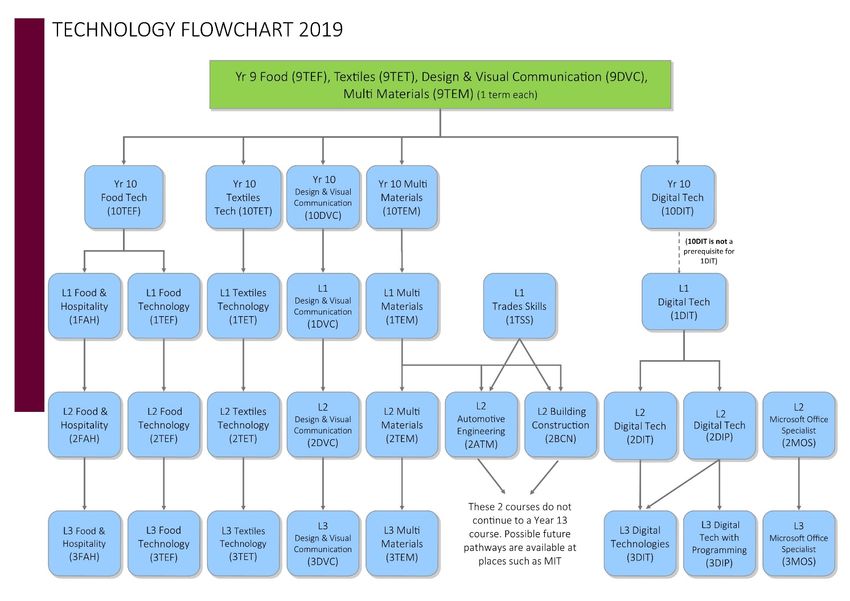
CONTENTS

  3    Message from Mrs Brinsden

  4    School Contacts

  5    Introduction

  6    National Certificate of Educational Achievement

  7    NCEA Level 1 Credit Overview

  8    NCEA Level 2 Credit Overview

  9    NCEA Level 3 Credit Overview

  10   Literacy and Numeracy, Te Reo Maori

  11   Scholarship

  12   NCEA Standards Overview

  13   Entrance to Tertiary Education

  14   University Entrance Literacy – Level 2

  15   University Entrance Literacy – Level 3

  16   NCEA Level 3 Approved Subject List

  17   Tertiary Education - course entry requirements

  18   University Entrance Information

  19   Recommended Subjects

  21   BDSC Course Structure

  22   BDSC Course Codes

  23   Planning Page

  24   Vocational Pathways

  25   Vocational Pathways

  26   Trades Academies

  27   Flowcharts: English & Health and Physical Education

  28   Flowcharts: Languages & Mathematics

  29   Flowcharts: Sciences & Social Sciences

  30   Flowcharts: Technology & Visual and Performing Arts

                                                Page 2
MESSAGE FROM MRS BRINSDEN
This course selection booklet contains the information on all courses that may be offered at Botany Downs
Secondary College in 2019 for our Level 1, 2 and 3 students. Your choice of courses will determine our senior
school timetable structure and enable us to plan for resources and staffing. At Level 1 English, Mathematics and
Science will be compulsory and students can choose three other options from a wide range of subjects. At Level
2 only English will be compulsory and students can choose five other options. At Level 3 there are no compulsory
subjects and students will choose 5 subjects.

Your choice of courses may impact on opportunities in later years of study so it is important that you keep your
subject choices as varied as possible. Your College years are a time for exploring ideas and possibilities and finding
out more about yourself. In making these decisions it is essential to look forward and consider carefully all the
options. Your choices of courses will be influenced by your interests, abilities and proposed career path. It is
important that you are interested in and enjoy the courses you choose. Some courses which are not related
strongly to a career may provide a base for a lifelong interest or hobby. Courses have value in the development
of both specific and generic skills, not just knowledge content. Many students have not yet decided on a specific
career path so it is important that you research the careers and vocational pathways that may interest you and
discuss with or get advice from the Careers Advisor, your teachers, your mentor and parents.

Students entering Level 1 at Botany Downs Secondary College must realise that this year is the start of a three
year senior programme with the potential to lead to further tertiary studies. All students should view the senior
programme as a three-year commitment and are encouraged to continue their schooling through to the end of
Year 13. As a student of BDSC, you must be prepared to work hard and tackle the requirements of the rigorous,
advanced courses on offer. In return the school guarantees that we will give the best teaching, guidance and
support to help all students achieve the highest level of success possible.

National Certificate of Educational Achievement (NCEA) has a mixture of internal assessments and rigorous
external examinations. NCEA is a highly regarded qualification both nationally and internationally and allows
students the opportunities to excel in their own areas of strength. The reporting of individualised results, instead
of giving a mark, provides a breakdown of student attainment in every aspect of the course. Students and parents
are provided with more accurate information upon which to make decisions about future course choices and
career pathways. This document contains information for you to familiarise yourself with NCEA. If students or
parents want more information about NCEA please contact me at school.

Your Whanau Leaders and course teachers will expect you to be familiar with everything contained in this book
so you can make informed decisions about your future courses.

The option selection process will commence on Monday 13 August. We ask that students have completed their
course selection by Monday 27 August. There will be the opportunity for students to make changes to their
selected course later in the year if required. If not enough students, select a particular course it may not be
offered next year.

We hope that this process will start you thinking about the avenues open to you. If you need more information,
please contact the school to talk to one of our staff members who can assist.

                                                                                              Karen Brinsden
                                                                                                    Principal

                                                       Page 3
SCHOOL CONTACTS
                                 Botany Downs Secondary College
                                    575 Chapel Road, Howick
                                         Auckland 2016

                                       Phone (09) 273-2310

                                           Fax (09) 273-8551

                                  Email - admin@bdsc.school.nz

                                  Web Site - www.bdsc.school.nz

                                 SENIOR LEADERSHIP TEAM
                               Principal          K. Brinsden

                        Deputy Principal          M. Andrew

                        Deputy Principal          M. Hart

                        Deputy Principal          K. Holmes

                        Deputy Principal          C. Van Kralingen

                        Deputy Principal          C. Williams

                                HEADS OF LEARNING AREAS
                                 English          K. Pinnell

           Health and Physical Education          J. Saville

                             Languages            M. Lodge

              Mathematics and Statistics          I. Bennet

                                Science           L. Kumar

                         Social Sciences          N. Burridge

                            Technology            D. Achary

              Visual and Performing Arts          J. Hood, L. Treneman, T. Clapperton, A. Rakanui

                                 WHÄNAU HOUSE LEADERS
                          Blake Whänau            A. Taylor

                        Britten Whänau            D. McGregor

                      Discovery Whänau            N. Folks

                     Endeavour Whänau             K. Adams

                          Koru Whänau             J. Clark

                          Spirit Whänau           S. Jackson

                                     STUDENT SERVICES
                   Guidance Counsellors           I. Thomson (Head of Guidance), R. Tucker, S. Domigan

                        Careers Advisor           A. Brook
    Trade Academies/Vocational Pathways           K. Stewart
                                Gateway           N. Shand-Marcusson

                                               Page 4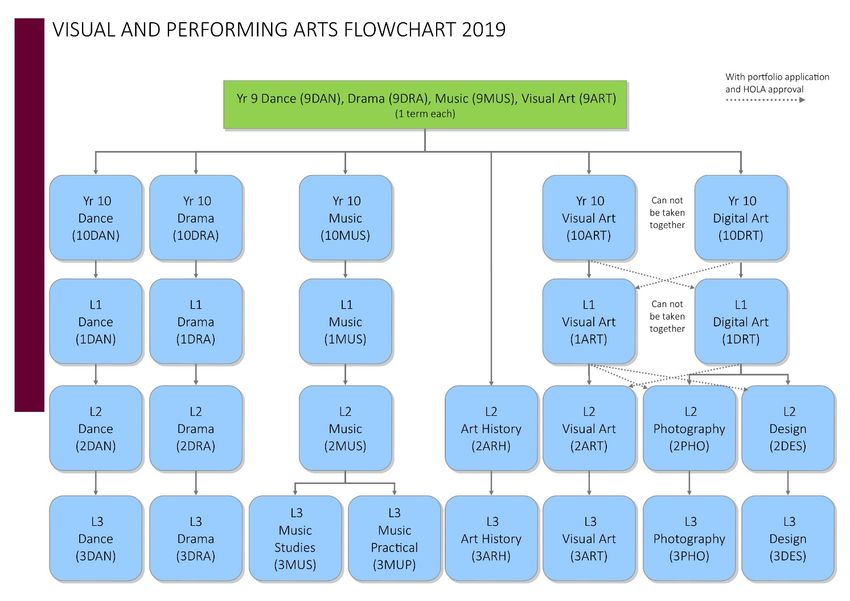
INTRODUCTION
    This option booklet provides senior students and parents/guardians with information about the subjects available in Levels
    1, 2 and 3 at Botany Downs Secondary College. Students have a wide range of options to choose from and it is critical that
    decisions about option choices are made carefully. It becomes increasingly difficult for students to change academic
    direction as they progress further into senior secondary school and tertiary institutions. Students should endeavour to
    follow a broad-based general course of study for as long as possible. Early specialisation is not recommended.

    As you plan your course and choose your options check:

    · The level at which each subject stops
    · The prerequisites and co-requisites for entry to each subject
    · The number of credits generated by each subject
    · The proportion of internal and external assessment in each subject
    · Whether the subject offers Achievement Standards or Unit Standards or a combination
    · Whether or not the subject is on the University approved list of subjects (see page 14)
    · What subjects, credits, grades are required for entry to the University or Technical institute course you are interested in
    · The total subject course costs including the cost of fieldwork
    · That this subject equips you with skills, content and understandings you need to enter a certain career path
    · The pathway model to see what this subject will enable you to do in future years
    · That you have sufficient flexibility to change your course design if your career goals change

    To make good decisions you need the right information. Discuss your subject choices with your family, teachers, Whanau
    Leader and Careers Advisor. Think carefully, consult widely and choose wisely.

    All course cost amounts are estimated.

ABILITY + INTEREST + OCCUPATION = OPTION CHOICE

How good are you          What do you enjoy?              If you know what you                           Investigate carefully all
  at a subject?                                         would like to become, ask                      subjects you are interested
                                                         your teachers, Whanau                                     in.
                                                        leader or Careers Advisor
                                                          about the options you
                          Do you like the work
                                                               need to take.
   Assessment             or is it just that you
 results will help         like the teacher?                                                             Make your final option
you to determine           Don’t do a subject                                                          choice keeping in mind the
   your ability.             just to be with                                                                 formula above.
                                  friends.
                                                         If you don’t know what
                                                          you want to become,
                                                         keep your options open
   Discuss your                                           by not specialising too
 ability level with             If you are
                                                                  soon.
your teachers and           interested in the
  your parents.              subject you are
                            more likely to do
                                   well.

                                                               Page 5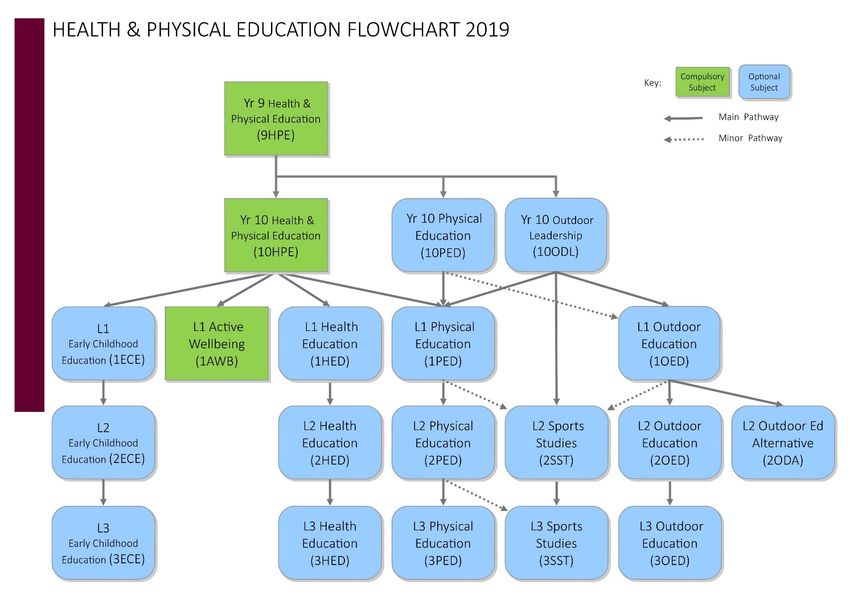
THE NATIONAL CERTIFICATE OF EDUCATIONAL
ACHIEVEMENT NCEA

NCEA is the national qualification for senior secondary                 There are four different levels of Achievement for
school students in New Zealand. Individual subjects are                 Achievement Standards:-
subdivided into Achievement Standards some of which
are assessed internally and some externally through                                      NOT ACHIEVED N OR NA
NZQA national examinations. Each standard clearly                               Students have not met the required standard
identifies what a student must do in order to achieve                                          ACHIEVED A
the standard.
                                                                                  Students have met the required standard.
Students will complete courses at each level of the                                              MERIT M
National Qualifications Framework and will be assessed                        Students have achieved the standard with Merit.
on the learning attained in each course. Each                                                 EXCELLENCE E
assessment generates credits that contribute to a                           Students have achieved the standard with Excellence.
certificate at Level 1, 2 or 3 of the National Qualification
Framework. These credits are achieved through: -

                                                                        ENDORSEMENT OF CERTIFICATES
   INTERNALLY ASSESSED ACHIEVEMENT STANDARDS                            All successful students are awarded NCEA at the end of each
These Achievement Standards are assessed as part of the                 year’s study (level 1, level 2, and level 3). These results show
learning programme e.g. research assignments,                           that a student has achieved the required number of credits at
portfolios, practical work, tests.                                      a particular level (including specified literacy and numeracy
                                                                        requirements at level 1). Each standard carries a specific
   EXTERNALLY ASSESSED ACHIEVEMENT STANDARDS                            number of credits which count towards the qualification.
These Achievement Standards assess knowledge and
skills through a national external examination                          To encourage students to do their best, those who gain
                                                                        sufficient credits at Merit (50 credits at Merit or above) or
                   UNIT STANDARDS                                       Excellence (50 credits at Excellence level) will have this
These are internally assessed standards that are                        recognised on their qualification, for example a student can
assessed at the school during the year as learning takes                receive an NCEA Level 1 certificate with Merit or an NCEA
place and can also contribute credits to the NCEA.                      Level 1 certificate with Excellence. In 2017:
                                                                        •     of 44,858 candidates gaining NCEA Level 1, 34.7% gained
                                                                               endorsement with Merit, and 19.9% gained endorsement with
       SUPPLEMENTARY COURSES DEVELOPED BY                                      Excellence.
                 EXTERNAL PROVIDERS                                     •      of 44,851 candidates gaining NCEA Level 2, 26.4% gained
These are courses that students can complete alongside                         endorsement with Merit, and 16.3%, gained endorsement with
                                                                               Excellence.
their selected subjects e.g. Gateway. These courses can
                                                                        •      of 32,331 candidates gaining NCEA Level 3, 27.5% gained
also contribute credits to the NCEA.                                           endorsement with Merit and 15.6% gained endorsement with
                                                                               Excellence.
There are two different levels of Achievement for
Unit Standards: -                                                       COURSE ENDORSEMENT
               NOT ACHIEVED N OR NA                                     Students are also able to gain further recognition for their
     Students have not met the required standard.                       achievements by gaining Merit or Excellence endorsement in
                                                                        individual courses. Students will receive an Excellence
                    ACHIEVED A                                          endorsement if they gain 14 or more credits at Excellence
       Students have met the required standard.                         level, while students gaining 14 or more credits at Merit (or
                                                                        Merit and Excellence) will gain a Merit endorsement. For
                                                                        Course Endorsement, at least 3 of the 14 credits must be
                                                                        from internally assessed standards, and 3 from external
                                                                        assessment (national examinations), to demonstrate
                                                                        students are competent in both forms of assessment.
                                                                        This endorsement will be recorded on the student’s Result
                                                                        Notice.

                                                                        Reporting Not Achieved
                                                                        Not Achieved results are reported on the results notice for
                                                                        both internally and externally assessed standards.

                                                               Page 6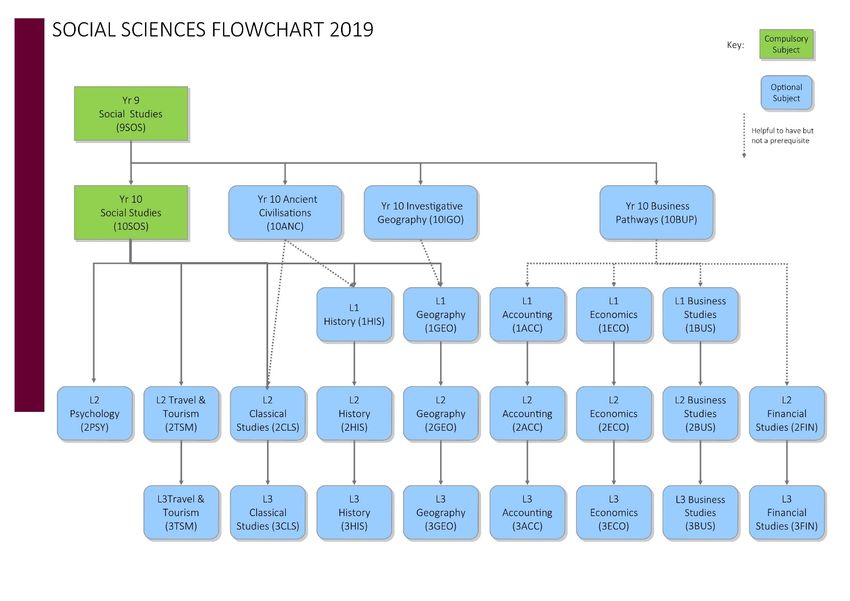
NCEA LEVEL 1 CREDIT OVERVIEW
All Level 1 students at Botany Downs Secondary College will take six subjects. Three of these are compulsory (Maths, English
and Science) and three are optional. Each subject generates between 14-21 possible credits. Students will therefore have
the opportunity to achieve up to 126 possible credits. Some subjects have Unit Standards. These generate credits towards
the qualification but they generally do not gain Merit or Excellence grades.

                                      ACHIEVING LEVEL 1 NCEA
In order to be awarded NCEA Level 1 students must achieve at least 80 credits at Level one or higher. There are additional
literacy and numeracy requirements that must be met to achieve NCEA Level 1. Students must achieve at least 10 literacy
  credits and at least 10 numeracy credits in either specified achievement standards or unit standards (refer to additional
    information on page 10). The quality of the National Certificate for each student will depend on the total number of
                                          credits gained and the grades achieved.

               OVERVIEW OF LEVEL 1 COURSES BY QUALIFICATION TYPE

  ACHIEVEMENT STANDARDS                            COMBINATION                          UNIT STANDARDS
               Accounting                                                             Early Childhood Education
            Active Wellbeing                                                              Food & Hospitality
              Art - Practical                                                       Maths and Statistics - Numeracy
               Art - Digital                                                              Outdoor Education
            Business Studies                                                                 Trades Skills
                  Dance                                                              Work and Community Skills
   Design and Visual Communication
          Digital Technologies
                  Drama
               Economics
                 English
          English – Alternative
   English as an Additional Language
           English – Extension
            English - Literacy
            Food Technology
                 French
               Geography
            Health Education
                 History
                Japanese
       Mathematics and Statistics
  Mathematics and Statistics Alternative
  Mathematics and Statistics Extended
             Media Studies
                  Music
           Physical Education
                 Science
          Science - Alternative
        Supplementary Science
                 Spanish
              Te Reo Maori
      Technology - Multi-materials
          Textiles Technology

            There is a great deal of additional information available from the NZQA website: www.nzqa.govt.nz

                                                          Page 7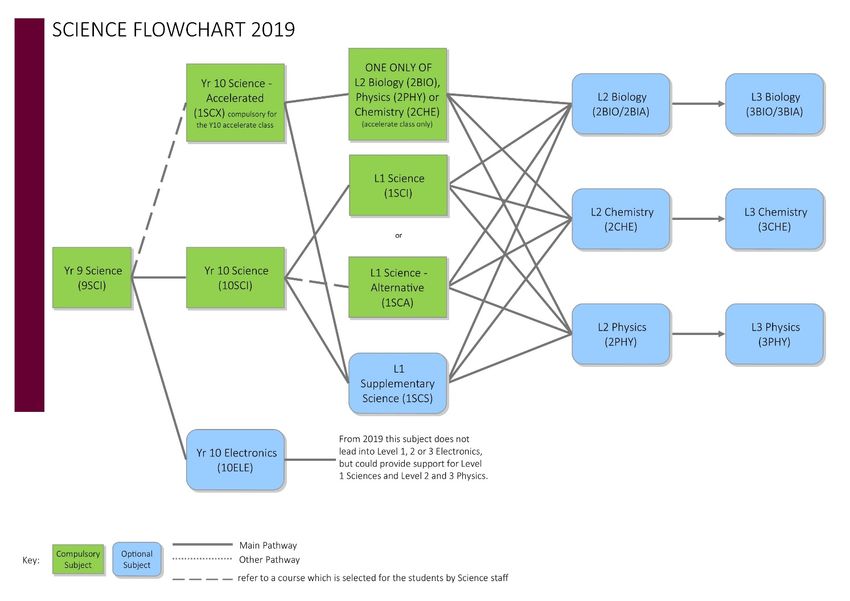
NCEA LEVEL 2 CREDIT OVERVIEW
All Level 2 students at Botany Downs Secondary College will take six subjects. English is compulsory but the remaining five
subjects are optional. Each subject generates between 15-21 possible credits. Students will therefore have the opportunity
to achieve up to 126 possible credits. Some subjects have Unit Standards. These generate credits towards the qualification
but they generally do not gain Merit or Excellence grades.

                                      ACHIEVING LEVEL 2 NCEA
In order to be awarded NCEA Level 2 students must achieve at least 80 credits. At least 60 of these credits must come from
Level 2 or higher and up to 20 credits can come from Level 1. The quality of the National Certificate for each student will
depend on the total number of credits gained and the grades achieved.

               OVERVIEW OF LEVEL 2 COURSES BY QUALIFICATION TYPE

  ACHIEVEMENT STANDARDS                           COMBINATION                           UNIT STANDARDS
                 Accounting                       Outdoor Education                     Automotive Engineering
                 Art History                 Outdoor Education – Alternative             Building Construction
     Biology and Biology - Alternative          Mathematics for Trades                      Career Pathways
              Business Studies                       Sports Studies                    Early Childhood Education
                 Chemistry                                                                  Financial Studies
                   Chinese                                                                Food and Hospitality
              Classical Studies                                                        Microsoft Office Specialist
                    Dance                                                                  Travel and Tourism
    Design and Visual Communication
   Digital Technologies – Info Systems
   Digital Technologies - Programming
                   Drama
                 Economics
                   English
            English Alternative
    English as an Additional Language
            English - Extension
             Food Technology
                   French
                 Geography
             Health Education
                   History
                  Japanese
        Mathematics and Statistics
  Mathematics and Statistics Alternative
  Mathematics and Statistics Extended
  Mathematics – Calculus (accelerated)
               Media Studies
                    Music
            Physical Education
                   Physics
                 Psychology
                   Spanish
                Te Reo Maori
       Technology - Multi-materials
            Textiles Technology
             Visual Art - Design
            Visual Art - Painting
         Visual Art - Photography

          There is a great deal of additional information available from the NZQA website: www.nzqa.govt.nz

                                                          Page 8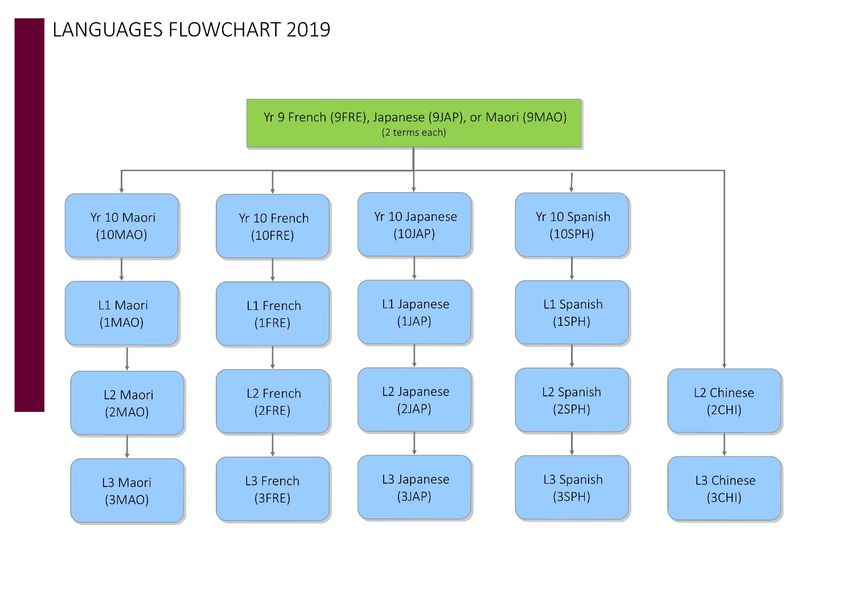
NCEA LEVEL 3 CREDIT OVERVIEW
All Level 3 students at Botany Downs Secondary College will take five subjects. There are no compulsory subjects at Level
3. Each subject generates between 15-24 possible credits. Students will therefore have the opportunity to achieve up to
120 possible credits. Some subjects have Unit Standards. These generate credits towards the qualification but they do not
gain Merit or Excellence grades.

                                       ACHIEVING LEVEL 3 NCEA
In order to be awarded NCEA Level 3 students must achieve at least 80 credits. At least 60 of these credits must come from
Level 3 or higher and up to 20 credits can come from Level 2. The quality of the National Certificate for each student will
depend on the total number of credits gained and the grades achieved.

               OVERVIEW OF LEVEL 3 COURSES BY QUALIFICATION TYPE

  ACHIEVEMENT STANDARDS                           COMBINATION                           UNIT STANDARDS
                  Accounting                       Outdoor Education                        Career Pathways
                  Art History                        Sports Studies                    Early Childhood Education
                    Biology                                                                 Financial Studies
               Business Studies                                                           Food and Hospitality
                    Calculus                                                           Microsoft Office Specialist
                  Chemistry                                                                Travel and Tourism
                    Chinese
               Classical Studies
                     Dance
     Design and Visual Communication
              Digital Technology
   Digital Technology with Programming
                     Drama
                  Economics
                    English
              English - Extended
     English – Booster Course (L2&L3)
     English as an additional language
               Food Technology
                     French
                  Geography
               Health Education
                    History
                   Japanese
                     Maori
                 Mathematics
                Media Studies
                Music Studies
          Making Music (Practical)
              Physical Education
                    Physics
                    Spanish
          Statistics and Probability
   Statistics and Probability - Alternative
       Technology - Multi-materials
             Textiles Technology
             Visual Art - Painting
              Visual Art - Design
           Visual Art - Photography

          There is a great deal of additional information available from the NZQA website: www.nzqa.govt.nz

                                                          Page 9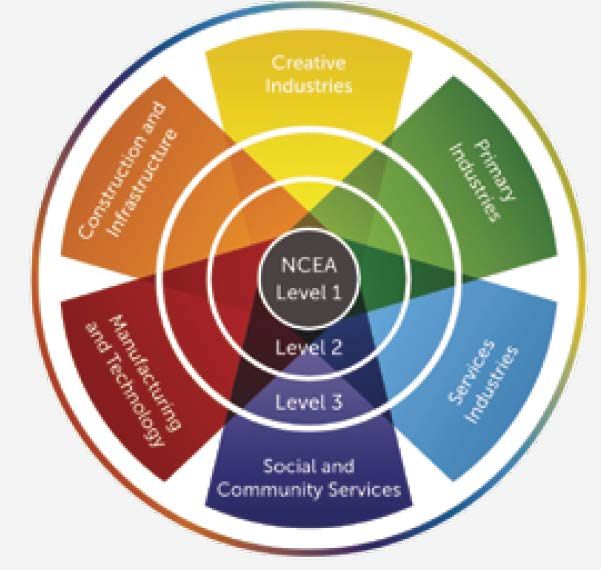
LITERACY AND NUMERACY
In order to gain NCEA Level 1 a student must reach a certain level of proficiency in literacy and numeracy. The literacy
requirement for NCEA Level 1 is 10 credits and the numeracy requirement for NCEA Level 1 is also 10 credits.
Students can meet these requirements by achieving a package of unit standards in literacy and numeracy or by achieving
specified achievement standards from a wide range of subjects. These are identified in the Level 1 option booklet.
Literacy requirement - Minimum of 10 credits through
Either Unit standards Package of three literacy unit standards (total of 10 credits - all
three required)
Or Achievement standards Specified achievement standards available through a range of
subjects (minimum total of 10 credits)
Numeracy requirement - Minimum of 10 credits through
Either Unit standards Package of three numeracy unit standards (total of 10 credits –
all three required)
Or Achievement standards Specified achievement standards available through a range of
subjects - (minimum total of 10 credits)
LITERACY AND NUMERACY UNIT STANDARDS
These standards have been designed to be used in schools, tertiary and workplace programmes and support the principle
of embedded literacy and numeracy.
The standards have been designed using the following definitions:
Literacy is the written and oral language people use in their everyday life and work. It includes reading, writing,
speaking, and listening. Skills in this area are essential for good communication, active participation, critical
thinking and problem solving.
Numeracy is the bridge between mathematics and daily life. It includes the knowledge and skills needed to apply
mathematics to everyday family and financial matters, work and community tasks.
LITERACY AND NUMERACY ACHIEVEMENT STANDARDS
A wide range of achievement standards have been identified as eligible to meet the requirements. Subjects that generate
credits towards literacy and numeracy are identified in the individual year level option books.
The standards have been selected using the following definitions:
Literacy to meet the demands of the New Zealand Curriculum at Level 6. These standards provide the scope for
students to demonstrate reading, writing, speaking and listening skills.
Numeracy to meet the demands of the New Zealand Curriculum at Level 6. These standards provide the scope
for students to demonstrate number, measurement and statistical skills.
Additional information on numeracy and literacy can be accessed on the NZQA web site.
TE REO - MAORI
* Maori is a language option available for students wishing to study the language at each year level.
The mode of provision for Te Reo will be dependent upon the staffing available and the number of students choosing to
take this option. It is usually through a combination of correspondence courses provided by Te Kura and some local
support from a subject specialist.
Page 10SCHOLARSHIP
Scholarship is an external assessment for top secondary students. Scholarship examines course material related to Level 3
standards derived from up to level 8 of the New Zealand Curriculum that students study in Year 13. It does not attract
credits nor contribute towards a qualification but the fact that a student has gained a Scholarship appears on the Record
of Achievement. Scholarship assessments are demanding and require students to demonstrate high-level critical thinking
and analytical skills, a comprehensive understanding of key content, skills and ideas as well as advanced written language
skills. About 3 per cent of Year 13 students studying each subject at Level 3 will get Scholarship, if they reach the standard
that has been set. Each Scholarship assessment carries two passing grades – Scholarship (S) and Outstanding Scholarship
(O).
Successful Scholarship students gain substantial monetary awards. A Scholarship in just one subject receives $500, as a
single payment. All the other awards result in payments spanning three years of successful tertiary study. These awards
are outlined in the following table.
PREMIER AWARD • For the very top 5 to 10 candidates. The minimum eligibility requirement to be
considered for this award is at least three Scholarships at "Outstanding" level. The
number of recipients for this award is restricted and achieving the minimum requirement
will not guarantee an award.
• $10,000 each year for up to three years as long as candidates maintain at least a 'B'
grade average in tertiary study
OUTSTANDING • For the next 40-60 top candidates. The minimum eligibility requirement to be considered
SCHOLAR AWARD for this award is three Scholarships with at least two at "Outstanding" level or more than
three Scholarships with at least one at "Outstanding". The number of recipients for this
award is restricted and achieving the minimum requirement will not guarantee an award.
• $5,000 each year for three years as long as candidates maintain a 'B' grade average in
tertiary study
SCHOLARSHIP • For candidates who get Scholarship in three or more subjects.
AWARD • $2,000 each year for up to three years as long as candidates maintain a 'B' grade average
in tertiary study
TOP SUBJECT • For the top candidate in each one of the Scholarship subjects.
SCHOLAR AWARD • $2,000 each year for up to three years as long as candidates maintain a 'B' grade average
in tertiary study
SINGLE SUBJECT • For candidates who get Scholarship in one or two subjects.
AWARDS • A 'one-off' award of $500 per subject (maximum payment $1000)
To be eligible for the top awards a student must attain Scholarship in three subjects in the same year.
A New Zealand Scholarship fee of $30 (GST incl.) per subject will be charged by NZQA. The $76.70 NCEA assessment fee
no longer covers entry to any New Zealand Scholarship subjects. International students will continue to pay the full fee of
$102.20 (GST incl.) per Scholarship subject. (www.nzqa.govt.nz)
The New Zealand Qualifications Authority has collated useful resources to support Scholarship candidates including past
examination papers and exemplars. These can be accessed through the individual subject pages on the NZQA web site.
Teachers in each subject area will endeavour to offer support to Scholarship students. This could take the form of
providing supplementary resources, such as additional reading and study materials, as well as tutorials outside class time.
The onus however remains on the student to complete the necessary work to prepare them effectively for this level of
assessment. A final commitment to the Scholarship assessment is not required till the entry deadline in Term 3.
Scholarship subjects supported at Botany Downs Secondary College include English, French, Japanese, Biology, Chemistry,
Physics, Science, Statistics and Modelling, Mathematics with Calculus, Accounting, Art History, Drama, Media Studies,
Music Studies, Visual Arts, Economics, Geography, History, Classical Studies, Physical Education and Health Education,
Technology and Design and Visual Communication. Prospective Scholarship students will either be invited to join
Scholarship subject tutorials or students will be invited to give an expression of their interest during Term 2 of the school
year.
Page 11NCEA STANDARDS OVERVIEW
All Level 1, 2 and 3 students will be assessed against National Qualification Framework Achievement Standards or Unit
Standards.
For each subject studied there are 5 – 9 Achievement Standards or Unit Standards. Each Achievement Standard and Unit
Standard is worth a set number of credits, generally between 2 and 6 credits. Most subjects will offer courses of 15 – 21
possible credits. This booklet contains a list of the possible Achievement Standards and Unit Standards and their credit
values, which could make up each subject next year. The final choice of Standards for each course is at the discretion of each
individual HOLA. The standards selected will be published in the senior subject course outlines and issued to all students at
the start of the new academic year.
For each subject studied there will be a list of Standards provided to the students in the course outline:
For example: This is the Level 1 NZ STUDIES list of Standards
Each subject is subdivided into Some assessment is based on work
approx 5 - 9 modules of work. These completed and assessed at school If the standard is
can be either Unit Standards or (Internal) and some assessed by a achieved, a student earns
Achievement Standards national examination (External) credits. The total number
of credits available in each
An Achievement Standard will start with AS subject varies. For NZ
STUDIES it is 24 credits.
A Unit Standard will start with US
NCEA Internal Achievement Standards/Unit Standards
Internal/
Number Subject Reference Title Credits CODES
External
AS90210 History 1.2 Communicate historical ideas Internal 4 L
AS90217 Social Studies 1.3 Conduct a Social Studies inquiry Internal 6 W
AS90218 Social Studies 1.4 Examine differing values positions Internal 4
US5085 Describe and explain resource use Internal 4
US90208 Consider a work of fiction from a geographic Internal 2
perspective
NCEA External Achievement Standards
AS90211 History 1.3 Interpret historical resources External 4
Possible credits available 24 credits
Students will be assessed on what they achieve in Level 1 & 2 Standards that contribute to Literacy and
their work during the year in these modules. The Numeracy are indicated by (L) = Literacy: (N) = Numeracy
level of achievement needed to gain credit in each
module is called its Achievement Standard
Level 2 & 3 Standards that contribute to UE literacy
requirements are indicated by (R) = Reading: (W) = Writing
Page 12ENTRY TO TERTIARY EDUCATION
Tertiary Education providers in New Zealand require certain entry criteria to be met before students are enrolled for a
course. This option booklet provides a general guideline but students must check the specific course entry criteria for the
tertiary institution they wish to attend. The Careers Advisor has a detailed list of prerequisites for entry to courses run by
tertiary providers in New Zealand.
Information about Auckland University for secondary school students can be accessed at:
http://www.auckland.ac.nz/uoa/home/for/future-undergraduates
COMMON ENTRANCE STANDARD REQUIREMENTS FOR UNIVERSITY:
University Entrance (UE) is the minimum requirement to go to a New Zealand university. To enter university you will
need:
• NCEA Level 3 = 80 credits (60 credits at Level 3 or above plus 20 credits from Level 2)
• Three subjects - at Level 3 or above, made up of:
o 14 credits each, in three approved subjects
• Literacy - 10 credits at Level 2 or above (XLS, 91KB), made up of:
o 5 credits in reading
o 5 credits in writing
• Numeracy - 10 credits at Level 1 or above, made up of:
o achievement standards – specified achievement standards available through a range of subjects, or
o unit standards - package of three numeracy unit standards (26623, 26626, 26627- all three required).
FOR ENTRY TO THE UNIVERSITY OF AUCKLAND…..
All applicants must gain the Common Entrance Standard outline above and, in addition:
All applicants will be ranked according to their best 80 credits at Level 3 or higher over a maximum of five approved
subjects from the approved subjects list (see next page for list of approved subjects) weighted by the level of
achievement attained in each set of credits. Some courses have special entry requirements based on the subjects listed in
Table A and Table B below. Students wishing to attend University are strongly encouraged to take courses that offer
achievement standards as Merit and Excellence grades will be used to rank and differentiate applicants for entry to Tertiary
courses. Please refer to the University of Auckland admissions and enrolment site for further information on entry
requirements and GPA requirements and calculations.
TABLE A TABLE B Explanatory Notes
Classical Studies Accounting
English Biology
Geography Calculus
History Chemistry * There are only 11 Level 3
History of Art Digital Technologies * Achievement Standards that will
count, taken from this domain;
Te Reo Maori Economics
numbered 91632 - 91642
OR Mathematics ** ** Mathematics cannot be used in
Te Reo Rangatira Physics combination with Calculus and/or
Statistics Statistics
Academic English Language Requirement: In 2016 the University of Auckland introduced an Academic English Language
Requirement into all its Bachelor Degree programmes. This requirement is to ensure that all students have a sufficient
level of competence in academic English to support their study at the University of Auckland. Students going to the
University of Auckland must have gained the University Entrance Literacy Standard and a minimum of 17 credits in NCEA
English at Level 2 and/or 3. This is not intended to exclude students from the University and further opportunities will be
given to complete a course in academic English during the first year of university study.
Source: The University of Auckland 2019 Undergraduate Prospectus, page 93
Page 13UNIVERSITY ENTRANCE LITERACY – LEVEL 2
Level 2 Assessment Standards that Contribute to University Entrance Literacy Requirements (Updated 3 April 2018).
Y=Yes meets UE Literacy requirement, N=No does not meet UE Literacy requirement
BDSC Course ID Subject reference Credits Int/Ext Reading Writing
L2 Art History 91180 Art History 2.1 4 EX N Y
91181 Art History 2.2 4 EX N Y
91182 Art History 2.3 4 EX N Y
91184 Art History 2.5 4 IN Y N
L2 Classical Studies 91200 Classical Studies 2.1 4 EX Y Y
91202 Classical Studies 2.3 4 IN Y N
91203 Classical Studies 2.4 6 EX Y Y
91204 Classical Studies 2.5 6 IN Y N
91213 Drama 2.1 4 IN Y N
L2 Drama 91215 Drama 2.3 4 EX Y Y
91216 Drama 2.4 4 IN Y N
91217 Drama 2.5 4 IN Y N
91218 Drama 2.6 5 IN Y N
91219 Drama 2.7 4 EX N Y
91220 Drama 2.8 4 IN N Y
91221 Drama 2.9 4 IN Y N
L2 Economics 91222 Economics 2.1 4 EX N Y
91223 Economics 2.2 4 EX N Y
91227 Economics 2.6 6 IN Y N
91228 Economics 2.7 4 IN Y N
91098 English 2.1 4 EX Y Y
L2 English
91099 English 2.2 4 EX N Y
91100 English 2.3 4 EX Y Y
91101 English 2.4 6 IN N Y
91105 English 2.8 4 IN Y N
91106 English 2.9 4 IN Y N
L2 Geography 91240 Geography 2.1 4 EX Y Y
91242 Geography 2.3 4 EX Y Y
L2 History 91229 History 2.1 4 IN Y N
91230 History 2.2 5 IN Y N
91231 History 2.3 4 EX Y Y
91233 History 2.5 5 EX Y Y
L2 Media Studies 91251 Media Studies 2.4 4 EX Y Y
L2 Reo Māori 91286 Te Reo Māori 2.3 6 EX Y N
91287 Te Reo Māori 2.4 6 IN N Y
91288 Te Reo Māori 2.5 6 IN N Y
Page 14UNIVERSITY ENTRANCE LITERACY – LEVEL 3
Level 3 Assessment Standards that Contribute to University Entrance Literacy Requirements (Updated 3 April 2018).
Y=Yes meets UE Literacy requirement, N=No does not meet UE Literacy requirement
BDSC Course ID Subject reference Credits Int/Ext Reading Writing
L3 Accounting 91407 Accounting 3.4 5 IN Y Y
L3 Art History 91482 Art History 3.1 4 EX Y Y
91483 Art History 3.2 4 EX Y Y
91484 Art History 3.3 4 EX Y Y
91485 Art History 3.4 4 IN Y N
91486 Art History 3.5 4 IN Y N
91487 Art History 3.6 4 IN Y N
L3 Biology 91602 Biology 3.2 3 IN Y Y
91603 Biology 3.3 5 EX Y Y
91604 Biology 3.4 3 IN Y N
91605 Biology 3.5 4 EX Y Y
91606 Biology 3.6 4 EX Y Y
L3 Business Studies 91379 Business Studies 3.1 4 EX Y Y
91380 Business Studies 3.2 4 EX Y Y
91382 Business Studies 3.4 6 IN Y N
91383 Business Studies 3.5 3 IN Y N
91385 Business Studies 3.7 3 IN Y N
L3 Classical Studies 91394 Classical Studies 3.1 4 EX Y Y
91396 Classical Studies 3.3 6 EX Y Y
91397 Classical Studies 3.4 6 IN Y N
91398 Classical Studies 3.5 6 IN Y N
L3 Dance 91594 Dance 3.7 4 EX N Y
L3 DIP 91636 Digital Technologies 3.44 4 EX Y Y
L3 Drama 91512 Drama 3.1 4 IN Y N
91514 Drama 3.3 4 EX Y Y
91515 Drama 3.4 4 IN Y N
91516 Drama 3.5 4 IN Y N
91517 Drama 3.6 5 IN Y N
91518 Drama 3.7 4 EX N Y
91519 Drama 3.8 5 IN N Y
91520 Drama 3.9 5 IN Y N
L3 Economics 91400 Economics 3.2 4 EX Y Y
91401 Economics 3.3 5 IN Y N
91402 Economics 3.4 5 IN Y N
91403 Economics 3.5 6 EX Y Y
L3 English 91472 English 3.1 4 EX Y Y
91473 English 3.2 4 EX N Y
91474 English 3.3 4 EX Y Y
91475 English 3.4 6 IN N Y
91479 English 3.8 4 IN Y N
L3 Geography 91426 Geography 3.1 4 EX Y Y
91427 Geography 3.2 4 EX Y Y
91429 Geography 3.4 4 EX Y Y
91431 Geography 3.6 3 IN Y N
L3 Health Education 91461 Health 3.1 5 IN Y N
91462 Health 3.2 5 EX Y Y
91463 Health 3.3 5 IN Y N
91464 Health 3.4 4 IN Y N
L3 History 91434 History 3.1 5 IN Y N
91435 History 3.2 5 IN Y N
91436 History 3.3 4 EX Y Y
91438 History 3.5 6 EX Y Y
L3 Statistics 91584 Mathematics and Statistics 3.12 4 EX N Y
L3 Media Studies 91493 Media Studies 3.4 3 EX Y Y
L3 Physical Education 91502 Physical Education 3.5 4 IN Y N
L3 Reo Māori 91652 Te Reo Māori 3.3 6 EX Y N
91653 Te Reo Māori 3.4 6 EX N Y
91654 Te Reo Māori 3.5 6 IN N Y
Page 15NCEA LEVEL 3 APPROVED SUBJECT LIST
APPROVED SUBJECT ACHIEVEMENT STANDARDS
Accounting 91404, 91405, 91406, 91407, 91408, 91409
Agriculture & Horticulture 91528, 91529, 91530, 91531, 91532
Biology 91601, 91602, 91603, 91604, 91605, 91606, 91607, 91818, 91819
Business Studies 91379, 91380, 91381, 91382, 91384, 91385, 91869, 91870, 91871
Calculus 91573, 91574, 91575, 91576, 91577, 91578, 91579, 91587
Chemistry 91387, 91388, 91389, 91390, 91391, 91392, 91393
Chinese 91533, 91534, 91535, 91536, 91537
Classical Studies 91394, 91395, 91396, 91397, 91398
91620, 91621, 91622, 91623, 91624, 91625, 91626 and 91627, 91628, 91629, 91630, 91631, 91632, 91633, 91634, 91635,
Construction and Mechanical
91636, 91637, 91638, 91639, 91640, 91641, 91642, 91643, 91644 and 91608, 91609, 91610, 91611, 91612, 91613, 91614,
Technologies
91615, 91616, 91617, 91618, 91619, 91386, 91387 and 91838
Cook Islands Maori 91538, 91539, 91540, 91541, 91542
Dance 91588, 91589, 91590, 91591, 91592, 91593, 91594, 91595, 91850, 91851, 91852, 91853, 91854
Design (Practical Art) 91440, 91445, 91450, 91455, 91460, 91855, 91856, 91857, 91858, 91859
91627, 91628, 91629, 91630, 91631 (DVC), and 91620, 91621, 91622, 91623, 91624, 91625, 91626 (CMT), and 91632,
Design and Visual Communication 91633, 91634, 91635, 91636, 91637, 91638, 91639, 91640, 91641, 91642 (DigiTech) and 91643, 91644 (Processing Tech),
and 91608, 91609, 91610, 91611, 91612, 91613, 91614, 91615, 91616, 91617, 91618, 91619, 91836, 91837, 91838
91632, 91633, 91634, 91635, 91636, 91637, 91638, 91639, 91640, 91641, 91642 (DigiTech), and 91627, 91628, 91629,
Digital Technologies 91630, 91631 (DVC) and 91620, 91621, 91622, 91623, 91624, 91625, 91626 (CMT) and 91643, 91644, and 91608, 91609,
91610, 91611, 91612, 91613, 91614, 91615, 91616, 91617, 91618, 91619, 91836, 91837, 91838
Drama 91512, 91513, 91514, 91515, 91516, 91517, 91518, 91519, 91520, 91850, 91851, 91852, 91853, 91854
Earth and Space Science 91410, 91411, 91412, 91413, 91414, 91415
Economics 91399, 91400, 91401, 91402, 91403, 91829
Education for Sustainability 90828, 90831, 90832, 91735, 91736, 91813, 91814, 91820, 91827, 91831
English 91472, 91473, 91474, 91475, 91476, 91477, 91478, 91479, 91480
French 91543, 91544, 91545, 91546, 91547
Geography 91426, 91427, 91428, 91429, 91430, 91431, 91432, 91433
German 91548, 91549, 91550, 91551, 91552
Health Education 91461, 91462, 91463, 91464, 91465, 91811, 91815, 91816
History 91434, 91435, 91436, 91437, 91438, 91439, 91830, 91834, 91835
History of Art 91482, 91483, 91484, 91485, 91488, 91486, 91487, 91489, 91855, 91856, 91857, 91858, 91859
Home Economics 91466, 91467, 91468, 91469, 91470, 91471
Indonesian 91645, 91646, 91647, 91648, 91649
Japanese 91553, 91554, 91555, 91556, 91557
Korean 91558, 91559, 91560, 91561, 91562
Latin 91506, 91507, 91508, 91509, 91510, 91511
Mathematics 91573, 91574, 91575, 91576, 91577, 91578, 91579, 91587 and 91580, 91581, 91582, 91583, 91584, 91585, 91586
Media Studies 91490, 91491, 91492, 91493, 91494, 91495, 91496, 91497
Music Studies 91417, 91418, 91419, 91421, 91424, 91416, 91420, 91422, 91423, 91425, 91849, 91860, 91861, 91862, 91863, 91864
Painting (Practical Art) 91441, 91446, 91451, 91456, and 91460, 91855, 91856, 91857, 91858, 91859
Photography (Practical Art) 91442, 91447, 91452, 91457and 91460, 91855, 91856, 91857, 91858, 91859
Physical Education 91498, 91499, 91500, 91501, 91502, 91503, 91504, 91505, 91789, 91812
Physics 91521, 91522, 91523, 91524, 91525, 91526, 91527
Printmaking (Practical Art) 91443, 91448, 91453, 91458, and 91460, 91855, 91856, 91857, 91858, 91859 and 91460
91643, 91644 (Processing Tech), and 91620, 91621, 91622, 91623, 91624, 91625, 91626 (CMT), and 91627, 91628, 91629,
Processing Technologies 91630, 91631 (DVC), and 91632, 91633, 91634, 91635, 91636, 91637, 91638, 91639, 91640, 91641, 91642 (DigiTech), and
91608, 91609, 91610, 91611, 91612, 91613, 91614, 91615, 91616, 91617, 91618, 91619, 91836, 91837, 91838 (Hangarau)
Religious Studies 90824, 90825, 90826, 90827, 91725
Samoan 91563, 91564, 91565, 91566, 91567
91601, 91602, 91603, 91604, 91605, 91606, 91607 (Biology), and 91387, 91388, 91389, 91390, 91391, 91392, 91393
Science (Chemistry), and 91410, 91411, 91412, 91413, 91414, 91415 (Earth and Space Science), and 90828, 90831, 90832, 91735,
91736, 91521, 91522, 91523, 91524, 91525, 91526, 91527 (Physics), and 91818, 91819, 91820, 91821 (Pūtaiao)
Sculpture (Practical Art) 91444, 91449, 91454, 91459, and 91460, 91855, 91856, 91857, 91858, 91859nd 91460
Spanish 91568, 91569, 91570, 91571, 91572
Social Studies 91596, 91597, 91598, 91599, 91600, 91826, 91828, 91832, 91833, 91834, 91835
Statistics 91580, 91581, 91582, 91583, 91584, 91585, 91586
91620, 91621, 91622, 91623, 91624, 91625, 91626 (CMT), and 91627, 91628, 91629, 91630, 91631 (DVC), and 91632,
Technology 91633, 91634, 91635, 91636, 91637, 91638, 91639, 91640, 91641, 91642 (DigiTech), and 91643, 91644 (Processing Tech),
91608, 91609, 91610, 91611, 91612, 91613, 91614, 91615, 91616, 91617, 91618, 91619, 91836, 91837, 91838 (Hangarau)
Te Reo Māori 91650, 91651, 91652, 91653, 91654
Te Reo Rangatira 91803, 91804, 91805, 91806, 91807, 91808, 91809, 91810, 91817
Tongan 91679, 91680, 91681, 91682, 91683
Page 16Applicants for some limited entry qualifications may be required to have taken certain subjects and gained a specific
number of credits in those subjects (refer to table below as a general guide). All students must be very clear on what the
entry requirements are for the specific course they wish to pursue at University or an Institute of Technology. Entry to these
courses depends on the prerequisites being met. The rank score for entry to University will be based on a student’s best
80 credits at Level 3 or higher over a maximum of 5 approved subjects, by awarding four points for Excellence, three
points for Merit and two points for Achieved for up to 24 credits in each approved subject. The maximum available score
is 320. This system is used by all New Zealand universities but for the University of Auckland it is the basis of the
Guaranteed Entry Score (GES). The information below outlines specific entry prerequisites for a range of courses at The
University of Auckland.
AUCKLAND UNIVERSITY – 2018 PROGRAMME, RANK SCORE, SUBJECT AND CREDIT REQUIREMENTS
Bachelor of Architectural Studies (BAS) Rank Score - 230
• A minimum of 16 credits in one subject from Table A and a minimum of 16 credits in one subject from Table B.
• Subject to the qualitative evaluation of a portfolio of creative work and written statement.
Bachelor of Arts (BA) Rank Score - 150
Bachelor of Commerce (BCom) Rank Score - 180
• with a minimum of 16 credits in each of three subjects from Table A and/or Table B.
Bachelor of Dance Studies (BDanceSt) Rank Score - 150
• Subject to the qualitative evaluation of a CV, written statement and an audition/interview.
Bachelor of Education (Teaching) (BEd(Tchg)) Rank Score - 150
• Subject to a satisfactory interview, police check, and referees’ reports. May be required to sit literacy, numeracy
and IELTS assessments if you have been out of the NZ education system for more than 1 year.
Bachelor of Engineering (Honours) (BE(Hons)) Rank Score - 260
• With 17 external Level 3 credits in Calculus and 16 external Level 3 credits in Physics
Bachelor of Fine Arts (BFA) Rank Score - 150
• Subject to the qualitative evaluation of a portfolio of creative works and written statement.
Bachelor of Global Studies (BGlobalSt) Rank Score – 210
• With a minimum of 16 credits in each of three subjects from Table A and/or Table B and / or the following
languages – Chinese, Cook Island, Niuean, French, German, Japanese, Korean, Samoan, Spanish or Tongan.
Bachelor of Health Sciences (BHSc) Rank Score - 250
• With a min. of 18 credits in one subject from Table A and a min. of 18 credits in one subject from Table B.
Bachelor of Laws (LLB (Part I))
• Students must be offered a place in another bachelor degree and satisfy the conjoint score for the other Bachelor
degree. Entry will be based on the guaranteed scores for the other bachelor degree.
Bachelor of Music (BMus) Rank Score – 150
- Classical Performance – an audition portfolio
- Jazz Performance and Popular Music – an audition portfolio
- Composition major – a composition portfolio
- Musicology – a statement of musical background
Bachelor of Nursing (BNurs) Rank Score - 230
• With a min. of 18 credits in one subject from Table A and a min. of 18 credits from one of Biology, Chemistry,
Physics.
Bachelor of Property (BProp) Rank Score - 180
• With a minimum of 16 credits in each of three subjects from Table A and/or Table B.
Bachelor of Science (BSc)
- Biomedical Science (Rank Score – 280)
- Food Science and Nutrition (Rank Score – 200)
- Exercise Sciences (Rank Score – 200)
• All other majors/specialisations 165
Bachelor of Social Work (BSW) Rank Score - 150
• Subject to a satisfactory police check, safety check and referees’ reports. An interview may be required.
Bachelor of Sport, Health and Physical Education (BSportHPE) Rank Score - 150
Bachelor of Urban Planning (Honours) (BUrbPlan(Hons)) Rank Score - 230
• Subject to the qualitative evaluation of a written report.
Page 17UNIVERSITY ENTRANCE INFORMATION
Here is a guide to what Universities may be looking for. This will require you to look into the future to make sure you choose
Level 1, 2 and 3 options that will lead you onto the correct options in future years.
ENGINEERING
Auckland University—Level 3 NCEA course must include Mathematics with Calculus and Physics. A much higher level than the minimum
University entry is required and the Engineering School also expects to specify higher literacy standard requirements than the minimum.
Canterbury University—Level 3 NCEA must include Mathematics with Calculus, Physics (and for some specialisations) Chemistry.
LAW
Most Universities have not stipulated any prerequisites, but a good mastery of written and spoken English is required so some Level 3 NCEA
subjects such as English and language rich subjects are recommended. Law is open entry to Year 1 students at most universities. Direct entry
at Waikato.
MEDICINE
Auckland University—students will be required to enrol in either a Bachelor of Science (Biomedical) or a Bachelor of Health Sciences for their
first year of study. Students will then be selected for Medical School at the end of their first year of study depending on their academic results,
the UMAT test and an interview procedure. A much higher minimum level of literacy and numeracy will be required than for open entry to
University and students must choose Year 13 subjects from a list provided by the University.
Otago University—Students must enrol in Health Science in their first year. Selection into Medical School takes place at the end of the first
year and those who reach the required academic level will be required to take a UMAT test and an oral assessment test.
NURSING
University Entrance is required including credits in Science to Level 2. Auckland University requires a higher level than the minimum University
entry, including a minimum of 18 credits in a Table A subject and 18 credits in either Biology or Physics or Chemistry.
OPTOMETRY
Auckland University—There is no direct entry from Secondary School. Applicants must first complete Year 1 of a Bachelor of Science –
Biomedical Science
PHARMACY
Otago University—The same requirements as Medicine, a B average is required in the first years papers. To access this course at
Auckland University applicants must complete an appropriate first year programme including the prescribed BPharm Part I courses (or
equivalent), or have completed another degree approved by the Faculty of Medical and Health Sciences. Biology, Chemistry and least 1
English rich subject are strongly recommended. Physics and Mathematics (MAC and/or SAP) are also useful.
PHYSIOTHERAPY
Otago University—The same requirements as Medicine, a minimum B average required in the first years papers.
AUT—no specific subject prerequisites but preference will be given to applicants with the highest rank scores and/or accomplishments
in the relevant fields
PHYSICAL EDUCATION
University of Auckland—Students will be selected on the basis of their rank score, interview and referees’ report. A good standard of both
oral and written English is also required.
Otago University – Biology and Physical Education are recommended. A higher level than the minimum University entry is likely to be
required.
SCIENCES
Physics and Chemistry are very difficult to pick up at Tertiary level without a minimum of Year 12 and preferably some credits at Level 3
NCEA. For most Science courses minimum rank score of 165 is required.
TEACHING
University of Auckland—Rank score of 150. By selection only. Interview, Police check and referees’ reports required. Applicants must be
capable of meeting the Requirements of the New Zealand Teachers Council, including language proficiency.
VETERINARY
Massey University—A very good understanding of Science is required so a recommended Level 3 NCEA course including Chemistry, Biology,
Physics and at least one of the Mathematics. Strong written and oral English skills are also important. There is open entry (i.e. the minimum
University entrance qualification is required) to enrol in Semester 1, but selection into Semester 2 is based on grades in the compulsory
Semester 1 papers and an aptitude test.
Students for whom English is not their first language may also be required to demonstrate their proficiency in English by
achieving minimum scores in special tests.
Page 18RECOMMENDED SUBJECTS
This is a guide only for some study areas where a background in certain school subjects maybe useful.
There are many other study areas that do not make any recommendations.
Note: ERS* = English Rich Subject (i.e. English, Geography, History, Classical Studies and Art History).
Level 1 Level 2 Level 3
Architecture
Art or DVC Design and/or Painting or DVC Design and/or Painting or DVC
Mathematics or DIT/or DIP/ or Mathematics One Table A subject
Science Physics may be useful MAT and PHY may be useful
Business
Mathematics Mathematics Statistics or Calculus (highly rec.)
Economics Economics Economics (rec. but not essential)
Accounting Accounting Accounting (rec. but not essential)
Business Business Business (Select no more than 2
of the following - ACC, ECO, BUS)
Law
No specific subjects No specific subjects but English rich Minimum 1 ERS* subject
subjects are recommended
Engineering
Mathematics Mathematics Calculus (essential)
Science Physics Physics (essential)
Chemistry Chemistry (for Chemical Engineering)
Biological Sciences – REL recommended
Mathematics Mathematics Statistics
Science Biology Biology
Chemistry Chemistry
Health Sciences
(Dentistry, Medicine, Medical Imaging, Medical Science, Physiotherapy, Pharmacy, Veterinary)
Mathematics Mathematics Statistics
Science Preferably 3 sciences; Biology, Preferably 2 out of 3 sciences; Biology,
Chemistry, Physics (should at least do Chemistry, Physics
Biology and Chemistry) 1 ERS subject
Veterinary requires all 3 Sciences
Health Science (Nursing, Occupational Therapy)
Mathematics Mathematics (optional) Minimum 1 of the following; Biology, Chemistry,
Science Minimum 1 out of 3 sciences; Biology, Physics, Science, Mathematics
Chemistry, Physics Plus 1 ERS subject
Technology / Physical Sciences
Mathematics Mathematics Calculus, Physics, Chemistry
Science Physics ERS is useful
Chemistry
Page 19BDSC SUBJECT STRUCTURE
Page 20BDSC COURSE CODES
Learning
CODE COURSE 9 10 Level 1 Level 2 Level 3
Area
ACC Accounting L1 L2 L3 SOS
ANC Ancient Civilizations 10 SOS
ARH Art History L2 L3 VPA
ART Art - Practical 9 10 L1 L2 L3 VPA
ATM Automotive Engineering L2 TEC
AWB Active Well Being L1 HPE
BCN Building Construction L2 TEC
BIO Biology L2 L3 SCI
BIA Biology - Alternative L2 L3 SCI
BUP Business Pathways 10 SOS
BUS Business Studies L1 L2 L3 SOS
CAP Career Pathways L2 L3 VGC
CHE Chemistry L2 L3 SCI
CHI Chinese L2 L3 LAN
CLS Classical studies L2 L3 SOS
DAN Dance 9 10 L1 L2 L3 VPA
DES Design L2 L3 VPA
DVC Design and Visual Communication 9 10 L1 L2 L3 TEC
DIP Digital Technologies with Programming L2 L3 TEC
DIT Digital Technologies 10 L1 L2 L3 TEC
DRA Drama 9 10 L1 L2 L3 VPA
DRT Digital Art 10 L1 VPA
ECE Early Childhood Education L1 L2 L3 HPE
ECO Economics L1 L2 L3 SOS
ELE Electronics 10 SCI
ENG English 9 10 L1 L2 L3 ENG
ENA English - Alternative/Literacy Support 9 10 L1 L2 ENG
ENB English – L2 Booster course for L3 L3 ENG
ENE English - Extension L1 L2 L3 ENG
ENS English as an Additional Language 9 10 L1 L2 ENG
ENP English as an Additional Language 10 L1 L2 ENG
FAH Food and Hospitality L1 L2 L3 TEC
FIN Financial Studies L2 L3 SOS
FRE French 9 10 L1 L2 L3 LAN
GEO Geography L1 L2 L3 SOS
HED Health Education L1 L2 L3 HPE
HIS History L1 L2 L3 SOS
HPE Health and Physical Education 9 10 HPE
IGO Investigative Geography 10 SOS
JAP Japanese 9 10 L1 L2 L3 LAN
MAA Mathematics and Statistics - Alternative L1 L2 MAT
MAC Mathematics with Calculus L3 MAT
MAE Mathematics and Statistics - Extended 9 L2 MAT
MAO Maori 9 10 L1 L2 L3 LAN
MAS Mathematics for Trades L2 MAT
MAX Mathematics and Statistics - Accelerated 10 L1 L2 MAT
MAT Mathematics 9 10 L1 L2 L3 MAT
MCA Calculus - Alternative L3 MAT
MED Media Studies 10 L1 L2 L3 ENG
MNU Maths Numeracy 10 L1 MAT
MOS Microsoft Office Specialist L2 L3 TEC
MUP Music Practical L3 VPA
MUS Music Studies 9 10 L1 L2 L3 VPA
ODA Outdoor Education - Alternative L2 HPE
ODL Outdoor Leadership 10 HPE
Page 21CODE COURSE 9 10 Level 1 Level 2 Level 3 Learning Area
OED Outdoor Education L1 L2 L3 HPE
PED Physical Education 10 L1 L2 L3 HPE
PHO Photography L2 L3 VPA
PHY Physics L2 L3 SCI
PSY Psychology L2 SOS
SAP Statistics and Probability L3 MAT
SPA Statistics and Probability - Alternative L3 MAT
SCA Science - Alternative L1 SCI
SCX Science - Accelerated 10 SCI
SCI Science 9 10 L1 SCI
SCS Supplementary Science L1 SCI
SOS Social Studies 9 10 SOS
SPH Spanish 10 L1 L2 L3 LAN
SST Sports Studies L2 L3 HPE
TEF Food Technology 9 10 L1 L2 L3 TEC
TEM Multi materials Technology 9 10 L1 L2 L3 TEC
TET Textiles Technology 9 10 L1 L2 L3 TEC
TSM Travel and Tourism L2 L3 SOS
TSS Trades Skills L1 TEC
WCS Work and Community Studies L1 VGC
Not all courses offered will run. Course availability will depend on the number of students selecting the course, the
availability of staffing and the availability of specialist rooming.
Select courses carefully as it may be difficult to change courses at a later time.
There is an opportunity for students to take a course in Te Reo Maori at each level. The nature of the course and
manner of delivery will be determined when numbers are available.
If you have any queries about the option selection process that can’t be dealt with by your administration tutor, mentor
or Whanau Leader, you should see Mr Van Kralingen.
Remember…make a planned choice of your subjects
Consider all the information carefully. Study the university and other tertiary training institutions’ admission
requirements. Look at the different subject pathways in the option book and plan how you will get to your desired
Level 2 or Level 3 destination. Read the subject descriptors and prerequisites and know exactly what requirements
you will have to meet to gain entry into any course.
Consider carefully the following factors before deciding on your final option selection.
Ability – what can you realistically achieve? What subjects are you good at?
Interest – what do you enjoy learning?
Qualification – what grades do you need? What endorsement would you like to achieve?
Career pathway – what qualifications do you need? What subjects do you need?
Prerequisites – what are the prerequisites for your chosen subjects? Do you meet the requirements?
Preferred learning style – does this subject cater to your learning needs?
Preferred assessment mode – will this help you to achieve your best results?
Flexibility – do you have the ability to go in a different direction if your initial plan doesn’t work out?
Page 22PLANNING PAGE
Over the next few weeks you must fill in this chart, in consultation with your parents, teachers, Heads of Learning and the
Careers Advisor. The more information you gather about your career options the more informed your final decisions will be:
When I leave school I hope to……………. (choose one path)
Do a diploma or Do a degree at
Get a job certificate at
Don’t know university or
immediately polytechnic or some polytechnic
other training
I will get a job as a:
The training will possibly be The degree will possible be
If I don’t know what I want to
in: in:
do I must keep my course as
_______________________ _______________________
general as possible
_______________________ _______________________
Now check the list of available subjects as well as the entrance requirements for
Research what subjects you may University/Polytechnics and the recommended subjects for each course. Have
need for your chosen job at you checked Degree/Diploma/Certificate requirements with the Careers Advisor?
www.careerservices.co.nz
WORKING BACKWARDS
For this plan to work I will need to take So I will need to take the following And I will need to take the following
the following subjects in NCEA Level 3: subjects in NCEA Level 2: subjects in NCEA Level 1:
1 _______________________________ 1 ENGLISH 1 ENGLISH
2 _______________________________ 2 _______________________________ 2 MATHEMATICS
3 _______________________________ 3 _______________________________ 3 SCIENCE
4 _______________________________ 4 _______________________________ 4 _______________________________
5 _______________________________ 5 _______________________________ 5 _______________________________
6 _______________________________ 6 _______________________________
Page 23VOCATIONAL PATHWAYS AND TRADES ACADEMY
Vocational Pathways is a Ministry of Education tool that has been developed to help students to plan their journey from
secondary learning to the work force. Additional information is available in the Levels 1, 2 and 3 option booklets as well as
at this website: http://youthguarantee.net.nz/vocational-pathways/
Vocational Pathways enable young people to:
• Find out the standards, skills and competencies that are valued by employers in particular sectors
• Find out the job or career options that are available in each sector
• Identify current and future programmes of study that support their career pathway
• Undertake a relevant and coherent study programme that will enable them to achieve NCEA Levels 1, 2 and 3
• Demonstrate a vocational profile to tertiary providers and employers
Source: www.youthguarantee.net.nz/vocational-pathways
What is Your Pathway?
The vocational pathways help students see how learning is relevant to a wide range of jobs and study options, in six broad
sectors of industry:
• Manufacturing and Technology;
• Construction and Infrastructure;
• Creative Industries;
• Primary Industries;
• Social and Community Services; and
• Services Industries.
Vocational Pathways show you how important your learning
is by matching up what you learn, with a range of work and
study options.
Level 2 Vocational Pathways Award
A Vocational Pathways Award is attainable at NCEA Level 2. This award enables employers to assess whether potential
employees’ skills align with their industry requirements more easily.
To receive a Vocational Pathways Award, students must first gain NCEA Level 2, which is 60 credits from Level 2 and 20
credits from any other level; 80 credits in total. 10 of these 80 credits must satisfy the literacy requirements, and 10 of
these 80 credits must satisfy the numeracy requirements. To get a Vocational Pathways Award, 60 of the Level 2 credits
must be from the recommended standards in one or more pathways, including 20 Level 2 credits from sector related
standards.
Page 24You can also read


