Modern Hunting in South Australia - A guide for responsible and sustainable hunting - Department for ...
←
→
Page content transcription
If your browser does not render page correctly, please read the page content below
Modern Hunting in South Australia
 A guide for responsible and sustainable hunting
Modern Hunting in South Australia

                                                                                                                                                                  Contents
                                                                                                           Foreword Director of National Parks and Wildlife...................................................... 2
                                                                                                           Foreword CHASA Chairman............................................................................................... 3
                                                                                                           Summary of Hunting in SA.................................................................................................. 4
                                                                                                           Doing the Right Thing........................................................................................................... 5
                                                                                                           Hunting Safely...................................................................................................................... 10
                                                                                                           Caring for the Environment.............................................................................................. 13
                                                                                                           Dogs and Hunting............................................................................................................... 15
                                                                                                           Conservation and Hunting............................................................................................... 16
                                                                                                           Where You Can Hunt.......................................................................................................... 18
                                                                                                           What You Can Hunt............................................................................................................. 21
                                                                                                                  Duck.................................................................................................................................. 22
                                                                                                                  Stubble Quail................................................................................................................. 27

Licensed under Creative Commons Attribution v4.0 (International License)                                          Deer................................................................................................................................... 30
                                                                                                                  Other Feral Animals..................................................................................................... 34
                                                                                                           General Laws and Definitions......................................................................................... 38
www.creativecommons.org/licenses/by/4.0
© Copyright Crown in right of the State of South Australia 2018                                            Permits..................................................................................................................................... 43
                                                                                                           Preparing Wild Food........................................................................................................... 47
                                                                                                           Clubs and Associations..................................................................................................... 56
                                                                                                           Notes......................................................................................................................................... 58
While reasonable efforts have been made to ensure the contents of this publication are factually
correct, the Department for Environment and Water makes no representations and accepts no
                                                                                                           Choosing the Right Calibre.............................................................................................. 61
responsibility for the accuracy, completeness or fitness for any particular purpose of the contents, and
shall not be liable for any loss or damage that may be occasioned directly or indirectly through the use
of, or reliance on, the contents of this publication.

Reference to any company, product or service in this publication should not be taken as a
departmental endorsement of the company, product or service.

With the exception of the Piping Shrike emblem, images, and other material or devices protected by a
trademark and subject to review by the Government of South Australia at all times, the content of this
document is licensed under the Creative Commons Attribution 4.0 Licence. All other rights are reserved.

The illustrations on pages 8, 9, 23, 24, 27 and 33 were supplied and are copyrighted by the Victorian
Game Management Authority and must not be reproduced without written permission.
                                                                                                                                                                                                                                                    Page 1
Modern Hunting in South Australia                                                                                                                        Modern Hunting in South Australia

              Foreword                                                                                                          Foreword
Director of National Parks and Wildlife                                                                                      CHASA Chairman
Responsible hunters all over the world have a major contribution to supporting                    The Conservation and Hunting Alliance of South Australia (CHASA) is proud to launch the
environmental and wildlife conservation, and South Australia is no exception. It is               first comprehensive guide to Modern Hunting in South Australia so that the wisdom of
important for South Australia to encourage responsible hunting, as it plays an important          seasoned hunters representing over 200 years of hunting experience in Australia, is shared
role in environmental and wildlife conservation. For this reason, I am pleased to be involved     with future generations of new and intending hunters.
in the development of a comprehensive Hunting Guide for South Australia.
                                                                                                  The guide is a product of the collaboration between hunters and our State Government, being
South Australia has experienced significant changes to its natural environment. As in             the first hunting guide in South Australia to include all forms of hunting. It has had significant
the rest of the world, wildlife and its natural habitat are declining, while human related        input from the South Australian Department for Environment and Water (DEW) and the
demands on natural systems are increasing.                                                        Department of Primary Industries and Regions South Australia (PIRSA).

With the widely recognised benefits of spending time in nature on both human physical             The guide aims to grow our modern hunting community and keep hunters and intending
and mental health being more broadly understood and promoted, it is not surprising that           hunters informed about hunting opportunities, hunting seasons and modern hunting
in the early part of the 21st century our largely urban population is seeking to spend more       practices, ensuring hunting continues to deliver social, environmental and economic
time in the great outdoors for relaxation and recreation, although this shift comes at a time     benefits to South Australia.
when the natural environment is changing.
                                                                                                  The term “modern hunting” recognises the importance of environmental care and wellbeing
Hunters have a special interest in the sustainable management of wildlife and the natural         that develops through being in nature and experiencing natural cycles, at a time when
environment that supports it. The modern hunter accepts the accountability that comes             urbanisation is disconnecting people from nature and increasing pressure on wildlife habitats.
with their recreation and recognises the need to act as ambassadors for hunting in a
broad conservation context. Without this commitment and compliance with the rules and             The hunting community in South Australia has an outstanding track record in responsible
regulations that underpin hunting, there will, of course, be declining opportunities to hunt      hunting, conserving native species through feral animal management programs and
for future generations.                                                                           restoration of important wildlife habitats, especially our precious wetlands. The benefits of
                                                                                                  modern hunting are many, including:
The hunting community has many important opportunities to contribute to the monitoring              •• sourcing healthy wild food
and conservation of wildlife, feral animal management and the restoration of important              •• connecting with nature and caring for it
wildlife habitats on both public and private lands, which I believe gives great effect to their     •• maintaining mental health and wellbeing
extraordinary relationship with the environment.                                                    •• maintaining links between urban and rural communities
                                                                                                    •• nurturing friendships built over generations
I hope this guide helps improve hunting practices and the contribution of hunters to                •• securing resources to maintain healthy habitats and rejuvenate habitats in need
wildlife conservation and our unique natural environment in South Australia.                        •• monitoring, protecting and assisting populations of threatened native species
                                                                                                    •• collaborating with like-minded organisations to achieve mutual objectives of no-
                                                                                                        species loss.

                                                                                                  Whether you are a seasoned hunter or a novice, please share the guide and consider
                                                                                                  joining a modern hunting organisation (see page 56) to learn from experience.

                   JOHN SCHUTZ                                                                                        TONY SHARLEY
                   Director of National Parks and Wildlife                                                            Chairman, CHASA

Page 2                                                                                                                                                                                      Page 3
Modern Hunting in South Australia Modern Hunting in South Australia
Summary of Hunting in SA Doing the Right Thing
Introduced (feral) Unprotected native Protected native Protected native animals
animals animals animals (other than duck and quail)
Be mindful that the future of hunting depends on how you conduct yourself as a
(duck and quail) hunter. Every hunter should be an ambassador for hunting.
Introduced (feral) Unprotected native animals Only the prescribed Hunting is not permitted at any time.
animals may be hunted
at any time.
may be hunted at any time. species declared by the
Minister may be hunted.
Destruction of protected animals must
be undertaken in accordance with the The modern hunter
Duck and quail may appropriate Code of Practice^.
be hunted only during Hunters tend to have a great appreciation of the natural environment. There are
declared open seasons. excellent education opportunities for hunters these days, and many hunters now
A Basic Hunting Permit is A Basic Hunting Permit is An Open Season Duck A Permit to Destroy Wildlife is required
strongly recognise the importance of environmental issues.
required unless: required unless: Hunting Permit is required and granted to the landholder where
to hunt duck. protected animals are causing or likely to
1. t he person carrying 1. t he person carrying cause damage to: The modern hunter contributes to:
out the destruction
of introduced
out the destruction
of unprotected
An Open Season Quail
Hunting Permit is required •• t he environment or to crops, stock or
•• the restoration of wildlife habitats
(feral) animals is native animals is the to hunt quail. other property •• the conservation of threatened species
the landowner, a landowner, a member
member of their of their household, or an
•• e
nvironmental amenity (including •• research to improve wildlife management
built structures), or that
household, or an
employee or agent of
employee or agent of the
landowner, and •• p
ose a safety risk or hazard to people
•• the management of feral animals and exotic plants
the landowner, and or industry. •• improvements in farm productivity
2. the introduced
2. t he unprotected native
animals are causing All persons assisting the landholder with •• regional economies
the destruction of wildlife must be listed
(feral) animals are damage to crops, stock or
on this permit.
•• their physical and mental wellbeing
causing damage to other property.
crops, stock or other •• the creation of strong social bonds between landowners, friends and families.
property.
For example:
•• Rabbit
As listed in Schedule 10
of the National Parks and
Duck species
•• Maned (Australian
For example:
• Kangaroo Multi-use reserves
•• Hare Wildlife Act 1972: Wood) duck • Wallaby
•• Cat •• Zebra Finch •• Pacific Black duck • Emu It’s important that hunters and non-hunters treat all Game Reserve users with respect.
•• Budgerigar •• Grey Teal • Wombat
•• Fox
•• Red Wattlebird •• Chestnut Teal
•• Goat
•• Grey-backed Silvereye •• Australian Shelduck Go to the SSAA Farmer Assist website if
•• Pig •• Galah* (Mountain duck) you would like to assist landholders to
•• Deer •• Little Corella* •• Hardhead manage wildlife issues on their property.
•• Donkey •• Australian Raven •• Pink-eared duck
•• Horse •• Little Crow •• Australasian (Blue- ^ South Australian Codes of Practice
•• Camel •• Australian Crow winged) Shoveler for the humane destruction of
•• Little Raven protected wildlife set out the minimum
•• Wild Dog (Dingo) Quail species specifications of firearm and ammunition
•• Stubble Quail combinations to be used.
*where Galahs or Little
Corellas are hunted (taken) No Code of Practice permits the use of a
from the wild (as chicks or bow or cross bow.
young flyers) for the live pet
trade then the following
permits are needed:
Hunt (Take) Juvenile Galahs
and/or Little Corellas from
the Nest
or
Hunt (Take) Juvenile Galahs
and/or Little Corellas by
Trapping
Page 4 Page 5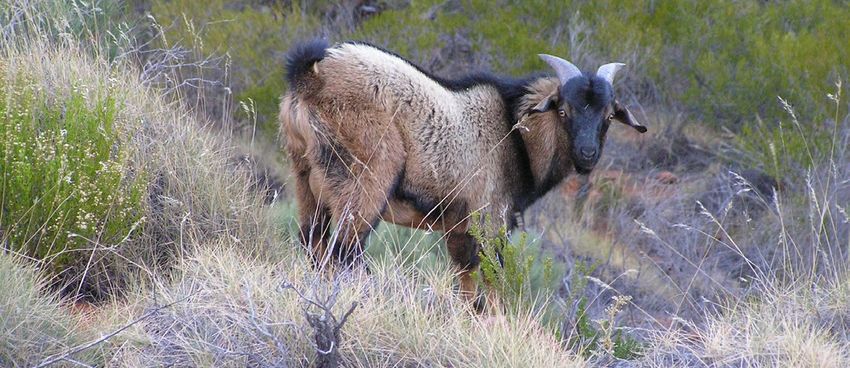
Modern Hunting in South Australia Modern Hunting in South Australia
Shotgunning education program Nontoxic Shot Lethality Table
The Shotgunning Education Program was designed to improve duck and quail Tom Roster’s 2019 Nontoxic Shot Lethality Table (adapted to South Australian
hunting practices by educating hunters on how to be more efficient and effective Waterfowl)© was developed to assist hunters to select the correct shotgun choke
in the field. and ammunition.
Hunters who become more successful in the field will increase their enjoyment of
This program was developed by the Victorian Game Management Authority (GMA)
hunting and reduce the number of wounded birds. This ensures that hunting remains
with support from the Sporting Shooters’ Association of Australia (SSAA, Victoria)
sustainable and humane. Information in the table below has been scientifically tested
and Field and Game Australia (FGA).
and peer-reviewed and provides information for selecting the appropriate equipment to
effectively dispatch birds when using a 12 gauge shot gun.
Courses are available in South Australia through the South Australian FGA branches.
Proven Nontoxic Typical Most Effective Minimum Minimum Minimum Pattern Most Effective Choke(s)
Build your capabilities through the program’s practical and theoretical training to Shot Loads For
Waterfowl1
Shooting
Range of
Steel Shot
Size(s) for
Load
Weight in
Pellet Hits
Needed
Count Needed
at Any Distance
(Given in Lead Shot Choke
Designations)
better understand your equipment, your shooting skill level and hunting methods. Load Velocity: Activity Activity (USA Ounces and on Lethal for Clean Kills (#
1,275 - 1,450 FPS (Metres) and Spanish (Grams) Areas for of Pellets in 30” NOTE: The pellets in the steel
Qualified trainers will help improve your shooting skills, range estimation and Shot Size Clean Kills Circle) shot loads tested for this table
were traditional, highly spherical
patterning techniques. Designations) ball-shaped pellets of ~ 7.86 g/cc
density and 90-95 DPH hardness.
The HEVI-Shot pellets were of 12.0
g/cc density and slightly harder
Copies of the Shotgunning Education Handbook are available on the Victorian ACTIVITY than traditional steel pellets.
GMA website www.gma.vic.gov.au Large Ducks at 20-40 4 to 2 7/8 (24g) 1-2 85-90 I.C. 2 (20-32m), Mod. (32-40m)
Close to Medium 20-40 HEVI-Shot 4 1 oz. (28g) 1-2 85-90 I.C. 2 (20-32m), Mod. (32-40m)
Range
For more information about the training workshops, or to register, contact the FGA Australian Shelduck
(Mountain Duck),
at www.safga.org.au Pacific Black Duck,
Hardhead Duck
Medium Ducks at 20-40 6 to 3 (24g-28g) 1-2 115-120 I.C. 2 (20-32m), Mod. (32-40m)
Remember, you still need to pass the separate Waterfowl Identification Test (WIT) Close to Medium 20-40 HEVI-Shot 5 (28g-36g) 1-2 115-120 I.C. 2 (20-32m), Mod. (32-40m)
Range
to be issued an Open Season Duck Hunting Permit. Maned (Australian
Wood) Duck,
Grey Teal, Chestnut
Teal, Australasian
(Blue-winged)
Shoveler
Small Ducks at 20-40 6 to 4 (24g-28g) 1-2 135-145 Modified (20-32m)
Close to Medium 20-45 HEVI-Shot 6 (28g) 1-2 135-145 Modified (32-40m)
Range
Pink-eared Duck
Swatter Load For 20-32 7 to 6 1 oz. (28g) 1 225 Improved Modified, Full
Wounded Birds
This table summarises Tom Roster’s analyses to date of the waterfowl and upland game bird lethality data bases for 15 published,
peer-reviewed scientific U.S. steel versus lead shooting tests. Data were also derived from the results of birds taken in additional
lethality research he conducted and ballistic reports he authored for ammunition companies and/or the Cooperative North American
Shotgunning Education Program (CONSEP). This table also relies on anatomical weights and measures for species hunted in South
Australia as provided to Roster by the Department for Environment and Water, South Australia.
Note: Pellet sizes listed are for steel shot except HEVI-Shot where indicated. With steel shot to date, steel #2 (3.81 mm) has
exhibited the best overall performance for taking large ducks; steel #3 (3.56 mm) for taking medium ducks, steel #4 (3.30 mm) for
taking small ducks.
1
Values in this table involved testing 2¾” (70 mm) & 3” (76 mm) 20-ga.; 2¾” (70 mm), 3” (76 mm) and 3¾” (89 mm) 12-ga. steel loads; &
2¾” & 3” 12-ga. HEVI-Shot loads.
2
Improved Cylinder Choke
© Copyright 2019 by Tom Roster. Reprint rights granted by written permission only. Write: 1190 Lynnewood, Klamath Falls, OR 97601 USA. tomroster@charter.net
Page 6 Page 7
Modern Hunting in South Australia                                                                                                      Modern Hunting in South Australia
                                                                                                              Modified (Half)
                                                                 Example of Steel                             Choke
                                                                 Shot Performance                             32 to 40 metres
                                                                 Steel Shot Size 4 to 2
                                                                 Minimum Load 7/8 oz. (24 g)

                                                                                                        Improved Cylinder
                                                                                                        Choke
                                                                                                        20 to 32 metres
                              ;

                                                                    Lead (Forward                       Decoys
                                                                    Allowance) Technique                The proper use of decoys
                                                                    Use a well practised Lead           can attract some ducks to
                                                                    Technique and always keep your      within effective shooting                    Retriever dog
                                                                    shooting ranges within your known   ranges.
                                                                                                                                                     Using a well trained
                                                                    personal shooting skill distance.                                                retriever dog assists in
                                                                                                                                                     locating and collecting
                                                                                                                                                     downed birds.
                                                                                                            Camouflage
                                                                                                            and Hides
                                                                                                            Use of applicable tools and
                                                                                                            equipment increases the
                                                                                                            effectiveness of a hunter.

This illustration was supplied and is copyrighted by the Victorian Game
   Page 8 Authority and must not be reproduced without written permission.
Management                                                                                                                                                                  Page 9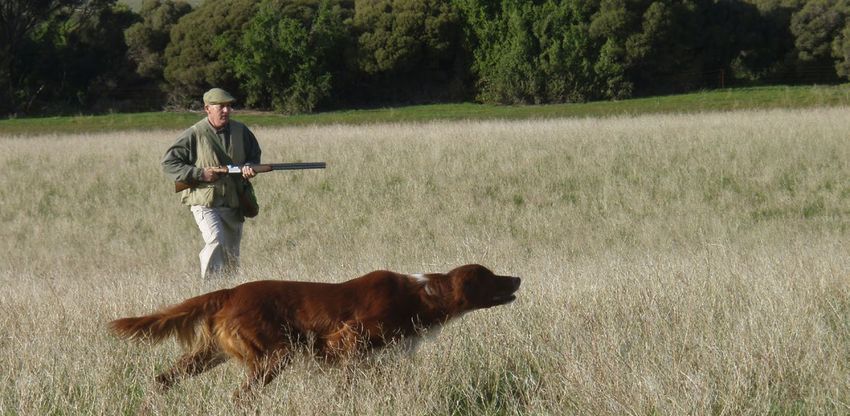
Modern Hunting in South Australia                                                                                                              Modern Hunting in South Australia

                          Hunting Safely                                                 Fire safety
                                                                                         General advice about fire restrictions
                                                                                         Restrictions apply to having campfires in South Australia. The restrictions help
  Eight rules of firearms safety                                                         reduce the chance of a bushfire that could result in loss of life and property, and
                                                                                         they are actively enforced. Information on fire bans and restrictions in national
    1.   Treat all firearms as being loaded.
                                                                                         parks are available at www.environment.sa.gov.au/topics/fire-management/
    2.   Always point firearms in a safe direction.
                                                                                         bushfire-risk-and-recovery/fire-bans-and-restrictions.
    3.   Never have a loaded firearm in your home, car, boat or camp.
    4.   Identify your target and what is behind it.                                     Bushfire safety information
    5.   Never fire at hard surfaces or water.                                           Further bushfire safety information is available via the Bushfire Information Hotline
    6.   Store ammunition and firearms seperately.                                       on 1300 362 361 (TTY 13 36 77) or by visiting www.cfs.sa.gov.au.
    7.   No alcohol or drugs when handling firearms.                                     Throughout the Fire Danger Season, which is generally from November to April
    8.   Do not climb fences or obstacles with loaded firearms.                          each year, you should monitor all available media to be aware of Catastrophic and
                                                                                         Total Fire Ban days and prohibited periods, and take appropriate action.
    See page 42 for information about transporting firearms safely.
                                                                                         On Catastrophic fire danger rating days
                                                                                         Game Reserves will be closed on days with a Catastrophic fire rating. You need to
Safe boating                                                                             put your survival first and leave bushfire prone areas the night before or early in
As a vessel operator, you are responsible for the safety of the vessel and of            the day – this is your safest option. Act immediately – do not wait and see. Avoid
your passengers. The South Australian Recreational Boating Safety Handbook               forested areas, thick bush or long, dry grass.
recommends the following safety measures:
  •• C heck your boat and equipment. Do a thorough pre-season check of the              On all Total Fire Ban days
      vessel and equipment.                                                              A Total Fire Ban day can be declared at any time of year and for any fire ban
  •• Carry the required safety equipment. Check the Boating Safety Handbook to          district, or sometimes the whole state. Fires cannot be lit in the open, unless an
      see what you must carry.                                                           exemption has been granted. Campfires are not permitted on Total Fire Ban days.
  •• Carry a mobile phone or UHF Radio. Place it in a waterproof, sealed bag in         Solid and liquid fuel barbecues and ovens are also banned on Total Fire Ban days.
      case of catastrophic circumstances.                                                Avoid severe penalties by checking www.cfs.sa.gov.au before lighting any fires.
  •• Let someone know. Tell someone where you are going, your point of
      departure, when you plan to return and the number of passengers with you.          Check the rules with the local council as the restrictions change in different areas.
  •• Check the weather forecast before you go on the water. Visit the Bureau of
                                                                                         At all other times
      Meteorology’s Marine Weather section just before you leave as forecasts can
                                                                                         Campfires are permitted in the open air as long
      change quickly.
                                                                                         as you observe the following conditions:                          4m            4m
  •• Wear a lifejacket. Laws in South Australia require that you and all of your
                                                                                            •• The fire is in a 30 cm deep trench and
      passengers wear a lifejacket all the time in a boat up to 4.8 metres. Go to
                                                                                                no more than one square metre in area.
      www.sa.gov.au for more information on lifejacket types and requirements.
                                                                                            •• You have a four-metre cleared space
  •• Check your speed. Travelling at a safe speed means that your vessel can stop
                                                                                                around and above the fire.
      in time to avoid sudden danger. Some SA waters have speed limits.
                                                                                            •• You bring your own wood or use liquid
  •• Don’t drink alcohol or take drugs. It’s an offence for a vessel operator to have
                                                                                                fuel or a gas stove.
      a blood alcohol level or concentration of .05 or more, or to be under the                                                                            4m            4m
                                                                                            •• A responsible person is in attendance at all
      influence of drugs.
                                                                                                times with water and/or an extinguisher.
                                                                                                                                                   You must have a four-metre cleared
Remember you must not shoot from a boat that is under way and you must always               •• You extinguish the fire before you leave.
                                                                                                                                                    space around and above the fire.
store your firearms correctly.

Page 10                                                                                                                                                                       Page 11
Modern Hunting in South Australia                                                                                                   Modern Hunting in South Australia

Report illegal hunting                                                                            Caring for the Environment
Call the South Australian Police (SAPOL) on 131 444 to report a suspicious activity.   There are many areas in South Australia that are available for hunting. Ensure
Call 000 (Triple Zero) if there is an emergency.                                       you have the landowner’s written permission to hunt. Remember, it is illegal to
                                                                                       hunt on any reserve under the National Parks and Wildlife Act 1972 or Wilderness
The irresponsible or illegal behaviour of some people can damage the reputation        Protection Act 1992 unless approved to do so.
of hunters and create unsafe or unsustainable situations. It is important that
hunters act responsibly and encourage the rest of the community to do the right        Our wetlands and other landscapes are unique and fragile. You can help to
thing.                                                                                 minimise damage to the environment by:
                                                                                         •• keeping to the tracks
When reporting a suspicious activity, helpful information includes:                      •• picking up spent shotgun shells, wads and cartridge cases
 •• Time and date of activity                                                            •• burying feathers and carcasses
 •• Is the activity happening now, or did you witness it previously?                     •• taking all other rubbish home
 •• Location                                                                             •• disposing of large carcasses (deer, goat, pig) thoughtfully.
 •• Number of people involved
 •• Vehicle registration                                                               You must not damage trees, nests and other natural assets for the purposes of
 •• Description of the activity                                                        hunting wildlife. Penalties apply.
 •• Equipment used.
                                                                                        A person must not, for the purposes of hunting any vertebrate animal that is
All information will be treated in confidence. Information provided will help plan
                                                                                        indigenous to Australia (whether a protected animal or not)— (a) cut down, lop
patrols and enforcement operations when no immediate field response is possible.
                                                                                        branches from or otherwise destroy or damage any tree (whether living or dead);
                                                                                        or (b) destroy, damage or disturb the animal's burrow or nest.

 Resources
    •• S ee SAPOL’s information on firearms and weapons at www.police.sa.gov.         On private land
        au/services-and-events/firearms-and-weapons.                                   There are some basic rules you can follow while on private land.
    •• Download a copy of the South Australian Recreational Boating                     •• Thank the landowner for allowing you access.
        Safety Handbook www.sa.gov.au/topics/boating-and-marine/marine-                  •• Before going hunting, seek the landowner’s approval on where you plan to
        publications/sa-recreational-boating-safety-handbook.                                go and for how long.
    •• Visit the CFS website to check on the fire rating on the day and region you      •• Discuss with the landowner how you’ll dispose of carcasses.
        are hunting www.cfs.sa.gov.au.                                                   •• Leave gates as you find them.
    •• Call the South Australian Police (SAPOL) on 131 444 to report a                  •• After hunting, report to the landowner where you went and what you found.
        suspicious activity.                                                             •• Assist the landowner and report any damage to fences or sick/injured stock.
    •• Call 000 (Triple Zero) if there is an emergency.                                  •• Respect property boundaries.

Page 12                                                                                                                                                          Page 13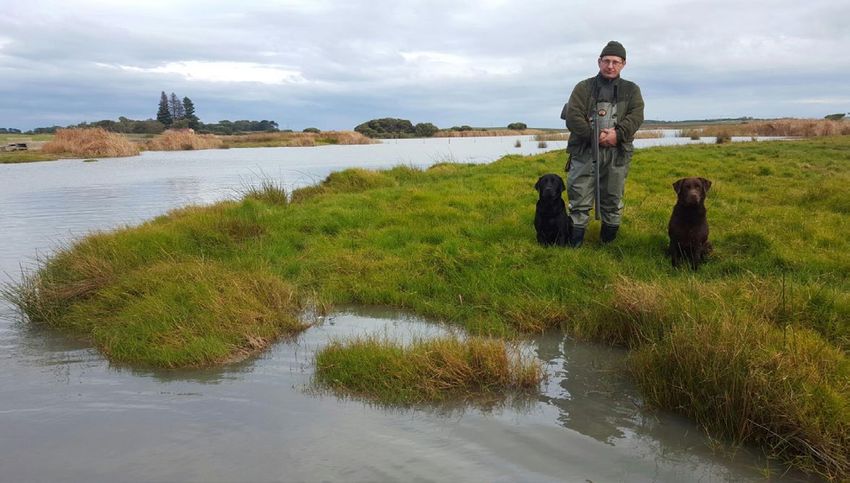
Modern Hunting in South Australia                                                                                                         Modern Hunting in South Australia

Camping
There are basic rules you can follow while camping to help preserve the
                                                                                                                Dogs and Hunting
environment.
  •• Camp in an existing campsite at least 20 metres from any creek,                       Some hunters use trained dogs to assist them while hunting. Dogs can be useful
      lake or wetland.                                                                      to flush game and to locate downed birds that may otherwise be lost. Hunting
  •• Only drive on formed tracks and roads. Park immediately adjacent to tracks            dogs are bred and trained to carry out certain tasks, such as to flush, point, set,
      where it is safe to do so.                                                            retrieve, track and more. Dogs should obey your commands, only hunt certain
  •• Stop the spread of root rot fungus - clean your footwear before you leave an                          types of animals and ignore distractions in the field.
      area to prevent the transfer of contaminated soil.
  •• Do not dig trenches around tents.
  •• Adhere to fire safety (see page 11).                                                 Your responsibility
  •• Firewood is in short supply in many areas. Use only dead fallen wood.
                                                                                          If you choose to use hunting dogs, you are responsible for their training,
      Standing trees, even dead ones, are a home for wildlife and a part of the
                                                                                          behaviour and condition.
      scenery. Do not cut down or damage standing trees or vegetation. Wherever
      possible, bring your own firewood. Check with the landowner about using             You must ensure that your dogs are always under effective control so that they do
      firewood on their property.                                                         not interfere with other hunters or chase wildlife or livestock. You are responsible
  •• If dogs are permitted at your campsite, ensure they are under effective             for the actions of your dogs. They should be muzzled if necessary.
      control to protect wildlife and other campers. Clean up after your dogs.
                                                                                          Unless on private land, dogs must also wear their ID (registration tags) at all times
  •• Protect water quality – wash up at least 50 metres from streams and avoid
                                                                                          - as per the Dog and Cat Management Act 1995. Under no circumstances should
      using soap (use gritty sand and a scourer instead).
                                                                                          dogs be encouraged to attack animals. It is an offence for a person to urge a dog
  •• Leave campsites tidy.
                                                                                          to attack or maim another animal.

Be considerate                                                                            Caring for dogs when hunting
Be aware of any damage you might be doing to the local environment and                    It is your responsibility to care for your dogs in the field and be aware of any
waterways. Also think about leaving the area as you found it for the next group of        signs of stress or injury. Hunting dogs should be healthy and in good physical
hunters that come along.                                                                  condition.
  •• If cleaning animals on site such as plucking or breasting your birds, make sure     Do not use hunting dogs if there is an unacceptable risk of injury or heat stress.
      you bury feathers, offal and carcasses in a site clear of vegetation and at least   For example:
      50 metres from waterways. Better still, store them in a rubbish bag and take          •• Hunt early in the morning and in the evening when temperatures are mild, so
      home for disposal.                                                                        your dog doesn’t suffer heat exhaustion.
  •• Spent cartridges must be picked up and disposed of correctly. The                     •• Provide your dogs with plenty of water to keep them hydrated.
      cartridges are usually made of plastic and brass and if left on the wetland           •• If a dog is injured in the field, ensure it receives first aid or professional.
      don’t break down.                                                                         attention as soon as possible.

                                                                                                                                                                       TIP
                                                                                            JOIN A GUN DOG CLUB
                                                                                            It takes time and dedication to train a gun dog to hunt effectively. Join a club
                                                                                            that helps members train their dogs. Many clubs organise field trials where
                                                                                            you and your dogs can practise and compete.

Page 14                                                                                                                                                                  Page 15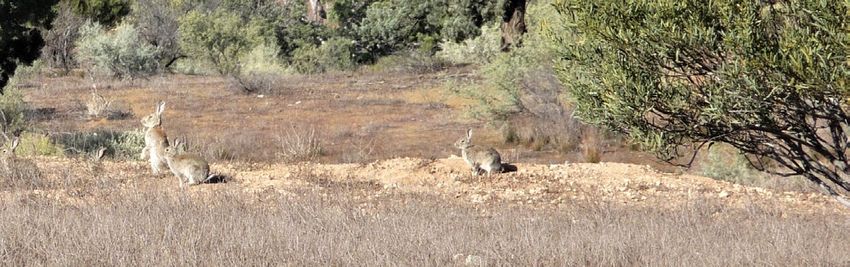
Modern Hunting in South Australia                                                                                                        Modern Hunting in South Australia

             Conservation and Hunting
   As a hunter, you pay close attention to the environment, the way animals move
      around and what animals are doing. This makes you very in tune with the
    environment. Some hunters contribute to wildlife conservation and habitat
 restoration on both public and private lands. Protecting the environment protects
                      hunting, so why not help out if you can?

Feral animal management
The effects of feral animals on the natural environment are devastating. For example,
studies in South Australia have shown that native ecosystems can change dramatically
and may never return to normal as a result of grazing by feral herbivores like rabbits,
goats, deer and camels. These feral animals also eat our agricultural crops, damage
fences and compete with stock for feed and water. For example, rabbits cause more
than $200 million worth of damage to Australia’s agricultural industries each year.

Recreational hunting at a local property level can suppress feral animal populations
to achieve asset protection and conservation goals of individual landholders.
For example recreational hunters that target foxes during lambing season can
help boost lambing rates by lowering fox predation of newborn lambs. However,             Habitat restoration
property-scale hunting is not effective at the landscape-scale unless all properties in   Wetland quality and habitat availability are important issues for wildlife
a region are participating in a coordinated program.                                      conservation in South Australia. As a hunter, you can help with the conservation
                                                                                          of wetlands and other important habitats.
At the landscape-level, recreational hunting needs to be part of a coordinated
feral animal program to be most effective. Pest managers need to assess and
                                                                                          You’ll spend more time in the great outdoors by protecting and preserving natural
utilise a variety of tools (such as shooting, trapping and poisoning) to achieve the
                                                                                          environments now and for the future.
best outcome for their project goals.

Feral animal programs have been shown to make an impact. These programs                   Here are some ways you can help improve the environment and wildlife habitat:
take place when hunting associations and the South Australian Government                    •• Wetlands - rejuvenating them by reinstating more natural water regimes that
plan and work together to achieve a conservation goal. They are generally                       create habitats and trigger breeding cycles.
called culling programs.                                                                    •• Revegetation – planting native trees and shrubs.
                                                                                            •• Scientific research – for example by sending samples from birds, filling out
                                                                                                surveys, collecting insects or plants or recording species sightings.
  POTENTIAL BENEFITS OF HUNTING                                                             •• Fundraising, donations and grants – helping to raise money for conservation
     • R emoval of feral animals from private properties where the landowner                   programs.
        may not have the time or capacity to protect all of their land (note that
        private landowners are obliged to manage feral animals on their land).            Get involved
     • Short-term, temporary reductions in numbers of feral animals preying on
                                                                                          To get involved in wildlife monitoring or habitat restoration and participate in
        native animals and destroying native plants.
                                                                                          other activities such as feral animal control, it’s important to join a conservation
     • Ongoing and persistent removal of many feral animals due to year-
                                                                                          and hunting club so that you are part of coordinated programs. See page 56 for a
        round recreational hunting.
                                                                                          list of clubs and associations.

Page 16                                                                                                                                                                Page 17
Modern Hunting in South Australia Modern Hunting in South Australia
Where You Can Hunt Game Reserves
Land classifications in South Australia determine where you can hunt. The table There are ten Game Reserves in South Australia where duck hunting is permitted
below provides general information. Almost all land is managed for private or during an open season when seasonal conditions allow. Not all of these will
public purposes. be open every open season. Check the DEW website for exclusion zones and
opening times.
Location Types of Hunting Requirements
Game Reserves Duck may be hunted only during You must hold a valid Open Season Game Reserve Location, nearest landmark or town
the open season on the dates and Duck Hunting Permit and comply Tolderol North-west side of Lake Alexandrina, 11 km south-east of Langhorne Creek
locations gazetted by the Minister. with the relevant codes of practice.
Unprotected species (such as feral Mud Islands Lake Alexandrina, 19 km south-east of Goolwa
animals) may not be hunted at any Currency Creek South-west side of Lake Alexandrina, 0.5 km north-east of Goolwa
time, unless authorised by DEW.
Poocher Swamp 8 km west of Bordertown
Private Land Duck and quail may be hunted on You must: Lake Robe 6 km south of Robe
private land only during prescribed •• hold a valid Open Season Duck Chowilla 32 km north-east of Renmark
open seasons. Unprotected species Hunting Permit and/or Open
(such as feral animals) may be hunted Season Quail Hunting Permit Loch Luna 11 km north-west of Barmera
on private land at any time. dependent on the species you Moorook 3 km north-east of Moorook
wish to shoot; and/or
•• hold a valid Basic Hunting Permit Bool Lagoon 24 km south of Naracoorte
to hunt unprotected species (if Bucks Lake 40 km south-west of Mount Gambier
you are hunting on land that is
not owned by you); and
•• obtain and carry written Act responsibly
permission from the landowner
(this permission must be
No matter where you hunt, it is important that you act responsibly and ensure that
renewed every 6 months). your actions do not put the safety of yourself or others at risk. Avoid hunting in
Forest Reserves, Hunting is not permitted at any time. N/A
Game Reserve exclusion zones or close to boundaries. Never carry a loaded firearm
Regional Reserves, or use a firearm near towns or populous places (e.g. picnic area, camp site).
National Parks,
Marine Parks,
Conservation
Reserves
Note that the Firearms Act 2015 may override other legislation in site-specific
areas, such as populous places.
TIP
BE THE BEST HUNTER
True hunters are defined by more than their shooting skills and field craft.
They check that their gear is safe and functioning properly, and take the time
to visit the places where they plan to hunt. The best hunters respect others,
the environment and the animals. They spend time just watching animals and
their behaviour – field observations are part of improving your hunting skills
and provide knowledge for you to share with others.
Page 18 Page 19Modern Hunting in South Australia Modern Hunting in South Australia
Check before you go What You Can Hunt
»» A
re you planning to hunt duck in a Game Reserve? Check that the reserve In South Australia, you are permitted to hunt the following animals as long as you
you want to hunt is on the list of permitted reserves for the current season. carry a correct and current hunting permit (see page 43) and abide by restrictions
such as open season dates, bag limits and locations.
»» I f you are planning to hunt elsewhere, have you identified the area? On a
map, narrow down the areas to those likely to have species you want to hunt.
Animal Restrictions Page
Then talk to a hunting club (see page 56) to learn the process for obtaining
permission from landowners. Duck Only the prescribed species declared by the Minister 22
may be hunted.
»» I s it legal? If in doubt about an area, do not hunt until you are sure. Hunting
in a prohibited area could result in the loss of your Hunting Permits and Hunting may only take place during an open season
your Firearms Licence, and the confiscation of your firearm, vehicle or other declared by the Minister.
belongings.
Stubble quail Hunting may only take place during an open season
»» I s hunting permitted? Be aware of and comply with hunting exclusion zones declared by the Minister. 27
within Game Reserves and on private land.
Deer Hunting may take place at any time, but you must 30
»» D
o you have permission? Find out for yourself if you are entitled to use a obtain written permission from the landowner.
particular area. Check the table on the previous page and make sure you
have the right permit. For areas other than Game Reserves, contact the Other feral animals, including: Hunting may take place at any time, but you must 34
landholder or land manager directly to get written permission. • Rabbit
obtain written permission from the landowner.
• Hare
• Cat
Resources • Fox
• Goat
•• C
heck the duck open season restrictions in Game Reserves and location • Pig
maps on the DEW website: www.environment.sa.gov.au/hunting • Camel
•• T
o plan your duck or quail hunt, contact the nearest DEW office, see: Unprotected native animals Hunting may take place at any time, but you must N/A
www.environment.sa.gov.au/contact-us obtain permission from the landowner.
•• T
o plan your feral animal hunt, become familiar with areas to hunt and the
process to obtain landowner permission by joining a hunting organisation.
See page 56.
TIP
PREPARE AND PRACTISE
Before the hunting season starts, sort and prepare your equipment and service,
repair or replace old equipment. This will ensure your equipment doesn’t let
you down at a critical moment. Organise your pack well in advance so you don’t
forget anything. Also, maintain your shooting skills by practising regularly.
Page 20 Page 21Modern Hunting in South Australia Modern Hunting in South Australia
Duck Check which species can be hunted each season
Up to eight species of native duck may be hunted during an open season if The following duck species may be prescribed as being available for hunting
prescribed. Duck hunting open seasons typically start in late summer and end in an open season. Each season, you must check which ones. Sometimes not
in mid winter. The exact dates can be found on www.environment.sa.gov.au/ all of them will be available for hunting, if for example environmental conditions
hunting. See page 39 for a description of the restrictions during an open season. indicate one or more species need protection. Remember, you need to pass the
Waterfowl Identification Test to be issued an Open Season Duck Hunting Permit.
Outside of an open season, all ducks are protected and must not be taken.
Taxidermy
Taxidermy is for personal use only. You will need an additional permit to sell
the work. Preparation begins in the field. Take care not to damage the plumage
and wash any marks off the bird before it dries. Back at camp, clean off any
remaining marks, place cotton wool into the mouth and slide the bird into an Hardhead Pacific black duck Chestnut teal
old stocking to protect and hold the plumage in place. Cool the bird as soon as
possible and freeze it at the first opportunity.
TIP
PATIENCE
Patience can be the difference between meat for the table and an empty bag.
Think about the shot you are going to take. It only takes a couple of pellets
accurately placed to humanely take a bird. Don’t shoot beyond your skill
level. Put time into hides, decoys and calling. With patience, you are more Australian shelduck Australasian (Blue-winged) Grey teal
likely to fill your bag with fewer shots – and know the ones that got away (Mountain duck) shoveler
weren’t wounded from poor shots or poor choices.
TIP
‘GOING AWAY’ BIRDS
Don’t fire at game birds flying away from you (‘going away’) at a range further
than 35 metres. A ‘going away’ bird has its vital organs protected by its
gizzard and backbone structure, reducing the likelihood of adequate pellet Pink-eared duck Maned (Australian wood) duck
penetration into the vital organs. This can result in a lost or wounded bird.
These illustrations were supplied and are copyrighted by the Victorian Game Management
Authority and must not be reproduced without written permission.
Page 22 Page 23Modern Hunting in South Australia Modern Hunting in South Australia
Ducks you must not hunt at any time Shotguns and shot types
The ducks pictured below are threatened species and must not be taken at any Hunting duck in South Australia is only permitted by shotgun. Shotguns must:
time. The Duck WISE video will help you identify protected ducks from prescribed •• have a smooth bore not exceeding 19 millimetres in diameter (12 gauge)
ones. If you are not sure, don’t shoot, otherwise you could face a substantial •• be capable of being raised at arm’s length and fired from the shoulder
fine, imprisonment or both. The eggs of any duck must not be taken at any time, without any support
including those for which an open season has been proclaimed. •• only be used with non-toxic shot the diameter of which must not exceed
4.1 millimetres (indicatively US shot size #1 or UK shot size BB).
female
male Lead shot for duck hunting in South Australia has been prohibited thanks to
vital field research carried out by hunters in collaboration with DEW. For further
male
female information refer to the National Parks and Wildlife (Hunting) Regulations 2011.
The shot types listed below have been extensively tested and found to be non-
toxic to waterfowl and other wildlife. Check with your:
•• ammunition supplier which type will best suit your needs.
•• firearm manufacturer that it is safe to use these shot types in your firearm.
Musk duck Blue-billed duck
(conservation status in SA = Rare) (conservation status in SA = Rare) It is an offence in South Australia to carry lead shot while hunting for duck.
Wardens will check your shot type throughout the season.
Freckled duck
(conservation status in SA = Vulnerable)
These illustrations were supplied and are copyrighted by the Victorian Game Management
Authority and must not be reproduced without written permission.
TIP
USE DECOYS
Decoys can improve your success rate when duck hunting. Rather than
landing directly among the decoys, game ducks generally fly over them and
land some 20 metres beyond, almost always into the wind. With this in mind,
position your stand or blind upwind of your decoys.
Page 24 Page 25Modern Hunting in South Australia Modern Hunting in South Australia
Bag survey Stubble Quail
Please record the details of your duck hunt each day on a bag survey record The only native quail species you may legally hunt in South Australia is the
sheet. At the end of the season, transfer the information to a duck season hunter stubble quail (Coturnix pectoralis), but only during an open season. Quail hunting
survey form and send to DEW via hunterreturns@sa.gov.au or to CHASA via open seasons typically start in late summer and end in late winter. See page 39 for
admin@chasa.org.au a description of the restrictions during an open season.
Your information is vital. It helps us to set sustainable duck seasons. See page 39 At all other times, stubble quail is a protected species. The eggs of quail may not
for open season restrictions. be taken at any time, not even in an open season.
TIP Stubble quail is the most common quail species in Australia and is found
throughout South Australia in wetter years across a range of habitats. Stubble
BIRD RETRIEVAL quail can be found in tall, dense ground vegetation, including in grasslands, leafy
Select hunting sites clear of vegetation and obstacles that will impede crops and cereal stubble.
retrieval of birds. Pass up shots where the bird will fall into heavy cover. Also,
never take your eye from where a struck bird falls and don’t shoot at other Stubble quail are exceptionally nomadic and may be present in their thousands
birds until you have retrieved your shot bird. one year and completely absent the next.
Check before you go
»» H
ave you got an Open Season Duck Hunting Permit for the current season?
Permits are only valid for one season.
»» Have you checked the current rules and restrictions this year?
Visit www.environment.sa.gov.au/hunting..
»» H
ave you checked what time dawn and dusk will be? Remember that you
must not hunt at night. See page 39 for details on this and other restrictions
during open seasons. Stubble quail – female Stubble quail - male
These illustrations were supplied and are copyrighted by the Victorian Game Management
Authority and must not be reproduced without written permission.
Resources
•• W atch Duck WISE to see information, illustrations and video clips of ducks. Quail hunting areas
See page 46.
In South Australia, quail hunting can be carried out on private or leasehold land.
•• Apply for an Open Season Duck Hunting Permit. See page 43.
You must obtain the written permission of the landowner and must carry this
•• Understand your responsibilities under the Code of Practice for the
permission with you at all times whilst hunting.
Humane Destruction of Birds by Shooting in SA. Visit www.environment.
sa.gov.au/humane-destruction-of-wildlife
•• Do the Shotgunning Education Program. See page 6. Shotguns and shot types
•• Use the correct ammunition and choke combination. Check the lethality Hunting quail in South Australia is only permitted by shotgun. Shotguns must:
table on page 7. •• have a smooth bore not exceeding 19 millimetres in diameter (12 gauge)
•• For information about ducks and restrictions in South Australia, and to •• be capable of being raised at arm’s length and fired from the shoulder
obtain a permission to hunt on private land form, visit www.environment. without any support
sa.gov.au/hunting. •• only be used with shot the diameter of which must not exceed 4.1
millimetres (indicatively US shot size #1 or UK shot size BB).
Page 26 Page 27Modern Hunting in South Australia Modern Hunting in South Australia
Quail-like birds must not be hunted at any time Gun dogs
It is important that you can readily distinguish between stubble quail and You may consider using a trained gun dog when hunting quail to help point, flush
protected species while hunting. Pay particular attention to the size and flight and retrieve downed birds. Gun dogs can increase hunting success. Using trained
characteristics of the bird, the habitat that you are hunting in, and the social dogs to hunt quail has the same requirements as for ducks. For further information
organisation of the birds. If you are not sure, don’t shoot. regarding hunting with dogs see pages 15 and 41.
All other species of native quail are protected and must not be hunted, including:
•• brown quail (Coturnix ypsilophora), which is most commonly found in well-
TIP
watered habitats and can be widespread in wetter years. They often rise as a
bevy flush, are very talkative and only fly a short distance, usually higher than PREPARE YOUR DOG
stubble quail, and they glide like a crested pigeon. Don’t let an unruly dog ruin your hunting experience. Before quail season,
•• painted buttonquail (Turnix varia), which is a very fast long winged bird that get your dog fit with plenty of exercise. Go back to basics with plenty of short
makes a clapping sound with its wings. They are often found in pairs and (10 minutes or so) training regimes and get your dog used to listening to your
always near scrub cover. commands. Keep frozen quail wings in the freezer so you can tack them to a
•• little buttonquail (Turnix velox), which is easy to distinguish as it is very small block of wood and lay scent trails for your dog to practise retrieving. A fit, well-
and found in grassland habitat. mannered and keen dog will add to your quail hunting experience.
Be aware of the plains-wanderer (Pedionomus torquatus), which is a critically
endangered bird that looks similar to quail. It is fully protected and must not be
hunted. Often its long yellow legs can be seen trailing behind in flight. If you’re not Check before you go
sure, don’t shoot. »» H
ave you got an Open Season Quail Hunting Permit for the current season?
Permits are only valid for one season.
»» H
ave you checked the current rules and restrictions this year?
Visit www.environment.sa.gov.au/hunting
»» H
ave you checked what time dawn and dusk will be? Remember that you
must not hunt at night. See page 39 for details on this and other restrictions
during open seasons.
Plains-wanderer - female Plains-wanderer - male
Bag survey Resources
Please record the details of your quail hunt each day on a bag survey record •• Apply for an Open Season Quail Hunting Permit. See page 43.
sheet. At the end of the season, transfer the information to a quail season hunter •• Understand your responsibilities under the Code of Practice for the
survey form and send it to DEW via hunterreturns@sa.gov.au or to CHASA via Humane Destruction of Birds by Shooting in SA. Visit www.environment.
admin@chasa.org.au Your information is vital. It helps us to set sustainable quail sa.gov.au/humane-destruction-of-wildlife
seasons. See page 39 for open season restrictions. •• Do the Shotgunning Education Program. See page 6.
•• Use the correct ammunition and choke combination. Check the lethality
table on page 7.
Quail research •• For information about quail and restrictions on hunting in South Australia,
Every quail hunter should support the SSAA Quail Research Project as it is visit www.environment.sa.gov.au/hunting
providing valuable information about population dynamics and bird movements, •• Obtain a permission to hunt on private land form. Visit www.environment.
and contributes information that helps to set stubble quail open seasons. Visit sa.gov.au/hunting
www.ssaa.org.au/hunting/quail-research-project for more.
Page 28 Page 29Modern Hunting in South Australia Modern Hunting in South Australia
Deer
Deer are classified as feral animals in South Australia and six species can be legally
hunted. Deer can be hunted year round and there is no bag limit. A Basic Hunting
Permit and written permission from the landholder is required to hunt deer. The
two main species encountered are Fallow deer and Red deer.
Wild deer populations have developed in South Australia following their
introduction in the 1860s and more recently following escapes from deer
farms. Some of the most costly impacts of deer result from collisions with cars.
To measure the crop impacts caused by deer, information on their diet, energy
requirements, distribution and abundance is collected by PIRSA Biosecurity SA. Sambar Rusa
Visit www.pir.sa.gov.au/biosecurity/weeds_and_pest_animals/animal_pests_in_
south_australia Rarely seen in the wild. The largest of Rarely seen in the wild. Biologically related
deer in Australia. Stags can be 130 cm tall to the sambar. Stags can be 110 cm tall at
Deer hunting is only permitted on private land. You must obtain written permission at the shoulder and weigh over 300 kg. the shoulder and weigh 136 kg. Hinds
from the landowner to access hunting areas. We recommend that you join an Hinds can be 115 cm and weigh 230 kg. can be 95 cm and weigh 60 kg. Their coat
organisation such as the Australian Deer Association (ADA) or SSAA. They can help hair is coarse and sparse and generally a
and mentor you in deer hunting. greyish brown in colour.
Fallow deer Red deer Chital Hog
Widespread in South Australia. Bucks Widespread in South Australia. Stags Seen in low numbers in the wild. Stags Rarely seen in the wild. They are the
can be 90 cm tall at the shoulder and can be 120 cm tall at the shoulder and can be 86 cm tall at the shoulder and smallest deer in Australia and although
weigh 90 kg. Does can be 76 cm and weigh 135-160 kg. Hinds can be 90 cm weigh 80 kg and hinds considerably less. they are a close relative of the chital, they
weigh 40 kg. Colour can be red, black, and weigh 92 kg. Colour is a rich russet- Colouring is striking; a reddish to brown bear little resemblance to them. Stags
or creamy white. brown on the body and outer legs and coat with white spots, white upper throat can be 70 cm tall at the shoulder and
grey underneath and on the neck. patch and black dorsal stripe. weigh 50 kg, with the hind being smaller
and weighing 30 kg.
Page 30 Page 31Modern Hunting in South Australia Modern Hunting in South Australia
Deer hunting regions Recommended shot placement
Deer have spread throughout most of the cooler, well vegetated areas in South
Australia including the upper and lower South East, Adelaide Hills, Limestone
Coast, Eyre Peninsula, Clare Valley, Adelaide Plains and the Mid North.
Recommended minimum calibres, draw weights and
arrow/bolt types for deer
There are no mandatory minimum calibres, draw weights or arrow/bolt types Effective
required to hunt deer in South Australia. To ensure deer hunting is humane, The neck region may be
organisations like the Australian Deer Association recommend the following appropriate if a heart/lung
minimum specifications for firearms, bows and crossbow equipment. shot is not available.
Firearm/bow Sambar, rusa and red deer Fallow, chital and hog deer
Most effective
Centre fire rifle A minimum calibre of .270” (6.85 A minimum calibre of .243” Placing your shot in the heart/
mm) with a minimum projectile (6.17 mm) with a minimum lung region is reccomended to
weight of 130 grains (8.45 projectile weight of 80 grains ensure a humane kill.
grams). (5.18 grams).
Muzzle-loading rifle A minimum calibre of .45” (11.45 A minimum calibre of .38”
mm) with a minimum projectile (9.65 mm) with a minimum The above shot placement illustration was supplied and is copyrighted by the Victorian
weight of 230 grains (14.91 projectile weight of 200 grains Game Management Authority and must not be reproduced without written permission.
grams). (12.96 grams).
Long, recurve and A minimum draw weight of 50 lbs A minimum draw weight of
compound bows (22.5 kilograms), using an arrow 45 lbs (20 kilograms), using
fitted with a broad-head having an arrow fitted with a
a combined minimum weight broadhead having a combined
of 400 grains (26 grams) and at minimum weight of 350 grains
least two cutting blades. (22.5 grams) and at least two
blades.
Crossbow A minimum draw weight of 150 A minimum draw weight of
lbs (68 kilograms), using a bolt 120 lbs (54.4 kilograms),
fitted with a broadhead having using a bolt fitted with a
a total minimum weight of 400 broad-head having a total
grains (26 grams) and at least two minimum weight of 350 grains
blades. (22.5 grams) and at least two
blades.
Source: Australian Deer Association
Page 32 Source: Australian Deer Association Page 33Modern Hunting in South Australia Modern Hunting in South Australia
Other Feral Animals Recommended shot placement
Many hunters target feral animals such as pigs, goats and rabbits to harvest high The recommended shot placements are marked with an ‘X’.
quality meat.
Feral animals such as rabbits, feral cats, foxes and feral goats can be found Brain
throughout South Australia and hunted year round. A Basic Hunting Permit Head shot (temporal) Scapula
is required to hunt feral animals, however a bag limit or open season is not
applicable. They may only be hunted on private land and you must obtain written
permission from the landowner to access hunting areas.
Lung
We recommend that you join an organisation such as the SSAA. They can help Chest
shot Heart
you gain access to areas for hunting feral animals and they will teach you how to (side)
safely harvest meat from your hunt.
Rabbit and hare
Feral animals may not be hunted in:
•• Game Reserves
Head shot (temporal)
•• National Parks, Conservation Parks and Wilderness Protection Areas Brain Scapula
Lung
•• ForestrySA or SA Water land.
Feral animal species
In addition to deer, other feral animals that are commonly hunted in South
Australia include: Heart
Chest
•• Rabbit shot
(side)
•• European brown hare
•• Cat
•• Fox Feral cat
•• Wild dog, including dingoes and their hybrids with domestic dogs
•• Goat
•• Pig
Brain
•• Donkey Head shot (temporal) Lung
Scapula
•• Camel
Heart
Chest shot (side)
Fox
Page 34 Page 35You can also read


