Moving On Programme - Impact Report 2015
←
→
Page content transcription
If your browser does not render page correctly, please read the page content below
Moving On Programme

  Impact Report 2015
EDP Moving On Programme: Impact Report
EDP Moving On Programme: Impact Report
About EDP Drug & Alcohol Services
EDP’s vision is: ‘Improving the quality of life for people
affected by substance misuse’
EDP provides specialist substance misuse services in the community and in prisons.
We are a significant provider of services in the South West of England. EDP has
always been at the forefront of innovative work in the field of recovery, we:
Piloted a needle exchange in 1987
Produced the radical safer injecting guide ‘What Works’ in the 1990’s
Put drug working in prisons before formal prisons substance misuse work.
We have had a great deal of success in prisons in Devon and Dorset. In 2013-2014
nearly 2,000 prisoners started new treatment services with EDP in Devon. 97% of all
people offered services were assessed within 24 hours and the level of substitute
prescribing was reduced. Our Dorset service is one of the top performing treatment
systems in the country.
Most recently, EDP has been delivering the Social Enterprise Qualification 1 alongside
our prison substance misuse services. We are the first organisation in the UK to be
delivering a social enterprise qualification to offenders in prison.
EDP’s mission is: ‘To open doors for people affected by
substance misuse so they can improve their lives and those of
their families and communities’
We witness many transitions during our work with people:
From a life dominated by substance misuse to one of freedom and choice
From a life of worklessness to one enriched by learning and meaningful
employment
From homelessness and exclusion to securely housed and participating in
community life
From a life of crime to one without offending
From prisons and institutions to freedom within communities
From a troubled adolescence to a happier adult life.
1
The Social Enterprise Qualification (SEQ) is a set of qualifications that encourage and accredit people
who are interested in creating positive change. For more information visit: www.seq.realideas.org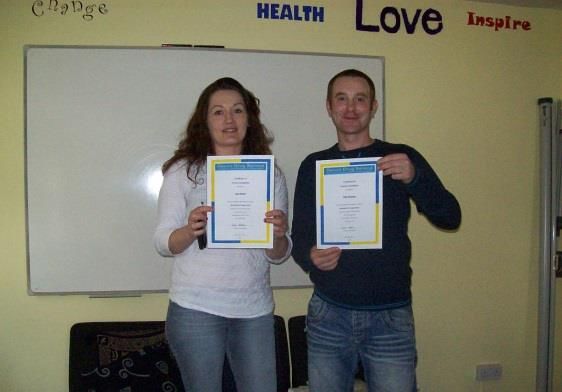
EDP Moving On Programme: Impact Report

EDP’s services
EDP delivers recovery-based substance misuse services in communities and prisons
in Devon and Dorset. Our work focuses on building clients ‘Recovery Capital’2
offering opportunities and interventions on a wide range of topics, such as: housing,
anxiety, alcohol and violence, preparation for work, preparation for release, cooking
and nutrition, life skills, relationships and family. Having a wide variety of
interventions which can be delivered in group settings or one-to-one offers the
opportunity to tailor our service to meet individual recovery needs.

EDP leads the way in finding creative solutions to improve the transition between
prison and community. This increases the likelihood of ex-offenders remaining
engaged in their recovery journey and reduces reoffending.

Strategic direction
Our strategy for 2014–2017 is to grow, innovate and evidence our social impact. We
will do this through:

                                     Developing        Facilitating
                                     Partnerships       Enterprise

                                              Engaging our
                                              Communities

Developing partnerships: We will seek to develop partnerships and partnership
service models with people who use our services, families, carers and a range of
organisations which can benefit the people we work with.

Facilitating enterprise: We will facilitate and measure enterprising activities,
through further development of an enterprising organisational culture and
increasing the number and range of activities service users are engaged in, as a
vehicle to support recovery, rehabilitation and wellbeing.

Engaging our communities: Our focus will be on increasing service user
involvement in their communities (including prison communities), and involving
other people from communities where we work.

2
  ‘Recovery Capital’ refers to the resources that can be drawn upon to initiate and sustain recovery from
substance misuse. (Granfield and Cloud, 2001 cited on www.thersa.org).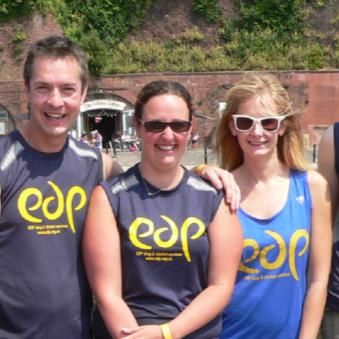
1   EDP Moving On Programme: Impact Report

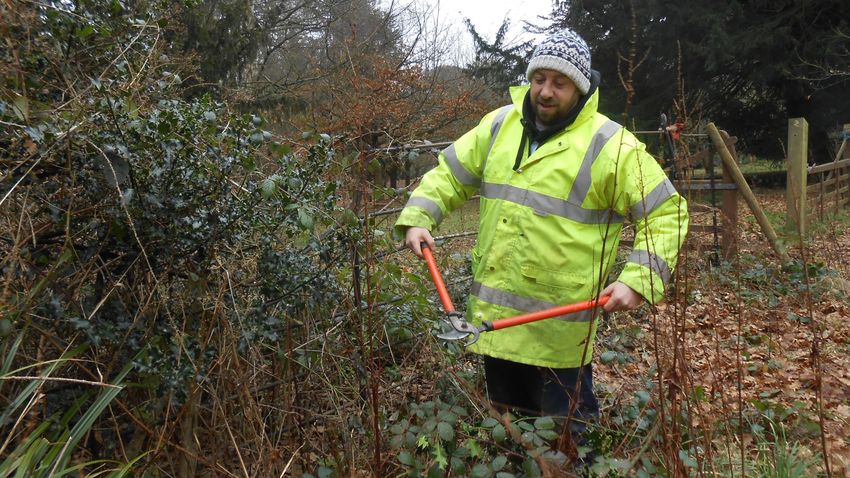
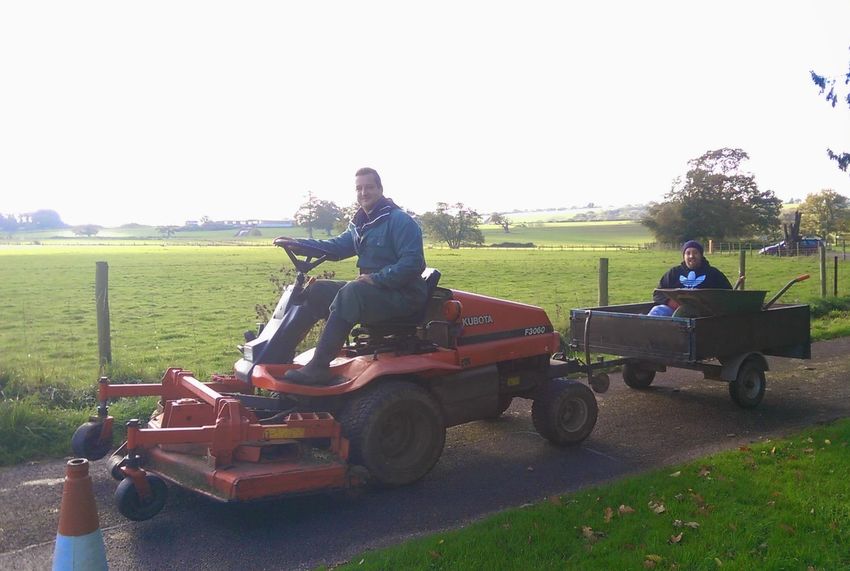
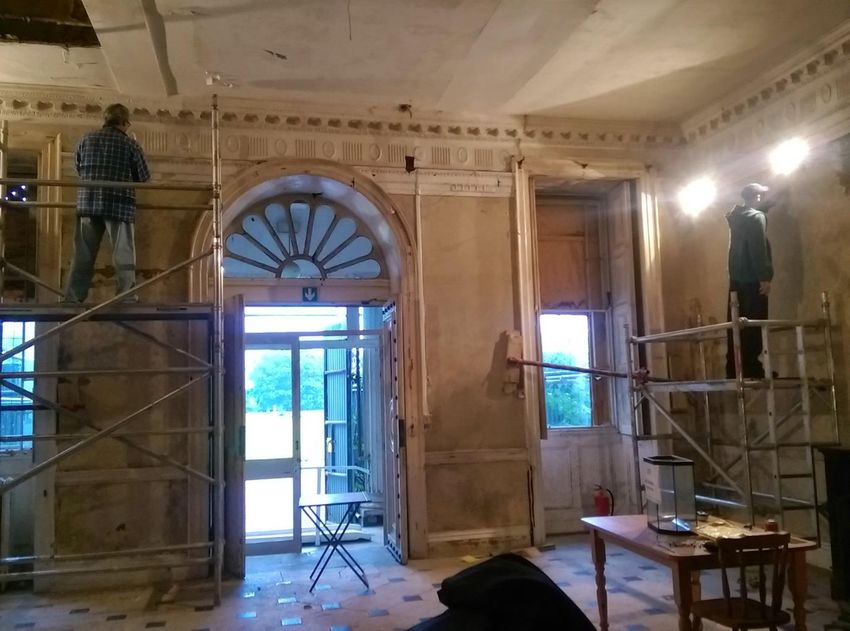
EDP Moving On: Volunteering at Poltimore
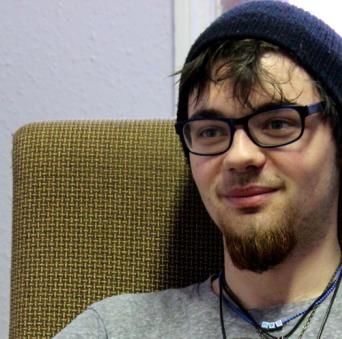
EDP Moving On Programme: Impact Report Moving On Programme Background to Moving On Inspired by its successful peer support programme in 2011, EDP decided that it was necessary to offer a broader programme to support the ‘moving on’ process. This would include the development of skills and knowledge for effective transition into education, training, volunteering or employment. A survey of EDP service users and members of the Devon Users Alliance found that a lack of confidence and self-esteem, poor communication skills and difficulty in maintaining boundaries acted as barriers to achievement and to entering education, training and employment. The Moving On Programme (MOP) was subsequently developed for people who want to look forward and make positive plans for the future and was launched in 2011. In May 2014 we started delivering the project in prisons. What does Moving On provide? MOP gives participants the opportunity to gain National Open College Network (NOCN) qualifications in two modules: Personal Development and Communication Skills. The programme offers practical support through sessions on: Self-awareness Overcoming barriers Decision making Identifying transferable skills Disclosing convictions Information on volunteering CVs and interview skills. Since January 2011 MOP has had 296 referrals for the community based programme. 176 of these had a meaningful interaction with the scheme. The remainder either had basic contact, some signposting or didn’t engage with the service. Since May 2014 there have been 39 referrals for the prison programme. Who funded Moving On? MOP was supported by a range of funders including: JP Getty Charitable Trust The May 29th 1961 Charitable Trust The Jamieson Bystock Trust Holbeck Charitable Trust Albert Hunt

EDP Moving On Programme: Impact Report
Coutts Charitable Trust
The Norman Family Charitable Trust
Roger Vere Foundation
Exeter Positive Steps
David Gibbons Foundation
EDP also invested some of its own financial reserves to support the project.
Wider impact of the project
The statistics overleaf demonstrate the impact and outcomes of the project. Some of
the more qualitative impact we have seen includes:
1. Improving networks and volunteer opportunities. Representatives from
the Volunteer Bureau delivered talks on volunteering and the opportunities
this provided. This gave people a better understanding of their options
around working.
2. Information sharing on Disclosure and Barring. We demystified the DBS
process and helped people improve their ability to disclose convictions
appropriately and in a supported way.
3. Personal development. We helped people recognise their own transferrable
skills and looked at the ‘entrepreneur inside’ and how this could help people
looking for work and opportunities.
4. Education. We worked with colleges and other education providers to
provide a pathway for people to improve educational attainment and
opportunities.
5. Business development. We worked with people to look at setting up their
own business. We delivered the Social Enterprise Qualification in Dartmoor
Prison which gave people more skills and understanding about social
enterprise as a potential option for the future.
Plans for the future
The MOP team has trained EDP’s community and prison teams so they can now
deliver the MOP programme modules. We aim to continue MOP but in a more
focussed way rather than as a separate programme accepting referrals.
EDP will be developing the combination of MOP and the Social Enterprise
Qualification (SEQ) to provide a holistic package of accredited enterprise and
employment modules for those often furthest removed from the labour market.
EDP will continue to review MOP and look at opportunities to develop the
programme such as developing new modules; looking at different settings for
delivery and reviewing finance and funding models.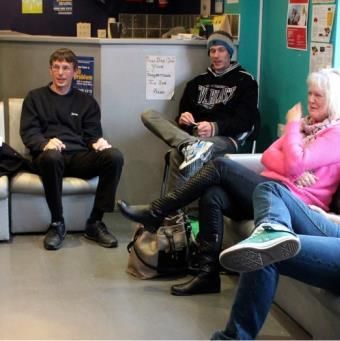
Moving On: Impact in numbers
     EDP Moving On Programme: Impact Report

176 community participants since January 2011
39 participants took part within prisons from May 2014
100% of prison participants achieved NOCN accreditation
for two modules

120 people gained a NOCN Level One qualification and
63 gained a Level Two qualification
47 service users reported significant increases in their
confidence

56 service users showed substantial increases in their self-
esteem

Nearly100% of service users said the programme helped
improve life skills such as self-awareness, decision
making, goal setting and overcoming barriers

Nearly  100% of service users said Moving On had been
useful in improving employability skills such as
time management, negotiation skills, CVs, job applications and
interview skills
EDP Moving On Programme: Impact Report

Quotes
“It was a relief to unload our fears, emotions and lots of
tears – it was great to talk to someone who really
understood. We as a family, particularly the children,
cannot thank EDP enough for the amount of work, effort
and time that has been spent on our family“

“Volunteering could really help me with work possibilities
later and it’s a good relapse prevention tool”

“Loved the whole programme! The group was brilliant.
Found it all extremely useful”

“I have my own flat and am happy. I’m looking forward to
moving on in life with a job and relationships”

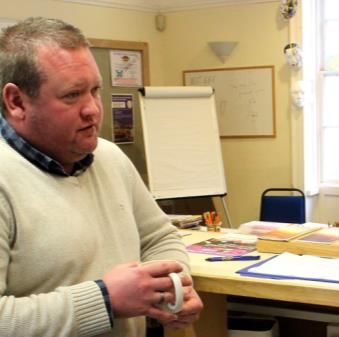
MOP participants receiving their certificates
EDP Moving On Programme: Impact Report

Common feedback comments
EDP Moving On Programme: Impact Report
Case study: Moving into employment
D aged 40
D started the Moving on Programme in 2012 and completed all the modules. The
session on disclosing convictions was particularly relevant for him as he would need
to complete a CRB (now DBS) form for the work he wanted to do with older people.
D was keen to get into employment, ideally in a care home, but was concerned that
his convictions might hold him back. MOP supported D throughout the process of:
Compiling a CV and a covering letter outlining his convictions
Explaining how he had addressed his offending behaviour
Arranging very positive meetings with organisations which provided services
to elderly people
Completing necessary paperwork.
D reported high scores for confidence and self-esteem and was happy and
interacting with people. D has been described now as reliable, consistent and
committed. He continues to progress well and remains drug-free.
D is still working with elderly people and has gained qualifications in catering. He
hopes to do a qualification in social care.
Case study: Developing personal
resilience
P Aged 42
P attended the programme in 2014. He obtained both NOCN qualifications – in
Personal Development and Communication Skills. He was a very positive member of
the group.
He had been in part time employment as a cleaner at the start of the course and was
very happy later on when he secured more hours.
P felt very positive that he was no longer on any benefits and had finished contact
with the probation service. He produced a CV which highlighted his skills and
experience. He reported increases in all of the following areas:
Self-confidence
Self-esteem
Awareness of the things that he was good at
Awareness of training, education and employment opportunities
Knowledge about how to disclose convictions to an employer.EDP Moving On Programme: Impact Report Mike’s story - ‘Full Circle’ Mike is now a Recovery Worker for EDP. He was both a service user and a volunteer before becoming an employee of EDP. This is his story: At eleven months old Mike’s legs were amputated below the knee. Mike had a great early childhood with a very supportive dad - he achieved a lot but also got bullied in school about his disability. After school, Mike found the rave scene where he met a lot of people who were selling drugs which he got involved in. By the age of 17, Mike was on bail for drug offenses in Devon and Cornwall and received a short sentence. In 1999, Mike went into hospital for a re-amputation, a process which was supposed to last six weeks but took a year. Mike believes he came out of hospital with his first real addiction to opiates, to codeine and valium. Mike started a Foundation degree in Music Production as he had been DJing for quite a few years. At this time Mike was still smoking cannabis and dabbled with drugs. His drug taking really started to escalate when he was accepted to study at Leeds College of Music. Mike decided to travel every week up to Leeds and back whilst managing a large workload. Mike began to start using cocaine to keep him awake all night for studying. During that time Mike also did some charity work and received a lot of recognition including receiving an award from Lord Snowdon. It was a time of a lot of highs for Mike but when he graduated from Leeds College of Music he hit a brick wall. He had no real direction and at this time he started blagging doctors, telling them that he had pain in his legs, which there was to an extent, in order to get pain medication. As a result Mike was taking a dangerous concoction of pain medication a well as taking cocaine and drinking heavily. This got worse and worse until Mike ended up going bankrupt through a business that he was running. He had hit rock bottom. Mike realised he had a big problem and entered treatment with Devon Drugs Service (DDS), EDP’s community service in Devon at the time. He took part in the Moving on Programme and went through the Peer Support Programme. Unfortunately Mike had a lapse and left the service where he progressed from using cocaine to smoking crack and trying heroin. However it didn’t take Mike very long to realise that wasn’t the path he wanted and he came back into treatment with DDS. Mike was given the opportunity to volunteer after just twelve months on the programme. Within three months of volunteering a Support Worker role came up within DDS which he applied for and was successful. It is now over two years since his detox and three years since he took his last opiate. Mike now works as a Recovery Worker. His job keeps him on the straight and narrow but he also really enjoys the work that he does with clients
EDP Moving On Programme: Impact Report

EDP Moving On: Volunteering at Poltimore
EDP Moving On Programme: Impact Report
Stakeholder views
We consulted stakeholders of the programme including local voluntary sector
organisations, prisons and public sector agencies such as the Job Centre. Their
feedback is summarised below.
Strengths of the programme
MOP helped clients look forward and focus on the future
It is well structured and easy to follow
There are good links with other agencies
Participants have been able to look beyond addressing their substance misuse
People realise that there is life beyond prison and employment is possible
Looking at volunteering options
Supporting clients with disclosing convictions
The Moving On Programme has been a great add on to offer to clients ready
to work towards education/employment/volunteering
Very positive and supportive project, addressing individual concerns and
issues of participants and enabling them to move forward
Offered good solid advice to people with drug and alcohol issues
Ratings
100% of stakeholders surveyed said the project was ‘very good’ at
communications
86% said the project was ‘very good’ at accessibility
100% said the project was ‘very good’ for overall success.
Impact on clients
MOP improved confidence in people’s skills, abilities and goals for the future
HMP Dartmoor put 30 prisoners through the programme and 30 prisoners
completed - the success of the programme is clearly evidenced in the high
completion rate and feedback from prisoners throughout
Enjoyment, learning and increased confidence for staff and prisoners
Service users felt very well supported and encouraged in their determination
to secure employment or volunteering opportunities
Clients have been more aware of their responsibilities with disclosing
convictions
Promoting volunteering, enabling those who might face barriers to start
volunteering
Helped clients get ready to re-enter the work-place
Built up self-esteem and a feeling of self-worth.EDP Moving On Programme: Impact Report
EDP Drug and Alcohol Services
                          Suite 2:11
                          2nd Floor
                    Renslade House
                       Bonhay Road
                              Exeter
                             Devon
                           EX4 3AY

             Telephone: 01392 666710
               Email: info@edp.org.uk
             Website: www.edp.org.uk
            Twitter: @EDPDrugAlcohol

   Registered Charity Number: 297370
Company Registration Number: 2145656
You can also read


