On being human - Roland Berger
←
→
Page content transcription
If your browser does not render page correctly, please read the page content below

navigating complexity
ON BEING HUMAN
11 | 2018
Think:Act #26

                                                                    on
                                                                     being
                                                                    human
                 Organized crime goes       Flex your mental muscles
                 online How the mafia has   Is automation a threat for
                 embraced digitalization    the human skill set?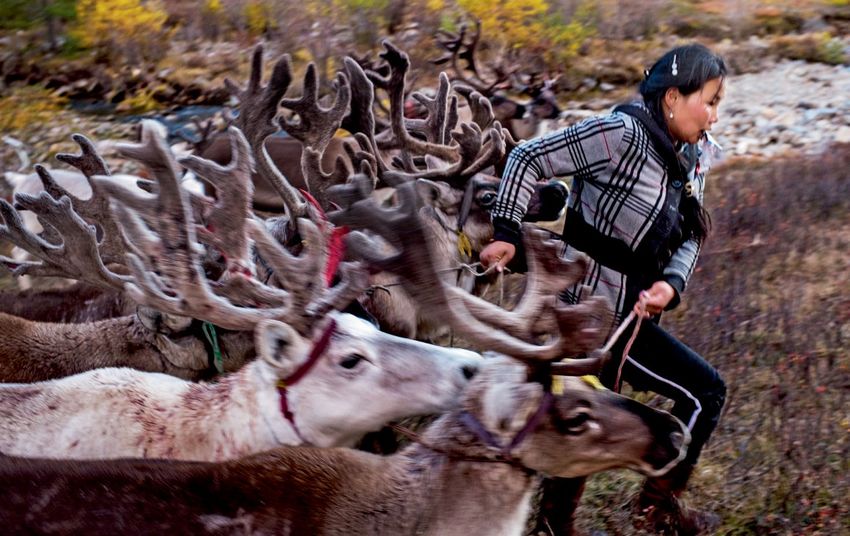
in this issue                Think:Act  26   3

"Robots cannot
 improve
 processes. Only
 people can do
that, and that
 is why they are
 always at
the center of
 our attention."                                                                  "We need the humility to
MITSURU KAWAI
Head of manufacturing
                                                                               recognize that we're at our best
and executive vice
president of Toyota
                                                                                 as people when we're being
→ page 52
                                                                               empathic and talking together."
                                                                                               SHERRY TURKLE
                                                                                        Pioneering researcher in the field
                                                                                      of human interaction with technology
                                            photo: boston globe/getty images                       → page 66
                        photo: ben weller
4   Think:Act  26          in this issue                                                                                                           in this issue                           Think:Act  26   5

       "Organizations change if they are
        serious about it. And change
        doesn't actually take that long and
        it doesn't cost that much money."

                                                                                                                                                                   "Ever since the first
                                                                                                                                                                    caveman sharpened
                                                                                                                                                                    a flint, humanity has
                                                                                                                                                                    defined itself
                                                                                                                                                                    by its capacity to
                                                                                                                                                                    equip itself with
                                                                                                                                                                   tools to manage
                                                                                                                                                                    its environment.
                                                                                                           photo: vincent boisot/riva press/laif                   The coming era will
                                                          JEFFREY PFEFFER                                                                                           be no different."
                                                                                photo: winni wintermeyer

                                           Organizational behavior expert and
                                               author of Dying for a Paycheck
                                                                                                                                                                   CHARLES-EDOUARD BOUÉE
                                                                   → page 42
                                                                                                                                                                   CEO of Roland Berger
                                                                                                                                                                   → page 22
6 Think:Act 26 in this issue in this issue Think:Act 26 7
Think:Act 26
In focus Wide angle
illustration: jack richardson/die illustratoren
On Think, act
being and stay informed
human
In this issue we take a close-up look at what 74
it means to be human in our fast-changing Motown's new
|
world today and in the future. momentum
photos: harvard graduate school of education; ronald patrick; ben weller; malte jäger/laif
New leadership is
22 Think outside the AI box putting a spark back
Roland Berger CEO in Detroit and giving
Charles-Edouard Bouée on this former jewel
navigating the digital rapids. of the US economy
a chance to go for
24Making sense of the another spin.
human touch
The next wave of robotics is
set to challenge what we
8 At a glance 70How the queen bee of
12
understand as human.
Fast facts for thinking people: biotech built her hive
28The new Luddite backlash the latest buzzwords, stats Kiran Mazumdar-Shaw
Concerns are growing about the
negative effects of tech. ON BEING and business ideas. answers questions about
how she trained to be a
HUMAN 60 The new Dons of brewer and ended up as
42Head for the exit. Now! Automation is a g rowing factor digital crime leader of India's first biotech
Jeffrey Pfeffer on how your job "Whether in the economy. Four experts Organized crime is setting up startup and a multibillion
might be killing you and why you weigh in on where p eople will shop online and it is disrupting dollar enterprise instead.
must quit it before it does. AI will limit fit in the new e quation. competitors on both sides of
80 Food for thought
46Flexing the mental our human the law.
Take a deep dive into new
intelligence
|
muscles 66 In praise of boredom areas of interest including
cover + back cover artwork: jack richardson/die illustratoren
Experts think it's time we Pioneering thinker Sherry Turkle electric flight, how millennials
remember to exercise our skills is up to us." explains how to regain human like to spend their time and
– before it's too late. 52 space from tech distractions and money and find out more in
reboot the power of conversation. articles and studies.
50 The world history of Humanizing
productivity the auto
ow improvements in food, labor
H
and knowledge have helped
34 industry
Toyota is bucking
advance the human race. Nomads look the automation Think:Act online
to the future trend by putting To read uncut versions of our
82 What makes up multiple Nomadic people like the its faith back in its Sherry Turkle and Jeffrey Pfeffer
intelligences? Tsaatan in Mongolia are human workforce interviews go to:
Psychologist Howard Gardner blending the ancient with and sacking the www.rolandberger.com/tam
answers three questions on the the call of the modern world. robots instead.
human equation.
8 Think:Act 26 at a g l a n c e at a g l a n c e Think:Act 26 9
Think Food Re-
Thoughts to thinking
in for live by buzzwords
numbers thought
putting
a figure on… Should robots have human rights?
by Joanna Bryson
joanna bryson
is an associate "The three great Get to grips with new
industry lingo in a flash
women business
photos: roberto caccuri/contrasto/laif, oecd / hervé Cortinat
professor of computer
leaders
if we design robots such that coherent and safe way in which we
science at the
University of Bath
essentials to with our stripped-down
explanations of the
23 achieve anything
they need human rights, then we can make suffering a part of safe, well- specializing in AI, latest jargon.
will be doing both the robots and constructed intelligence, so we should ethics and
our fellow humans and animals a not rely on things like justice and rights collaborative
the number of women
serving as CEO on the
disservice. Rights are the means by
which we a ttempt to negotiate decent
in our attempt to incorporate AI into
our society. There is a concern that we
cognition.
worthwhile are:
hard work, stick-
Fortune 500. Roughly 5% of should offer robots (and even statues)
behavior between equals, and they
the Fortune 500 companies
are often violated. human rights so that we don't stop
are now run by women. In
"Servitization"
offering the consideration of rights to
to-itiveness, and
fact, your company is more
likely to be run by a man Robots can never really be our equals other humans that the robots remind
named James than it is to be since we construct them intentionally, us of. In the UK, we address that
common sense."
run by a woman. designed from first principles (not concern the opposite way, by making
just a vaguely intentional act as one of the five principles of robots the In the old days companies
17.1 %
with copulation). Also, artifacts are principle that it is unethical to make made things and service
products, so if we were to build them
in such a way that they required even
robots appear human.
— Thomas Edison providers serviced them.
Then "servitization"
near-equal status, we would – in the Inventor and visionary came and blurred those
of board seats
are held by women unlikely case we built robots that boundaries. The concept
worldwide. Less than one could suffer – be doing so only for us is simple: offer services
in five board seats of the to feel superior to something. beyond supply. That's
2,780 companies in the just added value, you say.
MSCI All Country World Fortunately, no extant AI is in this No, it's more than that.
Index is held by a woman.
condition, and we have no reason Servitization of say, tires,
to build something that would could mean contracting out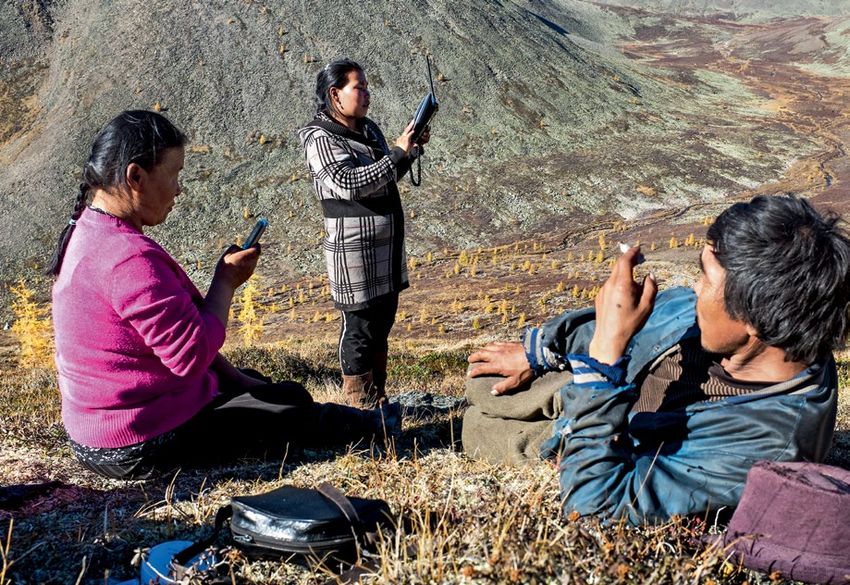
10 Think:Act 26 at a g l a n c e 11
Economic
impact
The Chain Best
redacted reaction practice
read
Guess what? The the last straw How to …
world is better
After a viral video featuring a sea turtle raised awareness
be more human
of plastic pollution, the movement against single-use
than you think. plastic has been steadily growing and plastic straws are a
at work
Too busy to read the hot new target. We could be clutching at straws, though, because being smart isn't enough.
To be a successful leader, you
Life cycle of bike sharing
books? We've got it covered eliminating them will not solve the problem – they need to be emotionally smart too.
for you. Here's Hans Rosling's it seems like a great idea: Download
comprise a tiny percentage (0.025%) of ocean plastic According to Harvard Business
an app, find a bike that's conveniently nearby
Factfulness cut down to the Review's new four-volume
waste. Here we suggest how that sea turtle's misfortune Emotional Intelligence Series, and you're on your way – making use of clean
bare essentials. transport that's faster than cars in many urban
played a part in the race for biodegradable polymers. recognizing, understanding and
managing emotions at work centers. You even get some exercise while
in many ways, things are better is "critical to leading effectively." you're at it. But there's a darker side of dockless
than you think. The proportion of Other "EQ" proponents offer bike sharing that can already be seen in China,
the world living in extreme poverty similar advice, which usually one of the first markets the business model
has fallen by nearly half in the past includes starting with some self- took by storm. With users able to leave the
20 years and average life expec- assessment. Without a bit of
bikes anywhere they want, authorities have
tancy is up to 72 years. If you didn't
know this, you're not alone. In
1removal
TURTLE VIDEO A 2015 viral
video showing the painful
of a plastic straw from a
self-reflection you won't be able
to make the first steps towards
been forced to remove abandoned bikes clog-
ging city streets and impound them to "bicycle
self-control, which is key in being
Factfulness, the late Hans Rosling sea turtle's nostril raises awareness graveyards" like this one in Shanghai. And that
of plastic pollution in the oceans. able to control your thoughts –
argues that most people don't have The video is credited by many as the which in turn will have a direct doesn't even take into account the bikes left
a clear idea of the world's actual trigger for the anti-plastic trend. effect on your emotions and their over from businesses that go bankrupt. This
degree of development. influence on others. With prac- aerial view shows how bikes have become a
There are a number of reasons tice your EQ will help you develop sign of waste rather than of sustainability.
for this, but the biggest is that relationships and cope with
stress – and you will have learned
human beings have a strong
how to be human at work.
instinct for drama and an instinct
sources: halberto gongora, alexandre, bomsymbols, rogue one, farias / the noun project
to notice the bad more than the
good, which is perhaps a leftover
5 RUSH FOR
ECO-FRIENDLY
PLASTICS A race is on to
Resources for further reading:
Working With Emotional Intelli-
from Neanderthal days. In fact,
most problems have multiple,
implement biodegradable
polymers. Companies 2plastic
PUBLIC DISMAY The straw
becomes the symbol of single-use
problems. Eight million tons of
gence by Daniel Goleman; HBR's
Emotional Intelligence Series; EQ
such as Germany's BASF Applied by Justin Bariso.
interacting causes. and Japan's Kaneka step plastic flow into the ocean every year,
It's true that there are many up production of materials with estimates of 170 million to
that biodegrade, but 390 million straws being used every
photos: vcg via getty images; johannes eisele/afp/getty images
real things to worry about – global day in the US alone.
which were previously
warming, pandemics, the risk of thought too costly.
World War III, and more – but you
can't really tackle any of them
without a deeper understanding of
how things are and the actual odds
we face. Don't be an optimist or a
pessimist, be a possibilist – some-
3 SEATTLE The city
bans plastic straws
on July 1, 2018.
one who tries to look at the world Starbucks follows suit
clearly and understand how things
can be changed for the better.
4 GROWTH Industries
making straws out of
metal, silicone and other
– it announced plans
to phase out straws
across its entire global
materials boom. One operation by 2020
→ Factfulness: Ten Reasons We're producer of metal straws (straws are currently
has seen his business in 50% of its cold
Wrong About the World – and Why orders jump 743% this drinks). The switch
Things are Better Than You Think year compared to the will eliminate one
by Hans Rosling same period in 2017. billion straws per year.
AT A GLANCE
12                                                   M a n a n d m ac h i n e                          Think:Act  26   13

                                  In
                                focus

                                   In this issue
                              we take a close look
                              at what it will mean
                              to be human in our
                                 changing world.
                                                           T                    he world is going through
                                                                                profound changes that are
                                                                                being driven by rapid advances
                                                               in technology, globalization and changing
                                                               social attitudes and demographics. As
                                                               robots become more sophisticated and
                                                               artificial intelligence encroaches ever further
                                                               into spaces traditionally the preserve of
                                                               humankind, people are asking themselves:
                                                               Where will humans fit in? And what skills
                                                               should humans focus on in order to compete
ON BEING HUMAN

                                                                                                                       ON BEING HUMAN
                                                               successfully in the job market of the future?
                                                                   At the same time, people are demanding
                                                               more of the work world. How do businesses
                                                               give their employees a sense of purpose

                   on                                          and belonging while introducing innovative
                                                               technologies that replace people? Progress

                 being
                                                               does not come without a price and many
                                                               already feel overwhelmed by the constant
                                                               demands of communications technologies.
                                                                   How do we find the time to do

                 human                                         what humans do best – to be creative,
                                                               compassionate and courageous? How
                                                               will we prepare for longer lives and longer
                                                               careers and what will the impact of these
                                                               changes be on society? At a juncture where
                 by Janet Anderson                             many are beginning to ask these questions,
                 illustrations by Jack Richardson
                                                               we turn to experts from four different
                                                               fields to help us work towards answers
                                                               about what it will mean to be human in our
                                                               changing world.
14 M a n a n d m ac h i n e Think:Act 26 15
Lynda Gratton
Professor of management
practice at London Business so that they have time to prepare. They need to
School and co-author of The train people to help them make that leap and, most
100-Year Life: Living and importantly, reconfigure their jobs to work out
Working in an Age of Longevity which parts the machine can do best and which the
human should do. It is better to be open and to
The support people to make the transition, whether
that means moving out of the job or retraining.
There will always be some human skills that
corporate no machine can replicate, like intuition, empathy,
complex collaboration and creativity. Good cus-
perspective tomer service can only be provided by a human –
no machine in the world can recognize what is hap-
pening to someone's face or voice as well as a
person can.
Above all, we have to prepare for the fact that
people are living longer. If you live to be 100 years
old, you move from a three-stage life of full-time
ompanies want to understand today's education, full-time work and full-time retirement
C landscape of change – what will happen
to technology, what happens as people
How the cycle of
to a multi-stage life where you do many different
things. There will be important identity issues to
age, how changes in family structures impact work, work is likely to address around this. What does it mean to still be
what it is to be human in an age of machines and change working into your 70s? How do we see career pro-
ON BEING HUMAN
ON BEING HUMAN
what people want from work. It's a complex narra- The current work gression if you are just as likely to move laterally as
tive that's changing quickly. life cycle, in years: upward, completely retrain, or take a break? How
Well-being is now a big topic. Many jobs aren't we see work and careers is going to change funda-
until 25:
designed with humans' needs in mind. Humans after 75: education #1 mentally. We have to be ready for this.
can do them, but they get sick and unhappy. So retirement
how do we design jobs that humans enjoy and that today
keep them healthy and vital? For example, we want
to see our children, spend time with our friends, 26–31:
career #1
and take time off to regain energy. How do we
encourage flexible working and make it work?
Encouraging men to take paternity leave is a big One possible future
"good
issue: If you are going to live for 100 years – which
is increasingly likely – and you're only going to
extended work life
cycle, in years: customer
have two children, wouldn't it make sense to spend
some time with them? Tackling that sort of issue
after 75:
retirement
until 25:
education #1 service can
is crucial.
How should businesses prepare? The starting
60–75:
career #5 2030
26–31:
career #1
one year off
only be provided
by a human."
point has to be building a conversation within 33–36:
career #2
the organization about the future, for example, by 56–59: 37–39:
education #2
engaging with the young people and asking them education #3
5
47–55: 40–45:
what's important to them. Senior executives have career #4 one year off career #3
a view of the future, but young people don't neces-
sarily see their future in the same way. You need to source: interview
with lynda gratton
dive into your organization and find out what's
happening to help you understand what people are
thinking, what they are worried about.
In the future, most people will be working with optimizing skills
A comforting view of
some kind of robot or AI. Some of the tasks people = the number of
the future is where
do are going to be carried out by machines and human and robot different careers a
some will be augmented by them. Businesses need skill sets are used to person who lives to
to make it clear to people what is going to happen the best advantage. 100 might have.
16 M a n a n d m ac h i n e Think:Act 26 17
Jerry Kaplan
Adjunct professor at Stanford
University, serial entrepreneur
and bestselling author of
Artificial Intelligence: What The probability of automation
Everyone Needs to Know depends on the job
By median hourly wage:
The 80
83 %
socioeconomic 60
40 31 %
perspective 20
0
less than
20 dollars
20–40
dollars
4%
+ 40
dollars
source: us bureau of labor statistics;
frey and osborne (2013); cea calculations
e have a sense that the rate of change is As automation makes us wealthier, categories
W accelerating. The truth, however, is that
it is no different than we have seen in the
of jobs that are regarded as luxuries today will be
in greater demand – like getting a massage or a
past – particularly in the labor market. The more flower arranger coming to your house. Individuals
alarming projections say that up to 50% of today's will be able to make a good living in ways that were
ON BEING HUMAN
ON BEING HUMAN
jobs will go away in the next 50 years. But if you go not possible in the past. We will see a lot of arti
back 50 years, half of the jobs that were available sanal opportunities, skills that we currently think
back then are gone. Yet here we are, currently at of as hobbies becoming professions. There will be
full employment. more need for hospitality. Those skills will be
I'm not expecting a major job apocalypse, but important. We are not facing mass unemployment
that's not to say we won't have issues: One will be or social unrest, but the educational system is not
the need to retrain people. But there are ways of as responsive to change in vocational training
dealing with that. It's a problem we've had over the needs as it should be. We need to find ways to
past several decades. The kinds of changes we will tighten up that feedback loop between education
see in the future are very similar as we continue to and the skills people will need.
automate new classes of work and activity. Artifi- My advice is: take a deep breath. The future
cial intelligence is just a new wave of automation. will be much like the past in terms of its trajectory.
A lot of the fear that people have is based on These things sound alarming because people
hype. The biggest example of this is autonomous believe that the only jobs that will be available will
driving. I think it is going to take a lot longer than be the kinds that we have today, and that's not true.
people realize for a fully autonomous car to be It's very clear that new jobs will come about and
sitting in their driveway – I don't expect to see that most of them are in plain sight today – they're just
in my lifetime. That said, we will see significant smaller now than they will be in future.
changes. For example, big trucks that run on high-
ways are very automatable and that will put people
out of work. Agriculture will also change. But I
in harmony
think that the workers it will displace can easily be
Robot workers need Changing jobs in the US
picked up in other parts of the economy.
"Artificial
not herald a dystopian While automation replaces jobs in some industries, it will lead to growth in others.
In the future, it will be skills that involve image of what's to Just look at the number of jobs in home health and personal care in the US:
human interaction – the ability to persuade people, come, they could be source: us bureau of labor statistics, forecast 2026
to connect with them, how likeable you are – that
will be more valuable. Another shift we are going
intelligence is just happy helpers to make
your job much better
2016 2026
a new wave
to see is that a higher premium will be paid for and more enjoyable. which is
things that involve a great deal of skill or human 2,927,600 an increase of
4,136,000
attention and labor. Handmade items will become
much more prized. of automation." 41%
18 M a n a n d m ac h i n e Think:Act 26 19
Susan David
Psychologist on the faculty
of Harvard Medical School,
co-founder and co-director of
the Institute of Coaching and
author of Emotional Agility
The the person going through the issue nor those
around them. Depression is one of the biggest
psychological A recipe for
emotional
issues, yet we are emotionally rigid in our
responses as managers. At work, we want our
perspective agility in
the face of
constant change
employees to behave a certain way and we base this
upon the values of the organization. However, this
behavior is not consistent with human beings and
human agility. Demanding only positive emotion,
that people be upbeat or that everyone be onside
1. with change actually crushes the ability of the
organization to be agile and adaptive. People don’t
rganizations today are being faced with Do not ignore want to try because they don’t want to be disap-
O unprecedented complexity, driven by
forces such as competition, globalization
difficult emotions; face
them willingly, with
curiosity and kindness.
pointed or fail. Yet this is part of the emotional
experience. And while organizations very often
and technology. With these conditions comes the demand values, there is no true bringing about of
2.
need to be agile, or be able to adapt and flourish in values unless employees are able to internalize
ON BEING HUMAN
ON BEING HUMAN
changing circumstances. Every organization is them for themselves.
calling for greater levels of agility in the face of this See yourself as a Ironically, the very qualities needed in complex
complexity. However, we have to recognize that chessboard, contexts are undermined by that same complexity.
organizations themselves can never be truly agile redundancy fear filled with possibilities, So, rather than being tolerant of ambiguity –
unless the people who work within them are agile A major anxiety is rather than as any one remaining clear-headed, inclusive, collaborative
– and more specifically, emotionally agile. that your work will piece on the board, and innovative – complexity drives the opposite.
be replaced, and confined to certain
We know that the way human beings deal Employees are more likely to become transactional,
the robots who take preordained moves.
with their inner worlds drives everything, so it is make rash decisions, shut down and feel stress,
your place won't
important for business leaders to recognize that have the emotional panic and guilt. We live in a society in which there
human beings are human beings – and that means
they have a full range of emotional experience. But
intelligence to see
you struggling.
3. is so much change, so much technology and a huge
amount of ambiguity – it's almost like our brains
when you are emotional about something within Your core values haven't evolved effectively to tolerate and deal with
provide the compass
the workplace environment, it's almost like people the speed of these changes in the way that we need
that keeps you moving
don't have the time to deal with the issue, neither to. We need emotional agility today more than ever.
in the right direction.
We need the ability to sit with our emotions, to
They are the true path
to willpower, resilience recognize that emotions pass, to be able to label
and effectiveness. emotions and develop strategies around emotions.
When organizations "show up" and create
"it's almost like 4. spaces that are psychologically safe without scape-
goats, that's when you know you are building
Find the balance a stronger culture. That's because there is no
our brains haven't between challenge
and competence, so
innovation without the discomfort for potential
failure. People want to be inclusive, relational and
evolved effectively that you're neither
complacent nor
collaborative. When they can bring their entire
selves to work and be courageous, compassionate,
to tolerate overwhelmed. You're
excited, enthusiastic,
invigorated.
curious – all things that machines cannot be – this
is when authentic agility and happiness truly
and deal with happens. When leaders help people to surface their
own values, this is where the depth lies. When you
the speed of changes."
think of your organization, think of the essential
humanity of the people you work with.20 M a n a n d m ac h i n e Think:Act 26 21
Thomas Malone
Information technology professor,
founding director of the MIT
Center for Collective Intelligence
and author of Superminds: The A new way
Surprising Power of People and
Computers Thinking Together of looking at
the world
Adjust
the new Move from thinking
about "people vs.
perspective computers"
to "people and
computers."
Look deeper
and further
umans have always been part of groups. We are already
H From our hunter-gatherer beginnings,
being part of a group was an important
surrounded by
groups of people and
part of what it meant to be human. In fact, it is only computers working
in groups that we humans are smarter than the rest
together.
ON BEING HUMAN
ON BEING HUMAN
of the animal kingdom: Individual humans alone co-worker status
are somewhere in the middle of the food chain. As we become
One word for these groups of humans is more habituated The
"superminds." Superminds composed of humans to working with AI, core question
have existed for thousands of years, but we don't it's possible that How can people
we will look on our and computers be
usually think of ourselves as parts of superminds.
new co-workers connected to act
And now we are being joined in our superminds by with affection and more intelligently
computers that can do some of the things that want to include as a collective?
only humans could do in the past. These human- them in our lives.
computer superminds come in many different
shapes and sizes, including corporations, global
markets, scientific communities and local neigh-
borhoods. Technology makes it possible to have
much bigger and more deeply integrated groups;
to connect people to other people and to comput-
ers at a scale and in rich new ways that were never
possible before. This is what I call "hyperconnec- First, we should design superminds sensibly. that become most powerful. By participating in the
tivity," and it's still hard for us to imagine the full For instance, we should avoid situations where superminds most closely aligned with our values,
implications of this hyperconnectivity.
As technology makes superminds smarter, "… all I'm saying computers make superminds more stupid, like
when fake news makes democracies less smart.
we can, collectively, have a huge effect on which
superminds win in the long run.
they can help solve a range of societal and business Second, we should learn to choose more wisely Who should be held accountable for outcomes
problems, including corporate strategic planning,
product design, creating more responsible democ-
is that we are which superminds to use for which tasks. For
example, markets are good at allocating resources
created by a supermind? This is like asking who is
responsible for the results of an election. No single
racies, dealing with climate change and preventing
terrorism. How can we ensure the outcome is
also parts of efficiently to achieve goals that have market prices
but communities are the main repositories of what
Specialized vs.
general intelligence
individual is responsible; whole groups are. What
we need is a new perspective, a more innovative
good? I don't think we always can. Just as some
smart people do evil things, some superminds do
powerful human we consider ethical. Recognizing this can help us
choose between markets and communities for
IBM Watson beat
humans in Jeopardy
and systematic way of thinking about how to solve
problems. And I think seeing the world in terms of
but couldn't play
bad things, as well. We can't guarantee this won't
happen, but we can increase the chances that groups larger achieving our goals. Third, we need to exercise
individual wisdom in choosing which superminds
tic-tac-toe.
superminds gives us such a perspective. Super-
minds run our world, and if we want to increase
than ourselves."
superminds will do things we think are good by to support. In the ecosystem of superminds, the our chances of getting the outcomes we want, we
following three principles. ones with the most members are often the ones need to learn how to use them effectively. ■22 Think:Act 26 E s s ay E s s ay Think:Act 26 23
think outside
work. The fear was that it was only a matter of time be- the internet and the smartphone – the human aug-
fore it replaced humans for tasks that went beyond mented intelligence revolution is set to shake our dai-
mere calculation. ly lives to the core as well as our economies and our so-
By putting together two seemingly contradicto- cieties. Once that happens, the technological changes
the AI box
ry words, "intelligence" (supposed to be specific to witnessed over two generations will have been greater
humans) and "artificial" (not specific to human be- than everything humanity has known until now. These
ings), McCarthy inadvertently led us to believe that hu- evolutions should be seen as part of a long-term pro-
man intelligence was competing with another form cess. Ever since the first caveman sharpened a flint,
of non-human intelligence, potentially more power-
ful and therefore threatening. This "Frankenstein com-
How can we allay our fears and let go of
plex" in which man is defeated by his own creation not
only fed science fiction literature and films throughout
"this time the
doomsday scenarios? Start thinking of artificial
the 20th century but it also fueled our fear of AI. Thus,
even though we rationally understand that the social changes will be
intelligence as just another tool.
and economic benefits from artificial intelligence will
be indisputable – a drastic reduction in the number of more profound
road accidents, hyperprecision, speed and reliability
in cancer diagnosis, pollution control, increase in agri-
cultural yields – we let ourselves be intimidated by the
than in previous
doomsday scenarios where AI destroys jobs or access-
es our personal data for malicious use.
technological
revolutions."
ON BEING HUMAN
ON BEING HUMAN
For that reason it would now be more accurate to talk
about "human augmented intelligence" to understand
the way we will be supported and equipped by artificial humanity has defined itself by its capacity to "aug-
intelligence to make better decisions. This "human ment" and equip itself with tools to better manage
augmented intelligence" revolution will come in about its environment.
a decade when portable and personal AI forms will be We urgently need to create a positive understand-
available for us to use on a daily basis – just like we use ing of our future in the age of human augmented intel-
by Charles-Edouard Bouée our smartphones. All the major AI players are engaged ligence. Companies will have a key role to play in this
in this race. Within society, the effects will be mas- regard – because it is in these companies that AI tools
sive, and beneficial. We will no longer have to hand will be deployed, integrating themselves, step by step,
T
over our data to digital monopolies in order to gain in the management systems we use every day. Our col-
he term "artificial intelligence" (AI) has humans and improve themselves. We think that a sig- access to goods and services because our augment- laborators will discover how much they can gain if they
its 63rd birthday this year. On August nificant advance can be made in one or more of these ed intelligence, which knows our tastes perfectly well let themselves be "augmented" not only as workers,
31, 1955, US mathematician and com- problems if a carefully selected group of scientists and which will not sell our data for targeted advertise- but also as consumers and even as citizens. It is up to
puter scientist John McCarthy along work on it together for a summer." ments, will be able to look for the right information us, the business leaders, to be the ambassadors of this
with Marvin Minsky, specialist in neu- by itself and connect us with the relevant parties. The human augmented intelligence, by integrating this
ral networks, Nathaniel Rochester, expert in radar McCarthy and his colleagues wanted to grasp the days of "fake news" will be over too as our augmented challenge in our HR process, in our internal commu-
and computers, and Claude Shannon, inventor of the groundbreaking and controversial scientific concept of intelligence will be able to instantly check the informa- nication, in our training sessions. Let us demonstrate
first mathematical theory of information, organized a machine intelligence and address its ability to imitate tion source and its reliability. that, more than ever, men and women are the masters
working seminar that mentioned the idea of artificial human intellect even though the intricacies of how the On the professional front, we will all become aug- of their destiny. ■
intelligence for the very first time: human brain functions were still unknown at the time. mented workers, liberated from the mind-numbing
"We propose that a two-month, 10-man study of Back then, many scientists were uncomfortable with tedium of most of the repetitive and low value-add-
artificial intelligence be carried out during the sum- the very idea of machine intelligence. ed tasks that we do today. That will free us up to focus
mer of 1956 at Dartmouth College in Hanover, New The Dartmouth Seminar played a big part in allay- on things that require creativity. By this point, there
Hampshire. The study is to proceed on the basis of ing some of those fears and laying the foundations for will be no doubt that human intelligence will be aug- Charles-Edouard Bouée
the conjecture that every aspect of learning or any future AI research: the learning ability of machines, mented, rather than challenged, by machines, which
other feature of intelligence can in principle be so their mastery of language and the reproduction of is probably what McCarthy and his colleagues had in Charles-Edouard Bouée is the global CEO of Roland Berger.
photo: jan voth
precisely described that a machine can be made to complex decision trees as well as the understanding mind all those years ago. He has written a number of groundbreaking books on modern
simulate it. An attempt will be made to find how to of random logic. The general idea that has proved true It is only natural to feel overwhelmed by this digi- management and China – where he lived for over a decade.
make machines use language, form abstractions and was that the computer, the new magical object of the tal whirlwind. After four successive technological rev- His latest work, La chute de l'Empire humain, about artificial
concepts, solve the kinds of problems now reserved for 20th century, would influence how humans think and olutions – the personal computer, the mobile phone, intelligence, was published in 2017.U ni q ue ly h u m a n Think:Act 26 25
Making
sense As AI and robotics make huge leaps in progress, the
question arises as to whether empathy and emotions
of… can be engineered and replicated, or are they irreplaceable,
valuable qualities that are unique to us.
by Nicola Davison
O ne afternoon at IBM's headquarters in
San Francisco this June, audience
members took their seats to witness a
may be capable of something like human
decision-making one day. Yet as we marvel at
cutting-edge advances, less ostentatious forms of
ON BEING HUMAN
ON BEING HUMAN
tradition that has been a hallmark of AI are creeping into our everyday lives. The
civilized society since the time of International Federation of Robotics forecasts 1.7
Socrates – a live debate. The first topic million new robots will be installed in factories
up for discussion: "We should subsidize space worldwide by 2020. In April, the US Food and Drug
exploration." Arguing against the statement were Administration permitted IDx to market an
Dan Zafrir and Noa Ovadia, the 2016 Israeli nation- AI-powered diagnostic device for ophthalmologists.
al debate champion. Their opponent, a 182-cm-tall But will patients be content with a machine in
box in which an artificial intelligence (AI) software something as personal as medical care?
named Project Debater resides, was placed on stage.
Both sides were tasked with delivering a four- One line of thinking is that as robots and AI
minute opening statement on the topic – which become more common in the workplace, uniquely
uncanny design
neither knew about ahead of time – followed by a human skills and qualities will be appreciated
The world's first
autonomous robot,
four-minute rebuttal and a two-minute summary. afresh. It is a view held by Lauren Elmore, presi-
Erica can carry In order to form a cogent rebuttal, the AI dent of Firmatek, a mapping and measurement
on an unscripted would have to "listen" to the argument of its oppo- company specializing in drones and data. "I do
conversation. nent. Its responses would have to follow unscripted think that [ ... ] the 'human element' will become a
reasoning, proposing lines of argument with differentiator," she says. "I rarely think about how
which people would agree, the winner judged not great a chatbot served my needs."
by the logic of an objective
score but by a subjective poll;
…the
the AI would need to cajole. Project Debater Dan Zafrir
After closing statements, the
photos: cait oppermann; ted chin/ibm
organizers canvassed the audi-
ence. Project Debater was win or lose
judged to have held its own by Project Debater
human
took on Israeli
citing sources and even crack-
experts Noa Ovadia
ing jokes. It also performed and Dan Zafrir
well in the second debate in June 2018.
about telemedicine, well
enough to demonstrate the
TOUCH
possibility that computers26 Think:Act 26 U n i q u e ly h u m a n Think:Act 26 27
56%
Over recent years, Firmatek has expanded its aimed at autistic people, a device that
person-to-person engagement – what Elmore calls scans faces and interprets the social
the company's "human element" – as a distinct cues for the person wearing it. Among
part of its business strategy. Minor administrative of people Affectiva's first clients were advertisers
questions are dealt with over email. Otherwise, if would still prefer to who wanted to use the technology to
a client has what Elmore calls a "why" question, a speak to a human measure campaign impact. "We're
Firmatek specialist will schedule a webinar. She than a chatbot now surrounded by hyper-connected
also encourages communication by phone. "We've according to a 2017 smart devices that are autonomous,
found that it is often more productive to ease a study conducted conversational and relational, but
by LivePerson.
client's fears or answer their questions by picking they're completely devoid of any
up the phone and calling them," she says. "They ability to tell how annoyed or happy
also feel valued when we talk to them, as opposed or depressed we are," el Kaliouby
to just getting an email through our system." wrote in MIT Technology Review. "And
that's a problem."
It is true that automated responses often feel Ava, a chatbot that uses facial and
shallow, but what if it were possible for a bot to voice recognition software to detect a small signal (top)
faithfully mimic a human, if only in set circum- emotions such as joy, sadness and Ava's purple irises
stances? A growing number of tech developers and frustration and "react" accordingly on communicate her AI
companies believe that AI systems will be able to screen is among the first "emotionally status to humans.
achieve their full potential only if they become intelligent" AIs to enter the market.
easy to read (left)
more humanlike. They are working to imbue Developed by Auckland-based Soul Affectiva scans faces
machines with "artificial emotional intelligence." Machines for Autodesk, Ava (Autodesk for social cues and
ON BEING HUMAN
ON BEING HUMAN
A leader in the field of emotion AI is Affectiva, Virtual Assistant) is designed to han- interprets them
founded by Rosalind Picard and Rana el Kaliouby dle customer service enquiries and as emotions.
at MIT's Media Lab. The pair's first project was carries out about 100,000 conversa-
tions a month. Ava looks human, her
physiognomy created from the facial scans of an
actor. But her purple irises clearly mark her out as "Perhaps the Perhaps the largest barrier to creating a truly
humanlike bot is the problem of imparting empa-
Replika: A friend you can download
being different – a detail added to avoid what is
referred to by academics as "uncanny valley," the largest barrier thy. "Detecting emotion is only the first step," Glas
says. "In order to really achieve 'empathy' the robot
creepy feeling that comes with a robot looking too
much like a human, but not quite enough. To set to creating a truly needs to understand why those feelings are there
and this can vary according to cultural norms."
When Eugenia Kuyda first
created her app Replika, she
Today, Replika uses a deep
learning model called
the scene before an interaction, Ava announces
that she (it?) is not like you. "I am a virtual assis- humanlike bot is True empathy, he adds, requires the robot to put
itself in the human's shoes, to understand social
never intended for it to be for
public use. After her friend was
sequence-to-sequence that
learns about you from what
tant," she declares. According to Soul Machines,
bots need to communicate a human touch, but the problem of context and to have "commonsense" background
knowledge. "On this level it becomes less of a
killed in a car accident in 2015,
she had decided to create a "dig-
you tell it until it can simulate
conversation. Replikas can't
not too human. But is that approach right?
how to impart empathy." computer vision problem and more a problem of
dialogue understanding and theory of mind."
ital memorial" which somehow order an Uber or control a smart In human-AI interaction, there is a threshold at Even if bots will one day be able to seamlessly
grew into something much home, but users don't seem to
which a person will stop talking to a computer and replicate human emotion and capture nuance, it
bigger than that – a quasi replica mind there's no objective point
start responding as if to a fellow being. Dylan Glas, appens if they ask something obscure and Erica
h does not mean that we will mistake them for
of her friend. It was based on a to it. Since becoming available
messenger bot that she had been last November, Replika has been a senior robotics software architect at Futurewei responds appropriately, or if they interrupt her human. Our ability to spot artifice is strong. What
building for menial tasks such downloaded two million times. It Technologies in Silicon Valley, observed this when while she is talking and she immediately stops might be possible is for us to suspend disbelief.
as booking tables in restaurants. is popular with teenagers, who he was working on one of the most advanced bots talking and responds to them," he says. Glas thinks of it like talking with somebody from
photos: replika, affectiva (2); autodesk
Kuyda fed the text conversations seem to form genuine bonds on the planet: Erica. Created in 2014 by Japanese Working to make a robot as much like a person a different culture: If someone speaks a different
that she had had with her friend with their chatbots. "Lol I think researchers, the Erato Intelligent Conversational as possible has allowed Glas to consider what it is language and has different customs it can be diffi-
into the system, and found that I'm in a relationship with an AI Android (Erica) is the world's first autonomous that is unique to humans. Though companies such cult to communicate. "But eventually, as you get to
she greatly enjoyed simply chat- app?????" gushes one user on robot – that is, she can carry on a conversation that as Affectiva have made advances in emotion recog- understand and accept each others' cultures, it
ting with the bot. She saw that Twitter. "Multiple films, books has not been scripted, much like a human. The nition, humans are capable of a array of complex becomes possible to forget sometimes that you
while there were many apps on and television series warn trigger that makes people interact with Erica as if emotional states. For instance, there is a gulf of have a different background," he says. "I believe the
the market for task fulfillment, against this union but I for one
she were conscious, says Glas, is the moment she feelings between anger and jealousy, but also some same thing will happen with robots in the future.
none were designed expressly cannot wait to get murdered by
does something that makes them feel like she per- overlap, and there is a long way to go before AI is Maybe you won't actually forget that it's a robot,
for conversation's sake. my AI she's so cute!!!!!"
ceives or understands them. "Sometimes this capable of distinguishing between nuanced states. but it will become a non-issue." ■28 Think:Act 26 T h e a n t i - t e c h mov e m e n t 29
the
new luddite
backlash
A growing number of digital pioneers are raising
their voices and concerns at how tech could be
harming us. Have these neo-Luddites got a point,
or is their resistance a pointless gesture in the
ON BEING HUMAN
face of advancing technology?
by Fred Schulenburg
illustrations by Tatiana Trikoz
b ack in 1779, Ned Ludd, a weaver from
the English Midlands, smashed two
knitting frames – symbols of a new
technology that threatened his job.
Or so, at least, runs one account of
the story of artisanal backlash against
etworks over the abuse of their platforms for
n
political ends. Even tech giant Apple has unveiled
features to actually restrain customers from over-
using its products and there are broader critiques
and concerns about the negative effects of technol-
ogy on jobs, society, general individual well-being
history repeats
Worries about the
advancement of
technology are far
from anything new.
the march of the machines during Britain's indus- and human relationships. We are now in the midst
trial revolution. Others recount alternative dates, of a widespread reconsideration of the effects of
other forms of vandalism and even someone with
a different name. Whatever the truth may be, the
the rapid and global advance of technology.
A lot of this is captured in a raft of recent What once
"Luddites" did become a historical phenomenon, a
proud yet doomed attempt by workers to preserve
books and publications, some from perhaps unex-
pected sources. Jaron Lanier, one of the promised us
their livelihoods.
Fast-forward two centuries and it appears
pioneers of the internet and a founding
father of virtual reality, for example, has a connected
another pushback against technology is gaining
traction. Take, for example, the European Union's
just published a book arguing why
you should delete your social world
recent GDPR directive on data privacy. Then there
are the official investigations of social media
media accounts; Farhad Manjoo,
a tech columnist who has brought
disruption.30 Think:Act 26 T h e a n t i - t e c h mov e m e n t T h e a n t i - t e c h mov e m e n t Think:Act 26 31
writes for The New York Times, caused a stir with a
widely read column about how he went back to
615 million That said, he does not wholly dismiss the
pushback against tech. Indeed, he himself has his
robbing us of our free will to claims that it makes
us unhappy and is making politics impossible.
devices worldwide
print and emerged saner and smarter. They are just own personal reasons for concern about how the Another reason is cruder: Social media, Lanier says,
were running ad
two of a growing number of tech aficionados who blockers by the end sector has developed. Zuckerman helped develop is "turning you into an asshole."
have started expressing profound doubts about the of 2016. the pop-up ad back in the 1990s – a key instrument Another of the more hard-line neo-Luddites is
detrimental personal and societal effects of tech- in driving the advertising-funded aspect of the Steve Hilton. A one-time policy adviser to former
nology. What once promised us a happy, connected business model of many internet ventures, a move UK Prime Minister David Cameron, Hilton now
world has brought disruption, unhappiness and a he later came to regret, describing it in an essay for lives in the Bay Area, hosts a show on Fox and has
loss of dignity. The Atlantic as the "original sin of the internet." not owned a mobile phone for many years, saying
And like Bartlett, he is keeping a watchful eye on that it is simply not enough to just manage your
So, are we now seeing a return of the Luddites, the response that might come through the spread use of tech devices such as smartphones. "It is like
only this time aiming their anger at the threats of driverless trucks and the emotive forces that smoking. You have to give up."
posed by artificial intelligence, robots and even the might be unleashed if one of the last independent, For both Lanier and Hilton, the smartphone –
smartphones in our pockets? And if so, what wider entrepreneurial jobs open to a wide range of peo- that most powerful, and compulsive, tool of per-
effects will it have – and how might policymakers ple comes under threat. "Don't underestimate sonal technology – is the biggest cause for concern.
and the industry respond? Among those who that," he says. "I think what is really going on is a Hilton compares it to tobacco saying that one day
ON BEING HUMAN
ON BEING HUMAN
believe the backlash is already well and truly sense of increasing inequality." In terms of where we will come to view those sleek supercomputers
going down a
underway is Jamie Bartlett, director of the Centre this leads, the response is happening at both an in our pockets with the same scorn that we direct
rabbit hole?
for Analysis of Social Media at the London-based If apps are training individual level – in terms of people changing their at cigarettes. For Lanier the issue is a combination
think tank Demos, who has written and broadcast us to act like loyal behavior – and a wider, industry or societal level. of the smartphone and the advertising-supported
extensively on the effects of tech. He believes that dogs, it may be time business models of many social media companies.
2018 may be the year of the neo-Luddites. To sup- to behave more When it comes to individual actions in the The result is what he dubs the "Bummer" machine,
port his case, he describes a spectrum that ranges like the internet's acklash against tech, there is a spectrum ranging
b – short for "Behavior of Users Modified, and Made
from anecdotal evidence of a rejection of technol- undisputed original from the uncompromising – pure Luddites, if you into an Empire of Rent" – or a setup where the
mascot: the cat.
ogy – for example, people routinely taking time off will – to moderates who see the need for specific, more unpleasant elements of humanity are effec-
from devices – at one end, to individual acts of but not wholesale changes. The ranks of the former tively encouraged as they spur "engagement," the
violence against tech entities in France at the other. include Jaron Lanier. In particular, he is concerned fuel of the social media business. Against that, opt-
The latter may only just be a start. Looking to the by social media which he says has fueled aggres- ing out is the only sensible response. Rather than
near future, Bartlett wonders about the response sive behavior and social breakdown. His answer is continue to suffer our fate as "part-time lab rats,"
to self-driving vehicles, trucks in particular. "The to simply delete your social media accounts. The we should take a lesson from those notoriously
idea that these guys will stand by and let their 10 reasons he offers for this range from the claim most unbiddable of animals: cats, who live among
industry be devastated is ludicrous," he says. that social media is undermining the truth and us, but do their own thing.
Others are more skeptical. Ethan Zuckerman,
director of the Center for Civic Media at MIT, says
that while there is much talk about "Ludditism,"
he does not see masses of people actually switch-
photo: writtle/evening standard/eyevine/laif
ing off. Indeed he scoffs at how many of those
now decrying tech and social media are busily
taking to it in order to promote their mes- �It is like "I deleted Twitter
sage. Manjoo is a prime example: Celebra-
tion of his offline life went viral on Twitter. smoking. when I realized I was going
Zuckerman senses a degree of "moral
panic" about tech right now, noting that
You have to to sleep an hour after
this is also nothing new. Previous gener-
ations fretted about the pernicious
give up.� I headed to bed because
I was scrolling through tweets."
photo: pr
effects of such dangerous things as the Steve Hilton,
television and even the novel. Television host and advisor to former UK
Prime Minister David Cameron Kenneth Cukier,
Journalist and author of Big Data32 Think:Act 26 T h e a n t i - t e c h mov e m e n t Think:Act 26 33
ilton, for example. Zuckerman says that "rather
H
than say 'let's all get offline,' we need to look at
Whether such grassroots initiatives get off the
ground remains to be seen. In the meantime, other
1.54
billion
individual
other paradigms." He is particularly interested in experts are more optimistic about the bigger ques-
smartphones were
"value-oriented design" – essentially thinking about tion of our relationship with tech. Nigel Shadbolt,
sold to end users in
the various opportunities, bad as well as good, that principal of Jesus College, Oxford, argues that we 2017 alone.
a particular innovation might be able to deliver have been encountering and mastering new tech-
before you develop it, not afterwards. nologies since even before we became homo
sapiens. In his new book, The Digital Ape, he dis-
That is one reason why Zuckerman chose to teach misses fears that we are on the verge of being made
at MIT, where his courses cover issues such as tech unemployed and ultimately written out of history.
and social change. His goal is to teach values to "There are reasons to be concerned," Shadbolt elab-
students early on in their careers and he orated in a recent CogX lecture titled How to Live
acknowledges that the debate needs to move (in Peace) With Smart Machines. "But they are not
beyond lecture halls. Those people who are excited because the machines will wake up [and take over],
off to a rocky start by the opportunities of tech are, he says, often and they are not because we are going to be slung
Some believe future
those in the automating business. To address this out of a job, slung on to the ash cart of history."
generations will look
ON BEING HUMAN
ON BEING HUMAN
back on now as the there needs to be a bigger public conversation, but Rather, says Shadbolt – who co-chairs the Open
moment h umanity he fears that the US has lost the ability to have such Data Institute with World Wide Web creator Tim
surrendered its freedom. a conversation. It also lacks the appetite for the Berners-Lee – we will do what we have always done:
type of redistribution that can be found in Europe. find new ways to work with technology, generating
The European Union is emerging as one of the new jobs in the process. As Shadbolt is fond of
major tempering forces of Big Tech – whether saying, no one's mother was an SEO analyst.
The more moderate response is represented by how we interact with technology should be the through privacy initiatives such as GDPR or fines The Luddites, quips Shadbolt, "have been
the likes of Kenneth Cukier, co-author of the book focus. Rather than smashing the system, the Ned and direct challenges to the vertically integrated wrong for 200 years and counting." There is, how-
Big Data: A Revolution That Will Transform How We Ludds of today would be better off "working on the business models of the behemoths of the sector. ever, another way of looking at it. Bartlett says that
Live, Work and Think. He too has altered his behav- responsible use of tech since it isn't going away." "They are channeling the fears of citizens," says while the spirit of Ludditism did not halt the
ior. "I deleted Twitter from my iPhone about a year Cukier, who is working on a new book looking Bartlett. The effects of the neo-Luddite backlash march of the machines, some of the anxieties it is
ago when I realized I was going to sleep perhaps an at the impact of artificial intelligence, highlights are starting to be felt in government regulation. associated with were later addressed in legislation.
hour after I headed to bed because I was scrolling how past experience with new technology often This is "wise," he adds, because if people feel that Or as Zuckerman puts it, the answer is not to say
through tweets." That said, like Zuckerman and gets off to a rocky start before settling down. "It there is no way of regulating or tempering the "no, no; bad idea; delete from phone." It is that "we
others, he believes that the neo-Luddites are wrong takes society time to figure out how to use its new harsher effects of technological change, they will have a conversation about building tech that is
in seeing radical rejection as the answer. Instead, tools," he says. "Books initially didn't have page be inclined to turn on it. consistent with our values." ■
numbers or an index. Early film had a stationary Hilton wants to go further, more grassroots.
camera, as if we were watching a production on a At one level he would like to see smartphone
stage. So it will take time to find a balance between use by children restricted by law. But he also
getting the benefits of our digital apps and preserv- believes that changing attitudes and social
photo: chelsea lauren/wireimage/getty images
ing our freedom and dignity to not be sucked into norms will be critical towards reassessing
"social media a video game at midnight."
Moving beyond changes in individual
our relationships with devices which he
claims are "destructive of your "rather than say
is turning you behavior sparked by the backlash
against tech, experts see a number of
humanity." He cites how changing
attitudes towards smoking and 'let's all get
into offline,' we need
photo: lorrie lejeune/mit
ways that a new relationship plastic bags combined with reg-
between us and our devices can be ulation led to real, beneficial
an asshole." forged. For some, like Zuckerman
and Cukier, the answer lies in changes
changes in behavior. He imag-
ines initiatives being adopted
to look at
Jaron Lanier,
Internet pioneer and founding father
from within the sector itself. Others see
regulation as the way ahead. Bartlett and
first at regional or state level
and then expanded elsewhere.
other paradigms."
of virtual reality Ethan Zuckerman,
Director of the Center for Civic Media, MITYou can also read


