OR HOUSES? VEGETABLES - 36 CLIMATE CHANGE 52 HUMIDITY CONTROL - Horticulture New Zealand
←
→
Page content transcription
If your browser does not render page correctly, please read the page content below
VOL 76 | NO 02 | MARCH 2021                                       HORTICULTURE NEW ZEALAND

VEGETABLES
OR HOUSES?
PAGE 16

8   PROGRAMME                 36 CLIMATE CHANGE   52 HUMIDITY CONTROL
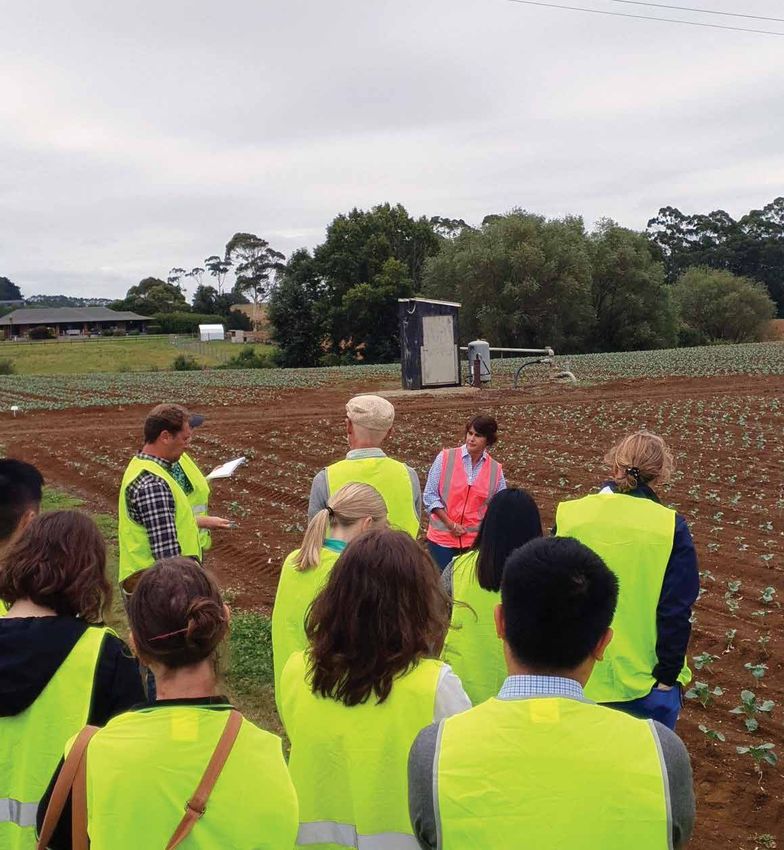
    THRILLS STUDENTS
New Cuc’s on
                   the block

    Carranza                                                                 Caobado
    (Trialed as FHOL 125) Resistances: HR: Cca, Ccu IR: CVYV; CUSDV          (Trialed as FHOL 180) Resistances: HR: Cca; Ccu IR: Px; CVYV; CYSDV
    Suitable for autumn, winter and spring plantings. Vigorous plant, open   Vigorous plant with a strong root system, open plant habit. Dark green
    habit with medium length. Good in cold conditions. Strong root system    leaves with short internodes for ease of crop work, strong partial
    enables high yield of 32-35cm dark green fruit.                          resistance to Powdery Mildew. Fruits are of 31-34cm length, minimal
                                                                             neck, capable of high yields of dark green fruits of high quality.
                                                                             Recommended for autumn, winter, spring production.

     t h v a r ieties
  Bo             y
      are verively
              it
   compeitced
         pr
                                                                                                                                                      MARCH 2021

71F Montgomerie Road, Airport Oaks, Auckland 2022. P O Box 107036, Auckland Airport, Auckland 2150.
           FHOL005
           Phone: 09 275 6800       Fax: 09 275 6802 Email: office@premierseeds.co.nz
                                     COMPANY MANAGER: CHRIS BONE 0272 444 664
                                   GLASSHOUSE CROPS: IMKE BLACKETT 0272 444 611
                  Dutch cucumber UPPER NORTH ISLAND: MICHAEL RAWNSLEY 0272 444 639
                                    LOWER NORTH ISLAND: KEN JEANES 0272 444 654
                                    SOUTH ISLAND: BENJAMIN CARRELL 0272 444 651

                  Long cycle
CONTENTS
UP FRONT
2    President’s Word: “Bristling with risk” and RSEs
     inhibiting productivity improvements?
4    The Chief Executive: Impact of Covid-19: we must
     work together

YOUR LEVY AT WORK
                                                                18
6    Natural resources and environment
8    Programme thrills students
10   Growers get ready as FEP deadline draws near
                                                                                                                             42
14   Health and safety in horticulture

YOUR INDUSTRY
16   Pukekohe’s unique growing conditions worth
     fighting for
18   Season challenges even the toughest of growers
                                                                                      16
20   Three new CEOs sought for top roles
22   When ‘absence’ is a measure of success
24   Fresh2U fulfils need
26   While 2021 feels very much like 2020, now is the time
     to be bold
28   Staying Farmstrong
30   Taking women’s leadership to the next level
32   Crops stressed by third dry in a row
34   Nitrogen efficiency increased
36   Climate change and horticulture
38   New service a lifeline during Covid
40   Study opportunity turns life around for young whānau       38
42   Country’s largest hop grower continues to expand
44   Biosecurity 101: How MPI works to protect growers

                                                             ON THE COVER:
TECHNICAL
                                                             Pukekohe’s unique soil, see page 16.
49   Understanding the essential plant nutrients             Photo by Trefor Ward.
52   Humidity control in the GPE approach
54   FAO’s global soil partnership
56   Boom or bust summer – focus on northern NZ

PRODUCT GROUPS                                                 WHAT'S NEW
                                                               A regular advertorial section of new products and services. This
59   Process Vegetables NZ Inc.
                                                               publication does not endorse the products or services featured here.
60   Vegetables NZ Inc.
62   Potatoes NZ Inc.                                          66    More affordable dehydrators
64   TomatoesNZ Inc.                                           67    Choosing the right technology for size reduction,
                                                                     slicing and cutting solutions
                                                               68    A rich history of supporting growers’ interests

                                                                                                       NZGROWER : MARCH 2021      1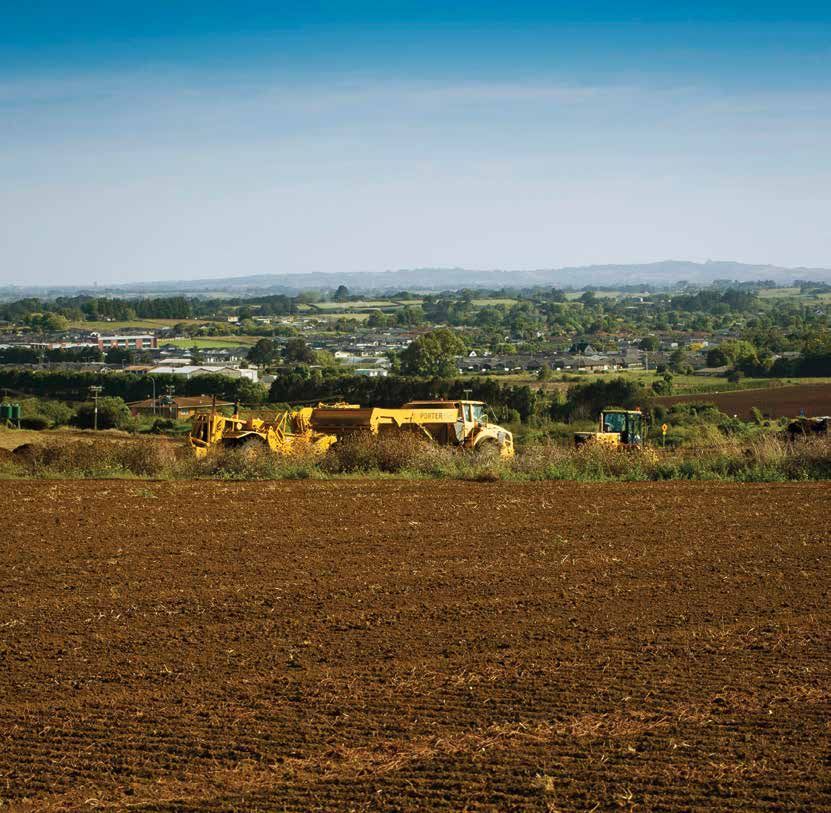
PRESIDENT’S WORD

“BRISTLING WITH RISK”
AND RSES INHIBITING
PRODUCTIVITY
IMPROVEMENTS?
Words by Barry O’Neil, President : HortNZ

Rabobank’s Agribusiness                      Climate Change Commission’s draft          It disturbingly claims that migration
                                             report and its impact on growers.          policy settings are inhibiting
Outlook 2021 report concludes                                                           productivity improvements.
                                             But the growers I know are resilient
that while the outlook for the               types, who quickly pick themselves up      These claims are made in a supporting
year is “bristling with risk”                from a knock-down, and get on with         report by the New Zealand Institute
and bumps are anticipated, on                doing what they do best – growing.         for Economic Research (NZIER), which
                                             So let’s hope the Rabobank report is       includes the RSE scheme as part of a
the flip side, most agricultural             accurate about above average pricing.      wider discourse on migrant labour. Its
sectors can expect average                   Let’s also make sure we are supporting     conclusions are that the primary sector
to above-average pricing,                    those that have had knock-backs, as it’s   is reliant on low-cost migrant labour
                                             always reassuring to know that others      and is not attractive to Kiwis, due to low
manageable cost inflation and                are thinking of our well-being.            wages and working conditions.
production to hold up well.                  But then it got worse when I read the      It claims successive changes to New
“Bristling with risk” is not what I would    Productivity Commission’s review           Zealand’s migration policy settings
call the current scenario facing many of     called New Zealand firms: reaching         have seen the skill levels of permanent
our growers, who can’t find sufficient       for the frontier, which made me rather     migrants fall, and the skills of temporary
labour for harvest due to political          despondent and frustrated.                 migrants are now at or below the
restrictions on access to Recognised                                                    New Zealand average. This, the report
                                             The review starts off okay and is
Seasonal Employer (RSE) scheme                                                          claims, has encouraged businesses to
                                             primarily focusing on innovation as the
workers. Even if they manage to                                                         continue to rely on low-cost migrant
                                             key to New Zealand’s economic future.
harvest and pack their crops, growers                                                   labour, which has inhibited productivity-
                                             At a high level, it seems to make good
are struggling to find reliable and                                                     boosting investment in capital and
                                             sense, calling for:
affordable shipping.                                                                    innovation.
                                             • A greater focus on exporting
And these are the lucky ones, who                                                       The NZIER report recommends
                                               specialised products at scale to
weren’t rained on in Central Otago and                                                  the current border closures due to
                                               overcome New Zealand’s hurdles
lost more than 60% of their cherry crop,                                                Covid-19 present an opportunity to
                                               of size and distance.
or smashed by hail in Nelson and lost                                                   review and reset migration policy. “The
                                             • An overhaul of the innovation
not only 100% of this year’s kiwifruit,                                                 Government should focus migration
                                               ecosystem to support firms and
apple and hops crops, but also been                                                     policy more on lifting productivity,
                                               drive innovation.
left with damaged trees and vines that                                                  by having a principle of primarily
                                             • Focused government investment
will take years to fully recover.                                                       accepting only highly-skilled migrants,
                                               in areas of existing or emerging
                                                                                        and over time reducing the inflows of
“Bristling with risk” is one way of saying     economic strength and
                                                                                        low-cost temporary workers,” it says.
growing comes with challenges. As              competitive advantage.
growers, we know there will be curve         • Collaborative, focused efforts           I really struggle with the concept that
balls and tests. Who, a year ago, could        by the government, industry and          our Pasifika workers are low-skilled, or
have foreseen that we would not have           researchers on innovation policy         that they are low-cost. Try and keep
access to RSE workers and backpackers          and investments.                         up with them picking to see the skills
to harvest and pack our produce?                                                        these fantastic workers have, who are
                                             But the review goes totally off the
And that we’d be waiting for the                                                        rewarded for their work with the piece
                                             rails when it gets to the section and
government’s response to the                                                            rates being paid.
                                             recommendations on migrant labour.

2   NZGROWER : MARCH 2021
Secondly, the NZIER report assumes we       And automation? Unfortunately, I hear
can replace skilled Pasifika workers with   too many ill-informed people who
Kiwis or with automation. The job scene     believe we just need to invest and it will
has tightened up incredibly over the        happen. Of course, it’s a road we have        Editor:
past six months. Somewhat surprisingly,     all wanted to go down and many have           Andrew Bristol
Statistics New Zealand data shows that      invested significantly, such as in the        Ph: 04 470 5665
                                                                                          Email: andrew.bristol@hortnz.co.nz
the jobless rate dropped from 5.3% in       apple and kiwifruit industries. However,
                                                                                          Advertising Manager:
the September quarter to 4.9% in last       in my opinion, it’s not going to happen
                                                                                          Debbie Pascoe
quarter of 2020.                            on most orchards for some time if at all.
                                                                                          Ph: 027 485 8562
                                            Why? Because orchard structures and           Email: dpascoe@xtra.co.nz
                                            the associated environment often can’t
                                                                                          Design:
                                            handle the size and scale of machinery        Scenario Communications
  Somewhat                                  that is needed to be commercially             Ph: 04 385 9766
                                            viable.                                       Email: joy@scenario.co.nz
  surprisingly, Statistics                                                                Subscriptions:
                                            We have all seen videos of orchards
  New Zealand data                          with unmanned ground machines.
                                                                                          Email: info@hortnz.co.nz

  shows that the                            While they might look futuristic, they
                                            sometimes look to me just like toys, and
  jobless rate dropped                      little has come of the associated hype.
                                                                                          NZGrower is produced by
                                                                                          Horticulture New Zealand and is free
  from 5.3% in the                          But with some production systems, such        for all levy payers. The magazine is
  September quarter                         as potato or onion and other vegetable        also supported by: Vegetables New
                                                                                          Zealand Inc, Process Vegetables NZ,
                                            harvesting, where you can get the big
  to 4.9% in last quarter                   kits into the paddock to do the work          TomatoesNZ, Potatoes New Zealand
                                                                                          Inc, Onions New Zealand Inc.
  of 2020                                   and the growing system supports it,
                                            automation has already happened or is         The individual comments and views
We know when unemployment                   happening.                                    in this magazine do not necessarily
gets low, we struggle to get fit                                                          represent the view of Horticulture
                                            But where automation is the most              New Zealand.
and employable workers into our
                                            suited is in the packhouse. The industry
businesses. Currently, we have a                                                          ISSN: 2230-2700
                                            is already investing and seeing huge
situation where seasonal workers are
                                            technology advances, whether that be
not available or the Kiwis available are
                                            automated camera grading systems,
predominantly urban unemployed who
                                            robotic packers and stackers, or fully
do not want to move and/or do not
                                            automated coolstores. Real labour
want to work in the primary sector.
                                            savings and efficiency gains have
And what about greater recognition for      resulted, but packhouses are a far
the real benefit to Pacific communities     easier challenge, with a dry and clean
from the RSE scheme and the                 standardised environment, than on
generosity of New Zealand businesses?       the orchard.
If it weren’t for the scheme, more New
                                            Innovation is being introduced into
Zealand aid money would be needed
                                            the horticulture sector on a daily
to support communities who are now
                                            basis, whether that be new varieties,
able to fund their own way.
                                            improved growing systems or moving                      This publication uses vegetable based
                                                                                                    inks and environmentally responsible
The NZIER report doesn’t acknowledge        away from harder chemicals. But the                     paper produced from Forest Stewardship
that a key factor in the significant        reality is that some activities will remain             Council® (FSC®) certified, Mixed Source
                                                                                                    pulp from Responsible Sources.
growth of the horticulture sector has       the same, and we need seasonal
been the certainty of seasonal labour       labour – especially the RSE scheme – to                 Paper produced using Elemental
                                                                                                    Chlorine Free (ECF) and manufactured
through Pasifika and backpacker             complement our Kiwi workers.                            under the strict ISO14001 Environmental
                                                                                                    Management System.
workers. This labour resource has
                                            Lastly, to those growers that have
resulted in significant economic                                                          This magazine is posted in an EcoPure plastic
                                            suffered crop losses from rain, hail as       sleeve. EcoPure accelerates the biodegradation
benefits for New Zealand and our                                                          of treated plastics in microbe-rich environments.
                                            well as drought now, we really feel for       Plastics made with EcoPure are biodegradable in
communities, something that will be
                                            you and wish you all the best in getting      aerobic and anaerobic environments.
put on hold if we shoot ourselves in the
                                            back on your feet.
foot here.
                                            Kia kaha!

                                                                                                           NZGROWER : MARCH 2021              3
THE CHIEF EXECUTIVE

IMPACT OF COVID-19:
WE MUST WORK TOGETHER
Words by Mike Chapman, Chief Executive : HortNZ

The tentacles of Covid-19 are once again                           Both with horticulture and government there are many
                                                                   competing factions, all with laudable intentions, but
impacting on our freedom of movement and                           without direction and cohesion they are counteractive and
our ability to produce healthy food.                               impediments to progress. Even a modicum of co-operation
                                                                   will achieve unbelievable and long-lasting results. There are
This is the end that the public and our consumers see.             great examples where we collectively have achieved that –
But what they do not see is the impact Covid-19 is already         for instance, the career progression manager network. Their
having when it comes to shipping, seasonal labour,                 achievements in attracting workers and developing careers
restrictions on growing and packing operations and so              for our workers are paying huge dividends. This is a prime
on. What neither the government nor the public appear to           example of industry and government working together to
recognise is that in addition to the health impact, there is the   find employment and careers for New Zealanders.
economic impact that comes from all the additional costs
that Covid-19 has imposed on industry. This will be made           Building a cohesive and unified approach as we face
worse by not having enough seasonal labour for harvest             the current uncertainties and challenges is the only way
and then winter pruning.                                           I think we will be able to continue to feed New Zealand
                                                                   healthy food. The collective horticulture industry groups
What is very apparent is the only way we are collectively          have already developed a Covid-19 recovery strategy
as a country going to survive the twin health and economic         that focuses on our key challenges: labour; production
impacts of Covid-19 is to work together across the whole           systems and natural resources; data, monitoring and
country. To do this we need a collective vision and strategic      communication; trade, policy and government; diversity
direction for government and industry. We need to bridge           and partnerships; and innovation and automation.
the gap between what we know we need to do for New
Zealand and the government cohesively enabling that.
There are already examples of where we work well with
government, and as with any working relationship, there
is always room for improvement.
                                                                     ... the only way we are collectively
There are many challenges facing horticulture in addition
                                                                     as a country going to survive the
to Covid-19 – freshwater and climate change regulation,              twin health and economic impacts of
regulation enabling us to grow healthy food and the long             Covid-19 is to work together across
overdue overhaul of the Resource Management Act. If
a piecemeal and fragmented approach is taken as we                   the whole country
are forced to meet these challenges, we will miss a real
                                                                   What we need to do is link these key challenges into a
opportunity as a sector and as a country to make a real
                                                                   cohesive plan that government supports with its own
lasting difference.
                                                                   initiatives and resources. We need the road map of where
                                                                   we are going and how we are to get there. We need to
                                                                   focus on the main activities that will collectively deliver the
                                                                   most impact and results, not only for horticulture but for
    There are many challenges facing                               New Zealand, by engaging and working together with the
    horticulture in addition to Covid-19                           same goals and values. This is what we will be working on in
                                                                   the coming months – our integrated and collective industry
    – freshwater and climate change                                and government plan for the future.
    regulation

4    NZGROWER : MARCH 2021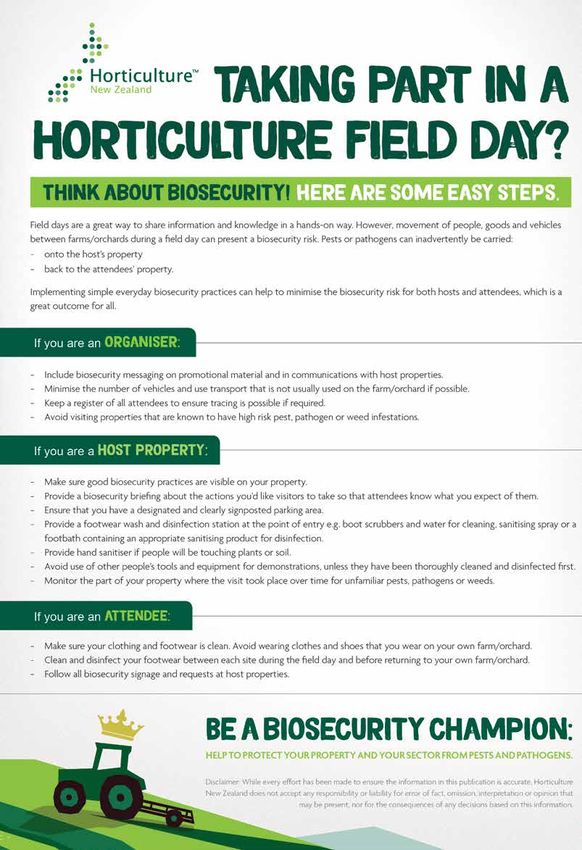
Thinking vegetable seeds? Think Terranova.
    Spinach                                                                                 Hybrid Cabbage

Sunangel                                                                               Lambada
•   Very high yield potential.                                                         •   Dark green colour with flat round head shape.
•   Robust, semi-savoy, dark green leaves.                                             •   Good field holding ability.
•   Best suited to shoulder and warm season.                                           •   Large plant frame size. Short round core.
•   Similar time-slot to Kookaburra RZ.                                                •   Versatile harvest time slot.
•   Resistances: HR:Pe:1-9,11-17 IR:Pe:10

    Iceberg Lettuce                                                                        Onion

Siberinas RZ                                                                           Pendarves
•   Vigorous variety for spring harvest.                                               •   Early maturing hybrid, with very good bolt tolerance.
•   Large frame and head size.                                                         •   Large globe shaped bulbs with high yield potential.
•   Well layered leaf structure suitable for processing.                               •   Very strong seedling vigour for good establishment.
•   Round head shape with some leaf blister.                                           •   Good skin quality and retention.
•   Resistances: HR: Bl:16-26,31,32EU/Nr:0/Pb                                          •   Medium firmess of bulbs.

Upper North Island Alan McKee, Mobile: 021 956 701, Email: alan.mckee@tnseeds.com
East Coast & Manawatu Graeme Jackson, Mobile: 021 396 359, Email: graeme.jackson@tnseeds.com
Ohakune & Horowhenua Kathryn Wells, Mobile: 021 475 482, Email: kathryn.wells@tnseeds.com
South Island Roger Banfield, Mobile: 021 352 764, Email: roger.banfield@tnseeds.com
Auckland/Protected Cropping Ingrid Ennis, Mobile: 021 435 493, Email: ingrid.ennis@tnseeds.com
                                                                                                                 www.terranovaseeds.co.nz
Freephone: 0800 TERRANOVA (0800 837 726) Customer service: Ph: 09 275 1919 Fax 09 275 2021
                                                                                                                                                                 LK-TS155

                                                                                                                                     NZGROWER : MARCH 2021   5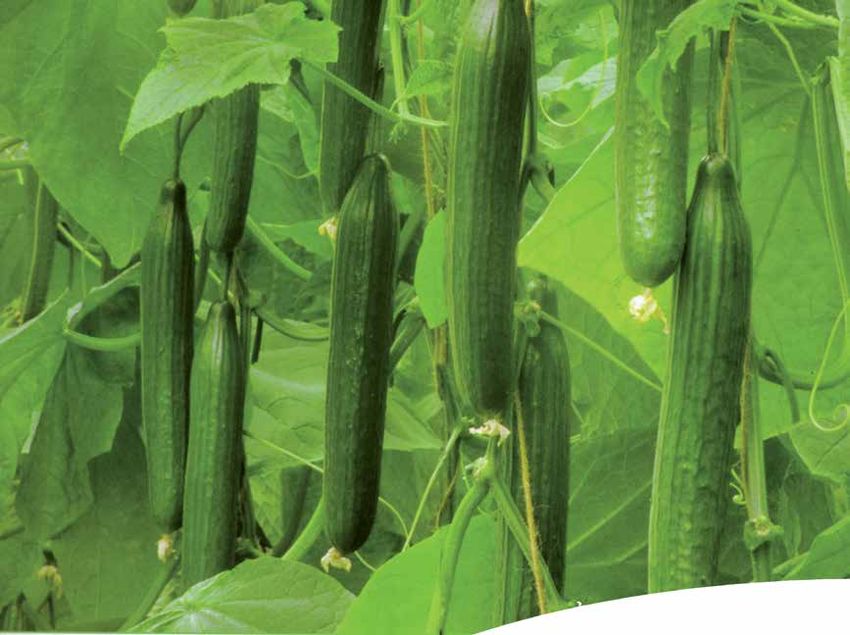
YOUR LEVY AT WORK

YOUR LEVY AT WORK
INDUSTRY WIDE ISSUES FOR INDUSTRY GOOD

NATURAL RESOURCES
AND ENVIRONMENT
          RESOURCE MANAGEMENT                                             WATER
The government has announced its intention to split the         Water Services Bill
Resource Management Act into three different sets of
                                                                HortNZ is developing a submission on the Water Services Bill.
legislation:
                                                                The bill will implement the government’s decision to
• The Natural and Built Environments Act (NBEA) – to
                                                                comprehensively reform the drinking water regulatory
  cover land use and environmental regulation.
                                                                system. The Bill establishes Taumata Arowai as the new
• Strategic Planning Act (SPA) – other legislation relevant
                                                                national water services Regulator.
  to development and long-term regional spatial
  strategies.                                                   Key points on the Water Services Bill:
• Climate Change Adaptation Act (CAA) – managing                • The implementation of Te Mana
  retreat and funding/financing adaptation.                       o te Wai.
Key points on the proposed Natural and Built                    • Drinking water suppliers to
Environments Act:                                                 provide safe water through the
                                                                  development and implementation
• Regional and District Plans will be replaced by One
                                                                  of safety plans.
  Plan per region.
                                                                • The protection of source
• Positive outcomes to the environment are to be
                                                                  drinking water by suppliers
  identified and promoted prior to consideration of
                                                                  through the development and
  management of adverse effects.
                                                                  implementation of source water
• Biophysical limits are seen as central to protecting and
                                                                  protection plans.
  sustaining natural resources.
                                                                • Registration of drinking water suppliers.
• Those who exercise powers and functions under the
                                                                • Multiple barriers to contamination being adopted.
  Act will be required to give effect to the principles of Te
                                                                • Ongoing monitoring and reporting.
  Tiriti o Waitangi.
• National direction will be consolidated into a ‘National      The new requirements for water suppliers will apply
  Planning Framework’.                                          to anyone who supplies water to others for domestic
                                                                purposes. These regulations will capture some irrigation
The proposed consultation will be via a select committee
                                                                schemes, and some small supplies serving multiple users
process. The key dates are a draft Bill in May, and then
                                                                such as packhouses and worker accommodation.
the Bill to be introduced to parliament and considered by
select committee in December, with the intention that all       HortNZ has been engaging with growers and irrigation
three pieces of legislation be passed by the end of 2022.       schemes, and will make a submission in March.

Horticulture New Zealand will develop a submission on
the draft Bill following consultation with product groups,
district associations and growers.

6   NZGROWER : MARCH 2021
CLIMATE CHANGE
Climate Change Commission                                   There are opportunities for horticulture identified within
HortNZ is developing a submission on the Climate Change     the report, with horticulture expansion identified as being
Commission advice to government on reducing emissions       an opportunity to achieve emissions reductions for New
and adapting to climate change.                             Zealand. The proposed reduction in the use fossil fuel
                                                            for heat highlights the challenge of developing viable
Key points from the Climate Change Commission’s report:     alternative heating sources for glasshouses.
• New Zealand’s 2050 carbon zero target is achievable       Feedback will be sought from product groups and district
  but not under current policy.                             associations, and HortNZ will make a submission in March.
• Three new targets: 2% reduction on 2018 greenhouse
  gas emissions by 2025; 17% cut by 2030; and a 36%
  cut by 2035.
• Maximum cost of $33.7 billion across 14 years, which is
  suggested to be significantly lower than predicted due
  to technological advances.
• Biggest impacts are to Transport (required emission
  reduction 50% by 2035) and heat, industry and power
  (required emission reduction 44.6% by 2035).
• The cost of keeping emissions within the
  recommended carbon budgets is estimated at around
  1% of New Zealand’s GDP (Gross Domestic Product)
  in 2050.                                                       Go to www.climatecommission.govt.nz to see
                                                                 the full Climate Change Commission’s report.

                                                                                                  NZGROWER : MARCH 2021   7
YOUR LEVY AT WORK

PROGRAMME
THRILLS STUDENTS
Words by Alex Tomkins

Fourteen tertiary students                    The trip started in Christchurch and         • Finite to infinite mindset
                                              delved straight into the vegetable             Students saw this in businesses
from Massey, Lincoln,                         seed industry while also looking at            where Kaitiakitanga and
and Victoria Universities                     precision horticulture. The group              Manakitanga – showing respect for
completed a two-week                          made their way up the South Island             people and the land – were core
                                              visiting Kaikōura, Marlborough and             values and reflected throughout
horticulture expedition                       Nelson where they were exposed to              the business and their story. Within
around New Zealand late                       diversified farming systems, viticulture,      the horticulture sector, there is an
                                              hops, boysenberries, and Māori                 increasing shift in business values
last year.                                    AgriBusiness. The second week was              from a finite to an infinite mindset
The group comprised students from             spent in the North Island, focusing on         which is focused on long-term
a range of disciplines including              the kiwifruit industry, the apples sector,     prosperity.
Horticultural Science, AgriBusiness,          and agri-tech.
                                                                                           • Consumer driven, Intellectual
Food Marketing, Food Technology,              The programme ended in the capital             Property (IP) controlled value chains
and Engineering.                              with the students presenting their             During the AHIP study trip, students
The Aotearoa Horticulture Immersion           insights to the Ministry for Primary           observed the consumer driven
Programme (AHIP) was run by the               Industries (MPI) and HortNZ.                   nature of horticulture with growing
Massey Business School and NZ                                                                IP and Plant Variety Rights (PVR)
                                              Major observations and insights from
Apples & Pears, with support from                                                            controlled value chains, which
                                              the trip include:
AGMARDT (Agricultural & Marketing                                                            bring significant value to the sector.
Research & Development Trust), Zespri         • Two-speed economy model
                                                                                           • Data transparency and open
and Horticulture New Zealand.                   Within the horticulture industry,
                                                                                             innovation
                                                uneven growth rates within sectors
Students were exposed to the different                                                       Going forward, increasing
                                                have resulted in a two-speed
value chains, various business models                                                        collaboration within innovation
                                                economy. This is seen through the
and potential career opportunities.                                                          and data transparency will allow
                                                rapid growth of large corporate
The trip enabled students to grasp                                                           for the technology and automation
                                                land management compared to
the sector’s future challenges and                                                           to improve efficiency and solve
                                                smaller individual growers. Also,
opportunities. Students experienced                                                          industry wide problems.
                                                product groups primarily selling
the entire horticulture value chain from        to export markets that are non-            • The missing middle of leadership
plant breeding to the end consumer.             commodity and high returning are             talent
The group saw first-hand the potential          growing significantly faster than            Over the next decade, a large
role of technology, engineering                 commodity horticultural products             proportion of industry managers
and data management to improve                  sold on the domestic market.                 and leaders will begin to retire.
horticulture production efficiency and                                                       Therefore, developing future
environmental sustainability, and to          • Volume to value to values
                                                                                             leaders and talent within horticulture
provide a longer-term solution for              Historically within New Zealand’s
                                                                                             to ensure knowledge is passed on
labour challenges.                              primary industries and horticulture
                                                                                             needs to be an industry priority.
                                                sector, there has been a shift from
Throughout the trip, the bus was                volume to value. Recent transitions
used as a moving classroom, allowing            have seen a shift to values-based
students to reflect, debate, and critically     business models, with importance
analyse their learnings and insights            placed on longevity and prosperity
from visits. Students were challenged to        for future generations.
think about their observations in terms
of opportunities and implications for
the future of horticulture.

8   NZGROWER : MARCH 2021
Alex Tomkins Geoff Lewis
Alex Tomkins was the When you combine the
inaugural winner of knowledge of a third- BED FORMERS
the Fruitfed Supplies generation grower with
Horticulture Scholarship eager to learn university
with Massey University. students, sparks fly.
Alex has now finished her Geoff Lewis – asparagus and
studies at Massey University strawberry grower and founder
graduating with a Bachelor of of Lewis Farms and Tendertips
Agri Commerce, majoring in – explained to students the
International Agri Business. She importance of diversity, a longevity
has secured a role within the approach to business planning
graduate programme at Southern and collaboration. ROTARY HOES
Cross Horticulture in the Bay of
Geoff has diversified his operations
Plenty. This role will enable her to
with dairy, asparagus and
get first-hand experience with a
strawberries. The complementary
vertically integrated business in
seasons of asparagus and
the kiwifruit industry.
hydroponic strawberries provide
“I’m really interested in the work for employees almost all
export orientated kiwifruit, apple year round, reducing reliance
and avocado sectors and how on seasonal labour. Tendertips
these crops tie in with all I’ve has been growing and packing
learnt throughout my degree, asparagus for 40 years. Succession
from horticultural production to planning and longevity is a key POWER HARROWS
supply chain management and part of the Lewis family’s operation
international marketing,” says Alex. to ensure the business continues
to be passed to future generations.
For Alex, receiving the Fruitfed
Supplies Horticulture Scholarship The asparagus grader and packer
has helped her enormously. It used by Tendertips is a testament
was Fruitfed Supplies Technical to Geoff’s understanding of
Advisor Celese Prior, whom the need for collaboration with
she met at university, who first innovation and technology
suggested she apply for the investment, as no one grower can
scholarship. do it all alone. Geoff partnered
with a Massey University student
“I’m really grateful for the financial
research project to develop the
STONE BURIERS
support. I would definitely
technology used for grading
recommend applying for the
asparagus in the Tendertips
scholarship as it has helped me
packhouse. As an industry, how can
make industry connections.”
we leverage university students 0800 327 642
to be the innovation engine and sales@farmgard.co.nz
problem solvers for growers? www.farmgard.co.nz
NZGROWER : MARCH 2021 9YOUR LEVY AT WORK
GROWERS GET READY AS
FEP DEADLINE DRAWS NEAR
Words by Kristine Walsh
Some Farm Environment Plans (FEPs) will soon
be mandatory in Gisborne and it is hoped lessons
learned there will help inform growers around
the country when it is their turn.
Under the Tairawhiti Resource Management Plan, FEPs will
be compulsory in Gisborne from 1 May this year for any
farm that grows annual crops or commercial vegetables,
or intensively farms animals.
And while there has been some confusion around when,
where and how FEPs for other producers will become
mandatory, growers are being advised to be proactive not
only so they are compliant, but as a potential boost for their
businesses as well. “Growers want to do the right thing but we do feel it is very
For those in Gisborne who do have deadlines to meet, hard to find the right information around what that actually
Horticulture New Zealand organised workshops that started is,” says Gisborne Produce Growers Association chair
on 11 February and continued into March to guide them (and Process Vegetables New Zealand board member)
through mapping their properties and working out how Calvin Gedye.
they operate around nutrient, irrigation and biodiversity To be fair, GDC was one of the first local bodies to
practices. introduce mandatory FEPs and was itself operating in a bit
The workshops stepped growers through the process using of an information vacuum. It could not, for example, give
the Environmental Management System (EMS) add-on details on when FEPs would be compulsory for growers
module designed, certified and audited by the HortNZ- of permanent crops because it had “not yet received new
owned NZGAP (New Zealand Good Agricultural Practice). directives from central government.”
But even as more than 20 growers gathered for the first In that context, HortNZ says the work it and other
workshop, they did not know whether the audited NZGAP primary sector organisations are doing with both central
add-on would be accepted by Gisborne District Council government and GDC will likely give clarity to other local
(GDC). bodies as the FEP system rolls out around the country.
“Industry templates are accepted by GDC in their rules, but In Gisborne, HortNZ is preparing a case study of a local
we are seeking acceptance of the EMS audit in lieu of a grower to show Council the layers of information that sit
Council review of each FEP,” says HortNZ sustainability and behind an NZGAP farm plan “to provide them assurance
extension manager Ailsa Robertson. that growers using the EMS are meeting their requirements.”
“The EMS framework involves a grower using the FEP “So we are actively working to seek recognition of EMS farm
template, and the independent auditor using the EMS audit plans and the EMS audit,” says HortNZ sustainability and
checklist. This checklist is aligned with the EMS standards, extension manager Ailsa Robertson.
which are benchmarked to regional council requirements, “At the same time we are lobbying central government
so these parts all come together in one, comprehensive to accept industry assurance programmes, like the GAP
assurance system for farm plans.” schemes, in the new national freshwater regulations. If we
It has been endorsed by Environment Canterbury, but at are successful this would filter down to all councils, which
the time of the first workshop, GDC said it was “currently would offer a lot more clarity going forward.”
evaluating whether this pathway can be used as a Farm In addition to the Gisborne sessions, HortNZ has already run
Environment Plan (and) a decision is expected in the NZGAP add-on workshops in Pukekohe, and plans to do the
near future.” same in Levin, Hawke’s Bay, Marlborough, Central Otago
and Northland.
10 NZGROWER : MARCH 2021Addressing the attendees in Gisborne, Ailsa Robertson said engineering consultant Andrew Barber said it isn’t about
that while FEPs have to be done, they are nothing to be being the best, but about being better.
worried about.
“Don’t panic if you have to tick ‘no’ to a question on the
“A farm plan is basically about documenting what you are checklist … if everyone was up to speed we wouldn’t need
already doing on a day-to-day basis, understanding what FEPs at all,” he said.
your key risks are, and making an action plan to address
“There is no wrong answer – we can’t all be perfect from the
those over a period of time.”
get-go – it is about finding and acting on opportunities to
In town to guide growers through the process, agricultural take action.”
DRAFT “We know many farmers are already
working to identify and reduce
It’s about understanding a farm’s risks,
and then continuous improvement
FRESHWATER risks to the environment on their
properties and we intend that the
moving the farm in the right direction.”
REGULATIONS
MfE and MPI are engaging with
certified FWFP system will build
stakeholders and experts in farm
DUE MID-YEAR
on this, providing a mechanism
planning (from industry, councils
to help farms comply with the
and Māori) during drafting of the
National Environmental Standard for
regulations and it is expected that
Freshwater Management,” she says.
Aside from the issue of Farm there will be public consultation in
Environment Plans, the Ministry “In many cases a farm’s existing plan mid-2021, Maggie Rogers says.
for the Environment (MfE) and the may be able to be transitioned or
“The final regulations are expected to
Ministry for Primary Industries (MPI) adapted to meet requirements for a
be in place in 2022 and there will be
are also working on the development certified FWFP (and) this could apply
a gradual roll-out of the new system,
and introduction of certified to the NZGAP Farm Environment
by catchment areas, based on a
Freshwater Farm Plans (FWFPs). System audited add-on, providing
range of priority criteria.
it meets the requirements that are
The requirement comes as part being developed. “Freshwater Farm Plans will become
of the Resource Management part of a wider programme of
Act Amendment Act 2020, and “Until the new Freshwater Farm Plan
continuous improvement in on-farm
according to MfE climate and water regime is in place in their area farmers
environmental management, as part
agriculture analyst Maggie Rogers, should continue using any existing
of the government’s road map to a
the agencies will confirm the process plans to manage environmental risks.
sustainable future for the food and
for establishing FWFPs as soon Implementing a certified FWFP is an
fibre sectors.”
as possible. ongoing process, not a one-off event.
Driving Crop Performance
Sustained Nitrogen
availability with reduced
leaching
Improves root health, plant
growth and crop quality
Excellent nutrition
Talk to us about the
Make
Novatec Fertigation range
the right
choice
NZGROWER : MARCH 2021 11YOUR LEVY AT WORK
ADD-ON HELPS In the case of one trial involving a
grower producing citrus, persimmons
get NZGAP certification but now it’s
just a normal part of doing business.
GROWERS and kiwifruit, the operator did not
have an on-line map … a requirement
That's how we see the whole EMS/
FEP process.”
GET AHEAD OF for the EMS add-on.
While some growers see the need
THE GAME “So we jumped on Google Maps,
spent an hour drawing it up, and
for FEP or EMS structures as a
regulatory niggle, Mathew Bannister
now it's done,” Mathew says. says there are huge advantages for
An environmental ‘add-on’ could orchardists in particular.
“The bonus is he now has this
help growers get a jump on future fantastic new tool. For example, he “Permanent plantings aren't
demands for Farm Environment now knows he has 2.5km of shelter something you can switch out every
Plans (FEPs), and give their belt so when he books the trimmer, year, they are there for a generation,
businesses a big boost in the he can be precise with information which is why we describe growers as
process. and that saves time and money. being incurable optimists,” he says.
Supporting its grower group of “It's the same with information about “In the face of all sorts of challenges
around 80 orchardists, Gisborne things like waterways and nutrient they stick with it and just work
marketer First Fresh is helping them budgets. Once you have that in hand towards doing better every year,
achieve Environment Management you have the right background to and plans like these give them the
System (EMS) standards as an add- inform decision-making going into evidence to ensure the decisions
on to their existing NZGAP (Good the future.” they make are the right ones.”
Agricultural Practice) certification.
During the other trial, the grower Some FEP facts
Environment Canterbury has already needed to record carbon emissions
endorsed the EMS as a stand-in which meant measuring their fuel HortNZ says Farm Environment
for FEPs. And as other local bodies consumption, and that led to some Plans (FEPs) help growers
consider whether they will do the interesting conclusions. assess their environmental risks,
same, those growers will be ahead take action where required,
“Linking his fuel use to his income
of the game as FEPs become and demonstrate progress on
meant he could see where he had
mandatory around the country. environmental objectives.
been using heaps of diesel even
“None of our growers can operate when there wasn't a lot of money
without NZGAP certification so what coming in,” Mathew says.
we're saying is why wouldn't you FEPs are not compulsory in many
“Through that he realised he was areas but under the 2020 Resource
also get the EMS add-on? It's good
harvesting and trucking low-grade Management Amendment Act,
for the environment and it’s really,
fruit that wasn't bringing him a they will eventually be “mandatory
really good for your business,” says
return, so he could plan better for and enforceable.”
First Fresh compliance co-ordinator
next season to avoid that wastage.
Mathew Bannister.
So not only did he fulfil his reporting
“Growers can focus on making any requirements, he improved his HortNZ is working with councils
adjustments highlighted by the operation as well.” around the country to see its
information in their plan and that NZGAP (Good Agricultural
In both of the trial cases, setting up
makes for better practice, and much Practice) Environment
the EMS allowed the growers to see
better business.” Management System (EMS)
any gaps between what they were
add-on approved as a stand-in
First Fresh had already worked on already doing and what the EMS
for an FEP.
helping its growers get NZGAP's required, and according to Mathew
Social Practice add-on – which Bannister, “the difference was
addresses labour force issues in the negligible”.
The NZGAP programme covers
industry – and with that done, the
“Because our growers are already risk assessment and good practices
EMS is the “first cab off the rank.”
doing such a lot of good work, to manage resources, including
And to get the ball rolling Mathew meeting EMS expectations is not a protection and sustainable use of
did trials with a couple of growers to big challenge and that's what's given land and water; responsible use of
see just how easy it is, and what sorts us the confidence to get behind it. agrichemicals and fertilisers; waste
of benefits can be achieved. management; biodiversity; and
“Just a few years ago some were a
waste, emissions and energy.
bit resistant to the requirement to
12 NZGROWER : MARCH 2021Taking part in a
horticulture field day?
Think about biosecurity! Here are some easy steps.
Field days are a great way to share information and knowledge in a hands-on way. However, movement of people, goods and vehicles
between farms/orchards during a field day can present a biosecurity risk. Pests or pathogens can inadvertently be carried:
− onto the host’s property
− back to the attendees’ property.
Implementing simple everyday biosecurity practices can help to minimise the biosecurity risk for both hosts and attendees, which is a
great outcome for all.
If you are an organiser:
− Include biosecurity messaging on promotional material and in communications with host properties.
− Minimise the number of vehicles and use transport that is not usually used on the farm/orchard if possible.
− Keep a register of all attendees to ensure tracing is possible if required.
− Avoid visiting properties that are known to have high risk pest, pathogen or weed infestations.
If you are a host property:
− Make sure good biosecurity practices are visible on your property.
− Provide a biosecurity briefing about the actions you’d like visitors to take so that attendees know what you expect of them.
− Ensure that you have a designated and clearly signposted parking area.
− Provide a footwear wash and disinfection station at the point of entry e.g. boot scrubbers and water for cleaning, sanitising spray or a
footbath containing an appropriate sanitising product for disinfection.
− Provide hand sanitiser if people will be touching plants or soil.
− Avoid use of other people’s tools and equipment for demonstrations, unless they have been thoroughly cleaned and disinfected first.
− Monitor the part of your property where the visit took place over time for unfamiliar pests, pathogens or weeds.
If you are an attendee:
− Make sure your clothing and footwear is clean. Avoid wearing clothes and shoes that you wear on your own farm/orchard.
− Clean and disinfect your footwear between each site during the field day and before returning to your own farm/orchard.
− Follow all biosecurity signage and requests at host properties.
Be a biosecurity champion:
HELP TO PROTECT YOUR PROPERTY AND YOUR SECTOR FROM PESTS AND PATHOGENS.
Disclaimer: While every effort has been made to ensure the information in this publication is accurate, Horticulture
New Zealand does not accept any responsibility or liability for error of fact, omission, interpretation or opinion that
may be present, nor for the consequences of any decisions based on this information.
NZGROWER : MARCH 2021 13YOUR LEVY AT WORK
HEALTH AND SAFETY
IN HORTICULTURE
Words by Kate Trufitt
Last year, 2020, will be remembered for HHSC membership Industry / Organisation represented
Covid-19, lockdown, Labour winning the
New Zealand election, Trump losing the Kate Trufitt Horticulture New Zealand Board
United States election, changes in family Chair and Apata Kiwifruit Ltd
circumstances – the list goes on, both good Antony Heywood Horticulture New Zealand senior
and bad. We faced an ever-changed world, Secretary manager, Vegetables NZ general
manager
still we Kiwis just got on with it and even
Al McCone Worksafe – agriculture lead
managed to have a summer holiday.
Loy Martinez NZ Hothouse – covered crops
Operating during the height of Covid restrictions was a
(vegetables)
unique situation with extremely enhanced requirements
for safety. It was also an opportunity for us all to gain a little Erin Simpson NZ Apples and Pears
more appreciation for the importance of good Health &
Safety practices. Alysha Crockford Mr Apple
In 2021 we look to continue the momentum. While many Sarah Cameron NZ Kiwifruit Growers Inc
think Health & Safety is just a tick the box compliance
requirement, we hope to change this perception by Silua Ettles NZ Winegrowers
offering practical solutions that add value to growers’
businesses.
The HHSC work on behalf on industry to improve Health
The Horticulture New Zealand Board has representatives & Safety practices across horticulture.
from a diverse range of horticulture industries. I am a
director on the Horticulture New Zealand Board and the During 2021, we will continue to update you with the work
chair of the Horticulture Health and Safety Council (HHSC). we are doing and look forward to engaging with more
Antony Heywood is a senior manager of Horticulture New growers on Health & Safety.
Zealand, general manager of Vegetables NZ and is the
secretary of HHSC.
14 NZGROWER : MARCH 2021YOUR INDUSTRY
YOUR INDUSTRY
ACROSS THE SECTOR – ACROSS THE COUNTRY
24 ORGANIC PRODUCE
DELIVEREDYOUR INDUSTRY
PUKEKOHE’S UNIQUE GROWING
CONDITIONS WORTH FIGHTING FOR
Words by Andrew Bristol. Photographs by Trefor Ward
Bharat’s mother in the field Bharat says it all comes back to the soil
Bharat Jivan, whose family has been growing qualities. That’s thanks to where and how they are grown.”
vegetables in Pukekohe for 70 years, says Bharat – who is 50 – says he’s only a caretaker of the land.
He came onto the family farm 20 years ago and considers
Pukekohe’s unique growing conditions are worth himself lucky because his son – who has just finished
fighting for and retaining. university – is happy to carry on working on the farm. Bharat
suspects that his brother Pravin’s son will do the same.
“This is premium growing land that needs to be retained
for vegetable production, but some people think we Jivan Produce grows onions – 70% for export with the rest
should build houses on it. Auckland’s so lucky that for New Zealand – potatoes, lettuce all year round for fresh
vegetables are grown so close to it, however, that did not consumption and processing, and pumpkin and broccoli
happen by chance. This land was identified as fertile soil. If through the winter.
you go south of Pukekawa, the soil changes. Yes, potatoes Bharat says “it’s getting really hard to make a dollar.”
are grown down there but you don’t get the premium price
for them that you get for Pukekohe-grown potatoes. They “We used to crop 80 acres and make a comfortable living
also need washing because retailers don’t want a dusty off it. Now you have got to have scale and with that, you
product. Washing’s fine but it reduces shelf life and makes have to have staff.
the potatoes more prone to greening.” “We employ 12 or 13 people full-time, plus casuals
Bharat says they can plant potatoes as early as 1 June and contractors for seasonal work. That’s been really
because the soil is frost-free. challenging this season but we’re getting by.
“Pukekohe is renowned for these potatoes. Also, when “More and more people want full-time work. That’s one
Ohakune runs out of washed potatoes and carrots in about of the reasons why we now grow broccoli in the winter.
October, this region takes over and fills the gap. It keeps the staff going and it’s good for the ground.”
“It’s all down to soil type and latitude. You can’t just grow Bharat says that when he joined the business, he worked
vegetables anywhere. out that they needed to be caring for the soil a bit more.
“We’ve also got customers in Europe who only want onions “I started applying compost back then and now we do that
out of the Pukekohe region because of their long-keeping on an annual basis. We also grow mustard, oats and barley
16 NZGROWER : MARCH 2021on rotation. We don’t make a lot of money out of the barley “We test every year and have never picked up anything.
but it leaves a lot of straw matter behind. We incorporate We also test for residues every three months, but have
this into the ground and it makes the soil more friable. The never had an issue. That’s because we do everything to
straw’s like a lot of little snorkels. It lets the ground breathe internationally-recognised programmes, which are robust
and prevents it getting compacted, and you see the and independently audited.
benefits in your next vegetable crops.”
“We rigorously adhere to these programmes, which costs
Bharat says it all comes back to the soil. us money. But then produce gets imported that has no
quality assurance programmes behind it. I find that a little
unfair. Also, what assurance do customers have about the
quality or integrity of imported produce?
Bharat says climate change is “My kids won’t eat anything from overseas and more and
happening and it is a concern more people want to know where their food comes from.
And it’s not good enough to just say it’s imported.”
“We’ve been growing here for 70 years and are still
producing really good crops. That’s through sound Bharat says New Zealand vegetables are grown to high
management, also because these soils are volcanic, really standards by caring and passionate growers. “But I do not
resilient and free draining. know if that is appreciated enough. As I’ve said, Auckland
is so lucky that we’re right here and can have fresh
“We purchased more land about a year ago but are not vegetables picked that day delivered 365 days of the
really growing any more crops or acreage. It’s just so we year.”
can rest the ground more, but this is a hard thing to do
as land around here is so expensive – $50,000 an acre or Bharat shared these insights with representatives of
$125,000 a hectare. Auckland Council, the Ministry for Primary Industries,
“And yet, right on our boundary, they are building a school Ministry of Foreign Affairs and Trade, and Ministry for
and around that, more housing. It’s not the best site for a Social Development as a part of an Onions New Zealand
school, which we pointed out – even the local community government officials bus tour in mid-February 2021.
board was against it – but it was too late.”
Bharat says that some local growers “have gone up north
looking for early ground.”
“People also say we could move south of the Waikato River.
But this is our home. We’re not a corporate that can just up
and move. This is where our family is based. Heat Pump
“Plus, all of horticulture’s loyal support industries are right
on our doorstep in Pukekohe. And then we’d have to get
Food
resource consents, which is not easy or cheap.” Dehydrators
Bharat says “climate change is happening and it is a concern.”
“We have a couple of properties that don’t have water and For drying food in an easy and quick way, the economical
we are limited by what we can grow on them. solution to producing value added products, whether you’re
looking to grow your product range or give a new business
“Once that Watercare consent goes through, there’s the kickstart it needs.
not going to be much scope for expanding vegetable Nuts, Berries, Fruits, Vegetables, dry to Slices, Pieces and
production, due to the most limited availability of water. Powders, - with the end result being succulent, healthy, and
tasty dried products every time.
“That said, there’s probably enough water here. We just
all have to be smarter about it and all work together. Unique Features: Because no hot vapour is lost during the
drying process, no energy is wasted, achieving 100% energy
For example, water harvesting in the winter; but it is just recycled. Therefore highly efficient with low energy consumption.
too difficult to build a dam with all the compliance and
• WRH-100 Cabinet series can dry up to 100kg of fresh product
consents. It’s even difficult for Watercare.
• WRH-300 Cabinet series can dry up to 350kg of fresh product
“It’s also very costly and when you are selling potatoes for • AIO-500/600 Chamber series can dry up to 1500kg of fresh
$4.00 to $5.00 a bag, you just can’t justify the investment.” product
Bharat says water quality is good here, despite what
Contact us for free testing for your product, or more information:
people might read or hear about it.
Netropolitan Ltd: 3 St. Georges Bay Rd, Parnell, Auckland
Ph: 09 368 4416, Mob: 021 358 380
Email: sales@netropolitan.co.nz, www.netropolitan.co.nz/brand/ike/
NZGROWER : MARCH 2021 17YOUR INDUSTRY
SEASON CHALLENGES EVEN
THE TOUGHEST OF GROWERS
Words by Andrew Bristol
Kevin (right) with long-term RSE worker
Kevin Bayley, who has been growing fruit for “The plastic crates the supermarkets demanded we
put produce in this season were supposed to arrive in
more than 30 years in the Hawke’s Bay, says the September but are now scheduled for February. It’s also
risk with Covid-19 is that it makes New Zealand increasingly difficult to get parts for tractor and machinery
horticulture unsustainable. repairs.
“There’s going to be a point where New Zealand’s
“The fruit’s been stunning this year – it’s the best I’ve ever economy is affected by worldwide supply shortages.”
seen,” says Kevin.
Kevin is constantly developing his land. “You have to
“The rain in November was the making of the season and keep up with development as trees get old. I have the
it hasn’t been too hot. We winged it with the summerfruit plant variety rights to my own apple, Bay Queen. Ten new
harvest but with apples, there’s just not going to be hectares of this variety has just cost us $1m in set-up costs.”
enough workers to get the crop off.”
Kevin says he enjoys being a grower but it is quite stressful.
Kevin estimates that Hawke’s Bay is going to be about “Some things I just don’t get. New Zealand prides itself
4,000 workers short. as one of the world’s best food producers and yet as a
“Locals can never make up that shortfall and good people grower, there are all these obstacles to negotiate.
are hard to find. Several of my permanent employees have
worked for me for more than 20 years, while some last
for less than a week. That is why we need the Recognised
Seasonal Employer (RSE) scheme, end of story, even What the horticulture industry
though a lot of people are saying that technology is going
to change our dependence. But that’s 20 years away and
does is awesome, it is a good
won’t happen quickly enough.” industry, but there are many
Kevin says thanks to Covid, everything’s in disarray. challenges at the moment
18 NZGROWER : MARCH 2021YOUR INDUSTRY
The Fruit Shop has a loyal following
“Also, the two supermarket chains in New Zealand are
competing with each other to drive returns to growers
down, which is not sustainable. What’s more, customers
want perfect produce, but in New Zealand they’re not
willing to pay for it.”
Five years ago, Kevin set up a shop in Hastings, which his
daughter runs.
“The shop takes a lot of energy and my daughter does a
great job. The shop’s doing really well and is quite iconic
in the Hawke’s Bay.”
Kevin says the horticulture industry is changing. “There
are fewer and fewer family-owned enterprises and land
is being sold to corporates for development. For smaller
growers, it’s getting too hard.
“There are growers pulling out apples before harvest
this season because of the labour shortage. What the
horticulture industry does is awesome, it is a good industry,
but there are many challenges at the moment.”
09 238 0770 021 959 948
nevoda@hyper.net.nz
70 Tuakau Road PUKEKOHE
NZGROWER : MARCH 2021 19YOUR INDUSTRY
THREE NEW CEOS
SOUGHT FOR TOP ROLES
Words by Elaine Fisher
Recruitment is underway for three high profile Horticulture’s growth will bring growing pains, and
Covid-19 issues are far from resolved, including around
chief executive roles within the horticultural shipping and air freight, the world economy and labour,
industry, each offering challenges and but Barry says there’s much to be optimistic about.
opportunities for those appointed to fill them.
Mike Chapman, chief executive of Horticulture
New Zealand, has signalled his intention to step down; Each leaves behind an organisation in
Nikki Johnson, chief executive of New Zealand Kiwifruit
Growers Inc will take up the role of strategic projects
a better place than when they joined
manager with Zespri Global Supply, based in Bologna, The Climate Change Commission report includes
Italy, in April; Stu Hutchings chief executive of Kiwifruit the recommendation of transforming dairy land into
Vine Health has been appointed the new chief biosecurity horticulture at a rate of 2,000 hectares per year from 2025,
officer for the Ministry for Primary Industries. something Barry thinks is very achievable.
Barry O’Neil, chair of Horticulture New Zealand, says these “Horticulture is producing healthy crops with, in many
changes are not unexpected. “These are big, busy roles cases, higher returns per hectare than pastoral farming,
and there’s no hint of jumping ship. Rather for those chief and less impact on the environment.”
executives whose careers are continuing it is a logical
part of their development progression that they want It’s an industry built on innovation, and innovation will
new challenges. continue to help solve future problems including from new
improved plant varieties, biological approaches to pest
“Each leaves behind an organisation in a better place and disease control and increased use of automation to
than when they joined. Nikki, Stu and Mike have carried address labour shortages.
out excellent work, fulfilled their responsibilities as chief
executive of their respective groups and I admire what “Horticulture is a leading light in many of these fields and
they have achieved. it’s a collaborative industry which shares knowledge for the
benefit of all.”
“There is sure to be a large number of people interested in
these roles and they will bring skills and experiences which The HortNZ Board is preferably seeking a New Zealander
will take these organisations to the next level. to fill Mike Chapman’s role. “The board decided the
right person for the role would be a Kiwi who knows
the key players or can get to know them quickly, and
who understands the special cultural perspective of our
industry and Aotearoa New Zealand.”
It’s a great time to be involved in
horticulture as our industry not only
has huge potential for growth but is
also producing healthy, sought-after
foods with lower environmental
impacts than many other land uses
“It’s a great time to be involved in horticulture as our
industry not only has huge potential for growth but is
also producing healthy, sought-after foods with lower
environmental impacts than many other land uses.”
20 NZGROWER : MARCH 2021You can also read


