PRESERVING HOPE IN AFGHANISTAN - Protecting children in the world's most lethal conflict - Unicef
←
→
Page content transcription
If your browser does not render page correctly, please read the page content below
UNICEF
                        CHILD ALERT   December
                                      2019

                    PRESERVING HOPE
                    IN AFGHANISTAN
                    Protecting children in the world’s
                    most lethal conflict
PRESERVING HOPE IN AFGHANISTAN                           1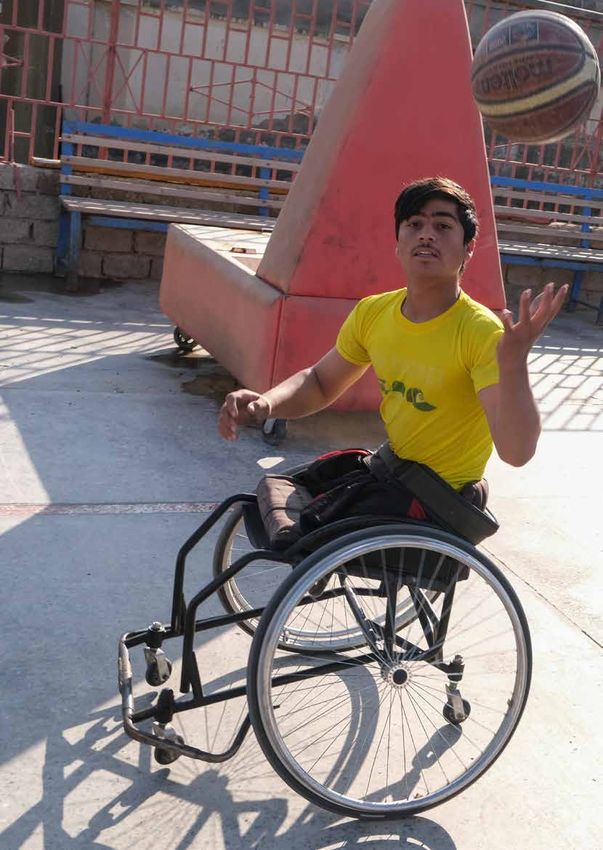
UNICEF Afghanistan acknowledges the generous contributions of the following donors and partners
    without whom its work on behalf of Afghan children would not be possible.

    –
    –
      Afghanistan Humanitarian Fund
      Australia
                                                                                                                                                                      PRESERVING HOPE
    –
    –
    –
      Belgium
      Bill & Melinda Gates Foundation
      Canada
                                                                                                                                                                      IN AFGHANISTAN
    – Central Emergency Response Fund
    –
    –
      The Child and Tree Fund, Denmark
      Education Cannot Wait Fund
                                                                                                                                                                      PROTECTING CHILDREN IN THE
    –
    –
      Estonia
      European Union
                                                                                                                                                                      WORLD’S MOST LETHAL CONFLICT
    – Finland
    – Fundación Carlos Slim
    – Gavi the Vaccine Alliance
    – Germany
    – IKEA Foundation
    – Italy
    – Japan
    – Kiwanis International
    – National Philanthropic Trust
    – Norway
    – Nutrition International
    – Republic of Korea
    – Rotary International
    – Shinnyo-en
    – Sweden
    – United Nations Population Fund
    – United Kingdom of Great Britain and Northern Ireland
    – United Nations Foundation
    – United Nations Office for the Coordination of Humanitarian Affairs
    – United States of America (Bureau of Population, Refugees, and Migration; Centers for Disease Control and
      Prevention; Office of Food for Peace; Office of U.S Foreign Disaster Assistance; United States Agency for
      International Development; Secretary’s Office of Global Women’s Issues)
    – World Food Programme
    – World Health Organization

    UNICEF Afghanistan expresses appreciation for the contribution of partners to our work, including the
    UNICEF family of National Committees, and in particular the National Committees of Germany, Italy,
    Japan and the United States.

    Special appreciation is also due to those partners who contribute to UNICEF Regular Resources and
    Global Thematic Funds, which are critical in implementing sustainable and innovative programmes for
    Afghan children.

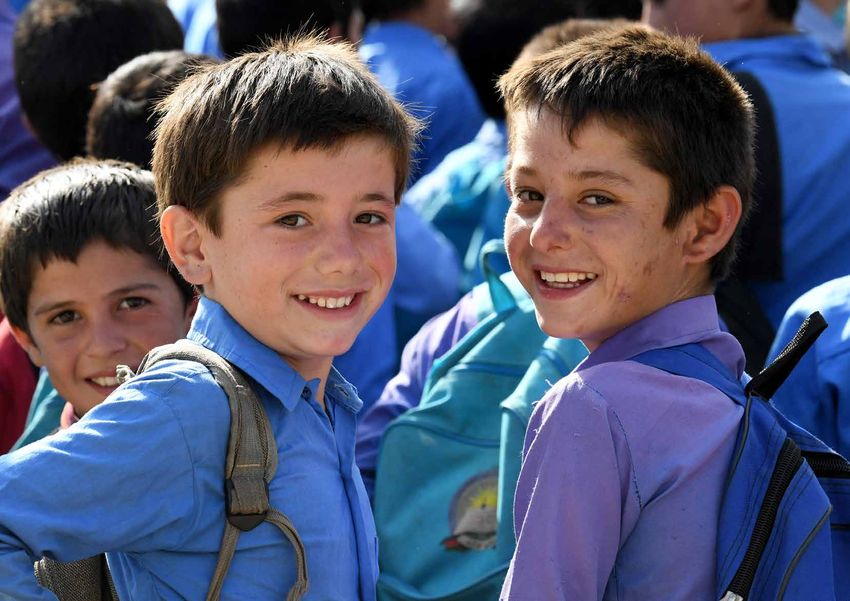
    Cover photo:
    Boys at the Abdul Ahad Karzai orphanage in Kandahar city.

    ©UNICEF Afghanistan/2019/Bouvet

    Published by UNICEF Afghanistan
    UNOCA Compound, Jalalabad Road, Kabul, Afghanistan
    ©United Nations Children’s Fund (UNICEF)

    December 2019

    #AChildisAChild
                                                                                                                                                                                                     #ChildrenUnderAttack
2                                                                                                     UNICEF CHILD ALERT | December 2019   PRESERVING HOPE IN AFGHANISTAN                                               3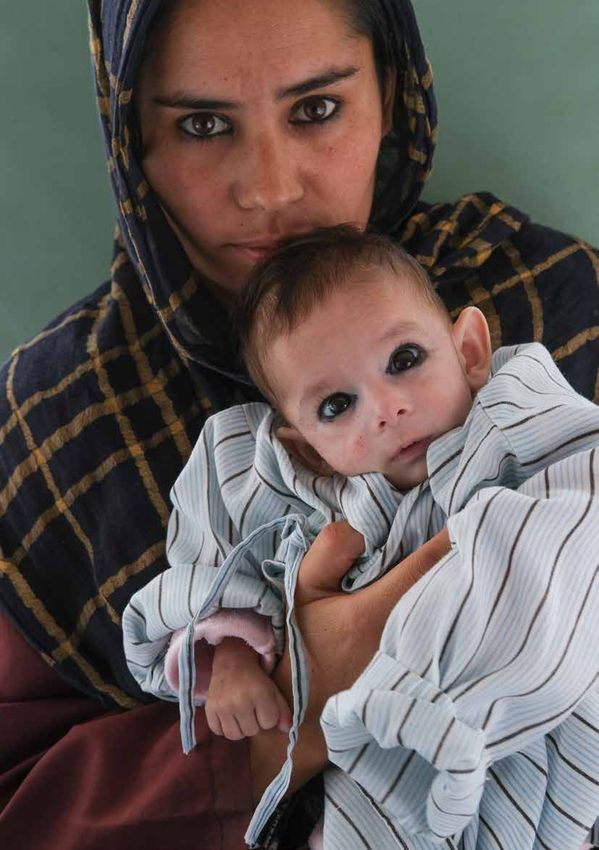
CONTENTS

6		       CAUGHT AMID A PITILESS CONFLICT

8		       A DEADLY PLACE FOR CHILDREN

9		  Suicide attacks and aerial strikes
9		Lethal remnants of war
12		 Deepening poverty and displacement
13		 Negative social norms

14		 ASSISTING CHILDREN AT RISK

15		      Resilience against all odds

17		      FINDING NEW HORIZONS FOR AFGHANISTAN’S YOUNG PEOPLE

18		      PROVIDING SUPPORT TO AFGHANISTAN’S MOST VULNERABLE CHILDREN
20		      EDUCATION: A place to learn even amid violence
22		      HEALTH: Addressing challenges on polio’s front line
25		      MALNUTRITION: Searching for long-term solutions
28		      WASH: A sustainable answer to growing water needs

30		      A CALL TO ACTION FOR THE CHILDREN OF AFGHANISTAN

34		 UNICEF response 2019
35		Funding needs 2020

                                                                                                         Map source: www.geology.com

4                                                                   UNICEF CHILD ALERT | December 2019   PRESERVING HOPE IN AFGHANISTAN   5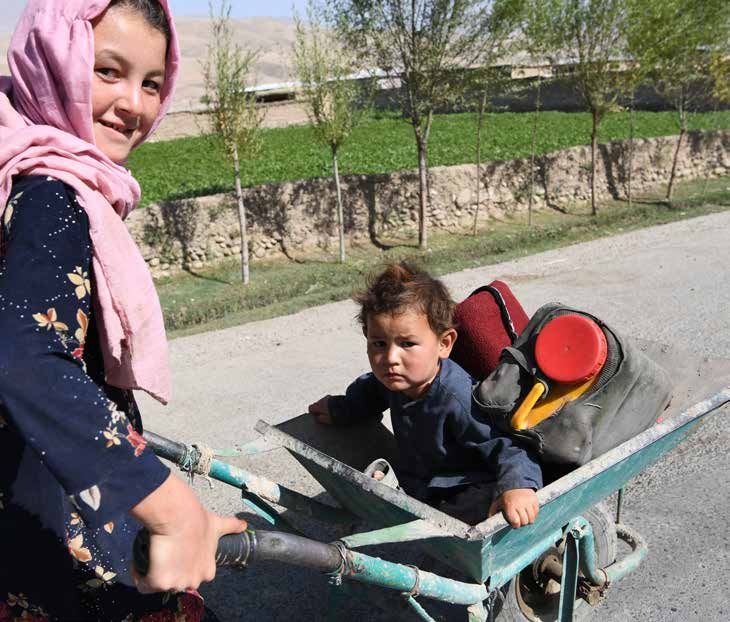
Nahal, Firouzeh and Asman are among the their lives by continuing their education.
©UNICEF Afghanistan/2019/Bouvet
adolescents whose lives have been shaped by “The only way to change my future is to
violence, turmoil and poverty in Afghanistan3. study,” says Firouzeh. “With commitment, one
day I can be a teacher or a doctor.”
• Nahal, 13, still shudders when she
remembers the air strike that burned her The three adolescents belong to a generation
face, leaving her disfigured. eager to repair the damage of decades of
violence, and to fulfil their – and Afghanistan’s
• Firouzeh, 15, cannot shake the memory – potential.
of hiding in a ruined building through war
and a harsh winter. “Peace is, of course, what Afghanistan needs
above all else,” Executive Director Fore said.
• Asman weeps as she describes being “But right now, civilians – especially children
forced to marry a stranger at age 15 to – must be shielded from the impact of
keep her younger sister from being sold to conflict. The parties involved must fulfil their
pay family debts. obligations under international humanitarian
and human rights law to prevent civilian
Despite these traumas, Nahal, Firouzeh and casualties, end the targeting of schools
Asman are desperate to make the most of and health centres, and allow access to
humanitarian aid.” A boy plays near abandoned
3 Children’s names have been changed for their protection military vehicles in southern
Afghanistan.
Nabih (right), his wife Hanifa
and their six children live in
CAUGHT AMID A PITILESS CONFLICT
a camp for displaced people
outside Herat city. They
fled their home in Badghis
province due to conflict and
drought.
Every day, an average of nine children are activities of armed groups.
killed or injured in Afghanistan, a country that
has become the world’s most lethal war zone The casualties mount despite international
after forty years of conflict and turmoil 1. laws that oblige all parties to the conflict to
protect civilians.
Between 2009 and 2018, armed conflict killed
nearly 6,500 children and injured close to “Afghan children, their families and
15,000 others2. communities suffer the horrific consequences
of conflict each and every day,” said UNICEF
Many children who escape the direct effects Executive Director Henrietta Fore. “Those
of violence still feel the impact on their daily same children are desperate to grow up, go
lives. In 2018, the United Nations verified 162 to school, learn skills, and build a future for
attacks against schools, hospitals and their themselves.
staffs. It also recorded 44 incidents in which
humanitarian aid could not be delivered “We can, and must, do so much more to
to needy communities, mainly due to the reinforce their extraordinary courage and
1 Armed Conflict Location & Event Data Project (ACLED) 2018)
resilience.”
2 Casualty figures and incidents cited in this report are based on reports by
United Nations Assistance Mission in Afghanistan (UNAMA)
©UNICEF Afghanistan/2019/Hibbert
6 UNICEF CHILD ALERT | December 2019 PRESERVING HOPE IN AFGHANISTAN 7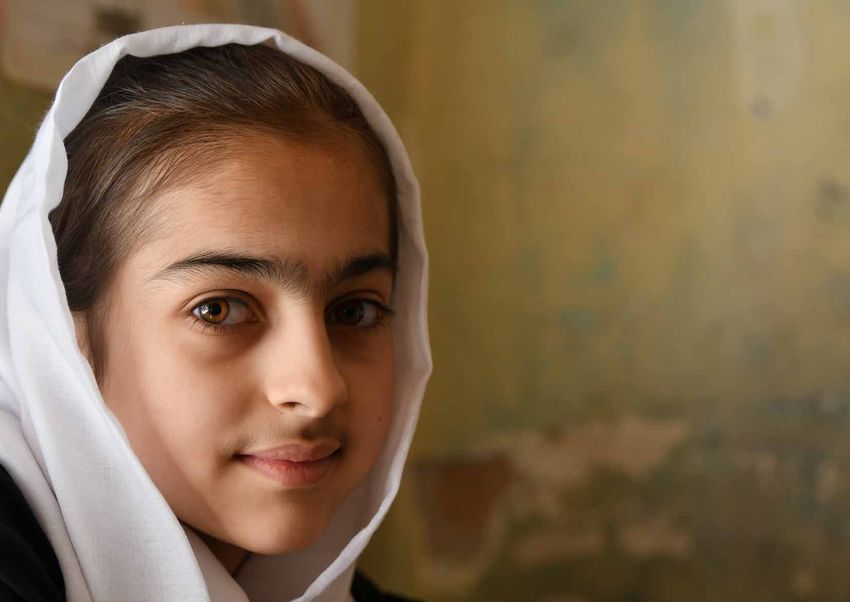
Suicide attacks and aerial strikes
©UNICEF Afghanistan/2019/Bouvet
Suicide bombs and improvised explosive Though ground engagements were the
devices (IEDs) have been an important factor leading cause of child casualties in 2018,
behind the high casualty figures. In the aerial operations by government and pro-
first nine months of 2019, these methods, government forces also registered a sharp
employed by armed groups, were responsible increase, causing 236 deaths and a similar
for 42 per cent of civilian deaths and injuries. number of injuries.
One such incident occurred in August, when a In one attack, in Helmand province on 27
suicide bomber attacked a crowded wedding November 2018, a family home was targeted,
hall in Kabul, killing 15 children and 76 adults. killing 23 civilians, including 10 children.
©UNICEF Afghanistan/2018/Alizada
Inside a dormitory for Several children were among
A DEADLY PLACE FOR CHILDREN Lethal remnants of war
boys living at a state-run some 30 people killed and
orphanage in the southern over one hundred injured
city of Kandahar. The by a suicide attack and car
orphanage provides shelter bomb which struck this sports
for around 170 boys in total. club in Kabul on 5 September
2018.
Even by Afghanistan’s grim standards, 2019 past decade, most of the country suffered. Unexploded shells and other debris (known as groups have been known to recruit children
has been particularly deadly. The months However, the severity of the attacks and explosive remnants of war - ERW) represent a to plant IEDs, gather intelligence and for other
of July to September registered the highest their consequences varied considerably from special risk for children, boys in particular. war-related tasks. Cases of conflict-related
number of civilian casualties in a single province to province. sexual violence against children have also
quarter since 2009, when the United Nations One incident in Laghman province in April been recorded.
began systematic documentation. According to 2018 data from the United 2019 killed seven boys and maimed eight
Nations Assistance Mission in Afghanistan others. Between January and September An additional concern are the children
For children, 2018 was even more lethal: 927 (UNAMA), the highest number of casualties 2019, children accounted for 77 per cent of detained by Afghan authorities on suspicion of
children were killed in armed conflict and were in Kabul, where 596 civilians were killed the civilian casualties caused by ERWs. belonging to armed groups. As of December
2,135 were injured. In 8 of the country’s 34 and 1,270 injured. The eastern provinces 2018, at least 205 boys were detained in
provinces, the number of civilian casualties close to the Pakistan border, including Multiple parties to the conflict have been juvenile rehabilitation centres on such
rose more than 50 per cent compared with Nangarhar, Paktya and Ghazni, and the cited for recruiting children in breach of charges.
the previous year. southern part of the country, including international law. In 2018, 46 instances
Helmand, Kandahar, and Farah provinces, (including one involving a girl) were verified ,
As civilian casualties surged during the were also hard hit. although many more were reported. Armed
8 UNICEF CHILD ALERT | December 2019 PRESERVING HOPE IN AFGHANISTAN 9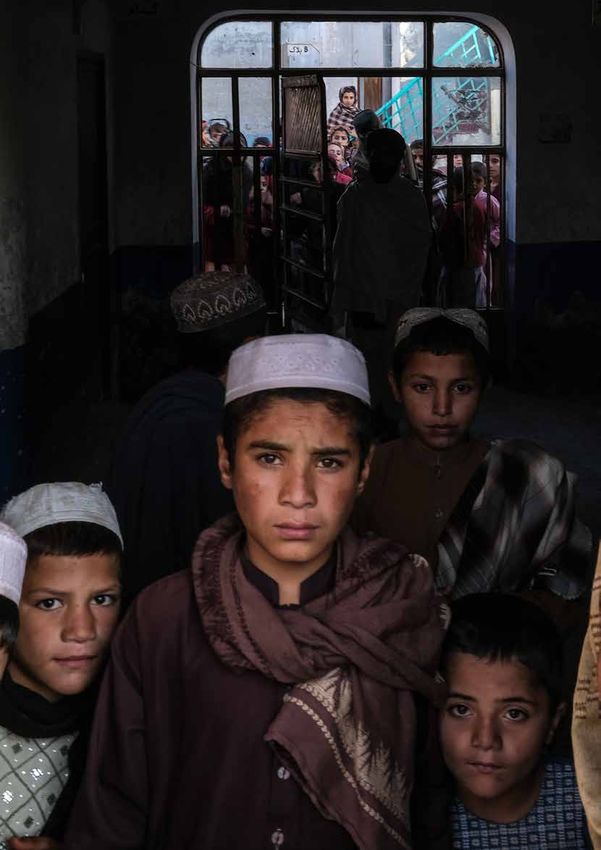
TEENAGE SURVIVOR OF A
LANDMINE EXPLOSION
                                                                                                           A WORSENING TOLL: THE DEADLY
                                                                                                           IMPACT ON CHILDREN OF TEN YEARS
                                                                                                           OF CONFLICT IN AFGHANISTAN
     15 year old Rahimullah was                                                                            Between 2009 and 2018, armed conflict killed 6,463 children and injured 14,957 others
     fleeing a battle in his village in
     Helmand province when there
     was a large explosion.

     “I was walking ahead of my
     brother,” recalled Rahimullah.
     “Suddenly I stepped on a
     landmine and was thrown into a
     nearby stream. When I opened
     my eyes, I saw that both of my
     legs had been severed.”

     The boy was saved by a stranger
     who carried him to safety.

     Having survived this horrific
     experience, the two boys later
     suffered the deaths of their
     parents and were placed in care.

     Today, Rahimullah and his
     brother, Hafeezullah, live at
     an orphanage near the city of
     Kandahar, where they attend
     school, and where Rahimullah
     can indulge his passion for
     basketball.

     “I love to study,” said Rahimullah.                                                                   Source: UNAMA Protection of Civilians in Armed Conflict report 2018
     “When I grow up I want to help
     others with disabilities. I feel I
     understand them having gone
     through it myself.”
                                                                         ©UNICEF Afghanistan/2019/Bouvet

10                                         UNICEF CHILD ALERT | December 2019                              PRESERVING HOPE IN AFGHANISTAN                                                          11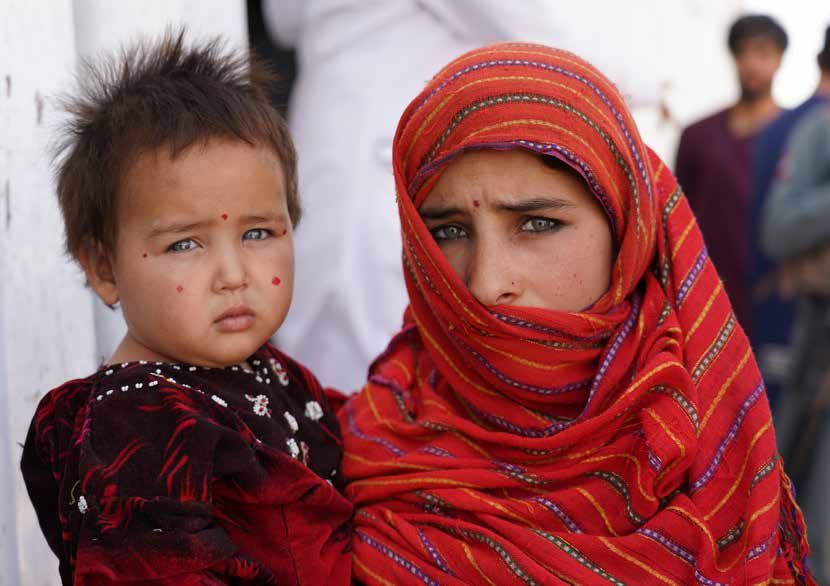
Nations, 217,000 people were newly-                   Conflict drove Yasmina, 15, from her home in

                                                                                                                              ©UNICEF Afghanistan/2019/Husseini
                                                                                                                                                                      displaced in the first nine months of 2019.           Badghis province to an IDP camp near the city
                                                                                                                                                                      During the same period, Afghanistan had to            of Herat. Conditions in the camp are harsh,
                                                                                                                                                                      cope with the return of 287,000 returnees             and she yearns for more than just survival.
                                                                                                                                                                      from neighbouring Iran and Pakistan. Over 40          “I wish I was educated,” Yasmina said. “I would
                                                                                                                                                                      per cent of those returning were children.            have found a way out then.”                             A makeshift tent provides
                                                                                                                                                                                                                                                                                shelter for a mother and her
                                                                                                                                                                                                                                                                               children who fled insecurity in
                                                                                                                                                                                                                                                                                    Badghis province in 2018.

                                                                                                                                                                  ©UNICEF Afghanistan/2019/Awad
                                                                                                     12 year-old Yasamin holds her

Deepening poverty and displacement                                                                                                                                    Negative social norms
                                                                                                     baby sister, Aisha Gul, outside
                                                                                                       a nutrition centre in a camp
                                                                                                         for displaced people near
                                                                                                          the western city of Heart.
                                                                                                      The two girls came here with
                                                                                                     their family to escape fighting
Beyond the death and injuries caused by           violence and a worsening economy, hurting               in their home province of                                   Afghan children have long been prey to                “I was ten when I was given to a man,” said
                                                                                                                            Badghis.
the conflict, the violence of recent years has    rural and urban areas alike. By 2016, an                                                                            a range of pernicious social norms and                Shabana, as she waited in line outside a
undermined the hopes and prospects of a           estimated 55 per cent of Afghans lived below                                                                        traditional practices. Girls face particular risks,   nutrition centre in an IDP camp in Herat.
whole generation of Afghan children in other      the poverty line, compared to 34 per cent in                                                                        including honour killings, domestic abuse             “People might think we are savages for selling
ways too.                                         2007 and 2008.                                                                                                      and sexual violence. The traditional practice         our children. But try to be in our shoes.
                                                                                                                                                                      of baad, in which a girl is given to a family in      What’s the way out? You tell me and I’ll do it.”
Underlying challenges, including poverty,         Young people are especially hard hit.                                                                               repayment of a debt, remains widespread.
displacement, negative norms and limited          According to the International Labour                                                                                                                                     Boys are not immune to abuse, being far
access to essential services have festered or     Organization (ILO), in 2017, 42 per cent of                                                                         Child marriage - often an attempt to reduce           more likely than girls to be recruited by
deepened.                                         youth were not in employment, education or                                                                          the economic burden of a large family - is            armed groups and forces. Another form of
                                                  training .                                                                                                          common. Nationwide, at least one in three             exploitation is bacha bazi, the practice of
According to the Afghanistan Living Conditions                                                                                                                        girls is married by age 18. According to a 2018       hiring young boys as dancers or for sexual
Survey 2016–2017, the economic growth and         Deteriorating security conditions have                                                                              study, 42 per cent of households reported at          activities. Though the revised penal code
relative stability that prevailed in the period   contributed to large-scale population                                                                               least one instance of child marriage.                 criminalizes bacha bazi, enforcing the law
leading up to 2014 gave way to escalating         displacement. According to the United                                                                                                                                     remains a challenge.

12                                                                                         UNICEF CHILD ALERT | December 2019                                      PRESERVING HOPE IN AFGHANISTAN                                                                                                          13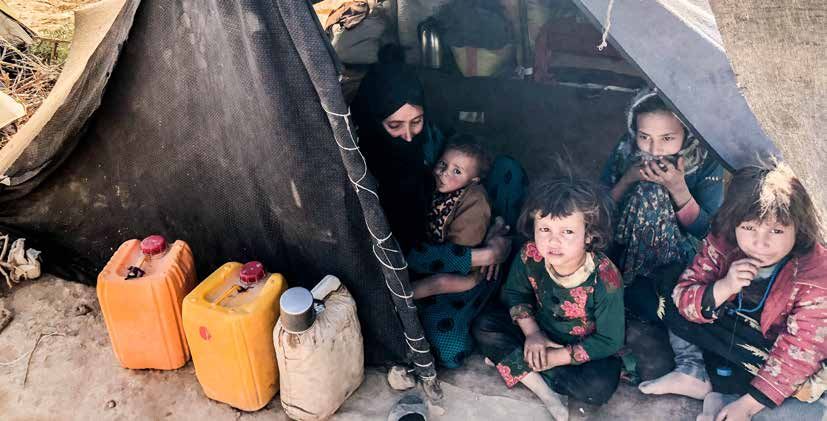
and informal community networks, while 5 have a birth certificate. As a result, child
also working with case managers and social protection and social workers face challenges
©UNICEF Afghanistan/2019/Dejongh
workers whose job it is to help individual when identifying children and linking them
children.” with assistance. UNICEF is working to help
communities and families better understand
Efforts to protect children in Afghanistan are the importance of registering their children’s
often hampered by a lack of official identity. birth, for example at health facilities, where
vaccination is promoted along with birth
Only a third of Afghan children under age registration.
©UNICEF Afghanistan/2019/Dejongh
Adolescents learn tailoring at
a Juvenile Rehibition Centre in
Resilience against all odds northern Afghanistan.
The centre aims to give
youngsters who had a
difficult start in life the
chance of rehabilitation and
reintegration into society.
Despite a history of hardship, two recent tent, only our scarves to cover us.
events offered a glimpse of a more hopeful
future for the country’s most vulnerable ȡ I managed to get work sewing clothes
citizens – the finalization of a Child Rights for an aid project. But when the project
Protection Law and the start of service for a closed, I was back at square one. We
new corps of social workers with the Ministry borrowed money and got into debt.
A girl carries her little brother of Social Affairs.
ASSISTING CHILDREN AT RISK
in a wheelbarrow in the ȡ One day a man came to take my sister
village of Qara Kamar in
Badakhshan province, in the At the same time, children have demonstrated as a way of repaying the debt. I couldn’t
north of Afghanistan. great resilience in the face of extreme allow that to happen. I said: “Sell me
challenges. Asman is one such child. instead.” That is how I came to be married
Efforts to end such harmful practices and One such case was Mohamidullah, 12, who at age 15.
protect children require close inter-action ran away from his home in Kandahar after ȡ We were living in Badghis province. One
with local communities. A growing role is a family quarrel and ended up in police day, Taliban fighters came to our house ȡ My husband died when I was six months’
played by Child Protection Action Networks custody in Kabul. After a night in detention, looking for my brother, who was serving pregnant. I returned to help look after my
(CPANs), which operate across the country. Mohamidullah was taken to a child support in the army. They said that if we didn’t family. There are 13 of us now, and my
centre, while staff from the local CPAN traced hand him over, they would take me and father is paralysed.’’
three of my sisters instead. My father
With UNICEF support, CPANs coordinate his family and returned him home.
refused. A year after returning home, Asman was
government, non-governmental organisations
enrolled in a girls’ school outside Herat.
and grass-roots agencies on behalf of “Afghan children are exposed to a whole ȡ We fled our home and ran to the
individual children at risk. Between January range of risks and abuses,” said Tatjana mountains, leaving everything behind. My “I am getting an education,” Asman said.
and October 2019, these networks dealt with Colin, Chief of Child Protection for UNICEF mother had to sell her only gold earrings “That keeps me going. I want to be a model
5,345 individual child protection cases (4,115 Afghanistan. “In order to give them the to pay the bus fare to get us to the city. to my son. A capable woman who changed
boys and 1,230 girls). help they need, we use a variety of formal When we got there, we had nothing – no the course of her life and her family’s.”
14 UNICEF CHILD ALERT | December 2019 PRESERVING HOPE IN AFGHANISTAN 15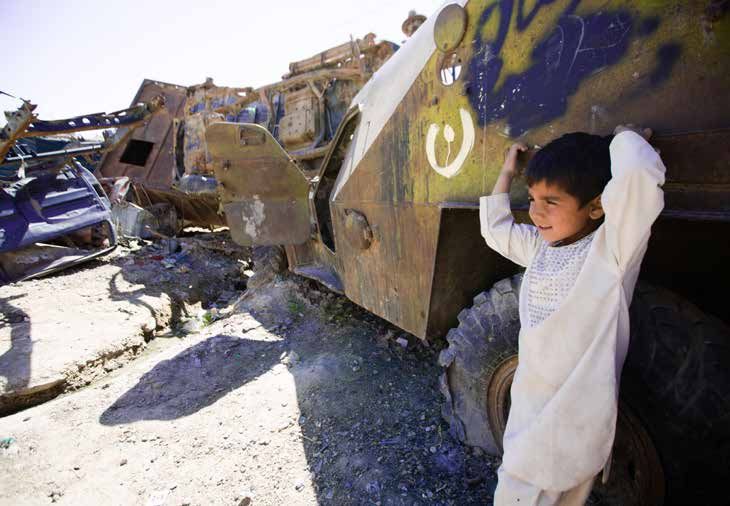
FINDING NEW HORIZONS FOR
AFGHANISTAN’S YOUNG PEOPLE
Aboubacar Kampo, Representative, UNICEF Afghanistan
Forty years of bloodshed and upheaval declined by nearly one third
have left young Afghans cynical and between 2008 and 2018
despondent.
• In 2019, Afghanistan adopted its
It is not hard to see why. first ever Child Rights Protection law
Half of Afghanistan’s population lives • In the past 18 years, important gains
in areas severely affected by conflict. have been made in some aspects
Ground engagements, suicide bombs, of women’s and girls’ rights, even
aerial attacks and other atrocious acts if they are still far short of what is
of violence bring daily agony. Child and needed
adult casualties mount steadily.
These fragile signs of progress must be
Poverty levels have surged, while the encouraged and reinforced by tapping
natural disasters that regularly afflict into the energies and ambitions of
Afghanistan have displaced many Afghanistan’s overwhelmingly youthful
families and brought more misery. population.
After a punishing drought in 2018,
severe flooding in 28 provinces this Education would be an obvious place to
year affected more than a quarter of a start, tackling illiteracy rates which are
million people. among the highest in the world, and
providing classrooms and teachers for
By the end of September 2019, 6.3 the 3.7 million school-age children who
million people were dependent on are currently out of school.
humanitarian assistance, well over
half of them children. And 22 out of But it is just as important offer
34 provinces were recorded as being adolescents the opportunity to acquire
above the emergency threshold of the skills they need to find jobs and
acute malnutrition. livelihoods. About 400,000 young
Afghans enter the labour market
The long-term consequences of such each year. They need to know that
conditions are horrifying. No wonder their career prospects extend beyond
Afghanistan is ranked 168 out of joining an armed group or escaping the
189 countries in the UNDP Human country to try their luck abroad.
Development Index.
Afghan children and young people
Even so, Afghans have taken significant have paid a terrible price in past, brutal
strides towards improving the lives and decades. But with the right support,
recognizing the rights of their children. they can begin to break free of the cycle
Consider that: of violence and underdevelopment and
create a better future for themselves –
• The mortality rate of young children and Afghanistan.
A class 10 student at Haleema
Sadia High School in Faizabad,
northeast Afghanistan.
©UNICEF Afghanistan/2019/Karimi
16 UNICEF CHILD ALERT | December 2019 PRESERVING HOPE IN AFGHANISTAN 17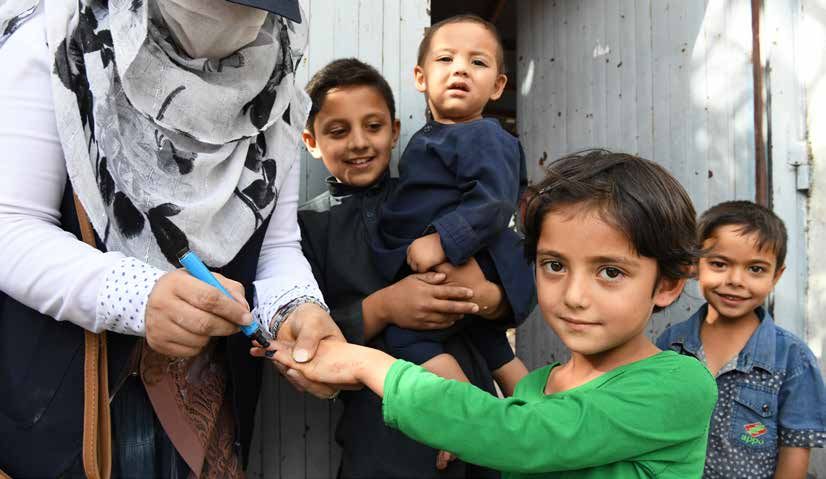
PROVIDING SUPPORT TO

                                                                                                                                                            ©UNICEF Afghanistan/2019/Dejongh
AFGHANISTAN’S MOST
VULNERABLE CHILDREN
For more than 65 years, UNICEF and its       have struggled with the broader effects of
national and international partners have     poverty and underdevelopment. In 2018, the
responded to the needs of Afghan children    UNICEF child protection, health and nutrition,
and women who have been directly affected    education, and water, sanitation and hygiene
by conflict and natural disasters, and who   programmes reached over 12 million children.

Students going to school
in Faizabad, the largest city
of Badakhshan, a northern
province of Afghanistan.
Khamchan High School is
supported by UNICEF.

18                                                                                    UNICEF CHILD ALERT | December 2019   PRESERVING HOPE IN AFGHANISTAN                    19
Education
EDUCATION: A place to learn
even amid violence
Calmly, Sayed Aziz, 11, recounts the events normal life and childhood,” said Sonia Sukdeo,
that prompted his family to flee their home UNICEF Afghanistan’s Education Specialist.
in Farah province and move hundreds of “Community-based Education is an important
kilometres to Loyawala, a gritty suburb of part of the response to the enormous number
Kandahar. of Afghan children who are currently unable
to attend school, especially due to conflict.”
“The Taliban said: ‘If you want to live, you
should leave,’” Sayed recalled. “We are Obstacles to learning
fighting with the government and you will be The extent of the challenge Afghanistan faces
at risk.’” in getting all children into school was detailed
in a study carried out in 2018. It concluded
©UNICEF Afghanistan/2019/Karimi
Though the experience was distressing, that over 47 per cent of primary school-age
moving allowed Sayed to attend school for the children in rural areas were out of school,
8 year-old Ranjina Farashti
first time. and nearly a fifth in urban areas. In addition, reads aloud during a Pashto
257,000 other students are likely to drop out lesson at a community-based
school on the outskirts of
Now, each morning, Sayed joins 30 other without finishing their primary education. Kandahar. Classes like this are
children in a cramped, makeshift classroom. Girls miss out more than boys. In 2018, 2.2 designed for children who
are unable to attend normal
He is in Grade 1 and towers above the much million girls aged 7 – 17 were out of school, school due to violence or
other reasons.
younger children in the class. But the age –
and height – difference does not bother him.
“I enjoy school,” he said. “And its quiet and
Grade one
peaceful here compared to back home.” students leave class at
Turgani High School in
Faizabad, northeast
The whitewashed room where Sayed attends compared with 1.5 million boys. An estimated Haji Shah Mohamed elementary school, Afghanistan
school is decorated with colourful posters. 30 per cent of children are engaged in child on the outskirts of Spin Boldak in Kandahar
An invisible line down the centre divides girls labour. province, still bears the scars of attack. In
from boys. It looks the part of a classroom, 2018, the school, like hundreds of others,
but it is located in Shakiba Akbari’s home. Her “Traditional and cultural barriers due to was designated as a polling station for
son, 20-year-old Aziz, is the teacher. social or gender expectations, the lack of parliamentary elections. But the night before,
infrastructure and trained teachers, and an improvised bomb blew off most of the
Improvised school settings like this are a national financial and political bottlenecks – building’s roof.
common feature of the Community-Based all these make the situation in Afghanistan
Education (CBE) initiative, a programme uniquely challenging,” Sukdeo said. “Everyone heard the explosion,” said Jafer
promoted by the Government of Afghanistan Hilal, the head teacher. “We all came running.
to provide a chance to learn to some of the Conflict is an important contributory factor. In Part of the roof was lying in the street. The
country’s most vulnerable children. The 2018, there were 192 attacks that targeted doors and windows were damaged.”
programme aims specifically to bring learning schools, or involved the killing, injury and
closer to communities living in insecure areas, abduction of education personnel. This was Although there were no casualties, student
and where schools have often been targeted. almost three times the number of incidents attendance fell sharply in the weeks that
In 2019, 244,000 children were studying in documented in 2017. Most of the attacks followed as fearful parents kept their children
such informal settings. were attributed to the Taliban. Many parents at home.
responded by taking their children out of
“For children who have felt the terrible impact school. “Thankfully, the numbers are increasing now,”
of conflict, these classes help them adapt to a Hilal said.
©UNICEF Afghanistan/2019/???
20 UNICEF CHILD ALERT | December 2019 PRESERVING HOPE IN AFGHANISTAN 21Health
HEALTH: Addressing challenges on
©UNICEF Afghanistan
polio’s front line
On a dusty street running between high foreigners,” he said. “Some say it might
mudbrick walls and iron gates, Abdel Wahab make the children sick. So we speak again to
Ferouzi paused in the hot midday sun and [parents] to persuade them.”
reflected on his work on the front line of
Afghanistan’s war against polio. Other factors have contributed to the rise
in polio cases. Large parts of the country
“We know how important our task is,” he said. are controlled by Taliban fighters, who
“We have to end polio 100 per cent.” are involved in regular clashes with pro-
Ferouzi and his team, clad in blue uniforms, government forces. The United Nations
are in a remote village near the Pakistan recorded 62 attacks on health care faacilities
border to convince families about the dangers and their staff in 2018.
of polio. Nearby, a team of vaccinators
dispensed polio drops to as many children as “There are some places we can’t get access
possible. unless we negotiate first,” said Sayed
Mohammed, a polio communicator working
After years of hard effort, 96 per cent of with UNICEF support. “Whenever we have
Afghanistan is polio-free. But in 2018, there a vaccination plan, we go and discuss it with
were 21 cases, a sharp increase concentrated them. We also use staff from the area, people
in the impoverished south of the country. the Taliban know and approve of.”
There have been 22 further cases in 2019.
A UNICEF-supported polio
Ferouzi said the spike was due to lingering As one of three countries where the wild communication team goes
mistrust of vaccinations. poliovirus is still found, Afghanistan is house-to-house in the While her sister, Sayema,
village of Barikzai, close looks on, four year-old
critical to the global struggle to eradicate to Afghanistan’s border leaders banned the activities of the World responds to the needs of the community, Freshta receives polio
“Some people say vaccination is haram the disease. But the polio programme faces with Pakistan. The health
officials encourage families Health Organization and the International especially those in the remotest areas,” vaccine drops dispensed by
Rihana Azimi, a member of
(forbidden) because it’s coming from a major challenge: In April 2018, Taliban to vaccinate their children Committee of the Red Cross in Afghanistan, Mohammedi said. a mobile vaccination team.
against polio following a The two little girls live in the
recent increase in the number which effectively halted all polio vaccination outskirts of Kandahar, a poor
of cases of the disease.
campaigns. As a result, well over half the As well as providing polio vaccinations, the neighbourhood where one
case of polio was confirmed
1.5 million children living in three southern programme will now be combined with other in 2018.
provinces targeted for immunization were not vital services – including programmes for safe
reached by vaccinators. water and health.
“So long as the polio virus survives anywhere, Mobile clinics go the distance to serve local
it is a global problem that can resurface in any needs
country,” said Mohammed Mohammedi, polio
team leader for UNICEF Afghanistan. Haji Jawal, a village of about 80 families, lies
about a three-hour ride from Kandahar by car.
In the past, Taliban leaders were supportive Every few weeks, a four-person mobile health
of polio-eradication efforts, Mohammedi team comes to organize an improvised clinic
said. The ban on campaigns stemmed from in a room provided by the community.
the Taliban’s concern that a door-to-door
campaign could gather sensitive information This morning, Maimona, 20, is among a group
about the group. of women with small children sitting on a
©UNICEF Afghanistan
blue carpet waiting to be seen by the nurse or
“We are taking a new approach, one that other members of the team.
22 UNICEF CHILD ALERT | December 2019 PRESERVING HOPE IN AFGHANISTAN 23Health
MALNUTRITION: Searching for long-
©UNICEF Afghanistan
term solutions
Clutching her baby daughter in her arms, Bibi The nutrition centre where Gul and Shafiqa
Gul seems impervious to the dust swirling wait is one of about 45 established in the
around the small nutrition centre where past two years with support from UNICEF.
she and a dozen other women are waiting The centres – some fixed and others mobile –
impatiently with their children. were set up to assist around 200,000 people
who had been driven from their homes by
Gul, 30, arrived at this IDP camp on the conflict or drought.
outskirts of Herat while still pregnant with
her daughter, Shafiqa. The family had fled Most have returned, but about 50,000 people
violence in their home province of Ghor. still live at the IDP camp, which is located on
Shortly after reaching Herat, Gul’s husband bleak open land near the Iranian border.
died from an illness, leaving her to provide for
their six children, all under age 11. Inside the nutrition centre, two nurses
measure Shafiqa’s height and mid-upper arm
“To survive, I go begging in the city,” Gul said. circumference – a standard diagnostic test
“I ask for rice, for bread, or for any leftovers for malnutrition. The test shows that Shafiqa
from people’s plates. That’s how I bring food suffers from severe acute malnutrition (SAM),
for my children.” the most dangerous form of the condition.
“It’s very tough here,” she added. “Sometimes In Afghanistan, SAM affects about 600,000
I want to die rather than see my children go children under age 5. About 2 million children Bibi Gul (left) holds her
daughter, Shafiqa, as a nurse
hungry.” suffer malnourishment severe enough to measures her to establish
how severely malnourished
Mothers and their children she is.
seek treatment from a visiting
mobile health team in Haji
“I have a stomach problem and back pain,” mobile health outreach teams that provide Jawal village in the Spin
Boldak district of Kandahar
Maimona said, as she cradled her six-month- immunization, as well as maternal and child province.
old daughter, Madina, in her arms. health services to 1.2 million people. Their
role is critical since many beneficiaries live
“I also brought the children so they can be more than two hours away from the nearest
vaccinated,” she added, showing their yellow fixed health facilities. The teams provide
immunization records. vaccines to protect children against 10
diseases including polio. They also provide
“We have a schedule of monthly visits nutrition counselling, screening and referral.
to more than 40 villages like this,” says
Mohamed Islam, a senior nurse. “Reaching such a dispersed population is
possible only by collaborating with local
“We know all the households and our visits NGOs,” said Fazil Ahmad, Immunization
are announced in the mosque,” he said as he Specialist with UNICEF Afghanistan. “Even
sorted boxes of antibiotics, paracetamol and so, the teams still have to deal with the
oral rehydration salts. “If the family doesn’t geography, security issues and the climate
show up, we send round for them, to see – making sure that the vaccines remain cool
where they are.” throughout their journey, so they are still
effective when a child receives the injection or
Throughout Afghanistan, UNICEF supports 77 drops.”
©UNICEF Afghanistan/2019/Husseini
24 UNICEF CHILD ALERT | December 2019 PRESERVING HOPE IN AFGHANISTAN 25Nutrition
potentially hinder their long-term physical At the nutrition centre, Gul received a supply 6 month-old Zobair is one
©UNICEF Afghanistan/2019/Bouvet
of 600,000 Afghan children
and mental health. Worldwide, only Yemen of ready-to-use therapeutic food (RUTF) paste who suffer from severe acute
malnutrition -- the most
and South Sudan have similar rates of that will nourish Shafiqa for the coming week. serious form of the condition.
malnutrition. But not all malnourished children receive this His mother, Hanhaa, has
brought him to Kabul’s
life-saving support. Ataturk hospital for
“The lack of an adequate nutritious food treatment.
intake, ill health due to poor sanitation and In 2018, UNICEF and partners provided
hygiene, and inadequate access to health treatment with RUTF to over 277,000 children
services – these are the main factors that suffering from SAM, 18 per cent more than
contribute to high rates of malnutrition here,” the previous year. Sustaining even that level
said Maureen Gallagher, Chief of Nutrition of service is a challenge. And the programme
with UNICEF Afghanistan. “But the situation is must be substantially scaled up if the
A mother feeds her under-
worsened by years of humanitarian crisis and additional 300,000 children with SAM are to weight baby with fortified
conflict, which have caused the displacement receive the lifesaving treatment with RUTF milk prescribed by staff at
a hospital in Kishim district,
of thousands of families.” that they need. northern Afghanistan.
Malnutrition affects about
2 million Afghan children
at a level serious enough
to threaten their long-term
health.
Investments that can address a complex affects 1 in 10 Afghan children, threatening
problem their lives and health. A contributory factor
is that breastfeeding rates are low: less than
SAM is not Afghanistan’s only nutrition-related half of mothers exclusively breastfeed, leaving
challenge. About 4 in 10 children suffer from many deprived of the most important
stunting, which means they are short for their first source of nutrition in a child’s life.
weight. Stunting can also have long-term
negative effects on a child’s physical, mental “To tackle this complex issue, we need
and social development, and it significantly additional investment that would allow
harms their education and future economic UNICEF and its partners to work with
prospects. caregivers and household heads to improve
feeding practices for young children,”
©UNICEF Afghanistan/2019/Karimi
Meanwhile, wasting, or low weight for height, Gallagher said.
26 UNICEF CHILD ALERT | December 2019 PRESERVING HOPE IN AFGHANISTAN 27WASH
WASH: A sustainable answer to growing
©UNICEF Afghanistan/2019/Hussaini
water needs
Despite progress over the past decade, stony desert area outside Herat city which
only 64 per cent of Afghans have access to is home to tens of thousands of IDPs who
improved drinking water. A fast-growing arrived here in 2018 to escape violence or
population and climate change are putting severe drought in their home provinces.
additional pressure on a resource that is
critical for the health and futures of children Under a scorching sun, 110 large solar panels
throughout the country. provide the power that lifts water from 120
metres under the desert floor. The water is
“Afghanistan is becoming one of the most then piped to dozens of water tap stands in
water-stressed nations on the planet, and the surrounding camp.
with rapid population growth, the needs are
growing daily,” said Paulos Workneh, the “The (displaced) people arrived in desperate
WASH Chief for UNICEF Afghanistan. shape, without food or belongings, having
Drought places further strain on limited water lost their cattle, and with no money to pay for
supplies and has encouraged the search for trucked water,” said Romal Omari, a UNICEF
innovative and sustainable interventions. WASH officer in Herat.
In 2018, when drought affected about 2.8 “We needed a sustainable way of meeting
million Afghans, gravity-fed, solar-powered their water needs,” he added.
systems were an important part of the Large solar panels
provide the power that lifts
humanitarian response undertaken by Even in areas unaffected by drought, the water from under the desert
UNICEF and partners under the coordination growing thirst for clean water is presenting floor to meet the needs
of thousands of displaced
of the Ministry of Rural Rehabilitation and opportunities to access regions that aid people living near Herat city.
Abdul Hussein’s job is to turn
Development (MRRD). agencies have sometimes found hard to the solar panels three times
A boy fills his water container
at one of around 40 tap
The results can be seen in Shahrak Subz, a reach. daily to catch the maximum “Everyone needs water – including But programmes to change community stands set up with UNICEF
sun.
communities controlled by armed groups,” behaviours and curb open defecation have support to meet the needs of
IDPs living in the area.
said Workneh. “They beg for our engineers to made some progress. In 2018, over 1,100
come and help them.” communities were declared to be open
defecation-free.
In 2018, UNICEF provided access to improved
drinking water sources to about 197,000 In Shahrak Subz, encouraging people to use
people in 123 communities nationwide. the bright blue toilets scattered throughout
the camp is the task of UNICEF-supported
Meanwhile, UNICEF’s humanitarian WASH hygiene promoters like Somaya Suroosh and
response reached 1.1 million IDPs, returnees Nahid Faidai.
and drought survivors.
Suroosh and Faidai engage in discussion with
Changing behaviour around open groups of mothers on all manner of hygiene-
defecation related topics: boiling water before drinking it;
using oral rehydration salts; the best method
The wide prevalence of open defecation and times to wash hands.
contributes to making diarrhoeal disease the
second most common cause of death among “We see fewer children suffering from
young Afghan children. While 80 per cent of diarrhoea nowadays, but there’s still more
families have access to toilets, only about half to be done,” Faidai said. “That’s why we
of them are designed to keep waste separate come here continuously, giving them the
from human contact. information over and over again.”
©UNICEF Afghanistan/2019/Ingram
28 UNICEF CHILD ALERT | December 2019 PRESERVING HOPE IN AFGHANISTAN 29A CALL TO ACTION FOR THE As long as the conflict in Afghanistan continues, the
CHILDREN OF AFGHANISTAN parties involved must protect children and safeguard their
rights to education, health, water, sanitation, hygiene and
other services. It is their obligation under international
humanitarian law and international human rights law.
Child at Abdul Ahad Karzai
orphanage, Kandahar
©UNICEF Afghanistan/2019/Bouvet
30 UNICEF CHILD ALERT | December 2019 PRESERVING HOPE IN AFGHANISTAN 31To make sure that international law is
upheld and that children are protected,
UNICEF issues a Call to Action:
To shield children from conflict, UNICEF calls on:
©UNICEF Afghanistan/2019/Kokic
All parties to the conflict to adhere to international children actually or allegedly associated with armed
humanitarian law and ensure the safe and unrestricted groups primarily as victims, and to hand them over to
access of humanitarian actors to children, especially child protection actors without delay. To provide education for children, UNICEF calls on:
during conflict.
The Government of Afghanistan to strengthen age
All parties to the conflict to cease all attacks and threats assessment and vetting procedures to prevent All parties to the conflict to respect the civilian more financial resources to education and
against schools, students and teachers, and health care recruitment and use of children; enforce the provisions character of schools and treat them as zones especially to efforts to enrol more girls into
facilities and their staff and ensure that children’s access in the revised Penal Code concerning bacha bazi; and of peace where children are safe from harm. school, with priority given to provinces where
to services is safe. ensure accountability for crimes of sexual violence against Schools and all education facilities must be the numbers of out-of-school children are
children. safe and protected in line with international highest.
Government and pro-government armed forces to law and with the Safe School Declaration
end strikes on civilian infrastructure of any kind and The Government of Afghanistan to expand budget which Afghanistan has endorsed. Authorities in areas not under government
to strengthen current rules of engagement to prevent allocations for protection services, including for efforts control to lift restrictions on children
civilian casualties, particularly in the context of aerial to: reintegrate former child soldiers into society and The Government of Afghanistan to allocate attending school, especially girls.
strikes carried out by or in support of Afghan National protect children from being recruited; encourage
Forces. birth registration; and upgrade community networks’
information on incidents and identify local solutions.
All parties to the conflict to end the recruitment and use To protect children’s health and nutrition, UNICEF calls on:
of children and to hold perpetrators accountable. The Government of Afghanistan to allocate resources
The Government of Afghanistan to implement the existing for the effective rollout and implementation of the Child
Action Plan on the recruitment and use of children. Rights Protection Law. The Government of Afghanistan to prioritize necessary to prevent children from dying;
resources to expand basic primary health and the development of multi-sectoral,
Armed Groups to collaborate with the Country Task Force International partners to commit funds to prevent services in order to prevent and treat severe nutrition-sensitive programming at scale that
on Monitoring and Reporting to develop action plans and respond to grave violations against children in acute malnutrition and strengthen routine incorporates WASH, food security, agriculture,
to end grave violations against children, including child conflict, including efforts to: support child victims of immunization services. social protection and health interventions.
recruitment. sexual violence; prevent child marriage; reintegrate
children associated with armed groups and forces into All parties to the conflict to ensure that International partners to make the necessary
The Government of Afghanistan to refrain from detaining communities; and provide health and other services to children have access to polio immunization investments to prevent undernutrition
children on national security-related charges and to treat injured children. and other vital services in areas under their by ensuring that children have access to:
control. nutritious foods and appropriate feeding; safe
drinking water, and sanitation; livelihood and
International partners to support: the scale income opportunities, education and other
up of the severe acute malnutrition services social services.
©UNICEF Afghanistan/2019/Karimi
To provide water, sanitation and hygiene to every child, UNICEF calls on:
The Government of Afghanistan and all communities; expand WASH in schools
involved partners to step up efforts to end programmes that support menstrual hygiene
open defecation; intensify strategies to provide services for girls and promote the retention of
safe drinking water to the most impoverished girls in school.
32 UNICEF CHILD ALERT | December 2019 PRESERVING HOPE IN AFGHANISTAN 33UNICEF AFGHANISTAN FUNDING NEEDS 2020
PROGRAMMES FUNDING REQUIREMENTS (USD) FUNDING GAP
HEALTH & POLIO 113,927,490 81,301,393 71%
WASH 23,606,576 7,645,313 32%
NUTRITION 41,356,111 34,744,362 84%
EDUCATION 116,249,736 100,687,420 87%
CHILD PROTECTION 21,891,174 15,532,936 71%
SOCIAL INCLUSION 5,892,913 2,617,072 44%
TOTAL 322,924,000 242,528,496 75%
©UNICEF Afghanistan/2019/Dejongh
Polio vaccinators going door
to door in a suburb of Kabul.
34 UNICEF CHILD ALERT | December 2019 PRESERVING HOPE IN AFGHANISTAN 35UNICEF Child Alert For further information, please contact: Alison Parker UNICEF Afghanistan aparker@unicef.org +93799987110 Feridoon Aryan UNICEF Afghanistan faryan@unicef.org +93799987115 Advocacy Alert author: Simon Ingram Photography: Eric Bouvet, Frank Dejongh, Azizullah Karimi Layout and design: Azizullah Karimi 36 UNICEF CHILD ALERT | December 2019
You can also read


