SAFE FACE TO FACE WORKING BY CULTURAL PRACTITIONERS DURING COVID-19 RESTRICTIONS - Eight case studies profiling face to face creative work with ...
←
→
Page content transcription
If your browser does not render page correctly, please read the page content below
SAFE FACE TO FACE
WORKING BY CULTURAL
PRACTITIONERS DURING
COVID-19 RESTRICTIONS
Eight case studies profiling face to face
 creative work with children and young
   people in schools and communities

                               January 2021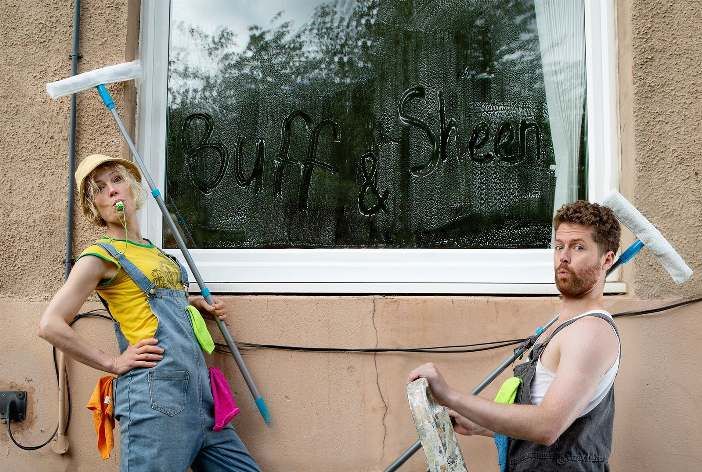
This work was commissioned by the Arts in
Education Recovery Group (AiERG)

AiERG Members
Articulate Cultural Trust
Catherine Wheels
Craft Scotland
Creative Scotland
Culture Counts
Edinburgh Festivals Fringe
Education Scotland
Engage Scotland
Film Access Scotland
Imaginate
MEPG
National Galleries Scotland
NYCOS
NYOS
Royal Scottish National
Orchestra
Scottish Book Trust
Scottish Chamber Orchestra
Scottish Youth Theatre
SHMU
Sistema Scotland
Starcatchers
YDance
Youth Theatre Arts Scotland
ACKNOWLEDGEMENTS
Thank you to the children, young people, families,
schools, artists and third sector organisations who
         gave up their time to be involved.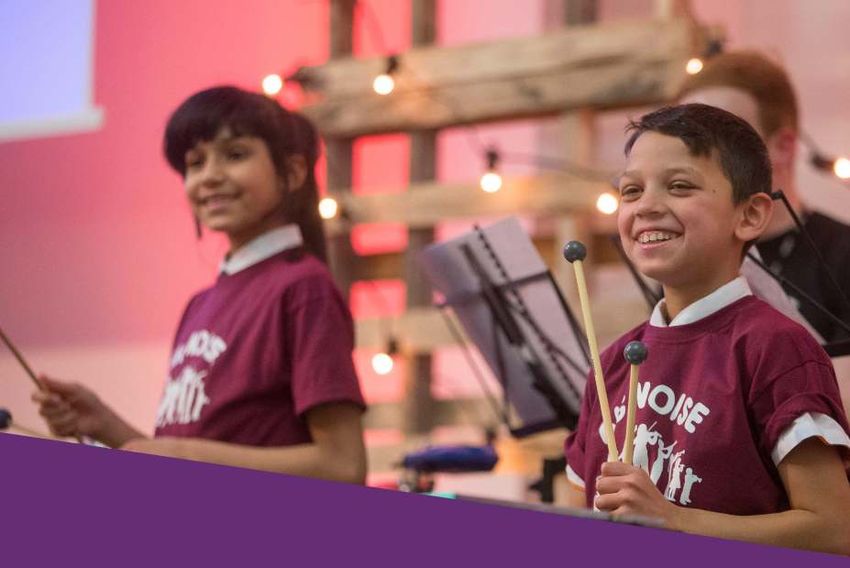
FOREWORD
by the Arts in Education
Recovery Group

Engaging with the arts and creativity can
make a meaningful difference to children
and young people, and the recovery and
renewal of their learning, mental health
and wellbeing, particularly during the
current pandemic.

Creative practitioners can add value to
the role of schools and teachers through
building relationships with children and
young people providing a creative output
for expression and a physical and
emotional space for respite and
processing to happen.

As this report shows, the arts and cultural
sector in Scotland has the expertise and
tools to connect with children and young
people living in challenging
circumstances, those least likely to
engage in learning and those who face
significant barriers to participation. By
doing so, the arts can play a key role in
addressing equity, attainment and
accessibility in education.
Understandably many artists and creative
practitioners have been restricted in their
ability to work face to face throughout the
pandemic.

Some of these restrictions are clearly
understood due to the need to minimise
the spread of Covid-19 (such as
restrictions on singing), however other
restrictions are less clear, with
interpretations being made at an
individual level, and leading to a huge
loss of confidence and uncertainty across
the sector and with partners.

Inevitably children and young people are
missing out due to a lack of
understanding and confidence on what
can be delivered safely. Nevertheless,
many freelancers and arts organisations
have successfully made adaptions to be
able to continue working throughout this
time. A large focus of this work was
initially on digital provision; however as
and when schools and community
settings have been able to reopen, some
practitioners and organisations have
started to offer, face-to-face delivery,
within educational and community
settings.
This report offers 8 case studies
highlighting where creative practitioners
and organisations have successfully
delivered face to face work during 2020
in partnerships; in schools, in
communities, and with families.

The report was commissioned by the
Arts in Education Recovery Group, a
collective of organisations who are
committed to ensuring that children and
young people in Scotland benefit from
the unique qualities of engaging with the
arts, culture and creativity, during the
pandemic and beyond.

Each case study offers three
perspectives; that of the creative
practitioner, the partner, (school or other
setting), and the children and young
people.

The case studies show that exciting,
innovating, high quality creative work has
been having a significant impact on
children and young people in Scotland,
including those living within the most
challenging circumstances.
The positive impacts on children and young people’s learning and wellbeing are
clear throughout.

This work does not contradict any of the Scottish Government relevant guidance or
advice. All of the case studies outline how freelancers and organisations worked
within the guidance for their region and to the current tier of restrictions. The case
studies are intended as a resource that brings to life where partnerships, rigorous
planning, a willingness to adapt and creativity can come together in the best
interests of our children and young people in Scotland!
OVERVIEW
REPORT

INTRODUCTION
This report sets out the key lessons
learned from eight case studies
focusing on expressive arts with
children and young people in
Scotland, during the Covid-19
global pandemic. The case studies
were developed in December 2020.

IMPACT
The eight expressive arts projects
involved in this work had a
positive impact on children, young
people and families. Engaging
with the arts through these
projects made a difference to:

  Connections                            Access and equity
                                       providing opportunities and
helping children and young
                                       effective interventions for
people to make friends,
                                       children and young people who
develop stronger links with their
                                       face barriers to participation or
peers and build positive
                                       who are living in challenging
relationships with adults
                                       circumstances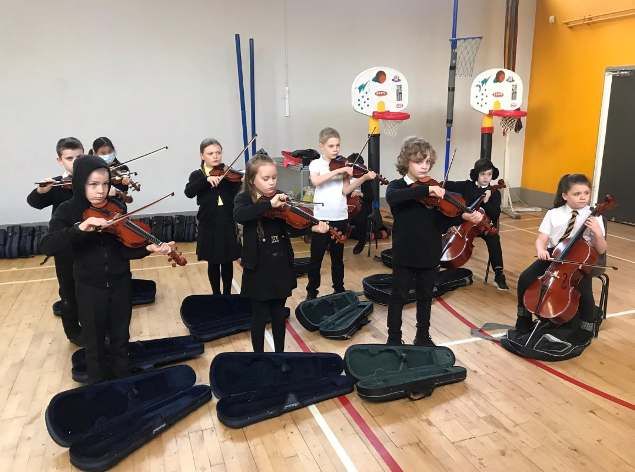
IMPACT

Health and wellbeing
helping children and young
people feel calmer and more
focused, express their feelings
and find their voice, manage
their moods and energy and
providing a safe, warm space

Attendance and
engagement at school
with children and young people           They have formed a fantastic
enjoying the activities and       friendship with each other and really
finding they help with learning        used this group and their shared
                                      experiences as a brilliant base to
at school
                                                  bond them together.”
                                               -Pupil support assistant-
Skills
                                  It also feels like I’m actually learning
with children and young people
                                        stuff that I can apply to the real
learning new things as well as                                      world.”
gaining recognition through                               -Young person-
accreditation and awards and
building their aspirations and         I feel really excited and happy.”
goals                                                             -Child-
                                               Fun, laughter all round,
                                                         excitement!.”
Happiness                                                      -Parent-
with the projects supporting
children and young people to            It's clear that the group is very
feel happy and joyful.                    supportive of each other and
                                     there is a sense of camaraderie.”
                                                                 -Parent-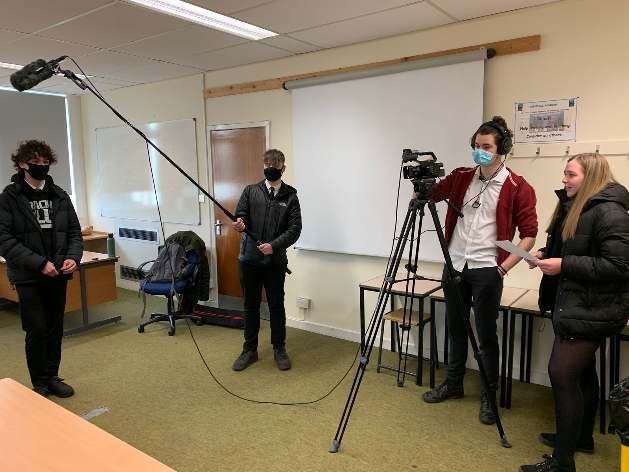
WHAT PRECAUTIONS DID
PROJECTS TAKE?
The arrangements for each project were thought through very carefully in the
context of that project, setting and participants. All projects undertook risk
assessments, explored the Scottish Government guidelines for their sector in
detail and shared risk assessments with partners and families. Risk
assessments were regularly updated, in light of changing context and
restrictions.

The type of precautions considered included:

   Masks                                    Social distancing
In most cases, adults wore               Adults involved in the projects
masks. This included in indoor           socially distanced from other adults
environments, in schools except          and from the children and young
when directly teaching, and              people they worked with. At times
outdoors when children were              this meant that projects had to find
being picked up or dropped off.          a larger space to enable
In some cases, older young               distancing. Sometimes projects
people wore masks, for example           had small group sizes to enable
when travelling to the project,          social distancing. It was particularly
moving around corridors or when          important that projects bringing
undertaking activities.                  children and young people from
                                         different classes or schools had
                                         strong social distancing
                                         arrangements in place. Pupils were
                                         often taught in one class or a
                                         bubble at a time.
Movement Cleaning
Most projects had to think There was a strong focus on
carefully about how adults regular hand cleaning and
moved around the building. sanitising. Work spaces, desks and
This included safe entry and equipment was also cleaned or
exit arrangements for visitors to quarantined between uses. Where
schools, limited movement possible equipment was not
around the school and visitors shared between pupils or classes.
ensuring not to touch anything Some projects found that young
when moving around. For people were getting very used to
projects working with young taking responsibility for cleaning
children, safe drop off and pick their work space after use,
up procedures were agreed to because of the arrangements in
avoid lots of adults being in the schools.
same space.
Singing
Not being able to sing has
impacted quite a bit on work
with younger pupils. The focus
has shifted to rhythm, pulse
and spoken word activity.
…we’ve been trying to do melody things through playing instead of
singing, so I would play something on my violin or we play them a piece of
music, so they still get that aural connection...but the kids are still really
enjoying it and they’re still engaging which is really important.”
-Tutor-LESSONS LEARNED:
CREATIVE PROJECTS IN
SCHOOLS
Five of the case studies involved some delivery in a school environment on a
face to face basis during 2020. All of these projects were already delivering in
schools before the pandemic. The work was able to go ahead because:
Organisations had good relationships with teachers and the
senior management team in the school.
The project was part of the curriculum and/ or offered young
people the opportunity to gain an award or accreditation.
Teachers and senior management recognised the benefit of
the project for their pupils. This could be because teachers had
attended and supported sessions in the past, there was strong
evaluation evidence about impact, or a high level of awareness
of the project throughout the school.
Time was spent planning how the project would work in the
context of the new restrictions. This included staff visits to the
school and teachers supporting the sessions through
undertaking preparation work.
Projects had to work very closely …It was also down to the
with schools to organise access to
communication with the
the school. In some cases, the
Sistema staff. They are
schools were initially not allowing
any external visitors in autumn
very engaging, they always
2020. A process of negotiation and communicate what is going
discussion was required to explore well and any problems,
the benefits and risks of allowing and are very flexible.”
projects to go ahead. -Teacher-In some cases, project staff were seen Over time, in some projects,
as members of the school team. This confidence grew and projects
helped schools to view their visit in a returned more regularly, included
similar way as they would a supply more pupils, or expanded to cover
teacher or other part time team member. more schools.
Discussions about visiting the school
The main thing is just planning.
were strongly dependent on head We’ve had to discuss with lots of
teacher attitudes to visitors in the people, make sure we’re sticking
school. Senior local authority education to the guidelines, make sure
officials also had a key role in giving everyone involved knows what’s
permission for this type of work to take going on.”
place.
-Tutor-LESSONS LEARNED:
OUTDOOR LEARNING
Four of the case studies involved an element
of outdoor learning. The projects found that
outdoor learning could help make activity
possible, when it wouldn’t be possible or would
be challenging in an indoor environment.
Often projects started small, working one-to-
one or in very small groups. Most projects
stayed small - often smaller than guidelines
would allow - to ensure a cautious and safe
approach.
Projects which involved young children in an
outdoor environment found that they preferred
this way of working and that it was more
impactful, helping to connect children with
nature and build bonds between children and
adults.
Projects found that generally children were
well equipped for the outdoors, and well
wrapped up. However, in some cases parents Being outside is
needed help with suitable clothing to be warm awesome
and dry outdoors. When working outdoors,
because you
projects used the natural environment to find
large sheltered (which enabled distancing) in
can get mud on
wet or windy weather. your face!”
-Child-LESSONS LEARNED:
ONLINE LEARNING
Online learning worked well when: Having a strong online platform also
helped some projects to
It was with a group of children communicate with participants about
and young people that projects requirements for attending face to
already knew face sessions, so people knew what
It was with a group of children was expected in advance.
and young people who knew
one another Projects recognised that some
It was short and sharp children, young people and families
It was coupled with offline tasks could face barriers to online learning.
It was supported with activity Projects also found that as soon as
packs and resources face to face options were available,
Recorded sessions were children, young people and parents /
available for people to access at carers were all very keen to meet up.
a time that suited them. Interest in online sessions declined
as more face to face activity opened
Projects learned that online up.
learning generally had to be
shorter than face to face sessions
would be, to hold children and
young people’s attention.ADVICE FOR OTHERS The eight projects involved as case studies found that it was important to: Be flexible - restrictions change quickly and what you did in the past may no longer work Work closely with partners - agree a step by step plan of exactly what needs to happen Be patient - understand partner approaches to restrictions and follow the procedures that schools have in place Take a sensible and cautious approach at first - try something small scale first then build on it if it works Support parents - some projects found that children and young people adapted more quickly to new restrictions than parents Connect in different ways - provide information in advance and summaries of activities afterwards, as families can no longer come to projects to see what is happening Explore different guidance - often creative projects do not fit into one category for Covid-19 guidelines so projects found it was important to explore different written guidance and talk to others about what they are doing.
C AS E ST U D I E S

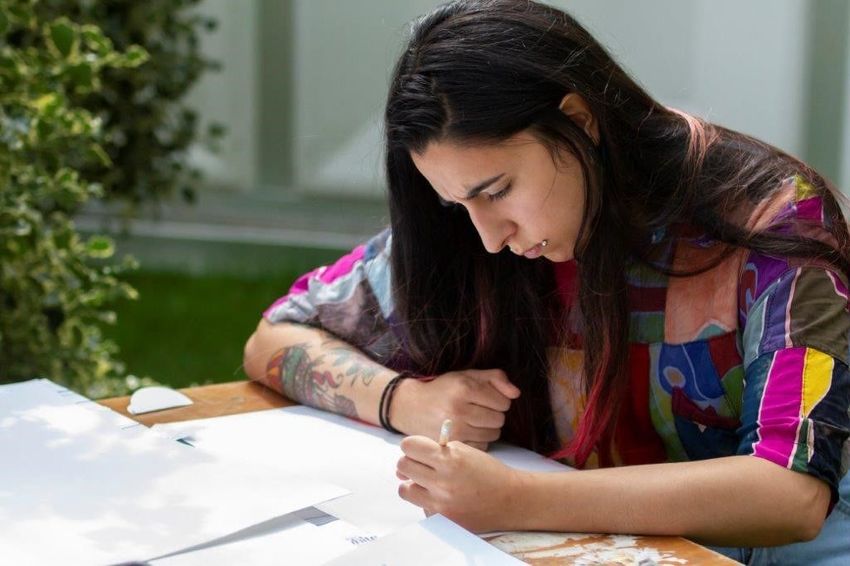
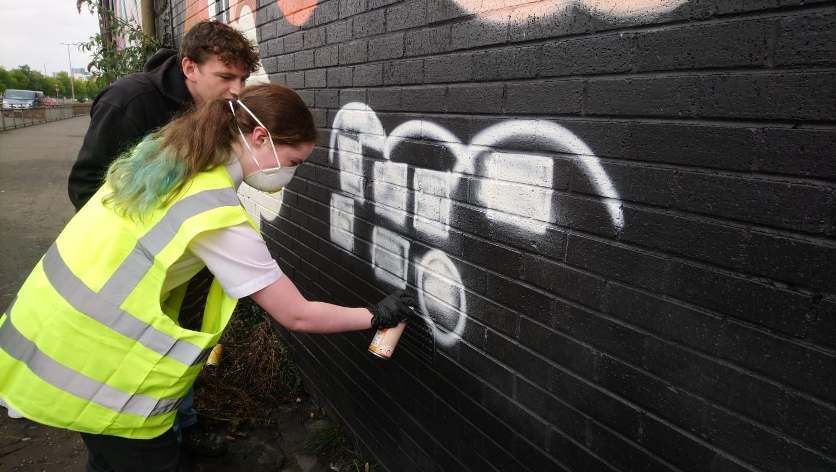
1   ARTICULATE
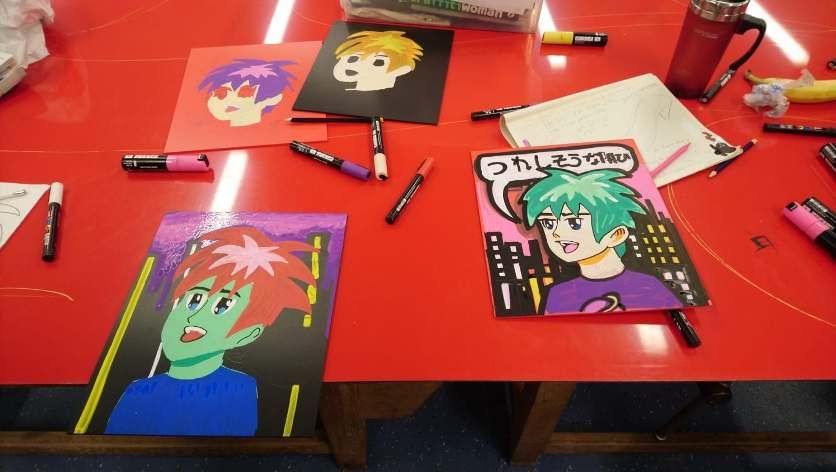
      Graffiti art
      East Renfrewshire
      In school
      Secondary pupils with care experience

2   ARTSPARKS, JUPITER ARTLAND
      Range of art forms
      West Lothian
      Outdoors
      3 to 10 year olds

3   SHMU, FOUNDATION APPRENTICESHIPS
      Range of art forms(music, audio-visual, digital)
      Aberdeenshire
      In school
      Secondary pupils
4 EDINBURGH INTERNATIONAL BOOK
FESTIVAL AND SPARTANS
Spoken word
Edinburgh
Alternative school setting
Secondary pupils
5 BIG NOISE, SISTEMA SCOTLAND
Music
Dundee
In school
Primary pupils
6 BUFF AND SHEEN, IMAGINATE
Live performance
Edinburgh
In gardens
Children with additional support needs
7 EXPECTING SOMETHING,
STARCATCHERS
Range of art forms
Fife
Outdoors
Yo u n g p a r e n t s a n d b a b i e s
8 BABY STRINGS, CREATE4EAST
Music
Glasgow
In school
Early primary pupilsARTICULATE
Creativity during Covid: Case Study 1
Profiling face to face creative work with
children and young people in 2020, during
the Covid-19 global pandemicABOUT THIS PROJECT Articulate Cultural Trust works with care experienced young people in Scotland. It uses art, culture and creativity to challenge loneliness, support connectivity and promote physical and mental wellbeing. In June 2019, Articulate began working with a group of care experienced young people at a secondary school in East Renfrewshire. Young people took part in taster sessions in a range of art forms including music, graffiti art and photography. They decided that they wanted the project to focus on graffiti art. From September 2019 to February 2020, five young people worked with a designer, commercial and graffiti artist during weekly sessions. They took part in skills based workshops, sharing their learning and skills. An artist worked with the young people through to early March 2020, at which point the project was due to shift to reflection and assessment, to enable the young people to gain an Arts Award. With the schools closing in late March 2020, the project had to adapt and find new ways of working.
MAKING IT HAPPEN

 Initially, when the schools closed in spring 2020 the project came to a ‘full stop’.
 Articulate staff got in touch with the teacher several times between spring and
 summer, but with nobody in schools it was not possible to keep the project going. By
 June, the school confirmed that it would love for the project to run in the first term of
 2020/21.

 When the school first re-opened in
 August it was not allowing any external
                                                    "
                                                            There wasn’t
 visitors. There was a lot of negotiation
                                                           anyone who
 and discussion between Articulate and
                                                          wasn’t a teacher

                                                                                "
 the school, and Articulate staff felt that a
 real exception was made to allow the                       getting in.
 project back in to meet the young
 people face to face.
                                                            -Articulate-

By September 2020, Articulate staff were able to go into the school twice, to meet the
young people and complete their work on the Arts Award. A range of protocols were
followed, including:

  Adults wore masks                             Articulate staff waited outside the
  Adults were socially distanced from the       building to be collected
  young people                                  Articulate staff did not go anywhere
  Activity took place in a larger space         without a teacher
  Safe entry and exit arrangements were         Articulate staff did not touch anything
  in place                                      Hands were washed regularly.
Articulate staff spoke with the school and followed all of their required protocols.
Articulate staff also worked together to share their understanding of the guidance and
changing restrictions, and how these applied to their work in different situations.
In addition to running the two face to
face sessions, the project kept in touch
with the school through:
enabling Articulate to review Arts
Award workbooks for each pupil by
dropping these off in a box outside
the school for pick up and deposit;
and
communicating via What’s App about
any extra evidence pupils needed
such as photos or text to support their
workbook.
Articulate believes that the face to face
work was possible because the school
was very keen to ensure that the young
people achieved their Arts Awards, and
really recognised the benefit of the
project. The young people had really
formed a bond, and there had been lots
of evaluation evidence demonstrating
how important the project was to them."
The project was really well supported from
the start.
" - Articulate
The face to face work was also made possible as teachers understood the value of the
work. Teachers and support workers had previously observed and supported the art
sessions and seen the impact on the young people both during the project, and more widely
in their other classes. Some young people were school refusers but the project was the one
point in the school week that they would always come in for. There was a high level of
awareness of the project, and teachers and support workers across the school understood
the value of the project, were interested in it and talked proudly of it.IMPACT ON YOUNG
PEOPLE
Articulate gathered evaluation
evidence from teachers, support staff
and young people to demonstrate the
impact of the project. This showed the
project built:
Sense of belonging
The project helped to cement existing
friendships and develop new bonds
within and between year groups. This
was particularly important as many
""
struggled to develop deep friendships
before the course.
They have formed a
fantastic friendship with
"
each other and really used
this group and their
shared experiences as a
"
brilliant base to bond
them together.
6
- Pupil Support AssistantAttendance and
" From teaching x in S4, I noticed a
engagement difference in terms of her self-
esteem and con dence. She was
Participants were more likely to
more open to share stories… She
attend school or part of the day, volunteered answers regularly in
particularly on the days that the class, seemed more content and
upbeat about school life and the
"
project was running. The young
people also began taking part in path she wants to follow on
other classes in a more active way. leaving school.
Confidence
School staff noticed significant
changes in the confidence of the
" - Teacher
The learning opportunities
young people. This was
supported our students to
particularly important as several
develop con dence in
participants had global learning
expressing their own
difficulties or required extensive
points of view and helped
support to access the curriculum
them recognise, articulate
"
based on learning needs, which
had impacted on their confidence. and value the skills they
were developing.
- Head Teacher
Wellbeing
The project helped young people
be more focused, calmer and
"
The young people really
"
concentrate better. This was
blossomed and responded to
particularly important as all had
difficult family situations which the project and the artist.
impacted differently on a daily - Teacher
basis.Trust
"I found S’s self belief grew
The project provided a safe and
exponentially last year. He
nurturing space for young people away developed a self-assured, can-
from the pressures and stress of do attitude and seems like a
young person who will aim
"
school life.
Learning new
skills
"towards his goals regardless
of any barrier in his way.
- Teacher
I liked learning new
The young people enjoyed taking part skills and making
in the project, and learning new skills. the big board was
really fun.
Accreditation I enjoyed using
different techniques,
using skills that you
All five young people involved in the
project achieved their Bronze Arts wouldn’t normally get,
Award. Articulate staff were permitted something different. It
to go into the school in November was a completely
2020 for a small, socially distanced unique opportunity.
awards ceremony. This helped to
recognise the young people’s
I loved it. I loved the
achievements.
whole thing.
"
The large wall panel that the young
people created is now permanently
sited in the school corridor.
Young people
I liked how there were
lots of different styles
and mindsets… I saw
lots of different types
"
achieving the Arts of graf ti which was all
Award in these very unique.
circumstances was
- Young people
pretty incredible.
- ArticulateLEARNING
From this experience, Articulate has This work involved two different year
learned: groups (S2 and S4) and these pupils
needed to be socially distanced.
be patient - it can take time to build However, because the project
trust in working together targets care experienced young
be flexible - try to offer as many people the numbers in one year
solutions as possible group were relatively small and the
adapt - whatever you did in the past project could be quite isolating - so
probably isn’t going to work now the mixing of year groups was
understand - while it is possible to important.
do face to face work in some
schools, others are not so Articulate has found that it is
comfortable with this - even within possible to go into another school
the same authority. because:
In December 2020 Articulate began There is clear evaluation
running the project in another school. evidence about the first
Now that schools have been open for project
longer, Articulate staff feel the
There is a lot of goodwill
processes for speaking to teachers
from the first project
and visiting schools are clearer.
Trying the approach in
one school gave a good
Approaches such as Test and Trace,
mask wearing and social distancing
foundation from which to
are now all well established as build a new plan.
safeguards, and there is a high
degree of trust that these measures
are effective.ARTICULATE
ARTSPARKS
 JUPITER ARTLAND
Creativity during Covid: Case Study 2
 Profiling face to face creative work with
children and young people in 2020, during
       the Covid-19 global pandemic
ABOUT THIS
PROJECT
Jupiter Artland is a contemporary sculpture park and art gallery in West Lothian. Jupiter
Artland Foundation is a registered charity which offers classes, workshops and events.
Since around 2010, Jupiter Artland has offered Artsparks outdoor learning classes for
children. Normally these are based in a classroom which is set within a garden in a
100-acre estate.
The aim of the classes is to introduce children to art, nature and creativity. Parents pay
for the classes and sign children up to attend each term. Classes cost £150 for a 10
week block of 2 hour sessions. There are four classes a week - two for early years
children aged 3 to 5, and two for primary age children aged 5 to 10.
In March 2020, all of the learning classes stopped. Classes did not run for the spring/
summer term, and all learning staff were furloughed until July. On their return, learning
staff explored interest in re-starting the outdoor learning classes. They found that there
"
was a very high level of interest among their existing client group.
The response was
"
overwhelmingly -
yes!
Jupiter ArtlandThen, the project explored how best it could run the activities in a safe and fun way. In
autumn 2020, the classes were re-started and are now entirely held outdoors. There is no
set base, classroom or indoor facility at all.
The classes restarted with a weekly cohort of 34 children in four separate two-hour long
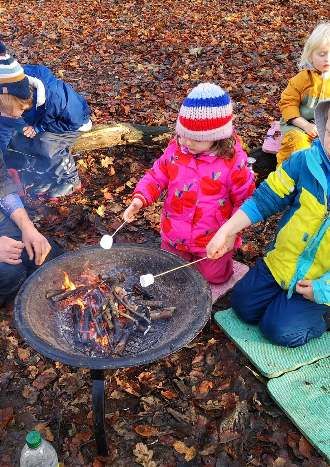
classes. Recent classes have included investigations into the world of mini-beasts and
birds, learning about building and lighting fires safely, and making paint out of foraged
berries. The children who attend are from both West Lothian and Edinburgh, with Jupiter
Artland lying on the boundary between the two authorities.
Around half of the children had not previously attended classes at Jupiter Artland,
reflecting the immediate need of families to have access to learning activities and
opportunities to socialise with their peers.
MAKING IT HAPPEN
The Jupiter Artland outdoor space was open to the public from May 2020. This meant
that while the learning team was on furlough, many of the approaches to keeping visitors
safe were already being well established. When the learning team returned and classes
started in September, it felt like a very safe environment in which to work with children,
with tried and tested procedures.
The learning team reviewed the relevant guidelines for working with children and young
people and adapted their practice accordingly. The team found that Artsparks did not fit
into one category for the guidance, but spanned across several. However, because the
" organisation had a strong focus on outdoor learning already, it found that procedures did
not need to change too significantly.
"
The big surprise for me was how little we actually had to change.
- Jupiter Artland -Jupiter Artland has always had rigorous outdoor learning policies, and these were
updated on a regular basis using the Scottish Government’s guidelines. Parents were
informed that these were dynamic documents, and that they should ensure they
stayed up to date with approaches. Artsparks staff were also regularly in touch with
parents to explain when guidelines and requirements changed.
Adaptations were made including:
The indoor space is no longer used at all and the door is kept
closed to ensure children familiar with the space from previous
sessions do not try to access it.
Parents are asked to drop their children at a drop off place, and
are not allowed to come through the gate of the garden area.
Parents are asked to wear face masks when dropping off and
picking up children - in line with guidance for schools.
Materials are kept at a minimum which reduces the risk of any
cross contamination between learners and leaders.
Group sizes are kept small - 8 for 3 to 5 year olds, and 10 for 5
to 10 year olds.
There is regular hand washing and hand sanitising. Some
parents have chosen to provide their child with their own
sanitiser.
Children are asked to bring their own snacks - where previously
the project provided juice and a biscuit.
Staff distance from one another and other adults. However, they
do not need to distance from the young children (aged 3 to 5) as
they prioritise their wellbeing. With the 5-10 age group staff stay
" more distanced, but are still able to help with first aid or outdoor
"
toileting as required.
Being outdoors is our major saving grace. - Jupiter Artland -
The woodland provides plenty shelter with many trees, and on windy days the Artsparks
project is able to adapt and move away from the wooded areas to ensure the safety of
the children.IMPACT ON
CHILDREN AND
FAMILIES
The Artsparks classes are having an
" impact on confidence, friendships and
skills.
I have noticed his
" We learned how to
con dence grow and draw new pictures
""
awareness and curiosity of and make details.
nature increase.
- Parent - I feel like I have
achieved something,
like making a re,
"
climbed a tree, made
" Children enjoy the classes and feel
that they learn lots of new and
interesting things. Children mentioned
learning practical skills, like cooking
on a fire, building fires or making
" my own art.
- Children -
paint, as well as wider life skills like
It's clear that the
making friends.
group is very
supportive of each
The children like being outdoors
other and there is a
"
whatever the weather and are happy
sense of
to wrap up warm with lots of layers.
camaraderie.
- Parent -"" "
When I am outside Being outside is
and with my friends it awesome because
" "
always makes me feel you can get mud on
" happy.
" your face!
I feel happy and excited.
"
-- Children
I like being outside. I
would rather be outside
than inside. I like to be in
nature.
Children --I don’t like adults wearing
"
The children involved in this case
study said they didn’t mind washing
their hands more. Most didn’t mind
the adults wearing masks, although
some found it a little strange. Some
" masks, but I know it’s
good for them and us.
- Child -
[my child] is so used to
adults wearing masks
"
parents said that safety measures like
masks, distancing and hand sanitising
were now relatively normal for their
children.
" now that i don't think she
even notices.
- Parent -
"
It’s been huge for their
Parents feel that being able to get back
outdoors and play and learn with other
children has made a big difference to
their children’s lives. Many highlighted
" mental health.
- Parent -
It has most de nitely
"
how much their children missed
Artsparks when it wasn’t running during
lockdown. One parent felt that the skills
their children had learned at Artsparks
helped her become more
independent. She is really
quite adventurous when
we're out and about now!
"
had helped them during lockdown,
She's also much more aware
enabling them to play safely and
of her surroundings.
independently in an outdoor
environment. - Parent -
Also since lockdown, Artsparks has engaged more local people from West
Lothian. Traditionally most parents came to the project from nearby Edinburgh.
However the restrictions on travel may have helped the project to become more
connected to the immediate community, and gain a local audience.
Jupiter Artland staff believe the approach is more impactful outdoors, creating
special and unique learning experiences.LEARNING
The children adapted quickly to new approaches. Artsparks supported this by
ensuring that old spaces that children were familiar with were used only for
outdoor drop off, and the children were then taken away into the estate away
from the spaces they used to use.
However, it was more difficult to encourage parents to adapt. There was some
resistance from a minority to mask wearing, and some parents found it hard to
drop their child off and leave them at the allotted points. Parents also
sometimes used the spaces for socialising, and needed reminding to observe
social distancing rules. Over time, Artsparks has become more direct, strict
and assertive with parents that the rules must be followed.
Parents also initially found it quite hard to imagine what the children had done
during the session, as they couldn’t see the space. Now, each week parents
receive a summary of activities and some pictures so that they can chat to
" their child about what they did and continue the learning at home.
" I honestly don’t see us going back.
- Jupiter Artland -
"ARTSPARKS JUPITER ARTLAND
FOUNDATION
  APPRENTICESHIPS
      SHMU
Creativity during Covid: Case Study 3
Profiling face to face creative work with children
and young people in 2020, during the Covid-19
                  global pandemic
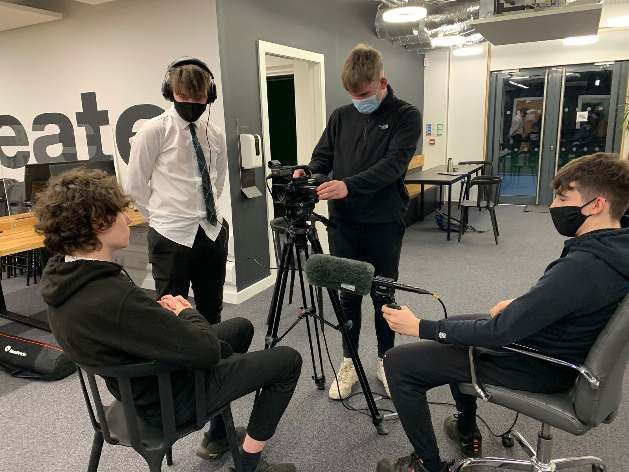
ABOUT THIS PROJECT Station House Media Unit (SHMU) is a cultural charity in Aberdeen. It supports people in disadvantaged communities, both geographic and communities of interest. It focuses on radio and video production, traditional and online publications, music production and digital inclusion. The organisation also supports a range of accredited qualifications across North East Scotland, including the BFI Film Academy, Moving Image Arts AS-Level film qualification, and a number of SQA media, employability, and personal development qualifications. Since 2019, SHMU has been involved in delivering the Creative & Digital Media Foundation Apprenticeship in partnership with Aberdeenshire Council. Foundation Apprenticeships support young people to learn about the world of work and gain industry knowledge while still at school, while gaining a qualification at the same level as a Higher. Young people choose the apprenticeship as part of their subject choices for S5 and S6, spend time with a learning provider, and work on industry projects supported by experienced colleagues. Aberdeenshire Council approached SHMU to explore whether it could deliver a Creative and Digital Media Foundation Apprenticeship. SHMU was keen to be involved, designed a programme and Aberdeenshire Council then contracted SHMU to deliver the programme. The opportunity was offered to schools as part of S5 and S6 subject choices for both 2019/20 and 2020/21. Pupils took part over a whole school year, for approximately 5 hours in school and 3.5 hours in SHMU each week. In 2019/20, there was a strong cohort of 17 pupils from Westhill Academy who selected the Creative and Digital Media Foundation Apprenticeship. The programme involved classroom based activity, practical experience at SHMU and a media project for an external client.
ONLINE
DELIVERY

Station House Media Unit (SHMU) is a cultural charity in Aberdeen. It supports In
March 2020, as the public health situation emerged, the project was initially
significantly impacted. The students were just about to start their project for their
external client. Clients began contacting SHMU to say they couldn’t have any
external visitors. The clients were in key industries - care homes, schools for young
people with additional support needs, and construction. All felt it was unsafe for
young people to be at their site. Then at the end of March, the schools closed.

SHMU worked with the school to make a new plan for delivery. While schools were
closed they used Teams to communicate with pupils directly. Teams was already in
use in the school, and there were clear protocols - for example cameras were
disabled. This worked well as SHMU already had a good relationship with the
young people, and the schools and young people were keen that they finished their
Apprenticeship and gained their qualification. Initially SHMU stuck to the timetabled
slots, but it became clear that as young people dealt with the situation and adapted
to working at home, that a more fluid approach would be beneficial. SHMU adapted
to catch up with each young person as it suited.

The young people were able to complete their apprenticeship and gain their
qualification.

In June 2020, the programme began again in two schools. As the schools were still
closed, delivery remained online. This required a new group on Teams, involving
young people who didn’t necessarily know one another and had never met the staff
at SHMU. This was timetabled as if they were in a school, with blocked out times
when SHMU could engage online. As the schools were still closed, delivery
remained online. This required a new group on Teams, involving young people who
didn’t necessarily know one another and had never met the staff at SHMU. This
was timetabled as if they were in a school, with blocked out times when SHMU
could engage online.
From experience, it was felt online engagement would be higher, if the sessions were
     shorter, rather than staying online for the full 80 minute session. SHMU adapted the
     sessions and used the time to provide short introductions to topics, class discussion
     and then provided topics for pupils to research offline in their own time. They then
     followed up in the next session. This worked reasonably

     MAKING IT HAPPEN

     In August 2020, SHMU was able to return to face to face work with young people.
     This was made possible as Aberdeenshire Council contacted SHMU in summer to
     say that they were keen for the Foundation Apprenticeship to be delivered in school,
     if SHMU was happy with this. SHMU, Aberdeenshire Council and the schools had
     many joint discussions and produced risk assessments. This involved considering:

       Staff distancing from pupils
       Staff wearing masks
       Pupils from different schools being socially distanced
       Cleaning all equipment after use
       Carefully planning how visitors accessed the building and moved around the
       school.

"   SHMU found that the school had done a lot of work to explain the roles and
    responsibilities to pupils, and pupils were happy to clean their own work area after use.

    There was a short time when all delivery took place within the school. Pupils did not
    travel to SHMU for any activities at first. This was because this was the first time
    schools had any visitors since March, and the schools wanted to be very careful.
    Further risk assessment was then undertaken to review whether pupils could travel to
    SHMU.
To enable this to happen: Pupils were transported to SHMU by bus - in a bubble Pupils wore face masks on the bus Pupils arrived and got straight to work - instead of having lunch or socialising which they previously used to do Pupils sanitised their hands on entry and exit of every room Pupils from different schools are socially distanced. To introduce the face to face work safely, SHMU followed the guidance on both education and youth work. SHMU also accessed very useful guidance from Youth Scotland, and received support from Aberdeenshire Council and its education department. The risk assessment was produced and sent to Aberdeenshire Council’s education department for review. A key part of this review involved travel between authority areas. SHMU is in Aberdeen while the schools are in Aberdeenshire. There was some concern about travel between authorities. However it was decided that this was possible due to it being for education purposes, and that pupils would not interact with anyone else in the time they were out of school other than their fellow pupils and SHMU staff who already worked with the pupils in school.
It also feels like I’m
actually learning stuff that

                        "
  I can apply to the real
          world.
     - Young person -

                  IMPACT ON YOUNG
                  PEOPLE

                  Discussion with three current
                  participants highlighted the positive
                  impact of the Foundation
                  Apprenticeship on young people’s
                  skills, confidence and aspirations for
                  the future.

                  SKILLS

                  Young people highly valued the
                  practical skills that they learned
                  through working with SHMU. They
                  learned creative skills around
                  operating radio and camera
                  equipment, editing, filming, camera
                  techniques and angles and creating
                  storyboards. Young people also
                  learned general skills around leading
                  others, working as a team, planning
                  and research skills.
CONFIDENCE
Young people felt more
confident as a result of
working with SHMU. This
included confidence in
meeting new people, leading
others, volunteering to try
new things and confidence on
radio and on camera. Young
people also felt more
confident in their own skills
and abilities as a result of the
Foundation Apprenticeship.
Linked to this, some young
people felt that they were
able to express their ideas,
be creative, have opinions
and be listened to when
" working with SHMU.
"
"
I think my con dence has
" de nitely improved a lot.
- Young person -
It’s just made me more open to
I do really like the
lm-making and
radio because it
feels like your
getting to know new people,
" "
voice is heard.
because of how I’ve made new
- Young person -
friends doing this
- Young person -ENGAGEMENT AND FUTURE
ATTAINMENT ASPIRATIONS
The curriculum delivery has Working with SHMU has
been greatly enhanced through helped young people to learn
the partnership with SHMU, about the range of
which has allowed young opportunities available in the
"
people to benefit from real life
experience of the
curriculum. Evaluation of the
creative
industry directly through their
media and creativity
explore different roles in film
and radio. It has helped young
people to explore
and
their
programme found: interests and develop clearer
ideas about future careers and
pupil engagement
attainment improved
significant improvement in
pupil engagement in
and
the
"
learning. Young people have
become excited and positive
about their future.
wider curriculum
clear evidence of improved It’s made me more,
like, clear on what
"
attendance and commitment
noticeable improvements in I’m interested in for
pupil
confidence.
self-esteem
The evaluation also found that
and
" the future.
- Young person -
It’s de nitely been… a
the approach improved major eye opener just
inclusion. With targeted pupil to see how much
groups being offered the stuff there is outside
"
Foundation Apprenticeship, the of school that you
approach can be used flexibly can do.
to meet the needs of a wide - Young person -
group of pupils.LEARNING
The Foundation Apprenticeship Before face to face delivery began,
programme brings together pupils SHMU had a step by step procedure
from different schools. In these about what everybody needed to do.
circumstances, it is vital that the This involved all partners - SHMU,
pupils are kept socially distanced. schools and the council. All worked
This has had an impact on together to make sure that everyone
networking and friendships. Staff understood what to do to keep
from SHMU are also not able to pop people safe. There were some
in to meet the young people, as they concerns and anxieties from staff
are not in the building. Now the about going into a school
building feels quiet, when it used to environment at first. Now, SHMU
be bustling and noisy. staff feel that schools are a pretty
safe environment, and the pupils
The apprenticeship involves a stick well to the rules.
project for an external client. Young
" people are still not able to do work
experience on a face to face basis.
However, SHMU is introducing a
project for external clients which will
involve engagement via Teams and
some outdoors work.FOUNDATION
APPRENTICESHIPS
SHMUEDINBURGH INTERNATIONAL
BOOK FESTIVAL AND
SPARTANS
Creativity during Covid: Case Study 4
Profiling face to face creative work with
children and young people in 2020, during
the Covid-19 global pandemicABOUT THIS
PROJECT
Spartans Alternative School (Spartans) is Spartans liked the idea of having someone
part of the Spartans Community Football come into the school to focus on spoken
Academy in Edinburgh, which re-invests word poetry, and felt it was a good fit with
profits to support positive social impacts in their activities. The work was fully funded by
the community. Spartans support young the Book Festival.
people who find it challenging to cope for five
days a week in school, and may be at risk of In early 2020, the writer worked with a group
exclusion. Students attend part-time - of pupils through approximately five
normally 1.5 days a week - and also attend sessions. However, in March 2020, when
their mainstream school. Schools fund schools closed, the spoken word poetry
attendance at Spartans through their Pupil activity paused. Spartans made the decision
Equity Funding. In addition the City of to prioritise English and Maths learning
Edinburgh Council part fund the project. through its online learning activities. The
students attending Spartans have very clear
Spartans began working with Edinburgh and robust intended outcomes in these
International Book Festival (the Book areas. This was the main focus initially. After
Festival) in January 2020. The Book Festival this, Spartans began considering other areas
got in touch with Spartans to offer a two term of work.
project as part of its wider Citizen project.
This is a long term project in north Edinburgh In the spring to summer term, virtual learning
and Musselburgh, working with children from was undertaken online using video
nursery age through to secondary school. As conferencing. This required a lot of co-
part of this project, the Book Festival has a ordination and support and was very time
community writer and schools writer in consuming. Spartans did not feel it had
residence. capacity to introduce another element of
virtual learning in the summer term -
The Book Festival had already worked with a particularly with an external organisation.
number of schools in the area in 2019, and Instead, the Book Festival distributed an
was keen to build relationships with new education pack with some writing tasks and
schools. It approached Spartans to offer the activities, through the school in the summer
project, which involved a writer working with term. Face to face activity then resumed after
children in S3 and S4. the summer, in September 2020.MAKING IT HAPPEN
In August 2020, the Book Festival got back in touch with Spartans and offered another
10 weeks of the poetry project. The work was restarted, with the artist attending the
school face to face. To make the work safe, Spartans worked with the artist in the same
way as they would with any other member of staff.
There are only eight young people in the building at any one
time. This is normal practice for Spartans, which focuses on
intensive work with a small number of pupils.
Work is undertaken on a one to one or one to two basis. This is
also normal practice for Spartans due to the needs of the pupils.
Delivery is indoors, in large spaces, or outdoors.
S4 to S6 pupils wear masks.
Staff are socially distanced from the young people.
There is one laptop for the young people, and one for the
member of staff.
Activity is delivered outdoors as much as possible - involving
movement and fresh air.
Hands are regularly sanitised.
Tables and equipment are wiped down before the next session.
The temperature of all visitors is taken on arrival.
Each young person has their own ‘fidget bag’ with their own
sensory tools and equipment for every subject.
The work was fully risk assessed by the Book Festival and
Spartans.Spartans and the Book Festival worked together to agree a sensible and cautious
approach. Spartans felt confident in the existing positive relationship that it had with the
Book Festival, and was happy that risks would be fully assessed and activity well
managed. The organisations were able to discuss the approach in advance, and the
school felt that the Book Festival was great at communicating, efficient and organised.
Both Spartans and the Book Festival had a full risk assessment for the activity, which
they updated regularly.
The artist was from a different local authority area, but Spartans and the Book Festival
agreed it was appropriate for the artist to travel for educational and work reasons. The
artist was provided with a letter setting out her need to travel for education and work
purposes. The Book Festival worked with the artist to agree procedures such as taking
private transport, filling up with petrol in her home local authority area, and taking lunch
so that she didn’t need to visit local shops.
The young people took responsibility for many of the safety measures themselves. Young
" "
people clean their own work area and equipment, and some very much benefit from this
clear structure and routine.
"
I like using the cameras. I liked My rapping skills improved
"
the rapping it was boss, I was - I’ve just gone platinum.
"
good at it. I think I’ll write again.
" "
I liked meeting the rappers, I liked nding out more about
spoken word and I liked taking the photos.
It was fun, good.
- Young People -
"IMPACT ON YOUNG
PEOPLE
The curriculum for S3 and S4 pupils
has a lot of non-fiction content, and
Spartans believes that the work with
the Book Festival gives young people
the chance to explore creative writing
and enjoy it. The work has helped
pupils across the curriculum, with
problem solving and creative
approaches.
Young people developed new skills
through the work, including writing,
talking about poems and rap material,
rhyming and performing. These skills
helped them in English and in other
areas of their lives.
The head teacher believes the work is
very responsive to the interests of the
young people and enables naturally
occurring learning which suits the needs
of the young people involved. The artist
"
has found that needs can change week
by week, and it is vital to be flexible.
There is a real focus on
"
creative and re ective
writing.
- Headteacher -The work has helped students to find their voice, be heard and express
themselves. The artist found that many of the young people, who have
chaotic and challenging home lives, were not used to being asked their
opinion and valued this opportunity. The young people have become more
confident in talking about their opinions and having conversations.
Involving a visitor to the school also helped the young people to build
positive relationships with adults. The relationship the young people built
with the artist was strong, and the young people very much enjoyed the
sessions.
The activity was well designed,
"
with plenty opportunities for
I think anything that
movement and being outdoors -
allows them to have more
for example going outside to positive relationships with
take photographs. This worked adults and engage with
"
well for the young people in new adults is good for
terms of their health and them.
wellbeing, while also making the - Headteacher -
work as safe as possible.LEARNING Masks have been a bit of a challenge for some pupils with autism, which mean pupils can misread cues. The school bought some lipreading masks but these were very warm and did not work well. The project has tried to undertake as much outdoor activity as possible, to enhance safety for staff and young people. This has been welcomed by the young people, who enjoy the chance to have movement and fresh air. The success of the project is very dependent on the individual artist working with the school. The current artist is a very good fit, and shares the same learning style as the school with a focus on empowerment and pupil voice. Spartans believe that it is very important to meet the individual involved before agreeing to a project of this nature. When undertaking risk assessments, Spartans, the Book Festival and the artist discussed the range of challenges the young participants face in their everyday lives, the risk of Covid to these young people, and the risk of not continuing the creative work. Together, they agreed that the risk for these young people was actually greater if the creative work did not continue, which set the framework for decisions to be made to enable this work to happen safely and effectively. This framework then had to be adaptable and flexible, to fit with the changing context.
EDINBURGH INTERNATIONAL
BOOK FESTIVAL AND SPARTANS
BIG NOISE DOUGLAS
SISTEMA SCOTLAND
Creativity during Covid: Case Study 5

 Profiling face to face creative work with
children and young people in 2020, during
       the Covid-19 global pandemic
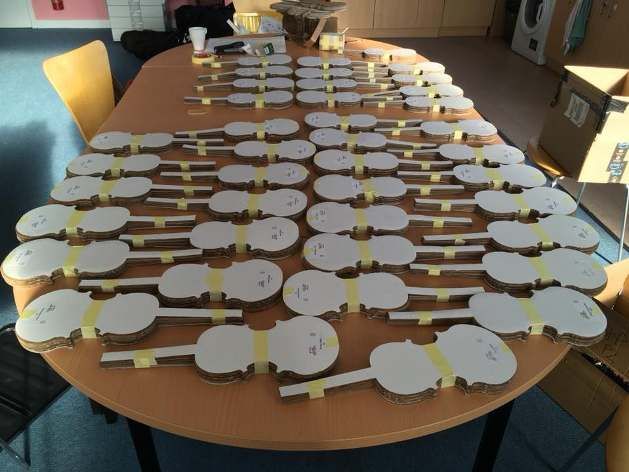
ABOUT THIS PROJECT Sistema Scotland works to improve lives and strengthen communities through its Big Noise programmes which run in four areas of Scotland. This case study focuses on work in Douglas in Dundee, in two primary schools. Big Noise Douglas is delivered by Sistema Scotland in partnership with Optimistic Sound and Dundee City Council and with the support of Strategic Partner, Gannochy Trust. Sistema Scotland began work in these schools in autumn 2017. It worked with P1 to P6 pupils, offering all pupils two Big Noise sessions a week of 30 to 45 minutes as part of the curriculum. The sessions focused on pre-instrumental skills, singing, pulse and rhythm in P1 and early P2. In P2, pupils made a cardboard instrument and learned how to hold and use it. At the end of P2 pupils got a real instrument, and lessons in P3 focused on playing together twice a week. Within these schools, Sistema also ran a weekly nursery lesson, an after-school club for P3 to P6 pupils which ran three nights a week, and a parent and child Baby Noise session. Sistema Scotland staff worked closely with both schools, and had a good relationship with the teachers and head teachers.
We changed more in a

                                                                                         "
                                                          month than we did in
                                                          the previous six years!
    MAKING IT HAPPEN                                              - Sistema -

    In March 2020, the week before full national      In the summer term, Sistema Scotland
    lockdown, Sistema took the decision to            began delivering face to face sessions at
    pause all face to face delivery. Over the first    one of the primary schools which was a
    couple of weeks, Sistema Scotland staff           hub for children of key workers and
    contacted each family registered with the         vulnerable children. The school covered
    after-school club, explored their connectivity    six primaries and one secondary, and
    and made plans for ongoing contact. They          Sistema Scotland worked with children
    established     individual    contact   through   from P1 to S5 in mixed groups. The team
    weekly 30 minute lessons on zoom for each         was able to get in to deliver face to face
    child taking part in the after-school club.       work because the teachers at the local
    This required quick work to explore online        primaries had good relationships and
    child protection, risks and safety protocols      communication with Sistema Scotland,
    (such as saying hi to a parent at the             knew that they would be capable of high
    beginning of each call).                          quality delivery and were confident that
                                                      the risk assessment produced was very

    Sistema    Scotland    also    produced    pre-
    recorded videos for distribution for P1 to P3
    pupils through the two schools. These were
    issued in the summer term. They also
                                                      "
                                                      thorough.

                                                          It was also down to the
"   started running drop in online lessons for
    groups. Previously around 99% of staff time
    was spent out at schools doing face to face
    work. This shift required a huge learning
    curve and was a big change for the
                                                         communication with the
                                                           Sistema Scotland staff.
                                                          They are very engaging,
                                                         they always communicate
    organisation.                                          what is going well and

                                                                                     "
                                                           any problems, and are
                                                                very exible.

                                                                    - Teacher -
Working in the hub was the first time they
had been back doing face to face work, and
it was underpinned by strong protocols and
" We are not really one
risk assessments. Sistema Scotland as an
thing, you know. We are
organisation reviewed all the relevant
guidance, talked about it as a team, childcare, we are
explored key issues with the Director of education, but we’re
Education and the two schools, and also playing music so it
"
discussed issues at key national groups becomes creative arts as
such as the Music Education Partnership
well…
Group (MPEG) and Heads of Instrumental
Teaching Scotland (HITS). It was - Sistema -
challenging to interpret the guidance, as
Sistema covered a number of different
types of provision. It was a good opportunity Over the summer holidays, Sistema
to try what worked in lessons and build Scotland then began chatting with the
confidence in the new delivery model. two primary schools about getting back to
face to face delivery from when the
schools returned in autumn 2020. The
plans changed quickly, based on the
" circumstances. Sistema Scotland shared
its risk assessments and protocols with
the schools, and the schools shared
theirs with Sistema Scotland. Ultimately,
Sistema Scotland followed whatever
policies and protocols the schools had in
place, when working with their pupils.
"
This included no mixing between schools
or class groups, and no moving the class
out of their classroom (during class time).Face to face delivery resumed in class in
September 2020, with the after-school club
returning two weeks later. For the first few
weeks of term, the school wanted to focus
on the pupils and not allow any visitors at
all. The early years work did not re-start due
to a policy of having no external visitors at
nurseries in the authority. The work with P1
and P2 pupils, which focuses on rhythm
and pre-instrumental skills, is not very
different from before.
The biggest change is that there is no
singing. But the protocol Sistema adopted is Other key considerations include:
that children need to socially distance when
they are holding an instrument (based on The Sistema teacher distances from
their interpretation of the guidelines). This the children, and from the class
causes challenges for the P3 group. It teacher
means that playing the violin and viola has The Sistema teacher wears a mask
not been recommenced with this group, as unless directly teaching the children
" they can’t be moved out of their classroom
and space does not allow for distancing.
Sistema teachers work with one school
per day and a maximum of two groups
per day
Equipment is wiped down (or
quarantined) after use
Equipment is not passed between
pupils.
"You can also read


