YMCA Child Care 2021/22 Family Handbook
←
→
Page content transcription
If your browser does not render page correctly, please read the page content below

YMCA Child Care
2021/22 Family Handbook   1

Welcome to the YMCA
                       Welcome to YMCA Child Care!
                       Choosing a child care provider is a big decision and we thank you for putting your trust in us.
                       As one of the most trusted providers of licensed child care for infants 6 weeks to 12 years in
                       Oakville, we offer all children opportunities to learn, grow, thrive and lead. Our positive, safe
                       and nurturing environments help provide children with the tools and resources they need to
                       reach their full potential!
                       Our YMCA Playing to Learn curriculum guides our work with our infant, toddler and preschool
                       children. This nationally recognized curriculum is based on the widely accepted philosophy
                       that young children learn best through play. Our qualified early childhood educators facilitate
                       play experiences that will help your child develop foundational skills in language and literacy,
                       mathematics, science and technology and the arts. These foundational skills help to foster a life-
                       long appreciation for learning that will ultimately assist your child in achieving future academic
                       success.
                       Our before and after-school programs for and school-age children are guided by our YMCA
                       Place to Connect curriculum. Our teachers observe the interests of your child and plan an
                       active, engaging play-based program centred around those interests. Our before and after-
                       school programs are designed to develop and enhance social skills like leadership, teamwork,
                       problem solving and conflict resolution. They provide ample opportunity for choice and are
                       designed to help children form meaningful relationships with their peers and feel connected to
                       their community.
                       The YMCA of Oakville is also a charity with deep roots in our community. For the past 55 years,
                       we have been responding to the needs of Oakville with a variety of programs and services
                       focused on improving the health and well-being of people in our community. Through
                       programs like child care, we help young people learn values and positive behaviours in an
                       environment where they truly belong. By doing this, we help them become confident kids
                       today and contributing, engaged adults in the future.

                                                                      Table of Contents
                                                                      Program Statement.................................2-13
                      “I was so happy to have the                        YMCA Curriculum.........................................................3-5
                                                                         Involving Community Partners..................................6-7
                      YMCA after care program                            Family Concerns................................................................8
                                                                         Inclusion and Child Guidance...................................9-11
                      available to us at my                              Health, Safety, Nutrition and Well-being............ 11-13
                      daughter’s school.                              Program Closures....................................... 13
                      My child is safe and happy                      Program Information........................... 15-16
                      and I never have to worry                       Registration Information.................... 17-18
                                                                      Child Care Directory............................. 20-22
                      about her.”

   1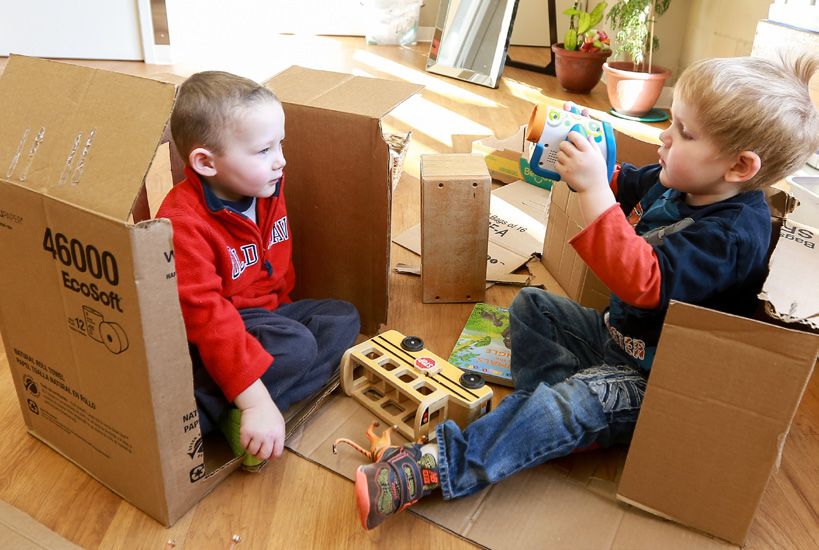
Program Statement
Program Statement
At the YMCA of Oakville, we know that access to high quality child care is critical for families. We provide
a positive safe and nurturing environment, where children have the tools and resources to enhance
their social, intellectual, physical and emotional development. Our educators believe that every child is
competent, capable of complex thinking and curious and rich in potential.

Our YMCA creates rich learning environments where all children can reach their full potential. Our
program philosophy aligns with the four foundational conditions that are outlined in the Ministry
of Education’s, “How Does Learning Happen?” Ontario’s Pedagogy for the Early Years. The YMCA is
committed to creating rich learning environments for children to reach their full potential

We appreciate each child’s uniqueness and view the child’s growth and development in a holistic
manner. We know that children thrive in quality programs that provide choice, opportunities for
leadership, focus on strengths, promote the development of skills and foster positive relationships.

As a values-based organization, we work to incorporate the YMCA core values of caring, honesty,
respect, responsibility, health and inclusiveness into everything we do.

                                                                                                                        2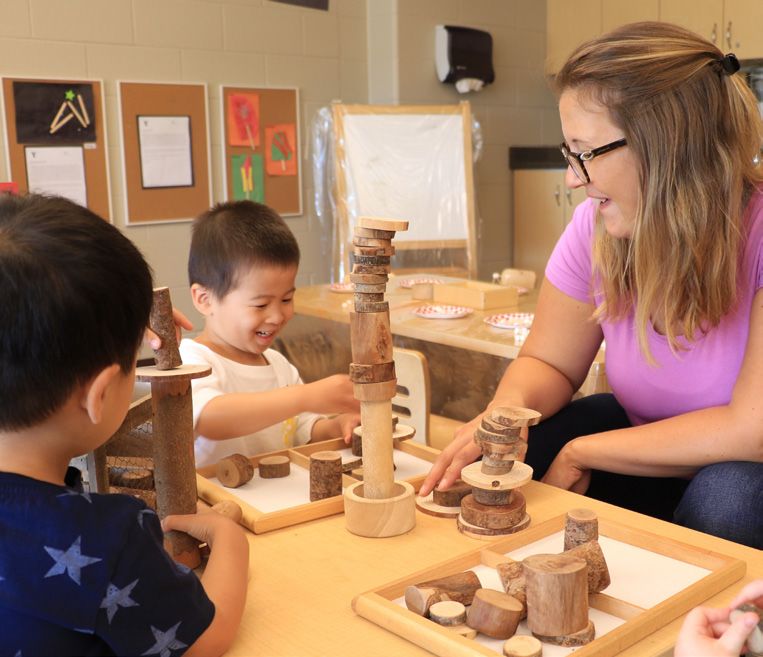
YMCA Curriculum
                  YMCA Curriculum
                  Infant, Toddler and Preschool Program
                  YMCA Playing to Learn is a research-based early childhood education curriculum. It is a unique
                  and forward thinking approach to early learning that recognizes play as the primary way chil-
                  dren learn and develop.
                  We know that when child’s play is supported by caring, responsive professionals their innate competence, capacity,
                  curiosity and potential will be realized.

                  Our early childhood educators possess the training, values and skills required to care for children and their families.
                  Our educators support your family by;
                      • Observing, documenting and communicating regularly about your child’s progress
                      • Planning activities based on the observed interests, reactions and cues of the children
                      • Fostering healthy social connections among children

                  School Age Program
                  YMCA Place to Connect curriculum brings a standard, high-quality approach to our before and after school child
                  care programs. Research shows that children flourish in programs that are structured to let them shape the program, by
                  providing opportunities for choice and designed to develop and enhance social skills like leadership, team work, problem
                  solving and conflict resolution.

                  Children will have the opportunity to engage in physical activities, games and outdoor play, as well as planned
                  activities driven by their interest to allow them to explore arts and crafts, science, math, reading and more.

                  As part of our curriculum our programs follow the guiding principles of play, relationships and health.

                  Play allows children to:                                        Our planning is based on the interests of the children
                                                                                  and may include, but is not limited to:
                      • improve and maintain physical, mental and
                        spiritual health                                               • board games, arts and crafts
                      • release stress and build resiliency skills                     • dramatic play, block play and construction
                      • have fun                                                       • science and discovery
                  Relationships allow children to:                                     • low organized games and sports
                      • build positive connections with peers                          • outdoor play
                      • learn how to effectively problem solve and                     • quieter areas for reading, homework completion
                        appreciate varying perspectives
                                                                                  A nutritious snack is offered every
                      • develop their ability to express empathy                  morning and afternoon.
                  A focus on health allows children to:
                      • learn how to eat healthy and be physically active
                      • develop healthy relationships with others
                      • foster a healthy spirit

                  Weemarkable™
                  Connecting you to the small moments and big milestones

                  Weemarkable is the window into your little one’s day - from wherever you are. It’s the app YMCA families love
                  to get notifications from as they receive messages and photos sharing in their child’s excitement and fun.
                  Built with YMCA educators and families, this educator to parent communication app enhances the child care
                  family’s understanding about their child’s learning, development and centre activities while establishing strong,
                  transparent relationships with educators. Built to support YMCA educator documentations observations,
                  Weemarkable streamlines information and provides an overview of each child at just a tap. Weemarkable is built
                  with the privacy and security of families in mind. It is easy to use and available for free download for Apple and
                  Android devices.

                  Weemarkable™ is a trademark of the YMCA of Hamilton|Burlington|Brantford.

  3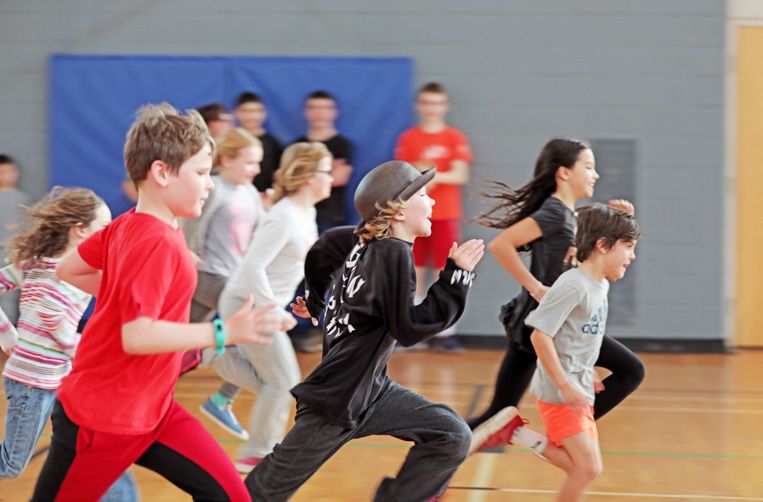
YMCA Curriculum
Incorporating Indoor, Outdoor, Active, Rest & Quiet Activities
YMCA educators design a daily schedule that meets the needs of the children and provides for
a balance of activities throughout the day. Consideration is given to each child’s individual age,
developmental level, energy level and their interests.
Generous opportunities for children to explore, play and inquire are included both indoors and
outdoors. Active and quiet play are interwoven throughout the day. The daily schedule is flexible
however young children thrive on regular schedules and feel secure when they can predict what will
occur throughout the day. Therefore, snacks and mealtimes are consistent as is the rest period in the
afternoon for young children.
Child Initiated and Adult Supported Experiences
Children and parents are warmly greeted upon arrival and after a brief check-in to share news from the
evening before, the children get down to the serious business of playing.
The room is set up with a variety of intentionally planned activities that support the observed interests
of the children. The children might join some friends at the creative table to work collaboratively on a
collage, or they might work on a Lego structure that they safely stored on the counter to complete the
next day.
There are no expectations imposed by the educator or curriculum on where children play, or whom
they play with, or how long they play at one activity. That is for the child to choose based on their
interests.
You may overhear a small group of children in the dramatic play centre dressed in costumes acting
out a scene of “family members and baby at the doctor”. The educator has been assigned the role of
the “doctor” by the children and takes this opportunity to ask the children questions that expand their
understanding of what happens at a check-up.
The following day, the educator supports the children’s interest by adding books about doctors
and hospitals to the dramatic play centre hoping to build on the children’s interest and spark more
questions and play – resulting in more learning.

                                                                                                                    4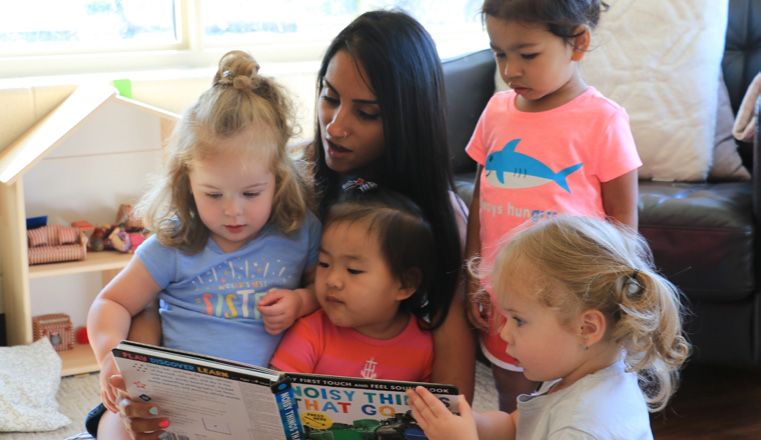
YMCA Curriculum
                  Fostering Exploration Play and Inquiry
                  Children are born with a natural sense of curiosity and wonder. They play naturally.

                  As parents and educators, we watch children explore their world through their senses, repetition of tasks, imitation,
                  asking questions, pretending. What are children really doing? Children are putting together all the pieces of how
                  the world works through exploration, play and inquiry.

                  YMCA educators understand the importance of play. They foster, expand and scaffold this natural talent called play
                  by being:
                       • active participants		          • architects of the playscape		          • keen observers
                       • planners			 • reporters				• collaborators
                       • reflective practitioners
                  Observing a day-in-the-life of a YMCA child care program, you will note that the majority of activities are directed
                  by the children. Children decide where, when, what and how they wish to play. Their decisions are based on their
                  interests and curiosity. The educator responds by adapting the environment by adding new toys, materials and
                  equipment, posing questions, and being a play partner. This sets the stage for further play, inquiry, discovery and
                  learning. The educator’s role is to support play so that learning and development flourishes.

                  Encouraging Children to Interact and Communicate in a Positive Way
                  and Support Their Ability to Self-Regulate
                  The YMCA believes that it is the role of the adult in a child’s life to support them to learn how to interact effectively
                  with the world around them including other children, adults, and the environment.

                  Generally self-regulation involves gaining a degree of control over one’s bodily functions and impulses, managing
                  one’s emotions, changing one’s behaviours and maintaining focus or attention on something or someone.

                  Some of the approaches implemented by YMCA educators to set the stage for positive interactions and enhance
                  social engagement among children include:
                      • providing small group experiences that allow for more individualized adult attention
                      • role-modelling inclusive, respectful, and collaborative interactions with children and adults
                      • ensuring that the learning environment is flexible, so they can respond in the moment and build on or
                        scaffold the children’s interest
                      • ensuring that toys, equipment, and materials are plentiful and available to children at all times
                      • providing children with the freedom to make choices
                      • engaging as a play partner with children, educators are able to demonstrate pro-social skills including promoting
                        discussion, problem solving skills when conflict arises, and understanding how their actions affect others
                      • attending trainings that address self-regulation and resilience

                  Planning and Creating Positive Learning Environments to
                  Support Every Child’s Learning and Experiences
                  At the YMCA we recognize that the parent is the child’s first teacher, the YMCA educator is the second teacher and
                  the learning environment is the child’s third teacher.

                  The YMCA’s unique approach to planning and creating learning environments supports children’s play so that early
                  learning and healthy development is maximized. All children will be supported and is inclusive of children with
                  individualized plans.

                  In our child care centres we have created home like environments that include calming colours, soft furnishings,
                  items from nature like plants and pets, family photographs, and accessories that are intended to make children feel
                  comfortable and safe.

                  YMCA educators understand that children learn holistically not in one area of development at a time. We
                  understand that riding a tricycle involves gross motor and fine motor skills, but the play children engage in while
                  riding a tricycle involves many more – communication skills, social skills, etc.

                  Therefore, you may find books, paper and crayons in the block area because children are using these items to figure out
                  how to build a bridge from one shelf to another. Or you may find playdough in the dramatic area where children are
                  making pizza. And on a beautiful day you may see indoor furniture moved outdoors to take advantage of the weather.

                  “She bonded with the educators there and I
  5               felt like they really cared about her.”
Our Partners
Involving Community Partners
While our range of community partners is broad, many of our centres are located in schools, so relationships with
principals, faculty and staff are critical. The YMCA works closely with local community agencies and partners in
order to support the children and families in our programs.

YMCA Educators
YMCA child care educators go through a comprehensive interview and selection process. They are required to
submit three employment references, plus a current police records check with vulnerable sector screening prior to
starting with us.

Our team is selected based on their maturity, education, experience working with children and families, and their
ability to role model YMCA values. Our educators have many opportunities for ongoing professional development
through internal and external training sessions and our annual before and after-school conference.

All educators are required to adhere to a number of YMCA policies and procedures, as well as Ministry of Education
requirements. An annual review of our policies and procedures ensures that our team is knowledgeable and
prepared to handle any situation.

College of Early Childhood Educators
The College of Early Childhood Educators is the professional self-regulatory body for early childhood educators
(ECE’s) in Ontario. The College mandate is to protect the public’s interest and ensure quality and standards of
practice of early childhood educators. YMCA educators with an Early Childhood Education diploma or degree must
hold a current, clear membership with the College. Memberships must be renewed on an annual basis.

Volunteers and Students
At times, YMCA programs are enhanced by the involvement of volunteers and placement students. Volunteers
and placement students also go through a formal interview process and are required to provide the YMCA with
professional references. Additionally, they provide the YMCA with a current police records check with vulnerable
sector screening prior to being placed in our programs.

Volunteers and placement students are oriented to the centre they will be placed at, and review and sign-off on
all YMCA policies and procedures. They are also required to adhere to the Ministry of Education requirements for
licensed child care.

Our volunteers and placement students are not responsible for and are never left alone with children. They are
always under the supervision of a paid YMCA educator.

                                                                                                                           6
Our Partners
               Ministry of Education
               Our partners from the Ministry of Education help us to deliver on our promise to ensure high quality programs
               that support the healthy growth and development of children. We work with our Halton school administrators,
               principals and teachers to ensure every child has a positive, safe school community.

               Additionally, all YMCA licensed child care centres adhere to the criteria set out by the Ministry of Education, and
               we are inspected annually to confirm compliance with the regulations. As you enter your child’s centre you will
               see the current license issued by the Ministry of Education. If you have any questions about the license of the
               centre, you are encouraged to speak directly with the child care supervisor.

               As a licensed child care provider, YMCA educators have the responsibility to report serious occurrence incidents
               to the Ministry of Education, Quality Assurance and Licensing within 24 hours. To support transparency and
               access to information, a “serious occurrence notification form” will be posted at the centre for 10 days following
               an incident. This posting provides our families with a brief overview of what happened and what kind of
               follow-up will happen, while protecting the privacy of individuals involved.

               Many factors lead to a serious occurrence report. A serious occurrence does not necessarily mean that an
               operator is not complying with licensing requirements, or that children are at risk. The policy supports the
               government’s efforts to increase access to information about licensed child care programs in Ontario.

               Quality First
               Our YMCA partners with Quality First to ensure a consistent level of high quality
               programs. Quality First is an initiative that provides all licensed child care programs in
               the Halton region with the opportunity to participate in a developmental model for
               quality improvement. It is designed to facilitate positive, meaningful and sustained
               change in the delivery of quality care and learning in Halton region. Our partners at
               Quality First support the professional development of our educators by providing
               training and in-centre support.

               Family Partnership
               The YMCA supports positive and responsive interactions among children, parents, and educators.

               Our commitment to provide high quality child care involves remaining knowledgeable with current research
               in child development and working in partnership with our families. At the YMCA we understand that young
               children flourish in all areas of development when they are in positive and responsive relationships with adults.
               YMCA educators build a foundation of trust with children by being sensitive, responsive and caring.

               YMCA educators create an inclusive and respectful environment to foster positive, equitable, and collaborative
               relationships. When children feel safe, secure, valued and contributing members of their world they’re able to
               explore, discover, try new things, grow, learn and develop. We believe that our expertise in child care is only one
               part of ensuring every child has the best experience possible. We rely on our families to work side by side with
               us in order to better understand and respond to individual needs. We encourage our families and our educators
               to exchange information regularly. We have an open-door policy and encourage our families to spend time in
               the program with their child when possible.

               We use a number of strategies to foster the engagement of and ongoing communication with families
               about the program and their children:
                   • informal information sharing during drop-off and pick-up times
                   • phone calls and emails
                   • celebrations and family engagement events (e.g. YMCA Strong Community campaign events)
                   • meetings
                   • photographs of children at play
                   • posting program plans that include observations of children’s interests and activities
                   • website updates and e-blasts
                   • annual parent satisfaction survey (third party administered)
                   • Weemarkable – a YMCA app used to enhance family’s understanding about their child’s learning and
                     development and provide access to important child care information. (Infant, Toddler and Preschool
                     programs)

               Our parent satisfaction survey is administered to our infant, toddler, preschool, and before and after-school
               families on an annual basis. We encourage all of our families to complete the short online survey as it is used as
               a tool to get feedback and gain insight into how we can continuously improve the quality of our programs. The
               feedback offered on these surveys helps guide our decisions and helps us to develop plans to address any gaps
               in quality.
  7
Family Concerns
Family Concerns
Family Concerns and/or Complaints Process
The YMCA is committed to service excellence in the delivery of programs, services and supporting our charitable
mandate. We do recognize that from time to time, there may be concerns/complaints that may arise.

While it is our hope that families can resolve any complaints at the centre level, we do have a process in place that
outlines how concerns can be escalated and resolved:
    • All issues and concerns raised by parents/family members will be taken seriously by the YMCA and will receive
      follow up. Every effort will be made to address and resolve any concerns to the satisfaction of all parties and as
      quickly as possible.
    • Issues/concerns may be brought forward verbally or in writing. Responses and outcomes will be provided
      verbally, or in writing upon request. The level of detail provided to the parent/family will respect and maintain
      the confidentiality of all parties involved.
    • An initial response to a concern will be provided to parents/guardians within 1-2 business day(s). The person
      who raised the issue/concern will be kept informed throughout the resolution process.
    • Each concern will be treated confidentially, and every effort will be made to protect the privacy of parents/
      families, children, staff, students and volunteers, except when information must be disclosed for legal reasons
      (e.g. to the Ministry of Education, College of Early Childhood Educators, Children’s Aid Society or a law
      enforcement agency).
    • Our organization maintains high standards for positive interactions, communication and role-modeling for
      children. Harassment and discrimination will not be tolerated from any party. If at any point a parent/family
      member, or YMCA staff member feels uncomfortable, threatened, abused or belittled, they may immediately end
      the conversation and report the situation to the supervisor and/or licensee.

Resolving Concerns and Issues
We hope that families have developed a collaborative, trusting relationship with their child’s educators and centre
supervisor and have full confidence in reaching out to resolve issues at the centre level. Families are encouraged to
speak directly with the supervisor, if the educator is unable to resolve the issue/concern.

Child Care Directors
Please refer to the directory found in this handbook

In most cases, talking to the supervisor will resolve all issues/concerns. If for some reason a resolution cannot be
reached, the supervisor will provide contact information for the YMCA Manager.

Concerns related to compliance with requirements set out in the Child Care and Early Years Act., 2014 and Ontario
Regulation 137/15 should be reported to the Ministry of Education’s Child Care Quality Assurance and Licensing
Branch.

Concerns may also be reported to other relevant regulatory bodies (e.g. local public health department, police
department, Ministry of Environment, Ministry of Labour, fire department, College of Early Childhood Educators,
Ontario College of Teachers, College of Social Workers etc.) where appropriate.

Licensed Child Care Help Desk: 1-877-510-5333 or childcare_ontario@ontario.ca

Concerns about the Suspected Abuse or Neglect of a Child?
Everyone, including members of the public and professionals who work closely with children, are required by law to
report suspected cases of child abuse or neglect.

If a parent/family member expresses concern that a child is, or is at risk of being abused or neglected, the parent will
be advised to contact Halton Region Children’s Aid Society at
(905) 333-4441 directly.

Persons who become aware of such concerns are also responsible for reporting this information to CAS as per the
“Duty to Report” requirement under the Child and Family Services Act.

For more information, visit http://www.children.gov.on.ca/htdocs/English/childrensaid/reportingabuse/index.aspx

                                                                                                                                   8
Inclusion & Child Guidance
Inclusion & Child Guidance
Respectful Environment
The YMCA of Oakville is dedicated to the physical, mental and social development of people. It is committed to
providing a friendly, safe and respectful environment that does not tolerate abusive behaviour and reinforces
socially responsible behaviour.
This means that educators, volunteers, program participants, and others using YMCA facilities are expected to treat
others, including children and vulnerable adults, with courtesy and respect.
The YMCA is a shared experience for everyone to enjoy. The YMCA’s core values of caring, honesty, respect,
responsibility and belonging are the basis of our interactions with our members and families.
We believe:
• People are responsible for their actions
• We respect each other and the environment
• Honesty will be the basis for all relationships and interactions
• We will care for ourselves and those around us.
• Fostering healthy inclusive communities
• Adults will act as positive role models
Our staff and volunteer teams have the responsibility to interact with our community in a positive, professional
manner. Our staff and volunteer teams also have the right to work in an environment that is safe and respectful.
The YMCA will not tolerate any verbal or physical abuse directed toward a staff member. This conduct may result in
being asked to leave the site or program and possible suspension of service.
Participation within the YMCA community will be based on an expectation that all will be treated with dignity and
respect. The YMCA values excellence in the delivery of quality child care services guided by shared responsibility
and embraces diversity and belonging.
Inclusion
The YMCA of Oakville, in keeping with our mission and core values, believes in the development of healthy and
confident children. We’re committed to treating all children with dignity and respect and helping them grow and
develop to their full potential in a supportive environment.
We know that an inclusive environment allows children to take risks, challenge themselves, develop their skills and
have a place to truly belong. Other benefits include teaching children to:
• develop a better understanding and appreciation of differences
• learn to show respect for self and others
• learn from, and with, their peer group
• more fully participate in the community and transition into school
Our full-day and before and after-school programs are primarily designed for children who can participate in
group care experiences. We adhere to the staff to child ratios as legislated by the Ministry of Education – Child Care
and Early Years Act. As such, our ratios are as follows:
Infant 6 weeks - 18 months 1:3
Toddler 18 months - 2.5 years 1:5
Preschool 2.5-3.8 years 1:8
JK/SK 3.8 years-6 years 1:13
Primary/Jr School Age 6-12 years 1:15
Junior School 9-12 years 1:20
There will be times when children require additional support in our programs to experience success. In order to
meet the individual needs of the children in our programs we:
• consult with our families to learn more about their child’s individual needs and explore ways we can partner
to ensure consistency between home and school
• strive to adapt the environment and programs to meet the needs of the child (where possible)
• work with our community partners to enhance our ability to support children through training and
consultation
• provide additional in-centre supports (where possible)
9Inclusion & Child Guidance
Child Guidance
Our educators are trained to support children to make good decisions, to help them become more independent,
and to take personal responsibility for their behaviour. As a values-based organization, we encourage children to
show respect for themselves, others and their environment. Our educators help children develop these important
life-skills by setting limits, creating boundaries and establishing standards for appropriate behaviour.
Any practice based on harmful disciplinary methods that affect the emotional or physical well-being of a child are
not permitted in any YMCA child care programs. A copy of the YMCA Child Care Guidance Policy is available from
the child care director upon request.
These prohibited practices include the following:
• Corporal punishment of the child (which may include but is not limited to hitting, spanking, slapping,
pinching);
• Physical restraint of the children, including but not limited to confining the child to a high chair, car seat,
stroller or other device for the purposes of discipline or in lieu of supervision, unless the physical restraint is
for the purpose of preventing a child from hurting himself, herself or someone else, and is used only as a last
resort and only until the risk of injury is no longer imminent;
• Locking the exits of the child care centre premises for the purpose of confining the child, or confining the
child in an area or room without adult supervision, unless such confinement occurs during an emergency
and is required as a part of the licensee’s emergency management policies and procedures;
• Use of harsh or degrading measures or threats or use of derogatory language directed at or used in the
presence of a child that would humiliate, shame or frighten the child or undermine his or her self-respect,
dignity or self-worth;
• Depriving the child of basic needs including food, drink, shelter, sleep, toilet use, clothing or bedding; or
• Inflicting any bodily harm on children, including making children eat or drink against their will.
No educator, volunteer or student who is on an educational placement, shall engage in any of the prohibited
practices with respect to a child receiving child care.
Safe Schools Act
The Safe Schools Act, 2000 requires all schools in Ontario provide a safe and welcoming school, develop a code of
conduct and consequences for infractions, and implement a program of bullying and harassment prevention.
The YMCA of Oakville is a partner with school boards and is required to report to the school principal any student
involved in an incident of bullying, harassment, violence, suspected child abuse or neglect or infraction of the code
of conduct.
In the event that your child receives a ‘mandatory’ suspension or expulsion from school then your child cannot
attend the YMCA Before and After School Program for the duration. If your child is receiving a ‘discretionary’
suspension, then the principal will determine if your child can continue to attend the YMCA during the period of
the suspension.
Monitoring Procedures
The YMCA recognizes that how adults interact with children impacts their overall learning, development health
and well-being.
The following measures will be implemented to ensure that educators understand and follow through with
supporting positive interactions between children, families and educators.
All educators, students and volunteers are expected to comply with the YMCA’s stated policy and procedures, and
the association’s Child Care Program statement.
Annually, educators will receive training on the Associations Policies and Procedures, including Child Protection
and Prohibited Practices.
All educators will acknowledge that they have reviewed and understand these policies and procedures by
completing a Policy and Procedure Checklist that is dated annually, including the educator’s signature and the
signature of their immediate supervisor.
YMCA educators are fully committed to safeguarding the welfare of all children in our care. Educators recognize
their responsibility to promote safe practices and to protect children from harm, abuse, and exploitation. Our
educators are trained in the identification and reporting requirements of suspected abuse, as outlined in the Child
and Family Services Act.
10Promoting Health, Safety, Nutrition and Well-being
In some cases, group care does not meet the needs of every child. If a child’s behaviour threatens the safety of
other children, staff or volunteers and/or poses an ongoing disruption to the program, the child may be suspended
and/or removed from the program. Removal from the program is considered in more extreme situations and is at
the discretion of the YMCA.
The following additional situations may be considered cause for withdrawal of care at the discretion of the YMCA:
• non-payment of child care fees
• chronic late pick-up of child
• situations that require specialized services that the YMCA is unable to provide
• parents or other family members who exhibit abusive and/or disrespectful behaviour toward YMCA
educators, volunteers, other children and other families
• refusal by the parent/guardian to meet with YMCA educators and/or consent to the use of support services
for their child
Promoting Health, Safety, Nutrition and Well-being
The YMCA of Oakville provides a vital service to families ensuring that children are in a safe, nurturing environment
that fosters independence and well-being. We believe that a healthy lifestyle begins at an early age.
Nutrition
For the convenience of busy working families, all of our licensed child care programs offer a food service. Food is
prepared through a catering company or by an on-site YMCA staff member, who is trained in food handling.
Our full day infant, toddler and preschool programs offer two nutritious snacks and a variety of fresh fruit, as well
as a nutritious lunch every day. Our before and after- school programs offer two nutritious snacks (morning &
afternoon) and a variety of fresh fruit and non-perishable snacks each day.
Our snack menu follows the legislated requirements outlined in the Child Care and Early Years Act. Additionally, we
follow the Canada’s Food Guide. Every snack or meal incorporates a minimum of 2 of the food groups. Our snack
menus are posted at each location for your information.
Due to the number of children with allergies and food restrictions, our YMCA discourages food from home in
our program. We do recognize that there will be times in our before and after-school programs when children
are expected to bring their own lunch (i.e. PA days and holiday program). In these instances, we ask for your
cooperation in not sending any snacks/lunches that contain nuts, peanut or peanut products
Health and Illness
The health and safety of the children in our programs is our primary concern. As partners in your child’s care it is
important that we work together to prevent infectious diseases and illness from spreading. Please ensure that you
have made arrangements for your child in the event of illness.
If your child becomes ill while in our care, he/she will be supervised away from other children and you will be
contacted and asked to pick up your child. If we are unable to reach you, we will call your emergency contact as
indicated on your registration form, to pick up your child.
Children should not return to the program until they are able to fully participate in all aspects of our program,
including outdoor activities. Children should remain at home anytime they have the following signs and symptoms
of communicable illness until symptoms have stopped for at least 24 hours or a doctor has determined the child is
able to return to the centre.
2 or more unexpected loose stools per day without obvious dietary, drug or medical
Diarrhea cause. (once in one day if during an outbreak)
Vomiting 24 hours after last episode of vomiting
Pink Eye Bacterial Until one full day of antibiotic treatment
Head Lice Until child has been treated for head lice
Strep Throat Until 24 hours after antibiotics are started
Other Illness Periods of Exclusion Followed by the Halton Health Department
For some illnesses, there is a specific program exclusion period that we ask families to adhere to. For more detailed
information, please speak directly with the child care supervisor
All children must have an updated immunization record or provide a letter of exemption prior to participation in
Infant, Toddler and Preschool child care programs.
11Promoting Health, Safety, Nutrition and Well-being
Medication
Our educators can administer prescription medication in the original container. The medication must be affixed
with the original pharmacist’s label and must include the following information: name of the child, medication
prescribed, dosage, duration, expiry date.Over the counter medication will only be administered to your child
when it is sealed in the original container and labelled with the following information: name of child, medication
prescribed (ie. children’s Tylenol), dosage, duration, expiry date, reason for administering.
In each case, we ask our parents to complete a YMCA medication form that authorizes the administration of
medication. Educators can only administer dosage that is on the label. If a different dosage is suggested, a doctor’s
note must be provided. If you would like our educators to apply creams (i.e., sunscreen, diaper cream, moisturizer),
you will be asked to complete a YMCA Permission to Apply form.
Allergies/Anaphylaxis
Anaphylaxis is a serious allergic reaction that can be life- threatening. This allergy can include, but is not limited
to, food, insect bites, medicine and environmental conditions. We have many children in our care who have a life-
threatening allergy and we take every measure to ensure their safety.
Protecting children with life-threatening allergies is a shared responsibility. Parents who have children who have
been diagnosed with an anaphylactic allergy must provide a detailed individual emergency plan for their child and
are required to train/orient all centre staff and volunteers on their child’s emergency plan prior to the first day of
care. It is the parent’s responsibility to inform centre staff of a child’s allergy at the time of registration and provide
an annual update of any allergy changes.
Exception of bringing food into the Child Care Centre due to severe Allergies/Food Restrictions
Procedure if parent/guardian brings in own food:
• The lunch bag and containers are labeled with child’s full name
• Each container is also labeled with the food inside and when it is to be served (lunch, snack)
• No Nuts/peanuts in the ingredients
• A list of all food ingredients must be emailed to the Onsite Supervisor/Director, prior to food being brought into the
centre, including special instructions example: heating time, storage.
Additional Steps:
• All containers are to arrive to the centre in one bag that is wipeable with disinfectant wipe
* To eliminate daily transferring of food; If possible, please supply a week’s worth plus a day of food.
• Once containers are brought into the centre all individual containers will be wiped down
• Containers will be appropriately stored (fridge/freezer/cupboard).
• Return containers to parents at the end of the week in the same bag that was provided at the beginning o the week.
YMCA educators are certified in Standard First Aid and infant and child CPR and have been trained to effectively
use an auto-injector in the event of a severe allergic reaction. We will inform families within our programs of any
anaphylactic allergies and will request that the causative agents are not brought into the program. An information
sheet indicating the type of anaphylactic allergy will be placed in the child’s file and each child’s individual
emergency plan will be posted in all classrooms and food service areas.
Extra Curricular Activities
An extracurricular activity is anything that a child participates in before or after-school outside of the licensed child
care program (i.e. homework club, basketball). In some cases, this may also be one of our YMCA community-based
programs. There must be a completed extra curricular activity consent document, signed by the parent/guardian,
which specifies the program, the day and time of the program, and the duration of the program.
Outdoors
An important component of all of our licensed child care programs is outdoor play. Daily, children will participate
in outdoor activities and it is important that our families send their children with appropriate clothing for the
weather conditions. Clothing should be comfortable enough for children to fully participate, and your child’s
belongings should be clearly labeled with their name.
Field Trips and Community Walks
Field trips and community walks provide valuable experiences for children and allow staff the opportunity to
extend program activities outside of the classroom. When field trips are planned, parents/guardians will be
required to complete a permission form giving consent for their child to participate in the activity. Community
walks may be part of the regular program and as such do not require a permission form.
Inclement Weather
During extreme weather alerts including heat, smog and wind chill advisories children will not participate in
outdoor activities, and an alternate in-centre program will be implemented.
12Promoting Health, Safety, Nutrition and Well-being
Smoke Free
In accordance with the Smoke-Free Ontario Act, no person shall smoke or vape in or around the child care centre at
all times. This includes playgrounds, school property and surrounding areas.
Impaired Parents/Guardians
The safety of the children in our care is our top priority. As such, our educators have been instructed to follow
specific procedures should a parent or guardian who is impaired comes to pick up their child. Educators
will request that the parent or guardian arrange for a taxi service or contact an alternate person who can be
responsible for driving them home safely. If this practice is not followed, our educators have been instructed to
contact Halton Police Services.
Emergency Management
The safety and protection of children at the YMCA is of paramount importance. To ensure the well-being of
children in our care, the YMCA has developed a detailed emergency management plan which provides critical
response instructions for YMCA educators in the event of an emergency in our child care centre.
Our Emergency Management Plan includes:
• The roles and responsibilities of YMCA educators in the event of an emergency
• Clear instructions on key action steps required in the event of an emergency
• Expectations regarding communications with parents and caregivers
• Expectations on required emergency contact to local response agencies
• Instructions on the documentation and post-emergency action steps for educators following
resolution on an emergency
In the event of an emergency, parent will be called, and a notification will be placed on the main entrance of the
centre. A statement will also be pushed out through YMCA social media platforms (Facebook and Twitter). YMCA
Educators review all emergency management procedures on an annual basis.
13YMCA Guidelines for Child Care & Program Closures
YMCA GUIDELINES FOR CHILD CARE
PROGRAM CLOSURES
In cases of severe weather conditions, many schools adjust their school hours and close earlier than the regular
dismissal time. Schools generally close before the school day begins in the morning.
YMCA programs operating out of those schools will also be closed (no refunds will be issued for these days).
In cases of severe weather conditions, parents are asked to listen to local radio/TV announcements, check YMCA
website, YMCA App and social media for information on school closures.
If schools remain open and severe weather conditions progress throughout the day, YMCA educators will call
parents to encourage early pick up. A message will also be placed on the Child Care Centre’s voice mail advising of
closures.
If the school building is closed during the YMCA program, due to an emergency, the educators and children will
move to the emergency evacuation location. Parents will be notified and asked to pick-up their child immediately.
In the case of an emergency centre closure, fees will not be refunded for all closures (e.g. snow storm, centre
without heat/hydro, job action/strike). This means that should a centre need to close, parents will be expected to
pay for care, even though they needed to make alternate arrangements.
Our full day child care centres not located in schools will also follow the above policies.
Program Cancellations
The YMCA will endeavor to keep programs operating which meet the needs of the community. The YMCA reserves
the right to limit program components and/or locations based on enrollment.
14Program Information
Program Information
Hours of Operation
Our full-day child care programs operate 12 months of the year, while our before and after-school programs
operate from September to June. Please see below for PA Day & School Break information.
Ages Days Times
Full Day Child Care Infant Monday-Friday 7:00 am – 6:00 pm
(6 weeks - 18 months)
Toddler & Preschool
(18 months - 3.8 years)
Before School JK/SK Monday-Friday 7:00am - School Starts
3.8 - 12 years
After School JK/SK Monday-Friday School Dismissal - 6:00pm
3.8 - 12 years
Dropping Off and Picking Up Your Child
It is important that all children are under the supervision of an adult always. To ensure this practice, we require all
parents to drop off and pick up their child directly in the YMCA program space. Upon arrival and departure, a YMCA
educator will greet you and your child and indicate the time of arrival and the time of departure on our attendance.
YMCA educators will only release your child to those who are indicated on the registration form as people who
are authorized to pick up your child. This includes parents/ guardians and emergency contact people. It is very
important that we have updated contact information always. If your contact information changes, please notify
the child care supervisor.
There will be times when you would like to have someone different pick up your child from care. If this happens,
you are required to provide either written and/or verbal consent to a YMCA staff member.
If this person is unknown to the staff, they will be required to show photo identification. Please ensure the person
you ask to pick up your child is aware of this expectation, so they come prepared.
Late Picking up your Child?
To accommodate the needs of busy working families, all of our child care centres open at 7:00 am and close at 6:00
pm It is very important to ensure that your child is picked up at the centre every day no later than 6:00 pm If you
anticipate being late, please plan for an alternate pick up.
To respect the schedules of our YMCA staff educators, our YMCA has a late fee policy in effect. Families who arrive
after 6:00 pm will be required to make payment directly to the staff on duty within 48 hours. Our late fee is levied
at a rate of $15.00 for every 15-minute increment, starting at 1 minute past the program time.
For example:
6:01 pm – 6:15 pm $15.00
6:16 pm – 6:30 pm $30.00
Please note: we do not issue receipts for late payments.
Should you be late, every effort will be made to reach you and your emergency contact person. If we have not
been able to contact someone to pick up your child by 7:00 pm a call will be placed to Halton Children’s Aid
Society for consultation.
Families who are late more than three times will be asked to find alternate child care for their child.
“I love all the educators that help with Austin’s care.
They make me feel that Austin is always loved
and included in all activities.”
15Program Information
Parental Access Procedure
The YMCA of Oakville does not have the legal right to deny a parent or authorized pick-up person access to his or
her child if we have proper notification and written notice of release.
If parents have legal joint custody of a child, then the child may be released to either parent provided both names
are listed on the registration form and the YMCA educator is familiar with the individual.
Custody and Related Court Orders
The child care educators cannot become involved in custody issues of the families that we serve. If a custody or
court order exists, a copy of the order needs to be placed in the child’s file. The guardian is responsible for providing
up to date and accurate information concerning the legal guardianship of the child. Without a custody or court
order on file, the caregiver cannot deny access to the non-enrolling parent. If the non-enrolling parent is not listed
on the pick up list, the policy on unauthorized persons will be implemented. The guardian will provide all consents.
If Your Child Will be Away
To ensure the safety of the children in our programs, we ask all parents to notify their child’s centre if he/she will be
absent for the day. Each of our child care locations has a direct phone line, and email address where you can either
speak directly with a YMCA educator or leave a message. For a complete phone and email listing of our child care
centres please visit our website at ymcaofoakville.org.
PA Days and School Breaks
We recognize the needs of busy working families, and therefore our YMCA offers full day programs for children
3.8 to 12 years on all professional activity breaks. Please visit our website at ymcaofoakville.org to see a listing of
program locations and to register your child. If your child care fees are subsidized through Halton region, you will
need to register your child for PA days directly at the Peter Gilgan Family YMCA at 410 Rebecca Street.
Our full-day programs offer children many activities and opportunities to be active and creative and will often
include a special guest. Some locations offer trips. We also offer a full-day program during the Holiday break and
throughout the March Break.
If you are looking for a program for your child 4 to 12 years, our YMCA offers a wide variety of summer day camp
programs. Extended hours and bus transportation is available. Registration for summer day camp starts January 30,
and our brochure is available for families towards the end of January. For more information, please visit our website
at ymcaofoakville.org.
Statutory Holidays
YMCA Child Care programs are closed on the following holidays:
• New Year’s Day • Easter Monday • Civic Holiday • Christmas Day
• Family Day • Victoria Day • Labour Day • Boxing Day
• Good Friday • Canada Day • Thanksgiving Day
Please note: fee payment is required for all statutory holidays.
All child care programs will close early on Christmas Eve and New Year’s Eve.
YMCA as a Chartable Association
We believe that every child deserves to be nurtured to reach their full potential and thanks to caring donors, we’re
here to help.
Megathon
In early June, children in YMCA child care and before and after-school programs are focused on healthy activity
and the importance of giving back to help those in need by raising funds for the YMCA through Megathon events.
The children decide on the activities and help plan the fundraisers. Please consider supporting your community by
donating to your child’s Megathon event!
Your support changes lives
Make your gift to YMCA Strong Community and help create more opportunities for people in our community to
become healthier, stronger, more confident and reach their potential. You can donate online anytime by visiting
our website at ymcaofoakville.org/donate
16Registration Information
Registration Information
Registration in our child care programs is perpetual. This means that you will only be asked to complete your
registration forms at the time of registration. Please note: Full Time care - Monday to Friday Registration takes
priority from Part Time care. Part Time care is available on a limited basis.
Changes to Your Registration Withdrawal
You will continue to be registered in your YMCA child care program until we receive two-weeks written notification
of a change or withdrawal. Your child care payments will continue to be automatically withdrawn monthly and will
reflect the current child care fee schedule.
While we want to meet the needs of our families, please speak with your centre supervisor before submitting your
written request to ensure that we are able to accommodate you.
Transfers or Program Changes
If you need to transfer from one YMCA location to another, simply contact your child care supervisor to make your
request.
Method of Payment
We know some families would prefer to pay their child care fees directly from their credit card monthly, so
switching from bank account withdrawals to credit card withdrawals is easy! Please contact the child care
supervisor.
Wait List
If the program is operating at capacity, your child will be added to the centre’s wait list. There is no fee for a family
to be placed on our wait list. Available child care spaces are to be filled by families on the wait list according to the
ordinance of sequential dates as indicated on the child care wait list forms. Priority will be given to families wishing
to register their child in a full-time space. Families transferring from other YMCA Child Care centres, or siblings who
are already registered will have priority for the next available space.
When a space becomes available the first person on the wait list is contacted and asked if they are interested in the
space or if they would prefer to remain on the list. If they cannot be reached on the first attempt, contact will be
attempted again on the next business day. If they cannot be reached, or do not return our call within 24 hours after
the second call, the next person on the list will be contacted. A family has 24 hours after initial contact has been
made to confirm their acceptance of the child care space. Families on the list can contact the supervisor at any time
to determine their standing on the waiting list.
“I have my twins in this program, and I can tell how happy
they are every day and based on how much they look
forward to going back the next morning.
From the first month I noticed a huge difference in their
speech, how they played and how they learned to share.
I constantly rave about this school to everyone!”
17Registration Information
Child Care Fees
Child care fees are paid on a monthly basis and can be paid by VISA, AMEX, MasterCard or by pre-authorized bank
withdrawal. If you are paying by credit card, payments will be processed on the 22nd of each month and if you are
paying directly from your bank account, payments will be processed on the 15th of each month. Please be advised
that an NSF fee of $20.00 will be applied to your account in the event your child care payment is declined. Should
child care fees continue to be in arrears, child care services may be withdrawn at the discretion of the YMCA.
Payment is required for absenteeism, sick days, vacation days, centre closures due to inclement weather,
emergency closures ( i.e. job action/strike, centre without heat/hydro ) and for statutory holidays. This means
that should a centre need to close, parents will be expected to pay for care, even though they needed to
make alternate arrangements.
Please refer to the most current fees schedule found in your registration package or on our website for more
information.
Subsidized Child Care Fees – Halton Region
The YMCA of Oakville holds a Purchase of Service Agreement with Halton Region. This partnership allows us to
meet the needs of families in our community who are unable to pay the full cost of licensed child care. To learn
more about how you can apply for child care fee subsidy please contact Halton Region at (905) 825-6000.
YMCA Financial Assistance
Today, child care is a significant factor in the way many Canadian children live, learn and grow. For families who are
struggling, the cost of high-quality child care can be beyond reach. Halton Region helps struggling families afford
the cost of child care, but there are times when this support is not enough. We believe that every child deserves to
be cared for by compassionate professionals in a safe, nurturing environment.
If your family needs financial support, please speak directly with the child care supervisor to learn more.
Thanks to our donors, affordable high-quality child care is within reach for families in need.
Tax Receipts
The YMCA of Oakville issues official tax receipts to families on February 28th of each year. Tax receipts can be found
online at ymcaofoakville.org.
If you have any problems accessing your child care tax receipt, please contact us directly at (905) 845-3417.
18You can also read


