SOCIAL STUDIES SYLLABUS - Primary Implementation starting with 2020 Primary One, Primary Two and Primary Three Cohorts - MOE
←
→
Page content transcription
If your browser does not render page correctly, please read the page content below
SOCIAL STUDIES
                            SYLLABUS
                                            Primary

                            Implementation starting with
2020 Primary One, Primary Two and Primary Three Cohorts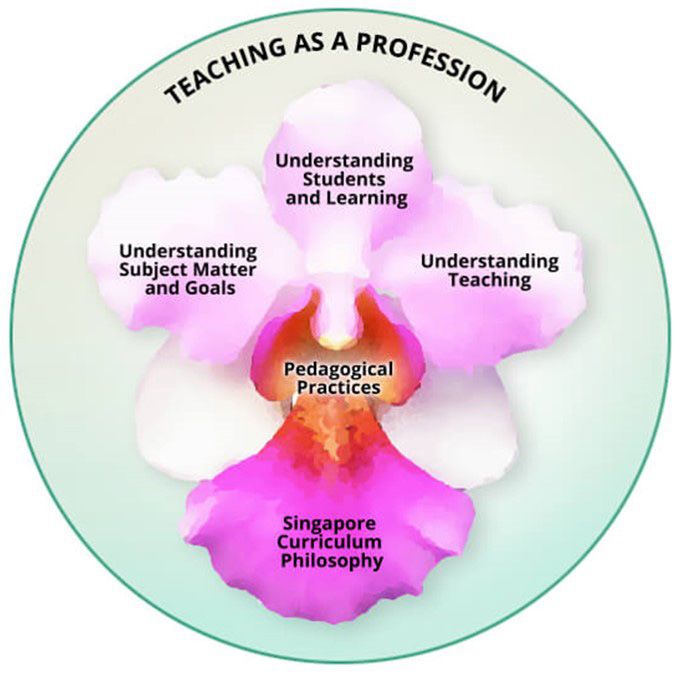
SOCIAL STUDIES SYLLABUS
                            Primary One to Primary Six

                                             Implementation starting with
     2020 Primary One, Primary Two and Primary Three Cohorts

© 2020 Curriculum Planning and Development Division.
This publication i s n ot for s ale. Permission i s granted to reproduce this
publication in its entirety for personal or non-commercial educational use
only. All other rights reserved.
ISBN: 978-981-14-4831-7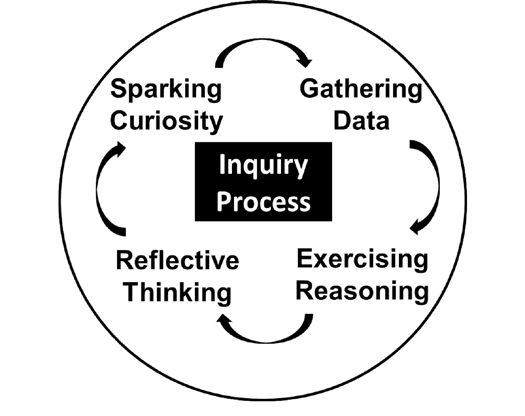
2020 SOCIAL STUDIES PRIMARY SYLLABUS

CONTENTS

                                                                             Page
1.   SOCIAL STUDIES EDUCATION IN SINGAPORE
     • Purpose of Social Studies                                               5
     • Philosophy of Social Studies                                            5
     • Curriculum Aims of Social Studies                                       6

2.   2020 SOCIAL STUDIES PRIMARY SYLLABUS
     • Syllabus Design                                                         8
     • Social Studies Primary and the Desired Outcomes of Education           11
     • Social Studies Primary and 21st Century Competencies                   11
     • Social Studies Primary and National Education                          12
     • Key Features of the Syllabus                                           13

3.   CONTENT
     • Syllabus Overview                                                      16
     • Primary One                                                            17
     • Primary Two                                                            20
     • Primary Three                                                          23
     • Primary Four                                                           28
     • Primary Five                                                           33
     • Primary Six                                                            39
     • Mapping of Social Studies Primary Syllabus to the Components of the    44
       Framework for 21st Century Competencies and Student Outcomes

4.   PEDAGOGY
     • Teaching and Learning through Inquiry                                  51
     • Inquiry and the Singapore Teaching Practice                            58

5.   ASSESSMENT
     • Learning Outcomes for Reporting of Students’ Learning Progress         60
     • Performance Tasks                                                      61
     • Assessment Grade for Primary Three to Primary Six                      61

6.   BIBLIOGRAPHY AND ACKNOWLEDGEMENTS

                                            3
2020 SOCIAL STUDIES PRIMARY SYLLABUS
Section 1:
Social Studies Education In Singapore
Purpose of Social Studies
Philosophy of Social Studies
Curriculum Aims of Social Studies
4
RESTRICTED/
FOR USE BY E2020 SOCIAL STUDIES PRIMARY SYLLABUS
1. SOCIAL STUDIES EDUCATION IN SINGAPORE
Purpose of Social Studies
The Social Studies curriculum spans the primary and secondary levels. This subject helps students to
grow in knowledge, develop skills and learn values through examining issues that are of concern to
our society and the world in which we live.
Philosophy of Social Studies
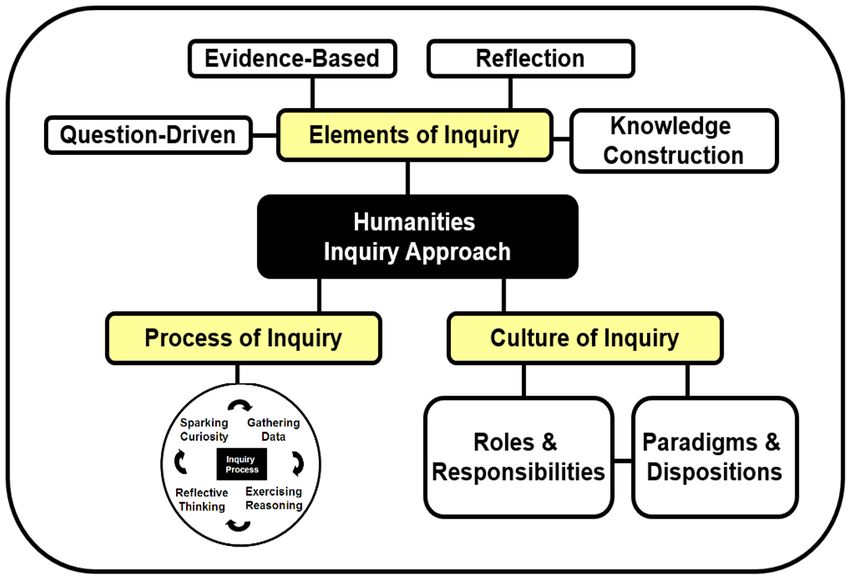
At the heart of the Singapore Social Studies Curriculum (refer to Figure 1) is the preparation of our
students to be effective citizens by helping them to better understand the interconnectedness of
Singapore and the world they live in, and appreciate the complexities of the human experience.
Drawing on aspects of society that are of meaning and interest to the students, Social Studies seeks
to ignite students’ curiosity to inquire into real-world issues that concern their lives. Through inquiry
and authentic learning experiences, Social Studies helps students to attain relevant knowledge and
understanding about these issues, develop critical and reflective thinking skills, and appreciate
multiple perspectives.
Social Studies seeks to inculcate in students a deeper understanding of the values that define the
Singapore society, nurture dispositions that will inspire them to show concern for the society and
the world in which they live, and demonstrate empathy in their relationships with others. The
Curriculum therefore envisions Social Studies students as informed, concerned and participative
citizens, competent in decision-making with an impassioned spirit to contribute responsibly to the
society and world they live in.
Figure 1: The Singapore Social Studies Curriculum
52020 SOCIAL STUDIES PRIMARY SYLLABUS
Curriculum Aims of Social Studies
As informed citizens, students will:
• understand the rights and responsibilities of citizens and the role of the government in society;
• understand their identity as Singaporeans, with a regional and global outlook;
• understand the Singapore perspective on key national, regional and global issues;
• analyse and negotiate complex issues through evaluating multiple sources with different
perspectives; and
• arrive at well-reasoned, responsible decisions through reflective thought and discernment.
As concerned citizens, students will:
• have a sense of belonging to the nation, appreciate and be committed to building social
cohesion in a diverse society;
• be motivated to engage in issues of societal concern; and
• reflect on the ethical considerations and consequences of decision making.
As participative citizens, students will:
• take responsible personal and collective actions to effect change for the good of society; and
• be resilient in addressing concerns of society in spite of challenges faced.
62020 SOCIAL STUDIES PRIMARY SYLLABUS
Section 2:
2020 Social Studies Primary Syllabus
Syllabus Design
Social Studies Primary and the Desired Outcomes of Education
Social Studies Primary and 21st Century Competencies
Social Studies Primary and National Education
Key Features of the Syllabus
7
R
F2020 SOCIAL STUDIES PRIMARY SYLLABUS
2. 2020 SOCIAL STUDIES PRIMARY SYLLABUS
Syllabus Design
A thematic approach, structured along the key themes1 of Identity, Culture and Heritage and People
and Environment, is adopted to frame the Social Studies Primary (SSP) syllabus. The syllabus is
organised into three broad clusters as described below:
• Cluster 1: Discovering Self and Immediate Environment
Students would explore who they are and the roles they play in relation to the people and places
around them. They would also explore the customs and traditions of some communities in
Singapore. Students would not only come to appreciate the cultural diversity in Singapore but
also learn how common experiences help to unite us as a nation.
• Cluster 2: Understanding Singapore in the Past and Present
Students would learn about our country and the contributions of different groups of people to
Singapore’s growth and independence. They would develop an appreciation of Singapore and
come to value the adaptability, resilience and resourcefulness of the leaders and people in
Singapore.
• Cluster 3: Appreciating Singapore, the Region and the World We Live In
Students would learn about Singapore as a nation and the contributions of different people to its
development. They would also develop an understanding of Southeast Asia, Singapore’s
connections with the region as well as legacies of civilisations in the world that can still be seen
today.
Table 2.1 shows the clusters of study across the primary level.
1
Five themes, Identity, Culture and Heritage; People and Environment; Governance and Organisation of Societies; Conflict, Cooperation and Resolution; and Economy and
Globalisation provide the conceptual domains to ensure continuity and progression across the levels throughout the 10 years from primary to secondary levels. The basic
idea of conceptual domain is that one would not be able to understand the meaning of a concept without access to all the essential knowledge related to it. For example,
one would not be able to understand the topic of ‘care for the environment’ without knowing anything about the concepts of what constitutes ‘care’ and ‘environment’ and
how the two concepts operate and interact with each other in different contexts. It requires one to understand the impact people have on the environment.
82020 SOCIAL STUDIES PRIMARY SYLLABUS
Table 2.1: Clusters of Study Across the Primary Level
Clusters of Study Levels of Study Inquiry Focus
Primary 1 Who am I in relation to the
Knowing Myself, Others and people and places around
Cluster 1 My Surroundings me?
Discovering Self and
Immediate Environment
Primary 2 What unites the people in
Coming Together as a Nation Singapore as a nation?
What is Singapore’s
Primary 3
environment like and
Understanding Singapore’s
how do we overcome the
Environment and Challenges
Cluster 2 challenges we face?
Understanding Singapore in
the Past and Present
How is life in Singapore
Primary 4
today shaped by what
Understanding Our Past
happened in the past?
Primary 5 How has Singapore
Part 1: Understanding developed as a nation since
Singapore’s Development as its independence?
a Nation
Cluster 3 Part 2: Understanding What makes up Southeast
Appreciating Singapore, Southeast Asia’s Diversity Asia and how are the
the Region and the World and Interconnectedness countries interconnected?
We Live In
Primary 6 How are the legacies of
Understanding Features and civilisations seen in our lives
Legacies of Civilisations today?
The syllabus is framed by knowledge, skills and values outcomes that students will acquire at the
end of the six years of SSP education in order to develop into informed, concerned and participative
citizens with a regional and global outlook.
Table 2.2 describes the key learner outcomes.
92020 SOCIAL STUDIES PRIMARY SYLLABUS
Table 2.2: Key Learner Outcomes
Knowledge Skills Values
Students will be able to: Students will be able to: Students will be able to:
• explore identity, culture and • create a plan to locate and collect • appreciate cultural diversity;
heritage of individuals and groups information/data; • develop personal responsibility in
and appreciate how these change • create a plan to present their work the management of resources;
over time; independently; • recognise that beliefs shape one’s
• understand the relationship • make careful observations thinking;
between people and the independently; • consider the ethical effects of
environment over time and space; • explore ideas and consider their one’s actions and the impact
• examine the roles and relevance; on others so as to make
responsibilities of individuals in • process information/data informed decisions and carry out
groups and communities; independently based on reliability appropriate actions;
• recognise the importance of and relevance; • show curiosity to learn more about
resources; • evaluate and make informed the world they live in;
• discuss how Singapore overcomes decisions independently; • show care for the community and
the challenges of limited • express thoughts and feelings the environment;
resources; fluently and confidently in a group; • develop a sense of belonging to
• explore what makes Singapore a • work effectively in a variety of one’s community and country; and
nation and a home to cherish; group settings; and • exercise responsibility and
• recognise that common ties among • present ideas and findings with integrity in the access and use of
countries promote progress and clarity, persuasion and in creative information.
understanding; ways through the use of various
• understand Singapore’s connection tools and modes of presentation.
with the world; and
• describe the legacies of
civilisations and how they
influence our lives today.
102020 SOCIAL STUDIES PRIMARY SYLLABUS
Social Studies Primary and the Desired Outcomes of Education
The learning of Social Studies provides many opportunities for the achievement of the Desired
Outcomes of Education, which are attributes that educators aspire for Singaporeans to have by the
completion of their formal education.
The student who embodies the Desired Outcomes of Education is:
• a confident person who has a strong sense of right and wrong, is adaptable and resilient, knows
himself/herself, is discerning in judgement, thinks independently and critically, and communicates
effectively;
• a self-directed learner who takes responsibility for his/her own learning, who questions, reflects
and perseveres in the pursuit of learning;
• an active contributor who is able to work effectively in teams, exercises initiative, takes calculated
risks, is innovative and strives for excellence; and
• a concerned citizen who is rooted to Singapore, has a strong civic consciousness, is informed, and
takes an active role in bettering the lives of others.
[For details on the DOE, please refer to the link below:
https://www.moe.gov.sg/education/education-system/desired-outcomes-of-education]
Social Studies Primary and 21st Century Competencies
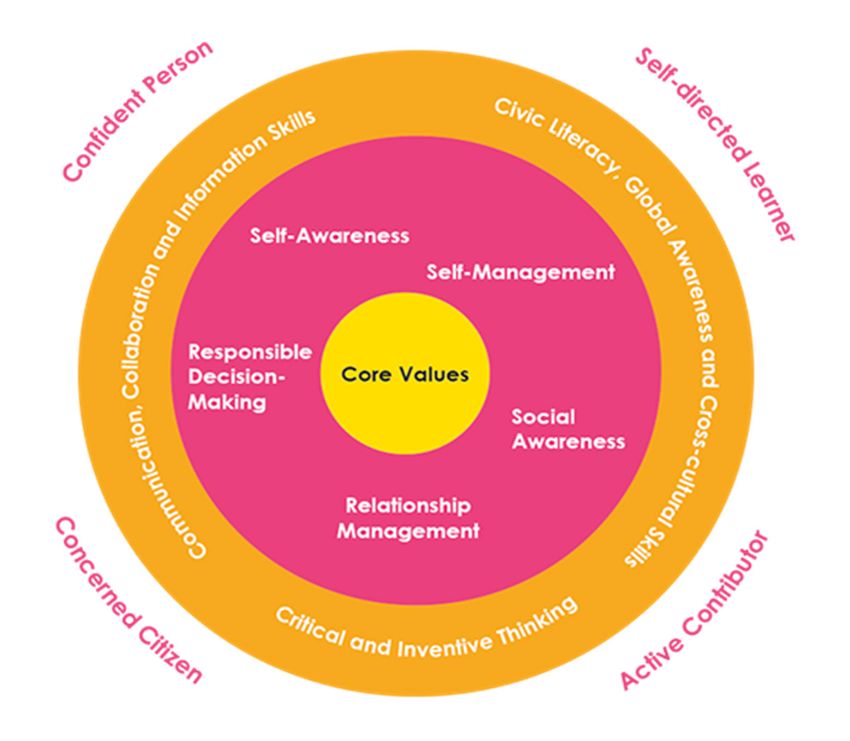
To help our students thrive in a fast-changing world, the Ministry of Education has identified
competencies that have become increasingly important in the 21st century. These competencies,
as outlined in the Framework for 21st Century Competencies and Student Outcomes (refer to
Figure 2), illustrate the holistic education that our schools provide to better prepare our students
for the future.
The outer ring of the framework represents the emerging 21st Century Competencies necessary for
the globalised world we live in. These competencies are Civic Literacy, Global Awareness and Cross-
cultural Skills; Critical and Inventive Thinking; and Communication, Collaboration and Information
Skills. The middle ring signifies the Social and Emotional Competencies necessary for students to
recognise and manage their emotions, develop care and concern for others, make responsible
decisions, establish positive relationships, as well as handle challenging situations effectively.
Knowledge and skills must be underpinned by values which shape the beliefs, attitudes and actions
of a person. These form the core of the framework. The various components of the framework are
found in the knowledge, values and skills outcomes of the Social Studies curriculum.
[For details on the competencies, please refer to the link below:
https://www.moe.gov.sg/education/education-system/21st-century-competencies]
Refer to page 44 for information on how Social Studies Primary is mapped to the components of the
Framework for 21st Century Competencies and Student Outcomes.
112020 SOCIAL STUDIES PRIMARY SYLLABUS
Figure 2: Framework for 21st Century Competencies and Student Outcomes
Social Studies Primary and National Education
National Education is anchored on the following citizenship dispositions, which enable our youth to
realise their part in the flourishing of their community and nation: a sense of belonging, a sense of
reality, a sense of hope, and the will to act. These dispositions, together with knowledge, skills and
values gained from Social Studies, will help students become citizens who are informed, concerned
and participative.
• A sense of belonging: To develop a deeper understanding of who we are, and a shared
understanding of the values that are important to us as a nation.
• A sense of reality: To be aware of the contemporary realities – including Singapore’s constraints
and vulnerabilities – which affect us as a nation amidst the backdrop of a less predictable world.
• A sense of hope: Having the confidence and optimism in Singapore’s future and the resilience to
face the challenges ahead.
Ultimately, these citizenship dispositions cultivate the will to act: To be active citizens who have
a collective resolve and a sense of shared mission towards building a Singapore for all.
[For details on National Education, please refer to the link below:
https://www.moe.gov.sg/docs/default-source/document/education/programmes/national-
education/ne-review-2016-2017-booklet.pdf]
122020 SOCIAL STUDIES PRIMARY SYLLABUS
Key Features of the Syllabus
The key features of the syllabus are as follows:
• Use of key understandings
• Use of inquiry focus questions and guiding questions
• Flexibility to extend learning
• Emphasis on skills and values for citizenship education
• Inclusion of field-based learning
• Inclusion of performance tasks
Use of Key Understandings
Key understandings reflect the main insights that students would gain through the study of each
topic. These key understandings provide a larger purpose for learning the targeted content and
prioritise what students would need to learn as worthy content in relation to the topic being
examined. Key understandings go beyond discrete facts or skills to focus on larger concepts,
principles or processes. They are transferable and applicable to new situations within or beyond
the subject matter.
Use of Inquiry Focus Questions and Guiding Questions
Each level is framed by an inquiry focus question which anchors the study for the year. Subsequently,
guiding questions are developed to help students gain a deeper understanding of the content, be
engaged in thoughtful inquiry and serve as an impetus for students to initiate a social action.
Guiding questions are therefore aligned to the way the content is mapped out for each level,
framed by the inquiry focus.
Flexibility to Extend Learning
While the syllabus content is core to the learning of SSP, flexibility is given to schools in the choice
of field-based learning sites at each level and performance tasks from Primary Three to Primary
Six.
Emphasis on Skills and Values for Citizenship Education
As much as knowledge is important, skills and values are explicitly articulated to give emphasis to
the development of the holistic student, well-equipped to effectively play the role of an informed,
concerned and participative citizen. The skills outcomes seek to inculcate good inquiry habits
and skills for quality decision-making, while the values outcomes emphasise the nurturing of
dispositions of informed, concerned and participative citizens. These would be individuals whose
actions reflect a rational and empathetic sense of social responsibility. It involves the development
of self-knowledge and the understanding of the feelings, experiences, needs and interests of
others.
132020 SOCIAL STUDIES PRIMARY SYLLABUS
Inclusion of Field-based Learning
Field-based learning allows the students to contextualise their learning experience in an authentic
real-world setting, thus enabling the learning of concepts and content. Students would also be able
to conduct hands-on exploration in a focused area of study, thus being engaged in multi-sensory
learning. As part of engaging students’ interest in inquiry, field-based learning would also motivate
and sustain their interest in the subject matter as students would learn to explore, construct new
knowledge and make connections to the topic being studied.
Inclusion of Performance Tasks (for Primary Three to Primary Six)
Performance task is a form of assessment that would best reflect students’ ability to translate
and transfer key knowledge and skills in a new context. The suggested performance tasks allow
students to apply the knowledge, skills and values in a real-world context.
142020 SOCIAL STUDIES PRIMARY SYLLABUS
Section 3:
Content
Syllabus Overview
Primary One
Primary Two
Primary Three
Primary Four
Primary Five
Primary Six
Mapping of Social Studies Primary Syllabus to the Components of the
Framework for 21st Century Competencies and Student Outcomes
15
R
F2020 SOCIAL STUDIES PRIMARY SYLLABUS
3. CONTENT
Syllabus Overview
Cluster 3:
Cluster 1: Cluster 2:
of
Appreciating Singapore, the Region and the World We
Study
Discovering Self and Immediate Environment Understanding Singapore in the Past and Present
Clusters
Live In
Primary Five:
Part 1: Understanding
Primary Six:
Primary One: Primary Two: Primary Three: Singapore’s Development
Primary Four: Understanding Features
Knowing Myself, Others Coming Together as a Understanding as a Nation
Understanding Our and Legacies of
and My Surroundings Nation Singapore’s Environment
Past Civilisations
and Challenges Part 2: Understanding
Levels of Study
Southeast Asia’s Diversity
and Interconnectedness
Part 1: Students will
learn that our national
Students will study identity can be built
about Singapore’s through National
Students will learn Students will learn early history and the Symbols, national
about themselves, Students will about the location of contributions of settlers. events and places in Students will learn the
people around them understand that places in Singapore. They will learn about Singapore. They will features that make
and their immediate Singapore is made up of Students will learn how the impact of the also learn that different up a civilisation. They
environment. Students diverse groups of people people have adapted to Japanese Occupation people contributed to will also learn about
will explore who they and learn the customs overcome challenges so on the people’s lives the development of the legacies of the
are in relation to the and traditions of some as to meet their needs. and how different Singapore through the civilisations of the
people and places communities. Students As students learn about people contributed areas of defence and Indian subcontinent, the
around them. Through will also learn that the consequences to Singapore during social cohesion. Chinese civilisation and
examining the different National Symbols and of their actions on the war. Students the ancient kingdoms
roles they play, students will also learn about Part 2: Students will of Southeast Asia that
Level Descriptors
will understand how common experiences the environment, Singapore’s journey learn about the diverse continue to influence
their actions can affect help to unite us as a they will recognise towards independence physical environment our lives or can still be
Level Descriptors
the people and places nation. the importance of and understand how and people’s way of seen in the present day.
around them. resources. life in Singapore today life in Southeast Asia.
is shaped by what They will also learn
happened in the past. that different countries
in the region are
interconnected.
162020 SOCIAL STUDIES PRIMARY SYLLABUS
Primary One: Knowing Myself, Others and My Surroundings
Level Descriptor Inquiry Focus
Students will learn about themselves, people around them and their immediate
Who am I in relation to the people and places around me?
environment. Students will explore who they are in relation to the people and places
around them. Through examining the different roles they play, students will understand
how their actions can affect the people and places around them. Key Understandings
• My identity makes me unique.
• My identity can be shaped by the groups I belong to.
• I can relate to the places around me.
Knowledge Outcomes Skills Outcomes Values Outcomes Key Concepts
Students will be able to: Students will be able to: Students will be able to: • Personal Identity
• recognise that everyone is unique; • use questions to collect information/ • appreciate cultural diversity; • Social Identity
• identify the different roles that people data; • recognise that beliefs shape one’s • Community
play in the groups that they belong to; • follow a plan to present their work thinking;
• Place
• recognise that people can share with teacher guidance; • consider the ethical effects of one’s
common attributes in a group; and • make careful observations with actions and the impact on others so as
• identify different places around them. teacher guidance; to make informed decisions and carry
• discuss ideas with teacher guidance; out appropriate actions;
• process information/data based on • show curiosity to learn more about
relevance with teacher guidance; the world they live in;
• reflect and make informed decisions • show care for the community and the
with teacher guidance; environment;
• express thoughts and feelings in a • develop a sense of belonging to one’s
group with teacher guidance; community and country; and
• work effectively in a group setting with • exercise responsibility and integrity in
teacher guidance; and the access and use of information.
• present ideas and findings with
clarity through various modes of
presentation.
172020 SOCIAL STUDIES PRIMARY SYLLABUS
Primary One: Knowing Myself, Others and My Surroundings
Guiding Questions Content
• Who am I? MY IDENTITY MAKES ME UNIQUE.
• My name is part of my identity.
• My physical features, ethnicity, traits and talents form my identity.
• Knowing the similarities and differences among people in terms of names, physical features, ethnicity, traits and
talents allows me to know how I am unique.
• How do the groups I belong to shape my MY IDENTITY CAN BE SHAPED BY THE GROUPS I BELONG TO.
identity? • I have roles to play in the groups I belong to.
o I play different roles in different groups.
o The roles that I play can change over time.
• I share common attributes, such as kinship, ethnicity, values and interests, with the groups I belong to.
• I can develop a sense of belonging to these groups.
• The decisions I make in a group will affect others.
o My actions have consequences.
• How do I relate to the places around me? I CAN RELATE TO THE PLACES AROUND ME.
• I can find my way around the school and neighbourhood.
• Places are important to me.
o I interact with family and friends there.
o I have meaningful experiences there.
• I care for these places.
182020 SOCIAL STUDIES PRIMARY SYLLABUS
Primary One: Knowing Myself, Others and My Surroundings
Field-based Learning Experiences
Suggested Locations Learning Focus
• School Trails
• Neighbourhood Trails The focus of the learning experiences is for students to develop an appreciation for the places around
them.
• Jacob Ballas Children’s Garden
192020 SOCIAL STUDIES PRIMARY SYLLABUS
Primary Two: Coming Together as a Nation
Level Descriptor Inquiry Focus
Students will understand that Singapore is made up of diverse groups of people and learn the
What unites the people in Singapore as a nation?
customs and traditions of some communities. Students will also learn that National Symbols
and common experiences help to unite us as a nation.
Key Understandings
• Singapore is made up of diverse groups of people.
• Our National Symbols and common experiences help to unite us as a nation.
Knowledge Outcomes Skills Outcomes Values Outcomes Key Concepts
Students will be able to: Students will be able to: Students will be able to: • Diversity
• recognise that there are diverse • use questions to collect information/data; • appreciate cultural diversity; • Culture
groups of people living in • follow a plan to present their work with • recognise that beliefs shape one’s thinking; • National Identity
Singapore; teacher guidance;
• consider the ethical effects of one’s actions and • Common Experiences
• identify the customs and • make careful observations with teacher
traditions of communities living guidance; the impact on others so as to make informed
in Singapore; • discuss ideas with teacher guidance; decisions and carry out appropriate actions;
• identify the six National Symbols • process information/data based on • show curiosity to learn more about the world
of Singapore; and relevance with teacher guidance; they live in;
• recognise that National Symbols • reflect and make informed decisions with • show care for the community and the
and common experiences help to teacher guidance;
environment;
unite us as a nation. • express thoughts and feelings in a group
with teacher guidance; • develop a sense of belonging to one’s community
• work effectively in a group setting with and country; and
teacher guidance; and • exercise responsibility and integrity in the access
• present ideas and findings with clarity and use of information.
through various modes of presentation.
202020 SOCIAL STUDIES PRIMARY SYLLABUS
Primary Two: Coming Together as a Nation
Guiding Questions Content
• Who are the people living in Singapore? SINGAPORE IS MADE UP OF DIVERSE GROUPS OF PEOPLE.
• How do different communities practise their customs and • We have diverse groups of people living in Singapore.
traditions? • Different communities have their own customs and traditions.
• What are the National Symbols and common experiences OUR NATIONAL SYMBOLS AND COMMON EXPERIENCES HELP TO UNITE US AS A NATION.
that help to unite us as a nation? • We know our six National Symbols.
o National Flag
o State Crest
o National Anthem
o National Pledge
o The Lion Head symbol
o National Flower
• We have common experiences that unite us as a nation.
o Overcoming challenges together
o Commemorating events together
o Celebrating events that bring national pride
212020 SOCIAL STUDIES PRIMARY SYLLABUS
Primary Two: Coming Together as a Nation
Field-based Learning Experiences
Suggested Locations Learning Focus
• National Orchid Garden The focus of the learning experience is for students to learn about our National Symbols.
• Community Trails The focus of the learning experience is for students to develop an appreciation for the diverse
communities in Singapore.
222020 SOCIAL STUDIES PRIMARY SYLLABUS
Primary Three: Understanding Singapore’s Environment and Challenges
Level Descriptor Inquiry Focus
Students will learn about location of places in Singapore. Students will learn how people What is Singapore’s environment like and how do we overcome the challenges we face?
have adapted to overcome challenges so as to meet their needs. As students learn about
the consequences of their actions on the environment, they will recognise the importance Key Understandings
of resources.
• Knowing the location of places in Singapore helps me know my country better.
• We use resources wisely to protect the environment.
• We adapt to overcome challenges to meet our needs.
Knowledge Outcomes Skills Outcomes Values Outcomes Key Concepts
Students will be able to: Students will be able to: Students will be able to: • Place
• recognise places in Singapore; • follow a plan to locate and collect • develop personal responsibility in the • Environment
• identify the location of places in information/data; management of resources; • Conservation
Singapore on the map; • create a plan to present their work • recognise that beliefs shape one’s • Change and Continuity
• explain the consequences of with teacher guidance; thinking; • Adaptability
• make careful observations with
individual and group actions on the • consider the ethical effects of one’s
teacher guidance;
environment; • explore ideas and consider their actions and the impact on others so as
• describe how individuals and groups relevance with teacher guidance; to make informed decisions and carry
can protect the environment; • process information/data based on out appropriate actions;
• recognise that there are challenges in reliability and relevance with teacher • show curiosity to learn more about
Singapore’s environment; and guidance; the world they live in;
• describe how Singapore adapts • reflect and make informed decisions • show care for the community and the
to overcome challenges and meet with scaffolding; environment;
needs. • express thoughts and feelings fluently • develop a sense of belonging to one’s
and confidently in a group with community and country; and
teacher guidance; • exercise responsibility and integrity in
• work effectively in a variety of group
settings with teacher guidance; and the access and use of information.
• present ideas and findings with clarity
and in creative ways through the
use of various tools and modes of
presentation.
232020 SOCIAL STUDIES PRIMARY SYLLABUS
Primary Three: Understanding Singapore’s Environment and Challenges
Guiding Questions Content
• What are the places in Singapore and where can we find KNOWING THE LOCATION OF PLACES IN SINGAPORE HELPS ME KNOW MY COUNTRY
them? BETTER.
• Locating where we live and places we know on the map of Singapore
o Location and purpose of different places in Singapore
• What are the consequences of our actions on the WE USE RESOURCES WISELY TO PROTECT THE ENVIRONMENT.
environment? • Consequences of our actions on the environment
• How can we protect the environment? • Care for the environment
o Keeping our environment clean and green
o Conservation efforts
o Better use of resources at home, in school and in our community
242020 SOCIAL STUDIES PRIMARY SYLLABUS
Primary Three: Understanding Singapore’s Environment and Challenges
Guiding Questions Content
• How do we adapt to overcome challenges to meet our WE ADAPT TO OVERCOME CHALLENGES TO MEET OUR NEEDS.
needs?
• Changes in land use to meet our needs
o Food
- Challenges in meeting the needs of farming in Singapore
v Changes in the types of farms over time
v Technological advancements in farming
o Housing
- Challenges in the provision of housing in Singapore
v Changes in living conditions over time
v Improvements in public housing estates to cater to societal needs
o Transport
- Challenges in the provision of transport in Singapore
v Changes in Singapore’s transport system over time
252020 SOCIAL STUDIES PRIMARY SYLLABUS
Primary Three: Understanding Singapore’s Environment and Challenges
Field-based Learning Experiences
Suggested Locations Learning Focus
• Gardens and Parks The focus of the learning experiences is for students to develop an understanding of:
• Singapore’s physical environment;
• land use in Singapore; and
• how Singapore manages its resources to meet the needs of the country.
• Sustainable Singapore Gallery
• Singapore Mobility Gallery
262020 SOCIAL STUDIES PRIMARY SYLLABUS
Primary Three: Understanding Singapore’s Environment and Challenges
Suggested Performance Task
Task Description
Your group members will take on the role of Environmental Champions. Design a plan to suggest how you can help to protect the environment through upcycling. Create
an upcycled product using unwanted items such as outdated newspapers, magazines, plastic bottles, egg trays etc.
Group Work
In groups, explore ideas on how the unwanted items can be upcycled. Plan how your group is going to upcycle an item and how the new item would look like. Present
your group’s plan and the upcycled product using an appropriate mode of presentation.
Individual Work
Reflect and share your thoughts about how your group’s upcycled product can help to protect the environment.
272020 SOCIAL STUDIES PRIMARY SYLLABUS
Primary Four: Understanding Our Past (implemented from 2021 onwards)
Level Descriptor Inquiry Focus
Students will study about Singapore’s early history and the contributions of settlers. They How is life in Singapore today shaped by what happened in the past?
will learn about the impact of the Japanese Occupation on the people’s lives and how
different people contributed to Singapore during the war. Students will also learn about
Key Understandings
Singapore’s journey towards independence and understand how life in Singapore today is
shaped by what happened in the past. • Stories and historical records help us understand early Singapore.
• Our settlers came from different parts of the world.
• The contributions of our settlers are reflected in Singapore today.
• The Japanese Occupation affected the people in Singapore in different ways.
• Our leaders contributed to Singapore’s journey towards independence.
Knowledge Outcomes Skills Outcomes Values Outcomes Key Concepts
Students will be able to: Students will be able to: Students will be able to: • Heritage
• identify the stories and historical • follow a plan to locate and collect • appreciate cultural diversity; • Change and Continuity
records of Singapore; information/data; • develop personal responsibility in the • Diversity
• discuss the reasons for the founding • create a plan to present their work with
of Singapore as a trading port; teacher guidance; management of resources; • Contributions
• identify the places where settlers • make careful observations • recognise that beliefs shape one’s • Independence
came from; independently; thinking;
• analyse the reasons why settlers came • explore ideas and consider their • consider the ethical effects of one’s
to Singapore and made it their home; relevance with teacher guidance; actions and the impact on others so as
• describe how settlers contributed to • process information/data based on
Singapore’s growth; reliability and relevance with teacher to make informed decisions and carry
• recognise that the names of streets guidance; out appropriate actions;
and places in Singapore can be • reflect and make informed decisions • show curiosity to learn more about the
used to remember settlers who had with scaffolding; world they live in;
contributed to Singapore’s growth; • express thoughts and feelings fluently
• evaluate how the Japanese and confidently in a group with teacher • show care for the community and the
Occupation impacted the lives of guidance; environment;
people in Singapore; • work effectively in a variety of group • develop a sense of belonging to one’s
• describe the ways in which different settings with teacher guidance; and community and country; and
people contributed to Singapore • present ideas and findings with clarity • exercise responsibility and integrity in
during the war; and and in creative ways through the
• describe how our leaders contributed use of various tools and modes of the access and use of information.
to Singapore’s journey towards presentation.
independence.
282020 SOCIAL STUDIES PRIMARY SYLLABUS
Primary Four: Understanding Our Past (implemented from 2021 onwards)
Guiding Questions Content
• What do stories and historical records tell us about early STORIES AND HISTORICAL RECORDS HELP US UNDERSTAND EARLY SINGAPORE.
Singapore? • The story of Sang Nila Utama
• Historical records of early Singapore
• Founding of Singapore as a British trading port
o Reasons for the founding of Singapore as a trading port
• Who were our settlers and where did they come from? OUR SETTLERS CAME FROM DIFFERENT PARTS OF THE WORLD.
• What were their reasons for coming to Singapore? • Development and growth of Singapore as a trading port
• The settlers and where they came from
o Reasons for coming to Singapore
• How did our settlers contribute to Singapore’s growth? THE CONTRIBUTIONS OF OUR SETTLERS ARE REFLECTED IN SINGAPORE TODAY.
• How are the contributions of our settlers reflected in • Lives of our settlers
Singapore today? • Where our settlers lived
• Challenges faced by our settlers
• Contributions of our settlers in areas such as:
o Education
o Healthcare
o Places of Worship
• Remembering our settlers
292020 SOCIAL STUDIES PRIMARY SYLLABUS
Primary Four: Understanding Our Past (implemented from 2021 onwards)
Guiding Questions Content
• What was the impact of the Japanese Occupation on the THE JAPANESE OCCUPATION AFFECTED THE PEOPLE IN SINGAPORE IN DIFFERENT WAYS.
lives of people in Singapore?
• Events leading to the fall of Singapore
• How did different people contribute to Singapore during
• The defence of Singapore during the war
the war?
• The impact of the Japanese Occupation on the lives of people
• Contributions of different people during the Japanese Occupation
• End of the Japanese Occupation
• How did our leaders contribute to Singapore’s journey OUR LEADERS CONTRIBUTED TO SINGAPORE’S JOURNEY TOWARDS INDEPENDENCE.
towards independence?
• Post-war Singapore
o Return to British rule
o System of self-government in Singapore
o Contributions of people towards self-government in Singapore
• Road to Independence
o Merger and separation
o Singapore’s first Cabinet after independence
302020 SOCIAL STUDIES PRIMARY SYLLABUS
Primary Four: Understanding Our Past (implemented from 2021 onwards)
Field-based Learning Experiences
Suggested Locations Learning Focus
• Fort Canning Park The focus of the learning experience is for students to learn about how historical evidence helps us
understand early Singapore.
• Chinatown, Civic District, Kampong Glam, Little India
and Singapore River
The focus of the learning experience is for students to develop an understanding of:
• what life was like in the past; and
• Singapore History Gallery – National Museum of • the contributions of settlers to the development of Singapore.
Singapore
312020 SOCIAL STUDIES PRIMARY SYLLABUS
Primary Four: Understanding Our Past (implemented from 2021 onwards)
Suggested Performance Task
Task Description
A local television network has organised a digital media competition to raise awareness of the rich mix of people who came to Singapore in the past and contributed to
Singapore’s early growth.
Group Work
Work in groups to create a digital story featuring a street/place near your school or other areas in Singapore. A brief introduction to the story behind the street/place
should be included. You should also feature the people/groups that this street/place was named after. You will do an oral presentation when you submit your digital story
to the judging panel of the television network.
Individual Work
Write a short reflection about your experience producing the digital story. Share your reflection with your class.
322020 SOCIAL STUDIES PRIMARY SYLLABUS
Primary Five: Part 1 – Understanding Singapore’s Development as a Nation
Part 2 – Understanding Southeast Asia’s Diversity and Interconnectedness
(implemented from 2021 onwards)
Level Descriptor Inquiry Focus
Part 1: Students will learn that our national identity can be built through National Symbols, Part 1: How has Singapore developed as a nation since her independence?
national events and places in Singapore. They will also learn that different people contributed Part 2: What makes up Southeast Asia and how are the countries interconnected?
to the development of Singapore through the areas of defence and social cohesion.
Key Understandings
Part 2: Students will learn about the diverse physical environment and people’s way of life in
Southeast Asia. They will also learn that different countries in the region are interconnected. • Our National Symbols, national events and places in Singapore help to build our
national identity.
• Different people have contributed to the building of Singapore’s defence.
• People from different groups have contributed to the building of social cohesion in
Singapore.
• Southeast Asia is a diverse region and the countries in our region are interconnected.
Knowledge Outcomes Skills Outcomes Values Outcomes Key Concepts
Students will be able to: Students will be able to: Students will be able to: • Nation-building
• describe the significance of the • create a plan to locate and collect • appreciate cultural diversity; • Contributions
National Symbols of Singapore; information/data; • develop personal responsibility in the • Region
• analyse how the National Symbols, • create a plan to present their work management of resources; • Diversity
national events and places in independently; • recognise that beliefs shape one’s • Interconnectedness
Singapore help to build our national • make careful observations thinking; • Adaptability
identity; independently; • consider the ethical effects of one’s
• describe how different people • explore ideas and consider their actions and the impact on others so as
contributed to Singapore’s defence; relevance; to make informed decisions and carry
• evaluate how people from different • process information/data out appropriate actions;
groups contributed to the building of independently based on reliability and • show curiosity to learn more about the
social cohesion in Singapore; relevance; world they live in;
• locate the countries in Southeast Asia • evaluate and make informed decisions • show care for the community and the
on a map; independently; environment;
• describe the common geographical • express thoughts and feelings fluently • develop a sense of belonging to one’s
features found in Southeast Asia; and and confidently in a group; community and country; and
• describe the economic and socio- • work effectively in a variety of group • exercise responsibility and integrity in
cultural connections among countries settings; and the access and use of information.
in Southeast Asia. • present ideas and findings with clarity,
persuasion and in creative ways
through the use of various tools and
modes of presentation.
332020 SOCIAL STUDIES PRIMARY SYLLABUS
Primary Five: Part 1 – Understanding Singapore’s Development as a Nation
Part 2 – Understanding Southeast Asia’s Diversity and Interconnectedness
(implemented from 2021 onwards)
Guiding Questions Content
• What contributes towards our national identity? OUR NATIONAL SYMBOLS, NATIONAL EVENTS AND PLACES IN SINGAPORE HELP TO BUILD
OUR NATIONAL IDENTITY.
• Our National Symbols and their significance
o National Flag
o State Crest
o National Anthem
o National Pledge
o The Lion Head symbol
o National Flower
• National events
• Places in Singapore
• How have different people contributed to the building of DIFFERENT PEOPLE HAVE CONTRIBUTED TO THE BUILDING OF SINGAPORE’S DEFENCE.
Singapore’s defence?
• Building of the Singapore Armed Forces
o Contributions of Dr Goh Keng Swee
o Creating a citizens’ army through National Service (NS)
o Implementation of NS in 1967
• Common experiences of the NSmen
• Contributions of NSmen in the Singapore Armed Forces, Singapore Police Force and Singapore Civil
Defence Force
342020 SOCIAL STUDIES PRIMARY SYLLABUS
Primary Five: Part 1 – Understanding Singapore’s Development as a Nation
Part 2 – Understanding Southeast Asia’s Diversity and Interconnectedness
(implemented from 2021 onwards)
Guiding Questions Content
• How have people from different groups contributed to the PEOPLE FROM DIFFERENT GROUPS HAVE CONTRIBUTED TO THE BUILDING OF SOCIAL
building of social cohesion in Singapore? COHESION IN SINGAPORE.
• Racial riots in 1964
• Building social cohesion
o Learning in harmony
o Living in harmony
• People who contributed to the development of racial harmony in Singapore
o Contributions of Mr Sinnathamby Rajaratnam
o Contributions of Mr Othman Wok
• How are countries in Southeast Asia interconnected? SOUTHEAST ASIA IS A DIVERSE REGION AND THE COUNTRIES IN OUR REGION ARE
INTERCONNECTED.
• Introduction to Southeast Asia
o Location of Southeast Asia
o Location of Singapore in Southeast Asia
• Map of Southeast Asia
• Climate and geographical features of Southeast Asia
o Climate
o Vegetation
o Mountains
o Rivers
o Seas
• ASEAN Heritage Parks
352020 SOCIAL STUDIES PRIMARY SYLLABUS
Primary Five: Part 1 – Understanding Singapore’s Development as a Nation
Part 2 – Understanding Southeast Asia’s Diversity and Interconnectedness
(implemented from 2021 onwards)
Guiding Questions Content
• How are countries in Southeast Asia interconnected? SOUTHEAST ASIA IS A DIVERSE REGION AND THE COUNTRIES IN OUR REGION ARE
INTERCONNECTED.
• Culture and heritage in Southeast Asia
o Food
o Traditions and customs
o Games
o Arts and music
• Some features of housing in Southeast Asia
• Economic activities contributing to the growth of Southeast Asia
o Agriculture
o Cottage industry
o Technology-based industry
o Tourism
• ASEAN
o Origins and purpose
o Member countries
o Strengthening cooperation and friendship
362020 SOCIAL STUDIES PRIMARY SYLLABUS
Primary Five: Part 1 – Understanding Singapore’s Development as a Nation
Part 2 – Understanding Southeast Asia’s Diversity and Interconnectedness
(implemented from 2021 onwards)
Field-based Learning Experiences
Suggested Locations Learning Focus
• Indian Heritage Centre The focus of the learning experience is for students to:
• understand the history, heritage and diversity within the Indian community;
• recognise the contributions made by the Indian community in Singapore towards nation-building;
and
• understand how the different influences from the diverse cultures have shaped Singapore’s
multi-cultural heritage.
• National Museum of Singapore The focus of the learning experience is for students to learn about:
• National Symbols and their significance; and
• social cohesion.
• Sungei Buloh Wetland Reserve The focus of the learning experience is for students to learn about Singapore’s first ASEAN Heritage
Park.
372020 SOCIAL STUDIES PRIMARY SYLLABUS
Primary Five: Part 1 – Understanding Singapore’s Development as a Nation
Part 2 – Understanding Southeast Asia’s Diversity and Interconnectedness
(implemented from 2021 onwards)
Suggested Performance Task
Task Description
Your school is hosting visitors from a school in another country in Southeast Asia. You are to do a short presentation to the visitors to tell them how the two
countries in Southeast Asia are connected.
Group Work
In groups, choose one example that shows how both countries are connected. This can be in terms of their natural features, culture and heritage or
economic activities. You will share this example through a short presentation to the visitors.
Individual Work
Reflect on the information gathering process that you went through. Write down three new things you have learnt about that country, two things that you
want to find out more about, and one challenge that you faced in preparing the presentation.
382020 SOCIAL STUDIES PRIMARY SYLLABUS
Primary Six: Understanding Features and Legacies of Civilisations (implemented from 2021 onwards)
Level Descriptor Inquiry Focus
Students will learn the features that make up a civilisation. They will also learn about the
How are the legacies of the civilisations seen in our lives today?
legacies of the civilisations of the Indian subcontinent, the Chinese civilisation and the
ancient kingdoms of Southeast Asia that continue to influence our lives or can still be seen
in the present day. Key Understandings
• The features of ancient civilisations can be seen in our lives today.
• The legacies of the civilisations of the Indian subcontinent influence our lives today.
• The legacies of the Chinese civilisation influence our lives today.
• The legacies of the ancient kingdoms of Southeast Asia have influenced the region and
can still be seen today.
Knowledge Outcomes Skills Outcomes Values Outcomes Key Concepts
Students will be able to: Students will be able to: Students will be able to: • Civilisation
• identify the five features of a • create a plan to locate and collect • appreciate cultural diversity; • Legacy
civilisation; information/data; • develop personal responsibility in the • Change and Continuity
• describe examples of each feature of a • create a plan to present their work management of resources; • Heritage
civilisation; independently; • recognise that beliefs shape one’s
• recognise that rivers influenced the
beginning of the civilisations of the • make careful observations thinking;
Indian subcontinent; independently; • consider the ethical effects of one’s
• evaluate how legacies of the • explore ideas and consider their actions and the impact on others so as
civilisations of the Indian subcontinent relevance; to make informed decisions and carry
continue to influence our lives today; • process information/data out appropriate actions;
• recognise that rivers influenced the independently based on reliability and • show curiosity to learn more about the
beginning of the Chinese civilisation; relevance; world they live in;
• evaluate how legacies of the Chinese • evaluate and make informed decisions • show care for the community and the
civilisation continue to influence our independently; environment;
lives today;
• recognise that maritime and farming • express thoughts and feelings fluently • develop a sense of belonging to one’s
activities influenced the development and confidently in a group; community and country; and
of the ancient kingdoms of Southeast • work effectively in a variety of group • exercise responsibility and integrity in
Asia; settings; and the access and use of information.
• evaluate how the ancient kingdoms • present ideas and findings with clarity,
are connected to the countries in persuasion and in creative ways
Southeast Asia today; and through the use of various tools and
• identify the heritage sites found in modes of presentation.
Southeast Asia.
392020 SOCIAL STUDIES PRIMARY SYLLABUS
Primary Six: Understanding Features and Legacies of Civilisations (implemented from 2021 onwards)
Guiding Questions Content
• In what ways are the features of ancient civilisations seen THE FEATURES OF ANCIENT CIVILISATIONS CAN BE SEEN IN OUR LIVES TODAY.
in our lives today?
• Development of ancient civilisations
• The five main features of a civilisation:
o Government
o Writing
o Cities with public buildings
o The arts, crafts and sciences
o Economic activities
• How do the legacies of the civilisations of the Indian THE LEGACIES OF THE CIVILISATIONS OF THE INDIAN SUBCONTINENT INFLUENCE OUR LIVES
subcontinent influence our lives today? TODAY.
• Development of the civilisations of the Indian subcontinent
• Legacies of the civilisations of the Indian subcontinent and their influence on our lives today
• How do the legacies of the Chinese civilisation influence THE LEGACIES OF THE CHINESE CIVILISATION INFLUENCE OUR LIVES TODAY.
our lives today?
• Development of the Chinese civilisation
• Legacies of the Chinese civilisation and their influence on our lives today
402020 SOCIAL STUDIES PRIMARY SYLLABUS
Primary Six: Understanding Features and Legacies of Civilisations (implemented from 2021 onwards)
Guiding Questions Content
• How have the legacies of the ancient kingdoms of THE LEGACIES OF THE ANCIENT KINGDOMS OF SOUTHEAST ASIA HAVE INFLUENCED THE
Southeast Asia influenced our region today? REGION AND CAN STILL BE SEEN TODAY.
• Development of ancient kingdoms of Southeast Asia
• Legacies of ancient kingdoms of Southeast Asia:
o Funan
o Srivijaya
o Angkor
o Majapahit
o Sukhothai
o Melaka
• UNESCO World Heritage Sites in Southeast Asia
412020 SOCIAL STUDIES PRIMARY SYLLABUS
Primary Six: Understanding Features and Legacies of Civilisations (implemented from 2021 onwards)
Field-based Learning Experiences
Suggested Locations Learning Focus
• Asian Civilisations Museum The focus of the learning experience is for students to:
• understand the cultural and historical ties that have influence on the countries in Southeast Asia;
and
• explore how Singapore’s cultural heritage has evolved over time, influenced by the diverse mix of
cultures.
• Singapore Botanic Gardens The focus of the learning experience is for students to learn about the heritage of Singapore Botanic
Gardens and its contributions to the economic, social and scientific development of the region.
422020 SOCIAL STUDIES PRIMARY SYLLABUS
Primary Six: Understanding Features and Legacies of Civilisations (implemented from 2021 onwards)
Suggested Performance Task
Task Description
The Innovation and Enterprise Club in your school has started to plan activities for Innovation Day. It plans to include an exhibition of important inventions from all over
the world. You have been invited to contribute to the exhibition.
Group Work
In groups, make a list of five important inventions from people in the past. Describe how these inventions helped change the way people lived in the past. You will
present your group’s list of inventions to the main committee for them to select for the exhibition.
Individual Work
From all the inventions presented, pick one that you think is the most important to you and do a short write-up about it. You may think about how your life would be
different if that invention did not exist today. You will share it as part of the Innovation Day exhibition in your school.
43You can also read


