STRATEGIC PLAN 2016-2021 - Oklahoma State School Boards Association
←
→
Page content transcription
If your browser does not render page correctly, please read the page content below

2016-2021

STRATEGIC PLAN
                 1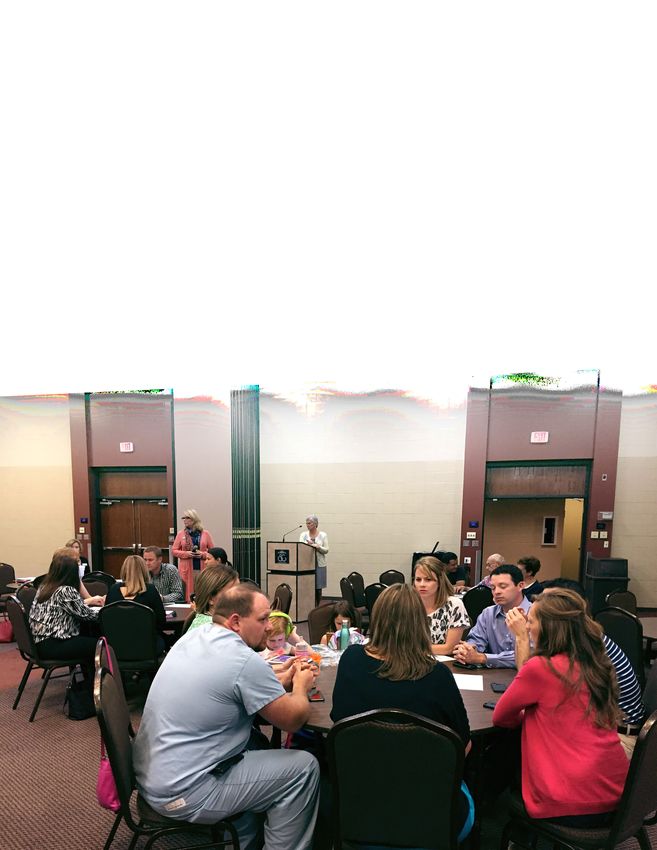

TABLE OF CONTENTS
4   A Message from the Superintendent

5   Board of Education

6   Strategic Planning Team Members

7   District Profile

8   Executive Summary

10 Timeline of Planning Process

12 Community Engagement Report

14 Strategic Goal Summary

17 Goal Area #1: Learning, Teaching, and Assessment
    Initiative Profiles [18-25]
    Projected Benchmark Timeline [26]

27 Goal Area #2: Staff Quality and Development
    Initiative Profiles [28-31]
    Projected Benchmark Timeline [32]

33 Goal Area #3: School and Community Relations
    Initiative Profiles [34-39]
    Projected Benchmark Timeline [40]

41 Goal Area #4: Materials and Resources
    Initiative Profiles [42-45]
    Projected Benchmark Timeline [46]

47 Goal Area #5: Buildings, Facilities, and Infrastructure
    Initiative Profiles [48-52]
    Projected Benchmark Timeline [53]

54 Five Year Action Plan Timeline

56 Acknowlegements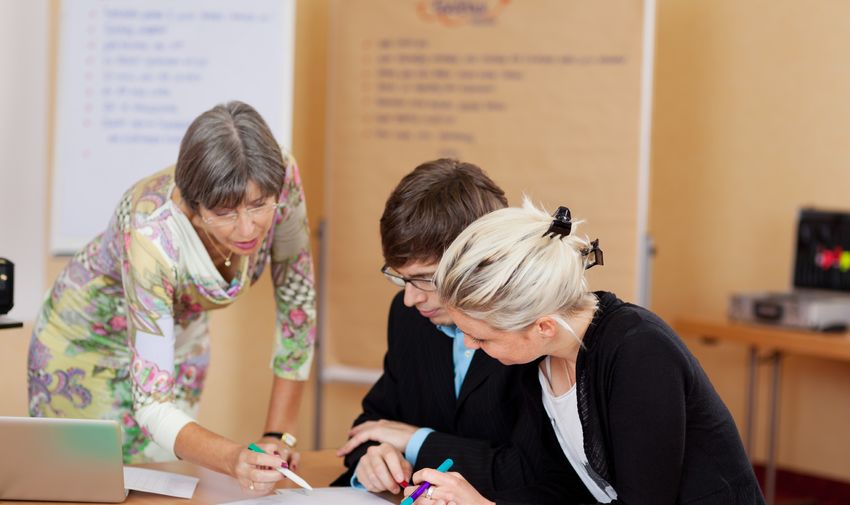
M
              uch of the success that our students achieve today is the result of
              the collaborative efforts of our students, teachers, parents, and
              community members. This strategic plan is a prime example of such
    collaboration. It is the product of several months of hard work between board
    members, teachers, students, administrators, staff, and community leaders. This
    collaboration has not only helped in envisioning the future of the Duncan Public
    Schools, but also in the development of the roadmap to take us there. By clearly
    articulating our values, vision, mission, focus areas, and objectives, we are in
    the position to continue in the tradition of educational excellence.

    I am grateful for all of the time, energy, hard work, and creativity given by
    many in the development of this plan. I am especially grateful to the Red River
    Technology Center and the Simmons Center for providing meeting space during
    this planning process. As we continue to move forward, the strategic plan will be
    our guide to ensuring Duncan students are ready for all future endeavors.

    Melonie Hau
    Superintendent

4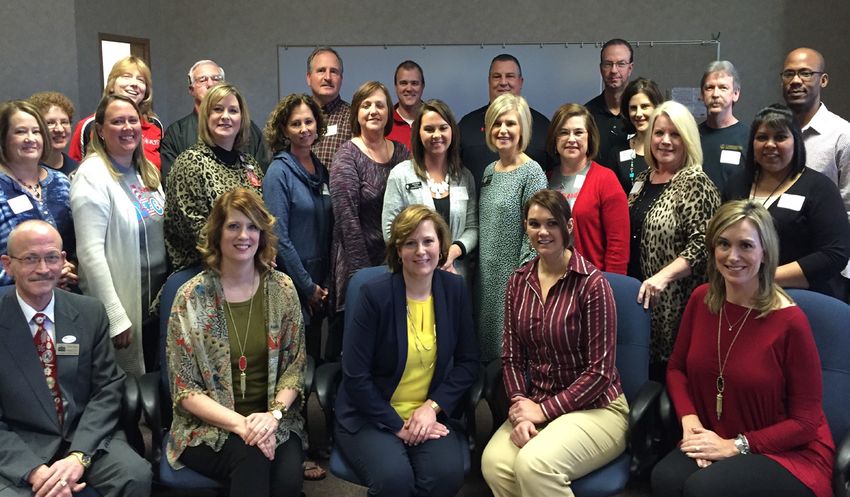
BOARD OF
EDUCATION
Eric Davis President

Greg Neal Vice-President

Demetra Cox Member

Christopher Schreckengost Member

Lisa Thomas Member

Chris Deal Past Contributing Member

                                      5
STRATEGIC PLANNING
    TEAM MEMBERS
    Melonie Hau
    Superintendent

    Meredith Albin      Andee Beth Fitts    Carol Phipps

    David Altom         Mike Fitts          LeeAnn Polk

    LeeAnn Arredondo    Paula Freel         Holly Rice

    Sharon Banks        Wade Hampton        Haylee Root

    Tate Banks          Stacey Harris       Dana Schoening

    Taylan Bethea       Eric Hennan         Michele Scott

    Rick Braught        Tem Ibarra          Justin Smith

    Dana Buchanan       Len Lawson          Merry Stone

    Channa Byerly       Dennis Loafman      Erica Stuck

    Glenda Cobb         Jamar Lockhart      J.D. Taylor

    Demetra Cox         Allison Lovett      Gretchen Taylor

    Graham Cox          Maria Martinez      Koree Wilkerson

    Christina Cuellar   Vicki Nighswonger

    Chris Deal          Brandy Peters

6
DISTRICT                                                      District Revenues: (All Funds)

PROFILE                                                       Local / County 40.5%   State 50.1%                       Federal 9.4%

                                                                                     Duncan High School (9-12)

                                                                                     Duncan Middle School (6-8)

                                                                                     Will Rogers Early Childhood Center
                                                                                     Emerson Elementary (KG-5)
                                                                                     Horace Mann Elementary (KG-5)
                                                                                     Mark Twain Elementary (KG-5)
                                                                                     Plato Elementary (KG-5)
                                                                                     Woodrow Wilson Elementary (KG-5)

               218
               Teachers
                                             8
                                        Counselors
                                                                            13
                                                                      Administrators
                                                                                                        229
                                                                                                   Support Staff

    (20.1% with advanced degrees, 11.6 average years teaching experience)

                                                                  10.7      %
                                                                                         11.9      %
                                                                                                                  5.8    %
                                                                  Identified as           in Special              Identified as
                                                                   Gifted and             Education            English Language
                                                                    Talented              Programs               Learners (ELL)

                                                                Enrollment Trends:

                                                               4000

                                                                                                        3811
                                                                         3892.4
Student Population:                                                                    3763.3                         3740
72% Caucasian
1% Asian
4% Black
5% Native American
18% Hispanic
                                                               3000
                                                                        2013/14        2013/14         2014/15       2015/16
                                                                                                                               7
EXECUTIVE
    SUMMARY
    This Duncan Public Schools’ 2016-          The plan is the framework through
    2021 Strategic Plan is recognized as a     which the district supports schools
    blueprint of district transformation and   to ensure the academic success of
    cultural change. The plan is designed      each student. It will serve as the
    to provide avenues for all students        foundation for each school in the
    to participate in personal learning        district to develop annual plans which
    pathways to be college/career ready        will support the district’s Continuous
    upon graduation from high school.          Strategic Improvement Plan. The
    This will be accomplished by focusing      initiatives and action steps will be
    on staff quality and development           continually monitored, and the Board
    through professional learning              of Education will be regularly updated
    communities, actively recruiting highly    about the plan’s progress.
    qualified teachers, providing focused
    professional development aligned           This strategic plan sets the expectation
    to strategic goals, and purposefully       that each student—regardless of
    supporting teachers through a teacher      ethnicity, language, disability, or
    mentoring /induction program. In           income level—can achieve high
    order to meet the goals of the plan, the   standards of learning. Strategies are
    district acknowledges the importance       incorporated and designed to ensure
    of creating and maintaining a positive     students will meet and/or exceed
    climate within the school, as well as      standards and graduate on time while
    with the community at large, and will      being college/career ready.
    continue to build on partnerships
    with parents/guardians and the
    community. Equally important is
    a shared commitment to maintain
    safe and secure buildings and focus
    district policy and resources to support
    student learning.

8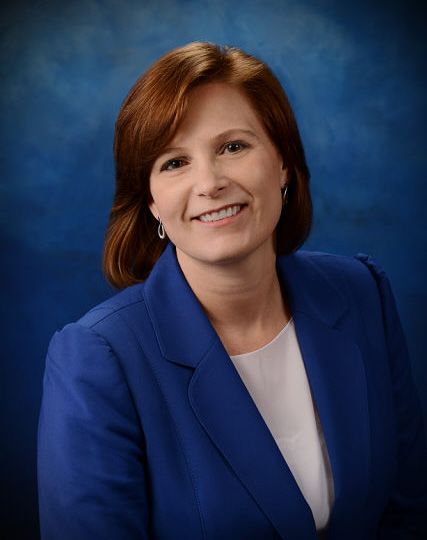
The Duncan Public School District is
committed to a tradition of excellence
in developing students to their full
potentials in an environment which fosters
responsibility, productive citizenship, and
lifelong learning.

                                              9
TIMELINE OF
PLANNING PROCESS
June 30, 2015 (BOE Approval)
PHASE I PHASE II
ENGAGE PLAN
“Who are we?” Wilson Elementary School, 6:00-7:30)
district’s learner expectations, core
beliefs, and core values “Where are we now?”
goal areas and performance objectives
The purpose of this phase is critical to the
fidelity and sustainability of public education. In this phase, the Planning Team, composed of
Phase I gained stakeholder input in determining school and community members selected by
the community’s educational objectives. This the superintendent, engaged in a collaborative
process included community forums to engage inquiry process to implement change.
stakeholders in reflective dialogue about the Team members were representative of the
purpose and process of education in a local demographics of the district with 75% of the
context. The community surveys offered a membership comprised of district leaders,
second opportunity for stakeholders to provide school principals, and teachers. The other 25%
input and ideas. Data collected from these were were students, parents, community members,
analyzed to reflect the community’s Learner and at least one school board member who
Expectations, Core Beliefs, and Core Values, followed the process and served as a liaison to
which were used throughout the strategic the local board of education. The Planning Team
planning process. Goal Areas and Performance examined and analyzed a variety of district data
Objectives developed in Phase II were aligned types and sources. At the end of the second day
to them. of planning, based on the data analysis, goal
areas were decided along with three to four
August 5, 2015 - October 15, 2015 (Community performance objectives for each goal area.
Survey open for public participation)
Community Forums/Focus Groups Planning Meetings
• September 21, 2015 (Community Forum, Simmons • November 19, 2015
Center, 6:00-7:30) • November 20, 2015
• September 22, 2015 (Elementary Teachers’ Forum,
Simmons Center 4:00-5:30)
• September 22, 2015 (Community Forum, Simmons
Center, 6:00-7:30)
• September 29, 2015 (Secondary Teachers’ Forum,
Duncan High School, 3:30-5:00)
10
• September 29, 2015 (Community Forum, WoodrowPHASE III PHASE IV
ACT ACHIEVE
“Where do we want to go?” “How do we plan
and “How will we know to get there?”
when we get there?” training of a site leadership team from
SMART performance measures, initiatives each school site in the district to develop
for each performance objective, action a site level year one plan
steps for each initiative, timeline of The district needs to be held accountable to
initiatives achieve the goals set forth by this process. This
phase will assist in this process by working with
All members of the Planning Team returned a leadership team from each school site and
for this phase. Now that goal areas and instructing them in the process of creating a Year
performance objectives were determined, One plan. To do so, teams examine the district’s
additional members, with specific expertise, strategic plan and determine how each of their
were needed and were invited to serve on the sites will address it, using their individual school
Action Team. Their first task was to make certain data to develop a Year One plan that supports
the goal areas and performance objectives the implementation of the district’s strategic
were aligned to the community’s Learner plan. An accountability flow chart will be
Expectations, Core Beliefs, and Core Values. The developed and shared.
Action Team’s mission was to simplify and focus
• June 6, 2016
these goal areas. After two days, the team had
developed action steps as well as performance
measures that were Specific, Measurable,
Attainable, Results oriented and Time Bound.
On the third day, the Action Team developed a
timeline for the five-year plan, being sure not to
place too many initiatives in any one year, not
to overload any responsible persons, and not to
create a burden on the budget for any one year.
• February 2, 2016 (Day One)
• February 3, 2016 (Day Two)
• February 19, 2016 (Edit Discussion for
DPS Leadership)
• March 1, 2016 (Day Three)
11COMMUNITIY
ENGAGEMENT
REPORT
The district’s Learner Expectations, Core Beliefs, and Core Values
were developed from the community responses to the online survey
and to the focus questions asked at the community forums. All
responses were compiled and then analyzed to represent one of
these areas. As the strategic planning committees worked through
the various stages of developing goals, objectives, initiatives,
and action steps, they paused at each level of work to check their
decisions against what the community had expressed. Alignment
to these expectations, core beliefs, and values are noted in the
Rationale Statements for each objective.
12Learner Duncan Public Schools expect the graduates of 2025 and beyond to:
Expectations • Communicate effectively
• Think creatively and critically solve problems
• Master basic content knowledge
• Set goals and manage time effectively
• Collaborate and resolve conflict
• Locate and use information
• Exhibit high character traits such as respect, responsibility, leadership,
and work ethics
• Possess consumer and financial skills
• Be prepared to enter college or a career
• Give back to their community as a productive citizen
These expectations will create life-long, independent learners who assume
leadership roles within a global society.
Core Duncan Public Schools believe that to realize their expectations for graduates,
quality teaching and learning should provide opportunities for students to:
Beliefs
• Solve real-world problems
• Practice literacy skills across content areas
• Have access to and use current technology
• Be college and career ready
• Collaborate and interact with others
• Be supported by community organizations
• Be creative
• Engage in personalized instruction that meets their needs, abilities, and
talents
• Extend their learning through enrichment, remediation, summer school,
and/or early childhood opportunities
• Provide service to their community
• Engage in learning supported by their families
This type of teaching and learning will promote student leadership and
connections across content areas as students participate in project-based
learning that is student centered and teacher facilitated.
Core To ensure quality teaching and learning, Duncan Public Schools (DPS) value:
Values
• Students who are academically prepared for college, career, and life
• A respectful and nurturing environment for parents, students, staff, and
community members
• Well-maintained buildings and grounds
• Up-to-date curriculum materials and technology
• Quality student programs that meet the diverse needs of all students
• Highly qualified teachers who care about students by engaging them in
rigorous, student-centered innovative teaching
• Small class sizes
• Adequate financial support to provide competitive salaries
• Parent and community connections/involvement
• Strong leadership
• Ongoing professional development
By upholding these values, Duncan Public Schools will put into place policies
procedures that meet or exceed those of other school districts and state and
national standards.
13STRATEGIC GOAL
SUMMARY
GOAL AREA #1
TEACHING, LEARNING AND ASSESSMENT
Objective 1: Graduate students who are college and career ready.
»» Initiative 1: ACT prep
»» Initiative 2: At-risk mentorship program
»» Initiative 3: Assessment of Duncan High School graduates
»» Initiative 4: Career-readiness testing
»» Initiative 5: End-of-course evaluation, grades 7-12
Objective 2: Increase instructional rigor/depth of knowledge.
»» Initiative 1: Personal learning pathways
»» Initiative 2: Embedded science, technology, engineering, and mathematics (STEM) activities
»» Initiative 3: Project Based Learning (PBL)
»» Initiative 4: Student data sharing process
Objective 3: Increase student achievement.
»» Initiative 1: Standards-based grading and report cards Pre-K - 12
GOAL AREA #2
STAFF QUALITY AND DEVELOPMENT
Objective 1: Support and grow high-quality teachers and staff.
»» Initiative 1: Professional development (PD) aligned to strategic plan
»» Initiative 2: Evaluation training
»» Initiative 3: Teacher develpment and recognition
»» Initiative 4: New teacher induction program
Objective 2: Recruit and retain quality teachers.
»» Initiative 1: Marketing plan to recruit new teachers
14GOAL AREA #3
SCHOOL AND COMMUNITY RELATIONS
Objective 1: Develop students’ and teachers’ abilities to demonstrate respectful behavior.
»» Initiative 1: Development of respectful behaviors
Objective 2: Develop a process to improve data collection and analysis of student behavior.
»» Initiative 1: Discipline referral consistency
Objective 3: Foster a positive climate within our school and community.
»» Initiative 1: Active stakeholder communication, participation
»» Initiative 2: Professional behavior training
»» Initiative 3: Climate Surveys
GOAL AREA #4
MATERIALS AND RESOURCES
Objective 1: Increase technology allocation.
»» Initiative 1: Student-centered technology integration
»» Initiative 2: Technology updates in elementary classrooms
»» Initiative 3: Technology updates in secondary classrooms
»» Initiative 4: Private and/or grant funding
Objective 2: Align financial budget with Strategic Plan.
»» Initiative 1: Annual budget review using a scorecard
GOAL AREA #5
BUILDINGS, FACILITIES, AND INFRASTRUCTURE
Objective 1: Provide and maintain clean, equitable, and well-repaired facilities.
»» Initiative 1: Demographic study
»» Initiative 2: Baseline cleanliness survey
Objective 2: Provide and maintain safe and secure buildings/facilities.
»» Initiative 1: Safety, security needs
»» Initiative 2: Ongoing monitoring of maintenance needs
Objective 3: Provide adequate and appropriate facilities to support student programs.
»» Initiative 1: Facility upgrades
1516
GOAL AREA #1
TEACHING, LEARNING, AND ASSESSMENT   17
GOAL AREA #1
     TEACHING, LEARNING AND ASSESSMENT
     OBJECTIVE 1                     Graduate students who are college and career ready.

                                     By graduating students who are college and career ready, we honor
                       rationale     our community’s core value of academically preparing students for
                                     college, career, and life.

             INITIATIVE 1            action steps                                                     timeline

                     ACT prep        Compare and align state content standards to ACT
                                                                                                      2016-17
                                                                                                      fall/winter/spring
                                     standards
                                                                                                      (PLC time)

                                                                                                      2016
                                     Provide targeted ACT workshops for all ACT content
                                                                                                      summer/ongoing
                                     area teachers
                                                                                                      as needed

                                                                                                      2016-21
                                     Identify ACT prep class teacher
                                                                                                      summer/annually

                                     Develop and offer ACT prep class for all 10th grade              2016-21
                                     students                                                         fall/annually

                                     The average district ACT score will meet or exceed the state average by 2021. The
          performance measure(s)
                                     current state average is 20.2.

             INITIATIVE 2            action steps                                                     timeline

          At-risk mentorship         Define goals, objectives, and protocols of multifaceted
                                                                                                      2016
                    program          mentoring program at elementary, middle school, and
                                                                                                      summer
                                     high school levels for a mentorship manual

                                                                                                      2016
                                     Identify at-risk students
                                                                                                      fall/annually
                                                                                                      2016-21
                                     Recruit teacher/staff and outside mentors
                                                                                                      annually

                                     Train mentors on goals, objectives, and protocols of             2016-21
                                     program                                                          fall/annually

                                                                                                      2016-21
                                     Match mentors and students
                                                                                                      annually

                                     Monitor and evaluate mentorship time against the goals,          2016-21
                                     objectives, and protocols of the program                         annually

                                     The graduation rate for DPS will increase to 90% or higher based on annual
            performance measure(s)
                                     measureable objectives (AMO) data by 2021.

18
GOAL AREA #1
TEACHING, LEARNING AND ASSESSMENT
OBJECTIVE 1 Graduate students who are college and career ready.
By graduating students who are college and career ready, we honor
rationale our community’s core value of academically preparing students for
college, career, and life.
INITIATIVE 3 action steps timeline
Readiness assessment Research which life skills impact college and career 2016
of Duncan High School readiness summer
(DHS) graduates for
college and career Determine how selected life skills will be measured
2016
summer
Develop a survey to determine why Duncan High School
2016
(DHS) graduates are or are not successful in college and/
summer
or careers
Host College Survival Skills Boot Camp: “College Kickoff
2016-21
Night.” Invite previous years’ graduates to come back
fall/annually
and share “What I wish I knew . . .”
Administer college success survey to previous year’s 2016-21
graduates. fall/annually
College remediation rate of DHS graduates will decrease from 40.9%
performance measure(s)
(Office of Educational Quality and Accountability district profile) to 25% by 2021.
19GOAL AREA #1
TEACHING, LEARNING AND ASSESSMENT
OBJECTIVE 1 Graduate students who are college and career ready.
By graduating students who are college and career ready, we honor
rationale our community’s core value of academically preparing students for
college, career, and life.
INITIATIVE 4 action steps timeline
Career-readiness testing Research and determine which career readiness tests 2016
meet our needs and costs summer
In collaboration with Duncan Area Economic
Development Foundation (DAEDF), communicate 2016-21
and offer information to all juniors and their parents/ fall/annually
guardians regarding career-readiness assessment
2016-21
Schedule student testing
fall/annually
2017-21
Review test results with students and parents/guardians
spring/annually
Work with assessed students to develop a personalized 2017-21
career pathway fall/annually
All DHS juniors will be provided the opportunity to take a career-readiness
performance measure(s)
assessment by 2021.
20GOAL AREA #1
TEACHING, LEARNING AND ASSESSMENT
OBJECTIVE 1 Graduate students who are college and career ready.
By graduating students who are college and career ready, we honor
rationale our community’s core value of academically preparing students for
college, career, and life.
INITIATIVE 5 action steps timeline
End-of-course evaluation, 2016
Define core* subject/class
grades 7-12 summer
Train building principals and leadership on how to 2016
develop high-quality assessments summer
Communicate and gain understanding/investment with
2017-18
Duncan Middle School (DMS) and DHS teachers
Train teachers to develop high-quality assessments 2017-19
Develop high-quality assessments in professional
learning communities (PLC) by subject area (project, 2017-19
exams, presentation, capstone, etc.)
Monitor and evaluate quality of comprehensive
2017-21
assessments
All core subjects in grades 7-12 will have a comprehensive evaluation (project/
exam/presentation) by 2021.
performance measure(s)
*Core to be defined by DPS by subject/class and measured/tracked by each school
administrator.
21GOAL AREA #1
TEACHING, LEARNING AND ASSESSMENT
OBJECTIVE 2 Increase instructional rigor/depth of knowledge.
By increasing instructional rigor, we meet our community’s core
rationale learner expectation by having students who think creatively and
critically to solve problems.
INITIATIVE 1 action steps timeline
Personal learning Review current course schedule of Advanced Placement 2016
pathways (AP) course slots/hours summer
2016-21
Train teachers in AP instructional strategies
summer
2016-18
Survey students on possible additional AP courses
spring
Communicate/promote importance of AP courses to 2016-21
parents/students spring/fall
2016-21
Increase AP course offerings/sections at DHS
spring/summer
2016-21
Expand blended learning opportunities for students
fall
2016
Visit model blended learning schools for best practices
spring/fall
Provide training for teachers on blended learning
2017-18
strategies
Determine current number of students in concurrent 2016
enrollment spring
Develop personal learning pathway information packets 2016
for students and parents spring/summer
Promote personal learning pathways at DHS enrollment 2016
night spring/fall
DPS student participation in personal learning pathways (AP courses, concurrent
performance measure(s)
courses, blended learning) will be 100% by 2021.
22GOAL AREA #1
TEACHING, LEARNING AND ASSESSMENT
OBJECTIVE 2 Increase instructional rigor/depth of knowledge.
By increasing instructional rigor, we meet our community’s core
rationale learner expectation by having students who think creatively and
critically to solve problems.
INITIATIVE 2 action steps timeline
Embedded science,
technology, engineering Define STEM criteria for each grade level
2016-2017
fall/winter/spring
and mathematics
(STEM) activities
2017
Identify current STEM curriculum at each grade level
spring
Create STEM curriculum at each grade level, aligned to
2017-2021
Oklahoma Academic Standards
2016
fall (train
trainers)
Train teachers in STEM-related strategies
2017
spring (train
teachers)
Purchase materials and resources to support STEM
annually
instruction
2018-19
Implement STEM strategies into curriculum units
annually
Develop a process to monitor and evaluate integration of
2017-18
STEM criteria
By the year 2021, the number of STEM programs offered by DPS will increase
performance measure(s)
from 8 to 12.
23GOAL AREA #1
TEACHING, LEARNING AND ASSESSMENT
OBJECTIVE 2 Increase instructional rigor/depth of knowledge.
By increasing instructional rigor, we meet our community’s core
rationale learner expectation by having students who think creatively and
critically to solve problems.
INITIATIVE 3 action steps timeline
Project-based Learning 2016
(PBL) fall (train
trainers)
Train all teachers in PBL instructional strategies
2017
spring (train
teachers)
2018
Use PLC structures to develop PBL projects/activities
fall/annually
2017
Identify and purchase PBL materials
spring/annually
2017-18
Integrate PBL strategies into curriculum units
spring/annually
2018
Develop a process to monitor and evaluate PBL project
develop/evaluate
activities and integration
annually
By 2021, core curriculum classes (Pre-K - 12th grade) will complete at least two
performance measure(s)
PBL objectives per course annually.
INITIATIVE 4 action steps timeline
Student data Develop a district-wide list of at-risk student indicators to
sharing process guide data collection for all sites.
Develop protocol for when and how student data will be
collected and reviewed regularly at each building site to
ensure effectiveness of RTI (Response To Intervention).
Develop protocol for when and how student data will be
shared with receiving building (ie: from elementary to
middle school and from middle school to high school)
DPS student participation in personal learning pathways (AP courses,
performance measure(s)
concurrent courses, blended learning) will be 100% by 2021.
24GOAL AREA #1
TEACHING, LEARNING AND ASSESSMENT
OBJECTIVE 3 Increase student achievement.
By increasing student achievement, we honor our community’s
rationale core learner expectations for students to master basic content
knowledge.
INITIATIVE 1 action steps timeline
Standards-based Pilot standards - based grading and report cards at
grading and report cards Horace Mann Elementary grades Pre-K through 5th
Pre-K - 12th grade in 2016-17:
• Train teachers 2016-17
• Develop report card Fall/Winter/
• Educate parents, students, school board Spring
• Implement fall 2016-17
• Reflect/debrief
• Repeat for each level of implementation
Implement district-wide grades Pre-K through 5th grade 2017-18
in 2017-2018 School year
2017-18
Implement 6th and 9th grades 2017-18
School year
2018-19
Implement 7th and 10th grades 2018-19
School year
2019-20
Implement 8th, 11th, and 12th grades 2019-2020
School year
By 2021:
85% of all 3rd grade reading students will score proficient or above.
85% of all 5th grade reading students will score proficient or above.
95% of all 8th grade reading students will score proficient or above.
80% of all 3rd grade math students will score proficient or above.
85% of all 5th grade math students will score proficient or above.
performance measure(s)
70% of all 8th grade math students will score proficient or above.
95% of all English II EOI students will score proficient or above.
95% of all English III EOI students will score proficient or above.
95% of all Geometry EOI students will score proficient or above.
88% of all Algebra I EOI students will score proficient or above.
95% of all Algebra II EOI students will score proficient or above.
25GOAL AREA #1
TEACHING, LEARNING AND ASSESSMENT
TIMELINE OF PROJECTED BENCHMARK PERFORMANCE MEASURES
OBJECTIVES performance measures baseline 2017-18 2018-19 2019-20 2020-21
The average district ACT score will meet or exceed
20.2 20.4 20.6 20.8 21
the state average by 2021.
The graduation rate for DPS will increase to 90%
80 82 84 86 90
or higher (based or AMO data) by 2020.
College remediation rate of DHS graduates will
decrease from 40.9% (OEQA district profile) to 40.9 36 33 28 25
Graduate students
25%.
who are college
and career ready All DHS juniors will take a career readiness
0 100 100 100 100
assessment by 2021.
All core subjects in grades 7-12 will have a
comprehensive evaluation (project/exam/ 0 85 90 95 100
presentation) by 2020.
By the year 2021, the number of STEM programs
8 9 10 11 12
offered by DPS will increase from 8 to 12.
Increase By the year 2021, core curriculum classes (Pre-
instructional K-12th grade) will complete at least two PBL 0 1 1 2 2
rigor/depth of objectives per course annually.
knowledge DPS student participation in personal learning
pathways (AP courses, concurrent courses, TBD 100
blended learning) will be 100% by 2021.
By 2021, 85% of all 3rd grade reading students
64 70 73 77 85
will score proficient or above.
By 2021, 85% of all 5th grade reading students will
60 70 73 77 85
score proficient or above.
By 2021, 95% of all 8th grade reading students will
65 75 85 90 95
score proficient or above.
By 2021, 80% of all 3rd grade math students will
65 70 73 76 80
score proficient or above.
By 2021, 85% of all 5th grade math students will
74 77 80 83 85
score proficient or above.
Increase Student By 2021, 70% of all 8th grade math students will
35 50 60 65 70
Achievement score proficient or above.
By 2021, 95% of all English II EOI students will
84 88 90 93 95
score proficient or above.
By 2021, 95% of all English III EOI students will
90 92 93 94 95
score proficient or above.
By 2021, 95% of all Geometry EOI students will
77 80 85 90 95
score proficient or above.
By 2021, 88% of all Algebra I EOI students will
68 75 80 85 88
score proficient or above.
By 2021, 95% of all Algebra II EOI students will
78 80 85 90 95
score proficient or above.
26GOAL AREA #2 STAFF QUALITY AND DEVELOPMENT 27
GOAL AREA #2
     STAFF QUALITY AND DEVELOPMENT

     OBJECTIVE 1                   Support and grow high-quality teachers and staff.

                                   When we support, grow, and retain highly qualified teachers and
                                   staff who are engaged in rigorous, student-centered innovative
                       rationale   teaching methods, we honor learner expectations by creating
                                   students who communicate, think creatively, master content and
                                   use high character traits to solve real-world problems.

             INITIATIVE 1          action steps                                                      timeline

                professional       Develop yearly PD plan aligned to strategic goals and             2016-21
           development (PD)        objectives for each year                                          summer/annually
                  aligned to                                                                         2016-21
              strategic plan       Communicate district PD plan with building principals             summer and fall/
                                                                                                     annually
                                                                                                     2016-21
                                   Develop and present aligned PD                                    summer PLCs /
                                                                                                     annually

                                   By 2021, 100% of all PD will be focused on strategic planning objectives in addition
          performance measure(s)
                                   to mandated training.

             INITIATIVE 2          action steps                                                      timeline

          Evaluation training
                                   Provide training/review for all evaluators on the
                                                                                                     2016-21
                                   evaluation tool and process, based upon their needs
                                                                                                     fall/annually
                                   (new vs. veteran)

                                   Provide training/review for all teachers on the
                                                                                                     2016-21
                                   evaluation tool and process, based upon their needs
                                                                                                     fall/annually
                                   (new vs. veteran)

                                                                                                     2016
                                                                                                     April (create)
                                   Create and administer a survey to evaluate understanding
                                   of the evaluation tool and process                                2016
                                                                                                     May (administer
                                                                                                     annually)

                                   According to an annual survey, 90% of staff will express an understanding of the
          performance measure(s)
                                   teacher evaluation process and tools.

28
GOAL AREA #2
STAFF QUALITY AND DEVELOPMENT
OBJECTIVE 1 Support and grow high-quality teachers and staff.
When we support, grow, and retain highly qualified teachers and
staff who are engaged in rigorous, student-centered innovative
rationale teaching methods, we honor learner expectations by creating
students who communicate, think creatively, master content and
use exemplary character traits to solve real-world problems.
INITIATIVE 3 action steps timeline
Teacher Develop criteria for recognition of “teachers who make a
2017
development and difference” at elementary, middle school, and high school
spring
levels
recognition
Promote the research and benefits of advanced
2017-21
placement (AP) Institute course training to increase
spring/annually
content rigor for all secondary classes
Advertise availability of AP Institute training courses 2017-21
annually summer/annually
Promote the research and benefits of higher-order
thinking skills, project-based learning (PBL), and 2017-21
interdisciplinary lessons to increase content rigor for all summer/annually
classes
Attend training for rigorous instruction (AP course
training for secondary teachers and targeted training 2017 - 2021
for others).
Monitor attendance through dimension 17 of the
professional growth domain of Teacher and Leader 2017-2021
Effectiveness (TLE)
2016-17
develop
Develop a recognition program for teachers attending
rigorous instructional training 2016-21
implement
annually
Training in critical thinking, collaboration, and student-centered learning
performance measure(s)
strategies will be attended by 100% of DPS teachers by 2021.
29GOAL AREA #2
STAFF QUALITY AND DEVELOPMENT
OBJECTIVE 1 Support and grow high-quality teachers and staff.
When we support, grow, and retain highly qualified teachers and
staff who are engaged in rigorous, student-centered innovative
rationale teaching methods, we honor learner expectations by creating
students who communicate, think creatively, master content and
use high character traits to solve real-world problems.
INITIATIVE 4 action steps timeline
New teacher Research model teacher mentor/induction programs at 2016-17
induction program other state and nation-wide schools fall
Adopt/Develop a Teacher Induction Program 2017-18
2017-21
Select and train mentor teachers
annually
Implement the program based upon individual teacher 2018-19
pathways to learning annually
Evaluate the program based on model criteria 2019-2021
Use professional learning communities (PLCs) to grow
2016-2021
and support teacher needs
Participation in a district teacher induction program will be 100% for teachers
performance measure(s)
with 3 or fewer years of teaching experience.
30GOAL AREA #2
STAFF QUALITY AND DEVELOPMENT
OBJECTIVE 2 Recruit and retain quality teachers.
When we recruit highly qualified teachers, we honor our community
rationale values and beliefs of providing competitive salaries, providing
innovative teaching strategies and having strong leadership.
INITIATIVE 1 action steps timeline
Marketing plan
2016-17
Decide WHAT to promote about the district and town.
fall
Decide WAYS to promote the district and town in
2017-18
collaboration with various community partnerships
Develop a dedicated teacher recruitment campaign for 2017-21
colleges of education annually
DPS will retain 90% of certified staff by 2021.
performance measure(s)
Develop recruiting relationships with education departments at 100% of the
4-year colleges and universities in Oklahoma by 2021.
31GOAL AREA #2
STAFF QUALITY AND DEVELOPMENT
TIMELINE OF PROJECTED BENCHMARK PERFORMANCE MEASURES
OBJECTIVES performance measures baseline 2017-18 2018-19 2019-20 2020-21
By 2021, 100% of PD will be focused on
0 36 48 54 100
Strategic Planning Objectives.
According to an annual survey, 90% of staff will
express an understanding of the evaluation TBA 90
Support and process and tools.
grow high
quality teachers
Training in critical thinking, collaboration, and
and staff
student-centered learning strategies will be 0 25 50 75 100
attended by 100% of DPS teachers by 2021.
Participation in a district teacher induction
program will be 100% for teachers with 3 or 0 45 70 90 100
fewer years of teaching experience.
DPS will retain 90% of certified staff by 2021. TBD 40 50 80 90
Recruit and
retain quality
Develop recruiting relationships with education
teachers
departments at 100% of the 4-year colleges and TBD 40 50 75 100
universities in Oklahoma by 2021.
32GOAL AREA #3 SCHOOL AND COMMUNITY RELATIONS 33
GOAL AREA #3
     SCHOOL AND COMMUNITY RELATIONS
                                   Develop students’ and teachers’ abilities to demonstrate
     OBJECTIVE 1                   respectful behavior.

                                   If we develop students’ and teachers’ abilities to demonstrate
                                   respectful behavior, we honor our community’s core expectation
                       rationale
                                   of exhibiting high character traits such as respect, responsibility,
                                   leadership, and work ethics.

             INITIATIVE 1          action steps                                                        timeline

              Development of       Conduct an analysis of data related to disrespect to
          respectful behavior      determine who (is it a specific group of students?), why            2016
                                   (is it a lack of supervision?), where (is it in classroom,          fall
                                   hallways, or outside?)

                                   Investigate possible research-based character education
                                   programs, curriculum, or interventions for students
                                   and faculty across all grade levels that address how to             2016
                                   develop mutual respect and reduce conflict for district             fall
                                   recommendation (mentoring, advisory/homeroom
                                   programs, school-wide enrichment, etc.)

                                   Select a program that is consistent or congruent across
                                   grade levels and buildings that equip students and                  2017
                                   teachers with strategies to develop mutual respect and/or           spring
                                   reduce conflict

                                   Implement the chosen program(s) to develop mutual
                                                                                                       2017-21
                                   respect and/or reduce conflict

                                   Develop and/or revise current district programs that
                                                                                                       2017-21
                                   recognize positive behaviors in students and staff

                                   By 2021, DPS discipline referrals for “defiance of authority” will decrease to less
                                   than or equal to 15%, as measured through Infinite Campus.
                                   By 2021, DPS discipline referrals for “physical conflict (mutual fighting)” will
          performance measure(s)
                                   decrease to less than or equal to 10%, as measured through Infinite Campus.
                                   By 2021, DPS discipline referrals for “verbal conflict” will decrease to less than or
                                   equal to 10%, as measured through Infinite Campus.

34
GOAL AREA #3
SCHOOL AND COMMUNITY RELATIONS
Develop a process to improve data collection and analysis of
OBJECTIVE 2 student behaviors.
If we develop a process to improve data collection and analysis of
student behaviors, we honor our community’s values of providing
rationale
a respectful and nurturing environment for parents, students, staff,
and community members.
INITIATIVE 1 action steps timeline
Discipline referral
Streamline office discipline referral categories on 2016
consistency
Infinite Campus summer
Train staff to determine consistent interpretation of
2016
disrespectful behavior categories: defiance of authority,
fall
verbal conflict, mutual fighting, and physical conflict.
By 2021, DPS discipline referrals for “defiance of authority” will decrease to less
than or equal to 15%, as measured through Infinite Campus.
By 2021, DPS discipline referrals for “physical conflict (mutual fighting)” will
performance measure(s)
decrease to less than or equal to 10%, as measured through Infinite Campus.
By 2021, DPS discipline referrals for “verbal conflict” will decrease to less than or
equal to 10%, as measured through Infinite Campus.
35GOAL AREA #3
SCHOOL AND COMMUNITY RELATIONS
OBJECTIVE 3 Foster a positive climate within our school and community.
If we foster a positive climate within our school and community,
we honor our community’s core value of providing a respectful and
rationale
nurturing environment for parents, students, staff and community
members.
INITIATIVE 1 action steps timeline
Active stakeholder
Provide a kiosk at all sites that is connected to a printer
communication, for parent use to check grades, volunteering needs, and
2016
fall
participation surveys
2016
Develop or adopt a climate survey
summer
2016
Survey parents to identify areas of concern
fall/annually
2016-21
Communicate survey results to building principals
annually
Develop and implement plan of action at site level to 2016-21
address areas of concern identified by survey annually
Develop and post/share a district-wide list of volunteer 2016-17
opportunities for parents/community fall/winter
Track number of parent/community volunteer hours in 2016-21
school sites annually
By 2021, 80% of parents surveyed will respond that they feel a connection/
performance measure(s)
involvement with their child’s school.
36GOAL AREA #3
SCHOOL AND COMMUNITY RELATIONS
OBJECTIVE 3 Foster a positive climate within our school and community.
If we foster a positive climate within our school and community,
we honor our community’s core value of providing a respectful and
rationale
nurturing environment for parents, students, staff and community
members.
INITIATIVE 2 action steps timeline
Personnel professional 2016
Develop a professional behaviors handbook
behavior training Fall
2016
Develop job descriptions for all support staff
Fall
Provide training on positive professional behaviors for
2017-18
all staff
Provide cross training for site clerks 2017-18
By 2021, 80% of survey respondents will state they feel the climate of the school is
positive.
performance measure(s)
By 2021, 95% of DPS parents, community, and stakeholders surveyed will respond
that they feel welcomed when entering any DPS building.
37OBJECTIVE 3 Foster a positive climate within our school and community.
If we foster a positive climate within our school and community,
we honor our community’s core value of providing a respectful and
rationale
nurturing environment for parents, students, staff and community
members.
INITIATIVE 3 action steps timeline
Climate surveys
2016
Research school/community climate surveys
summer
Adopt or develop a climate survey for students, staff, and 2016
parents summer
2016
Determine time and frequency for survey administration.
summer
2016
Administer the survey
fall/annually
2016-17
Analyze and communicate results of survey fall/winter/
annually
Make changes in school processes based on survey 2017-21
analysis annually
By 2021, 80% of parents surveyed will respond that they feel a connection/
involved with their child’s school.
By 2021, DPS will have 80% or greater of a climate survey respondents state that
performance measure(s)
they feel the climate of the school is positive.
By 2021, 95% of DPS parents, community, and stakeholders surveyed will respond
that they feel welcomed when entering any DPS building.
3839
GOAL AREA #3
        SCHOOL AND COMMUNITY RELATIONS
                                           TIMELINE OF PROJECTED BENCHMARK PERFORMANCE MEASURES

 OBJECTIVES            performance measures                                 baseline   2017-18   2018-19 2019-20 2020-21

                       By 2021, DPS discipline referrals for “defiance of
                       authority” will decrease to less than or equal to     TBD                                   15
                       15%, as measured through Infinite Campus.
         Develop
    students’ and      By 2021, DPS discipline referrals for “physical
 teachers’ ability     conflict (mutual fighting)” will decrease to less
                                                                             TBD                                   10
  to demonstrate       than or equal to 10%, as measured through
       respectful      Infinite Campus.
        behavior
                       By 2021, DPS discipline referrals for “verbal
                       conflict” will decrease to less than or equal to      TBD                                   10
                       10%, as measured through Infinite Campus.

                       By 2021, DPS discipline referrals for “defiance of
                       authority” will decrease to less than or equal to     TBD                                   15
                       15%, as measured through Infinite Campus.
          Develop a
         process to
                       By 2021, DPS discipline referrals for “physical
      improve data
                       conflict (mutual fighting)” will decrease to less
     collection and                                                          TBD                                   10
                       than or equal to 10%, as measured through
         analysis of
                       Infinite Campus.
            student
          behaviors
                       By 2021, DPS discipline referrals for “verbal
                       conflict” will decrease to less than or equal to      TBD                                   10
                       10%, as measured through Infinite Campus.

                       By 2021, 80% of parents surveyed will respond
                       that they feel a connection/involved with their       TBD                                   80
                       child’s school.

 Foster a positive
                       By 2021, DPS will have 80% or greater of a
   climate within
                       climate survey respondents state that they feel       TBD                                   80
  our school and
                       the climate of the school is positive.
      community
                       By 2021, 95% of DPS parents, community, and
                       stakeholders surveyed will respond that they          TBD                                   95
                       feel welcomed when entering any DPS building.

40
GOAL AREA #4 MATERIALS AND RESOURCES 41
GOAL AREA #4
     MATERIALS AND RESOURCES
     OBJECTIVE 1                   Increase technology allocation.

                                   If we increase our technology allocation, we will honor
                       rationale   our community’s core values of access to and use of
                                   current technology.

             INITIATIVE 1          action steps                                                  timeline

            Student-centered       Develop grade-level teams to investigate innovative           2016
       technology integration      technologies                                                  fall

                                                                                                 2016
                                   Visit other schools to research technology options
                                                                                                 fall

                                   Recommend innovative technology aligned to
                                                                                                 2016
                                   International Society for Technology in Education (ISTE)
                                                                                                 fall
                                   student standards

                                   Develop incremental plan for purchasing and deployment        2016
                                   of equipment and training of teachers                         fall

                                   Research specs and costs including management,
                                                                                                 2017-18
                                   licenses, and insurance

                                   Solicit lease/purchase bids and choose a vendor that
                                                                                                 2017-18
                                   meets identified specs

                                   Procure lease/purchase contracts                              2017-18

                                                                                                 2016-21
                                   Train teachers on operation of equipment, ISTE                fall (train
                                   standards, and authentic integration of technology            trainer)/annually
                                                                                                 train all teachers

                                   Deploy equipment based on plan                                2017-18

                                   Integrate ISTE student standards into standards-based         2018-21
                                   report card                                                   annually

                                   Provide 100% of classrooms with equitable up-to-date technology to support
          performance measure(s)
                                   innovative, student-centered learning by 2021.

42
GOAL AREA #4
MATERIALS AND RESOURCES
OBJECTIVE 1 Increase technology allocation.
If we increase our technology allocation, we will honor
rationale our community’s core values of access to and use of
current technology.
INITIATIVE 2 action steps timeline
Technology updates in
elementary classrooms Visit schools to research technology integration.
2016
fall
Develop, administer, and analyze surveys to determine 2016
classroom technology needs fall
Repair/replace inadequate components of current Smart
2017-18
technology
Provide equitable technology for all classrooms 2017-18
Provide professional development through collaborative 2016-21
training (sharing best practices) fall/annually
Provide 100% of classrooms with equitable up-to-date technology to support
performance measure(s)
innovative, student-centered learning by 2021.
43GOAL AREA #4
MATERIALS AND RESOURCES
OBJECTIVE 1 Increase technology allocation
If we increase our technology allocation we will honor
rationale our community’s core values of access to and use of
current technology.
INITIATIVE 3 action steps timeline
Technology updates in 2016
Visit other schools to research technology integration
secondary classrooms spring
Research specs and costs including management, license, 2016
and insurance summer
Solicit lease/purchase bids and choose vendor that 2016
meets specs. summer
2016
Acquire contracts for lease/purchase
summer
Deployment plan:
• Schedule 2016
summer
• Delivery
• Installation
Provide 100% of classrooms with equitable up-to-date technology to support
performance measure(s)
innovative, student-centered learning by 2021.
INITIATIVE 4 action steps timeline
Private and/or 2016
Research and list possible sources of grant funding
grant funding fall
Share list of funding sources/grants through email and 2016-2021
principal meetings fall
2016-2021
Submit grant applications
fall
Seek alternative funding to supplement identified deficits in district’s
performance measure(s)
commitment to support strategic goal area objectives each year.
44GOAL AREA #4
MATERIALS AND RESOURCES
Align financial budget with
OBJECTIVE 2
Continuous Strategic Improvement Plan
If we align financial budget with the Strategic Plan we honor our
rationale
community’s core value of adequate financial support.
INITIATIVE 1 action steps timeline
Annual budget review
Develop strategic plan funding template
2016
based upon requested funding area by
summer
goal area objectives
2016-2021
Analyze available funds
summer
2016-2021
Allocate funds by goal areas
summer
2016-2021
Communicate to public
fall
Align the financial budget to support 100% of goal area objectives as
performance measure(s)
identified by the Board of Education by 2021.
45GOAL AREA #4
MATERIALS AND RESOURCES
TIMELINE OF PROJECTED BENCHMARK PERFORMANCE MEASURES
OBJECTIVES performance measures baseline 2017-18 2018-19 2019-20 2020-21
Provide 100% of classrooms with
equitable up-to-date technology to
TBD 100
support innovative, student-centered
Increase learning by 2021.
technology
allocation Seek alternative funding to supplement
identified deficits in district’s
commitment to support strategic goal
area objectives each year.
Align financial
budget with Align the financial budget to support
Continuous 100% of goal area objectives as
TBD 100
Strategic identified by the Board of Education by
Improvement 2021.
Plan
46GOAL AREA #5 BUILDINGS, FACILITIES, AND INFRASTRUCTURE 47
GOAL AREA #5
     BUILDINGS, FACILITIES, AND INFRASTRUCTURE
                                   Provide and maintain clean, equitable, and
     OBJECTIVE 1                   well-repaired facilities.

                                   By providing and maintaining clean, equitable, and well-repaired
                       rationale   facilities, we honor our community’s core value providing well-
                                   maintained buildings and grounds.

             INITIATIVE 1          action steps                                                      timeline

          Demographic study
                                   Collect and analyze enrollment data for each site to
                                                                                                     2016-17
                                   establish a baseline

                                   Analyze data                                                      2016-17

                                   Report to team and set baseline                                   2016-17

                                   Report results to community                                       2016-17

                                   Investigate the need of housing transportation and
                                   maintenance at one central site to increase efficiency of         2016-17
                                   addressing facilities issues

                                   By 2021, 100% of school facilities will meet or exceed state safety standards for
          performance measure(s)   building capacity to support a student teacher ratio of 22:1, based on district
                                   enrollment.

48
GOAL AREA #5
BUILDINGS, FACILITIES, AND INFRASTRUCTURE
Provide and maintain clean, equitable, and
OBJECTIVE 1 well-repaired facilities.
By providing and maintaining clean, equitable, and well-repaired
rationale facilities, we honor our community’s core value providing well-
maintained buildings and grounds.
INITIATIVE 2 action steps timeline
Baseline cleanliness
Develop and administer school cleanliness survey to 2016-21
survey
students and staff spring/annually
2016-21
Analyze survey data
spring/annually
2016-21
Meet to discuss data results and set new initiatives
spring/annually
By 2021, 75% of students and staff will show satisfaction in school cleanliness and
performance measure(s)
safety standards, based on results of a building and maintenance survey.
49GOAL AREA #5
BUILDINGS, FACILITIES, AND INFRASTRUCTURE
OBJECTIVE 2 Provide and maintain safe and secure building/facilities.
By providing and maintaining safe and secure buildings and
rationale facilities, we honor our community’s core value of having well
maintained buildings and grounds.
INITIATIVE 1 action steps timeline
Safety needs assessment
Develop or adopt an instrument to assess safety needs 2016-2021
of sites annually
Evaluate each site for specific safety and security needs 2016-2021
and formulate a report for the team and community annually
2016-2021
Report findings to team and community
annually
Determine initiative to address identified needs
By 2021, 100% of facilities will be safe and secure, based on quarterly safety
performance measure(s)
reports.
50GOAL AREA #5
BUILDINGS, FACILITIES, AND INFRASTRUCTURE
OBJECTIVE 2 Provide and maintain safe and secure building/facilities.
By providing and maintaining safe and secure buildings and
rationale facilities, we honor our community’s core value of having well
maintained buildings and grounds.
INITIATIVE 2 action steps timeline
Ongoing monitoring of
maintenance needs Set meeting time to discuss areas of concern, formulate a 2016-21
completion schedule, discuss budgetary concerns summer/annually
Monitor completion schedule to ensure project stays on 2016-21
track summer/annually
Provide updates to stakeholders 2016-21
summer/annuallys
By 2021, 100% of facilities will be safe and secure, based on quarterly safety
performance measure(s)
reports.
51GOAL AREA #5
BUILDINGS, FACILITIES, AND INFRASTRUCTURE
Provide adequate and appropriate facilities to support
OBJECTIVE 3 student programs.
When we provide and maintain safe and secure buildings and
rationale facilities, we honor our community’s core value of providing well
maintained buildings and grounds.
INITIATIVE 1 action steps timeline
Facility upgrades
Create and administer survey/needs assessment for 2017-18
academic and extra-curricular groups at each school site annually
2017-18
Analyze needs assessment
ongoing
2016-21
Set meeting to discuss additional initiatives
fall/annually
By 2021, 100% of DPS buildings will operate at optimal capacity based on student
performance measure(s)
enrollment vs. square footage equation.
52GOAL AREA #5 TIMELINE OF PROJECTED BENCHMARK PERFORMANCE MEASURES
BUILDINGS, FACILITIES, AND INFRASTRUCTURE
OBJECTIVES performance measures baseline 2017-18 2018-19 2019-20 2020-21
By 2021, 100% of school facilities will meet
or exceed state safety standards for building
TBD 100
Provide and capacity to support a student teacher ratio of
maintain clean, 22:1, based on district enrollment.
equitable, and
well-repaired By 2021, 75% of students and staff will show
facilites. satisfaction in school cleanliness and safety
TBD 75
standards based on building and maintenance
survey.
Provide and
maintain safe
By 2021, 100% of facilities will be safe and
and secure 80 90 95 98 100
secure, based on quarterly safety reports.
buildings/
facilities.
Provide
adequate and
By 2021, 100% of DPS buildings will operate at
appropriate
optimal capacity based on student enrollment TBD 100
facilities to
vs. square footage equation.
support student
programs.
53FIVE YEAR TIMELINE OF INITIATIVES
2 01 6 - 2 017 2 017- 2 018 2 018 - 2 019
Personal learning
pathways for students
ACT prep, Mentorship for at-risk students,
assessment of DHS graduates, Career
readiness testing, Comprehensive evaluation
of course alignment with standards
GOAL AREA #1
Embedded STEM activities,
Project-based learning,
Standards-based grading
and report cards
PD alignment to strategic plan
Teacher development and recognition
GOAL AREA #2
Evaluation training, Marketing plan,
New teacher induction
Discipline referral consistency,
Active stakeholder communication
and participation, climate surveys
GOAL AREA #3
Development of respectful behavior,
Professional behavior training
Technology updates in Technology updates in
secondary classrooms elementary classrooms
GOAL AREA #4
private and/or grant
Annual budget review funding research
Demographic study,
Monitor maintenance needs,
Facility upgrades
GOAL AREA #5
Baseline cleanliness survey,
Safety needs assessment
54 SPRING SUMMER FALL WINTER SPRING SUMMER FALL WINTER SPRING SUMMER- 2 019 2 019 - 2 0 2 0 2020-2021
Student-centered
technology integration
MER FALL WINTER SPRING SUMMER FALL WINTER SPRING SUMMER FALL WINTER
55SPRINGACKNOWLEDGEMENTS
The Oklahoma State School Board Association (OSSBA) and the
K20 Center for Educational and Community Renewal recognizes
the Duncan Public School District, Board of Education and
members of the Central Office Leadership in this endeavor
to determine a path for continuous strategic improvement.
Through this stakeholder-driven process, a five-year strategic
plan, directly aligned to the community’s core values, core
beliefs, and learner expectations, has been developed to provide
guidance for Duncan Public Schools’ decision making and actions
in the coming years. We also would like to acknowledge the
dedication of the Planning Team and Action Team members who
contributed their time, expertise, experience, and enthusiasm to
the development of the Duncan Public School District Strategic
Plan. Their engagement in this process mirrors the community’s
investment in education and commitment to student
achievement.
We appreciated the opportunity to work with Duncan Public
School District.
56Shawn Hime
Executive Director
shawnh@ossba.org
Ann Caine, Ed.D.
Director of Education Leadership
annc@ossba.org
Stephanie Hyder
Director of Strategic Initiatives and Executive Search Services
stephanieh@ossba.org
Leslie Williams, Ph.D.
Director
lesliew@ou.edu
Sharon Dean
Associate Director, College and Career Readiness
sdean@ou.edu
Sharon Wilbur, Ph.D.
Associate Director, Leadership
swilbur@ou.edu
57You can also read


